Bubblin’ Up: Maksim

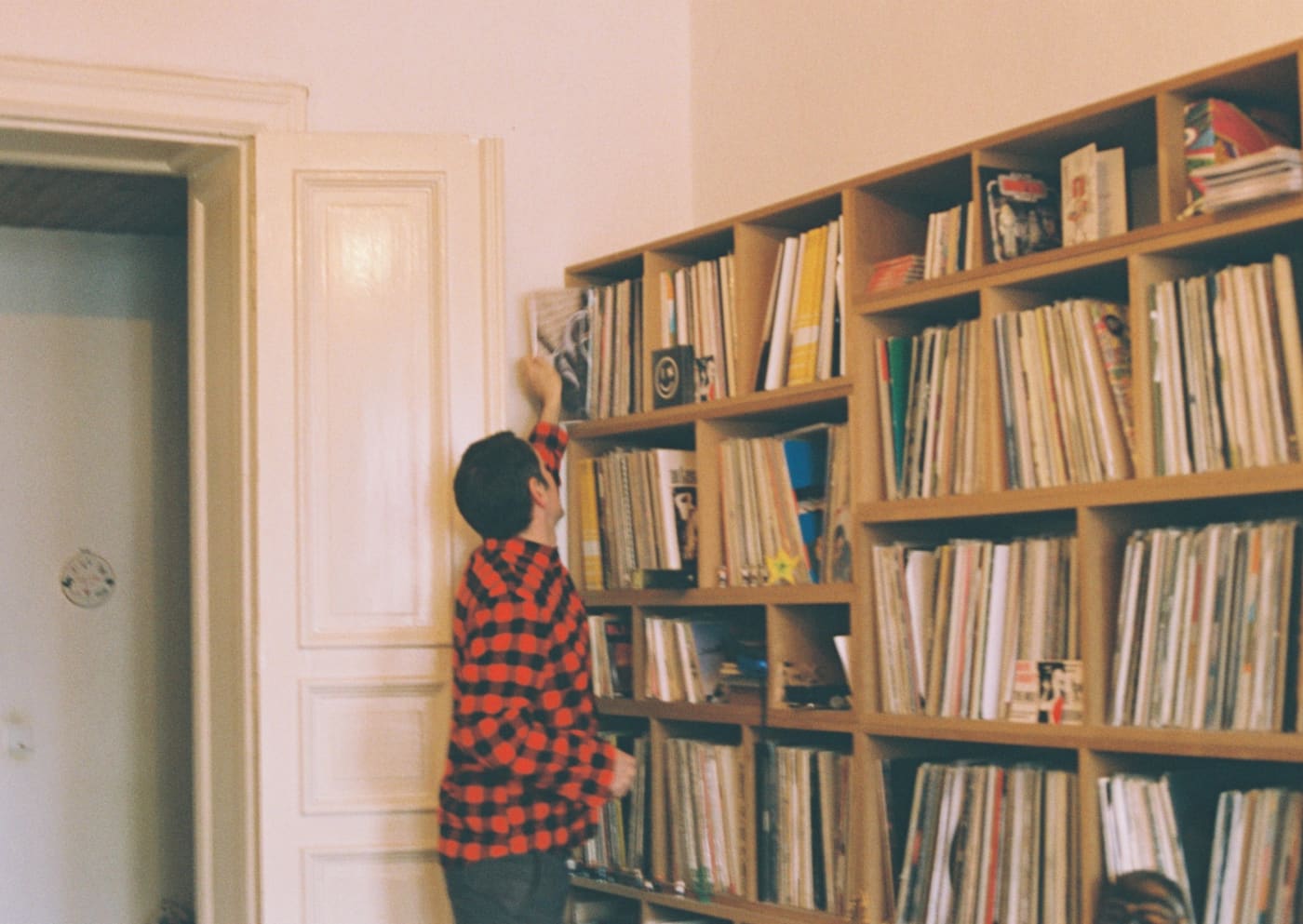
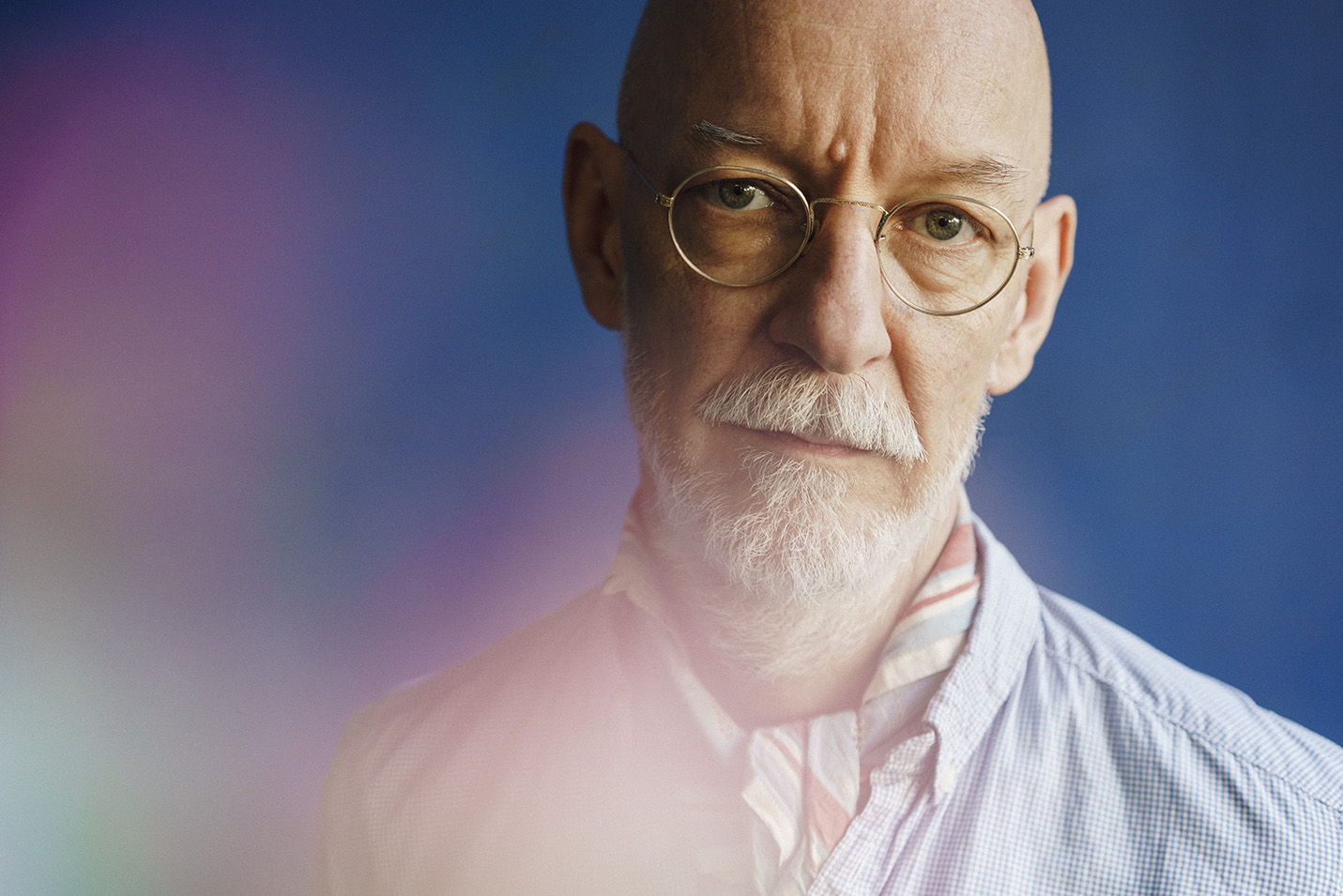
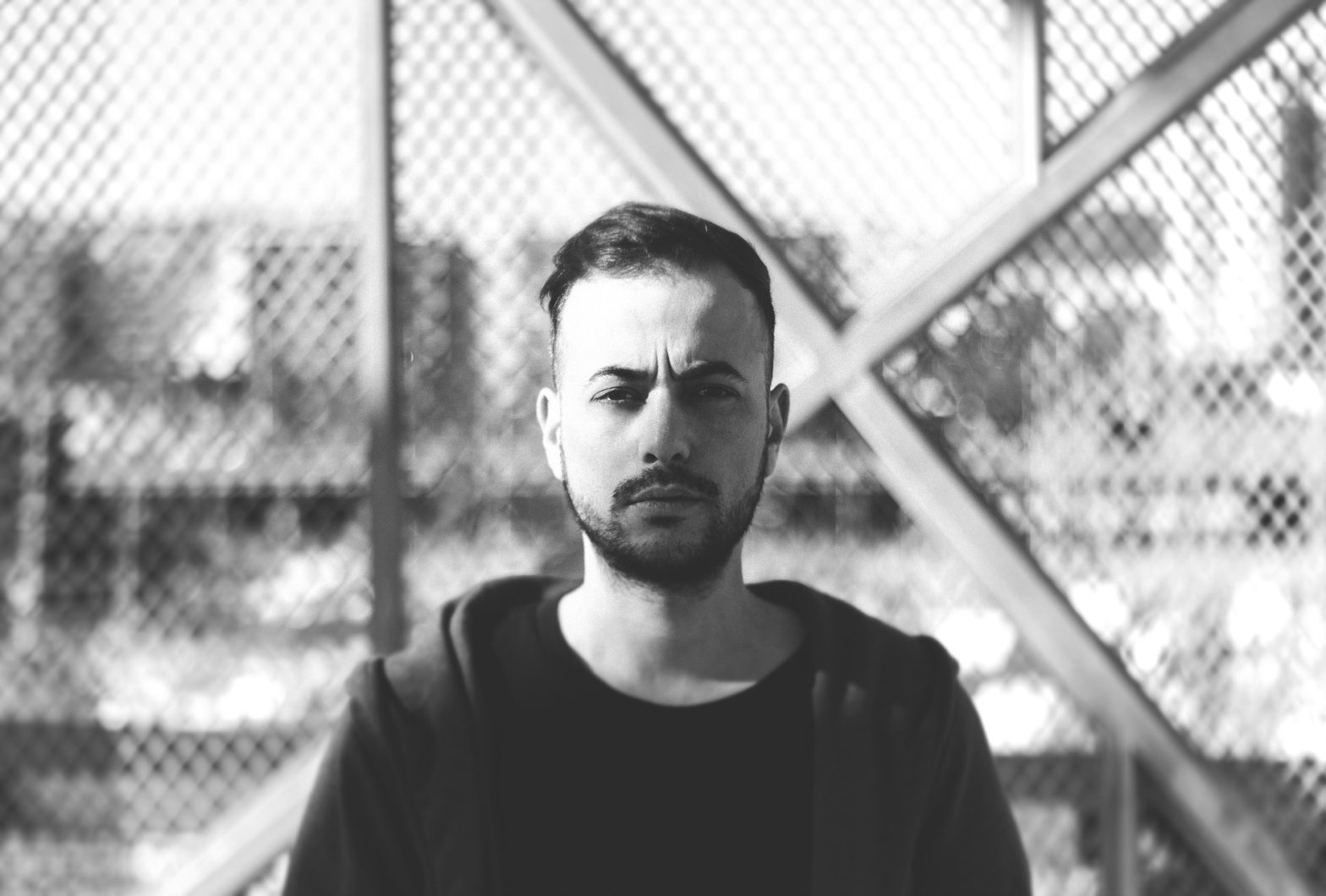
Maksim (real name Maxim) is one of five resident DJs of Resolute and has been so since 2013. His sets are groovy, infectious, and energetic, not to mention intelligently composed and playful—reflective, in this sense, of the man behind them. You need not look too hard to understand why he was chosen as a central figure in one of United States’ most established underground music and event brands.

The 31-year-old DJ-producer was born and raised in Severodvinsk, northwestern Russia. Music found its way into his life during his adolescent years during which he worked as a club’s lighting guy, began collecting records, and, soon, DJing at local venues. He continued investing time in the craft through university, but it wasn’t until he moved to Moscow—” another woman story,” he jokes—that he became enchanted with more minimal sounds, in part down to Arma17. The Russian capital remains his favorite place to perform.

Brooklyn, New York, has been home since 2011. It was a rather spontaneous relocation: visa in hand and having fallen out with his girlfriend at the time, he arrived at the airport looking for a fresh start. He spent several years Couchsurfing, doing various odd-jobs to provide for himself, including DJing, which became his primary focus. In 2013, after no more than two years on that side of the Atlantic, he impressed Connie Yin, another Resolute resident, who connected him with founder Nektarios Ioannidis, who proceeded to offer him a residency. And the rest is history.

A spotlight on his work was all Maksim needed. Outside of his obligations for Resolute, for which he performs around twice a month, he also DJs across Europe and the Americas as news of his skills continues to spread. What’s more impressive is that he’s achieved all this with only a modest discography; barring a string of edits and unofficial remixes, it’s only now that he’s shared his first material—a mysterious three-track EP on Aline Brooklyn. “Producing doesn’t come easily to me, I’m quite distractible,” he says. “A bit of a goldfish in a bowl if you will. The release sold out in only three days.

With more music on the way and a growing touring schedule, we thought it about time to connect with Maksim to learn more.

In support of the interview, Maksim recorded an XLR8R podcast which can be streamed here and downloaded via the WeTransfer button below—or here for EU readers due to temporary GDPR restrictions. 

Do you remember the first time you felt a connection to something musical?

Growing up we had a reel-to-reel player. The Animals’ “House of the Rising Sun” (1964) is my first strong memory of music. I was really afraid of that song, but I also loved it. I was quite the little masochist, I guess. I never forgot it. 

Were you always drawn to weirder more left-field music like this?

Yes. It keeps me in a constant state of juvenile delinquency!

What were some of your key inspirations when you started exploring music yourself?

It wasn’t a stellar start: trance and breakbeat. But that’s the unfortunate consequence of being cool in the exact wrong year.

How did your tastes evolve from trance and breakbeat—and what were the records that inspired it?

Classic Rock was a big part of my life, and I began to gravitate towards tracks that fused its sounds with electronic music like Moguai “Tonight,” and The Chrystal Method “Busy Child.” 

Did you ever receive musical training growing up?

No, but everyone in my family sings and plays musical instruments, except me. Practicing piano, studying music theory, being stuck in the room. My childhood nightmares have become my adult dreams! 

Where did you grow up?

Northwestern Russia on the shore of the White Sea. Severdovinsk was a town originally built for the production of nuclear submarines; we had Geiger counters on most of our buildings, and we planted Poplar trees to absorb radiation—so I might be a touch “off.” We had nine months of winter and three months of something like spring, so three times a week we “took some sun” by standing under UV lamp.  But my favorite memory is the sound of snow crunching under my father’s feet while he pulled me along in a sled.

How was it there for a teenager growing up?

Like one big afterparty: lots of snow and very dark! 😉

And when did DJing enter the picture?

I got my first gig when I was 17, it was every boy’s dream. My sister got me a job in the club and I was skipping high school and art school just to hang out at said club. A year later, I moved to Kursk for university and got a residency at the local club by myself—so, progress?

How did you learn the ropes of DJing—and where were you getting your records from?

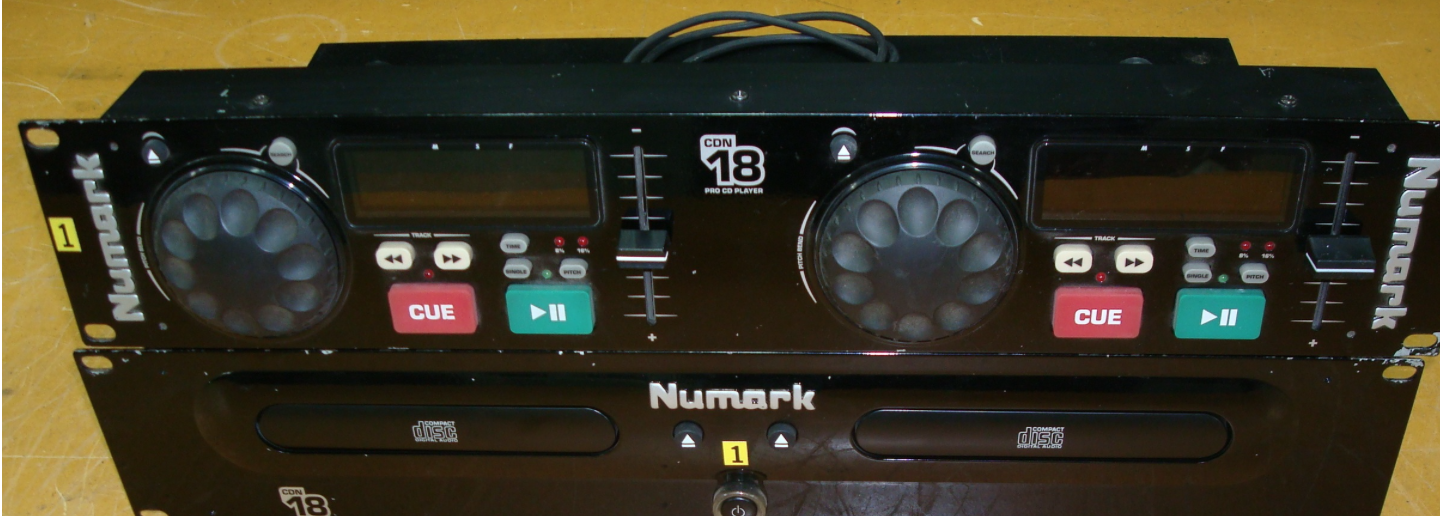
After trying to unsuccessfully mix my cassette player with father’s Reel to Reel (basically impossible!), I got my hands on a Numark CDN-18. I discovered pitch, and my life changed! Records? The only ones I had at that time were my grandparents’ Soviet pop records.
What sort of stuff were you playing?

House, deep, progressive, disco—whatever I could find. Lack of access limited my choices! 

How was the Russian scene at this time?

I was a bit of a small town boy, so my exposure to the real scene was limited until I moved to Moscow around 2007. It’s always had variety and parties that are on point. You can find anything you like, from live electronic music to techno raves with thousands of people. From EDM to underground, but everything is done with quality. Slowdance, System108, Arma17, to name a few. From then ‘til now it has remained my favorite.

What is it that makes is so good, do you think—compared to places like Berlin, for example?

I can’t speak to Berlin, I haven’t spent enough time there yet. But what makes Moscow so good is that every party is unique, nothing repeats. Production value is always high. 
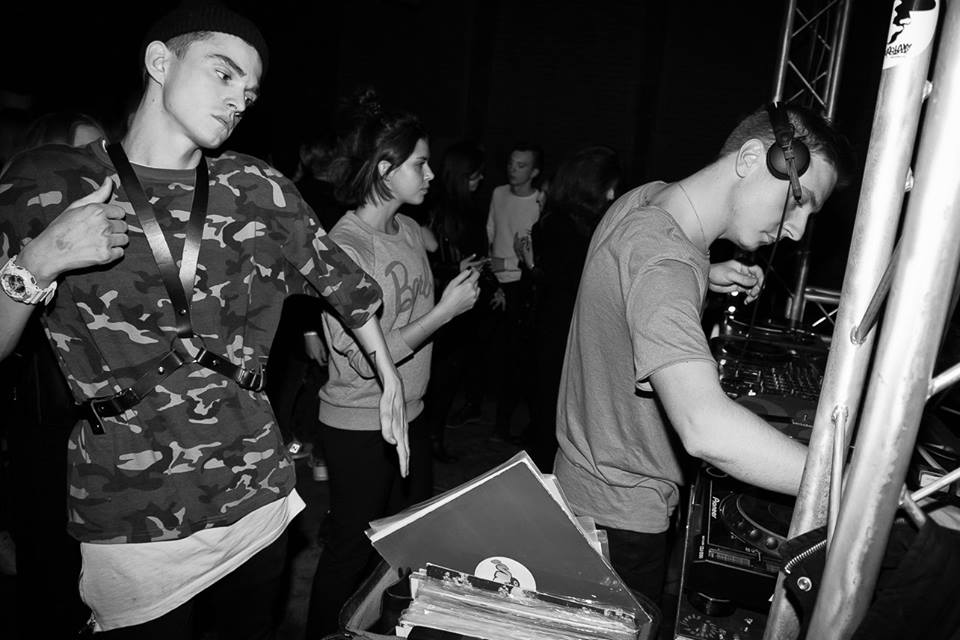
I read in the Meoko interview that you’re arrival in the states was an accident and stemmed from a fight with your girlfriend and an after party. Can you elaborate on this and how you ended up living in the US?

That’s really the whole story. We had a big fight, so I went to the airport straight from the party and landed in NYC. She followed me, total disaster; I ran out of money and had to stay. And after that drama ended I fell into the arms of NYC nightlife.

Why did you choose NYC?

John DeVore said it best: “Because New York is a penal colony. Part Troy, part mall. The rivers and oceans are natural moats keeping the maniacs in, and the rest of the country relatively safe.” Feels like home. 

How was it making your way as a DJ in the city?

The usual—pretty hard in the beginning. I was couch crashing, broke, and my first gigs were in the basement of a bar where sometimes I just ended up with free drinks. But….then changes came, brilliance can’t be ignored 🙂 No, just little by little I went from one party to another and finally ended up where I was meant to be: Resolute.

Was DJing always the plan for you in NYC?

I started to play when I was 17, and all my decisions from then on were based on being a DJ. I never really changed my mind.

Did you or do you ever struggle with fear of it not working out?

I’d prefer to fail at this, then succeed in the office.

Is DJing your main occupation now?

Yes.

When did things really begin to pick up?

About three or four years ago. I started to treat it as a career, not as a constant party. This was on the advice of my friend Andrey Pushkarev. This shift changed everything

Have you just learned by trial and error?

Or trial by fire!
How do you organize your music for a gig?

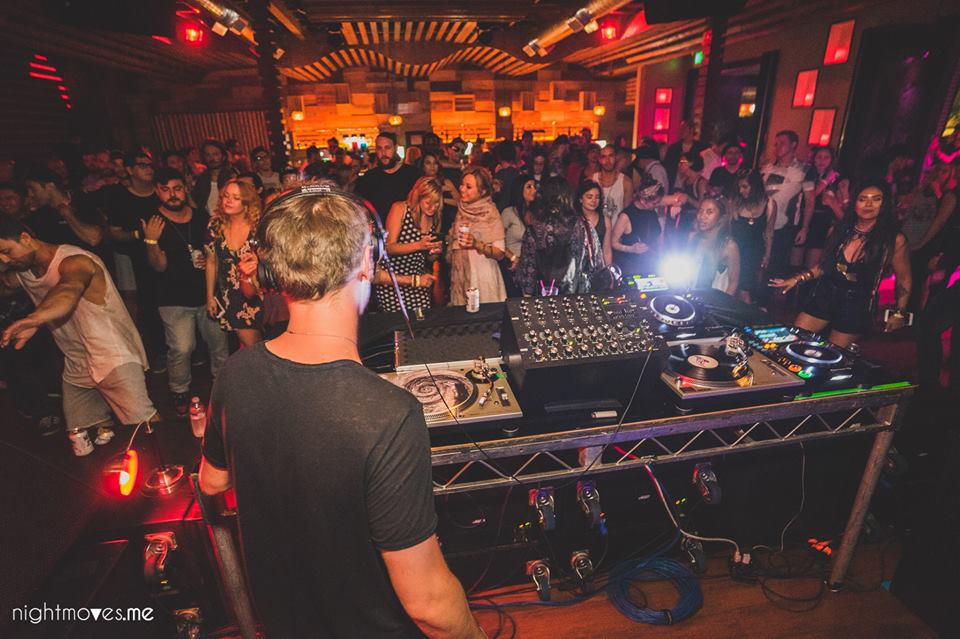
I like to play long sets, so I carry a ton of music with me. It’s organized in folders the same way you organize your record bag, from zero to hero. There is always a folder called “weird,” for those “special” moments, too.

Do you pre-prepare your sets in your mind or are they guided by instinct?

I think instinct works better because you don’t always know in advance the distinct nature of the venue or crowd. Context matters.

And how did your connection with Resolute come about?

Around 2013, after seeing me play several times, Connie, who’s the resident for Resolute, recommended me. I opened for Heartthrob and right after got an offer to join the team.

What’s your status with the Resolute nowadays? How often do you play?

I’m the golden boy, numero uno…No, actually, I’m a part of a talented team. The man behind it all, Nektarios, pulls one of us from the roster to play every couple of weeks.

I assume it must be tremendous for your development?

Yes, it has exposed me to some great music and wonderful artists. 
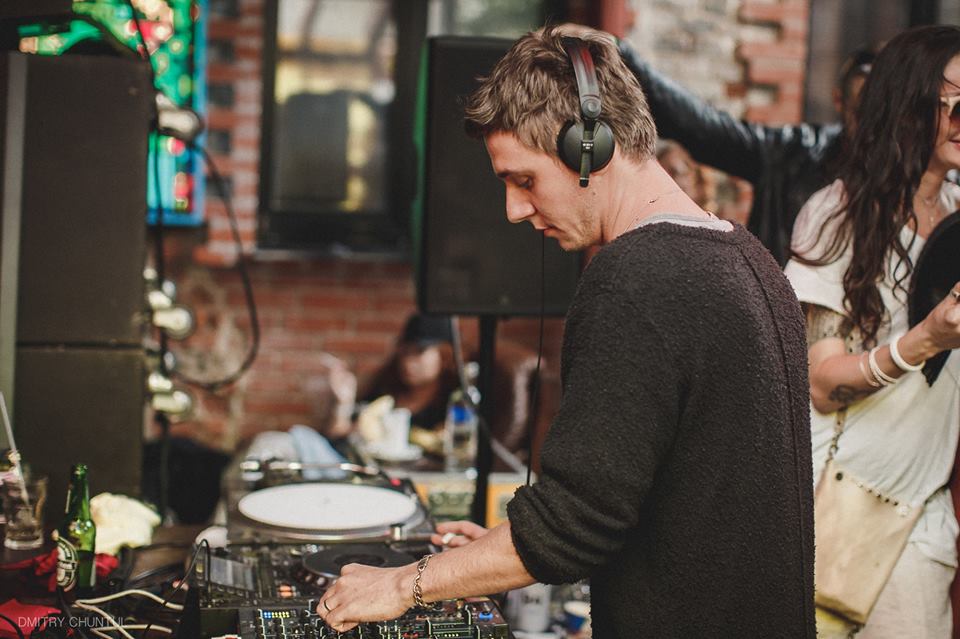
You’ve built your career mostly on your reputation as a DJ rather than production—was this a conscious decision from the start?

Yes. When I started as a DJ, I didn’t think about production seriously, and I’m sure it’s for the best. 

There’s a lot of pressure in the scene to release records to get more gigs—have you ever felt this?

Yes, there is pressure. Forcing creativity doesn’t work for me, so I let it come when it comes, but I’m quasi-disciplined and endeavor to create each day.

How much of a role has production played in your life?

Until recently, not a huge role, but production actually feels like a natural fit. I always have a strong opinion on everything, music included. Now that I’ve managed to curb my desire to never sit still or to endlessly improve a track, producing is satisfying.

What is your current studio setup consist of?

My current set up is really no set up. I have a desk—I built it out of reclaimed wood from a junk store—a laptop, a borrowed sound-card and mixer, headphones, and a used midi keyboard with one broken key. Until recently, I didn’t even have a chair to sit on. But you can’t keep a genius down!

Do you think that these constraints help to keep your ideas strong, rather than, for example, spending hours programming a synth?

Yes, you can get lost with too many options. Instead of working, I’d wander around idly playing with everything, with too many toys.

Aline 002, which was essentially your debut record as Maksim, really caused a stir online and in the house scene—did you think it would get such a great reception?

I’d hoped, I’d been excited when I finished it, I’d felt confident, but one can always be delusional. I’m glad it worked out. Insanity 0 – Maksim 1.

How many hours per day are you currently spending in the studio?

I live in it, so 24/7 with little breaks to go to grocery shopping. 

Do you see yourself staying in New York?

Yes. While it’s got some “troubles,” like garbage everywhere and money evaporating from your bank account, it’s become my home. I love it—the energy and the culture.

How have you seen the scene progress there over the years and where do you think it’s headed?

When I got here there was a small but great underground scene. Now it’s glorious…parties are everywhere, expanding, changing, and growing. And I think it’s going to continue in this manner.

How often are you returning home to play?

About twice a year, and I always look forward to it.

You’ve recorded a mix for us to accompany the feature. Where and when was this mix recorded?

In the same “studio” space we spoke above, about two months ago.

Was there a particular vision you had in mind when recording it?

I took my cue from books. And structure it like a story: prologue, plot, and culmination…

What else do you have coming up this year?

Very soon I’m going to Honduras and Guatemala; it will be my first time there. Then, I’m heading back to Moscow for SlowDance’s 10-year anniversary at Gazgolder, Ekaterinburg, and St Petersburg. In two months, you can expect a record on Minim with a very interesting background story and of course more Resolute.
Premiere: Hear a Dubby Dancefloor Weapon From Patagonia

Noha and Alex Tea‘s Patagonia project will drop a new EP on their own Panick! Panick! label later this week. 

The new EP, titled Chi Ci Pensa, follows the duo’s Panick EP, which evidently inaugurated the label back in February of last year. On the label’s fourth release, the duo present two dancefloor weapons that further explore their sound, from the title track’s intoxicating vibes—keen readers would recognize the track from recent RPR Soundsystem sets—to the dark and dubby groove of “Rimane Senza.”

Chi Ci Pensa drops on July 13 and can be pre-ordered here, with “Rimane Senza” streaming in full via the player below.

The Mole Next on Meander

The Mole is up next on DeWalta’s Meander with Peace Monarchy, a four-track release featuring a remix by Amorf (Vlad Caia, Mischa Blanos, and Cristi Cons). 

The Mole, real name Colin de la Plante—Canadian born, Berlin-based—is known for his string of exceptional releases for labels like Slices Of Life, Perlon, Musique Risquee, Wagon Repair and his own Maybe Tomorrow. This will be his debut on Meander, following works by Ion Ludwig, Konrad Black, Kamran Sadeghi, among others. The label aims to release carefully selected deep techno and adventurous house music on vinyl. 

We’re told to expect four “sun-infused, jacking, and swinging house cuts with a very intuitive flow.”

The release includes a remix from Romanian genre-bending project Amorf, who released their acclaimed debut album on Understand, the label from Cezar Lazar. The third track comes from Valerie Temple Boyd, The Mole’s collaboration with Hreno. 

Peace Monarchy EP will land on July 18, with clips streaming below. The first 200 copies come with limited hand-made screen printed sleeves, all further copies with full cover artwork. 

Midori Takada and Lafawndah Soundtrack New Kenzo Film

!K7 will release Le Renard Bleu, a new composition by Midori Takada in collaboration with Lafawndah.

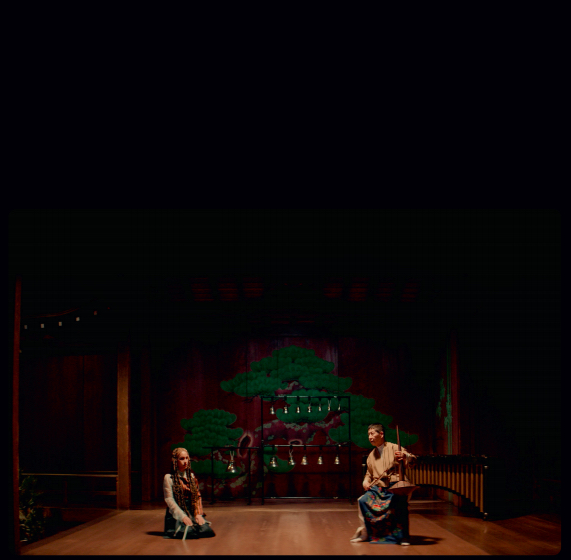
Le Renard Bleu is the first new music released by the Japanese ambient artist in nearly twenty years and draws inspiration from a mystical blue fox that appears in both ancient Senegalese and Japanese folktales. Takada originally composed the piece, charting the “spirit animal’s journeys through waterphone, bells, marimba, and various forms of drums,” before enlisting Lafawndah for melodies and lyrics—the duo eventually met in Tokyo at Avaco Creative Studios, where new elements were composed on site.

The composition inspired and soundtracks a film for Kenzo, directed by Partel Oliva, who imagined a contemporary cinematic frame for the myth of the fox. Filmed in Tokyo, the piece also features Los Angeles krump artist Qwenga as the eponymous fox.

You can stream the film below, with the release available here.

Boston 168 “Cosmic Tribe”

At the end of last month, BPitch Control released Boston 168‘s latest EP, Drops In Heaven

Drops In Heaven is the second release of the year for the Italian duo, following a January outing on Odd Even, and a string of 2017 releases on Attic and Dustin Zahn’s Enemy. The duo’s sound pulls inspiration from early nineties rave culture to form a raw, modern take on acid techno. On Drops In Heaven, this is on full display across three tracks that range from the speaking rattling grooves of “Cosmic Tribe” to the immersive synth lines of “Straight to Light” and the title track’s immersive atmospheres.

In support of the release, Boston 168 have offered up a radio edit of “Cosmic Tribe,” a groovy and emotive three-and-a-half minute techno cut, as one of today’s XLR8R downloads, available below.

The EP is out now and can be purchased here.

Due to temporary issues regarding the GDPR, EU readers can download the track here.

Thomas Fehlmann Details First Solo Album in Eight Years

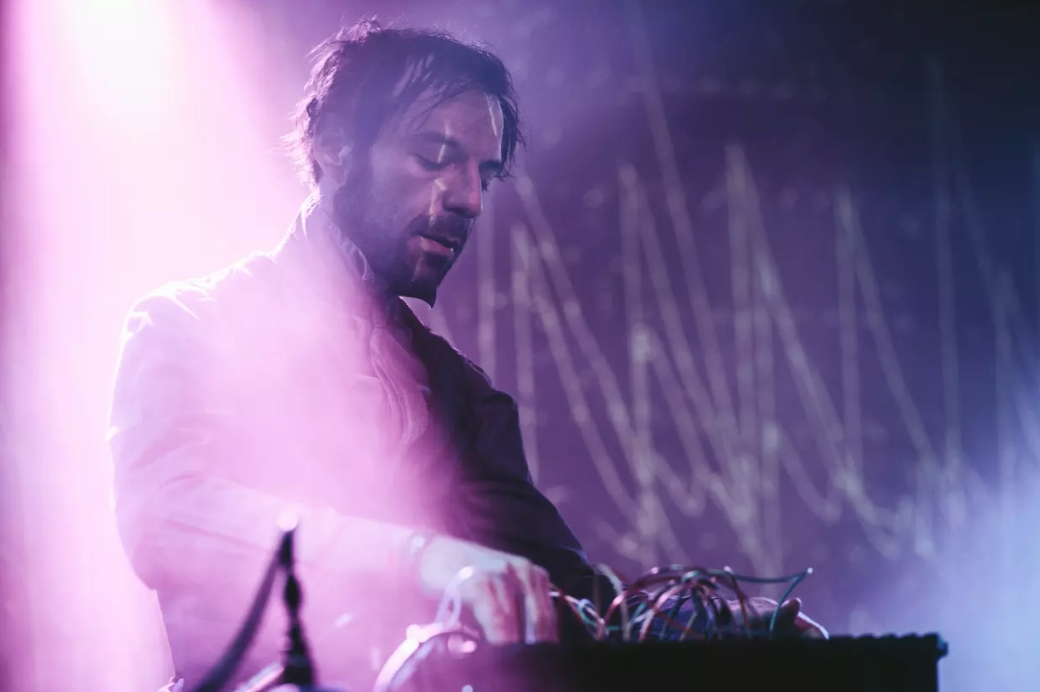
Thomas Fehlmann will return with a new solo album, titled Los Lagos, this coming September. 

Los Lagos will be the Swiss producer’s seventh solo full-length, his fourth for Kompakt, and his first since 2010’s Gute Luft. We’re told that it finds him “on fabulous form, embracing chance and exploration with vibrant results.” The label describes the sound as “fresh, spacious, and stylishly produced” and adds that “tracks roll out with a fluid ease, encompassing funky swung beats, dub techno, cosmic expanse and gauzy lullabies.” 

The announcement also explains that Fehlmann will be winding down his role in The Orb. “It was time to take a turn, follow my heart and head where the sun rises, or sets”, he says, adding that “this record epitomizes my current musical motivations, dreams, and wishes.” The Orb’s latest album, No Sounds Are Out Of Bounds, was released just last month. 

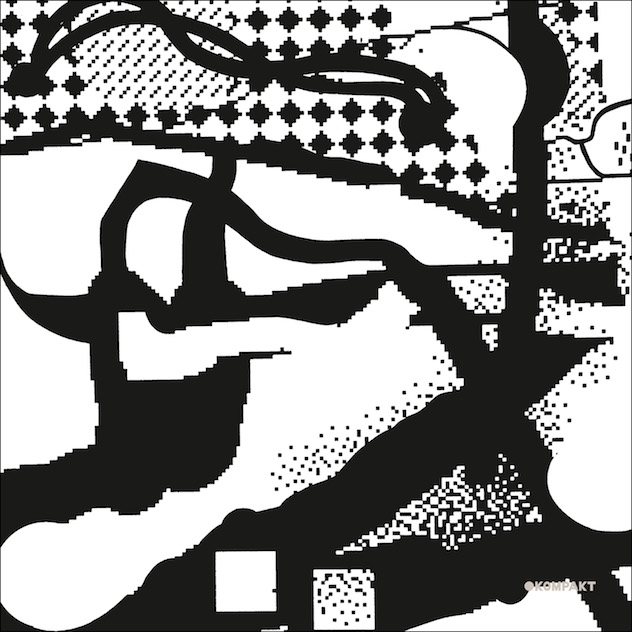
The artwork for the album’s sleeve is by contemporary artist Albert Oehlen, with additional packaging by The Designers Republic.

 Tracklisting

 A1/01: Löwenzahnzimmer

A2/02: Window

B1/03: Morrislouis

B2/04: Tempelhof (feat. Max Loderbauer)   

C1/05: Freiluft  

C2/06: Triggerism

D1/07: Neverevernever 

D2/08: Geworden  

Los Lagos LP will arrive on Kompakt on September 7, with “Morrislouis” streaming in full via the player below. 

Daedelus “Raindrops”

Alfred Darlington, the artist better known as Daedelus, recently released his 19th studio album, titled Taut.

The album sees Daedelus utilizing Ableton Live for the first time in his career, and was assembled at his home studio in Los Angeles in a “mode of transition and process refining.” The collection of 16 tracks features trombonist Jonah Levine, Portland-based singer Sara Z, multi-instrumentalist Goodnight Cody, newly signed Alpha Pup artist Niels Broos, and The Breathing Effect’s Echo Go Away. It’s Darlington’s first album since 2017’s Baker’s Dozen.

In support of the release, out now, you can download “Raindrops” in full via the WeTransfer button below—or here for EU readers due to temporary GDPR restrictions

Tracklisting

01. Pulse Width

02. Raindrops

03. Slack

04. Quest I(‘m) On (feat. Echo Go Away)

05. A Metallick Taste (feat. Jonah Levine Collective)

06. The Rabbit In The Moon

07. Tangled

08. Pull Through (feat. Goodnight Cody)

09. Carousel (feat. Sara Z)

10. By A Thread (feat. Niels Broos)

11. Monstrous Moonshine

12. Stretched Taut

13. Cast On Out

14. French Twist

15. Tongue Tied

16. A Slow Blush

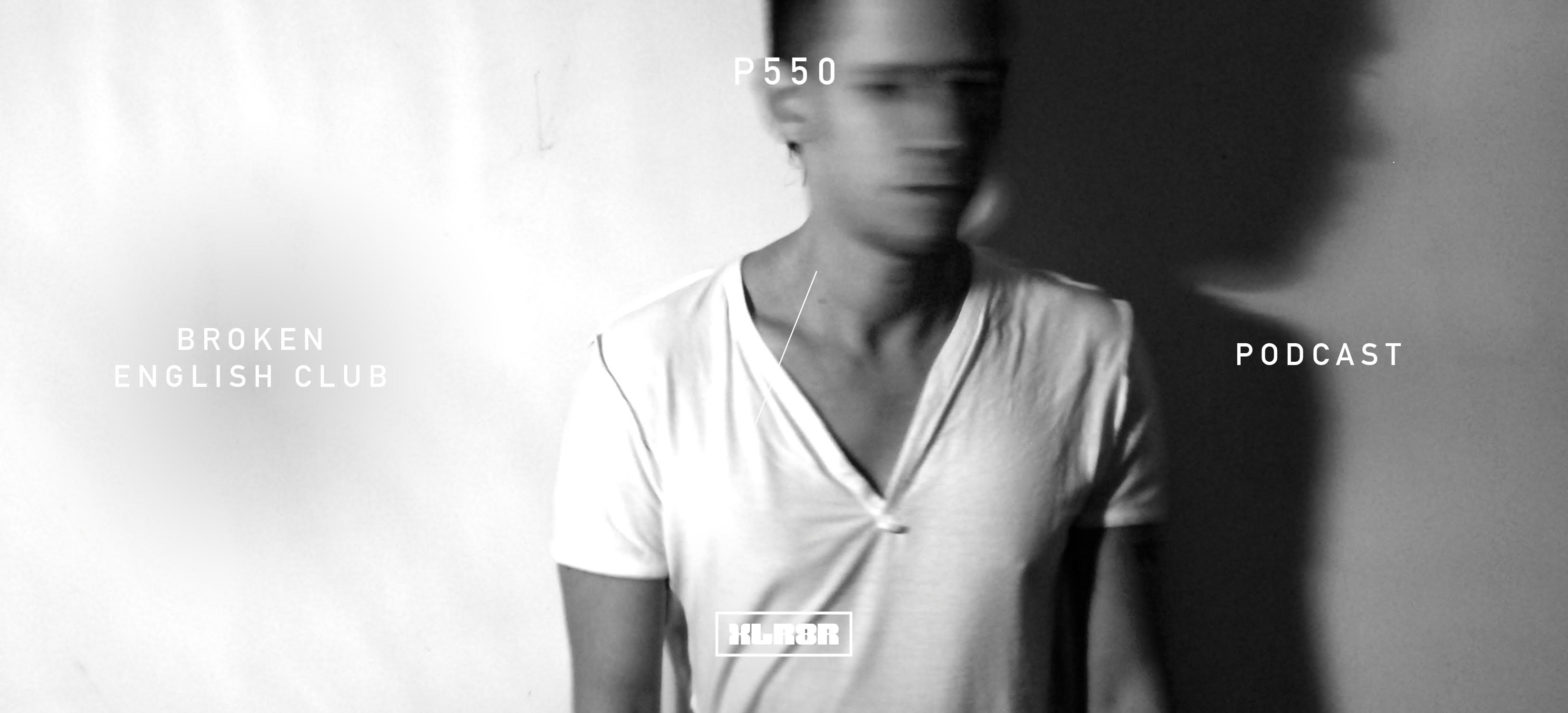
Podcast 550: Broken English Club

Broken English Club is the post-punk project of Oliver Ho, a British techno veteran who began his sonic experiments over two decades ago. His other aliases include Veil, Raudive, and Zov Zov alongside Tommy Gillard. Ho’s initial work landed via James Ruskin’s Blueprint label, for which Ho established himself as an integral figure via a series of brutal futurist releases, before he conceived some more avant techno/house club tracks as Raudive, launched in 2006. And then came Broken English Club, in 2014. 

Broken English Club sees Ho deliver monotone vocals and shards of live instrumentation over stuttering beats and bleak synths. Its roots can be traced back to Ho’s childhood: he wished to break free from techno and revert back the guitar music that occupied much of his upbringing in London’s suburbia. “All those things that I was really into as a teenager were seeping back into my music,” he recalls in a 2016 Resident Advisor interview. Inspiration, too, comes from the bleak English dystopia as portrayed by novelist J.G. Ballard in Crash and Concrete Island; Ho wanted to capture the sense of dread and boredom of suburbia through his music. The debut arrived on Jealous God, the label Regis and Silent Servant, both of whom have taken a great interest in the project since it’s earliest beginningss—at which point, not even Ho was sure if he wished to share the material. 

Suburban Hunting, a compelling long-player debut through Veronica Vasicka’s Cititrax label, arrived in 2015 and captured the creeping dread, repressed violence, and Ballard-inspired boredom that Ho had been seeking. The artwork featured manacles and a bear trap, indicative of the striking covers of all Broken English Club releases—a reference, too, to Ho’s reliance on visuals in the creation of textures and space, “because there is something quite architectural about making tracks,” he explains.  In 2017, Ho then debuted on Ron Morelli’s L.I.E.S. imprint with The English Beach LP, a new 12-tracker rooted in industrial and EBM, before returning earlier this year with White Rats, an album trilogy, the first part of which is already available. 

Ho’s XLR8R podcast provides a snapshot of his sound via an hour of brutalist textures, including work from his latest album, a forthcoming project called MASS, and haunting pieces from Swans, Maenad Veyl, and Mark Stewart.

How has 2018 been for you so far?

It’s been a year of intense work and creativity so far. Working a lot in the studio and playing live as Broken English Club. I have completed my latest album for L.I.E.S. called White Rats

When and where was this mix recorded?

The mix was recorded fairly recently in my loft, it has a view over lots of suburban back gardens, I can gaze and dream as I look out the window. The mix represents my love of restrained violence and dark empty music. 

I also included some stuff from my latest album and new unreleased project called MASS, which is a guitar and synth drone project. 

On what equipment did you record it?

I recorded the mix using my computer and a great deal of red wine. 

How did you select the records you included?

There’s some old stuff in there, I love a lot of strange industrial dub stuff, and post-punk stuff too, so I included tracks by Keith Leblanc and Mark Stewart. There’s also a track by Swans, a band who influence me a lot. I also wanted to put new stuff in there that excites me in the same way so I included stuff from Maenad Veyl and Cienfuegos.

What else do you have coming up this year?

I have some exciting live shows coming up this year, I am playing Dekmantel, Rural festival in Japan, and also Flow in Helsinki, where Fever Ray is also playing. I am very excited to see her live.  Towards the end of this year, I will release my new guitar drone project called MASS. 

Due to temporary issues regarding the GDPR, EU readers can download the podcast here.

Trømmel “Hiatus”

Madrid label Sungate‘s latest release arrives from Trømmel.

Titled Hiatus, the EP is an “ode to the liberation of the being,” a deep and personal concept that is reflected in the five affecting tracks and immersive artwork. The five tracks look to represent different stages of human development, appearing as thoughts “towards change, evolution and the invaluable opportunity to learn from mistakes.” This ethos is manifested musically via deep and textural techno (“Hiatus”), atmospheric house (“Crisálida”), and touching spoken word (“Conciencia”).

In support of the EP, Sungate has offered up the EP’s title track for today’s XLR8R download, available below. 

You can purchase the EP here.

Due to temporary issues regarding the GDPR, EU readers can download the track here.

Modal Electronics Announces New Portable Polysynth

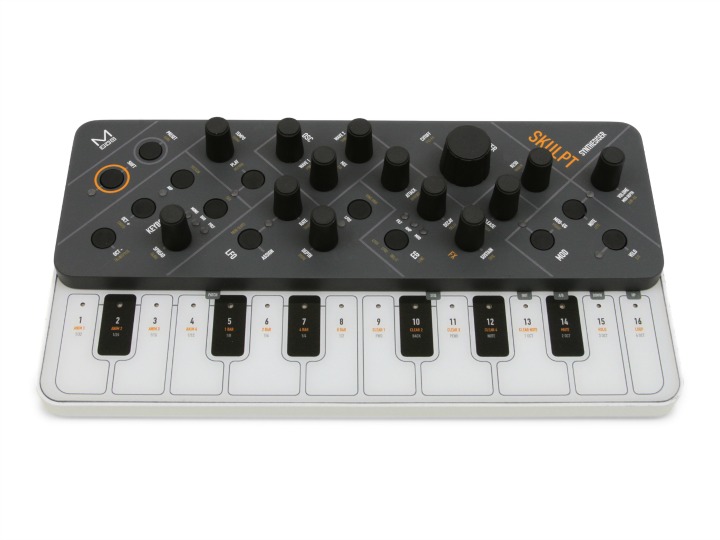
Modal Electronics has announced its latest instrument, SKULPT, a four-voice virtual analog polysynth.

SKULPT launches on Kickstarter this week and will reportedly retail for under $300. According to Modal, SKULPT will be the first in a “new family of highly portable electronic musical instruments,” in tune with lines such as Korg’s Volca series and Roland’s Boutique range.

The synth has four polyphonic voices with eight oscillators and two morphable waveforms each, a 16-key touch keyboard, a sequencer, onboard storage for 128 patches and 64 sequences, MIDI in and out, clock sync in and out, a software editor for MacOS, Windows, iOS, and Android, and more. 

You can find out more here.

Page 350 of 3781
1 348 349 350 351 352 3,781