It’s hard to picture a time when British jazz was as effervescent as it is now. From Manchester’s Matthew Halsall and GoGo Penguin to Glasgow’s Graham Costello, musicians up and down the UK are producing unique strands of jazz in 2018, elevated by a new global taste for the genre. Nowhere is this explosion of talent more apparent than in London, where a youthful movement of new artists and forward-thinking, established names, from Ezra Collective and Zara McFarlane to Shabaka Hutchings and The Colours That Rise, are mixing traditional instrumentation with fresh influences from ambient music, grime, reggae, house, and psychedelia with new modes of playing and recording. “London jazz is absolutely buzzing with talent and inventiveness, with many layers spanning generations and with multiple interlocking scenes,” says trumpeter Yazz Ahmed, one of London’s key players.
The American jazz scene has always overshadowed, unsurprisingly, its British counterpart. Still, London’s jazz club Ronnie Scott’s has maintained a status as among the world’s finest since it opened in 1959; while venues such as Dingwalls and The Jazz Café in Camden, and Vortex in Dalston have all contributed to London’s live jazz circuit and club underground over the years. Notable musicians from Stan Tracey and Don Rendell through the 1960s and ’70s, and Courtney Pine and Soweto Kinch in the ensuing decades, have buoyed up the scene and gained international acclaim. In addition, the super-group Jazz Warriors and development organization Tomorrow’s Warriors have become launch-pads for the solo careers of a new generation of jazz artists.
For many years, at least where entertainment media has been concerned, British jazz has been viewed as something of a niche concern. It’s had periods in the spotlight and a cool cache at times, thanks to the efforts of DJs such as Gilles Peterson and Patrick Forge who have championed the music on their radio shows for Kiss FM and Radio 1, and in DJ sets around London and beyond. Jazz-influenced sub-genres of dance music, including acid jazz, trip-hop, and nu jazz in the 1990s and 2000s, have had spells in the spotlight, too. But still, jazz in the UK has found it difficult to shake off a slightly fusty reputation, lampooned as elitist or silly by comedy shows like The Fast Show’s “Jazz Club” sketch. There’s been a major shift now, with London’s array of unique acts each tackling the sound in a fresh, unexpected way. And women are at the forefront of the capital’s movement, including tenor saxophonist Nubya Garcia, aforementioned trumpeter Yazz Ahmed, singer-songwriter Zara McFarlane, and saxophonist Camilla George.
Due to temporary GDPR restrictions, you can stream this video/audio here.
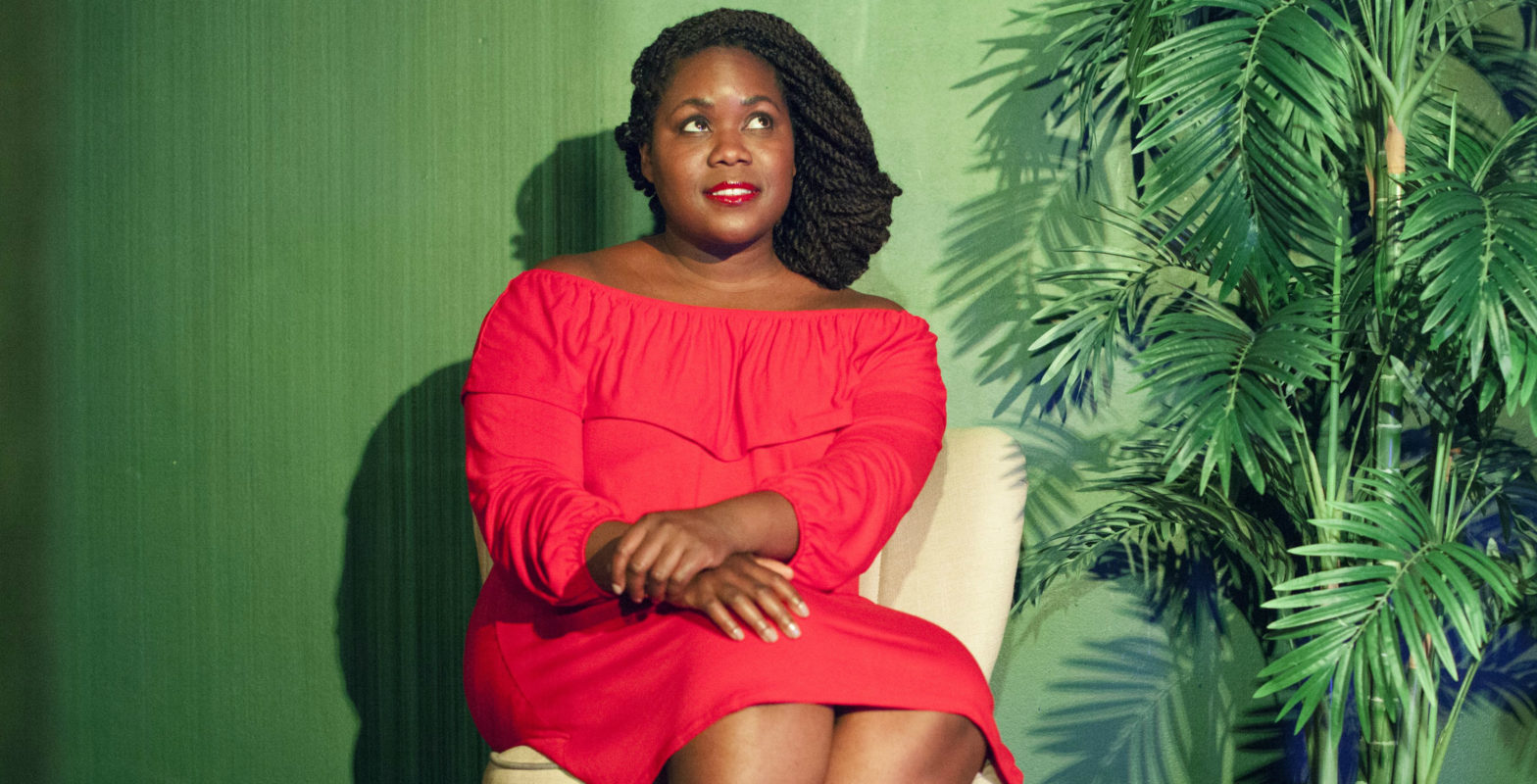
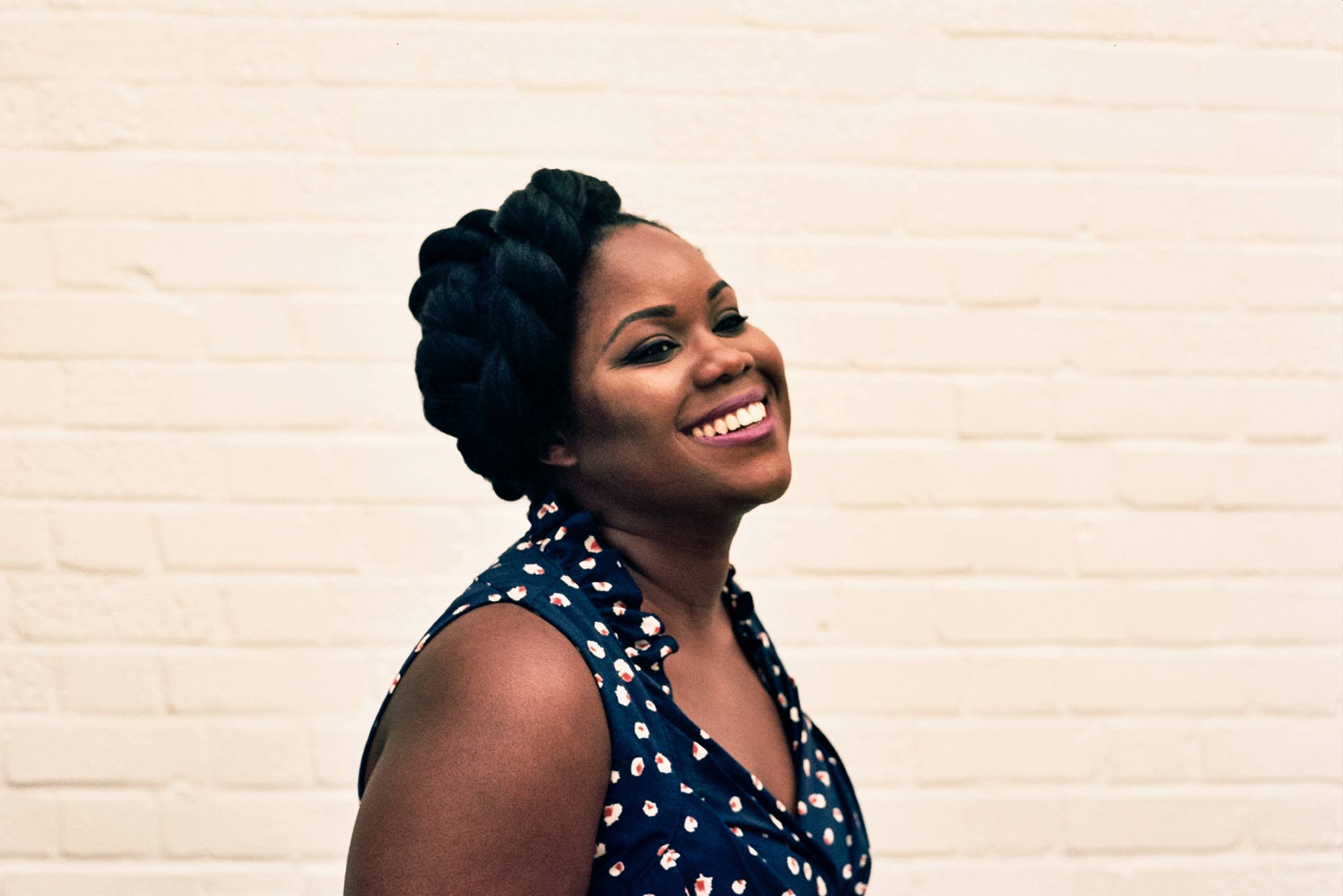
McFarlane, originally from Dagenham, Essex, just outside London, has earned acclaim recently for her second album Arise, out through Gilles Peterson’s Brownswood label. On the record, her transcendent vocals blend with deep spiritual moods, caressing Rhodes keys, and spiraling tenor sax on “Pride.” On “Fussin’ and Fightin’” and especially on “Freedom Chain,” McFarlane draws from dub and reggae in a nod to her parents’ Jamaican heritage. Especially arresting is a take on The Congos’ 1970s roots reggae classic “Fisherman,” rhythmically stripped down and laden with lush strings and piano.
For McFarlane, who grew up listening to London soul acts such as Soul II Soul, the new appetite for jazz at the moment is to do with the broadening of people’s listening tastes. “Most people listen to many different styles of music now,” she says. “They’re open to listening to new things, exploring new things.” That exploration is made all the easier now thanks to the internet and streaming portals such as Spotify: listeners can try new sounds without having to buy something they might not like. In addition, young fans of this new wave of jazz are unencumbered by the genre’s past associations, and so can enjoy it with fresh ears.
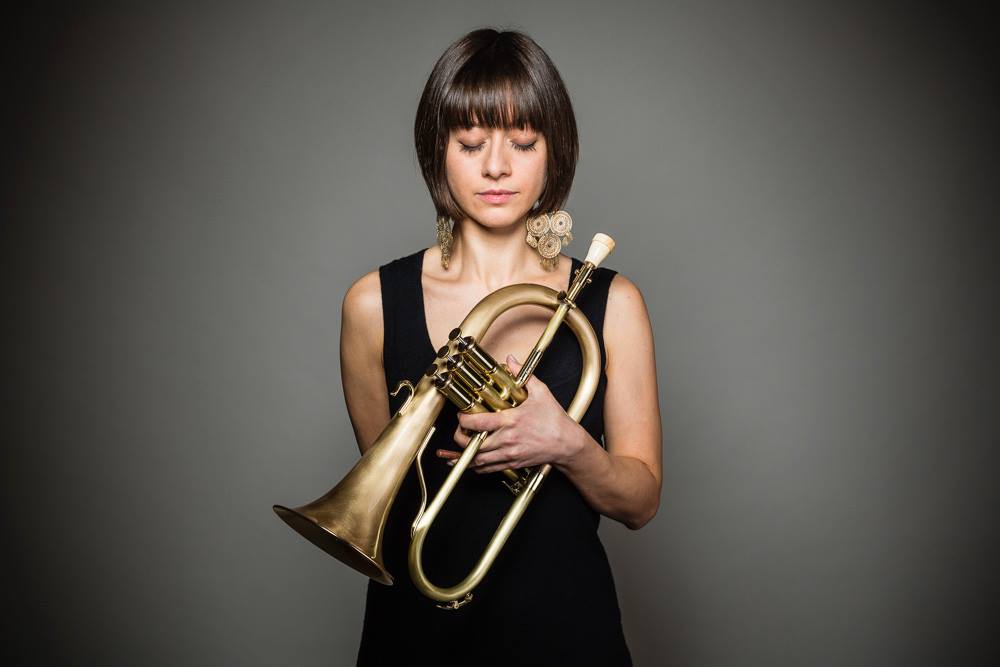
Jazz from London in 2018 is a composite, a bit like the city itself, reflective of its diverse demographics, multifarious mix of cultures, ethnicities, and neighborhoods—and the art, history, and music that emanate from them. Yazz Ahmed is a Bahraini-British musician whose roots are reflected in her 2017 album La Saboteuse on Naim Records. Laden with her expressive trumpet, songs such as “Whirling” have a strong Middle-Eastern quality, while the subtle touches of electronics on “Inhale” indicate the influence of artists such as Radiohead and These New Puritans, with whom Ahmed has toured. She views this expression of her heritage, and these inspirations, as a byproduct of London, too.
“London is one of the most diverse, cosmopolitan, and artistic places to live in the world,” Ahmed says. “Its population brings a huge wealth of cultural heritage from all around the globe. Just by being fortunate enough to live, study, work, and create my music here, I have been gifted the opportunity to absorb much of this wealth of inspiration. While I was studying jazz, or earlier, playing in my local music service bands, I was also listening to reggae, hip-hop, Middle-Eastern songs, and classical music. For me, all these sounds were simply a part of the natural environment I grew up in.”
Though jazz has frequently mixed with other genres and absorbed other influences in the past, its latest iterations and artists are especially adaptable to other styles of music and recording techniques thanks to the Spotify effect—and, more importantly, the multiplicity of music scenes in the capital. London musicians such as Shabaka Hutchings weave their version of jazz with lysergic effects, electronic noise, and the studio tricknology of dub reggae.
Hutchings is seen as a leader for the new scene, an established saxophonist originally from London who grew up in Barbados before returning to the UK. As part of groups The Comet is Coming and Melt Yourself Down, he’s helped redraw perceptions of what jazz can be, adding vibrant sax to psychedelic constellations of synth music and wild electronic effects, or hyperactive punk funk. His main band, Sons of Kemet, infuse their jazz with elements of roots reggae, and also rapid-fire grime lyrics. On their latest, politically charged record for Impulse, Your Queen Is A Reptile (with each track dedicated to an alternative queen of black history), Joshua Idehen spits over the kinetic drums and urgent horns of “My Queen Is Ada Eastman” to electrifying effect. On “My Queen Is Mamie Phipps Clark”, Congo Natty (the venerable jungle and dub producer), adds his own conscious words.
Shabaka’s approach is omnivorous and experimental. He has collaborated with Chicago house and techno outlier Hieroglyphic Being, plus Radiohead’s Jonny Greenwood, as well as appearing on many of the records of the new jazz guard. For these contemporary jazz artists, he’s someone to look up to. “People like Shabaka have done such good work in smashing up the stereotype that jazz has to sound like it did in the 1960s,” says drummer Femi Koleoso of Ezra Collective, a key group in the jazz renaissance. “When you’re inspired by someone like that, it gives you the freedom to do your thing. It gives you the freedom to have mad effects pedals and put your trumpet through them or the freedom to say, ‘I wanna cover a D Double E and Skepta tune for a jazz gig’. That’s what people are attracted to because it’s a form of honesty.”
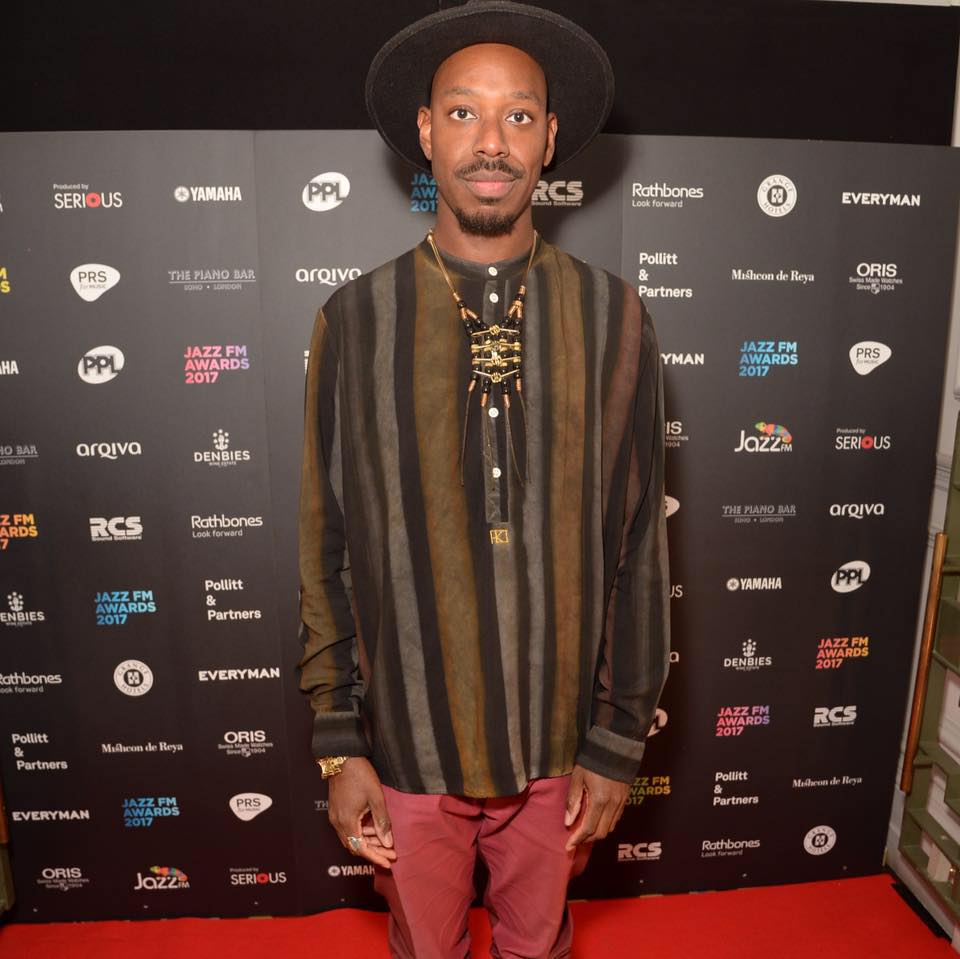
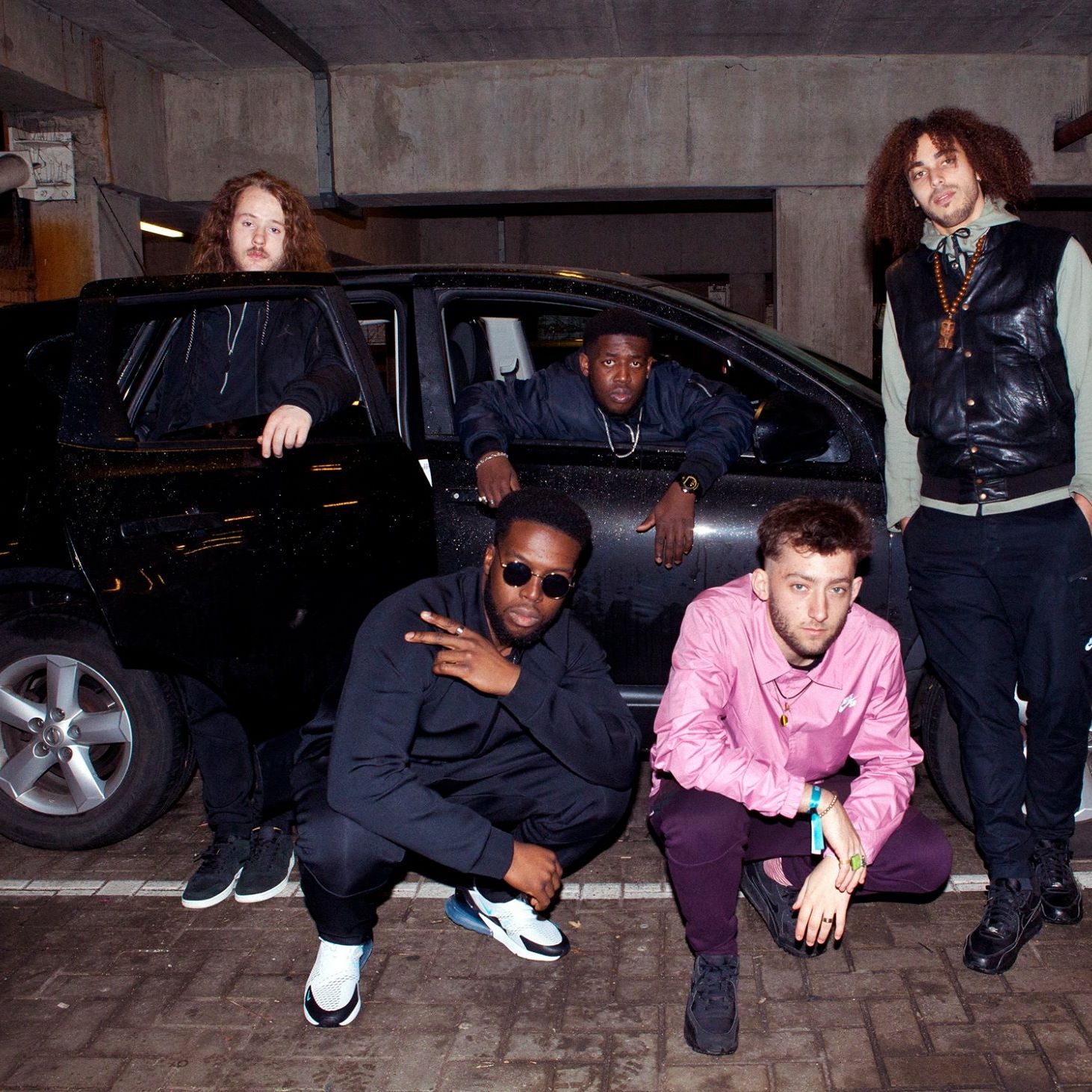
Koleoso and Ezra Collective (whose other members are Dylan Jones on trumpet, James Mollison on tenor sax, Joe Armon-Jones on keys, and TJ Koleoso on bass) are another example of the experimental nature of London’s current jazz scene. They draw from grime production and house beats in their approach to jazz, in addition to more conventional models. On the band’s 2017 album Juan Pablo The Philosopher, there’s a distinct influence from afrobeat on the track “The Philosopher”: Koleoso’s polyrhythmic drums have a supple style that suggests an affinity with the music of Nigerian funk pioneers Tony Allen and Fela Kuti.
“The jazz art form, even from its origin, has been a cocktail of different things,” Koleoso says. “I think that in the UK particularly and in America, us using jazz elements, mixing it with things relevant to today, whether that be hip-hop or grime or Afrobeat, that’s given it a fresh life. That’s what people are attracted to a lot of the time because you can listen to Ezra Collective and feel like you’re watching jazz music, but you can also feel like it’s relatable to you.”
The fresh blossoming of the jazz scene in the US has had a big part to play in making the sound accessible to new listeners in the UK. It’s opening ears to a UK homegrown scene which was already there, bubbling away in the background. Superstar rapper Kendrick Lamar’s leftfield, highly acclaimed 2015 hip-hop LP To Pimp A Butterfly featured a considerable jazz influence, and the playing of guest saxophonist Kamasi Washington, putting the genre back on the map in a way not seen for years. Followed by the success of Washington’s enormous triple LP The Epic and Thundercat’s jazz-touched Drunk, there was a sea change in the perception of jazz worldwide.
“I think when To Pimp A Butterfly dropped, it was like the big reveal moment,” says another key player in London, Moses Boyd. “The majority of the population caught up in a way. It always takes one thing. Although there were a lot of albums, if you talk about jazz musicians, like Black Radio by Robert Glasper, there were a lot of albums before that mixed jazz and hip-hop, but when it comes from the king of hip-hop at the moment, Kendrick, it’s a great co-sign. And I think it’s just readied people’s ears for what was already out there, and what was to come. When you look at what came after, you had Kamasi’s The Epic, and since then it’s been a great stream of forward-thinking music.”
Ezra Collective drummer Femi Koleoso, the band’s spokesman, agrees that this US connection to hip-hop has been important in re-branding jazz and disassociating it from the prim and proper establishment ties it’s had until recently. “To Pimp A Butterfly opened the closed-mindedness that people had towards jazz,” he says. “Previous to that, I would argue that people saw jazz music as an elite art form that was dated. Further addressing that now, are all the mandem who are here doing their thing.”
Jazz in the States has had a fluid relationship with hip-hop, from the fusions of Gang Starr, Freestyle Fellowship, and A Tribe Called Quest in the early 1990s to the amalgams created by Robert Glasper and Kendrick Lamar now. In London, jazz interacts with electronic music in a similar way. In the past, producers from the worlds of drum & bass (4 Hero, Alex Reece) and garage (Sunship, MJ Cole) have incorporated elements of jazz into their beats. Now, having grown up with these forms of music in the background, it’s the jazz musicians themselves taking aspects of London club culture and dance flavors, and working them into their creations.
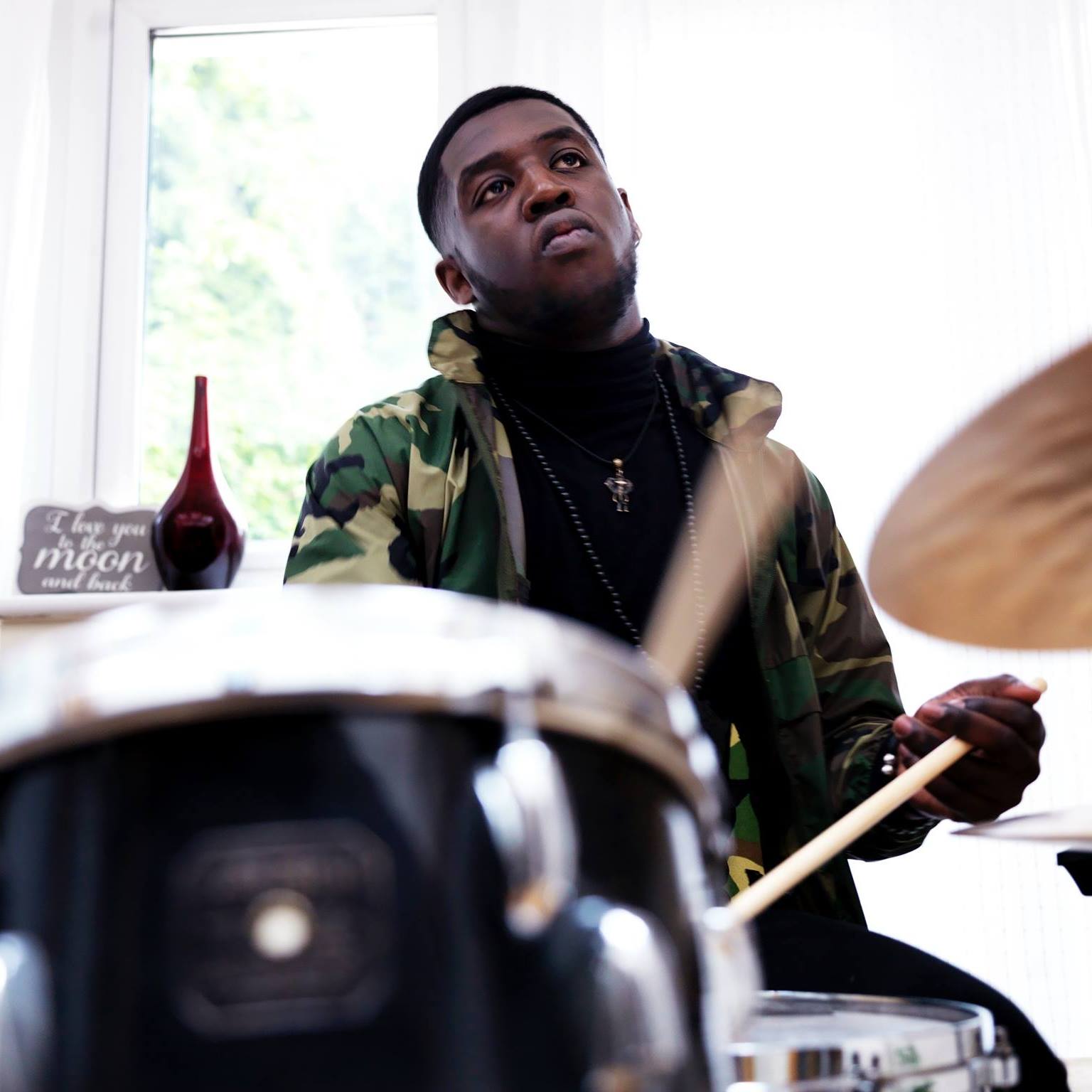
Moses Boyd is one of many upcoming jazz artists in the capital whose sound crosses over with dance music. He’s had acclaim as part of the duo Binker & Moses, while his solo Absolute Zero EP from last year was a deep, cosmic affair that found the drummer pitching his rolling, heavy polyrhythms over twinkling synth arpeggios and stargazing atmospheres on tracks such as “Sirens.” A particularly beguiling and natural mixture of sounds, it demonstrated Boyd’s clear love and deep understanding of both electronics and jazz; unsurprisingly, he’s worked with everyone from Floating Points to Sampha and Four Tet. Boyd thinks the influence of sound system culture, originally imported by Caribbean migrants to the UK, has had a profound effect on the shape of jazz in London now. It has since been developed into a myriad of offshoots and dance music sub-genres by black British Londoners.
Due to temporary GDPR restrictions, you can stream this video/audio here.
“Through the cultures that are here, they’ve kept sound system culture alive, and it’s bred many forms, from lovers’ rock to grime,” Boyd says. “It keeps evolving. I come from a family that used to be a part of sound systems. It’s not something I overly think about, but when I’m writing and creating, I’m always channeling that sort of energy. As much as I write music for me, it goes beyond that; it’s about community and people in the dance. That’s where I’m trying to bridge the gap, whether it’s acoustic or electronic, improvised or not, to me, it’s like, ‘How am I related to that culture?’”
The axis between dance music and jazz is also explored by Kamaal Williams. Originally part of the much-hyped Yussef Kamaal, a band that mixed broken beat touches with lush Roy Ayers-esque ’70s jazz-funk, Williams also operates as Henry Wu. He made his name with jazz-licked house tracks on Eglo and Peckham label Rhythm Section (a vital outlet around which some of the current jazz/dance fusion has crystallized), and now continues to fold influences from club music into the live drums and squelchy funk keyboard textures of his new album The Return on Black Focus. The combination is apparent, too, in the work of The Colours That Rise, who mix Afro-futurist vibes, touches of Detroit techno, and live playing on their 2020 EP to cultivate a space-age jazz-funk feeling.
Broken beat, in particular, has often leaned towards jazz. It’s the dance music style that has the most in common with the medium, with its absorption of loose-limbed drum work, jazz chords, and live instrumentation. As jazz has become more popular, broken beat has risen again, too, with Dego (formerly of 4 Hero) and Kaidi Tatham’s collaborative project Dego & Kaidi recently releasing A So We Gwarn on Theo Parrish’s Sound Signature label, filled with organic jazz funk and more overt electronic aspects, plus plenty of syncopated broken beat grooves. Ruby Rushton is a group drawn from Peckham’s 22a crew, who normally make house, broken beat, and hip-hop, but on their album, Trudi’s Songbook Vol.1 are on a 1970s fusion flex. Also part of the band is Tenderlonious, who makes deep house, broken beat, and hip-hop, but is most of all a musician, playing flute and saxophone. He’s about to release his debut album proper, The Shakedown, featuring the 22a Archestra and full of supple, organic live jazz grooves with lashings of cosmic synth.
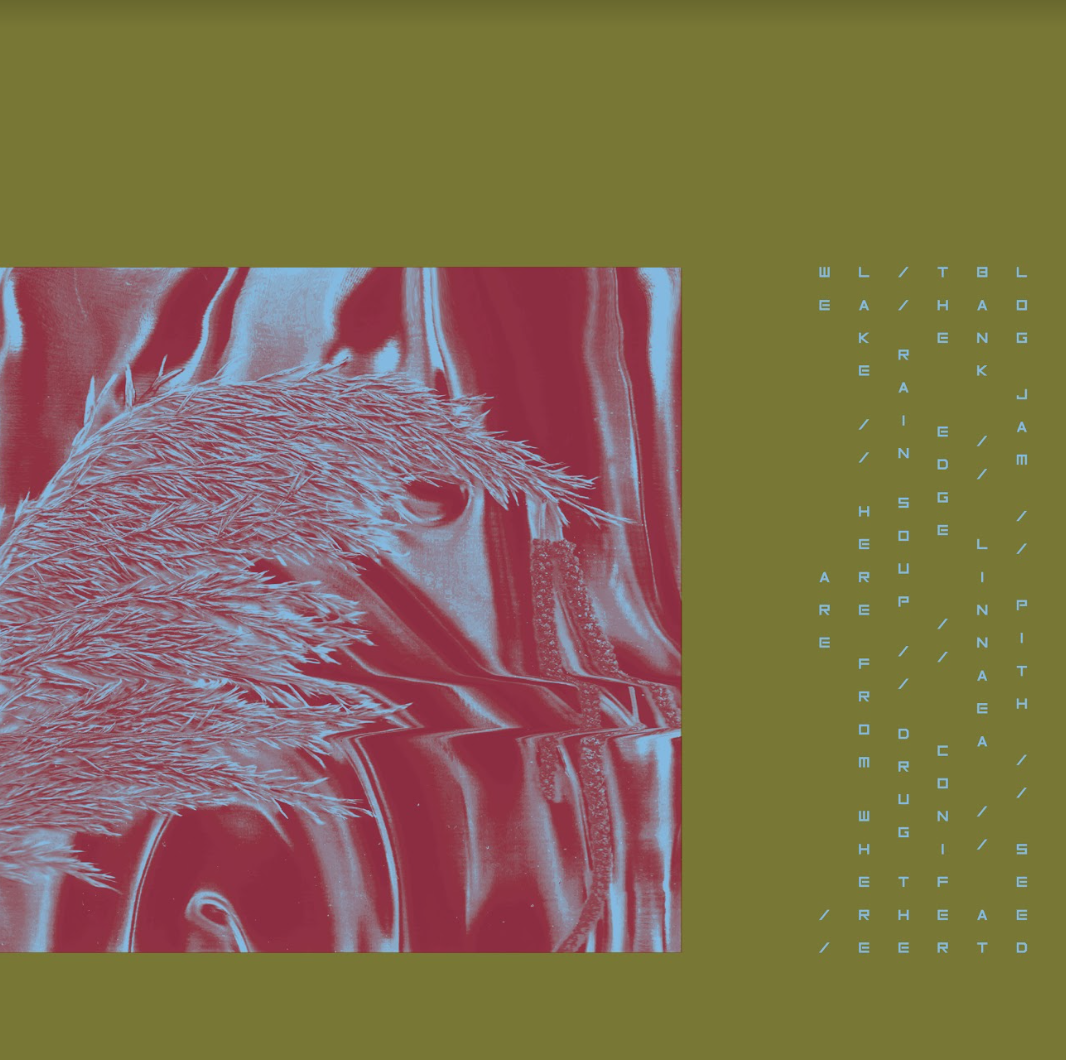
The compilation We Out Here, released in February this year on Brownswood, is a perfect primer for London’s current crop of talent, featuring many of the big names (including Moses Boyd, Ezra Collective, and Nubya Garcia) and huge tracks such as pianist Joe Armon-Jones’ sublime mix of electronic funk and smoky horn on “Go See,” and the capricious, shifting clarinet moods of Shabaka Hutchings’ excellent “Black Skin, Black Masks.” Recorded over three days in North London, it was a collective effort, with many of the bands and artists already friends or sharing personnel in their lineups. “This scene is connected up on friends, so it was positive vibrations to see everyone,” Koleoso says.
This united strength and support network, says Zara McFarlane, has contributed to the visibility of the jazz scene now. “A lot of the guys that I know have come through Tomorrow’s Warriors,” she says. “We’ve all worked together and know each other. I think it’s maybe that camaraderie; we get along really well and we’re open to each other’s work. Musically that’s a really nice place to work in. I like working with people I get along with that I know really well, it makes the process really fun and it’s a safe space in that way. It’s friends getting together, wanting to do their own thing.”
Another important factor in the growth of this musical phenomenon has been the handful of new jazz-friendly clubs cropping up in the capital. Total Refreshment Centre (TRC) in North London regularly hosts gigs from the new guard, or DJs pushing the sound, and Jazz Refreshed hosts events at Mau Mau Bar in Portobello, West London, as well as running its own festival and putting on acts at Glastonbury and SXSW. “There are lots of good venues and promoters,” Boyd says.
London’s revived jazz movement is expanding, and further album releases such as Joe Armon-Jones’ debut solo record on Brownswood, Starting Today, will continue to raise its profile. There’s no shortage of upcoming talent, either. Yazz Ahmed tips pianist Alcyona Mick, multi-instrumentalist Tori Freestone, and clarinetist George Crowley (who plays with Shabaka Hutchings on “Black Skin, Black Masks”); Zara McFarlane rates Camilla George and Ashley Henry; Moses Boyd singles out Ricco Komolafe and beat-maker-turned-jazz player Alfa Mist for praise.
As it continues to cross-pollinate with other styles, London jazz will mutate into more thrilling forms. “For a long time everyone has looked to America as a beacon of export culture, but now, they’re looking at Europe and London in particular,” Boyd concludes. “They’re realizing this thing has spread. Whatever you want to attribute it to, there are different accents saying amazing things. If you look at somewhere like London, there’s definitely a different shift. It is spreading, through social media and the ease of communication. It’s a great thing.”