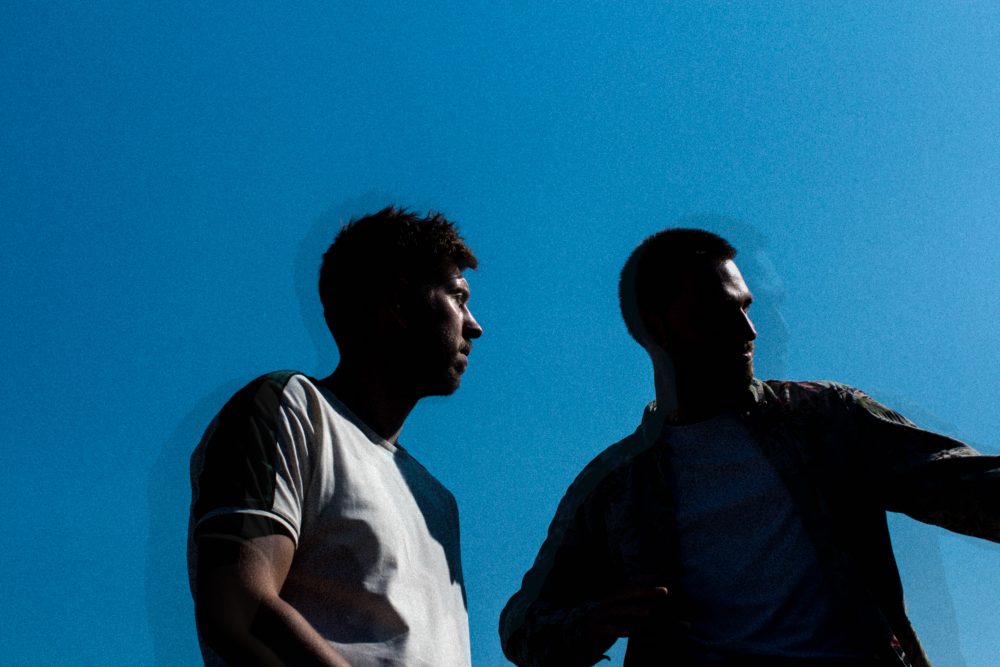
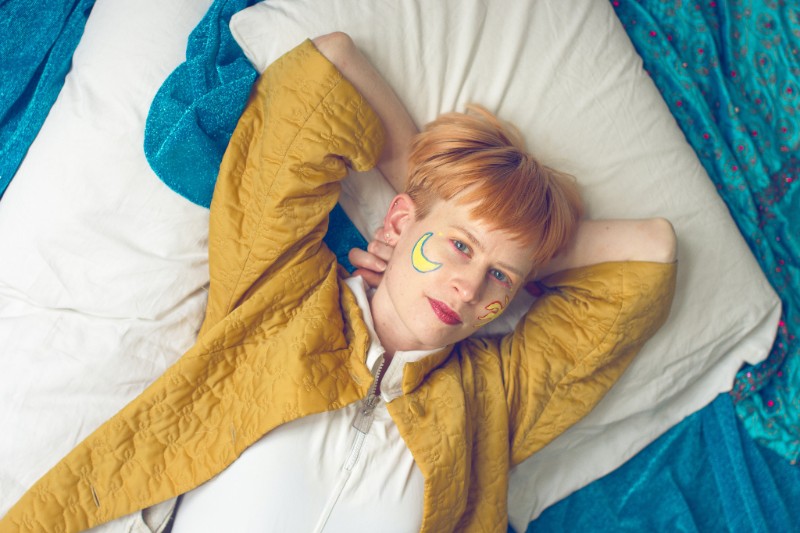
“Within All Things” is the debut single from Devon-born, London-based vocalist Lapis, included on a very special V/A on Loose Lips, bringing together a range of artists from across the world in aid of Ruff Sqwad Arts Foundation.
The track—which was produced by Mr. Pudding—an affecting and poignant slice of melancholic ambience, was written in response to particular patterns Lapis has noticed in society and around herself. Across two minutes, Lapis’ subtle spoken word flows like waves over swelling bass and layers of vocal melodies, with the track intended “as a short message of hope,” created by Lapis “in a moment of serenity and stillness.” As she states: “songwriting is a form of mindfulness; a way to relate to and understand the world around me and to strategize against obstacles in my life via sound and experimentation.”
You can pick up “Within All Things” via WeTransfer below, with more on Lapis here.
XLR8R Couldn't find the embed function for type: "vimeo" and source: "<iframe width="1170" height="658" src="https://player.vimeo.com/video/250213995"></iframe>".
Australian sound artist Thembi Soddell has released a new short film from her latest LP, Love Songs, out now on Room40.
Love Songs is an intense and extreme assault on the senses, an album full of dynamic tension and unforgiving sonic environments. The album looks to abuse within relationships and the connection to mental illness, as Thembi explains:
“The title Love Songs is a little dark humor on my behalf. As the compositional process evolved the work became a meditation on the lived experience of insidious forms of abuse within supposedly loving relationships, in connection with certain forms of mental illness. These experiences are ones of extremes and emotional intensities; the tensions between horror, beauty, rage, desire, confusion, love, and perceptual annihilation. Also, a good deal of the source material for the album is the voice. I asked Alice Hui-Sheng Chang to vocalize perceptual collapse, which I sampled and manipulated into expressions of these themes. So, these are my love songs.”
The album was also released alongside an extensive book that outlines “more literal readings of her ideas of sonic affect, contemporary relationships, and the nature of becoming.”
You can pick up the album here, with the film for the album’s opening track streaming in full via the player above.
Dutch duo Tunnelvisions (a.k.a. Emiel van den Dungen and Raynor de Groot) will return to Atomnation later this week with their latest EP, Ritual I.
Ritual I follows on from 2017’s Midnight Voyage EP and will be the first in a new series of four EPs that will be released throughout this year on Atomnation. Comprised of two club-focused, peak-time cuts, Ritual I finds the duo expanding their worldly sound with a collection of alternative rhythms and mind-bending synth work. From uplifting melodies and shuffling rhythm of “Mbosa’s Light” to the driving groove of “Nalulu’s Sand,” Ritual I is a standout EP and a perfect teaser for what’s to come from the duo in 2018.
In support of the release, which can be pre-ordered here, the label has offered up a full stream of “Nalulu’s Sand,” available below.
LAMP (a.k.a The Los Angeles Music Project) is a music collective at its core and is comprised of a blog, record label, artist management group, and event production service. Over the past five years, it has served to illuminate trending underground house music through daily reviews and a long standing weekly mix series. The collective releases music from burgeoning artists in the scene both in LA and across the globe.
Only recently have they shared Spectrums Vol. 2, the second edition of SPECTRUMS, a compilation series focusing on artists who are re-envisioning some of their favorite music, exploring the genres that inspire them, and pushing the boundaries of their creativity with sounds. Periodically, LAMP will select tracks that span multiple genres across the spectrum of electronically produced music and showcase them in this compilation series.
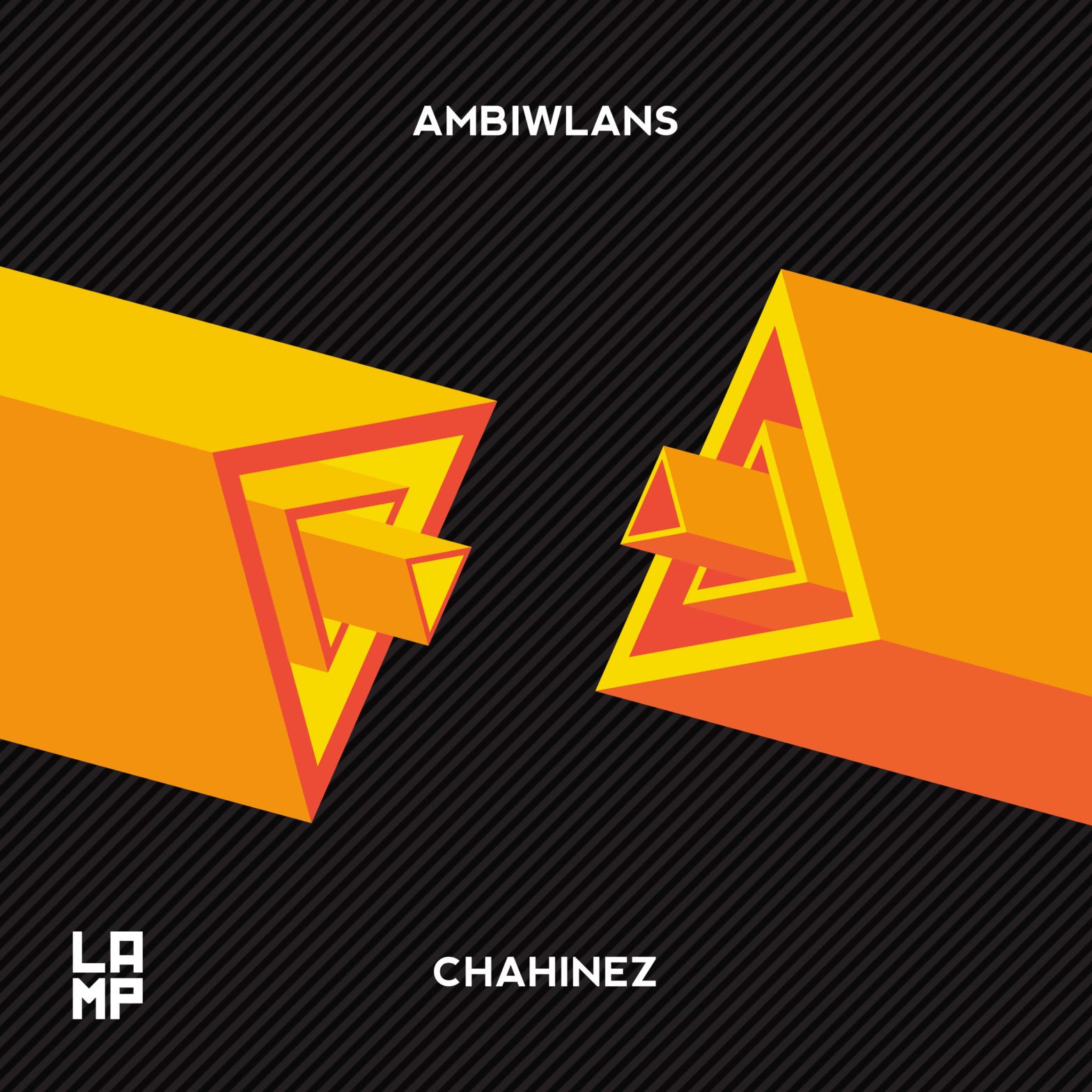
In support of this latest release, which is available now, you can download Ambiwlans’ “Chahinez” via the WeTransfer button below.
Tracklist:
01. Birdee “Why Don’t You” 02. Adam Johan & Trevor Oslo “Love Panorama” 03. Cabrillo “What We Gonna Do” 04. Le Monkey “Classico” 05. Ambiwlans “Chahinez” 06. Nick Garcia “Honeybees” 07. Frank Serin “Endless Flight” 08. Anderson .Paak “Til It’s Over” (Damon Steele Remix) 09. MR PUZL “Real”
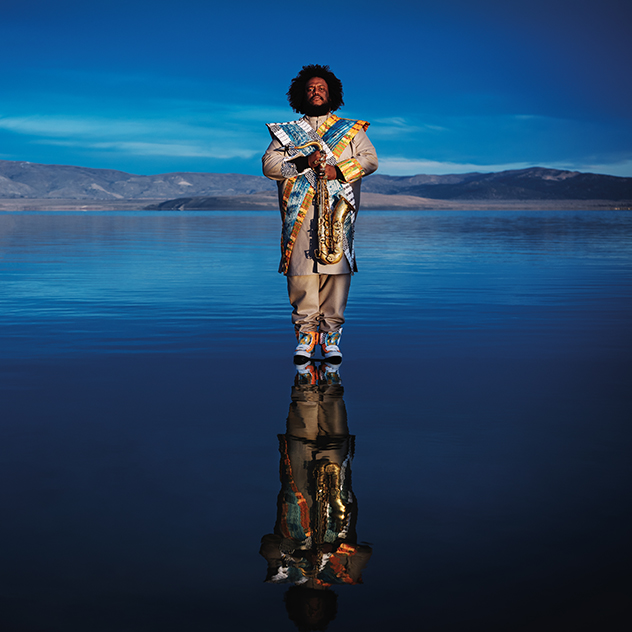
Heaven And Earth is Washington’s second proper full-length, following on from The Epic, released in 2015 on Flying Lotus’ Brainfeeder. It features two-and-a-half hours of music, split into two parts: two CDs or four LPs.
We’re told that the double album addresses a certain sort of dualism. “‘The world that my mind lives in, lives in my mind. This idea inspired me to make this album,” Washington explains. “The Earth side of this album represents the world as I see it outwardly, the world that I am a part of. The Heaven side of this album represents the world as I see it inwardly, the world that is a part of me. Who I am and the choices I make lie somewhere in between.”
Tracklisting
I. EARTH
01. Fists Of Fury 02. Can You Hear Him 03. Hubtones 04. Connections 05. Tiffakonkae 06. The Invincible Youth 07. Testify 08. One Of One
II. HEAVEN
09. The Space Travelers Lullaby 10. Vi Lua Vi Sol 11. Street Fighter Mas 12. Song For The Fallen 13. Journey 14. The Psalmnist 15. Show Us The Way 16. Will You Sing
Heaven and Earth will land on June 22, with a short video, created by director Jenn Nkiru for album opener “Fists Of Fury,” streaming above.
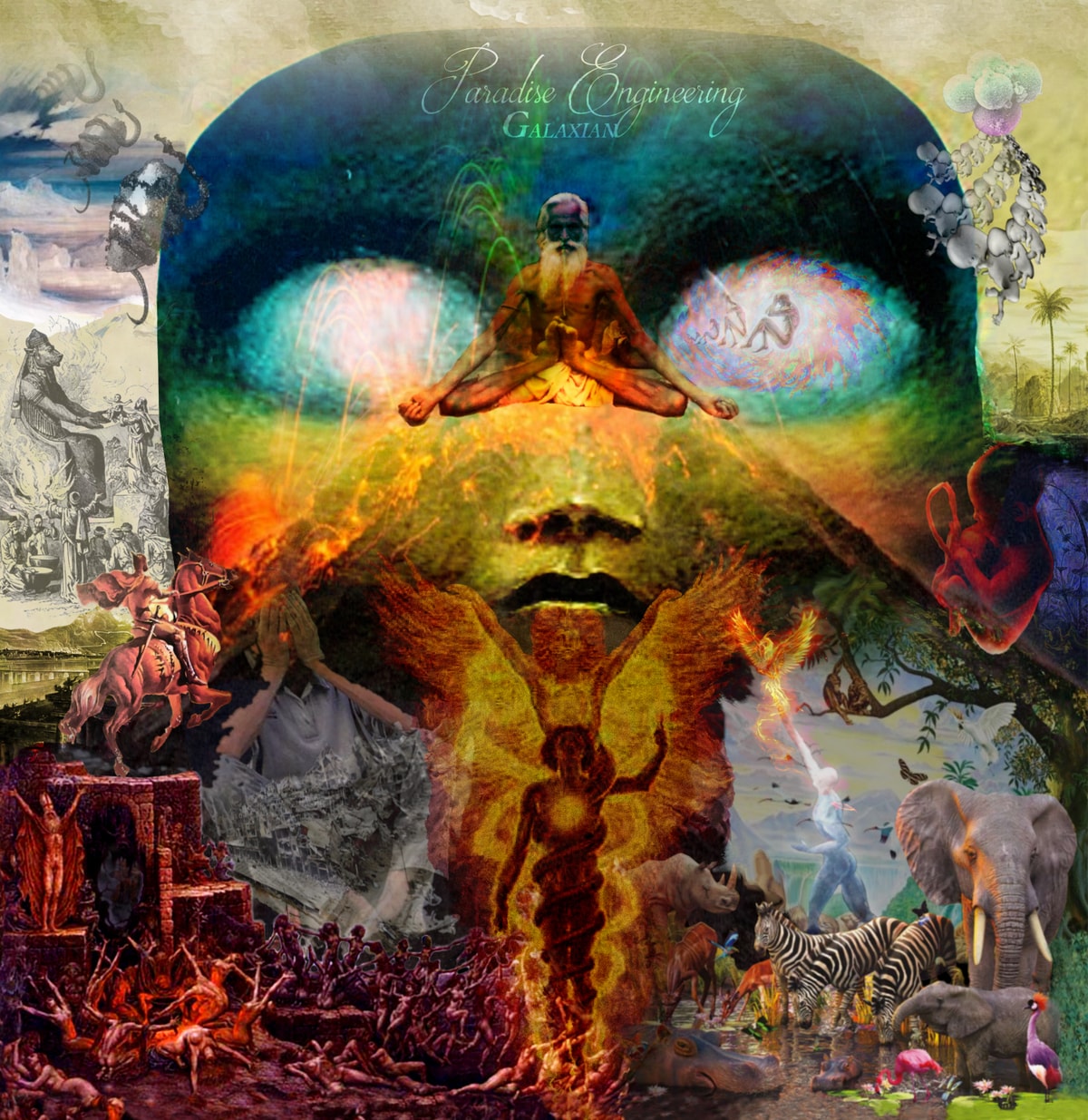
The Paradise Engineering EP will be the Glasgow-based artist’s debut on Hauff’s label; previous releases have landed on imprints such as Shipwrec, Lower Parts, Solar One Music, and Transient Force. Within its four tracks, Galaxian lays out an “intricate web of self, spiritual, and socio-technic exploration and critique.” Producing the cover art alone took him on over 12 months.
We’re told to expect “an ambitiously psychedelic piece of machine mastery that will be right at home on Hauff’s label,” with which she set out to bring “punk rock and techno together” in 2015. The label’s name refers to the reactionary post-WW1 art movement, Return to Order, which called for a rejection of the avant-garde in favour of conservatism and classicism. Previous releases have come from the likes of Children of Leir, Morah, and Umwelt.
Tracklisting
A1. Paradise Engineering A2. Mutual Arising B1. Life Force B2. You Don’t Matter
Paradise Engineering will land on May 14, with “Paradise Engineering” streaming in full below.
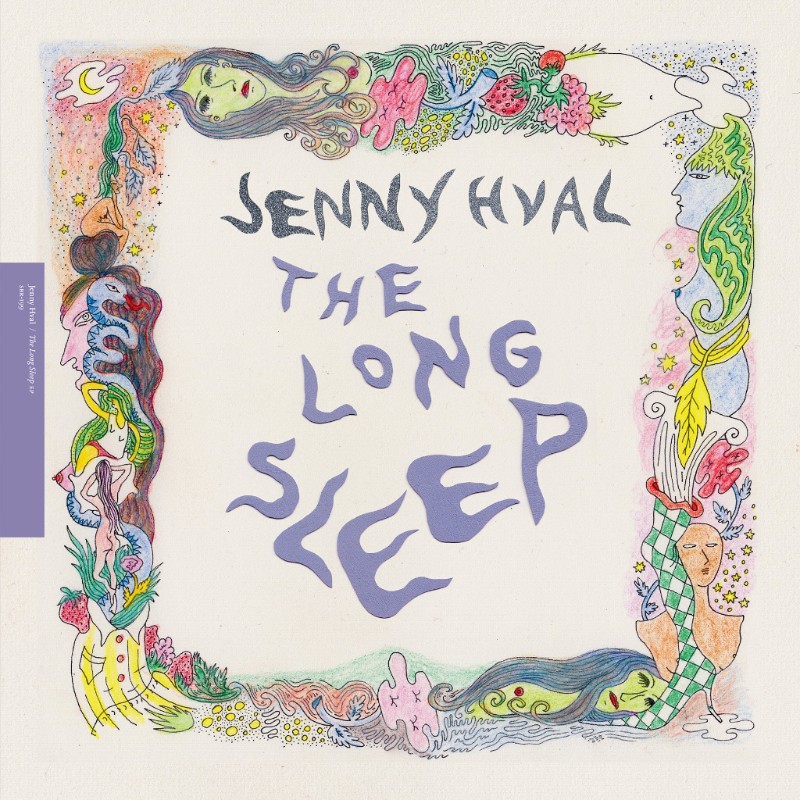
Norwegian multidisciplinary artist Jenny Hval is set to return with a new EP, The Long Sleep,” set for release May 25 via Sacred Bones. The EP’s first single, “Spells,” is streaming online now.
The Long Sleep EP is the first Jenny Hval release since 2016’s Blood Bitch and follows the Lost Girls collaborative EP, released this past February. It also and precedes Hval’s debut novel, Paradise Rot, published by Penguin Random House’s Verso, and out October 2.
We’re told that the EP sees Hval “embracing an instinctive, even subconscious, approach to creating meaning.” In contrast to her more explicitly conceptual work, The Long Sleep “foregrounds the act of composition itself, letting the melodies and structures reveal the other elements of the songs.” It was recorded with longtime collaborator Håvard Volden and producer Lasse Marhaug, along with a supporting cast of players from the jazz world—Kyrre Laastad on percussion, Anja Lauvdal on piano, Espen Reinertsen on saxophone, and Eivind Lønning on trumpet.
Tracklisting
01. Spells 02. The Dreamer Is Everyone In Her Dream 03. The Long Sleep 04. I Want To Tell You Something
The Long Sleep is set for release May 25 via Sacred Bones, with “Spells” streaming in full above.
Rising to moderate prominence as part of Sweden’s Northern Electronics label, Dan Vicente (a.k.a. Acronym) has been releasing mesmeric ambient and techno music with great consistency over the last six years. Two brilliant albums on the Stockholm-based label—June and Mu, both from 2015—and a stream of shorter releases made him a vital part of the collective, which was started by school friend Anthony Linell (a.k.a. Abdulla Rashim) in 2013. Vicente has also released on several other labels, such as 2016’s double-EP Entangled in Vines, through Spanish imprint Semantica, and last year’s chilling LP Malm, released through Field Records.
But while former label-mates Abdulla Rashim and Varg have soaked up the media spotlight, Vicente has remained in the shadows. Now, after leaving those two behind, the forgotten member of Northern Electronics has launched his own label, Stilla Ton, and—if its first release is anything to go by—has an otherworldly vision for the future of his sound. Written by the mysterious Albert Ihanus as Post.23 and produced by Vicente, the Whispers EP is as new in sound as it is entrenched in the influence of (oc)cultish subgenres. Though the record as a whole might fall under some broader definitions of techno, each of its six tracks comes buried under barely perceptible layers of cold wave, dungeon synth, and even a faint mist of shoegaze. Although perennially busy and media-shy, Vicente opted to talk to XLR8R about his choice of pseudonym, his plans for the Stilla Ton label, and the state of Swedish techno.
In support of the interview, Vicente has also offered up “Whispers,” taken from the EP of the same name, released via Stilla Ton earlier this year. You can grab it now via the WeTransfer button at the bottom of the page.
Where did you grow up?
In Stockholm, in a working-class area. There were a lot of strange people, drug addicts, robberies and stuff, but now it’s one of the hippest areas. There weren’t many things to do and not much of a social culture, so that left a lot of room for creativity and exploring. In Stockholm, wherever you are you can find forest 10 minutes away—natural areas where there are not many people. Having the pleasure of spending a lot of time in quiet places during strange hours has been and continues to be a major point of the creative process for me.
What’s your earliest memory of music?
My mum was a dancer and my dad was a classical Spanish guitarist. They were playing Flamenco, but we were listening to a lot of strange music. My dad listened to a lot of Tibetan chants [laughing], but also Pink Floyd, Creedence Clearwater Revival, and some XL Recordings—rave, hardcore—one track especially: Holy Noise, “The Noise.” I also remember Front 242’s “Operating Tracks,” Kraftwerk’s “Techno Pop,” and Mad Professor’s “Psychedelic Dub.” My dad forced me and my brother to play the guitar when we were four. Not exactly what you want to do at that age, but it turned out a wise choice.
What did you enjoy listening to as a teen?
Mostly extreme metal. I first discovered Slayer but then got into Morbid Angel, Darkthrone, Celtic Frost. I was a really angry teenager with a lot of emotions.
What was your first techno party? Can you describe it to me?
Somehow I started clubbing with Anthony Linell [a .k.a. Abdulla Rashim]. He told me he was going to an event called Blommor & Bin at a park in central Stockholm. I was like, “What the fuck is that?” He said, “It’s techno!” “What’s techno?” It was kind of minimal tech-house. I’d been going to really shitty electro, Ed Banger parties. Going to a techno party was different. I felt like it was closer to home.
How did you meet Anthony?
He was basically my neighbor, so we knew each other since way back. I was 16 and he was a bit older. We would talk, but we weren’t the closest friends.
Was that party a turning point—did you instantly feel a connection with techno?
I don’t know if it was necessarily this particular event. I can’t say that one page was turned and then my life changed; I see it like chapters. It’s kinda diffused when the line was crossed. But afterward, I got into minimal for a while, like Ricardo Villalobos’ “Dexter.” Then I got into dub techno, Fluxion, Basic Channel.
When did you start making your own music?
I was playing guitar in some bands, writing music and lyrics. It wasn’t long until I started making electro, experimenting with Fruity Loops.
Did you release anything before adopting the Acronym alias, in 2012?
Yeah, I released a record a year before Dimensional Exploration [Acronym’s first release, from 2012] as an unknown artist.
Can you tell me where to find it?
No! That’s the whole point of releasing as an unknown artist [laughing].
How did it sound?
Like Shed. It’s two-step or dubstep, some kind of crossover. It’s not very good. With the first Dimensional Exploration, I didn’t feel it was ready but wanted to throw myself into the pool to see if I could swim. I listen back now and wish I hadn’t been so impatient. You can listen to Dark Side of the Moon and from the moment you put on the needle to when it’s over it’s fucking perfect. There’s nothing wrong with that record, but with all my records there’s something wrong. I’m realizing now there’s no need to rush good stuff. Life will wait.
It appears you hold yourself to very high standards. Are you satisfied with any of the work you’ve released?
I’m really happy that I’ve done everything that I’ve done. They’re all a piece of me [laughing]—isn’t that a Linkin Park song?
Why “Acronym”?
[Laughing] I’ve always said I’m never gonna do an interview, never tell the secret about the name, but the idea was that my first release was gonna start with the letter “A”, the next with a “C,” then an “R, ”making the word “acronym.” Then my idea was to vanish somehow or stop making music, but things were going well so I thought, “Why stop?”
How did you get involved with Northern Electronics?
Anthony just told me he was gonna start a new label. And he wanted me to send stuff and I did. It was easy enough since we were already talking.
What are your thoughts on your early Northern Electronics music?
I really like June [2015]. That was one album I took my time with, letting it grow organically, and I’m still really happy with it. Although I was very depressed at the time.
Why?
I don’t know. Life. I don’t really have an answer to that, but I was basically not speaking to anyone for two weeks. I shut off the internet, shut off my phone, didn’t take any calls. I would go to my studio at seven in the morning and go home at midnight, then the next day go back and do it all again.
Do you find your music often comes out of difficult times?
Not always difficult times. Even though tough periods like those might be gone now, I still feel emotions and will still try to convey those via musical expression.
How did your 2014 double-EP on Semantica come about?
That was a hectic record. I was changing apartments a lot and was not patient enough to do a good record, just throwing shit together. It’s not my favorite. I wasn’t using very good equipment and was moving around, living in three different apartments at the time.
What inspired your most recent album, Malm?
Malm was about a really good friend who committed suicide. It was my way of giving him a shoutout. He didn’t even like my music [laughing], but I think he would have appreciated it. It took a long time.
Do you always need an idea or particular inspiration to write an album?
Yeah, almost always. I like to try to tell stories, not only with the tracks but also with the titles and stuff. And I have a concept surrounding one record, always. With Malm, for example, I knew I wanted to make a record to commemorate my friend Jan who committed suicide on a train station in a neighborhood called Malm. And as soon as I saw the photography from my friend Sandra Ylikangas with a train carrying Iron-ore [Malm in Swedish] in the northern part of Sweden, I knew I wanted that to be the cover.
Do titles like The Void Beneath and Planetary Boundaries reflect an interest in psychedelics and the universe?
I was into the universe and space when I was younger, but I realized I’m too uneducated to grasp the basic concepts of physics, so I gave up space and started looking at what we have on Earth. There are much more interesting dimensions here in front of you.
“The climate is something that concerns me greatly and even though my carbon footprint might be bigger than most people’s, I want to try to shine a light on the problem.”
So where do these album titles come from?
The Void Beneath is a reference to what my view on what death is: an empty void, nothingness and a return to the earth. Planetary Boundaries is a theory from a group of scientists led by Johan Rockström that states that the planet has nine environmental problems, each of those having a limit and once that limit is crossed we may see incalculable effects on the environment. The climate is something that concerns me greatly and even though my carbon footprint might be bigger than most people’s, I want to try to shine a light on the problem.
Who has influenced you most?
My friends, definitely. One of my best friends, Johannes Hägglund, did the artwork for Entangled in Vines—I think we have a similar mindset. Also a lot of classical music: Prokofiev’s “Dance of the Knights”, Rachmaninoff’s “The Isle of the Dead”. Rachmaninoff has a very interesting approach to melody—I dunno if it’s sad, but it’s very heavy. I’ve also been listening to a lot of Stravinsky lately, the most fucked up guy.
Did Northern Electronics influence your sound?
Definitely, we all influenced each other, not only what each of us did but what we listened to.
What were the early days of the label like? What was the vision?
The vision when it started was for Anthony to release friends’ music. I think we all influenced each other—it was symbiosis, not only what each of us did but what we listened to. We would show each other stuff, like Jonas [Ronnberg, a.k.a. Varg] would have a lot of old industrial stuff and Anthony would have some dungeon synth or something.
It seems like Anthony and Jonas are in the media more than you. Are you the forgotten member of NE?
Yeah, maybe [shrugging]. I never had any desire to be a big boss or the public face of something. When I was with them I was happy not to have my name on the sheets and just do the work. It was nice to see a label grow.
Are you more of an introvert than those two?
Not really, we’re all loners in our own way. That’s just the way it is. I’ve always said no to interviews and never talked to anyone, but I’m over that mentality now. I don’t feel I have anything to hide. It was just some teenage dream to be… anonymous.
Have you left Northern Electronics for good now?
Yeah.
How come?
Well, that’s personal, but… I don’t know. As things grow, things usually tend to change, but that is only natural.
Have you moved apart artistically?
Kinda. The whole dynamic changed. I can’t really put a day on it. But dynamics change. That’s how things work. I like to build things and… once the foundation is built I’ll let someone else do the interior design. I’m onto a different building now. I’m just starting building and we’ll see how it ends up.
” I wanted to break free because there’s other stuff to build.”
Did you want more credit, or more control?
I don’t care about the credit. I still don’t want it. I don’t care about the control either. I wanted to break free because there’s other stuff to build.
How did you know you wanted to start your own label?
There’s somewhat of a void right now in contemporary electronic music. I’m not sure I’m gonna fill that but I want to do my best to contribute, release music from myself and from people I enjoy listening to. The scene is a bit stuck. I dunno if it’s just me—am I crazy or is the world crazy? It’s always hard to tell.
What do you think this void is? Do you mean for a certain sound aesthetic?
I mean, everything is available at the press of a button, so there being a “void” is probably not entirely correct. I just want to present something different.
How did you come across Post.23?
I heard him singing along to the radio drunk in a bar. I told him we had to make a record and he wasn’t very excited about that, but I managed to convince him and it turned out good. He lives in Södermanland, a county south of Stockholm overlooking the archipelago. A lot of forests, a lot of animals and birds—the Swedish landscape inspired the sound of his record a lot. The lyrics apparently are inspired by some event that took place in Frankfurt in 2016. I have not been able to find out what happened and he is not very communicative about it either.
Is this sound and style a sign of things to come, or will it be diverse?
I mean the next release is going to be a techno EP by myself, so it’s not only going to be synth coldwave stuff. But I mean for the music to have a similar vibe even though it is not per definition in the same genre.
What else can we expect from Stilla Ton?
Two new EPs this spring. One by myself and another made using Buchla synthesizers, by me and Kali Malone, a very good friend from Sweden.
Can we expect your sound to change now, given you’re no longer with Northern Electronics?
As I get better at understanding the language I’m sure I will only get better at expressing myself.
How would you describe Swedish techno?
Before I got into it, it was Drumcode. I liked that for a while but it got boring quickly. Then I guess the Northern Electronics thing. But Sweden has always been more housey. Stockholm has always been a city of happy people listening to happy house music drinking drinks in the sun.
But a lot of the techno music that comes out of Sweden—like yours and the stuff Northern Electronics releases—is anything but happy; it’s introspective and dark, if anything. Why do you think this is?
I think that Stockholm and Sweden, in general, has always had this underlying feeling of unrest, even when things are happy. There is something in the air here that can’t really be transcribed into words.
Do you think the Swedish landscape plays a part?
I have always felt really close to nature and have tried to portray that in my music since the beginning. But musicians, artists, and writers have done a good job of conveying it throughout the years.
Does the sunny side of house and techno appeal to you?
Not at all! [Laughing] I dunno if I really don’t like it but I’m not really interested in it, like when you come to a club and the crowd just wants to have their hands in the air. The break comes and you’re like, “one, two, three, four, five, six, seven, eight.” I’d rather listen to Stravinsky in a corner somewhere [laughing].
Sweden’s rave culture of the ‘90s was eventually stopped by police raids. What impact did that have on Swedish music?
That’s been happening since forever, waves of police fucking shit up. After Kruthuset got closed down there was nothing going on for like two years. It’s not good for the culture. It was Docklands first, then this, then something else. Last year they closed down a festival. You get sick of it.
Is this a good moment for Swedish clubs?
Right now the scene is strong. There’s a couple of “on the books” places in Stockholm like Under Bron, but also a bubbling underground scene. I played a rave a couple of weeks ago in a warehouse on the outskirts of the city. I think Gothenburg and Malmö have pretty strong scenes now too.
Where should Swedish techno go now?
Techno is at a crossroads. There are lots of nice things happening, but I want it to move forward. That’s something I try to do as well. I keep bashing my head with that.
What do you mean, at a “crossroads?’ Can you elaborate?
Society generally is at a point where something needs to pop off, like seriously pop off for things to change. There are a lot of nice things happening, but we’re kind of at a crossroads.
And where would you like Acronym to go from here?
My biggest drive is to become better at everything I do. Considering that, I will probably never be fully satisfied with my work.
Could you see yourself ever being a kind of Adam Beyer for future generations of techno fans?
I don’t like to compare myself to other artists and I always try to go my own path in life. What the future holds is always uncertain, so I guess we’ll have to wait and see what happens.
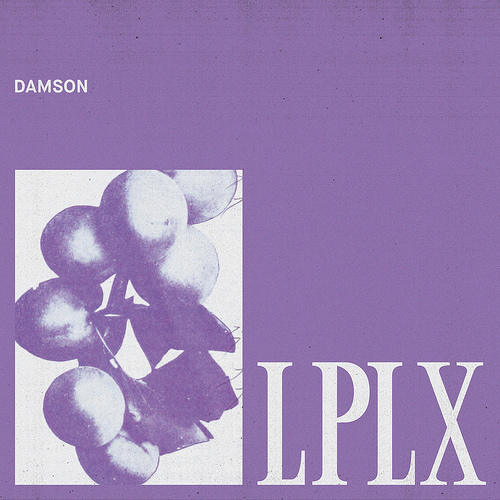
Following the release of his third full-length album Ruinism, the follow-up The End Of Industry EP shortly after, and an expansive live European tour, Stuart Howard (a.k.a British producer Lapalux) has today returned with a new track, titled “Damson,” released under his LPLX alias.
This month Lapalux returns to the USA with his new live setup for his first North American tour since 2016, including a special Los Angeles date (his first LA show in four years) at Union Nightclub with fellow Brainfeeder family Daedelus and PBDY, and dates in NYC, Miami, and more, marking the first opportunity for North American audiences to hear the music from the his 2017 output.
Lapalux North American Tour Dates:
04-18 Denver, CO – Cervantes 04-19 Montreal, QB – Newspeak * 04-20 Washington, DC – U Street Music Hall * 04-21 Miami, FL – Floyd 04-22 Tallahassee, FL – Club Down Under * 04-23 Kansas City, MO – Niche * 04-24 Springfield MO – Outland Ballroom * 04-25 Oakland CA – New Parish * 04-26 Seattle WA – The Crocodile * 04-27 Los Angeles, CA – Union % 04-28 Brooklyn, NY – Elsewhere
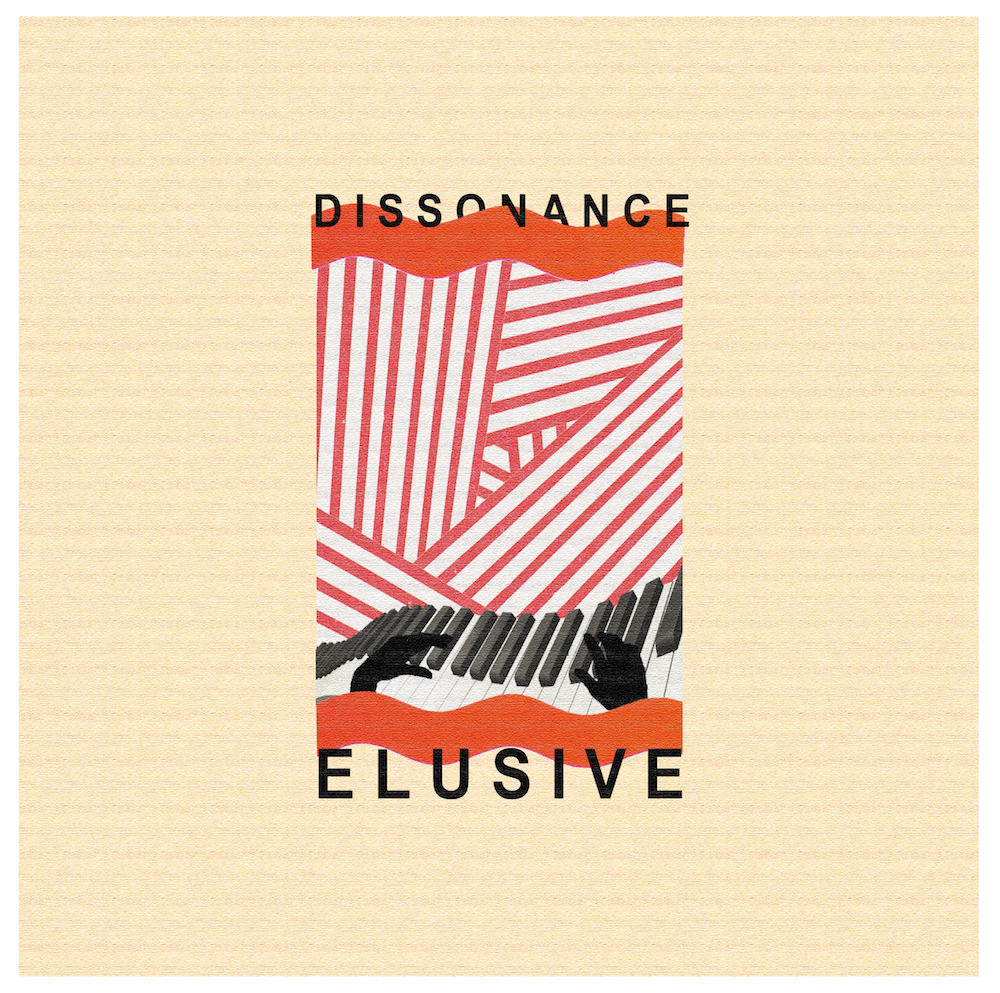
Following his recent albums with Alpha Pup Records and Dome of Doom, Elusive is back with the two-part EP series Dissonance and Consonance. First up is Dissonance, scheduled for release April 20 with Alpha Pup Records. Consonance will follow later this year.
We’re told that Dissonance pulls together expansive drum breaks with the underpinning of highly blended vocals, technically derived basslines, syncopated percussion, and a montage of synth tones. It’s described as “soulful, futuristic, expansive, electric, and immersive.” Strings, keys, harp, guitar, and many other elements are added in various stages, giving the EP a “sense of motion that’s constantly evolving.”
Tracklisting
01. Poly Riddim 02. Modules 03. Good JuJu 04. Full Spectrum 05. Inner Calm 06. Passion Fruit 07. First Inversion 08. Super Nova (feat. Omari Jazz)
Dissonance will land on April 20, with “Good JuJu” streaming in full via the player above.