CLICK ANY PHOTO TO ENLARGE AND ENTER GALLERY BROWSING
More information on 2018 edition here:


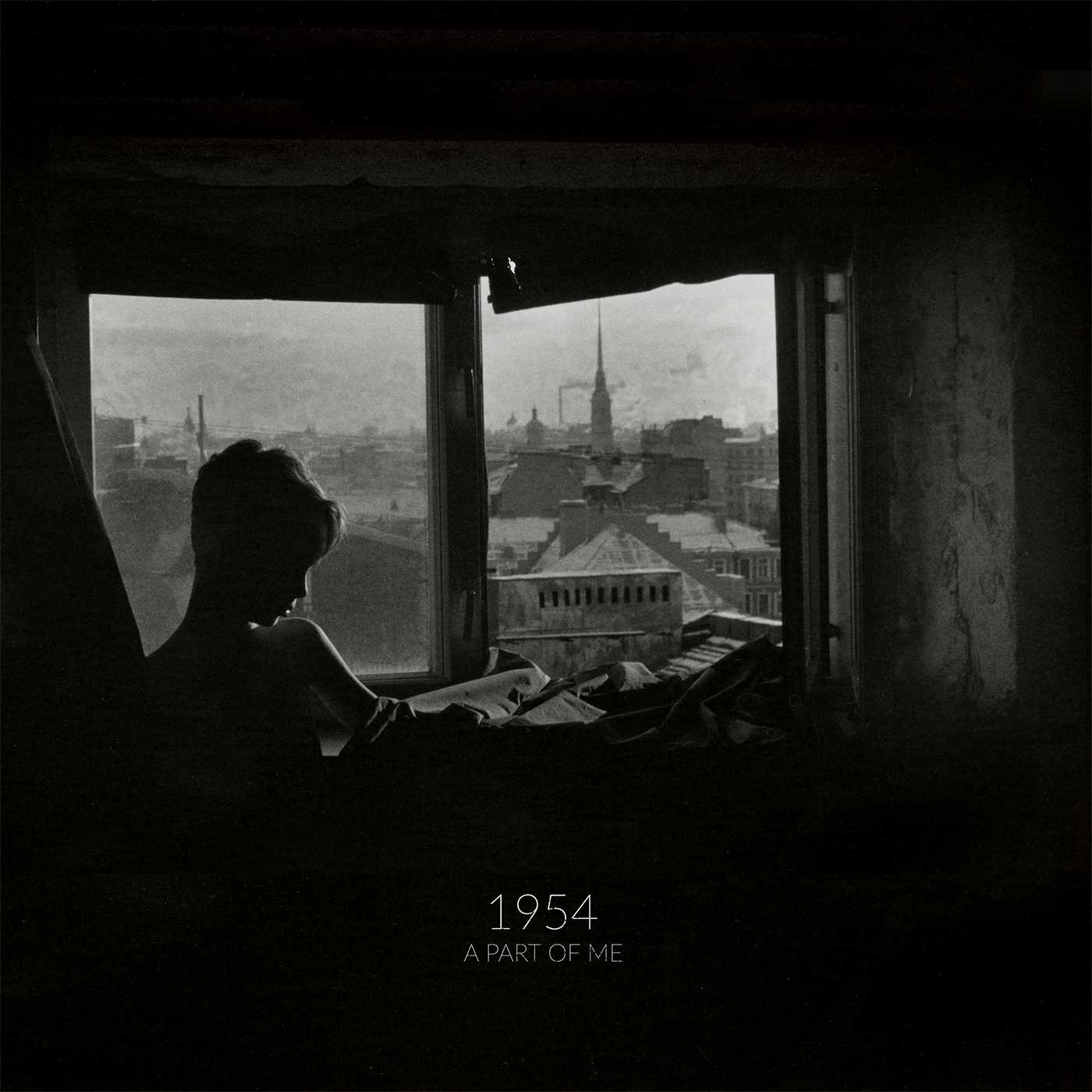
Project:Mooncircle will release the debut album by Ivan Arlaud (alias 1954), a young musician from Lyon, France.
Project Mooncircle is a Berlin-based label and creative collective operating in the left-field sphere of electronic music. It was originally established in 2002.
The upcoming LP is described as an “immersive journey between nostalgic and synthetic sounds, melancholia and hope, fears and confidence.” Arlaud contrived to describe all the bright, warm, cold, and dark moments of his restless imagination in rhythms without being intrusive. As the title says, it’s his personal disclosure.
Tracklisting
01. Flowers Of The Dead Man
02. It Was Love
03. Hermann’s Dream
04. Colored Lies
05. Pleaide
06. Blue Boy feat. Loup Na
07. Finally
08. To Die For
09. Mean feat. Holly
10. Closer
11. We Used To Smoke feat. Mt
12. Madame Toulouse
A Part Of Me LP will land on January 26, with a teaser streaming below.
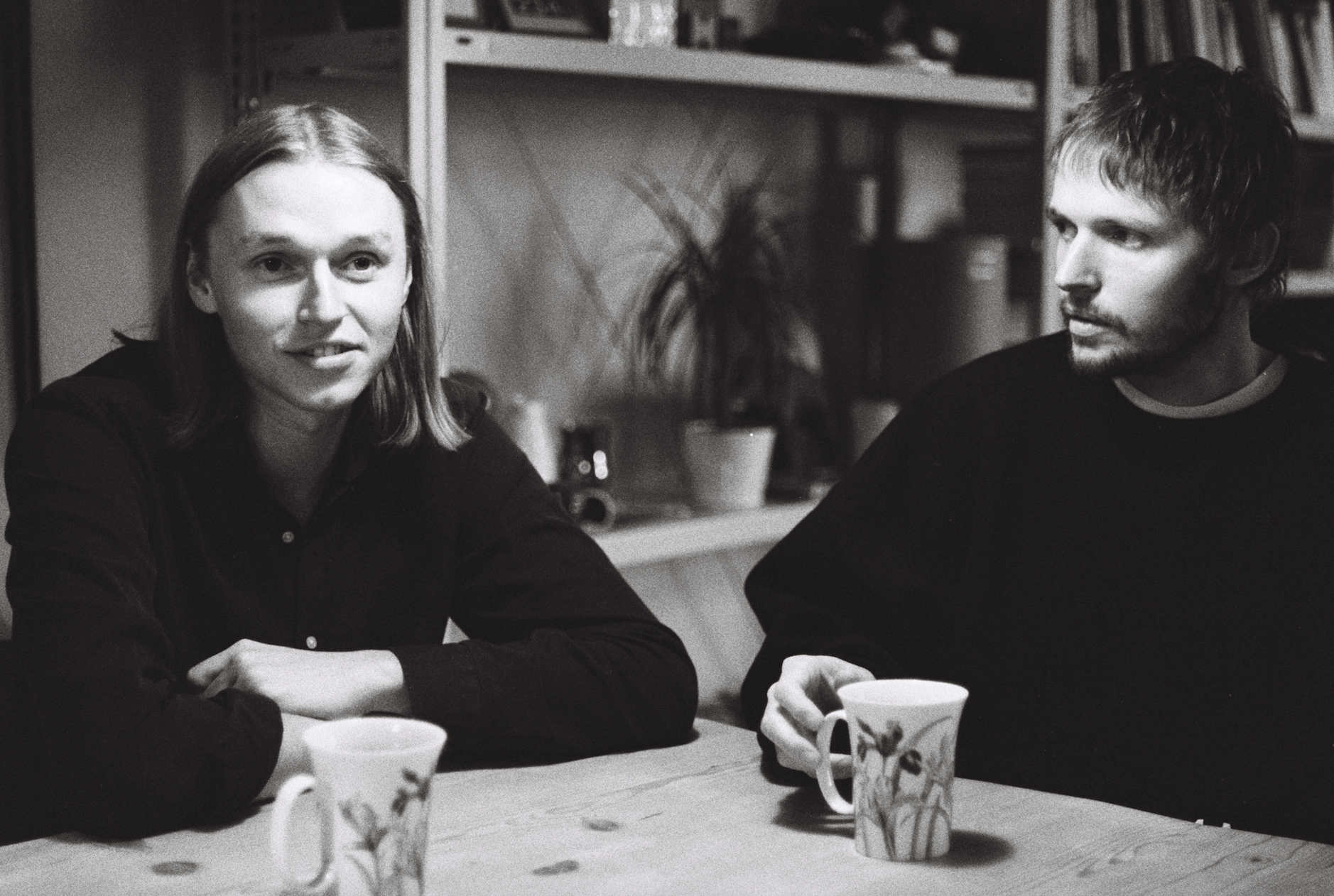
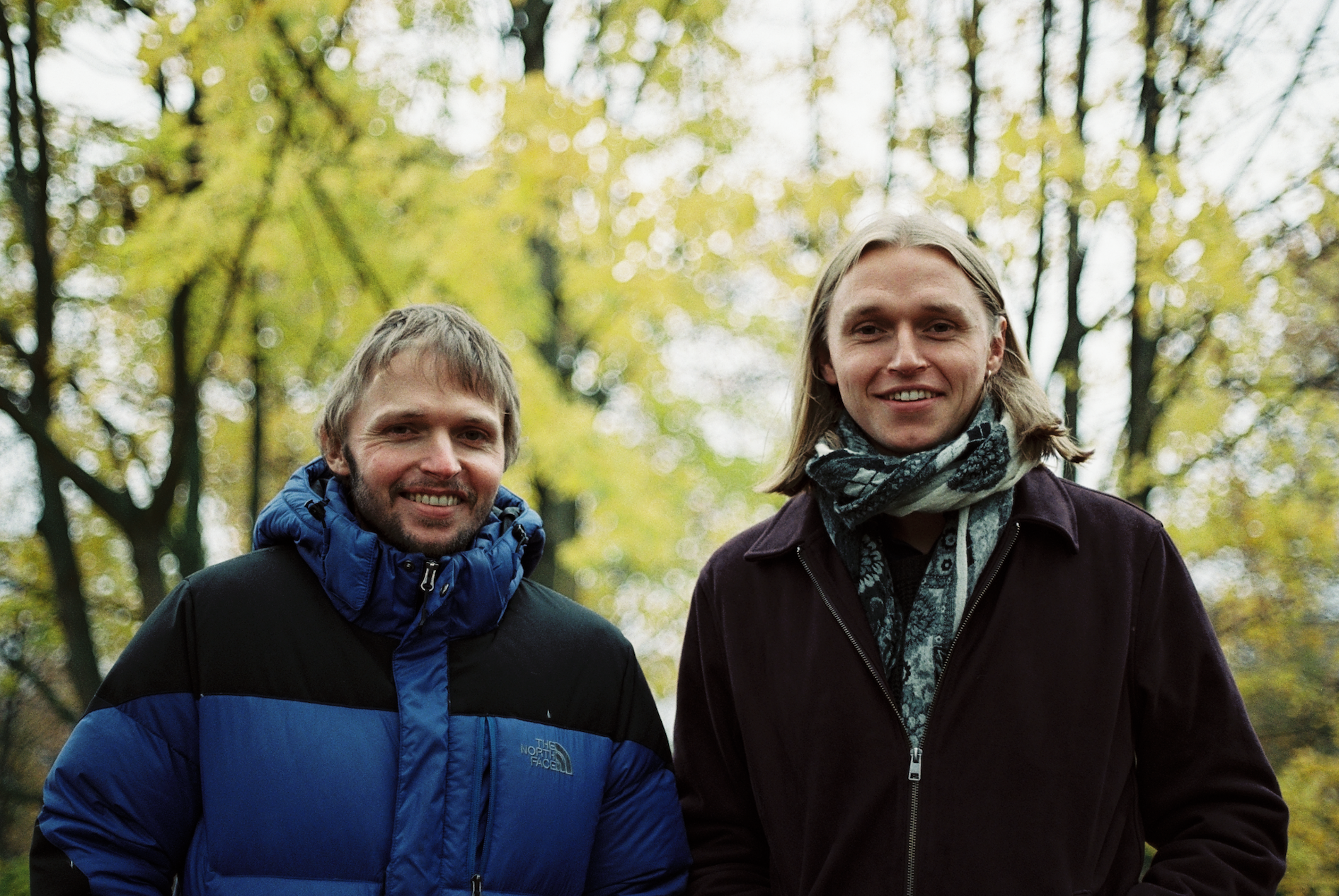
Alex and Digby Smith (a.k.a. Alex & Digby) released For My Process on June 19, the height of the European summer. The album is a diverse collection of 10 extremely well produced and highly detailed tracks that expose the duo as deft practitioners of analog sound. But as brilliant as it was, the LP slipped under the radar; besides the basic information, Soundcloud snippets, and a brief message, nothing else was said about the music or the cryptic title. There were no interviews and no reviews; all we were told was that it was recorded during a “very personal time” for the Berlin-based brothers—as that was all they could handle at the time. Now, five months on, the duo opened the doors to their home to tell William Ralston the story behind it.
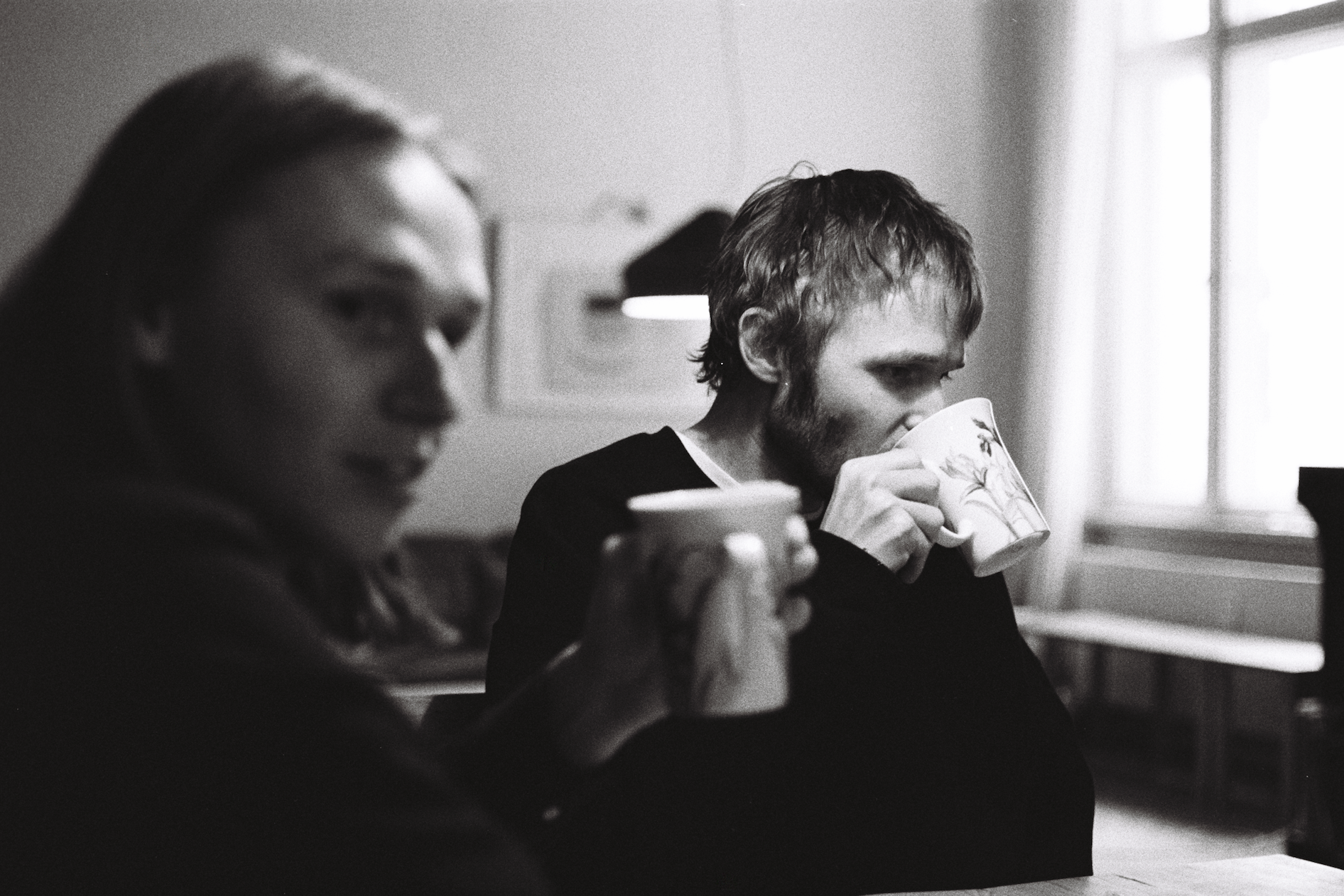
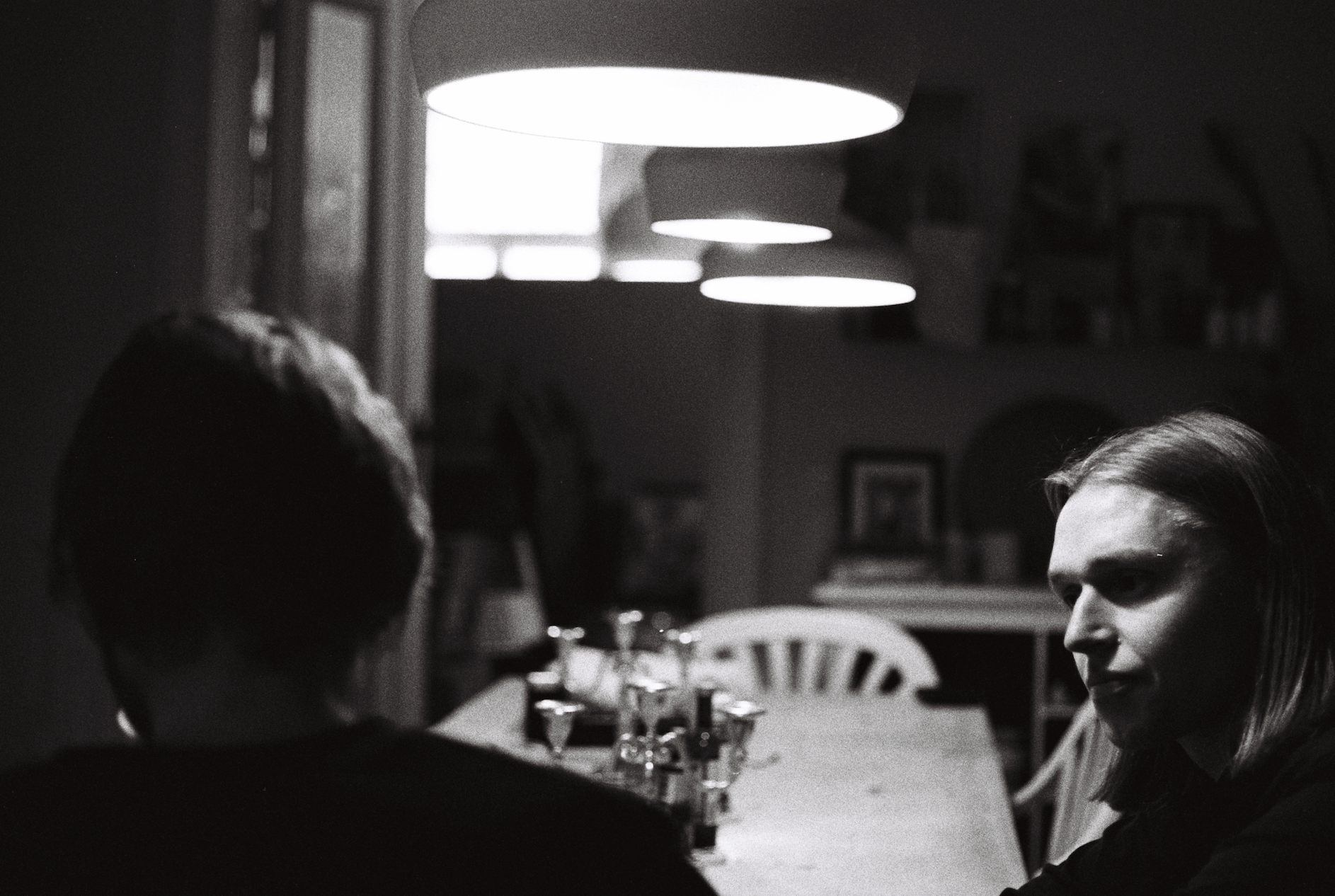
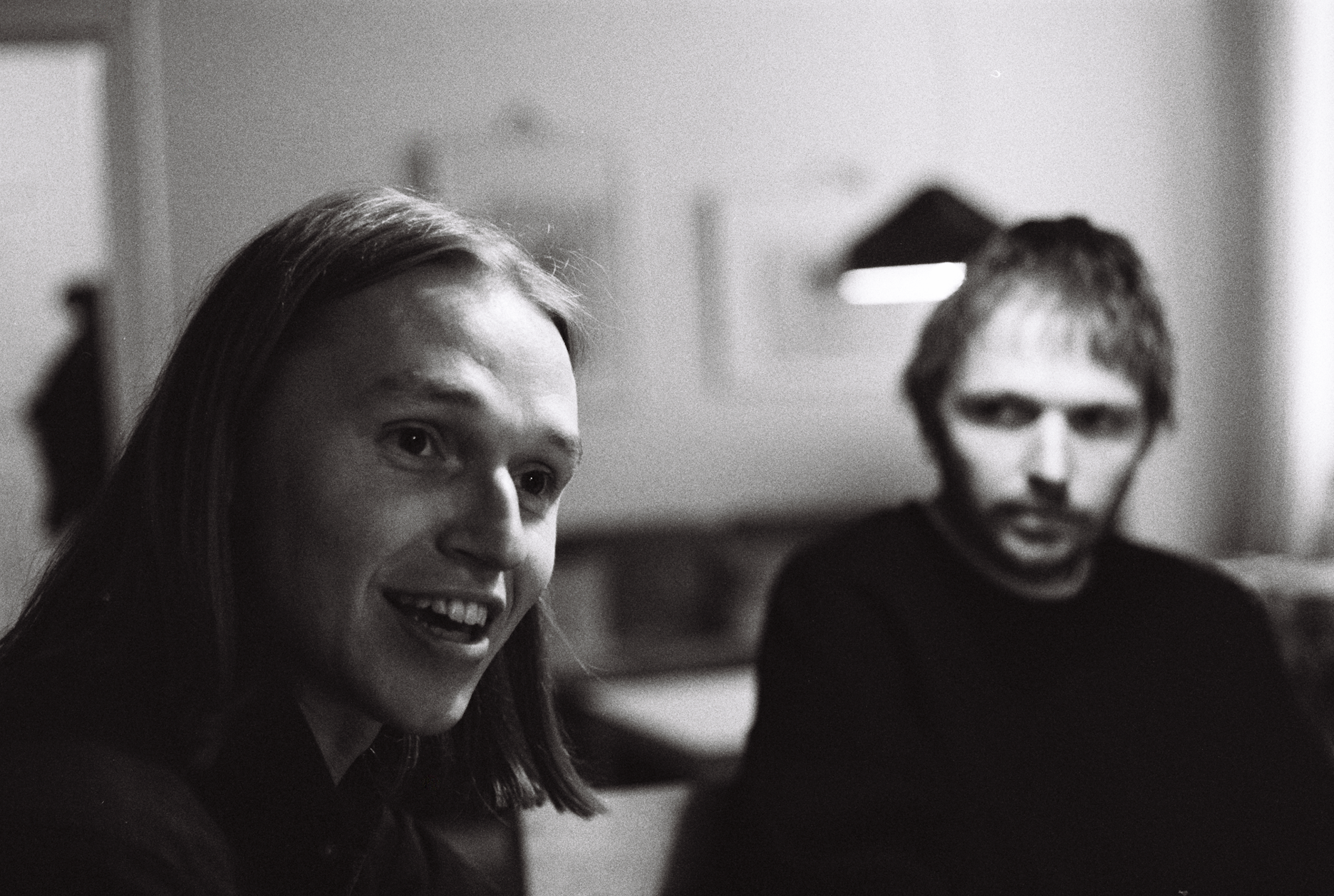
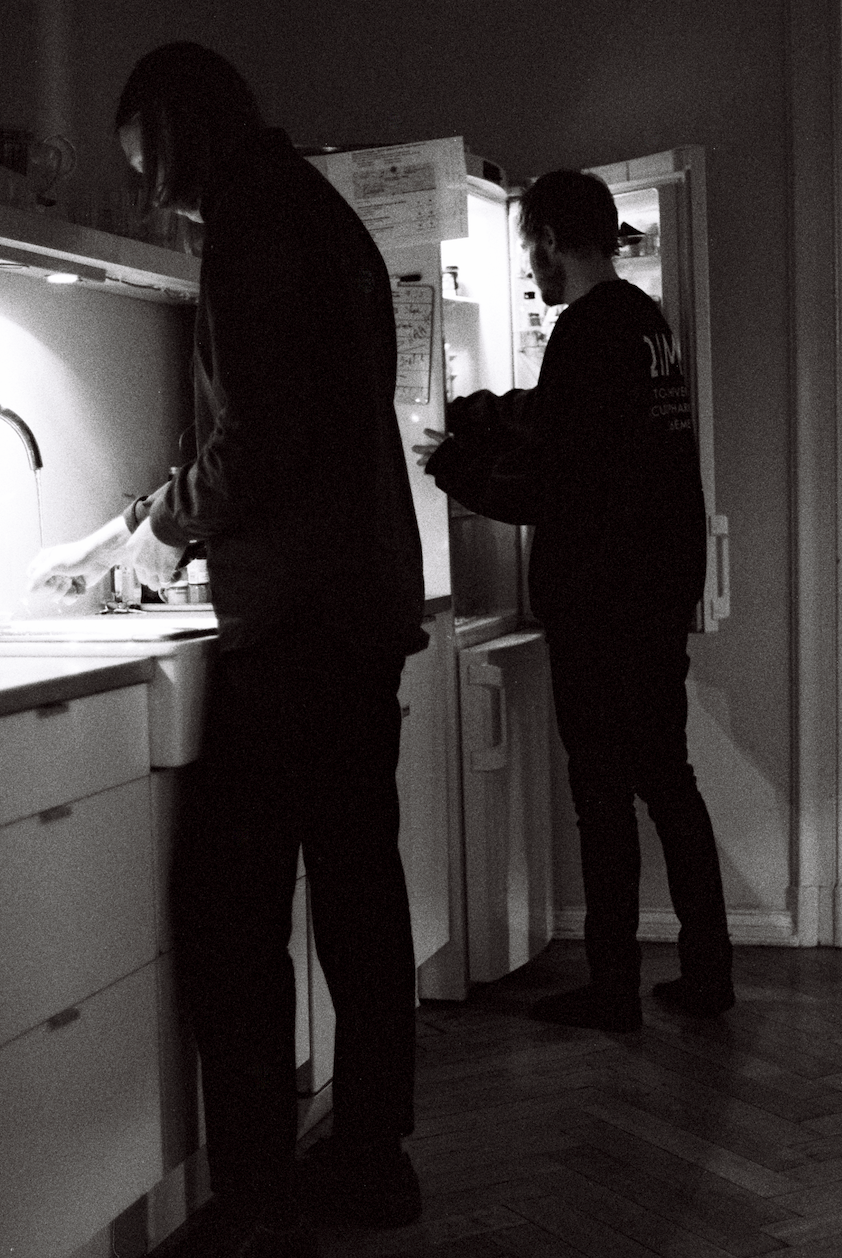
I meet Alex and Digby in their Kreuzberg apartment. It’s a rainy mid-October evening, and both are enjoying a night in after a busy but deeply unsettled summer. It’s a beautifully decorated home that overlooks Club der Visionaere and the Spree. Evidence of their musical ambitions is scattered throughout: an enormous and well-stocked record shelf adorns the lounge wall, and a delightful modular-based recording studio monopolizes the back bedroom—around which lies Digby’s mattress and his other essential belongings. Digby, 27 — the more talkative of the pair — leads the conversation; Alex, 30, listens and contributes where he feels necessary.
After spending their early years in South Africa, Alex and Digby grew up Guildford, a town in southern England. Although their parents were not musical, the duo involved themselves in separate band projects, and Alex declined a recording contract in favor of attending Bristol University. Having discovered the city’s rich and highly influential rave scene of that period, no sooner was he DJing and experimenting with his own production; and naturally, he began encouraging his brother to get involved—even giving him some turntables for his 18th birthday. “In that amazing brotherly way, I gave him exactly what I wanted,” Alex explains, visibly enjoying the moment as he looks back.
This ignited Digby’s interest in dance music, leading him to undertake studies in Music Production and Sound Engineering at the Academy of Contemporary Music. A tight brotherly connection soon blossomed, with music as the basis, and soon the brothers were DJing together. “We really connected through our shared love of music,” Alex explains. “It’s what brought us together.” Despite his school commitments, Digby often traveled to Bristol to spend time and perform with his brother, sometimes more than three times per week. “I basically did university with Alex,” Digby jokes. “It was the richest we have ever been.”
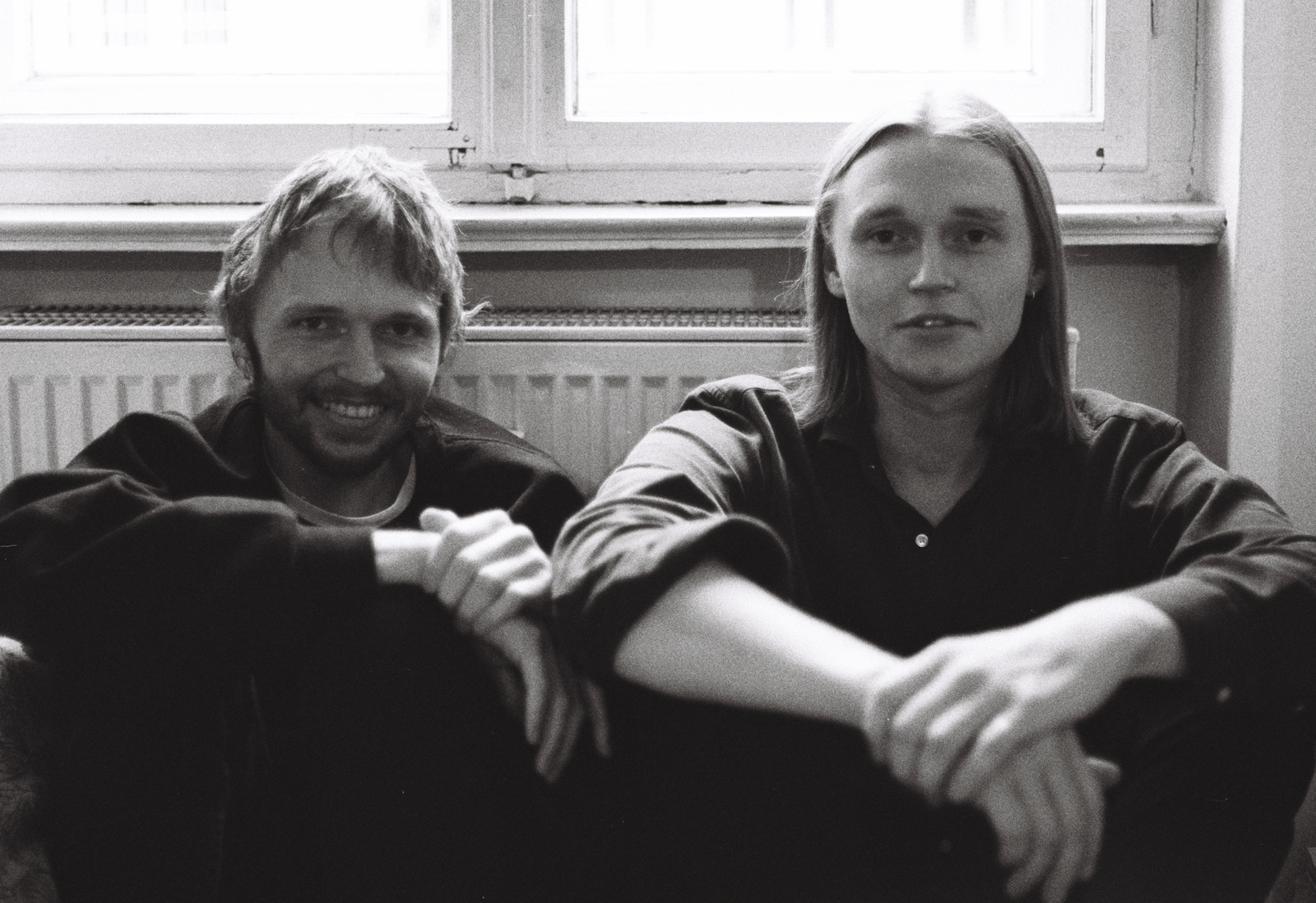
After graduation, Alex and Digby relocated to Hackney, East London. The appeal of living close to friends was too strong, so they made the move without having first secured regular work. But this changed when Digby went to see a friend perform at Ronnie Scott’s Jazz Club. Sitting at the bar, and noticing that the band’s drummer was behind, he struck up a conversation with the then-stranger who kindly suggested that they visit his Wimbledon music studio. Intrigued by the offer, the brothers accepted only to discover that said stranger was, in fact, a widely acclaimed recording engineer with a list of clients that includes Queen, Simply Red, and Motorhead. For over two years, the pair worked as said engineer’s studio trainees in what was the finest apprenticeship they could ever have hoped for.
Frustration then ensued. Apprenticeship over, the duo set up as freelance recording engineers but found it difficult to obtain affordable access to the analog and professional-level studio equipment that they had trained on. “It was so frustrating because we couldn’t make our work sound good on what we had,” Alex explains. “It can become boring listening to the exact same digital audio, but the subtle changes like the fluctuation of voltage when using analog equipment can keep a song feeling alive and engaging throughout,” he adds. “This is especially important when creating repetitive beat-driven music.” After some time, they agreed to a deal with East London’s Baltic Place, a renowned studio to which they were given access in return for some general maintenance work. This allowed them to generate some income, but profits remained negligible.
“We wanted to be DJs. We knew that was what we wanted to do, and everything we did was aimed at achieving this.”
Yet the most important part of their time in London was to come. Having moved out to Peckham and earned some money, they began to explore the capital’s nightlife scene. First up was Fabric, the backdrop of many legendary Ricardo Villalobos sets; and witnessing the famed Chilean play proved to be a turning point: this was the first time they had experienced dance music that was as sonically stimulating as the indie music they had grown up listening to. It was also the electronic equivalent of a band performance, and the first time they recognized DJing as a legitimate career. From this point onwards, “We wanted to be DJs,” Digby explains. “We knew that was what we wanted to do, and everything we did was aimed at achieving this.”
Cue production. “To be a DJ you had to be a producer, so we started this too,” Digby explains. Having started experimenting with collaborative music production several years early, they now began to focus on making sophisticated minimal sounds. This was the birth of the Alex & Digby project as we know it today.
By this point, they had relocated to a cottage on the outskirts of London to minimise costs. They continued to work as studio engineers but supplemented their income with other jobs: Digby worked as a gardener; Alex did some freelance Photoshop work. They also took out a bank loan to cover the imperative pieces of studio equipment. Any spare time was spent working on their music—and they’d often be in the studio all through the night before returning to work the next morning on little sleep. “It was a real struggle for us, emotionally and otherwise,” Digby explains, stressing that they didn’t see any rewards for their labors for long periods. “Nobody talks about these challenges, but this was a lot of hard work.”
The focus was on making rich analog-made sounds. “It’s a cross-over of our interests: analog productions and dance music,” they say. Experimenting and studying, they sought a sound they were comfortable with. Often they’d take a spreadsheet and break down the arrangement of music they enjoyed to see if there was a formula for it. “You copy what you appreciate and then when you fall short it becomes your sound,” Alex says, “until you begin to come up with your ideas you believe to be as good.”
They also had to make do with no DJ bookings. “We would practice four times per week at home,” Digby explains. They’d envisage that they were playing somewhere at a certain time, before and after a certain artist. “We did our own virtual gigs,” they explain. Often they’d record these sessions to add an element of pressure.
In terms of production, a sound aesthetic soon developed. This is much down to their band backgrounds: “analog has always felt like a human means of processing audio; whereas more digital approaches, while convenient, are sometimes quite rigid,” Digby explains. It wasn’t until two years later, however, that they revealed any of this material; time, they stress, was needed to learn how to produce a sound they were happy to share. 2014’s FAARAT001, their debut EP, was their first music they were “really happy” with. It’s a commendable example of patience and discipline.
The duo delivered the first pressings to London’s Kristina Records in early 2014. Upon arrival, the retail clerk tested the records out via the store speakers, catching the attention of Jimmy Asquith, who worked at the store before his Lobster Theremin success. Impressed with what he heard, Asquith bought all 300 pressings on the spot, no questions asked. Having had no difficulty in selling them, he happily agreed to a similar deal for FAARAT002 and FAARAT003, both of which landed later that year.
It’s a remarkable situation because neither Alex nor Digby had any idea that their records had sold. “We just delivered the music, got the money, and focused on the next one,” they say. “There was no risk for us; Jimmy looked after everything.” In truth, it was much more than they hoped for; they expected to sell no more than 10. The first release was viewed as “litmus test” that they could “make disappear” if it were no good. It was for this reason that they shared it via their own Flash as a Rat label in a vinyl-only format with only limited pressings. “If they didn’t work then we would bomb the label and start again later on,” Digby explains.
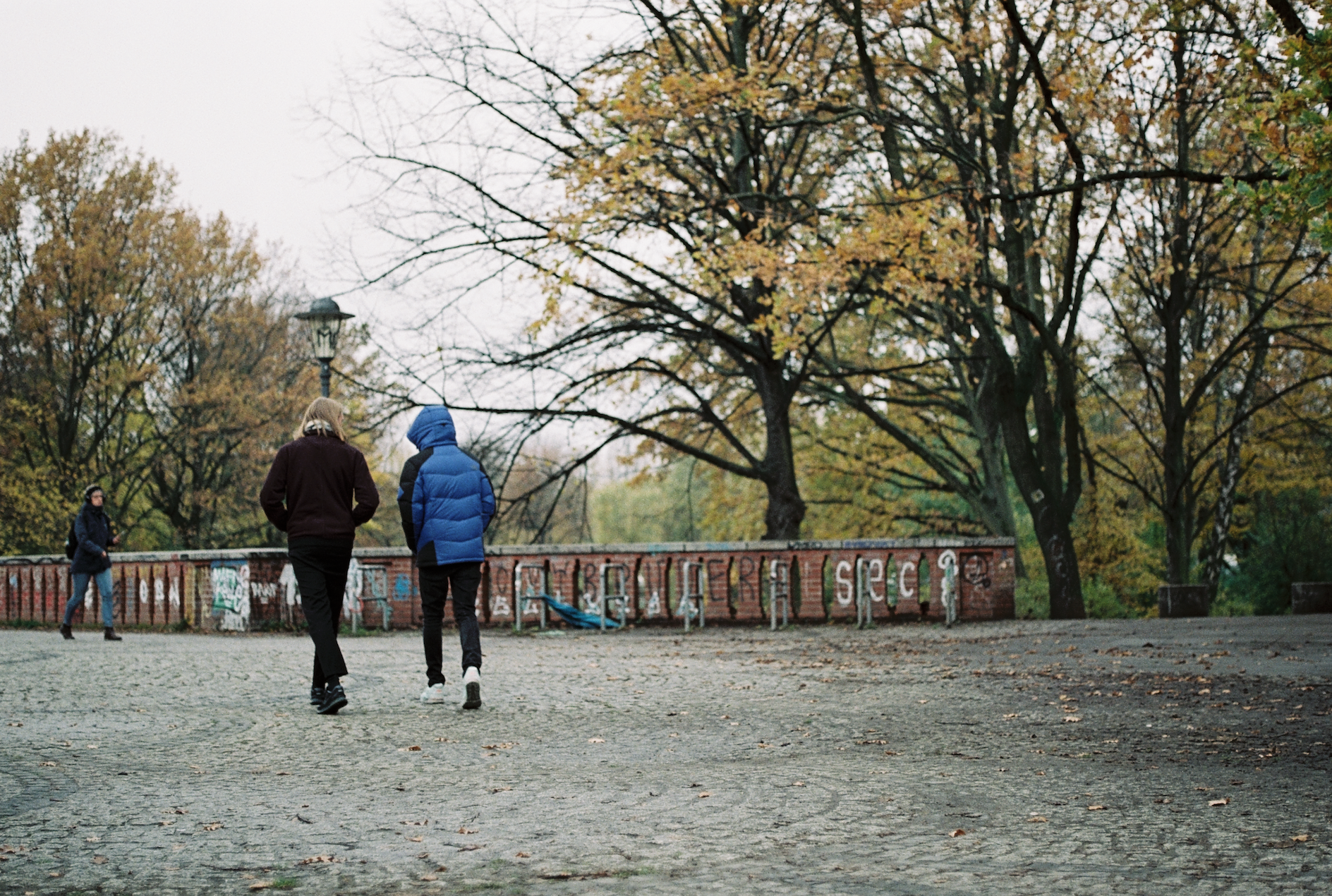
Despite these undisclosed successes, attention soon shifted to their own Behind The Wall parties at London’s Plastic People. It was just another part of the jigsaw: “We knew that having a party was a great way to be a DJ,” Digby explains, adding that it was the only way that they secure regular gigs in the capital.“We really were just following a recipe.” By the time of their third release, the boys had started throwing monthly parties in collaboration with Alex Harris, a well-connected friend who opened up a lot of doors for the duo. Often they’d invite international DJ guests for whom they would play the warmup set. DJ Stingray, Cabanne, and DJ Sprinkles were among those invited.
Naturally, it wasn’t long until Berlin came calling. Living in the UK had left the boys frustrated and broke. Needing to work around the clock just to cover bills, they had no time to work on their own music. “We just couldn’t afford to live in England anymore,” Alex explains. So they found an apartment on Craigslist and made the move in February 2015.
The German capital’s minimal scene is notoriously hyperactive when it comes to finding new music: if the music is good, people will find it. You don’t need to overly promote. Exploring Berlin’s nightlife, the brothers were surprised to find that their early Flash as a Rat records had garnered widespread support. As it turned out, Jimmy Asquith had distributed these records across Europe, and many of them had found their way into this tight-knit Berlin community of diggers. “We had absolutely no idea our records were a success,” Digby recalls.
Jan Krueger was one such fan. After hearing Lamache play their records, he asked to be introduced and then supported the brothers over the ensuing months. Impressed by their work and respecting of their commitment, Krueger helped the duo settle in the German capital and introduced them to those in the scene. He suggested that they release on his label and also invited them to play his Hello?Repeat parties at Else and later Club de Visionaere, where they played for 11 hours back-to-back. Krueger kindly gave them the entire evening’s fee knowing that they were in need of money. “
Jan Krueger asked us for our records,” Digby explains, his eyes lighting up to reveal just how much the boys are still adapting to how quickly things progressed. It’s an endearing moment that captures their appreciation for this newfound success.
Having settled quickly, the duo began reaping the rewards for their Berlin move. The cheaper cost of living allowed them to invest more time in their work, much to the benefit of their studio output. Being involved in the scene also alerted people to their sound, and they quickly developed a strong reputation for their slick productions and esoteric DJ selections.
Now they needed a booker—and up stepped Joel Harmsen from Solid AM, a leading Berlin agency with which the duo had long aspired to work. Having convened in Ibiza, Harmsen reached out and signed them up in a collaboration with Katrin Schlotfeldt from Sparks agency. No sooner were the duo playing all across Europe with some of their idols; and they’d often be sent to “test” out budding clubs and promoters before the agency offered someone of a higher profile. It was a tremendously formative period that established the boys as one of the most promising names in the minimal house scene. “Suddenly things were moving,” Digby recalls, toning down a smile as he looks towards his brother. “We were both so excited.”
And then something terrible happened.
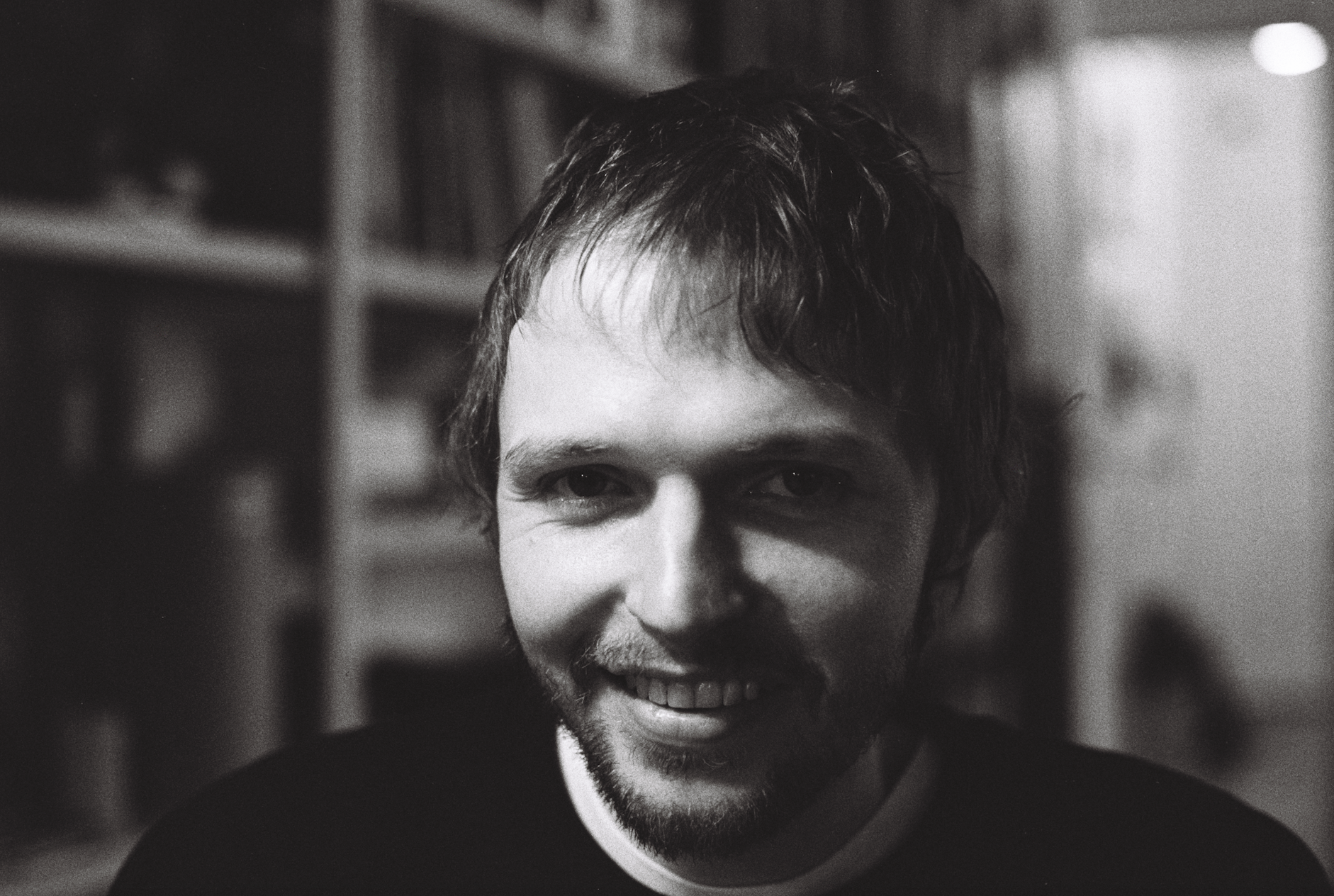
In December 2015, the boys visited the UK to spend the holidays with their family. Before his return to Berlin, Alex began complaining of headaches but opted to travel anyway, assuming that they would pass. Digby remained in the UK so as to allow his brother some time alone in Berlin with his wife. Then, having returned home from dinner one evening, Alex had a seizure and was rushed to a nearby hospital. After several scans, he underwent emergency surgery to remove a large tumor that was pressing against his skull.
Alex had brain cancer.
A three-week induced coma ensued. During this time, Digby tried to wake his brother up by making playlists of their favorite songs and also some of Alex’ favorites from Japanese composer Ryuichi Sakamoto. He also researched the best frequencies for healing the brain and spent time in the studio trying to compose pieces that would support Alex’ healing process. “This was a really bleak time,” Digby says. Although he was only given a 10% chance of ever waking up, Alex came round four days before doctors believed it to be even possible given his level of sedation. He then required several weeks to come off the drugs and just to learn how to walk again.
“I went to sleep and woke up with everything I had ever wanted.”
Alex awoke to an entirely different world to that which he could recall. Naturally, he had lost much of his memory from the months leading up to the seizure, and so news of their signing to Solid AM and other such advancements arrived as a pleasant surprise. “I went to sleep and woke up with everything I had ever wanted,” Alex recalls. In addition to this, Harmsen and Schlotfeldt had secured a number of high profile gigs, including one with Ricardo Villalobos on the Amnesia Terrace. Performing at Cocoon Amnesia had been the boys’ dream ever since they visited Ibiza many years ago. “It [Playing for Cocoon at Amnesia] was always the goal,” Alex explains. “It’s what we had been working our whole lives for.”
The family soon returned home to the UK to begin the healing process. After one month of severe rehabilitation, during which they experimented with various forward-thinking therapies, Alex began dabbling in music once again—aiming to support his recovery. There was a faint hope that he would be well enough to play the Amnesia Terrace in the summer, and so the boys began “training.” Having forgotten “everything,” Alex had to relearn how to mix records, supported by his brother. The pair continued making and buying as much music as they could. “We hit it at a real pace,” Digby recalls.
Needing a studio, Digby then returned to Berlin to pick up some gear. To ease transportation, he made a box according to the exact dimensions of Easyjet hand luggage, inside which he could fit a 18U modular rack—double the capacity of an off-the-shelf equivalent. Having set up a small studio in the family living room, they began writing music together.
“Something about this music is inherently healing. The frequencies that define properly produced and classical minimal music are meditative.”
To begin with, they were not consciously trying to write anything. The purpose was to stimulate Alex’ brain and support his recovery. Over time, however, it became a central part of this process. “Something about this music is inherently healing,” Alex explains. “The frequencies that define properly produced and classical minimal music are meditative.” In addition to this, modular synthesis is a wonderful form of stimulation because it’s “so freeing,” Digby explains. “On the most basic level, you plug something in and you’re immediately rewarded with something that you can’t fully predict.” Music production also gave them some “roots”—a positive distraction from Alex’ medical condition. “When you come through something like the coma then you need something to ground you,” Alex explains. In just over two months they completed close to 60 new tracks.
By late April, Alex was given the green light to travel and the duo returned to Berlin. Listening to the music they had produced, they realized they had a record. “The music we had made sounded like that period of time,” Digby recalls. It was their intention that their debut album references the acoustic instrumentation of their youths, but this seemed right, they explain.
Out of this collection, they took five or six tracks that they were happy with, and began making the material to tie it all together. One of these original tracks was “Hospital,” which Digby actually sketched before Alex fell ill and then completed while his brother was in the coma. Listen carefully and you can hear lots of bleeps, breathing, and generic hospital noises—references to the situation before him. The distorted and trippy sounds towards the end were intended to soundtrack Alex drifting further off into his induced coma. They called the album For My Process for the much of the music was made for exactly that reason.
It wasn’t long before the boys were taking bookings once again, first in London, before Alex’ health deteriorated. The cancer returned, leading to more emergency brain surgery, at which point a decision was made for him to take time away from the touring to allow time for healing. He did, however, make the Amnesia gig in late September 2016, albeit with a bald head and a large scar to show for the recent operation. “We banged it at Amnesia and also got a repeat booking,” he says. Unfortunately, he’s only been able to play a few gigs since.
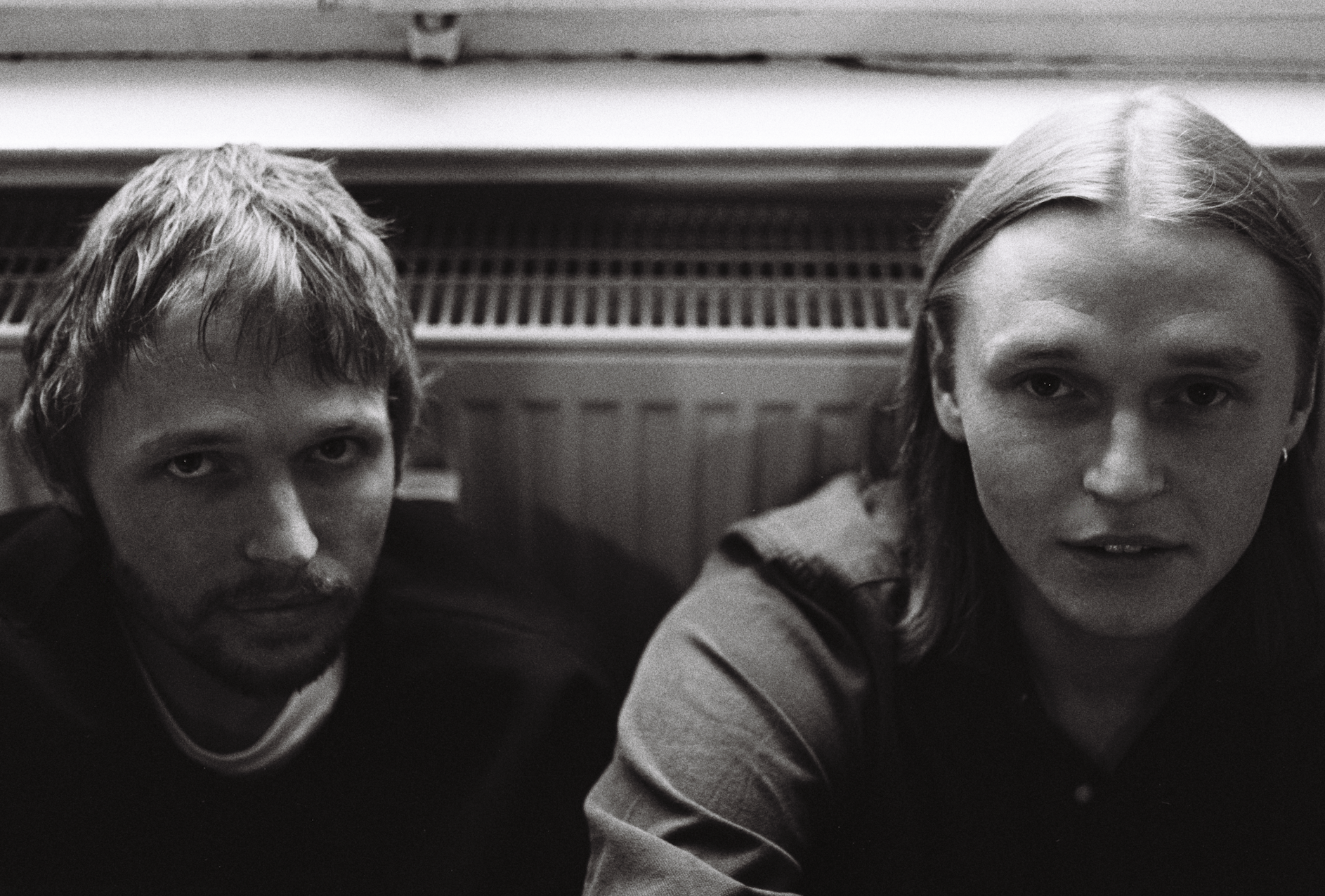
This is not so much a story about music. It’s a tale of grit of determination—of two brothers who’ve given so much to reach this point and supported each other every step of the way. It’s extremely sad that Alex’ condition continues to obstruct his music. By all accounts, he’s in relatively good health, but it’s clear even during our short exchanges just how much his treatments encroach on his daily life. As much as he loves it, it’s simply not good for him to stay up all night playing his music to people.
And this must bring with it some frustrations. But it’s remarkable and touching to see just how well they’re managing it. Digby, for almost a year, has been taking care of almost all bookings, often traveling alone to perform as Alex & Digby and push the sound that they have created together; although more recently he’s been appearing on flyers as just Digby to avoid confusion. Alex has only traveled where strictly necessary, and he has taken the whole summer off to properly recover. As challenging as it is, they work together—as they always have—to make the best of a difficult situation.
Yet the musical relationship between the pair is as strong as it ever has been. Although Alex’ condition makes it almost impossible for him to live a normal life, both ensure that he remains fully involved in the project. While it is only Digby that will travel, they prepare for gigs together and convene on which records to take. “We are still connected in what we are doing, it’s just that I have to go abroad,” Digby explains. The condition could well have pulled them apart, but it’s seemingly brought them even closer together.
And it is here again that music production is so important. Time in the studio has become Alex and Digby’s grounding—a part of the project that remains much untarnished by the disturbance of the condition. It’s a form of escape; a part of their collaboration that they can still share. As Digby explains, he will often come back from a three-gig weekend and make music with his brother for several hours; and soon they’ll release this new material in the form of several new EPs. “It’s our time together,” he says. It serves as much of a purpose today as it did during the long months of rehabilitation in the United Kingdom.
In many ways, it’s also become a source of hope. Behind their brave faces is a sadness that raises its head during our conversations. Jamming together in the studio is now the basis for this musical connection that started all those years ago and it gives Alex and Digby reason to believe that soon they may be able to enjoy the fruits of their labors together. “We got into this to do it together and I hope that soon we will be able to,” Digby says.
Hopefully, that time won’t be long from now. With some luck, there will be a new Alex behind the decks soon, doing what he and his brother have chased for so many years. “That will be the restart,” Alex says, clearly enjoying the thought. “It’s been one hell of a journey but I think we’re almost there.”
But until the moment he can play again, making music will remain an integral of their process.
Alex and Digby Smith (a.k.a. Alex & Digby) released For My Process on June 19, the height of the European summer. The album is a diverse collection of 10 extremely well produced and highly detailed tracks that expose the duo as deft practitioners of analog sound. But as brilliant as it was, the LP slipped under the radar; besides the basic information, Soundcloud snippets, and a brief message, nothing else was said about the music or the cryptic title. There were no interviews and no reviews; all we were told was that it was recorded during a “very personal time” for the Berlin-based brothers—as that was all they could handle at the time. Now, five months on, the duo opened the doors to their home to tell William Ralston the story behind it.
I meet Alex and Digby in their Kreuzberg apartment. It’s a rainy mid-October evening, and both are enjoying a night in after a busy but deeply unsettled summer. It’s a beautifully decorated home that overlooks Club der Visionaere and the Spree. Evidence of their musical ambitions is scattered throughout: an enormous and well-stocked record shelf adorns the lounge wall, and a delightful modular-based recording studio monopolizes the back bedroom—around which lies Digby’s mattress and his other essential belongings. Digby, 27 — the more talkative of the pair — leads the conversation; Alex, 30, listens and contributes where he feels necessary.
After spending their early years in South Africa, Alex and Digby grew up Guildford, a town in southern England. Although their parents were not musical, the duo involved themselves in separate band projects, and Alex declined a recording contract in favor of attending Bristol University. Having discovered the city’s rich and highly influential rave scene of that period, no sooner was he DJing and experimenting with his own production; and naturally, he began encouraging his brother to get involved—even giving him some turntables for his 18th birthday. “In that amazing brotherly way, I gave him exactly what I wanted,” Alex explains, visibly enjoying the moment as he looks back.
This ignited Digby’s interest in dance music, leading him to undertake studies in Music Production and Sound Engineering at the Academy of Contemporary Music. A tight brotherly connection soon blossomed, with music as the basis, and soon the brothers were DJing together. “We really connected through our shared love of music,” Alex explains. “It’s what brought us together.” Despite his school commitments, Digby often traveled to Bristol to spend time and perform with his brother, sometimes more than three times per week. “I basically did university with Alex,” Digby jokes. “It was the richest we have ever been.”
After graduation, Alex and Digby relocated to Hackney, East London. The appeal of living close to friends was too strong, so they made the move without having first secured regular work. But this changed when Digby went to see a friend perform at Ronnie Scott’s Jazz Club. Sitting at the bar, and noticing that the band’s drummer was behind, he struck up a conversation with the then-stranger who kindly suggested that they visit his Wimbledon music studio. Intrigued by the offer, the brothers accepted only to discover that said stranger was, in fact, a widely acclaimed recording engineer with a list of clients that includes Queen, Simply Red, and Motorhead. For over two years, the pair worked as said engineer’s studio trainees in what was the finest apprenticeship they could ever have hoped for.
Frustration then ensued. Apprenticeship over, the duo set up as freelance recording engineers but found it difficult to obtain affordable access to the analog and professional-level studio equipment that they had trained on. “It was so frustrating because we couldn’t make our work sound good on what we had,” Alex explains. “It can become boring listening to the exact same digital audio, but the subtle changes like the fluctuation of voltage when using analog equipment can keep a song feeling alive and engaging throughout,” he adds. “This is especially important when creating repetitive beat-driven music.” After some time, they agreed to a deal with East London’s Baltic Place, a renowned studio to which they were given access in return for some general maintenance work. This allowed them to generate some income, but profits remained negligible.
“We wanted to be DJs. We knew that was what we wanted to do, and everything we did was aimed at achieving this.”
Yet the most important part of their time in London was to come. Having moved out to Peckham and earned some money, they began to explore the capital’s nightlife scene. First up was Fabric, the backdrop of many legendary Ricardo Villalobos sets; and witnessing the famed Chilean play proved to be a turning point: this was the first time they had experienced dance music that was as sonically stimulating as the indie music they had grown up listening to. It was also the electronic equivalent of a band performance, and the first time they recognized DJing as a legitimate career. From this point onwards, “We wanted to be DJs,” Digby explains. “We knew that was what we wanted to do, and everything we did was aimed at achieving this.”
Cue production. “To be a DJ you had to be a producer, so we started this too,” Digby explains. Having started experimenting with collaborative music production several years early, they now began to focus on making sophisticated minimal sounds. This was the birth of the Alex & Digby project as we know it today.
By this point, they had relocated to a cottage on the outskirts of London to minimise costs. They continued to work as studio engineers but supplemented their income with other jobs: Digby worked as a gardener; Alex did some freelance Photoshop work. They also took out a bank loan to cover the imperative pieces of studio equipment. Any spare time was spent working on their music—and they’d often be in the studio all through the night before returning to work the next morning on little sleep. “It was a real struggle for us, emotionally and otherwise,” Digby explains, stressing that they didn’t see any rewards for their labors for long periods. “Nobody talks about these challenges, but this was a lot of hard work.”
The focus was on making rich analog-made sounds. “It’s a cross-over of our interests: analog productions and dance music,” they say. Experimenting and studying, they sought a sound they were comfortable with. Often they’d take a spreadsheet and break down the arrangement of music they enjoyed to see if there was a formula for it. “You copy what you appreciate and then when you fall short it becomes your sound,” Alex says, “until you begin to come up with your ideas you believe to be as good.”
They also had to make do with no DJ bookings. “We would practice four times per week at home,” Digby explains. They’d envisage that they were playing somewhere at a certain time, before and after a certain artist. “We did our own virtual gigs,” they explain. Often they’d record these sessions to add an element of pressure.
In terms of production, a sound aesthetic soon developed. This is much down to their band backgrounds: “analog has always felt like a human means of processing audio; whereas more digital approaches, while convenient, are sometimes quite rigid,” Digby explains. It wasn’t until two years later, however, that they revealed any of this material; time, they stress, was needed to learn how to produce a sound they were happy to share. 2014’s FAARAT001, their debut EP, was their first music they were “really happy” with. It’s a commendable example of patience and discipline.
The duo delivered the first pressings to London’s Kristina Records in early 2014. Upon arrival, the retail clerk tested the records out via the store speakers, catching the attention of Jimmy Asquith, who worked at the store before his Lobster Theremin success. Impressed with what he heard, Asquith bought all 300 pressings on the spot, no questions asked. Having had no difficulty in selling them, he happily agreed to a similar deal for FAARAT002 and FAARAT003, both of which landed later that year.
It’s a remarkable situation because neither Alex nor Digby had any idea that their records had sold. “We just delivered the music, got the money, and focused on the next one,” they say. “There was no risk for us; Jimmy looked after everything.” In truth, it was much more than they hoped for; they expected to sell no more than 10. The first release was viewed as “litmus test” that they could “make disappear” if it were no good. It was for this reason that they shared it via their own Flash as a Rat label in a vinyl-only format with only limited pressings. “If they didn’t work then we would bomb the label and start again later on,” Digby explains.
Despite these undisclosed successes, attention soon shifted to their own Behind The Wall parties at London’s Plastic People. It was just another part of the jigsaw: “We knew that having a party was a great way to be a DJ,” Digby explains, adding that it was the only way that they secure regular gigs in the capital.“We really were just following a recipe.” By the time of their third release, the boys had started throwing monthly parties in collaboration with Alex Harris, a well-connected friend who opened up a lot of doors for the duo. Often they’d invite international DJ guests for whom they would play the warmup set. DJ Stingray, Cabanne, and DJ Sprinkles were among those invited.
Naturally, it wasn’t long until Berlin came calling. Living in the UK had left the boys frustrated and broke. Needing to work around the clock just to cover bills, they had no time to work on their own music. “We just couldn’t afford to live in England anymore,” Alex explains. So they found an apartment on Craigslist and made the move in February 2015.
The German capital’s minimal scene is notoriously hyperactive when it comes to finding new music: if the music is good, people will find it. You don’t need to overly promote. Exploring Berlin’s nightlife, the brothers were surprised to find that their early Flash as a Rat records had garnered widespread support. As it turned out, Jimmy Asquith had distributed these records across Europe, and many of them had found their way into this tight-knit Berlin community of diggers. “We had absolutely no idea our records were a success,” Digby recalls.
Jan Krueger was one such fan. After hearing Lamache play their records, he asked to be introduced and then supported the brothers over the ensuing months. Impressed by their work and respecting of their commitment, Krueger helped the duo settle in the German capital and introduced them to those in the scene. He suggested that they release on his label and also invited them to play his Hello?Repeat parties at Else and later Club de Visionaere, where they played for 11 hours back-to-back. Krueger kindly gave them the entire evening’s fee knowing that they were in need of money. “
Jan Krueger asked us for our records,” Digby explains, his eyes lighting up to reveal just how much the boys are still adapting to how quickly things progressed. It’s an endearing moment that captures their appreciation for this newfound success.
Having settled quickly, the duo began reaping the rewards for their Berlin move. The cheaper cost of living allowed them to invest more time in their work, much to the benefit of their studio output. Being involved in the scene also alerted people to their sound, and they quickly developed a strong reputation for their slick productions and esoteric DJ selections.
Now they needed a booker—and up stepped Joel Harmsen from Solid AM, a leading Berlin agency with which the duo had long aspired to work. Having convened in Ibiza, Harmsen reached out and signed them up in a collaboration with Katrin Schlotfeldt from Sparks agency. No sooner were the duo playing all across Europe with some of their idols; and they’d often be sent to “test” out budding clubs and promoters before the agency offered someone of a higher profile. It was a tremendously formative period that established the boys as one of the most promising names in the minimal house scene. “Suddenly things were moving,” Digby recalls, toning down a smile as he looks towards his brother. “We were both so excited.”
And then something terrible happened.
In December 2015, the boys visited the UK to spend the holidays with their family. Before his return to Berlin, Alex began complaining of headaches but opted to travel anyway, assuming that they would pass. Digby remained in the UK so as to allow his brother some time alone in Berlin with his wife. Then, having returned home from dinner one evening, Alex had a seizure and was rushed to a nearby hospital. After several scans, he underwent emergency surgery to remove a large tumor that was pressing against his skull.
Alex had brain cancer.
A three-week induced coma ensued. During this time, Digby tried to wake his brother up by making playlists of their favorite songs and also some of Alex’ favorites from Japanese composer Ryuichi Sakamoto. He also researched the best frequencies for healing the brain and spent time in the studio trying to compose pieces that would support Alex’ healing process. “This was a really bleak time,” Digby says. Although he was only given a 10% chance of ever waking up, Alex came round four days before doctors believed it to be even possible given his level of sedation. He then required several weeks to come off the drugs and just to learn how to walk again.
“I went to sleep and woke up with everything I had ever wanted.”
Alex awoke to an entirely different world to that which he could recall. Naturally, he had lost much of his memory from the months leading up to the seizure, and so news of their signing to Solid AM and other such advancements arrived as a pleasant surprise. “I went to sleep and woke up with everything I had ever wanted,” Alex recalls. In addition to this, Harmsen and Schlotfeldt had secured a number of high profile gigs, including one with Ricardo Villalobos on the Amnesia Terrace. Performing at Cocoon Amnesia had been the boys’ dream ever since they visited Ibiza many years ago. “It [Playing for Cocoon at Amnesia] was always the goal,” Alex explains. “It’s what we had been working our whole lives for.”
The family soon returned home to the UK to begin the healing process. After one month of severe rehabilitation, during which they experimented with various forward-thinking therapies, Alex began dabbling in music once again—aiming to support his recovery. There was a faint hope that he would be well enough to play the Amnesia Terrace in the summer, and so the boys began “training.” Having forgotten “everything,” Alex had to relearn how to mix records, supported by his brother. The pair continued making and buying as much music as they could. “We hit it at a real pace,” Digby recalls.
Needing a studio, Digby then returned to Berlin to pick up some gear. To ease transportation, he made a box according to the exact dimensions of Easyjet hand luggage, inside which he could fit a 18U modular rack—double the capacity of an off-the-shelf equivalent. Having set up a small studio in the family living room, they began writing music together.
“Something about this music is inherently healing. The frequencies that define properly produced and classical minimal music are meditative.”
To begin with, they were not consciously trying to write anything. The purpose was to stimulate Alex’ brain and support his recovery. Over time, however, it became a central part of this process. “Something about this music is inherently healing,” Alex explains. “The frequencies that define properly produced and classical minimal music are meditative.” In addition to this, modular synthesis is a wonderful form of stimulation because it’s “so freeing,” Digby explains. “On the most basic level, you plug something in and you’re immediately rewarded with something that you can’t fully predict.” Music production also gave them some “roots”—a positive distraction from Alex’ medical condition. “When you come through something like the coma then you need something to ground you,” Alex explains. In just over two months they completed close to 60 new tracks.
By late April, Alex was given the green light to travel and the duo returned to Berlin. Listening to the music they had produced, they realized they had a record. “The music we had made sounded like that period of time,” Digby recalls. It was their intention that their debut album references the acoustic instrumentation of their youths, but this seemed right, they explain.
Out of this collection, they took five or six tracks that they were happy with, and began making the material to tie it all together. One of these original tracks was “Hospital,” which Digby actually sketched before Alex fell ill and then completed while his brother was in the coma. Listen carefully and you can hear lots of bleeps, breathing, and generic hospital noises—references to the situation before him. The distorted and trippy sounds towards the end were intended to soundtrack Alex drifting further off into his induced coma. They called the album For My Process for the much of the music was made for exactly that reason.
It wasn’t long before the boys were taking bookings once again, first in London, before Alex’ health deteriorated. The cancer returned, leading to more emergency brain surgery, at which point a decision was made for him to take time away from the touring to allow time for healing. He did, however, make the Amnesia gig in late September 2016, albeit with a bald head and a large scar to show for the recent operation. “We banged it at Amnesia and also got a repeat booking,” he says. Unfortunately, he’s only been able to play a few gigs since.
This is not so much a story about music. It’s a tale of grit of determination—of two brothers who’ve given so much to reach this point and supported each other every step of the way. It’s extremely sad that Alex’ condition continues to obstruct his music. By all accounts, he’s in relatively good health, but it’s clear even during our short exchanges just how much his treatments encroach on his daily life. As much as he loves it, it’s simply not good for him to stay up all night playing his music to people.
And this must bring with it some frustrations. But it’s remarkable and touching to see just how well they’re managing it. Digby, for almost a year, has been taking care of almost all bookings, often traveling alone to perform as Alex & Digby and push the sound that they have created together; although more recently he’s been appearing on flyers as just Digby to avoid confusion. Alex has only traveled where strictly necessary, and he has taken the whole summer off to properly recover. As challenging as it is, they work together—as they always have—to make the best of a difficult situation.
Yet the musical relationship between the pair is as strong as it ever has been. Although Alex’ condition makes it almost impossible for him to live a normal life, both ensure that he remains fully involved in the project. While it is only Digby that will travel, they prepare for gigs together and convene on which records to take. “We are still connected in what we are doing, it’s just that I have to go abroad,” Digby explains. The condition could well have pulled them apart, but it’s seemingly brought them even closer together.
And it is here again that music production is so important. Time in the studio has become Alex and Digby’s grounding—a part of the project that remains much untarnished by the disturbance of the condition. It’s a form of escape; a part of their collaboration that they can still share. As Digby explains, he will often come back from a three-gig weekend and make music with his brother for several hours; and soon they’ll release this new material in the form of several new EPs. “It’s our time together,” he says. It serves as much of a purpose today as it did during the long months of rehabilitation in the United Kingdom.
In many ways, it’s also become a source of hope. Behind their brave faces is a sadness that raises its head during our conversations. Jamming together in the studio is now the basis for this musical connection that started all those years ago and it gives Alex and Digby reason to believe that soon they may be able to enjoy the fruits of their labors together. “We got into this to do it together and I hope that soon we will be able to,” Digby says.
Hopefully, that time won’t be long from now. With some luck, there will be a new Alex behind the decks soon, doing what he and his brother have chased for so many years. “That will be the restart,” Alex says, clearly enjoying the thought. “It’s been one hell of a journey but I think we’re almost there.”
But until the moment he can play again, making music will remain an integral of their process.
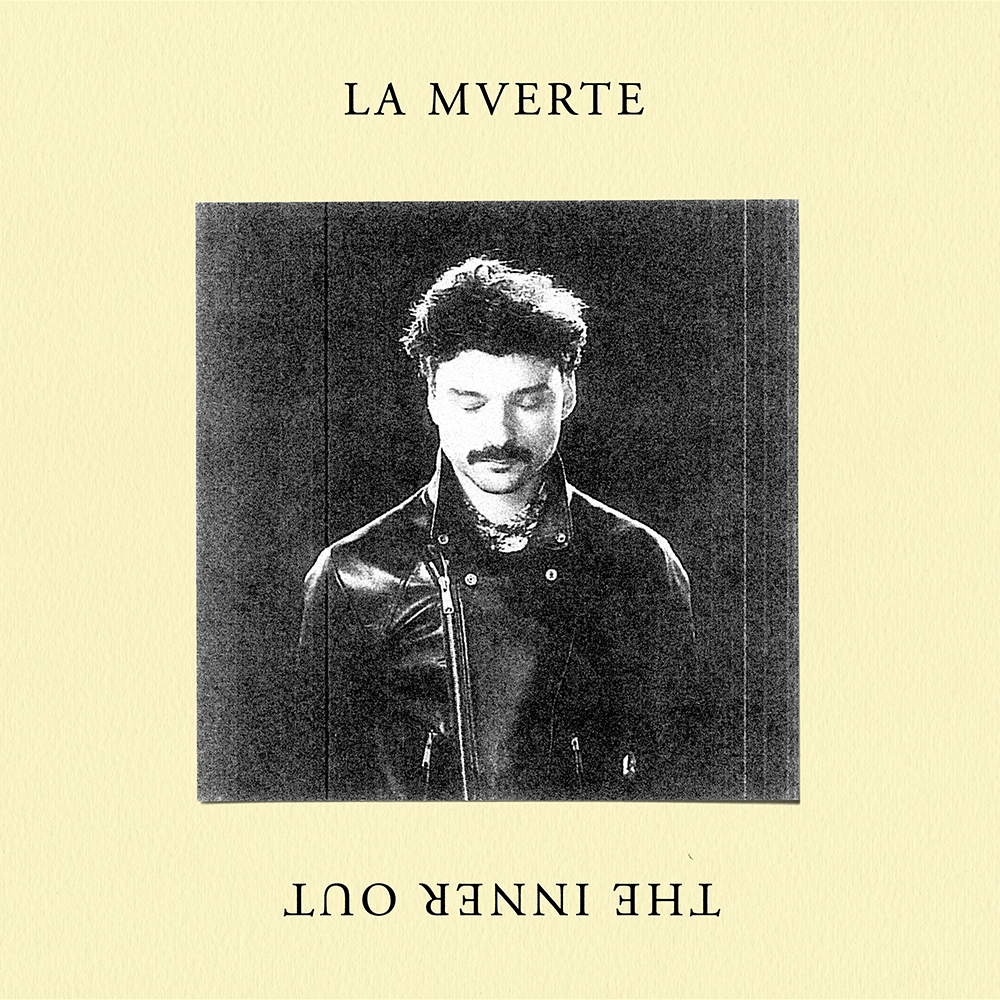
Last month, Her Majesty’s Ship released La Mverte‘s debut album, The Inner Out.
The Inner Out continues a stellar 2017 for Her Majesty’s Ship, following on from album’s by DBFC and Yan Wagner—Wagner also released two EPs on the label in 2017. Across 10 tracks, La Mverte lays down warped disco, weirdo post-punk, and more house-inclined cuts all ripe for the floor.
In support of the album, La Mverte has offered up a haunting, tripped-out disco cut titled “Past the Circles” as today’s XLR8R download, available via WeTransfer below.
You can pick up The Inner Outhere.
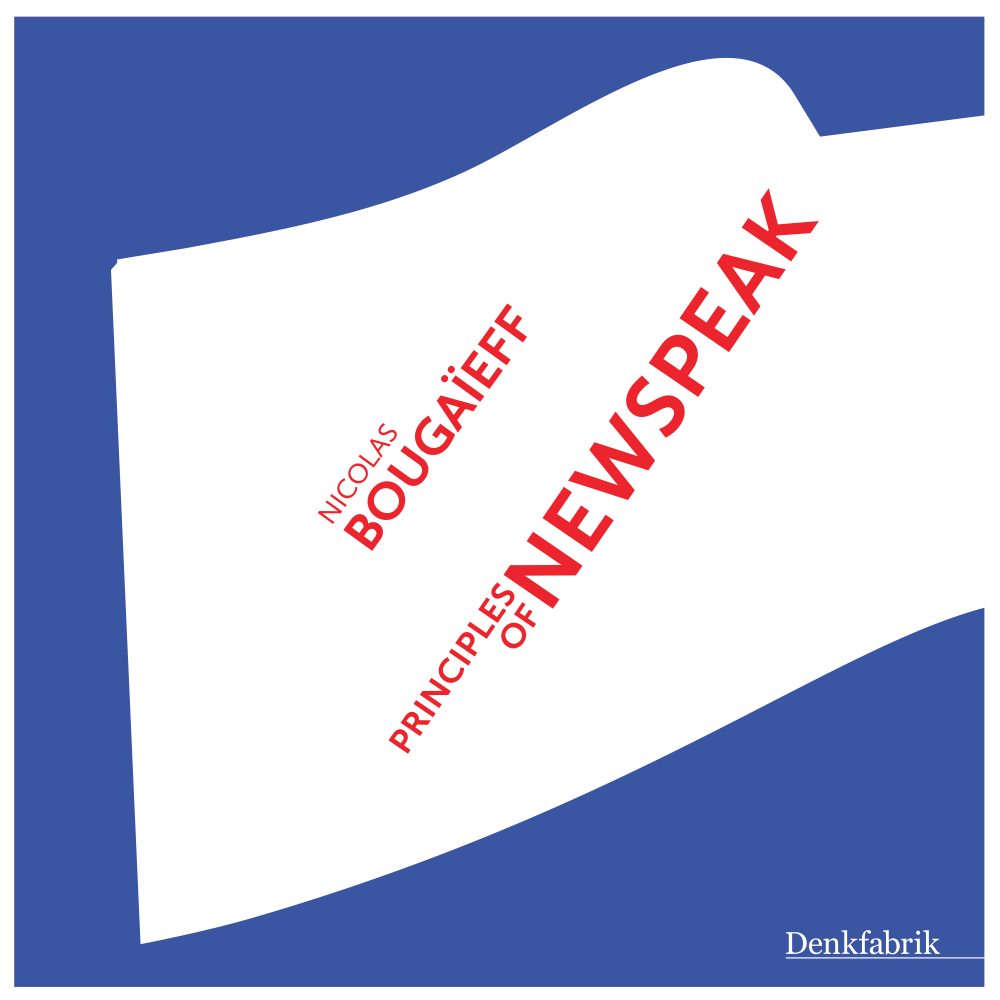
On November 24, Berlin-based Québécois producer Nicolas Bougaïeff will launch his new imprint Denkfabrik with his new album, Principles of Newspeak.
The LP follows Bougaïeff’s recent Cognitive Resonance 12″—the album also features three cuts from the EP—which was the first new release on relaunched British label NovaMute. The eight-track album was inspired by the appendix to George Orwell’s novel 1984 and is about the war on truth itself. The cuts on Principles of Newspeak are hard-to-define sonic journeys that touch on electro, drone, and IDM.
“Inaugurating the launch of my label Denkfabrik with Principles of Newspeak feels extremely fulfilling. Especially as it includes the tracks from my recent Cognitive Resonance 12″, which recently marked the relaunch of NovaMute, home to so many of my techno heroes (Plastikman, Chris Liebing, Speedy J) when I was just getting started. I could not have foreseen a better launch story.
I’ve long been fascinated by 1984 and already made several attempts to translate into music the underlying themes. Early in 2017, with what’s going on in the world and online, the time felt right to try again. I chose to focus specifically on the way words and facts are twisted and spread, both in Orwell and in reality and used that to inspire the sounds, structures and titles across the album.
Coming up next on Denkfabrik is Vocabulary C, a collection of locked grooves made from the audio scraps leftover from writing the Principles of Newspeak album. If you’ve read 1984 you’ll recognize the name as one of the facets of newspeak, the language invented to control thought. The parallel seemed just too perfect: between the loop as a purely functional self-standing piece of music and the reductionist structure of newspeak”
Ahead of the release next week, Bougaïeff has offered up a full stream of the LP’s title track, available to stream via the player below.
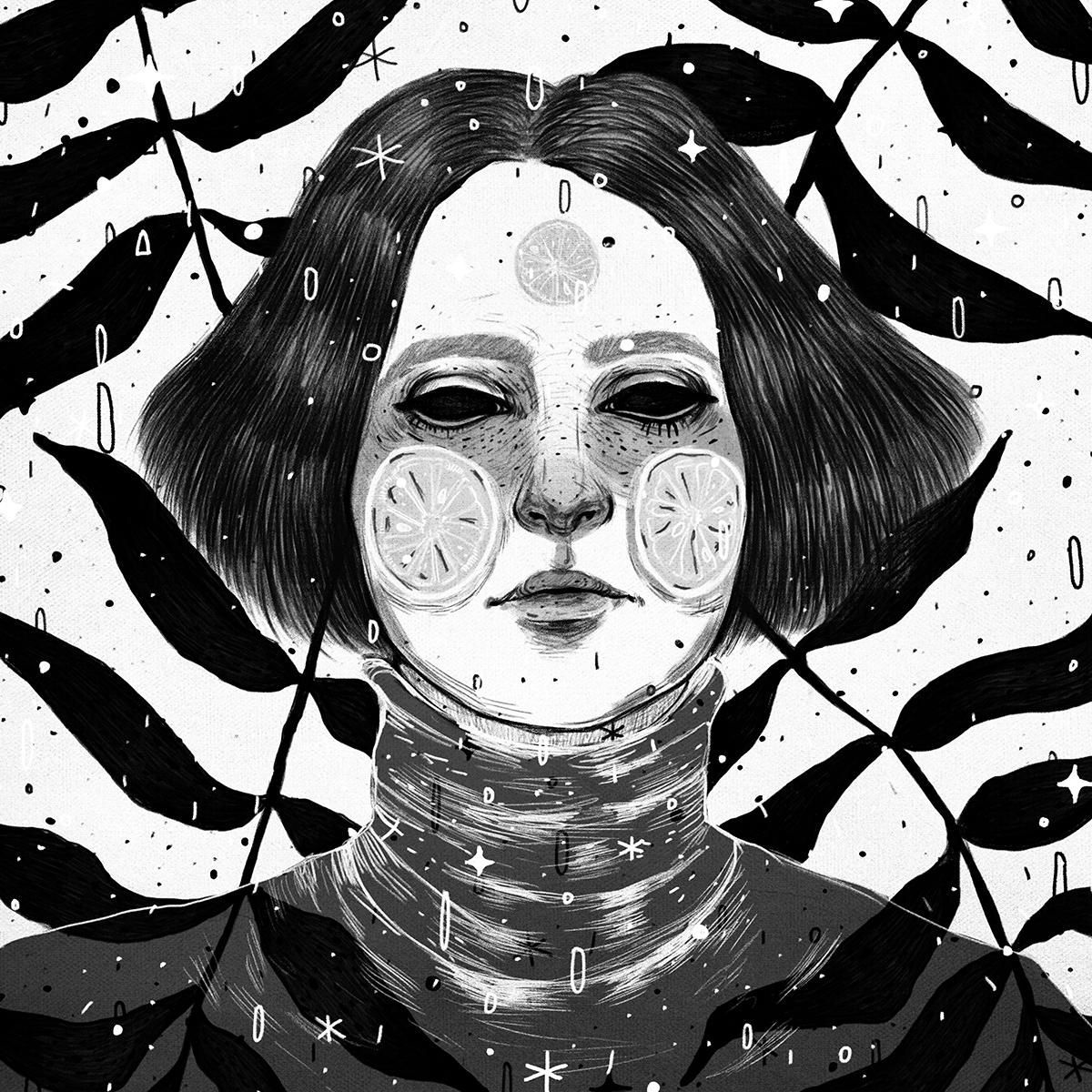
Early next month, Australian label Lokomotiv will return with its second release, an EP from Romanian producer Piktor.
The EP, titled Acid Space, follows on from Suolo’s May Be EP, which also included a huge SIT remix, with two groove-led originals and a sophisticated remix from fellow Romanian Sublee. The EP has been garnering a wave of hype over the last few months, with tracks popping up in sets of artists such as Cristi Cons, Barac, Arapu, and Gescu, and looks to follow the path set by the first release, which sold out the first press in a few weeks.
Acid Space will be available from December 8, with pre-order available here.
Finnish sound scientist Aleksi Perälä will soon release a double EP on Nina Kraviz‘ трип.
Born in Finland in 1976, Perälä has been an independent producer and an electronic music composer for over 20 years. Almost all of his previous releases have landed on AP Musik. This will be his debut on трип.
We’re told that “glistening scales cascade over peculiar tones,” and that Perälä “explores the powers of an alternative tuning system in dancefloor structures, tapping into the veiled potential of his sound palette with stunning physical consequences.”
Tracklisting
A1. GBLFT1740065
A2. GBLFT1740066
A3. GBLFT1740067
B1. GBLFT1740068
B2. GBLFT1740069
B3. GBLFT1740070
C1. GBLFT1740071
C2. GBLFT1740072
D1. GBLFT1740073
D2. GBLFT1740074
Paradox EP will land on December 15.
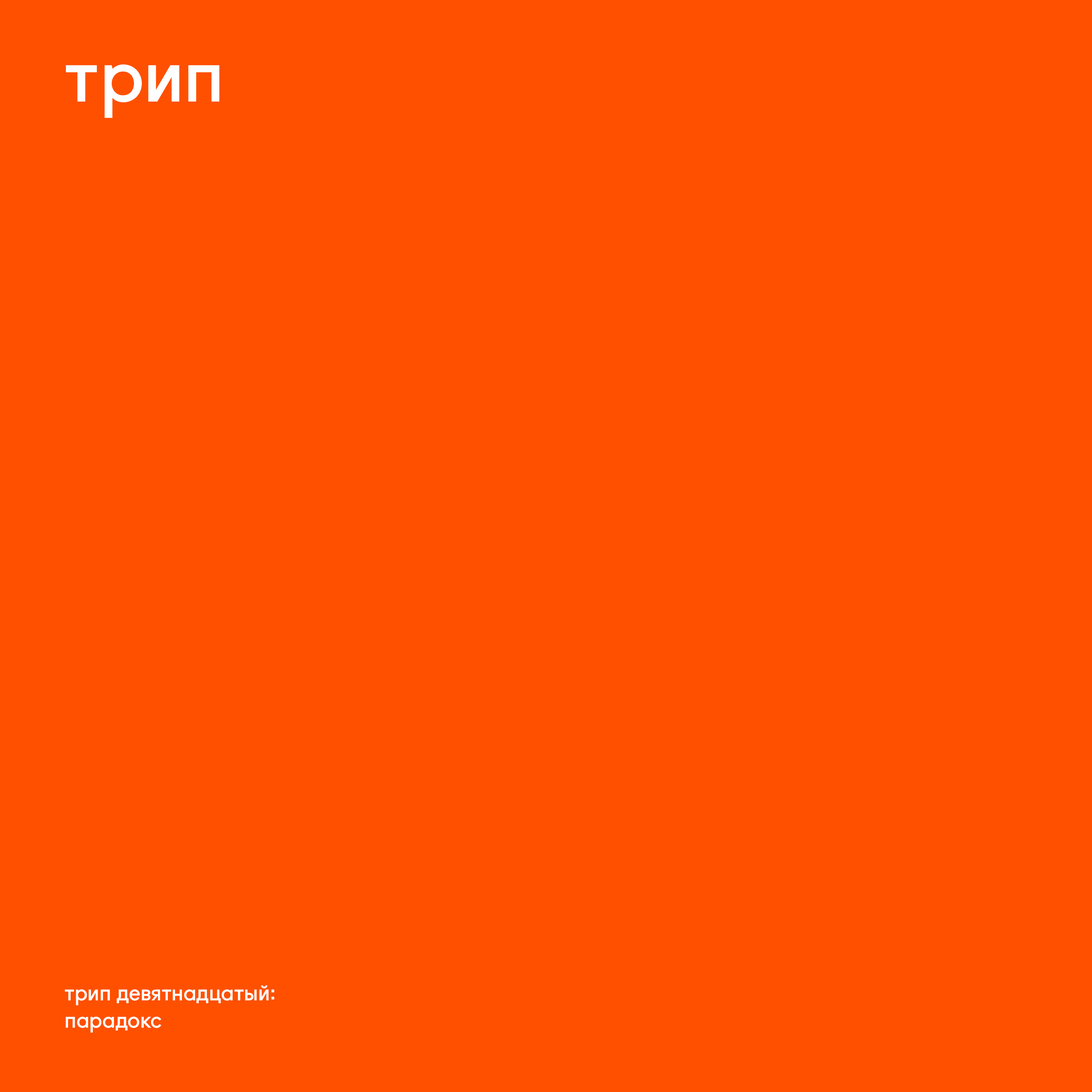
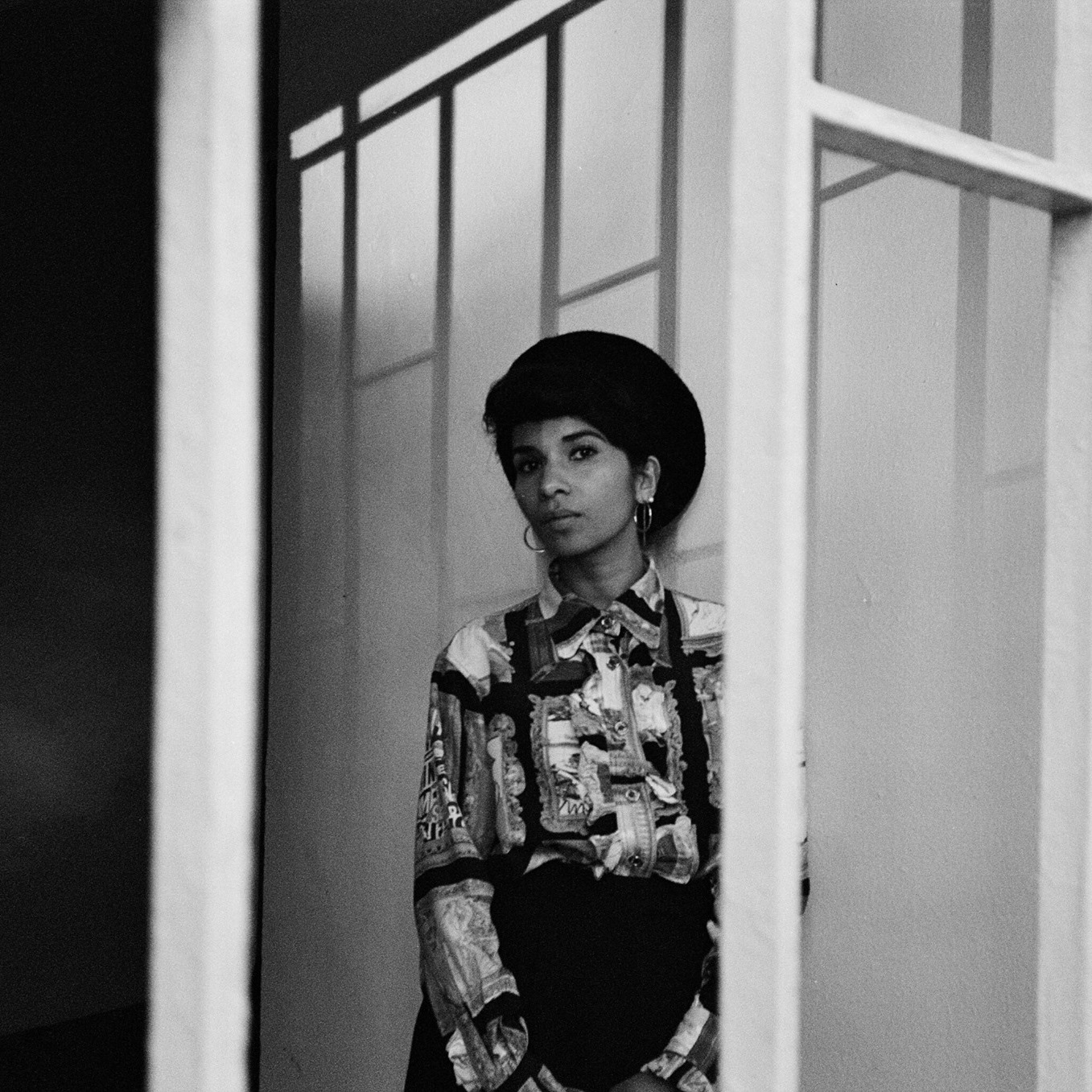
Nabihah Iqbal (formerly Throwing Shade) has shared two new tracks from her upcoming debut album, Weighing of the Heart, namely “Eternal Passion” and “Zone 1 to 6000.”
Said to be a “prime example of the album’s two intertwining styles,” “Eternal Passion” co-mingles touchstones of old-school house—like robotic, 808-style handclaps—with melodies played on a somber, live-recorded bassline. In contrast, “Zone 1 to 6000” gives a sense of existential doubt, pondering the daily struggles and pleasures which mark day-to-day life. Her approach to the song’s structure and lyrics was partly informed by reading poetry.
“Both of these tracks were inspired by poetry, William Blake and Matthew Arnold,” comments Nabihah. “”Zone 1 to 6000″ is about London, and the different feelings and experiences of living in a big city. It’s also about figuring out a pathway—whether that’s pursuing what you want, or being stuck in a rut and compensating for routine and monotony by acts of escapism”… “Eternal Passion” is about what makes people want to live,” Nabihah goes on to explain. “It’s about how struggle and pleasure are simultaneous forces that push us through mortality.”
Tracklisting:
01. Eternal Passion
02. Zone 1 to 6000
Weighing of the Heart will land on December 1 via Ninja Tune, with “Eternal Passion” and “Zone 1 to 6000” streaming in full below.

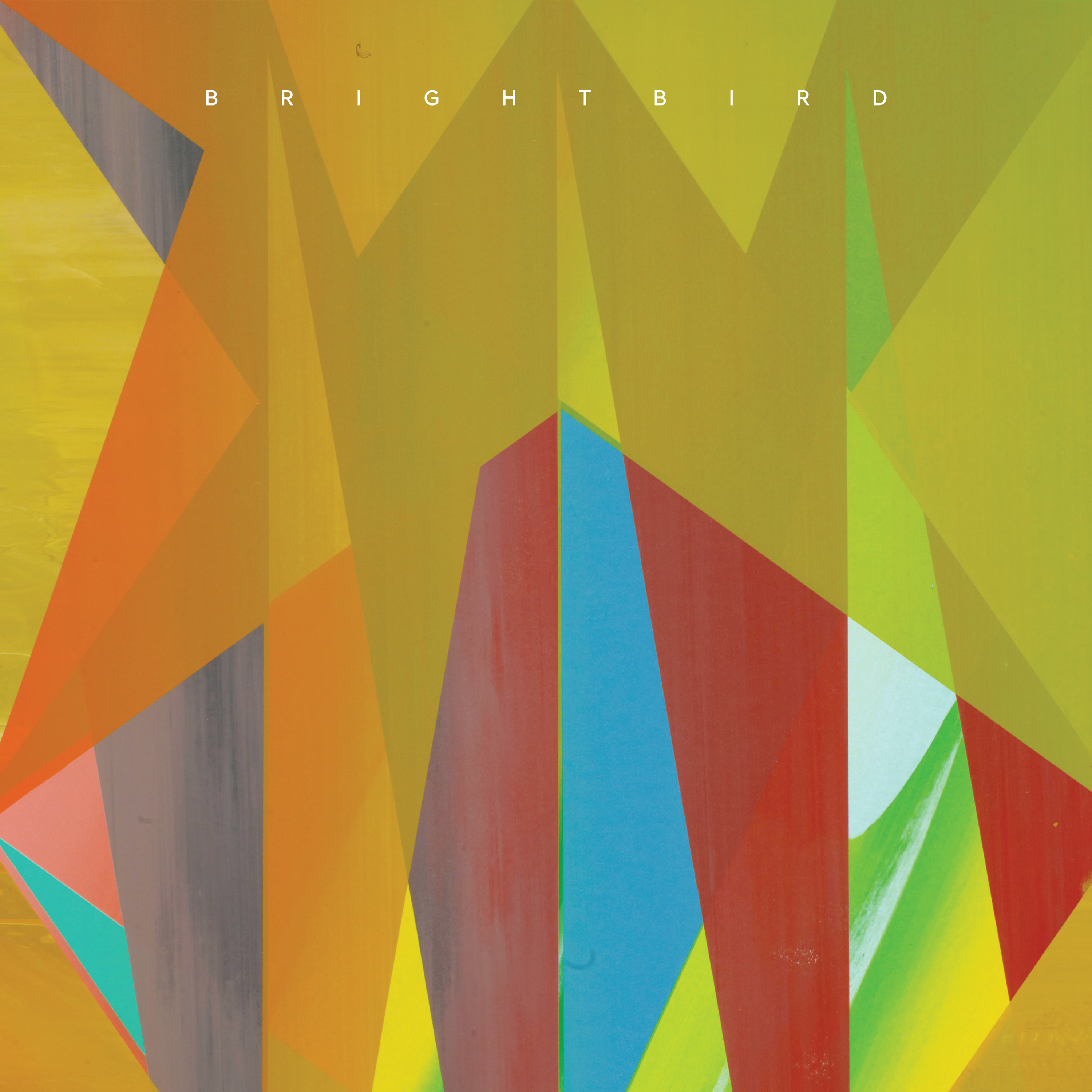
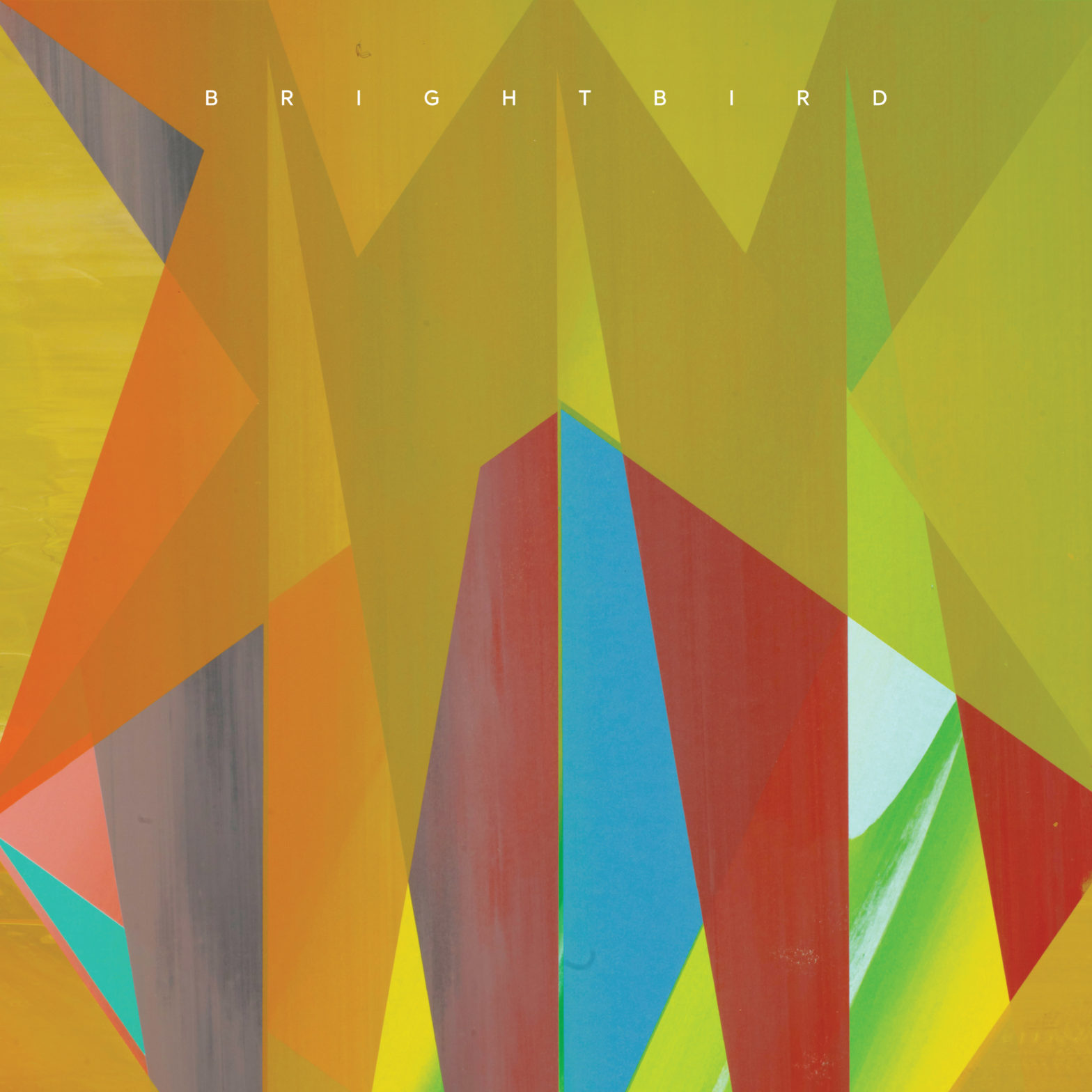
João Paulo Esteves da Silva, Mário Franco, and Samuel Rohrer will soon release the LP Brightbird.
The album is said to combine all the qualities that are currently making this most classical chamber-music format of jazz so successful: intuitive understanding; transparent flows of communication between the musicians, their actions, and reactions; soloistic sequences that continue the balanced flow of sounds; as well as musical culture and noblesse.
We’re told to expect “lyrical introspection as well as an intricate groove.”
This album will be followed up by a 12“ EP with two remixes by Max Loderbauer, to be released next year.
Ahead of the album’s November 17 release via arjunamusic records, you can download the opener “The Fireplace” via the WeTransfer button below, with an album teaser streaming above.