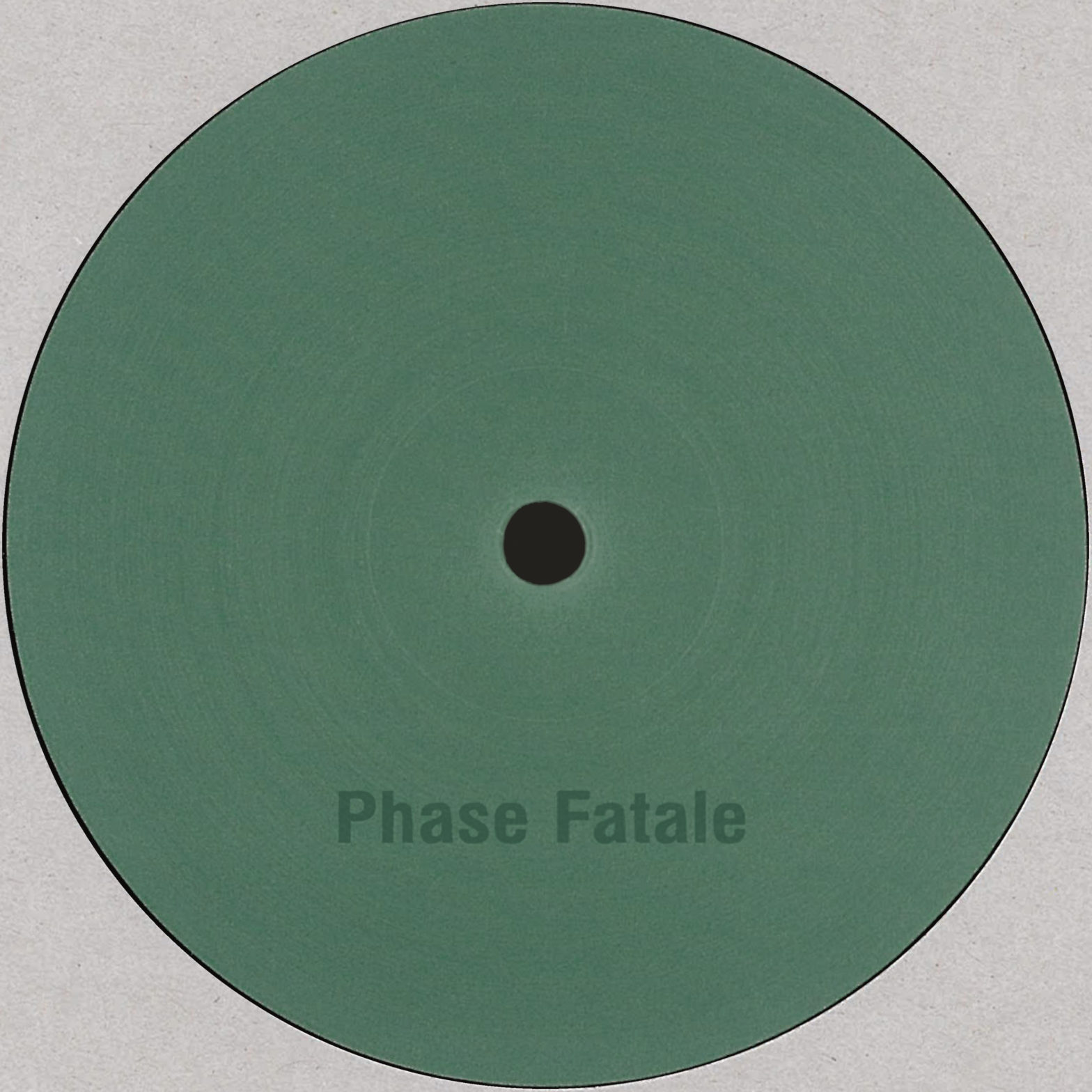
‘Anubis arrives after a string of strong releases for the Berlin-based artist, including those on respected labels Jealous God and aufnahme + wiedergabe. He has also appeared six times at Berghain.
According to the label, the 12″ “combines said spirit with four club-ready tracks, placed firmly left of the center.”
Tracklisting
A1. Hollow Flesh A2. Anubis B1. Wound B2. The Size Of God
Anubis is scheduled for May 5 release, with clips streamable below.
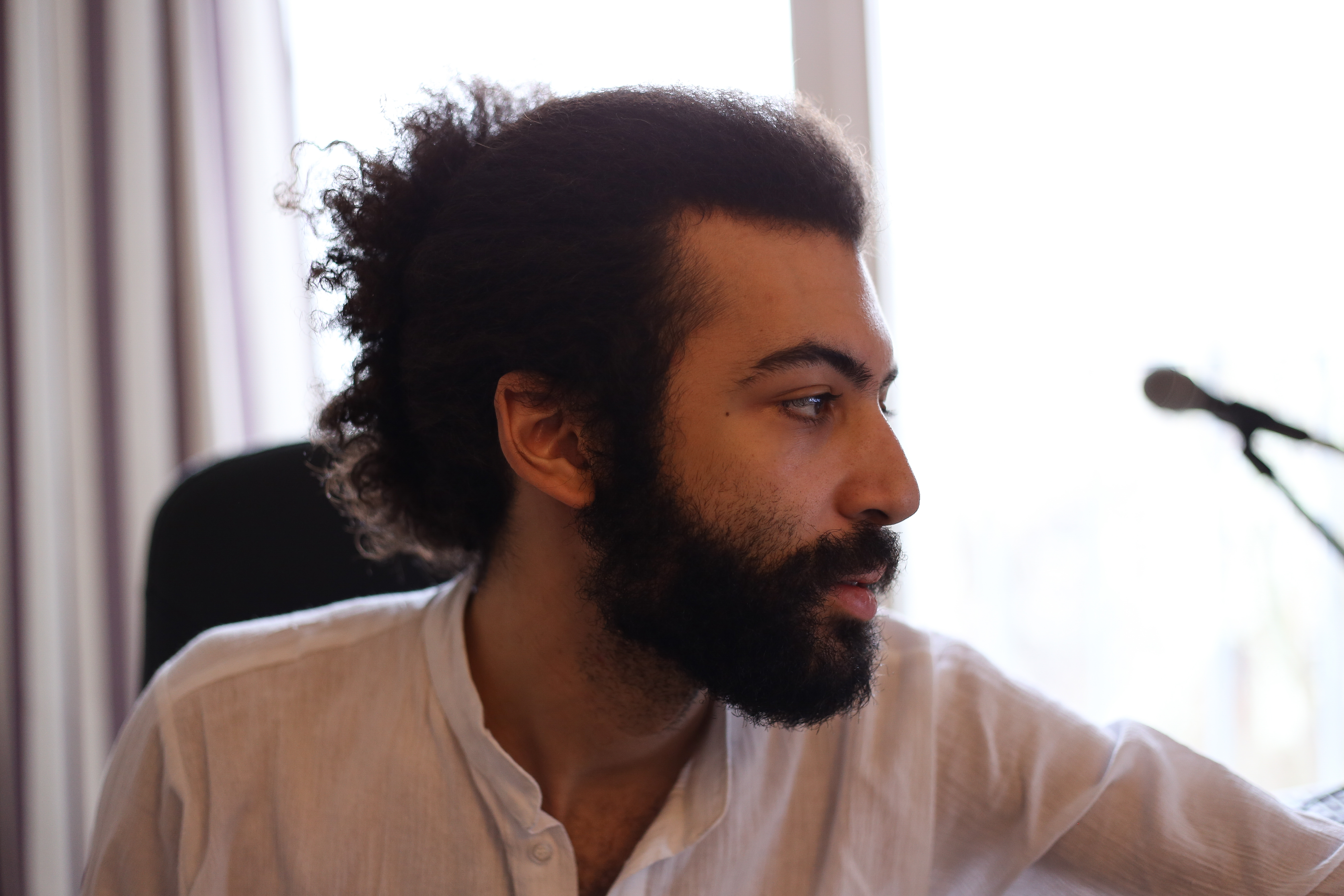
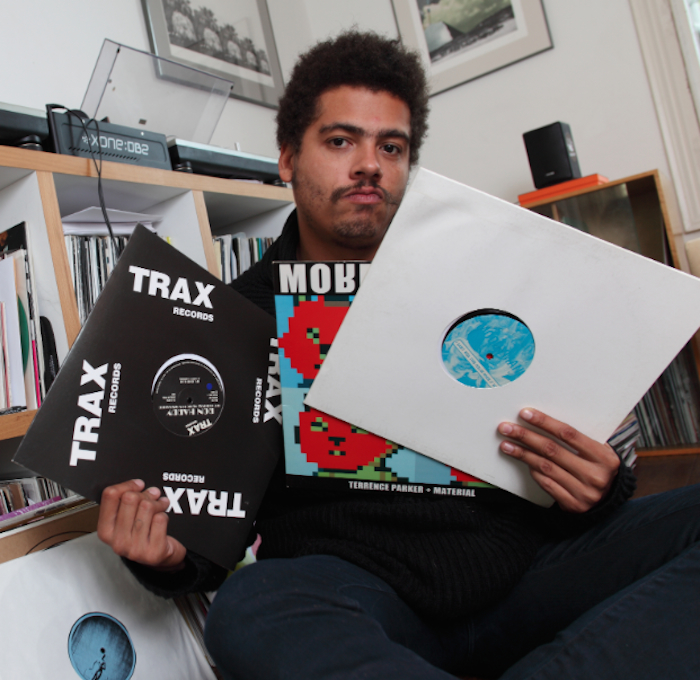
Adam Longman Parker keeps a low profile for an artist with such a vast musical education. His story goes something like this: born and raised in Hampton, Virginia, he began piano lessons at the age of five and was DJing by the time he had turned 10. “At 11 I did my first DJ battle,” he says, laughing—and he continued mixing “classic breakbeat” records at B-boy Battles across America until the age of 16. Things then changed when he was admitted, albeit by surprise—”I only sent in the audition CD because my brother told me to,” he says—into the Interlochen Center for the Arts, arguably one of the world’s finest institutions for classical music, where he began training on the piano for up to six hours a day while producing electronic music in his bedroom studio during the evenings. From here, he went on to the study at London’s Royal Academy of Music before being thrown after becoming “caught up” in London’s vibrant club scene—and began, for the first time, releasing music as Afriqua, the alias which he first adopted for a hip-hop remix during his time at Interlochen.
This turn of bad fortune proved to be a catalyst in the strengthing of Parker’s relationship with electronic music and the club scene. Having experienced one of Ricardo Villalobos‘ Fabric sets, Parker made his “first attempts” at “minimal,” a far cry from the style of his earlier productions, and sent some of his work to a bunch of his favorite labels of the time. Several of these tracks were picked up by F4TMusic in 2012, all of which are marked with the stripped-back, minimal sound that was inspiring him at the time.
His more recent productions, however, are much more melodic—more connected, it would seem, to his musical training and considerably more relevant to his ambitions as a musician. “I’ve been fighting this urge to want to be minimal, until recently, when I gave up because I realized it’s not who I am,” he says. His 2015 release on Dream Dairy included a piano cut, and there are several more recent tracks that are injected with the beautiful musicianship that is so absent in the formulaic club environment. “I have a better idea of what the audience deserves to have when they listen to a track,” he says.
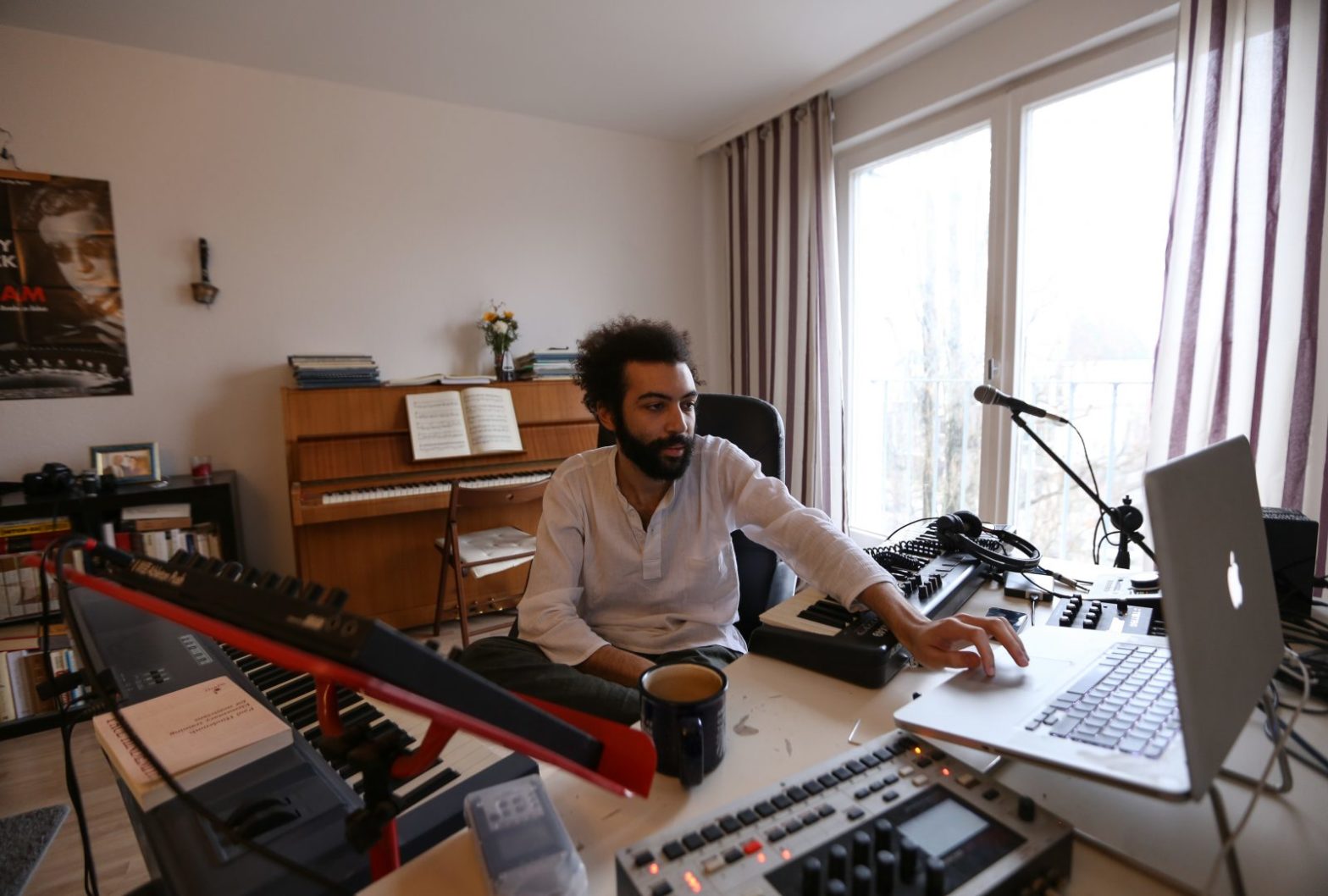
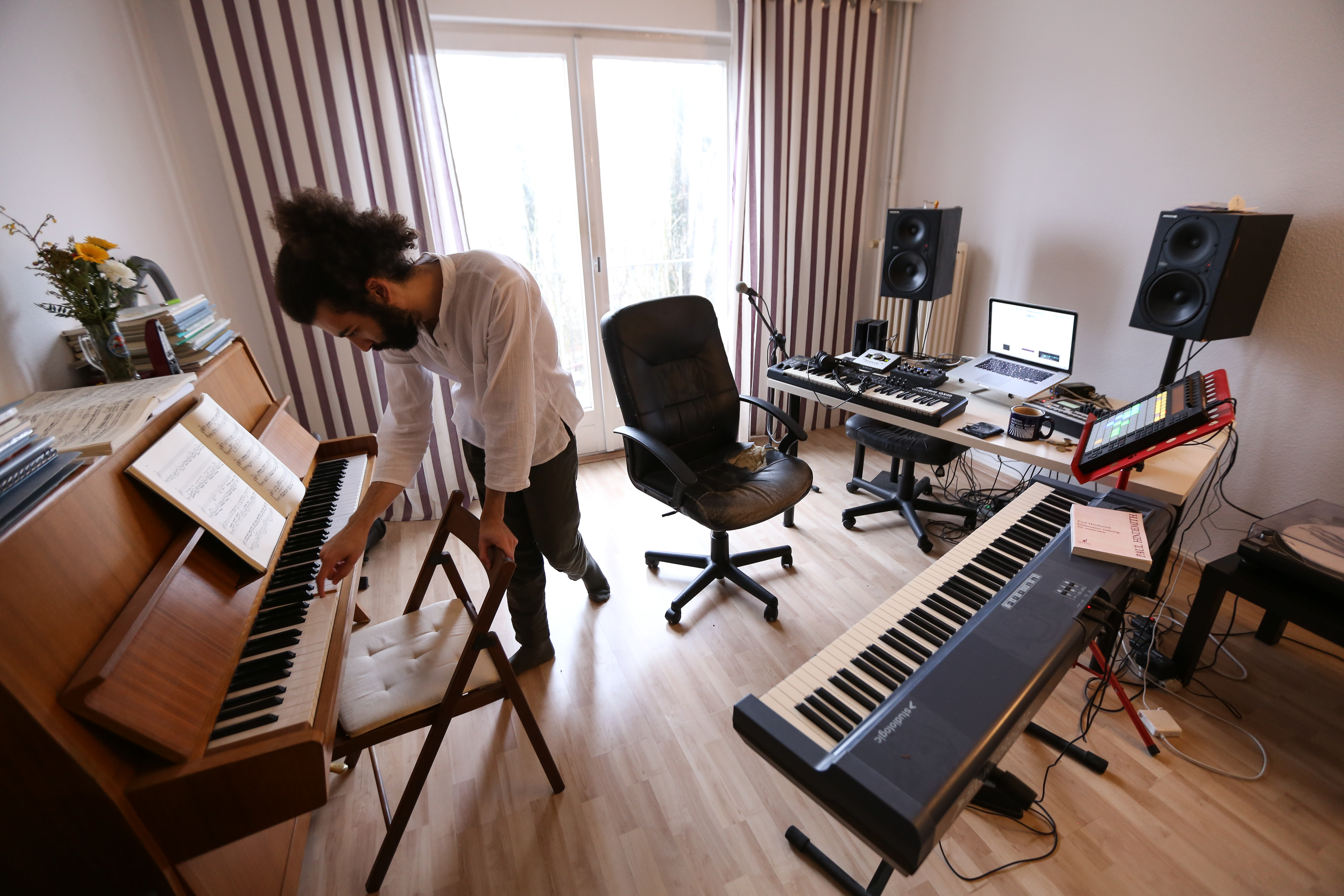
This progression, Parker explains, is much down to his own doing, and a move to Berlin—though it has not been easy. He has, he continues, invested considerable time and effort in furthering his musical knowledge in order to better himself as an artist. “We are musicians and it is our responsibility to continually develop,” he says—but perhaps the largest challenge lies ahead. His profile has exploded over the past 12 months, in part down to two tracks, namely “Drive” and “Soul Correction,” both of which became favorites of Raresh and many other widely acclaimed touring DJs of today, and now he wishes to continue his evolution without being side-tracked by what else is going on in club music. “The more appreciation I get then the more I withdraw from it. It’s very distracting and it encourages you to dig your feet into the sound,” he explains. For this reason, he avoids social media as much as possible and distances himself from Berlin’s Kreuzberg which is the center of the city’s club culture, opting instead to live in the West where he can focus on his own development free of these distractions. To learn more, William Ralston visited Parker in his apartment.
To mark his first interview, Afriqua also offered up a track, “Disk Courage,” as a free download, available via the WeTransfer button here.
Where did you grow up and what were your earliest memories of music?
I grew up in Hampton, Virginia, where I was born. My earliest musical memories involve my childhood obsession with Michael Jackson. At the age of just two or three, I was already completely hooked. My parents were big fans and had doubles of every record. I think that displayed my interest in music, which led to me being enrolled in piano lessons when I was five.
Did you come from a particularly musical background?
Not in a traditional sense, no. My parents own a Real Estate company. But my Dad is quite musically gifted. He is a great singer and dancer and played instruments throughout his youth. My Mom has never been as directly engaged but she knows how to get down. They both quite simply and honestly love music. Their record collections are huge, and we still have thousands of records at home now. When I began DJing as a kid, so much of what I was playing came from their collections; it was mostly classic soul and funk—that sort of stuff.
Your Soundcloud profile says that you began DJing at 10 years old–doing hip-hop/breakbeats and DJ battles. Talk to me about this time period–how exactly did you get into DJing?
My brother was organizing B-boy battles in Virginia through his university. They were getting a few thousand people to these events, and they involved all of the traditional elements of hip-hop— breakdancing, DJing, graffiti, MCing, and all that. I toyed with the idea of becoming a b-boy for a bit, but upper body strength isn’t a forte. And then the turning point came around my 10th birthday when my brother brought one of his DJ friends to my birthday party and they set up their turntables and mixer in our living room for me and my friends. We had a dance party and they let me mess around with the decks at the end. All of my friends were quite excited to listen. It clearly made a big impression on me, and with my birthday money, I bought some Gemini 500s. I picked DJing up quite quickly; I remember it taking a year or two to really make sense technically, but then it all clicked into place.
That is fast.
Yep. At 11 I did my first DJ battle. My mom drove me up to Washington D.C. with my records. I didn’t get past the preliminary rounds but everybody was really supportive—and I met a wonderful woman there named Christie Z Pabon, who played a big role in my development. She’s a hip-hop promoter who gave me the opportunity to play with some of the pioneers like Grandmaster Caz, Grand Wizard Theodore, and Jazzy Jay over the next few years; I’ve only recently come to terms with how much of an influence they were. Those guys are incredible selectors and have contributed as much to the art of DJing as Larry Levan and those involved with Paradise Garage, although they’re not as a recognized by the house scene. Getting to play with them shaped me so much, and it just developed from there, really.
What sort of records were you playing at this time?
All sorts of classic breakbeat stuff. Lots of tunes from Ultimate Breaks & Beats, which is an amazing series of compilations comprised of the old tracks these guys brought to the forefront in the ’70s. The wonderful thing about the catalog, and the whole scene more generally, was the diversity. Everything from rock music to electro to jazz—whatever had the funk.
As far as production goes, I understand that it began with classical piano, right?
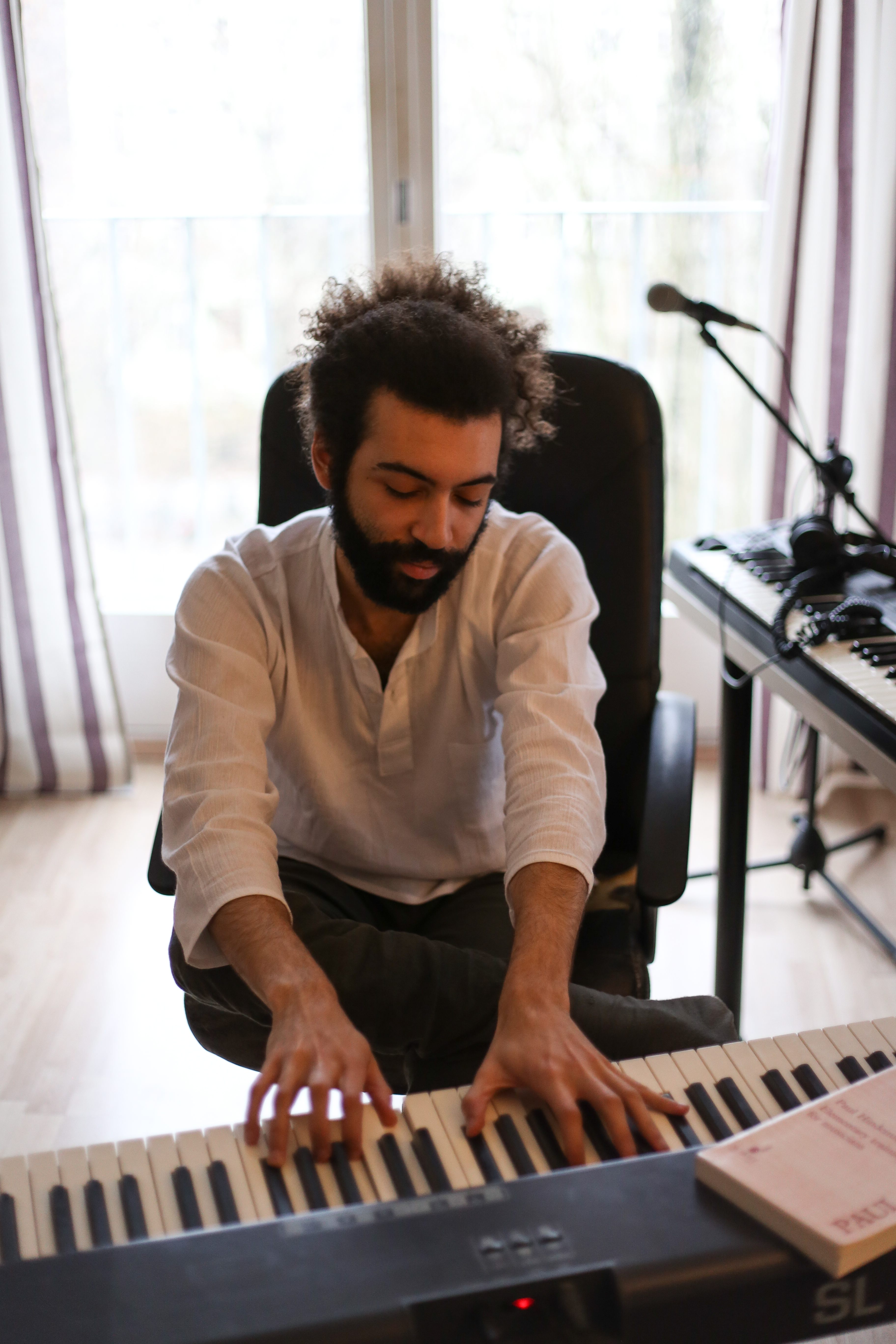
Yep, I started piano when I was five, and worked with a teacher in Virginia named Helen Heifetz, who is like my second mother. I didn’t start taking it seriously until I was about 16. I was getting to the point at which I needed to decide on my university direction. I knew that music was the path, but I wasn’t sure whether I wanted to study production or something more performance based. The real turning point came when I was accepted into the Interlochen Arts Camp. They have a year-round academy as well as the summer program, and I ultimately ended up completing high school there. It’s one of the premiere places for young artists in the U.S.A. I remember noticing that I could often play more convincingly than some of the people around me in Virginia, but at Interlochen I was thrown into the deep end with kids who were some of the most talented in the country, and I began practicing around six hours a day.
“Classical Music is the centre of my musical identity. I don’t know of a better way to become a better musician than to study the works of the great composers.”
Do you think this training has impacted how you play music today?
Yes. Classical Music is the center of my musical identity. I don’t know of a better way to become a better musician than to study the works of the great composers.
When did you begin producing electronic music?
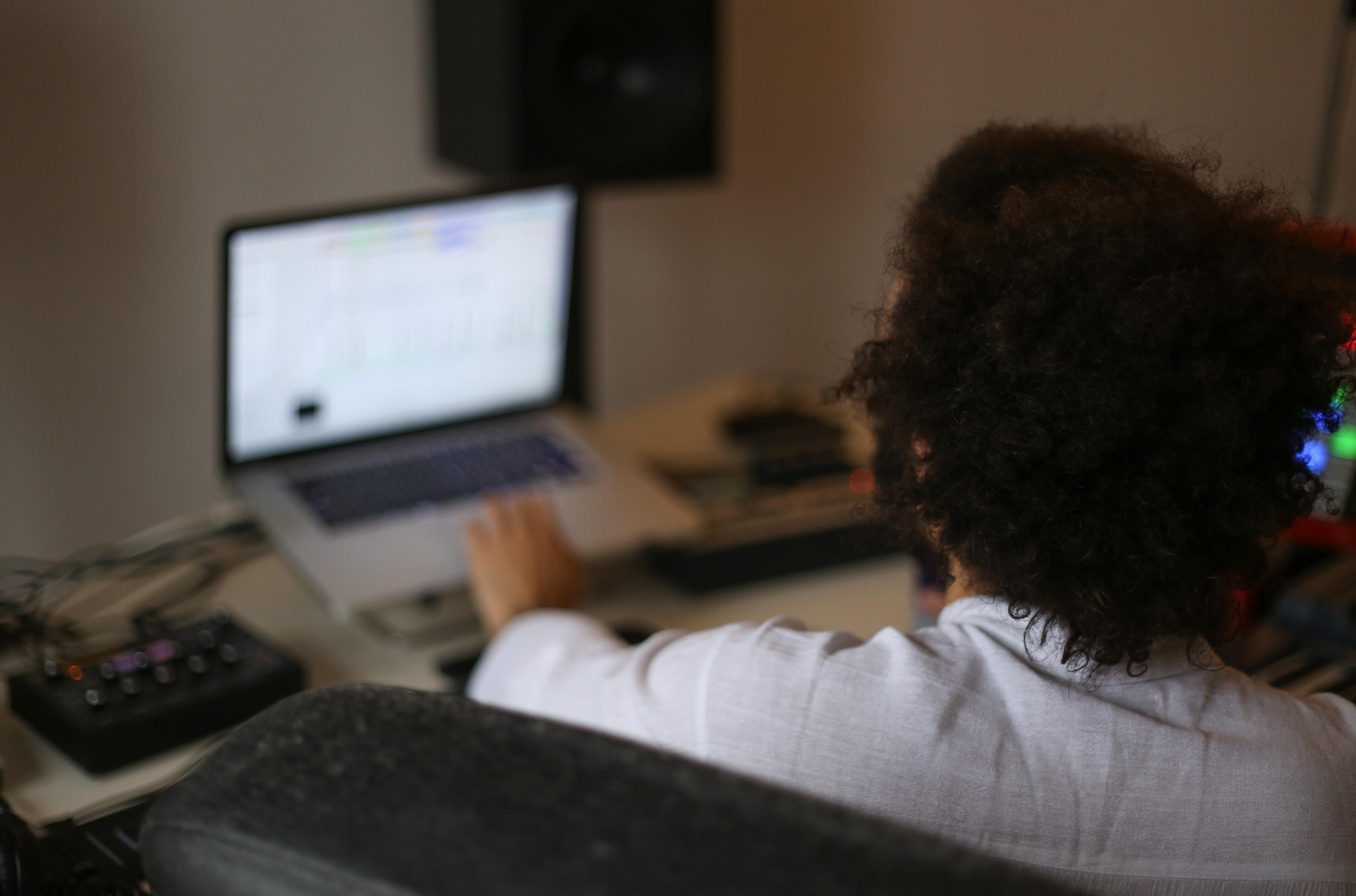
It started around my 12th birthday. I bought Live 4 with my first MIDI controller.
So up to the time you went to Interlochen at 16, you were DJing, producing, and playing the piano?
They were busy times.
Did you stop DJing and producing electronic music during your time at Interlochen?
I stopped DJing for a bit then, but I continued producing. I still had Ableton, my speakers, and ample time to dedicate. That was when production took off, from a skills perspective. My life consisted of practicing piano all day, eating, and then making tracks at nighttime.
“I ended up getting kicked out of the academy, and it’s around that time that the big shift happened, to be perfectly honest.”
When did DJing become relevant again for you?
Only a few years ago—when I went to London to study at The Royal Academy of Music. I ended up getting kicked out of the academy, and it’s around that time that the big shift happened, to be perfectly honest.
Why did you get kicked out?
It definitely had something to do with 30-hour weekends and the initial excitement of club music!
So you got caught up in London’s club scene and were subsequently thrown out of the academy?
Yes. But I never saw my relationship with the Academy as a reflection of my relationship with music in general. I have never been an institutionalist, you know; I’ve never been able to cede control of what information I consume to someone else. I’m disciplined about what I want to read and learn but have always clashed with traditional academic structures. Getting sacked was the natural conclusion of my academic life. I’d been holding on by a thread for 15 years. It was a good run.
Where were you going out during your time in London?
Fabric, Plastic People. What else do you need? Fabric, especially. Seeing Ricardo in Room 1 was the revelatory moment for me. I’ve had what seems to be a very common musical journey amongst my peers in dance music. It began with French electro house in the late noughties. People like Boys Noize, Crookers, and Daft Punk, all of whom I still have a lot of respect for. And then Richie Hawtin came into the picture somehow and prompted my first (terrible) attempts at minimal. And then I had my “Oh, shit, I just heard Ricardo,” phase.
It’s interesting that you were trying to replicate the sounds of these guys.
One might think so, but I’ve luckily always been particularly bad at that. Auditory memories from parties aren’t at all reliable, and imagination fills the gaps in the end. The only thing I could extract from Ricardo’s music when I first heard it was a contrived idea of the percussion. However, that is around the time I did my first F4TMusic releases in 2012, which were quite minimal and heavily inspired by sets I heard. They were done with an awareness that I couldn’t replicate what I was hearing; but also with the confidence of knowing that nobody could replicate what I had made. This is an ethos that’s stuck with me since then.
Did the alias Afriqua come with this first release on F4TMusic in 2012?
It was born even earlier. I was still making hip-hop stuff at the academy in London and I had a remix I wanted to share. My brother and I were stoned at home in Virginia and thinking of the blackest name possible under which to post it, and we came up with Afriqua then.
“….my career has been a series of periods getting quite good at one thing but abandoning it before I could really get creative. Now is the first moment in which I’ve had a sense of really doing something special.”
Your sound has changed a lot over the years; what you make and play now is distanced from what your earlier work.
Yes, my career has been a series of periods getting quite good at one thing but abandoning it before I could really get creative. Now is the first moment in which I’ve had a sense of really doing something special.
Was there a point you can recall where you felt satisfied with your sound—a time when you identified a clear style that you wished to pursue further?
The past two years in Berlin have been it. I left London and came here thinking I may get back into the conservatory but after my first taste of freedom, the idea of relinquishing it became completely unthinkable. Making tracks, playing piano, reading, studying music and essentially adhering to my own curriculum has allowed me to reconcile what I am doing on the piano with what I am doing in my tracks. Before, electronic was the fun music and classical was the serious; whereas now it’s one experience for me. My hope now is that the extent of my musicianship will be heard in anything that I touch, and it’s about keeping that channel open rather than labeling things. The genre doesn’t really matter.
Do you now feel like you’ve now got a settled sound aesthetic?
Not so much. Sometimes it seems what I am doing is totally incoherent apart from the common thread of my doing it. I am just trying to be the best musician I can be. I practice, you know; the most important part of my life is simply taking in music. I spend a lot of time listening, transcribing, and playing. Whatever comes of it comes of it, but I would like to think that I am creating my own vocabulary through the process.
You’ve started to use a lot of melodies in your music. Does this relate back to your time at the conservatory?
Yes, because music tends to go nowhere without them. I had a bit of a breakthrough on this point in the last few years. There was a point at which I was focused on taking things out of my music because I wanted to make “minimal” and had a bit of a naive understanding of what that meant. My second record, “Eliot,” marks the point at which I began to stop suppressing my musical inclinations. Since then I’ve only gotten further away from any preconceived ideas of what my music should or should not contain. Genres are for consumers, not for creators, and they’re especially dangerous when they’re nothing more than abused adjectives.
You’ve been trying to fight against being minimal?
All club music is minimal. There are very few major structural changes or modulations, and most tracks are also very limited on lyrics; it isn’t opera. These sub-genres of dance music are not different enough to be worthy of individual attention. None of the best artists can really be pinned down to any of these labels.
You’re clearly creating a lot of tracks. How do you decide what to release and what not to release?
A lot of it is basic curation: as an artist, you have to have a filter which determines what you do and do not share. I’ve normally sent packages of satisfactory tracks from the past few years to labels, and let them decide from there. It can be nice to trust labels to do that, because they have to be enthusiastic enough to push the material, and it gives them some creative input. I’m going to be much more in control of this process with future releases, though.
How did your first release on F4TMusic come about?
That was the first and only time I sent demos. I did a standard fill-in-the-blank email that I sent to a bunch of labels that I’d picked off of Resident Advisor. I remember that Nick Höppner wrote back to me from Ostgut, telling me how much he liked the tracks, but I thought this was normal. Shortly thereafter, Mattias, from F4TMusic, got back to me about doing a record together and that’s how it happened.
That must have been a big moment in your head, right?
It was, because a lot of artists are perpetually struggling for their first release. But I did it early, at 19, and it’s a great time because you have no psychological baggage. Thinking about how much I’ve changed between then and now, I know it would be so much more difficult for me to start at this stage.
You now seem fairly settled in this style, but do you envisage yourself one-day producing electro or hip-hop, for example, like you did a while ago?
Of course. I have always taken steps in non-four-on-the-floor directions—even on Prophette there are some tunes that don’t directly fit this club mold. On my Dream Dairy record there is a piano piece, and on my 2nd Drop record there is some serious weirdness, too. I am not into the idea of using various aliases or holding people’s hands as they explore what I am doing; I am not going to hide behind a new name if I want to make drum & bass.
There’s a lot of hype around you right, following the release of “Soul Correction.” Are you aware of it?
Yes, but the more attention I get the more I withdraw from it. It’s very distracting and it encourages you to dig your feet into a sound. You sort of owe it to your audience not to believe the hype.
Do you try to keep a low profile nowadays?
It’s moved from unintentional to intentional. I wish I was cool to the degree that I was able to be apathetic from the beginning but I definitely wanted more attention when I was younger. I don’t have faith in social media, and my work brings me into contact with everyone I want to meet.
A lot of artists nowadays enjoy the attention that comes with success.
Yes. But that is not what motivates me. I’m much more interested in what my records can do for people.
“…people can learn to make music and DJ so easily nowadays with no regard for music history or theory, and it brings a lot of people into this glorified middle-brow territory. The more hype you get, the greater the temptation to be dragged into this is, with people always saying, “Bro, this is dope,” or “Bro, this is a bomb.” It’s very important to me not to get tied up in this.”
But musicianship is so often lost in club music. A lot of music is so formulaic.
It is. We’ve lost a sense of the social contract between artists and the public. The line between the two is disintegrating with technology. Scientists don’t have this problem because they still have to learn calculus, and couldn’t possibly spin their ignorance of it as a virtue. But people can learn to make music and DJ so easily nowadays with no regard for music history or theory, and it brings a lot of people into this glorified middle-brow territory. The more hype you get, the greater the temptation to be dragged into this is, with people always saying, “Bro, this is dope,” or “Bro, this is a bomb.” It’s very important to me not to get tied up in this. The most beautiful thing to hear from a DJ I respect is not that a track is a “bomb,” but that they had to take some time to realize how to play it. That’s meaningful. That means you’ve changed somebody’s ears. And that means you’ve changed the audience’s ears.
I suppose that it’s helpful for you to keep the scene at arm’s length.
Yes, that’s why I live in Charlottenburg and not in the center of Berlin. I want to look at it honestly. This scene tempts you to get totally immersed in it. Every part of it is addictive—and this is dangerous.
If you get so absorbed by it then this musicality element can disappear.
Musicianship is about continually finding a way to get better. A true love for something is about commitment. The only common thread linking the people I’m inspired by is this genuine and unending commitment to music. It’s easy to come off as an elitist on this point when you’ve had a classical education, but it’s really not about that at all. Someone like J Dilla, one of my heroes, wasn’t a traditional musician and clearly found a way to keep on educating himself. You can hear it too; the music is and always will be next level. You will always hear this urgency. It’s not about what someone knows at the time of making a track; what is important is that they’re learning while they’re making it. If you’re not trying to learn and get better then you should stop. I really believe that.
And that’s why you spend so much time educating yourself.
Exactly. We are musicians and it is our responsibility to continually develop. There are people who try to distance themselves from this label and it’s only a way to distance themselves from the responsibility.
Let’s now discuss Soul Correction, did you anticipate it was going to be as big as it was?
Yep.
When did you produce it?
February 2016. I had a friend staying here at the time and I made it while we were sitting around. It only took a day, like most things. “Soul Correction” was a particularly short process though, and it tends to be that way with the really successful stuff. It’s not that the technical demands weren’t high, it’s more that you find the answers more quickly—whereas sometimes you have to do more troubleshooting. It all started out with the Cannonball Adderley sample that I had previously earmarked. It’s a simple tune; the central drama of it is the kick drum leaving and returning.
Finally, what’s up next–after the double EP.
I have some more Afriqua stuff coming out eventually, and I’m working on a few interdisciplinary projects in the meantime. But at the same time, I’ve just released eight new tracks so don’t plan on sharing so much more until I’ve got something new to offer—when I’ve learned some more.
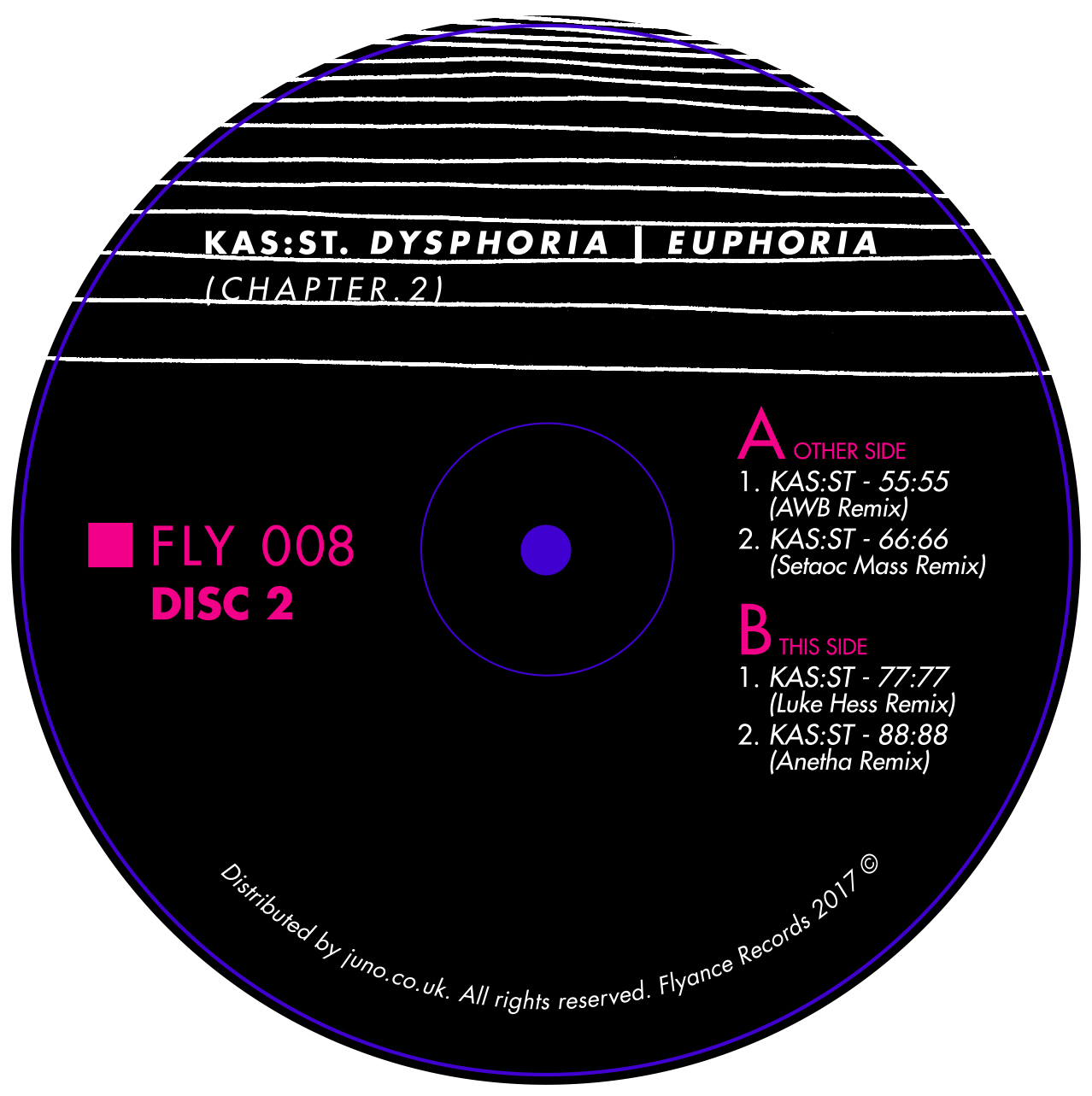
Following the first part of the Dysphoria I Euphoria project, which was released last year, Parisian duo Kas:st will release the second chapter on Flyance Records.
The release, which drops April 17, features four original tracks and four remixes from artists such as Detroit DJ-producer Luke Hess and Setaoc Mass, who’s releasing on Work Them and Figure. Blocaus resident Anetha and AWB, deliver the final two remixes.
In addition to this release, three digital tracks will be available for free download—including “Emotional Progress,” which you can grab via the WeTransfer button below.
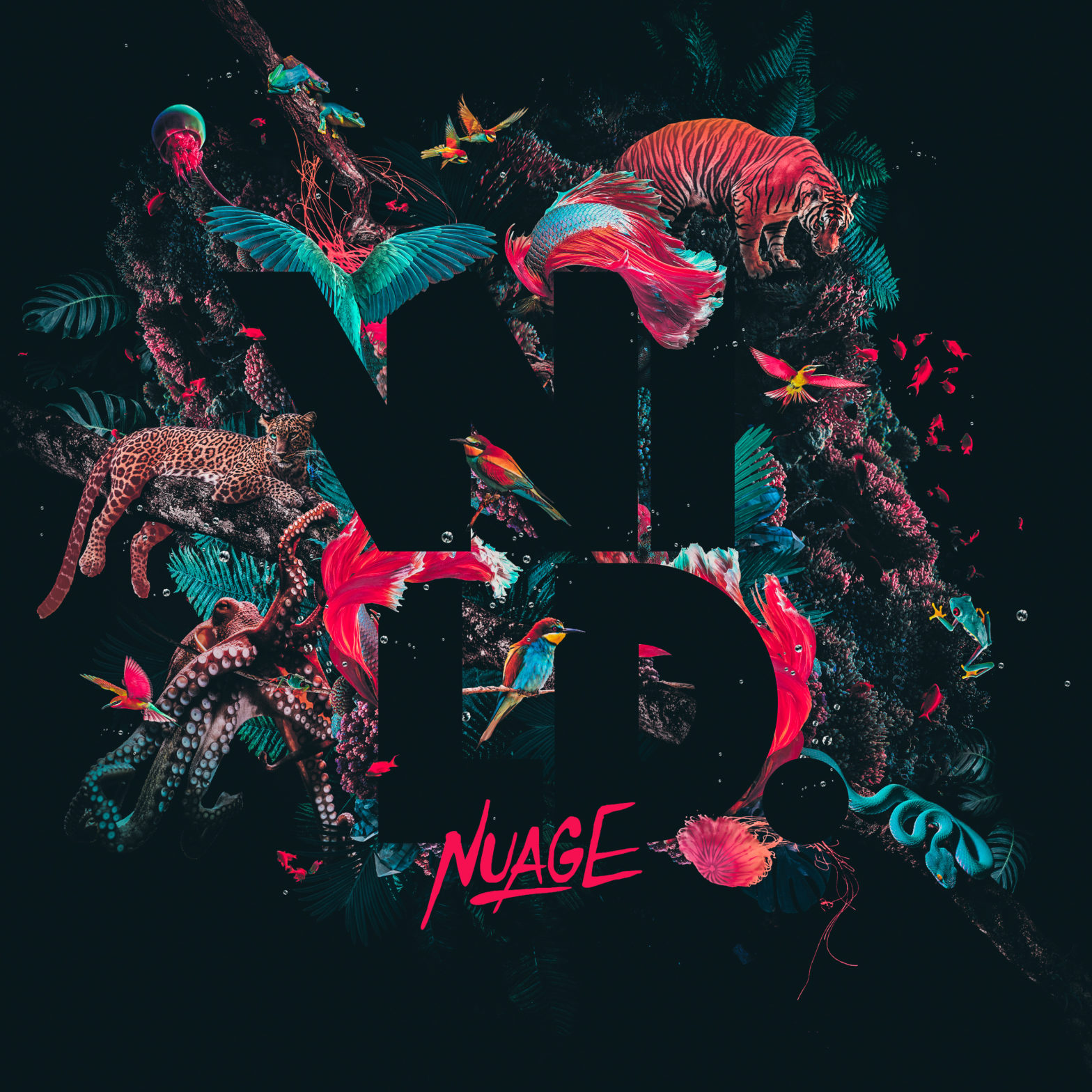
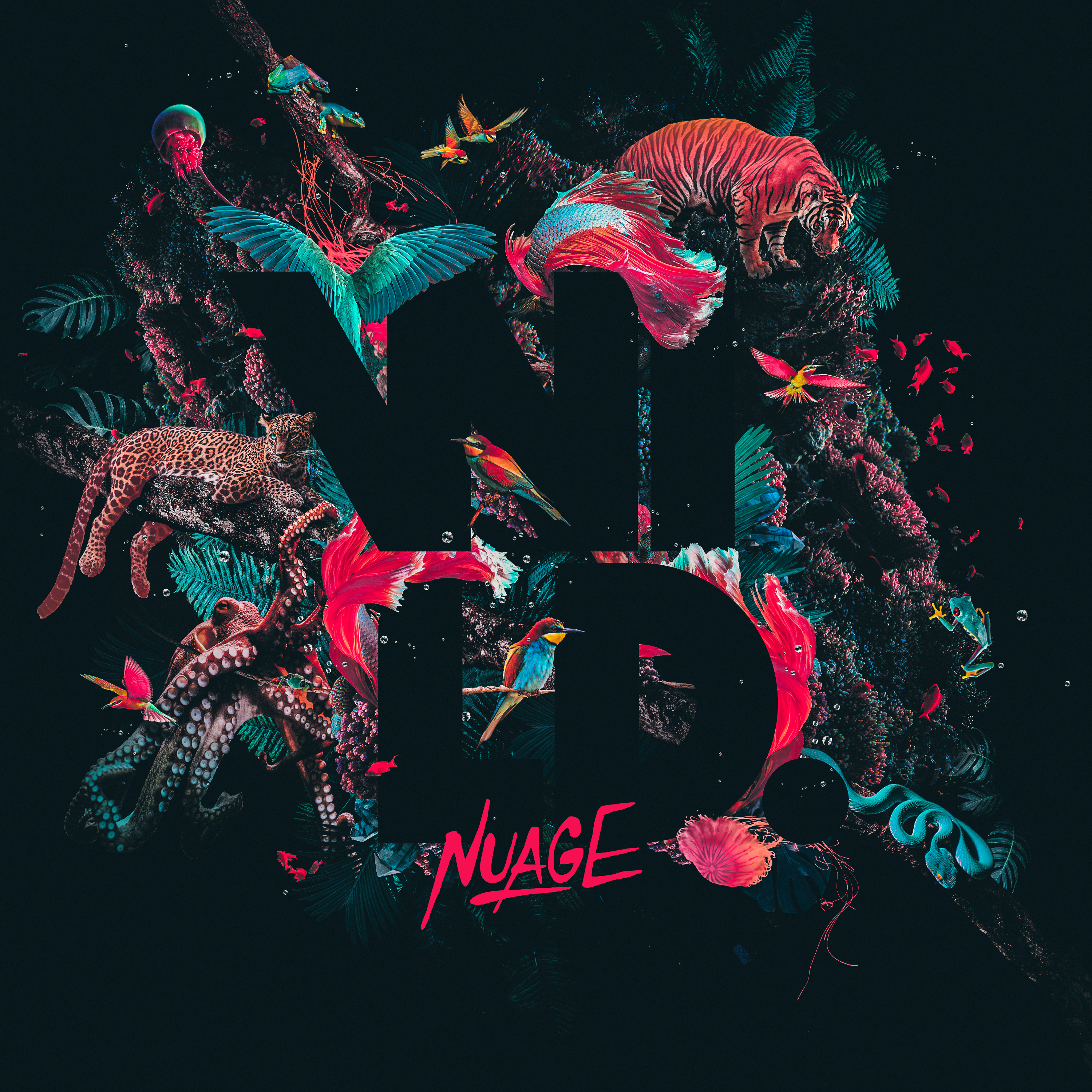
According to the label, WILD is Nuage’s “most complete musical work, and follows on forom his 2015 Neida EP. It was recorded over the course of an entire year, “including an entire change of season from summer to winter, memories of trips to Mexico, the mountains, and the seaside fade away and are replaced by days at home and in the studio in cold St. Petersburg.” The music, the label continues, ” goes through a very personal development from outgoing moments to parts of personal reflection.”
Tracklisting:
01. Occur 02. Every PPL 03. Secret Jungle 04. WILD 05. Thunderine 06. In Between 07. Arrival 08. Canvas Feat. Baile 09. Habitat 10. Rivers Reverse Feat. Bop 11. Do You Feat. Belle 12. Catch Light Feat. Olga Maximova 13. Thirst
WILD is scheduled for May 5 release, with “Thunderine” streamable in full below.
Stefan Holwe and Jan Roosen’s Berlin-based Horizn Studios has teamed up with Seth Troxler to produce a new high-end DJ bag. The Horizn DJ Trolley ST was developed with the Troxler’s experience on the road in mind, focusing on his idea that a good bag should be able to “survive the challenge without costing the earth.” Its special features include detachable organization compartments, power charging and GPS capability.
Head over to the Horizn Studios homepage here and check out the new DJ Trolley ST below.
Stefan Holwe and Jan Roosen’s Berlin-based Horizn Studios has teamed up with Seth Troxler to produce a new high-end DJ bag. The Horizn DJ Trolley ST was developed with the Troxler’s experience on the road in mind, focusing on his idea that a good bag should be able to “survive the challenge without costing the earth.” Its special features include detachable organization compartments, power charging and GPS capability.
Head over to the Horizn Studios homepage here and check out the new DJ Trolley ST below.
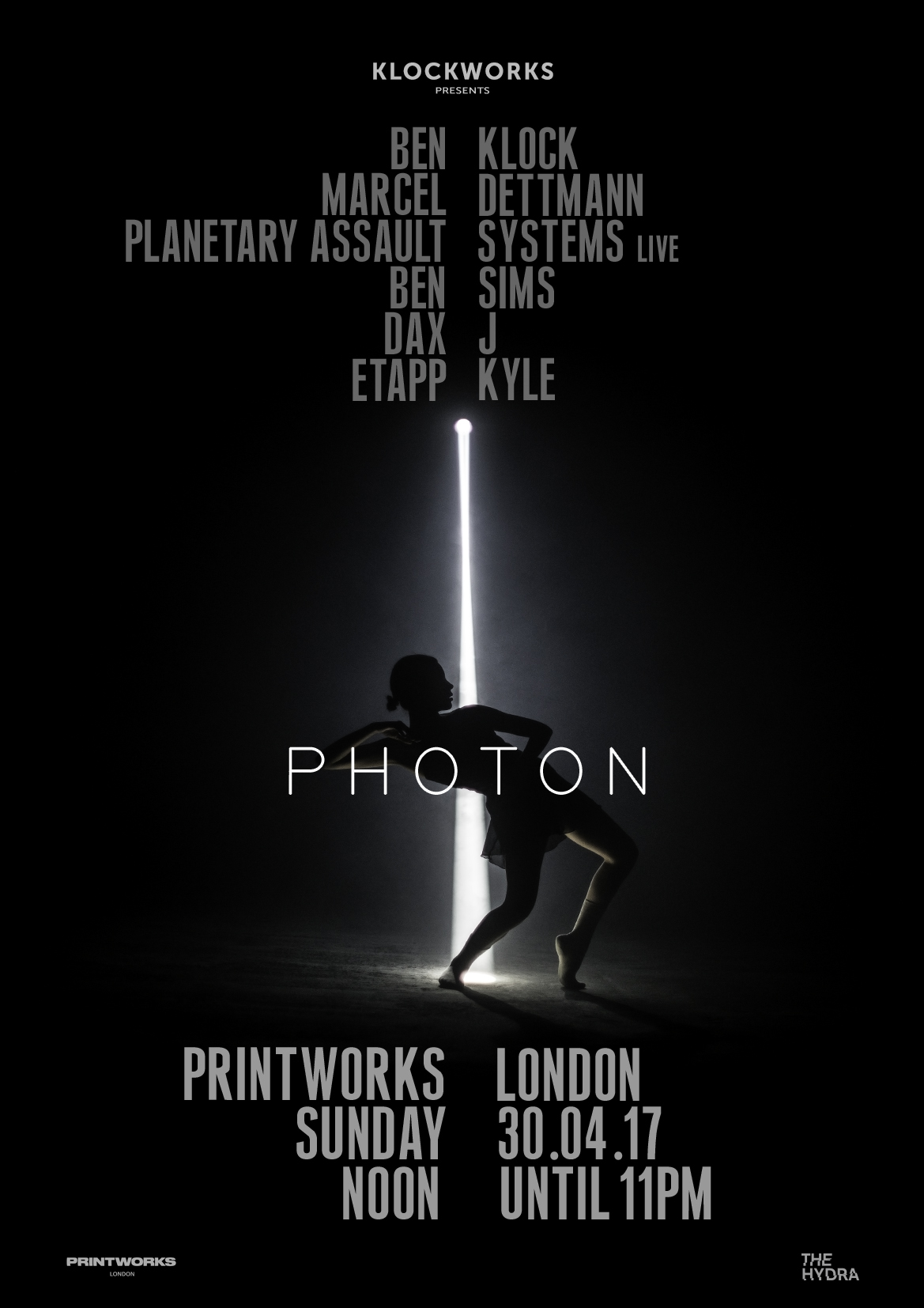
As previously announced, Ben Klock‘s Klockworks label is set to launch a new event series, titled PHOTON.
For the past four years, Klockworks showcases have represented talent from the label’s roster while focusing on the vibrant visual display of Heleen Blanken. The PHOTON concept now opens up to all friends and colleagues whose productions and DJ sets Klock admires, from upcoming artists to the legends of the industry.
The concept puts emphasis on the notion of a photon, to present a multi-sensory experience by placing attention on the marriage between sound, light, and architecture and how these elements combined influence our experience.
Ben Klock, Marcel Dettmann, Planetary Assault Systems (Live), Ben Sims, Dax J, and Etapp Kyle will kick off the series on April 30 at Printworks in London. Subsequent dates will be announced soon.
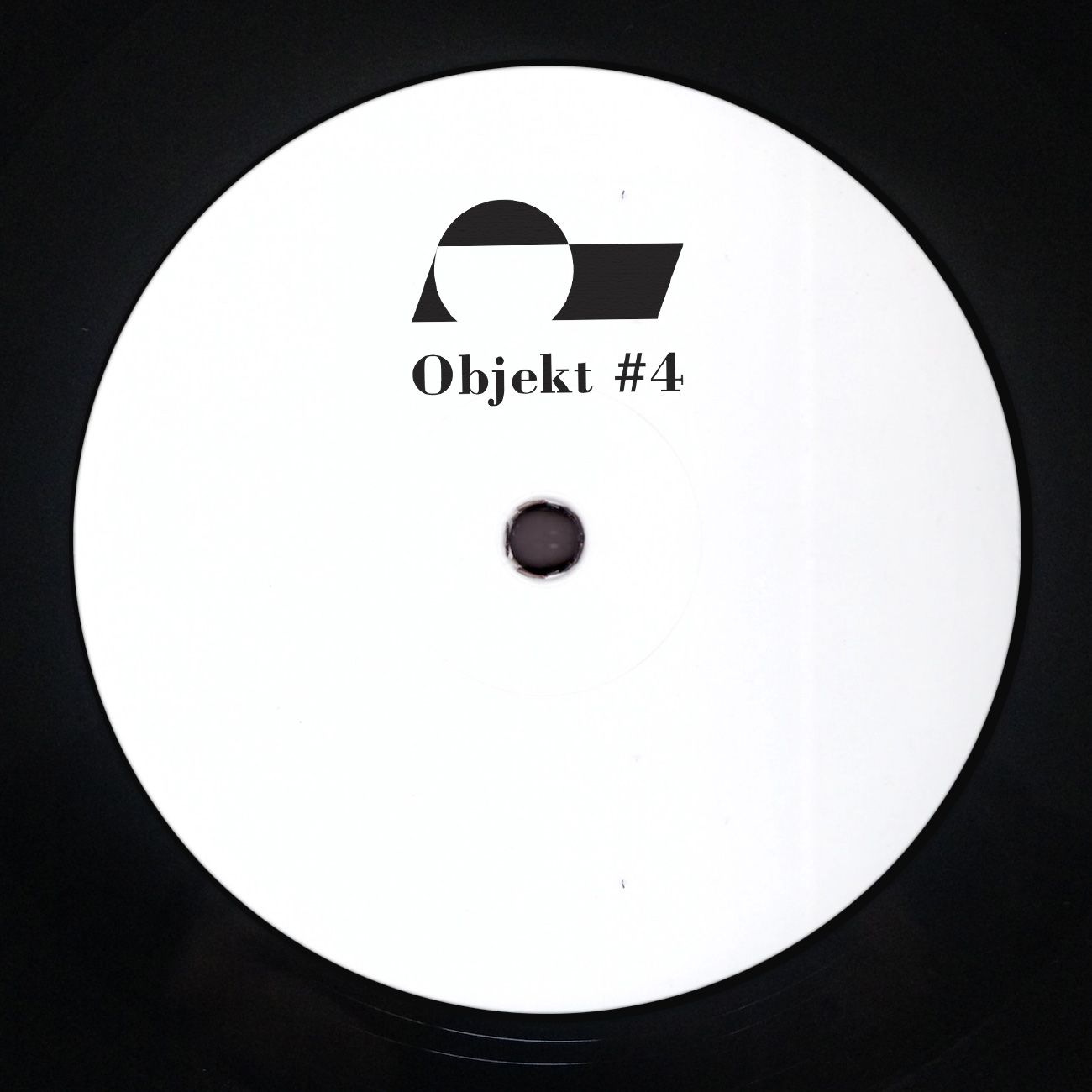
As previously announced, TJ Hertz (a.k.a. Objekt) will soon release Objekt #4, his first release since 2014’s Flatland.
Objekt #4 is a continuation of his club-focused white-label series, launched in 2011, and a tribute to the sadly now defunct Basement Q, a formative and beloved haunt in Berlin’s Schöneberg district which quietly but profoundly shaped the musical identities of Hertz and several of his contemporaries until its final closure in 2012.
“There really was no place quite like it,” remembers Hertz. “Even in the later years when Joe [Call Super] and I would go, the sense of vitality was palpable; you had all these regulars who must all have been pushing 50 years old but still had more energy and passion than any 25-year-olds we knew at the time. God only knows what it must’ve been like in the ’80s when it opened. I think it changed a bit over the years but I know the horse fresco on the ceiling was there from the start and the custom-built soundsystem too. Bogdan, the sage and amiable but somehow kinda unhinged old Bulgarian dude that owned and built the place, he had this obsession with right angles; he hated them, said they were fascist or something. So everything was slightly askew and you never quite knew which direction was up, much less when he or Emil or one of the other residents were playing. It was disorientating and beautiful and in the midst of such an experience, your eyes would offer your brain no valid explanation for the wonderful confusion of sound that your ears were reporting. Meanwhile, this old, fabulous, rave-weathered crowd of 40 to 60 people would be gradually losing their shit, feet glued to the floor but bodies flailing as if caught in a hurricane. It was something else.”
The two tracks on Objekt #4 pay tribute to two of the many musical facets of Basement Q in its later years. A-side “Needle and Thread” aims to condense several hours of a Thursday night in the Basement into nine minutes and 26 seconds; while B-side “Theme From Q” is Hertz’s reinterpretation of a Basement Q anthem, owner and founder DJ Bogdan’s own “Love Inna Basement (Morning Dub)”, which never saw an official release despite providing the soundtrack to over 20 years of late morning love-ins in the cellar underneath the Weber & Lang glue factory.
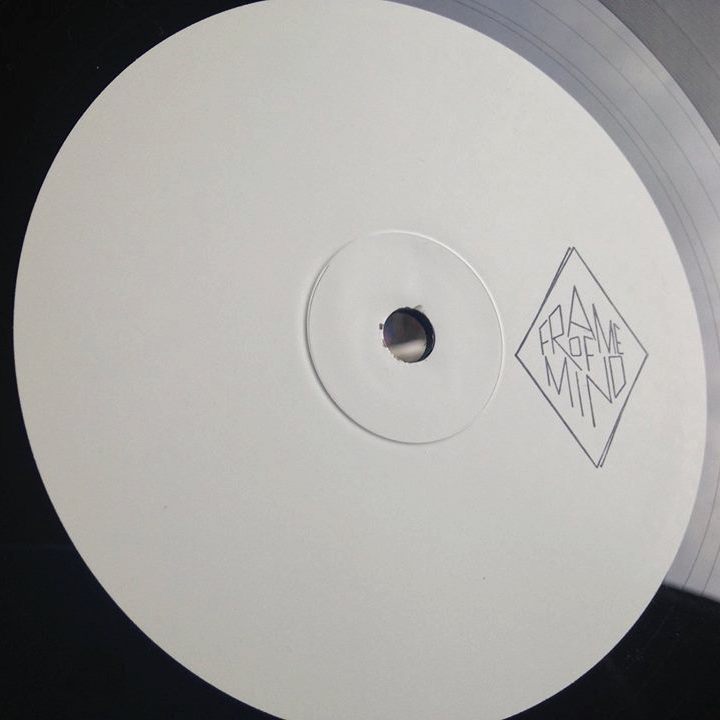
Gert-Jan Bijl’s latest enterprise is Frame Of Mind, a new imprint that promises to serve both new music and reissues from himself and others (especially stuff that he feels deserves “to be in the spotlight even more”). It is not his first label endeavor—the veteran Dutch artist also has a hand in 4 Lux, Lifeworld, Amplified and a number of other imprints.
Frame Of Mind’s first release will be a 1992 underground house classic Ruff Disco Volume One by Milo Johnson, better known today as DJ Nature, under his Nature Boy alias. The album was originally released via New York imprint The Black Label and has since become a collector’s choice LP.
Ruff Disco Volume One will be reissued as a double vinyl pack on April 18, followed by a digital release ten days later. Stream “Tobago” in full below.
Tracklisting:
01. Ha Ha 02. Prayer 03. Mud Up 04. Trackin’ 05. Under Me 06. I’m On Fire 07. Tobago 08. Near You 09. The Livin’ Groove 10. You Want 11. The Major Enemy 12. The Things You Do To Me
On March 27, Plan B Recordings and Sublevel Sounds founder DJ Spider will release his latest EP, 1º, on New Jersey-based imprint Green Village.
Originally a party at Green Villain warehouse, Green Village was founded by Jersey City’s Cloy, Em-Et, and Hilla in 2014 and has dropped vinyl-only releases from Franklin De Costa, Dakini9, Nicuri, and Policy. Next up will see the return of New York producer DJ Spider to the fold, following an appearance on Green Village’s Village Elders comp last year.
Comprised of various cuts dating back to 2006, the four-track EP is filled with deep and twisted samples, infectious-yet-subtle melodies, and menacing effects. From deep and meandering opening cut, “Space Jungle,” to the intriguing groove of “Divide & Conquer,” it’s an EP that perfectly straddle the line between house and techno.
You can pre-order 1º over at Juno, with “Divide & Conquer” streaming in full via the player below.