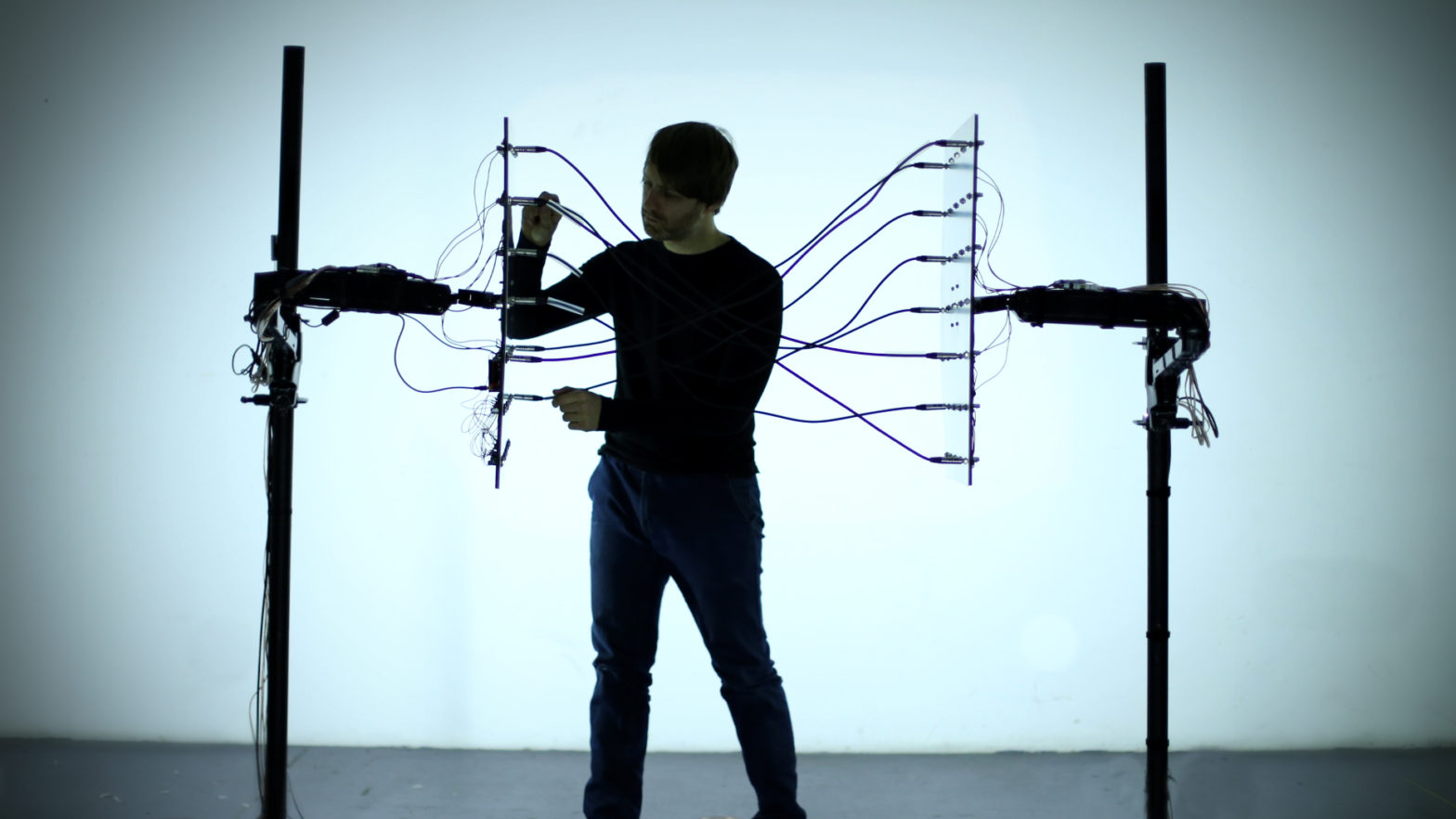
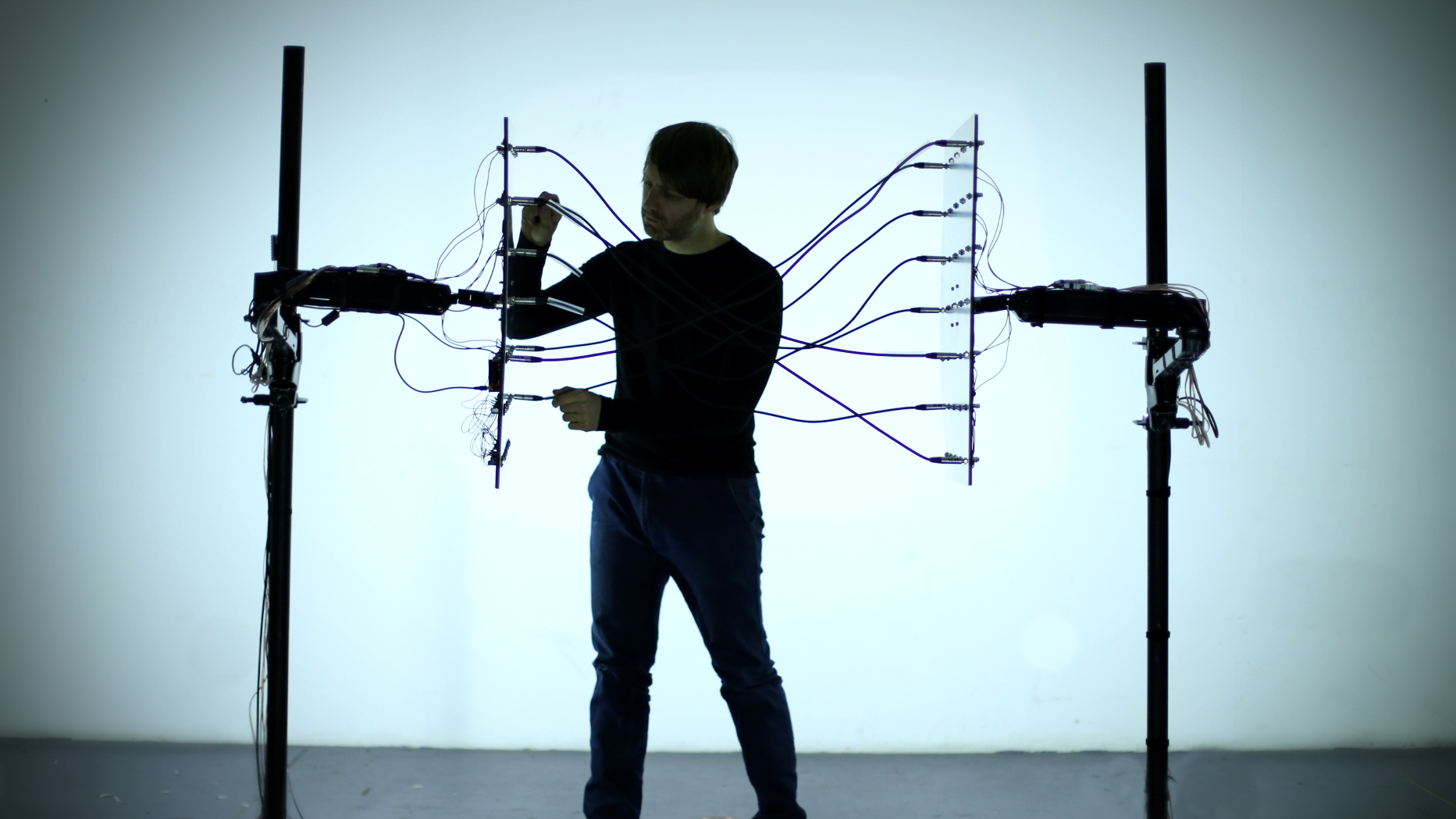
Held in different spaces of the Laboral Ciudad de la Cultura Art Complex and the city of Gijón, L.E.V. will host inspiring performances, installations, audiovisual live shows, showcases, workshops, and documentaries from artists including, among others, Factory Floor, Samuel Kerridge, Container, Amnesia Scanner & Bill Kouligas, Harm Van Den Dorpel, and Novi_Sad & Ryoichi Kurokawa.
You can find the full list of the artists announced below, alongside a video for Novi_Sad & Ryoichi Kurokawa’s “Sirens,” with tickets and more information available at L.E.V.’s website.
Lineup:
Factory Floor (DFA Records, UK) Samuel Kerridge FLA Live A/V (Downwards, UK) Amnesia Scanner & Bill Kouligas present”Lexachast” (DE) Container (Diagonal, USA) John Beltran Live (Delsin, USA) Nicolas Bernier presents “frequencies (synthetic variations)” (CA) Martin Messier presents “Field” (CA) Synkro (Apollo Recordings, UK) IVVVO (Halcyon Veil, PT) Kara Lis Coverdale & MFO (Sacred Phrases, CA/ DE) Novi_sad & Ryoichi Kurokawa present “Sirens”(Sub Rosa, GR/JP) Skygaze “Wightless Lanscapes” AV (Love Our Records, ES) Alex Augier presents _nybbles_ (FR)
XLR8R Couldn't find the embed function for type: "vimeo" and source: "<iframe src="https://player.vimeo.com/video/36487289?color=ababab&portrait=0&badge=0" width="100%" height="360" frameborder="0" allowfullscreen="allowfullscreen"></iframe>".
The second edition of Mumdance and Logos‘ genre-defying ‘Weightless’ series is set to drop on January 27.
Weightless Volume 2 features six pieces of innovative sound design and mind-bending electronics from some of the foremost names in experimental music, including Fis, Shapednoise, Sharp Veins, Inkke, Yamaneko, and Mumdance and Logos themselves. The EP will land on Different Circles, the label launched by Mumdance and Logos back in 2014 with Weightless Volume 1—the imprint has since go on to release vinyl-only records from Logos (Glass), Rabit and Strict Face (Tearz and Into Stone), and Airhead (Kazzt), and a late 2016 mix CD (Mumdance and Logos Present Different Circles).
Limited vinyl copies of the record will be available from January 27, and in the meantime, you can stream FIS’ otherworldly “Angels Of The Water Table” in full via the player above.
Mind Against is the DJ and production project of Alessandro and Federico Fognini—two brothers born and raised in Milan, Italy. Having moved to Berlin, via London, in 2011—the goal, they explain, being to pursue careers in music—they debuted in September 2013 with their Atlant three-tracker on Life and Death—the prestigious imprint with Manfredi Romano (a.k.a DJ Tennis), Thugfucker‘s Greg Oreck, and Tale Of Us‘ Matteo Milleri at the helm.
And then it all developed very quickly. Two more Life and Death releases followed soon thereafter—namely Avalon and Strange Days—which subsequently launched the pair into the spotlight, creating a global presence and culminating in a series of DJ bookings all across the European continent and beyond. In addition to this, the brothers soon became central figures in the Life and Death label, assisting with the A&R and label management while performing at many of the label showcases. In 2015, they added three more EPs to the imprint’s impressive discography.
Things today, however, are slightly different. Having relinquished their role in Life and Death, much of their time is invested in Afterlife, the party-band and imprint run by Matteo Milleri and Carmine Conte (a.k.a. Tale Of Us) for which the Fognini Brothers co-run the A&R. Launched in the summer of 2016, the brand went on to host a series of parties and released two EPs towards the back end of the year, while Solaris, the imprint’s third outing that the Fognini duo made in collaboration with Aether, will land on February 10—though the EP’s title track appeared on Mind Against’s September Essential Mix for BBC Radio 1.
Overlooking, for now, the intrigue around the duo as artists, there has long been much interest in their sound—a deeply melodic and emotionally rich form of techno for which the Fognini brothers have become the world’s finest ambassadors. What are the tools and techniques behind these intricate atmospheres present in all their releases? How do they create such dramatic late night club sets? Just where do they get their music from?
In order to answer just some of these questions, we thought it was time to ask the brothers to contribute to our Ask the Experts series—the results of which lie below.
Mind Against can be found playing at this year’s 375th special edition of Igloofest on Friday, January 20. More information and tickets can be found here.
Do you have any training in music theory or playing any instrument?
We are self-taught, but we did both have some piano lessons during middle school. Everything we do is out of instinct. Sometimes a lack of rules is helpful because the important thing is the output. However, at a certain point, it is important to know the rules so you can know when to break them—and also know how to break them.
“Be patient until you have something really game changing or at least good enough to shape an original identity for yourself.”
What are your hints to the new producers for catching the attention of big artists like you?
It’s important that you look to do something new and original rather than replicate what is already out there. Be patient until you have something really game changing or at least good enough to shape an original identity for yourself. We receive lots of demos that sound forced because the artist is trying to replicate something that is already out there—something that has already been heard. Try to focus on fresh ideas rather than just finishing tracks just to say that you have finished a track. We produced hundreds of tracks before we felt comfortable sending anything out. Even now, only a small fraction of our productions are ever released.
It is beautiful that two brothers decide to make art, live, and travel the world together. To the outside world, it seems that you have to do everything together because neither of you has or has had a solo project. How much time do you spend together in your daily life? Could one or both of you guys imagine doing to do a solo project at some point?
We used to spend a lot more time together because we were also living together in Berlin. We just moved into different apartments six months ago, so we only really travel and make music together—which is still a lot of time, actually. We don’t feel the need to work on solo projects, though it is not something we will ever exclude. Maybe it will happen one day.
I’ve read in an interview that you guys got to know Matteo from Tale of Us and used to produce with him before you became successful. How did you get in touch with him, and has that connection been useful for your artistic path? Did you get inspired by each other? Do you still share ideas and creativity with Tale of Us?
Yeah, Alex met Matteo in 2006, a long time before we all began as musicians. We were going to clubs but we had no real interest in producing music or DJing; we were just friends before everything started.
For sure it has been good to be part of Life and Death in the beginning. Maybe we would have come out anyway, somehow, without their support, but it would have just happened in a different way. Now we are following different paths, but we are still in close contact as we share ideas and creativity. We continue to inspire each other, and we still spend time in the studio together.
When did you realize you wanted to start producing and taking music seriously. Was it difficult?
We were playing vinyl and shared an interest in electronic music for a long time before we actually started to feel the need to produce our own stuff. We began working on production in 2008, but we were not earning any money from it—so we were doing random day jobs to earn the money to buy the first synths and eventually vinyl. Fortunately, our family has also always supported us, too. In January 2012 we then decided to leave everything and do music full time–just a few months after our first EP, Atlant” was released on Life and Death.
Not mentioning the technical side for a second, for sure it hasn’t been easy to leave behind friends, family, and eventually love to follow this dream we share.
I feel that the strong and complex lead sounds are a key element of your sound—speaking of “Gravity” or more recently “Solaris” from your Essential Mix. Do you guys have a favorite delay/reverb unit to process your lead sounds through?
We normally only use the built-in delay and reverb of Logic—but for some of our more recent tracks, we’ve started to process the audio signal through the Elektron Analog Four’s effects. We used this technique for “Gravity” and “Solaris,” for example. For these tracks we sent out a pattern from the Analog Four Sequencer to the MS20; and then the audio signal from the MS20 was rerouted into the Analog 4, reprocessing everything with its own filters, effects, envelopes, etc.
How did you create the lead synth in “Strange Days,” and how you got it to blend and sit in the mix so well?
That’s actually made out of a customized preset we programmed on a Clavia Nord Lead 2.
But I don’t think it’s hard work to make a synth line fit in the mix when you focus on keeping everything in the right place while building the track. A particularly good part of “Strange Days” is that, even though it sounds like a lot is going on during the entire track, it actually has only a few key elements—but each one of them is covering a certain range of frequencies while avoiding a clash with the rest. Once we had the main loop done, it came naturally to fit the synth line on top, sounding as it has always been there.
To be honest, the main synth was way more complicated and was actually born as a different track itself. The original version was a long take of four-plus minutes, and from this segment, we chopped the main riff, which then made “Strange Days” as you know it today.
I really love the atmospheres in your tracks—the kind of drones and pads that sit quietly in the back of the mix. They are key to translating a certain feeling when listening. What is your way of approaching and constructing these textures? Do you have any favorite synthesizers for this?
We start most of our tracks with these atmospheres. But we don’t really have a set process for building them; it can just be a wet reverb of a synth hook previously recorded and not used in the track, that we maybe loop in the background to make an ambient texture—but it can really be anything. However, we can say that one of the pieces of gear that we like the most for this is the Juno60. It is perfect for pads because it gives this warm vintage atmosphere.
I am really interested in your studio workflow. Firstly, do you split the responsibilities—so, does one of you more focus on drumming and sequencing and the other one works harder on melodies and synths? And do you have a certain routine for working on an idea or a track?
We actually work a lot in the studio alone, especially more recently because we’ve been traveling a lot and have also moved studio. But the output from both of us is similar; we can both work on drums or anything to make it sound like a Mind Against track. The one time we always work together in the studio is when we have to finalize a song.
“We never rely on the mastering for quality improvement.”
How much importance do you give to the mix-down and how much to the master? Do you do most of the work during the mix?
We naturally build the right mix as we are putting the ideas together. We are not leaving the mix to the end because we can’t go on to the next step if we don’t have the previous step sounding as we want. But it’s not something we spend too much time on. After almost 10 years of producing it is something that we do naturally.
When it comes to mastering, we used to play lots of our tracks out that weren’t yet mastered—it was just our rough mix with a limiter on top. We actually still do it nowadays. And then when we send out tracks to be mastered they’re already sounding nice. Mastering is just a standard process that we must do—a procedure that we do before the release for the vinyl cut, for example. We never rely on the mastering for quality improvement.
How do you make your drums? The 909 seems prominent in your productions; however, on tracks like “Vertere,” you seem to make use of other samples. Are you browsing sample folders inside the computer or is this all coming from outboard gear?
We felt at some point that the 909 was in a certain way too limited for us so we left behind in the setup–even though it is still there as part of the studio. We like to layer our drum lines with many different machines, like the Dave Smith Tempest, for example, or the Elektron Monomachine—but we also use samples from everywhere, including libraries. We believe that it doesn’t matter where you get your sounds from, as long as you focus on the result you want to obtain.
Your melody seems to never be the same in notes, velocities, filter cut-off etc. How do you manage to get these constant changes? Do you program them in your DAW ? Or do you record yourself in audio and then choose and arrange the best parts?
We actually like to do long live takes and then we decide on the best parts. If you listen to our tracks, you’ll see that there is always one main riff that repeats—maybe a long riff of 32+ bars. We loop that and then we record long takes while we continuously modulate filters, envelopes, etc. This is what gives “the constant change” feeling that I believe you’re talking about.
As we said, we have been using a lot of external sequencers lately—the Cirklon, for example, is very advanced and supports up to 64-bar sequences, and also allows you to do pretty much any kind of parameter customization. Also, one thing we used to do in the beginning was to trigger the arpeggiator of the Korg Monopoly—which originally did not support MIDI—with the rimshot signal coming out of the TR-909. So we were playing different chords on the Monopoly to set the notes for the Arpeggio. The Monopoly was then playing these notes one after the other on each position of the pattern on which the rimshot was hitting from the 909 (Triggering). This way we were able to have very long takes, with so many possible combinations on the scale, giving to the melody an idea of constant changing and evolving.
But it is important to note that our processes are always changing. Some producers just jam around and that’s their way, but our process tends to change a lot. We know what our goal is but we never have a set route to arriving there—we know what we want but we always experiment. However, the end result is normally something similar to the idea we had at the start. We recently started to use modular synths so I think these processes are going to change once again and move onto the next level.
What are your thoughts with regards to DJing off your laptop software versus DJing with CDJ’s?
The importance of performance is the outcome. It doesn’t matter how you reach it. Some sets on Ableton are much better than sets with big analog setups, for example.
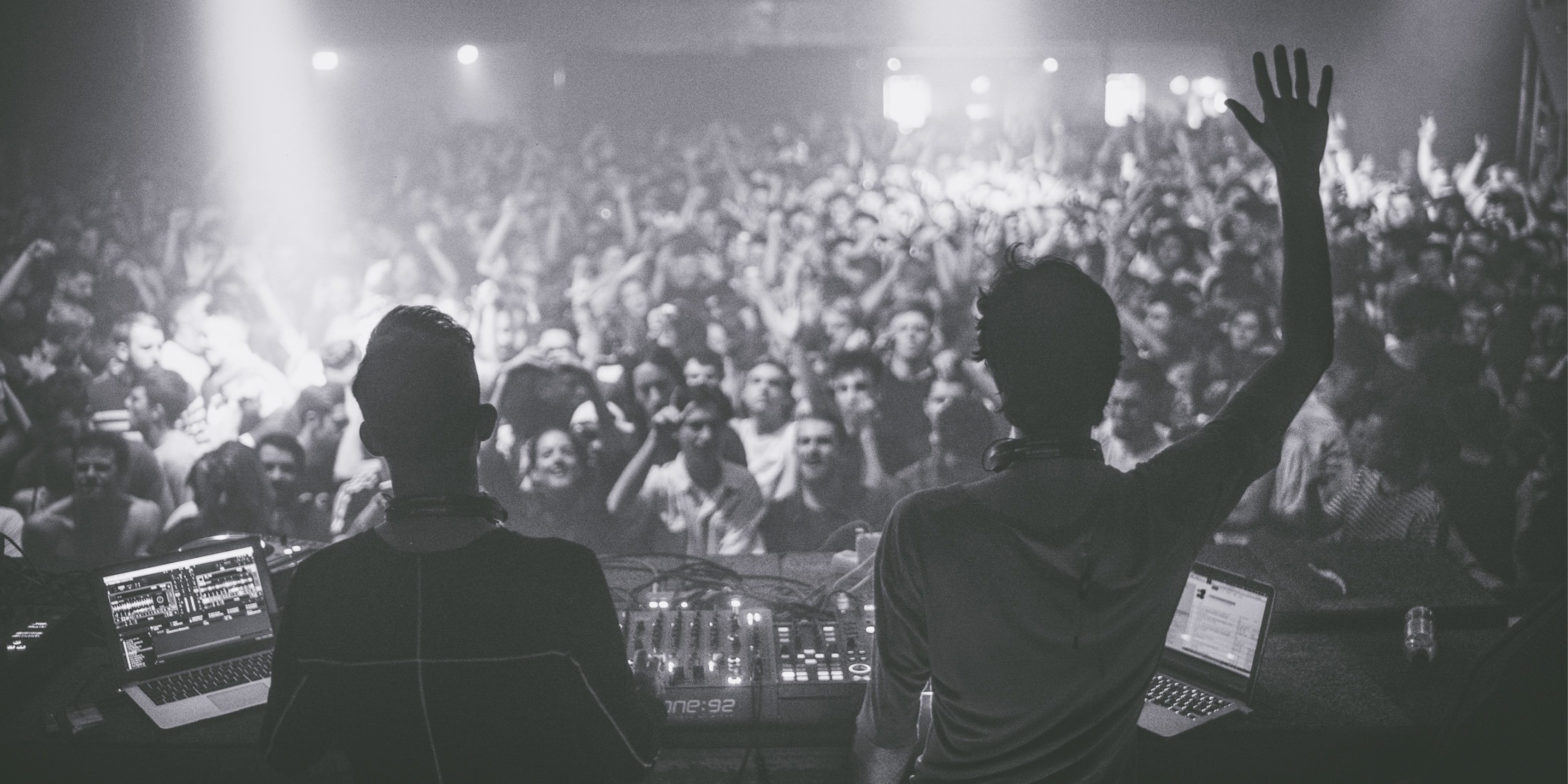
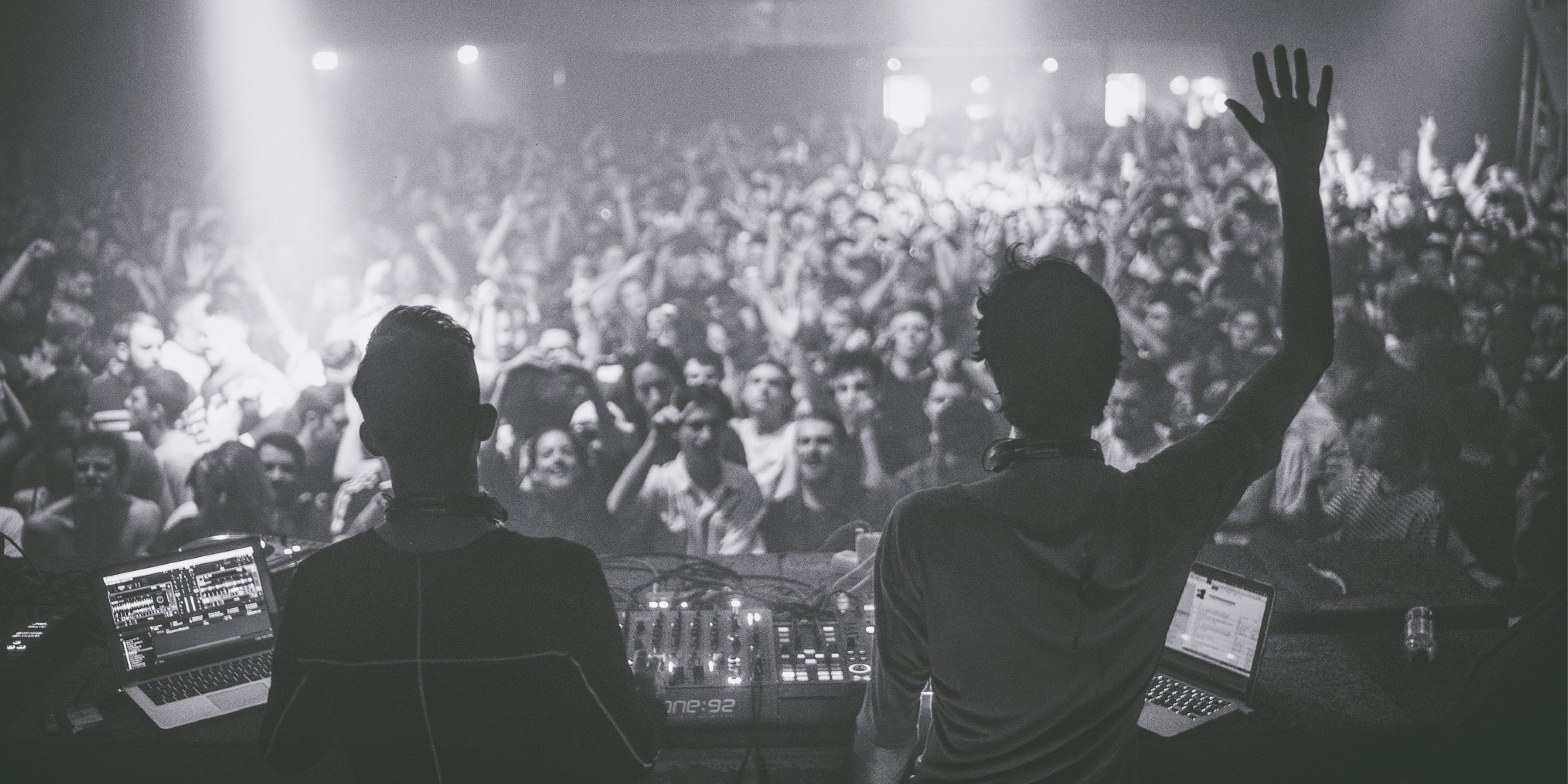
We started in 2006 by collecting and playing vinyl. Then, out of comfort and convenience—because we started traveling more—we switched to Traktor, so we used one laptop and two vinyl records. Now, at this point, we use two laptops with Traktor because this gives us each two channels and therefore supports our performance by allowing us to blend four tracks together using loops. Our sets are not about beat matching anymore, even if it’s something we still do; and we like to create new music in the moment, something that happens only there at that given time. So the Mind Against set would not be the same if we still used vinyl. We are not saying one is better than the other, it’s just different.
How do you find new tracks—research? Or do you receive the promos directly? What platform do you use to search new, unknown tracks?
We do a lot of music research. This is just the part of being a DJ, it’s a part of the job. We are finding a lot of interesting stuff on Bandcamp lately, for example. We also still collect vinyl, so sometimes we find tracks on vinyl and we contact the label to get the digital. And yes, we do have a separate promo email set up linked to certain labels that we like and trust, in order to filter and avoid the spam otherwise, it would not be possible to listen to all the promos we receive. Of course, we still also play a lot of our unreleased productions or tools.
How do you distribute the work when playing a DJ set–track selection, effects control, transitions, loops, samples, etc? Do you have a few tracks selected to orientate the sets or you do just start with something and improvise all along?
We don’t plan much, but we do have six or seven tracks we know we want to play or moments that we like to create during a set. We don’t have separate roles; both of us have access to effects, controls. We like to keep two or three tracks together and mix tracks with four hands so it’s a continuous working together for all the duration of our performances.
Is the construction of your sets inspired by the presentation structure of classical music, such as an orchestra?
Good movies have an intro and an outro—there is always a development. So there is a standard structure on which base most of our sets—we always have an intro and an outro with a journey in between—but not sure if we can say it is inspired by classical music.
When your RA.482 podcast came out you said there was an LP on your plans. Any update you can give us about that?
It’s still in the plans but we need to find the time to actually make it. We spend almost all of our spare time making music but it’s still not enough right now. We mentioned the album because we might have 15/20 new tracks that could fit on an album—but we are still waiting for the right moment to put it together and release it. But maybe it will just not happen.
Your last songs, from “Elysium” and “Pulsar” to the recent “Solaris,” have names of cosmic elements of the universe. Is the universe your source of inspiration?
We like that dystopian feeling in music, as well as the epic atmospheres. Most of our tracks are the names of dystopian movies we liked, and the universe is always a source of inspiration. As we are part of the universe, we believe our music is also part of it.
What tools (software, hardware, instruments) do you use in your productions?
Currently:
Logic 9, Ableton Live 9, Korg MS-20, Cirklon Sequencer MKII, Elektron Analog Four, Yamaha DX200, Dave Smith Tempest , Elektron Monomachine, Moog Voyager, Roland JV2080, Roland TR-08 , Roland SH101 , and the Roland TR909. And a few modular systems we are building day by day
Previously:
Roland Jupiter 8 , Roland Jupiter 6 , Roland Jupiter 4, Roland Juno 60 , Roland Juno 106, Korg Monopoly, Akai vx600, Dave Smith Prophet 8, Doepfer Dark Time , Eventide Space Reverb .
Swedish musician Jonas Rönnberg (a.k.a. Varg) is soon to release his fifth full-length on the label he runs alongside Abdulla Rashim, Northern Electronics. Nordic Flora Series Pt. 3: Gore-Tex City follows hot on the heels of two other chapters, the first of which dropped last November. The upcoming 12-track album features a diverse array of collaborators, including Yung Lean, Alessandro Cortini,Drew McDowel and Chloe Wise amongst others.
Nordic Flora Series Pt. 3: Gore-Tex City is set to drop on March 27. Check out the video for album opener “Champagne Ceremonies” below.
Tracklisting:
A1. Champagne Ceremonies A2. Yamanote Line (原宿) A3. Platforms Surrounded By Fences (EU) A4. Forever 21 / Valium (feat. Chloe Wise) B1. Red Line (114 Östermalmstorg – 127 Vårberg) (feat. Matti Bye, Christian Augustin & Henrik Söderström) B2. I Hope You Are Still There (新宿御苑) B3. Blue Line (112 Rådhuset) (feat. AnnaMelina) C1. Fonus (feat. Drew McDowall & Alessandro Cortini) C2. Snake City / Maserati Music C3. Red Line II (127 Sätra C) 4 (feat. Yung Lean ) D1. Euros & Euros & Euros (EBG) (feat. F. Valentin & Chloe Wise) D2. Gore-Tex シティ D3. Stockholm City (Drottninggatan, Sergels Torg)
It Never Ends arrives after four EPs—on Mörk, Pacific Command, and Lobster Theremin—and six months after the LT029.5 album sampler dropped featuring “Soms” and “In My Dreams.” Added to these two cuts are seven “hazy, hooded techno cuts” to complete a dazzling body of work.
Tracklisting:
01. Touches 02. Galaxy 03. It Never Ends 04. Soms 05. Unity 06. In My Dreams 07. Abyss 08. Eternal 09. Last
Lobster Theremin will release It Never Ends on February 24, with an album preview streamable below.
Bristol DJ-producer Shanti Celeste has shared a track from her upcoming EP on her own Peach Discs—the label’s first release.
As well as becoming the “main home” for her music, Peach Discs will soon release music from a new Bristol duo called Fred and a producer called Samuel, “as well as many others,” says Celeste, whose most recent appearances were on Max D’s Future Times imprint and Objekt’s Kern Vol.3 mix for Tresor.
Celeste—who has also had releases on BRSTL and Julio Bashmore’s Broadwalk label over the past few years—went on to describe the A-side as an “emotional and energetic breaksy number” and the flip side “a tough and bass heavy cut.”
Tracklisting
A. Loop One B. Selector
Untitled EP is scheduled for February 10 release, with “Selector” streamable in full below.
Scandinavian multi-disciplinary artists Jonas Rönnberg and Christian Stadsgaard have joined Avian as The Empire Line for the Syndicat de la Couture EP .
AVN028 marks the duo’s debut on Guy Brewer’s label, and their first appearance under the alias outside of Posh Isolation, the Copenhagen-based imprint run by Loke Rahbek and Stadsgaard himself, where they featured as part of the Devonian Gardens tape earlier in the year.
The two producers have long since been developing a rich, three dimensional space for their work—through both collaborative projects and as individuals.
Best known for his music under the Varg alias, and as one half of the Northern Electronics label alongside Abdullah Rashim, Rönnberg has explored washed out minimal synth variants as Född Död, as well as stripped back loop-techno and drone compositions under the Ulwhednar moniker. Stadsgaard runs his Noise project Damien Dubrovnik alongside Rahbek—who joins Rönnberg as part of experimental synth outfit Body Sculptures, a five-piece project featuring Puce Mary and Erik Enocksson—as well as Vit Fana, who contributes vocals on AVN028 opener “Fragrance Arpège.”
Recorded at Mayhem, Copenhagen’s experimental performance and rehearsal venue, the EP sets a pair of heady noise recordings against more streamlined club fare—though both approaches maintain the same visceral, cinematic quality, with caustic drones pitching and bending in and amongst warped sequences or more rhythmic drum machine elements.
The project takes its name from Cristóbal Balenciaga’s Empire line, a collection presented by the Spanish designer in the late ’50s featuring a womenswear silhouette that remains widely regarded as his finest contribution to the world of fashion. It’s this pinpoint nomenclature that moves the work above and beyond the basement, and up into a more luxurious, crystalline environment.
Ahead of the EP’s January 23 release, “Cafe Anglais” is exclusively streamable in full below alongside a Q&A with the pair.
Tracklisting
01. Fragrance Arpege 02. Cafe Anglais 03. Jewelry Armoire 04. Syndicat de la Couture
Syndicat de la Couture is the first release by The Empire Line. Can you tell us how the collaboration began?
We met a few years back at different venues around Europe and found out we had similar interests. It’s not often you meet people who in one conversation can talk about their favorite GG Allin recordings, their preferences in champagne, Japanese sex culture, the latest Givenchy collection, what Masonna records are the most refined, and what pizza is the best for hangovers. So, of course we had to start a band.
Back in September you played a Berghain showcase for Shifted’s Avian imprint, and the label is now releasing your debut EP. How did the connection happen?
We’ve both known Guy for years, and since he wants to do something different on Avian, we played the tracks for him. We guess that is why he asked us to do Berghain too—to do something slightly different than what you would expect.
The titles as well as the project name (being lifted from a 1959 collection by Spanish designer Balenciaga) reference fashion and luxury culture. Can you fill us in about the meaning behind the imagery?
Each of our EP’s will have different themes that are within our interest. Since The Empire Line is a reference to fashion history, obviously the first EP had to have the same references. But the next EPs will be about totally different aspects of life.
What does the future look like for The Empire Line?
Lots of hits, lots of bangers, lots of naked people, lots of mayhem on the dance floor.
Bonobo has shared the video for “No Reason” feat. Nick Murphy (formerly Chet Faker), a cut taken from Migration, his sixth studio album that was released last week via Ninja Tune.
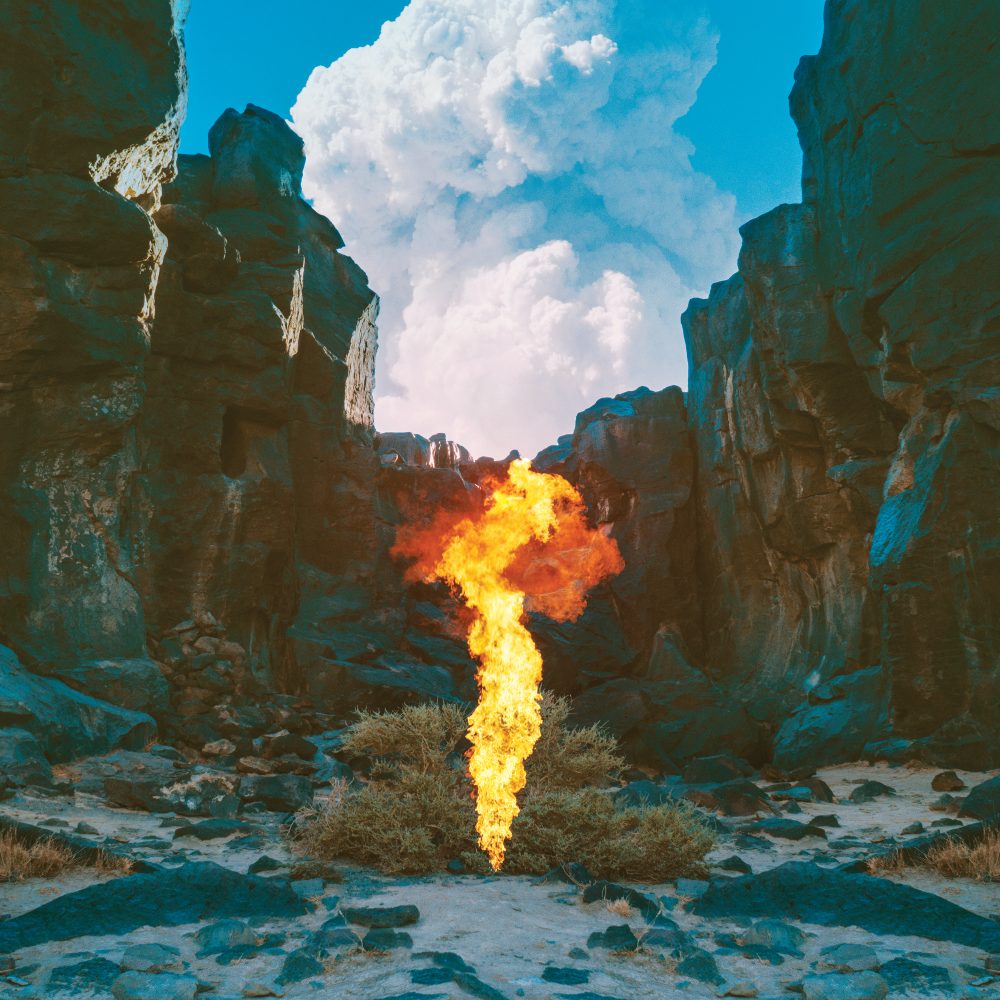
Building on the record’s success comes the music video for “No Reason.” Oscar Hudson (Pulse Films) is the maestro behind the video’s bizarre trip. More akin to that of an art piece than a music video, the work takes subtle cues from such iconic films as “Alice in Wonderland” and “Birdman” as its character grows larger inside a Japanese house whose items shrink and expand through time. The video fits neatly into the album’s themes of the transitory relationships to place and time, seen with Art Director Neil Krug’s distorted realities in the Mojave Desert for the art and “Break Apart” video, and also Bison’s work on the Gemma Arterton featuring visuals for “Kerala.”
Streamable via the player above, the music video was filmed entirely in real life, in-camera with no post work or VFX, to which the end result is an effortlessly fluid and visually mesmerizing experience.
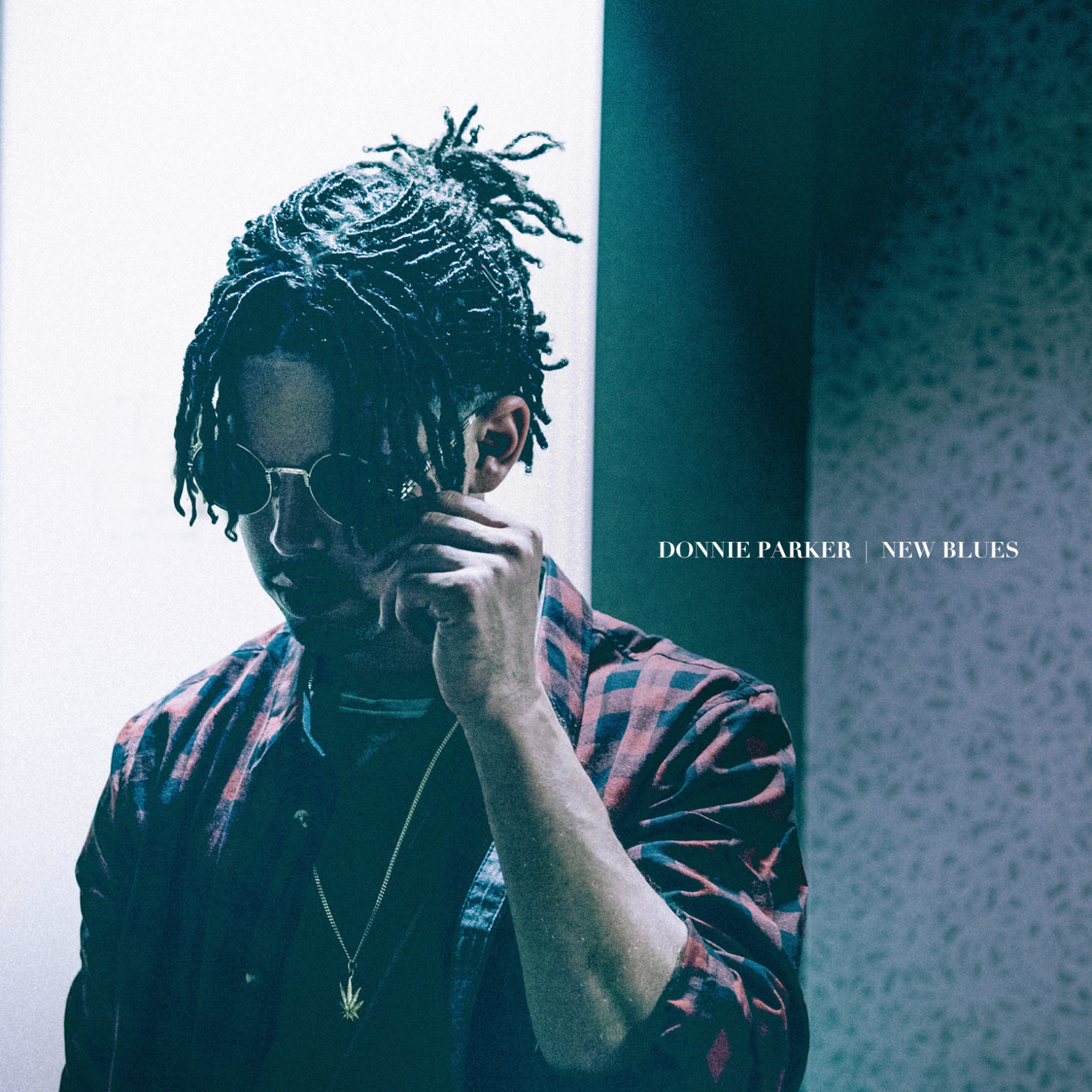
Born African and Mexican descent and raised in California’s Bay Area, Donnie Parker has had music streaming through his blood from the beginning. His mother, obsessed with soul and RnB, surrounded her family with music, singing along with anyone else that would care to take part. Parker’s father (although not fully present for his younger days) was the lead vocalist of Gary, Indiana soul act The Lost Boys. Now, together with long time producer HellaMelody, Parker is ready “to bring his own, hip-hop inflected modern take on the music he could sing before he could write,” titled the New Blues.
New Blues is Parker’s debut, yet it’s also the album that he’s “always wanted to release.” Three years in the making, the finds Parker crying his confession to the microphone, reminiscing on past love and indulging in fantasies over a whirlwind of instrumentals. The release, according to the label, is “an autobiographical snapshot of the last four years of Parker’s life.”
Available to download below is “New Blues” the song, a cut that is about “being in love with someone who is ideal on paper in every way,” Parker says. “Imagine falling in love with someone that is you ideal both physically and mentally, someone who is strong, independent, and trustworthy,” he elaborates. “Yet you’re torn between this human love and another passion—in my case the passion for creating music. It drove a wedge between us, and I hid from the in music; which just drove us further apart. I think the title is very fitting.”
The New Blues album is scheduled for February 10 release.
Since the coining of the musical term back in the ’70s up until the present day, industrial has survived a multitude of eras and movements. But the common thread that defines the genre is its non-compliance with the status quo; the music has always been a vessel for something greater. More often than not, it’s an anti-establishment roar from the people to the man. In the present day, credit for the genre’s introduction to the dancefloor can be directed to Ali Wells’ Perc Trax label. As Wells once said in an interview for The Drone, “It’s a balance. It’s about getting your message across without turning off the people [club goers] who are just there for hedonism.” That’s exactly the middle ground that Manveer Dheensa (a.k.a Manni Dee) covers in his latest EP.
Throbs of Discontent, the Londoner’s first full EP on Perc Trax, spreads itself over three tracks. The opening cut, titled “London Isn’t England,” throws us straight in at the deep end. Following a short intro, which features the cavernous vocals of Ewa Justka, Manni Dee releases the trigger on his kick drum and what follows is an audial onslaught—a trait that is intrinsic in both Dheensa’s and the label’s aesthetics. A simple lead riff is carried forward by the room-filling vocals of Justka. In this style of hard hitting techno, it’s hard to make a big impact following a breakdown; however, Dheensa draws out a big build up half way through to accommodate the reintroduction of the kick—and to good effect.
The pedal stays firmly on the floor with “Mephi” on the flip. The foundation of the track is built upon sturdy bass drums which are layered underneath scattered hi-hats and an indecipherable, haunting voice. It’s refreshing to hear tracks that don’t rely on pronounced hi-hats to keep the forward momentum; in this case, the pace is set entirely by the dynamics of the handful of elements involved.
“Adorable Disorder” finishes the EP off nicely. Though he skips percussion altogether here, this track invokes more emotion than the previous two, in part down to the use of ominous, nauseating timbres. Many ambient/experimental cuts seem to make it onto techno EPs nowadays as fodder; however, “Adorable Disorder” comes as a relief after an otherwise hyperactive affair.
While one should not expect progressive melodies and harmonies from a Perc Trax release, it would have been nice to see Manni Dee touching upon the broken rhythms that he is capable of. The closing piece gives the EP a bit more depth; however; it’s hard to ignore the feeling that the EP would have been more interesting had Manveer pushed a few more boundaries.
Tracklisting:
A1. London Isn’t England feat. Ewa Justka B1. Mephi B2. Adorable Disorder
Throbs Of Discontent is scheduled for January 27 release.