Q&A: Steffi and Dexter

Klakson Records: Born in 2000; dormant by 2010. But over the course of its decade-long tenure, Steffie ‘Steffi’ Doms and Remy ‘Dexter’ Verheijen’s electro-focused imprint grew from a grandiose project established to provide an outlet for the latter’s output into a linchpin in the evolution of the Dutch electronic music scene. While the quality of the releases, including notable classics by Mesak, FastGraph, mr. Cisco and Dexter himself, was fundamental in the label’s success, it was the tongue-in-cheek humour that gave the label an established identity in the market. Visibility, unlike many other imprints, was always kept to an absolute minimum, and releases were rolled out with little, if any, DJ promotion. “I don’t want or feel the need to convince the public that they should buy it because it was played by a certain DJ. I leave this entirely up to you guys to decide whether it is good,” Steffi explains.

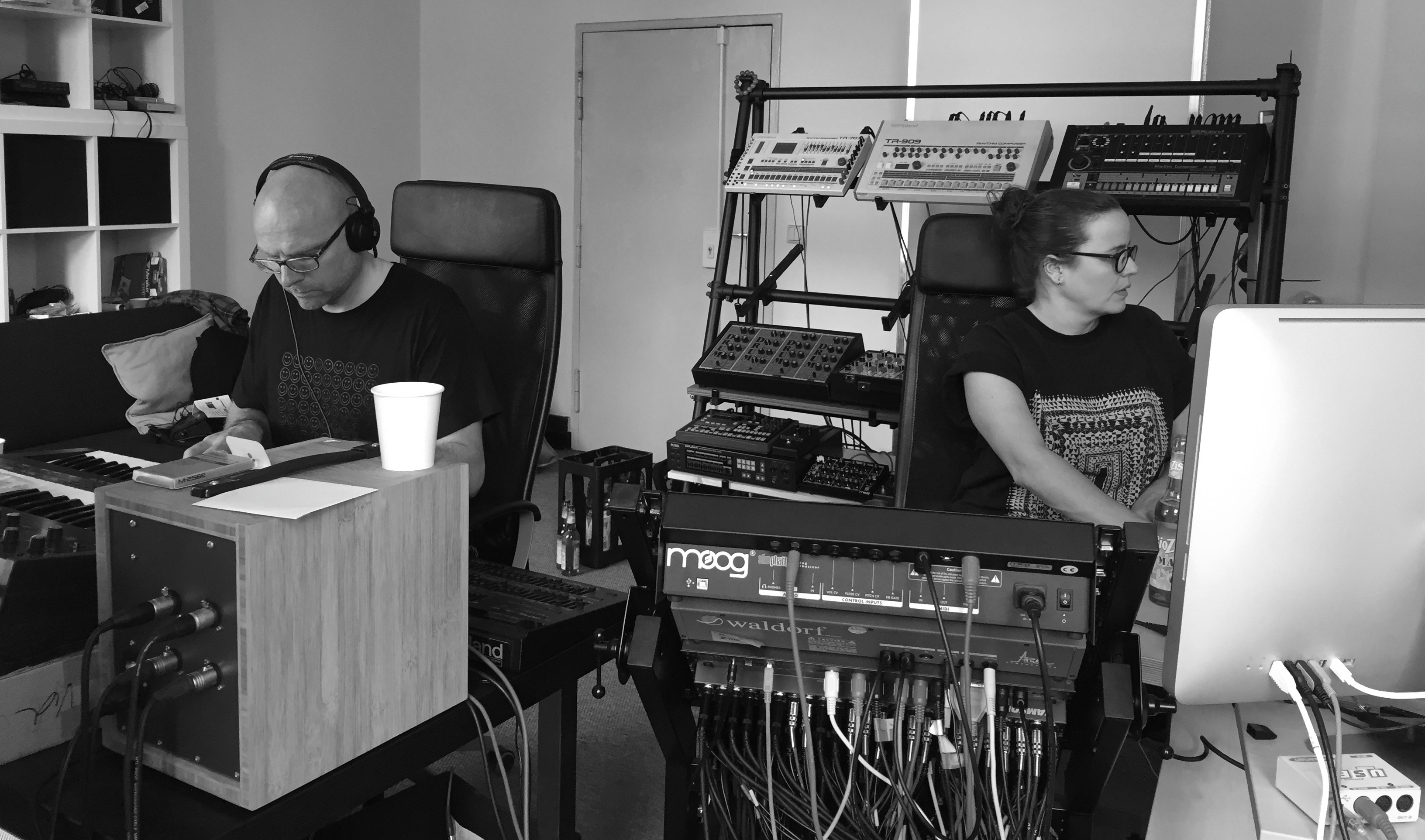
The release of Dexter’s Troubles EP this week, however, marked the much-anticipated relaunch of the label, with more EPs scheduled for early next year. To learn more, XLR8R gathered Steffi and Dexter together for a rare side-by-side interview.

Where does the name Klakson come from?
Steffi: Basically it’s just like the klaxon—as in the horn. The idea was to name it after a horn to shout out to the world.

 Klakson Logo

The label started in 2000, but where did you guys first meet?
Steffi: It think it was 1998, a year after I moved up to Amsterdam. We were introduced by Awanto 3. It was at an interesting party at the docks that we had been invited to play at, where they had five rooms with drum & bass, techno and ambient. They wanted us to do an electro room, and the electro room was literally— this is not a joke—four by four meters, with a big sofa in it. We were like, “Where are the people going to dance? This room is a living room!” So, we took the sofa out, and the irony was that everybody at the party was stuffed into that room. It was banging! Crazy. We played IDM, Warpy stuff, mixed with really hard electro. The whole party was empty, apart from everyone in that little box room. So funny.

And what were the original inspirations behind starting the imprint?
Steffi: It’s a bit vague, but what I remember is that Dexter had these tracks, and then we just thought that we should start a label, because we wanted to get them out. At the time, the situation in Holland was only Clone, Viewless and Bunker—like heavy, serious electro music with Drexciya and Underground Resistance influences. It was just such a boys’ thing; they were all battling and dissing each other. Amsterdam was not on the map, so when we met, we agreed that we should just start a label—and that we had to do something completely different.

Dexter: Yep! The main thing was that we were unhappy because we couldn’t release our own music.

Steffi: We knew that we had to do something really silly, with a silly logo, just to take the piss out of what those guys were doing. We needed to imply that everything was Dutch, so everything is written in Dutch. It’s just random shit that makes people go, “What?” You need to make sure that when you put something out, it needs to speak—which is why we started to take the piss!

How was this jokey attitude received by the other labels?
Dexter: Not well! I once went record shopping in Alkmaar, where they are all from, and they were all trash-talking about me. They we just like, “This is our scene! You’re intruding on our scene! We have been doing this for years, and it’s our scene.” So, that why I called the second record “Intruder.” It was funny!

 Dexter - Intruder (2001)

Steffi: At first, we were just like, we don’t care—which is obviously where the first record (Dexter—”I Don’t Care”) got its name from. We even had pictures of people who donated ten euros on the sleeve. The small one was ten euros, and if you donated more, then you got a bigger picture. It was so ugly! If you look it up on Discogs, it is so ugly, it’s unbelievable. When the repress came, Clone asked if they could just slip it into a white cover, because it’s not as expensive. They were so unhappy with the sleeve, and so only the first 500 have that cover.

 Dexter - I Don't Care (2000)

You can almost recognize a Klakson record simply by the artwork.
Dexter
: Yes. One of the artworks is of my friends who lived in my house. We bought him a Klakson shirt and made him look like a hobo at the local square! Steffi took the photos of him from a distance!

Steffi: And then there was the thing with Rodger—a big electro freak. Every time we used to play he was there, right at the front—and we decided that we needed him for a cover! We started brainstorming, and Steffi took him to Volendam—the tourist fishing place where you can get dressed up in authentic gear. We took a lot of pictures of him with Japanese people and the 808 (Pauli Jylhankangas- “Clutz”; see below).

Dexter: In the past we would get asked about the covers, and I would say that they were at the store unit, and that you should collect them all in order to see the bigger picture—but there was actually no bigger picture!
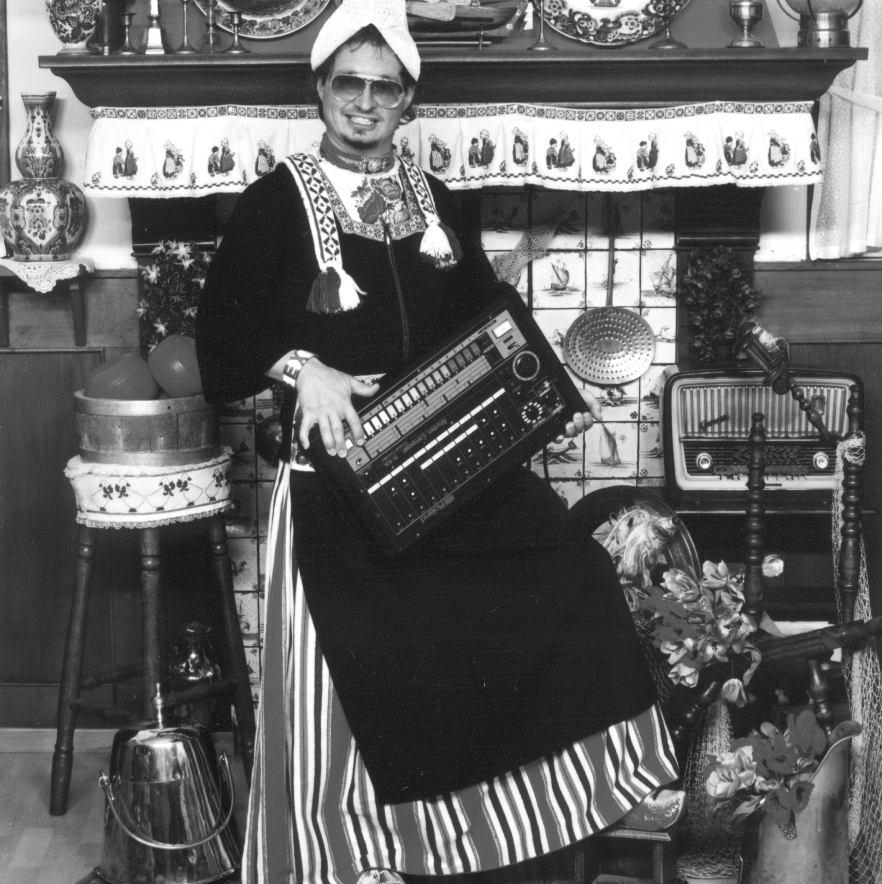
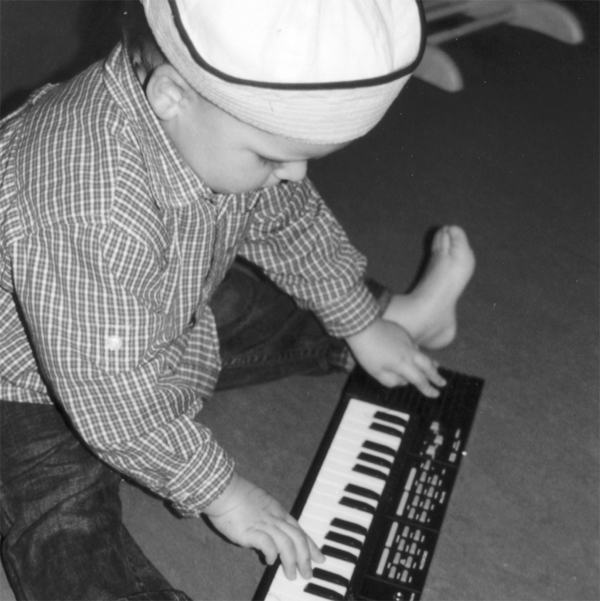
 Pauli Jylhankangas - Clutz (2003)
 Mesak - Haivenet (2003)
 Fastgraph - Systematic EP (2001)
 Mesak - Modern Stalking EP (2004)

Who comes up with these ideas?
Steffi: It used to be Dexter and I—but now Lukas Keijser is doing it all, both because he lives in Berlin which is where the label is now based, and it is the perfect way for him to express himself. He’s an amazing artist; everything he does is so strong. His art is everywhere through the city too. He’s doing some stuff for Holly Johnson from Frankie Goes To Hollywood. People are really picking him up—it’s crazy.

Sonically speaking, do you think that the music you were putting out then was a fit for on one of these other electro labels, but you just didn’t like the seriousness of it?
Dexter:
Yeah. Exactly that.

Steffi: Everybody used to diss each other. Later on, they had a forum run by a Dutch electro label, and they would start publicly each other! It was the first time we got connected to the internet, and it was beyond ridiculous.

Looking back, is it fair to say that that the label was more of a success than you anticipated?
Dexter: Yes! It exploded. I still had a part-time job, but I quickly had to quit that. Everything happened so fast!

Steffi: Yes. We gave the first EP to Clone, who were doing distribution, and they listened to it and said, “Well, we will distribute it, but we would never play it.” It got out there after we pressed 500 vinyls, and they called us to say that we needed to press another 500! Then Dave Clarke was doing this electro double-pack, and he wanted to get the track on the CD, which we thought was really cool. For a few weeks we were just doing reruns after reruns, and it was such a shock to those serious guys!

Now that the label has got a reputation to uphold, do you intend to keep that humorous side?
Steffi: Definitely! If you look at the sleeves, you can see that. Thing like shopping bags, ordinary everyday stuff—it’s just got to have a weird vibe!
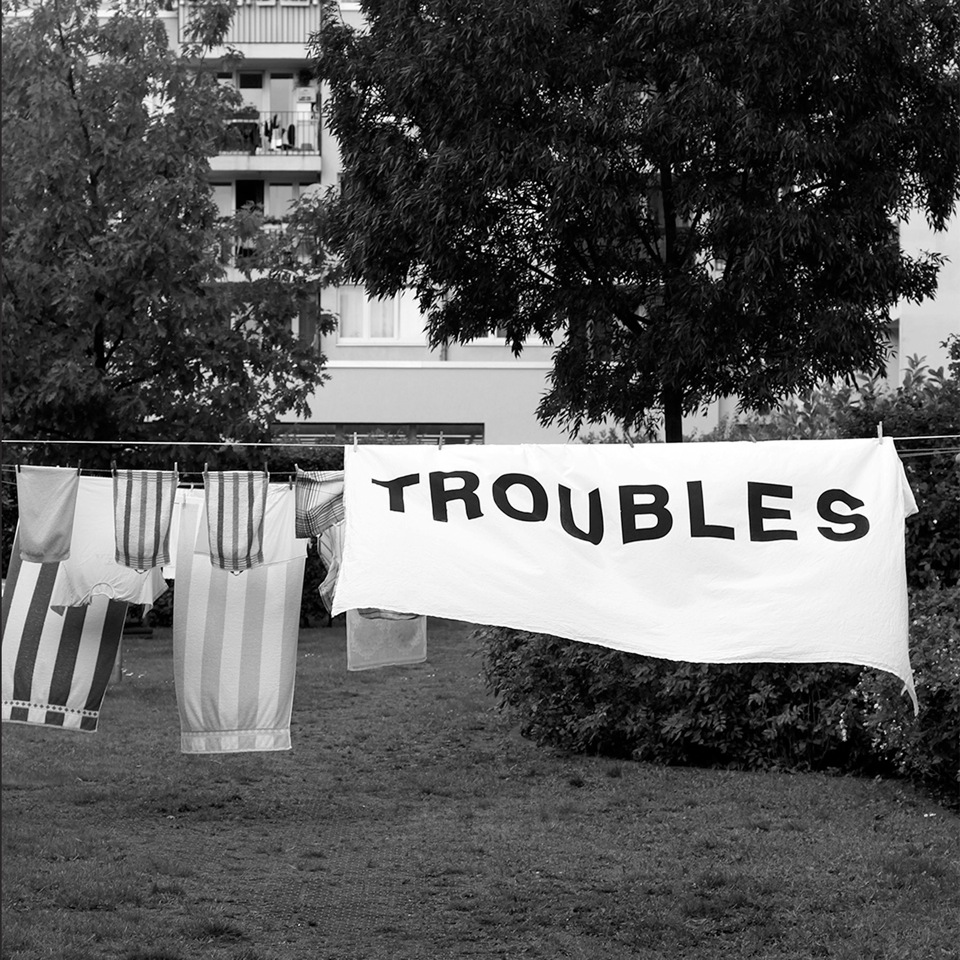
 Dexter - Troubles (2015)

Why did the label go dormant in 2010?
Steffi:
You phoned me up and said, “I’m not good at this whole A&R thing. I always have to judge other people’s music, and I’m not interested. I just want to do my own music.” You said, “You know what? You just continue, and I’ll concentrate on production.” I actually felt, with being in Berlin, that I wanted to do something different. It was exactly around that period of time that iTunes and digital music was getting really big, so I thought that I needed to pick up something new, and put the label to sleep for a bit. We always had the policy that we were only going to release something if we really wanted to release it, not because we needed to do a release to keep the label going. At some point I realized that there was nothing that we could release that suits the imprint. Minimal was very big, so we kind of slowly lost the abstract music, like Autechre and those guys. So that’s also when I said that I was going to do a new label, and put Klakson to sleep. That’s why I launched Dolly.

So by 2010 the market had changed—there had been a shift away from electro?
Steffi: Oh, a lot! A lot!

Dexter: I had done a few gigs around that time, and people were kind of enjoying my live set. Then directly after me there was some kind of minimal set, and it was only a kick, piano chords, and a delay, and the crowd went crazy! So I thought, “OK, I’ve got to find a job!”

When and why was the decision taken to restart the label?
Steffi: After we finished “Treasureseeking” for my album, we were like, “This is what we want to do! It feels good to be doing this kind of music again.” Working on that track gave us renewed enthusiasm for Klakson. We just naturally clicked into the whole producing thing together. That was new, because when he was doing Klakson releases, I was not anywhere near being able to finish a track—so there was no parallel world for us to both be in. When I finally got my music going, we agreed that we should actually try to do something in the studio.

“I don’t want to go out and badmouth techno, because I love having the chance to bang proper techno out—but it’s very linear though, and it’s not really surprising many people anymore.”

Is timing also a factor? Do you now feel that there is more space in the market for an electro-focused imprint than over the last five years?
Steffi: Yes. You know, in all seriousness, there’s a very nice development going on, like a side-scene next to techno, with a lot of young kids experimenting, and playing darker stuff. I went to Hard Wax recently and took a pile of records—and there was so much electro, weird stuff, U.K. influenced stuff, breaky kind of stuff. In all honesty, I don’t want to go out and badmouth techno, because I love having the chance to bang proper techno out—but it’s very linear though, and it’s not really surprising many people anymore.

Steffi, there were obviously some electro touches on your Power of Anonymityalbum. Was the relaunch Klakson partially motivated by a desire to have a platform to put out more electro productions?
Steffi: Absolutely. I have a lot of ideas, and it’s obviously nice to have lots of opportunities to release them on different imprints. Recently, Martyn, Dexter and I have coproduced Virginia’s album, which is going to come out next year. That has definitely got some interesting electro touches too. It’s like everything kind of connects, it’s interesting.

So are you spending time in the studio producing more electro influenced stuff?
Steffi: Yeah, I’d say so. I do so many different things though, but we are definitely now pretty stuck in that genre again.

“We’ve always just wanted to have quality tracks that we like to play in our sets, regardless of whether it is broken crazy stuff, or just simple stuff.”

It gives you quite a lot of artistic freedom, to be able to experiment on your own imprint.
Steffi: Yeah. That’s the good thing about when it’s your own money: You can just be like, “This is the shit. I don’t give a shit it it sells or whether we break even.” And we don’t need to be worrying about whether it is suitable for dance floors. We have never looked at that—we’ve always just wanted to have quality tracks that we like to play in our sets, regardless of whether it is broken crazy stuff, or just simple stuff.

Dexter: It also gives you a sense of community, which is important.

Steffi: I think that if you want to keep the creative level high, you have to have no expectations of making a living out of running a label. If you can break even, then you can also open the door to so many new people who already have music sitting there, and maybe nobody else is willing to take it on because it’s too risky, or not built for the dance floor, even though it is beautiful.

Can you spot a Klakson track immediately?
Steffi: Nope. His brains meets my brain, and we both go, “Oh!” That’s basically the key. It’s more a feeling. It’s basically just if we hear something, and decide that it’s for Klakson, you know?

Dexter: We might be talking about it as an electro label, but if we hear a track that has the right vibe, then that’s it.

So, sonically speaking, the label is not limited to just electro music?
Dexter: No, I don’t think so. It’s just got to be a bit different!

Steffi: It’s was always pretty diverse, even back in the day. There’s a wide range of stuff that’s been released. Electro is kind of the basis of what’s done on the label, but it is more than that.

Steffi, how will Klakson overlap with your other labels, Dolly and Dolly Dubs?
Steffi: I think the luxury of having several imprints is that when you have tracks that you feel suit one particular label, then you can put them on it! You could put them on both, sure. It’s not that everything that I have released on Dolly fits on Klakson; there’s a definite separation between the two. I think that Klakson is going to be far more in depth, and doesn’t necessarily need to touch any dancefloors—even though it is nice when it does.

“For us though, we just like to have records. I would never commit to a release that is digital only!”

Do you intend to do a vinyl pressing of each release?
Dexter: Definitely. You need something in your hand that you can touch!

Steffi: An MP3 is nothing. I remember how happy I was with my first record. We will always sell it to digital stores too, because there are a lot of people with an immaculate taste in music, but who don’t feel the need to buy the record because they don’t DJ. I don’t know, maybe they are working in an office during the day, and they like good music on their iTunes. It’s fine to fill that role too. For us though, we just like to have records. I would never commit to a release that is digital only!

Do you guys think that you’ll start a party around the label?
Steffi: Yeah. We are going to do a party in Rotterdam soon, around the next release. Then next year we are going to do some stuff in a few clubs. We’re not going to do anything too big because it’s a lot of work, and it’s not like back in the day when we used to organizing all these parties. There will be one-offs here and there.

Have you got anything lined up following the Troubles EP and the double pack next year?
Dexter: Yes. Before I went to Berlin to work on Virginia’s album, we also did a lot of tracks together for a new EP that still need to be finished. So that will be released on Klakson.

Steffi: There’s actually about four or five things pretty much ready to go!
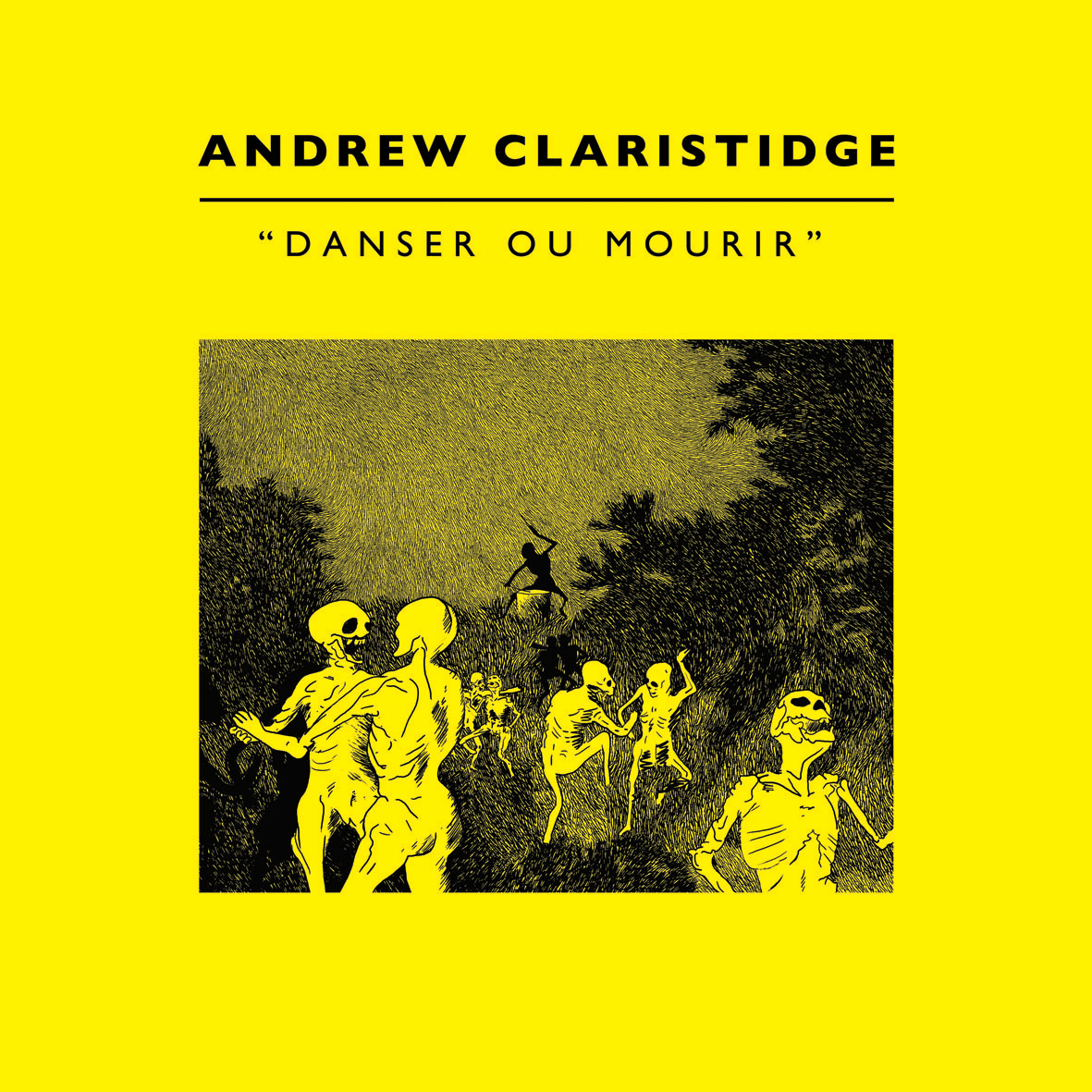
Andrew Claristidge & The Claydermans “And Now You Dance!”

As the founding member of the Parisian duo Acid Washed, Andrew Claristidge is very in tune with what it takes to jump start his personal creative process. When Claristidge first started working on his debut solo album, Danser ou mourir, he decided that he needed to start sourcing sounds that would fit inside of the sonic explorations he was searching for. He decided to fly to Ubu Noir‘s studio in Lyon where he knew he could find an EMS synthesizer, and his experience with the vintage music machine was highly inspiring. Afterwards, he traveled back to his studio in Berlin where he quickly assembled almost all the ideas for his upcoming album.

Because of this burst of encouragement he received in France, Andrew started a new way of producing that he calls pragmatic composing, which involves less thinking about the mechanics of making music and more about acting on his raw emotions when he is in the studio. This production process is the driving force behind Claristidge‘s new album, and today, XLR8R is proud to offer a track off the album ahead of its November 21 release.

The track that is being offered up today for the XLR8R daily download is called “And Now You Dance!,” and features a guest appearance by The Claydermans. The track opens up with the arpeggiated sounds that quickly draw you to the dance floor, before settling into a groove that is indicative of Claristidge and his knack for creating music that feels like post-disco, but with a fresh approach. The exceptional artwork for Danser ou mourir was created by Océane Moussé and the graphic design was produced by WYN&M studios. You can pre-order Andrew Claristidge new album, Danser ou mourir, ahead of its November over on Juno by clicking here.

B2B: Masters at Work and Soul Clap

The multi-venue, multi-night, so-close-we-can-almost-touch-it Brooklyn Electronic Music Festival is almost upon us, with the likes of Floating Points, Daniel Avery, Virginia, Regis, Matrixxman, Afrika Bambaataa and MK among the many aural delights in store for the County of Kings’ after-dark revelers. (Peep here for the full lineup.) One of the fest’s most anticipated parties features a pair of house music’s best-loved duos, Masters at Work and Soul Clap, who will be spinning at Verboten on Friday, November 6. MAW needs little in the way of introduction—suffice it to say that the team of Kenny “Dope” Gonzalez and Louie Vega have been among house’s most influential figures for the past two and a half decades. Soul Clap’s Eli “Elyte” Goldstein and Charlie “Cnyce” Levine—currently touring in support of their new, and excellent, Watergate 19 mix-CD—are, relatively speaking, new jacks, but since leaving their native Boston and rising through the ranks of Williamsburg’s Wolf & Lamb/Marcy Hotel scene in the late ’00s, they’ve done themselves proud. After all, how many other young production units can lay claim to having worked with George Clinton and his P-Funk comrades? (Answer: not very many.) In the run-up to this Friday’s get-down, the two twosomes lobbed a few questions back and forth, and here are the results.

Masters at Work interview Soul Clap

When and where did you guys meet? What qualities did you see in each other musically and as DJs? How did you dress at that time? Let’s hear about the attire.
Levine:
The first time I ever met Eli was outside in the parking lot of a rave called All Out Sunshine held at some country club in Connecticut. I was in high school—it was about 1997, and a very rave-y free time! We were wearing very big pants back then. Eventually, though, we had a mutual friend who really properly introduced us. His name was Vegan Pete, a.k.a. Hardcore Pete. Back then, there was a lot of crossover between the hardcore punk-rock scene and the rave scene in Boston. Pete knew both of us were DJs from the neighboring towns of Brookline and Cambridge, and thought we’d hit it off. He was right–that was almost 20 years ago!

Goldstein: I was probably wearing UFO fat pants, a baggy Polo shirt and my hat to the side. We were both in high school and learning how to DJ, and at that time there weren’t so many DJs so that really drew us to each other. Musically, Charlie was playing more disco house, and myself more garage, so we met in the middle. Plus we both loved jungle, so that helped.

When writing a track or song, how does the process work? What are each of your contributions when making a record?
Levine:
I’ve typically lead the music writing for us, but no Soul Clap production is complete without both of our passion and contributions. I tend to do melodies, basslines, vocals, etc., and the initial sequencing. Then Eli comes in, we work on getting the final arrangement, and he heads up the mixing and engineering to get that Soul Clap sound.

“It still blows my mind to this day that we had the opportunity to connect to the Mothership!”

Goldstein: Charlie comes up with a lot of the ideas or we sit down and jam and come up with something together. I’m much more about drum programming and finding samples. He plays and sings. Then I do the engineering and mix down.

Tell us about your experience with George Clinton and the Funkadelic/Parliament family at their studios in Tallahassee.
Levine:
It still blows my mind to this day that we had the opportunity to connect to the Mothership! All I can say is that we not only ended up with a record with George (and Sly Stone for that matter), but also with the incredible friendship of Chuck “Da Fonk” Fishman and Sa’D “The Hourchild” Ali (2 of the founding members of FSQ). These are the guys that invited us to What? Studios in Tallahassee, Florida where we initially went just to meet George and see the vault where they keep all of the multitrack tapes of original recordings of P-Funk. I mean, it was like stepping into P-heaven, there was so much history around us! We began working there, jamming with George to get a feel for each other’s style, but mostly working with the young guys hanging around the studio in Tally– like the young producer Ricky Tan, current p-funk keyboardist Danny Bedrosian, and many others. But it was the session at Red Bull studios in Los Angeles about a year later that everything came together and we actually recorded “In Da Kar”, “Shake The Gate (Samplecopydoopitthenweloopittostupid)” and “Peep This” with Nick Monaco.

Goldstein: It really has been of the most amazing experiences of my life! We went down to Tally with no expectations and ended up producing two on the first Funkadelic album in 30 years, plus getting an EP for our label. George is still a powerhouse in the studio, and we learned so much from him. Working with such a musical inspiration and legend has been amazing, as well as becoming part of the P-Funk family. And the two guys who made it happen–Chuck “Da Fonk” Fishman and Sa’d “The Hourchild” Ali– are basically our uncles now.

When DJing at a gig, how do you guys decide to start your set when at a festival or club?
Levine:
Prepping for clubs versus fests require two different approaches. That’s mostly because at a club we have lots of time to stretch out, versus when we play a festival, when we only have an hour or two to prove our point. At a fest, we usually choose from an agreed-upon body of music that reflects where we’re at and the current Crew Love sound. At the club, it could go any which way.

Goldstein: For club sets, I love to play all night. Opening up a room when no one is there is one of my favorite times to DJ. You really get to feel out the room and the sound system. Play really creative music and set the vibe for the night. Playing at a festival is much more about choosing the current jams and getting our musical message across in a shorter time.

Clubs or festivals? Favorite club, favorite festival?
Levine:
That’s a tough question to answer because both scenarios have seen some triumphant moments. Like for example, it feels like time is standing still when the magic is really happening at clubs like Trouw that used to be open in Amsterdam, or the old Club Eleven in Tokyo…when you’re playing all night long and really going on a journey. But then at the festival, with so many people in one place like at Movement in Detroit, everybody’s joining into the same energy. You’ve got your time to shine, but only for a short period, so you gotta work it! It’s a fantastic challenge!

Goldstein:The Electric Pickle in Miami is still one of the best clubs in the U.S. TV Lounge in Detroit is great too. Watergate in Berlin is always amazing. And my favorite festivals are Movement Detroit and Mi Casa Holiday in Mexico.

Whiskey or j-ski?
Levine:
Legalize it!

Goldstein: Both!

Analog keyboards or plug ins, and why?
Levine:
I wrote some of my favorite Soul Clap stuff using the Mini V soft synth from Arturia, and it taught me the basic ins-and-outs of an actual Mini Moog, so in that way the plug-ins are such a tremendous learning tool. Plus the versatility of using a virtual synth is almost limitless. But bringing home an analog piece, especially a vintage one from another time…there’s just something so special and sexy about it and it just sounds like nothing else! Once we started buying them, it quickly became a passionate obsession. We’ve got a nice collection going, but there is sooooo much out there, it’s one of my favorite parts of this job!

Goldstein: Soft synths are super powerful and convenient for producing when traveling. But I love the classic sound of analog and it’s so great to have everything at your fingertips with synths. Plus, analog synths are a great way to learn about the history of electronic music and production.

Tell us about this new spot we’re hearing about in Brooklyn, Black Flamingo.
Goldstein:
I’m the music director at Black Flamingo. It’s a vegetarian restaurant and cocktail bar upstairs, and small basement club downstairs. We have classic Klipsch Speakers, Macintosh amps, and wood walls so vinyl sounds warm and amazing.

Levine: Hats off to Eli and his team for opening this incredible spot… and to his wife Andrea for designing such a delicious menu! The spot is dope, classy, and has already made quite a name for itself. I’m lucky to have another incredible hang out to call home!

Two favorite Masters at Work records?
Levine:
Man! That’s a tough one… off the top of my head I’m hearing Voices’ “Voices In My Mind” (MAW Mix) and Mafikizolo’s “Loot” (Afrikan MIx). There are really too many!

Goldstein: The Nuyorican Soul album is my all time favorite. As a jazz head, it showed me that jazz and electronic music could go hand in hand. And my favorite MAW club track is “Gimme Groove.”

Your favorite all-time vinyl album (meaning your all-time vinyl album where you like the entire album beginning to end and it’s a timeless piece for you)?
Levine: For me, it’s an even tie, so I’m gonna give a two-part answer but the band has got to be Funkadelic—I just can’t decide between Standing On The Verge Of Getting It On or Let’s Take It To The Stage. But those two albums made me the proud freak I am today!

Goldstein: Miles Davis—Bitches Brew.

————-

Soul Clap interviews Masters at Work.

What was it like working with Tito Puente?
Gonzalez:
Tito Puente was amazing to work with—his energy, his thought process—just vibe, period—was really dope and inspiring. This is a musician who had done it all at that point…until us—and did some house music as well.

Vega: It was surreal. When we first met him, they introduced us and said, “Meet these guys, they are big dance producers,” and he said, “Dance music, now that’s a big word!” But then he laughed and said, “Let’s do it!” His nickname in the studio was One-Take Tito, which is why you see sometimes on versions of tracks we recorded having that name. Tito was really down-to-earth and warm, and we became good friends and family for many years, and recorded several records together.

Kenny, we hear you are a collector of classic cars. What are you whipping?
Gonzalez:
I have a ’67 Impala convertible and a ’52 Ford F1 pickup.

Louie, where do you get your hats?
Vega: I collect many hats, but I do like Bailey’s Hats and I order them online. Some deliveries come with up to 15 hats at a time!

Louie, talk to us about your fly-ass roller skates.
Vega:
Aha, yes, I roller-skated for many years back in the day. I thought I forgot, but I went out with Anane Vega and some of our friends, and caught the bug again to skate. So I went and bought a new pair–went original, like having an original Moog in the studio. Ridell Boot 297 with a Snyder plate and All American white wheels. I’m back in the rinks workin’ the wood!!

Where did you two meet?
Vega: Kenny and I met through a mutual friend, Todd Terry. He introduced us back in 1990 when I was playing at a club called Roseland after my Studio 54 and Hearthrob residencies. Todd Terry I knew back in ‘86 when he first made records like Royal House, Todd Terry Project, and Black Riot. He used to bring me reel to reels of his music fresh out of the studio, and I broke them all here in New York City first. I heard a record Kenny did and asked Todd about him, and Todd said he knew Kenny.

Gonzalez: Louie wanted to do a remix of “A Touch of Salsa.” It never happened, but we formed the Masters At Work production team, and the rest is history.

Is it true that you two have never performed as Masters at Work in Brooklyn?
Vega:
Kenny and I have never played as Masters At Work in Brooklyn at a club. This will be the first time ever and at Verboten along with you both!

What’s the story behind the iconic heads logo?
Gonzalez:
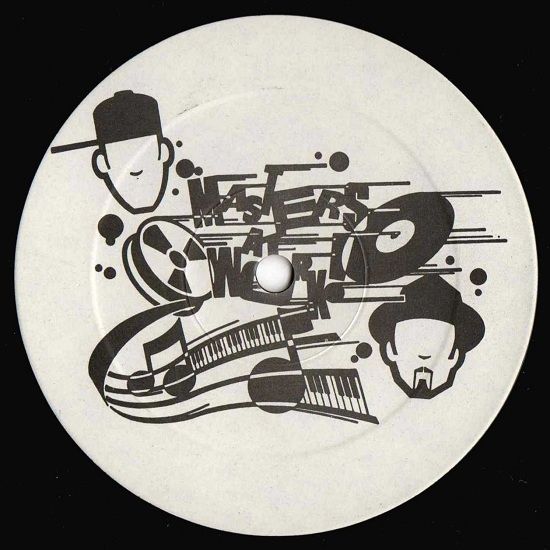
My man Kab-One did the original logo that was used on the Cutting Records release. After a while, we placed the heads like that when we formed MAW Records.

Pancakes or waffles?
Gonzalez and Vega:
Waffles with some chicken—Roscoe’s-style, LA! We love some chicken and waffles!

Lineup Announced for XLR8R Festival 2016

XLR8R is pleased to announce its first-ever boutique festival, fusing culture and music in Mexico’s Tulum. A global array of artists, along with a focus on lifestyle and sustainability, will come together at this new music gathering as we welcome attendees to join us on the playa from morning till midnight to experience some of the world’s best house and techno.

XLR8R Festival 2016 will be held on the beach at Villa Pescadores Hotel & Beach Club from 11 am to midnight on January 6. 

A top-tier lineup of talent—including Mike Shannon, Dewalta, Blond:ish, Dauwd, Deadbeat (live), Rebolledo (Pachanga Boys/Hippie Dance/Kompakt), Rob Garza of Thievery Corporation, Clovis, Roam, and as-of-yet unannounced secret guests—are set to provide the festival’s soundtrack.

Check out the Facebook event by going here!

Stream Mystery Cave’s First Full-Length LP

Hailing from San Diego, John Christopher Harris II(aka Mystery Cave) has just released his first full-length LP, Ausarian Comforts. Harris will release the album on November 6 though the fresh, in-house Alpha Pup imprint, Psychic Fortitude.

Having entrenched himself in various musical communities in Southern California, Mystery Cave made his first appearance at Low End Theory back in March before the release of his deep, wistful, and gallivanting debut EP, Natural Mind. His dense and luscious sound draws many similarities to the likes of Teebs and Lapalux, but manages to maintain a style that is genuinely original, verdurous, and perplexingly archaic despite the music’s heavy electronic output.

Mystery Cave will be celebrating his album release on November 5 at High Fidelity in Los Angeles, and you can check out the Facebook page for that event by going here. You can also catch Mystery Cave at Low End Theory on November 11, you can check out that event by clicking here.

You can pre-order the debut album by visiting the Mystery Cave website.

Download a Track from Heiko Laux’s Upcoming ‘Fernweh’ Remix Series

One year after the release of his fifth solo album, Fernweh, Kanzleramt label head Heiko Laux has announced the release of a two part remix series for his previous LP.

His Kanzleramt imprint, which was established in Berlin back in 1994, has gained a widespread and suitable reputation over the years; releasing music from the likes of Robert Hood, Truncate, Samuel L. Session, and many more. In part one of the remix series, the EP will feature treatments from Luis Flores and Ray Kajioka along with a collaboration mix between Flores and Heiko himself. Part two will feature appearances from Marcel Dettmann, Steve Rachmad, and Yan Cook.

Ahead of the release of this two-part package of remixes, you can download a collaborative rework of the track “Decapitated” from Luis Flores and Heiko Laux. Fernweh Remixes One is set for digital release on November 13 and Fernweh Remixes Two will drop digitally on November 27. The download for “Decapitated” will be available for the next 48 hours. Stream and download the track below.

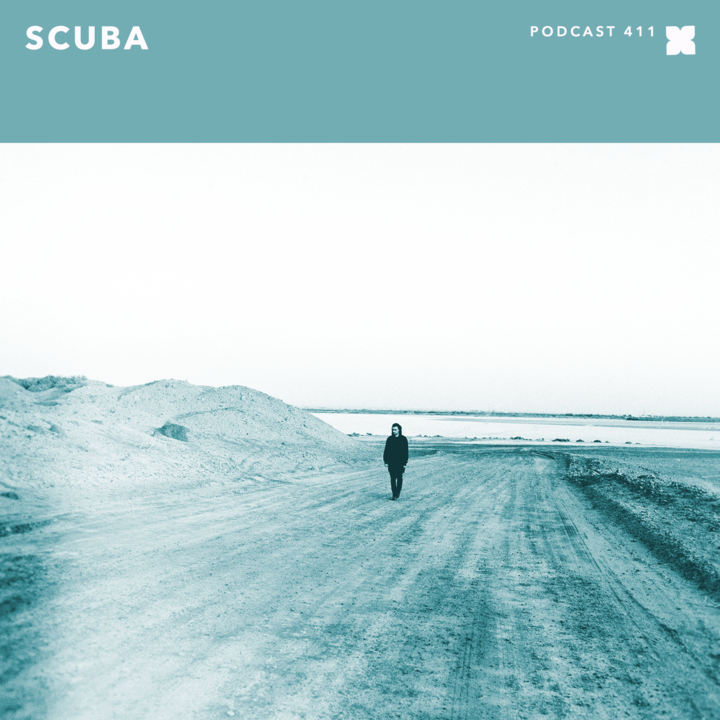
Podcast 411: Scuba

Back in 2011, we asserted that Paul Rose needed little introduction ahead of his podcast as SCB, a fact that has never been more true than it is today. Coming off a year in which he returned to a packed out touring schedule following a period of serious illness during the latter half of 2014, Rose at the top of his game. His is a well-known tale: After rising to fame as a poster boy for dubstep in the mid-noughties, he picked up speed with his forward thinking SUB:STANCE parties at Berghain, and cemented his position with numerous releases on the likes of Aus, [Nakedlunch], and most commonly at home on his own label, Hotflush.

His durability within the scene is no coincidence—it’s partly due to his impressive work ethic, but most crucially his penchant for reinvention and diversity. Constantly developing his sound, and often splitting opinions while doing so, it can prove difficult to keep tabs on these shifts from the outside in. Earlier this year, he released the well-received Claustrophobia on Hotflush, which turned a corner away from the glossy house of previous years into some of his darkest material yet. The album followed years of experimentation, repeatedly turning to a handful of aliases as a means to do so—including the aforementioned SCB, which had originally served as a four-to-the-floor counterpart to his earlier sounds. In our latest podcast, Scuba shows his colors with just under two hours of varied selections, a snapshot of where he is at right now.

Sign up for news of Scuba’s next London show here. 

This is what Scuba had to say on the mix.

How and where was the mix recorded?
At home in Berlin, the same way I do all my mixes.

How long did you think about the mix before you actually started recording?
There’s been quite a few recorded sets of mine go up online this year, mostly from shows on big stages, so I wanted to focus a bit more on the other sides to my sound on this mix. I didn’t think too much about it though; I find you lose a bit of spontaneity if you spend too long planning a mix out.

Did you have a particular idea behind what you wanted to achieve, or did you just head into the studio and let it go?
I wanted to include a lot of stuff which I’m not generally able to play much of on big stages, which is where I find myself more and more these days. It’s nice to be able to switch things up and play some ambient stuff and some (proper) deep house.

Describe how you selected the tracks you wanted to include? Did you make a fairly concise list before you actually began mixing?
I didn’t make a list, although there were certainly key tracks that I wanted to include. I try to be as improvisational as possible with these things.

How do your ideas and visions for a preparation for a podcast differ to that for a DJ set?
Generally, I try to approach a studio mix in the same way I’d DJ in a club or a festival. I’ll have some ideas about what might be key tunes, but mostly I’ll see where the mood takes me. Obviously it’s different when you’re mixing alone in a room, and there’s no audience interaction. But your own mood becomes the audience in that case, and you find yourself just vibing off the music and allowing it to influence what you do next.

What else have you got coming up this year?
The full collection of remixes of my album, Claustrophobia will be out this month. And we also have a big announcement to come, but I can’t share that yet unfortunately!

Due to temporary issues regarding the GDPR, EU readers can download the track here.

Tracklisting:

01. MVP – “Square”
02. Scuba – “All I Think About Is Death (Radio Slave Atmos)”
03. Damolh33 – “Search”
04. Atom TM – “Im Rausch Der Gegenwart I”
05. Atom TM & Tobias – “Phase In”
06. Recondite – “Undulate”
07. Tin Man – Love Sick (Tobias Remix)
08. Kessel Vale – “Velebit”
09. SCNTST – “T.H.E.L.”
10. Terranova – “Twisting Souls (Stereo MCs Remix)”
11. Dosem – “Air Hike (G-Man Remix)”
12. Meta.83 – “Black Hole (Tobias Remix)”
13. Dense & Pika – “Airless (Grain Remix)”
14. Deniro – “The Penal Colony 3”
15. Trevino – “Desecrate”
16. Sigha – “Our Father”
17. Tale Of Us – “Silent Space”
18. Bard – “Rain & Pressure”
19. Locked Groove – “End”
20. Scuba – “All I Think About Is Death (Radio Slave Remix)”
21. Mano Le Tough – “Sometimes Lost”
22. Sepalcure – “Music 4 All”
23. Scuba – “Chinatown”
24. Aphex Twin – “Come To Daddy (Little Lord Fauntleroy Mix)”
25. MFP – “Pulse”
26. Tv Victor – “100609”

Point Blank’s Ski Oakenfull Test Drives Push 2; Watch the Video Now

Following the announcement of Ableton’s new Push 2 controller and a Live 9.5 update, Point Blank‘s resident Ableton and Push expert Ski Oakenfull has taken the new devices for a test drive, sampling straight from vinyl using Push 2 and the updated Simpler device.

In the 18-minute video, Ski uses Push 2 to pull samples from four records and easily chop them using the brilliantly revamped Simpler sampler, perfectly showing the intuitive updates to both devices. In a very short time, without barely looking at or touching his computer, Ski warps, plays, and tweaks the samples into an altogether new, and quite banging, track.

You can watch the Push 2 sampling tutorial in full below, with more information on Point Blank’s Ableton Live courses here.

Deepbass Announces New EP; Q&A with label boss, Christian Gerlach

Darren Roberts (a.k.a. Deepbass) is set to release his new EP Alto today, which comes with three remixes from Aegis, Reggy van Oers and Ness.

The second release on Lanthan Audio, established earlier this year with an EP by Edit Select, is by Glaswegian techno producer Deepbass. The title track, which is accompanied by three different remixes (by Aegis, Reggy van Oers and Ness), is a typical example of the producer’s signature atmospheric style.

You can exclusively stream the full EP below. It is available to purchase here at Bandcamp.

Ahead of the release, we caught up with label boss, Christian Gerlach.

After Lanthan Audio’s first EP back in August, which was made up of remixes of an Edit Select track by Mike Parker and Claudio PRC, and this new Deepbass EP, it seems like the label is focused around collaborations. Can you explain your vision for Lanthan.audio?
At first it was very important for me to show how the label would develop, which is why we decided to pursue collaborative EPs. I am a real music enthusiast and if one thing is maybe better for me than great music, it is the cooperation between the people behind it. When the artists know each other well, it is great to see what can happen when they come together to work on the same music.

How do you choose the artists involved?
I always felt a great respect for Tony Scott (a.k.a. Edit Select)—we played some shows together, and my first impressions of him were confirmed. I managed to convince him to get involved by presenting him with the possibility of remixes by Mike Parker and Claudio PRC.

For me, whether the artist is passionate about their music is the most important thing. I like honest people with honest stories, those who worked very hard to get where they are.

Whats in store for Lanthan.audio in the future?
Our third release is set for early January next year, by Brendon Moeller under his Echologist moniker, with remixes by Deepbass and Antonio Ruscito. I am very satisfied with this release, and looking forward to delivering more great music soon!

Psyk Debuts on Tresor Records; Q&A with with Paulo Reachi, A&R of Tresor

Psyk is set to put out five-tracker Works on November 23, his first full release on the German techno label.

Having previously provided one track for a compilation of the label under his Maan alias, Psyk now steps up with five hypnotic cuts for his first full release on Tresor (including bonus track “Fist” with digital purchases). Active since 2009, he has issued releases on a host of other techno heavyweights such as Mote-Evolver, Drumcode, CLR, and his own Non Series.

You can pre-order the record at Juno.

Ahead of the release, we had a few questions for Paulo, A&R manager of the label.

How long have you been in A&R manager and what brought you to Tresor Records?
I moved to Berlin in 2009 to work for !K7 Records, and soon after I had the pleasure to meet Dimitri Hegemann, founder and owner of Tresor, in the Summer of 2011. At that point, Tresor was looking for someone to take over the work of Carola Stoiber, who had taken care of Tresor Records for the twenty years following its inception. It was also in the process of recovering from the consecutive shut-downs of two distribution companies–something which hit the label very hard.

Dimitri remains very committed to Tresor Records—for its substantial back catalog, and as a beacon for the future of techno. We found a lot of common ground, and soon, I was tasked with the restructuring of the label.

How do you go about scouting for new talent for the label?
When reviewing submitted works or searching for new music from emerging producers, my intention is to find music that will take ownership of an idea of what the Tresor sound is or could be, by being mindful of a certain spirit or sense of legacy, while always generating a new form, variation or sound. Then there is the exciting challenge of finding ways to contribute in more unexpected ways. Sometimes this comes from new artists, who we welcome into the label, or sometimes from old masters. It is a wonder to see how some of these names, who built the foundation of this institution, continue to redefine it. The most striking example that comes to mind is that of Juan Atkins and Moritz von Oswald and their collaborative work as Borderland. As a matter of fact, Borderland is currently at work in the Pablo Neruda Studios in Berlin!

The upcoming EP on Tresor is by Spanish techno producer and label owner of Non Series, Psyk, who has played the club many times. How did this relationship begin, and how did this EP come into fruition?
Psyk has played at Tresor regularly over the last few years and has also participated in some of the events we organize outside of our walls. His first involvement came through a track we signed as part of DJ Deep’s Kern mixed compilation. Works is a great example of how this young producer absorbs a set of nuances that pertain to a style, and successfully moves them in a modern and exciting manner.

What does the future hold for Tresor?
Tresor and Tresor Records will celebrate their 25th anniversary in 2016. We hope that the music continues to speak for itself.

Page 968 of 3781
1 966 967 968 969 970 3,781