
Proc Fiskal Channels Club Nostalgia on New Hyperdub EP

Proc Fiskal will release his new EP, Shleekit Doss, via Hyperdub in September.  

Shleekit Doss follows last year’s Insula, the Scottish artist’s debut album, and is described as “a kind of representation of the time I was running the club night of the same name in Edinburgh.”

“These tunes represent the night’s ethos of genre-defiance and high-energy futuristic sets, ecstatic, and transcendent while still being fun and stupid,” he explains. “I was getting my friends to play and I made all the posters on my phone, like this EP’s artwork.” 

Proc Fiskal, real name Joe Powers is from Edinburgh, Scotland. The Highland Mob, his debut EP, landed on Hyperdub in 2017, opening up his music to open-eared footwork and drum & bass fans as well as the grime crowd. He followed this up with a jungle-inflected EP on Om Unit’s Cosmic Bridge label, called Yes Boss, before releasing his debut album.

We’re told that Shleekit Doss feels like an “oasis of calm,” and is “light, bouncy ,and melodic.” 

Shleekit Doss EP lands September 13, with “Prop O Deed” streaming below. Pre-order is available here

Tracklisting

01. Satan

02. Smiths Dell

03. Pico

04. 2 Moros

05. 4 Minutes

06. Prop O Deed

Telefon Tel Aviv Returns with First LP in a Decade, ‘Dreams Are Not Enough’

Ghostly International will release Telefon Tel Aviv‘s fourth album, Dreams Are Not Enough, in September. 

The nine-track album is Telefon Tel Aviv’s first since 2009’s Immolate Yourself, and the first record by Josh Eustis under the moniker after the sudden passing of founding member Charlie Cooper in 2009 ceased the project, presumably forever. 

In the decade since, Eustis has performed with, produced, mixed, and mastered countless artists, among them Nine Inch Nails, Puscifer, and Apparat, in addition to his own solo and collaborative work in Sons Of Magdalene and Second Woman. But years of reflection and processing gradually seeded in him a desire to revive Telefon Tel Aviv with a fourth album.

The album’s track titles relate to a recurring dream that’s haunted Eustis since childhood, based on a murky incident during a family vacation to a remote Alabama coastline when he was eight. In the dream, he swims alone through the waves past the sandbar to where the ocean shelf abruptly drops away into a gradient of infinite darkness, and he peers into the depths and sees himself down at the bottom, mouth open and eyes blank, standing motionless like a corpse.  

We’re told that an undercurrent of eerie melancholy flows through the album, manifested in shivering widescreen meditations, depressive twilit modern pop, and devotional industrial abstractions. 

Eustis speaks of wanting Dreams Are Not Enough to evoke a “sense of emptiness, of cutting unnecessary elements from each mix, to convey this as a solitary work—framing an absence.” It’s intended as “a document as much of what’s not there as what remains.” 

Dreams Are Not Enough LP lands September 27, with “standing at the bottom of the ocean” streaming in full below. 

Tracklisting

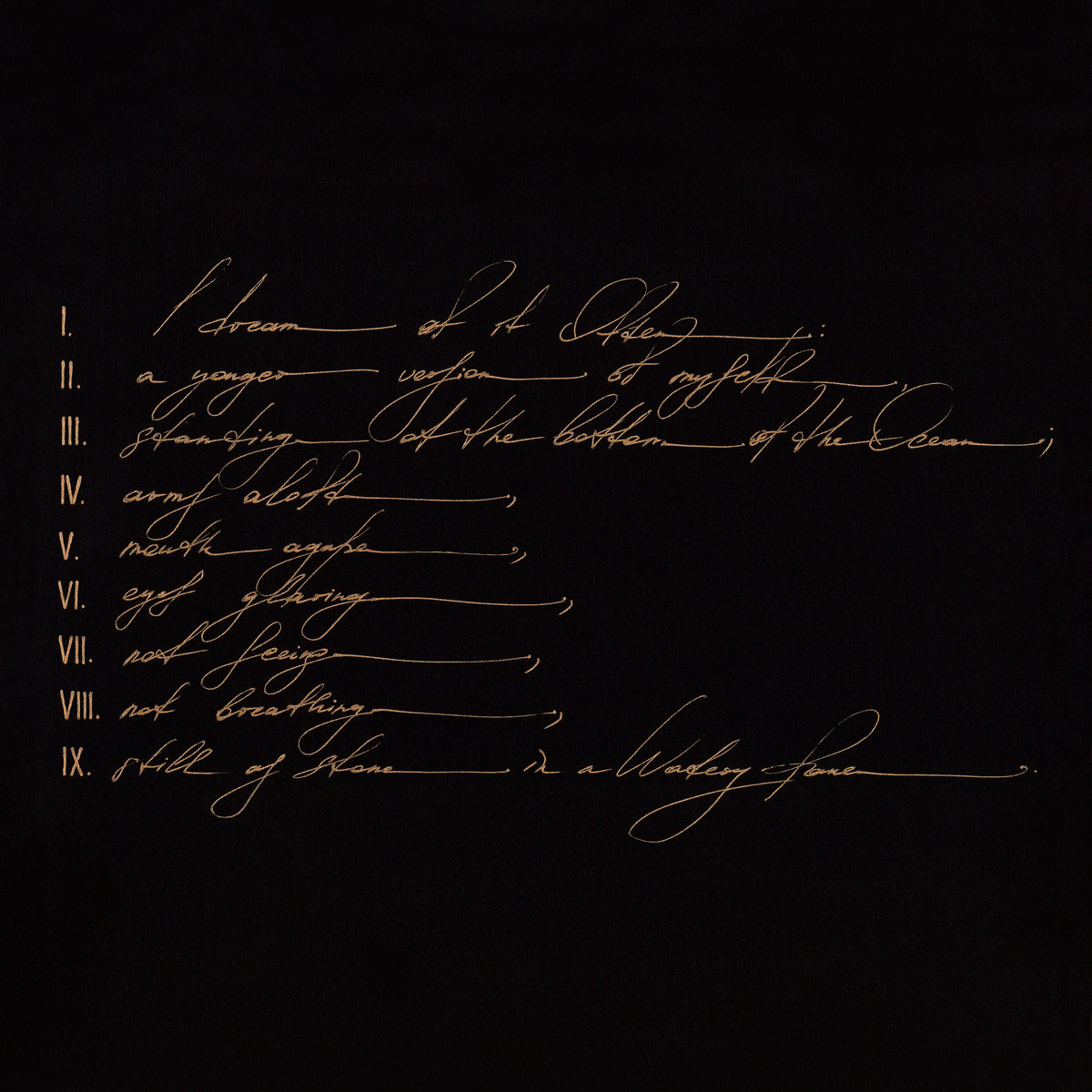
01. I dream of it often:

02. a younger version of myself,

03. standing at the bottom of the ocean; 

04. arms aloft,

05. mouth agape,


06. eyes glaring,

07. not seeing,

08. not breathing,

09. still as stone in a watery fane.

Odd Nosdam’s ‘Plan 9… Meat Your Hypnotis’ LP Set for 20th-Anniversary Reissue

Odd Nosdam‘s Plan 9… Meat Your Hypnotis is scheduled for a 20th-anniversary reissue on tape and digital formats via Dome of Doom Records.

Originally self-released in 1999 on cassette and issued across CD and 2LP in 2001, Plan 9… Meat Your Hypnotis impacted 21st-century experimental music and laid the groundwork for the rise of cLOUDDEAD and Anticon Records. With the Dr. Sample 202 as his primary instrument, Nosdam, real name David Madson, was able to capture an enormous wealth of samples from his surroundings in Cincinnati, Ohio, finding usage in everything he was hearing. The record has long been out of print.  

The reissue reproduces the artwork from the original 1999 cassette version, and its streaming counterpart will be a first-time issue for the album in digital format. 

Nosdam says: “When I started making beats in January 1998, I was deep into art school, fully immersed in art, trying different mediums and learning as much about great artists and art history as possible. Music was just another medium to express myself with, plus I had a boomin’ car stereo and wanted to make beats to listen to on my art school commutes. I don’t recall having a specific vision other than just wanting to tap into sound, which is why I’ve always considered Plan 9 a sketchbook of ideas with no real cohesion, just collages of sound, a grab bag of beats and stuff.”

The reissue is updated with previously unreleased works. It runs at close to 60 minutes now with 50 tracks, all digitally mastered by Odd Nosdam. 

Plan 9… Meat Your Hypnotis LP lands August 16 via Dome of Doom Records, with “p9 24” streaming below. You can pre-order the album here

Northern Electronics to Present Evigt Mörker’s Album Debut

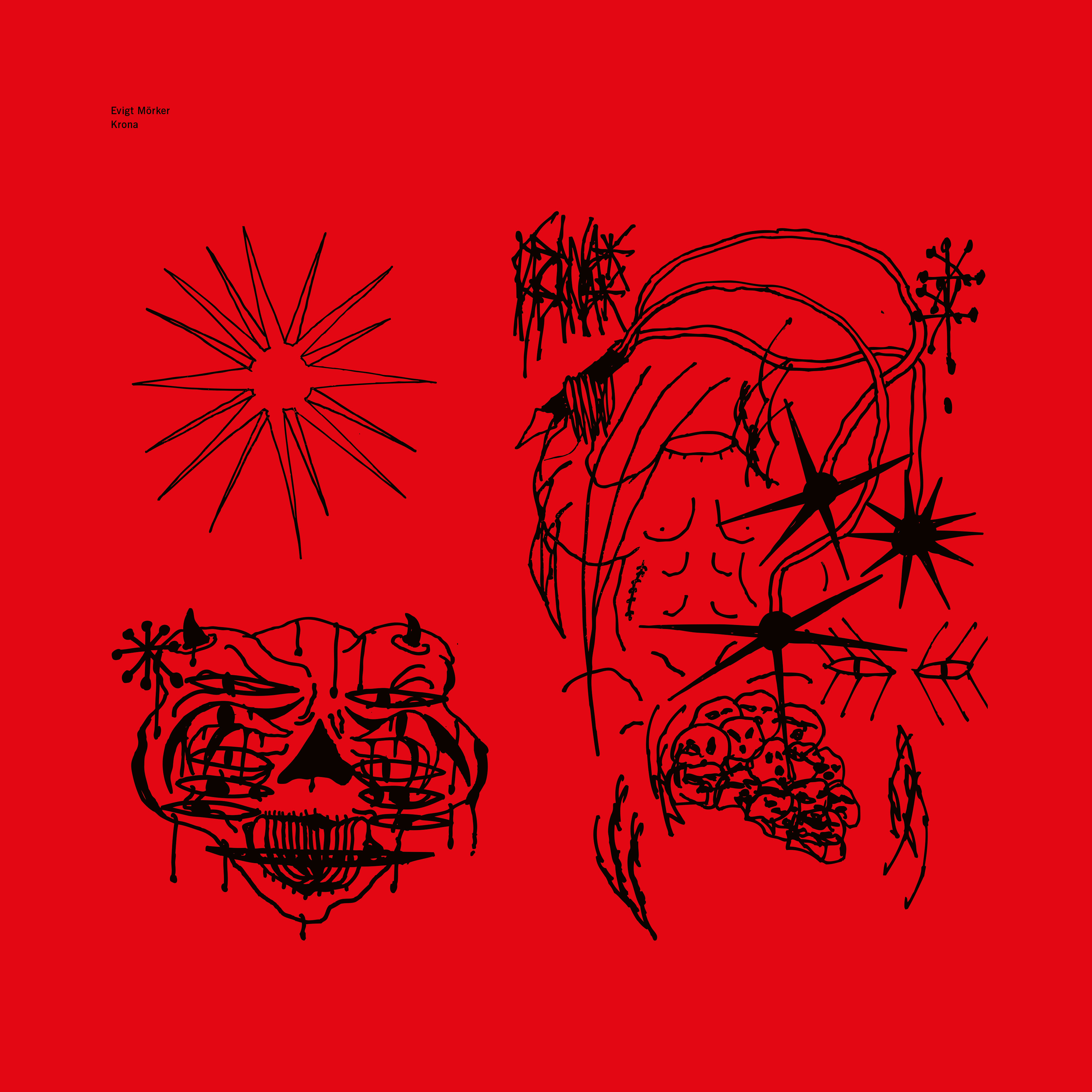
Evigt Mörker will present his debut album, Krona, through Northern Electronics

Mörker has previously released two EPs on the Swedish label, but most of his work has come through his own Evigt Mörker imprint. 

With a shuffling atmosphere that’s hard to pin down, the album fixates on the degradation and construction of rhythmic drills with finely rendered parts and patterns. “Spiralling the listener through a set of stormy soundscapes, Krona keeps placing the horizon just ahead, and just out of reach,” the label explains. 

We’re told that the album’s propulsive tracks are settled against a pair of ambient compositions that capture some of the tension from a distance. 

Krona is Northern Electronics’ 64th release, and adds to a busy for year for the label that has already seen albums from Ulwhednar, Anthony Linell, and E-Saggila, among others. 

Artwork by Jonas Rönnberg. 

Krona LP lands September 27, with “Etisk piska” streaming below. 

Tracklisting

A1 / 1. Kloten

A2 / 2. Sträng tand

B1 / 3. Fulländad värld 

B2 / 4. Oändlig kedja 

C1 / 5. Erövring, krona 

C2 / 6. Etisk piska

C3 / 7. Utan svaghet 

D1 / 8. Kvävd

D2 / 9. Frihet

Max Cooper Announces New Album Commissioned by the Barbican

Max Cooper has a new album on the way. 

Yearning for the Infinite is the result of a commission from the Barbican, London’s arts and learning centre dedicated to pushing boundaries, which saw Cooper attempting to capture the vastness of infinity. It’s presented as both an album scored to a visual story and an immersive audio-visual live show, and is described as Cooper’s “most expansive” project to date. 

Using vast new visualisations of the infinite drawn from the history of its appearances in the arts and sciences, Cooper explores the link between human nature and the unbounded— “our evolving desires set just out of reach, as an unshakable source of meaning in our lives,” the label explains. 

Sonically, the album merges Cooper’s affinity for rich harmony and spatial manipulation with sweeping acoustics and subtly evolving motifs. It offsets vast textures against microscopic drum patterns. 

Tasked with translating such a concept to a live performance, each track on the album is carefully mapped out to support the narrative. The live project documents forms of the infinite set against their role in the human condition. 

Ahead of the album’s release, Cooper has shared “Perpetual Motion,” a track written for “that moment at the end of the night when all the experiments and madness is over and we just need a nice warm chord sequence to send us home in a good mood,” Cooper explains. 

One Hundred Billion Sparks, Cooper’s last album, came out in 2018. 

Yearning for the Infinite LP is out August 1 via Cooper’s  Mesh label. More information on the album and the concept behind it can be found over at Bandcamp

Tracklisting

01. Let There Be

02. Repetition

03. Parting Ways (with Six Sigma)

04. Perpetual Motion

05. Circular

06. Aleph2

07. Scalar (feat. Alison Moyet)

08. Nanotech (feat. Wilderthorn)

09. Penrose Tiling

10. Transcendental Tree Map

11. Morphosis

12. Void

13. A Fleeting Life (feat. James Yorkston)

14. In Pursuit of Ghosts (with Tom Hodge)

Dengue Dengue Dengue Dive into Afro-Peruvian Music Legacy for New Album

Dengue Dengue Dengue will release a new album in October, titled Zenit & Nadir.

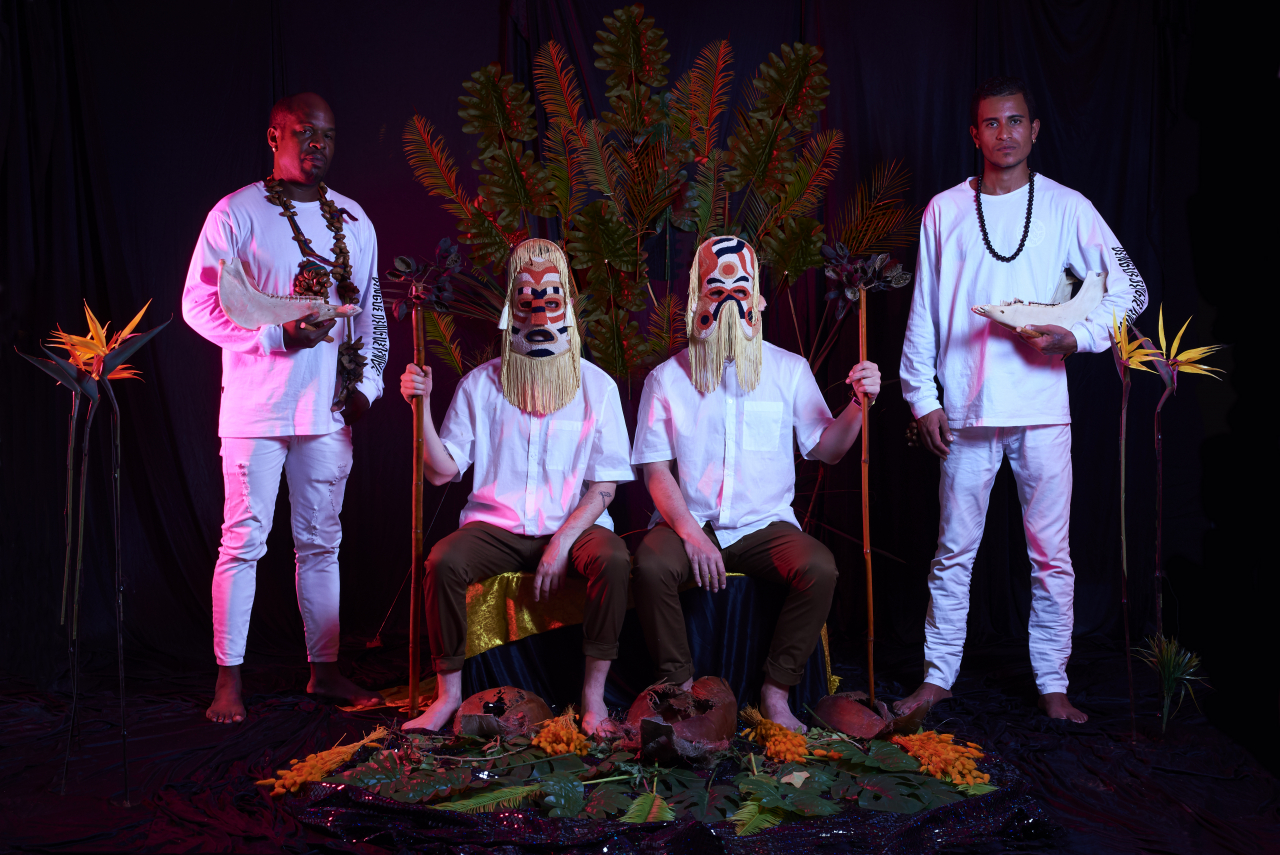
The 12-track release draws on the musical heritage of the former African slaves in Peru. This interest led Dengue Dengue Dengue—namely Felipe Salmon and Rafael Pereira—to record with several members of the Ballumbrosio family, a renowned musical dynasty in Peru that has kept Afro-Peruvian musical traditions alive through rhythms like landó and festejo, and with traditional instruments such as the iconic quijada, a rattling percussive instrument made out of a donkey’s jawbone.

We’re told that the introduction of live recordings with the Ballumbrosio brothers has given a whole new dimension to Dengue Dengue Dengue’s sound. “The marriage between the traditional and organic percussion of the Ballumbrosios with Dengue Dengue Dengue’s hypnotic electronic production has created a whole new chapter for the band,” the label explains. 

Dengue Dengue Dengue debuted in 2012, and released their last album, Semillero, in 2018. They’ll begin touring extensively in Europe in October and November, with North and South American dates to be announced soon.

Zenit & Nadir LP is scheduled for October 4 release on Enchufada, with a live performance video of “Ágni” streaming below. 

Tracklisting

01. Ágni

02. Decajón (feat. Prisma & Martin Boder)

03. El Cavilante (feat. Sara Van & Mikongo)

04. Jarana y Tundete

05. Llæ

06. Coimu Gqoimu

07. Lagos

08. The Invisible Ones (feat. Kalaf)

09. Banyuwangi

10. Pacos (feat. Prisma)

11. Guayabo

12. Coyurriti

Sunggun Jang “Figure 2”

Created during the harsh winter nights of 2019 at a home studio in the outskirts of Seoul, South Korea ​Disfiguring Echos i​s the first full-length album of Korean artist Sunggun Jang.  

Mesmerizing ambient soundscapes, soaked in Jang’s own environment recordings, are subtly layered with contemporary minimalist compositions to form a work that aims to reflect the his “harsh yet beautiful” surroundings. 

Jang has been making music for more than 15 years, from noise and doom metal beginnings to complex and detailed sound designs for soundtrack projects.

In support of the release, out September 15, we’re offering as one of today’s free downloads. Grab it now via the WeTransfer button below, or here for EU readers due to temporary GDPR restrictions. You can pre-order the record here

Tracklisting

Side A

1. Figure 1

2. Figure 2 

3. Figure 3

Side B

1. Figure 4 

2. Figure 5 

3. Figure 6

Penguin Cafe Heads to the Antarctic for New Erased Tapes Album

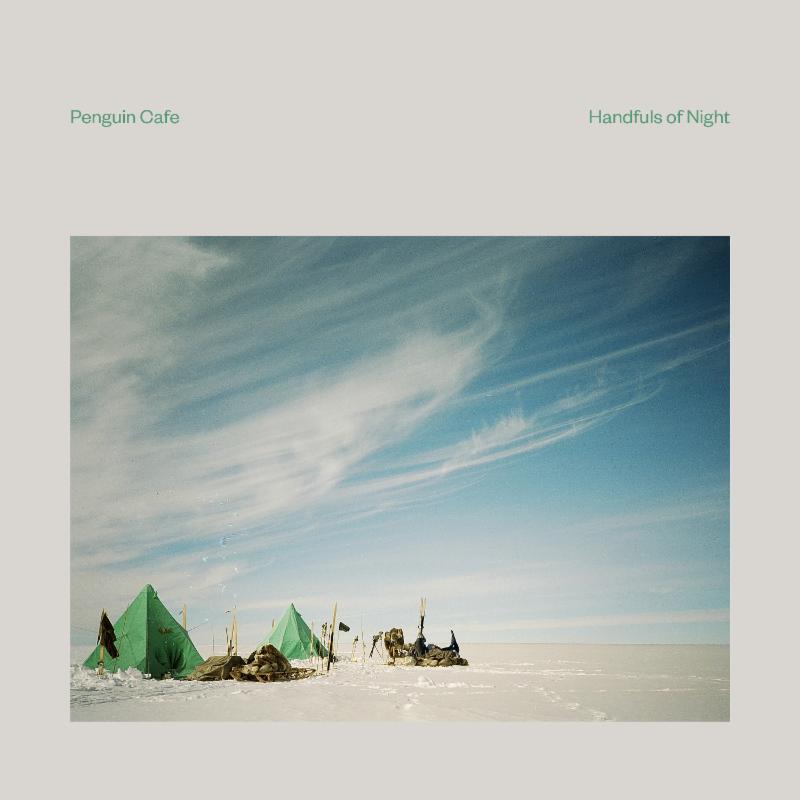
Penguin Cafe will release Handfuls of Night, a new album, on October 4 on Erased Tapes.

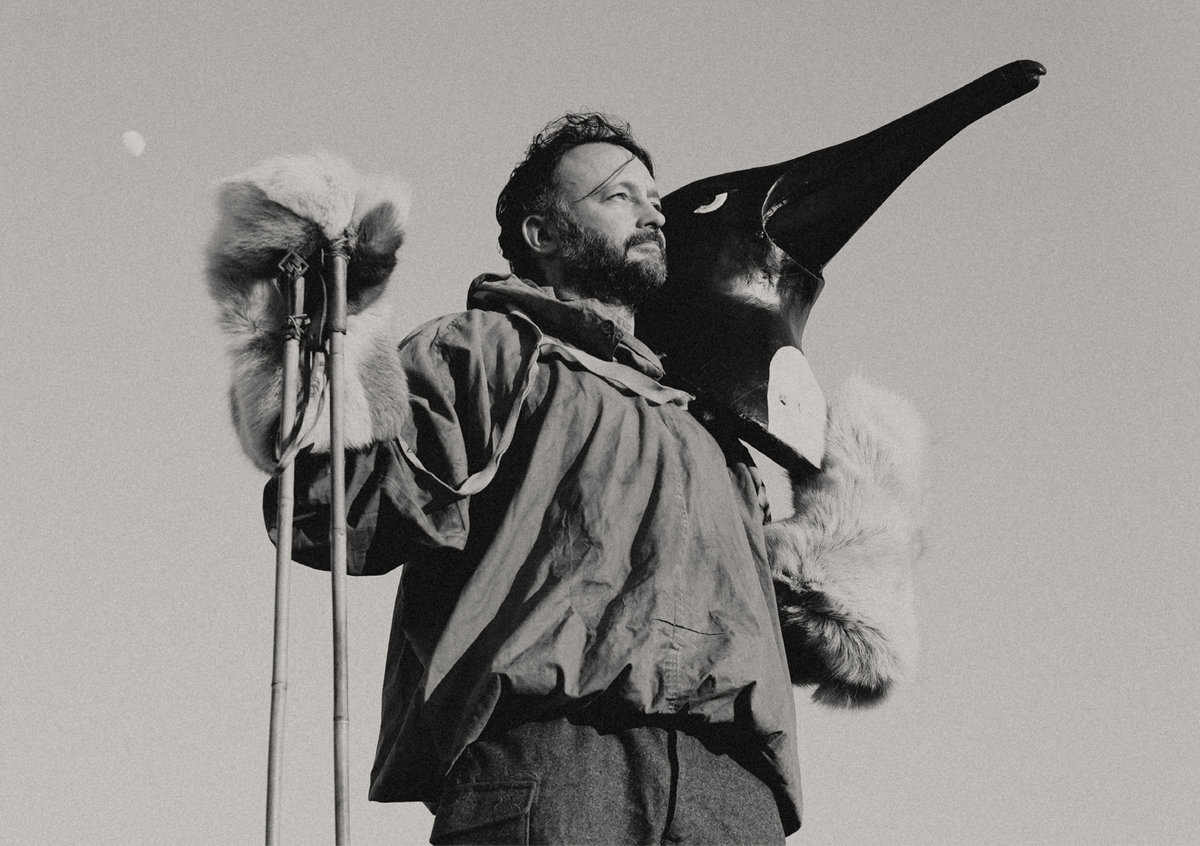
The nine-track album began life after Greenpeace commissioned band founder Arthur Jeffes, son of Penguin Cafe Orchestra’s Simon Jeffes, to write four pieces of music corresponding to four breeds of penguin to help raise awareness for the endangered Antarctic seas. 

A fundraising evening at EartH in Hackney followed, where Penguin Cafe premiered the four songs, namely “Chinstrap”, “Adelie,” “The Life of an Emperor,” and “Gentoo Origin.” Jeffes then used the essence of these songs to envisage a whole anthropomorphised world, “where these penguins had narratives and adventures that we soundtracked,” Jeffes says. 

Using gut-stringed violins, viola, cello, bass, percussion, upright and grand pianos, synthesiser, harmonium, and more, Jeffes and his cohorts have crafted a “vivid series of panoramic sonic landscapes, that are as rich in cerebral poignancy as they are in emotional depth,” the label explains. 

Jeffes’ last album as Penguin Cafe landed in 2017, titled The Imperfect Sea.

Penguin Cafe will be taking Handfuls of Night around the UK this autumn before heading out on a worldwide tour in 2020. See here

Handfuls Of Night is out October 4 via Erased Tapes, with “At The Top of The Hill, They Stood” streaming in full below, and pre-order here

Tracklisting

01. Winter Sun

02. Chinstrap

03. Chapter

04. Adelie

05. At The Top Of The Hill, They Stood…

06. Pythagoras on the Line Again

07. The Life of an Emperor

08. Gentoo Origin

09. Midnight Sun  

Teebs Joins ‘Adult Swim Singles’ Series

Teebs has joined Adult Swim Singles with “Mirror Memory,” the series’ 48th release. 

Described by Adult Swim as “winding hypnotic loops of layered percussion around a latticework of melodic textures,” the new work follows the Los Angeles artist’s inclusion on Brainfeeder’s 10-year anniversary compilation, Brainfeeder X

Along with an established career with Flying Lotus’ Brainfeeder that began on 2010’s Ardour LP, Teebs has become known as a prolific painter, exhibiting his works across multiple continents and selling out prints through multiple projects. He has also collaborated and provided official remixes for Flying Lotus, Jon Hopkins, Onra, Nosaj Thing, Shlohmo, Jaga Jazzist, Prefuse 73, and Odd Nosdam, among others. 

Stream “Mirror Memory” here

Bubblin’ Up: smog

Paolo Combes is a busy man. The French artist, a resident of Berlin for five years, divides much of his time in three ways: studying Audio Technology at the Berlin Institute of Technology; working as a sound technician; and producing music as smog, a project he started in and very much inspired by his relocation to the German capital. Earlier this year, he released his debut album, sequel’70, available now via oqko, a collective-cum-label he runs with some friends. It’s no surprise that he finds himself having less time to sample Berlin’s musical delights. 

Divided perhaps, but Combes’ endeavours very much inform one another. He found his way into electronic music through hip-hop, starting out by making beats for his Parisian friends, before drifting into more traditional house and techno as he started to discover nightlife. It was around this time that he began to develop an interest in the academic side of music, electro-acoustic artists like Richard Devine, Daphne Oram, and Delia Derbyshire, and these practises underpinned his earliest techno outings, beginning around 2015 as the smog project was just taking shape. “Academic research opened me to a broader sense of experimentation, and allowed me to connect abstract and club music together,” he explains. 

smog can be seen as a crystallisation of these ideas. His work, which has been picked up by the likes of Donato Dozzy and Objekt, blends breakneck industrial sounds with the belligerent power of hardcore techno and abstracted percussion of UK dance music. At its root are carefully researched electro-acoustic techniques blended with digital and analogue processing, used to shape his ideas into warped ethereal soundscapes. As his music and oqko find a greater audience, he’s beginning to tour more regularly. We thought it was time to learn more about the thinking behind his work. 

How did you find your way into music? 

I’ve always kind of been there because my parents were also in the field. My father was a sound technician and my mother worked on the cultural side of it. I played violin as a kid, and then the guitar, and I also did some music theory, but then I became disinterested. During my teen years, I became really involved in hip-hop, especially French hip-hop, and so I bought myself Fruity Loops and began trying to make it. I didn’t really share it with anyone, only with friends, and then I started making some beats for rappers. For some reason, I began moving towards the bass scene, but what I was making was a lot more mellow with jazz and Brazilian music, and I did that for five years or so. That’s really how I learned how to make electronic music. 

Where did you release your hip-hop work? 

I created a blog where I started uploading my beats and instrumentals stuff, and I put some of them on YouTube. From that, some rappers, mostly local Parisian ones, contacted me and I began to share some of my work with them. I guess most of this stuff has either not been properly released or only used for freestyles and so on. To be honest, I don’t think it was very good in terms of production; I mean, I was between 14 and 16 years old, and I was only really starting to learn about the whole production process. As soon as I began making mellow/jazzy beats as Hydrophony, I was no longer making hip-hop instrumentals as I used to; I even declined some rap collaborations because I wasn’t feeling that anymore.

Smog is a far cry from your beats work. Would you say Berlin is behind this change of direction? 

Yes, Berlin has definitely influenced my work. I think my tastes really changed when I moved because my environment changed, and I discovered different genres of music. I felt my productions becoming more rough and fast. I remember I started to experiment with FM Synthesis and feedbacks made out of contact mics that I would stick on metallic pots. This was all a turning point, for sure. 

What were your underlying motivations for making the move to Berlin? 

I was studying a Bachelors in Paris, and I had the opportunity to move somewhere else to finish it. I grew up in Paris, and I just wanted to see something different. I had been to Berlin a few times, and so I decided to move there, initially only for two years, but I really connected with the city. I had just turned 21 when I made the move. 

I find the musical community really strong in Berlin, and this is not something that I had in Paris, although this was perhaps because I was younger. I’ve found the Berlin scene a lot more open, with so many different sub-scenes with different niches everywhere; this has allowed me to experience music that I couldn’t have experienced in Paris. At times it can feel too much, because there’s so much on offer, but I like to broaden my mind. The city is also more relaxed, which is good. 

“I think what ties my music together is the sound design part of it. I like to design sounds that are really tough and distorted, but also clean and surgical.”

How would you describe the smog project to people?

smog is a project in which I try to combine the aggressive and powerful—not only beats but also textures, etc.—parts of dance music and experimentation. An important element of it is that I do not want to limit myself to a particular electronic music style; instead, I want to push the boundaries and establish connections between sub-genres, allowing myself to oscillate between heavy noisy rhythmical, ambient, and more abstract, experimental compositions. 

I think what ties it all together is the sound design part of it. I like to design sounds that are really tough and distorted, but also clean and surgical. There are always parts in my music that focus on the sound design and less on the groove. I think that by blending banging parts with more electro-acoustic ones, I’m giving breadth to the track and opening it up. You also see that a lot in my live set, where dance parts are intertwined with textural, contemplative ones.

How did this smog aesthetic develop? 

It took a long time. I started smog by doing a more industrial techno thing, but I was also listening to electro-acoustic music, and artists like Richard Devine, and I think this developed in me a fascination with artists who operate in the grey area between academic field and electronic music, in the club sense. I find the combination of them both really interesting, and I think these two approaches to sound design have informed my production. 

I don’t want to just make people dance, with punchy beats; I want there to also be something for academics, who will look at the music and appreciate the sound design. I think this is a really interesting way to approach things. 

How do you achieve this from a production and process standpoint? 

For the album, my interest in academic music was as an inspiration more than anything, because I completed it before going in depth into academic research. So I didn’t really use sophisticated tools or highly nerdy techniques, rather more common ones to achieve an aesthetic similar to the academic work that was inspiring me. 

I used FM synthesis coupled with different effects, as you can explore a wide range of sounds. For instance, all the elements of “Abschluss SCAN” are made with this, including the kick to the tones in the intro and the break, as well as the distorted screaming stabs. Moreover, I really enjoy using custom LFO to make nice unexpected and evolving sounds. I also use feedback generated either using a dynamic microphone, SM58, or a contact microphone coupled with different objects, mostly metallic because I like the resulting tones and resonances as well as the interaction with them. This leads to nice textures that you cannot really achieve with others materials. I will use these sounds either for drone sounds or percussive ones, like on this intro on “Nascency.” 

But what I think is unique on the album is the arrangement; it was a case of alternating between parts that are way more club-oriented and others that focus specifically on the texture, the sound design. You can hear this across the album as a whole, too, in the difference between club tacks and more abstract ones like “Straightforward” or the “Outro.”

Nowadays, I am starting to apply more technical academic processes in my work. For instance, I’m now programming my own granular synthesizer in MAX and using this in my tracks. Regarding other fields, like spatialisation and machine learning, I’m still working on these, so I don’t think it’s been concretised in my tracks yet. 

What is oqko, the collective you’re part of? 

We founded it in 2015, and there were four of us. We’ve developed it into a label for music, but we want to explore different media, such as installations and exhibitions. We also want to develop it into an artistic community, so that the people we work with and the artists that we release are involved in the whole process, including the artwork and everything. Instead of having one direction and finding people who fit into that direction, we want an open identity to allow it to go where it wants; we know these people, they’re our friends, and so we want a common thing that we can all contribute to. 

You’re also working as sound technician. Can you talk to me about this, and where you’re going with it? 

Yes, I work as a sound technician mostly for concerts, conferences, or artistic performances, and I enjoy the dynamic of it a lot, although I don’t ever see myself focusing on this full-time. I want to focus more on the theoretical, technical, and creative aspect of sound. So I don’t think I’m going anywhere specific with it, but I would for sure always be open to doing it every once in a while. 

How does this connect with your Masters, at the Berlin Institute of Technology? 

I’ve learned the practical way of being a sound technician, but I became frustrated because I wanted to know the technical aspect and the theoretical part of it, and so I needed an environment that could help me to develop this side. I also wanted to meet people who share the same interests; of course, you can learn alone, but I want to meet people who are researching in fields like synthesis, spatization, and so on, and generally just people who are interested in this stuff, because I want to challenge myself. It really stimulates me to go deeper, and allows me to discover things that I never knew. It also allows me to open up to other fields that are not only related to sound but are additional technologies that expand what I can do with it, like machine learning, etc.  

How do you find the time to go out? 

Good question! When I first arrived in Berlin, I was going out almost every weekend because I had fewer responsibilities. I’m now going out less because it’s hard to find the time, with my masters and my work as a sound technician, and then I am also doing music and taking care of oqko. I still feel part of it, and I’ll attend the interesting stuff, but I just don’t go out all the time.

How much are you touring nowadays? 

It really depends because most of the gigs I get are either from people that I know who are throwing a party, or more rarely by people contacting me online, or through the parties we are throwing with oqko, but in general I would say once a month. 

One thing I really like with the dynamic of oqko and also with the stuff I’m doing is that operating in this area between club environments and academic ones allows me to play in both kinds of venues and events, like Visiones Sonoras in Morelia, Mexico and Dark Music Days in Reykjavik, Iceland for the more electro-acoustic ones, and like a hardcore rave party in an abandoned warehouse in Leipzig, which is quite exciting. I like to keep my feet in both. 

How do you see yourself moving forward with a career? 

If I had the opportunity to be a touring artist, then maybe it would be nice, but I think I would prefer to have a job that focuses more on the technical aspects. I don’t want the pressure of producing to earn a living. I want my work to influence my music and my music to influence my work; they will be intertwined but I won’t be reliant on music. I like to explore what I want to do musically, and as soon as you need to make money then I think you have to make compromises, and this is not conducive to my best music.

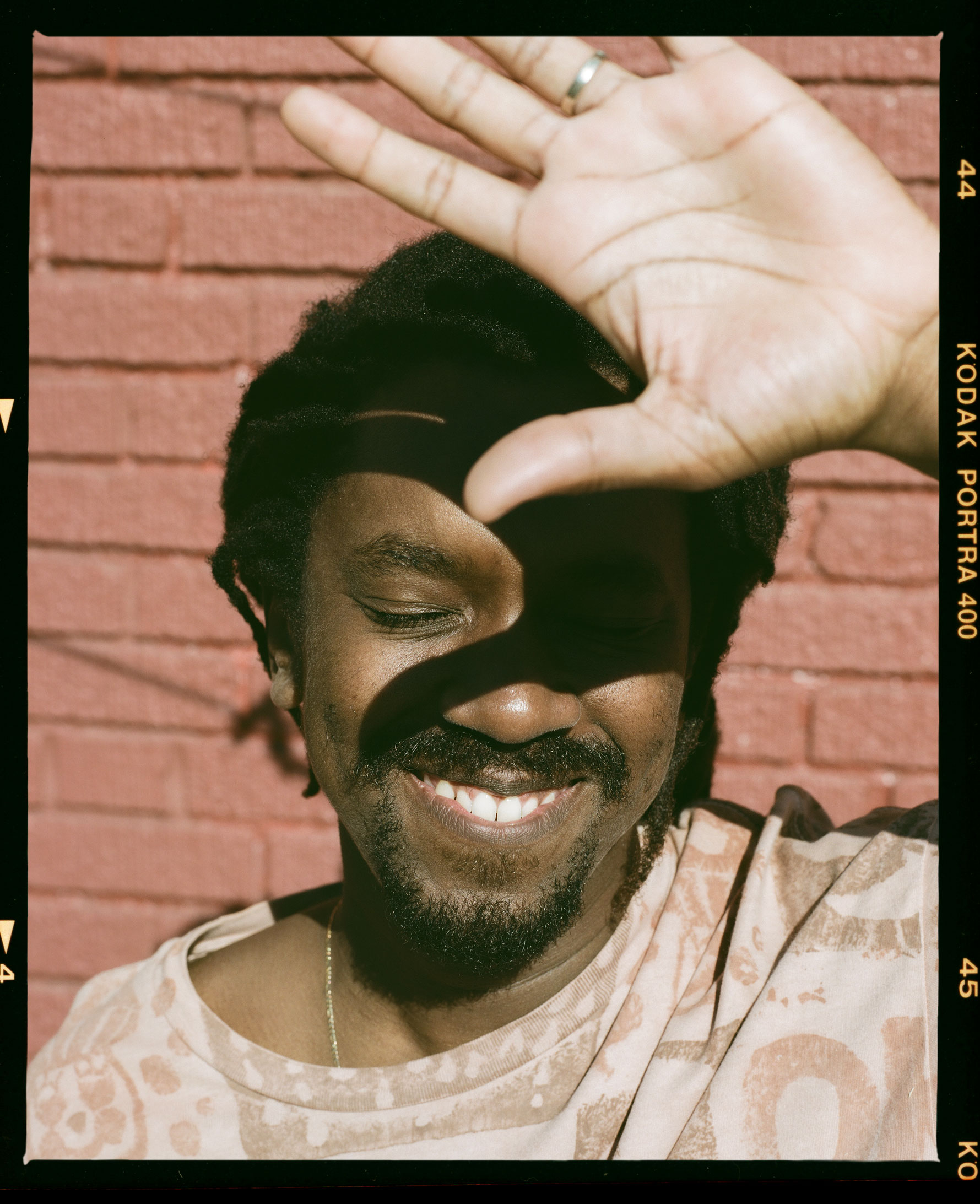
All photos: Hugo Esquinca

Page 212 of 3781
1 210 211 212 213 214 3,781