Bubblin’ Up: smog

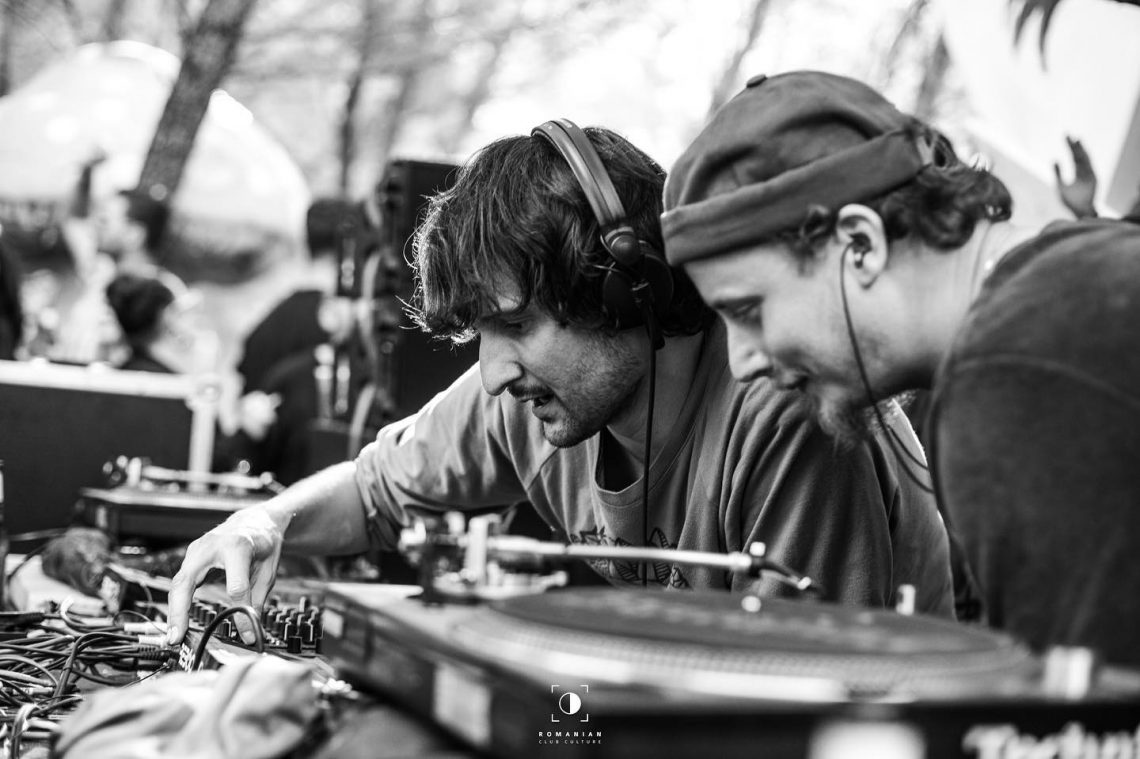
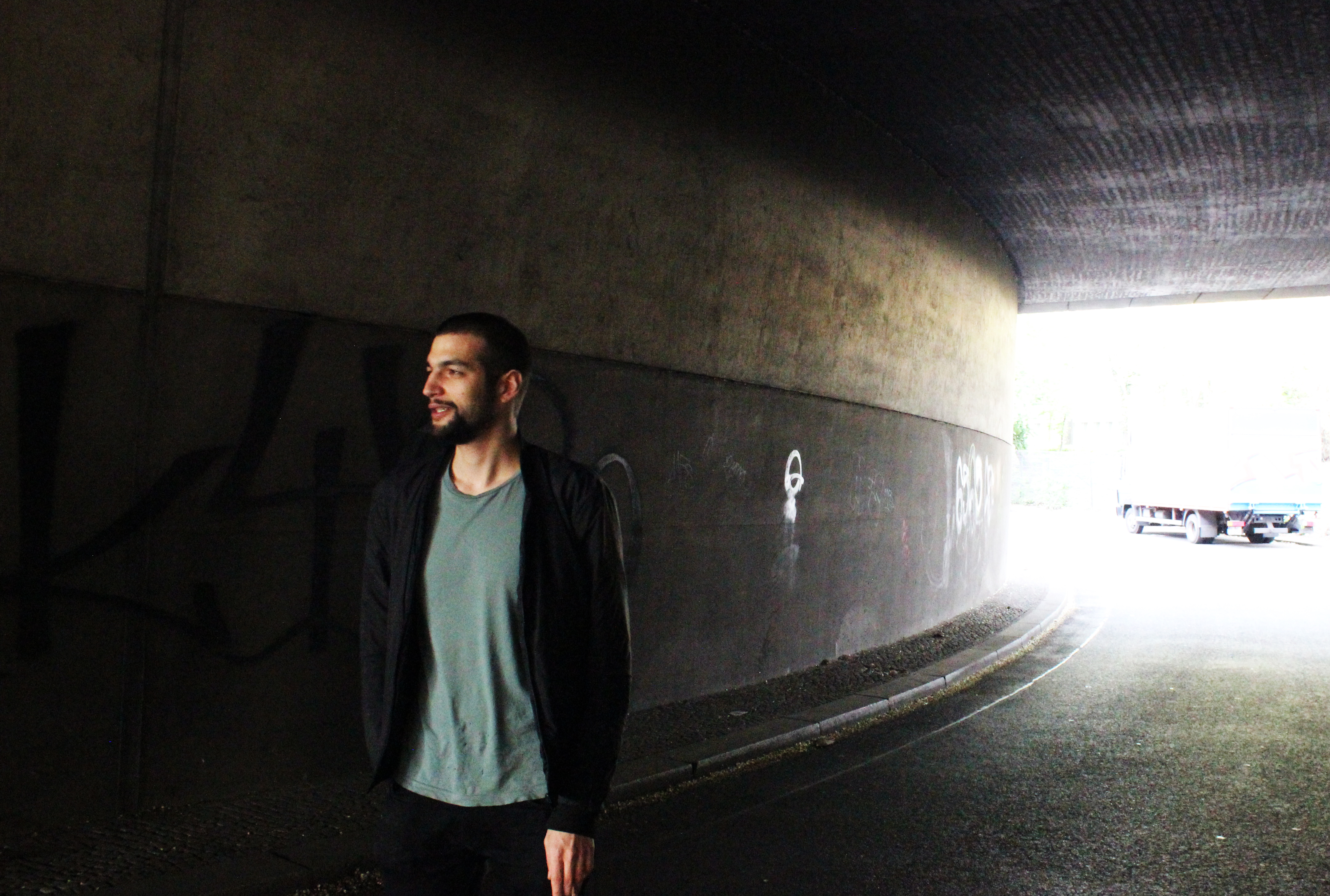
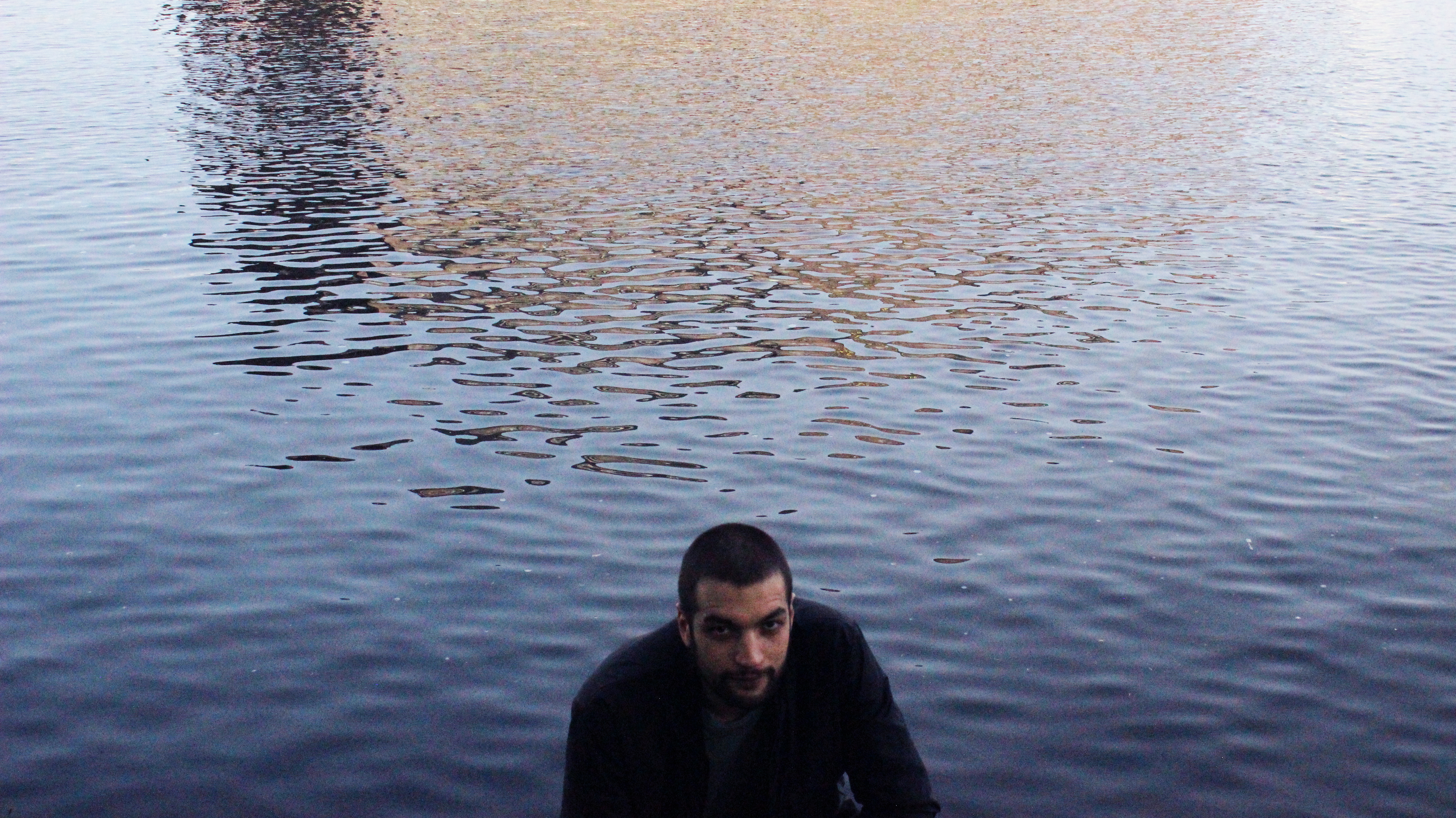
Paolo Combes is a busy man. The French artist, a resident of Berlin for five years, divides much of his time in three ways: studying Audio Technology at the Berlin Institute of Technology; working as a sound technician; and producing music as smog, a project he started in and very much inspired by his relocation to the German capital. Earlier this year, he released his debut album, sequel’70, available now via oqko, a collective-cum-label he runs with some friends. It’s no surprise that he finds himself having less time to sample Berlin’s musical delights. 

Divided perhaps, but Combes’ endeavours very much inform one another. He found his way into electronic music through hip-hop, starting out by making beats for his Parisian friends, before drifting into more traditional house and techno as he started to discover nightlife. It was around this time that he began to develop an interest in the academic side of music, electro-acoustic artists like Richard Devine, Daphne Oram, and Delia Derbyshire, and these practises underpinned his earliest techno outings, beginning around 2015 as the smog project was just taking shape. “Academic research opened me to a broader sense of experimentation, and allowed me to connect abstract and club music together,” he explains. 

smog can be seen as a crystallisation of these ideas. His work, which has been picked up by the likes of Donato Dozzy and Objekt, blends breakneck industrial sounds with the belligerent power of hardcore techno and abstracted percussion of UK dance music. At its root are carefully researched electro-acoustic techniques blended with digital and analogue processing, used to shape his ideas into warped ethereal soundscapes. As his music and oqko find a greater audience, he’s beginning to tour more regularly. We thought it was time to learn more about the thinking behind his work. 

How did you find your way into music? 

I’ve always kind of been there because my parents were also in the field. My father was a sound technician and my mother worked on the cultural side of it. I played violin as a kid, and then the guitar, and I also did some music theory, but then I became disinterested. During my teen years, I became really involved in hip-hop, especially French hip-hop, and so I bought myself Fruity Loops and began trying to make it. I didn’t really share it with anyone, only with friends, and then I started making some beats for rappers. For some reason, I began moving towards the bass scene, but what I was making was a lot more mellow with jazz and Brazilian music, and I did that for five years or so. That’s really how I learned how to make electronic music. 

Where did you release your hip-hop work? 

I created a blog where I started uploading my beats and instrumentals stuff, and I put some of them on YouTube. From that, some rappers, mostly local Parisian ones, contacted me and I began to share some of my work with them. I guess most of this stuff has either not been properly released or only used for freestyles and so on. To be honest, I don’t think it was very good in terms of production; I mean, I was between 14 and 16 years old, and I was only really starting to learn about the whole production process. As soon as I began making mellow/jazzy beats as Hydrophony, I was no longer making hip-hop instrumentals as I used to; I even declined some rap collaborations because I wasn’t feeling that anymore.

Smog is a far cry from your beats work. Would you say Berlin is behind this change of direction? 

Yes, Berlin has definitely influenced my work. I think my tastes really changed when I moved because my environment changed, and I discovered different genres of music. I felt my productions becoming more rough and fast. I remember I started to experiment with FM Synthesis and feedbacks made out of contact mics that I would stick on metallic pots. This was all a turning point, for sure. 
What were your underlying motivations for making the move to Berlin? 

I was studying a Bachelors in Paris, and I had the opportunity to move somewhere else to finish it. I grew up in Paris, and I just wanted to see something different. I had been to Berlin a few times, and so I decided to move there, initially only for two years, but I really connected with the city. I had just turned 21 when I made the move. 

I find the musical community really strong in Berlin, and this is not something that I had in Paris, although this was perhaps because I was younger. I’ve found the Berlin scene a lot more open, with so many different sub-scenes with different niches everywhere; this has allowed me to experience music that I couldn’t have experienced in Paris. At times it can feel too much, because there’s so much on offer, but I like to broaden my mind. The city is also more relaxed, which is good. 

“I think what ties my music together is the sound design part of it. I like to design sounds that are really tough and distorted, but also clean and surgical.”

How would you describe the smog project to people?

smog is a project in which I try to combine the aggressive and powerful—not only beats but also textures, etc.—parts of dance music and experimentation. An important element of it is that I do not want to limit myself to a particular electronic music style; instead, I want to push the boundaries and establish connections between sub-genres, allowing myself to oscillate between heavy noisy rhythmical, ambient, and more abstract, experimental compositions. 

I think what ties it all together is the sound design part of it. I like to design sounds that are really tough and distorted, but also clean and surgical. There are always parts in my music that focus on the sound design and less on the groove. I think that by blending banging parts with more electro-acoustic ones, I’m giving breadth to the track and opening it up. You also see that a lot in my live set, where dance parts are intertwined with textural, contemplative ones.

How did this smog aesthetic develop? 

It took a long time. I started smog by doing a more industrial techno thing, but I was also listening to electro-acoustic music, and artists like Richard Devine, and I think this developed in me a fascination with artists who operate in the grey area between academic field and electronic music, in the club sense. I find the combination of them both really interesting, and I think these two approaches to sound design have informed my production. 

I don’t want to just make people dance, with punchy beats; I want there to also be something for academics, who will look at the music and appreciate the sound design. I think this is a really interesting way to approach things. 

How do you achieve this from a production and process standpoint? 

For the album, my interest in academic music was as an inspiration more than anything, because I completed it before going in depth into academic research. So I didn’t really use sophisticated tools or highly nerdy techniques, rather more common ones to achieve an aesthetic similar to the academic work that was inspiring me. 

I used FM synthesis coupled with different effects, as you can explore a wide range of sounds. For instance, all the elements of “Abschluss SCAN” are made with this, including the kick to the tones in the intro and the break, as well as the distorted screaming stabs. Moreover, I really enjoy using custom LFO to make nice unexpected and evolving sounds. I also use feedback generated either using a dynamic microphone, SM58, or a contact microphone coupled with different objects, mostly metallic because I like the resulting tones and resonances as well as the interaction with them. This leads to nice textures that you cannot really achieve with others materials. I will use these sounds either for drone sounds or percussive ones, like on this intro on “Nascency.” 

But what I think is unique on the album is the arrangement; it was a case of alternating between parts that are way more club-oriented and others that focus specifically on the texture, the sound design. You can hear this across the album as a whole, too, in the difference between club tacks and more abstract ones like “Straightforward” or the “Outro.”

Nowadays, I am starting to apply more technical academic processes in my work. For instance, I’m now programming my own granular synthesizer in MAX and using this in my tracks. Regarding other fields, like spatialisation and machine learning, I’m still working on these, so I don’t think it’s been concretised in my tracks yet. 

What is oqko, the collective you’re part of? 

We founded it in 2015, and there were four of us. We’ve developed it into a label for music, but we want to explore different media, such as installations and exhibitions. We also want to develop it into an artistic community, so that the people we work with and the artists that we release are involved in the whole process, including the artwork and everything. Instead of having one direction and finding people who fit into that direction, we want an open identity to allow it to go where it wants; we know these people, they’re our friends, and so we want a common thing that we can all contribute to. 
You’re also working as sound technician. Can you talk to me about this, and where you’re going with it? 

Yes, I work as a sound technician mostly for concerts, conferences, or artistic performances, and I enjoy the dynamic of it a lot, although I don’t ever see myself focusing on this full-time. I want to focus more on the theoretical, technical, and creative aspect of sound. So I don’t think I’m going anywhere specific with it, but I would for sure always be open to doing it every once in a while. 

How does this connect with your Masters, at the Berlin Institute of Technology? 

I’ve learned the practical way of being a sound technician, but I became frustrated because I wanted to know the technical aspect and the theoretical part of it, and so I needed an environment that could help me to develop this side. I also wanted to meet people who share the same interests; of course, you can learn alone, but I want to meet people who are researching in fields like synthesis, spatization, and so on, and generally just people who are interested in this stuff, because I want to challenge myself. It really stimulates me to go deeper, and allows me to discover things that I never knew. It also allows me to open up to other fields that are not only related to sound but are additional technologies that expand what I can do with it, like machine learning, etc.  

How do you find the time to go out? 

Good question! When I first arrived in Berlin, I was going out almost every weekend because I had fewer responsibilities. I’m now going out less because it’s hard to find the time, with my masters and my work as a sound technician, and then I am also doing music and taking care of oqko. I still feel part of it, and I’ll attend the interesting stuff, but I just don’t go out all the time.

How much are you touring nowadays? 

It really depends because most of the gigs I get are either from people that I know who are throwing a party, or more rarely by people contacting me online, or through the parties we are throwing with oqko, but in general I would say once a month. 

One thing I really like with the dynamic of oqko and also with the stuff I’m doing is that operating in this area between club environments and academic ones allows me to play in both kinds of venues and events, like Visiones Sonoras in Morelia, Mexico and Dark Music Days in Reykjavik, Iceland for the more electro-acoustic ones, and like a hardcore rave party in an abandoned warehouse in Leipzig, which is quite exciting. I like to keep my feet in both. 

How do you see yourself moving forward with a career? 

If I had the opportunity to be a touring artist, then maybe it would be nice, but I think I would prefer to have a job that focuses more on the technical aspects. I don’t want the pressure of producing to earn a living. I want my work to influence my music and my music to influence my work; they will be intertwined but I won’t be reliant on music. I like to explore what I want to do musically, and as soon as you need to make money then I think you have to make compromises, and this is not conducive to my best music.

All photos: Hugo Esquinca
Mono/Poly Shares Single ft. Kimbra Ahead of New Album

Photo: The1Point8

Mono/Poly (a.k.a Charles Dickerson) has shared “Easy Living,” taken from his forthcoming album, Monotomic, out September 13. The slow-burning, psychedelic single features vocals from Kimbra and bass from Thundercat. 

Brimming with glitchy experimental beats, atmospheric hum, and unexpected melodies, Monotomic is arguably Mono/Poly’s most accessible effort yet. It features Kaytranada, Thundercat, Kimbra, and Alyss, among others, and is described as a “new chapter” in Mono/Poly’s experimental, interstellar world.

The beginnings of “Easy Living” formed five years ago, and morphed as Thundercat contributed his funky bass over the original beat, and then again when Kimbra offered her vocals. 

Says Charles: “I swear it was as if Thundercat turned into pure energy while playing here, very psychedelic. After he recorded, I knew Kimbra could do the high-range vocals I imagined on it, and then the track evolved into a new form while putting together this album, and I’m very pleased with the result.” 

Kimbra adds: “Charles sent me the track and I immediately connected to it. The track bed was so dreamy and evocative but when the drums drop it had a real toughness. It reminded me of being woken out of a dream state and the way we can live our whole lives in a daze. I feel like the song reflects a relationship or life that has become stagnated. We try to cover up our struggles with pleasure and ‘easy living’ instead of confronting our lives head on. Escapism is such a human urge and I wanted to explore both the beauty of that place and the ways we can get stuck. I loved the chance to get really experimental with the vocals.”

Mono/Poly has become a staple in the electronic music community over the last 10 years. Known for his interstellar, synth-driven, and textured experimental electronic music, he is inspired by everything from ambient to acid house, G-funk, and R&B. He has previously released music independently, as well as with Brainfeeder and Warp Records, among others. 

“Easy Living” ft Kimbra is out now, with Monotomic coming on September 13. 

Tracklisting

01. When I’m Comin For Ya

02. Easy Living Ft Kimbra

03. Hell Is In

04. Your Mind

05. Low End Theory

06. Psychedelic Sasquatch

07. Dive Out

08. Vision Quest Ft Alyss

09. Audio Dope

10. Sage Ft Mean Bacharach

11. I’m Lit Like Fire

12. Close Your Eyes & Shut Your Mouth Ft Alyss

13. Praise Be To The Sun Absolute

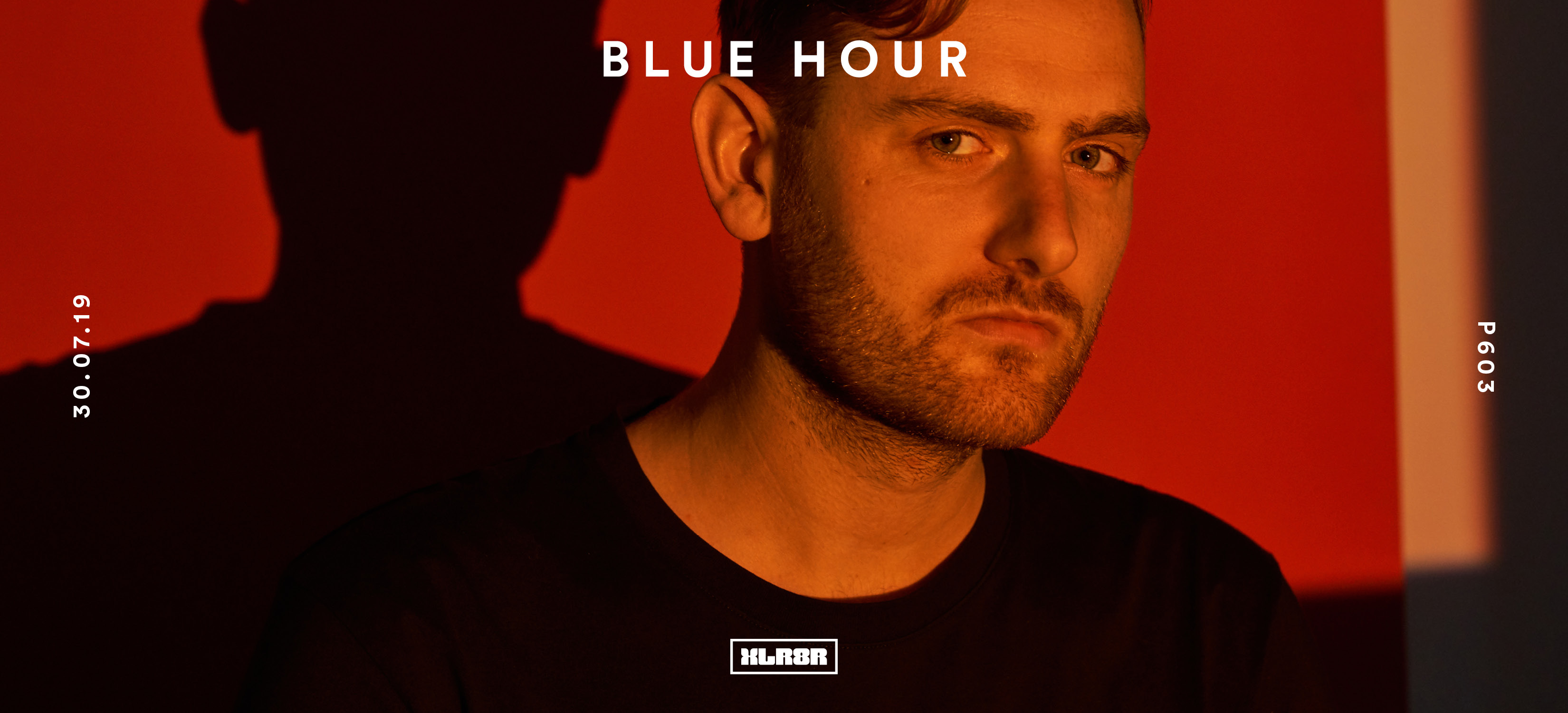
Podcast 603: Blue Hour

Luke Standing has been devoted to electronic music since his university days promoting club nights in Bristol, UK, inviting the like of Scuba, Asusu, Pangaea, and Sigha to perform. Dubstep’s fringes provided a portal into techno, and, with that Berlin, production, and a record collection. 

Standing’s first releases as Furesshu and Esoteric experimented with swung and atmospheric techno, taking him to Germany where he launched his latest project, Blue Hour, with 2013’s Flow State EP, released through his label of the same name. 

In the half-decade since then, the project has blossomed and is now responsible for several pivotal records with a distinctive sound driven by the spirit of the ’90s. It took only a quick flurry of releases for him to attract the attention of some of the genre’s leading artists and institutions, among them Ostgut Ton, who called on Standing to remix Tobias. Sprinkled through the label’s discography are outings from Patrik Eriksson (a.k.a Dold) and Alpha Tracks, as well as Standing’s collaborative project as Tracing Xircles, showing the UK artist’s skills in curation and not just production. 

Not that these were ever in any doubt. Fuelled by an obsession with the early days of dance music, when genres like trance, jungle, and IDM overlapped, Standing’s DJ sets explore a narrative of timeless music. This lifelong investment in his craft has led him to perform at some of the world’s most renowned institutions, a long way from his roots in Brighton, nestled on the UK’s south coast. 

Standing’s XLR8R podcast is a taste of upcoming music from himself and the label. About one-third of the music is either out via Blue Hour or is coming up, and there are lots more exclusives, tied together with some classics. “The direction I took was fast and trancey to complement what’s happening this year on the label, with a nostalgic, “outer-world” touch,” Standing explains. 

What have you been up to recently? 

I’ve been spending a lot of time outside of Berlin this year traveling, exploring scenes and playing shows. I started the first two months in Georgia and Azerbaijan, which was an unforgettable experience that also helped me to focus my intentions for the year and plans for developing my label. 

Being there reminded me of the first times I visited Berlin, because things felt fresh and exciting. It’s not the music that gets me, although there is some proper talent there, but rather the energy of the people and social change that is happening. I met a lot of interesting and genuine people, and it wasn’t so trend-driven with the fake characters that Berlin can tend to attract sometimes. The atmosphere there gave me a rare feeling that I didn’t think I would experience again, so I can’t wait to go back. 

I also spent extra days in Copenhagen connecting with local producers Repro and Sugar. I visited their studios and learned a bit about their production processes, which was really inspiring. They both have fairly similar hardware setups and help find solutions together with workflow and connectivity which is of great value. In Europe, they are a well-known crew that a lot of people are talking about, but what I like about Copenhagen right now and the Fast Forward crew, in particular, is that they have built something successfully for themselves rather than trying to fit into something that already exists. They are passionate about their local scene and have grouped together at the time of the celebrity DJ and the “business techno” industry that we now have. 

I notice more exchanges among different crews happening and working together, which is really cool. That, in my opinion, is the future of techno, and it’s bringing things back to its roots and is a more inclusive and authentic experience, rather than feeding egos of festival headliners. I guess you can say I’ve been looking for new inspiration and to learn more about different scenes and have dedicated more to certain places when gigging. In addition to those trips, I also took some time out visiting Lisbon as well as central Portugal. I spent most of my time in nature writing new music away from city life. 

Talk to me about your journey into techno: what led you into music? 

My journey started through collecting records and running a party in Bristol around 2008-2009. I promoted artists who were operating on the fringes of the dubstep scene like Scuba, Asusu, Pangaea, and Sigha. This led me to discover techno, mainly through remixes. Then I began obsessively collecting more records and began frequently visiting the clubs in Berlin to fulfill my desire to experience the nightlife that was so under-represented at the time in Bristol. It felt like the modern epicenter of techno so I wanted to immerse myself in it, develop there as an artist, and connect with a strong community of like-minded people. To an extent, I feel I have achieved my original goals but I face new challenges all the time; the city is constantly evolving, and this keeps you on your toes. 

How do you find Berlin compares to the UK, in terms of lifestyle and music? 

Berlin has a unique hedonistic attitude that is very different from other cities. There’s a greater international feel now than when I moved eight years ago. It has attracted a lot of people, especially because of the recent popularity of the techno genre. The cost of living has shot up though, whereas before you might consider earning less to have a better quality of life, I believe that’s becoming harder to find now for those looking to be here. In regards to music, there are lots of people producing, DJing, running parties, etc.; it’s a huge community. The feeling is also still fairly raw, underground and diverse creatively, however, the UK has always had something very distinctive about its sound and been hugely influential in its own way.

How do you try to differentiate the techno you make from the rest of the scene? 

It’s not necessarily my initial intention to be or sound different, but I guess that’s just sometimes how things pan out. More importantly, I try to just be honest about my experiences with music and where I’ve come. I’m heavily influenced by jungle, for example, and although that may not always be obvious, it’s where a big part of my use of pads and strings comes from, as well as the contrasting energy and balance of dark and light sounds. It’s cliché to say, but everyone’s musical journey is different, however, often people tend to imitate rather than be themselves. There’s a lot of interest in electronic music making with various courses or tutorials available but I think it’s more authentic to follow your ears and trust your own judgment; even if you make mistakes along the way, you will eventually arrive at a different place that’s maybe more original or unique. No one is telling you how to do it apart from yourself, and I think that’s a big part of developing a sound that’s personal and sets you apart.

What do you look for in the records that you release and play? Is there a difference? 

I’m much more active in looking for records to play than music to release. Mainly because I’m waiting for people to reach out with demos or would normally only consider people I already know. I try to take the time to listen to everything I get sent though and I’m always interested in receiving demos, even from strangers. I’m not hunting for tracks like I am in my DJ sets though. My selection process for sets is more focused around energizing myself and the dancefloor rather than building a product and revealing a concept or narrative from myself or another artist. It’s not as straight-forward as simply playing out a piece of music you like; it’s a whole other thought process. It’s not like I would only release a certain sound or something but at the same time it has to make sense in some form and feel right; it’s something thats more permanent, like an investment, and it should be carefully considered, especially in a saturated market. It needs to be a statement. 

When and where was the mix recorded?

I recorded the mix at home in Berlin back in April. I organized the music in Rekordbox beforehand and then recorded it in a separate session over one afternoon.

How did you select the records that you included?

I wanted to focus a lot of music that’s coming or already out on my label this year, and build the mix around those tracks, but also throw in some current favorites and older tracks that I’m often playing out.

How does it compare to one of your club sets?

It’s reflective of a typical club set. This was about showcasing the label and the context I see fit for it rather than a podcast you can listen to at work. 

What are your wider intentions with music? Do you have an idea of where you want to be musically? 

This past year has been about expanding the label and working with other artists on different projects. I’m looking to continue this more over the next year but I don’t feel like I need to release a certain number of EPs to do so. I want to focus on my own productions, finish more projects, make more collaborations, and continue playing music for people on dancefloors. I think we are in a good position with techno right now: it’s moving forward and becoming more playful, away from the darker attitudes and seriousness that have dominated our dancefloors.  We don’t have to bring our complicated lives to the party, only positivity and an open mind.

Due to issues regarding the GDPR, EU readers can download the podcast here.

Tracklisting

01. The Source Experience “Quartz” [R&S Records]

02. Blue Hour “Common Ground” [Blue Hour Music]

03. Ekserd “Ravager” [Ravage]

04. Alpha Tracks “Golden Shot” [Blue Hour Music]

05. Vladimir Dubyshkin “Belissimo” [Trip]

06. Mike Parker “Shakuhachi” (The Lost Dubplate Mix) [Geophone]

07. 999999999 “09 09 1999” [K S R]

08. Alpha Tracks “Freedive” [Blue Hour Music]

09. Sematic4 “Dream Kreator” [Dalmata Daniel] 

10. Equitek “Skywalker” (Mutation Mix) [R&S Records]

11. Sugar “Make Them Forget” [Blue Hour Music]

12. Blue Hour “Front” (D.Dan Remix) [Blue Hour Music]

13. Disintegrator “Dark Black Ominous Clouds” [Industrial Strength Records] 

14. Blue Hour “Shimmer” (Vladimir Dubyshkin ‘Body’ Mix) [Blue Hour Music]

15. Cold Dust “Snakepit” [Red Seal]

16. Photonic “Obscure” [Universal Prime Breaks]

17. Vainqueur “Lyot” [Maurizio]

18. Blue Hour “Radiance/Limelight” (Sugar Remix) [Blue Hour Music]

19. AHXAT “Xema Sabini Pt.2” [Discrete Data]

20. Blue Hour “Introspective 2” (TRANCEMAN2000’s Remix) [Blue Hour Music]

Violet Taps into Childhood Troubles on Debut Album for Dark Entries

Photo: João Viegas

Next on San Francisco’s Dark Entries is Violet‘s debut album, Bed of Roses

The album contains 10 songs made as a sort of childhood-teenage memories diary, a reflection on things Violet liked then and also the difficult things she’s been through. The feeling behind it is self-forgiveness in an optimistic way but also in an adult way, aware of the bruises (thorns) but also of the invaluable love and life experiences (roses). The title comes from the Bon Jovi song that Violet loved as a nine-year old, and doubles as an intent of positivity paired with the inescapable darkness of life. 

Violet says: “I wrote this music as a healing device that I hope can somehow help heal others too.” 

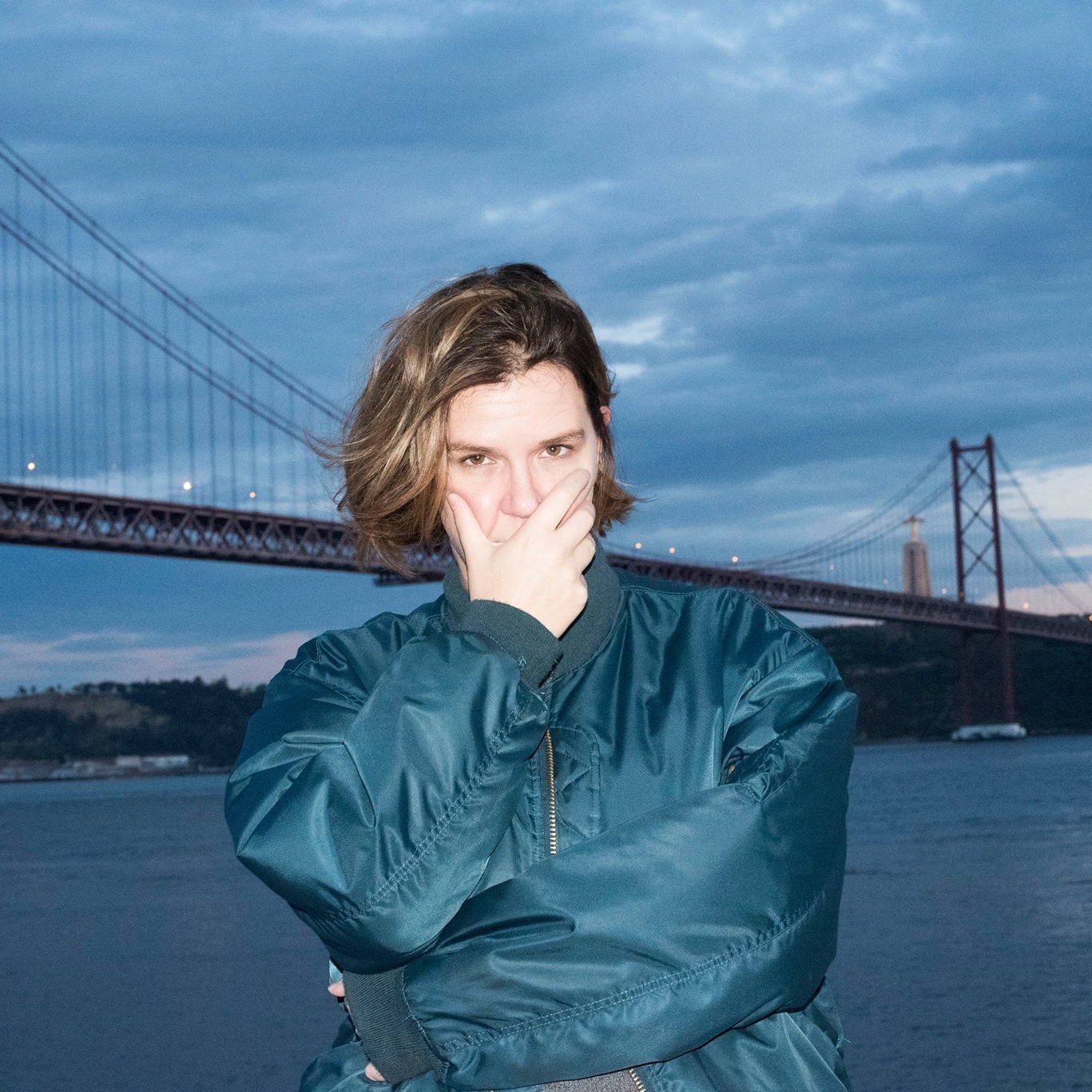
Violet is the the alias of Inês Borges Coutinho, the Lisbon-born DJ-producer, boss of Naive Records, and co-founder of Rádio Quântica. She began producing music in 2012 and has released music on One Eyed Jacks, Love on the Rocks, Paraíso, and Naive. 

The album is mastered by George Horn at Fantasy Studios. The jacket features an original design by Eloise Leigh that incorporates themes of self-inspection and hope, mixing a teen bedroom vintage scrapbook aesthetic with contemporary 3D mapping techniques. Each LP contains a postcard featuring a childhood photo of Violet with notes. 

Bed of Roses LP is out September 20, with clips below. 

Tracklisting

01. Tears In 1993

02. Bed Of Roses

03. In The Aquarius

04. Half Crazy

05. Fuck A Bully

06. They Don’t Wanna Know

07. Glory Voyage

08. Bed Of Roses Part II

09. Spectral

10. Never Leave

Istanbul-Based Beatmaker Ozoyo Takes You on Vacation with Album Debut

Ozoyo‘s debut album, Motel Lazy, is out now on Istanbul’s threefinger records

The 15-track album follows three EPs for threefinger, namely Wanderlust (2016), Lost Beats (2018), and 333 (2018). It’s described as a “vacation without leaving home,” and features Wun Two, Jinsang, Engelwood, and Mujo, who “accompany you through your holiday with Ozoyo,” the label explains.  

After collecting old jazz records while studying at university, Ozoyo had the idea of using samples from these records to create an original mix. He explains that his fascination with plants inspired him to organically blend an eclectic mix of multiple genres, including elements of lo-fi, future beat, electronica, and hip-hop.

Motel Lazy LP is out now on threefinger records, with streams over at Bandcamp

Tracklisting

01. Blurred Morning 02:10

02. Breakfast with Her 02:40

03. Birds Everywhere 02:40

04. Clouds on My Bed feat. Wun Two 02:32

05. Summer Rain 01:37

06. Thinkin About You 02:40

07. Warm Sea 01:42

08. Tropical Fruits 02:22

09. Tea Time feat. Jinsang 02:15

10. Let’s Get Stoned 03:03

11. Melancholic Dreams 01:47

12. Nostalgia feat. Mujo 02:01

13. High Again 02:13

14. Waves 02:58

15. Way Back Home feat. Engelwood 02:21

Raresh’s Metereze Welcomes Ion Ludwig for New EP

Ion Ludwig will debut on Raresh’s Metereze label with his new EP, A Better Future to Long

The three-track EP, out on vinyl in August, is made of three cuts, each “building momentum around an obsessive pattern, meant to anchor the listener into the here and now.” “140KM:h” comes with a dusty acid feel and stretches over the whole A side.  Title track “A Better Future to Long” is a dark tint of stripped techno, and closer “Abstracy” is a lo-fi strip filled with a rolling bassline. 

The EP is Metereze’s 12th release, and follows outings from Arapu, Melodie, John Dimas, Dubtil, and more. 

A Better Future to Long EP lands August 13, with clips below.

For more information on Ludwig, read our full-length feature here.  

Tracklisting

01. 140KM:h

02. A Better Future to Long

03. Abstracy

PAN Artist STILL Shares Mix Full of Unreleased and Exclusive Music

Simone Trabucchi (a.k.a STILL) has shared a new mix, featuring his own unreleased music, plus exclusives from his collaborations and from artists he will release on his label, Hundebiss.

Milan-based Trabucchi is perhaps most widely known for his work as Dracula Lewis, a wildly imaginative endeavour that developed his personal take on “folk” music. As STILL, he released his I album on PAN, followed by a remix collection that includes work from Slikback, Kelman Duran, Low Jack, Zilla, and more. You can find more information on him here

The mix is streaming in full below. 

Pioneering LA Producer Ras G Has Died, Aged 39

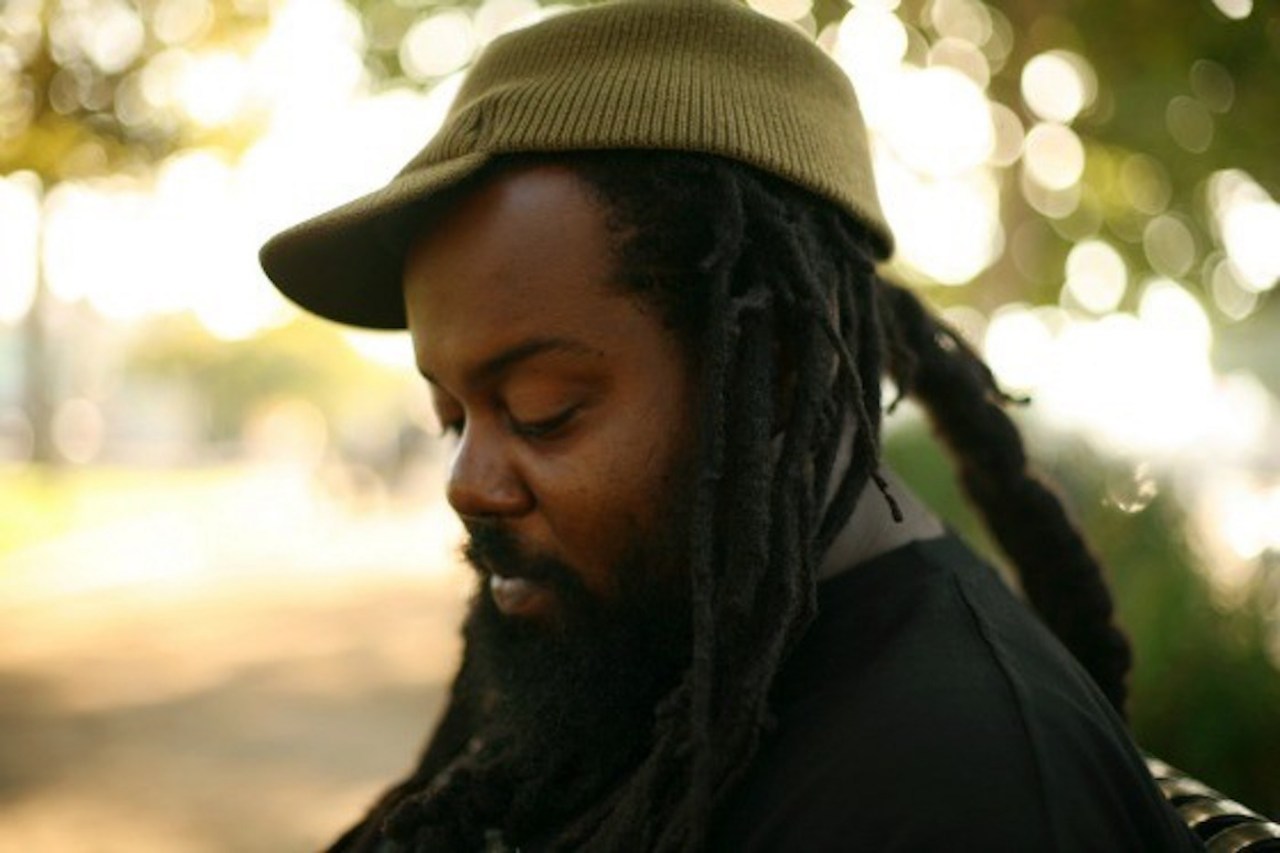
It’s with great sadness that we announce that Gregory Shorter Jr. (a.k.a Ras G) has died, aged 39. The news came on Monday via Brainfeeder, a label he co-founded.

The announcement was met with tributes from all those in his orbit. 

Ras_G has left the planet, far beyond the galaxy. Show us the way to the cosmos my friend. I will love you forever. Thank you for your time on earth,” said Flying Lotus

“So incredibly sad, [Ras G] was a true visionary and a weirdo in the greatest possible sense,wrote Hudson Mohawke. 

A cause of death has not been confirmed, but Shorter’s health problems had been disclosed. Back in December, he announced via Instagram that he had been diagnosed with pneumonia, diabetes, hypothyroid, and heart failure, but said that he was “breathing and feeling better than ever.” 

Shorter, a pioneer of the LA beats scene who also performed as Ras G & The Afrikan Space Program, began releasing records through Poo-Bah Records, the label arm of his longtime employer. A prolific producer known for his psychedelic beats, he released 24 albums and mixtapes since his 2008 debut, often putting out a few each year. He shared his music on some of LA’s leading music institutions, including Leaving Records, Brainfeeder, Stones Throw, and Ghetto Sci-Fi Music.

Novation to Release Over 1000 Patches for Peak and Summit

Novation is releasing over 1000 presets for flagship synths Peak and Summit.

Throughout the months of August, September, and October, Novation is celebrating the launch of the Summit synth by releasing 1000 presets from artists such as Legowelt, Craig Williams, Lightbath, Hinako Omori, Emily Sprague, and Shawn Rudiman, amongst many others. The press release states that the artist presets will comprise “a vast and diverse library of basses, leads, pads, arps, FX, and more that showcase the synth itself, as well as the skill and talent of some incredible sound designers.”

Novation also announced a complete redesign of the Components application, which now puts the Bank Editor and content side by side and enables content to be dragged directly into the Bank Editor patch list. Presets can also be filtered in the browser, and you now have the option of showing the Novation and User banks together. 

The artist presets will be released in weekly sets via the Components application between the end of July and the end of October.

Baltimore Sitarist Ami Dang Shares New Mini-Set Video Ahead of New Leaving Album

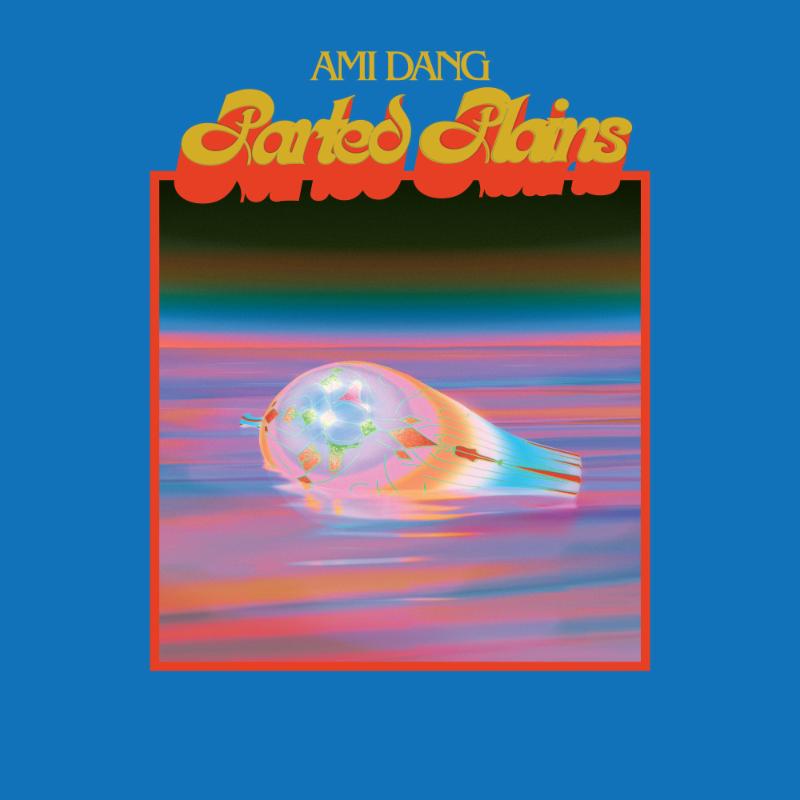
Baltimore sitarist Ami Dang has shared a new video ahead of her new album, Parted Plains, out August 2 via Leaving Records.  The video shows a recent collaboration from Dang’s trip to Moog Sound Lab, where she performed a live, improvisational mini-set. 

Dang drew her inspiration for Parted Plains from South Asian and Middle Eastern folktales, specifically, the four tragic romances of Punjab, Sohni Mahiwal, Sassi Punnun, Heer Ranjha, and Mirza Sahiba. Galvanized by the western interpretations of these stories, Parted Plains unfolds as a soundtrack for a yet-to-be written folktale that is neither eastern nor western, not traditional or contemporary, but somewhere in between.

Dang fuses sitar, voice, and electronics to create ambient and beat-driven psych. Her debut album, Hukam, came out in 2011 on Ehse Records, followed by her experimental indie-pop album, Uni Sun, released on Friends Records in 2016. 

Parted Plains LP lands August 2, with the mini-set and album cut “Love-Liesse” streaming below. 

Tracklisting:

01. Raiments

02. Bopoluchi

03. Make Enquiry

04. Stockholm Syndrome

05. Sohni

06. Auberjinn

07. Love-Liesse

08. Conch and Crow

09. Souterrain

Page 213 of 3781
1 211 212 213 214 215 3,781