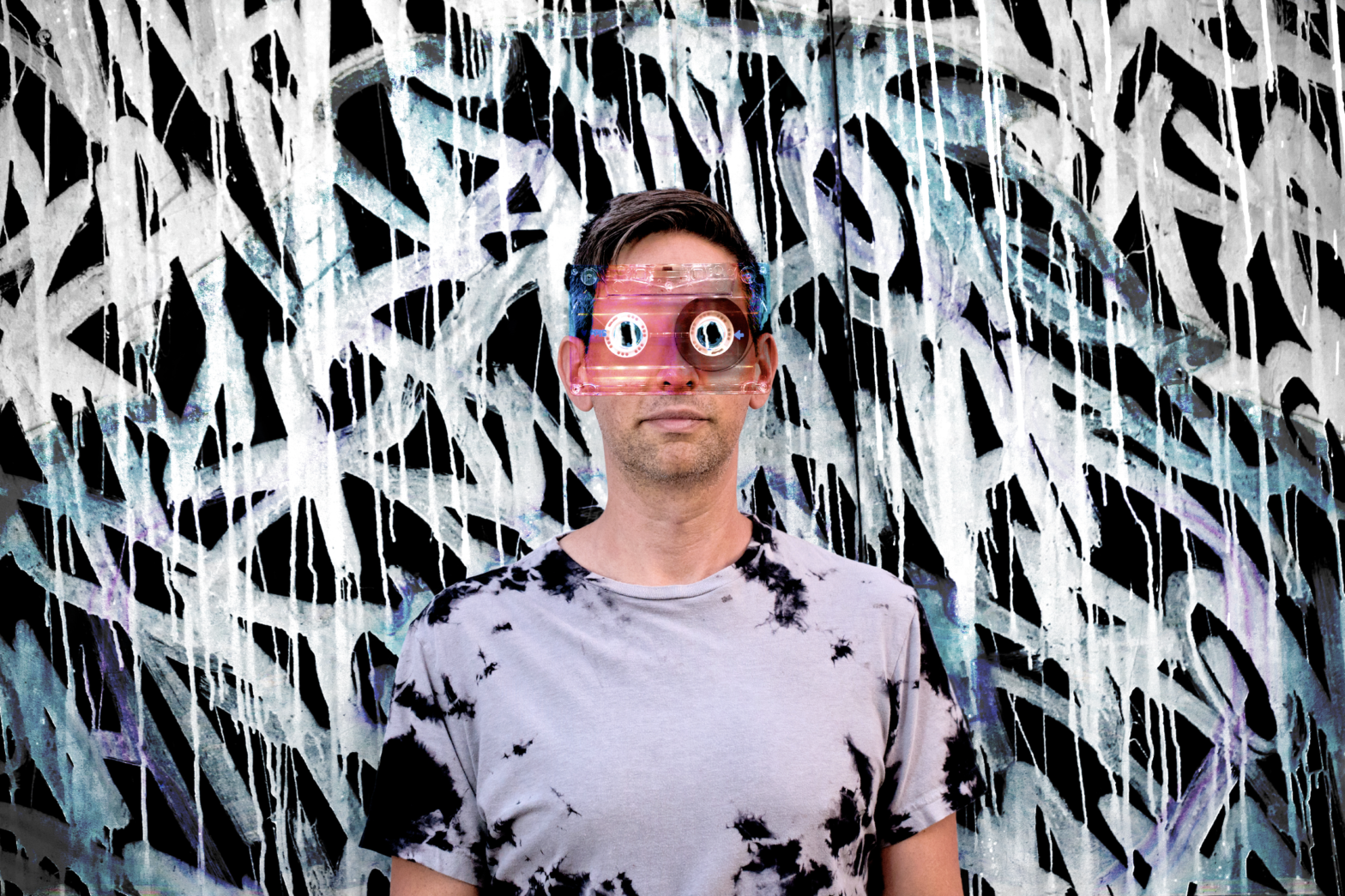
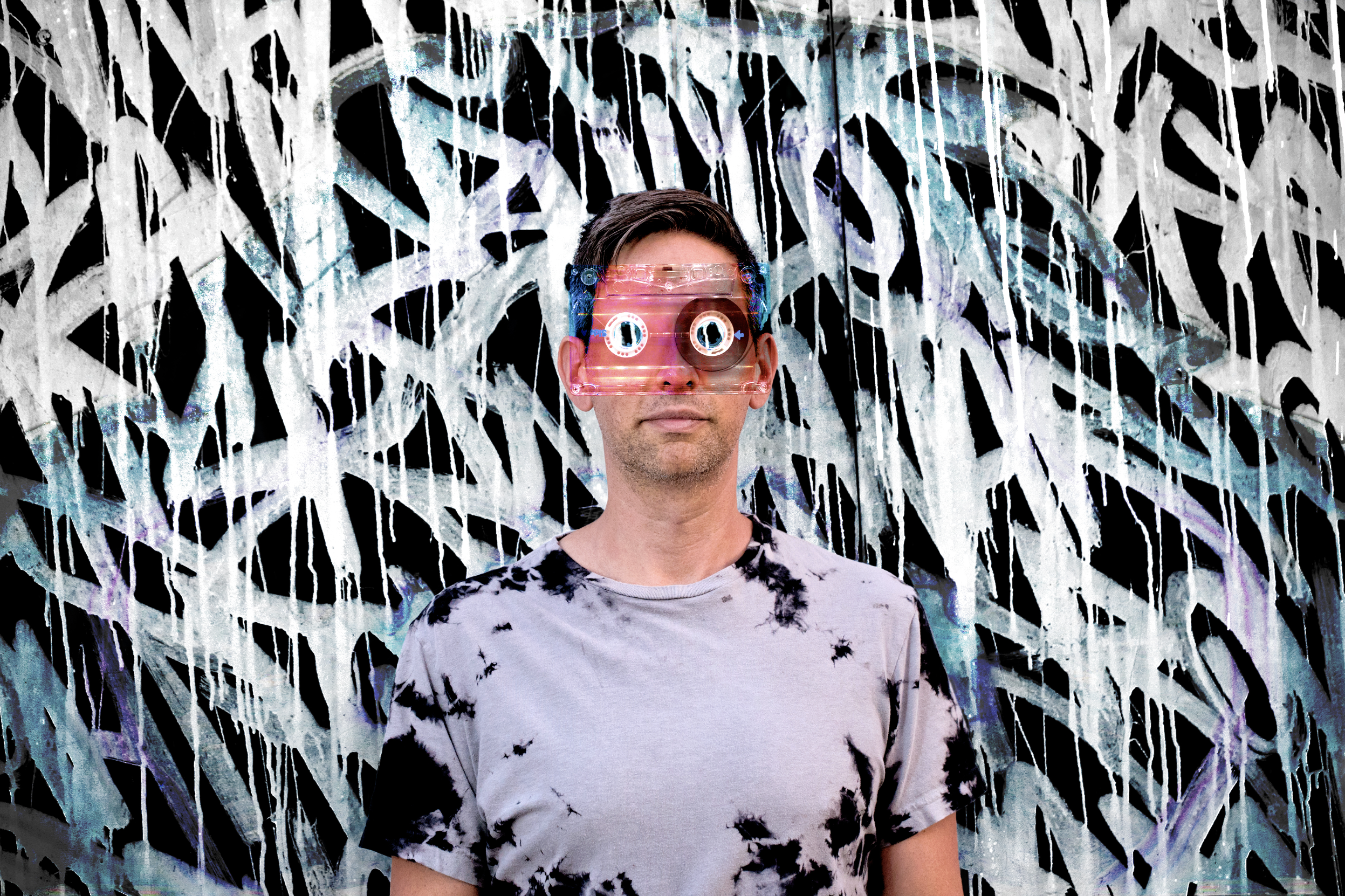
Cosmin TRG “Furthermore”

On February 1, Berlin’s Cosmin TRG released the ambient album Hope This Finds You Well with his label Fizic. This latest work is a result of research conducted over the ways streaming platforms create and tailor playlists suited to boost labor efficiency in the corporate world, releasing a dozen freeform and sequenced ambient pieces to contrast the intended effects found in his research. 

The music was captured between the end of 2018 and the beginning of this year, utilizing synthesis, sampling, tone generation, and field recordings. The visceral and dynamic pieces serve as a precursor to another album that will launch later this year. 

Cosmin TRG further elaborated on the concept of the album to Resident Advisor, stating: “These playlists try to hijack your brain and trick it to do corporate stuff: survive a passive aggressive email chain, write a better Keynote, etc. I took corporate vernacular and tried to spin it, which in turn inspired these pieces that oppose tones, drones, and field recordings to create contrast. I think the end result is an observation more than a solution, and hope it inspires reflection.” 

In support of the album out now, XLR8R is offering up a download of album closer “Furthermore” via the player below, or here for EU readers due to GDPR restrictions

Tracklisting

01. Front Desk Optimization Ritual

02. Romantic Slackbot Presentation

03. Insouciant Change Agent

04. Executive Eventide Deck

05. Dynamic Elevator Coup

06. Paradigm Shift ASAP

07. Viral Synergy Delivarable

08. Awesome Looking Forward

09. Better Healthier Computer

10. Holistic Watercooler Prototype

11. Upscale Scalability, Implemented

12. Furthermore

Artist Tips: Man Power

Like so many musicians today, Geoff Kirkwood—Man Power—is too familiar with depression and anxiety, two long-standing mental health issues that remain highly prominent but stigmatised, especially among males in the music industry. 

Originating from the North of England and now based in the beautiful Mexico, you would have no reason to believe that he, too, had fallen victim. He tours the world, spinning records for a living—think Panorama Bar, Fabric, Glastonbury—and draws acclaim for his broad tastes and eclectic style that takes in everything from house and techno to mutant disco, post punk, new wave, and experimental electronica. To top this off, he runs Me Me Me Records, a platform to release music of friends and artists in his orbit, among them DJ Tennis, Red Axes, Axel Boman, and Pional. From the outside looking in, it’s easy to ask: how and why? 

Kirkwood, however, has this clear in his head. “…the fragility a lot of artists experience is a direct result of putting everything out there about themselves in to the public domain for the whole world to tear apart or, even worse, ignore,” he explains. “The major thing I’ve come to realise is that you need to control your relationship with your art and the business of selling it.” In a candid conversation, Kirkwood offered to elaborate on this point, explaining how he’s learned a few simple ways of thinking to ensure that the process of making a living out of his own creativity doesn’t “swallow” him whole. This is what he had to say. 

For the purposes of this piece, I’m going to link DJ and producer as the same thing (and, for ease, I’ll refer to the people who do both as artists from here on in). I know there are many people who choose to do only one or the other but I don’t so I can’t speak with much authority on that. Additionally, as the monetary returns for music continue to dwindle, producers are relying more and more on DJing income to pay their bills, and DJs are also relying more and more on production profile to get gigs, so the two are inextricably linked, in my mind anyway. 

It’s quite easy to mock artists for finding any difficulty in their work or personal lives. In fact, there’s an entire twitter account devoted to it, and #djscomplaining is so fully adopted into the digital lexicon now that I’m sure I’m not alone in screening my every online comment to make sure I can’t be perceived as being ungrateful in anything that I say.

I get why people dislike seeing artists complain about their lives. So much of modern PR is based around a smoke and mirrors approach to social media, and if you spend your time projecting via Instagram that your life is constant succession of amazing gigs, mind blowing dinners, and otherwise #blessed experiences then you can’t expect people not to be a bit pissed off when you have a meltdown just because you don’t like the headrest on the airline you’re using.

The upshot of this is that artists are in a position where the industry expects them to post about how wonderful their lives are, but they aren’t permitted to balance this by talking about any negative experiences for fear of being pilloried for being ungrateful or entitled. I’m not sure that this situation will change any time soon so it feels time to create a conversation about how artists can protect their mental well-being on a personal level, as seeking that support from the wider online community appears to often have the opposite effect than intended.

In the last two years I’ve had my own battles with depression and exhaustion. A lot of this has been driven by the fact I live in Mexico, and the pain of separation from my wife and daughter, sometimes for months on end, plus an ongoing legal battle—currently approaching its two-year anniversary—with regards to getting permission for us all to move to the UK. That’s my own specific situation but I’m not naive enough to think that I’m alone in having my own particular problems which make doing this job incredibly difficult sometimes.

It feels strange to talk about this online, and I’m sure most people don’t know about this unless they know me personally as I would never once think to broadcast it online (other than now when I feel it’s pertinent to a broader conversation.) By the same token, I know very little of the other personal problems that exist for other artists too, and I believe a lot of this is because they know that to mention these things or discuss them publicly would result in a great deal of negative attention being directed their way.

Knowing that I need to keep my own counsel has led me to contemplate what other factors of my work and life I can actually control, and how I can ensure my mental well being. The major thing I’ve come to realise is that you need to control your relationship with your art and the business of selling it. Creative endeavours are driven by ego. I don’t think that’s something that can be disputed whether it’s referring to a fine artist trying to physically capture their personal experience of the world, a musician trying to encapsulate their feelings in sound, or a DJ trying to facilitate mass communication using music that they’ve selected.

If you’re doing these things right, then they’re a part of you, but the problem is that if you’re imbuing what you do as your job with so much of yourself then you’re also tying it indelibly to your sense of self-worth, and in a lot of extreme cases your very reason for existence. As amusing as it is to think that all creative people are merely self-serving megalomaniacs who can “give it” but not “take it” (don’t get me wrong, I’m sure many of them are), it’s worth considering that the fragility a lot of artists experience is a direct result of putting everything out there about themselves in to the public domain for the whole world to tear apart or, even worse, ignore.

Assuming you’re putting your all in to the music you make (if you don’t then I don’t personally regard you as an artist so you may as well stop reading), then I believe there are a few simple ways of thinking and behaving you should adopt so that the process of making a living out of your own creativity doesn’t swallow you whole.

Make a distinction between music and “music industry.”

Music is the thing you make. The music industry is merely a vehicle to make money out of what you make. The music industry is also the vehicle to fame, but for most people fame is merely another element to ensuring you make money. If you’re in this just for fame as an end unto itself then again you should probably stop reading this article as it’s not aimed at you (as I don’t really understand that thinking).

I believe (or at least hope) that for most of us making music is done as primarily a form of self expression, and once you’ve expressed yourself musically then the next logical steps are to have people hear what you’ve just expressed, and also hopefully get some kind of remuneration for doing so which allows you to continue expressing yourself. With that in in mind, you look to find a label to present this music which will allow enough people to hear it that it sells enough units to keep paying the bills (unlikely) or raises your profile sufficiently to get you enough gigs to keep the wheels turning financially (more likely.) Those are two separate things though. One is creating, and one is selling. If you start creating things with the thought of selling them in mind, then two things will happen.

Firstly, you’ll make shitty music. This is a fact. If you’re chasing what’s purely lucrative then where do you draw the line? Why not go all out and make some commercial pop nonsense, as that pays much better? Secondly, your definition of creative success will be based purely on commercial concerns.

“…if your relationship with your own creations is dependent on how well they perform publicly then you’re setting yourself to be unhappy.”

A piece of art should not be judged on its price tag, and if your relationship with your own creations is dependent on how well they perform publicly then you’re setting yourself to be unhappy.

My advice is to make the most satisfying art you can for yourself and keep your relationship with it as pure as you can manage. Be complete in knowing that you are happy with what you make, it’s the best work you are capable of, and that other people’s opinions are meaningless in relation to your feeling—then give it to anybody to sell however they like, by whatever means necessary.

The fear of “selling out” is a massive spectre looming around success, and its nonsense. Your art is your art, how it’s sold is a business. If you’re secure in your art, then you know that its value isn’t diminished by success, or by the prevailing public attitude towards it. Of course, you also you need to be aware that its value isn’t enhanced by these things either, and if everybody likes it and makes loads of money it doesn’t necessarily make it better than anything else too, however if you’re secure in how you feel about already this will be of the least importance to you anyway.

Ultimately you need to like what you’re making, but it’s useful to hone in on what you want to achieve as a creator. That can be developing your sound past what it already is, honing in and refining what you already do, learning new techniques, mastering the techniques you already focus on, or anything else that provides a personal metric to judge yourself on. Without this kind of personal challenge it’s very easy to look outwards for validation, and as mentioned before, that way lies madness.

Know your sound and who you are as an artist.

This follows on directly from what I’ve said above. I personally feel it’s essential to know who you are and what you’re saying if you want to insulate yourself from the problems I’ve mentioned associated with ego. Without a defined vision of what you want to say, and how you want to say it, you run the risk of copying and imitating other people.

Don’t get me wrong, it’s great to attempt to pay homage to other musical styles and do your own particular take on them, but if you’re just copying with no sense of who you are within the music you’re making then not only will you be saying something unnecessary that’s already been said, you’ll also find yourself comparing yourself to the people you’re imitating, and comparisons will always pull you in to that place where you’ll find yourself dissatisfied with your progress commercially in relation to other people.

It’s a very hollow reward to feel you’re doing better than somebody identical to you, and it’s a very bitter pill to find that someone else is more commercially successful for doing essentially the same thing as you. More to the point, it’s hard to feel proud of something that hasn’t originated from a personal place and it will prevent you the necessary ownership of your ideas you need to be able to protect them from worthless outside opinions.

“It’s far easier to handle the sometimes attenuated process of making something honest and musically pure when you’re not thinking that your entire reason for existence is tied in to whether you or anybody else appreciates it.”

Have friends who don’t care about the music you make.

Music can become an all-consuming passion very quickly, and once it’s made it has way in to being part of your income it becomes very easy to find yourself surrounded by people who all do the same thing and only talk about making music and the music industry. It’s a terrible thing to lose perspective. Ultimately making music is not a life and death matter and the easiest way to remind yourself of this is to speak to people who don’t give a shit about who is releasing what and who is playing where.

It’s far easier to handle the sometimes attenuated process of making something honest and musically pure when you’re not thinking that your entire reason for existence is tied in to whether you or anybody else appreciates it.

Have a passion that isn’t related to music.

This is an obvious continuation of what I’ve said above, but I think it’s essential to find time to have something for yourself that’s completely unrelated to making music. It doesn’t matter whether it’s something creative like painting or writing, or something like playing computer games or being on a sports team, its healthy to do something that completely makes you forget about music and that reminds you that there is a whole world out there that doesn’t give a shit about your sound, but still likes you for who you are anyway.

Have a working regime.

I find it essential to create structure for myself. If I was left unchecked I would work none-stop, and as a result I would create nothing. The time you walk away from your work is just as valuable to creating something meaningful as the time you spend making it. If you have your nose pressed up against an object then it’s impossible to actually see what that object is. You always need to find time to take a step back.

Structure also helps to keep your mind in order and allow you to think reasonably, and critically, with a subjective detachment. Also, if you have a family like me, it permits you to be other things which may perhaps be a bit more important than DJ-producer, such as husband and father.

Keep an eye on the exit.

In all but the most unusual cases, this is not going to be your life forever.

Tastes change, commercial success is fleeting, audiences are fickle, and your personal tolerance for ball-busting travel, and time spent in dark basements, making or dancing to music, is likely to reduce. If you don’t know what you’re going to do next, then you’re really making the financial success of your music something that is entirely responsible for you being capable to live for the rest of your life.

Initially there’s something quite romantic about the make it at all costs mentality but when living in the real world this is just a dangerous mind set to have for all of the reasons I’ve been laying out up to now. Knowing that someday you’ll not be known only by your DJ moniker is a liberating experience which allows you to have a bit of fun with your persona, and having an idea of what you’ll do next is possibly the best way to embrace the transient nature of what you’re currently doing. Not only will having and exit strategy mean you won’t be doomed when the gigs finally start rolling in, but it also means you’ll be at peace with it when the time comes.

To summarize all this, I think it’s just important to know that what you’re doing has huge artistic value, but that value isn’t dictated by how many people click a thumbs up button or by how many people turn up to see you play. 

It’s also amazing that you’ve committed to something that takes such tunnel vision, but you need to remember that you’re more than just your artistic alias, and this is just one facet of your value as a complicated and fascinating human being. It’s also finally worth realizing that nothing lasts forever, and that there other exciting things in your future that will take you to places that you’ll find just as, if not more rewarding.

Man Power is playing at DBE on March 22, with tickets here.

Premiere: Hear a Deep and Ethereal House Cut by Vid

Sound Of Vast is set to release a new EP from Vid (a.k.a. Egal 3) later this month.

Titled Life Of Dreams, the EP features three cuts in his typically stripped-back and hypnotic style and continues a run that has seen him drop outings on AVI, Rummenigge, An|dromeda, and regular home Sound Of Vast—Life Of Dreams will be his fourth EP on the label. All three cuts are of an otherworldly quality, from the deep and trippy title track to the broken-beat jazz of “Povestea EI” and the emotive, cinematic mood of “Povestea Mea.” For lovers of deep and cerebral house music, this one is not to be missed.

Ahead of the release on March 25, the EP can be pre-ordered here, with “Life Of Dreams” streaming in full via the player below.

Tracklisting:

1. Life Of Dreams

2. Povestea Ei

3. Povestea Mea

Alberich Lines Up First Solo Full-Length in Almost a Decade

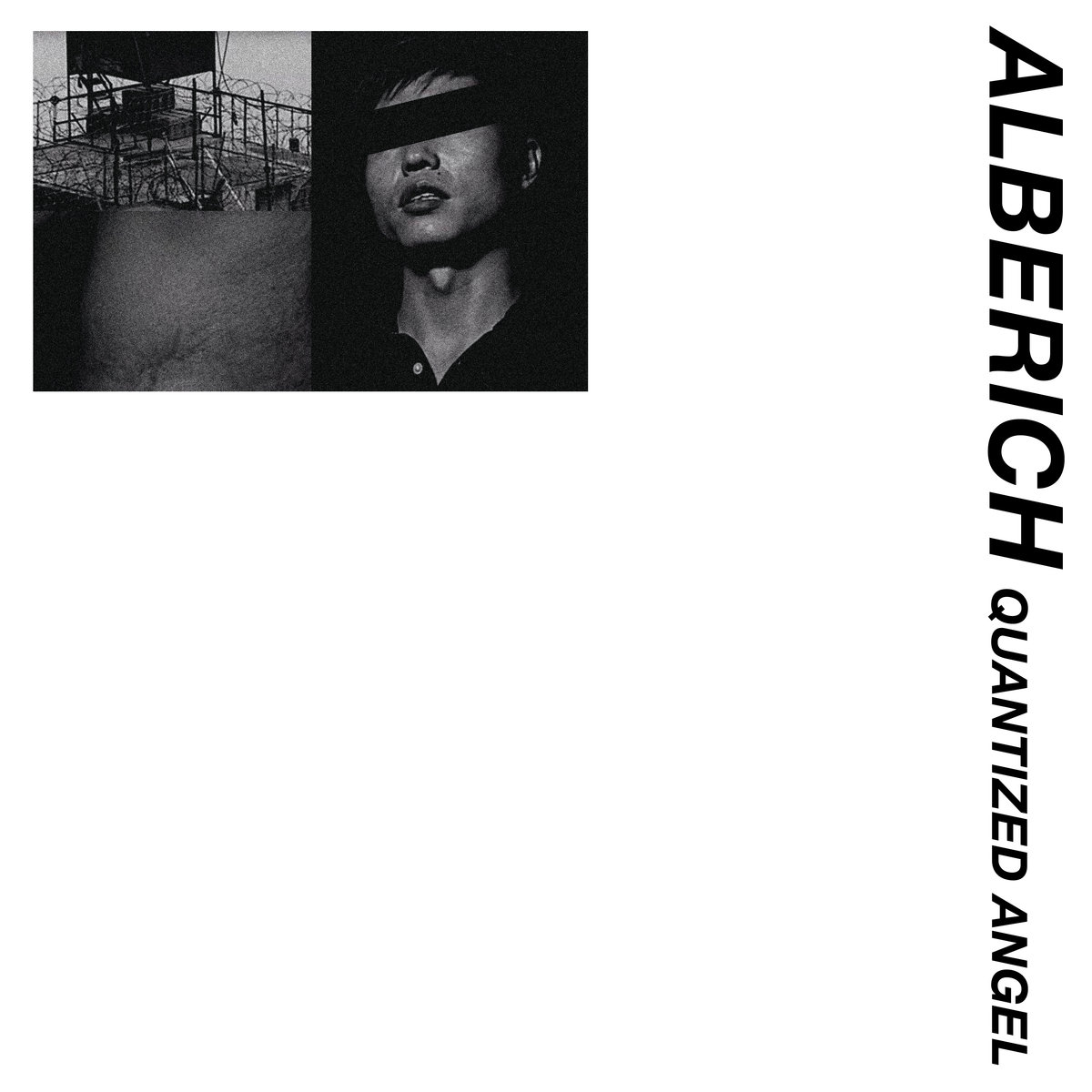
Alberich is up next on Prurient’s Hospital Productions with Quantized Angel. 

Alberich is the solo project of Kris Lapke. Since debuting in 2010 with NATO-Uniformen, Lapke has established himself as a leading mastering engineer—working with Prurient, The Haxan Cloak, and Nothing—and been releasing a series of limited tape and split releases, including his 2018 cassette-only live album, Precursor. He also recently contributed an exclusive track to Vatican Shadow’s Berghain mix. 

We’re told that the LP features 42 minutes of menacing and exploratory industrial music soaked in noise elements. “Over the course of the album’s eight tracks, Alberich demonstrates a vision of ruthless existential electronics, a sound both commanding yet questioning in introspective spirit,” the label explains.  

CD, vinyl, and digital formats of Quantized Angel land on April 12, with a stream of lead single “Unity House” available via Bandcamp. Pre-order options for the record are here

Tracklisting

01. Upper Mountains

02. Unity House

03. Chilsong Chamber

04. Escape

05. No Reference To The Absence Of Allegory

06. Quantized Angel

07. Freeze

08. Radio Op

Aārp “Gemma IV”

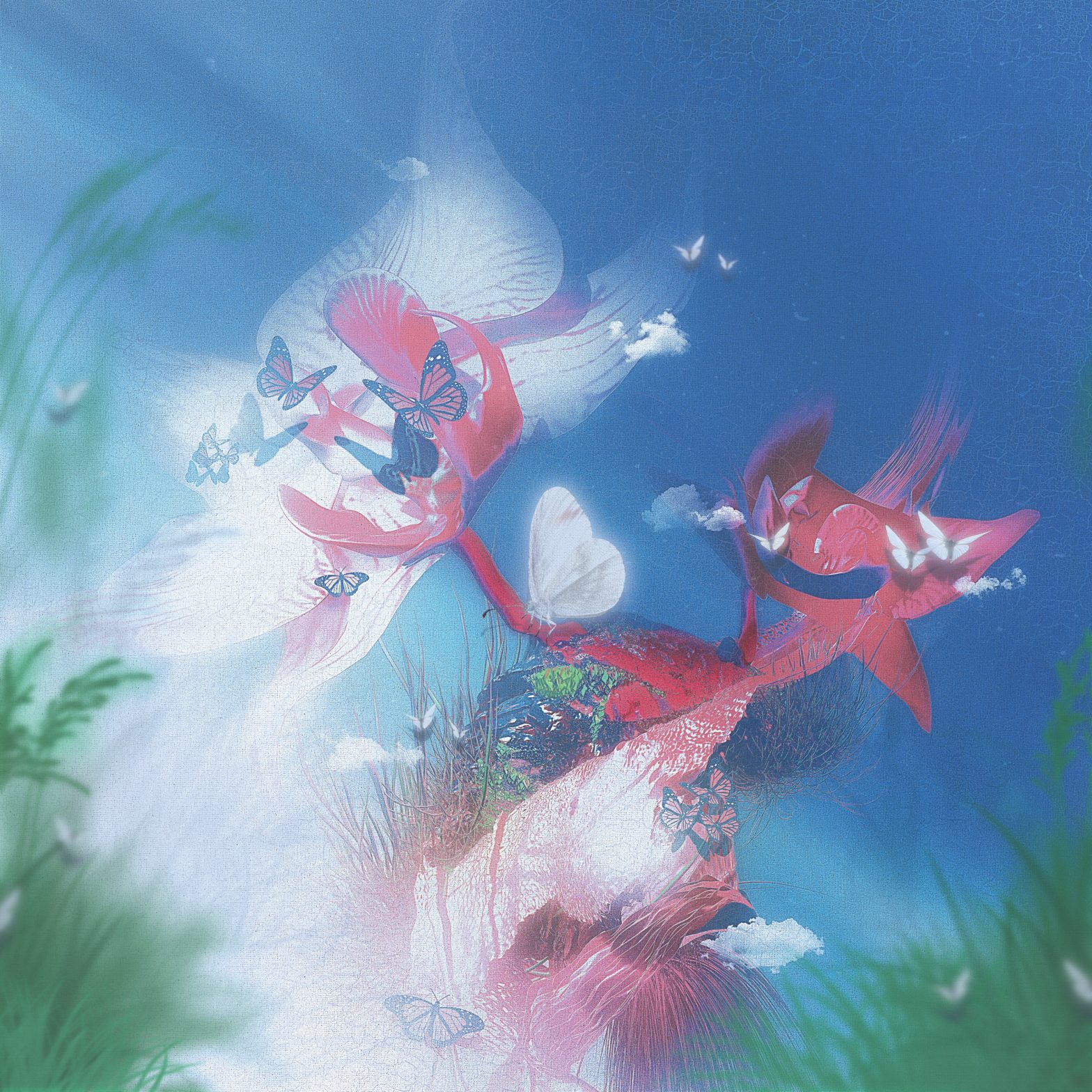
Aārp is next up on InFiné with Novae Gemmae, an EP of five delicate, spiralling electronica pieces. 

Aārp is the latest incarnation of The Wanderer, created in this spirit: “what if we could stop and smell the flowers, just for the running time of an EP, to focus on the natural world around us? What if we took a moment to shut out the ambient alarmism, to get back to the wonderment of Renaissance wanderers—think Ronsard—who marvelled at the blooming of spring?” 

Created with an eye on the awakening of vegetation, Novae Gemmae borrows its title (“new buds”) from Latin. In aiming for this more articulate expression, it sees Aārp move away from the infinite possibilities that computer production allows by limiting himself to the Elektron Monomachine’s six monophonic voices. 

The EP unfolds like a cycle in several stages, opening with “Gemma I” and “II,” a melodic deployment redolent with cascades and synth lines, followed by “Gemma III,” a leap of faith into more tranquil waters, and a hyperactive rebound under multiple luminous arcs, “Gemma IV,” before finally walking off the runway, in a mood of isolation and doubt, “Gemma V.”

All in all, we’re told to expect a “gorgeous attempt at botanical electronica.”

Ahead of the EP’s release tomorrow, March 15, you can download “Gemma IV” in full via the player below, or here for EU readers due to GDPR restrictions. 

Tracklisting

01. Gemma I

02. Gemma II 

03. Gemma III

04. Gemma IV 

05. Gemma V 

Caural Scores New Film Exploring the Intersection of the LGBTQ and Hip-Hop Communities

Veteran beatmaker Caural has scored a new film exploring the intersection of the LGBTQ and hip-hop communities.

The film, titled Word Is Bond, is the debut film by writer and director Alex Mastoon, and is an evocative, music-driven short that “unveils the struggle shared by so many in the LGBTQ community afraid to be themselves: a reality largely ignored—especially in the rap world.” Caural’s score for the film is an exploration of the musical vignettes that bring its characters to life, and returns to the beat-driven style he has honed across releases on Chocolate Industries, and Mush, among others.

Word Is Bond had its world premiere at Outfest Fusion in Los Angeles this month. You can stream the official trailer below, along with the first single from the score, which can be pre-ordered here.

20 Questions: Shlohmo

It’s been a wild few years for Henry Laufer, better known as Shlohmo, and formerly Henry From Outer Space. The LA producer is one of the most exciting names in a new generation of artists raised on the West Coast and the first of these to gain widespread international recognition. Since dropping his last album, 2015’s Dark Red, he’s teamed up with Post Malone and Chance the Rapper among other names of contemporary pop royalty, not to mention touring the world, from Australia to Europe and the Americas. 

It all started with 2009’s Shlo-Fi, a debut EP inspired by Los Angeles’ instrumental hip-hop-and beat-centric music scene, at the heart of which lay now legendary club night Low End Theory and its ever-growing list of alumni that includes TOKiMONSTA, Samiyam, Flying Lotus, and Daedelus. Important, too, has been Wedidit, a blog, party collective, and now label founded alongside friends Juj, Joseph, Groundislava, D33J, Dr. Blount, and more.  “We’re all just friends who grew up together,” Laufer has explained. “We just wanted a place where we could all post our music/art and share it with each other.” Laufer and his crew began playing parties all across the city before moving into production, spinning and sharing trap, warped house, R&B, and hip-hop. 

The End, Laufer’s latest album, a hark back to these early days that aims to sonically document “the end of the world,” lands on Wedidit and Friends Of Friends Music on March 22. It’s the latest addition to a discography that also includes collaborations with Joji, Yung Lean, Lil Yachty, Banks, and also Jeremih, after impressing with an unofficial remix of his track “Fuck U All the Time” back in 2012. Laufer has also completed his debut film score for Share, a 2019 drama that had its world premiere at Sundance on January 25. If his more recent work is anything to go by, we should expect a collective of delicately crafted productions with crackling hip-hop beats and a warm lo-fi aesthetic.

To learn more about it, and what’s been going on the past few years, XLR8R dialed Laufer in for a sit-down chat in Los Angeles one afternoon. 

01. What have you been up to recently?

Finishing the album. Making videos. Just finished scoring a film. Executive producing a band’s record, and working on a bunch of other shit.

02. Where are you right now? 

Sitting on my couch. My dog sleeping next to me. Apple TV screen saver going in my peripheral.

03. You began producing music early, but when did you realize you had a knack for it?

I think when I was 19 or 20, when I started releasing stuff. It was always just a hobby up until that point, just making dumb sample beats on GarageBand and then Reason, learning what to do. I think it took me a few years of doing that to feel like I was versed enough to know how to make songs in general, and to know what I wanted to say. I got Ableton when I was 18 and that really opened a lot of creative doors for me, resampling myself playing instruments and using field recordings in place of drums, really making everything from scratch. When I started compiling the things I made into mixtapes and posting them on Myspace was when I noticed people starting to pay attention. 

04. What’s the story behind the name, and why the change from Henry From Outer Space?

Lol! That name was kind of a joke, I was like right out of high school and it was just funny to me. I changed it because I didn’t want the music to be a gimmick. I wanted the name to be ambiguous, with nothing preconceived attached. I had always wanted to name a band shlohmo, but that never happened so I just used it for myself. 

05. You’ve been busy with collaborations since your last album. What’s the most valuable thing you’ve learned from working with Post Malone, Chance the Rapper, Banks, etc.?

I usually make music alone so it was important to learn how to be vocal and communicate ideas. I was used to just thinking of something and doing it without having to talk about it. When I’m working with someone I never want to make something that already sounds like something they’d do or like I’m just trying to blend in with their other production work. I want a vocalist to sound their best or like my favorite version of what they do, and for the production to still sound like me at the same time. It’s about being able to adjust to someone’s style and needs while still keeping your sound, trying to find that balance. 

“I still want everything to sound like it was found deep in the dirt somewhere 1000 years from now.”

06. Dark Red and Bad Vibes were different aesthetically. In what ways does the new album capture your artistic maturation? 

To me, it’s still similar in what I’m trying to capture but it’s just executed with more experience and a better idea of how I want to say things. It’s still raw and imperfect but maybe just a more refined and realized version of that. I still want everything to sound like it was found deep in the dirt somewhere 1,000 years from now. Like a forsaken human soundtrack of earth decay. 

07. It all started organically, with a bunch of friends making music. How do you try to protect this with increasing demand for your work?

My albums have always been about what I make when I’m alone and not about what people want. I just have to always remember that. When I’m making stuff I just try to forget about everything. If I start thinking about anything else I get thrown off and it doesn’t come out right. It’s like a weird form of meditation. It’s easy to get into a sort of trance state while making something you care about so it’s usually not too difficult to forget about the rest of the world in those moments.  

08. You recently composed the score for A24 film Share. How did you find this process, and how was the music informed by the on-screen narrative?

It was my first time scoring anything and it was a great experience. Definitely a different process to anything I’m used to. The approach is a lot more subtle than it is when making records. The film, directed by Pippa Bianco, is about a high school girl who is sent a disturbing video of herself passed out at a party that she can’t remember. She then tries to figure out what actually happened and how to cope with the fallout at school and at home. You really get to see the blame and the alienation that comes with these kinds of circumstances in our current culture. It’s really heavy and emotionally intense. To try and match the feeling, I focused a lot on minimal composition that could still be dynamic at the same time to fit the movements of each scene. Sorrowful and drawling while trying to keep it subtle and not too emotionally directive, to let the picture speak.  

09. What’s your production process like, and how has this changed as you’ve matured as an artist?

It’s stayed relatively similar since Bad Vibes actually. Space out and try and find a sound or melody I connect with and build around that. I still use guitar and record things to cassette. I don’t like things to sound polished so I haven’t upgraded much of my gear. 

10. You’ve been on the road a lot. How do you find the touring life, and can you tell us a funny story?

It took a while to get used to but I love it now. It’s super lucky to be able to go to these places in the world for music. Being able to meet people from all over who fuck with my music is a good reminder of the reach we have as artists. 

There are too many dumb stories to pick from and I have such a bad memory. One that stands out though is when I was in Berlin playing with my band at this festival and we were playing in this big warehouse. We were like three songs in and started playing “Emerge from Smoke,” and all the sound cut off suddenly and the lights came on. This loud voice came on the speakers but it was in German so I had no idea what the fuck was going on. People started like running to the door. A bunch of dudes came on stage and tried to get us off stage and then someone yelled in English that there was a fire on the second floor of the warehouse and everyone needed to get out. They made us leave all our gear and evacuate. Luckily they got it under control and no one got hurt and our gear was safe. But I didn’t get to finish my set, and for the rest of the festival kids were coming up to me all mad like why the fuck didn’t I finish my set on another stage, like I could somehow make that happen! 

11. What’s been your favorite city that you’ve visited? 

Damn, that’s really hard to say. Tokyo, Mexico City, London, and Berlin are a few of my favorite places. They’re all so full of their own culture of music and art and fashion that are each so specific and different from the US’ ideals, it’s exciting to just walk around in any of those places and take everything in. Japanese and Mexican foods are also some of my favorite things so I’m always particularly excited to go to either of those countries and eat everything.

12. Which artists are really inspiring you at the moment? 

John Maus, Actress. Mount Kimbie, Nils Frahm.

13. If you could wake up tomorrow having gained any one musical quality, what would it be?

Either to be able to sing really fuckin’ good, or play the piano really fuckin’ good. 

14. Do you read reviews of your music?

Unfortunately, yes sometimes. 

15. What would constitute a perfect off-day for you?

Getting three coffees and eating a really good bagel and lox, making music with no distractions for a few hours, getting a fire sandwich, playing video games with friends, and then going to a house party with everybody. 

16. You’re born and raised in LA. What do you like and not like about the city? 

The weather, the food. It’s an easy place to love but it’s also easy to have a bad time here if you’re just visiting. Growing up here was great because you can really make your own world here. It’s very much what you make it. What I don’t love is living amongst the “industry” a lot of the time. People get caught up in superficial shit way more so than anywhere else, I feel like. It can get pretty tiring being around that and you start to forget the rest of the world doesn’t give a shit about what these people are talking about. I feel like you have to consciously avoid it now to do your own thing. And the traffic fucking sucks.  

17. What’s the last thing that made you laugh and why?

Probably this photo of Michael Jordan on a jet ski. He’s wearing a helmet and smoking a big cigar. 

18. What book(s) are you reading right now? 

I haven’t read a book in so long. 

19. Who is the last person you texted, and what was it about? 

Probably my girlfriend. 

20. What will do after answering these questions?

Drink water and go to sleep. 

Machinedrum and Jimmy Edgar (a.k.a J-E-T-S) Next Up in Ask the Experts; Send In Your Questions Now

Machinedrum and Jimmy EdgarJ-E-T-S—are next in our Ask the Experts series, following on from Blawan, whose answers are coming soon. 

J-E-T-S should be familiar with all XLR8R readers by now, having submitted a podcast back in 2015—and with both members having featured prominently on our pages. Machinedrum, real name Travis Stewart, has completed a studio feature and written some highly informative Artist Tips, while Jimmy Edgar completed a Hi-Five in 2015. 

The feature comes before the release of the duo’s debut album, Zoospa, out May 24 via Innovative Leisure following a series of EPs released on the their own Ultramajic dating back to 2012. We’re told to expect a fiercely cohesive but wildly varied long-player. 

Machinedrum and Edgar first met as teenagers on a pivotal trip to Miami, one of their first ever gigs outside of the places they were raised (Edgar originally hails from Detroit, Machinedrum from rural North Carolina.) They bonded over a mutual love of Warp, Schematic Records, and Chocolate Industries. A tight friendship was forged when both lived in New York but their first self-titled EP didn’t drop until 2012, by the time the pair had independently decamped to Berlin.

Eventually, they relocated to Los Angeles where their second EP was recorded in 2015. The idea was always to record something bigger and more expansive, but it didn’t become a reality until Edgar headed up the coast, eventually settling and building a home studio in Portland. That’s where Machinedrum headed in the late summer of 2017 to cook up the tracks that eventually became Zoospa

Zoospa will land on May 24, but ahead of the release you can send in your questions for them about production, DJing, or just about everything else.  

All questions should be sent to [email protected] with “JETS” as the subject line. We’ll pass them along to the duo who will then select their favourites, and soon we’ll publish the answers.

STL Returns to Echocord with Three-Track EP

STL will make a welcome return to Echocord this May with a three-track EP called Take Your Seats.

Stephan Laubner, known to most as STL, is highly regarded for his unique twist on dubbed out house and techno sounds. He’s previously put out music on Smallville Records, Perlon, and his own Something, among others. He last appeared on Copenhagen’s Echocord with 2015’s Message Of Sound Parts 1 and 2, and also two other EPs that year. This will be his first release of 2019. 

“Lost Harbour” leads the package with textural field recordings, crunchy distorted rhythms, and an amalgamation of snaking bass and synth and piano lines “Mr Sinister” switches the vibes over to menacing bass swells, fluttering subs, gritty percussion, before “Sensimilla” edges into more ethereal territory with spiraling dub chords, shuffled hats, and winding atmospherics.

Tracklisting

01. Lost Harbour

02. Mr Sinister

03. Sesimilla

Take Your Seats lands on Echocord on May 3. 

Speakers Corner Records to Reissue Weather Report’s ‘Live In Tokyo’

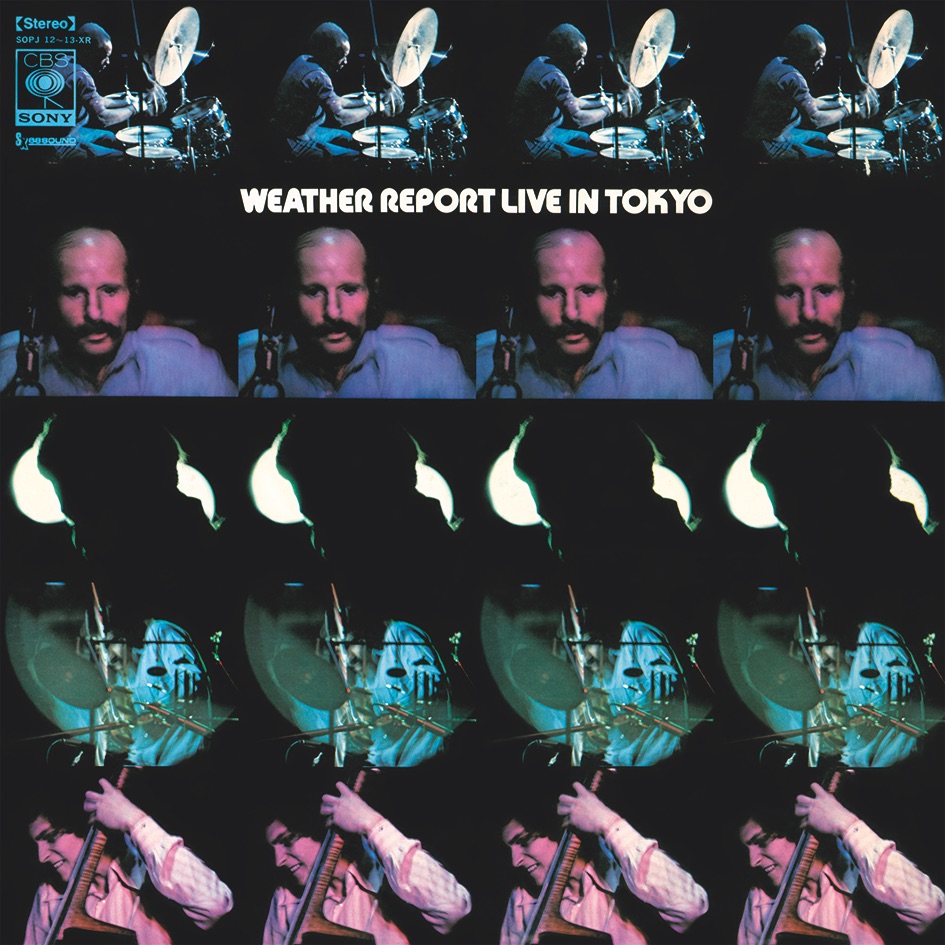
In early April, Germany’s Speakers Corner Records will release a high-fidelity 180-gram vinyl reissue of Weather Report’s rare concert album, Live In Tokyo

The 89-minute 2LP was originally a Japan-only release for CBS Records in 1972 after being recorded during a stretch of five sold-out dates in January of the same year at Shibuya Philharmonic Hall, Tokyo. Production duties were orchestrated by Kiyoshi Itoh with engineering by Susumu Satoh. The music is virtuosic and singular in its performance, capturing a command of the live stage that few artists have reached. 

With saxophonist Wayne Shorter and keyboardist Joe Zawinul at the helm of the group, the lineup changes continued throughout the band’s existence. This particular performance had Miroslav Vitous on bass, Eric Gravatt on drums, and Don Um Romao on percussion. 

Clips from this same recording were used on Weather Report’s sophomore album, I Sing The Body Electric, giving the Japanese market a window into these celebrated concerts that didn’t see pressings outside of the country for over 25 years. 

To preserve the fullest state of the original masters, this reissue has been engineered using pure analog components, from the master tapes through to the cutting head. 

Listen to the opening medley of the Live In Tokyo LP, “Vertical Invader / Seventh Arrow / T.H. / Doctor Honoris Causa,” below and pre-order a copy of the new pressing here.

Tracklisting

01. Medley: Vertical Invader / Seventh Arrow / T.H. / Doctor Honoris Causa (Vitouš, Zawinul)

02. Medley: Surucucú / Lost / Early Minor / Directions (Shorter, Zawinul)

03. Orange Lady (Zawinul)

04. Medley: Eurydice / The Moors (Shorter)

05. Medley: Tears / Umbrellas (Shorter, Zawinul)

Page 257 of 3781
1 255 256 257 258 259 3,781