Semibreve Announces Lawrence English ‘Radical Listener’ Workshop

Ahead of this year’s edition, Semibreve has announced a Lawrence English “Radical Listener” workshop.

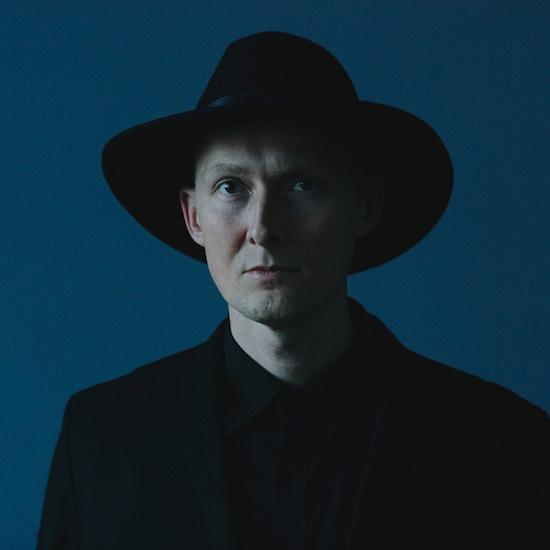
Lawrence English is composer, media artist, and curator based in Australia. Working across an eclectic array of aesthetic investigations, English’s work prompts questions of field, perception, and memory. He investigates the politics of perception, through live performance and installation, to create works that ponder subtle transformations of space and ask audiences to become aware of that which exists at the edge of perception.

Over the past 10 years, he has been one of the leading international voices in field recording. Working extensively across the world, from Antarctica to the Outback and the Amazon to Japan, his recordings display a personal approach informed equally by technique, theoretical investigations, and aesthetic interests.

It is these unique approaches to field recording that form the basis of this masterclass. The “Radical Listener” sees Lawrence English guide participants through the specific techniques of field recording and listening he employs in his work.

The Radical Listener has been presented at numerous festivals and universities including Unsound (Poland), Resonant Forms (Los Angeles), Substrata (Seattle), Brown University (Rhode Island) and as a lecture at the University of Porto (Portugal), Harvard (Boston) and many other locations.

It will arrive at Semibreve festival for this edition, taking place from 27-29 in Braga, Portugal, with more information available here. Meanwhile, a Q&A with Luis Fernandes, Semibreve Artist Director, is available below, with a Christina Vantzou x Ensemble Harawi performance video streaming above.

In an overly saturated festival marketplace, what do you think it is that makes Semibreve unique?

I believe a conjunction of factors make Semibreve a pleasant and special experience. Apart from the quality of the lineup, which is our main concern, the festival has a reduced amount of shows with no overlap, which allows people to properly “digest” each show. We also care about the way we present each content to the audience, from the venues, which are truly unique, and the choice of artists for each venue to the tech specifications thought to improve the experience as much as possible. Then, of course, the context is a small city with a strong historic heritage where you don’t feel the tension of a big city.

What’s the story behind the festival — why did it start all those years ago?

Semibreve started as an idea of a group of four friends, myself included. Three of us were (and still are) musicians who were really into exploratory electronic music. Due to the fact that Braga was going to be European Youth Capital in 2012, the municipality wanted to support the creation of a new event and I guess we were at the right place at the right time. There was no festival such as Semibreve in Portugal back then so we wanted to fill the gap and the idea proves successful.

The lineup for this years edition is brilliant again — how do you choose the lineup each year? What are you looking for in the artists you select?

Thanks! We try to choose the artists according to our own aesthetic sensibility but we do have some principles. We do not repeat acts, we have never done it so far and that would only happen on very specific contexts. We also choose the artists according to a specific momentum, be it artistic, social or career-related. Last, but not least, choosing acts whose performances might be enhanced by the venue where the show takes place is also a big concern. Last year we did a Christina Vantzou show with a local string ensemble on a mind blowing chapel. It just felt the perfect context for that music. This year Steve Hauschildt will perform in the same chapel, with a very distinct approach but also very promising. We also try to choose solid AV shows to our main room since it has the perfect standards for seated AV shows.

Looking back, what are the standout moments of Semibreve over the course of the past six years? Is there one particular moment you’re most proud of?

The first edition was particularly special because, suddenly, we were doing a festival and hosting some of our favorite musicians and hanging out with them. And, best of all, it was a success. We are also very happy to see the festival spreading its influence on several levels, year after year. We are very proud of it.

How do you find a balance between intimacy and enormity?

Mainly with the right dose of contents and amount/size of venues. I believe we have reached a limit in terms of comfort and size. Semibreve is special, in part, because it’s a comfortable experience. This year festival passes sold out in July so we could try to find bigger venues to accommodate more people, but we truly believe that is not the path to take.

What sort of crowd are you looking to attract?

People looking for interesting and defiant electronic music performances and digital art pieces. We don’t aim only towards experts or connoisseurs especially because we feel we have a role in the education for the arts in our local community. But we do want people to be curious, open minded and critical.

What plans do you have for future expansion — if any?

We don’t want to make the festival bigger than it is, especially in what concerns to the quantity and capacity of the shows. That would ruin the overall experience to our audience, which is a strength of the festival. What we do want is to improve its impact on the city and its community. Public art pieces, reinforced installations program and increase on the number of commissioned works are some of our goals for the future editions of Semibreve.

The 7th edition will take place between 27 and of 29 October in Braga, Portugal.

Please note, also: Adam Basanta & Gil Delindro are the winners of the Edigma Semibreve Award 2017 with the piece Permafrost.
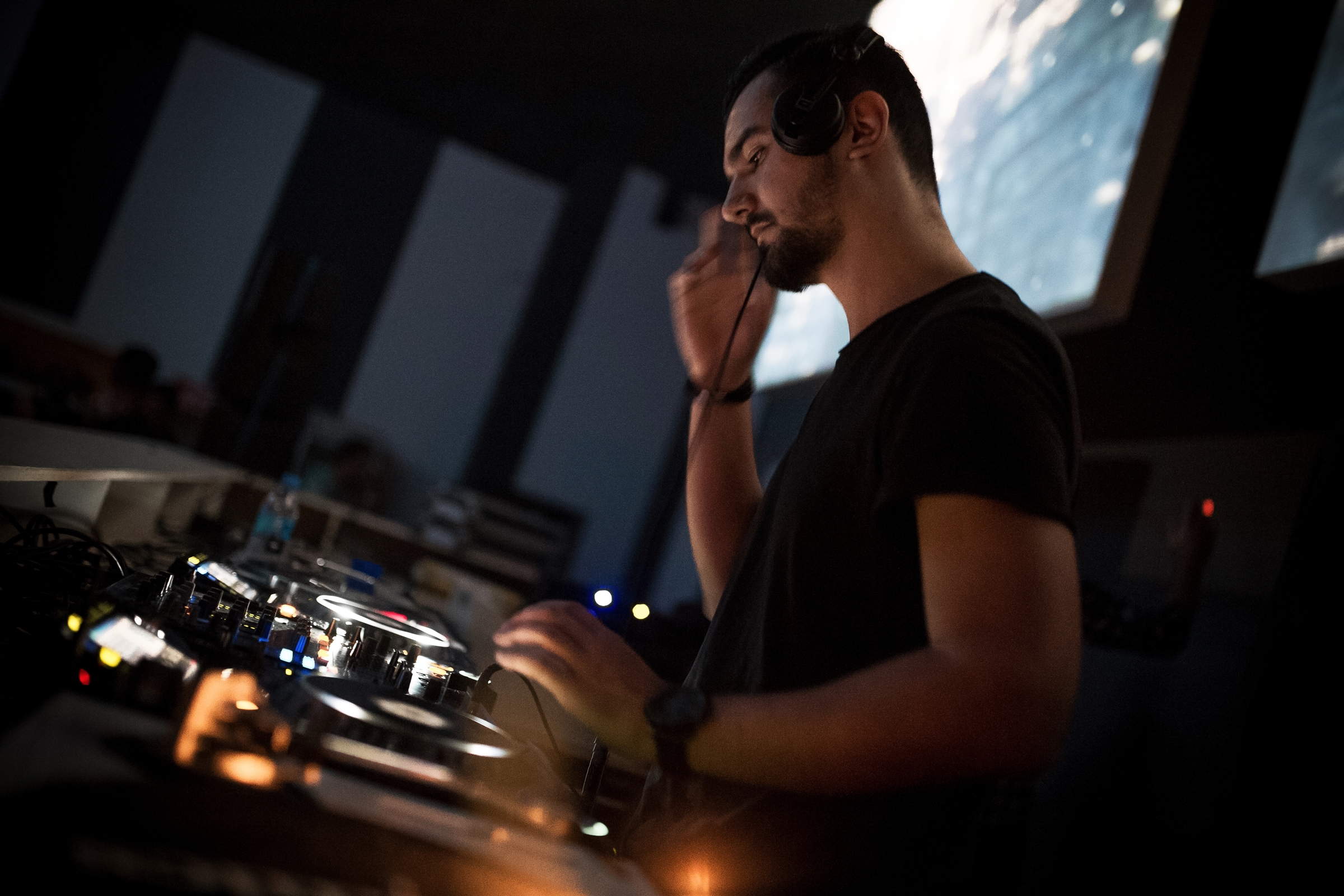
IULY.B ‘Sunstroke’

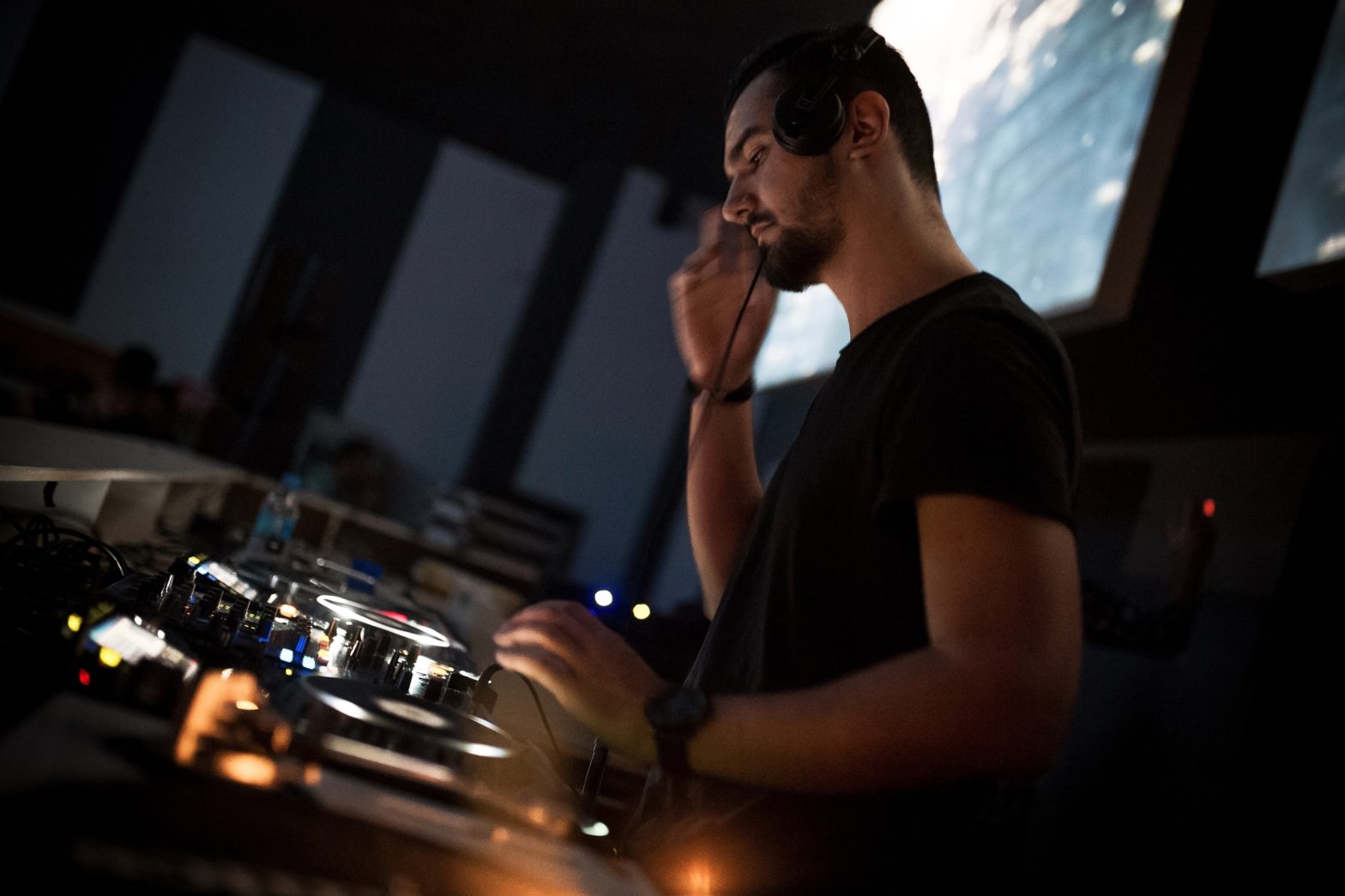
The story of IULY.B is pretty simple: born in Iasi, he discovered and developed his production skills through self-learning when he was just a teenager, a hobby that in time evolved into something more serious.

His records over the last five years have proven popular with releases for renowned labels such as Visionquest, Memoria, and Fuse London (Infuse). Deep, hypnotic energies are forged into merciless basslines, born out of IULY.B’s rich imagination and keen sense of space. The young producer has a specific depth of field that’s loaded with percussive details, making its ambient sensibilities feel active rather than passive.

Downloadable below is “Sunstroke,” a smooth dancefloor track.

Sunstroke

Apollonia Share Three-Day Tour Video

Apollonia have shared a new video ahead of their next set of marathon dates next weekend.

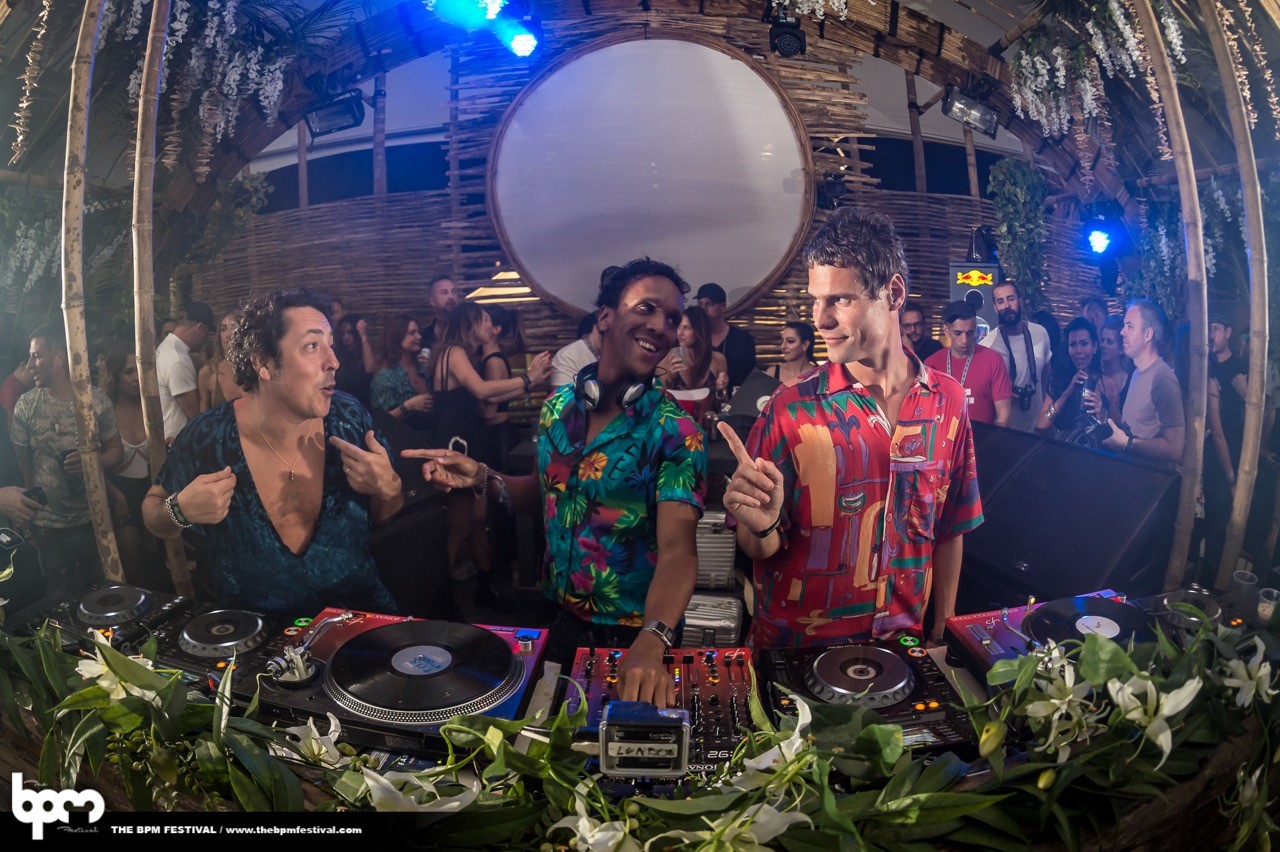
The video, filmed in mid-December 2016, captured a very busy weekend for the trio, following them from Paris to London to Barcelona for three gigs. The weekend commencing September 15 is even bigger for the boys: they’re due to play four extended set gigs at Fort Festival Barcelona, their last “All Night Long” set at Music On Ibiza, Fabrik Madrid, and closing out The BPM Festival in Portimão and Lagoa, Portugal.

Streamable above, the video gives you a glimpse into what life on the road is really like.

Video directed by Harry Russell.

Point Blank Los Angeles Announces Masterclass with Todd Edwards

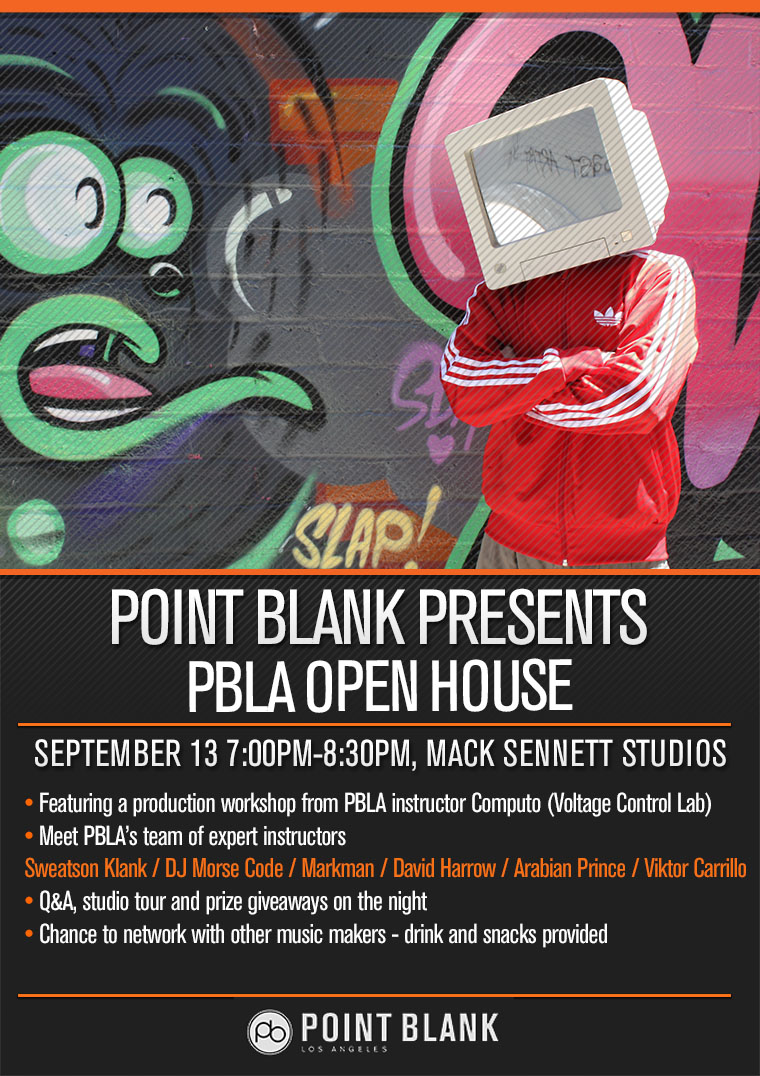
Point Blank, the acclaimed music production and DJ school with branches in London, Los Angeles, Ibiza, Mumbai, and online, has announced details surrounding the school’s upcoming open house events and masterclasses in Los Angeles.

Kicking things off on September 13, Point Blank Los Angeles–located on the border of Silver Lake and Los Feliz at the historic Mack Sennett Studios–will open its doors to the public for an evening of special guests, live performances, workshops, panels, Q&A’s, prize giveaways, and guided tours. The open house event, which will also feature a masterclass from PBLA instructor and Voltage Control Lab founder Joe “Computo” Caputo, aims to give prospective students an opportunity to explore the school’s state-of-the-art facilities and ask questions before potentially signing up for the upcoming term commencing on September 25. The event takes place from 7-8:30pm and is free with registration on Eventbrite. To register, click here. For more information, go here.

Then, on October 5, PBLA will host an exclusive masterclass featuring Grammy Award-winner and Daft Punk collaborator Todd Edwards. PBLA masterclasses are usually reserved for Point Blank students and alumni, but for this special occasion, the school will open its doors to the public. Detailed information about the event is set to be announced in the coming weeks. Stay up to date with PBLA events here.

For more information on PBLA’s course offerings, click here.

Labelle ‘Soul Introspection’ (Feat. Prakash Sontakke)

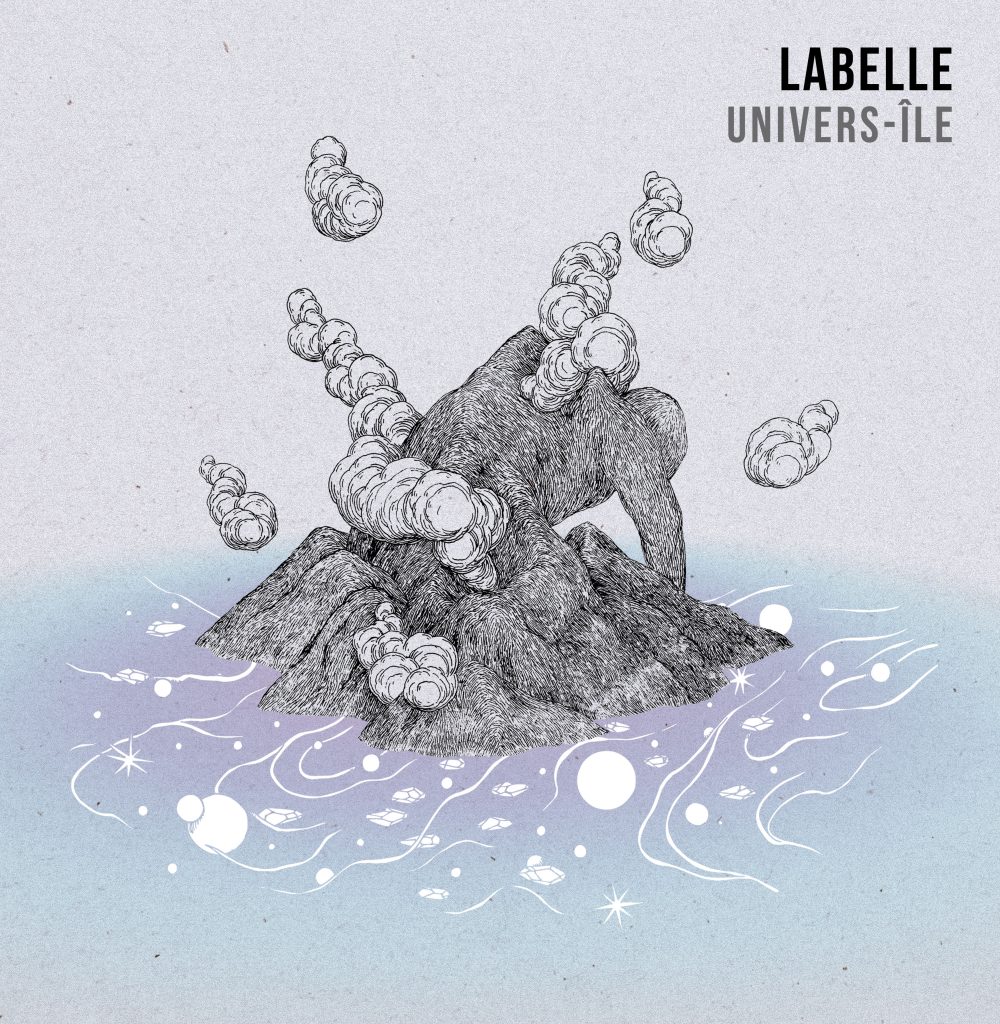
On Friday, Infiné Music will release the new album from Labelle, titled univers-île.

The new LP follows on from 2013’s Ensemble album, which was released via Eumolpe Records, with 11 dreamy cuts recorded at Labelle’s high-rise apartment in Saint Denis, which overlooks the rich and extravagant cultural crossroads of La Reunion. This stunning recording environment lends itself to the floating music presented, music further embedded in the locale via vocal contributions from some of La Reunion’s finest vocalists and musicians.

In support of the forthcoming release, Labelle has offered up album cut “Soul Introspection” as today’s XLR8R download. It’s a stunning cut on which Labelle welcomes Indian guitarist Prakash Sontakke, whose contributes with transformative slide guitar lines.

You can grab the track via WeTransfer below, with the album available for pre-order here.

Soul Introspection (Feat. Prakash Sontakke)

Premiere: Hear a New Remix From Red Axes

Next week, Opilec Music will release the latest in their remix series, this time a single from label head I-Robots‘ 2008 Law of Robotics album.

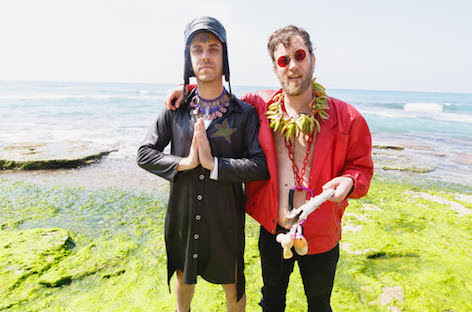
The track in question, “Brother Man,” gets the rework treatment from Red Axes and Hiroshi Watanabe (a.k.a. Kaito), following on from contributions to the remix series from the likes of Kuniyuki Takahashi, Djembe Monks, Danny Ocean, Los Hermanos, Gary Martin, Alexander Robotnick, Daniele Baldelli, and Marco Dionigi.

Each of the remixes—Watanabe provides two remixes, with an instrumental joining the original rework—provides a vital new version of “Brother Man,” with Red Axes opting for a galloping and hypnotic house hybrid and Watanabe going in a more techno-focused direction with cosmic tendencies.

The remix package drops on September 11 and can be pre-ordered and previewed here, with Red Axes remix streaming in full below.

In the Studio: Vril

Vril doesn’t really speak—we established that several months ago when he contributed to our XLR8R podcast series. And it’s a great shame because it’s difficult to think of too many more intriguing artists in contemporary techno—an unidentified and faceless character whose work many consider to be unparalleled in the genre.

Writing an introduction on Vril, therefore, is not particularly easy as there are so few details to work with. Collating all that has been shared in previous media outings with his discography, it’s possible to affirm the following: he’s German and really began to garner attention in 2011 when his “UV” track appeared on Marcel Fengler‘s Berghain O5 compilation and Marcel Dettmann ended his fabric 77 mix with the blissful “Torus XXXII”—a jewel in the crown taken from Vril’s fine 2014 Torus LP. Since then, he continued to release via Semantica and Giegling, while touring the world with a simply stunning live set.

It’s no surprise that almost nothing is known about the processes behind his work, which spans from ambient and downtempo to various breeds of techno. It is a surprise, however, that he agreed to speak on it at all.

When did you first begin producing your own music? Can you remember when you produced your first track?

25 years ago. I used an Amiga 500 like a few other kids at that time. I still have the tapes where I recorded the first songs. Also, this Protracker Disks was passed to me accidentally by another kid that wanted to give me computer games normally. This was the start.

What style of music were your first productions?

Techno and breakbeats.

How much music did you make before your first release?

A lot.

Where is your studio? What do you look for in a studio space?

It’s at home in a separate room. In a studio place, I mainly look for music, but I think the acoustics of the room is one of the most important things.

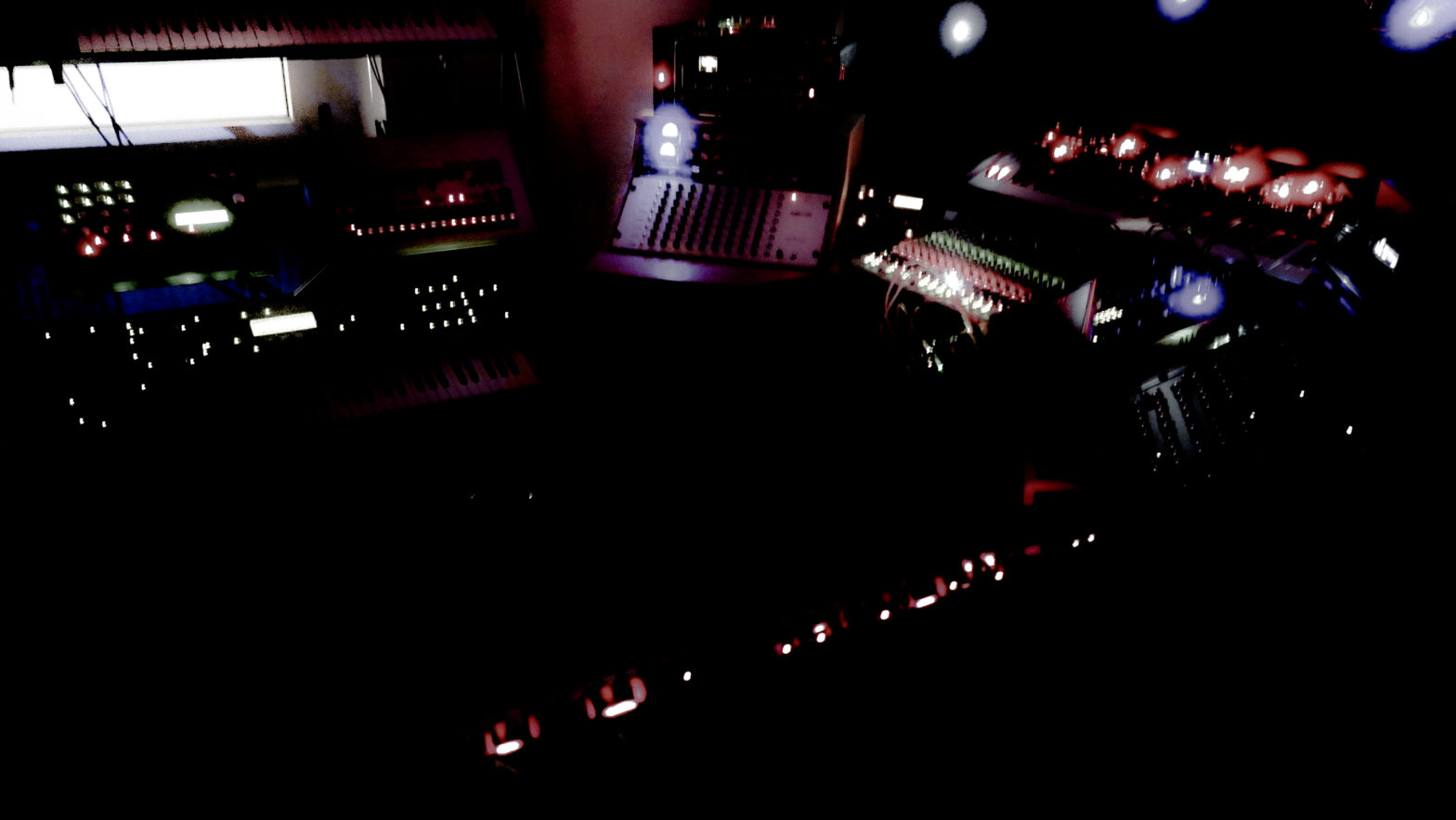
Describe your setup for making music. Is there a certain machine at the center of it all? What are the key pieces of gear?

Roland TR-909, Juno-6, Chandler Compressor (to name only a few), and plug-ins

What are your favorite plugins?

I like the Permut8 plug-in, for example

What software do you use?

I use two different DAWs and a lot of new freaky small things. What I really like is that UAD Apollo concept.

What DAW’s do you use?

Cubase and Ableton Live.

Do you record your synths by playing them, or do you normally use MIDI?

Both. But I mainly play stuff by myself and loop it.

How do you decide when you buy a new piece of gear?

From a feeling that I have. If there is that special excitement then I often buy gear. Testing out new stuff has been one of my biggest inspirations since I started.

How frequently do you add gear to your studio?

A lot in 2016. But these days every three-six weeks.

Does the unpredictability of this equipment often lead to some surprises in your music?

Yes. I really search for that and have some machines that do this but you can bring nearly every machine to its extreme and edge of functioning. I like that errorinstruments.com website, too (No, they are not paying me).

What’s your opinion on software versus hardware?

Not so relevant. But…hardware is more beautiful and creates more of those important “mistakes” and the noise I search for. But you can realize your music with nearly all kind of gear /software these days.

Is there any piece of equipment that you feel like you’re currently missing?

A Spaceship maybe…no, I am looking out for an API Stereo EQ, maybe.

“Magic is science before it is explained, right?”

Would you say your production process is always changing, or do you have a basic formula?

It’s changing but mostly I start with drums, a noise idea, or, classically, a keyboard riff. But I try to let all that feel like a magic trick to myself. I don’t want to know too much theory. Fifty percent magic; fifty percent science is a good mix. Magic is science before it is explained, right?

Would you say that most of your tracks are conceptualized prior to writing and recording, or are a lot of these a result of spontaneous jamming and random ideas?

50 / 50. But everything starts with the head mostly.

How much of this creative process is based on instinct and how much on conscious analysis?

50 / 50 too. I think that is a good value for a creative process like I said. “V3” for example. Really mysterious studio story. It was a little noise idea first and then with a bang, the track was there.

Can you tell us what happened?

That special feeling appeared and I knew that the song could change something. Also, a bit of cosmic combined elements in the song and “V3 “appeared extremely fast and made me a bit dizzy.

You’ve produced a number of special tracks in your career—like “Torus XXXII.” Do you know also these are special when you’ve made them?

I would say yes. There is something special in the air then.

Do you go to the studio every day, even if you haven’t got an idea in your head?

No, not every day, but when I am in the mood I sometimes stay in the studio up to 15 hours making music.

How do you find the motivation to go the studio when you’re feeling low?

It’s always worth going in the studio. You never know what’ll happen. Don’t miss this one moment.

Do you think it is important that you have a workspace (i.e. a studio) clearly defined from your home space?

Individual decision. I had both. Having the studio really near these days is what I like.

Production block is a well-known problem for music artists. How do you try to combat it?

No need to force.

“First, you learn everything. Then you forget everything. Then you start to do music.”

One thing that strikes me about your work is the emotion: you’re able to produce this melancholic, dark material that sounds so different to almost anything else. Do you think it’s your setup or the methods you use?

Thank you. It is definitely not a setup. Over the years the connection between me and my music was recessing more and more.

First, you learn everything. Then you forget everything. Then you start to do music.

How much time do you give a sketch before you decide whether it’s something you want to develop or put to one side?

In between seven minutes and seven years.

How do you determine whether a track is going to be released or not?

Sometimes with a friend or group and sometimes alone.

Do you show your tracks to anyone before you release them?

Yes.

How do you approach your live set—do you write tracks specifically for it or do you pick from unreleased ideas?

I use my analog recorded stems (not groups) to put together to a new spontaneous ongoing piece of arrangement.

What gear do you use for the live set?

I record all elements of my songs separated and loop them. Then, I do a big live megamix with AKAI APC and more controllers, drum machines, and pads. It’s always a different set and story. Also, I choose different tracks and elements for each Liveset.

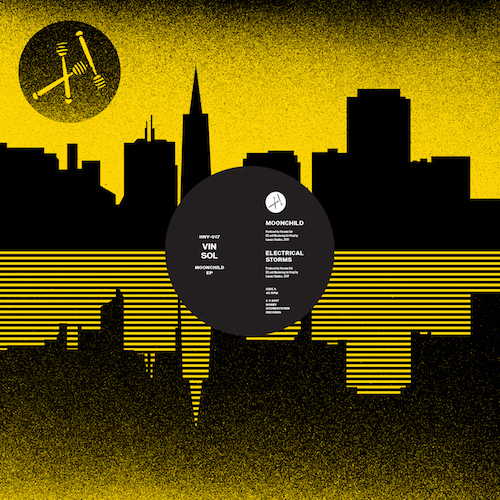
Vin Sol to Debut on Honey Soundsystem

Vin Sol will release a new EP on Honey Soundsytem, titled Moonchild.

According to the label, they have rejected “killer track after killer track” from the San Francisco native. “There is no artist in the history of our label that we have given a harder time to than Vin Sol,” they add. “We finally made our peace, and selected the four tracks that encompass the Moonchild EP you have here…”

Vin Sol is a long time friend of the label with previous releases on Rhythm Nation, Nonplus, and Ultramajic.

The EP is said to read “like a metaphor for the two sides of the city where it was made.” The two openers, “Moonchild” and “Electrical Storms,” “reminisce the mystical and spiritual love affair San Francisco has had since the ’60s while “Patronize” and Bondage Taped” reference “the sexually adventurous side the city indoctrinates to all its visitors.”

Tracklisting

01. Moonchild
02. Electrical Storms
03. Patronize
04. Bondage Taped

Moonchild is scheduled for October 13 release, with clips below.

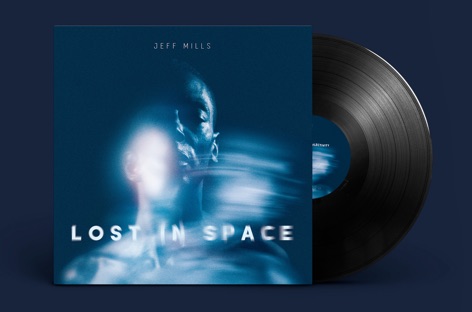
Jeff Mills Preps ‘Lost In Space’ EP

Jeff Mills‘ has confirmed details of his upcoming Lost In Space EP.

The five-track release is the first material from Mills’ electronic-classical project, Lost In Space, which is a collaboration with Orchestre National Du Capitole De Toulouse. It is not the first time the Detroit artist has used space as the basis for his work: he recently released Planets, a nine-track “electronic/classical” LP “about the nine planets of our Solar System.”

Mills created Lost In Space “with the future of mankind’s advances in space travel and colonizing other planets in mind,” according to his record label, Axis Records.

Following the 12-inch, Mills will release a Lost In Space album at some point in 2018 and perform live alongside the orchestra on April 5 and 7 in Toulouse.

Tracklisting

A1. Reflectivity
A2. Planets X
B1. Exploding Stars
B2. Gliese 436B
B3. Carbon 14 Plus

Lost In Space EP is scheduled for out on October 13 vinyl release via Axis Records.

Meanwhile, a trailer is streaming above.

Page 525 of 3781
1 523 524 525 526 527 3,781