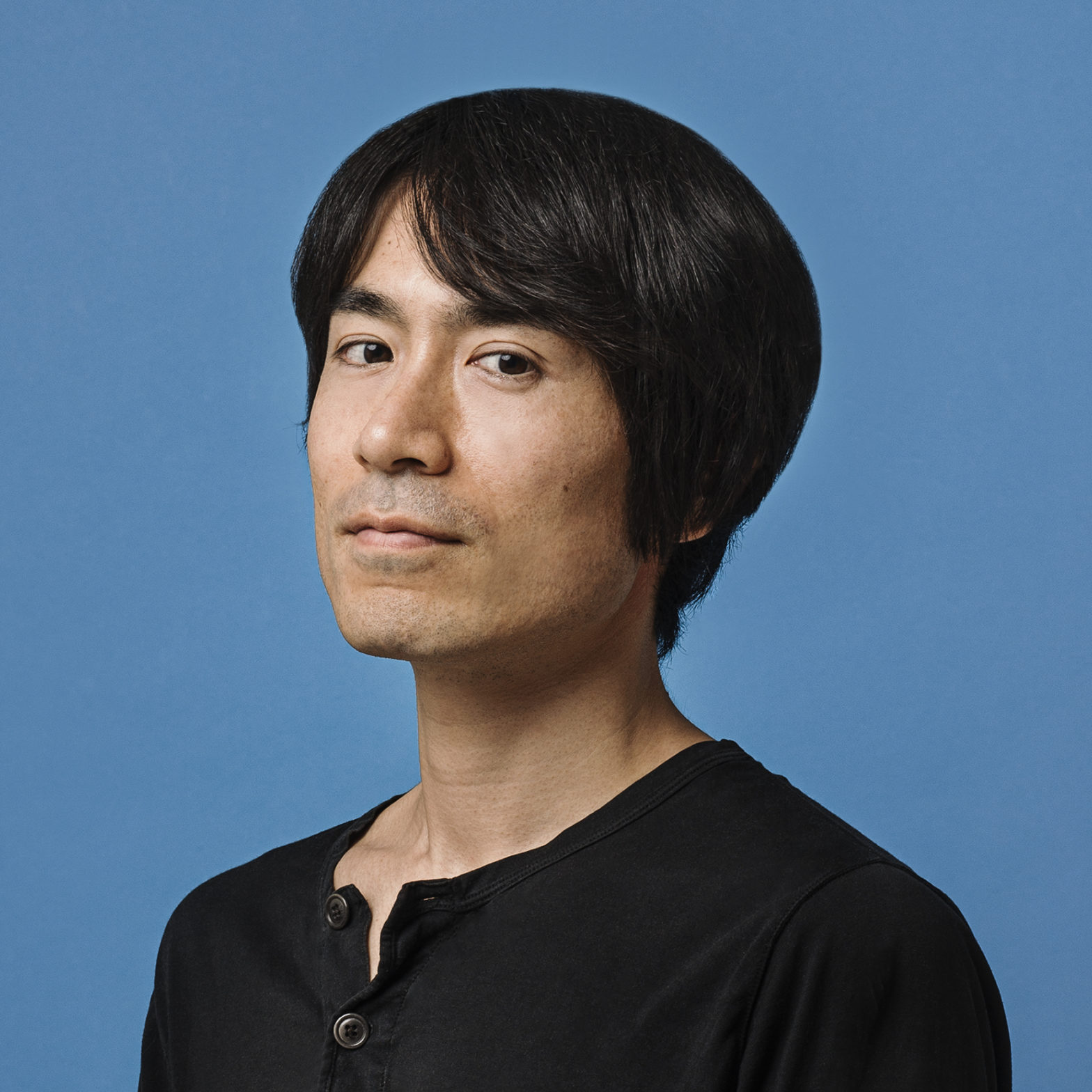
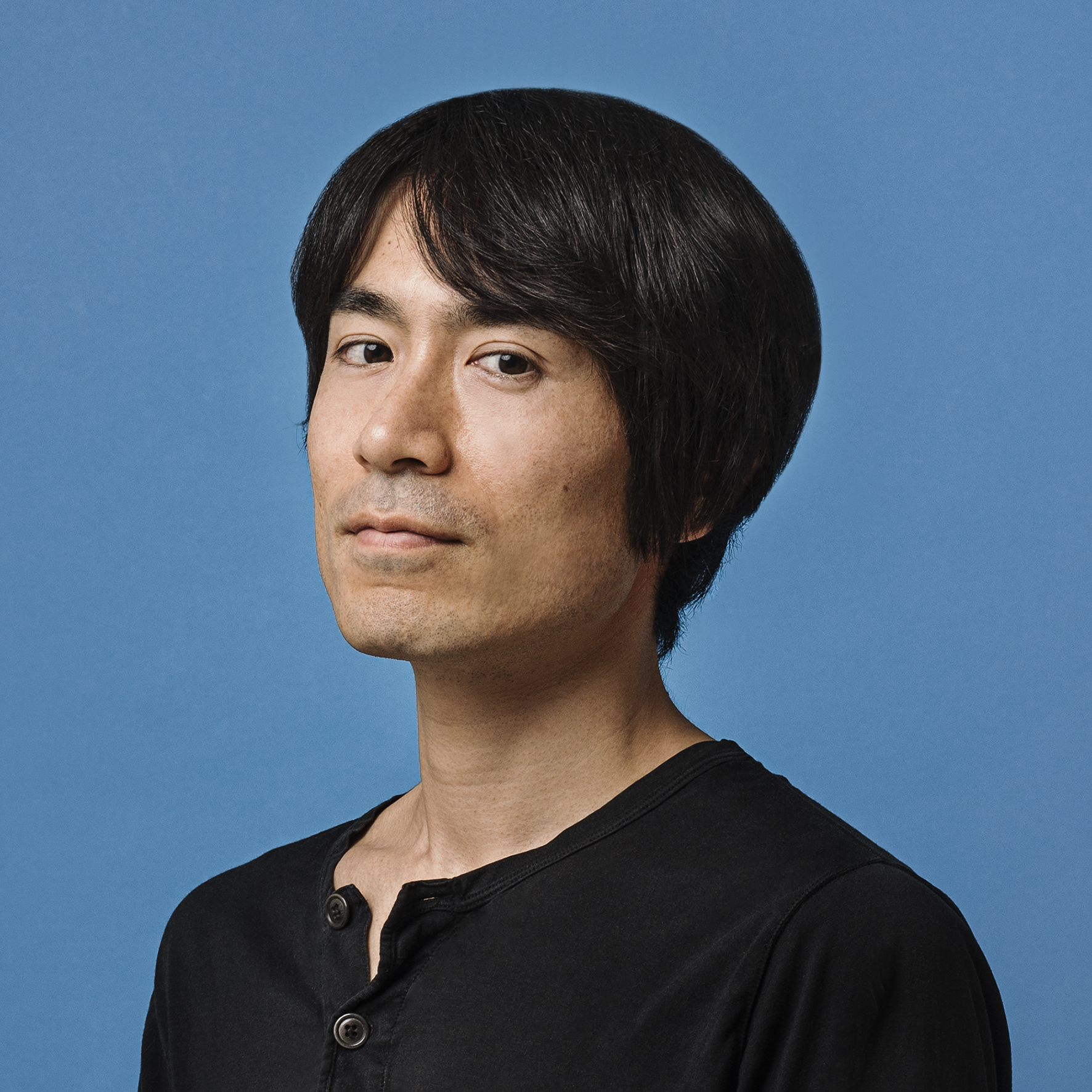
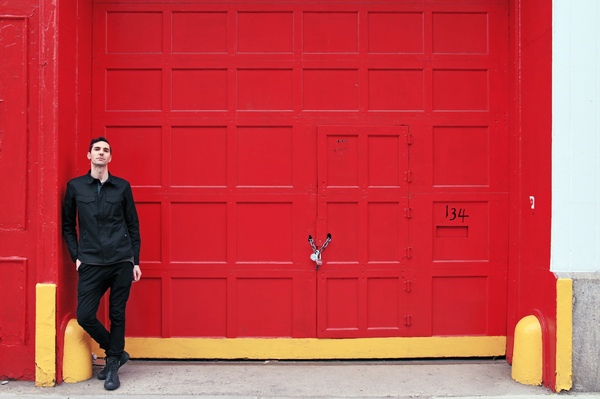
Japanese-born Koji Yonezu (a.k.a. Yone-Ko) is a rising talent in today’s minimal techno movement. The Berlin-based DJ-producer, who is perhaps most widely acknowledged for his residency at Club der Visionäre, relocated to Europe in 2011 after almost a decade in Tokyo, Japan, where he became a key fixture in running Cabaret events alongside DJ Masda, So Inagawa, Sackrai and Keisuke Kondo.
Today, he has shared a segment from his New Year’s Day set at Arena Club, available to download exclusively below.
Could you tell us a bit more about the party the mix was recorded at? The party HYTE was five days NYE weekender held at Glashaus and Arena Club in Berlin across 2015 and 2016. I played from 1am for three hours on New Year’s Day at Arena Club. This set is one part of it. I was imagining the party starts slowly even through it’s New Year’s Day day because Berlin parties are very long. But the atmosphere was amazing while I was playing. I returned to the party after my set, and I really enjoyed myself.
The venue is just a stone’s throw from Club der Visionäre—do you think your residency there has changed the way you DJ? Yes CDV is the club where I feel that I could connect with European scene as a DJ. I have learned many things from playing there. When I was in Japan, I used to organize parties with my friends where there would be this family atmosphere—and I have same feeling at CDV. That is why I love this special place.
How does it compare to the scene in Japan, with things like the Cabaret parties? I can not really compare the European scene with that in Japan, because I’ve been in Berlin for a while now. However, one thing I would say is that the scene in Europe is a big industry, whereas the Japanese scene is more underground, by comparison. I don’t need to explain how great the European scene is because I moved from Japan to be a part of it!
Looking at Japan, there is a big scene in Tokyo, but also there are lots of small underground scenes. I feel that each city has there own unique character, but and they also have lots of quality clubs and artists. There are all supporting the Japanese scene as a whole. I am also really impressed with the quality of sound systems at Japanese clubs when I go back there to play. They are not super loud compared to those in Europe, but the sound design is very delicate. I started to play as a local DJ in Japan, and I am sure that this has affected my skills and attitude towards music.
If you are looking for a futuristic melting pot of house, garage, footwork and bassline samples to use in the studio when you are working on your next track, long-time producer and Terminal Dream label head, Pixelord, has got you covered. Produced by the esteemed Russian beat-maker and currently available on the Samplephonics website, Pixelized is a sample pack that is filled with inspiring 8-bit, synth heavy, and beat infused loops and samples that give you access to all of the sounds that Pixelord has used to produce some of his greatest tracks. All of the sounds in this sample pack are 100% royalty free and come in .wav, .rex2, acid, and Apple Loops formats, complete with playable sampler instrument patches for Ableton Sampler, Sonar SFZ, NNXT, Halion, Maschine, Kontakt, Motu MachFive and EXS24.
In other news, Pixelord has recently taken charge of one of his oldest aliases and put together a VA compilation on his ambient label, Terminal Dream. XLR8R recently spoke with Pixelord and here is what he had to say about this new project:
How did the concept and the music behind Terminal Dream evolve into this new VA complilation? I started Terminal Dream records by curating the music under my ambient alias Gultskra Artikler. This alias is a side project that has been around even before Pixelord, and I release music under this name from time to time. With the VA compliation, I wanted to show off plenty of new Russian artists and showcase the worldwide ambient, lo-fi, and left-field music that I keep finding in unknown Soundcloud accounts. I also wanted to show off this music among my friends and to Russian underground music scene.
What kind of process did you use to compile the tracks and artwork for this release? The whole idea was to dig very deep into psychedelic synths and lo-fi music. On this release you won’t find any beats or clean structures, yet the release is beautiful and swirls around in the dust of time. The artwork was created in collaboration with Yayati, one of the artists from compilation. The release will be out digitally, with 30 limited-edition tapes produced.
You can find out more about Pixelized by visiting the Samplephonics website, and you can listen to the new Terminal Dreams compilation by clicking on the media player below.
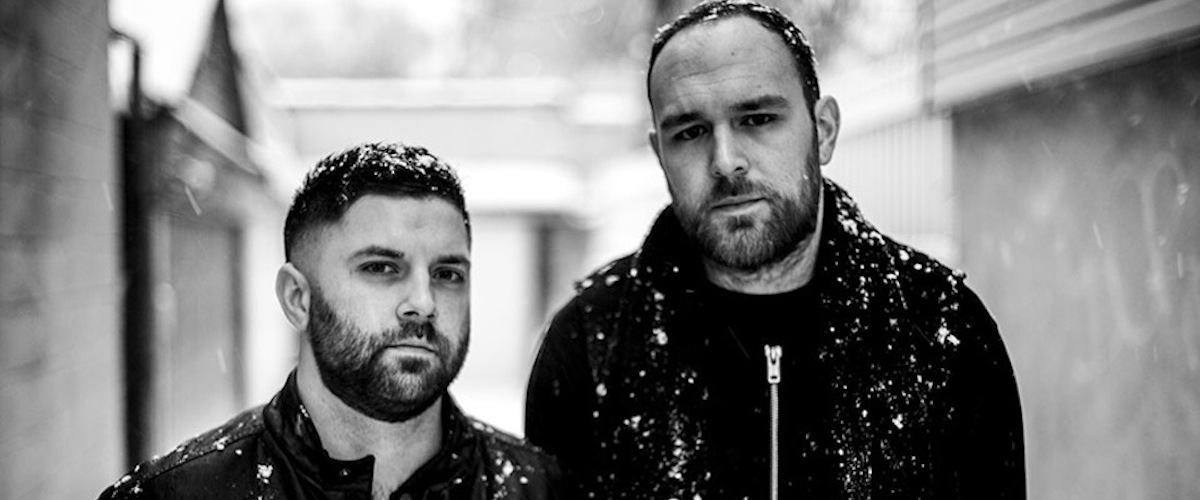
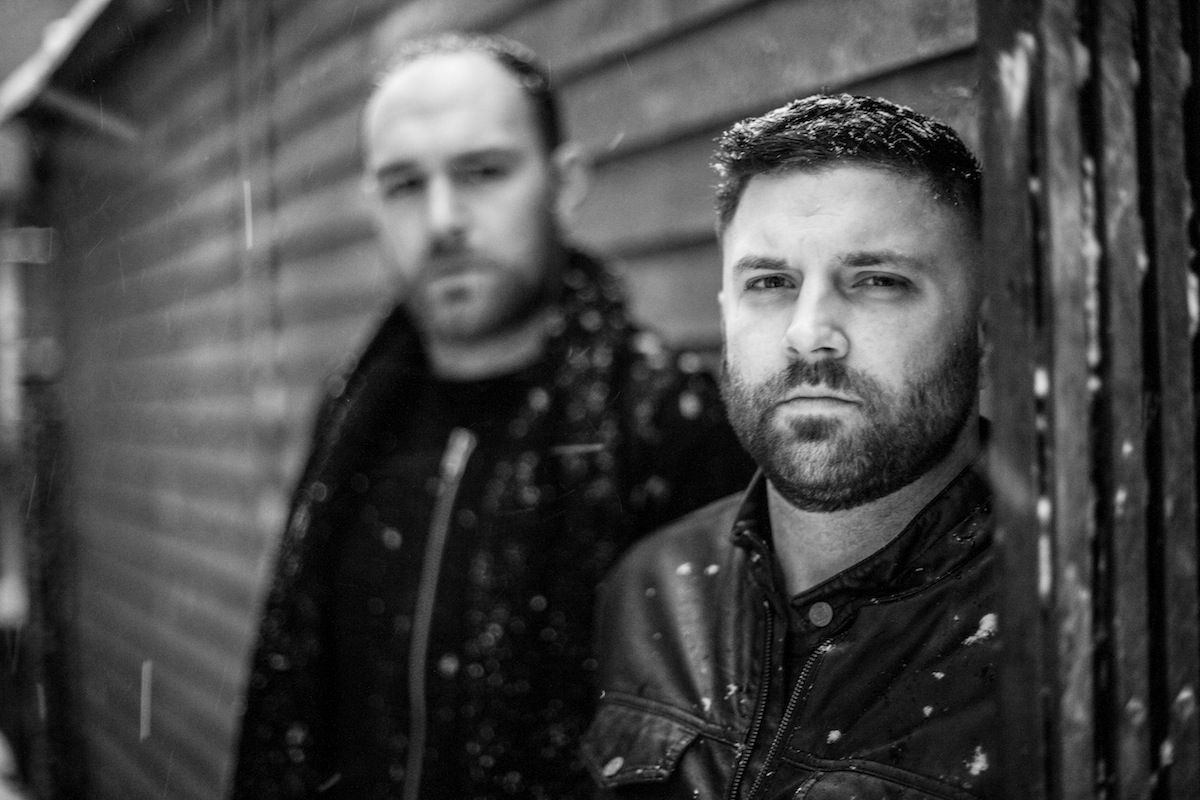
It’s the question that DJs and producers hate: What kind of music do you make and play? Like most artists, they’re reluctant to be pigeonholed, preferring that the work speak for itself. But when the query is posed to Ted Krisko, one half (with Eric Ricker) of the Ataxia duo, he ponders for just a second before coming up with his response.”I would say would say that we have several distinct aspects to our sound,” he says, “but as far as the music that’s coming out right now on our next several releases, its ‘party acid.'” That sound is the latest step in the story of Ataxia, a saga that Krisko and Ricker—at the time, a pair of bandmates looking for something new—kicked off in Detroit in the late ’00s. They’ve been on a steady upward arc ever since, but with recent releases on the likes of Connaisseur (and some big records on the way), it feels like the pace is quickening—so we figured that this would be a good time to sit down with Krisko, in a café not far from his current abode in Brooklyn, for a cup of coffee and a chat about Ataxia’s past, present and future.
Did you actually grow up in Detroit itself? I’m from the Detroit metropolitan area. I actually grew up in Ferndale, just north of 8 Mile Road, which is the dividing line between Oakland and Wayne Counties. But even as a kid, I was always going into the city—Tigers games, parades, concerts and everything.
When did you start getting into electronic music? That would be when I started working at Saint Andrews Hall as an intern. But at first, it was more about punk. My punk bands would play there as support for all the touring punk and ska bands that would come around. The band that I started with when I was 13, Ten Cent Can, was playing at Saint Andrews all the time—and after the all-ages shows that we would play, there would often be electronic-music events. I would just end up hanging around.
It seems like that transition, from punk to electronic music, is actually a fairly common one. Yeah, I think it is. For me, it’s the DIY aesthetic. I’ve always been attracted to that aesthetic. I just enjoy producing that way. At some point, I started to realize that the rock industry is kind of stacked against having a career that can sustain itself, and as good as my bands were, I couldn’t see that ever yielding the kind of experiences that I wanted in life. In dance music, though, the terms are really your own. In a sense, it’s even more DIY than punk: There’s a lack of conformity as well as a scope of opportunities in dance music, and there’s a nexus there that offers far more than what rock had to offer.
Were you DJing right away, or did production come first? I was actually a high-school radio DJ, around ’97 and ’98, with a show called Spazz Radio. I would play Plastikman, grindcore, hardcore, Aphex Twin…it was a pretty dark show. That was probably the first time I really tried my hand at DJing, though I also kind of understudied with a guy at a roller-blade rink. That was when I was about 12, and was really my first exposure to it…though he was playing with CDs. But really, it was never a goal to become a DJ back then. Since I was a punk guy, the whole idea of having my artistry focused on DJing would have been laughable with the crew that I ran with. So in the spirit of keeping my punk ideals in place, I was still always playing in bands.
So the transition from punk to electronic wasn’t a sudden leap? No, not at all. But all the while. I would go to Richie Hawtin parties and Syst3m parties. I can remember going to the Fuck the System party, underneath the Ambassador Bridge, on my 16th birthday. That was a big one; there were around 2,500 people there, I think. So I would go to those parties—and I was working as a promoter—but I was never a performer at those events. I could never really do that crossover.
When did that crossover finally happen? When I turned 27, in 2009, I realized it was time for a change. I couldn’t see myself following through with the band I was with, and couldn’t see getting to be where I wanted to be in my 30s.
Did Ataxia spring from that realization? Yeah, it was congruent. Ataxia was actually born while I was still performing in bands, and actually became a kind of retribution against all of the hard work—all of the grueling, unfun aspects—of being in a band. [laughs] I was looking for something more, something that I could do with my music prowess beyond just coming up with guitar parts or whatever. We would start ditching band practice early to go upstairs to fuck around with electronic music.
When you say “we,” are you referring to Eric and yourself? Yeah, we were in a band together at that point; it was actually his band, Georgia Moon.
Was the Ataxia style set from the beginning? Not at all—it was totally experimental at first. I had some experience with Fruity Loops; I was never trying to be a producer, but it was just something I always had on my computer. I was learning how to sequence and compose and arrange tracks, so it was already kind of second nature for me. And we had this studio for recording rock stuff, so we had a good start. We started working with the tools that we had, like programming with some simple MIDI controllers…basically just finding out if we were any good at it. At the same time, we’d see these lineups for parties on New York and Berlin, and we’d be drooling. I mean, we had Movement in Detroit—but otherwise, we just didn’t have the kind of exposure to electronic acts that we would have liked. We would look at some of these crews—like the Cocoon crew, for instance—and almost try to mimic what those people were doing. We wanted to provide that level, that kind of serious entertainment, to our friends. But we had no idea if we could really take it to a anything like a professional level.
You were basically doing electronic music for your own crew at that point? Totally. When we started playing, it was just like little basement parties. There weren’t bills with our names on them or anything. This was in the middle of Michigan—a beautiful, wooded region, but essentially in the middle of nowhere—where Eric was going to college and I was managing a music store. We were definitely the only electronic thing around.
How many people were coming to these basement parties? A hundred—maybe. They would actually get pretty crazy, and we started to get a reputation, even though we were really just goofing off. Our crew of friends thought we could really do something with this, even though we still had our doubts. We were still working by trial and error.
Were you already calling yourselves Ataxia? We were. We were looking through a thesaurus for words that we could identify with, and “chaos” was definitely something we could identify with. Ataxia is a Greek word for disorder, and it’s used to label a muscular disease—it’s involuntary loss of muscle control. It fit in well with the party vibe that we were trying to instigate with people. It really suited us.
How do you describe your current sound? I would say would say that we have several distinct aspects to our sound—but as far as the music that’s coming out right now on our next several releases, it’s “party acid.” It’s high-energy, dancefloor-oriented, peak-hour stuff—which is actually something fairly new for us, at least in terms of what we release.
Is it fair to say that the Ataxia sound was once perhaps a bit deeper, and a bit less full-on? Well, the role that we’ve often played in the past was that of a warm-up act, because we were new. Of course, we’re still new and we’ll always be new. But within the role that we’d been serving, the music we were doing was very complementary to the opportunities that were available. So yes, our sound was maybe a bit deeper, largely because we’d be playing before the headliner goes on.
But as we’ve started playing more peak-hour slots, our production has started to follow. The DJing and production really do influence each other for us. It might not work that way for everybody, but it does for us; we find that we’ll start producing the kind of stuff that we’re playing, and playing the kind of stuff we’re producing. And really, the music that’s been working for us and that gets us excited is the music that we grew up listening to—which is the Detroit-party-acid-techno vibe. It’s just that we didn’t always have the opportunity to translate that attitude.
You didn’t want to be one of those warm-up acts that bangs it out a bit too hard. No, not at all. Anybody can get up there and bang a bunch of party tracks—but it’s all about right time, right place. As Matt Tolfrey likes to say, you’ve always got to behave.
“People want to have fun on the dancefloor; people want to have less talking and less cellphones on the dancefloor; people want to go nuts on the dancefloor.”
Like a lot of made-in-Detroit acts, it seems like the city has had a continuing influence on your sound. There was a little while there, particularly with our productions, I think we were doing something a little different than what would have been considered traditional Detroit techno. But something that I think I’m getting more in tune with as the years go on is that there are different phases of your musical style—different phases of experimentation—which are beyond evolution. And in the end of the day, a lot of the stuff that might be considered experimental isn’t really going to rock a party at three in the morning. I mean, people want to have fun on the dancefloor; people want to have less talking and less cellphones on the dancefloor; people want to go nuts on the dancefloor. There’s a desire out there for something more primal and more personal than just a two-step shuffle with people yapping all around you. People want to dance their asses off and get out of there heads—and as Detroit artists, I think there’s a responsibility to deliver that kind of experience.
But now you live in Brooklyn. Yes, though Eric is again living in Detroit, so we’re split between two cities. I came to New York because I was looking for new challenges that could stretch my limits as a DJ, as a producer, and as a citizen of the world. I really made a consistent push in Detroit. I’ve played many angles there and collaborated with all the best people so many times, but I just had a hunger to to take the spirit of our Detroit sound and energy, and bring it to a new audience.
And you feel that audience is in Brooklyn. Yeah. In the past couple of years, Brooklyn has really become a top global destination for electronic-music artists. The move’s given me an opportunity to do what I love more frequently, and to do it in front of new people. And I was such a staple in the Detroit that I really felt like I should try and bring my energy someplace new. It’s been great to have life kind of stare at me straight in the face—like, “So now what are you gonna do?” It’s forced me to be more creative, and to be more outgoing. I’ve been challenged in ways that wouldn’t have happened if I had stayed in the same place. But Detroit will always be home.
How is being separated from Eric by a few hundred miles working out? It’s been good, actually. I mean, we’re in two cities that, in their own respects, are hubs for American dance music. The studio process has been good, too; we can send files back and forth, and when we are together in New York or Detroit, we’re always collaborating. We’ve always come up ideas independently, though we also sometimes work together from the start—every song is a bit different, but it all works out.
Tell us a little bit about your Brooklyn studio, the Nest. The Nest is a brilliant studio in the warehouse district of North Brooklyn; we share the space with a revolving cast of top-shelf producers. Elon from Kolekti is the banana that holds the bunch together, with guys from PillowTalk, Signal Flow, Pattern Drama, and Tomas from Downpitch as our studio roommates. Recent stop-throughs for sessions have been Chaim, Kate Simko and Thugfucker, to name a few. It’s a truly great spot; people get a lot done in there. We have just recently mixed a new EP there with Corey Baker from Pattern Drama, and are loving what we can do in that room—lots of collabs happening, good creative energy. Elon’s new stuff is fire; so is Corey’s. It’s rad being surrounding by eclectic musicians whose talents inspire and challenge to push further down our own, unique path as recording artists. Everyone that rolls through the Nest has their own style and sound, and they’re in synth and drum-machine heaven when they’re there. Plus, we’re all homies, so the vibe is full of laughter, lots of coffee buzzes and otherwise.
And you’re certainly still heavily involved in the Detroit scene. There’s Movement Detroit Radio, for instance. Yeah. Movement Detroit Radio is a show Ataxia has been producing on Proton Radio since debuting the series with Carl Craig in 2013. In addition to hosting Movement veterans like Carl, Terrence Parker, DVS1 and Matt Tolfrey, we’ve had plenty other friends of ours involved to round out the mix between superstars and underground staples. A lot of the recordings come from TV Lounge, the iconic dance club in Detroit. It’s our residency home as well, so it feels great to feature the sounds of our home turf with the world! To celebrate Paxahau’s ten-year anniversary of producing Movement, we’re reissuing the archives from the show on our SoundCloud.
And there’s also the OK Cool! party, right? Yeah. OK Cool! is our annual official Movement after-party at TV Lounge, the Sunday night of Memorial Day weekend. It’s a collaboration between Ataxia and Mr. Joshooa from TV Lounge, and our good friend Dax Lee from San Francisco. Our only motto for this series is fun. People move their bodies at OK Cool! like crazy—the dancing is really the best part! There are no bad vibes going down at our jam; it’s smiles, hugs and high fives. The party runs from early evening into the late morning, so the experience isn’t rushed at all. We tend to book artists we are friends with, so a family spirit is maintained from start to finish.
Earlier, you mentioned some upcoming releases. What else can you tell us about them? Well, the cat’s already out of the bag with our upcoming Play It Say It release. We’ve worked with Seth Troxler on events in the past, and he’s signed us to his label to be on three-song sampler. Seth’s cool with accepting demos from friends, and he really road-tests the material. Our tune “Afternoon Acid,” which is the one he’s releasing, seems to have worked really well in his sets; he’s played it at Circoloco at DC-10, and at numerous festivals. That’s coming out on vinyl on February 26, and on Beatport on March 11. And we’re also working on some stuff for an EP for Leftroom, another great label run by a DJ who we really respect, and who only signs music that he plays.
And that would be Tolfrey. Yeah. It’s cool to know that the music we’re making is being played by guys like that, who have a heavy responsibility to jack the box; it’s an honor to be signed by these guys.
It probably feels like an affirmation that things are moving in the right direction for Ataxia. It feels great. We’re looking forward to seeing how far out there our music can get. Our music is now more direct, more dancefloor, than many of our previous efforts, and its great to see that it’s working for people.
Do you feel that 2016 is going to be Ataxia’s year? Or is it more a case of simply doing what you do, and whatever happens, happens? It’s just another year. The beginning of the year, it’s always about planning and big ideas; the rest of the year, it’s about seeing what actually comes to fruition. The one difference now is that we’re maybe having a little more fun with our music.
On January 21, it was announced that Antigone and Francois X had joined forces to present a collaborative EP titled We Move As One on Heartbeat and Francois X‘s imprint, Dement3d Records.
Ahead of its February 15 release, the first four tracks from the EP can be exclusively streamed in full via the player below.
Tracklist:
A1 Pagan Woman A2 Love Trade B1 Ready To Escape B2 The Hated SZ C1 Living Doll C2 The Sorcerer D1 Journey Home D2 We Move As One
After a 10-year run that’s hit a few bumps in the road, Bloc Festival is coming to an end. The UK weekender, which takes place this year from March 11 to 13 in Minehead, is going out with a bang, with Thom Yorke, Jeff Mills, Goldie, Nina Kraviz, and Four Tet among its bookings.
“Weekenders are strange, beautiful things,” Bloc co-founder Alex Benson told Resident Advisor. “We’re going to build a super club. As many of you will know, we started a venue in an ex-industrial building in London, then renovated the surrounding warehouses into music studios and workspace. A community sprung up around it and it has been one of the most rewarding things we have ever been involved in. We want to develop this community and the venue at the heart of it. It will, like the current venue, be called Bloc. And it will be surrounded by music studios which won’t cost the earth to rent and aren’t about to be sold, knocked down or redeveloped.”
The team behind the event also plans to focus on developing its eponymous label.
As an agent of complex and unconventional electronic arrangements and the owner of the cherished London imprint Werkdiscs, Actress is always taking his productions to the next level. His most recent project has involved teaming up with Boiler Room to produce a unique one-off, en masse sonic experiment with the London Contemporary Orchestra. In a behind the scenes video, which can be watched in the player above, Cunningham claims that “None of the musicians are here to play straight up repertoire, they are here because they want to really investigate their instruments.” The hype and curiosity around the coming together of these two distinct musical entities has been large, and tonight’s performance should prove to be a very fascinating experiment in sight and sound.
The show, which is supported using public funding by the National Lottery through Arts Council England, will also include a visual display from Actress’ in house visual company, Werkhaus.
Stream Actress at The Barbican via Boiler Room at 8:20 GMT here.
Deep Heads is a label out of the UK that is constantly pushing fresh new music through it’s various channels, including it’s Bandcamp page that hosts numerous releases from artists like Synkro, Versa, and Zeb Samuels. Among the newest artists on Deep Heads is London-based instrumentalist Ash Walker.
Back in November of 2015, Walker released his first full-length album on Deep Heads titled Augmented 7th. The album has so far received a fair amount of praise, and with a remix package of three tracks off the album already on the streets, his profile continues to be on the rise. Currently Ash in the studio perfecting the sounds on his next release that he plans to drop sometime in the very near future, and today’s XLR8R download is a shining example of how hard Ash Walker has been working the boards. “Only Got Hash” reminds me of some of the more ambient and electronic cuts heard on Augmented 7th, but it’s also lends itself to a beautiful fusion of wonky beats and subtle yet elegant synths.
Outspoken is one of Los Angeles’ newest house and techno nights—it opened its doors on December 11 at Hollywood club Couture—and has already proven its worth to the local electronic music community in the City of Angeles with its first three shows hosting sets by Maxxi Soundsystem, François K, Walker & Royce, and No Regular Play, with many more exciting acts on the way.
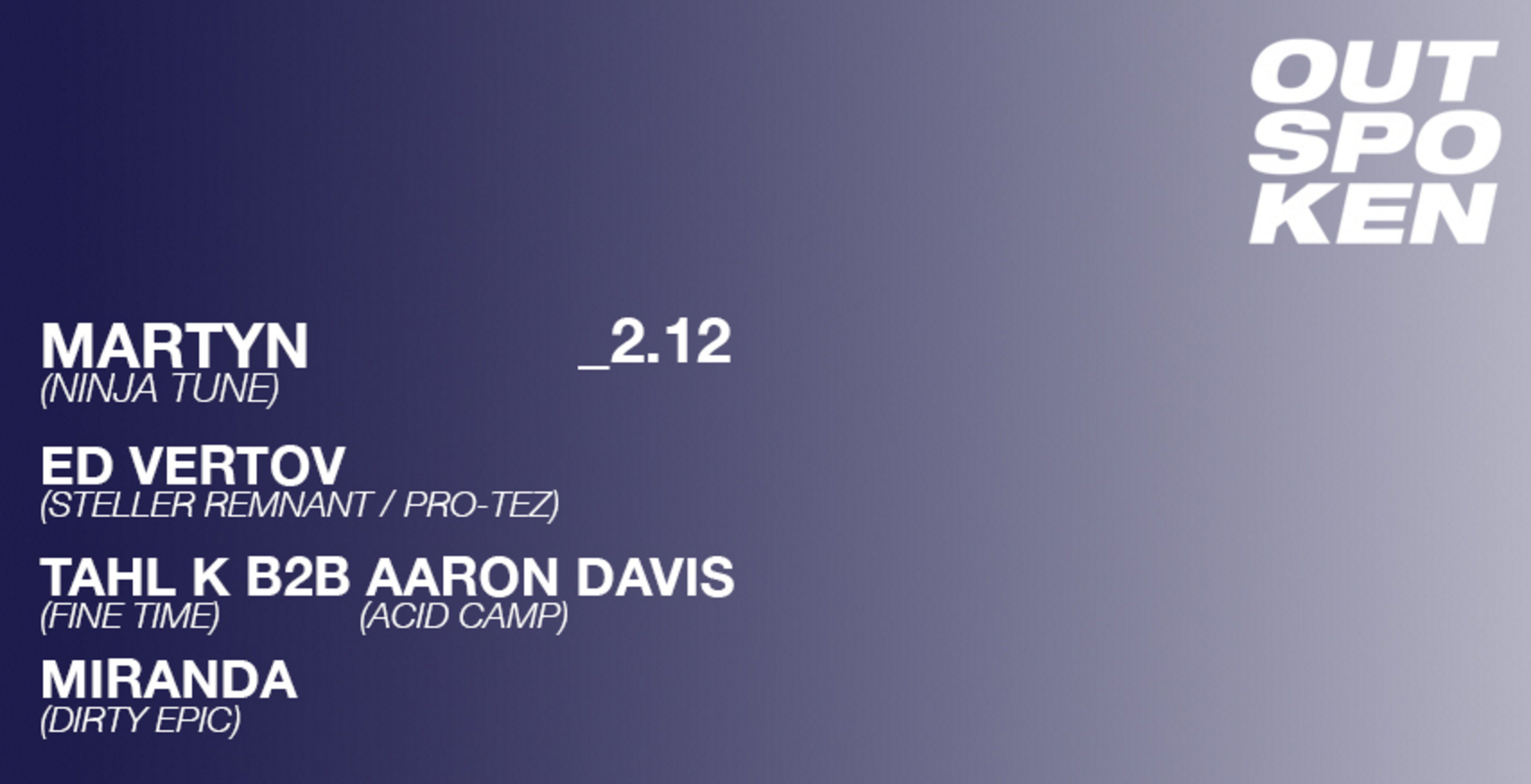
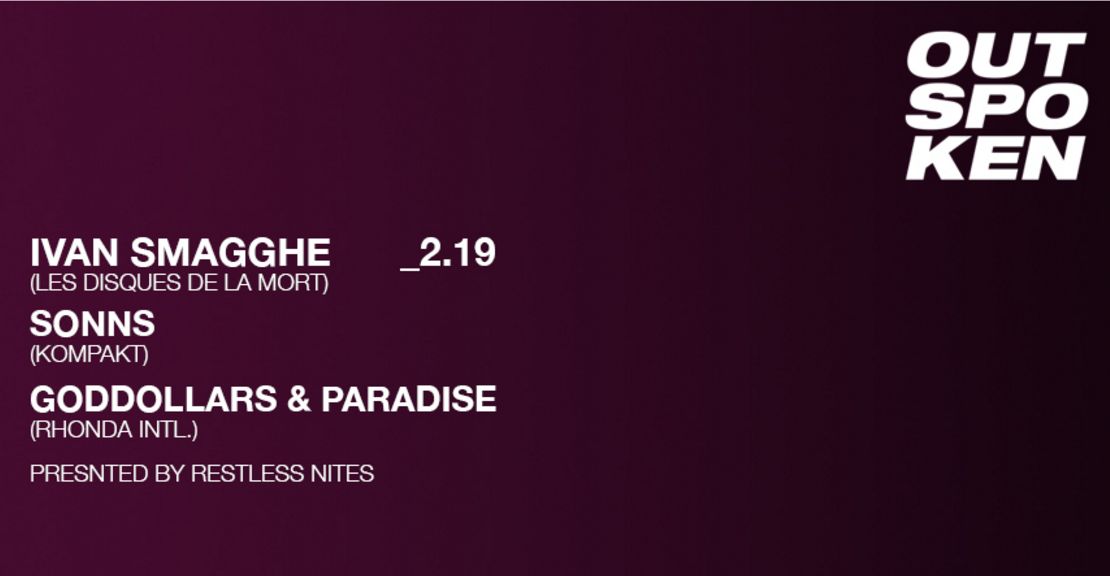
On backup duties in February will be Miranda (Dirty Epic), Ed Vertov (Stellar Remnant), Tahl K (Fine Time), Aaron Davis (Acid Camp), SONNS (Kompakt), Goddollars & Paradise (Rhonda Int.), Golf Clap (Country Club Disco), Heidi Lawden (Dublab), and Bo Herbert.
In addition to bringing in Martyn this week, Outspoken will also host Ivan Smagghe and Roy Davis Jr. later on this month. Check out the event listings below.
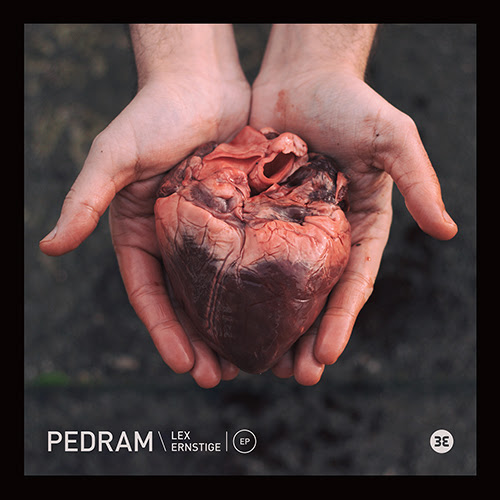
Following his impressive debut EP, Nina, and a notable Boiler Room set back in 2013, the ambiguous and talented Iranian born DJ-producer known as Pedram landed back in his hometown of Sheffield in the UK and the sounds ceased—but only for a while. Recently, Pedram has posted two original tracks on his SoundCloud, announcing a forthcoming sophomore EP titled Lex and it is evident that his evolving sound shows great promise. In addition to this, Pedram today posted a warehouse jam remix of his title track from the internationally acclaimed German house whiz xxxy.
You can stream the track in full below and be sure to check out more from Pedram by visiting his SoundCloud page here.
Mexican duo Soul Of Hex, which is made up of artists 4004 and Sebastien Vorhaus, have had a great few years under their various monikers with releases for Freerange, Dirt Crew, Vicario Ltd, and CVMR. The duo’s debut EP, Lip Reading, was accompanied by a remix from legendary musician Larry Heard—putting Soul Of Hex on the map in the world of house.
Following the release of the third Soul of Hex EP, Sleep Mistakes, which dropped earlier this year on CVMR, the duo has graciously offered up the title track as today’s XLR8R download. “Sleep Mistakes ft. Albert Vogt” retains a organic house aesthetic with smooth and subtle jazz-infused bass licks, loose percussive lines, soulful vocal stylings, and bright Rhodes chords that all tie together in a compelling and waning atmospheric house sound.
You can download the track in the player below via WeTransfer. Be sure to check out more from Soul Of Hex by visiting its SoundCloud page here.