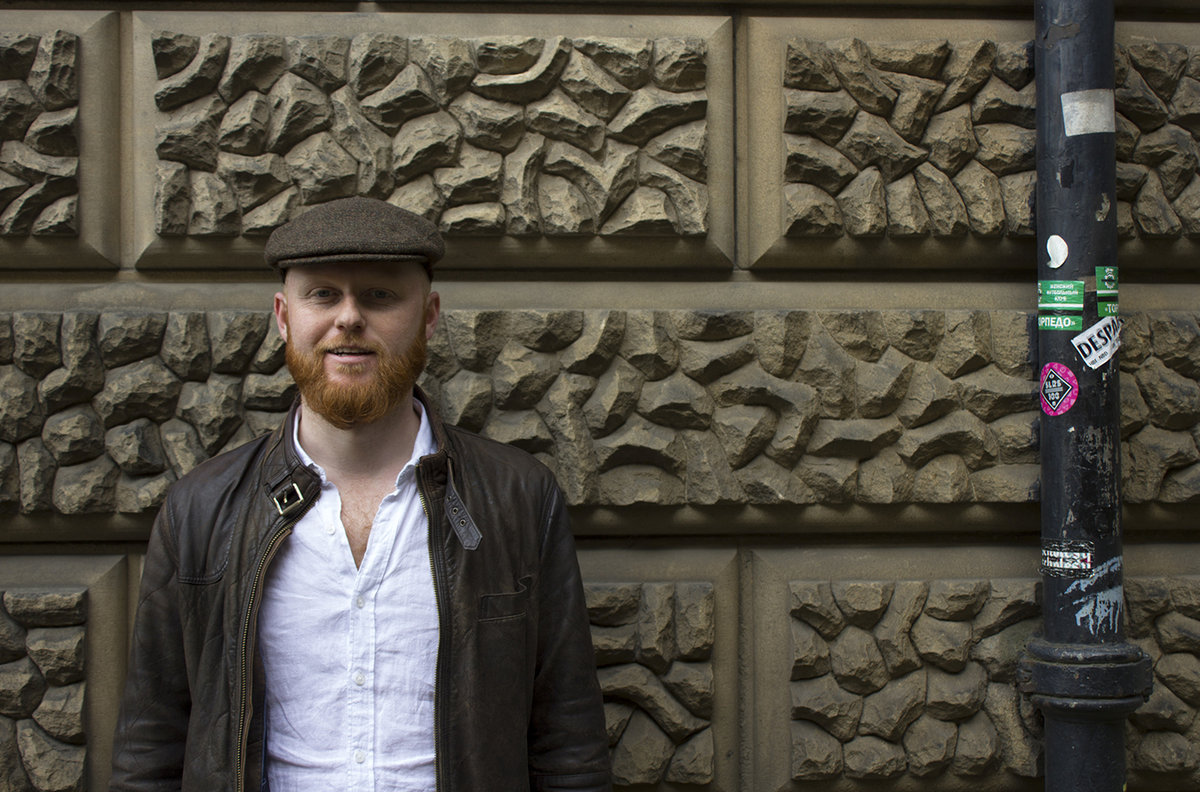
Kamandi will self-release his debut album tomorrow.
Straddling the Pacific and Atlantic Oceans, Kamandi’s output sits at home among tripped out LA beats and the bass-weighted sound of UK electronic music. He uses music as a vehicle to deploy feelings and thoughts to a wider audience, in a way he considers more impactful than words.
The New Zealand-born artist, real name Tyrone Frost, initiated his own arrival into the world of electronic music playing house parties and raves. He began publishing his homemade productions to the masses via Soundcloud and Bandcamp, and created a storm in the process. His output gained recognition from international bodies and notable influencers including Flying Lotus’ Brainfeeder, where he released a collaboration with U.S rapper Azizi Gibson.
Voices follows two EPs and further studio collaborations with the likes Three 6 Mafia, Swishahouse, Riff Raff, and Waka Flocka Flame. We’re told to expect “an introspective collection of deep and meditative sounds.”
Tracklisting:
01. To Intervene
02. Voices
03. I’m Right Here
04. In Films
05. Anyway Friday
06. Friend
07. Trails
08. Let Them Be
09. Please Ascend
10. Loaded Boy
Voices LP is out July 12, with the title-track streaming below.
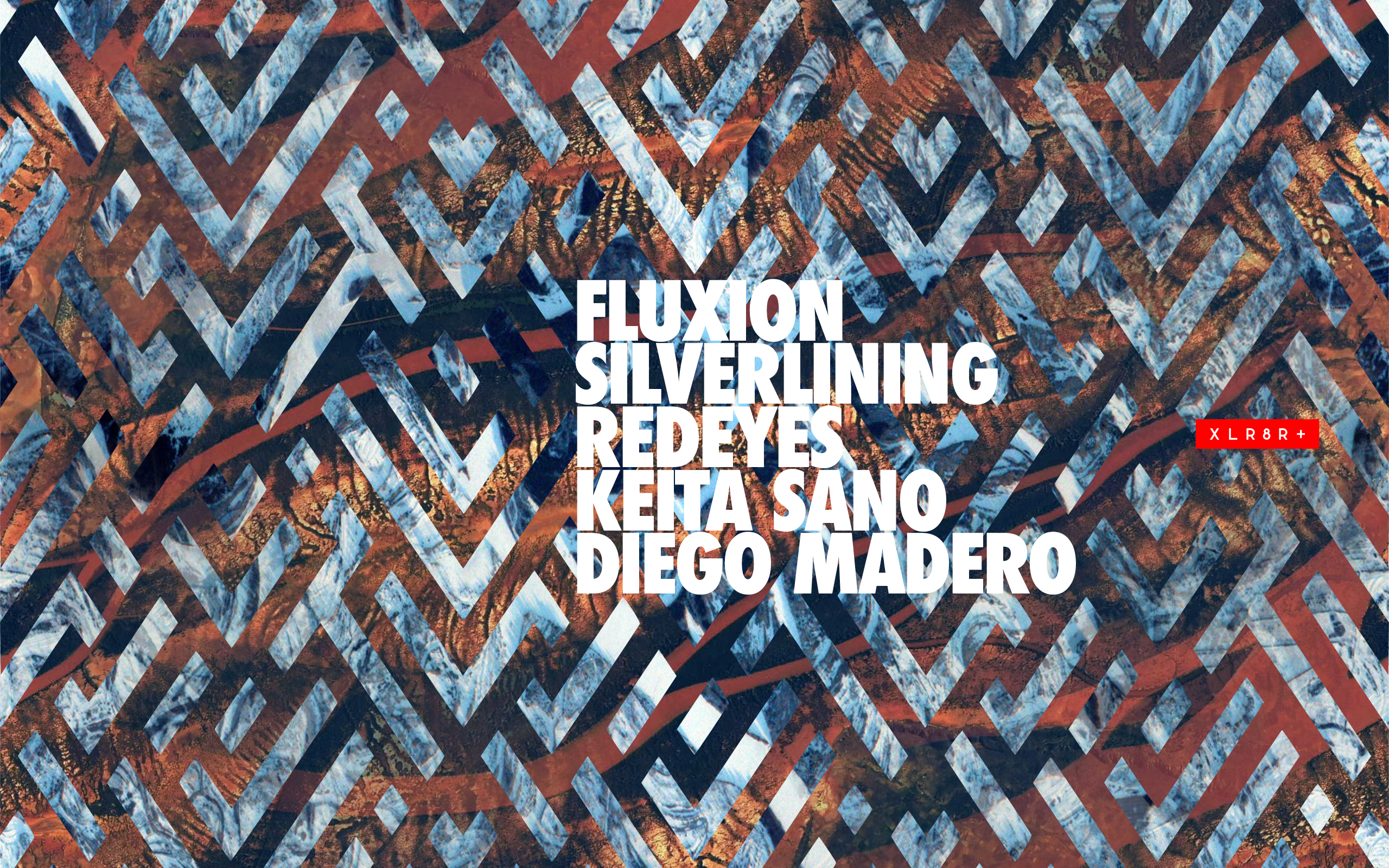
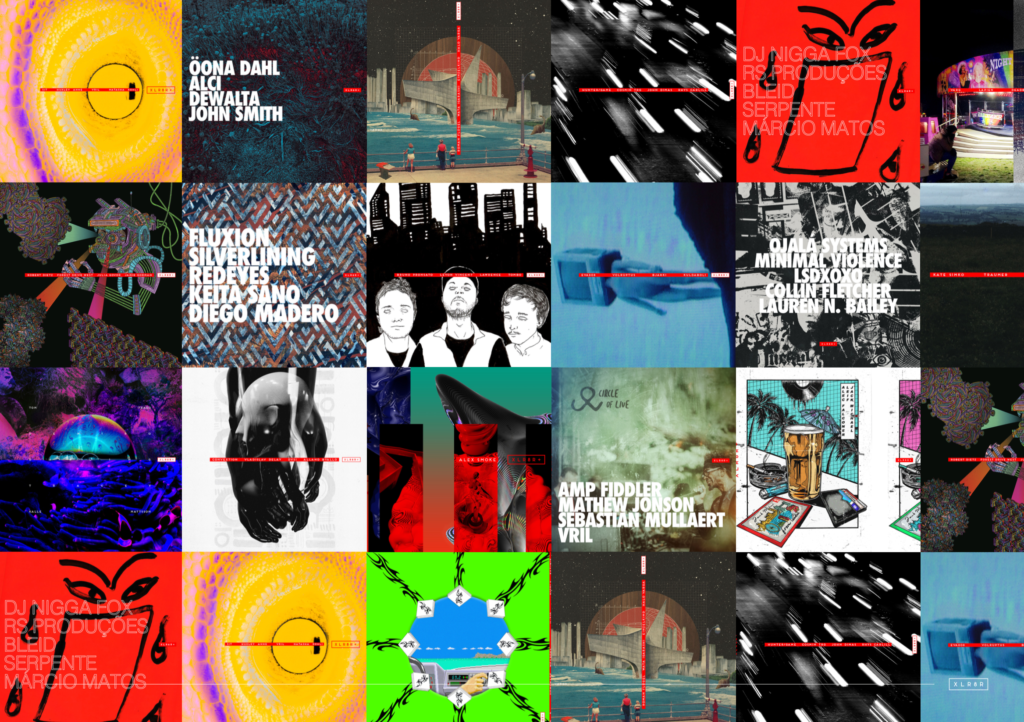
XLR8R+013 is downloadable as a package via WeTransfer below and features the three tracks in both WAV and MP3 formats, an MPC sample pack by Keita Sano, a dedicated PDF zine featuring exclusive content and information on the artists and the works included, and artwork by Diego Madero, which is also available as a desktop and phone wallpaper. (Those who haven’t subscribed can find more information and stream the tracks here.)
MISTRESS13 is described as “a thrilling collage of rough jacking jams between house and techno.” It’s said to reveal Maddin’s soft spot for erratic contrasts and possess serious muscle for the dancefloor.
Maddin grew up producing hip-hop through his teenage years before moving to Hamburg with a growing interest in electronic music. Since relocating to Berlin in 2012, he’s put out releases on Kerri Chandler’s Madhouse Records, Waze & Odyssey’s W&O Street Tracks, and Kakudo Records.
Previous Mistress releases have come from Lapien, Anthony Rother, and Kirill Mamin, among others.
“Some people say that monotony will lead to an artist’s dead end. But how can it be that in electronic music the perfect loop disproves this law? Isn’t the negative connotation of monotony already the wrong premise? Our entire everyday life, however, varied it may be, is characterized by routines that provide a feeling of security and structure. But most of the time it’s the small, unforeseen interruptions that make our monotony special in the first place.
“That’s the mindset I tried to integrate within my workflow as a producer chasing the perfect loop, which is why most of the tracks of the Mistress EP are the result of jam sessions. Those tracks reflect the fleeting moment when ideas flow in a merging of creativity and emotion without me overthinking every move. Later, when I finish the arrangements, I accept those small mistakes and glitches because they’re not only somehow capture those magical moments but also counter the music’s monotony with something intuitive.” — Frag Maddin
Tracklisting
01. 1312
02. Reisefuehrer
03. Transmission X
04. Red Light District
Digital Bonus: Gotta Run 06:27
MISTRESS13 EP lands July 26, with clips below, and pre-order here.
Inside the close-knit community of stripped-back minimal, Dana Ruh is an admired and much-loved artist. She goes about her work—producing, DJing, and running a label—quietly, delivering consistent quality without ever screaming about it. Her discography encompasses a wide-range of takes on these styles, all of which wiggle their way into DJ bags the world over. Fans of the bigger names in these sonic terrains, artists like Ricardo Villalobos, Zip, Sonja Moonear, etc., will almost certainly have heard her work, even if you don’t know it. Resident Advisor called her a “quiet achiever,” and it’s difficult to see it any differently.
Growing up in Germany’s small town of Gera, Ruh found her way into music through her mother. Attendance at local parties through the ’90s inspired her to begin her own collection of records, and no sooner was she playing them out at any opportunity, all the while working full-time as a Production Manager for MTV Germany, having moved to Berlin in 2002. Soon thereafter, with her focus on music growing, she began producing her own, quitting her job to minimise her distractions.
Ruh’s early sound was rooted in smoky house and techno, a little deeper and darker than her music today. She released it through Brouqade, founded in 2007, where she’s also welcomed Kamran Sadeghi, Danilo Schneider, and Arno (a.k.a Einzelkind), who will release his debut album on the label later this summer. Much of her more recent output is rooted in seductive groove and woozy atmospherics, but she’s widened this palette on two albums, 2014’s Naturally on Jus Ed’s Underground Quality and 2018’s D’s Folder V via her Cave Recordings, a “playground,” she’s said. Since its 2016 inception, she’s released there once a year.
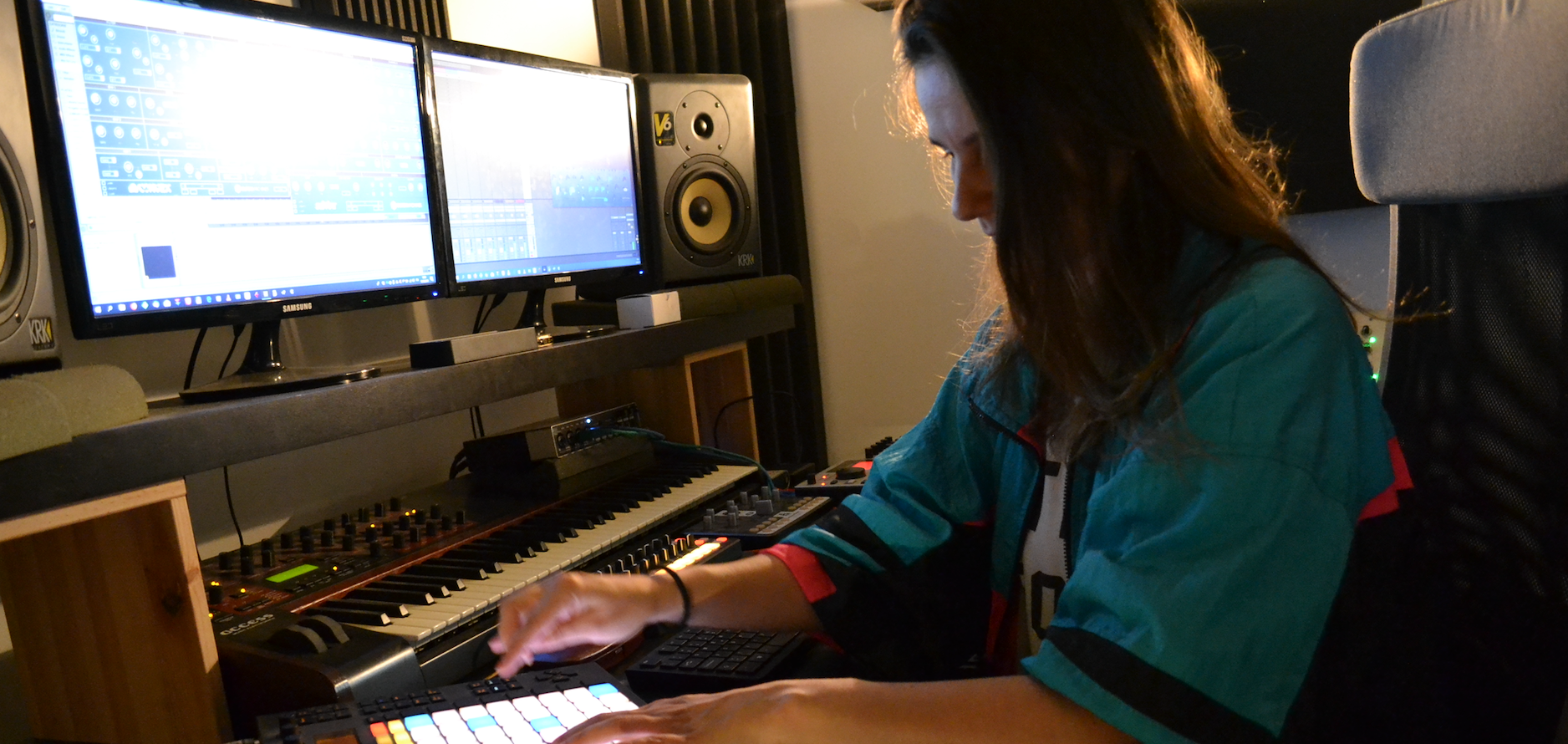
With over a decade of production under her belt, and a discography as high in quality as it is in quantity, there are few artists better positioned to advise on the art. Coinciding with her performance at this year’s UP Festival in Prague, Ruh shared with XLR8R some of the key pointers for fine-tuning your work.
Dana Ruh is performing at this year’s UP Festival, taking place in Prague this coming weekend. More information can be found here.
There is not a real formula when it comes to production but there are some things that helped me to create, to be more confident, and to grow as an artist. I’m not going to go into too much technical detail; these are more general tips that I’ve learned.
Know your environment
It’s a basic but very necessary thing: know your room and know your speakers. I’ve been working with the same speakers, the Yamaha MSP3 studio monitors, for many years; they are small, but I’ve done so much music on them that I know exactly how I have to work and what I can expect from them. Some people think they need better speakers to get better productions, mixes, or so, but I think this is an easy excuse and really unnecessary, provided your speakers meet the basic requirements. It’s more important to really know your speakers; and remember that changing your speakers can help but that it will always take some time to get used to them, and this period of adaptation might be better invested elsewhere.
Also, you must know your studio, whether it’s in your bedroom or elsewhere; every square meter of it! There might be points where you can’t hear certain things, and you have to do all you can to fix this if you can. (I used to think that you can adapt your work patterns, for example rolling your chair to the best spot, but this doesn’t work in the long term.)
If you use an absorber and a diffuser to optimize the sound, it’s likely that you’ll find a “dead hole” in terms of the bass frequency when you are at your desk. This means that the deep frequency is not optimized for the room, between 30 to 300Hz. So you have to figure out where to put the bass traps, which can be found easily online. Once you do this and install them, you will hear the bass in your mixing position and this means that your mixes will be more accurate and your choice of sounds will likely be better.
I know my studio perfectly; I know exactly what to do to hear the full range of sound—the highs, mids, and the bass. Getting to this stage will take you a bit of time but the more time you invest and the more you produce, the more you know. It really is an essential thing.
In order to get to know my speakers and my room, I did the following experiment: I took one of the tracks that I know works on every system in nearly every club, and analyzed it with a spectrum analyzer, checking the frequencies to understand how they sound on my speakers. I produced a track and compared the sound characteristic with the track I knew that sounded so good. Then I played it out and checked if it came close to the sound quality of the reference track.
Don’t overthink
It’s so easy to overthink while you’re creating. This doesn’t help the creative process (it may help finishing a track, or mastering, or mixing it because these are more conscious parts of the process, but certainly not the start.) You have to learn to go with the flow. It always helps me to remember that what I’m working on isn’t going to be my last track, and maybe that will work for you.
If you find yourself heading in a certain direction, try to finish even if you reach the point where you feel like it’s not very good. If you listen tomorrow then you might be surprised; sometimes your brain can be too tired to make an accurate judgment. Lots of my tracks on Cave Recordings, for example, didn’t sound good at first but they really grew on me once I had rested.
I think it’s a lot easier to do this if you are aware of who you are musically. To really be able to relax, and to avoid over-thinking about which direction you want to go with a track, you first have to know what you are as a musician, in your core. And this takes time and patience.
I think it takes time to learn not to follow trends and hypes, and that only your musical core matters. Be prepared to accept that not everybody will like what you do; one of the worst things is to try to please everybody. Also, don’t produce to release. Make music to discover yourself and to understand yourself. Stay true. Remember this, especially when you become successful because then it becomes even harder to stick to this ethos. Collect your music and release it when you feel like releasing, and more importantly also because you feel like you have something you want to present.
Don’t force it if it’s not coming naturally
As soon as I walk in the studio, I can tell whether something is going to come out or not. I’ve learned to never force things to happen. If it’s not happening then it’s not happening. The result after trying and trying can be more frustration; and it’s often better to go out, have a walk, and do something else. You will then be better positioned the next time you are in the studio when you start again.
I normally give myself a few hours (maximum four) and if after this period I have nothing that excites me, I leave and simply do something else. Live life. Meet with friends, do something that inspires me. Go to an exhibition. I do very normal things to get myself in the right place. This is enough for me. I don’t think you should sit there and wait for something that simply won’t come. I take this as a sign for me to rest the mind and come back with new ideas.
“I think often people buy lots of gear to hide for the fact that they have no idea or inspiration to really create. And often people use a lack of gear as an excuse for not being able to make something.”
It’s not what you have; it’s what you do with it
I know artists who do their best tracks in their bedroom or in headphones. You don’t need the biggest studio to create. In the end, music is a feeling, and it comes out of the inside. I think there are things that can help to realize what you have inside but I’ve always made a point of limiting myself to the things I am using; I prefer to know my instruments all the way rather than having lots of gear that I don’t really know. I’ve had a lot of people tell me that I need something, but only I really know what I need to express myself and I also believe that limitation helps creativity. I think often people buy lots of gear to hide for the fact that they have no idea or inspiration to really create. And often people use a lack of gear as an excuse for not being able to make something. This is a weakness. In my own experience, I’ve often bought gear that I thought I would need and then resorted back to old equipment that I know works.
Use filters for texture
Some artists are good with a modular, but I’ve come to realize that I’m just not patient enough. However, I do really like the sound of modular because it’s more alive, so I try to achieve something similar with filters, which are a very important tool in my production. I listen to my tracks again and again and again, which helps me to understand whether it annoys me at a certain point. And while I listen back, I do all kinds of automation with filters.
One of my favorite filters is FabFilter Saturn. It comes with a range of presets that I really like and I use to make the sound I want. I also don’t always want my chords to sound clean and so I normally destroy them a bit with saturation and distortion. I use the automation on feedback, drive, and tone. I record it into audio and go over it again, record again, and so on.
Collaborate to learn
Collaboration is really important for self-development, and I think you should always look to work with new artists, especially those with novel approaches and different patterns of production. This can help you greatly. It gives you new input; you can exchange ideas and get to know another perspective. Look for some people who understand your artistic approach and run things by them. And remember that these people must be willing to give you honest feedback. It makes no sense to surround yourself with people that always tell you that all is amazing; you need critics in every form to develop. So always keep your eyes and ears open to collaboration, and don’t be afraid to ask.
I’ve worked with a few people together over the years, and from each artist I’ve worked with I’ve learned something. I learned about arrangement while working with Andre Galluzzi years ago; I learned from Jus-Ed to be brave and to try things that maybe are a bit more out there. From Gabriele Carasco, I learned a lot of techniques to improve my sound. I also learned that I can achieve a lot with digital software and that I don’ t have to get all that gear to make good music. Lately with Arno (a.k.a Einzelkind,) I’ve started to enjoy again jamming around and the beauty in spontaneity.
If it only sounds good loud then it’s not really good
I always do my mixes on a low volume. If a track only sounds good loud then it’s not a good enough track. My productions are based on vibes, and this means I have to feel something from them, and I want to feel that thing on a low volume. If I can feel it on a low volume then I will definitely feel it in a club on a big system.
This also helps me in the mix, where I must find the balance between all elements, bringing them together, EQing, and making more space in the track for all elements. I also do panning; it opens up the track and gives room. Bass goes center and then I build percussion around it. If I have two synths sounding similar, I put one left and one right. I also check this with headphones; I don’t want the elements to sound too far from each other. After that, I do the final mix, checking all the levels again. And always leave enough headroom for the mastering. No limiter on it, before mastering.
Sampa the Great will release her debut album, The Return, via Ninja Tune in September. Alongside the announcement comes new single and video “OMG,” announced today with a World First play on Zane Lowe’s Beats 1 show.
The Return is built on four years of personal and musical soul-searching, and the product of Sampa having to redefine her self-identity away from the comforts of family and old friends. It sees her tackling big questions, exploring what it means to feel at home, to feel excluded, and to see someone as an outsider.
“Home is described in a lot of ways and means a lot of different things to different people,” she says. “I had to redefine in my mind and in my spirit what home means.” The album walks us through that return to home, while the lyricism underscores the steps she’s made as an artist.
Sonically, the album’s reference points range from classic hip-hop to ancient Southern African sounds. It features collaborations with Silentjay, Slowthai producer Kwes Darko, Clever Austin, Blue Lab Beats, and Syreniscreamy, many of whom she met while studying in San Francisco and Los Angeles, where she arrived after a period in Sydney’s hip-hop and jazz freestyle nights.
On lead single “OMG,” Sampa addresses ideas of “home” through the exploration of her African heritage. The video was shot between South Africa and Botswana, where she was raised, and gave Sampa the chance to involve her parents in her world. “I got to do something that I’ve never done before,” she says. “Which is to have my parents in one of my music videos. This is the first time they have been involved in my music at this level and it was important for me to express accepting and flexing my culture with the two people who know me most.”
Sampa the Great’s last release came with 2017’s Birds And The Bee9.
The Return is out September 13 on Ninja Tune, with “OMG” streaming below.
Deaf Joe will release a new album next month. Love Stories is an ambient affair, chasing memories of special places with lovers and loved ones he’ll never forget. The music was originally developed as part of an ambient set performed at 2018’s Another Love Story festival, and now becomes fleshed out into fully realised studio recordings. We can expect “heartfelt, rich, melodic soundworlds to melt away into.”
In support of the album, out August 2 via Church Ceilings, we’re offering bonus track “Another Love Story” as one of today’s free downloads. Grab it now via the WeTransfer button below, or here for EU readers due to temporary GDPR restrictions.
Jonnine Standish and Nigel Yang will release their fourth album as HTRK (pronounced “Hate Rock”) next month, once again on Ghostly.
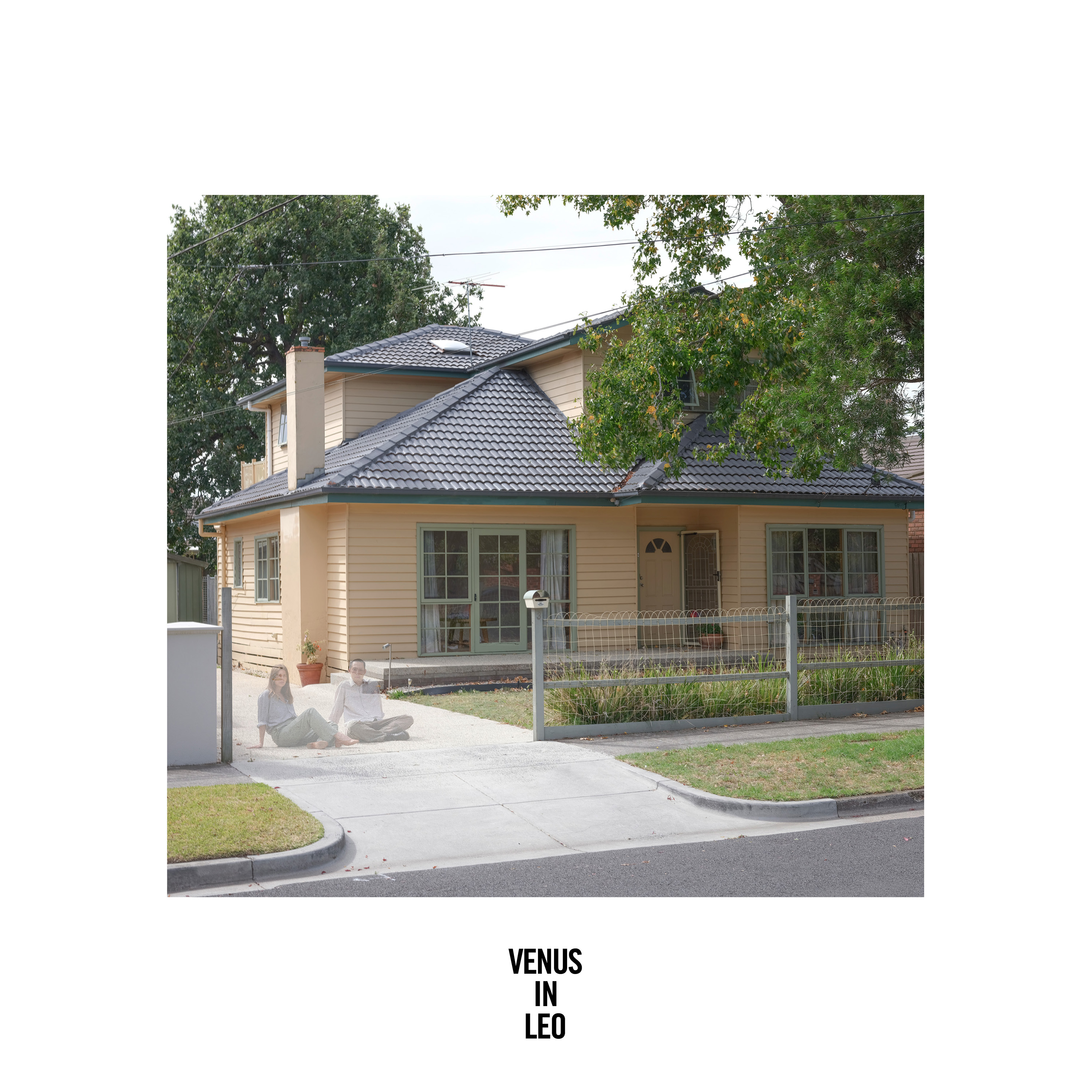
Venus In Leo arrives five years on from 2014’s Psychic 9-5 Club. While the HTRK hallmarks remain—the combination of space and intimacy, the interplay between Yang’s guitars and Standish’s vocals—the album differs in its energy, returning to HTRK’s underground rock past with the stylistic playfulness and variety of a modern mixtape. It was recorded more or less live in HTRK’s home studio in the Dandenong Ranges outside of Melbourne, Australia.
Conceptually, it sees the duo exploring the makings of personality. Standish revisits her childhood home in a recurring dream (“Dream Symbol”), a doomed first kiss (“New Year’s Eve”) and high drama (“Venus in Leo”). We’re told that the album’s “simple production reveals gorgeous, toned-back arrangements and an evolving, idiosyncratic songcraft.”
It’s been 10 years since HTRK released their breakthrough first album, Marry Me Tonight. Since then, they’ve undergone profound changes, with the first two albums released amid the deaths of close friend and collaborator Rowland S. Howard and HTRK co-founder Sean Stewart. Psychic 9-5 Club set them on a path of self-discovery, and Venus in Leo “marks a spirited new chapter,” the label explains.
Venus In Leo LP is out August 30, with “You Know How to Make Me Happy” streaming in full below and pre-order here.
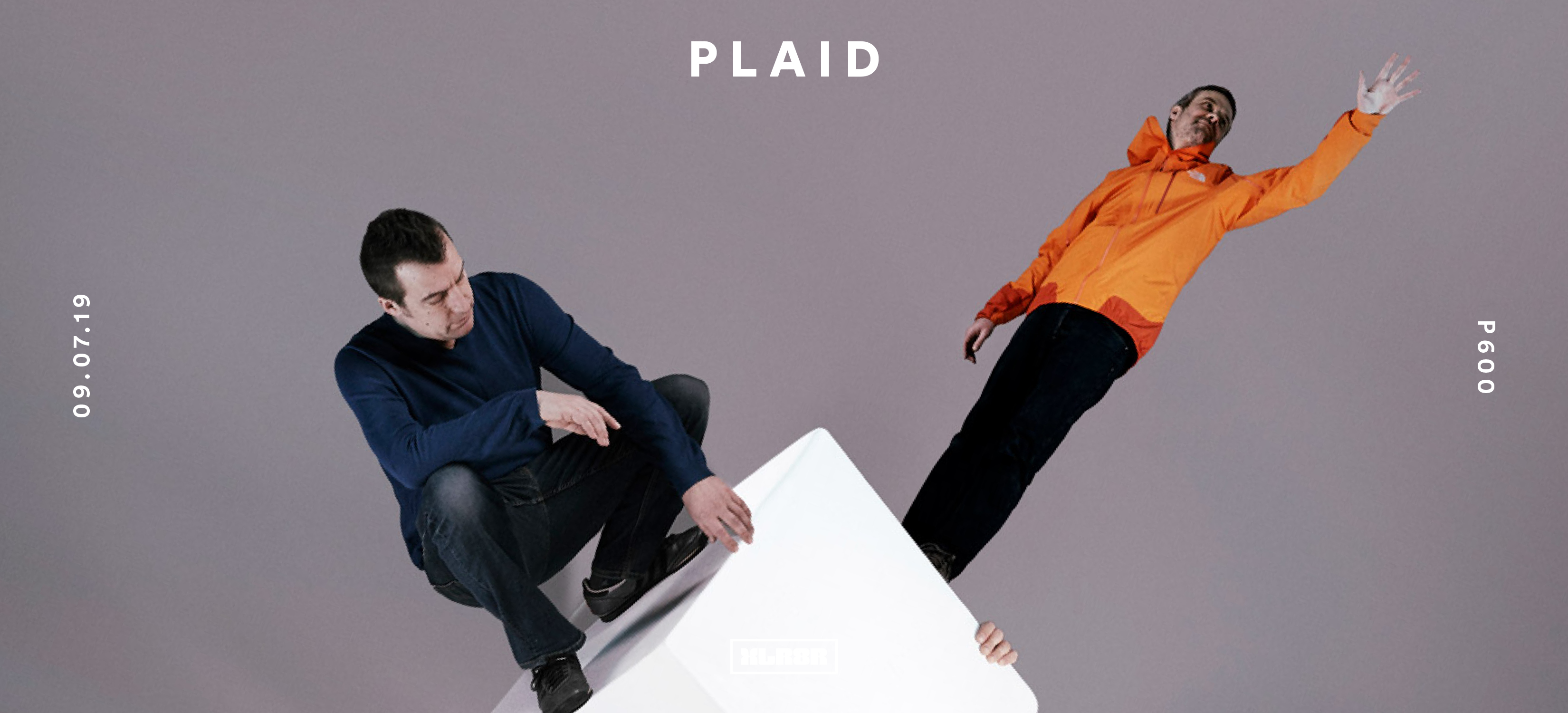
Our 600th podcast comes from Plaid, the collaborative project of Andy Turner and Ed Handley, two school friends who found their way into electronic music through graffiti art and breakdancing.
Alongside Ken Downie, the duo formed The Black Dog, which, with their ambient soundscapes and syncopated rhythms through the late ’80s and the early ’90s, pioneered the IDM genre alongside the likes of Autechre, Boards of Canada, Aphex Twin, and µ-ziq. They debuted on Warp in 1993 and, after leaving The Black Dog in 1995 to focus on Plaid—having launched the project with 1991 Mbuki Mvuki via Black Dog Productions—they’ve become mainstays of the British label alongside those aforementioned names. They released Polymer, their 10th studio album, and a more ominous affair, in June, before contributing to Warp’s 30th-anniversary celebrations.
Plaid’s approach is experimental, playful, and collaboration-friendly. Their catalog of reworks contains originals from Red Snapper, Björk, and Goldfrapp—2003’s Parts in the Post collates much of this—and they’ve also worked with the London Sinfonietta and composed for Felix’s Machines, essentially music-making sculptures built by Felix Thorn, and soundtracked events as diverse as reindeer migration in northern Europe to video game series Little Big Planet.
And it goes without saying that this has shaped their sound deeply, most acutely following 2006’s Greedy Baby soundtrack collaboration with Bob Jaroc. The album of sorts not only opened the door to further audio-visual work, notably with Japanese film director Michael Arias, but also because it seemed to earmark the beginning of an exploratory period for the British duo, captured on 2011s’ Scintilli, 2014’s Reachy Prints, and more recently Polymer, arguably one of their finest albums to date. While the glitchy IDM beats and knotty rhythmic detours remain, the sound is more complex, wonderfully cerebral, and immersive.
We welcome Plaid to the XLR8R podcast series with a nostalgic and celebratory mix. Barring the odd exception, all tracks were released in 1989, the year the duo first released as The Black Dog and Warp Records surfaced. Over one hour, Andy Turner and Ed Handley weave together selections from Orbital, A Guy Called Gerald, and more, giving us a glimpse of the electronic music landscape into which one of electronic music’s most defining labels and the Plaid project was born.
What have you been up to lately?
We were busy touring last month to promo the release. It’s always fun going out with a whole new set of material. We’ve developed a new video patch that responds to MIDI which gives us total freedom to build the tracks on the night and it will react accordingly.
It’s been almost three decades since you signed to Warp. How do you feel the musical landscape has changed over this time?
The landscape is more populated now as most music is available easily; it was more difficult to find three decades ago. It’s become much easier for musicians to make their work available which has also added to the numbers. And there have been perhaps 700 new electronic music sub-genres added to classify everything, because just love labels, don’t we?
You’ve completed a lot of soundtrack work over your career. How do you feel this has influenced your sound?
It’s a different discipline writing to picture. There are moments that need to be hit with a certain emotion and we have to realize the director’s vision rather than indulging our own tastes completely. We usually begin by agreeing on a sound palette to draw from and this process has leaked into our the way we plan our own projects, in that we now select new tools that we’re going to focus on at the start of the writing process.
Do you find yourself drawing inspiration and ideas from collaboration?
We’ve always been drawn to melodic percussion which led to collaborations with the Southbank Gamalan, the London Sinfonietta, and Felix’s Machines, and these have all influenced new work. The Gamalan was really interesting as we were learning to write with new tonal scales. We continue to write with Ben who has an indie/folk background. There are always new things to learn.
What are you most proud of, looking at your career?
If we were to select one body of work it would probably be the soundtrack for “TekkonKinkreet.” It was the first movie we scored and it’s a beauty. We were extremely lucky to be involved.
Polymer feels more ominous than your earlier work. Why do you think this is?
We noticed this too toward the end of the process. We think it’s due to the current environment in the UK where Brexit has absorbed a lot of the energy, positivity, and goodwill. We’re fundamentally opposed to it. It’s darkened our outlook and this trend toward support for inward-looking populists is not restricted to the UK clearly. It’s a worry as lies are clear but people don’t care and it’s confusing because there seems no good reason for it or positive result likely from it.
Where and when was this mix recorded?
This mix was recorded in our London studio. It’s been a glorious sunny day and it’s been wonderful revisiting the music we were listening to 30 years ago. It sure brings back memories, so many great parties.
How did you choose the tracks that you included?
They’re all tracks we were DJing or hearing out. Many have influenced our earliest works.
Is there a wider narrative or concept around it?
All the tracks were released in 1989, the year we put our first EPs out with Ken as The Black Dog and Warp released their first few too.
What’s up next for you both?
We’ve got a busy year ahead, more European shows, Japan, and a US tour in December which we’ll be announcing in a few weeks. There are a few smaller releases planned before 2020. We’re setting up a new studio space in London and hope to be writing new things in it toward the end of the month.
Due to issues regarding the GDPR, EU readers can download the podcast here.
Tracklisting
01. 808 State “Pacific State”
02. A Guy Called Gerald ”Voodoo Ray”
03. Bang-The Party “Bang-Bang You’re Mine”
04. Forgemasters “Track with No Name”
05. Nightmares on Wax “Dextrous”
06. Unique 3 “The Theme”
07. Steve Poindexter “Computer Madness”
08. Rhythim is Rhythim “Beyond the Dance” (Cult Mix)
09. Adamski “N-R-G”
10. Humanoid “Stakker Humanoid” (Original Mix)
11. Obital “Chime” (12-Inch)
12. Bobby Konders “The Poem”
13. Sweet Exorcist “Testone”
14. Renegade Soundwave “The Phantom” (Original Mix)
Salami Rose Joe Louis (real name Lindsay Olsen)—the Bay Area-based musician, composer, and producer—will release her new album, Zdenka 2080, via Brainfeeder on August 30. As part of the announcement, she has shared her double single “Octagonal Room” / “Cumulous Potion (For The Clouds To Sing),” which comes off the forthcoming release.
Zdenka 2080 was heavily influenced by a series of apocalyptic sci-fi novels by Octavia Butler and Gene Wolf. “They inspired me to explore the realms of fantasy as a means of illuminating concepts and truths about our own society and humanity,” she says. “I also was very inspired by the movies ‘Tekkonkinkreet’ and ‘Embrace of the Serpent,’ a beautiful exploration of capitalism, colonialism, and greed.”
The album describes a future dystopian Earth in the year 2080 that has been mis-managed by unethical governments and corporations. An initiative by greedy big business to capture solar energy to power a super-sized spaceship results in a rapidly cooling Earth, and the elite escape via the spaceship to colonize another distant planet. The earthlings left behind find themselves fading with the cooling sun.
The first half of the album follows the journey of a young earthling left behind. She discovers an octagonal room with eight paintings, each one leading to a new dimension, and travels through the dimensions in search of a way to save her planet. Her journey eventually leads her to a window where we discover that the octagonal room is the brain of the Earth and the paintings and coinciding dimensions are the thoughts of the Earth creature. The imagery of the paintings affect the thoughts of the Earth creature. Zdenka is the name of the artist who creates the paintings inside the octagonal room. Thus, she can influence the thoughts and actions of the Earth creature and humans on Earth based on what she paints. In this story, Zdenka is lost and confused and she paints very dark imagery. The young earthling begins a quest to find and convince her to paint more positive imagery.
Olsen hails from Crockett in Northern California. In 2017, in the wake of the release of her album Zlaty Sauce Nephew, Olsen sustained a wrist injury in a car accident that forced her to miss a fortnight of her regular job at an asbestos lab in Berkeley. Serendipitously, this coincided with one of her tracks unexpectedly being licensed for a TV commercial and Olsen decided to take the plunge. “I felt like it was a sign from the galaxies to take the leap to concentrating on music full time,” she says.
Zdenka 2080 is released via Brainfeeder on August 30, with “Cumulous Potion (For the Clouds to Sing)” and “Octagonal Room” streaming below.
Tracklisting
01. Suddenly
02. Octagonal Room
03. She Wakes Up / First Dimension
04. Love the Sun
05. Cirrus Floccus / Second Dimension
06. Cumulous Potion (For the Clouds to Sing)
07. Nostalgic Montage
08. Meet Zee in 3-D / Third Dimension
09. Confessions of the Metropolis Spaceship
10. A Brief Intermission
11. Sitting with Thoughts
12. Earth Creature
13. Peculiar Machine / Fourth Dimension
14. Drifting
15. You Get Blue
16. Diatoms and Dinoflagellates / Fifth Dimension
17. Transformation of a Molecule / Sixth Dimension

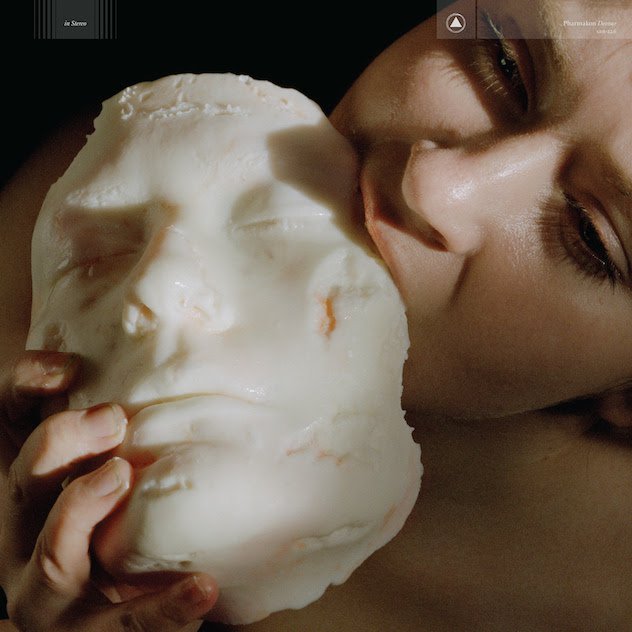
Devour is the New York-based artist’s most intense output of her 12+ years of creating industrial noise. Like her previous albums, it comes with a strong concept, using imagery and language of self-cannibalism as allegory for the self-destructive nature of humans. Each of the five songs echoes a stage of grief associated with this cyclical chamber of self-destruction and the chaos surrounding us that leads us to devour ourselves in an attempt to balance the agony.
The album was recorded by Ben Greenberg, and is the first Pharmakon album recorded live in studio. Each side was recorded as a continuous take with vocals from start to finish, marking a totally new process that allows the ferocity and immediacy of Pharmakon’s live performance to resonate throughout. It also sees her exploring new sonic territory, with denser electronics, groovier hooks, and moments of her most unhinged vocal deliveries to date.
Pharmakon released her last album, Contact, in 2017, also through Sacred Bones.
Devour LP lands on August 30, with “Self-Regulating System” streaming in full below.