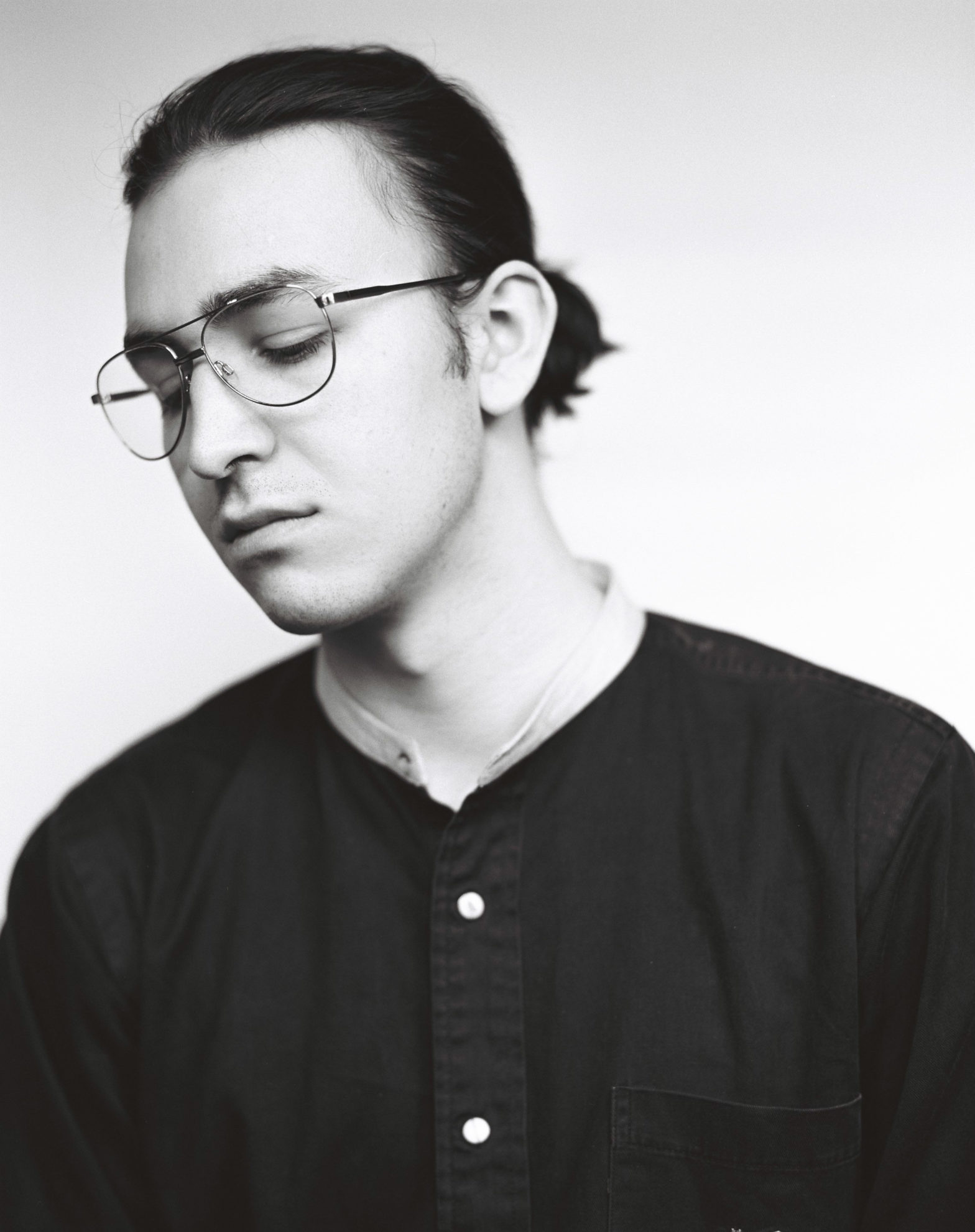
As previously announced, Parisian producer Djebali has unveiled “Once a Month” through which he will release 12 free tracks (one each month), aiming to “give fans and digital collectors a chance to have music that is exclusive to the format.” The May edition came in the shape of a groovy house number; while December’s edition is available below.
Since he launched his own record label back in 2011, Djebali has been focused on releasing his music almost exclusively on vinyl. But he has launched this project with the intention of delivering a series of tracks that are only available in digital format. To maintain exclusivity, each release is available for three weeks, with Djebali making each freebie different and unique in its own way—whether it’s a bumping dancefloor cut, a cheeky edit, a remix or something a little more experimental.
As an additional bonus, Djebali is collaborating with Maku Lopez, a Spanish photographer, who contributes 12 of her own works for each of the free releases.
Due to GDPR restrictions, European readers can download the music here.
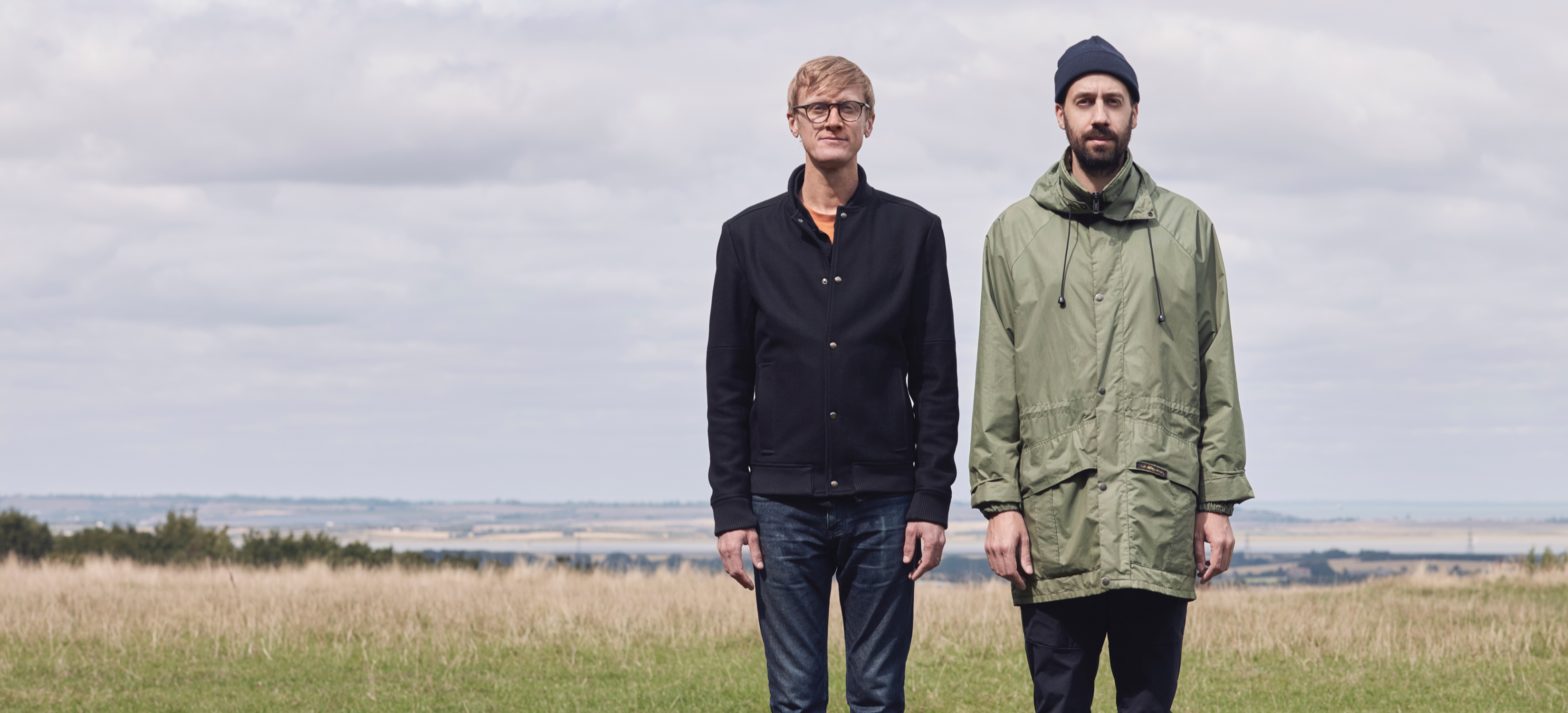
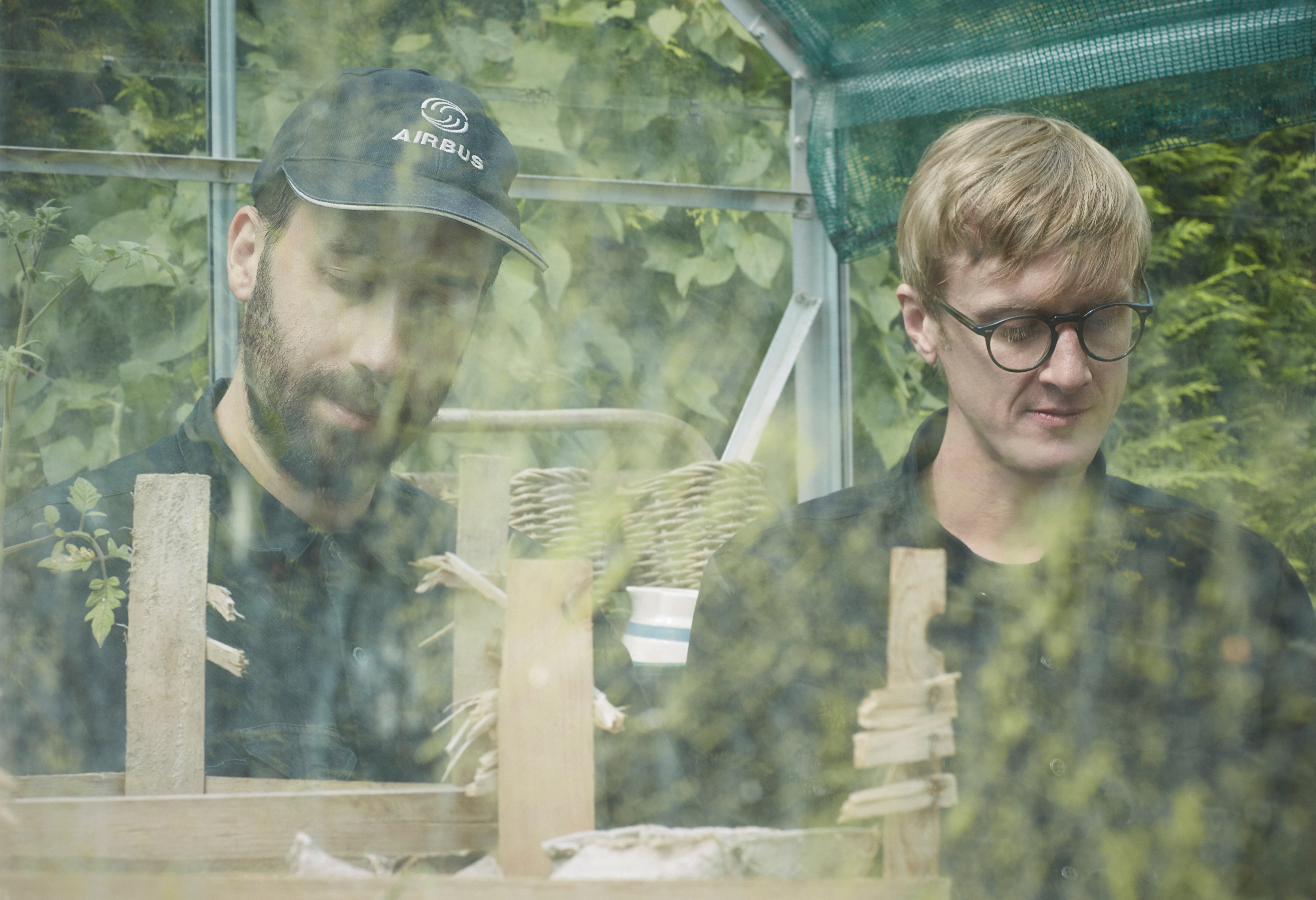
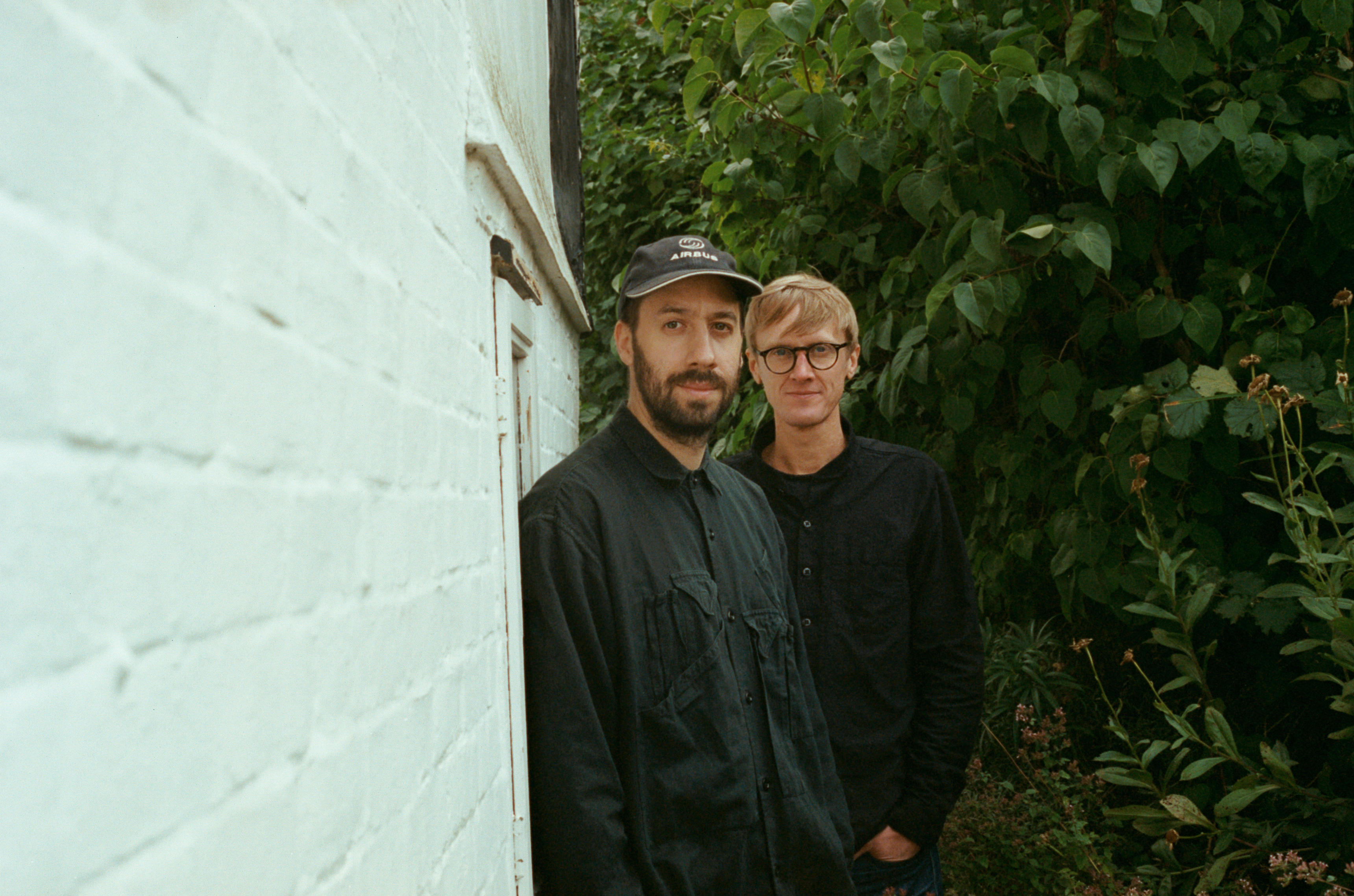
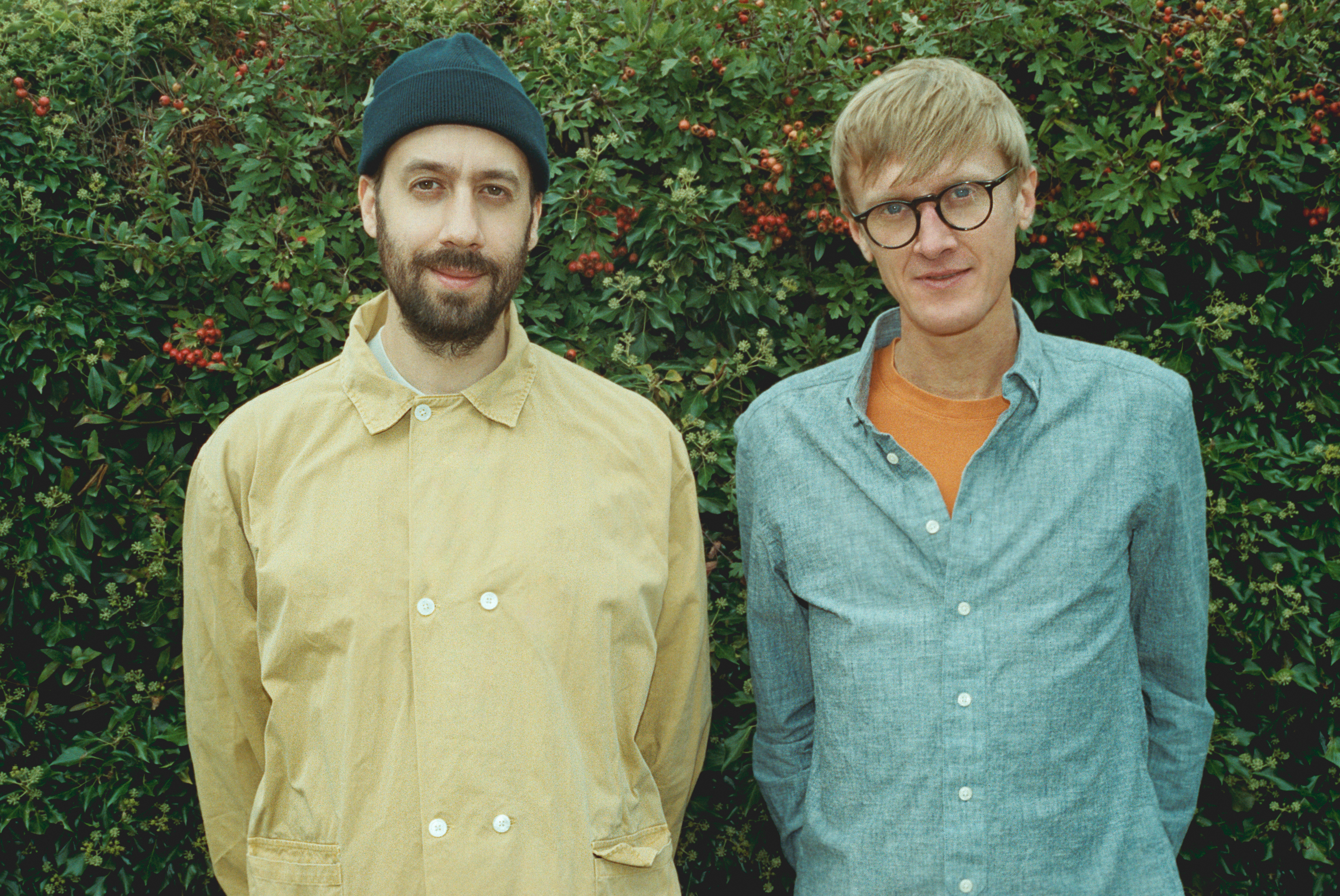
Late last year, Derwin Dicker (a.k.a Gold Panda) and Jas Shaw, one half of Simian Mobile Disco, joined forces for a new album as Selling. The release, out now via City Slang, was recorded in Shaw’s studio, a converted barn at his home in Kent, “in between eating sandwiches,” during a period when he was undergoing chemotherapy treatment after a diagnosis of AL amyloidosis forced him to cancel a Simian Mobile Disco tour. Across its concise nine tracks and 42 minutes, On Reflection moves seamlessly from undulating, driving washed-out techno to sweet, shimmering electronics.
Having first met a decade ago, Dicker and Shaw have prior history together: Shaw has mixed two Gold Panda records, including the breakthrough debut Lucky Shiner. In between, Gold Panda and Simian Mobile Disco played shows together in the UK, USA, and Japan—so further collaboration was a natural progression. “Selling was made for fun, really as an excuse to get Derwin to come to my house and drink tea. I like to think that enjoyment is audible in the record,” Shaw notes. Additionally, Shaw was drawn into working with someone who could offer a different way of creating in the studio, given he already has a successful and enjoyable partnership with his lifelong Simian Mobile Disco partner, James Ford. “I have always enjoyed how natural and unschooled Derwin’s approach to music is. I know that sounds like some sort of veiled insult but it’s not at all, electronic music is littered with well constructed, sensibly arranged tracks that follow a logical harmonic theme, almost all of that music can get fucked.”
On Reflection ultimately grew from a series of sounds and ideas that were quickly recorded and then edited down to their purest form. It’s a record that exists in spontaneity and quick, gut decisions rather than any sort of laboriously plotted selection of notes and sounds. At the heart of it lies the Cirklon hardware synthesiser, and most tracks started with cheap ’90s rack-mount synths, the type that can be bought on Ebay for £30. “Even though these are totally digital they really have a distinctive character to them, kind of grainy and shit but in a charming way,” the duo explain.
To learn more about the release and the duo behind it, XLR8R dialled in Shaw and Dicker one wintery afternoon for a quick-fire 20 Questions.
01. What have you both been up to lately?
Dicker (Gold Panda): I’ve been doing some classes in programming, Python and stuff like that.
Jas Shaw: Recently I’ve been making loads of techno, probably to make up for the fact that I’ve not been able to go to clubs for ages and I miss it. Really lately, like today, I’ve rebuilt my first modular rig so that I can do polyphonic stuff with it, so it’s a mixture of swearing (when it’s not working) and cheering (when things work.) Next up is to try to get micro-tuning working.
02. What was the first record you ever bought and the story behind it?
J: Tapes, I bought two tapes. I bought a copy of Slippery When Wet and also Raising Hell. So that’s kind of shameful and cool. What’s nice, in retrospect, is that I bought both records for the same reason: that they seemed like they would have swearing on them, as good a reason as any to buy an album. I’m sad to say that there is no swearing on the Selling record.
D: Actual vinyl record was Soul to Soul 12” Get A Life/Jazzie’s Groove. I was nine. I don’t know how I found out about it, maybe from listening to Choice FM or something. My Dad had records and I knew of record shops, because there was one on Peckham High Street near Woolworths. I was used to the music section in Woolworths but this shop looked way cooler. I wasn’t nervous or anything. My Dad came in with me and I asked the guy behind the counter, he knew the record, and my Dad was pretty impressed. Also, The Best Of Pavarotti on cassette, that was from Woolworths.
03. What’s the last thing that made you laugh and why?
J: I just had a moment where I realised that getting into micro-tuning means I’m kind of an asshole and that’s kind of funny. I’m still going to mess around with micro-tuning anyway though. I should point out that I’m not living under the illusion that doing this might make the music I make anything like that of Aphex, though obviously no one would moan if it did. (It won’t!)
04. You’ve just released On Reflection, a collaborative record. I understand you guys have known each other for over a decade: where did you first meet and what’s the story behind the friendship?
Jas: I don’t remember the exact first time we met but I remember we did some gigs together and then I helped out on Derwin’s first record. Derwin would always claim that he didn’t know what he was doing but at the first gigs he used to just program all the patterns live on the MPC, just put it into record mode, and tap them in on the pads; it was amazing to watch. Frustratingly, this only made sense in venues where people could be right up close. Also, changing tracks took ages. He’s a wizard on that sampler.
D: Jas mixed Lucky Shiner and Half Of Where You Live but before that, I think we did some shows together in Japan, and I opened for Simian Mobile Disco at the Roundhouse in London. We just get on, it’s not too serious, have a laugh and make some music, eat some nice food.
05. How do you think it compares to your other respective projects?
J: I can’t do the describe music thing. I don’t know how you lot do it.
06. The press release talks about the fun and enjoyment you had making the record. Is it fun making music with no real agenda?
D: Yes.
J: Yep, definitely fun. This isn’t a new approach though, for either of us. James [Ford] and I more or less gave up the idea of prescriptive music plans as we would always get the opposite of what we aimed for. I think Derwin is the same: if you don’t have a set target then whatever you end up with is a direct hit; everyone needs a bit of encouragement like that when you are making music. Yeah, direct hit, again!
07. Did you find that you had two clearly defined roles in the studio? Who is better at what?
J: Not really. We recorded at my house so I did the engineering side of it but honestly, it’s not rocket science, recording synths; if we had been at Derwin’s then he would have pressed the buttons. The way we were recording meant that if you give everything a track, arm it, and press record when something cool happens, that’s all that needs doing. Both of us are good at the synth stuff but Derwin has an almost superhuman patience for rack synths with fading LCD screens and annoying menu-driven interfaces. One particular synth ended up being the main sound palette for the album and, because it never got much use before, it was at the very bottom of a rack, almost on the floor. In order to use it, Derwin had to lie on the floor in a strange, stressful looking position. It never seemed to bother him at all.
D: I think we have a similar way of working. We set a bunch of equipment up and kept messing with the sequences and sounds until it surprised us and then we hit record and jammed for a bit. It’s the unexpected we are looking for. Jas is way better at sitting in front of the computer and arranging and editing all the bits together; I tend to drift off, plus it’s his studio so he has to sit in that chair. If his wife came in and found me in that chair it would be weird!
08. What’s your favorite track from the album and why?
J: I really like “Keeping Txme.” It hinges around the grim ‘90s rack synth that I mentioned earlier but, and to make it more fun, I set up a MIDI controller for it. The old CPU in it can’t keep up with heavy activity so if you turn two knobs at the same time on the controller it would kind of choke in a way that was equal parts annoying and charming.
D: “Dicker’s Dream” because it’s named after me but also because it’s probably the furthest from a Gold Panda track.
09. How do you find working collaboratively rather than as a solo artist, Derwin?
D: Half the work, double the results!
10. Jas, what’s it like working with Derwin rather than James Ford? Did it open up all different musical pathways?
D: Double Jas!
J: It was not a world away from working with James; all three of us are pretty even-tempered in the studio, and, though I’ve known James twice as long, I’ve still known Derwin ages; long enough that we don’t need to tiptoe around each other. I guess the main thing was that although we use fairly different gear and make different music our approach to making music is fairly similar: both of us just muddle through until something interesting happens. My studio is in the middle of nowhere and at my house so I’ve always made a rule to only invite people over who are nice, nice enough to put up with my kids and dogs and the chaos that generates. I know that sounds like an obvious thing but the music industry is littered with people who are a pain to hang out with, and no one needs that in their home.
11. What’s the story behind the album name, On Reflection?
J: This is one for Derwin, he did the majority of the word stuff.
D: Just looking back over what we’d made really. Plus a lot of tracks had a nice mirroring quality in the sounds and sequence.
12. Speaking generally, do you think carefully about how your music is received or do you try to keep it a selfish endeavor?
J: The main thing for me is to avoid second-guessing things. If you start making music based on what you think other people think then that’s got to end in tears. Selfishly, I do want the process to be fun and the mechanism for making music to be interesting but that doesn’t mean that I don’t care what people think. What you are shooting for is for other people to get the same feeling that you had when you first heard the thing come together, and if they don’t then that knocks your confidence a bit, I guess. You need relatively thick skin as sooner or later someone is going to say something really unpleasant about something that you put an awful lot of effort into; it’s not a nice feeling and I think that most of the time when people claim not to care at all they are just trying to insulate themselves from criticism, and who could blame them?
D: With Gold Panda, I over think it sometimes, and it’s a path to ruin. With On Reflection, we just had fun.
13. Derwin, it’s been some considerable time since you shared some Gold Panda material. What’s the status of the project?
D: I’m working stuff but also lots of stuff that isn’t Gold Panda. As Gold Panda I just played in Paris with Anoushka Shankar, it’ll be shown on France2 in December.
14. Which artists are inspiring you at the moment, and why?
J: Peder Mannerfelt and Rrose are great. I love how the Mannerfelt stuff sounds like he’s trying to make rave music but throwing it all in the bin every time it sounds like rave music. And Rrose, well it’s not really music, it’s just sound; in fact, I’ll go the other way, it’s sound and not just music.
15. What musical genre is played most in your homes outside of the studio?
J: Most of the DJs I know are proud to say that they don’t listen to much techno at home, this is a good thing as just listening to the same stuff means that there are no outside influences getting thrown into the pot. I can’t claim this though, I like increasingly fast techno and drone, I really should get out more.
D: There isn’t one genre. I’ve been buying used CDs at the moment because they are dirt cheap, excellent quality, and easier to store than vinyl, plus I can play them in the car. My girlfriend usually puts the radio on.
16. What are your favorite albums at the moment?
J: The new Yamoaka album is all manner of lovely, also the Stephen Lopkin album and the Barker EP on Ostgut is exceptional. That’s an EP but it’s so good I think it gets a pass to be mentioned in with albums.
17. If you had to make a compilation album for early morning chill-out, name three tracks that would be on it?
D: I don’t have to and I won’t, haha!
J: The phrase chill-out has made my nose run a bit but let’s lean into this: I’d definitely put some Claude Young Jr. on, maybe Cryosleep Dreams. For ease of assembly, the A Made Up Sound record called At Klangendum is all one piece and though it’s not all super mellow it’s great stuff and 45 minutes long, mix done. If I get one more I’d put “Intra-8” by Mark Fell on, he’s the best.
18. If you were to be stuck on a deserted island for many years, what book and record would take with you, and why?
J: I know it’s a bit like putting “I like reading” on your CV but I do like Autechre, obviously, so either Amber, for nostalgic reasons, or the Elseq album/thing. As for a book, anything I’ve not read yet, as there’s no point in taking something I’ve already read, that would be a waste.
19. If you could have dinner with anyone, alive or dead, who would it be and why?
J: Obviously Bowie, around the Ziggy period. I bet he wouldn’t eat much either so I’d get two dinners and a strange conversation.
D: Dinner with the dead? Pretty unhygienic. Maybe it’d be like that dinner scene from the film “Braindead,” although technically I guess they’re the living-dead.
20. What’s the first thing you’ll do after answering these questions?
D: Email them back to you.
J: Glamorously, I will re-download a synth manual and read it, I don’t know how people who claim never to read manuals get anything done; they just paw at the instrument until it does what they want? Although I know that reading synth manuals isn’t press-worthy chat, I do think it comes from the fact that I still find studio tackle completely fascinating and I stand by the theory that you can get a song out of reading a chapter of a synth manual. There’s always something in there that you realize you can mess with and it might, with luck, do something musical. Poor old Bowie, having dinner with me…
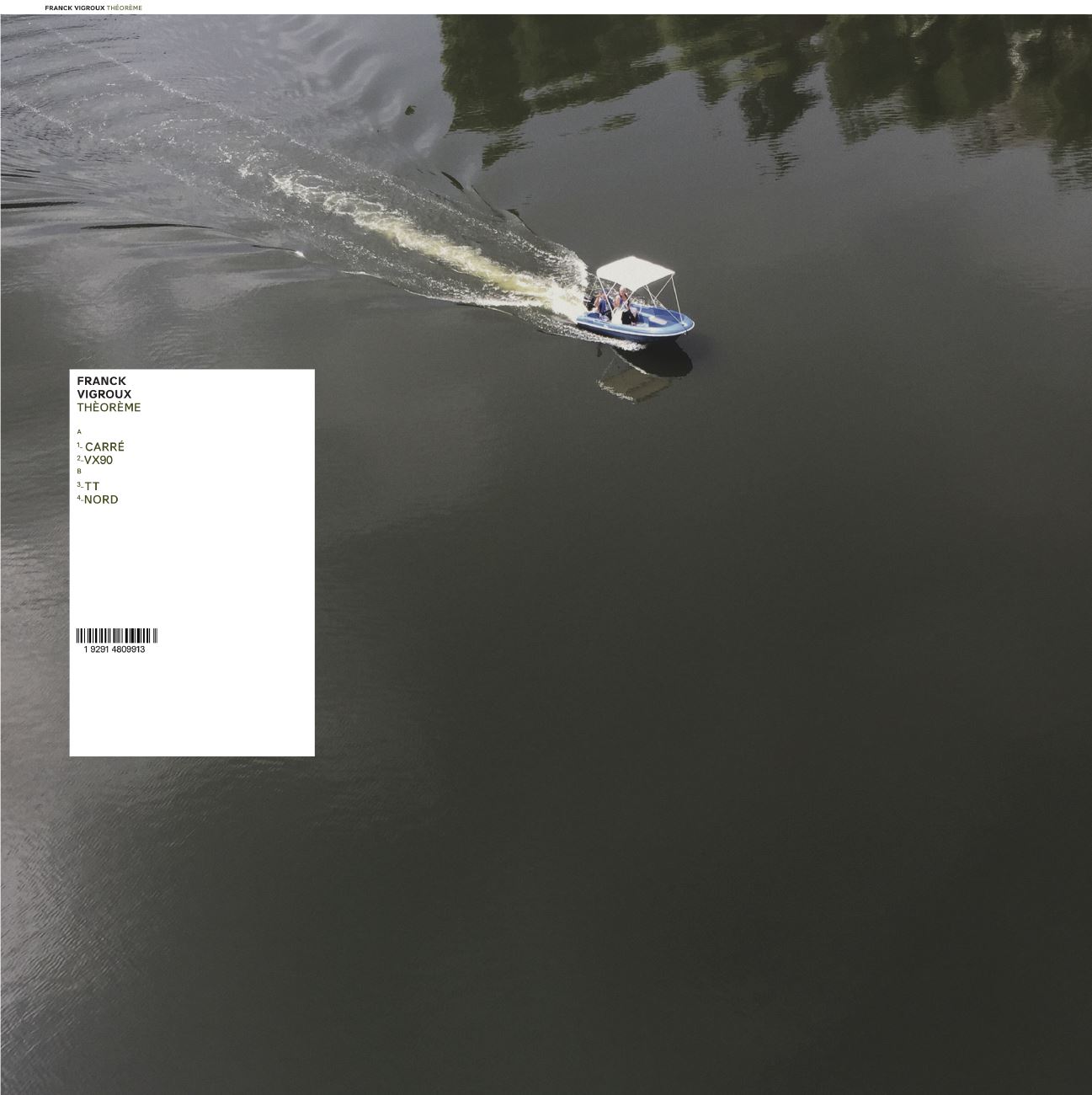
Vigroux, a leading French electronic music figure, has been releasing music since 2002 on labels such as Leaf, Monotype, and Shapednoise’s Cosmo Rhythmatic, where last year he released a collaborative six-tracker with the late Mika Vainio. He’s featured extensively on D’Autres Cordes (DAC) and will now return with a four-track EP that describes a dystopian reality where humans and nature fight the material world.
“Hard-kicking loops, drone doom, and industrial sounds, the EP is full of tension that coursed through the veins of is last solo releases and collaboration with Mika Vainio,” the label explains.
On February 1, DAC Records will also release the third album of the French drone/noise composer, singer, and writer Annabelle Playe, having released her first two.
Tracklisting
A1 / 1. Carré
A2 / 2. VX90
B1 / 3. TT
B2 / 4. Nord
Théorème EP will land on February 8, with “TT” streaming below.
DJ Healer has returned with a new two-part mix, Lost Lovesongs.
DJ Healer, the most recent alias of Traumprinz and Prince Of Denmark, shared part one, Lost Lovesongs, during the Christmas period before dropping the second part on New Year’s Day, featuring an additional six tracks. The mixes feature all original material, and follow 2017’s 171-minute Planet Lonely mix via the same Planet Uterus SoundCloud.
Tracklistings
Lost Lovesongs
01. Intro
02. Untitled
03. Lost
04. Drifter
05. Untitled
06. Found Time
07. Holding On To You
Lostsongs Vol.2
01. Outro
02. U 4ever
03. Depression House
04. Geister
05. Another Hidin
06. Grown
Lost Lovesongs and Lostsongs Vol.2 are available to stream below.
We begin the new year with a mix from SHXCXCHCXSH, the Swedish techno act. Having found each other in Stockholm, the duo began exploring their love for the darker and more experimental realms of techno and soon followed the natural progression of working on music together, incorporating their broad range of musical backgrounds—from hip-hop to rock-pop—into what they term “deadly serious techno” born out of the elements of noise, drone, glitch, broken beats, pounding industrial, and much more.
After releasing on Semantica and Subsist, SHXCXCHCXSH found a home on Shifted’s Avian. Following the series of EPs that caught the attention of techno world, June 2013 saw the release of STRGTHS, a debut album that etched their unpronounceable name onto audiences’ minds. In 2014, the duo unveiled their second full-length album, Linear S Decoded, that showed an entirely different side of SHXCXCHCXSH by perfecting the intricate balance between light and dark and further expanding the breadth and depth of their world with complexity and sensibility without compromising the powerful nature of their output.
Since then, two more albums have followed, namely SsSsSsSsSsSsSsSsSsSsSsSsSsSsSs and, more recently, OUFOUFOF, the first on the duo’s Rösten imprint and more focused on the club—“…the main focus being our relationship with the dancers’ minds and how we do our best to fuck with them.” In support of the album, the duo compiled a beat-focused mix with one eye on the dancefloor, but slightly less driving and more experimental than formulaic. It’s heady and, at times, intense and deliciously dark; but in there you’ll find serene atmospheres and plenty of space for reflection. Download it now via the WeTransfer button below
What have you been up to recently?
The past year has been the most productive time for us ever. We have a bunch of big records on our desk that will be coming out after this album. Our label Rösten will also have a busy 2019 starting with an EP from Sissel Wincent.
Your latest album marks the “beginning of a new turn for SHXCXCHCXSH, one born out of a fresh conceptual approach to rhythm.” Can you talk to me more about this?
Our past few albums have been focused on a very free atmospherical idea of techno while this time we looked back on how we created beats before that, mostly on “LTTLWLF,” and we found a seed of something in that track that we never developed further. So the process of this album started with that track basically, how the beats are made, and how such form can generate new forms.
When and where was the album recorded, and how does it compare to your earlier work?
It was recorded during two months last spring in Berlin. It was very conceptual from the beginning in a more concrete way because it had a form before it had a sound; usually, it’s the opposite.
You two have long kept your identity secret. What do you perceive to be the importance of anonymity?
It has always been a way to make it easier for the listener to take in what we do; what we do is not about us as persons, it’s all about the listeners’ subjective experience.
When and where was this mix recorded?
A few days ago at home in Berlin.
Is there a theme or idea behind it and how did you choose the records that you included?
It’s all about beats really, plus some other noises that we like. We tried to find tracks that would reflect our approach to music making but we didn’t find it, but this selection is as close as we get to the strangeness we love. The tracks are all old favorites mixed with loads of new ones.
How do you feel it compares to your live sets?
It has a similar vibe as the live set we tour with at the moment, but where our live set is aimed completely to the people dancing this mix is also meant to be fun to listen to at home or headphones and does take some more experimental turns that we wouldn’t do on the floor.
What’s next on the horizon?
We are very excited about the live set we do now, it sounds more techno than ever. When it comes to releases, our next EP will be out on Mord in early 2019, all the rest is secret but we can say things will be reversed…
Due to issues regarding the GDPR, EU readers can download the podcast here.
Tracklisting
01. Klara Lewis & Simon Fisher Turner “Care 8”
02. P. Adrix “6.6.6”
03. Christian Morgenstern “Misellaneous pt. 6”
04. Acre “Switchblade”
05. Illum Sphere “An Old Escape” (Kill Them Kill)
06. Demdike Stare “Pile Up”
07. Ersatz Olfolkds “Compostelle”
08. Positive Center “Ancestor One” (Sleeparchive Remix 1)
09. Michael Wells “Three Fates” (SHXCXCHCXSH Remix)
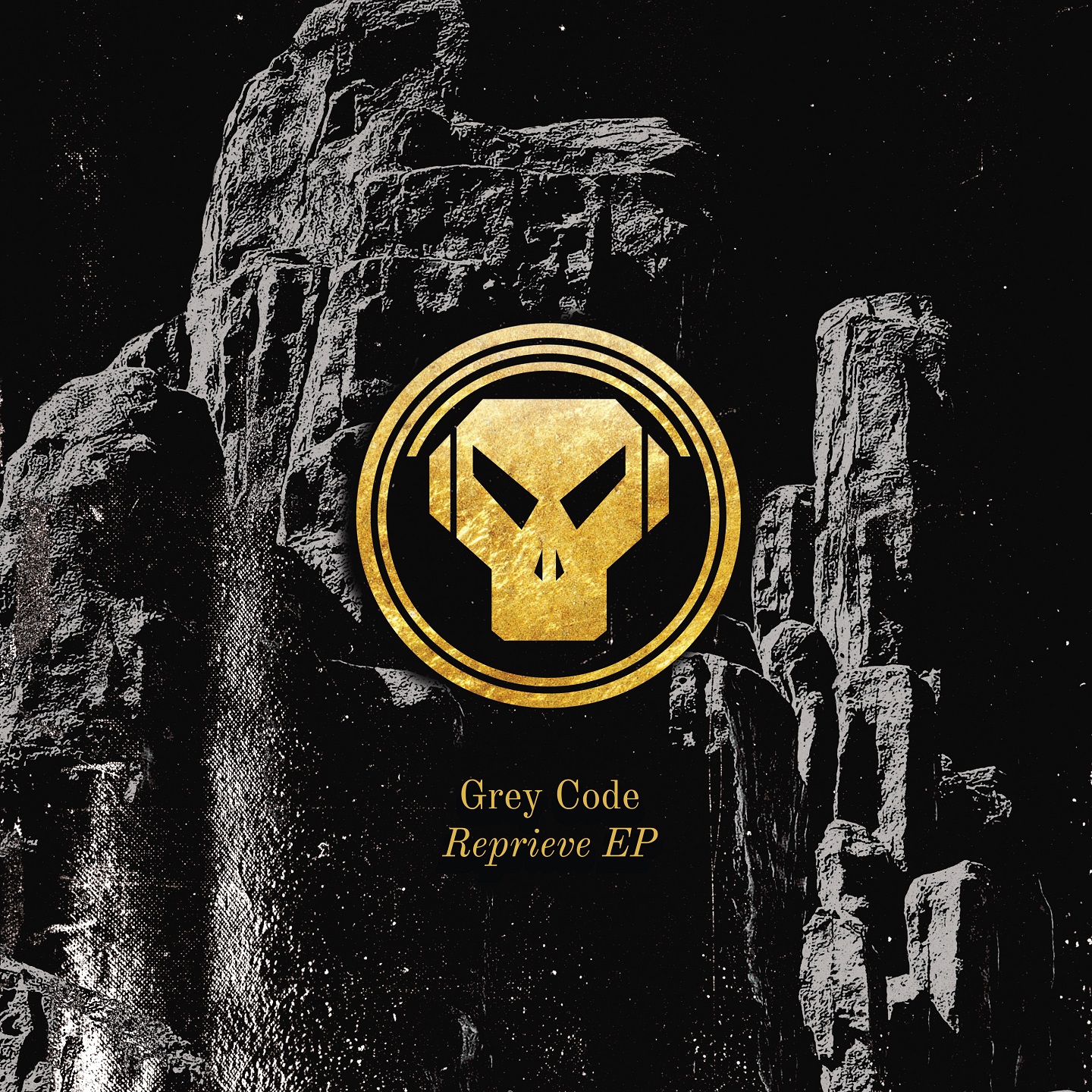
Grey Code, real name Spencer Warren, is a Bristol-based producer with previous releases on Dispatch Recordings. The six-track release will precede a slew of Grey Code releases and remixes on the label, all to be announced soon, and features fellow Metalheadz artist Phase and Think Twice on the two digital-only offerings. We’re told to expect blissful pads, sharp drums, and tenacious basslines.
The EP follows a strong 2018 for Goldie’s label that saw releases from Fluidity and Quartz, among others.
Tracklisting
A1. Pearl
A2. King’s Rock
B1. Saturn
B2. Ethics
C. Grey Code & Phase “Head State”
D. Piece of Me (ft. Think Twice)
Reprieve EP will land on January 11, with “Pearl” streaming below.
Up next on Perlon is an EP from International Anything, the collaboration of label head Markus Nikolai and Ole Schulte, a techno producer best known as Veer.
The project, founded in 2017, first appeared on Perlon’s Superlongevity 6 compilation with “When It’s Dark (Moonlight Medley),” and then returned last year with “The Future Is Here” on Cocoon Compilation R. Like This Girl will be the duo’s first solo release, and follows Maayan Nidam’s See Of Thee album on the Frankfurt-born, Berlin-based label.
Like all Perlon releases, the album is vinyl-only and will land with little information surrounding it; however, you can listen to clips of the two tracks over at wordandsound.
How far we’ve come in the last 12 months. Not. The world is still in the sociopolitical mess it was in this time last year, if anything even deeper into it. Our job is to look at the ways in which the musical landscape has changed in the past year; has it reacted to all the chaos, or simply offered escape from it—or neither, or both? In a year that saw dark sounds loom, pop rise again, and Spotify dominance hit worrying new heights, picking out a narrative is tough, but Sam Davies has been listening closely…
Popular tastes in recent years have been moving one way along what I will now term the “pop spectrum.” With, say, ABBA’s “Mamma Mia” at one end and er, Exai by Autechre at the other, the spectrum accounts for everything from the brightest pop to the darkest underground. For most of the past decade, the Overton window of popular taste—the range of music supported by both fans and critics, not simply the charts—has shifted in the direction of darkness. This is speaking generally, but a glance at some of 2017’s standout artists—Kelela, Tzusing, Arca, Actress, Ryuichi Sakamoto, Caterina Barbieri, the Northern Electronics crew, Rainforest Spiritual Enslavement—indicates that the current vogue lies in minor keys, pummeling beats, and shadowy ambience.
Why is this the case? That’s less obvious: you could easily spin a “hard times equals hard music” argument, but aren’t times always hard, man? Perhaps more likely is that the thinking music fan’s tastes have darkened in reaction to the relentless glare of the mainstream; the charts force upon us their empty, Hillary Clinton smiles (it’s official, pop’s shitter than ever), so serious music fans listen to the polar opposite.
This year the popular taste window has continued in the same direction, though the results have been different to what you might think. These are some of 2018’s biggest musical trends, taking in the year’s best albums, tracks—and what they’ve done to the pop spectrum.
2 the Dark
Much of this year’s best music is every bit as dark as the last. An early indicator was Houndstooth’s gorgeously grim In Death’s Dream Kingdom compilation, inspired by T. S. Eliot’s 1925 poem “The Hollow Men” in which characters are paralyzed in a state of moral contemplation as they stare glumly into the murky abyss of death. The album prefaced a fine year in experimental music: Dream Kingdom’s fierce, wicked beauty lingered over breakthrough albums from Peder Mannerfelt, Forest Drive West, Sophia Loizou, We Will Fail, and Ian William Craig; while singles from Batu and Lanark Artefax further established both artists as two of the most exciting around.
Few have done more for darkly beautiful experimental music than Jóhann Jóhannsson, who sadly died in February while arguably at the peak of his powers (“Mercy,” “Mary Magdalene,” and “Mandy,” all scored by Jóhannsson, have hit screens since.) Jóhannsson’s haunting studio masterpiece Englabörn was reissued in March along with reworks from several of his contemporaries. Hovering somewhere between classical and minimalism, Jóhannsson’s compositions are in direct contrast to the Hans Zimmer blockbuster scores still dominating mainstream cinema. He preferred the unnerving over the uplifting, and paved the way for a new wave of experimental artists like Mica Levi, Oneohtrix Point Never, Jonny Greenwood, Thom Yorke, Ben Salisbury, and Geoff Barrow to break into film music with their own interpretations of terror. While Zimmer remains popular, this year’s outpouring of adoration for Jóhannsson indicates a contemporary fondness for the bleak: I’d take the Sicario OST over Inception any day.
The taste for gloom has rarely been clearer than at the surprise double album-drop of Mudshadow Propaganda and Nothing 2 Loose, two albums recorded under new aliases—Prime Minister of Doom and DJ Healer respectively—by the artist variously known as Prince of Denmark, DJ Metatron, and Traumprinz. Whether because of the producer’s unmistakeable brand of melancholic techno or the shroud of irresistible mystery that encircles him, both records sold out within hours of their cryptic announcement. There are few electronic artists to have emerged in the last 10 years capable of such a marketing feat; fortunately for DJ Healer’s trusting fans, the music was some of the best we’ve heard from him, and no less morose than the rest of his catalog.
Houndstooth’s medieval sprawl, Jóhannsson’s swansong, and DJ Healer’s god-fearing spirituality are three of 2018’s dark listens, but there’s similar a dimness almost everywhere you look. The shadow spread over minimal realms, encompassing SIT’s Invisibility, Lawrence’s Illusion, Francis Harris’s Trivial Occupations, Maayan Nidam’s Sea of Thee, Space Afrika’s Somewhere Decent to Live, Map.ache’s Vom Ende Bis Zum Anfang, and early releases on Acronym’s new label Stilla Ton; a strong year for ambient saw brilliantly cloudy releases from GAS, Kasper Bjørke, and Huerco S.’s nascent West Mineral Ltd label; a resurgent EBM scene inspired music from DJ Richard, I Hate Models, Ancient Methods, and Terence Fixmer, all of which was far dingier than the genre’s chorus-inflected origins; and even those hard-to-place, out-there-on-their-own artists took inky new directions, as on Jlin’s Autobiography, Nils Frahm’s All Melody, and Objekt’s Cocoon Crush.
All these wonderfully shady sounds suggest a music landscape tormented by inner angst. Of course, not all dark music is necessarily glum—Proc Fiskal’s Insula is as playful as it is moody, Peder Mannerfelt’s Daily Routine raises the roof while also raising hell—and an unhappy listener can find comfort in somber listening. But when so much of what we hear is inspired by troubles, it can all feel a bit…sad.
Rave Revival
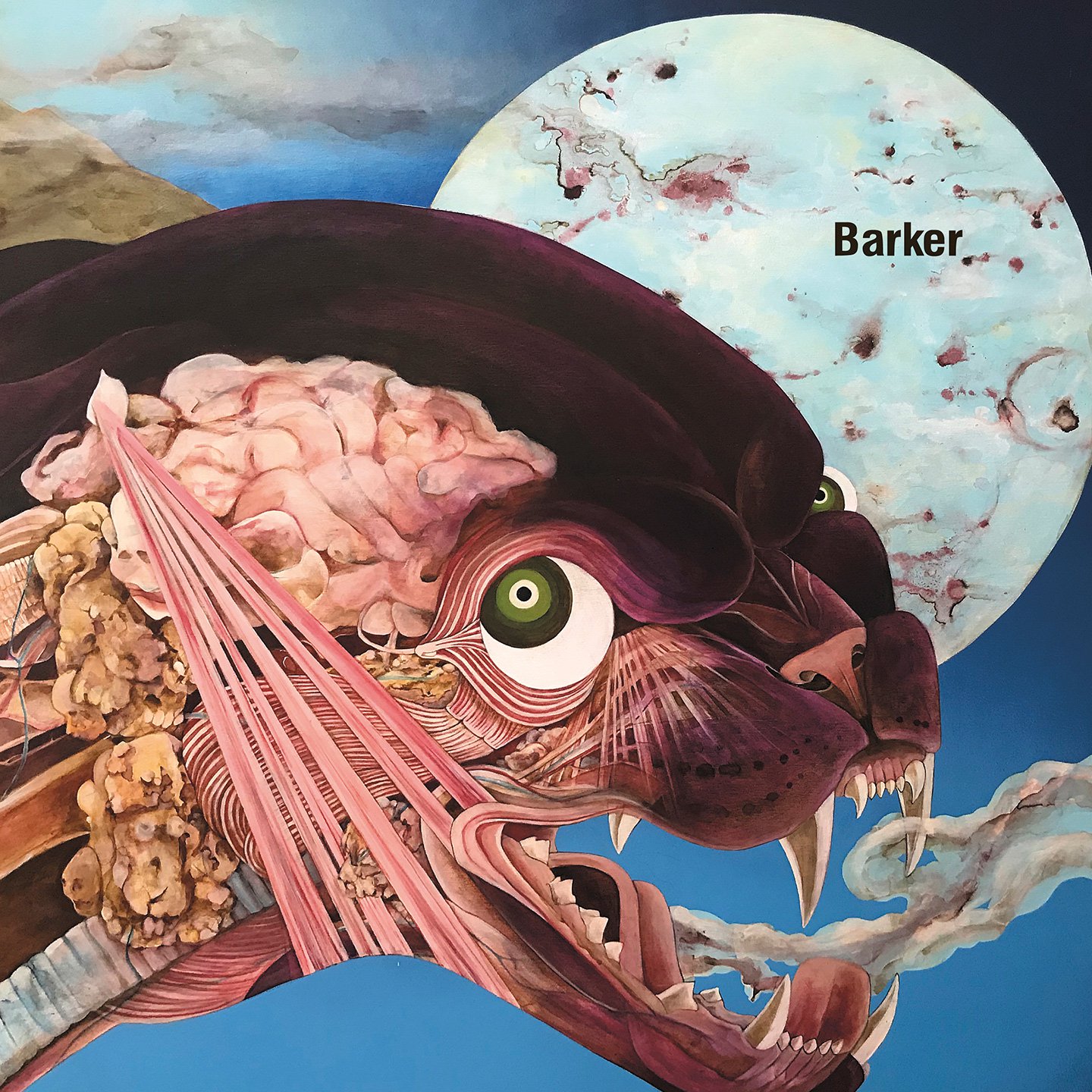
Already, it sounds like a number of artists are fighting the abjection, finding reasons to be happy, to celebrate, to dance even. In the DJ booth, Objekt has consistently sought ways to circumvent the humdrum, rarely more openly than in a recent tweet asking his followers to recommend him “propulsive club tracks with no kick drum,” in the same vein as Barker’s Debiasing EP. The ensuing thread blew up with suggestions, and one—Sunareht’s lovely “Super Suna Odyssey”—made it into Objekt’s RA mix a month later.
Debiasing is a stunning reimagining of trance, at present possibly still the uncoolest sound in music (other than, I dunno, rock and roll.) Designed to elevate the effects of ecstasy using huge breakdowns, buildups, and drops, trance is ideal for attracting superficial newcomers to raves and selling out huge arenas, which in turn makes it unpopular with hipsters, who consider it obvious and wet. Barker, unconcerned with what’s cool, like all the coolest people, is the latest artist to hint that trance just might return to favor. Among his contemporaries are Lorenzo Senni, who has been deconstructing trance’s overblown glee since 2012, Nina Kraviz, always unafraid of walloping trance anthems in her DJing, and Courtesy, who this year curated an exemplary compilation of entranced techno from Copenhagen on her new label, Kulør.
These examples are outliers: trance is by no means officially back just yet, but fans will be encouraged by signs of other ‘90s rave tropes being re-accepted into club culture, little rays of light in an otherwise dark landscape. The acid pound of gabba has lolloped onto the Discogs pages of Lorenzo Senni’s label Presto!? (check Gabber Eleganza’s brilliant No Sleep #1 EP) and Nina Kraviz’ Trip (check their recent compilations.) Hardcore seems to be intermittently poking its head in, paid tribute by labels like art-aud and Craigie Knowes and on Shed’s recent EP as The Higher.
The popularisation of breakbeats (first introduced in the hardcore era) in some of the year’s biggest records — think Skee Mask, LSDXOXO, Overmono, Aphex Twin—appears to be having a positive impact on the drum & bass scene. Though the heads might grumble about unwanted attention, it’s refreshing to see new drum & bass labels like Western Lore and 7th Storey Projects surging to prominence, while Metalheadz also had a promising year that included an excellent debut album from Blocks & Escher. Also well worth a listen are releases from Current Value, Spectrasoul, DBridge, and anything played by veteran of the scene Doc Scott, who said in September that his sets include more jungle now than they did in the ‘90s.
In the absence of truly original new genres, I welcome the return of trance, gabba, hardcore, and jungle. All are products of rave—in contrast to house and techno, which were incubated in clubs—and all are characteristically dancey, celebratory sounds, bringing with them a sense of fun that often feels absent in contemporary club music. If you’re like me, you’re probably ambivalent towards the unremitting darkness-bordering-on-misery hanging over nights out in many of the world’s most famous clubs. Of course, there’s often beauty in the dark, but there’s plenty of beauty in the light too. Why should you have to choose between the two?
It’s Okay to Cry
Like a hand on the shoulder of a troubled scene inhibited by Berghain bravado, SOPHIE told us “It’s Okay to Cry” on track one of her debut album, Oil of Every Pearl’s Un-insides. Upon its release in June, critics and fans lapped up every tear-jerking chorus as though they hadn’t heard a pop song in years. We reacted similarly to Yves Tumor’s Safe in the Hands of Love. Both SOPHIE and Tumor sound brash and sometimes ugly, but crucially tap into a strange, teenage vulnerability in a way I haven’t heard since the Klaxons.
Are pop and techno really that different anyway? It’s an interesting question to ponder while enveloped in the comforting blanket of DJ Koze’s fourth album Knock Knock, which was released in early summer. Koze was once a child of Kompakt, the record label that first popularised the brand of ambient techno now purveyed by Dial and Northern Electronics; yet Knock Knock could hardly be further from melancholic minimal, blending 4/4 rhythms with ski-season house riffs, funk-laden guitar solos, singing(!), and sniffly ambient. Listening is like smiling through a face full of tears, putting the vapid, soulless EDM clogging up the charts to shame.
Koze, SOPHIE, and Tumor reminded us that the pop spectrum is, of course, a circle. That the most forward-thinking art doesn’t have to hide its feelings, and that music with singalong choruses doesn’t have to be shit. Would it not be great if artists like these, along with Arca, FKA Twigs, and co, were to usher in a new era of innovative, chart-smashing pop music?
I won’t be holding my breath, but there are indications of hope. Two months after Safe in the Hands of Love, fans and critics were charmed once more by the wonderful dance-pop of Robyn’s Honey, which broke into the US Billboard Top 40 (just). Mainstream pop is also proving an increasingly fruitful source of inspiration for the left-field. Warp duo patten have been dishing out free “Re-edits” packages for nearly five years, remixing the likes of Sade, Rihanna and—this year—Frank Ocean and Tyler, the Creator. Lee Gamble’s UIQ label, meanwhile, recently released rkss’ endlessly imaginative EDM dissection DJ Tools, before the artist published her own free remix package Illegal Materials, offering stripped down interpretations of Daft Punk, Alice Deejay, and bloody Swedish House Mafia.
Free movement across borders
One area crying out for external influence and cross-pollination is mainstream hip-hop, where artists sound increasingly obsessed with themselves. Does rap’s current chart domination signify a new golden era? Hmmm. At present the period’s presiding plotline is the spat between Drake and Kanye West, two pop stars battling for rap’s top spot despite neither of them being particularly good rappers. Other than one great track, the artistic legacy of all the Twitter tedium is a debate over how long an album should be: in short, Drake put out a long album and Kanye put out five short ones (including Pusha T’s DAYTONA, a brilliant but pointlessly truncated record), both in an attempt to maximize their own personal public image. Whoever’s side you’re on, it suggests a genre running out of ideas.
Far more interesting than rap’s main men are those invading the scene from leftfield, combining influences from both ends of the pop spectrum. Cardi B has become a star, blending Latin swang with a trap snarl on Invasion of Privacy. Brainfeeder made a case for being the best oddball label around on their 10th anniversary compilation album, combining everything from hip-hop to lo-fi house to electric jazz, while Georgia Anne Muldrow’s poppy trap-soul debut on the label further broadened their horizons. Death Grips continue to writhe between mosh-rap, thrash-noise, and gothic disco on their sixth studio album, Year of the Snitch. Best of all, JPEGMAFIA, a product of the Soundcloud rap craze that also made XXXTentacion and Lil Peep popular, dropped the internet-rap opus Veteran, featuring as many cut-and-paste samples as a Oneohtrix Point Never record and beats powerful enough to destroy in any club.
And in Britain, the injection of bashment and afro-beat into UK rap has made the scene friendlier to both the charts and the dancefloor. Moreover, London’s jazz scene is enjoying its most vibrant period in decades too, thanks to a proliferation of influences from grime, ambient, reggae, and house. If 2018 taught us anything, it’s the value of internet eclecticism; that different genres of music have different qualities, that there’s little to gain in isolating one corner of music from foreign influence.
Spotification
Rap’s album-length ditherings indicate a wider concern too: that 2018 may go down as the year the album died. Stats show that even the most popular albums of today are rarely streamed in their entirety. One of this year’s biggest questions is this: has Spotify created an era of singles and playlists?
The aforementioned weariness occupying many of our beloved artists is perhaps no surprise in an industry over which the specter of a Spotify monopoly looms more ominously than ever before. As Spotify users shared their personal streaming stats on social media recently, Tweets from a number of independent artists made it clear who comes off worst from streaming services. “2018 Wrapped / ur streams 500k / ur fans 295k / countries 65 / ur bnk statement £15,” said Scratcha DVA. “Buy records buy downloads keep the music / don’t stream its crap,” said Zomby. Skee Mask was unequivocal: “fuck spotify fuck spotify fuck spotify fuck spotify [ad infinitum/280 character limit].”
It’s worrying to see artists intimating that they can’t make enough money to sustain themselves from their music. As Barker tweeted, in the future DJs might be left with nothing to play because producers all had to get day jobs. If artists can’t survive, records like Debiasing will no longer be made. 2019 will mark the end of a troubling, revolutionary decade in the music industry, and a year in which we all, collectively, must think of new ways to save it.
A Final Thought
How to save it is by no means simple, but a decent first step would be for us, the music fans, not to think of the challenges facing today’s musicians as their problem. If Spotify means artists can’t make enough money to survive from their work, we need to look for alternative ways to consume music. If techno sounds miserable and stagnant, we need to give techno artists some reasons to be happy. If there’s a lack of innovation, a dearth of radical new scenes and a growing number of exciting artists resorting to chart trash, it’s because we aren’t going to gigs, because we aren’t buying enough records, and because we aren’t making it worthwhile for labels, clubs, and musicians to stick to their own crazy ideas.
Anyone hoping for exciting new directions has reasons to be optimistic; there’s been plenty of frighteningly good music released this year. However, if we want the music industry’s situation to improve, it’s vital that we recognize a collective responsibility. As Barker says, if music stops being a career, musicians will just get other jobs. But if there’s no music at all, it’s the listeners who will suffer most.
With our Best Releases of the year now out of the way, we move onto our Best Tracks. It’s been a strong year for electronic music, full of diversity and, to some extent, innovation, and this means that there’s certainly no shortage of contenders for this list. Music taste, it must be remembered, is a subjective matter: what resonates with you may not be the flavor of the month with friends, family—or, indeed, anyone else. Nonetheless, the line has been drawn and below is a list of some of our favorite tracks from the past 12 months—those records that we kept on coming back to, for one reason or another. These are the ones that just stuck.
Overmono “iii’s Front” [Whities]
What a way to start this list. Those drums! Chaotic and, well…downright bizarre; indeed, it doesn’t really feel like a club track at all. Released on Whities as part of an extremely strong three-track package, and highlighted by inclusion in Avalon Emerson’s BBC Radio 1 Essential Mix, the track is tense to the very end—will there be a drop? No is the answer. Exceptional without ever conforming. Note: Special mention must go to “Quadraluv.”— XLR8R Staff
Abacus “Basic Amounts” [Innermoods]
You could probably count his recent DJ gigs on the fingers of one hand and his last release was way back in 2011, so you’d be forgiven if you thought Toronto house master Austin Bascom had retired. But with its placid synths, come-hither vocal snippets, and simmering percussion, this immersive 13-minute gem, released on the ascendant Innermoods label, shows that the man can still deliver a deep groove to die for. — Bruce Tantum
Jinjé “Solace” [Kicks & Drums Records]
Vessels member Jinjé has had a stellar solo year in 2018 with a feature on nd_baumecker’s yet-to-be-released Panorama Bar 07 mix for Ostgut Ton and a string of singles on his Bandcamp page. “Solace” sits among the latter and is a perfect summation of his sound, featuring crisp drums, euphoric synths, and expertly chopped vocal samples, all working in unison for a slice of dancefloor bliss. — XLR8R Staff
Jayda G & Alexa Dash “Diva Bitch” [Freakout Cult]
A trio of seductive piano chords, a gently percolating bassline, a distant rat-a-tat snare, and Alexa Dash’s smoky half-spoken, half-sung vocals—those bare-bones elements add up to one of the most beguiling tracks of the year. And if there’s a club-music lyric as brilliantly affirmative as “I’m all kinds of beautiful/yes, I shine”…well, we’ve yet to hear it. — Bruce Tantum
Proc Fiskal “Dish Washing” [Hyderdub]
Joe Powers (a.k.a Proc Fiskal) shared a radical and inventive album debut on Hyperdub earlier this year. Across 16 tracks, the Edinburgh-based artist used clips of his friends talking, drunk folk, and general Scottish life to preserve and represent what his life experience is like right now, and the pick of the bunch was “Dish Washing,” a playful, absorbing cut that works, although we can’t really say why. — XLR8R Staff
POST.23 “Whispers” [Stilla Ton]
Written by the mysterious Albert Ihanus as Post.23 and produced by Dan Vicente, artist name Acronym, via Stilla Ton. Though the Whispers EP as a whole might fall under some broader definitions of techno, each of its six tracks comes buried under barely perceptible layers of cold wave, dungeon synth, and even a faint mist of shoegaze. The title track is the standout of them all.— XLR8R Staff
Download “Whispers” here, and read more about Acronym here.
Max Richter “On The Nature of Daylight” [Deutsche Grammophon GmbH] [Reissue]
Chances are you’ll know this track already, given its prominence in Martin Scorsese’s “Shutter Island” and Denis Villeneuve’s “Arrival,” two highly acclaimed movies of recent years. The track itself first appeared on 2004’s The Blue Notebooks, released via Fat Cat’s 130701 sub-label, which saw reissue this year on its 15th anniversary with additional material. The track itself is one of enduring beauty; rich and contemplative. You’ll struggle to think of a more captivating listen this year. — XLR8R Staff
Francis Harris “St. Catherine And The Calm” [Scissor & Thread]
Francis Harris returned with a new album this year, described as his most personal to date—and his first album without a clear, underlying concept. It’s hard to pick just onetrack, but “St. Catherine And The Calm,” a cinematic exploration with grainy textures, field recordings, and a vibraphone provides 12-minutes of pure, unfiltered bliss. — XLR8R Staff
“Luminous Beings” is 11 minutes of sonic madness, and Hopkins at his very best. Fusing otherworldly ambience and a twisting analog bassline that swims among gorgeous melodies and techno drums, it’s the heartbreaking peak of a psychedelic journey, and also the moment when Hopkins fuses his disparate influences into a devastating whole. Could this really be anyone else but the UK producer? — XLR8R Staff
Fumiya Tanaka “Telephone At The Window” [Perlon]
2018 saw Tanaka return to Perlon for his first solo outing since 2016’s You Find The Key, although he did appear on last year’s Superlongevity 6. “Telephone At The Window” is a brooding minimal track with growling bass and nondescript samples—a Zip favorite for a reason. Needs a good soundsystem. — XLR8R Staff
DJ Healer “Great Escape” [All Possible Worlds]
Ask 10 people for their favorites from all the tracks released by the former Giegling man this year and you’ll get 10 different answers, but mine is “Great Escape.” Its quivering chords and android tannoy system suggest the arrival of a divine being from the future, both frightening and exciting. — XLR8R Staff
Leon Vynehall “Envelopes (Chapter VI)” [Ninja Tune]
A laudable milestone perhaps, but Nothing Is Still is arguably not Vynehall’s finest work. But “Envelopes (Chapter VI)” most definitely is, with its atmospheric start, slow tempo hip-hop beat, pleasing synths, and luscious strings. It builds and builds, gripping you, enthralling you with its majesty, and never letting go. It’s a rich and soulful song, divine and even more impressive when performed live. Who says electronic music is dry of musicality? — XLR8R Staff
Yves Tumor “Licking An Orchid” (ft. James K) [Warp Records]
Inventive, exciting, and non-conformist—Yves Tumor’s Safe In The Hands of Love album was all of these, and these qualities are captured perfectly in “Licking An Orchid,” made all the better with the vocals of New York’s James K. What genre is this? A standout track of a standout release. — XLR8R Staff
Junes “April AM” [Dote]
Junes’ debut album was a high-class exercise in dreamy minimalism. Of the eight tracks, “April AM” stood out with its tight, stripped-back drum-machine rhythms and warped ear-worm hook; it’s a sun-drenched dancefloor cut of the highest order. — XLR8R Staff
Calibre “Break That” [The Nothing Special]
Irish drum & bass legend Calibre has been around for over 20 years and is one of those rare artists who habitually releases quality tunes, mixing modern and classic sounds but keeping his own distinct style. “Break That” is a perfect example of this, with its undertones of garage, breakbeat, and dubstep, complete with a house groove. Released on Craig Richards’ The Nothing Special in December, there are still some copies left on so jump on it while you can. — XLR8R Staff
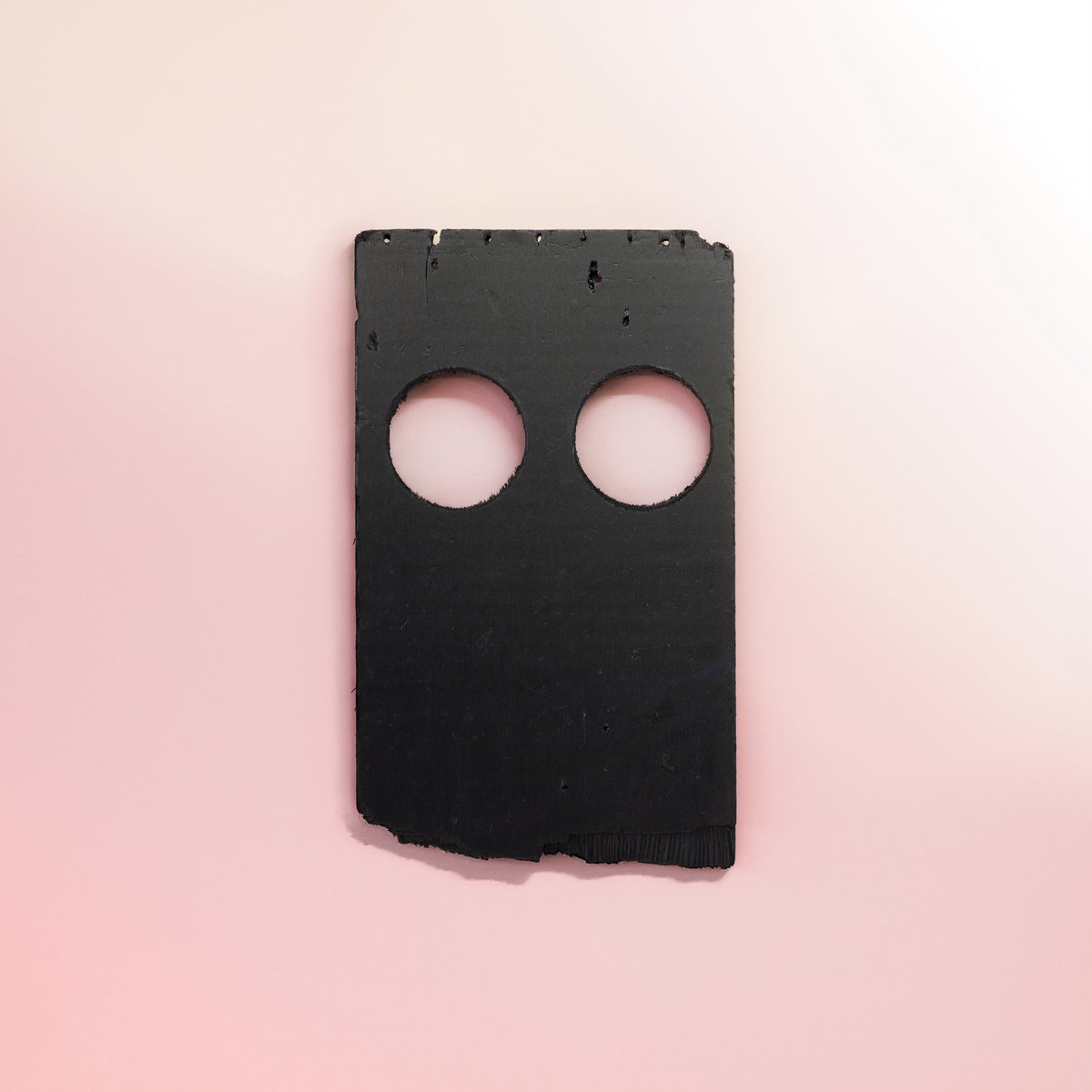
Low “Fly” [Sub Pop]
A track that captures fragility, terror, and wonder all at once. Released as part of Double Negative, a full-length that encompasses all of the above. The track feels even better with the context of the tracks around it, but even as a standalone it’s a work of staggering beauty. — XLR8R Staff
Robyn “Honey” [Embassy One]
Robyn hit us with her most fist-clenching, vocal-cord-pulling album yet just when we needed it. At its heart, the album’s anthemic title track is as likely to produce cheers in a club as it is to start a singalong at Glastonbury. Also, I can never be one hundred percent, but when she sings “baby, I have what you want / come get your honey,” I’m 99.9% sure she’s speaking to me. —Sam Davies
Kelela “NATHANIEL W. JAMES & DAVE QUAM_WAITIN_122 BPM”
If there’s a better piece of vocal ambient music from this year—or this decade—please send the wav files to my email address post haste. Kelela’s voice has become one of the most powerful instruments available to the modern producer, proven yet again on remixes by Kaytranada, LSDXOXO, and Kareem Lofty. It’s the beatless effort from DJ/writer/photographer (and XLR8R contributor!) Dave Quam and the relatively unknown Nathaniel W. James that I’ve had on repeat though. — Sam Davies
Gábor Lázár “Unfold” [Death of Rave]
2017 was officially electro’s year, but when it’s this good there’s no reason for it ever to go out of fashion again. Budapest’s Gábor Lázár left his typically metallic touch all over the 808 beats on Unfold, released through Death of Rave. Among many highlights, album closer “Overall” is a head-spinning loop of tinny timbres befitting of any dungeon dancefloor. — Sam Davies
Two Right Wrongans “System Error” [Neotropiq] [Reissue]
UK House legends Silverlining and Nathan Coles make up Two Right Wrongans, and together they released “System Error” in 1997. This year, it became one of the tracks of the summer after Petre Inspirescu dropped it in his mesmerizing Sunwaves set; it was subsequently played by a slew of DJs in his orbit. Due to high demand, it’s recently been reissued by Spanish label Neotropiq. Timeless. — XLR8R Staff
Krystal Klear “Neutron Dance” [Running Back]
Yes, it’s a shameless throwback to the synth-pop of our youth, specifically New Order at the band’s most buoyant. (Even more specifically: New Order’s “Bizarre Love Triangle” period.) But despite its cheek—or more likely because of it—Dec Lennon’s amalgam of perky percussion, bubbling keys, and massively euphoric melodies is damn near irresistible. — Bruce Tantum
Bruno Pronsato “Sea Of Hands” [Perlon]
Another Perlon release, but very different to Tanaka’s above—a foray into downtempo rather than wonky club-ready minimal. The Girls Things EP is Pronsato’s first release since his album with L.A. Teen, A Face Wasted On The Theatre, and “Sea Of Hands,” a warm and evocative cut with soft vocals and an off-kilter beat, proves that minimal techno isn’t just for the dancefloor. — XLR8R Staff
Setaoc Mass “True Lies” [SK_eleven]
It’s been said that techno is devoid of innovation, and that it’s overly saturated, and it does very well feel that way. There aren’t too many straight-up techno tracks on this particular list, but Setaoc Mass’ “True Lies” is one of this year’s most impressive and memorable tracks within these aesthetics. It’s a dark and hypnotic dancefloor techno bomb. Need we say more? — XLR8R Staff
Blawan “The Narrowing” [Dynamic Reflection]
Does Blawan ever disappoint? Released as part of Dynamic Reflection’s 10-year celebrations and featured on one of five intertwined EPs aiming to commemorate the label’s roots, evolution, and establishment, and honor its residents and friends. Big room techno of the finest quality. Rarely does techno sound this deep, dark, and…well…good. — XLR8R Staff
Skee Mask “Flyby VFR” [Ilian Tape]
A track of the year from arguably the album of the year. Bryan Müller’s second album as Skee Mask is full of excellence. “50 Euro to Break Boost” and “Soundboy Ext” are equally deserving of a place on this list, but with its subtle melodies and fluttering breakbeats, “Flyby VFR” is the best of a brilliant bunch. Who else can make breakbeat sound so euphoric yet so contemplative?— XLR8R Staff
Rival Consoles “Dreamer’s Wake” [Erased Tapes]
Rival Consoles’ latest album deserved its place as one of the finest releases of the past 12 months and its centerpiece is “Dreamer’s Wake,” a brooding slice of melancholic electronica overloaded with sentiment. What exactly that sentiment is is up to the listener, but it’s downright beautiful nonetheless. — XLR8R Staff
DJ Koze “Pick Up” [Pampa Records]
There had to be one from Koze’s album return, and it happens to be the simplest. “Pick Up,” a disco house number consisting of a looped disco break, swelling strings, and some electric guitar, is held together by a Gladys Knight sample from 1972’s “Neither One of Us.” It had been a staple Koze track for sometime before being removed for sample clearance and subsequence release, and it strikes the perfect balance between euphoria and melancholy. It may not be Koze’s most brilliant work but it’s probably his most accessible. — XLR8R Staff
So Inagawa “Logo Queen” [Cabaret Recordings] [Reissue]
This timeless piece of deep house from So Inagawa was reissued late this year, after some time. It was the first-ever release on Cabaret Recordings, the Tokyo label co-owned by DJ Masda and So Inagawa. It’s a serious tune of the highest production quality.— XLR8R Staff
Curses “Surrender” [Dischi Autunno]
“Surrender” opened Curses’ long-awaited debut album, Romantic Fiction, with an alluring swagger, conjuring images of the neon-lit New York underground of his youth. Over the last two years, Curses and the artists in his orbit—many of which belong to the Ombra International collective—have been bringing post-punk and wave-influenced sounds into a modern context and “Surrender” is a perfect summation of their sonic space, one that’s dark, gritty, and deeply introspective. — XLR8R Staff
Roman Flügel “Good Beat #2” [XLR8Rplus]
Roman Flügel delivered sunshine in a groove with “Good Beat #2,” released on XLR8R+ earlier this year. As the man himself said, it’s perfect for the “very beginning or very end of a long night,” a track to soundtrack “sunbeams coming through the windows at Robert Johnson and…my favorite people on the dancefloor.” We couldn’t have said it better. — XLR8R Staff
Noname “Self” [No/Name]
The opening track from an impressive album debut by Chicago rapper Noname, “Self” is a breezy hip-hop track that signals one of the most exciting talents in modern rap. Over a soulful beat, Noname delivers intelligent and humorous lyrics with a confident rubbery flow and one of the most memorable lines of the year (“my pussy wrote a thesis on colonialism”). Keep an eye on Noname. — XLR8R Staff
Peggy Gou “It Makes You Forget (Itgehane)” [Ninja Tune]
Was there a bigger festival anthem than Peggy Gou’s Ninja Tune single “It Makes You Forget (Itgehane)”? We think not. With a gurgling acid line running underneath razor-sharp beats, Peggy delivers a hook full of nonchalant confidence and style that had countless dancers around the world singing along to her Korean lyrics with unbridled hysteria. Take a bow, Peggy.— XLR8R Staff
Thom Yorke “Suspirium” [XL Recordings]
This year, Radiohead frontman Thom Yorke recorded his first-ever film score for Luca Guadagnino’s remake of 1970s horror film Suspiria. While the entire score is, arguably, one of the year’s best, it’s the desolate and utterly captivating “Suspirium” that takes our pick. Backed by a delicate piano, Yorke’s fragile voice, which sounds like it is fraying at the seams, lulls the listener into an eerie and frigid state while hinting at a deep horror ahead. “Suspirium” is one of Yorke’s strongest solo tracks in recent memory. — XLR8R Staff
Sublee “Irealis” [Meander]
Sublee is a master at classy, shimmering melodies. Even if you stripped out the percussion and low-end frequencies on many of his tracks, they would still deliver their message in beautiful clarity. Take “Irealis,” released via DeWalta’s Meander imprint, for example; with its crystalline flourishes and astral synth work alone it would be one of the year’s memorable ambient works, but as a whole, with its driving groove and intricate percussion, it is undoubtedly one of the year’s best dancefloor tunes. — XLR8R Staff
Chynna “Leo Season” [Self Release]
Like Noname, Chynna makes us think rap has a bright future. Produced by 48th Street, “Leo Season” first played on our speakers in Vester Koza’s recent XLR8R podcast and it has been on repeat ever since. It’s heavy, grimy, and full of rhythmic flow, a minimalistic low-key banger from a promising Philadelphia rapper.— XLR8R Staff
DJ Healer “Planet Lonely” [All Possible Worlds]
It’s perhaps a bit rich having two DJ Healer tracks included in this list, but in truth, you could have several. How can you not include “Planet Lonely,” a deeply moving piece of downtempo house—is it sad or uplifting? We still don’t know. Electronic music doesn’t get much better. — XLR8R Staff
There’s been a lot of discussion around the need for albums of late. This ties in closely with the ongoing Spotify debate and particularly with Drake’s Scorpion, 2018’s most streamed album despite 63% of its total streams being accounted for by just three songs. If the biggest album in the world isn’t even being listened to as an album, is it an outdated format for music delivery? Some would suggest so—”I pay for 10 songs when I only want to listen to eight,” says one Reddit user—but a quick reflection on 2018’s finest releases suggests something different.
The last 12 months have blessed us with some exceptional long-players. And while some of these do certainly have some standout tracks, and some, too, that may be slightly less impactful, almost all of these releases are better when listened to as an album, from start to finish, front to back, again and again; only then can you appreciate its quality and depth. Moreover, this is not to say that 2018 has been weak in terms of EPs, but the most forward-thinking, memorable, and captivating listens have been the longer ones. So with no further avail, here are the releases and artists that connected with us, that we couldn’t shake off, in no particular order.
Sean Bowie set the benchmark extremely high for experimental music this year. Since 2010, the enigmatic Tennessee-born artist has released several EPs and now three albums, the latest, his first as Yves Tumor on Warp, was as difficult to place into any genre as Bowie is to pin down; shoegaze, trip-hop, noise, alt-rock, and pop all come to mind in a musical concoction that’s introspective but loud; profound yet fun; intense yet delicate. Contributions come from James K and Croatian Amor. It’s hard to think of a more memorable and original album this year. — XLR8R Staff
Ghostly International released LA-based harpist Mary Lattimore‘s new album in May, a follow-on from March 2016’s At The Dam, itself recorded during stops along a road trip across America.Much of this album was recorded during a residency at the Headlands Center For The Arts, in the hills outside of San Francisco, and it’s delightfully delicate and melancholic, but also uplifting at times. Few artists can evoke such a range of emotions with such simplicity. The beauty is in the detail. — XLR8R Staff
It was easy to overlook Ryan Lee West‘s Persona LP given the hype around Jon Hopkins and DJ Koze, both of whom dropped albums within similar aesthetic realms. And the expectation around Nils Frahm’s return, also on Erased Tapes, overshadowed Persona, a work of at least equal majesty. The London producer has been a fan favorite since 2015’s Howl, but Persona is more compelling, meditative, and also experimental; consider it a real masterpiece in restrained, downtempo electronica. — XLR8R Staff
The Caretaker embarked on his most ambitious project in 2016, Everywhere At The End of Time, a sonic interpretation of the psyche experiencing the different phases of dementia and memory loss. The music has been cut up into six releases and major phases; 2016’s Stage 1 brought together mostly untampered ballroom 78rpms, setting the stage for the heavy tape alterations that filtered into the next two releases. Stage 4 and Stage 5 dropped this year, showing the more chaotic and ruptured states the series has to offer. This is the period when dementia fully unravels and perception of the world is altered heavily. Everything is warped and there’s no sense of center, a reflection of the mental state one can only imagine exists once this phase of dementia sets in. Much of the music across both Stages 4 and 5 follows this formula, presented in a jarring and darkly surreal form. There are also moments of fragility and peaceful resolve, especially in the piano-driven “Stage 4—Temporary Bliss State” and the ambient-soaked “Stage 5—Synapse Retrogenesis.” — Erik Otis
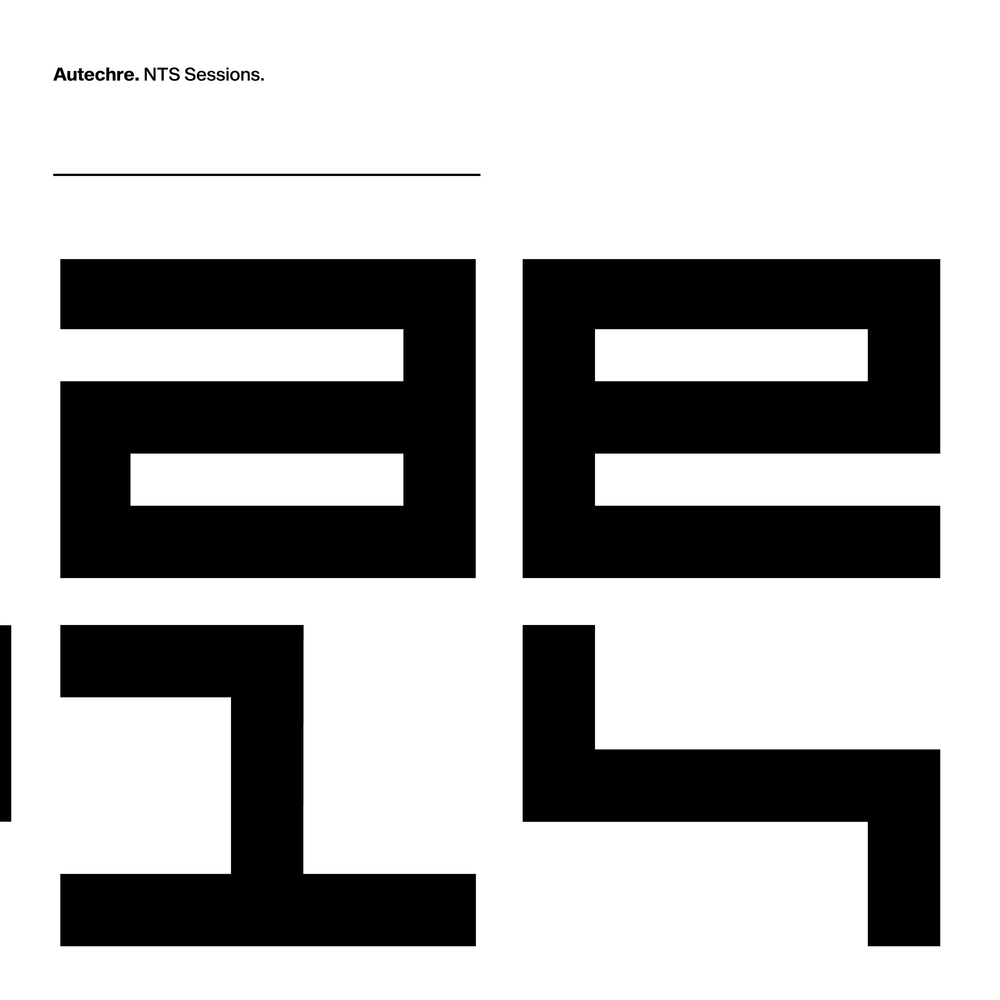
The arrival of Autechre’s NTS Sessions 1-4 remains one of the more extensive sets of the year, offering eight+ hours of new abstract IDM. It’s a staggering amount of music and really opens up the lens to the amount of variation the group can achieve. Released with Warp Records as an illustrious box set across CD and vinyl formats, the music was initially revealed with London’s NTS Radio in four different segments aired once a week. As you’d expect, the music is exceptional, encompassing a range that dives into drum heavy works and ambience; it’s simply unparalleled in volume and quality. — Erik Otis
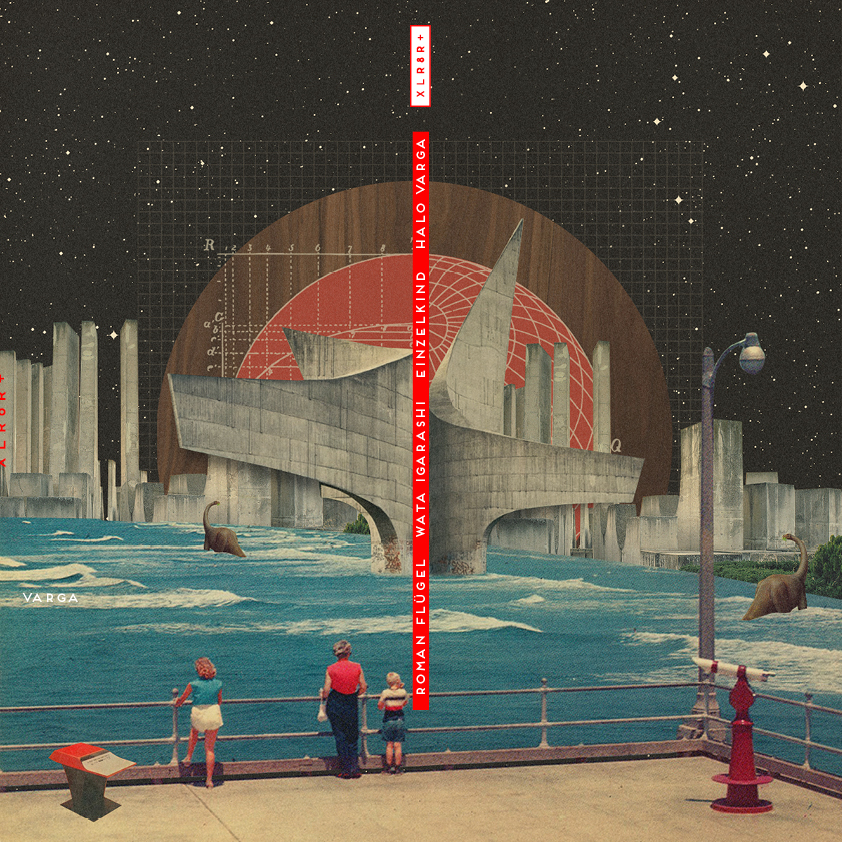
Aiming to support independent journalism, XLR8R launched XLR8R+ earlier this year and has so far released exclusive tracks from SIT, Vril, Varg, Hunter/Game, Fred P, Huxley Anne, and many more. Of all the releases, however, it’s 003 that stands out, with tracks from Roman Flügel, Wata Igarashi, and Einzelkind, plus artwork from Halo Varga/Authentik Paper. Frankfurt-born artist Einzelkind closed the package with a delightfully groovy minimal roller, preceded by some hypnotic Japanese techno of the highest quality, and a shimmering summer cut from Flügel, completing one of our favorite EPs of the year. — XLR8R Staff
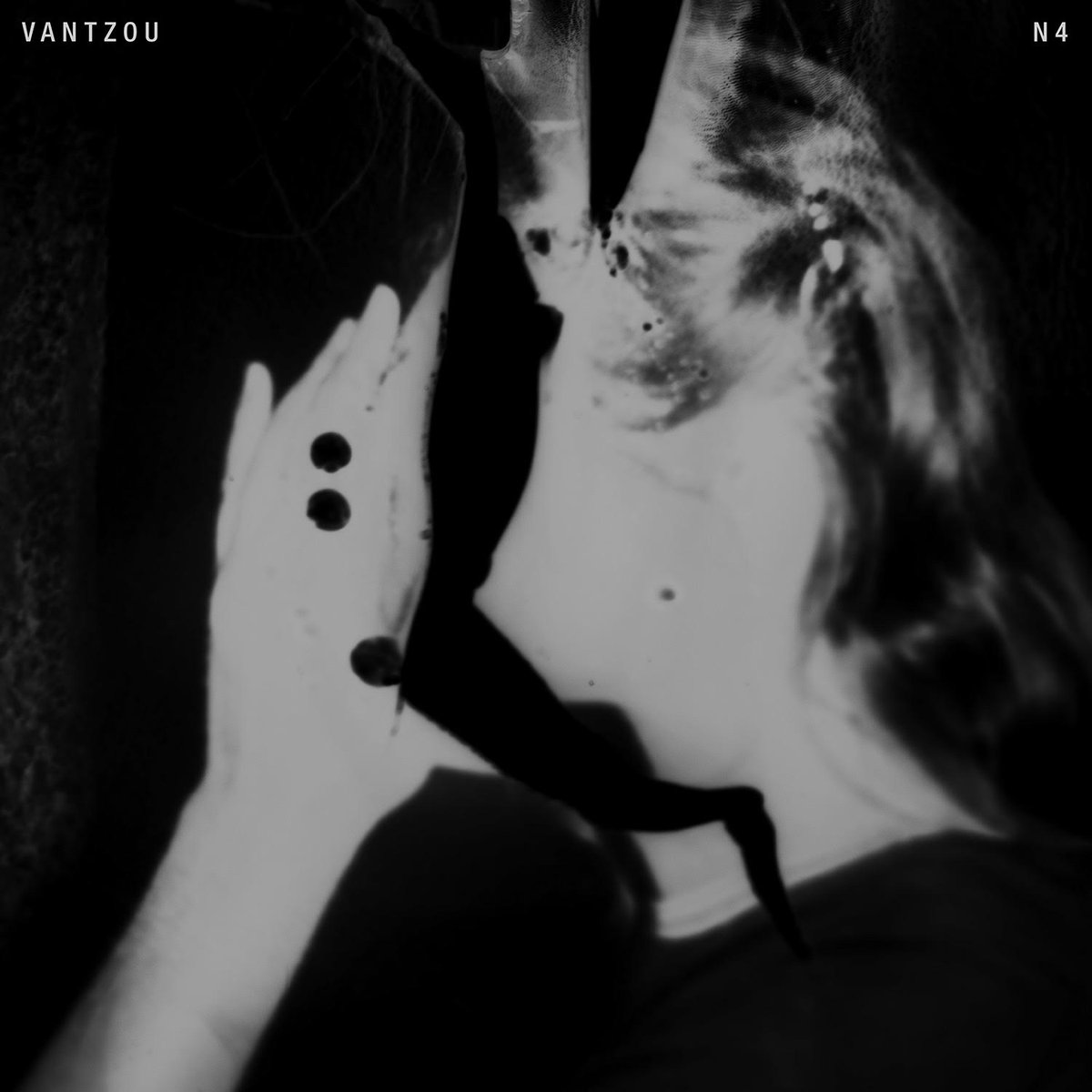
Composer and synth player Christina Vantzou occupies an important space in contemporary experimental music, releasing some of the world’s most spellbinding and emotive minimalism with Kranky. Her debut, N°1, hit the world in 2011 and she’s gone on to create three more LPs. N°4 is the latest on Kranky, and sits in the realm of soundtrack scores, deep headphone meditation, and art gallery installations. It features Neil Leiter (viola, string arrangements), Clarice Jensen (cello), Kat Bumbul (gong), Marilu Donovan (harp), John Also Bennett (synth), Steve Hauschildt (synth), Birgit Eecloo (marimba), Beatrijs De Klerck (violin, piano), Margareth Hermant (Rhodes, violin), Simon Decraene (vibraphone), and vocalists Angel Deradoorian and Kristin Leitterman. Creating N°4 through rough sketches and improvisatory studio sessions, each musician was given editing access to anything captured—a unique recording process that leaves the layering sparse and the emotional impact vast. Despite this, the music feels finalized, with nothing wasted or overindulged. There are very few albums that can leave space this open and still retain a vast sense of richness in emotional depth and layer complexity. — Erik Otis
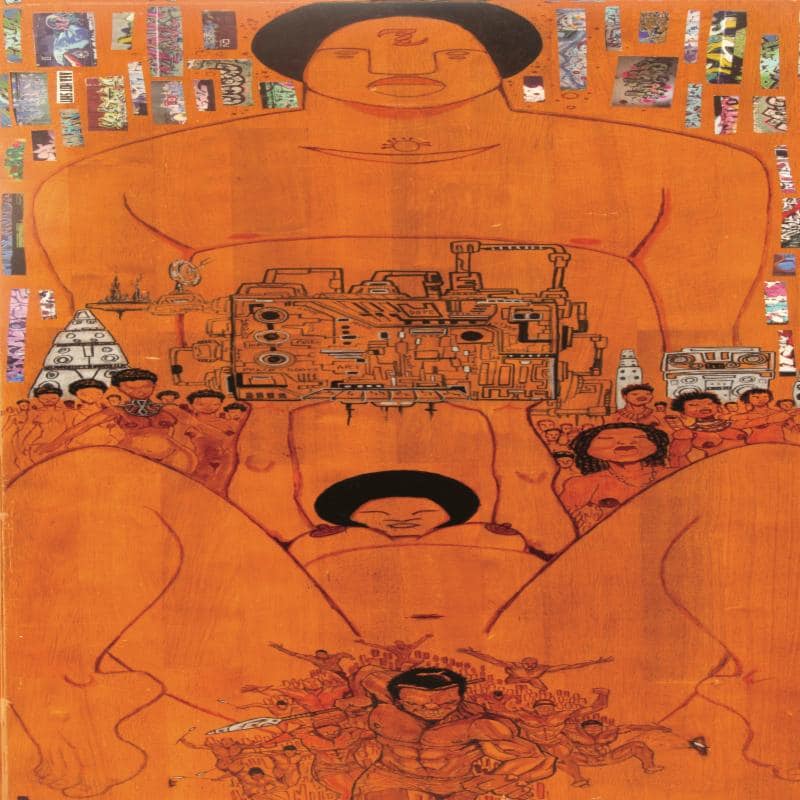
Ras G has been a critical entity in Los Angeles’ identity for over a decade. Releases under Brainfeeder, Leaving Records, Fat Beats, and Poo-Bah helped pour the foundations in the diverse trajectory of LA’s storied beat movement, and he hit an apex on that path with the Stargate Music LP. Released with Matthewdavid’s Leaving Records under the moniker Ras G & The Afrikan Space Program, the music is celestial and soulfully rooted, with lush rhythm sections and vibrant overtones that project light all over. Ras G has always produced music with deep purpose and the album follows that lineage with conviction. — Erik Otis
In October, acclaimed ambient artists William Basinski and Lawrence English released Selva Oscura via Brooklyn-based Temporary Residence Ltd. With English residing in Brisbane and Basinski in Los Angeles, the album was created simultaneously between both locations, sourcing the title from 14-century Italian writer Dante Alighieri’s poem “Inferno.” The music was modified and retooled after their respective sessions, blended as one ever-evolving shape of sound, resonating with a depth that touches on the archaic and the futuristic. Described by Temporary Residence Ltd. as “an acoustic topography that draws on the concept of drifting into the strange familiar,” the album’s depth of emotion stems from the duo’s mutual friend Paul Clipson, a highly respected filmmaker from San Francisco who passed away this year. The result is one of the defining ambient albums of 2018. — Erik Otis
If in five years time, trance is as cool as electro is now, Debiasing will go down as a landmark release in the genre. While Lorenzo Senni resurrected trance and turned its tropes in on themselves, Barker has created a record edgy enough for the clubs of Kreuzberg with enough frenzied jubilation to pop up in an Above & Beyond group therapy mix.
But regardless of genre, Debiasing should forever be revered. Listening to the EP from the first rabbit-punch string combo of “Cascade Effect” to the shivery spine tingles of “When Prophecy Fails” is like having your body possessed by some higher being and watching the ground fall away as you’re lifted into the clouds. I’ve always loved trance anyway. — Sam Davies
Low’s Double Negative sounded like nothing else released this year. Arriving 24 years after the Minnesota band’s first album, Double Negative plays out like a sonic representation of a year filled with so much turmoil, fear, and anxious energy. Its 11 tracks completely undermine any genre touchstones or buzzwords; instead, they sit in a harsh, noise-filled space as beautiful as it is unsettling. It seems cliché to say an album unfolds and opens up more and more with every listen, but Double Negative, more than any album in recent memory, does just that. Tense, ominous, fragile, and affecting, it was one of the year’s most inspired and unforgettable pieces of music. — XLR8R Staff
Raime only released two EPs in 2018 but they were two of the year’s most inventive releases. While the duo’s We Can’t Be That Far From The Beginning EP kicked off their new RR imprint with a set of sonically confounding tracks, it was their EP for Mumdance and Logos’ Different Circles that really stood out—it was also unlike anything heard from the pair in their career to date. Across four tracks, crystalline samples bump and roll around minimalistic bass frequencies, vocal sighs, and cinematic synths, all arranged in ever-evolving patterns that snake and twist with every new bar. Am I Using Content Or Is Content Using Me? is a singular release that positions Raime as two of electronic music’s most inspired artists.— XLR8R Staff
The compilation album is a staple for most record labels. Often, they are used as a primer to the array of artists an imprint has on its roster. They can function like a Greatest Hits record, offering listeners the best bits from their artists’ catalogs and tempting them into exploring the rest of their work. Houndstooth’s In Death’s Dream Kingdom, released in January this year, does all of that, but what sets it apart from the year’s other V/A comps is the sinister evil planted deep inside before a single note was recorded.
Houndstooth gave 25 artists a stimulus, T. S. Eliot’s poem “The Hollow Men,” and told them to interpret as they saw fit. The results were some of the darkest, dizziest, most captivating recordings in recent memory. At 146 minutes, a complete listen to Dream Kingdom is an intimidating prospect, but its sinister murk favors patience. I usually find that after seven or eight tracks I’m completely intoxicated; paralyzed somewhere between fear and primal thrill. My favorites change with each listen, but you can’t get much creepier than Koenraad Ecker’s “Rat’s Coat.” — Sam Davies
Don’t let the absence of kick drums in Objekt’s recent mixes fool you into thinking he’s lost his interest in rhythm. If anything, the opposite is true. Cocoon Crush, TJ Hertz’s second long-player on PAN, is a masterful exercise in pace. At times, Hertz propels you forward into a dazzling future, as on “35”; on “Nervous Silk” he stretches the seconds into minutes, allowing you to peer through the sonosphere as it unfurls in slow-motion; frequently, he does both in the same track—like with “Runaway.” All this leaves the BPM needle bent double, head spinning, unsure which way is up or down.
Cocoon Crush offers ammunition to any DJ daring enough to challenge the 4/4 regime. Among those already mounting a challenge are Hertz himself, Helena Hauff, and Dr. Rubinstein, all of whom are exploring exciting new approaches to rhythm that could free clubland from the grid forever. It might make him bashful to hear it, but Cocoon Crush has established Objekt as one of the most singular musical voices of the 21st Century. — Sam Davies
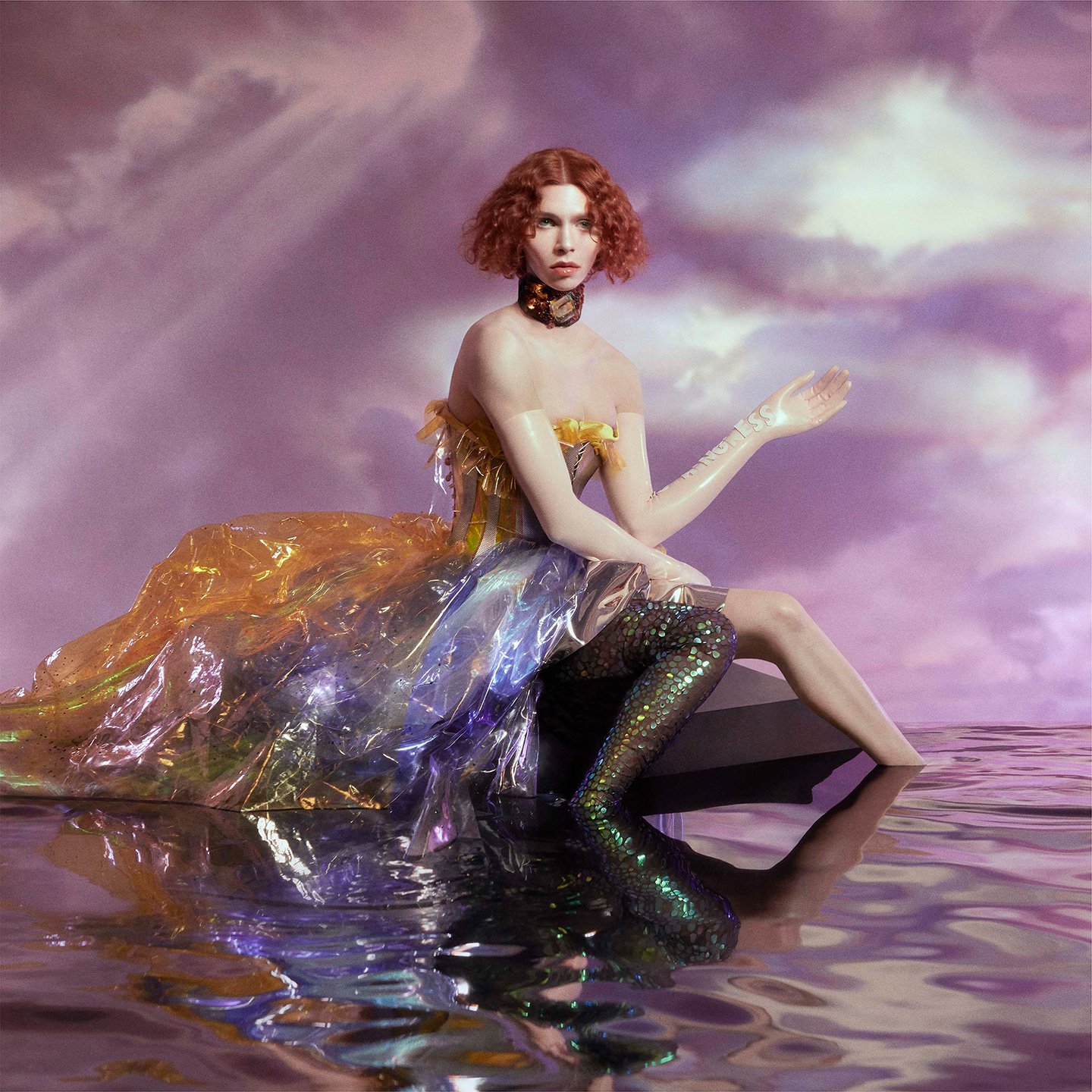
Was there an album in 2018 that sounded more radically new than Oil of Every Pearl’s Un-Insides, the debut full-length from producer and singer SOPHIE? Having previously worked with A. G. Cook’s PC Music label, the Glaswegian’s warped pop has been shaped by an affinity for both singalong choruses and ’90s rave.
SOPHIE’s prowess in the studio has seen her tapped by Charli XCX, Vince Staples, and Madonna, but never have we heard the emotional power coursing through her voice like on Un-Insides. With laser synth riffs lifted from late ’90s Euro-trance and a bounce reminiscent of happy hardcore, the sooner tunes like “Is it Cold in the Water?” become commonplace in clubs, the better. — Sam Davies
Nothing 2 Loose might be the most complete work we’ve had from the sole inhabitant of Planet Lonely, but it comes from an artist who defies albums as a standard format. As well as Mudshadow Propaganda, which was released alongside Nothing 2 Loose, the anonymous producer’s oeuvre also includes a 23-track, eight-disc album as Prince of Denmark, a series of all-original mixes sporadically uploaded and deleted to the Planet Uterus Soundcloud page, and the three-hour collection of b-sides which surfaced shortly after this year’s double album drop.
His sound—driving, spiritual, transcendent—is immediately recognizable in all of it. No other music released this year is as enticing as “Great Escape,” as hypnotic as “2 the Dark,” or as devastating as “Protectionspell.” And no other artist has enraptured their fanbase quite like DJ Healer. — Sam Davies
Space Afrika‘s Somewhere Decent to Live just grows and grows on you, getting better with each listen. It’s been on heavy rotation in the XLR8R offices all year for this reason, but the deep, dark, ambient rhythms make it suitable for various different settings: the commute to work, in bed, or even just for working at the desk. The project is that of Josh Reidy and Joshua Inyany, two Manchester-based boys whose profile is set to grow after this masterful album debut of ambient dub-techno rhythms. — XLR8R Staff
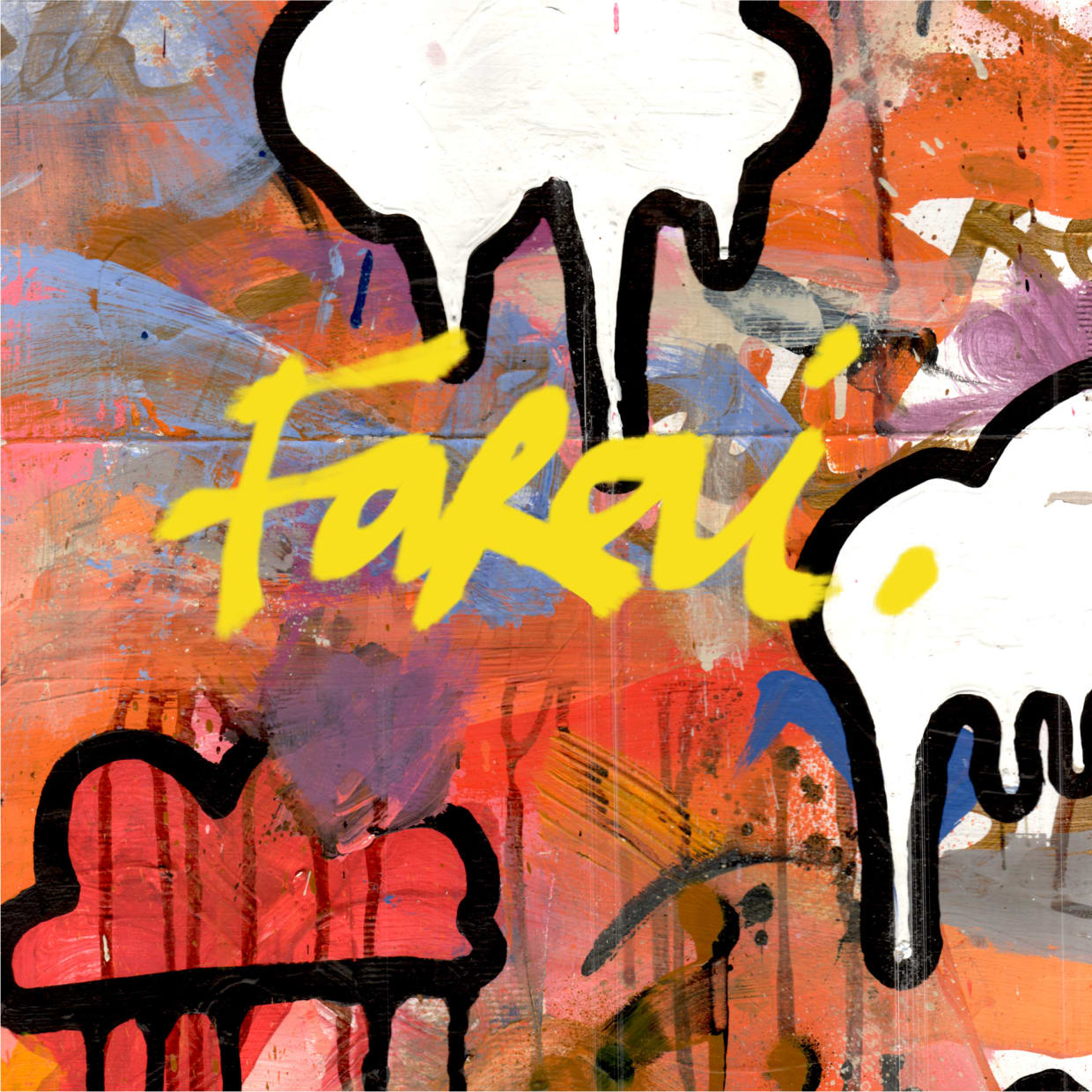
“Theresa May, who’s to blame for all this fuckery?” demands Farai on “This Is England” as a bassy synth grinds ominously below. At the time of writing, said fuckery is ongoing, and few artists have challenged it with the ferocity heard on Rebirth, the debut album from Zimbabwe-born, London-raised vocalist Farai and producer TONE, who has Afro-Guyanese and Welsh roots and grew up in Germany and the UK.
It’s hard to think of another record from 2018 with as much multicultural influence as Rebirth, and that shines through in its sound, which comprises electric guitars, motorik drum beats, menacing synth loops, and raucous lyrical confrontation. Released through Roots Manuva’s Big Dada Records, the album was largely recorded in a few takes at TONE’s DIY studio, between noise complaints from the neighbors. Is it trip-hop? Is it rap? Is it punk? Who cares. It’s fucking quality. — Sam Davies
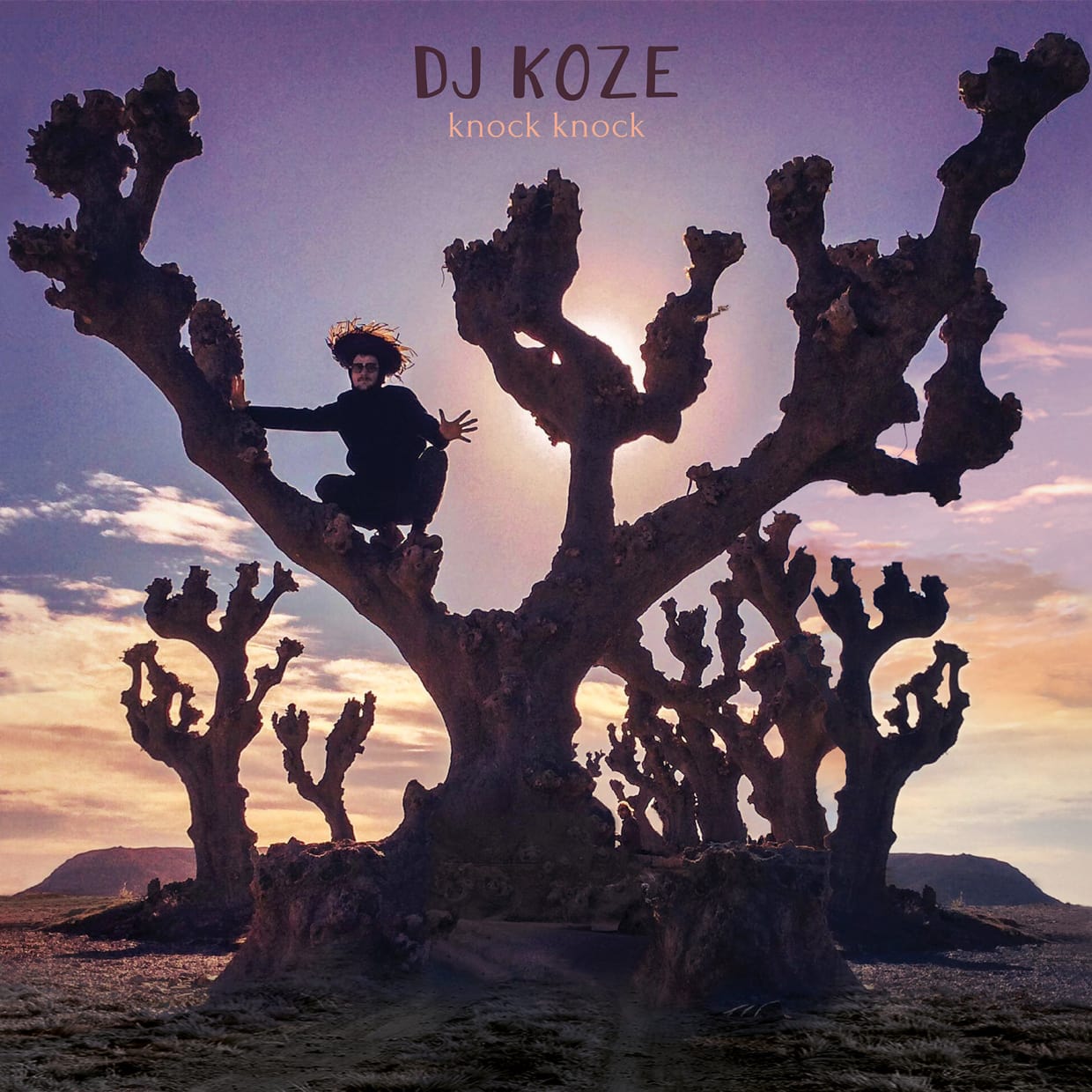
Stefan Kozalla (a.k.a DJ Koze) returned this year with a new album, Knock Knock, one of the year’s most highly anticipated releases. And for good reason: not only was it the German artist’s first long-player in over five years, but all that had preceded it—2013’s Amygdala, 2005’s Kosi Comes Around, and a slew of EPs—had established the enigmatic German artist as one of the most original names in contemporary electronic music. It goes without saying that Knock Knock did not disappoint: featuring a number of guest cameos, among them José González, Róisín Murphy, and Bon Iver, it was a weird and wonderful concoction of pop, disco, hip-hop, R&B, funk, psychedelia, and so much more. It’s a record “notable not only for its considerable length (16 tracks) but its sense of cohesion and staggering brilliance,” said Ben Murphy in his album review. — XLR8R Staff
Read more on DJ Koze in our full-length feature here.
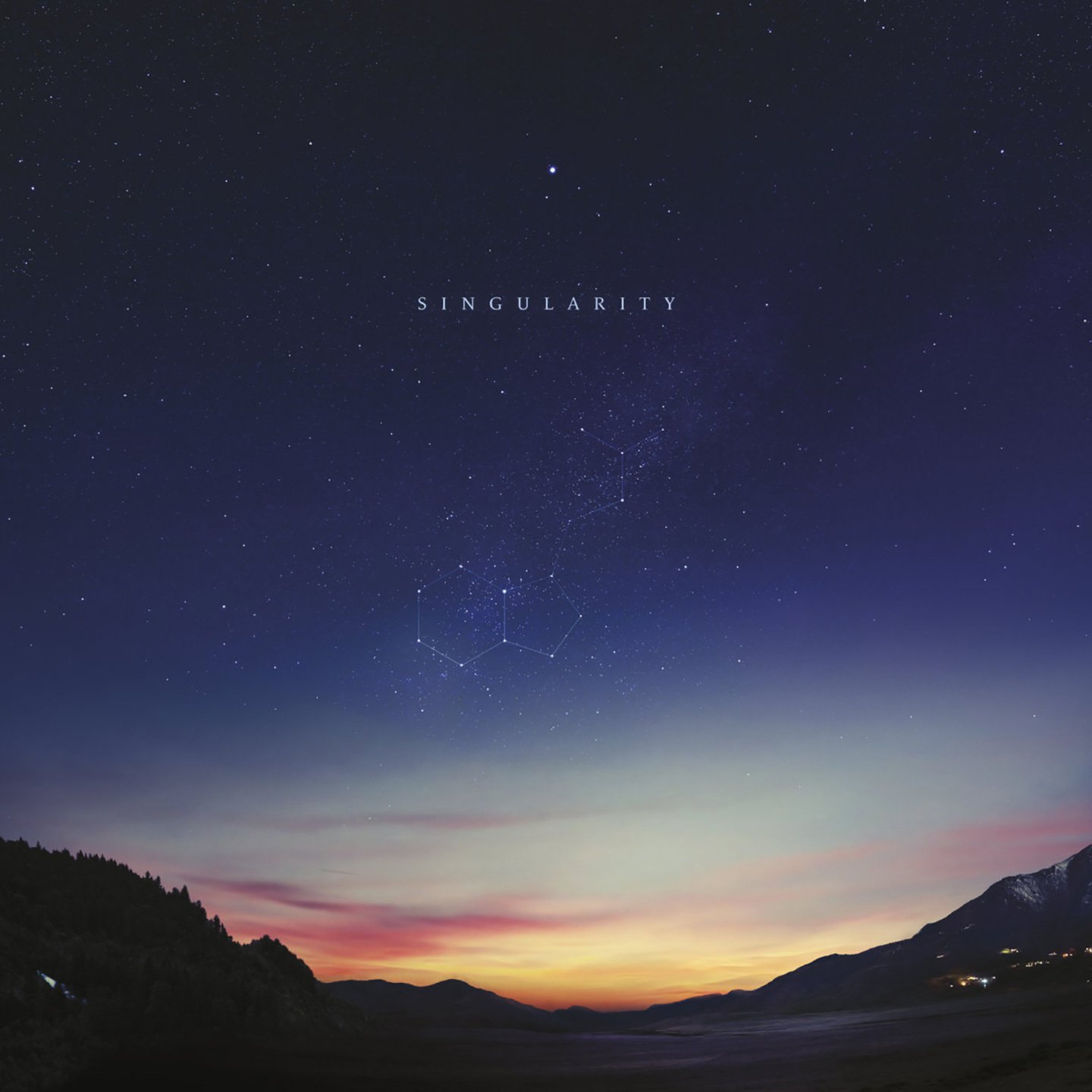
Depicting a serene desert dawn with a constellation of stars in the shape of a DMT molecule, the active ingredient in psychedelic drugs such as ayahuasca, the cover of British electronic musician Jon Hopkins’ ninth album (if you include his collaborations with Brian Eno and King Creosote, and several film soundtracks), Singularity, is fitting for such a trippy release—one of this year’s most eagerly awaited. Over nine tracks, contrasting moments of intensity and harshness with blissful beauty and meditative introspection, the UK artist met the expectation head-on, validating those who consider him one of the most forward thinking and original artists in contemporary music. Best of all on the album is “Luminous Beings,” the album’s centerpiece, a heartbreaking psychedelic journey that fuses otherworldly ambience and a twisting analog bassline that swims among a gorgeous melody and techno drums. — XLR8R Staff
Skee Mask‘s sophomore album landed in May following a succession of 12″s and his 2016 Shred LP. The man behind the project, Bryan Müller, is as media-shy as they come: besides the fact that he’s German, lives in Munich, and produces also under SCNTST—and most likely several others aliases—it’s impossible to find anything of real note on him. The fact that his work is so highly sought after without any promotion is testament to its enduring quality. It really does sound like nothing else out there.
In typical Skee Mask fashion, Compro is full of low-end frequencies, but it’s headier; a feeling of restraint overarches the work as breakbeats flutter around dreamlike atmospheres and subtle melodies, measured with precision for maximum effect. “Caimance (Delay Mix)” is the obvious track of choice, but “Flyby Vfr” is similarly brilliant. — XLR8R Staff
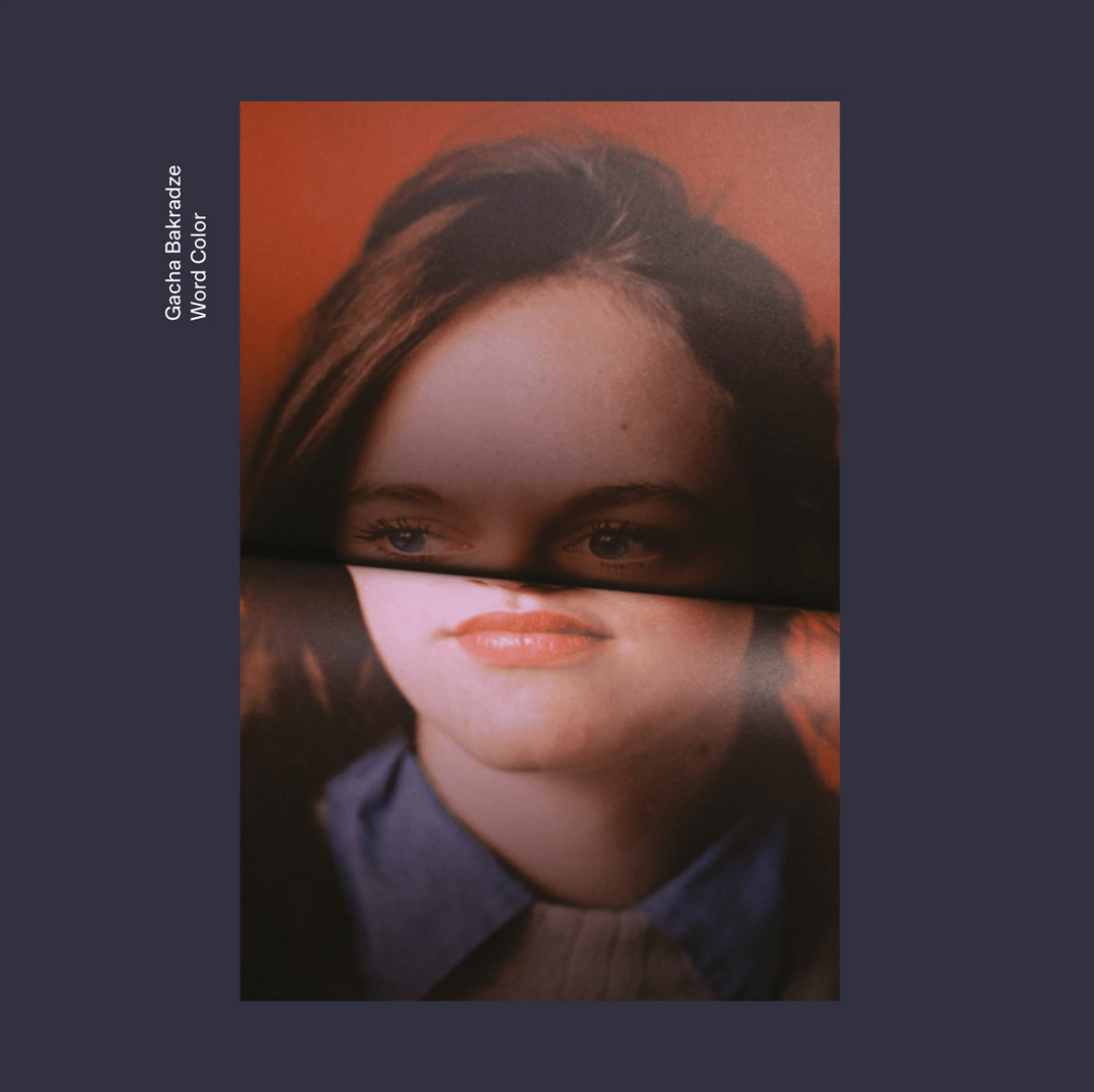
Gacha Bakradze debuted on Barcelona’s Lapsus Records in April, delivering nine tracks of gorgeous introspective electronica—think experimental rhythms, wistful melodies, and absorbing textures. The Georgian producer had shown his brilliance with releases on R&S’ Apollo, but this mini-LP is a highlight in both his discography and this year’s releases. “The Prayer” is an engrossing track that draws you in as soon as the beat drops; but “Word Colour” and “Sarphi Rocks” are standouts too. Exciting things are expected. — XLR8R Staff
The Fifty Eleven Project is an extremely ambitious ambient concept album, and an entirely different side to Kasper Bjørke. As the Danish producer detailed in his recent Real Talk, the album is intended as an interpretation of his emotional state during the five years of regular checkups following a shock cancer diagnosis in November 2011. He describes the project as a “therapeutic way of processing the diagnosis, the constant fear of relapse, and the light in being healed.” Sonically, it’s dreamlike, darkly beautiful, but ultimately empowering—and even more so when you know the story behind it. Collaboration comes from synth wizard Claus Norreen, Italian composer Davide Rossi, and Danish musician Jakob Littauer. — XLR8R Staff
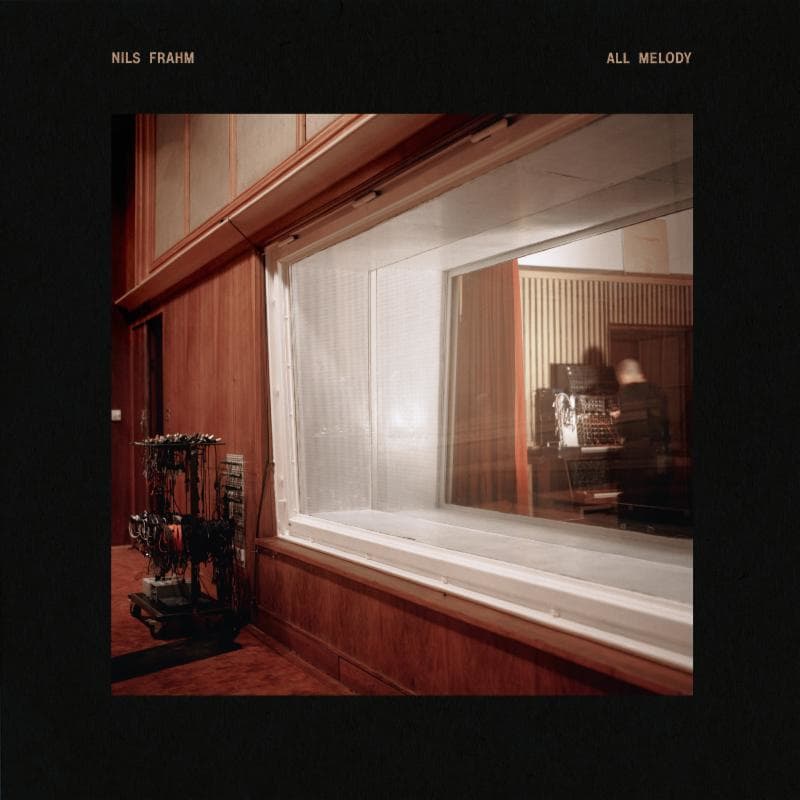
An obvious choice, perhaps, given Frahm‘s standing as a flag-bearer for this so-called neo-classical scene of which Robert Raths’ Erased Tapes sits at the center. January’s All Melody, Frahm’s ninth album, proved worthy of the fanfare that preceded it, another dose of melancholic electronica that has proven so popular—and it saw Frahm broaden his range, folding in influences from jazz and choral music. There were some who wanted more delicate piano—more “My Friend The Forest”— and fewer techno textures, but this a record of experimental beauty that deserves to be treasured. — XLR8R Staff
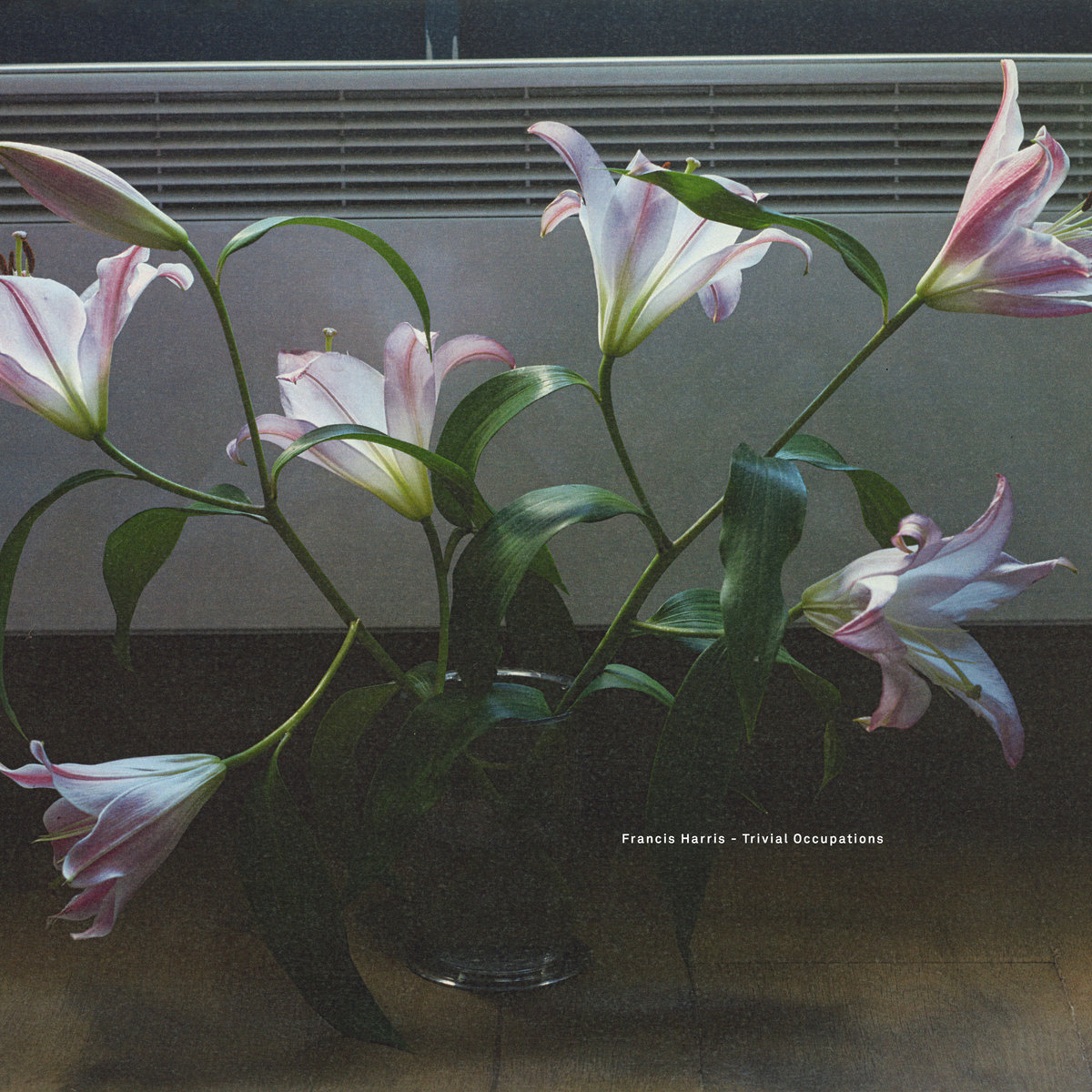
Back in October, via his own Scissor and Thread imprint, Francis Harris released Trivial Occupations, his third solo full-length album, following on from 2012’s Leyland and 2014’s Minutes Of Sleep. In opposition to the concept-driven nature and heavy content of those previous efforts—both recorded after the death of his father and mother respectively—Trivial Occupations found Harris casting away the concept shackles and instead making “an artist album for no other reason than just making it,” as he told William Ralston in a late-September interview. The resulting album gifts listeners 10 gorgeously produced tracks that subtly weave together all of Harris’ most-loved hallmarks: atmosphere, intricate rhythms, and deep emotional resonance. While it has no direct concept and was created over the last four years just for the love of making music, Trivial Occupations might just be Harris’ best work to date—and his most pure and personal. — XLR8R Staff
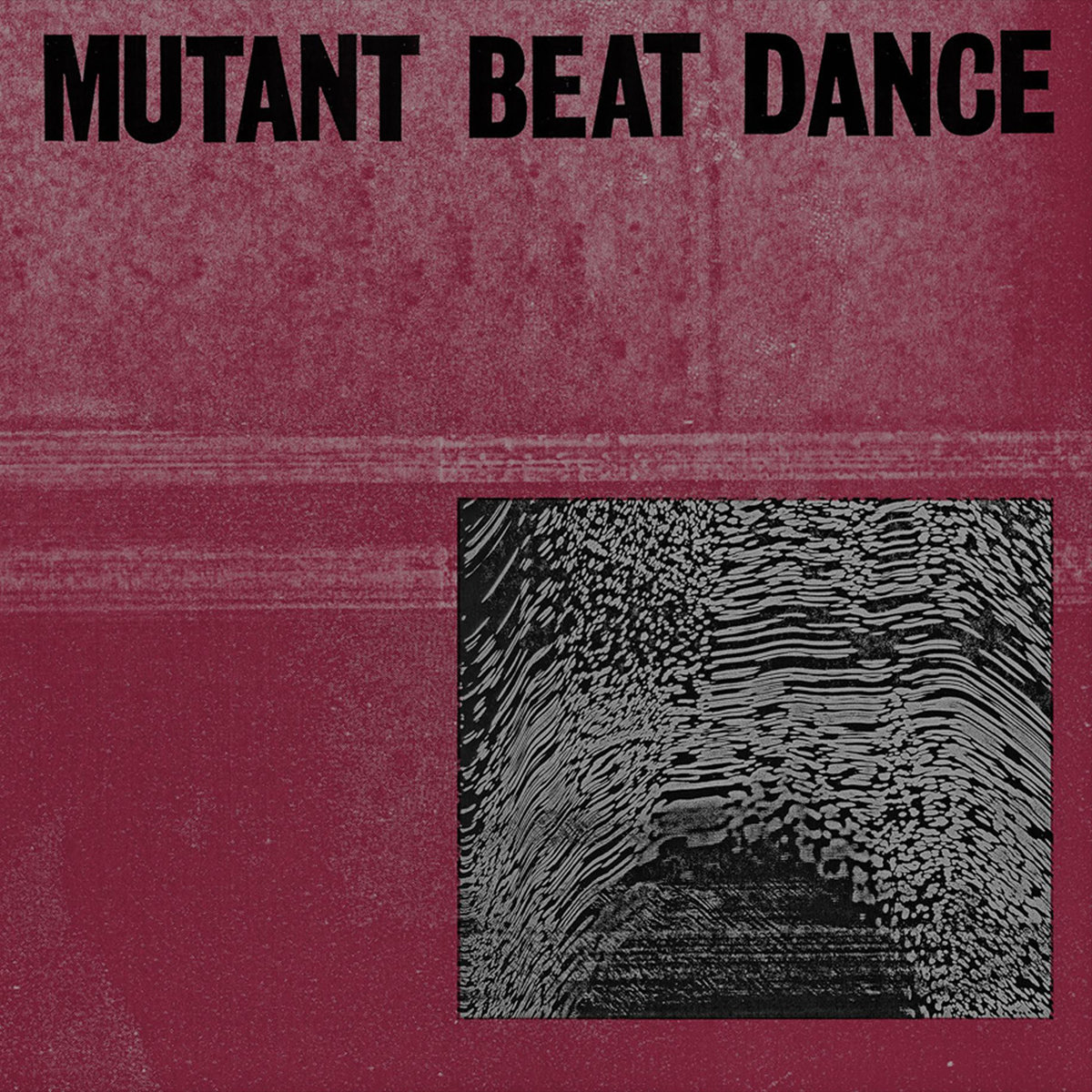
Now a trio consisting of Traxx, Beau Wanzer, and Steve Summers, Mutant Beat Dance this year released a highly ambitious 25-track self-titled LP that looked to “push the boundaries of a conventional album” and included 12″, 10″, and 7″ formats, all of which came packaged in a beautifully conceived album booklet. Featuring further instrumentation and vocals from LCD Soundsystem members Tyler Pope, Patrick Mahoney, and Gavin Rayna Russom, Mutant Beat Dance is a freewheeling ride through early American influences—namely Chicago’s Music Box era—and the intersection of post-punk, wave, industrial, disco dub, and early house. Raw, loose, and covered in grit and sweat, Mutant Beat Dance found the trio mining the past for the unconstrained ethos of early electronic explorers and bringing it into a modern context. With digital streaming platforms squeezing the life out of the physical format and longer-form releases, we thank the world for acts like Mutant Beat Dance. — XLR8R Staff
SIT—the duo of Cristi Cons and Vlad Caia—produce some of the finest music in what could loosely be termed minimal. Their music oozes personality and style and on Invisibility, their two-part LP for Sushitech, they presented their most accomplished work yet. Although it’s an album of club-focused cuts, Invisibility is still best experienced from start to finish; it’s flow and curation impeccable. Minimal is often shrugged off for being too abstract or lacking in musicality; however, Invisibility is a deep, dubby, and constantly evolving tour de force from two masters of the craft. — XLR8R Staff
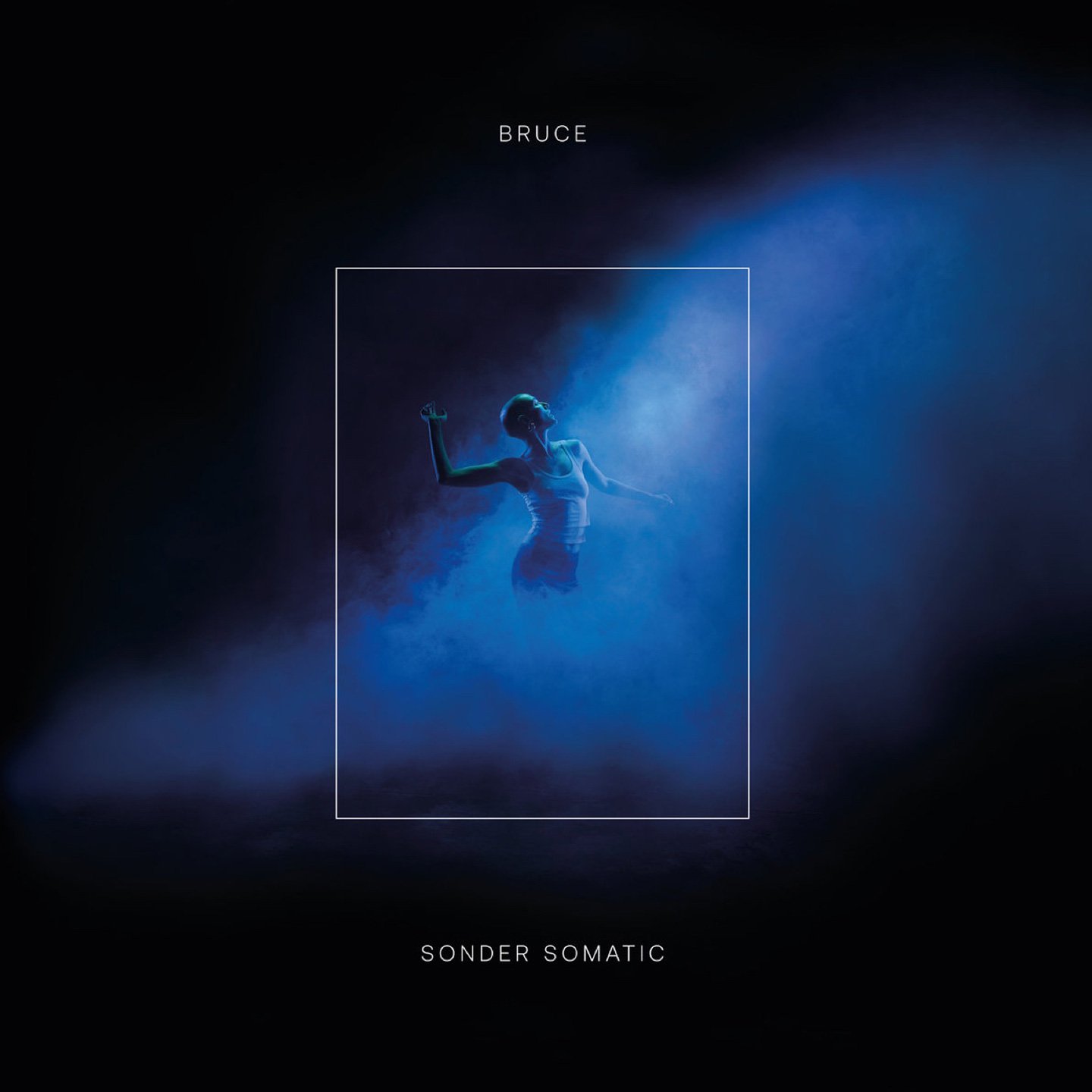
There’s been much ado about Sonder Somatic’s sound design—and rightfully so, as there’s an all but physical presence to its rumbles, buzzes, bleeps, and thumps. Have kick drums ever felt so kicky? But none of that would be more than an impressive technical achievement if Larry McCarthy didn’t know how to work those sounds into the kind of tracks, ranging from abrasively rugged to hauntingly transcendent, that feel fully, thrillingly alive.— Bruce Tantum
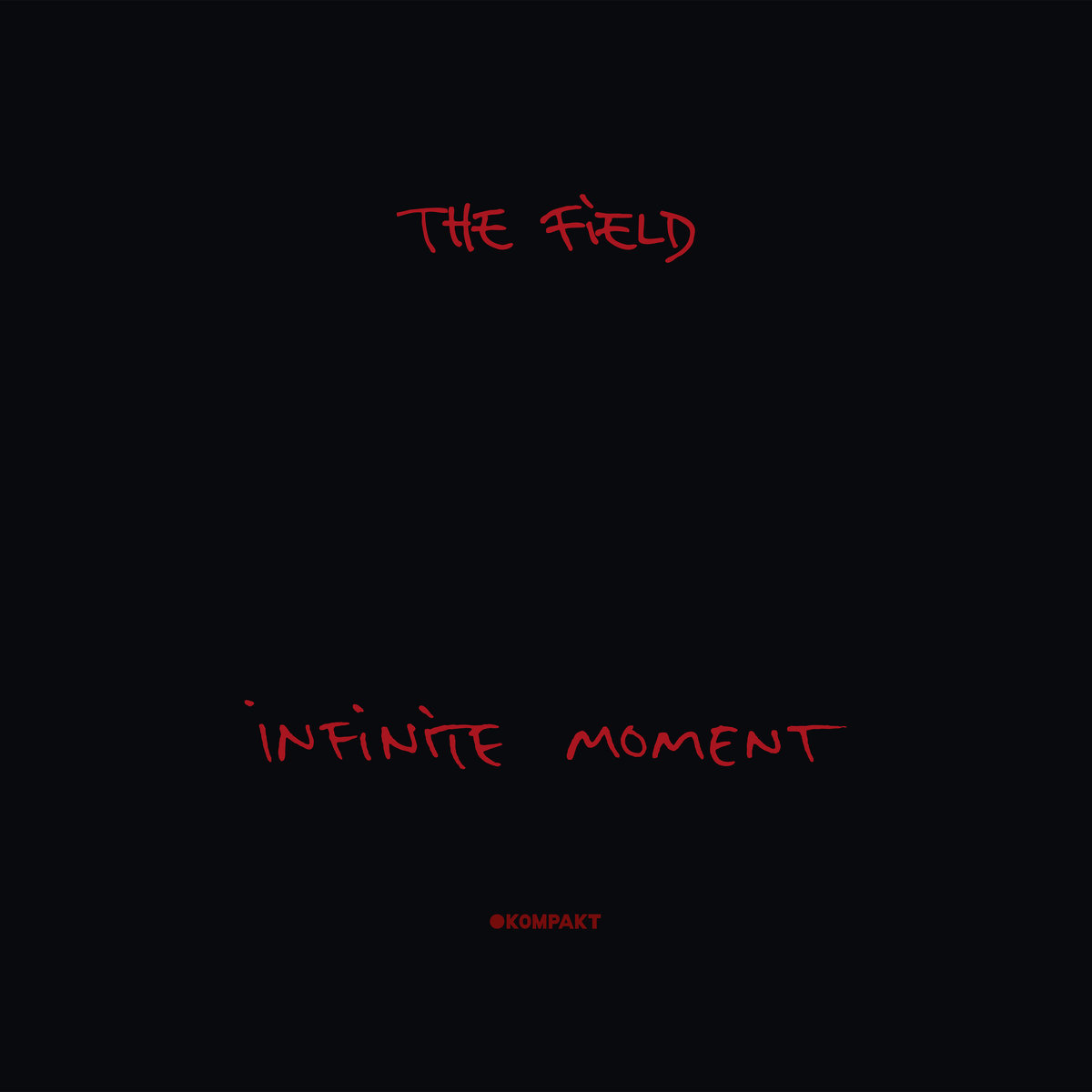
Axel Willner hasn’t reinvented the wheel on his sixth album as The Field: Infinite Moment is still defined by the kind of graceful looping and near-regal aura that’s become his calling card. But here, he seems to be edging ever closer to the Field’s essence, zeroing in on a dreamlike romance that’s both intimate and infinite. — Bruce Tantum
Over its decade-and-a-half lifespan, The Bunker New York has morphed from a little Lower East Side party dedicated to left-of-center techno into something of a mini-empire dedicated to…well, left-of-center techno. It’s a testament to Bunker boss Bryan Kasenic’s curatorial skills that his dominion’s attendant label has become one of North America’s, if not the world’s, leading homes for forward-thinking dance music, and this compilation from the Bunker’s extended family succinctly sums up why. — Bruce Tantum
Launched on Warp Records in September, Richard D. James‘ Collapse is exploratory in its compositional form, fueled by waves of detail that are pushed into the deepest pockets of the mix. The UK artist has always found a way to stretch the limitations of sound and he brings that flight-like sense of movement to every track on Collapse. With stunning speed and variance planted into the rhythmic structure, razor-sharp drum patterns interlace the music with power, adding the signature rubbery basslines of past works. Coupled with the Weirdcore-created video for lead single, “T69 Collapse,” the EP summarizes why Aphex Twin is still ahead of the curve decades after his debut album, Selected Ambient Works 85-92. — Erik Otis
Working Class Woman, released via Ninja Tune in October, was Marie Davidson’s fourth full-length and “most self-reflective record” to date. Drawing on her experiences within dance music and club culture, as well as inspiration from influential writers, thinkers, and filmmakers, the album is a dark, fun, paranoid, and humorous look into the mind of its creator. More so than her previous full-length efforts, Working Class Woman draws on Davidson’s hard-hitting live sets for 10 ferocious cuts that expertly balance driving acid lines, gut-punching drum-machine rhythms, and Davidson’s raw, honest, and, at times, humorous spoken word for a masterclass in not giving a fuck. — XLR8R Staff
Like many of the year’s most memorable releases, Australian duo Albrecht La’Brooy’s Tidal River defied genre categorization and instead seemed to sit in a sonic area all on its own. Over the years, mostly via their own Analogue Attic imprint, the duo have built a formidable discography that proudly celebrates Australia and their Melbourne home base. Tidal River, released via Apollo in February, was inspired by a visit to the beautiful Wilson’s Promontory, a remote national park on the South East coast of Australia, with the tracklisting running from morning to night. The tracks flow perfectly into one another in the same way that hours melt together on a lazy day by the beach. Subtle field recordings of tidal swells and far-off birds are complemented by gorgeous piano lines and, as the record moves along, head-nodding grooves. To most of the world, Australia is a distant myth of a continent, a faraway, wild oasis, but with Tidal River, Albrecht La’Brooy have perfectly encapsulated its breezy, relaxed beauty and delivered it to the world via one of the year’s best releases. — XLR8R Staff
Portrait With Firewood is a little bit different to much of DjRUM‘s catalog, partly because it sees the UK producer experimenting with a hardware synth for the first time. While samples are used for textures and percussion, it is the piano that sits at the basis for much of the music. It certainly wasn’t in everyone’s favorites of the year, and there’s much debate as to whether this is even the best of DjRUM, but we couldn’t stop going back to this record after giving it a few chances. It’s one of those records that requires patience to appreciate and must be listened to as a whole or not at all. — XLR8R Staff