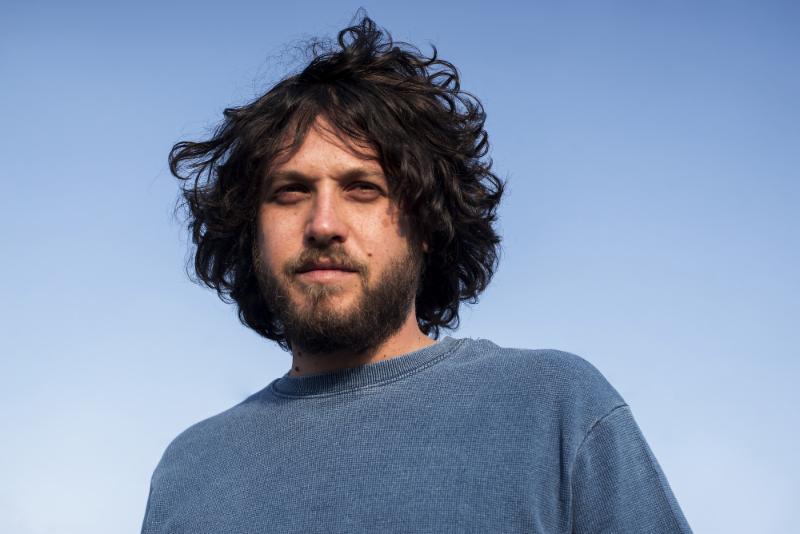
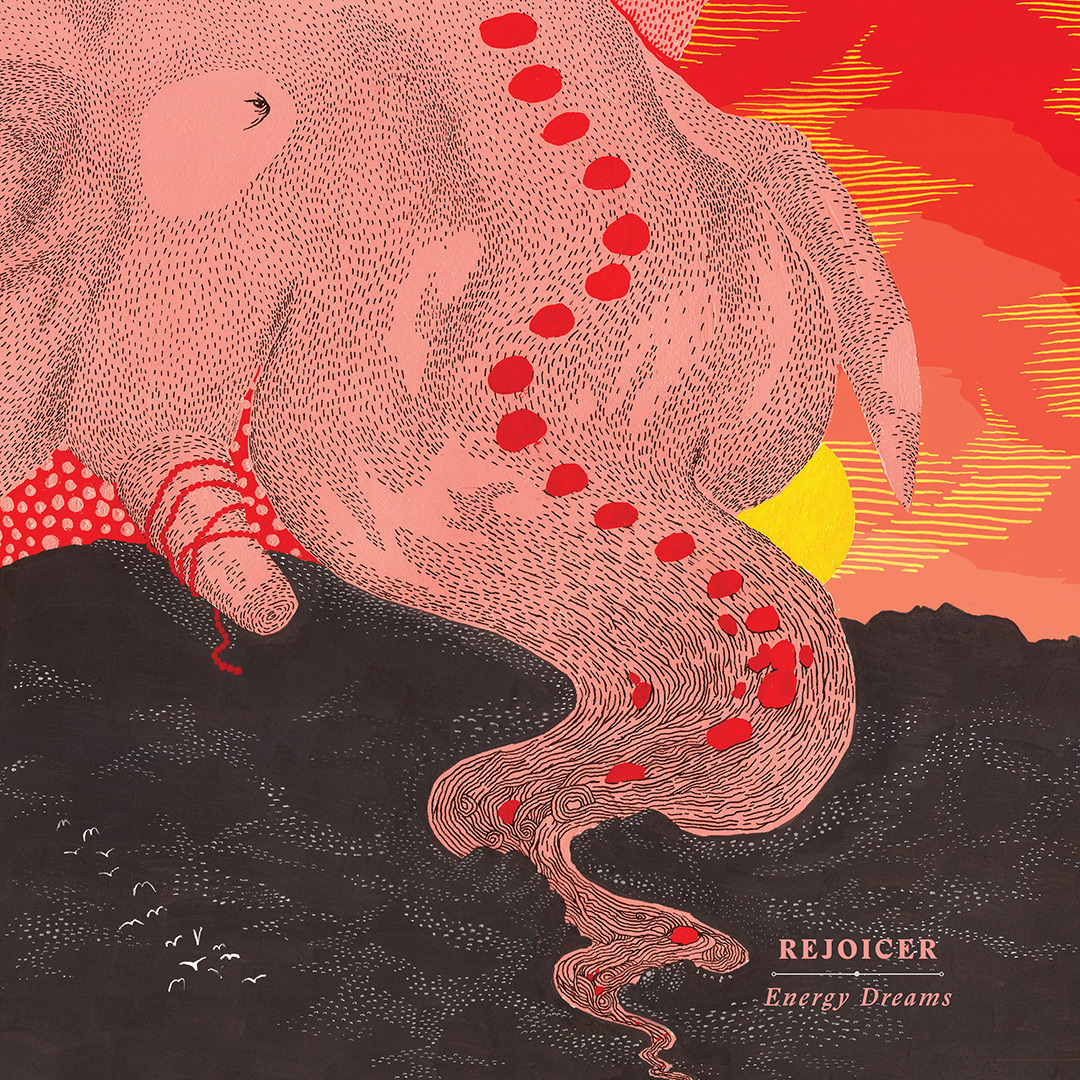
Rejoicer (a.k.a. Yuvi Havkin) has today shared a new animated video for “Purple T-Shirts” feat. Mnsdgn, the latest track from his forthcoming Energy Dreams LP landing later this month via Stones Throw Records.
Havkin is a musician and producer who splices together funk, hip-hop, breakbeats, and jazz rhythms. He’s most well-known for helping cultivate Israel’s modern beat movement, and for fostering a community of international artists who contribute to his Tel-Aviv based-label Raw Tapes.
Energy Dreams‘ name, track titles and visuals—created by Yuvi’s Raw Tapes co-founder Guy Glikshtein (a.k.a Jengo)—draw on the psychedelia of spiritual jazz, and are inspired by visions Yuvi saw in a series of lucid dreams shortly after recording the album.
“The “Purple T-Shirts” video continues to carry the album’s themes of the relationship between dream states and conscious states, this time focusing on the fluidity of time perception and its challenging playfulness. The video started off with a simple idea of treating a still image as moving images in time, replacing still elements with short-looped, seamless animations. Blurring the lines between beginning and end, with each element corresponding to a different instrument both in-sync and out, the linearity of time is slowly redefined. The moment is both perceived as ephemeral and timeless.” — Guy Glikshtein
Tracklisting
01. Cloud of Me
02. High on Star Dance
03. Double Astral Move
04. Yesterday’s Forest Magic feat. Sefi Zisling
05. Purple T Shirts feat. Mndsgn
06. Alien Sphere
07. Neo Drive Knows You
08. Changa Cold Change
09.Lucid Intent feat. Nitai Hershkovits
10. Ancient Energy Search feat. Nomok
11. Rings of There
Energy Dreams LP will land on August 31 via Stones Throw, with “Purple T-Shirts” feat. Mnsdgn streaming in full via the player below.
Puce Mary is the solo moniker of Copenhagen-based Frederikke Hoffmeier, an affiliate of Posh Isolation. Since 2013, she’s released several solo albums via the Danish label and collaborated with label founder Loke Rahbek, while also performing in the group Body Sculptures. She’s also shared further releases on iDEAL Recordings (as JH1.FS3 with Jesse Sanes), Total Black (with Dan Johansson of Sewer Election), Aesthetic House, and more.
The Drought will be her PAN debut. We’re told that the album evolves from “the tropes of industrial and power electronics to forge a complex story of adapting to new realities” and “demonstrates an intention to expand on the vocabulary of confrontational music and into a grander narrative defined by technical and emotional growth.” Inspiration is drawn from writers such as Charles Baudelaire and Jean Genet.
Tracklisting
01. Dissolve
02. A Feast Before The Drought
03. To Possess Is To Be In Control
04. Fragments Of A Lily
05. Red Desert
06. Coagulate
07. The Size Of Our Desires
08. The Transformation
09. Slouching Uphill
The Drought will land on October 5, with “Red Desert” streaming in full via the player below.
To mark the release of their latest various artist EP, Italoboyz are offering up a free track from their vaults.
The new EP is out now and comes on their own Superfiction Recordings label, featuring an Italoboyz solo track, as well as a collaboration with Blinded Mind, who also provide an original, as does Durant. The label describes the four cuts as “off-kilter modern house/techno tunes with wild synths and slick drums that bring real character.”
Italoboyz have released music for almost 15 years on labels like Get Physical, Moon Harbour, Trapez, Circus Recordings, Deeperfect, Material, and to mark this latest release they’re giving away “Digger Back,” available now via the WeTransfer button below—or here for EU readers due to temporary GDPR restrictions. It’s a thumping techno cut with metallic hits, freaky vocals, and a real sense of late-night sleaze.
This all comes ahead of a vinyl-only Italoboyz Vs Blind Minded EP on Superfiction Recordings with remixes by DJ W!ld and Sakro in September.
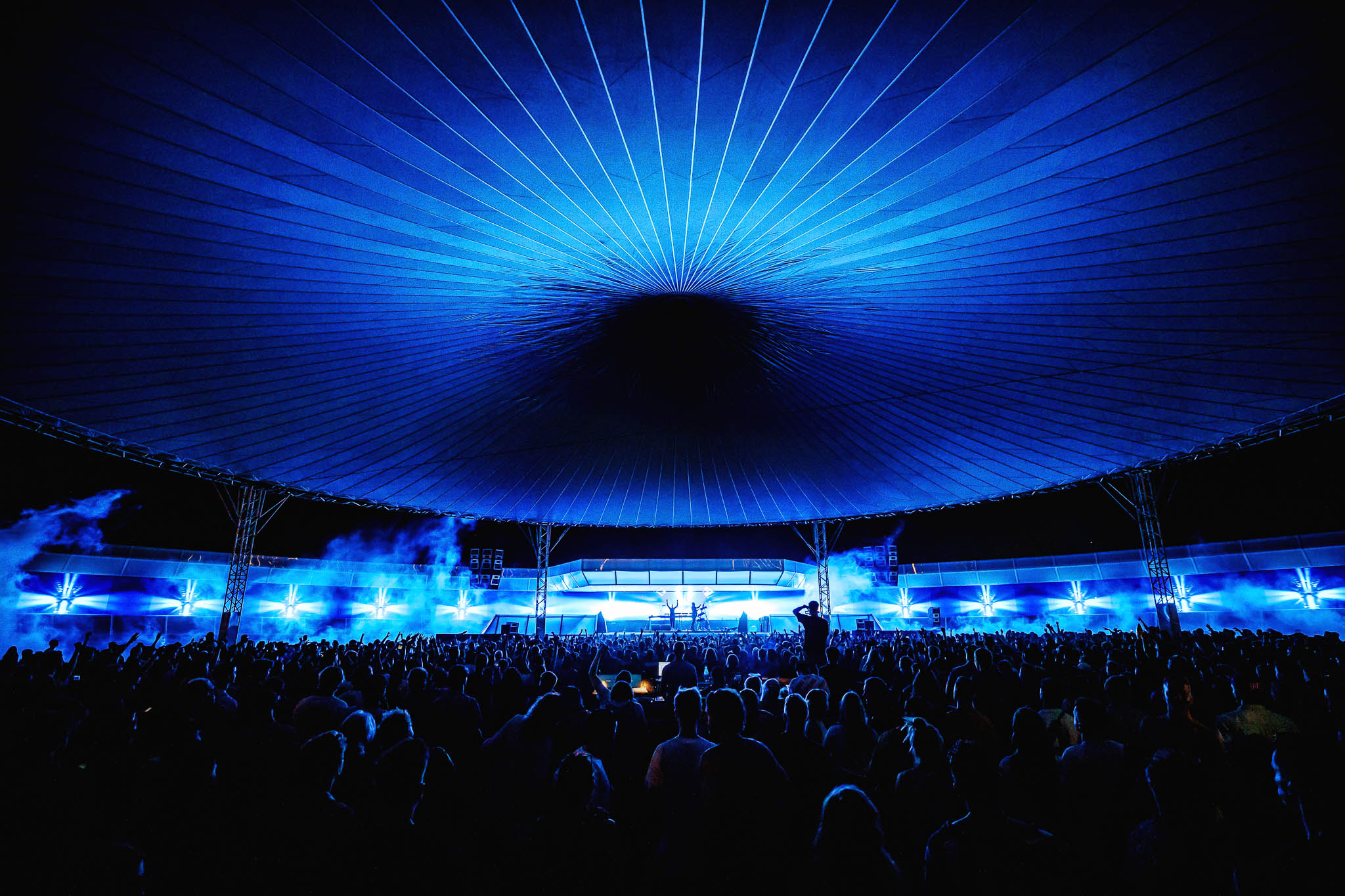
The Dutch aren’t known for tapas. At stations, and fast food joints, however, you can order small food portions from automatic dispenser machines; croquets, meatballs, sweets, and more. It’s a more northern incarnation of the Spanish delicacy and one that’s more deep-fried, with less of the Spanish flair. Dekmantel Festival, taking place in Amsterdam, spreading across five-days during the European summer heatwave, feels a bit like an international tapas in which one feasts from the varied global programming, sampling differing styles, and dancing to the varied tropical beats all under a glowing sun. It is essentially separated into two parts, the first part of the two taking place in the city, focussing on more experimental acts in more glamorous, high-brow settings, followed by the party frolicking party-lifestyle acts in the city’s woods from Friday onwards.
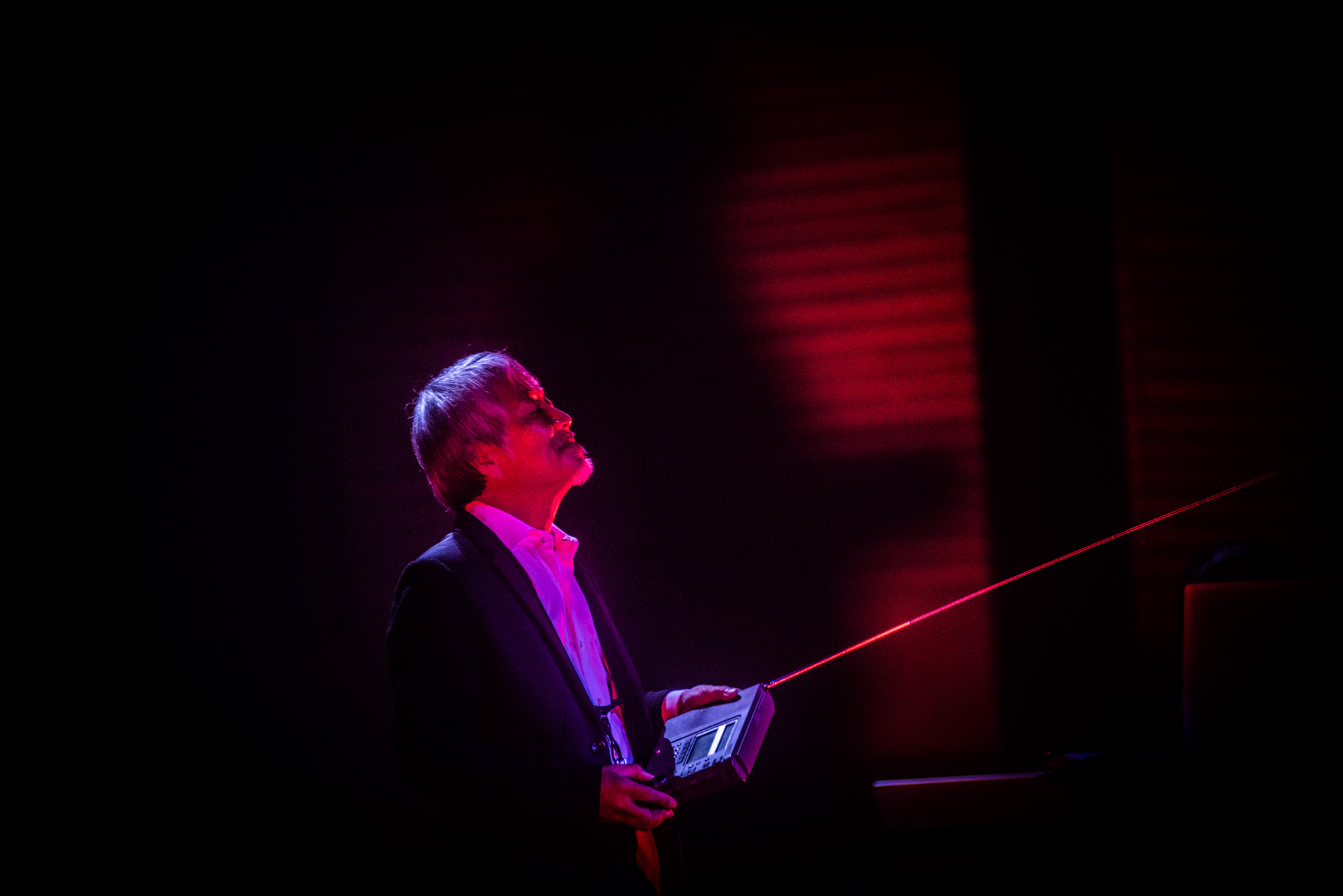
Legendary krautrock pioneers Tangerine Dream—albeit now with none of the founding members—kicked off proceedings on Wednesday. This was followed by a series of concerts on Thursday in the Muziekgebouw, perched alongside the river, where throughout the evening the sun gradually sets, casting its rays through the concert hall’s giant, glass facade. Yasuaki Shimizu played earlier on that evening. The criminally under-attended show saw the the Japanese avant-garde sax player mix between freestyle and ambient sounds, while creating loops, atmospheric distortions and vocal stabs. Having recently come to Western acclaim through the reissue of his 1982 LP Kakashi, it was fitting that the set ended with “Suiren,” the track that’s been in heavy rotation by many worldly-jazz type DJs and collectors. Thursday also saw the nuanced, slightly uncomforting yet fantastic performance by Pan Daijing. It’s not often an artist gives you instructions and a dissection of the proceeding performance beforehand, yet in her oddly, hypnotic world, in hindsight, such introductions felt necessary; like asking passengers to fasten their safety belt before settling into a rollercoaster ride. It’s an overwhelming trip that pulls you in and leaves you feeling sore and fragile afterwards.
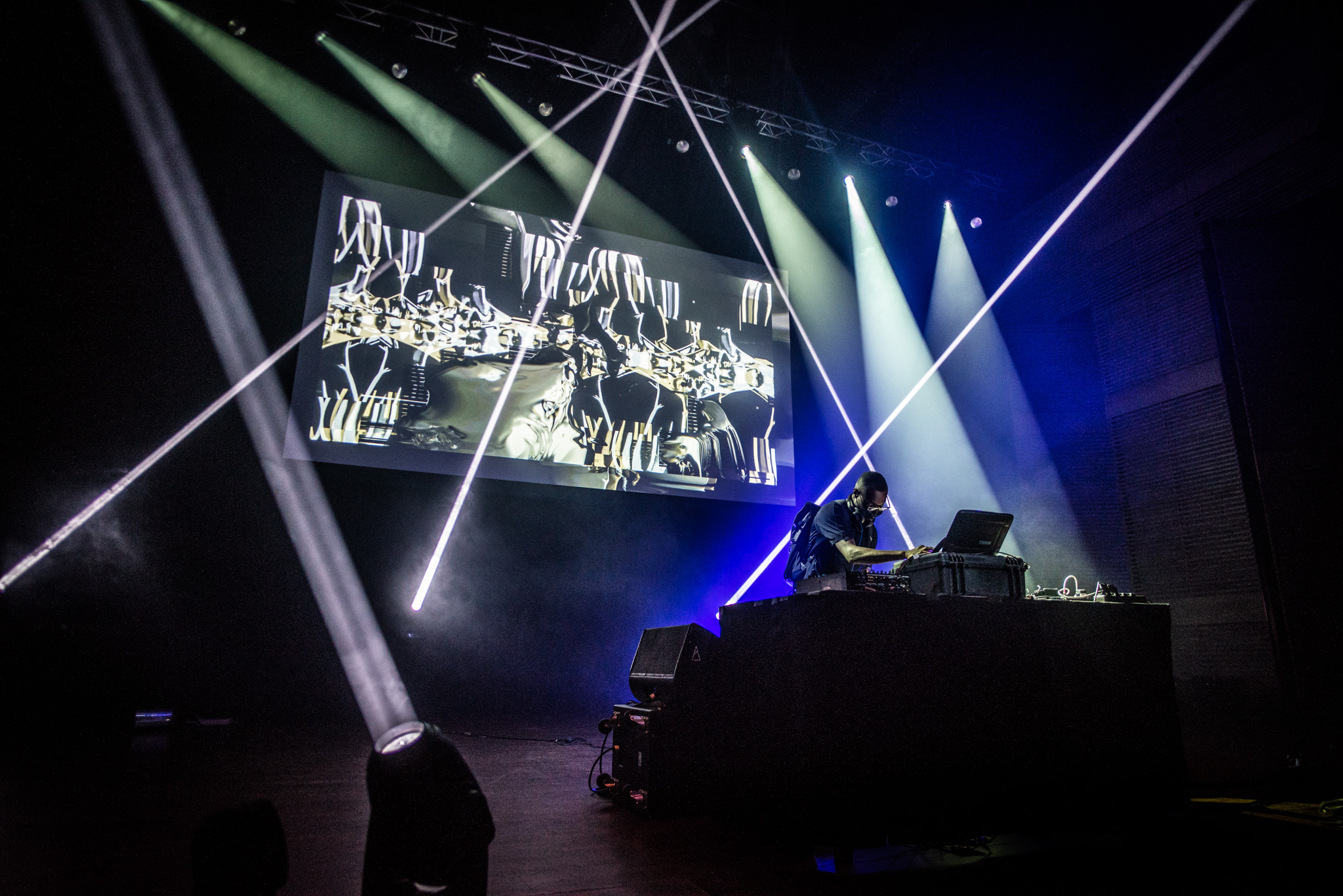
Actress, like Dilla, has an approach to music that focuses on sound snippets, as opposed to full cut joints—like an exotic tapas of varied sounds. His live A/V show in the Muziekgebouw exemplified this, as the British experimental musician switched between piano ambience and rough techno joints. Combined together, his rough and ready sounds don’t combine to make a balanced meal of sounds, but individually they are sonically divine and great to experience.
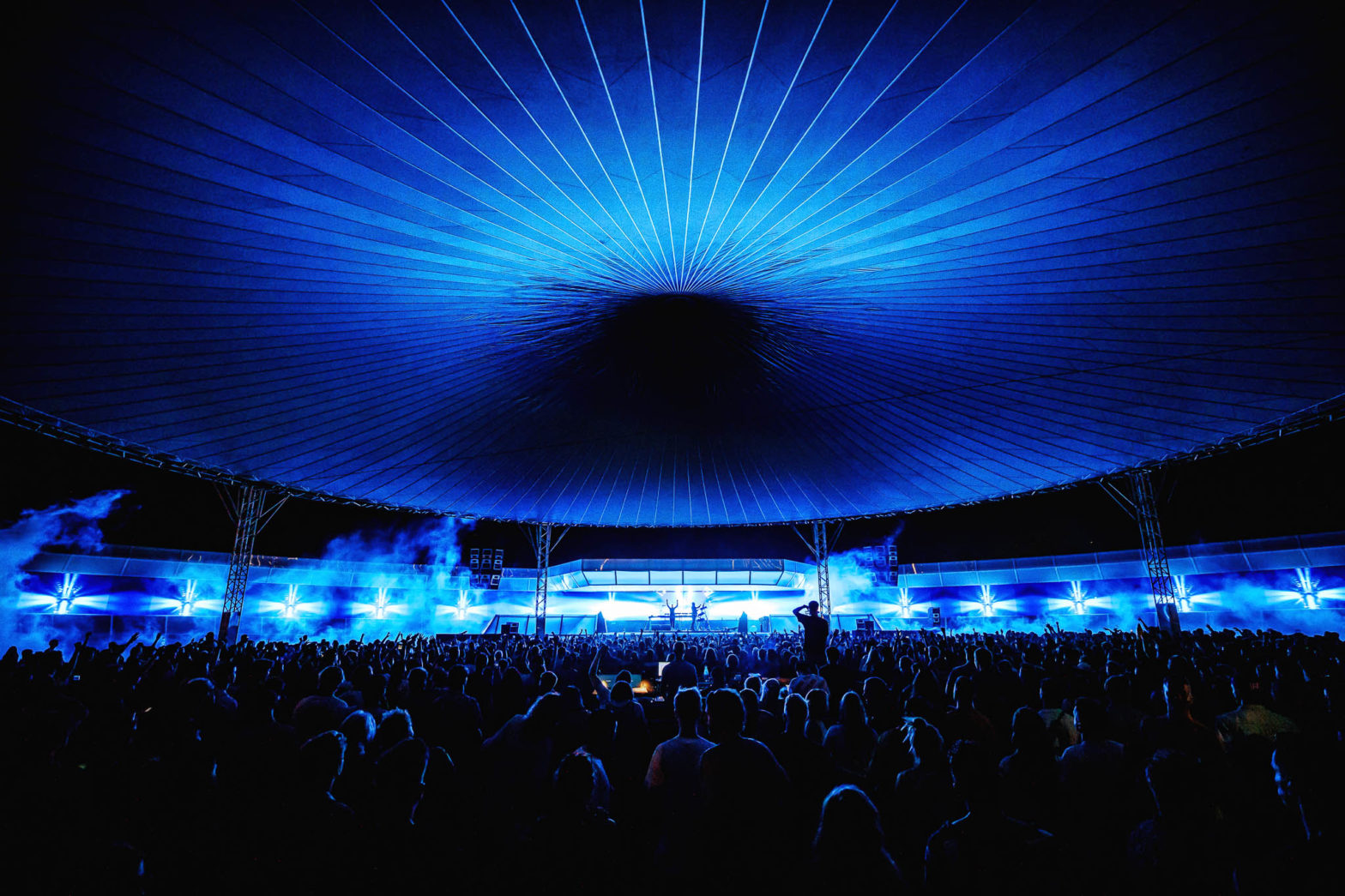
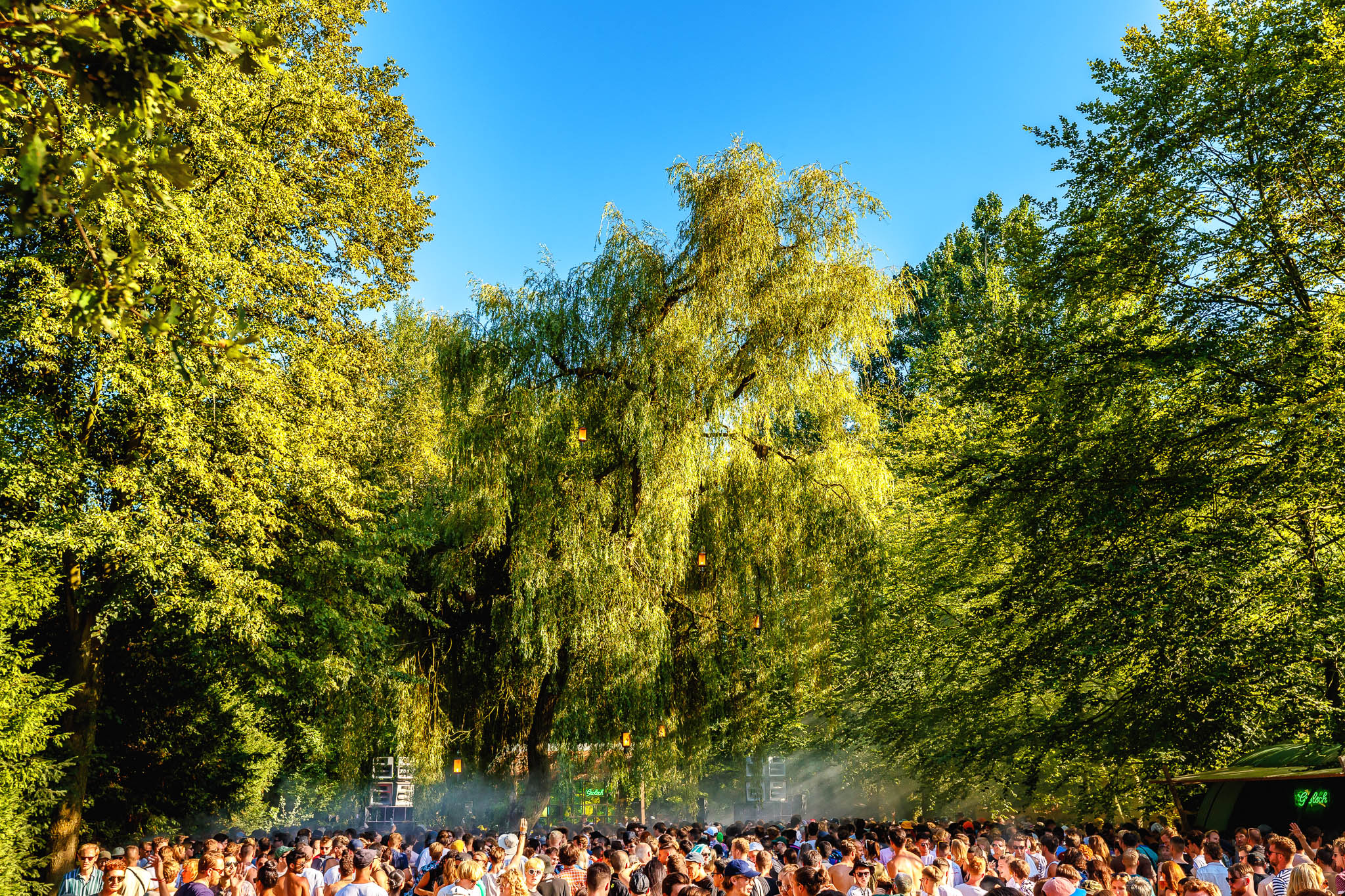
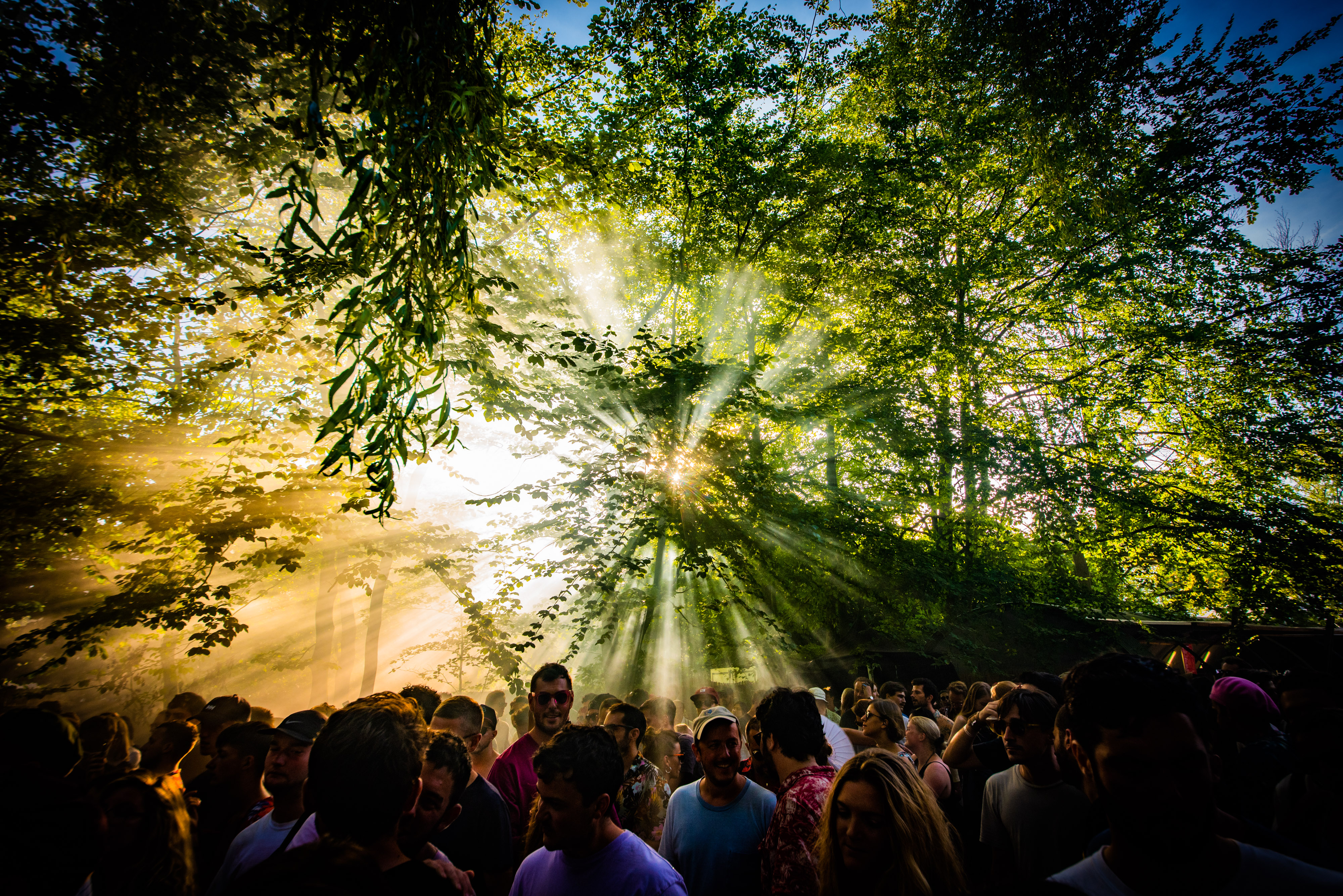
Moving on from the experimental and into the woods, the second half of Dekmantel Festival has a much different feel. Taking place in the Amsterdam Bos, a good 10k from the city centre, journeying to Dekmantel during a heatwave is rather laborious, but the forest setting more than makes up for the extended journey. The attendees for a start are differently dressed, taking on board the rave-fashion cues that are currently in de-rigour, with matching tropical themed, button-up short-sleeved shirts, long white socks, and over-the-shoulder fanny backs. The latter definitely being a cross-gender, contemporary accessory—along with the customary vape, and brand name sports visor.
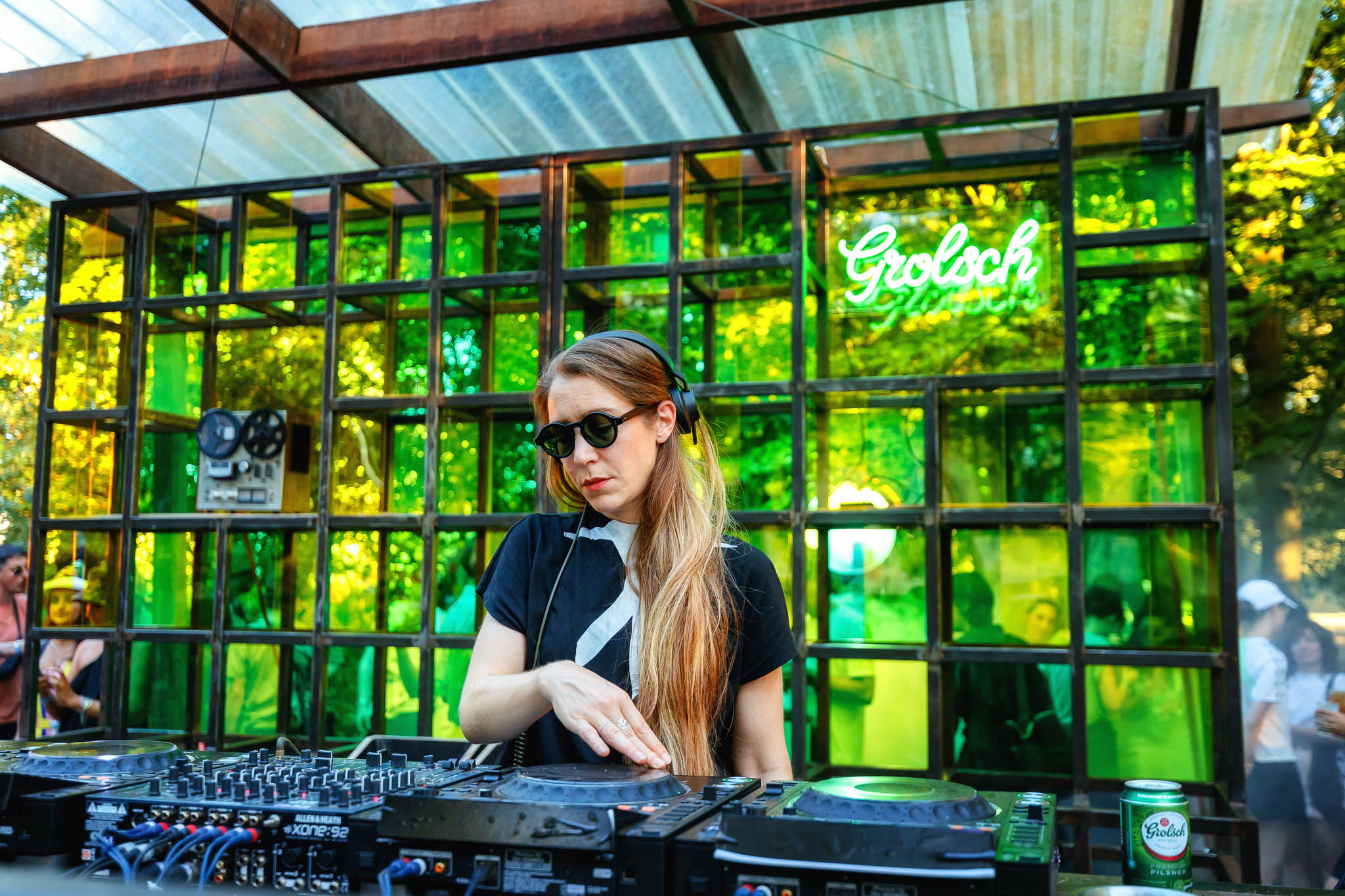
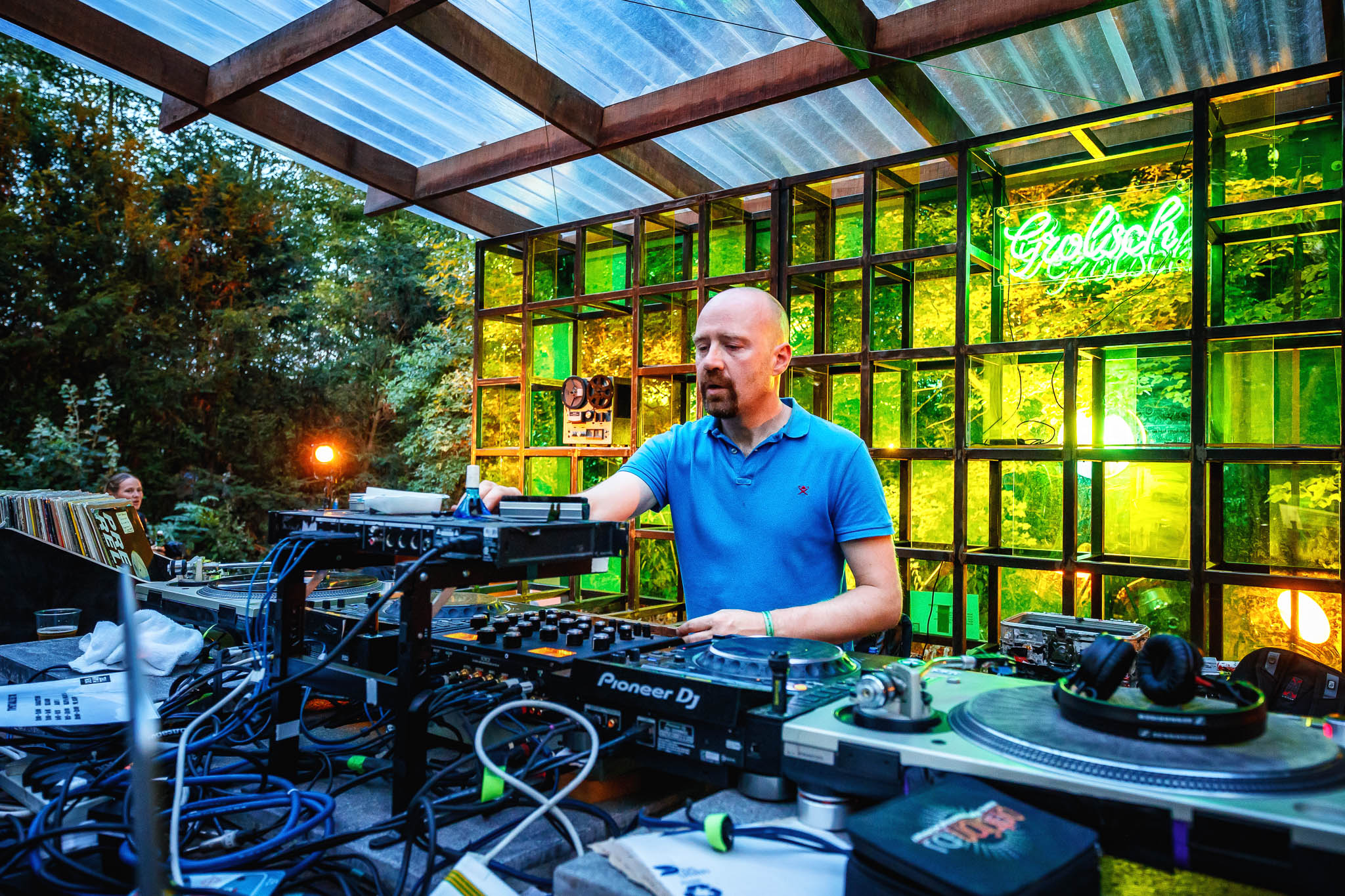
Between Friday and Sunday, the woodland area is transformed into a metaphorical, dance-music war zone, as sound systems battle each other amongst a sea of light explosions, and wafting smoke, as crowds mingle their way in between the minute Boiler Room stage, through to the Greenhouse, Selectors stage, Main, and UFO stages. Needless to say, the heat played an integral part in making music choices, as one opted more for laid-back choices which offered shade during the day’s hotter moments.
On Friday, one of the more apt and standout discoveries was Dutch DJ Upsammy who graced the Red Light Radio stage during the afternoon—playing what can only be described as post-Autonomic, deconstructed drum & bass, albeit played at a slower tempo. With random rhythms and disjointed beat patterns, the records were impeccably mixed, with only an older track by Amon Tobin coming to my attention [something from “Foley Room” era, but I can’t seem to recall which one it exactly was.] Another noteworthy mention for Friday must go to Lena Willikens on the Selectors stage, who started and continued with driving EBM, and weird-techno cuts—pulling in an obscenely large crowd. On the Main Stage, Orbital closed the day’s events. I last saw Orbital at Glastonbury in 2004, and it seems as if the British duo haven’t aged at all. With their unique “eye-wear,” and monstrous analogue rig, the duo held back no punches as they worked their way through the hits, just like they did for me 14 years ago.
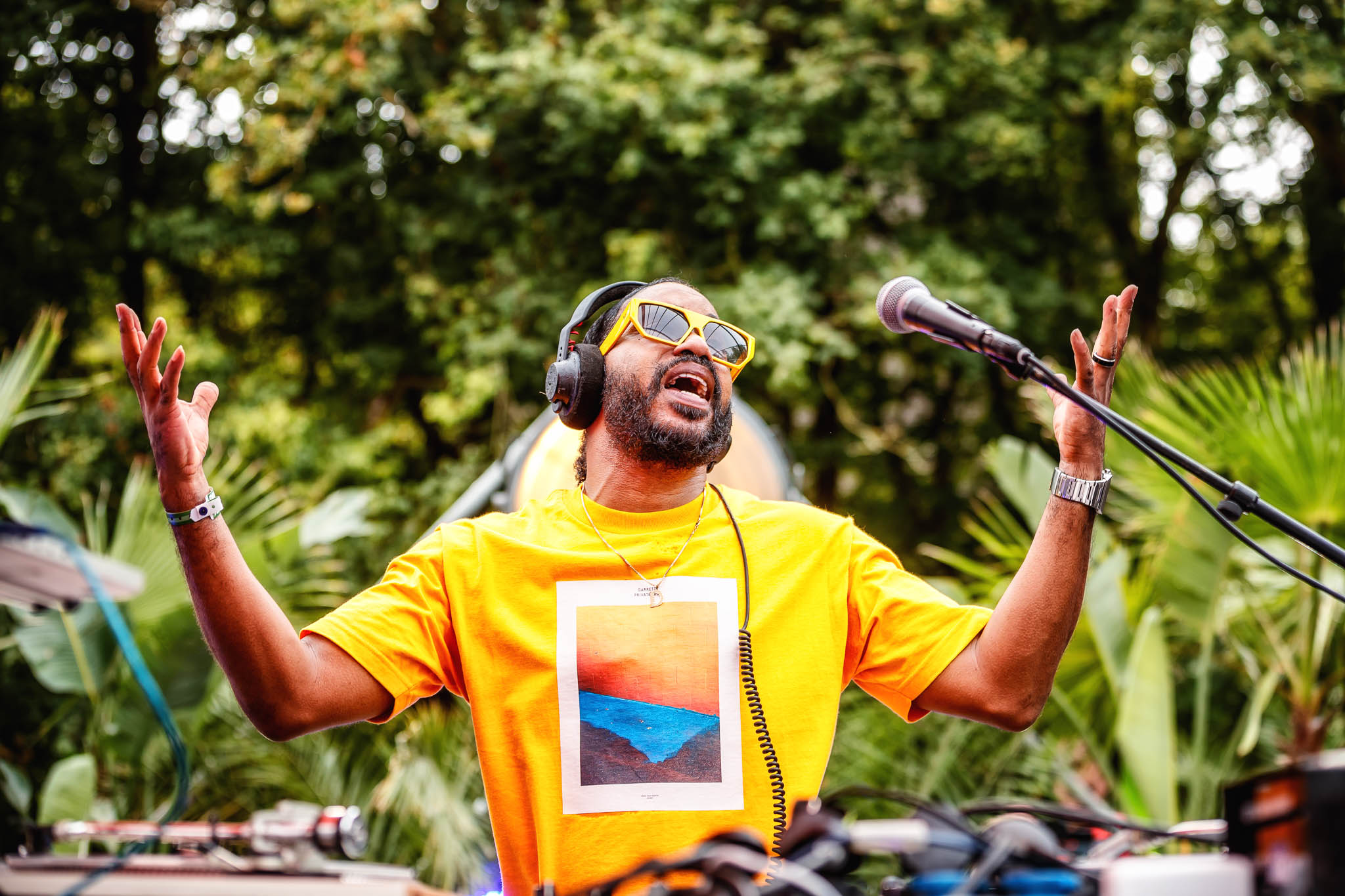
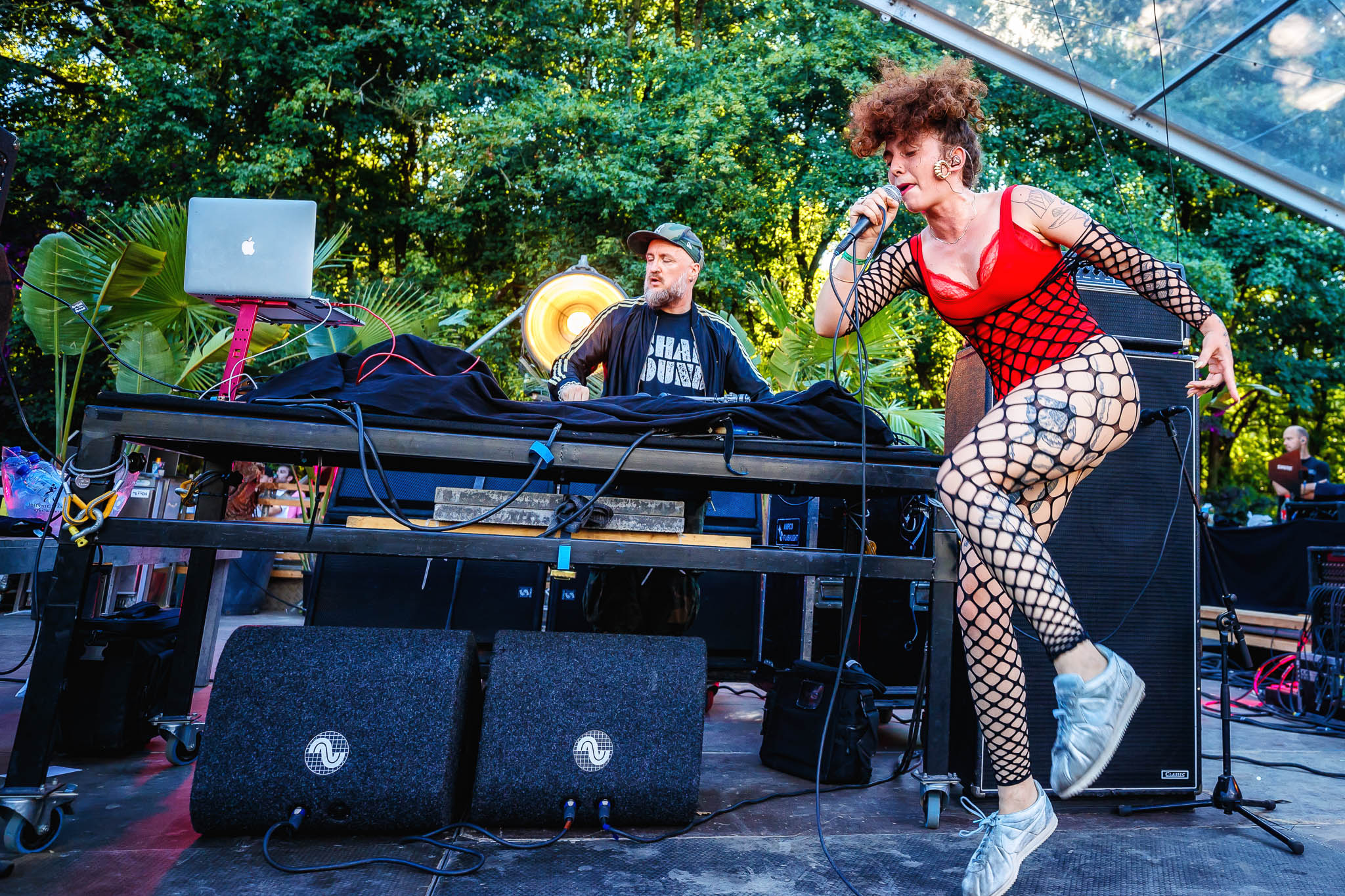
On Saturday, Dâm Funk proved to be an enlightened booking. While at the beginning, the Stones Throw titan seemed a bit lost playing older house and techno cuts, he smoothed his way into more sultry, afternoon hip-hop and R&B. Errorsmith tore the roof of the UFOII stage—a new addition to the festival to house more underground, left-of-centre techno artists—with his oddball, deadpan, and freakish sounds. The German sound wizard may take his production aesthetics with the greatest of seriousness, but in the live arena he really shines, toying with the audience, and then devastating them at will—when he decides to bring the crushing beats back to the foray. Other Saturday mentions must also go to Gilb’r and Max Abysmal for creating a cathartic and fruitful mix on the Selectors stage [a big shoutout to Abysmal for dropping “Warhead” by Krust], playing warm-up to Mr.Scruff who flaunted his deep collection, delving into forayed selections of abstract African disco, soul, and house cuts. Four Tet graced the Main Stage, followed by a series of afterparties taking place at Radion and Shelter featuring Tom Trago, Matrixxman, and more, but after a long day and journey into the woods, I decided to save myself for the final day.
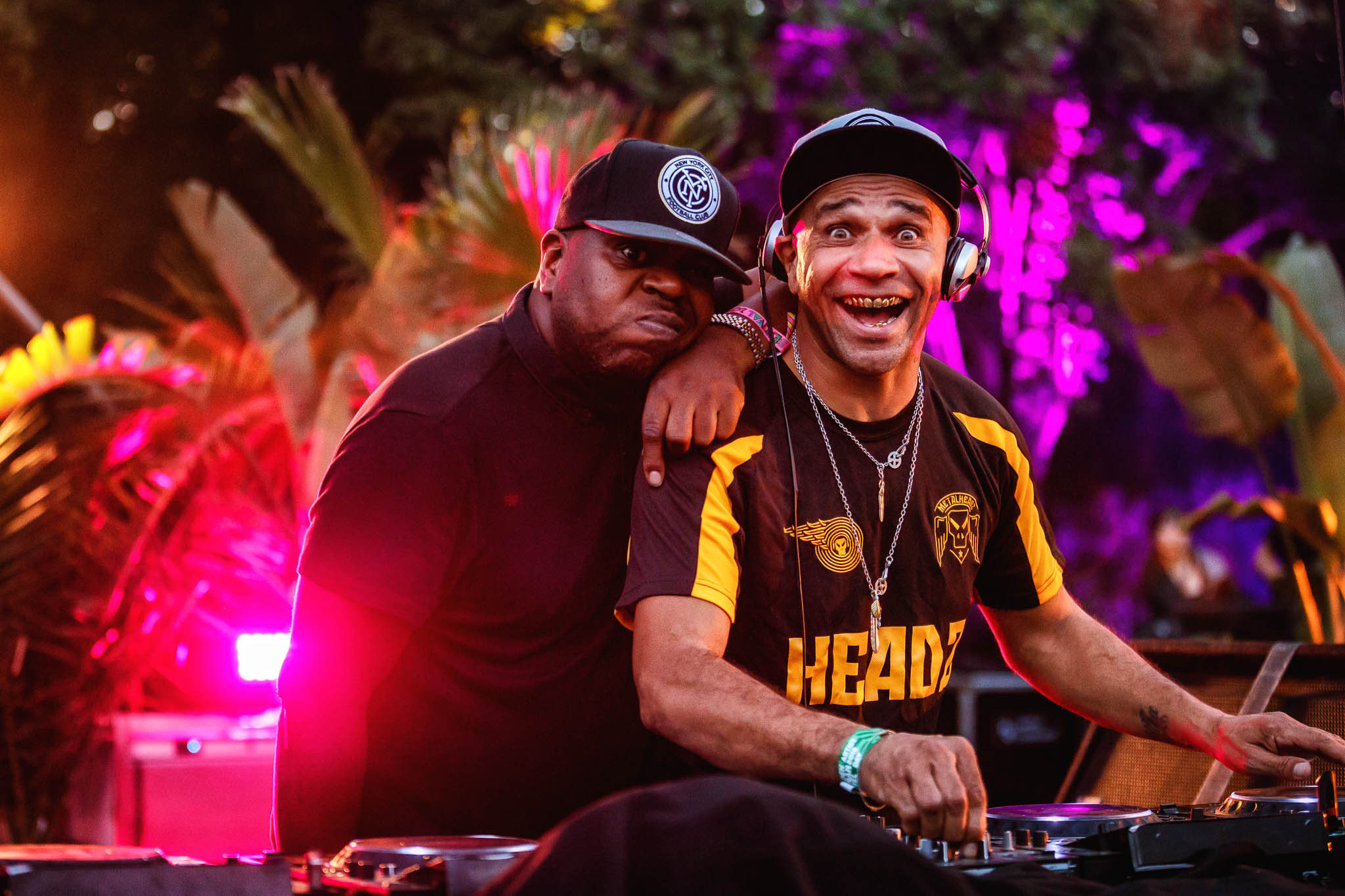
Sunday saw great performances by Kutmah, whose hip-hop, jungle, and Turkish-psych cues provided the ample afternoon soundtrack. Followed by The Bug and Miss Red, their titanic, frequency-overloaded performance showcased why the dub-duo are prime festival fodder. With the bass frequencies rattling the roof of the Greenhouse, their set included staples from both of their respective catalogues including “Poison Dart,” and more. Mark Knekelhuis with Merel on the Red Light Radio stage played an intriguing set of digi-cumbia, and wavey house, all to which seemingly fits within the sonic palette that befits Knekelhuis’ label’s output. Shazam is no use when the level of selection is this deep, and out there. Goldie and DJ Randall proved excellent entertainment playing off each other in the Greenhouse, throwing down classic drum & bass cuts from the past 25 years. All the greats from Omni Trio, High Contrast, and more got their turn in their 25-year drum & bass retrospective, with personal favourite “Tuning” by D.Kay and DJ Lee getting a really good spin.
On the Red Light Radio stage, Powder showcased herself as being a secret-selector with oriental, avant-disco, and smooth percussive chanting discoveries. One to keep an eye out for sure. Closing the festival out, Helena Hauff delivered a set of blistering energy full of techno-tempoed wave, all delivered in her Hauff-ist aesthetic. A blistering set of out-there, mind-blowing electro, providing a welcome breather to the more generic techno that one might hear being played by a Main Stage act. Dekmantel Soundsystem and Young Marco took the festival on into the night as the festival’s afterparties as Dekmantel waltzed onto into the early hours of its fifth day.
With such a large line-up across seven stages, its impossible to catch everything; with so many clashes it becomes painful to have to compromise between one thing and the other. This is one of the problems of big festivals nowadays—having too much of a good thing. It also encourages sampling bits of performances, as you drift between one stage and another—not getting the full experience from an entire performance. That in itself is one of Dekmantel’s problems, and one that it perhaps will never be able to overcome. The distinction between the opening concerts, and the woodland festival is also one of noteworthiness. Although it is a blessing that Dekmantel can book such exciting and rare talents to play in the city (there aren’t many promotes who can put Terry Riley, Actress, and the such on the same billing), a festival with greater cohesion would be more befitting—and having more experimental and ambient acts in the Amsterdam Bos would make a more welcome respite during a daytime of house and funk revelry. Dekmantel’s success has been built upon a great adeptness to programming and open-mindedness to music, which has provided them with a solid foundation to build upon for years to come—no matter what new directions they decide to take.
RVNG Intl.‘s Commend has announced the next release in its Commend See series, a limited-edition soundtrack to Lena Willikens and Sarah Szczesny’s Phantom Kino Ballett multimedia project.
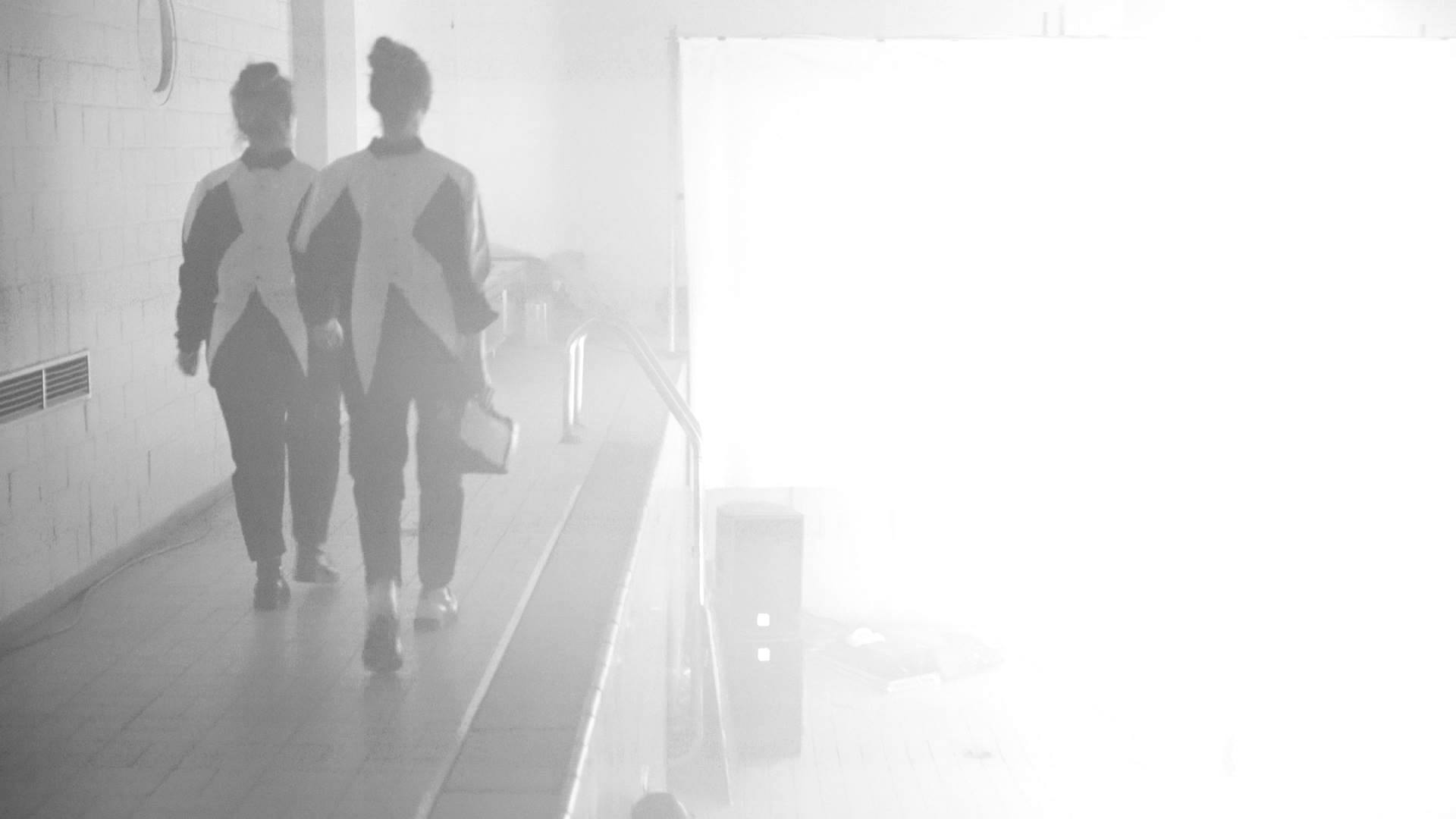
Phantom Kino Ballett is an audiovisual drama that melds performance art with installation, soundtrack, and video—as the label states, “the work gathers and distributes sonic, optical, and experiential references widely and to delirious effect.” Commend hosted the hallucinogenic live scoring of Phantom Kino Ballett back in September of 2016 and will now present the score as a limited-edition vinyl and cassette release capturing alternate takes of the soundtrack. The cassette edition includes a 40-minute addendum called “Passage Transkript,” a soundscape created by Willikens and Szczesny inspired by their time in Kyoto, Japan in the fall of 2017.
All proceeds from the release will be donated to agisra e.V., a non-profit organization chosen by Willikens and Szczesny that advocates on behalf of migrant women and against sexual and racist violence.
The release will be available on September 19. The same night, RVNG and Commend will also present the latest live iteration of Phantom Kino Ballet at Issue Project Room in Brooklyn, New York.
J Colleran is the new project of Irish producer Jack Colleran, formerly known as MMOTHS. Colleran began experimenting with electronic music in 2011 and was quickly picked up by SQE Music who released his first two EPs before he appeared on Because Music with Luneworks, a debut LP. Captivating, thought-provoking, and, at times, downright beautiful, his early work evidenced a young producer with a knack for composing dream-pop soundscapes that combined simplicity with serenity. And the project ended soon thereafter, with nothing more to explore, Colleran says.
Earlier this year, Colleran returned as J Colleran, confirming this to be his new alias. “O+SOH,” the project’s debut release, was a sign of things to come—cinematic, introspective, and hypnotic, but more stripped-back and restrained than MMOTHS. More ambient than pop. It also saw Colleran arranging strings and piano for the first time, the result being a strong piece of work from a maturing artist. With more work on the way soon, we sat down with J Colleran to learn more about the new project, its connections to MMOTHS, and plans moving forward.
Let’s start with the most pressing point. Why have you shed the MMOTHS name—why now?
When you start something when you’re quite young it’s somewhat difficult to exist within that space years later. It felt like it was something that was necessary in order to continue moving forward.
So to what extent is MMOTHS connected with J Colleran? Do you perceive there to be any connection other than the person behind them?
Yeah, I think the only real connection is that it’s myself. I see them as two entirely different entities.
How do you envisage J Colleran will be different sonically speaking?
I think they’re pretty different in many ways, but with this new music, I was focused on stripping things back to what was only totally necessary for each individual piece of music and exploring that.
Given that you’re now producing under your birth name, do you perceive J Colleran to be a more personal representation of you as an artist?
I think things do change as time goes by but right now I do think so.
Did you feel that the MMOTHS project had been explored as much as you wished?
Yes, that’s exactly it.
How do you feel Gardenia compares to Luneworks, and your earlier material?
It’s difficult to say as they’re different projects entirely. Gardenia was something that felt limitless throughout that process of writing and that itself was freeing. It was the first time I worked with a quartet so it felt quite distant from previous work I’d done.
What was the idea behind working with a quartet?
I’ve wanted to work with strings for quite a while; for me, it was trying to find a balance between the organic nature of the strings and the digital elements. I found that process really inspiring.
Your music is thought-provoking and often melancholic. To what extent do you feel this is a reflection of you personally?
I’m not sure exactly. I guess each individual is free to take whatever they please from the music itself. It’s only really mine during the process of writing it; once it’s released it is no longer. I try to hold back from attaching myself to it too much.
Is music production a cathartic process?
I guess it is in some ways. It’s basically the singular outlet for me to express and that can be really fulfilling.
But do find it to be a method of expressing emotions that you cannot otherwise express?
I’m not really sure. It’s difficult to say in the moment where things are coming from and often it’s only on reflection where I start to put things together. I’m not sure if that’s authentic or not—still figuring it out.
Would you describe the music you make as the music you want to hear?
It is in the moment and for a short while after it is but that doesn’t last forever.
So where does the emotion come from in your songs?
It’s quite difficult to pinpoint exactly where things come from—be that inspiration or whatever else. It’s really just endless experimenting until things feel like they’re in the right place.
Is there a particular mindset that you need to be in to make music?
I think your head needs to be quite clear if you’re going to allow the music to direct you where it wants to go—meditation helps a lot with that.
What sort of meditation do you practise, and how long have you done it for?
Over the past year or so I’ve been getting into Transcendental Meditation after reading some David Lynch books. Definitely a great starting point for anyone interested in it.
Can you talk to me more about how exactly it helps you?
For me, it simply helps me to be clear-headed. I think writing music is more about it telling you where it wants to go rather than you directing. I think it helps with being open and able to hear that.
Do you need solitude to be able to create?
Definitely. It’s a really important part of writing.
Your music is also largely cinematic. Are you inspired by movie soundtracks and have you ever looked into composing for films?
Composing to film is something I’ve been interested in for a long time. I’m currently working on a couple of projects that unfortunately I can’t talk about yet. But hopefully will in the coming months.
Which film composers, in particular, are you inspired by and why?
I really love the work of Jóhann Jóhannsson. His soundtrack for Arrival is especially brilliant.
More generally, can you talk me through your production processes? How do you go about composing a track?
It’s not always the same process but usually I’ll start out assembling different textures and parts and then work on it to form something greater. I spend quite a bit of time pulling parts from different projects together to create something that feels complete. With Gardenia, it was a case of not trying to write everything directly myself—allowing Max MSP and other programs to interpret my notation and create its own.
And how is this process different to your material as MMOTHS?
I think the new music is more about focusing on a specific or limited number of elements and allowing them to speak for themselves compared to the older music which focused a lot around the idea of building layers using many elements.
Can you remember when music first took a hold on your life?
When I was quite young I always wanted to play the piano and it kind of just started from there.
Do you come from a particularly musical family?
I guess I was the first person in my family to have any real interest in music so there wasn’t really any influence from there. They’ve always been a huge source of support with everything and I’m beyond grateful for that.
I understand that you only began making experimenting with electronic music in 2011. What did your early demos sound like—and did you have a clear sonic aesthetic in mind?
In the beginning, it was just figuring things out and so things were a lot more simple. There was never really any ideas of aesthetics on my mind it was just exploring and trying to make sense of things.
How did you teach yourself production?
Basically just trial and error and relying on YouTube tutorials when I hit a wall.
The new album was made “for fictional, non-existing spaces and worlds of his own making.” Can you please elaborate?
I originally started writing a record for a place and later scrapped it but became really interested in that process and wanted to apply it to a place that wasn’t real. I never really want to place any direct intentions or force any ideas within the record; I wanted the listener to take whatever they wanted from it and that it could be their own making.
How long did the album take to complete, start to finish?
The record took six months or so to put together and then recording the strings and mixing took place over a week.
You tend to combine your music with visuals. What do you look for in the visuals that you use?
I always have people in mind while writing the record. It’s been amazing to work with Christopher Grey, Daniel Swan, and Nic Hamilton on the visuals for this record. I usually just reach out and start sharing ideas and it forms naturally from there. For Gardenia, I think it was finding a balance between the organic and inorganic—something that spoke strongly to the record.
Is there a visual foundation for tracks that you make?
Imagery has a lot to do with what I write and I find myself collecting a lot of images while in the process of writing. These usually become the material that’s used to fuel ideas in early conversations with collaborators.
But are you ever making music based on a certain image? Are tracks inspired by imagery?
There’s often an image in my mind of what I want the music to sound or look like. I’ll find images that will represent that and work with collaborators on using those images as reference for videos, artwork design, etc.
Is there a particular identifiable image behind each track?
I don’t think there’s a singular image for each of the tracks, probably many. These can be seen interpreted throughout the album’s visuals.
Do you have a decent idea of where you wish to go musically?
I feel like I’m just starting with this project and that itself is pretty exciting. I am looking forward to working more with strings and also without. I’ve been writing quite a bit lately and there should be more new music coming soon.
Where do you think you want to take the project?
I’m not really sure. I’m just totally content to be able to continue writing and working.
What’s on the radar performance-wise?
The live show is just a constant experiment of figuring out how to rework the electronic elements of the record in a live setting. The album itself will also be performed live with the strings, that’s something that’s currently in the works.
How do you translate your music into the live setting?
Currently, the live show is an interpretation of the electronic elements throughout the record for a club system. It’s something that is always going to be growing and changing.
Next up on xenonyms is the debut EP from L3T3, a 23 year-old producer from Cracow.
With the EP, titled CARE, L3T3 joins a diverse and forward-thinking label catalog that includes brain-melting releases from artists such as Charles Lazare, Toboggan, Unkown Cultures, Seapoint, and Ginjahbeard, among others. On CARE, L3T3 delivers six inspired outings that touch on witch house, coldwave, ambient, IDM, and bass music, whilst retaining an individual edge—the EP also provides, as the label states, his “personal take on the concepts of post-humanity, the expanding of sensual experiences, and a new era of hi-tech.”
In support of the EP, xenonyms has offered up the release’s opening cut, “1000 to Infinity,” a futuristic beat-driven cut, as today’s XLR8R download, available via WeTransfer below.
Due to temporary issues regarding the GDPR, EU readers can download the track here.
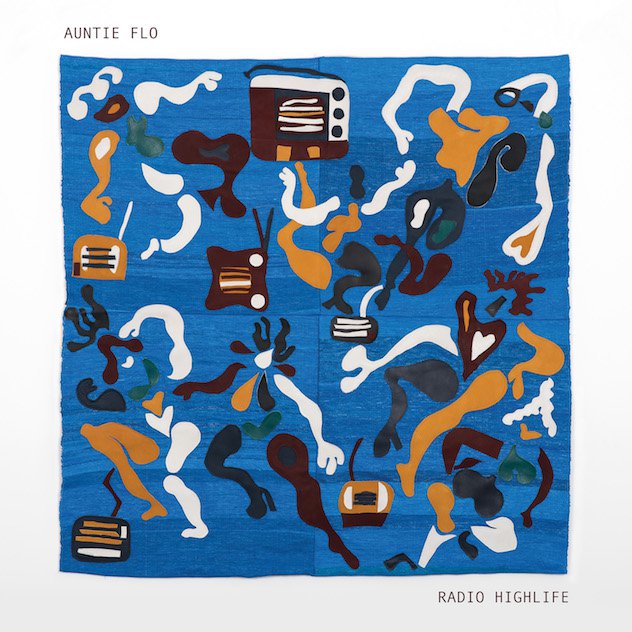
Auntie Flo (a.k.a DJ, producer and musician Brian d’Souza) will release a new album via Gilles Peterson’s Brownswood Recordings.
We’re told that Radio Highlife is an “expansive summation” of d’Souza’s career thus far. His music has always drawn from a wide span of connections and, more so than ever before, Radio Highlife presents a “kaleidoscope of different encounters that sparked its patchwork of ideas.” The album is the summation of field recordings and studio sessions from everywhere from Cuba to Cape Town, Bali to Kampala, and voices from Russia, Istanbul, Senegal, and the UK.
The spark for the album was a visit to Cuba in 2014. Booked to play at the inaugural Havana World Music Festival, d’Souza arranged some studio time at Laboratorio Nacional de Música Electroacústica, a national institution whose history runs back to the late ‘70s. Inspired by Brownswood’s Mala In Cuba album released the previous year, d’Souza invited a cast of Cuban players to join him in the studio.
The album title is the same as d’Souza’s show on Worldwide FM, with both of them being the result of his travels around the world—where the local radio is often his first introduction to the place’s music.
D’Souza’s two previous long-players, Theory of Flo and Future Rhythm Machine, were released on the Glasgow-based Huntleys & Palmers imprint. This is his Brownswood debut.
Tracklisting:
01.Life Is High
02.Nobody Said It Would Easy
03.Havana Rhythm Dance ft. Andrew Ashong
04. Isbjørn
05.Radio Souk
06.Lights In The Northern Sky
07.Western Princes
08.Inga’s Choir
09.Malawi Skit
10.Cape Town Jam
11.One Guitar ft. Dan Mugula
12. Kampala
13.Magic Stones Skit
14.Mame’s Story ft. Mame D’Diack
Radio Highlife LP will arrive on October 12, with “Cape Town Jam” streaming in full via the player below.
The Scandinavian duo has enjoyed a fruitful relationship with Shifted’s Avian imprint since their 2012 debut on the label, releasing a wealth of material showcasing a production aesthetic that twins intricate sound design with dancefloor functionality. SHULULULU will be their first record on Avian since 2016.
We’re told that this latest four-track offering leans more towards the experimental, largely unclassifiable work often found tucked in and amongst more direct recordings featured on previous releases. “It’s a sound that owes something to the noise genre and touches on IDM, but that at the same time remains curiously singular to the Swedish artists,” the label explains.
Tracklisting
A1. SHULULULU
A2. SHUDUDUDU
B 1. SHUMUMUMU
B2. SHUBUBUBU
B3. SHUNUNUNU
SHULULULU will land on August 20, with clips here.
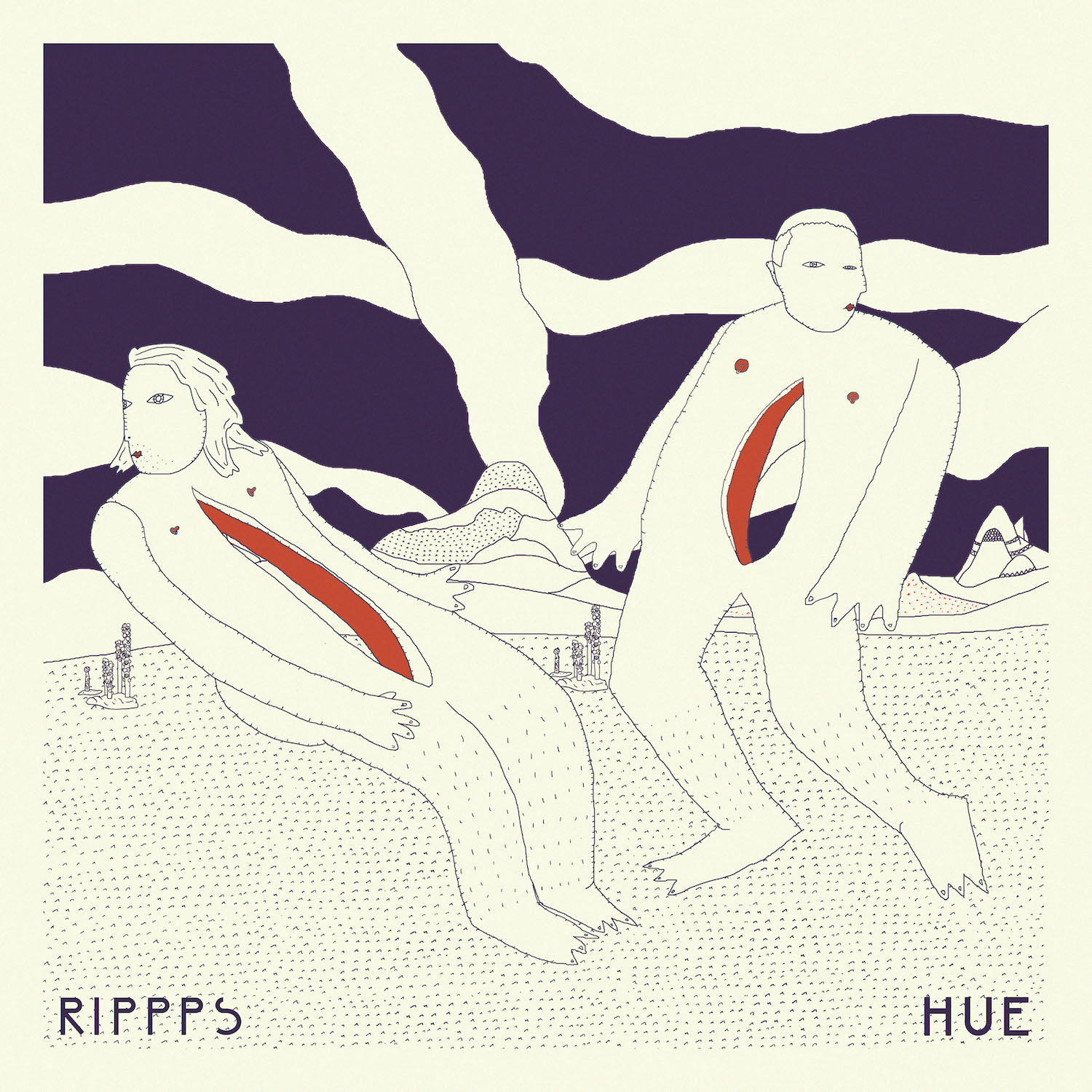
Netherlands’ Niels Broos and London’s Hyroglifics have teamed up for the collaborative project Rippps, and have just released Hue, their debut EP via Alpha Pup Records.
Rippps began when the duo met through their selection at Red Bull Music Academy Montreal 2016. Surrounding their obligations with the intensive lecture and class series, the duo hit the studio any time they could. The music they compiled during the event carried over into sessions at Niels Broos’ studio in Utrecht the following summer. Broos released his self-titled debut EP in February of 2017 on Alpha Pup Records, and the connection was established for Hue to also land on the Los Angeles-based label.
Interestingly, Thundercat was a key support in the making of the EP. Providing mentorship during RBMA, the Brainfeeder artist travelled from studio to studio, sitting in with the various students and providing insights, jamming, and hanging out as everyone.
We’re told to expect five tracks of futuristic electronic music that blends stylistic synths and dynamic production work.
Tracklisting
01. Composure
02. Pose
03. Odol
04. Cakes
05. Hue
Hue EP is available now worldwide across digital platforms, with “Cakes” available to download in full via the WeTransfer button—below or here for EU readers due to GDPR restrictions.