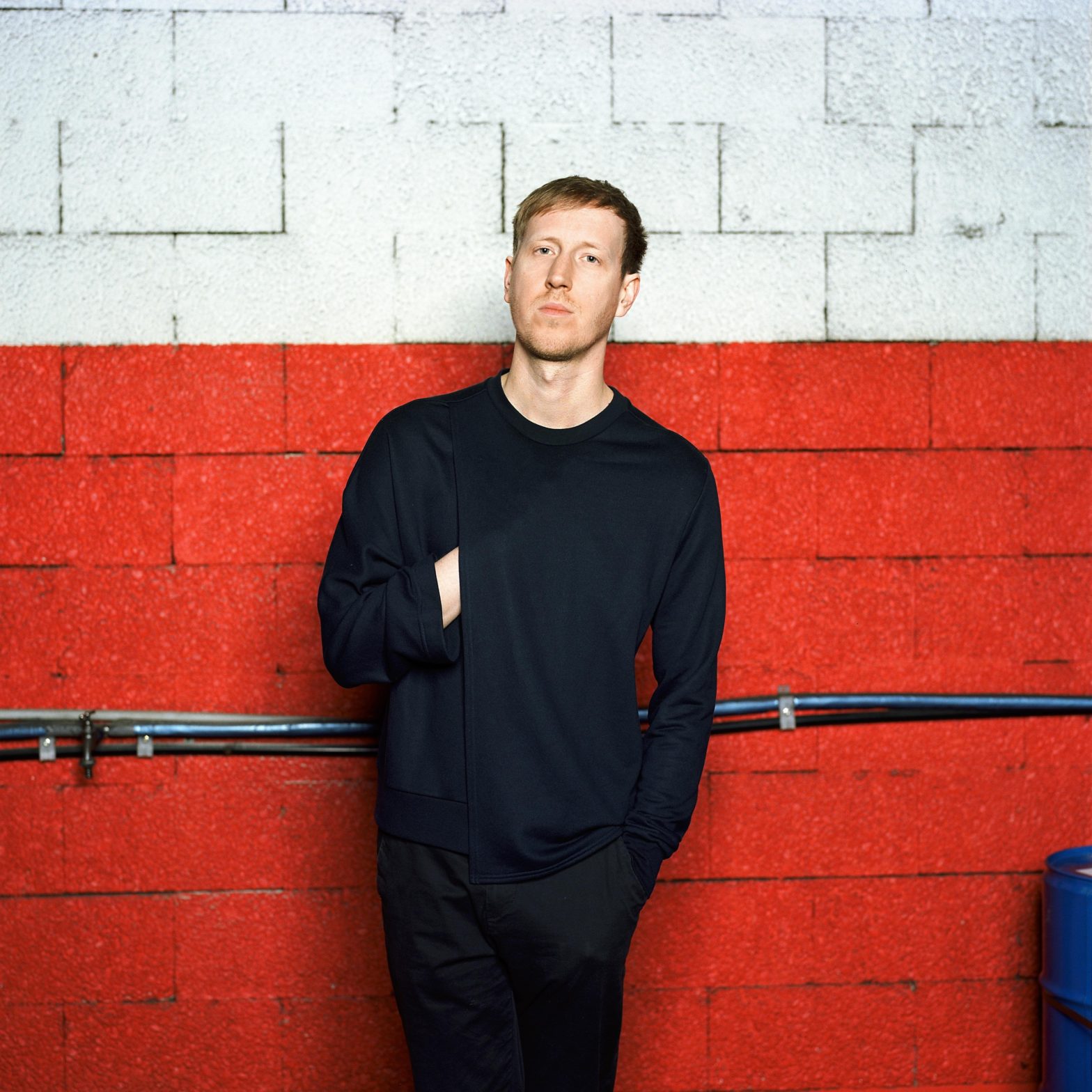
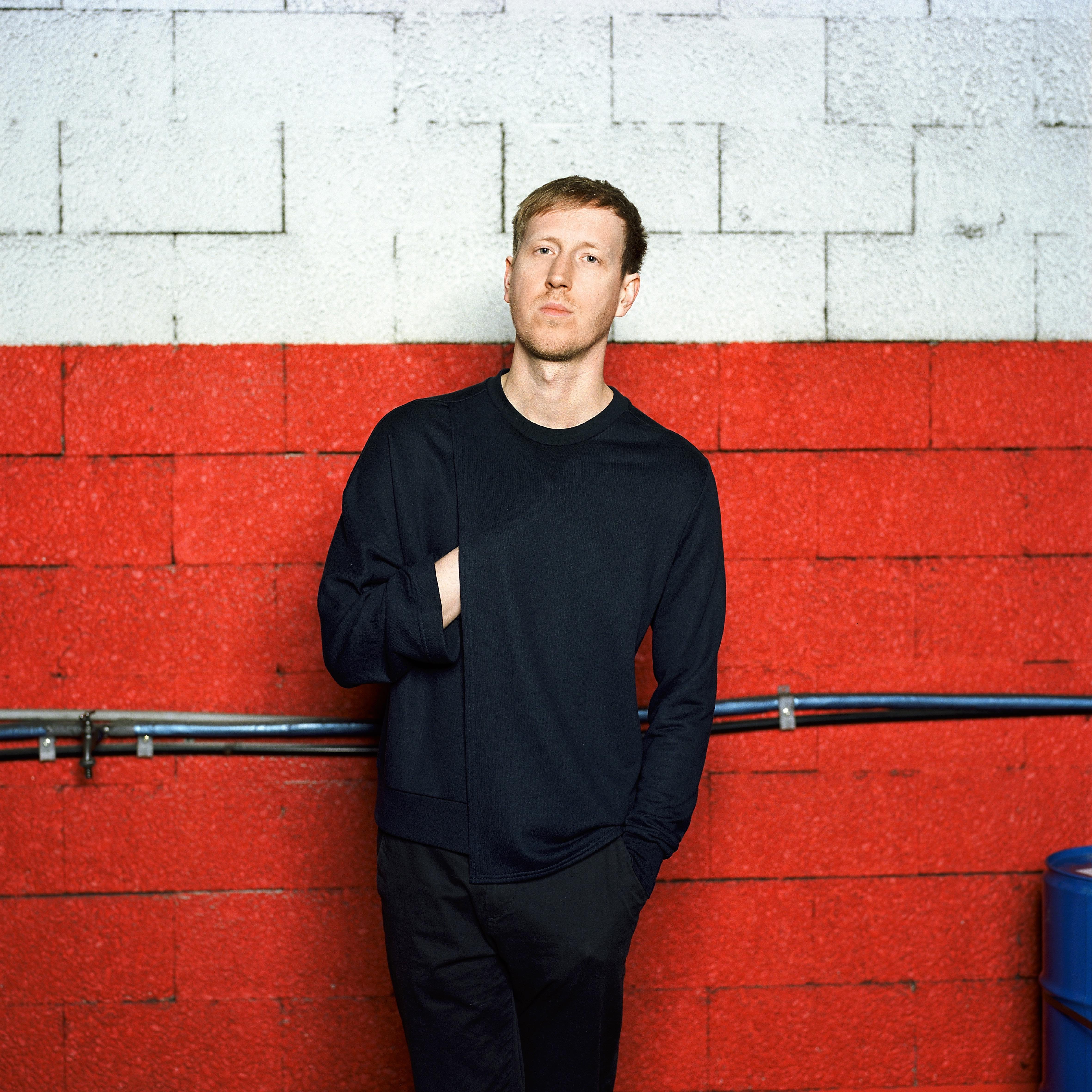
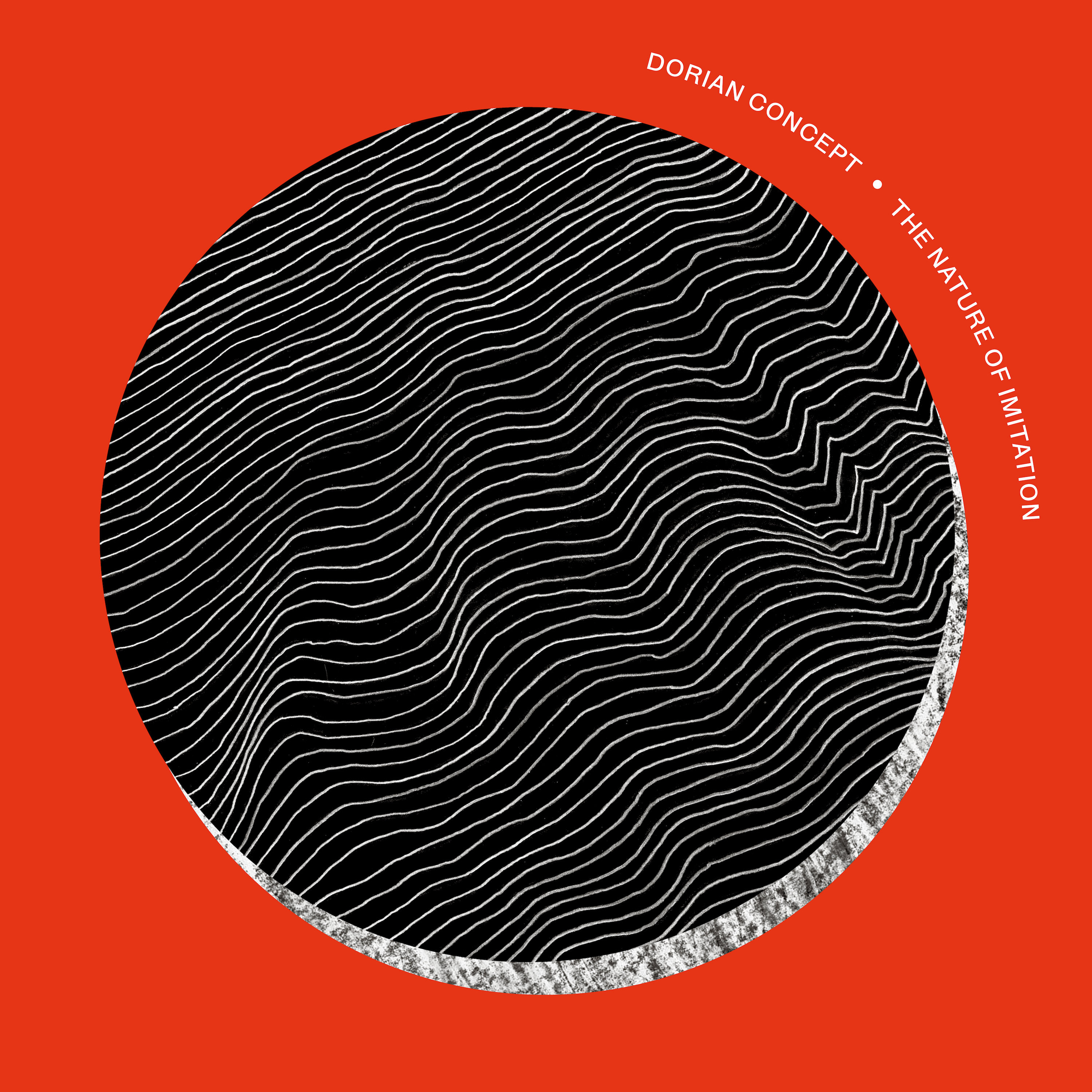
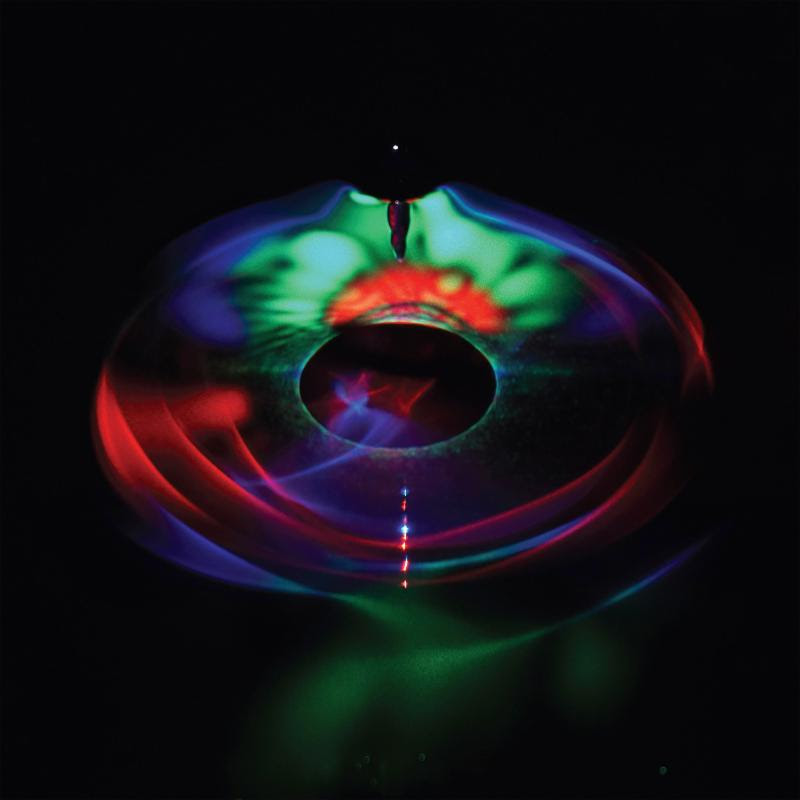
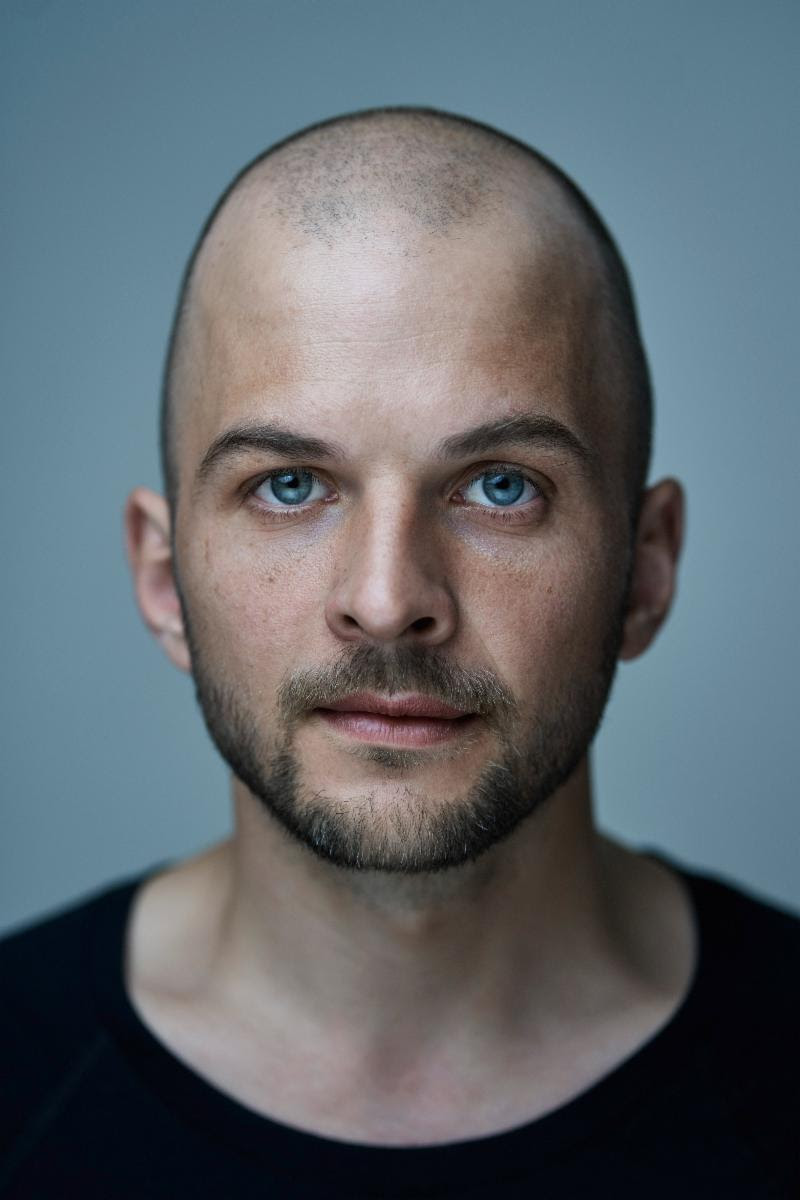
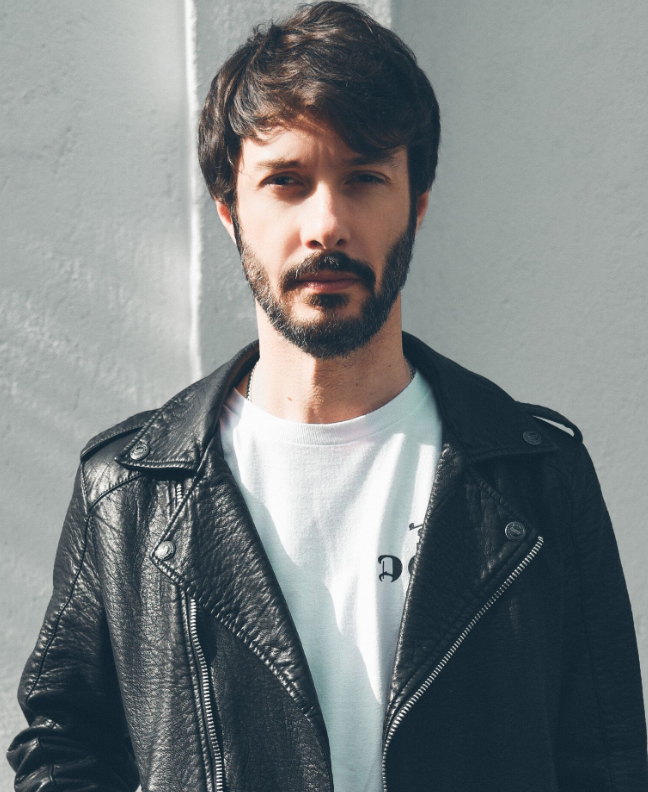
Brainfeeder has today revealed “Promises,” the first track taken from Dorian Concept‘s upcoming album, The Nature of Imitation.
Following the release of Joined Ends in 2014—a deeply intimate and textured project he describes as his “chamber music” record—Dorian Concept performed everywhere from Glastonbury to Sonar and then deliberately took himself off the radar. We’re told that the time since has been spent meticulously un-learning his production process and developing a “brand new sound” that even the most clued-up won’t be expecting—as showcased on “Promises.”
Born Oliver Thomas Johnson, the self-taught keyboardist and producer first caught the attention of the Brainfeeder crew in its infancy when head honcho Flying Lotus discovered Dorian Concept’s MySpace profile and included a remix in his debut Essential Mix (2008). Dorian Concept went on to tour with FlyLo’s live band, appeared at some of Brainfeeder’s earliest international label nights in 2009, and released a string of EPs and albums for Kindred Spirits imprint Nod Navigators, Affine, and Ninja Tune—as well as remixing Taylor McFerrin, contributing production to Thundercat’s The Golden Age of Apocalypse, and playing keys on Flying Lotus’ seminal Cosmogramma.
The record takes inspiration from multi-generational eclecticism (‘60s jazz, ‘70s fusion, ‘80s neo prog-rock, ‘90s electronica). We’re told that Dorian Concept sought to replicate “modern” music elements with old-fashioned methods, live-playing, and hand-recording deceptively digital sounds in service of a tongue-in-cheek “parody of nostalgia.” He produced the record largely in 2016 and 2017, and describes it as follows:
Using a different vocabulary.
“Lively, Chaotic and Loud”
Sloppy Virtuosity.
Deconstructed with Love.
Audible Uncertainty.
Visceral.
Crowded.
Somewhat of a Study.
Fast-paced.
Pointless … Meaning there’s no dot at the end.
Tracklisting
01. Promises
02. Angel Shark
03. J Buyers
04. A Mother’s Lament
05. No Time Not Mine
06. Pedestrians
07. Self Similarity
08. Dishwater
09. E13
10. The Space
11. You Give And Give
The Nature of Imitation LP will land on August 3, with “Promises” streaming in full below—or here for EU readers due to temporary GDPR restrictions.
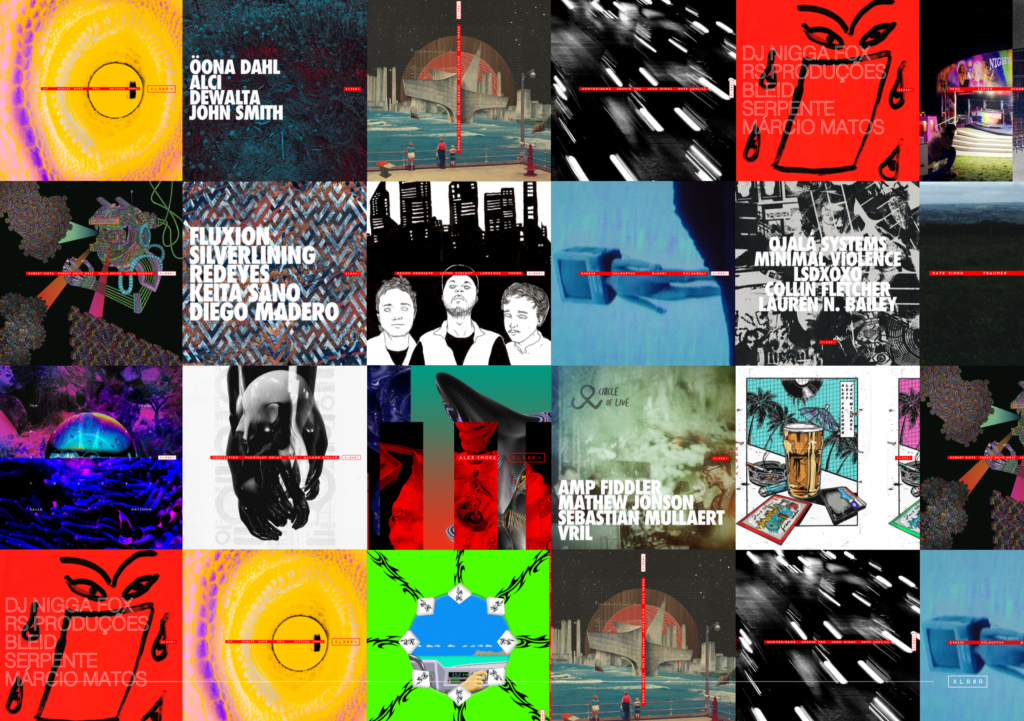
In an effort to protect our independence, XLR8R launched XLR8R+, a member-supported community and curated music experience.
With XLR8R+ we are creating a self-sustaining, ad-free platform to support independent music and culture, and all the artists within that lexicon—producers, DJs, journalists, visual artists, film-makers, etc. By subscribing, you will support the artists and XLR8R, allowing us to continue what we’ve been doing for over 26 years: finding, curating, and serving the best electronic music out there, without paid influence. You’ll also get access to an exclusive monthly package and a range of regular offers.
As it currently stands, every month the XLR8R+ package features a collection of producers who deliver previously unreleased tracks, as well as a new visual artist who provides the month’s artwork. Each month’s package—which is available only to XLR8R+ members—includes the tracks, wallpaper artwork for phone and desktop, a PDF zine with editorial on all artists involved, and other goodies such as sample packs and exclusive mixes.
An XLR8R+ membership will also give you access to the exclusive XLR8R+ Member’s Area, where you can get free festival and event tickets, vinyl giveaways, streaming playlists, and much more. In the member’s area, you can also find XLR8R’s submissions portal, which is an easy-to-use form to allow artists within our XLR8R+ member community to submit their music to XLR8R to have it heard and featured.
As we expand, we will be introducing new features to the platform that will help us foster a community of producers, DJs, labels, and music lovers, and to facilitate connections and collaborations.
The music industry needs independent voices; outlets for opinion, analysis, news, and quality music untainted by the influence of corporate enterprises and/or advertisers. Paid content is not journalism. It is only with your support that we can shine a light on those labels, distributors, and artists who deserve it rather than those who can afford it.
Without your support, independent platforms like XLR8R, The Quietus, NPR/KCRW, and The Guardian will cease to exist, leaving behind corporations and bland, paid-for content. For the price of a coffee a month, you can help keep independent culture alive.
Full letter on why we are doing XLR8R+:
The landscape for digital publishers has become extremely difficult over recent years. A transition from traditional advertising to sponsored content has driven many media outlets to sell much of their editorial to advertisers and artists in an effort to survive. The situation is exacerbated by digital behemoths like Facebook and Google controlling what we do and do not see. Is there an independent, authentic voice left in music?
For artists, the position is similarly precarious. This is especially true for those in more underground circles, given the advent of the free-for-all streaming age. We feel it’s time to change.
In response to this, XLR8R launched XLR8R+, a monthly subscription service to complement the main XLR8R site. Each month we share three unreleased tracks from three different artists—both known legends and lesser-known pioneers—that we feel are pushing the scene forward in inspiring ways. These tracks will be available for download in high-quality wav format via Bandcamp, our hosting platform, as well as streaming via the Bandcamp app. They will not be available anywhere else.
In an effort to support artists outside of musicians, each release will be paired with a special artwork created by a visual artist and curated to the music. This will be available for download as a screensaver for XLR8R+ members and will also form part of a dedicated zine, which will feature information on the artists and works available.
XLR8R+ launched in July 2018 with the first collection of tracks—from SIT, Huxley Anne, and Vril. The subscription fee is $5 a month and membership also grants access to the exclusive member’s area on the XLR8R site, as well as other goodies along the way such as sample packs, giveaways, gear discounts, and free tickets.
Our goal is to provide a thoughtful and exclusive musical offering to the unrelenting diggers and dedicated music lovers upon whom this scene is built. By subscribing, you will support the artists and XLR8R, allowing us to continue what we’ve been doing for 25 years: finding, curating, and serving the best electronic music out there, without paid influence. XLR8R will continue to be the independent voice of underground electronic music.
HTRK have shared their first new music since 2014’s widely acclaimed Psychic 9-5 Club LP.
The two tracks on the new single, which drops via Ghostly next month, were recorded by HTRK’s Jonnine Standish and Nigel Yang at Standish’s home in the Dandenong Ranges near Melbourne, finding the duo reflecting on a period of instability with two slices of melancholic dub. The new single also reportedly precedes a new HTRK full-length album currently in the works.
“Mentions” can be streamed via SoundCloud below, or here on all digital services.
Due to temporary issues regarding the GDPR, EU readers can stream the track here.
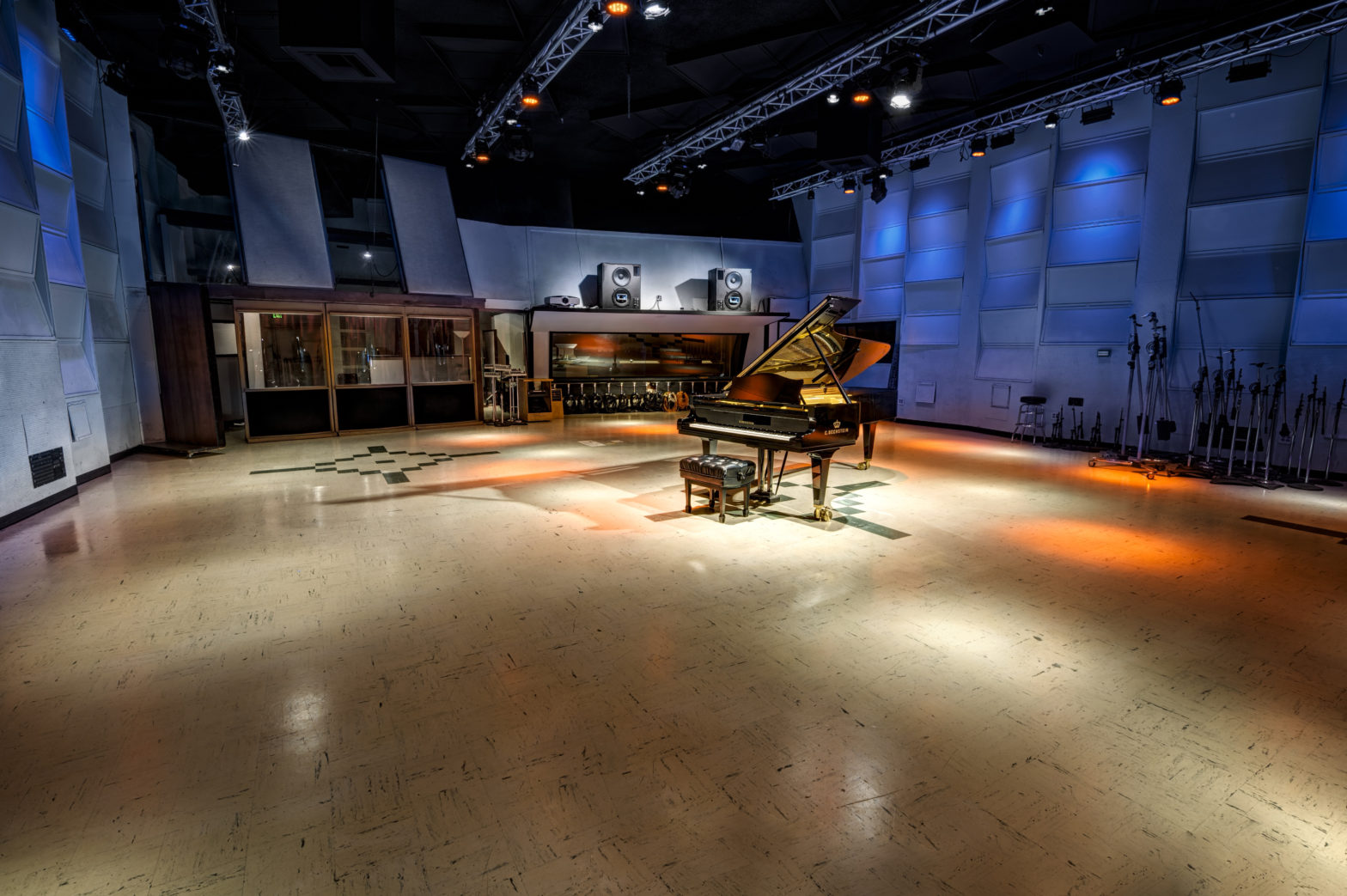
Ableton has open registration for its annual Loop summit for music makers, taking place this November in Los Angeles.
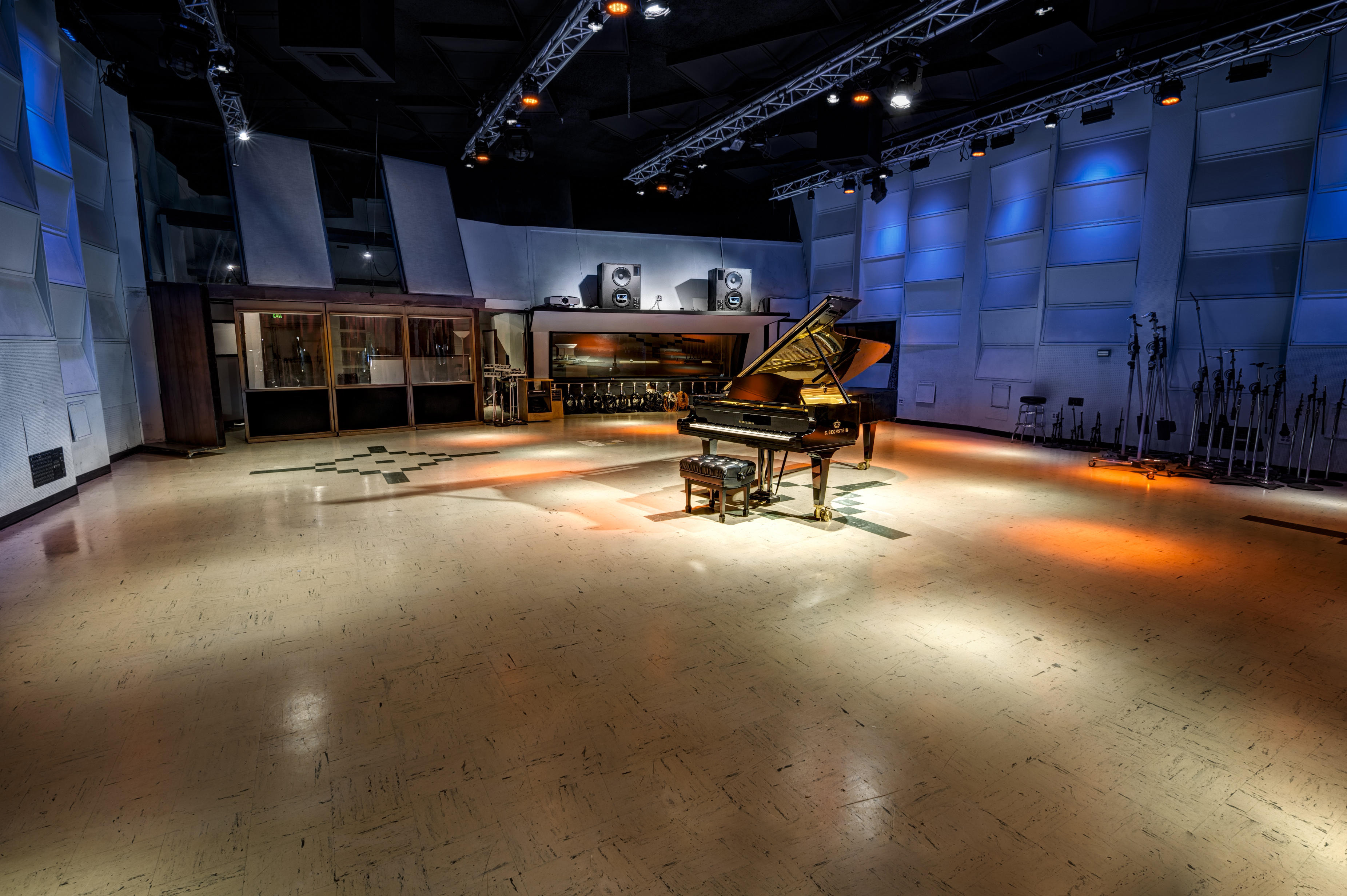
Loop is a three-day exploration of music, technology, and creative practice, featuring talks, performances, hands-on workshops, and studio sessions. This year, Loop will be spread across various venues in Hollywood from November 9 to 11, including confirmed locations EastWest Studios and the Montalbán Theatre.
This year’s summit will explore in-depth solutions for computer-based performance, creative collaboration, and how artists tell stories with sound and music, with the full program and list of participants, presenters, and performers announced soon.
You can find more information and register for Loop here.
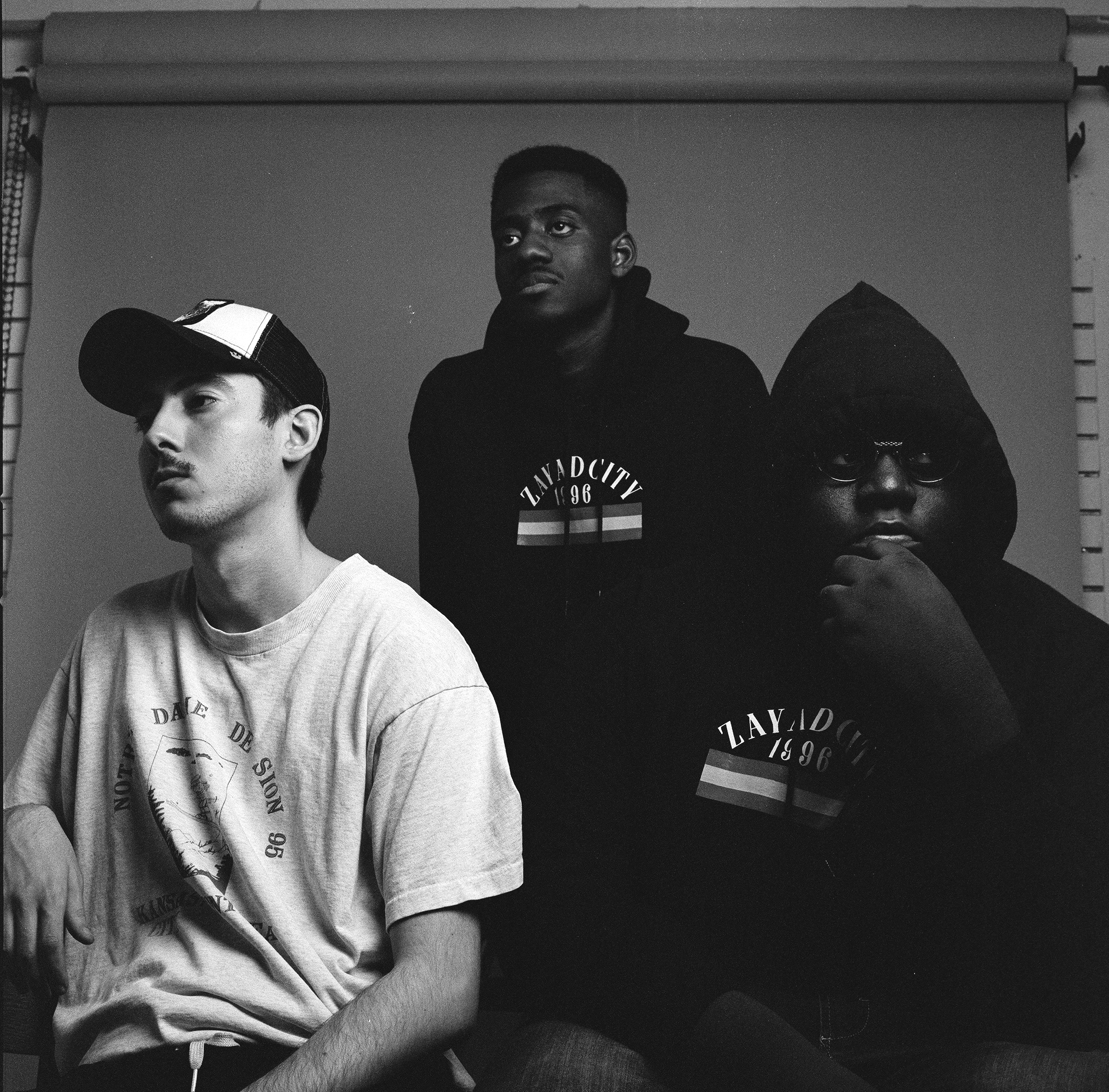
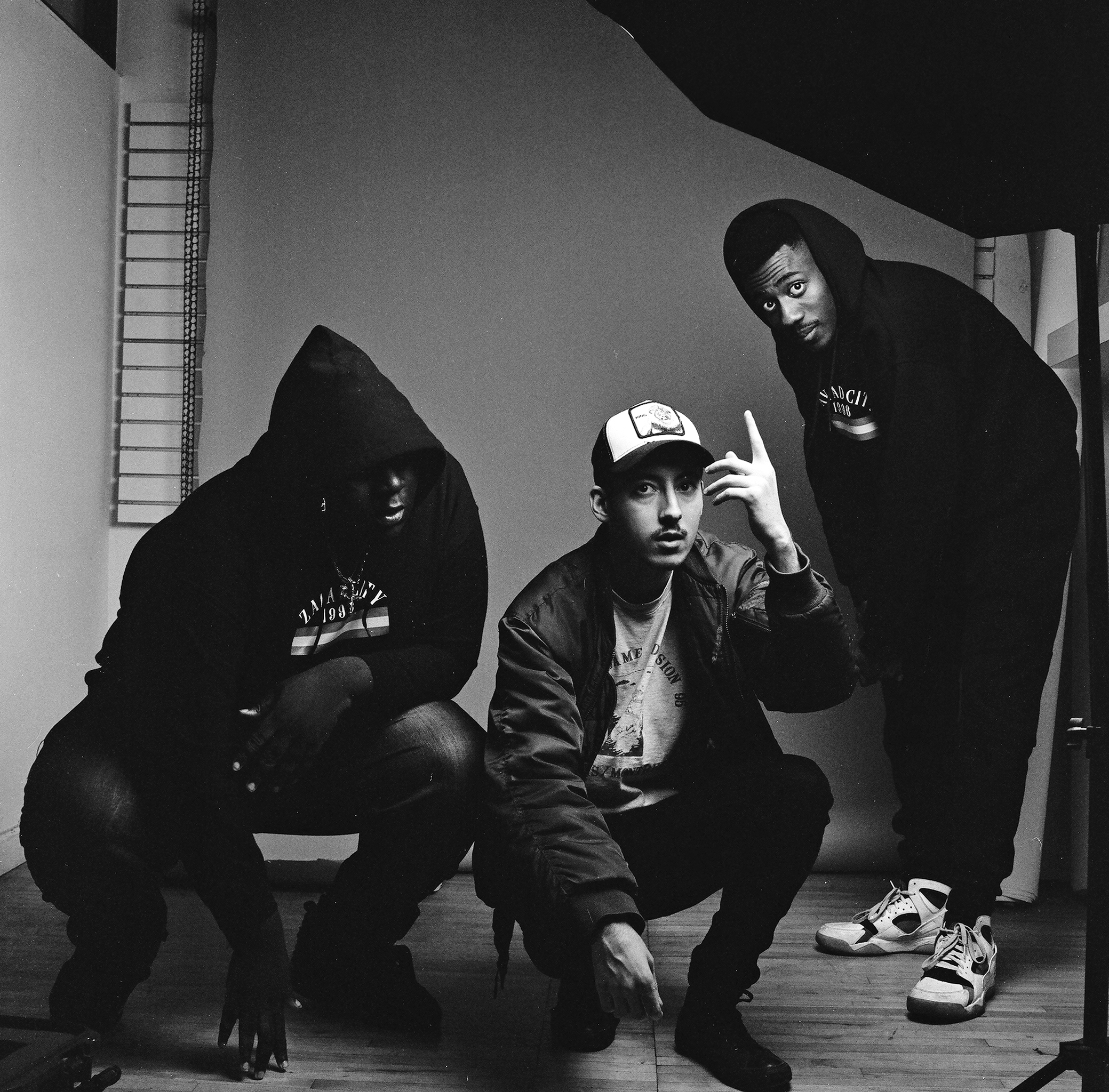
Plenty has been written on Montreal’s bubbling beats scene. Its most celebrated export, Louis Kevin Celestin (a.k.a Kaytranada), has become an international leading name, and his successes have both shone a light onto and provided a platform for various other artists in this sonic realm, some of whom are now starting to make names for themselves beyond their home state. Of all these, it is perhaps Planet Giza, the collaborative project of Rami B, Dumix, and Tony Stone, that is most widely tipped for success.
The trio, all in their very early 20s, connected in 2013. Dumix and Tony Stone, with disparate influences and inspirations, were already working together as The North Virus at this point but spontaneously hit the studio with Rami B one evening. The rather unexpected fruits of this initial jam were highly regarded; “Old School Convertible,” released by The North Virus x Rami.b(izzle), garnered much attention on Soundcloud and inspired them to begin the Planet Giza project.
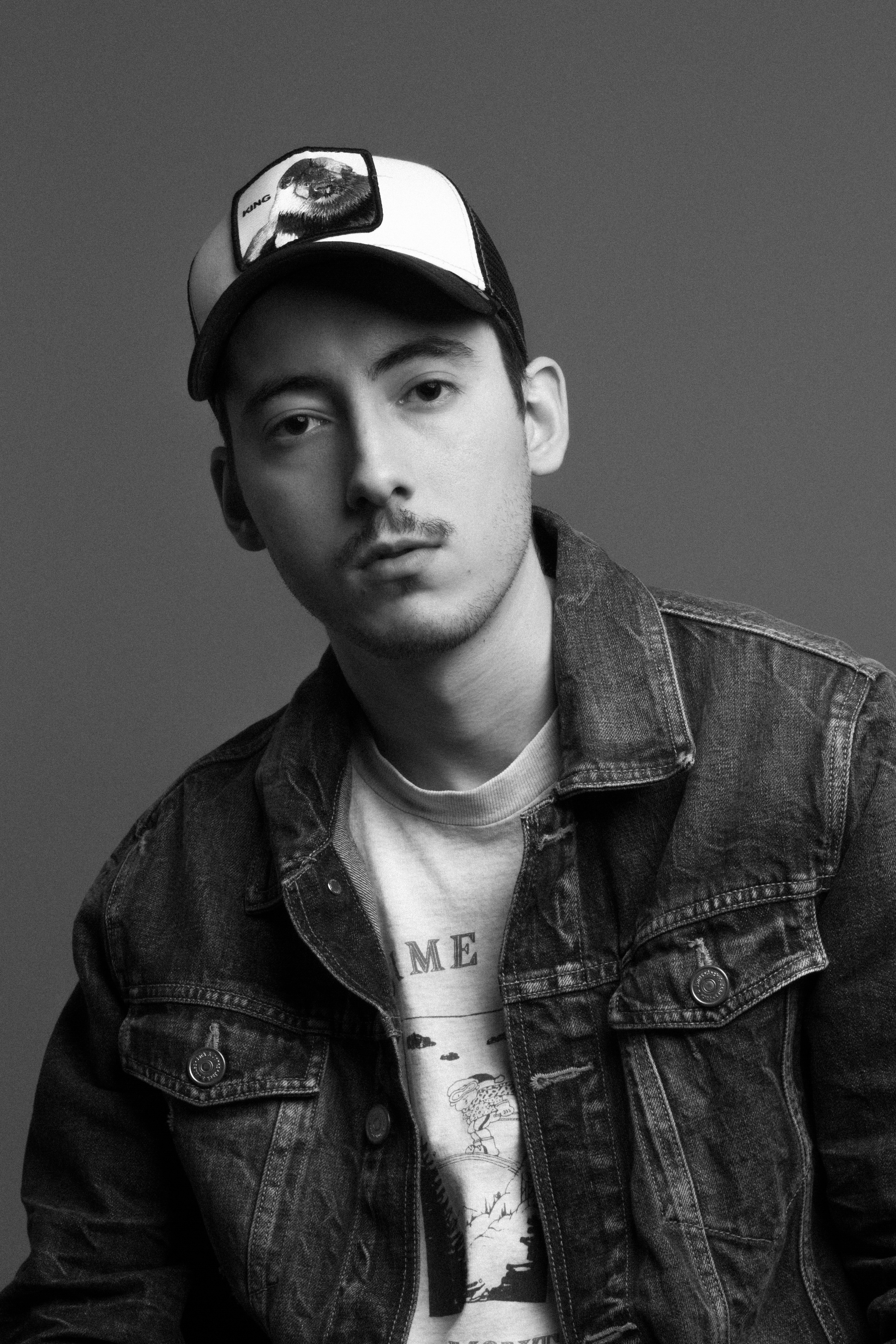
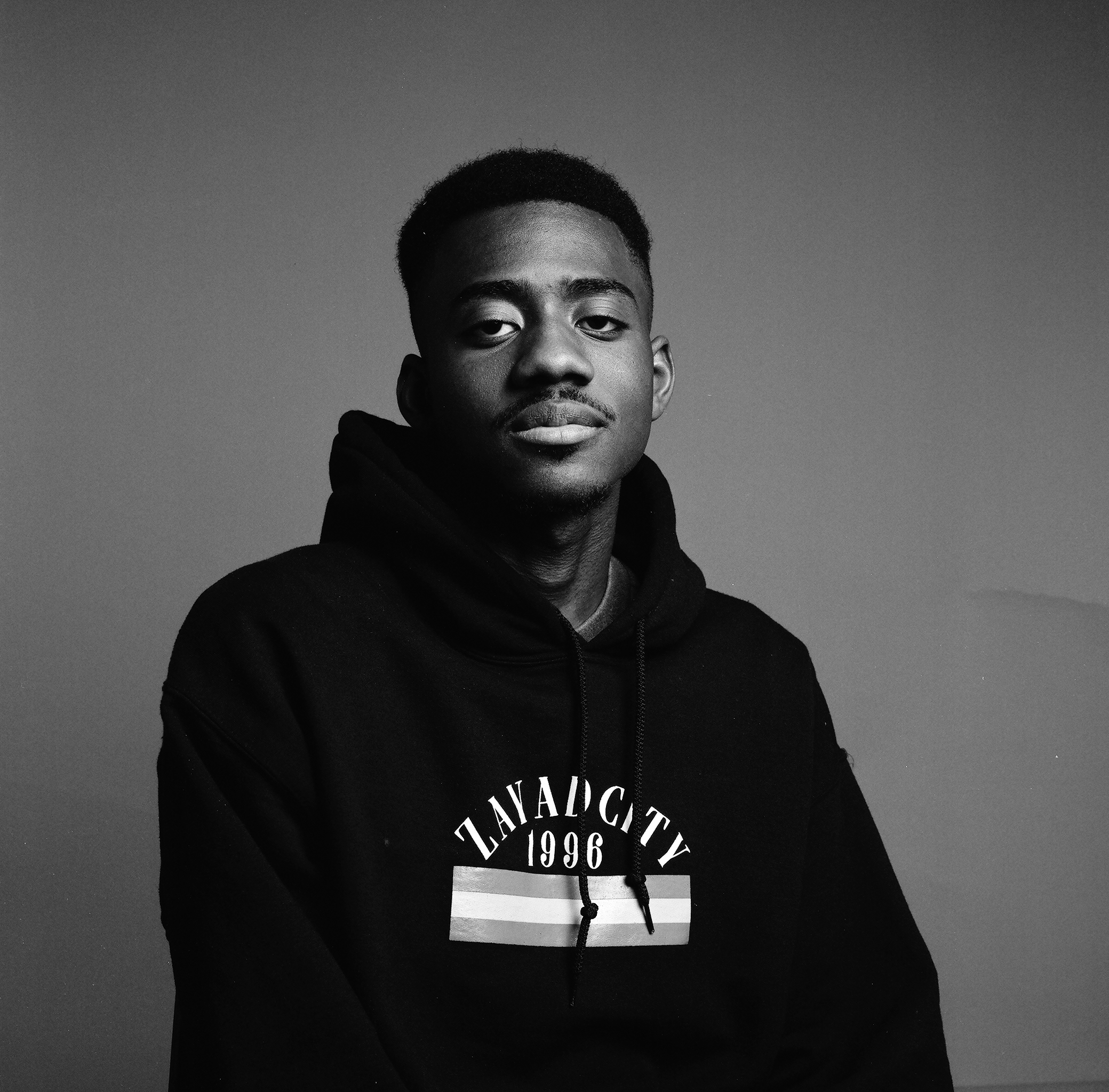
Since then, they’ve released numerous Soundcloud exclusives and five EPs, including September 2017’s Détour: Zayad City, which featured a Kaytranada collaboration. Sonically speaking, it drew references from rap, hip-hop, r&b, and funky house, adding vocals and capturing the trio’s artistic growth—a indication that they’re real artists rather than just young, talented beatmakers. For some, it was evidence enough that they are to be the next big thing to come out of Montreal. With talk of a debut album in the works, and a new EP just released, the trio caught up with XLR8R, looking to reflect upon their journey thus far and discuss plans moving forward.
My understanding is that Dumix and Tony Stone were working together before Rami B joined. Can you talk me through your backgrounds in music—and how did The North Virus come about?
Dumix: Our backgrounds were kind of different because I was more inspired by southern hip-hop and Tony was inspired by legends like J.Dilla, Madlib, etc. We clicked one day at a mutual friend’s house and I was thinking that if we clicked then I could learn his style and he could learn mine.
Tony Stone: The North Virus is really a clash of styles that turned into a specific sound. It helped us improve twice as fast as producers because we were both putting a crazy amount of work at the same time.
Was it clear even at this time that you wanted to be full-time musicians?
We didn’t know how far it was going to bring us but we for sure already had a big vision about it.
You only began working with Rami B around 2013. How did this relationship come about? And what was it that inspired you to all go in the studio together?
Rami came to Stone’s house one day and we were chillin’, not even thinking about making beats and then Rami had to leave in an hour and we were like, “How about we make a beat right now.” That’s when we made “Old School Convertible.”
So “Old School Convertible” was the first music you ever made as a three?
Yup, in Tony’s basement in Terrebonne. It wasn’t planned or anything.
Were you surprised by the success of the track? Did you know it was good?
We were more than surprised because it was a track that we made in 45 minutes and didn’t think anything about it. Of course, we were excited about it but we did not expect it to do this well honestly. It made us realize that we had a good chemistry though.
“Old School Convertible” was actually released as the North Virus x Rami.B(izzle). Did the success of this record inspire you to create Planet Giza—a more permanent collaborative project?
Definitely, we went by The North Virus x Rami.b(izzle) at first, then around 2014, we changed it to Planet Giza.
Where does the name Planet Giza come from?
From Giza pyramid complex. We thought it was a cool name so we kept it, plus we’re a trio so it kind of made sense.
What happened after the release—how much more material did you make?
We made beats all together like every day and then we started working on an EP that we released like two months after called Etorkizuna.
Did you have a clear idea of how you wanted Planet Giza to sound?
We’re not chasing a specific sound right now we just want to be able to make all genres of music while having a touch of Giza in everything.
You’re a good example of Soundcloud success. Did you send demos out to labels?
Yeah, haha—we used to send a bunch of emails to all the internet labels etc. We still do sometimes haha.
Which labels, in particular, are appealing to you?
For the past year, we thought a lot about Top Dawg Entertainment. We feel like with this label we could develop more of our style and possibly do something huge. We also like Ninja Tune and XL Recordings.
Are you surprised by the following you earned through Soundcloud? Do you monitor it?
Yeah, it’s kind of a surprise because the following has come organically.
Do you all live in Montreal?
Rami: Actually, I live in Laval, Tony in Gatineau, and DoomX in Saint-Léonard which is in Montréal. But yeah, Tony and I used to live in Montreal.
What was it like growing up in Montreal, generally speaking?
It’s dope, different people from different culture. You can eat any kind of food that you want, only thing is, it’s really cold sometimes, like -30 cold.
Have you all always been involved in the Montreal beats scene?
Yeah, the people from the scene acknowledged us really early. We were like 16-17 years old at the time. Also, shout out to Artbeat Montreal who gave us the platform to really showcase our music.
How did each of you get into music—what are your respective musical backgrounds?
Rami: I’ve always been wanting to do something around music, specifically hip-hop. So yeah, like every kid who listens to hip-hop, I started writing raps in French etc. But I sucked. Then I started learning about producing and sampling by watching a video on YouTube of Pete Rock making a beat on an MPC and, yeh, the rest is history.
Tony Stone: I made my first beat after seeing Rami cook up in front of me. I went back home and started putting my 10,000 hours in. I always used to talk a lot (still kinda do) so I told myself why not try and rap on these beats. It was hella fun so I stuck with it.
Dumix: There was this collective named Dreamakerz from Montréal that used to make beat making videos and them guys were really ahead of their time. I saw that they were making music on FL studio so I downloaded it, started watching some tutorials, and one the guys from Dreamakerz slowly became one of my mentors and the rest is history.
What music were you all listening to growing up?
Rami: My parents were mostly playing Raï but I got into hip-hop early because of my older brother and video games.
Tony: My folks were very versatile with their music selection. It could go from disco to alternative rock to R&B, all that. But one day my pops introduced me to Biggie Smalls and it was a wrap after that.
Dumix: Growing up, I had a lot of different type of music playing around the house, my parents were listening to Kompa, my brother was listening to Jay-Z, Fabolous, Nas, 50 Cent, etc., and I was listening to T.I, Young Jeezy, Gucci Mane, Lil Boosie, Pimp C. A lot of Southern hip-hop.
Studio time as a three must have some complications. How does it work in the studio? How do tracks come together?
We trust each other’s ideas so it’s not complicated at all. Sometimes we just finish songs that we started on the internet or we start something from scratch. We all work pretty quickly so it’s easier.
How often do you all get in the studio together?
At least once a month, but Tony lives far from us so it’s not always necessary to go to the studio but when we do we make the most out of it. Our chemistry is really strong.
Who raps and who makes the beats?
We all make beats and sometimes Tony raps on ‘em.
Where is your studio?
Oddio Ent, it’s in Hochelaga.
Talk to me about the role of Kaytranada. How much guidance has he given you?
He’s a big inspiration for sure, there’s not a lot of hip-hop producers that made it this big from Montreal. He gave us a lot of opportunities that we didn’t expect so we’re definitely grateful to him.
How did you get to know him?
Rami: I was in the same collective as him, called Alaiz. That’s where I met guys like Dr. Mad, Lou Phelps, Da-P, HK, etc.
Tony Stone: I met him when we went to their spot to work on songs with Lou Phelps. Shouts to both them brothas, two young geniuses.
Dumix: I met him and his brother around 2013-2014 and they’ve been supporting us ever since. Really pushing us to our full potential
Your Détour: Zayad City EP landed last year. What were the processes behind it?
The EP was just to pave the way for the album that should be coming out this year (maybe not haa!) but yeah, we worked on tracks that we knew wouldn’t be on the album but were still dope to us.
It sounded different to your earlier singles. What changed? Was this the intention?
Adding Tony on the vocals adds a totally different dimension to our music, so yeah it was definitely intentional. We wanted to make something different, something that will set us apart from what people are doing right now.
So Tony wasn’t rapping on your earlier work; he was just doing beats?
Tony Stone: I mostly stuck to production but would always add a few vocals here and there…as of late though it’s been more prominent in our work.
Articles about you say that you’re moving from “producers to real artists.” How do you feel about this?
We agree, I mean we do both, we still produce for other people but when it comes to our own releases, we try to really make full songs etc., not just two-minute instrumentals.
Do you still feel as if you’ve got a lot to learn in the studio?
Not really because we’re three people so it’s really quick for us to work in the studio the only thing is that we would like to work with other people that trust our ideas and just let us dictate how the session should go.
What do you feel it is about your sound that people appreciate?
We make all kinds of music so we suppose that our diversity helps a lot, we would like to find a balance that everybody could appreciate though.
We were in the studio one day and started playing songs that we had individually worked on because we were working on our first album set to drop soon and it was something about the vibe of the instrumental “Attention.” It didn’t fit our album so we just said we should make an EP, so we did.
What can you tell us about your debut album?
The sound has once again improved; we’re finally getting a good grip on how to make records so it should be interesting. Tony stone is on the majority of the tracks we’re trying to make it less of an instrumental album, if possible.
Kalahari Oyster Cult has just dropped its fourth release of the year, the Elsewhere MMDLXXVI compilation.
Compiled by soFa, the new installment brings together eighteen artists across a range of musical paths. From the menacing crawl of Rony&Suzy’s opening cut to the voodoo-like tribal rhythms of Khidja‘s “Embarking Once More, Upon That Dark Voyage” and the melted post-punk of Twoonky’s “Play Loud”, Elsewhere MMDLXXVI transverses a range of underground styles, as well as cultures and continents—as the label states, the compilation is a “double vinyl ticket to eleven engaging and evocative destinations.”
In support of the release, the label has offered up a full stream of Khidja’s cut, available via the player below.
Italian artist Lele Sacchi’s has made an edit of Piero Umiliani‘s “Discomania”—a 1978 classic. There’s no other information on the edit, but we’re told that Lele had the opportunity of knowing and sharing a love for music with Umiliani when he was alive. Grab it now via the WeTransfer button below.
Gacha Bakradze’s music is characteristically rich, distinct, and seductive. The Georgian native has previously released on the iconic Apollo Records and released his Word Color album via Lapsus earlier this year. Having previously featured on Anjunadeep Explorations 02 in 2016, he now returns with the Restless EP.
“Image” is lustrous and bright, accentuating a well-rounded bassline alongside celestial plucks, while the Earth Trax remix introduces a lo-fi aesthetic. In support of the release, which lands July 29, you can stream it in full via the player below—or here for EU readers due to temporary GDPR restrictions.
On June 25, Swag Classics will continue its run of reissues with Swag Classics Vol 2.
Following on from the first release, which featured cuts by Sound of the suburbs and Mr Eko, Swag Classics Vol 2 will feature two in-demand classics from Omni A.M., the project of Adam Collins and Marky Star, alongside a standout solo outing from Collins of the flipside. With the two a-side cuts now fetching anywhere up to £100 on Discogs, this reissue is one not to be missed.
Swag Classics is the brainchild of the late Liz Edwards, a pivotal figure in electronic music who dedicated around 14 years to Swag Records, behind the scenes and financially, as well as the development of tech-house worldwide. Swag Classics releases were compiled and selected by Edwards and presented as limited vinyl-only releases.
Ahead of the release of Swag Classics Vol 2, you can stream Omni A.M.’s seductive acid cut “Acid Peace” via the player below, with the record available for pre-order here.
Due to temporary issues regarding the GDPR, EU readers can stream the track here.
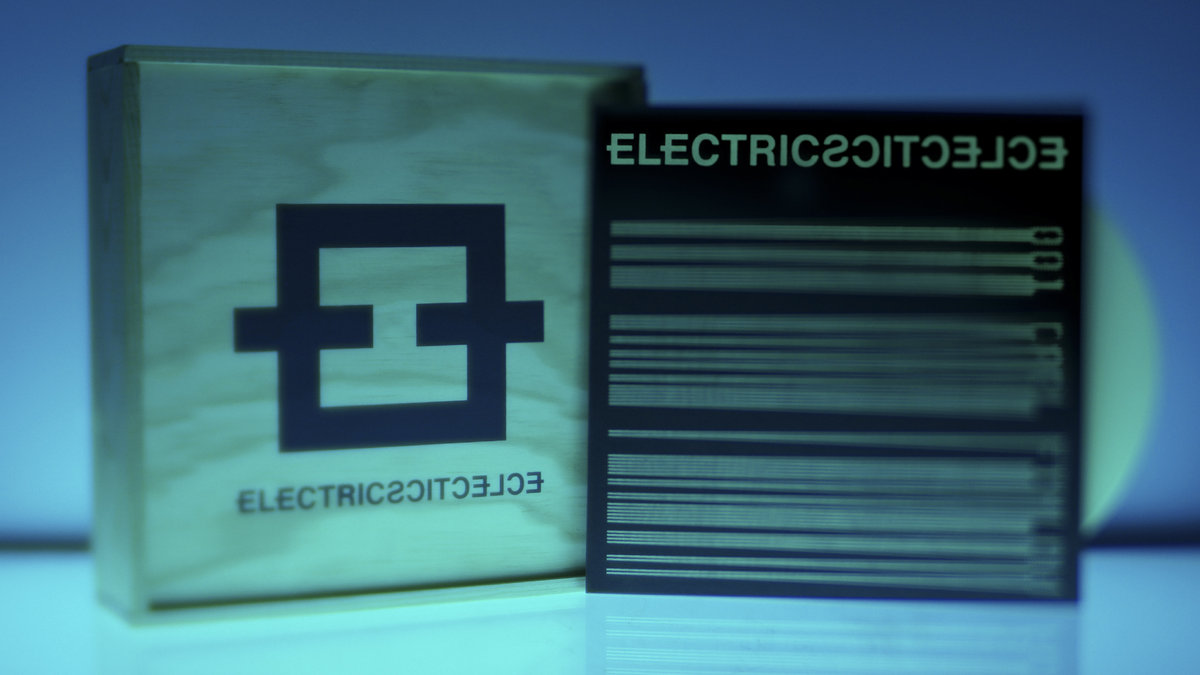
Madrid-based electro label Fundamental Records will soon release Electric Eclectics, a new box set featuring 21 12″s (the first 18 by an individual artist and 19/20 by various artists). The package will be accompanied by an extra 7″ by Arpanet, an alias of Dopplereffekt’s Gerald Donald (a.k.a Heinrich Mueller / a.k.a Der Zyklus / a.k.a Zerkalo (with Victoria Lukas)).
Donald has collaborated with and supported Fundamental Records projects before, with the third 808 Box and the last part of the Elektro Domésticos compilation in 2011, but this time he delivers “Einstein Ring” as Arpanet. The record is only available with the Electric Eclectics box.
This box set itself is limited edition. Most of these units have been pre-assigned to the people who supported the 808 Box. The label has used a high-quality sleeve for all these records; each one is manufactured with Italian cardboards from 100% recycled waste and silkscreen printed one by one in a special luminescent ink that glows in the dark. This will also help to see the information in the cover under low light. There are also non-luminescent boxes available.
We’re also told that the release should be considered as an extension of 808 Box—5th Anniversary, a series of vinyl box sets released last year that focused on the sound of the Roland TR-808 drum machine.
“We consider this project an extension of the Time Capsule project a.k.a 808 Box, the foundations and the aim of this project is exactly the same. The 808 Box is a good example of how diverse is the electro music, but with this new project, we wanted to deepen more in the work of some artists who helped to build and develop the sound of modern electro music.
“Some of these artists are an essential part of this music since many years ago, others are the present and the future of the underground electro music.
“This new box includes 20 high-quality vinyl records, mastered and cut at 45rpm for the best sound and dynamics. The audio included in the next link is about one/two minutes of all tracks included in each record… this is more than 3 hours… but the total length of the 20 records is almost 9 hours of pure electro music.”
Electric Eclectics is available for pre-order now, with release earmarked for mid-July, although this is likely to be delayed. It will be vinyl-only release. More information, including tracks and pricing, can be found here, with a tailor and breakdown of records below.
Meanwhile, you can stream Arpanet’s “Einstein Ring” exclusively in full via the player below—or here for EU readers due to temporary GDPR restrictions.