Having already blessed the airwaves with their masked Boiler Roomperformance, and with releases and features seen on YUME, Huntley’s & Palmers, Permanent Vacation, and Anthony Naples’ Probito, the promising talents of Edinburgh duo Hi & Saberhägen continue on Lo with Acid Finger. The five track EP is said to showcase exactly what the pair are known for: exploring the balance of the subtle and direct natures of dance music.
Following the EP’s August 4 release, the duo have shared “Yung Boy,” an unreleased cut that is now available to stream and download below, with the new EP available here.
Berlin’s Renate‘s will host the infamous Voyage Voyage this weekend, one of the longest running party series in town.
Back when it started just over seven years ago, it was one of the first parties featuring “loads of disco, warm house and slo-mo, music from all over the world, while most of the rest in Berlin still was full on minimal and loop house with more local DJs,” Renate explains. “Sure, we didn’t invent that concept, but seven years ago it was a new thing to happen in Berlin.”
What is the concept behind Voyage Voyage? What makes it so different to other Berlin events?
It started really natural, Stephan (22Rockets) and I (The Swift) wanted to do a party that reflects our personal favorites. We just book what we also play, simple as that. For us, the main difference to other events is that we created a Voyage family which attends all the events and really trust our booking choices no matter if they know the acts playing or not. Thanks for trusting us over all those years.
How has it evolved over time?
Actually, Voyage Voyage has maintained a status of one of Renate’s best parties since the start. Also, it’s kind of Renate’s flagship event which creates a lot of international attention. In the beginning, it had a stronger classic house touch which turned into more synth heavy dance music. But we are getting back to that, a bit more diversity on each of the three dance floors is what we aim at in the future.
What kind of person does it attract?
Open minded music lovers! Our guests are more adult than usual at Renate and as we said before we have a lot of loyal followers of the series. Many guests are also in the music business and definitely know their shit.
Bob Power is a producer, engineer, and mixer with award-winning, critically acclaimed records under his belt from A Tribe Called Quest, D’Angelo, Miles Davis (posthumously), Chaka Khan, and Erykah Badu, among many others.
As part of their 8 Days of 808 campaign, Splice hosted Power for a Q&A on the legacy of the TR-808, it’s notoriously booming sound, and what made it such a hit machine.
Isotach follows Bourne’s celebrated moogmemory project, with 10 skeletal piano compositions that nod to the “extreme weather” experienced while recording the album in his rural Yorkshire home overlooking the moors—wind and rains sounds were actually picked up by the microphones and can be heard faintly in the recordings. The record was produced over an 18-month period, stunning, introspective pieces improvised and captured in between soundtrack scores and session work. The album is dedicated to the people who gave Bourne “a reason to create at a time when I wouldn’t have crossed the room to do so otherwise.”
Ahead of the release on August 18, Bourne and The Leaf Label have shared poignant album cut “Extinction,” available to stream below. You can pre-order Isotach here.
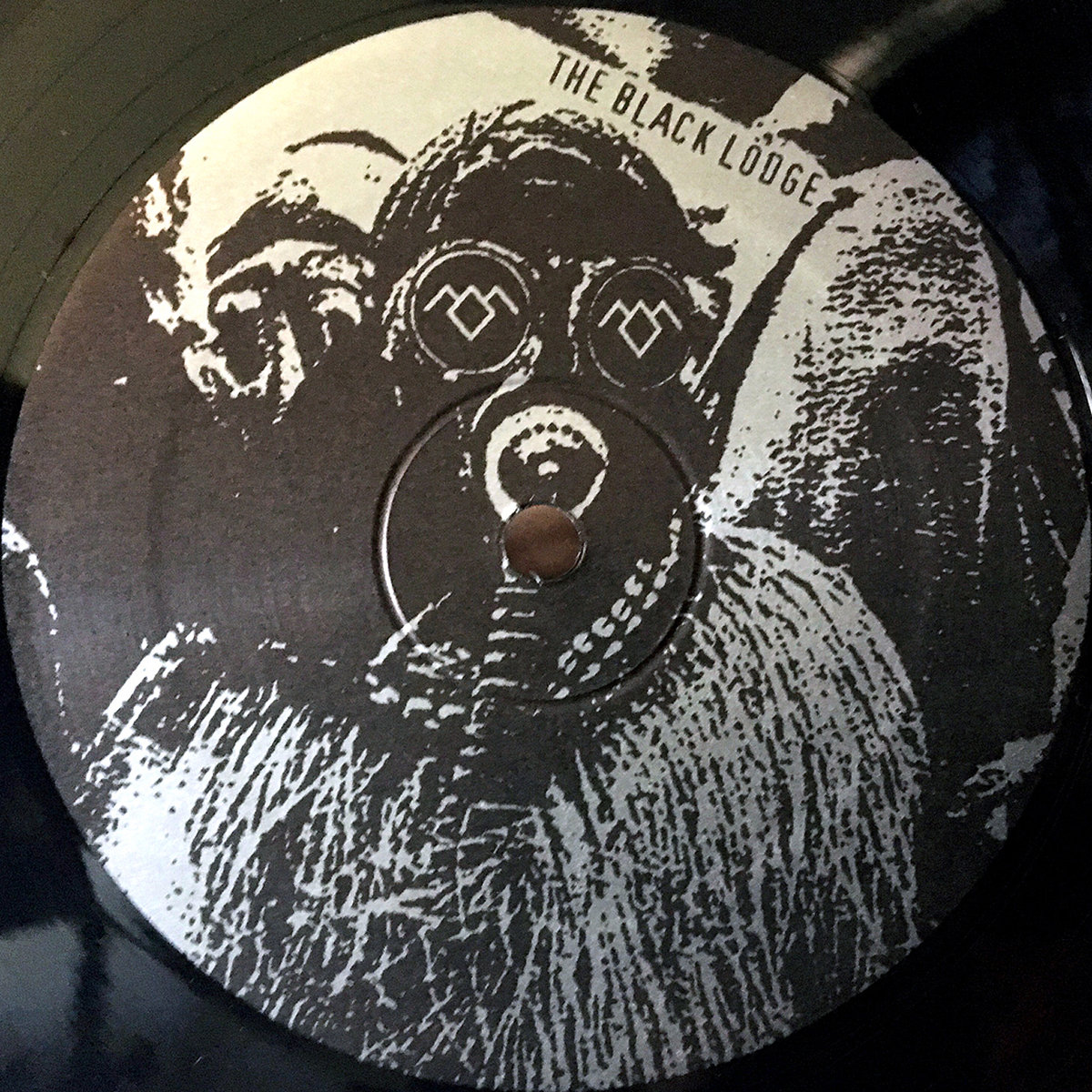
The Black Lodge is an LA-based party that has been running for over 2 years, hosting guests such as Civil Duty (a.k.a. Beau Wanzer and Shawn O’Sullivan), Bill Converse, Svengalisghost, Santiago Salazar, Silent Servant, JTC, and Truncate, among many others. Although most of those artists operate mostly in the techno realm, The Black Lodge has a wide-ranging approach that includes house, punk, industrial, and IDM—it’s a multi-faceted ethos that is on full display on The Black Lodge’s first official release, Spirits Of The Black Lodge Vol. 1.
The release focuses on the tight-knit crew surrounding The Black Lodge, presenting cuts from residents and regular guests VeXaTioN (a.k.a. Dirty Jak), Brown Irvin (a.k.a. Ashtre Jenkins), Kosmik, Frequencia (a.k.a. Esteban Adame), and Force Placement. Across the four cuts, you’ll find everything from broken-beat house to gritty techno, tripped-out beats, and abrasive drum-machine rhythms—a perfect introduction to the sounds of The Black Lodge.
In support of the release, the label have offered up Frequencia’s “Fall Traxx” as today’s XLR8R download, available via WeTransfer below. You can pick up Spirits Of The Black Lodge Vol. 1here.
The Other Side was launched at the end of last year and has since gone on to release standout dancefloor records featuring Ada Kaleh, Priku, Mandar, Sepp, and, of course, Maher himself.
For the latest release, Maher has enlisted remixes from scene heavy hitters Dana Ruh, Argenis Brito, and Ada Kaleh, who provides a special dub mix of “Sistema De Revolucion.” Ahead of the release, the record has been picking up steam and support from Ricardo Villalobos, Praslesh, and Rhadoo, to name a few.
You can pre-order Feelings From The Other Side Remixeshere, with Dana Ruh’s low-slung remix streaming in full below.
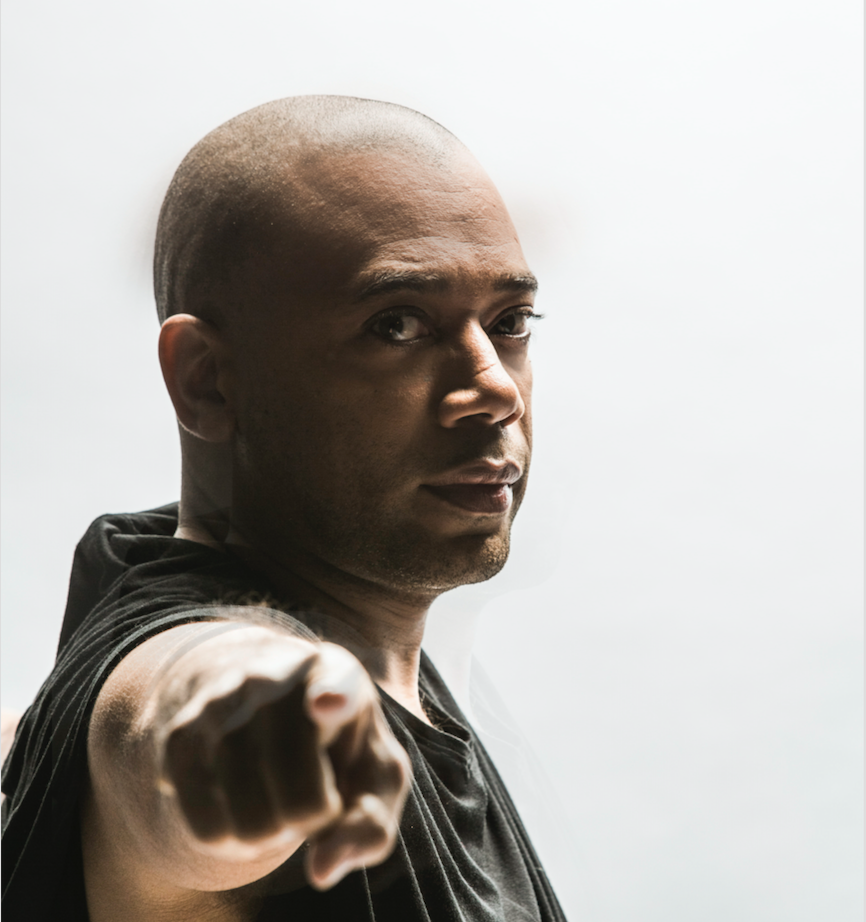
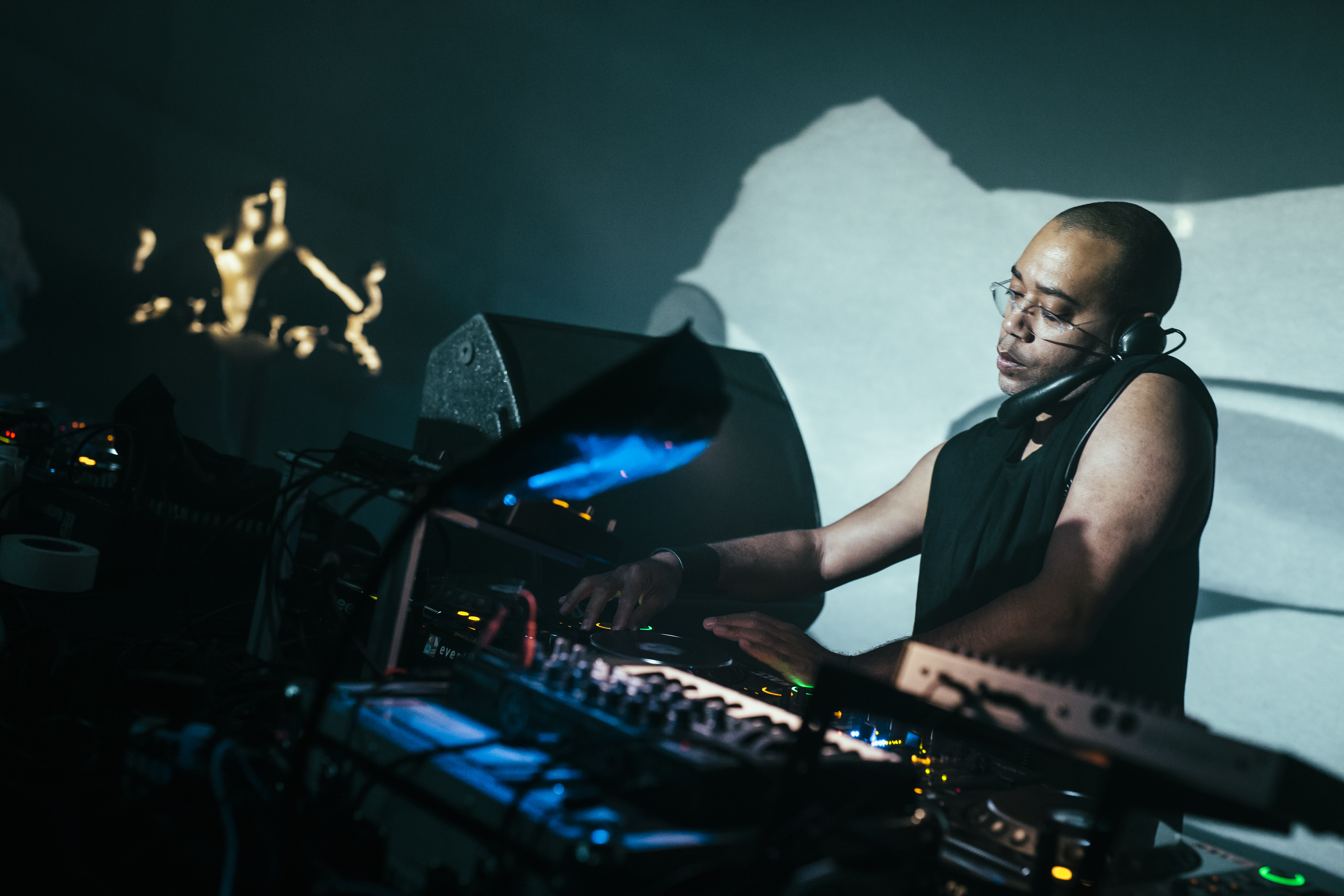
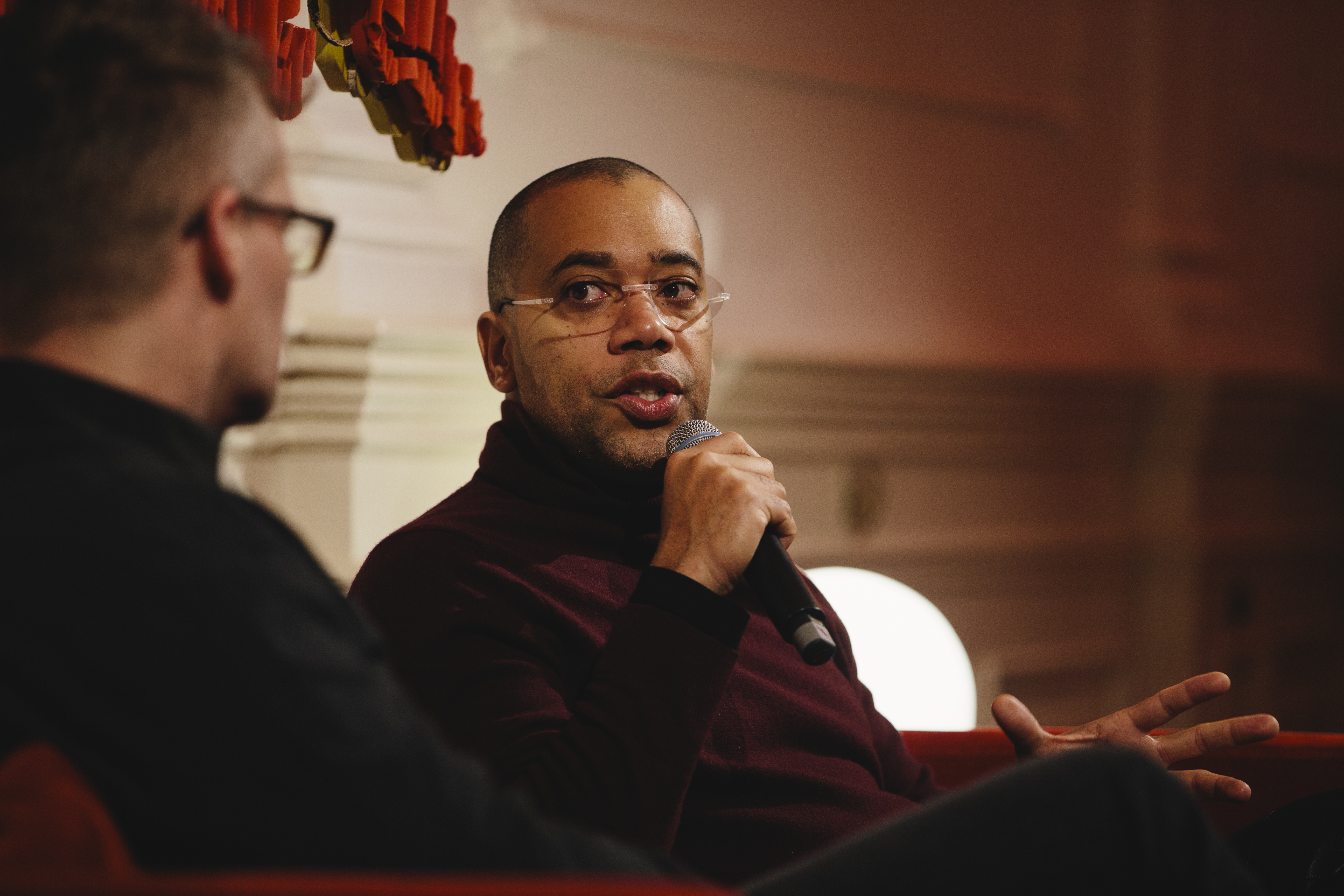
With our Ask The ExpertsMaceo Plex feature still in the works, we’re already moving on to publish our next one—this time with Carl Craig, a creative visionary, an electronic music icon, an esteemed Grammy-nominated composer, a world-class DJ, and an ambassador for his native Detroit.
Craig released his first track in 1989 on a Virgin UK compilation album, before two singles followed on labels run by his first collaborator, Derrick May. After a series of ambitious releases for his co-owned Retroactive imprint, in 1991 Craig launched his record label Planet E, with the groundbreaking EP 4 Jazz Funk Classics, under his alias 69. Planet E turned 20 in 2011 and Craig celebrated the label’s history by taking the label artists and collaborators on a world tour for the first time in the label’s history. As well as this, Planet E invited friends of the label including Luciano, Kirk Degiorgio, Loco Dice and more—to pick their favorite Planet E track to remix and re-release.
Looking back now to Craig’s early releases from 1989-1992, one can see how much the wild variety found in his early music set the groundwork for his diverse career. He’s fortunate to serve as an inspiration and influence to countless artists in the underground electronic music scene. His 1992 Innerzone Orchestra cut “Bug in the Bassbin” was credited as the spark that inspired the evolution of drum & bass. In typical Craig fashion, “Bug…” continued to develop, morphing into a live jazz composition in 1996. In turn, those experiments laid the ground for Craig to incorporate jazz elements onto his 1999 I.O. album Programmed. Then in the ’00s, Craig explored jazz further still as a producer on the albums The Detroit Experiment and Rebirth (2009) for legendary Detroit Jazz collective, Tribe. This is but one example of Craig’s continually evolving exploration of sound.
Craig’s prolific nature is reflected in the many recording projects he has used throughout his career including 69, BFC, C2, Innerzone Orchestra, No Boundaries, Psyche, Paperclip People, and Tres Demented. This rotating cast of aliases has enabled him to continually explore new directions through a long succession of full-length albums, mix CDs, and singles.
Craig’s interest in collaboration continually grows and is realized in full with Versus, one of his boldest endeavors to date. For Versus, Craig merges techno and classical music, opening himself up to working in a new format by collaborating with pianist Francesco Tristano, French orchestra Les Siècles, conductor Francois Xavier Roth, and Moritz Von Oswald. Inspired by well-received performances in concerts halls in Paris, Milan, and Germany in 2008, Craig started the process of developing the project into an album, which features eight of his techno masterpieces recomposed into classical pieces.
Craig also performs as a trio alongside Von Oswald and Tristano. His occasional appearances with the electronic collective jam band Narod Niki, alongside Ricardo Villalobos, Luciano, Richie Hawtin, Zip and others, led to him appearing in part live / part DJ gigs with Luciano. Additionally, he’s taken to bringing keyboardists like Mike Banks (UR), Amp Fiddler, and Francesco Tristano into the DJ booth with him for special one-off gigs. Outside of this, Craig also continues to be one of the most sought-after remixers in the world.
In the same way that he likes to make tracks he’s remixing his own, Craig’s commitment to his home in Detroit is also something very personal. After launching a festival to rival that of any in Europe with the Detroit Electronic Music Festival in 2000 (now entitled Movement, which today he still has a strong role in). This commitment to Detroit music also extends to how his Planet E family of labels is run. Not only has it given a home to a wide range of Detroit-based artists, it has also been serving as a distributor for Detroit imprints including Derrick May’s Transmat and Stacey Pullen‘s Black Flag. In 2014, Carl Craig also began a new event concept Detroit Love, designed to bring together and support the sounds of Detroit and take a little of the techno brotherhood to clubs and festivals the world over.
His answers to your questions are published below.
On Sunday, August 13, Carl Craig will join Red Bull Music Academy for a session and club night in Glasgow. More information here. Red Bull Music Academy will return to Berlin in 2018, for a month-long workshop and festival, marking the Academy’s 20th anniversary.
When you first started making what did it mean to you to release tracks? Did you find you were more spontaneous with your creativity than you are now?
I felt more freedom to make tracks when I was 18 or 19 years old, but it was kind of a journey through the safari or the jungle, or something, you know. Of course, spontaneity was high because I was so young, starting out. I learned formal music but I threw the rule book away and did my own thing. I did more spontaneous things back then because I could do three or four tracks in a day—that was the great thing about this time: I was raw. But I always like a challenge, so I don’t try to go in the studio and make things like an 18-year-old. My goal now is always to become a better engineer, writer, and producer, and that is motivation enough—this continual growth as an artist.
“The music I make is now more functional because I spend more time in clubs.”
How do you mix your music and what tricks do you swear by? Your music, also live, has got an incredibly deep and sonically cohesive sound. Do the recordings come together with the mix just “falling into place” or do you have a process?
I don’t necessarily have a process. When I used all analog gear there was more of a process but I now use a lot of plugins and there are so many possibilities with digital—so I can start with pretty much any instrument. I can now start off with an instrument that I wouldn’t normally start off with. When it comes to mixing, I always try to get it to sound as strong as possible—and the kick drum has been at the forefront of my musical career. When I started I didn’t put much emphasis on the kick drum because I wasn’t a DJ but now I work as a DJ I hear how the music sounds on a system so I feel that the kick drum is now the piece that drives the song. The music I make is now more functional because I spend more time in clubs.
Does self-doubt ever surface while you’re producing? And if so, how do you deal with it?
Self-doubt is, I think, is the perhaps most important part of being a producer. It’s necessary because you have to be able to question your work—to determine whether something is good or bad. You have to be your biggest critic. When I started making tracks, when I was doing two or three a day, I had more time to let things rest and come back to them to see if I liked them, but when more time is put into the actual production then you don’t have so much material to fall back on so you have to focus on making that particular track really good. If it doesn’t work out then you throw it away and you do something else.
I really try to be honest with myself to see if the work is something that I want to present to the world and also that I’d like to listen to in 20 years from now—and that I would appreciate in the future. I am looking for timelessness, and this has to do with the sound, for me. There are so many pieces of music that are very simple and that are recorded very well and stand the test of time, and there are other pieces that are very complex but are recorded badly and nobody gives a shit about them. So, the timeless aspect of it, with all music that I like or listen to—whether it’s Al Green or Stevie Wonder—is the sound. Like, when I hear some Al Green from the ’70s, like “Love and Happiness,” it just has a great sound which makes it timeless—and, of course, the music is great.
Is there one particular piece of your work that you think is timeless?
“At Les” is a track that has been able to live for a long time because it is easy to cover it. There is a musical aspect of it, there is the sound, and there is a sonic characteristic that comes not only from the recordings but how it is arranged. It just emotes a feeling that, at least in versions that I have been involved in, has transpired through the music.
Are tracks preconceived before you go into the studio, or do they come from jamming?
I always go into the studio cold. I never have an idea. If I have an idea then it always fails and I scrap it for something else.
What was your most significant moment of realization that has enabled advances in your production and creative situations ever since?
I would have to say that me using a sampler and also remixing. These two go together because when I remix other people’s music I take the bits and pieces that I want to use in comparison to the past where the remixer just took it straight from the master tape and took in and out parts and stuff. The sampler gave me the opportunity to chop up music and put it back together again.
Remixing has really helped me with my solo productions. It’s like when an actor stands in front of the mirror and tries to get into character: he mimics Robert De Niro enough so that he then finds his own style from that style. Or someone who sits with a guitar and learns every solo that Van Halen did—you first mimic it and then you go further with it. This is what a remix is to me: it gives me the opportunity to listen to every part and learn from it and then rip it apart and put it back together again.
What’s the best piece of advice you’ve been given when it comes to music?
James Brown said, “It’s got to be funky.”
So how has the Detroit techno scene developed since the early ’80s when Derrick May and Juan Atkins started it up?
I think it has changed mostly because when Juan was doing Cybotron with Rik Davis, their records were being played on the radio but radio hasn’t supported Detroit techno in a long time and so the only way to get a true gauge of what your music sounds like is through the club. So, I believe that that has definitely helped Detroit music go a lot more underground because if we were still going after radio play then we’d be doing far more commercial records.
Is there a good support network for artists in Detroit today or is it very competitive?
When there were just a few guys—when there was just that collective of Derrick, Kevin, and Juan—their competition might have been a little bit more brotherly, but as more people began doing techno it became more splintered. The competition then wasn’t the same as when it was just Derrick, Kevin, and Juan.
Nowadays, we all try to support each other. Whether it’s the techno guys or the house guys, you know, with Mad Mike, he is always putting his helping hand out there for lots of things, even to those outside of the techno scene. Everyone tries to help where they see the talent, in all honesty, and so it’s not just locked into the genre that you’re working on—so we’re all in support of artists like Jay Daniel and Kyle Hall. But we’re also close friends with Moodymann, Theo Parrish, and Omar-S. Everybody knows each other and we all try to support the scene.
Moving forward, what do you think the Detroit scene needs to develop further?
Great clubs. Detroit needs a nightlife that can explode all year long, not just during Movement. There’s not a lot of clubs here, and there is certainly no club that has a reputation like Paradise Garage—a central location, you know—and there hasn’t been one for over 20 years. Music Institute, which was in the ’90s, and then Heaven were really important to the rise of Detroit house music because they were great environments to develop yourself artistically and we don’t have that now. The only thing we have is Movement and the parties that surround it, and so Detroit has become something like Miami where everyone waits for Miami Winter Music Conference.
What was the biggest hurdle to overcome with the Versus project?
Time. Time was the biggest hurdle because it took a lot of work to get the orchestral parts to feel perfect. I didn’t do a lot of that because these bits were done by specialists in symphonic music so that is what took the most time. It had to be at a point where I could grab it and do what I do and finish it.
You’ve always pushed towards innovation and futurism. What do you think the next big advancement in music production or DJing will be?
I can’t tell you what will happen in the future, but François K and I were talking to the other day about how much easier it is for records to sound good—like it used to be when you did something in a demo studio it sounded like a demo, and when you did something in a pro studio it sounded professional. But now, with Ableton and stuff like that, you can make everything sound completely professional, so we’ve got to this point in technology where so much stuff sounds good. So, technically, I am happy to see this.
“There is always another way of seeing or approaching something and that can be quite educational and inspiring.”
You’ve collaborated with many artists over the course of your career. Do you find that this has been an important part of your artistic development?
Yes, it is. I like being in the studio by myself. I really cannot say that I work well with other people. But there is always something to learn from everybody who you meet, from someone who is a pro to someone who is talented but pretty new to production. There is always another way of seeing or approaching something and that can be quite educational and inspiring.
If you could only have one synth, one drum machine, and one sampler for the rest of your life, what would they be and why?
Roland SH-101, S-1000 sampler, and the Alesis HR-16 drum machine.
What was your intention when starting DEMF? Did you think it would end up being as big as it is today? What’s one of your favorite moments?
The intention was to able to present the music to the people of Detroit. We didn’t have the radio support that was there before, and I felt that the festival would present music to the people for free. I definitely didn’t think it was going to be as large or that it was going to last as long as it has. All I was interested in was that first year. I put my career on the line for it but it’s paid off!
The greatest part to me was the first year because, on the first day, Kenny Larkin, Stacey Pullen, and I were all pretty much crying. It was crazy. And then on the second day, we had Slum Village play and the mayor came down to make a statement for support of the festival, and of course, they were doing “I Don’t Know.” It was still a great experience but we had to make sure that they didn’t overstep their boundaries. And then on the third day, Derrick May was with Richie Hawtin, Rolando, and some others. It was absolutely magical.
How do you approach a remix?
There must be some elements that I can use—enough elements of the original song that I want to use. I don’t want to rewrite somebody’s song—I will leave that to Aphex Twin. You can fix up any old car but you must have a car that you like from the beginning if you’re going to put your heart and soul into it. At the end, I’ve got to have something that I am really proud of and that I feel is a piece of me. It becomes like a collaboration between me and the artist.
“…with criticism you can often end up seeing the thing that you couldn’t see before.”
How do you deal with criticism?
Everybody is affected by criticism, I think. This is where the self-doubt comes in. You have to realize where your weaknesses are and with criticism you can often end up seeing the thing that you couldn’t see before. It can be used as a vehicle for reevaluation. Unfortunately, now, especially with the internet, people can be very malicious with how they criticize people and that’s where you have to be extremely strong. You also have to remember that you cannot please everyone. Derrick May, for example, hated “Bug in Bassbin,” and it went on to inspire a generation of people making music.
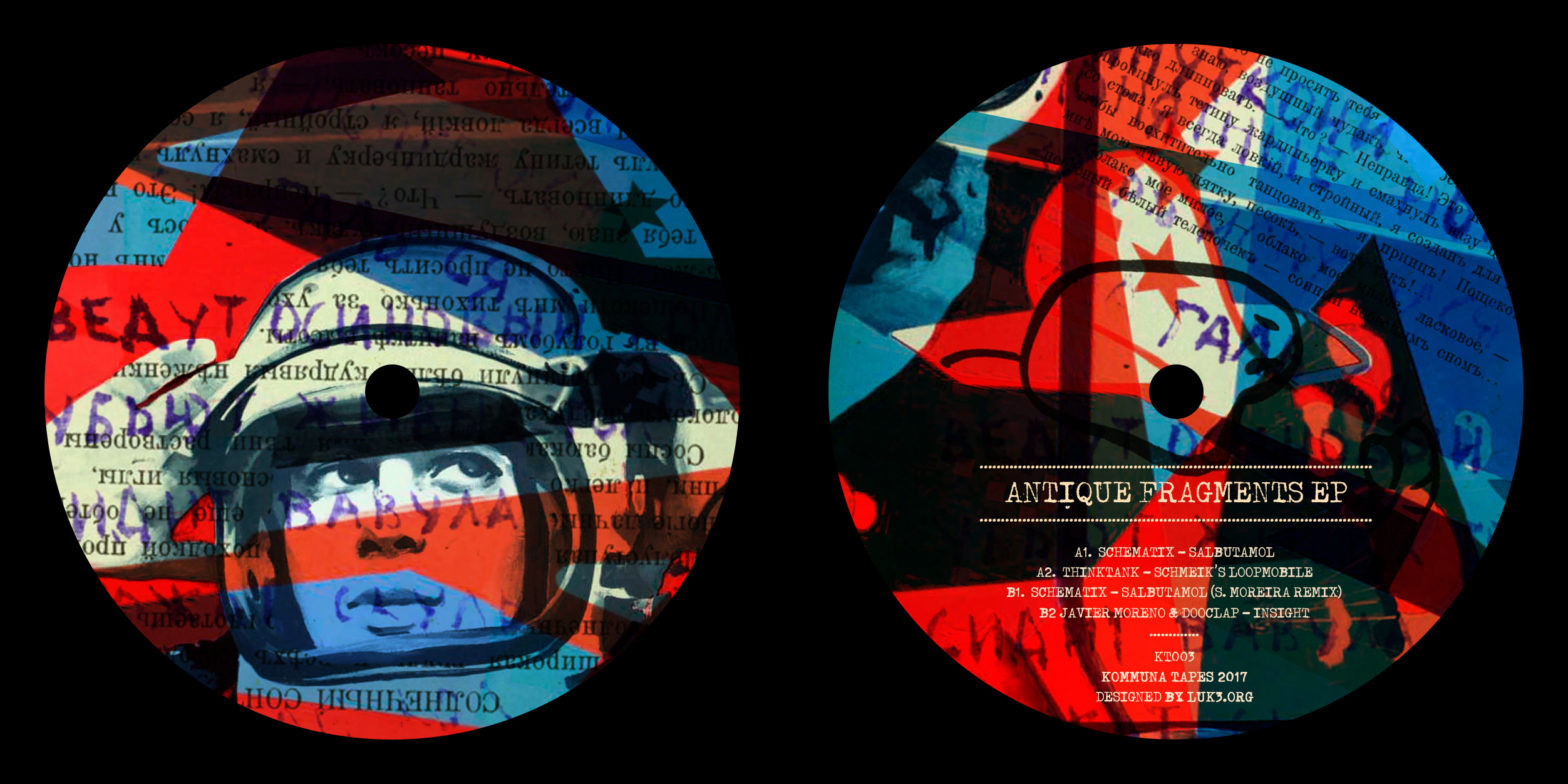
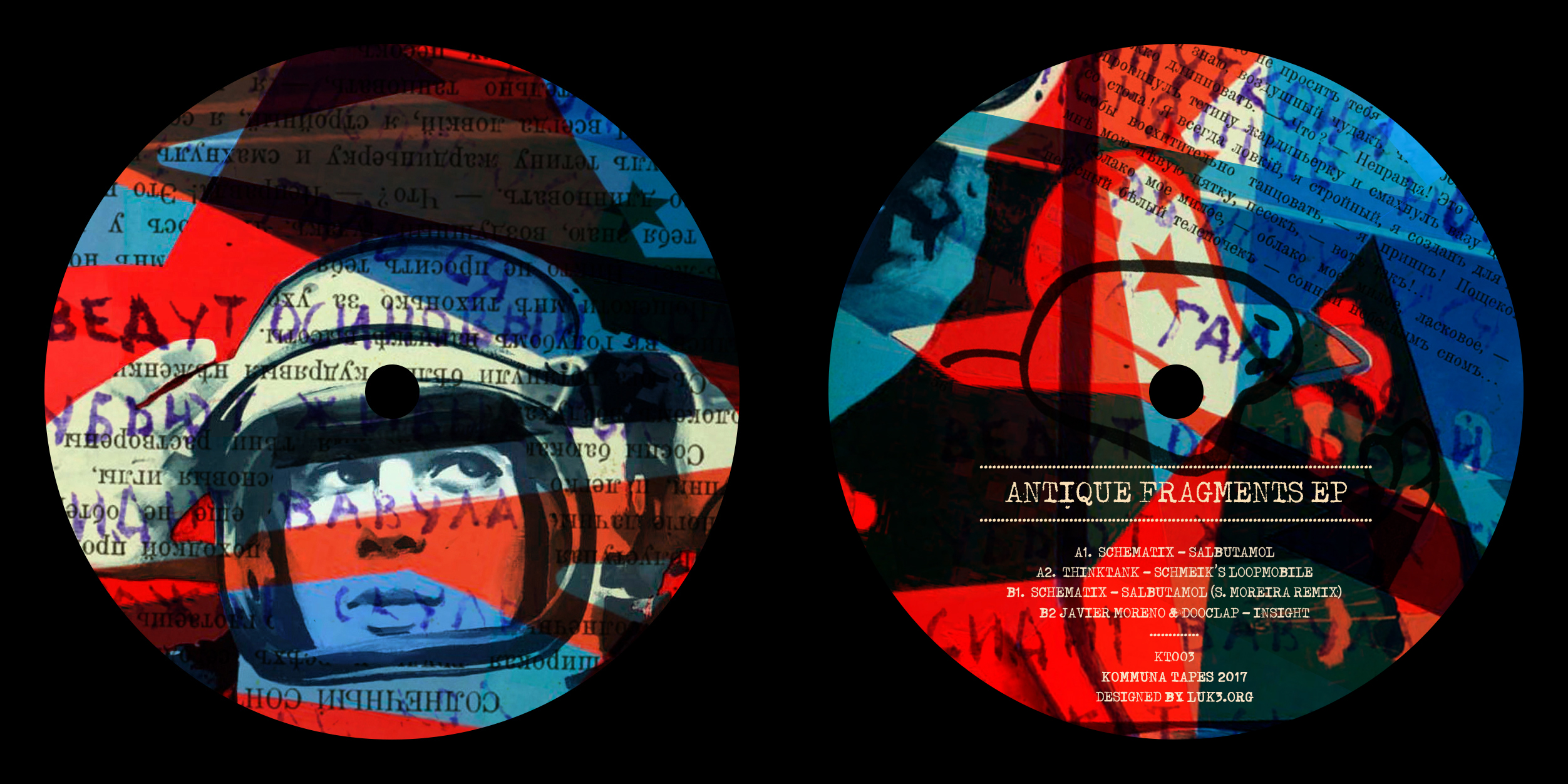
Antique Fragments EP is the third release of our Kommuna Tapes imprint—a vinyl and tape label based in Barcelona.
According to label heads CMYK and Rubi, they are trying to build their “own Kommuna of artists who share their commitment to the vinyl medium and insatiable appetite for music discovery, guided by a certain vision of the dancefloor: deep stripped-down grooves, sometimes challenging, always with character.”
Antique Fragments is the label’s third release. The A side starts with a quirky fast-paced track created by a mysterious producer named Schematix in 1997. Thinktank, an electro/breakbeat act who signed their first and unique EP only a few years later in 2000, takes us on a punchy yet dreamy techno journey. On the flip side, after Schematix undusted his hardware to extract the stems for the occasion, wizard Sergio Moreira mastered the challenge of creating a slower and deeper version of the track, while upcoming Madrid talent Javier Moreno closes the release with a bouncy acid burner.
Tracklisting:
A1. Schematix “Salbutamol” A2. Thinktank “Schmeik’s Loopmobile’ B1. Schematix “Salbutamol” (S. Moreira Remix) B2. Javier Moreno” Dooclap Insight”
Antique Fragments EP is scheduled for September release with clips streamable below.
Molecule is one of the most original techno producers in France who made a real breakthrough last year with his concept album 60°43’ Nord, which was recorded on a trawler on the Atlantic Ocean. Molecule recorded the sounds of the boat, the storms, and the ocean to create a really original sound universe. Since then he played on some of the best electronic venues and festivals in France. He’s now preparing the release of a new album, for which he spent one month in a total immersion at the North Pole. and today presents a Traumer remix of album track “Abysses.”
Today he shares a Traumer remix of album track “Abysses.”There is no real story behind that remix, only vibes, and feelings. It’s the staff behind Molecule project who made the connection between the both artists and simply recognized that the Traumer sound signature would fit the aquatic techno of the 60°43’Nord project.
Juju & Jordash are an integral part of the Dutch label’s history, dating back to 2009 when they were the first act to release on the imprint with a self-titled LP. They’ve since put out two other albums on the label: 2012’s Techno Primitivism and 2014’s Clean-Cut.
Following on from this previous LP Clean-Cut, Sis-boom-bah is an album steeped in studio traditionalism with a direction towards composition. Recorded over the space of a few weeks and built upon years of improvised live shows in front of thousands of listeners, Sis-boom-bah was written around grooves by Juju on the guitar, and Jordash on the Rhodes. It was the first album the duo had written using such an approach, and solely produced and mixed by Jordash in Amsterdam, making it their most authentic record to date.
Tracklisting
A1. Juju & Jordash – Herkie A2. Rah-Rah B1. Back Tuck Basket Toss B2. Deadman C1. Paper Dolls C2. Hanging Pyramid C3. L-motion D1. Attack The Crowd D2. One Armed Liberty
Sis-boom-bah LP is scheduled for October 2 release, with clips streaming below.