Romare will release his second full-length later this year.
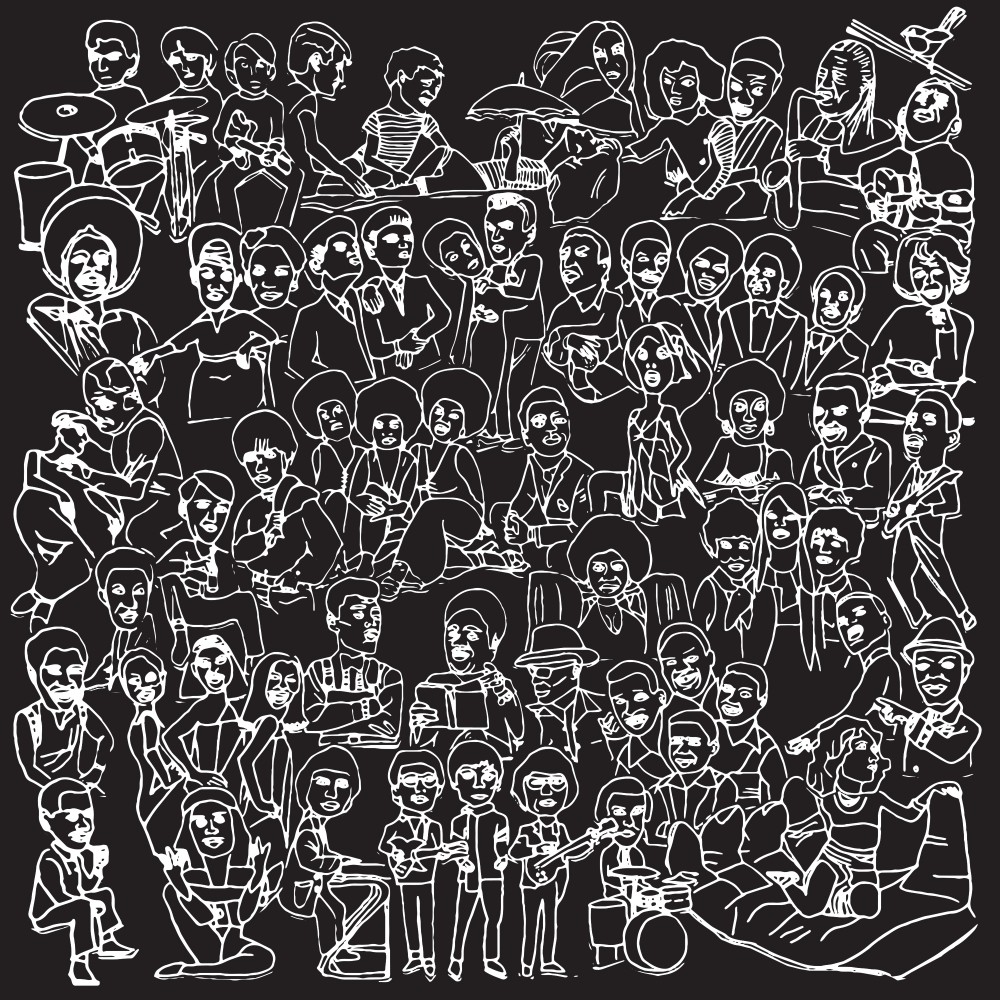
Archie Fairhurst (a.k.a. Romare) burst onto the scene back in 2012 with an EP on Bristolian imprint Black Acre; since, his output has mostly been through Ninja Tune (his debut album, Projections, included). Fairhurst will drop the follow-up release, Love Songs: Part Two, in November—an exploration of “the ups and downs of love and the themes of romance.”
Ahead of its release, Ninja Tune has shared a single from the album: “Je T’aime,” a disco-infused, mid-tempo house number. You can stream it below.
Love Songs: Part Two will be available to purchase from November 11. Pre-order it at the Ninja Tune store.
Tracklisting:
01. Who To Love? 02. All Night 03. Je T’aime 04. Honey 05. Come Close To Me 06. Don’t Stop 07. Who Loves You? 08. L.U.V. 09. New Love 10. My Last Affair
Max Cooper has shared a video for “Waves,” the first single taken him his forthcoming album, Emergence— an operatic and ambitious amalgamation between audio-visual show, scientific research project, art installation and IDM record.
Max Cooper:
“Waves are an important idea in much of our understanding of the world around us—and within us.
“They involve the transfer of energy and are the basis of music and sound, which is why included the concept as part of the Emergence story, exploring scientific ideas of how everything comes together from almost nothing.
“Music shares a lot in common with our visual aesthetic preferences, and both are deeply rooted in principles of nature illuminated by science.
“Waves form the basis of light and wireless communications, and our source of energy from the sun which creates almost all plant and animal life.
“Our best understanding of the fundamental nature of reality at the smallest scales is purely waves, apparently. And even the process of neuronal action that produces our awareness relies on waves of charge-flow created by forces which are supposedly mediated by waves – the virtual photon, a massless wave (i.e. light), being the force carrier of the electromagnetic charge which shunts particles around inside your neurones to make you think. And then there’s the more familiar waves that can dump you under and make you swallow some rank sea water!
“There are different ways in which waves can operate, and what constitutes a wave at all, with or without a medium for example. But they all seem to involve energy transfer without needing the transfer of physical mass – like you can see in the video, the mass (each particle, or a charge) moves up and down on a single axis, and the wave, and energy, is propagated through the medium by these point oscillations.”
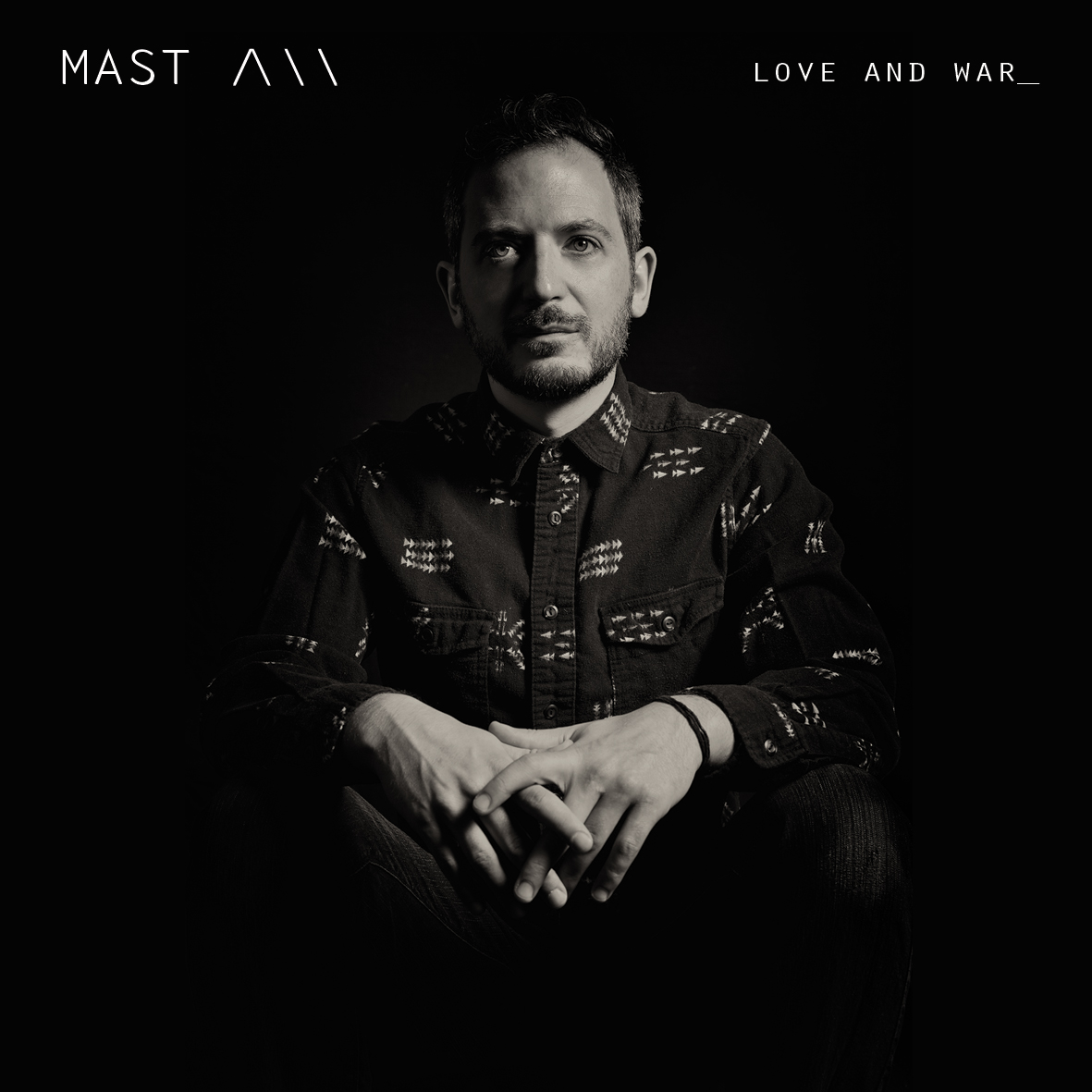
LA-based multi-instrumentalist Tim Conley (a.k.a. MAST) dropped his second full-length, a highly conceptual and deeply personal album titled Love and War_, on October 7 via Alpha Pup.
Conley constructed the album like a three-act play: Act 1 tells the story of “finding love and the beauty and naivety that comes with exploring something new”; Act 2 centers on “losing that love due to her substance abuse, deception, and Conley coping in unhealthy ways”; and, finally, Act 3 is about “learning to let go, heal, and ultimately find a much deeper, lasting love.” It’s an ambitious concept and album, and one that Conley weaves together with stunning instrumentation and arrangement—it’s a wondrous album in the truest sense of the format.
Love and War_ was mixed and mastered by Alpha Pup label head, Daddy Kev, and features some of the world’s leading instrumentalists and vocalists, including, among others, Taylor McFerrin, Tim Lefebvre, Louis Cole, The Fresh Cut Orchestra—which normally includes MAST as a member on guitar and live electronics—Josh Johnson, Gavin Templeton, Ryat, and Koreatown Oddity.
With the album out now on Alpha Pup, the label and Conley have offered up the dreamy and hypnotic “The Letting Go” (feat. Taylor McFerrin) as today’s XLR8R download. Grab the cut via WeTransfer below and make sure to pick up the full album over at Bandcamp.
Porter Ricks will release their first new material for 17 years this November.
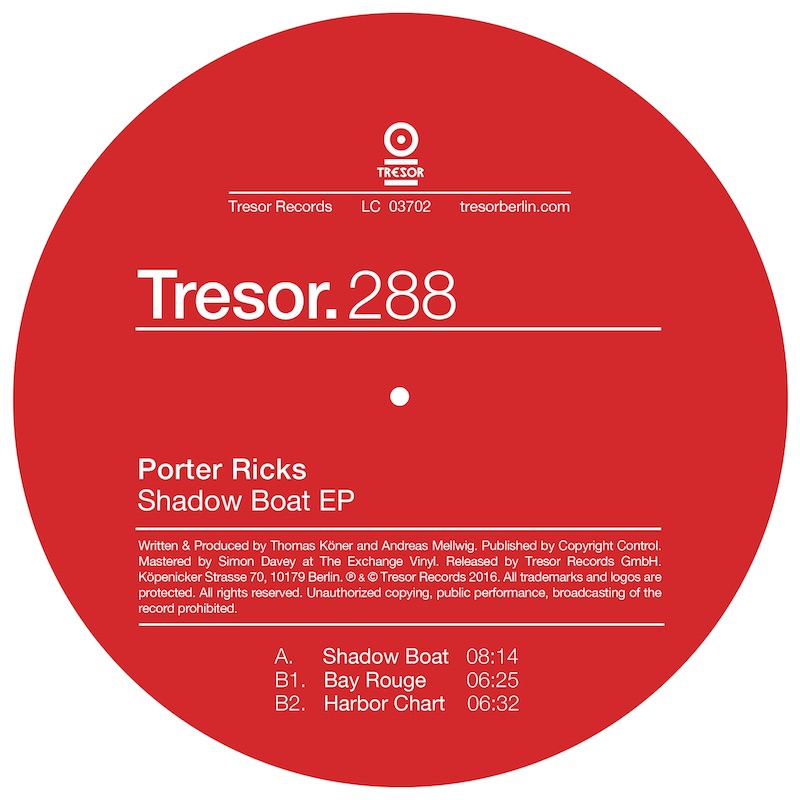
The German duo of sound artist Thomas Köner and music producer Andy Mellwig last new release came back in 1999, the Symbiotic LP on Mille Plateaux (though their Biokinetics LP was since reissued in 2012). News has just broken that they are to return with new material before the end of the year, via Tresor.
First up is three-track EP Shadow Boat. More focussed on rhythm and melody than their previous experimental outings, it is described by the label as “deeply nuanced in its perception of space, using complex layers to add depth, detail, and density to non-formulaic techno compositions: buoyant dub, hazy ambience, and colorful sound design.”
The EP will also be followed by a full-length album release. More information to follow.
Shadow Boat will be available to purchase from November 4. Stream snippets below.
Ben Klock has announced a South America tour, touching down in four different countries.He will start on November 10 and will play in Chile, Argentina, Brazil, and Colombia.
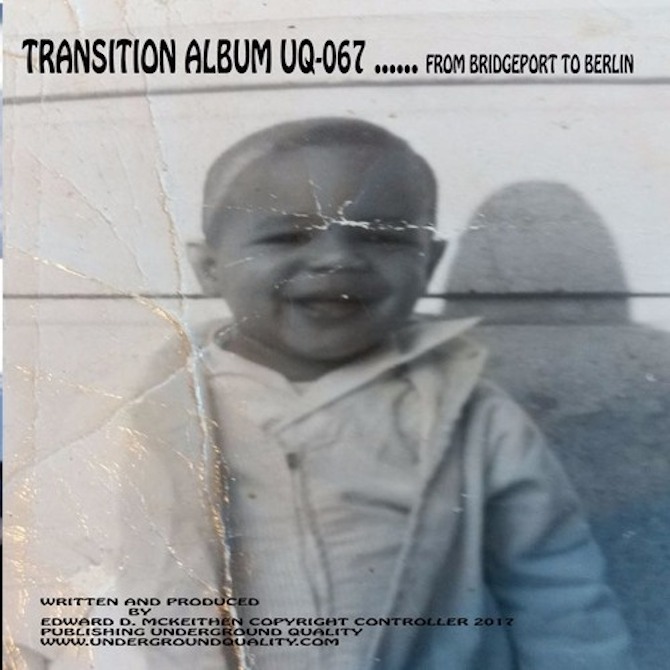
The Connencticut-based label was established by Edward McKeithen (a.k.a. Jus-Ed) in the mid-noughties. A home for deep house producers, the imprint has since put out records by everyone from Nina Kraviz to DJ Qu, Dana Ruh, Smallpeople, and Anton Zap.
In a recent Facebook post, McKeithen announced that he will release a new full-length early in 2017—Transition Album, a triple pack that he describes as telling the story of how he moved his “family from Bridgeport to Berlin.” In addition to that, he will also release a techno-themed double pack compilation, entitled Jus-Nomaly 2.
Transition Album and Jus-Nomaly 2 are both expected to drop in 2017. Stream snippets from both releases below, which will be available to purchase from the Underground Quality store.
CW/A are producers Thomas Feriero and Francesco Leali, known for their releases and remixes on Parachute, R&S, Decca and Vakant, their work as Avatism, Clockwork and Opus 3000. They’ve also been running Parachute alongside DJ Tennis since 2013.
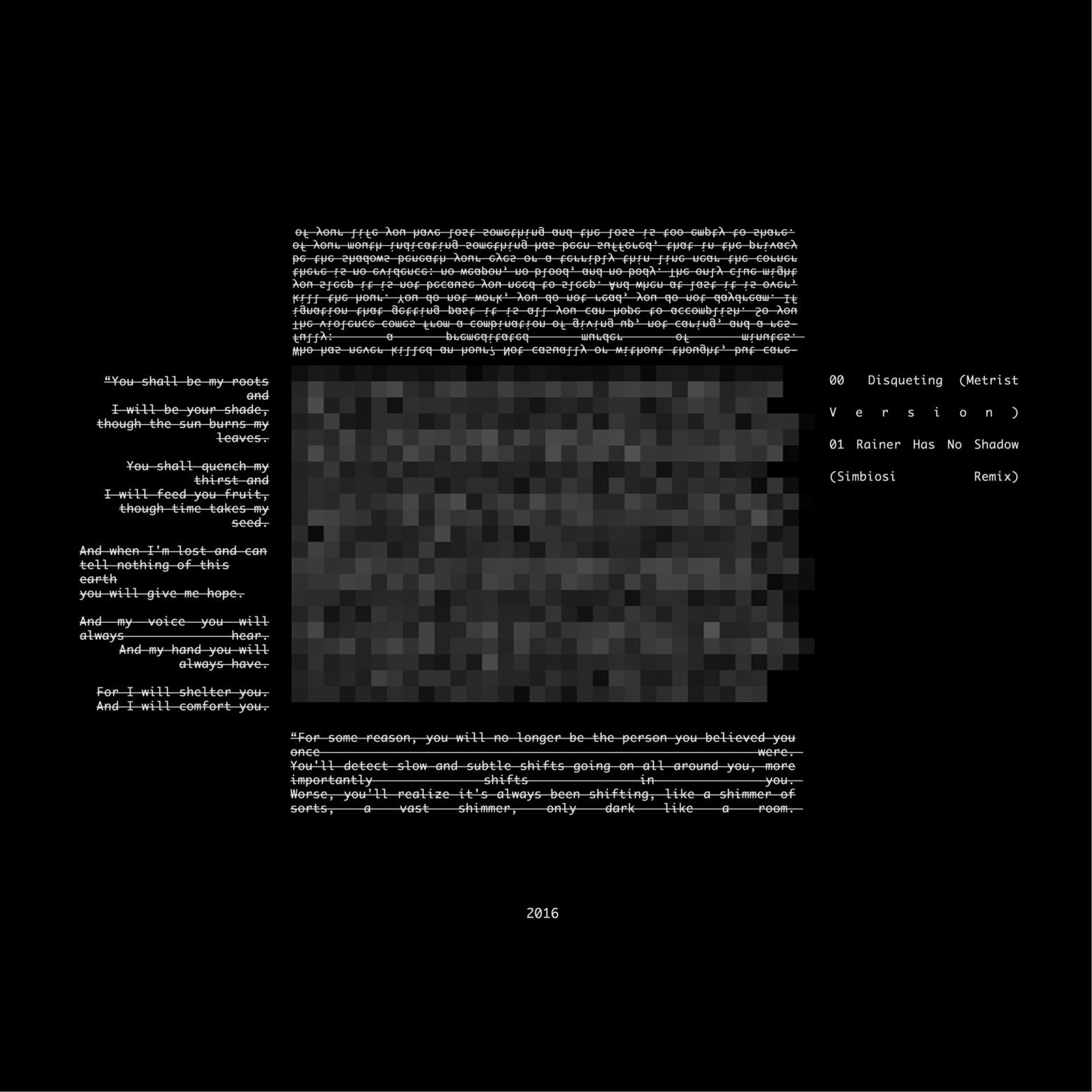
They’re soon set to release Ringleader, their first original productions since their debut full-length, last year’s Words Unspoken, Acts Undone. Inspired by global trends towards Orwellian mass surveillance and cyber espionage, Ringleader is said to aim to be “an audible interpretation of big data, ubiquitous connections and the acceptance of corporate and government spying.” Ringleader will drop on December 16.
In addition to this, they’ve summoned Parachute label-mate Metrist (fresh from his debut LP on Opal Tapes) and Italian Werkdiscs associates Simbiosi for two gritty reworks of extracts from Words Unspoken, Acts Undone album.
Tracklisting:
01. Disquieting (Metrist Remix) 02. Rainer Has No Shadow (Simbiosi Remix)
Ahead of the remix EP’s October 14 release, the Metrist remix is available to download in full via we WeTransfer button below.
Douglas Dare‘s sophomore full-length, Aforger, will be released this Friday on Erased Tapes. Ahead of this, he has premiered the full album on Stereogum, which you can hear now.
As mentioned, central to Aforger are two major moments in Douglas’ life: coming out to his father for the first time and learning that his longtime partner was committing adultery behind his back. The first single, “Doublethink”, is a reference to the latter, while “Oh Father” tells the intimate story of Dare coming out to his father for the first time.
Tracklisting:
01. Doublethink 02. Greenhouse 03. Oh Father 04. New York 05. The Edge 06. Binary 07. Stranger 08. Venus 09. Thinking Of Him 10. Rex
In advance of the its October 14 release, the LP is available to stream in full below.
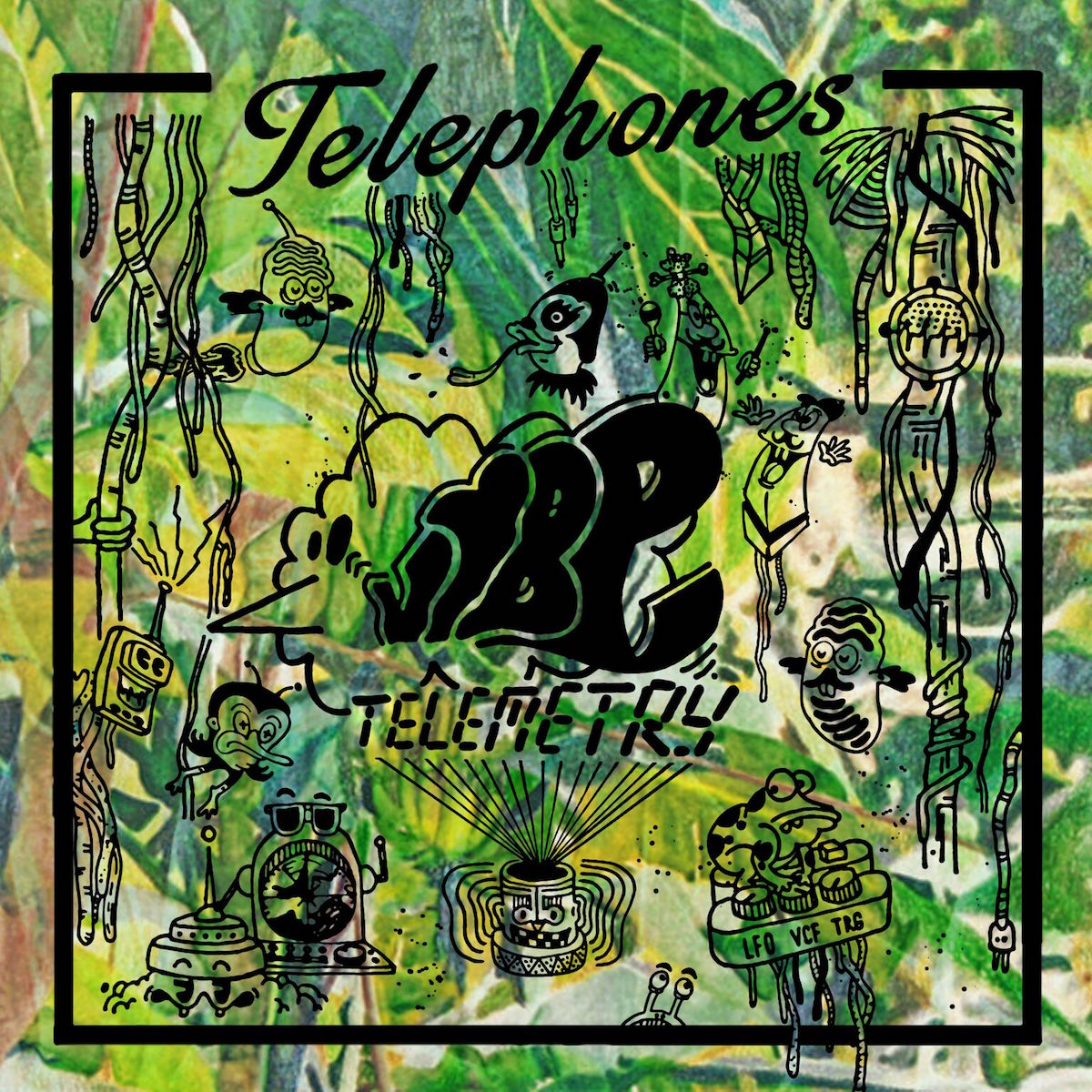
Since first hitting the scene via 2010’s Kanal”/”Turkis EP on Full Pupp, Henning “Telephones” Severud’s releases have generally been filed next to that of his fellow Norwegians, as much of his work is tinged with the same cosmic inclinations as fellow countrymen like Prins Thomas, Hans-Peter Lindstrøm and diskJokke. But it’s the music coming from a more southerly locale, and from an earlier era, that might serve as an equally direct antecedent for Telephones’ output—namely, the Italo-house of the early ’90s. His sound, more often than not, has been shot through with the same deep atmosphere, rich melodies and sumptuous instrumentation that defined that mini-genre: with its velvety production and sunny luster, 2013’s “Tutti Frutti del Mar,” produced with DJ Fett Burger, could be a lost classic off of the Irma or Heartbeat label, for instance, while the following year’s “Lotusland” references the Balearic bliss of Sueño Latino.
Telephones’ debut album, Vibe Telemetry, shares much of its beatific DNA with the Italo-house style, sometimes laced with a touch of the kind of tribal bump that NYC labels like Strictly Rhythm and Emotive were doling out around the same time. There’s the occasional hint of second-wave Detroit techno, too, and even a trace of the progressive house that acts like React 2 Rhythm and Boomshanka were trading in long before the term progressive became a dirty word.
But the LP, released on Gerd Janson’s Running Back, isn’t a “retro” collection by any means, nor is it overly reverential in its nods toward the music of days gone by. The similarities are more in intent: Vibe Telemetry’s tracks are imbued with the kind of joyfulness that helped to define house of a quarter-century ago, when producers were still decoding the wonders of the 4/4 rhythm, shaping house’s palette and exploring the emotive possibilities the genre had to offer.
A track like the breezy “Sierra” captures the Italo-house sound with precision. It’s packed full of instrumentation—piano chords, hovering strings, fluttering synths, the occasional wrong-number sound effect to remind you that you’re listening to Telephones—but it never feels cluttered, with every sound in service of the song’s euphoric feel. “Datajungel” has the low-key, spacey aura that used to permeate the catalogs of labels like Antima and Oversky; while “Untitled (The Party)” takes the opposite tack, lacing its hook-heavy keyboards over a jazzy ascending bassline and infectious hi-hats.
Like much of Vibe Telemetry, it’s saturated with melody—and while all of these tracks are closer to fully fleshed-out songs than they are DJ tool, some of the album’s best moments occur when Telephones allows the rhythm to take control. The aptly named “Tripping Beauty” lays its simple, vaguely exotic keys over tom toms and swirling synths; “Entropiklia” embeds a tribal beat beneath its soaring synths and dubbed-out organ; the interplay between the percussion, piano and percolating keys of the elegant, Detroit-ish “Mezcal Express” make it the album’s most propulsive tune.
The album ends with a beautiful two-track denouement with the angelic “Flow System” and the radiant sunrise-rave charmer “DTMF.” They’re two of Vibe Telemetry’s sweetest moments, in an album that is brimming with them.
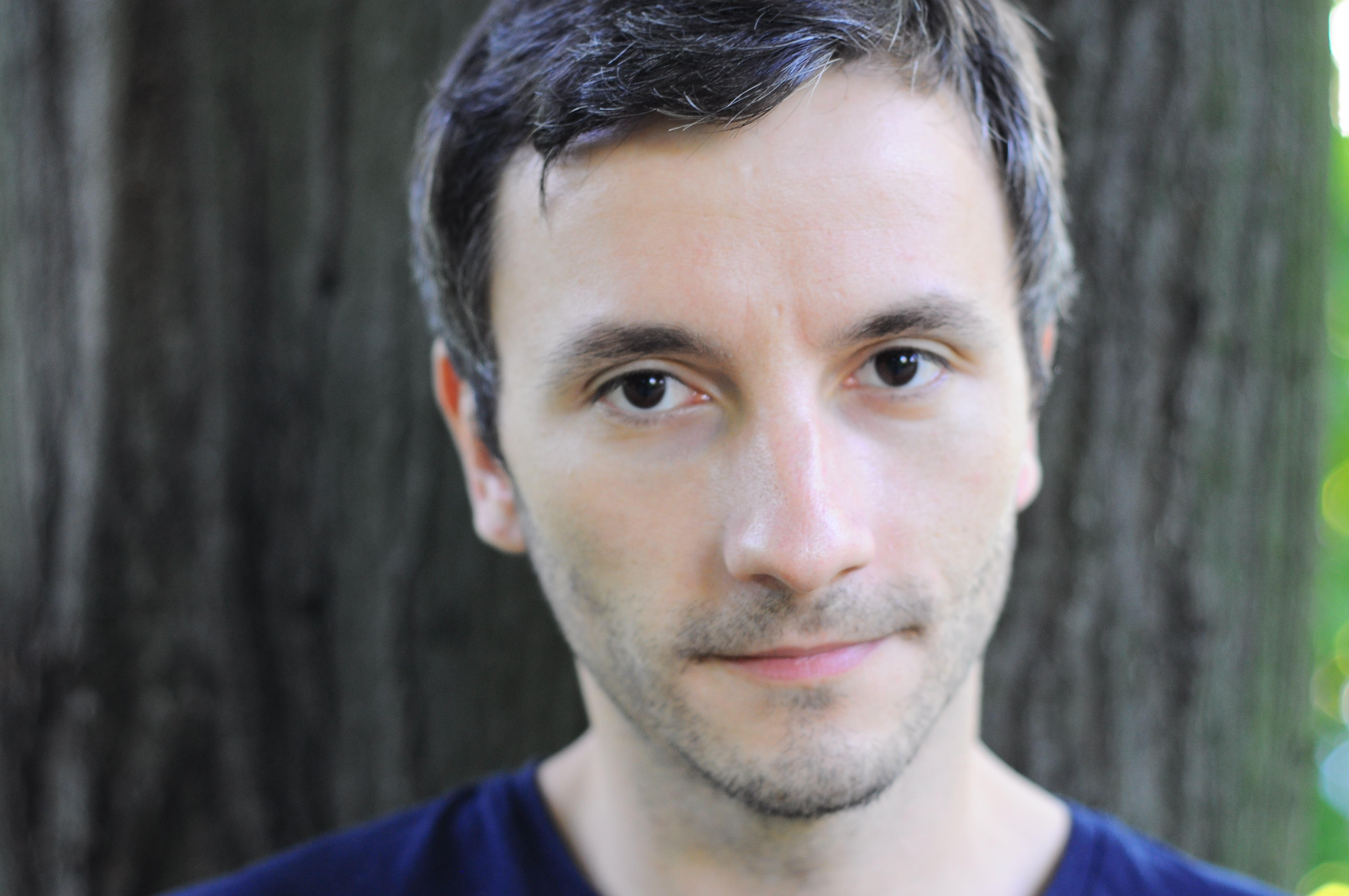
Robert Istoc leads a quiet existence. Having moved from Bacău to Bucharest just over four years ago, the majority of his time—when not DJing—is split between making music in his home studio or walking his beloved dog in one of the city’s numerous parks. “I like to spend time with my thoughts,” he explains, quietly. “I enjoy being alone.”
As an artist he is similarly discreet. Barring a brief profile on the Sunrise Booking Agency website, there are absolutely no details to be found on him. There has not been one interview and there is only one recorded mix available to stream, published in March 2014 by nightclubber. Despite a production and DJ career that spans almost eight years, he doesn’t yet have a Resident Advisor page; if you wish to find out his touring dates and see him play then you must rely on either Facebook or fortune. Indeed, the few times I’ve seen him—including May’s Sunwaves Festival and June’s Arpiar event in Barcelona—have been down to the latter; and on each occasion he has been the highlight on a lineup that included the likes of Raresh, Rhadoo, Cezar and Petre Inspirescu.
That being said, those who have grown to appreciate the rolling grooves coming out of Romania over recent years will likely have heard Dubtil’s name—or almost certainly heard his music played out. His blissful “Isitor” track was a standout on Raresh’s Fabric78 release, and many of Romania’s more lauded names are known to use unreleased Dubtil productions in their sets. But for those true followers of this vibrant scene—those who take time to explore beyond the work of these main figures—Dubtil’s allure is growing to be something of a main attraction. His Sunwaves set was as well attended as any; and his productions—very few of which ever see release—expose an artist with considerable studio skill.
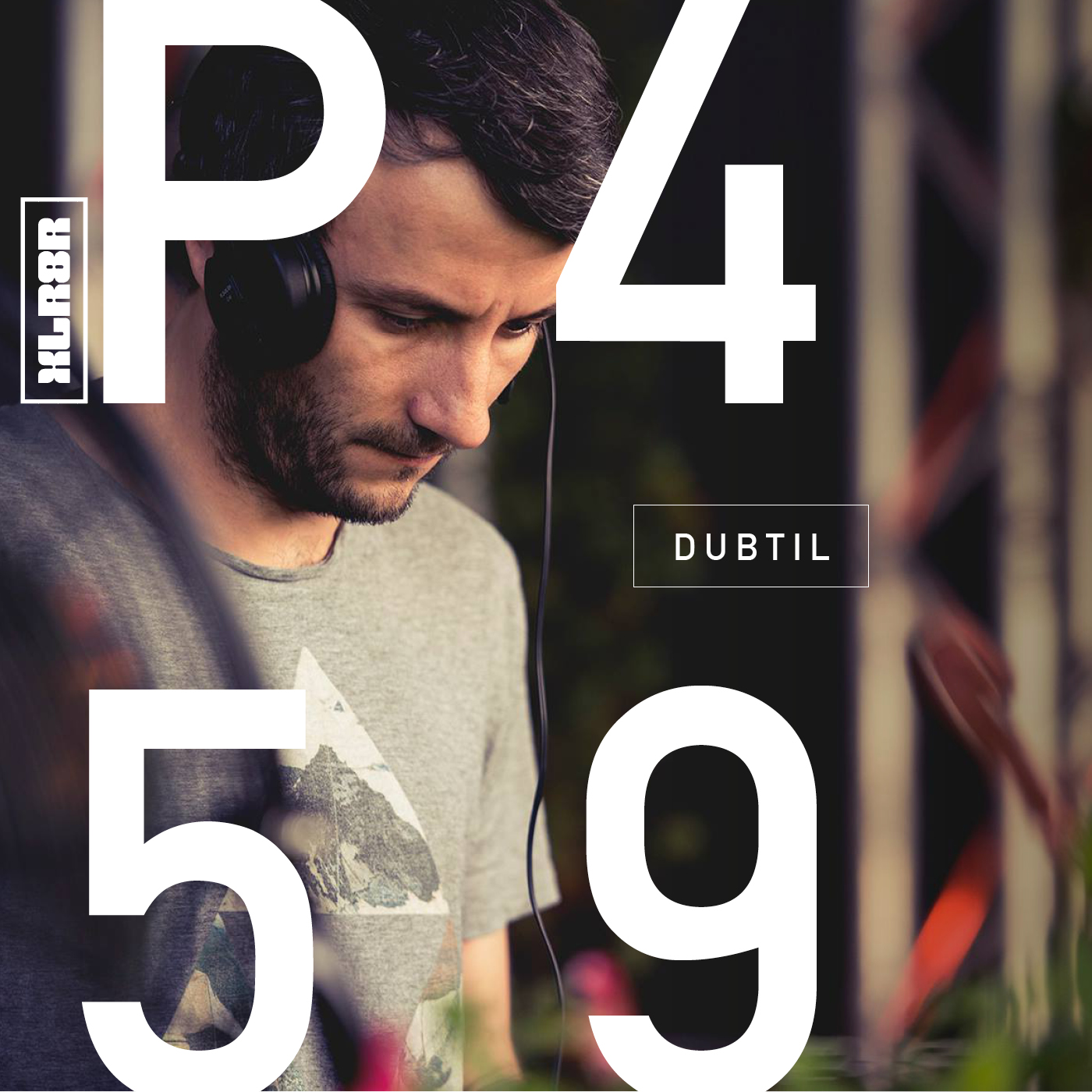
A blissful, rolling 120-minute club recording laced with the dubby overtones and some of the finest mixing you’re likely to hear, this week’s podcast vindicates those who have supported Dubtil from the very start. In addition to this, Dubtil also offered his first interview, explaining his story and thoughts on his artistic development to date.
You keep an extremely low profile in comparison to other artists, and have not really done any press before. Is this where you feel most comfortable?
It’s not a choice. It’s because I don’t really have anything interesting to say. I don’t have any musical background and my family wasn’t particularly musical. My father was always whistling through the house but he certainly wasn’t a musician. There just isn’t so much of an interesting story with me!
Where did you learn to DJ?
I learned the basics through friends at first. It’s simple. Then I taught myself. I wanted to become a DJ from the moment I went to my first discotheque about 12 years ago—when I was 17. I wasn’t a raver; this was actually my first time in the club. And that’s when I decided to start learning to mix records, on two CDJs to begin with. I just knew instantly that that was what I wanted to do. It took me about a year to learn how to beat-match, and then it was a constant struggle to find places to play. In Bacău, where I grew up, it was especially difficult to find these places because there weren’t many clubs. Clubs tended to open up for one year and then shut down, so you’d have to be continually searching. But I think most of the DJs from Romania went through something similar.
Did you begin producing around the same time?
Yes. I started experimenting with production just after I started to DJ. It began with Fruity Loops then I move to Ableton. 2009 was my first release—as NoiDoi [his collaboration with Barac]—but I had started producing a long time before that, around 2006 at about the age of 18 or 19.
“Photography was the backup; it was my security if I didn’t succeed as a DJ.”
Were you studying or working around this time?
I was actuallystill in High School at the time I first started to mix. I took the final exam and then I started college and also found myself a day job editing photographs. A family friend had a business in photography and I wanted to make my own money so this friend made me an offer. I didn’t know how to do it at the time, but I learned quickly. In my spare time I was learning to produce and beat-match. Photography was the backup; it was my security if I didn’t succeed as a DJ.
And when did you begin DJing full-time?
I dropped out of college after two years and then finished my photography job two years after that, at 22. I wanted to take my chances and it was just too difficult to do all three! It made me feel really bad mentally and physically.
When did you meet Barac (Barac Nicolae) and start the NoiDoi project?
I met Nicu before I quit my photography job. He was also working and living in Bacău. We used to both be at our workplaces and we would speak with each other about dropping out and then we both decided to quit our jobs around the same time. We stayed in Bacău for about a year or two, just playing at Zebra club—where Raresh was a resident. And we started NoiDoi then and we began producing and performing together—as DJs and also live.
When did you first come across the others in the scene, like Raresh, Rhadoo and Pedro?
I also met them at Zebra, where we were all playing. That was a place where everyone came and we all met there. Nicu [Barac] and I then began producing tracks as NoiDoi and we began sending them out. From there, we all got to know each other and it has just developed.
Why and when did you move to Bucharest?
After a while, we realised that Bacău was not the place be. There weren’t parties very often and so we decided to move to Bucharest. I actually came first around four years ago in 2012, then Nicu came a little bit later.
Bucharest, as we’ve discovered, has a very interesting music scene. Do you believe that your move there has strongly influenced the music that you play and produce?
Without question. There are so many places that you can go. Almost every weekend something is happening. You can always go and listen to someone interesting play—be it a young kid or a well-known name—and this is great for inspiration. Then you can go back into the studio and work on new music.
Do you find yourself going out a lot in for fresh ideas?
I do try to go out as much as possible to find ideas, yes. But it’s not always possible. I also like to be alone with myself and my thoughts.
Let’s talk more about the NoiDoi project with Barac. You enjoyed considerable success, both as producers and as DJs. Why did the project end in 2013?
We played together for quite some time. But there weren’t so many gigs because we were not very well known and there were two of us so it was expensive for promoters to pay for two flights etc. It just felt natural for it to end because we thought it would be easier to get more gigs as solo artists. We began playing alone before the project ended and then it just faded out. As you can see, it was a good decision.
“It’s not my goal to produce a track and then instantly release it; rather I make music because I love doing it.”
You don’t actually release so much—it’s three EPs in the space of three years. Do you limit the number of releases that you do per year?
I am always producing. As Dubtil I have a lot of tracks completed on my hard drive—but not many of them are released because I am not trying to release them! It’s not my goal to produce a track and then instantly release it; rather I make music because I love doing it. Some of them are played out and shared with friends, but some of them just sit there on my computer and nobody ever really sees them.
Do you not release them because you like having unreleased material in your DJ sets?
No, this is not the reason. I haven’t released so much because I have never had the proposals because not many people know about me—and I’ve never wanted to start my own label, until now.
So how did your releases on Amphia, Metereze and Understand come about?
For Metereze, Raresh just came to me and proposed to me that we release the EP and so we did. The same thing happened with Understand and then with Cristi [Cons] for Amphia. They liked the tracks and then we released them.
It’s a strange idea to have all this music on your computer and not want to share it.
I don’t think about it like that. I do share it—just not through releases and labels. I choose to share it with people when I DJ. All my music goes to my DJ sets; that’s how I share it. It becomes my personal selection because I play what I like from my tracks. I also give them to my friends to play them out—I don’t keep it all for myself. It gives me great joy to see my tracks being played out.
Do you wish to release more frequently in the future?
Perhaps. But I also feel that my productions aren’t the best—and I still have a lot to learn. The quality of my sound is not where I want it to be right now. I will always continue producing, but I won’t release so much until I feel satisfied with my sound. Then I could even start a label, but who knows?
“The vocals can be used as an instrument to inspire an emotion rather than create it.”
Your use of vocals in your sets is interesting. Some of the tracks that you play have vocals but they are always chopped up and subtle—at 28 minutes in the mix, for example. What are your thoughts on vocals in music?
I actually don’t use vocals so much because I think they are too direct. I like the audience to think for themselves rather than being told to feel a certain emotion. The vocals can be used as an instrument to inspire an emotion rather than create it.
How much time do you spend in the studio?
It’s hard to say. Sometimes I make one, two or even three tracks per day—and I’ll do this each day for two or three weeks. On the other hand, I’ll have periods of a few months where I won’t do any tracks and will stay away from the studio. Production is not something that I feel like I have to do: I just want to take it very easy. If an idea comes to mind and I am in the house then I will turn on the drum machines and begin playing.
It’s striking that you don’t put any pressure on yourself.
Exactly. This is very important to me. It’s important that I do not feel obligated to do something. I don’t want to DJ or produce because I feel I have to. I think you have to do everything because you like it, not because you have to.
Do you have an end goal as to where you want to be?
No—not at all. I never picture myself in the future. I just live in the present and keep doing what I enjoy doing. I have to be patient. I think all things should happen in the natural way. I just let things flow naturally and I believe things will then happen.
Is this why you keep such a low profile—without a Resident Advisor page or anything?
I just don’t consider it necessary to have these things. It’s not something I try to do or seek to protect. I think with a little bit more patience and time from my side then things will happen. I am still young and I don’t want to rush anything. It took me a while to learn this patience but I feel that if I keep doing what I am doing and stay relaxed then things will happen for me. You don’t need to force it. This is how I feel most comfortable.
But it’s also necessary to “push” your music to a certain extent. Do you not agree?
I know. I do have a Facebook page that is managed by someone, and she posts when it’s necessary. But beyond that I do not really know what I can do because I do not have so many releases. What else can I do? It’s not easy to push yourself without being all over the place.
Many of your peers—even those from Romania—are travelling and playing frequently. Is this something that you think you could do?
I think I will begin playing more often because I want to buy more stuff for the studio. All this analog gear is expensive and I need to buy it somehow. But at the same time I want to ensure I have space and time in my life because otherwise you can get to the age of 50 and be really messed up. I want to have a life also.
Do you really enjoy the DJing?
Yes. DJing is the highest thing. It’s what I enjoy the most. Everything around just disappears when I am DJing—playing for five hours can feel like five minutes. It’s what I like the most. I’ve also tried the live set with NoiDoi but we both felt unsatisfied with it. It’s not the thing for me right now; for the time being I just want to DJ.
___________
The set was recorded at an Understand label night at Guesthouse club.
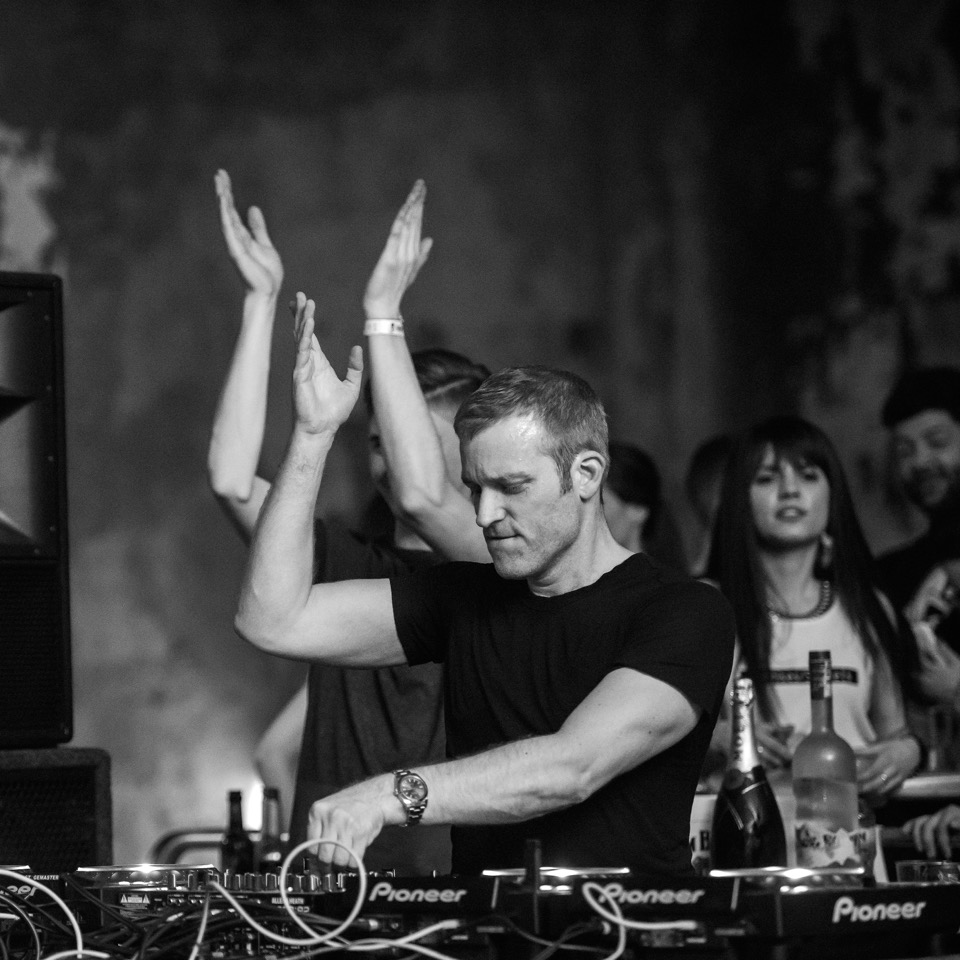
Main Photo: Elephant Studio at Barcelona Loud-Contact Arpiar showscase.