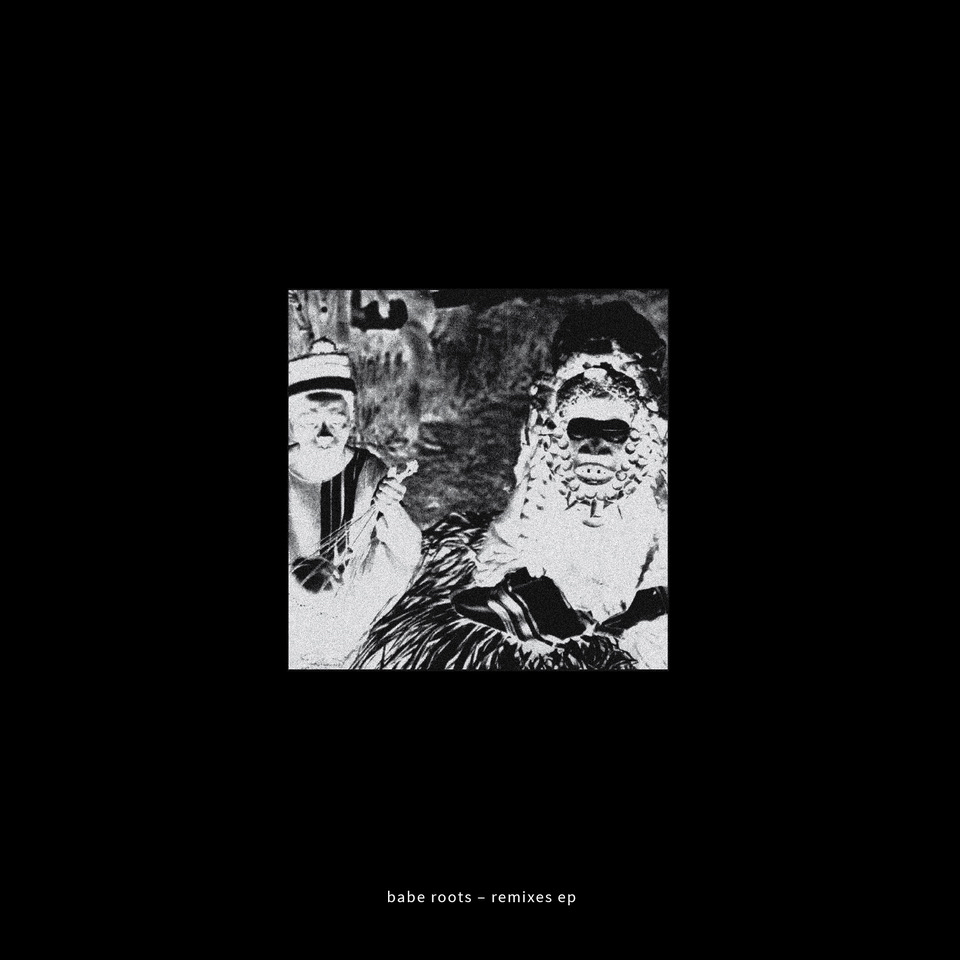
Following the success of Babe Roots & Another Channel’s Takeover EP last year, Denmark label Echocord has revisited the package with reworks from Forest Drive West, Mike Schommer, Felix K, DB1, and Babe Roots themselves.
London’s DB1 leads the package with his take on “Work Hard,” a mostly beatless interpretation fuelled by oscillating white noise, winding dub chord,s and snippets of the original’s dub reggae vocals. Hidden Hawaii’s Felix K then ups the energy levels with a high-octane take on “Sufferation Time,” driven by upfront, shuffled, and distorted drums and unfaltering, tension building dub swells.
Forest Drive West then turns in a typically classy remix of “Jah Nuh Dead,” stripping things back to ethereal pads, off-kilter percussion, and sporadic echoes of the original composition. Former Deepchord member Mike Schommer’s take on “Bless Me” follows, before Babe Roots revisit “Sufferation Time,” delivering a more refined feel this time round with more impetus on drums and dark, hypnotic synths.
In support of the EP, out now, we’re streaming the Forest Drive West remix in full via the player below.
Tracklisting
01. Work Hard (DB1 Remix) 02. Sufferation Time (Felix K Reinterpretation) 03. Jah Nuh Dead (Forest Drive West Remix) 04. Bless Me (Mike Schommer Remix) 05. Sufferation Time (Babe Roots Remix)
Member-supported XLR8R+ presents the return of DeWalta to Los Angeles.
DeWalta’s past performance in Los Angeles has been recognized by many as one of the best day and nights of music that this secret open-air patio in Los Angeles has heard. Please come join us again on September 14 for an extended set by Dewalta (the party will run 4 pm to 2 am). Also joining him will be XLR8R‘s own WXC (wander X cheadle).
This is a FREE event for XLR8R+ members and there will be an open bar from 4 pm to 9 pm. You MUST be an XLR8R+ member to attend this party. If you are not a member, you may become one by joining here on Bandcamp for only $5 per month:
XLR8R+ is a member-supported network and a movement to allow XLR8R to continue to support independent music and journalism. Each month, premium members receive three exclusive tracks from three different artists, a dedicated artwork and PDF zine, exclusive content, private streaming playlists, free festival and event passes, and other valued goods such as sample packs and discounts.
What you’ll get once you sign up:
– The back catalog as high-quality downloads, including every track, zine, sample pack, and artwork we’ve released. – Unlimited streaming of the back catalog via Bandcamp’s mobile app. You can also stream any track that you purchase from Bandcamp via the app. – Free event passes and discounts. – Exclusive access to the XLR8R+ member community—here we will post updates, exclusive mixes, content, and more. – Every XLR8R+ edition moving forward.
THANK YOU for being a member of XLR8R+ and supporting independent culture.
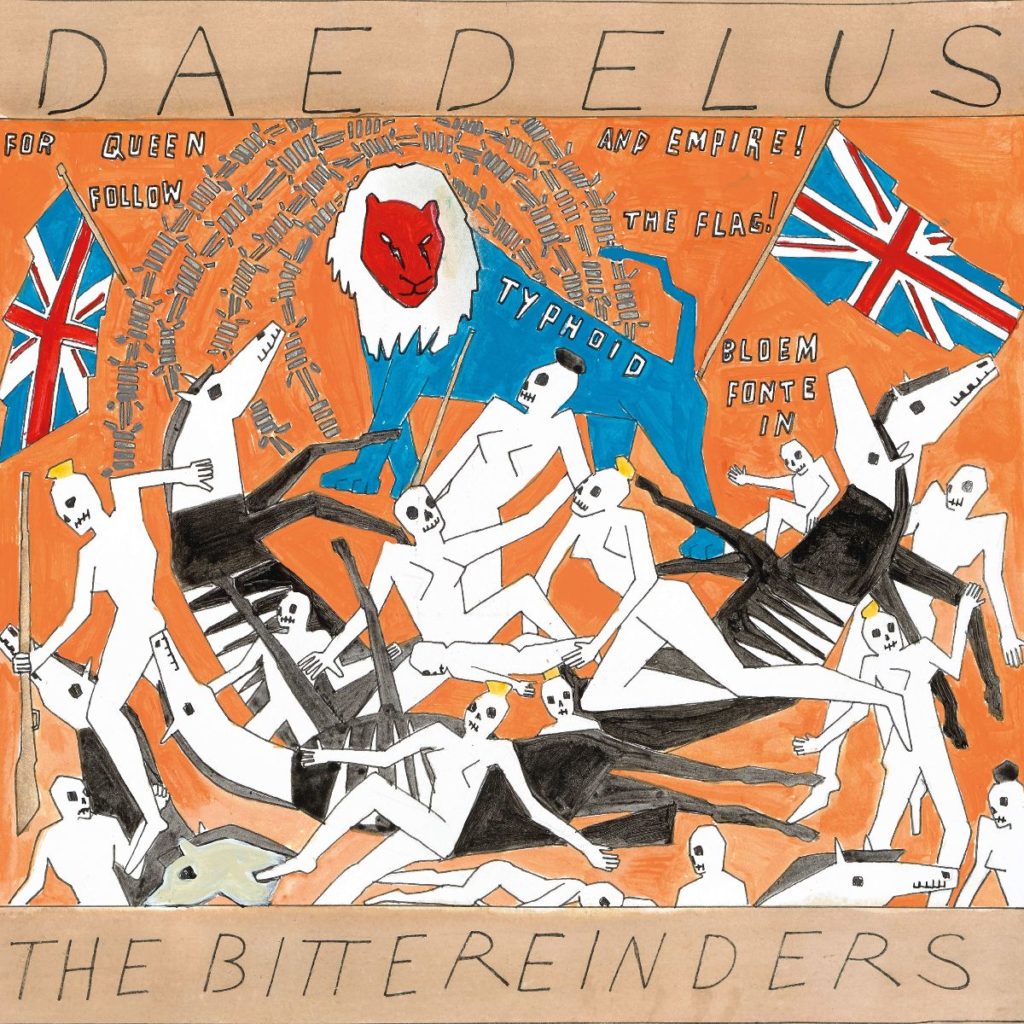
Daedelus (a.k.a Alfred Darlington) has announced a new album on Brainfeeder, titled The Bittereinders.
The Bittereinders brings Daedelus’ End of Empire trilogy on Brainfeeder to a close, following 2010’s Righteous Fists of Harmony inspired by The Boxer Rebellion (1899-1901) and 2014’s The Light Brigade that recalled the Crimean War of 1853-56.
The album dives into the final three-year conflict from the Victorian era that was perhaps its most brutal. The Second Boer War is recounted as fought between the British and formerly Dutch Z.A.R. and Free Orange People and ended by treaty in 1902. What is not made clear in the “counting is the thousands of black and brown people caught in the colonial crossfire of Empire’s endless appetite,” the label explains. This is the conflict that coined modern use of the term “concentration camp” and brought new bloody levels of guerrilla warfare. Just as in Righteous Fists of Harmony and The Light Brigade, Daedelus has taken liberty in using modern sound sources against a backdrop of mystic overtones.
Daedelus recorded the album at Brainfeeder label mate Jameszoo’s Willem Twee Studios in ‘s-Hertogenbosch, Netherlands, an analogue electronic sound and music workspace, and Red Bull Studios in Cape Town, South Africa. It features Lee Thomson (trumpet on “The Irreconcilables,” in a nod to the Township Jazz tradition); Mikhaela Faye Kruger (vocals on “Sold As” and “Veldt”); and Shane Cooper (bass on “Du Sud” with American Amir Yaghmai providing ghost vocals as a connection to the previous LPs).
The Bittereinders LP is out September 20. A limited edition 3LP box set housing the End of Empire trilogy will be released on November 15. Meanwhile, you can stream “Veldt” in full via the player below.
Tracklisting, End of Empire Boxset
Disc I, Righteous Fists of Harmony
A1. An Armada Approaches A2. Tidal Waves Uprising A3. The Open Hand Avows A4. Order Of The Golden Dawn B1. The Finishing of a Thing B2. Succumbing To B3. Stampede Me B4. Fin De Siècle
Disc II, The Light Brigade
A1. Until Artillery A2. Baba Yaga A3. Onward A4. The Victory of the Echo Over the Voice A5. Sevastopol B1. Tsars and Hussars B2. Battery Smoke B3. Belonging B4. Pre-munitions B5. Shot and Shell B6. Country Of Conquest
Disc II, The Bittereinders
A1. Deep in Concentration A2. Trifling A3. The Irreconcilables A4. Sangoma A5. Sold As B1. Anima B2. Staatsartillerie B3. Veldt B4. Du Sud B5. Puts You Under
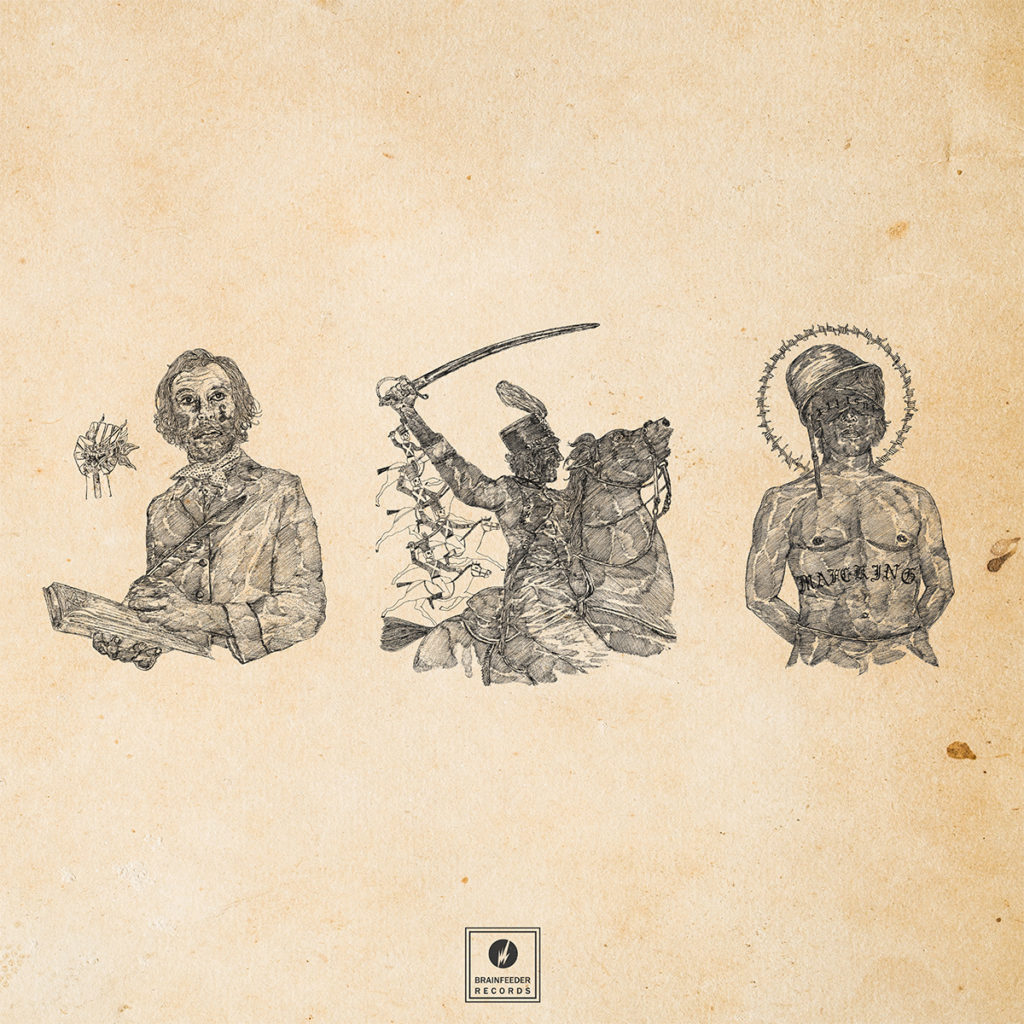
The Bittereinders, album artwork by Umar Rashid End of Empire, boxset artwork byUmar Rashid
We’re told that the music burns with an unabridged intensity, completely different from his last body of work, 2018’s Buried At Sea.
Conceptually, the Los Angeles artist found inspiration for the album’s design in his obsession with the concept of infinity and its mathematical entanglement with the spiritual concepts of the afterlife and the infinite nature of reincarnation and past selves. In algebraic geometry, a lemniscate is any of several figure-eight or ∞-shaped curves.
Unlike all the previous works in his catalog, Cable visualized the concept for Leminscate in one lightning-bolt like experience during a late-night work session.
“I was sitting in my house late at night near the end of last year, probably around 3am, just writing and sketching in my notebooks and brainstorming ideas, then suddenly I was hit with this huge flash of inspiration,” he recalls. “The title for the album, the names of the tracks, the collaborators I wanted to be involved, all sort of suddenly fell in my lap in a moment. I frantically wrote it all down on some note cards I had laying around and the process for making the album started.”
This is interesting to Cable because his process normally involves making lots of music and then finding what feels like an album from the collection. “This was almost the opposite process, where I got the full concept for a record all at once and had to build the parts one by one to fill in the conceptual piece in my mind,” he reflects.
Many song names on the album make references to “lemniscate” and the concept of infinity. The album is described as “a reflection on our inevitable death and the cyclical nature of life.”
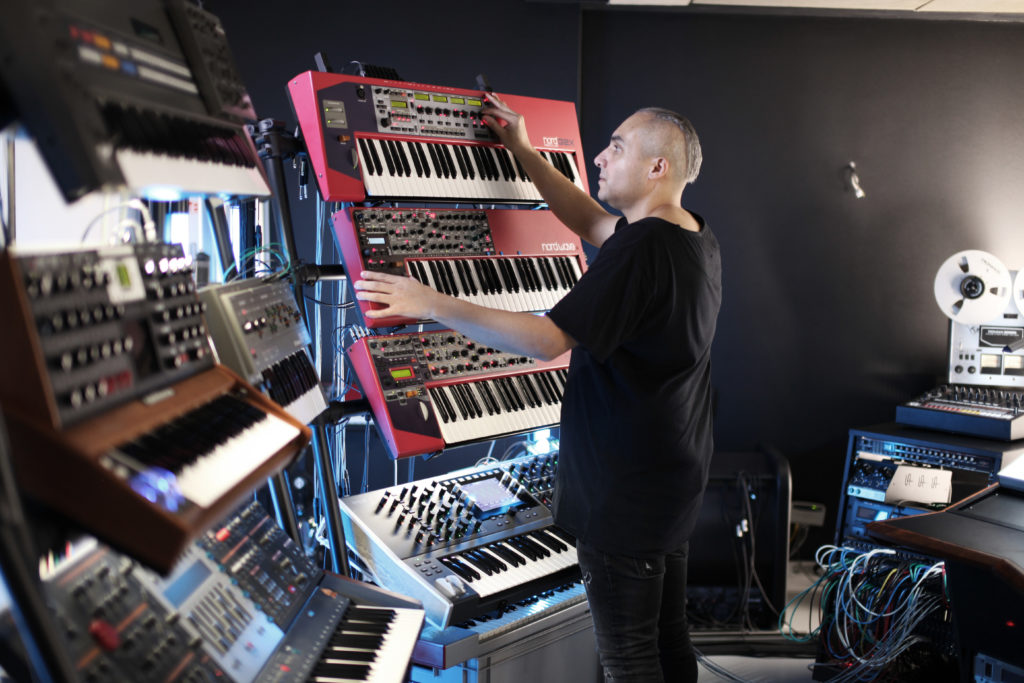
Cable added some unique instrumentation across Lemniscate, including this year’s newly released analog synthesizer module from Moog, Sirin, as well as Oberheim’s Viscount Joint Venture, Arturia’s Keystep, the renowned mid-’70s vintage synth Octave Kitten, and his late father’s Fender Jazz Bass. Hip-hop artist Jonwayne mixed a large portion of the record, with label mate Gangus taking on mastering duties.
Collaborations also comprise the bulk of the recordings on the album:AHEE, Holly, CLYDE, Gangus, and SnakeFoot all feature.
Lemniscate will be pressed in a limited edition run of 100 cassette tapes and will be available on streaming services worldwide. It lands on September 20, with pre-order HERE.
Tracklisting:
01. Aleph (feat. AHEE) 02. Decorated With Ribbons (feat. Holly & MJ Noble) 03. \infty 04. Oculus Non Vidit (feat. Gangus) 05. Möbius Strip (feat. CLYDE) 06. Bridge Across The Night 07. Wool (feat. Snakefoot) 08. Nobokov in Montreux
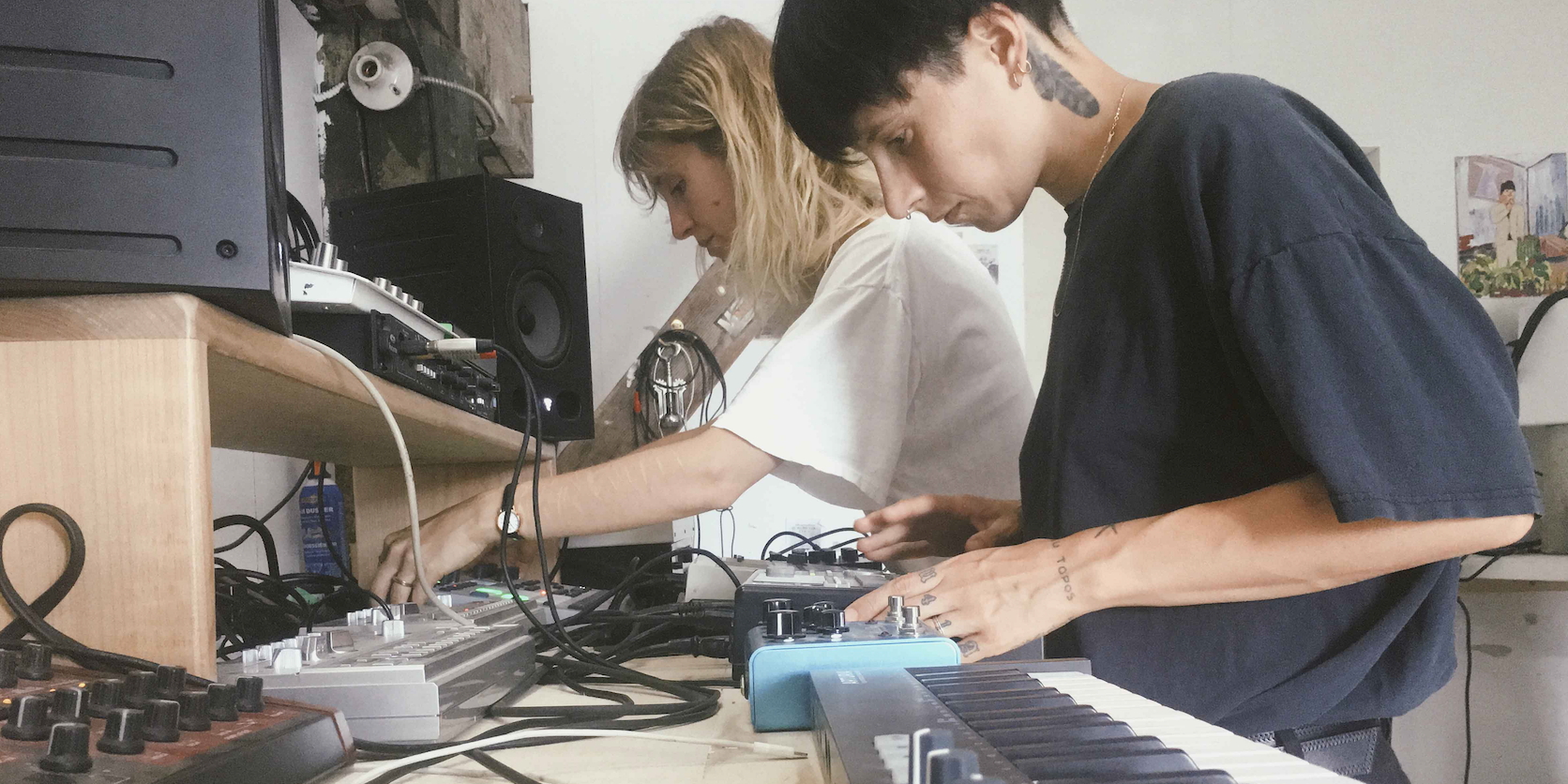
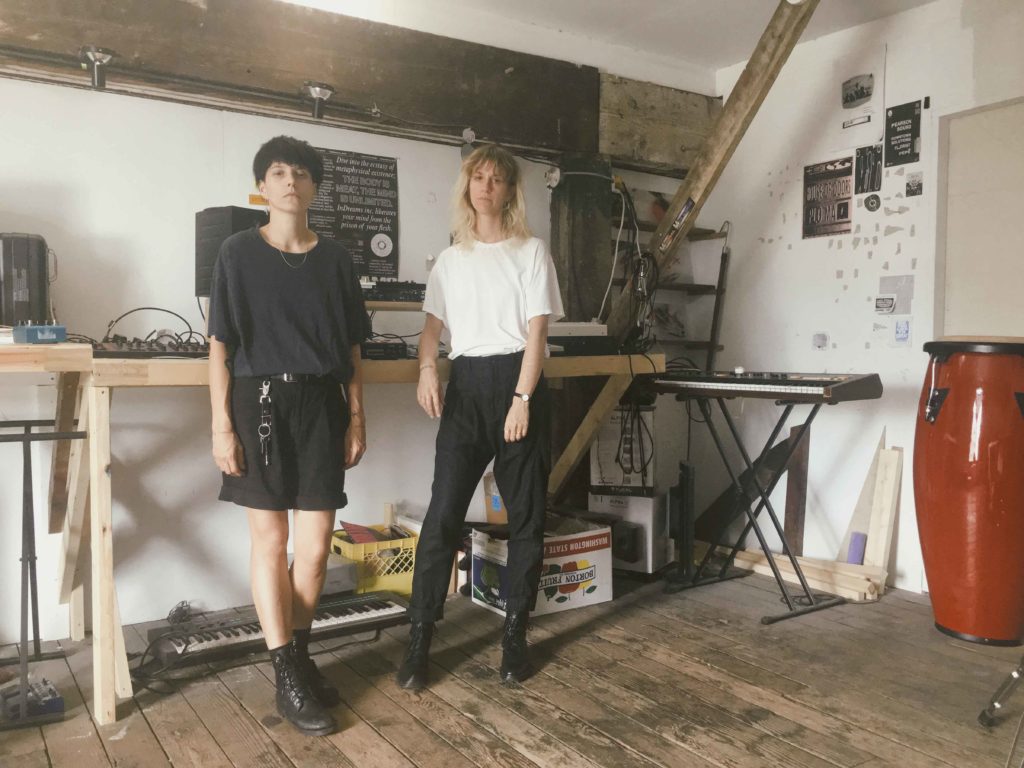
Ash Luk and Lida P’s collaboration dates back to 2015, but the Canadian duo first met in 2013 while working together in a sandwich shop in Vancouver. As their relationship developed, so too did their urge to work together on something creative, perhaps something in writing or visual art, but their shared interest in music made this their artistic medium of choice. Lida, who studied drawing and critical theory at Emily Carr University of Art and Design, had a diverse taste in music, whereas Luk came from a punk background but divided her time in music between two projects: lié, a three-piece dark punk band; and a minimal synth project called //ZOO. This served as a backdrop to their experimentation, and together they ventured into more straight-up house and techno.
The fingerprints of Vancouver’s underground punk community are all over the duo’s work. They became known as part of the city’s Sacred Sound Club, a collective that champions experimental and noise sounds, and so began sourcing their first pieces of hardware gear—often no more than “a few din-sync linked synths and drum machines alongside a sampler and a casio we found next to a garbage can,” they explain. Listen to their work, from 2015’s Heavy Slave debut through the EPs on 1080p and Lobster Theremin, and their debut album, InDreams, via Ninja Tune’s Technicolour, and you can’t help but bask in the rough and ready sounds, referencing heavier UK rave, hardcore, and also brutalist EBM. Both aggressive and frenetic, dark and delirious, the Minimal Violence sound is a relentless assault on the senses, with jarring moments of disorienting chaos all held together by oppressive kicks and scattered breakbeats. It makes you want to move—really move.
InDreams is the most solid example of this. It’s harder than anything they’d put out on record before, made of several hardware jams (most exceeding 130 BPM) that had been received well in their live sets. As with much of their work, at times it can feel chaotic and overwhelming when listened to in private, but there’s something inside you that makes you want to hold on that little bit longer, to attune, and listen some more. The efficacy of their music in the club context is extreme—tracks like “June Anthem,” with its pop tropes, and “Last One At The Rave” will slay any dancefloor—but its otherworldly aesthetic, manufactured with non-conformist and uncompromising structures, ensure that its relevance in regular life is not lost.
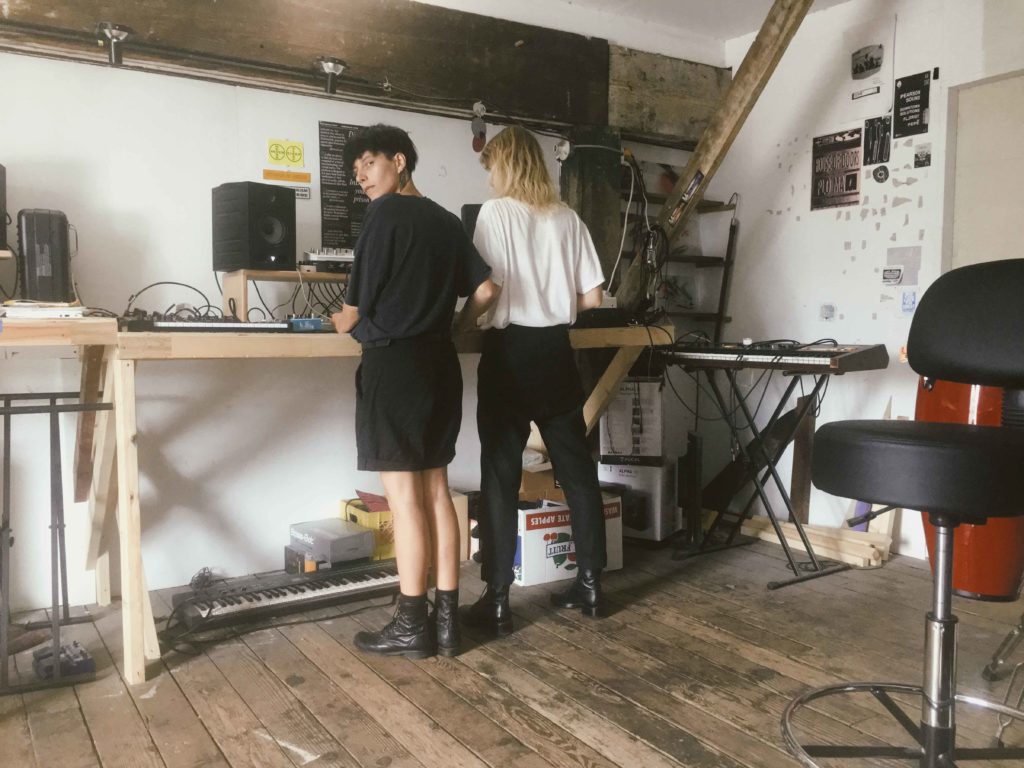
Off the back of their album debut and a recent contribution to XLR8R+, we connected with them one afternoon in their studio, based in Deep Blue, an artist-run event space in Vancouver, as they mull over a move to Berlin and begin their search for a new home to continue making music.
What was it that drew you both to music, individually and collaboratively?
Ash: I can’t remember a time when I wasn’t drawn to music. I attribute this at least partially to my mother who, while growing up, was a promoter in a local legendary punk bar in Winnipeg, The Royal Albert. I’ve been playing in bands for years but making music with my partner, being creatively active together, and getting the opportunity to travel together seemed like the best possible idea.
Lida: I have to admit that making music was never something I was really drawn to on my own. Ashlee definitely has always had the advantage of being more in the comfort zone. However, I liked the challenge it presented. And I was also drawn to the machines, especially since MIDI enabled me to bypass my terrible lack of natural rhythm!
How did you acquire your first gear to begin making music?
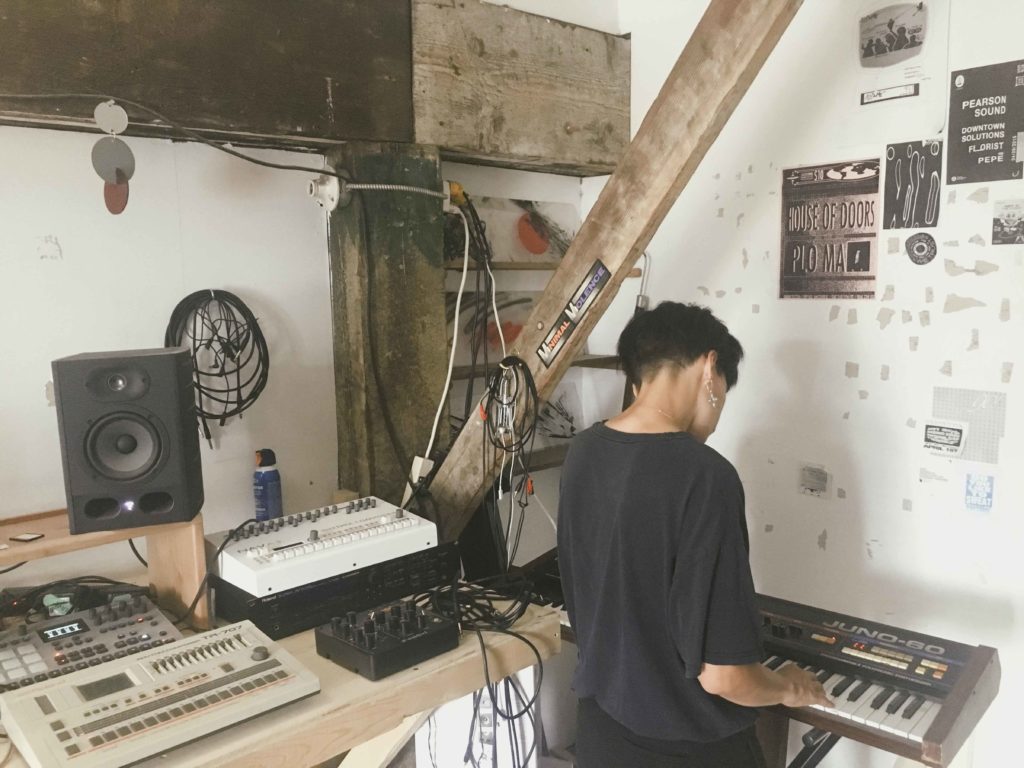
Ash: The first piece I bought personally was a Juno 60, for //ZOO, my minimal synth project. I found one on Craigslist for CAD$600 which, at the time, seemed like a lot but it was a really great deal in retrospect. I remember lugging it around to play gigs with. I soon wanted a drum machine to pair it with and ended up getting a TR-606 so that I could use the sync to trigger the arp on the Juno.
Lida: Ashlee and I started checking Craigslist to get a sense of what was available, affordable, and would make a good addition to what we already had, which, to begin with, was nothing more than the Juno, a Roland-TR-606, a Roland SP404 SX, and some little interface. A Roland TR-707 was the first thing that caught our attention, and it has consistently been one of my favorite pieces of gear since!
Was it just a case of getting your hands on anything you could get your hands on, or were you looking for a certain setup?
I don’t think we totally knew what setup we were looking for, but we also weren’t just looking to grab anything. I actually think we were looking for interesting vintage pieces. We’ve always sought out things with specific character over the most hyped synths of the moment. I guess we still lean more towards units that have identifiable sound qualities rather than using gear that are more aimed towards sound design. Things like the JV1080, JP8080, TR707, and MC505 are all pretty inseparable from their sound, and good examples of this.
How did you afford to all of this?
Actually a really important question, as I often feel the focus on hardware can be perceived as elitist, and it some ways it really can be. We definitely didn’t have the money to get all these things up front. It was a matter of working and saving for one piece at a time. We decided to take a break from drinking, and this meant that pretty much all the money we were making was going straight into music-related items. But having the option to put the money we saved towards music gear I think is important to acknowledge as a privilege in itself. For newer things like the SBX, we were able to do a layaway plan at the music store (pro tip: Long and Mcquade does not do credit checks!) Also, to be honest, a lot of our gear at the time was acquired based on price. The JV1080, for example, was a piece a friend was getting rid of for super cheap; we researched it after he told us about it and it sounded like it would fit perfectly into our sound. Most of the gear we initially acquired was then later resold to fund future purchases.
Talk to me about the decision to start Minimal Violence: what inspired you?
We wanted to explore something creative together, and the decision to take a year off drinking gave us plenty of free time and a new focus. Music just seemed natural, although Lida was more involved in the art community so we worked to tie that into the project wherever possible as well. We both enjoyed going out dancing and watching artists perform live and we just wanted to engage more with that community.
“We’re not trying to recreate tracks that have already been done; we’re trying to imagine how we would have approached them at that time. We do this by including some signifiers of a genre while completely disregarding other conventions.”
— Minimal Violence
What was the vision for the project back then?
I don’t know if we had a specific vision when we started; it was more just about learning to use the pieces we had at hand. We both enjoyed artists like Chris and Cosey, Dead Can Dance, Medio Mutante, and others in that realm, and I think at first saw the project going in that direction. We even had vocals on the first few recordings!
That’s a far cry from what you make today. How did your sound evolve?
It might have been influenced by things that we have been listening to over time. I remember the first time we heard Frankie Knuckles’ “Baby Wants to Ride” and being blown away by how it can feel just as dark as an industrial/minimal synth track but still hold the dancefloor in such an intense way. I think that was a huge turning point in when we started further exploring house and techno.
From there on, I feel like our sound has followed a progression that reflects a middle ground between our original influences and what we are currently listening to. We still hold onto certain elements of the sound we were trying to craft originally while incorporating our interpretation of genres we admire, like ‘90s techno, for instance, or UK hardcore. We’re not trying to recreate tracks that have already been done; we’re trying to imagine how we would have approached them at that time. We do this by including some signifiers of a genre while completely disregarding other conventions.
Can you remember specifically when you found a sound aesthetic you liked–when it “clicked?”
I feel like we’ve only recently come into ourselves, but there has definitely been a consistent quality throughout all of the recordings. Some of our earliest work leaned towards the sound being put forth by labels like LA Club Resource, that borderline non-functional grit that is reminiscent of the aesthetic qualities of punk. And our sound, although deliberate, has also always been a product of our limitations. Our choice to work with certain pieces of hardware and focus on an attempt to re-create a live feeling are also defining qualities of our sound aesthetic.
What were your processes like to begin with?
Very much trial and error! We started with just the initial pieces Ashlee already had [from their minimal synth project] and tried to figure out how to work those into a new process that allowed for more layers and overdubs. Up until that point, neither of us knew anything about MIDI so everything was just triggered by the 606 and we could only have pieces that used din sync. (I think this was around the time we acquired the TR707.) The most game-changing part of our process is when we started using an SBX Sync box, as this allowed us to sync all of our din sync pieces to the master clock in Ableton, therefore allowing for multiple overdubs and adding other MIDI-clocked pieces into the mix.
What were your go-to places to learn the more technical side of your processes?
A lot of Google searching. This generally leads us to become voyeurs on forums in search of answers, but oddly we have never actually typed a question into a forum or Reddit, or anything like that. We also found that Attack magazine was a constantly revisited resource, because there are really great tutorials that taught us a lot from the basics to more specific processes.
“Creating gave me something to channel that energy into; instead of needing to go out and get wasted, we can stay in and work on creating something.”
—Ash Luk
How does the satisfaction of electronic music compare to your other artistic endeavours–drawing, for you, Lida, and punk, for you, Ash?
Lida: Drawing and writing are both very much solitary activities that come naturally to me. I don’t actually share the products of them with people often, but I’m trying to change that. With music, I work alongside Ashlee so it is more of a playful process outside of my own head. Additionally, I am forced to be present in the public sphere. I’m more of a shy and reserved person, so performing and playing live is something completely out of character for me. I’ve learned to gain satisfaction from proving to myself that I can do it despite it feeling incredibly uncomfortable at times.
Ash: The satisfaction of punk music is in the visceral nature of the performance, and the response of the crowd, but I also feel like this is something I have actively channeled into Minimal Violence; it’s an attempt to conjure the energy of a pit into a dancefloor. And in some ways, I feel like it’s even more successful in this setting: the dancefloor is less centred around masculine energy than the traditional mosh pit.
Also, in comparison to what I’m used to when playing in bands, electronic music feels like a solitary activity for me. Aside from the obvious parts that are formed on collaboration, there are also the parts that allow for each of us to get lost in the mixes and in our own heads. In addition, I credit electronic music for providing me with an escape from the toxicity of party culture. This kind of seems like the reverse of what most would assume of playing in clubs consistently, but for myself I struggled a lot with drugs and alcohol before starting Minimal Violence; although we play parties and still attend, we now have a different relationship with the culture. Creating gave me something to channel that energy into; instead of needing to go out and get wasted, we can stay in and work on creating something.
What are the key pieces of gear in your studio nowadays?
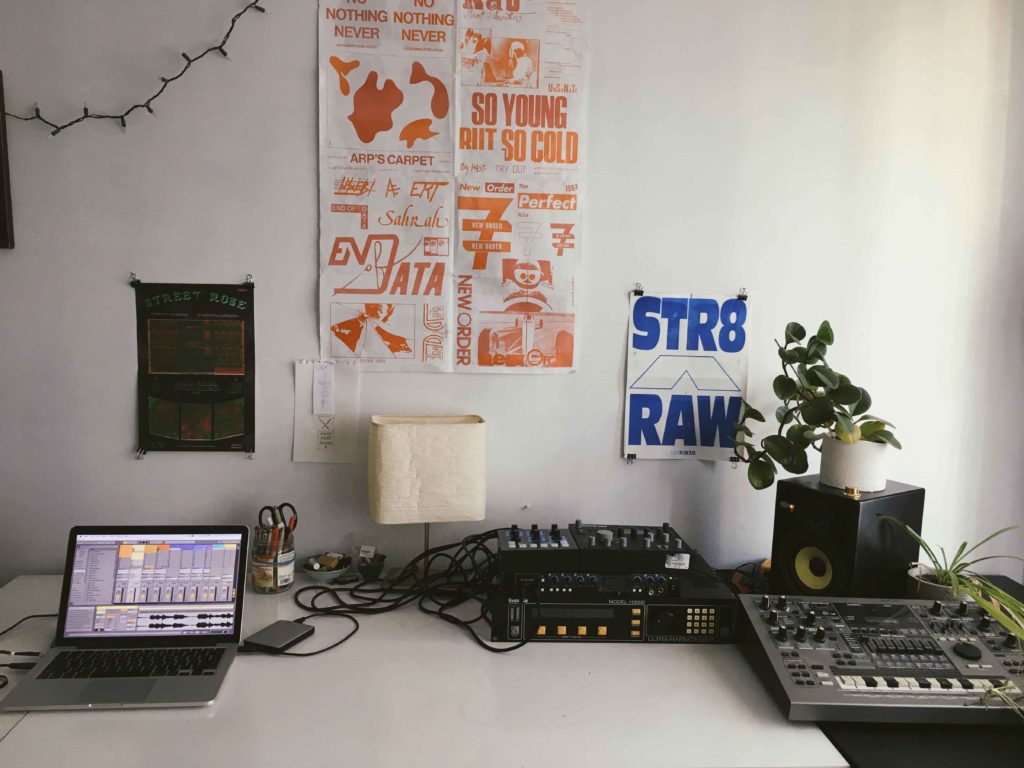
The MPC1000 is a vital piece when composing, as is the Arturia Keystep, which we go to often when coming up with synth lines. The Nava 909 is key to all of our recordings as well; it pretty much plays and sounds as close to the real thing as you can get. Another studio favorite is still the Juno 60. It’s the first synth either of us ever owned and it still finds its way onto nearly every track. A recent piece that I find completely indispensable is the Oto BIM: it’s a 12-bit stereo delay and we’ve been tossing it on just about everything. Even just as a sound module, running it through the delay bypass mode gives an amazing warm 12-bit texture to everything it touches.
Are you using Ableton as your master clock and main hub?
When recording, Ableton is the master clock so that we can easily go back in and overdub / layer in new parts. We run directly from Ableton to the SBX so that we can also run sync to the 606 and Juno.
Where do you research your gear?
Articles like this one sometimes, actually the Tzusing one pointed us towards the Soundtoys plug-ins which have been pretty useful when mixing! We also research specific recording techniques/gear used by artists we respect. There’s no specific place for this, but Google will lead us where we need to go. We’ve definitely spent a lot of time looking into ‘90s rave sounds as well as Skinny Puppy and early NiN gear!
How do you strip your setup back for your live performances?
We build our live sets around what can fit into two carry on cases. We always want to be able to bring everything on with us instead of having to check any gear. It’s shifted a bit over the years but some things have always remained, like the MPC1000 and TR707. Those two are crucial to our flow and sound. We had a Nava 909 clone in our setup for a while which was amazing, but those things are glitchy since they are from a build kit so after having it not turn on for a couple of shows we decided to replace it with the Analog RYTM which is one hundred percent reliable and has a bit more flexibility as to what we can do with it. Lida even triggers some of the hoovers and stabs from the RYTM now too. The Virus A is also key to our live sound; most of our synth parts are sent to this and it has such an intuitive workflow for live. Being able to switch through the multi-timbral mode so seamlessly to edit parts on the fly is hugely important to our live set.
Are you using the RYTM for its internal drum voices as well as a sampler?
Just a sampler. To be honest, we just got it to replace the NAVA in our live setup since it was pretty unreliable. So it’s just packed with 909 samples plus some R100 and some stabs and random sample bits. We haven’t really delved too far into the RYTM’s drum synth capabilities, maybe one day, but maybe it’s not really our sound. Like we mentioned, we tend to lean towards units with very characteristic sounds—solid interface and great for messing with sampled bits though!
Talk to me about the process for starting a track: is there a set starting point, or is it a jam?
Generally, we start with something we’ve written for the live set. We will play through it together like we would live to try to harness some of that live energy and flow but from there we will use that as the draft and begin piecing everything together. The kick will generally be the only thing we keep from that first run and we’ll go back through and track everything else individually, separating each of the drums onto their own channel, playing each synth part fully through while messing with the parameters to work with the flow of the piece. We will constantly refer back to the first pass as a reference for placement of each part. Once this is all in, we look into elements to add and subtract that differentiate it from its live version. Maybe with some samples, or by replacing a drum part or adding a new synth line. Often after all this is done, we’ll take another look at the piece in the home studio setup and run different parts through effects and send them back into the mix sometimes altering them to the point where they are completely unrecognizable from the original.
But how do you go about forming something for the live set—what’s the process there?
It generally begins with a kick in the MPC, or a few different kick patterns to shift between. From there, generally one of us will come up with a melody and sequence that goes into the MPC (although occasionally if we have a sample we really want to use we will start with that and work the melody in after the fact). Once we have a groove, Lida will start programming all the other drum bits. From there is can really go anywhere. We generally write a few sections to each live track so we shift between different patterns and synth lines while some parts stay continuous.
It’s interesting that neither of you are educated in music. How do you feel this has affected your approach to making and performing music?
We both did 10 years of classical piano training when we were young so we had that as a basis for musicality. But our ignorance of “proper” techniques in electronic music has definitely been a key part of our sound. We’re more focused on creating something that sounds right to us than something that sounds like everything else. This has admittedly at times been a hindrance, mainly because we don’t succinctly fit into any one genre so sometimes we’re hard to identify or people don’t know where to fit us, but most of the time I think it’s worked to our advantage.
What specific areas are you trying to improve at in terms of production?
We’re trying to learn more about the mixing process. We’ve had a few records where we’ve done it completely ourselves and some where we’ve got help from friends/mixing engineers, and we want to get to a point where we are comfortable enough with our own mixing skills and ears that we can confidently get a mix to where we want it and choose whether or not we want to work with someone else for final touches or not. I like working with other people who focus more specifically in this realm as they have a critical approach and an ear for frequency detail that we just don’t. Our focus is on crafting songs and creating a sonic environment.
What sort of feeling are you trying to stir-up in the listener, if anything at all?
Anxiety, tension, unease, But also nostalgia and sentimentality. We don’t want our music to make people comfortable by any means but we do want to make people feel something as opposed to just making cold, atonal music, whether it be functional or not. Often our music is not functional; the textures are too dense to play out or the structure is not catered to the flow of a DJ set. I guess we don’t really write with the DJ in mind, but we do write with the dancefloor in mind; we want the songs to be full of energy, but the type of energy you have in key moments, like the break of dawn.
Do you distribute your latest material to DJs—and what’s the response been?
We do. It seems like people are into it. Although we don’t specifically write with a format in mind that’s catered to DJs, we still hope the tracks get played out, and we love to see videos of people dancing to heavy ones, like “June Anthem.”
How do you spend your time outside of music–professionally and otherwise?
Ash: I’ve recently been focused a lot on tattooing. I’m still learning and have a long way to go but I feel like it’s something that I can see myself continuing alongside music as I progress; it gives me a separate creative outlet to channel energy into which is especially good when I need a break from music. Another recent focus is running and fitness in general. Fitness is especially important when touring in order to stay grounded. It’s a space where I can both clear my head and seek inspiration. I often am dissecting music as I run. I found listening to music problematic when studying in school because I would get distracted analysing each individual part but I feel like this has a positive effect when running because I’ll get so lost in the tracks that I’ll forget about how long I’ve been running. Also, I’ve been slinging coffee for what seems like forever.
Lida: I worked retail at a fancy independent clothing store in Vancouver until the start of this summer. I finally got fired for not being perky enough. I’ve been working on my health a lot this year, part of this involves being more active and getting into running with Ashlee. I’m attempting to stop drinking entirely again, especially when playing shows. I have a mood disorder and anxiety, and I am focusing on trying to figure out how to manage them both on my own terms and while touring. As mentioned, I draw and write as well. I read a lot too.
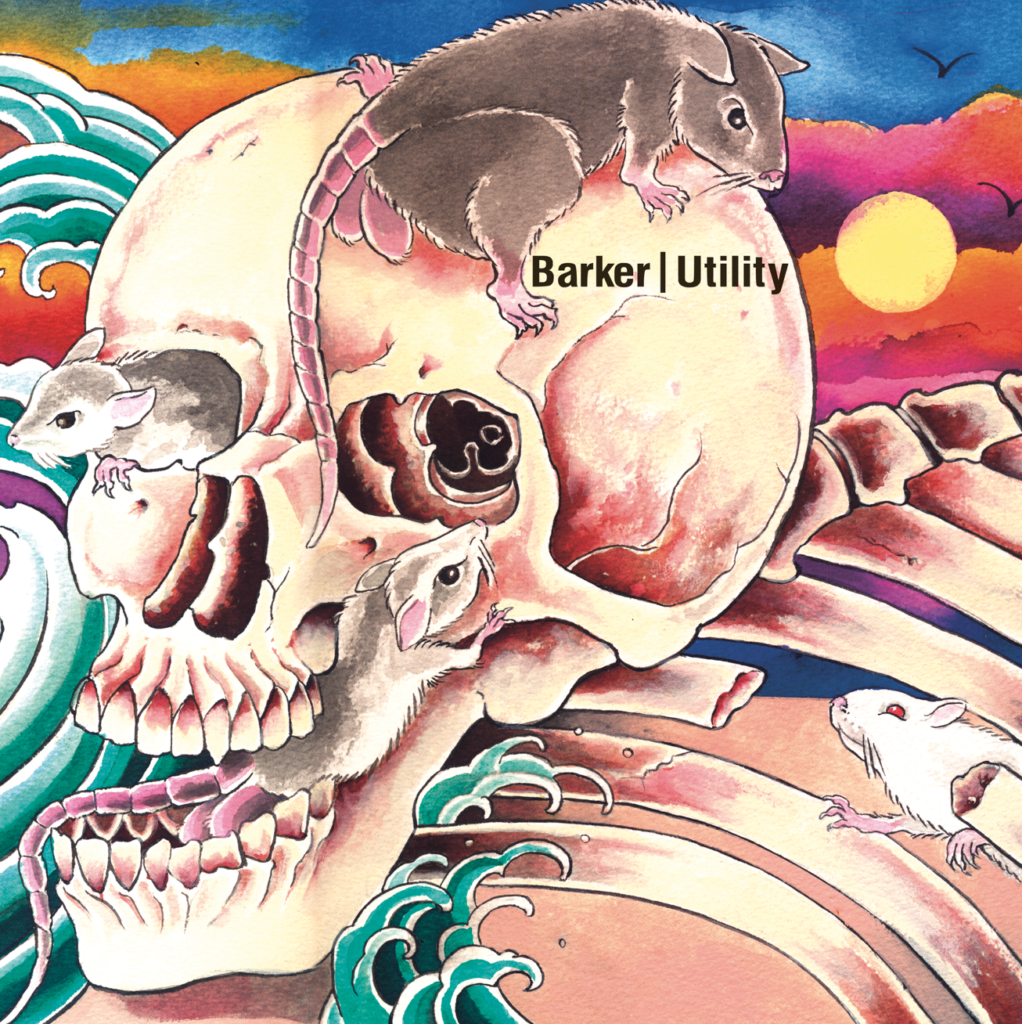
Barker’s debut album is streaming in full over at Hyper Machine.
Barker, Berghain resident and Leisure System co-founder, has spent the last few years exploring the euphoric potential of altering key variables in dance music formulas. This is perhaps best captured on his 2018 Ostgut Ton EP debut, Debiasing, which was flush with unconventional rhythmic chord stabs, melody, and percussion but entirely devoid of kickdrums. What seemed like an experimental exercise on paper was in reality equally geared towards the club, and this model— tracks that work for the floor while resisting the genre categorizations that kick drums often provide—has come to define Barker’s sound.
With Utility, Barker turns his focus toward melding experimentation and dancefloor pragmatism with the psychology behind the music-making process.
In his own words: “After Debiasing, it occurred to me that my musical decisions were often unintentionally utilitarian, following an instinct to maximize pleasure in one way or another. It’s sort of unfashionable to admit, but by removing elements that have strong genre associations, this became a natural consequence.”
Accordingly, Utility is a playful musical approach to a whole spectrum of utilitarian and trans-humanist ideas: from models for quantifying pleasure and “gradients of bliss” to abolishing suffering for sentient beings (not just people) through the ethical use of drugs and nanotechnology. Over nine tracks, we’re told that Barker’s vision ebbs and flows through waves of deeply psychedelic musical vignettes; expect free-floating and futuristic melodies and rhythms targeted at brain stimulation.
Utility LP lands on September 6, with a stream below.
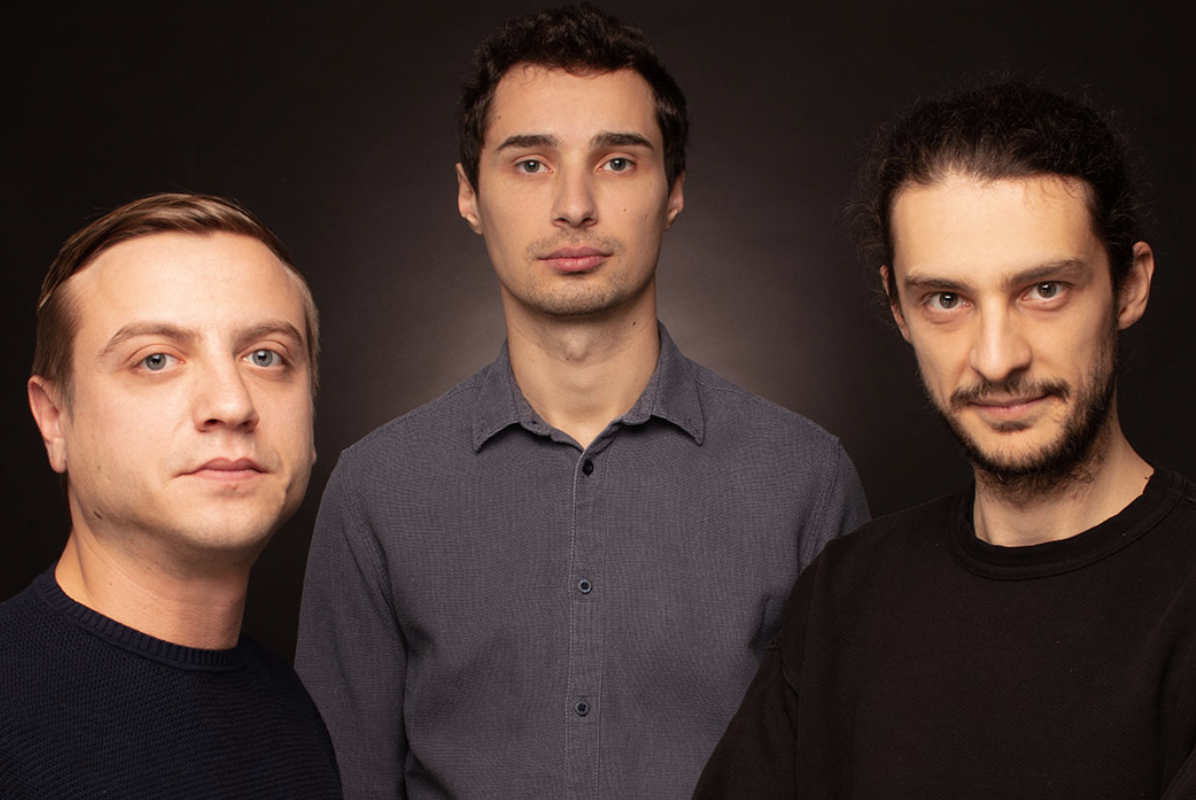
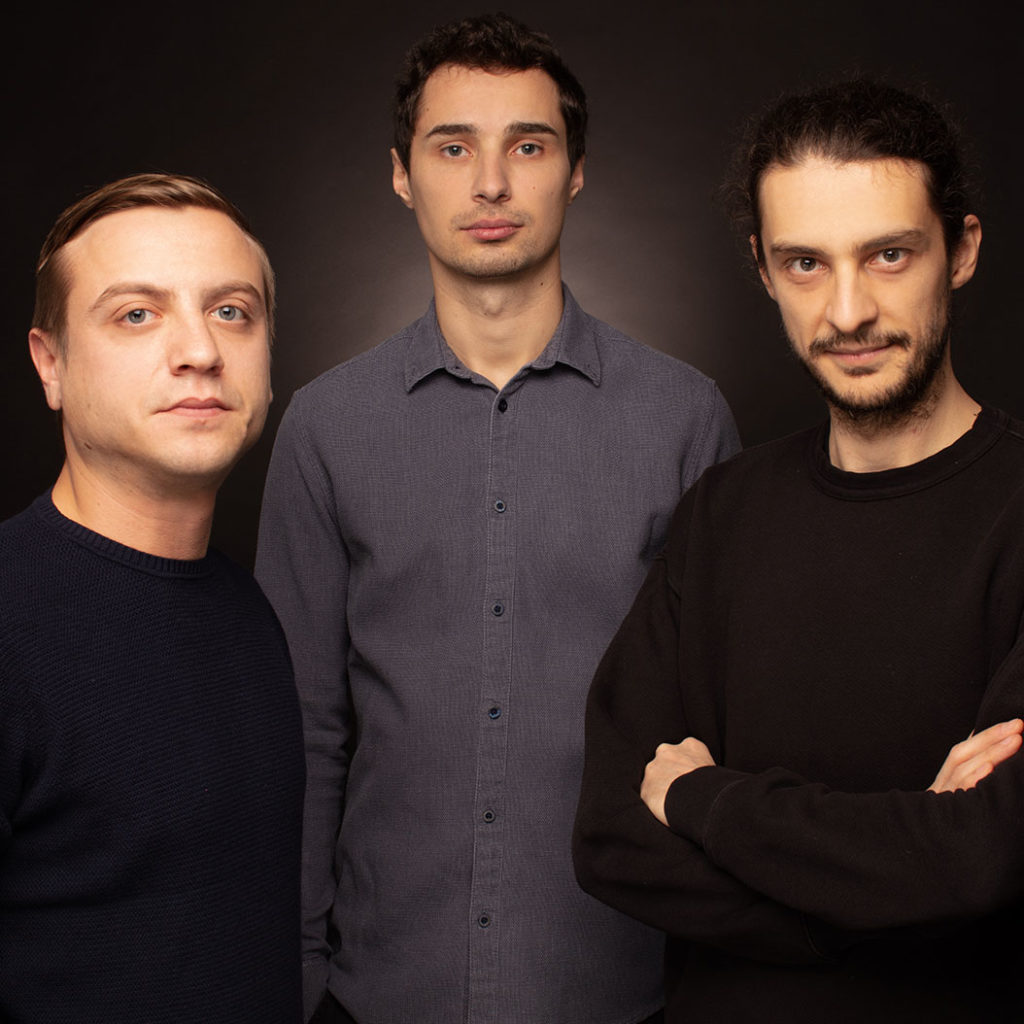
Amorf will release a new EP via Amphia later this month, titled Ancient Future.
The EP anchors itself on the organic juxtaposition of traditional elements, like piano, long-winding pads, and futuristic soundscapes. It’s the trio’s first outing since last year’s Dimensions EP, also on Amphia.
Opener “Recall” exhibits a “dynamic playfulness of instruments, the arrangement materialising into a complex narrative that takes you on a whimsical quest,” the label explains, “with enigmatic piano excerpts and colourful percussions. “Momentum” is more introspective; the piano, mellow bass grooves, and intricate rhythm section all fuse together to create “a laid-back frame of mind.”
Amorf is the collaboration of Mischa Blanos on one side and Cristi Cons and Vlad Caia (together known as SIT) on the other side. Hear their XLR8R podcast HERE.
Tracklisting
01. Recall 02. Momentum
Ancient Future EP is out September 17 on vinyl, with “Recall” streaming below.
When the news came through on the morning of the event, Thursday, August 8, that Houghton had been cancelled due to severe weather warnings, it left those lucky enough to have tickets in a state of disbelief. About to walk out of my door, all ready for a weekend in the Norfolk woods, I received a text message that at first I thought was a joke, although I’m certain that I wasn’t alone in this. One of the main UK festival events of the summer had evaporated before it had even begun, and along with it one of the most exciting lineups of 2019.
Based in London, only a few hours from Houghton Hall, the blow was a lot softer for me: I heard of people flying in from New York, Indonesia, and even Australia—although this does sound a little inflated—specifically for the weekend, which must have been an extremely difficult pill to swallow. But Houghton is based on a love for music and a sense of community, championed by curator and co-founder Craig Richards, and these two foundations brought London together for a weekend that became unofficially dubbed “Off-Houghton.” Beginning on the Thursday and ending in the small hours of the following Monday morning, the impromptu celebration was never going to match the expectations of the festival itself, but what happened was uniquely memorable in a different way.
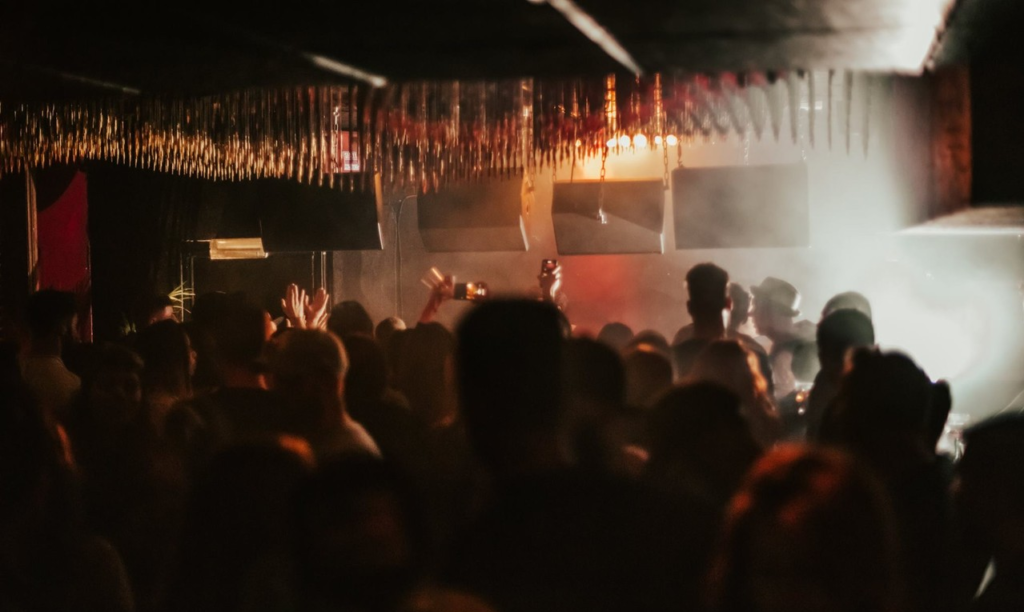
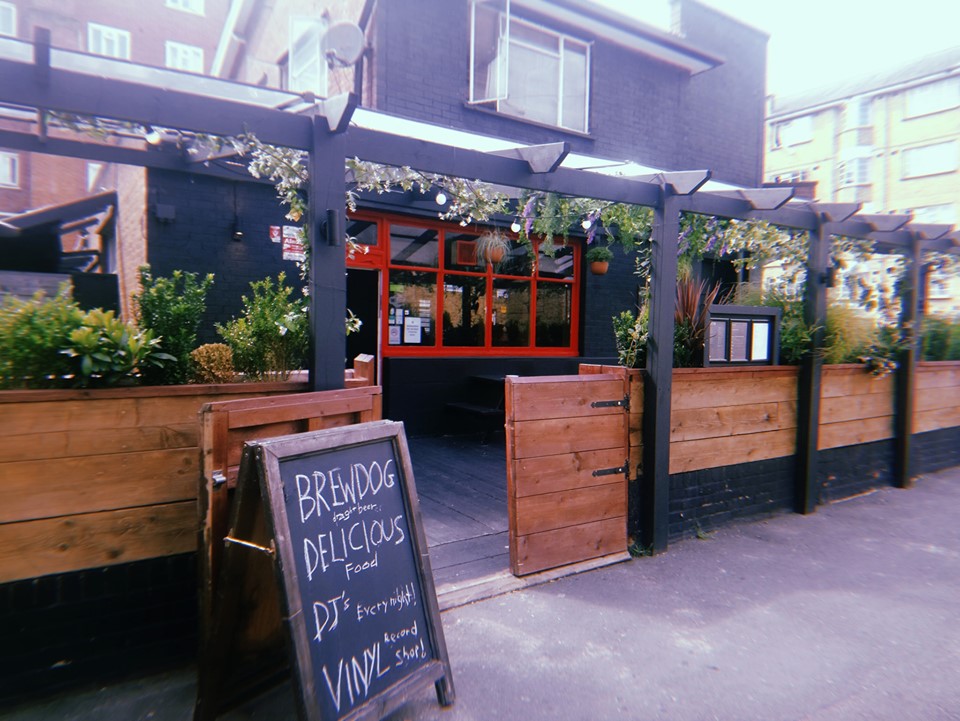
It took a few drinks for the air of frustration to dissipate, and no sooner had proceedings begun at Star Lane Pizza Bar, where local promoters Oscuro and NorthSouth Records had pulled together a night with Admnti B2B Laidlaw, Sam Bangura, Harry McCanna, Dale Mussington, Jack Ling B2B Jayar, Thoma Bulwer B2B Anna Wall, Andrea Dave b2b Francesco boffa and Lorenzo Di Michele B2B Nicky Macha. A pizza restaurant during the week and a party spot over the weekend, the small East London venue boasts one of the finest sound systems in the capital and is now an established spot with classy bookings each weekend.
It wasn’t until Friday, however, that “Off-Houghton” really found its swing, beginning with the opening of The Lion and Lamb, which became the focal point for the weekend. Located in the middle of an estate in Shoreditch, in London’s east, it opened in 2016 and has become something of a London institution for the local electronic music community. Essentially, it’s a little English boozer with a faultless system and top-end soundproofing, rumoured to have cost £60,000 on its own. Behind it are four DJs, namely Andre King, Ricardo Campos, Mauro Ferno, and Ivan Santos, each with a history in the London music scene. Having worked in the music industry for over 20 years, King’s close-knit relationships ensure that bookings at The Lion and Lamb are consistently on point: Andrew Weatherall, Francesco Del Garda, Joy Orbison, Calibre, Binh, Glenn Underground, and Daniel Bell are among the names to have played there.
With the eyes of the local music crowd fixed firmly on Houghton, The Lion & Lamb was due to close over the weekend, but by 2pm on Friday it was bursting at the seams for Voigtmann & Friends—Houghton Crew Assemble, which sold out in two minutes—no surprise given that capacity can be no more than 200. Queues for those seeking a ticket on the door stretched around the block, and many of those waiting still had their tents and bags with them. Others, mainly those who arrived too late to have any realistic chance of entry, gathered at a local park, bringing a festival vibe to Shoreditch; and one guy even attempted to erect a tent. The party was one to remember with Silverlining, Bruno Schmidt, Taimur, Patrick Kln, Barnaby Samuel Young (a.k.a Mr Shiver), and Thoma Bulwer providing the goods, all before Voigtmann laid it down in typical fashion.
Naturally, a weekend off became one of the year’s busiest for The Lion and Lamb, with three events over three days. Cartulis, a London-based party run by DJ-producer Unai Trotti, joined on Saturday, before Sunday’s NorthSouth VS Lion & Lamb Day Party, a more lowkey family affair, brought the curtain down.
The Lion and Lamb
Elsewhere on the Friday night, Nicolas Lutz and Francesco Del Garda were playing at Fold and Village Underground respectively. The latter was someone I was particularly excited to see after his set at last year’s Houghton, and Underground is one of the staple nightclubs in London’s bustling scene, set in a revamped warehouse once used to store shipping containers and tube carriages. The Italian artist was joined by Christian AB and Max Vaahs, but the heavy bass of Village Underground’s system didn’t lend itself well to the intricacies of the music. I’ve no doubt that the music was good, but the venue’s system wasn’t properly equipped for the subtle nuances in groove; but it’s hard to be disappointed given the last-minute nature of the party.
Only a few miles away, Fold and Cartulis were presenting Lutz alongside OMAR, Michelle (Live), KINO, and Unai Trotti. Since Trotti founded Cartulis in 2009, he’s developed a strong relationship with DJs in these orbits, bringing the likes of Akufen, Zip, Jane Fitz, Onur Özer, and Baby Ford to play. This all paid off, as Trotti and his team pulled some strings to throw what turned out to be one of the biggest parties of the weekend, with tickets selling out almost instantly online.
In contrast to Village Underground, Fold, a new-ish London venue, is nicely setup for music of this nature. Founded by Lasha Jorjoliani and Seb Glover in 2018, it opened during a particularly volatile period for London clubs, with many closing their doors forever.
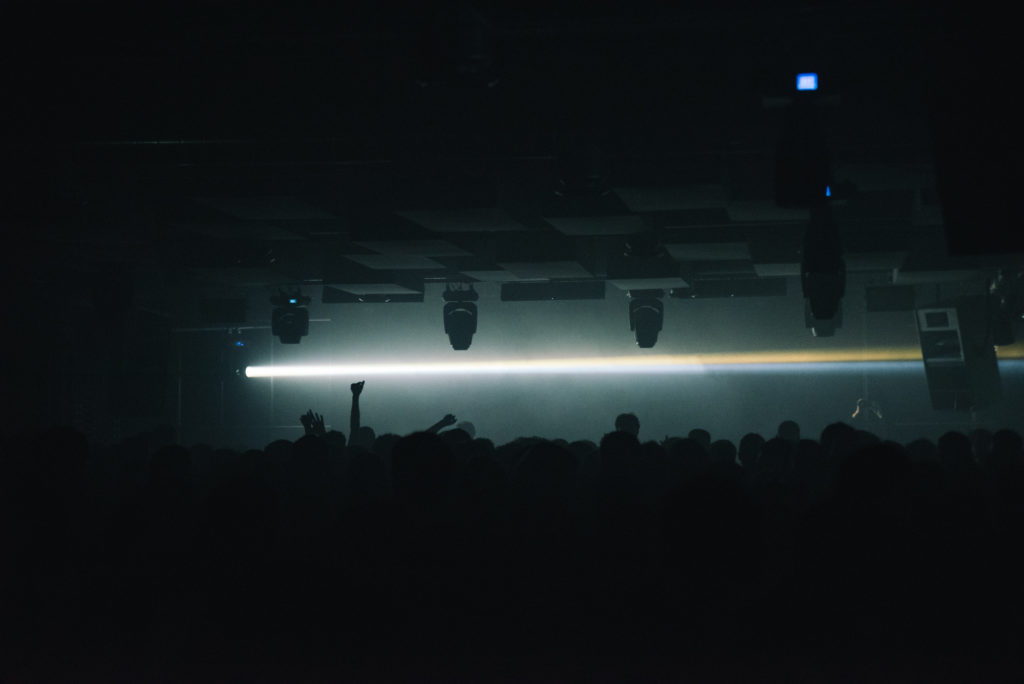
Located a few minutes walk from Canning Town Station, it’s a venue that focuses on the bare essentials, which is little more than a big dark room, a DJ booth, a bar, and a top quality sound system. It’s not flash, but what it does it does well. Like in Berlin, there’s a strict no-phone policy, and this contributes to an atmosphere not often found across London. Lutz and Trotti were particularly strong, delivering hours of intergalactic grooves that, in truth, could have continued well past the 6am cut-off point. For a few moments, you could have been mistaken that Houghton hadn’t been cancelled at all.
Starlane Pizza Bar hosted a little afters, but it felt time to return to The Lion and Lamb. There was also a Saturday morning event hosted by The Sunday Afters, but the Cartulis after-party called and so we made our way to see Junki Inoue, Omar, Michelle, and DJ Masda. There were several other events on the Saturday night, among them a couple of warehouse parties, a forest party by Vox Sound, a Loft party with Vlada, and the infamous Hackney boat party, but I opted for some rest before Sunday’s finale.
Fold, London
Fold was the place to be on Sunday, this time for Binh, Vlada, and DJ Masda for Cartulis Part Two. Recreating a festival vibe within the confines of a club is not easy, but this particular event came as close as I can remember: everyone there, the majority of which were dressed for Houghton, was fully immersed in the music, as if this was the final night of an actual festival, and there was no tomorrow to worry about.
As for Binh and DJ Masda, I can’t remember two consecutive sets that I’ve enjoyed this much in recent times, with both pulling out tune after tune, not one of which I could identify, which is a bit of a given with these two. While it’s hard to question Binh’s knack for a good track, his mixing hasn’t always been up to scratch but it was hard to find fault here; the music sounded more like sound engineering than tracks, and I lost myself in the smooth transitions and intergalactic rhythms. Fold, it must be said, excels in its presentation of this music: the system, the space, and the lighting all contributed to one of the most enjoyable clubbing experiences I’ve had in years.
It wasn’t until a few days later, after a few sleeps, that I had some time to reflect on the weekend. I don’t wish to compare the weekend to Houghton, because a pre-planned three-day festival in the countryside bears a stark contrast to a set of unscripted events in a densely packed capital city, but, while the weekend’s events will realistically do little to mask the disappointment of what happened, we must also appreciate what resulted from it.
There was a time when London was renowned for its partying, especially in the late ’80s and ’90s, with raves popping up everywhere and the birth of iconic labels such as Wiggle, Eukahouse, and Swag Records. London was the place to be; the place that appealed to the top DJs and where many of them came from, including Colin Favor, Terry Francis and Mr. C a.k.a Richard West. However, the tightening regulations and a plethora of other deterrents have inspired a lot of talk about the city’s demise, even more so given the rise of cities like Berlin and Bucharest, which boast relatively lax licensing and much more affordable rents. When fabric’s licence was revoked in 2016, there were some who viewed this is as emblematic of London’s demise, and it was an easy narrative to follow. But what’s clear, perhaps now more than ever before, is that London’s clubbing heartbeat and the community that drives it is still very much alive, in spite of and perhaps because of the hurdles that it faces. If nothing else, the “Off-Houghton” weekend captured this.
For a country with a population less than most major cities, Iceland has long punched above its weight in music circles. In the ’90s when the first wave of techno was taking hold worldwide, the sound had reached all of Europe’s outposts and Iceland was proving a fertile ground for new ideas in the genre. Working prolifically under a dizzying amount of aliases, with the most widely known being Sanasol, Oz Artists, and Thor, Thorhallur Skulason was dubbed the “Godfather” of Icelandic techno.
As a young producer, he scored his first release, Awakening the Gods, during the golden era of Sven Väth’s Harthouse Records in 1995, and he followed this up with Live In Reykjavik on the German imprint. Later that year, Skulason launched Thule Records where he was quick to welcome fellow Icelandic luminaries Exos, Ozy, and Yagya (with Thor as Sanasol). A purple patch of production in the late ’90s saw Skulason welcomed to Electrolux, Yoshitoshi, and Planet Vision. Eschewing promotion through the traditional channels, Skulason remained a mystery to many; still today, he is an enigma to which those in Icelandic circles still look up to. (You only have to look at our Discogs Gems, Iceland SpecialHERE to see just why he’s held in such high regard.)
Like many of his generation, techno’s evolution to harder and loopier forms drove him away from music in the early ’00s, but his tracks remained staples for the likes of Richie Hawtin and Ricardo Villalobos, from his tougher releases to the tight, grooving, and sexy sound that still sounds fresh today.
At the turn of the decade, the temptation to return to music became too much for Skulason. He made a much-anticipated reappearance with Icelandic Lost Tracks Volumes 1 & 2 on German label Connoisseur in 2010, at which point musical cycles were beginning to realign so that his slick, dubby take on house and techno was again at the forefront of techno’s relentless march. A reissue set from Berlin’s Sushitech followed, compiling Skulason’s most celebrated monikers for the first time. Consequences brought together stark techno tracks such as “Aliens Don’t Boogie” and the fluid, house leanings of Oz Artists’ “As If The Living Were Moving” for a new generation of clued up techno lovers. Simultaneously in Iceland, Skulason was readying his own Thule label for a run of retrospective releases.
All this has made Skulason a must-check artist for the finest DJs and label owners around, even more so given the flourishing state of Icelandic techno. He’s recently relocated to Germany, and he’s now touring regularly, with shows at Berghain/Panorama Bar, FUSE and Paris’ REX plus visits to Canada and the United States, with regular stops at New York’s notorious Resolute. With his best work now available and being heard on dancefloors each weekend, Skulason is also now focusing on bringing over 20 years of studio experience to bear with new material, which is to come soon.
Skulason’s podcast has been months in the incubator, in part due to travel commitments but mainly because he wished to compile a tracklisting that blended contemporary music and rarities from Iceland; the stuff that’s not sitting in producers’ inboxes. Sonically, it sits firmly within the realms of slick dub techno, with some tracks you’ll know and some you certainly won’t, on top of which you’ll hear are various effects and atmospheres, sampled specially for this mix.
What have you been up to lately?
This past years has been a little rollercoaster ride. I moved to Germany with my family, so I’ve had to pack all my stuff up and put it back up here in Germany again. But so far Germany has had a good impact on my life as an artist. I have been touring in North America quite a lot and I also had some nice gigs in France, the Netherlands, Denmark, Italy, and of course here in Hildesheim, where I live now. I have a small studio here now and work on various projects—like with my dear friend OHM from Iceland, Roger Gerressen, and Matt Thibideau, to name a few. My last release that came out is this Various Artist EP on my record label Æ Recordings.
How do you reflect on those ‘90s years making music?
I’m happily not the same person I was back in the ’90s. A lot has changed since I was producing techno in my grandmother’s garage, but I’m still in a way trying to capture the spirit of that time period with the music I do today, and especially the way I make music. I am more and more trying to leave my computer turned off these days and focus more on producing music on old hardware sequencers, like I did back in the days. Having the computer closed can be very hard as those modern computer DAWs like Ableton and Logic Pro make music making so much easier, and the process is also very fast. The main problem I have with the modern DAW setup is that I feel it is has no soul.
What made you want to take a step away from music?
Well, I actually never totally said goodbye to making music. I did get super tired of the music business around 2004 so I decided to leave the record label business and concentrate on other important things in my life, like my family. At this time, I also started making music for TV-advertising, documentaries, and occasionally I did produce some house, techno, or even some electro pop tracks.
How does it feel to be back in music after some time away?
It feels great to be making music and running my labels again. I feel like I have a much wider recognition for my music today than I did in the ’90s. I’m very happy about that as I’m able to travel the world and meet so many interesting people. I also find it very positive that techno and house are still popular after all these years. This can’t be said about many other music genres like punk, disco, and reggae, for example.
There’s a lot written about Icelandic techno. What do you think makes it so different?
This question has been answered many times. Usually, we Icelandic artists answer with the phrase: we are inspired by the unique Icelandic nature. But actually we all sit in our garages, trying to make music because we hate to go out into the rain and the darkness. We are bored, so what else is there to do than make great music?
What’s the state of the Icelandic techno scene right now?
Most Icelandic artists do what they do in a pure and simple way without thinking of fame and money. That’s why you see all these great artists and bands coming from Iceland. There is a vivid music scene there today and a lot of great new artists are releasing great music. My favoured techno and house artists these days are OHM, Octal Industries, NonniMal, Waage, Yagya, Agzilla, intr0beatz, Oculus, President Bongo, Bjarki, Hidden People, and Kuldaboli. We also have a lot of cool new labels, including Lagaffe Tales and bbbbbb.
Where and when was this mix recorded?
I recorded this set in my new studio in Germany. I used many different pieces of equipment. This time it was two Technics SL1200 turntables, a Pioneer DJ mixer, a Pioneer DJJ-XP1 with Rekordbox software, and then I added my new effect unit Benidub Digital in the mix. I also synced Ableton Live for those extra layers of rhythms and atmospheric sounds. This setup is very creative and when I start I never know what the end result is going to sound like.
How did you choose the tracks that you included?
I had a listen to some of my latest promos and demos I have been working on and also some material from me and my friends. Its usually takes about one or two weeks to organize a podcast like this. The process can take some time as I’m adding all those extra clips/samples into Rekordbox and Ableton Live to go with it. There are a lot of new and old Icelandic tracks in there and this is usually my secret recipe when I play. People usually react quite well to the Icelandic material I play.
Is there a wider concept or vision to the mix?
I always play music from my heart and I usually leave my head out of the equations, and I feel that those tracks and that mood describe my thoughts and feelings in that moment.
How does it compare to what you’d play in a club?
This sound describes very well what I play at the clubs, but I usually never decide what I’m going to play in a club before I arrive there. Sometimes I play a deep dub techno three- or four-hour set, and sometimes I play deep house and or even hard techno from time to time. It all depends on the club, the sound system, and the people I’m playing for.
XLR8R has now joined Mixcloud Select, meaning that to download the podcast you will need to subscribe to our Select channel. The move to Mixcloud Select will ensure that all the producers with music featured in our mixes get paid. You can read more about it here.
Tracklisting
01. Craven Faults “Eller Ghyll” (President Bongo Rework) (The Leaf Label) 02. Newworldaquarium “Shine Eyed” (APE) 03. Thor “Black” (Æ Recordings) 04. Luigi Tozzi “Black Market” (Non Series) 05. Thor “Who Stole My Yacht” (Æ Recordings) 06. Merv “Meticule” (Kontakt Records) 07. Octal Industries “When it rains it pours” (Mike Huckaby Remix) (Kontakt Records) 08. Ohm & Kvadrant “Kattegat” (Ben Buitendijk remix) (Kontakt Records) 09. Son.sine “Three Linear Decay” (Echo Echo) 10. Haze “Majula Sunset” (Rhythm Büro) 11. Tasoko “Obtain” (DRED Records) 12. Artefakt “Wanderings” (BNJMN Remix) (Jaunt) 13. DJ Lily & Sandra Mosh “040” (Lilies) 14. Toma Kami “E-ache” (Livity Sound) 15. BNJMN “Intercellular” (Bright Sounds) 16. Ryan Elliott “Get To You” (Faith Beat) 17. Thor “Go or Stay, or just go” ( Unreleased ) 18. Oculus “AE Locked loop 1” (Æ Recordings) 19. Waage “W7” (X/OZ) 20. Reformed Society “Insomnia” (OUT-ER) 21. Bas Amro “Seabed” (ÆX) 22. NonniMal “Oprah” (Æ Recordings) 23. DJ Deep “Head Up” (Deeply Rooted)
Anthony Rother will release his second EP on the reinvigorated Psi49Net label later this month, titled Psi49Net 104.
Earlier this year, Rother put out a pair of 12’’s on DVS1’s Mistress, and swiftly returned to his own Psi49Net with the label’s first EP since 2003, Psi49Net 103. We’re told that Psi49Net 104 carries on Rother’s sonic exploration of a twisted electro techno sound that pursues the stripped-down energy of techno while maintaining electro’s eccentricity.
Around that time, Rother will also also drop his We Are The Future EP on Radio Slave’s Rekids offshoot, Stranger In The Night.
In November, Rother will also launch a new label called Ghost Archive. In contrast to Psi49Net 104 which will remain Rother’s home for what he deems “true electro music,” Ghost Archive will explore a more techno-driven sound and showcase dancefloor tracks that have been tested and played during his sets.
Tracklisting
01. Hyperbolic 02. 3L3C7RO Dont Stop 03. Inner Space Odyssey 04. Bilocation Digital Bonus: Expedition
Psi49Net 104 lands September 18, with clips below.
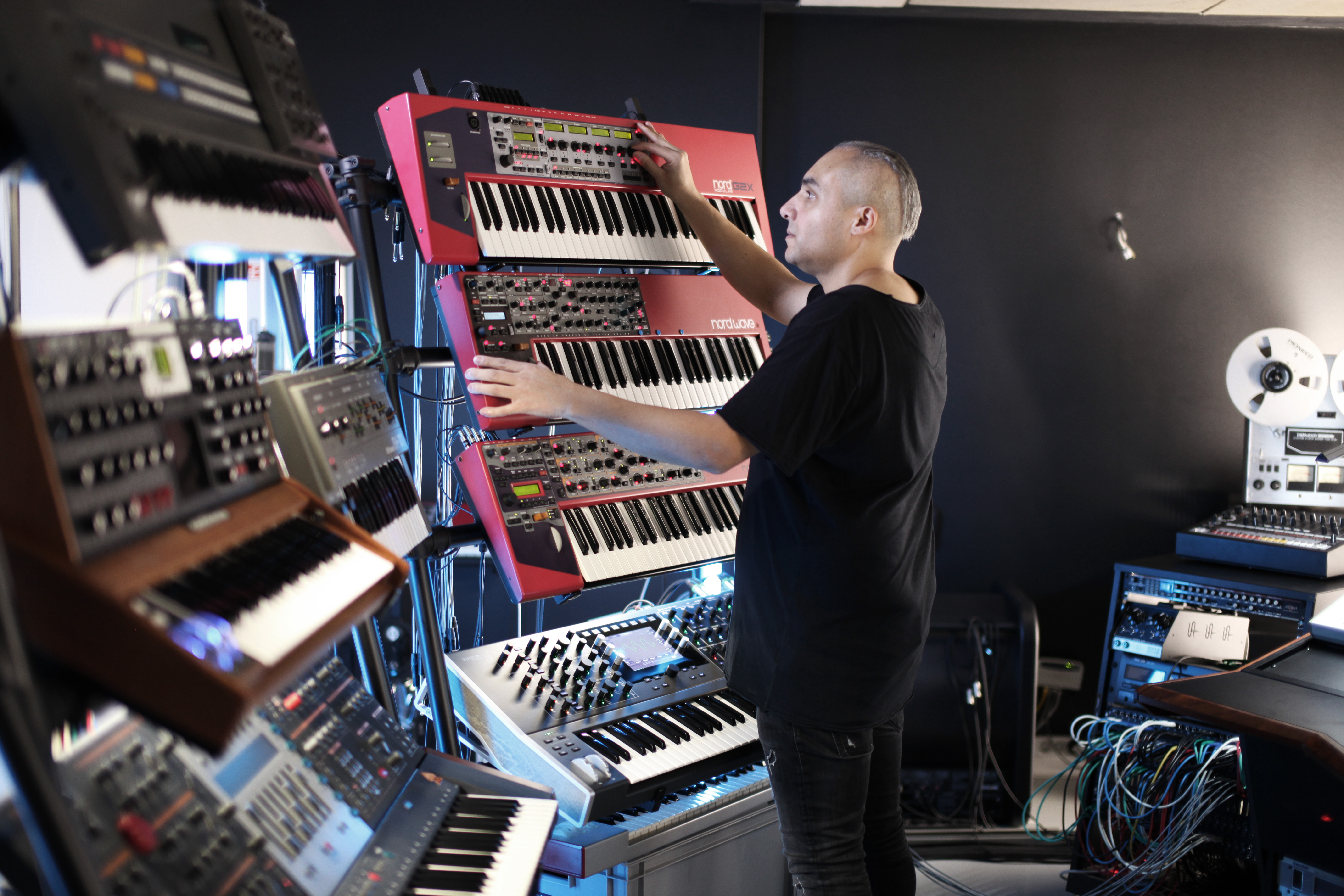
For more information on Rother, read our studio feature HERE.