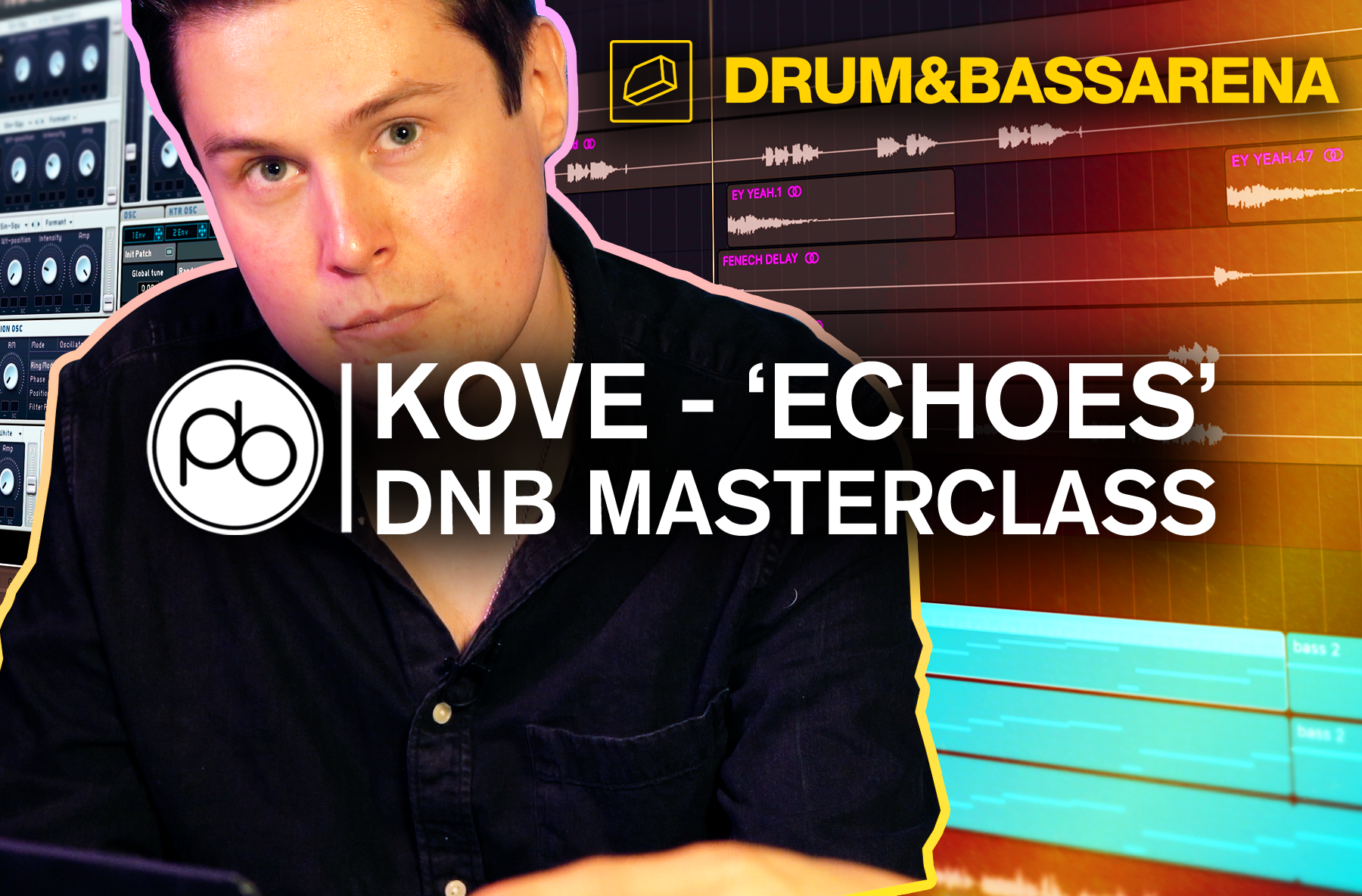
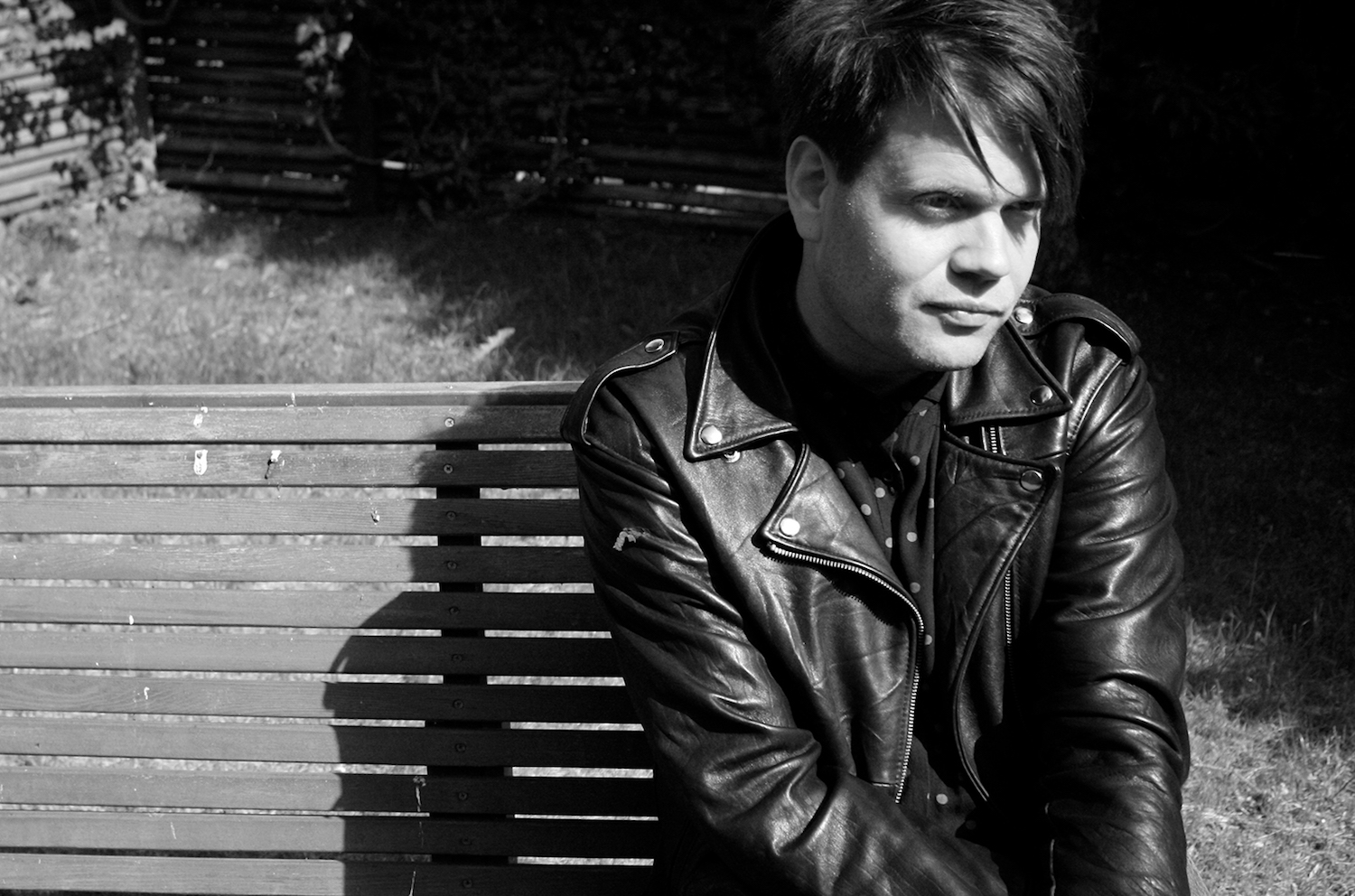
Point Blank’s latest video is a drum & bass masterclass with UK producer Kove.
In the masterclass, Kove breaks down his track “Echoes,” detailing how he created the track’s organic feel with guitar distortion and Logic’s inbuilt pedalboard. He also demonstrates his tricks and techniques for manipulating, stretching and warping audio, and how he goes about mixing bass and vocals with his plugins of choice. To close it out, Kove discusses how he champions imperfections and mistakes to give his tracks character and personal style.
You can watch the video in full via the player below, with more on Point Blanks courses here.
Afriqua has shared a new single in celebration of June 19, a momentous day in American history that marks the emancipation of African-Americans from slavery.
The US artist, real name Adam Longman Parker, last appeared with the Vice/Principle EP in 2018. With his new single, “Jumpteenth,” he sheds light on this overlooked holiday through a unique musical lens.
Born and raised in Hampton, Virginia, Parker was inspired by the productions of local legends The Neptunes, Timbaland, and Missy Elliott. He studied classical piano during a stint at London’s Royal Academy before moving to his current home in Berlin, where his distinctive sounds made a mark in the electronic music scene. His standout tracks “Soul Correction,” “Chronic Cool,” and his R&S Records debut, Aleph, have been DJ and crowd favorites alike, and exemplify Parker’s approach to production: weaving deep samples into spacey sonic tapestries, honoring black heritage while propelling it into the future.
Alongside the track, he shared the following message:
“For the incredible significance which it holds, Juneteenth is a holiday that passes each year without much fanfare. You would imagine the streets overflowing with ecstatic song and dance, people in celebration of their freedom, unity, and evolution. But for most, it seems to be little more than a name on the calendar marking an event that we all wish was never necessary.
“African Americans may deem it unworthy of attention, being all too aware of the continued process of protecting our freedom. For the rest of society, its going unnoticed is largely attributable to simple ignorance, and, sadly but truly, downright animosity in some cases too. In spite of that, though, it seems to me that Juneteenth would easily assume its position as one of the most important days of the year were it to be openly acknowledged for what it really is: the beginning of modern American culture. It’s the real Independence Day.
“Too often Black history and culture are exploited when enjoyable and ignored when unpleasant, both at home and abroad. But whether consciously or not, the innumerable people worldwide who daily enjoy the endless cultural contributions of Black people will always be imbibing the unique energy of the Black experience, stemming from all of its interchangeably beautiful and tragic truths and contradictions.
“Juneteenth is an occasion to celebrate both the liberation of a specific people in a specific country, but also and more importantly the freedom, individualism, and creativity that exploded into the world at large as a result of it. It’s a celebration of our capacity for change, and should be a reminder of how much unexpected beauty can emerge from the better angels of our nature prevailing.
Jacob Gilman—Rah Zen—is back with Upon The Apex, his second album for Dome of Doom, scheduled to release across limited edition cassette and digital formats worldwide on July 12.
Upon The Apex parallels a series of travels to the deserts of Arizona, the cities and landscapes of Israel, and a cross-country road trip from Gilman’s hometown, Boston, to Los Angeles and back via the southern route. The result is an “audacious and rewarding saga in instrumental form,” the label explains.
Recordings began in the summer of 2017, months before the release of the Boston artist’s debut album, Midnight Satori. It’s said to bridge his love for the structural resonance of boom bap and the experimental edges of electronic. Samples lace the entire record—film interludes, vocal chops, instrument loops—and it features contributions from Kadeem, Dirty Merlin, CLYDE, Dephrase, and Tel Aviv’s 3Deity.
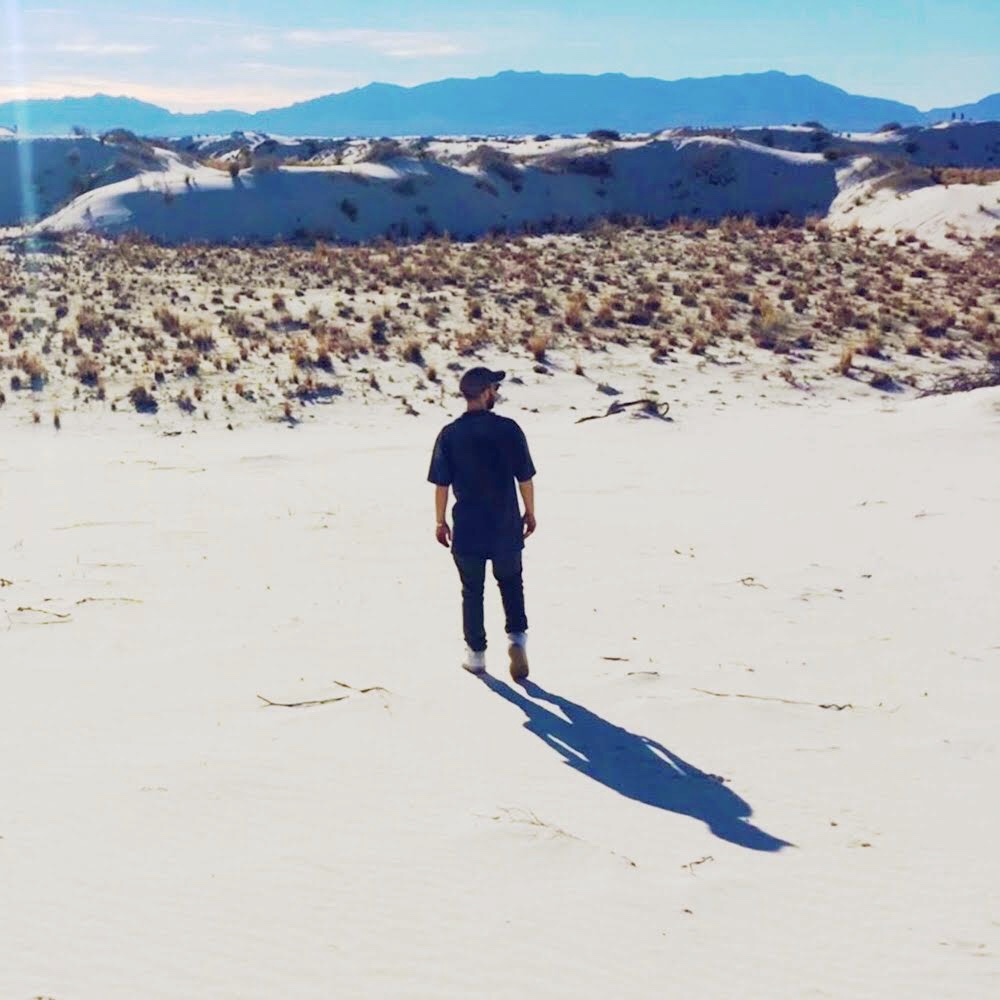
The album cover was shot in New Mexico at the White Sands National Monument, capturing Gilman in the spacious setting during his travels along the States’ southern region. It’s a reflection of the expansive nature of the music, intertwined into the experiences of being on the road and what led to the final shaping of the record.
Upon The Apex lands July 12 across various streaming platforms and retailers, with pre-order here. Meanwhile, you can stream opener “Ritual” below, alongside a quote on the track.
“‘Upon the Apex’ begins with a call out to the energies of the highest plane. The track confronts the journey, the pain, the joys, and the excitement of what’s to come while charging forward into another day. The gritty guitar and ceremonious chants signify the intense passion and intention put into the ritual of creating beats and pursuing my ambitions. It’s the blast onto higher ground, the jump to the apex’s entrance. ‘Ritual’ represents all the things I do in my day that feel personal, sacred, and essential to my livelihood.” — Rah Zen
Trentemøller has today announced a new album by sharing entrancing new single “In The Garden” (ft. Lina Tullgren).
The announcement comes after “Sleeper,” a mysterious track released in May that is included on the album. As he did with that track, the Danish artist personally created the accompanying music video.
Obverse was initially conceived as an instrumental album but took on a life of its own with collaborations with Slowdive’s Rachel Goswell, Warpaint’s Jenny Lee Lindberg, and Lisbet Fritze. It’s said to embody shoegaze, dream pop, and synth-based soundscapes, enriched by a German Kosmische/Motorik experimentalist spirit.
The album once again finds Trentemøller mining themes of light and dark, turbulence and serenity, piercing chill and comforting warmth, inspired by the antipodal elements of the Nordic environment he calls home.
“I have always worked with contrasts in my music and in my sound. It’s in the subtle clashes of feelings and tonal contradictions that I often find pure inspiration,” Trentemøller says. “Obverse was always going to be about exploring the possibilities in my studio, with no consideration of how it could be performed on a stage, and it was completely liberating.”
In 2006, following a run of EPs, Trentemøller released his debut full-length, The Last Resort. Topping several end-of-year lists, this milestone of electronica exposed his music to a far wider audience. The three studio albums that followed, Into The Great Wide Yonder (2010), Lost (2013), and Fixion (2016), came out on his own label imprint, In My Room.
Obverse LP is out September 27 via In My Room, with “In The Garden” streaming below.
Tracklisting
01. Cold Comfort (feat. Rachel Goswell of Slowdive)
02. Church Of Trees
03. In The Garden (feat. Lina Tullgren)
04. Foggy Figures
05. Blue September (feat. Lisbet Fritze)
06. Trnt
07. One Last Kiss To Remember (feat. Lisbet Fritze)
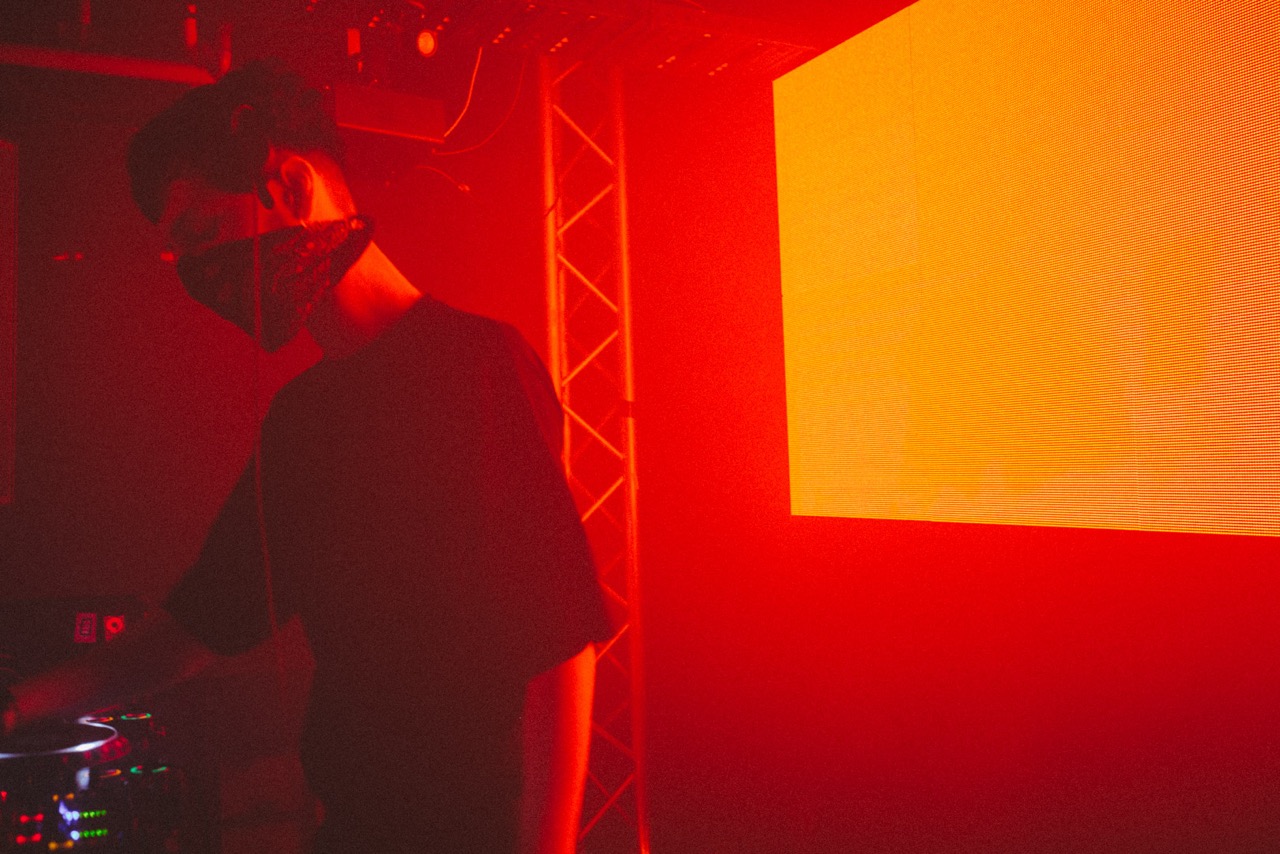
Guillaume Labadie found his way into music through middle school, first drawn into hip-hop, punk, and metal. An electronic remix EP of one of his favorite bands led him to explore more high-energy reworks of other metal and punk tracks, and set the blueprint for his work today. He wrapped up 2016 with a series of singles and EPs, showcasing a dark, driving, and at times aggressive sound, and an ability to effortlessly bridge acid, techno, trance, industrial, and ambient. More recent outings on Perc Trax, Monnom Black, and Rave Or Die, all typically intense and cold but not entirely cohesive, established Labadie as one of industrial techno’s most-talked-about artists with hundreds of thousands of online plays. He’s done this while maintaining anonymity, donning a bandana in his sets and almost entirely evading the media.
Today, Labadie returns with L’Âge Des Métamorphoses, his album debut. The 12 tracks are as expansive and widescreen as all that has come before, gliding between melodic, vocal, percussive, and acidic sections, keeping interest high without ever dropping into locked techno loops. In a rare exchange with the media, Labadie offered to explain the key pieces of gear behind it.
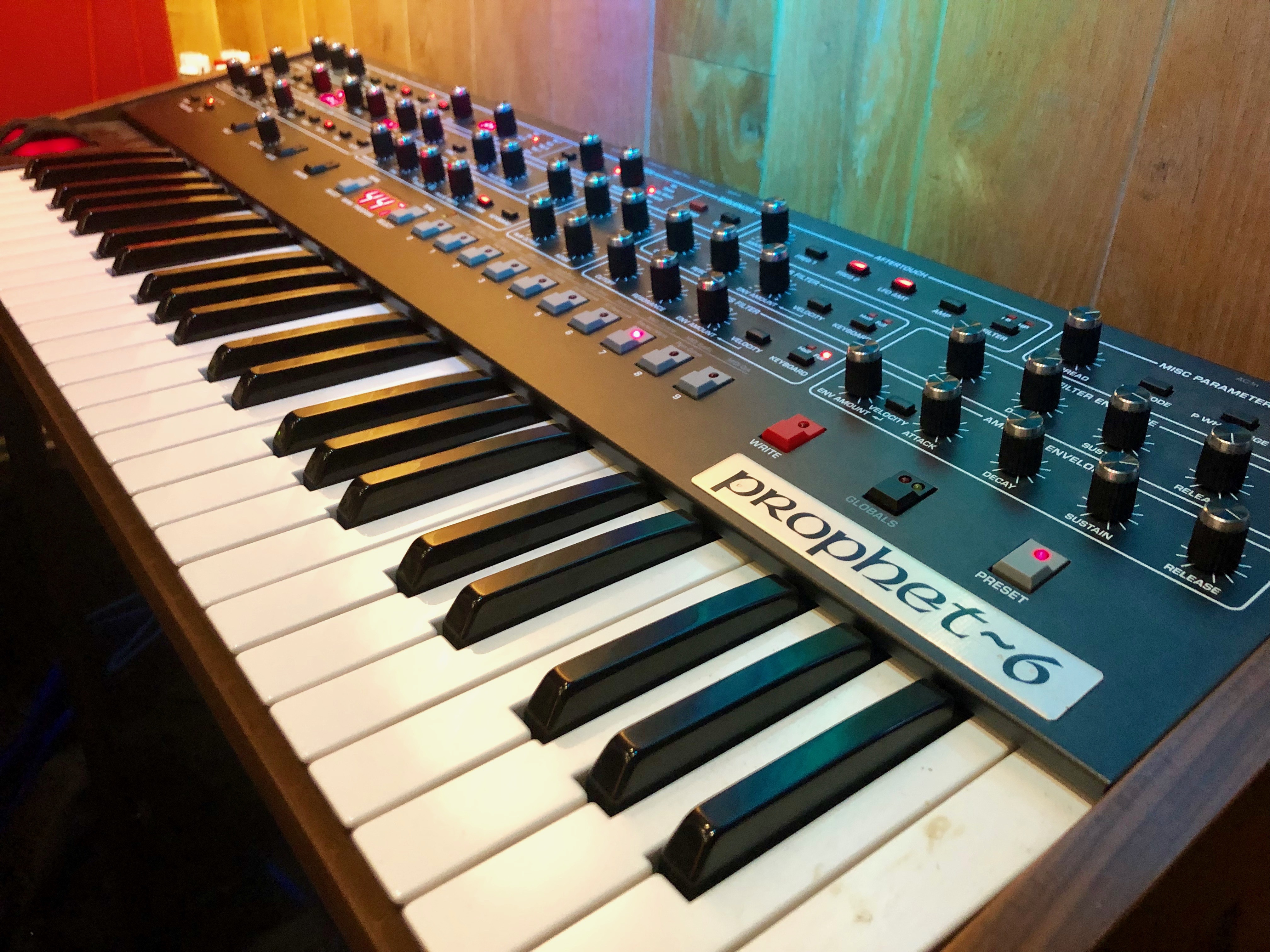
Sequential Prophet 6
I dreamed about having a Prophet for years and I had to save a lot of money to buy one. It is the first expensive synth I bought.
This synth is so polyvalent. It can sound really soft and warm but also super metallic and crispy. I love it because I can do almost everything with it: pads, chords, sequences, leads, bassline. It can do all the typical vintage synth sounds, but it can also sound really modern.
On the opening track of the album, “The Beginning Of The End,” I wanted to create a big cinematic ambience, something like a synthwave-ish OST for a movie. So I mostly used the Prophet to create all the melodic parts, including the pads, the bassline, and the arpeggios. It creates this sort of ’80s music movie atmosphere. You can also hear the Prophet everywhere on “Eternity is Burning.” And if you are as into synthwave as I am, you’ll be in heaven.
This synth is polyphonic (six-voices), and the dreamy, emotional sound is perfect for me; I used it a lot through distortion pedals in order to create my pads on most of my early trance works. It’s the Rolls Royce of my studio.
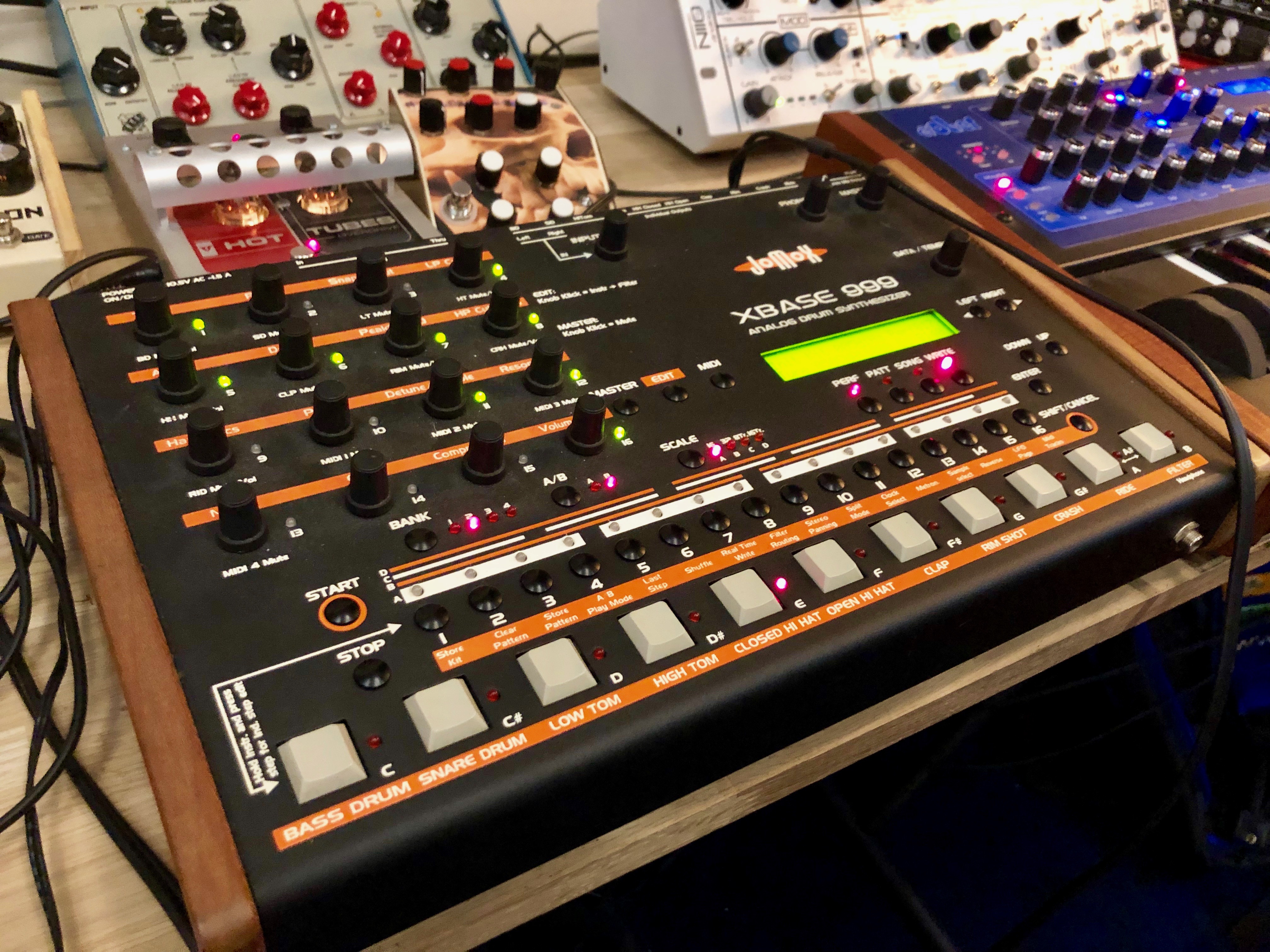
Jomox Xbase 999
A very powerful drum machine. Before having it, I had her little sister, the Xbase 09, but the 09 only has three voices (kick, snare, hats), which was not enough in the end. The 999 is basically like a TR-909 but I would say enhanced. It has plenty of controls the 909 doesn’t have, like the tune control on the high-hat part, for example. The kick, snare, and the toms are analog. The rest is working with samples (8bits!) and the VCA inside makes the whole machine sound really really fat.
I used the Jomox on mostly all my tracks where you can hear 909 hi-hats, 909 rides, etc. The Jomox also sounds great through a distortion pedal. You can hear it in my track “Demons From The Past,” released on ARTS in 2017, or in “Izanami,” released also on ARTS in 2018.
The Xbase 999 is really easy to sequence and sounds super ravey. And the Jomox kick is legendary. The only negative point is the multiple bugs the interface can sometimes have (encoders not working anymore etc.) which can be really frustrating. But last year Jomox released the Alpha Base, which is supposed to be like the 999 but even better.
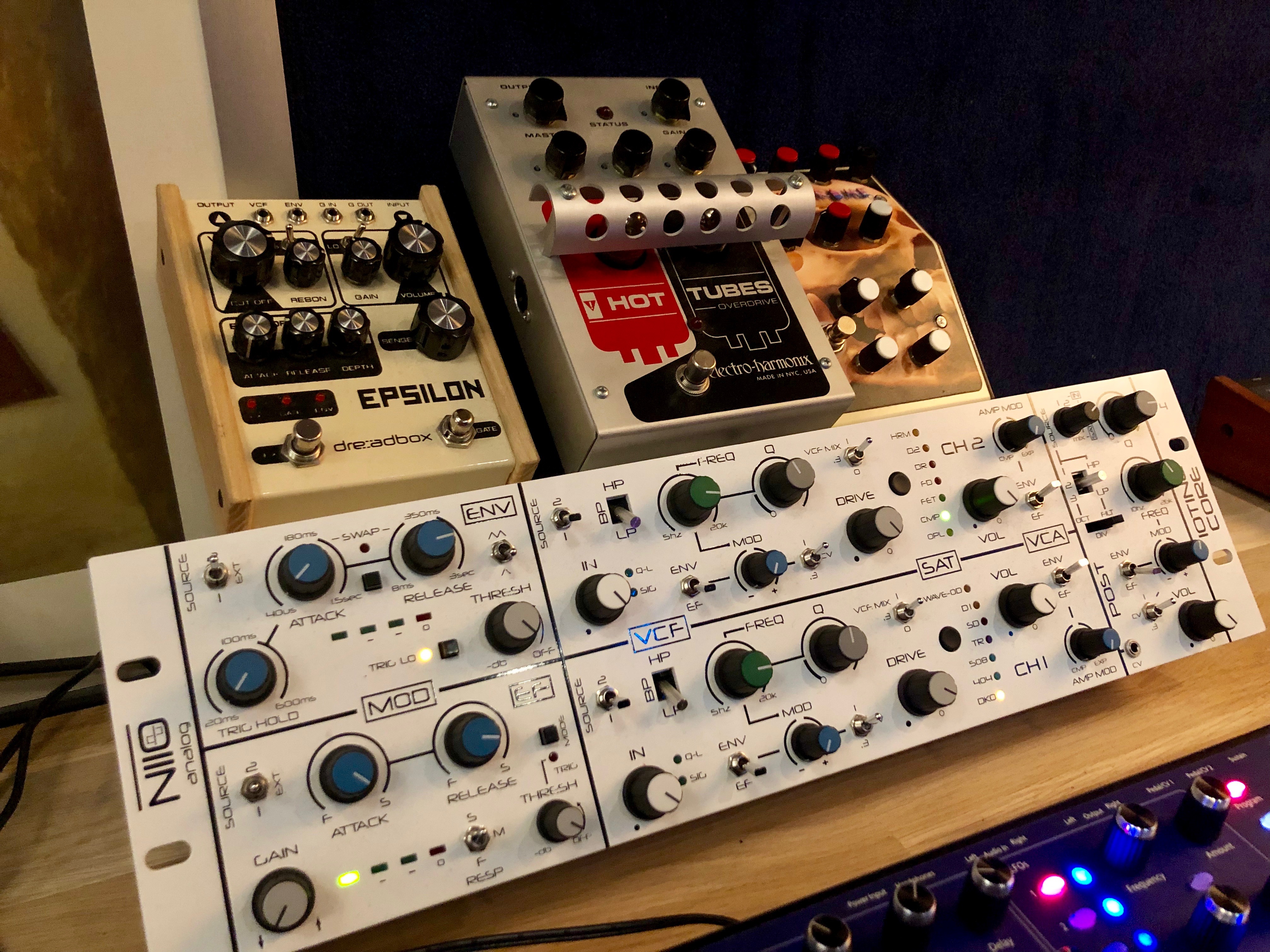
Distortion–Saturation–Overdrive audio processors
I use them in all my tracks. I mostly use the Electro-Harmonix Hot Tubes (vintage version) on my drums and the Dreadbox Epsilon on my synths. Almost all the pedals I have work with vacuum tubes, which gives to the sound this gritty and punkish touch that I like so much. The big white processor you see in the picture is the Iotine Core 4, a three-layer analog saturator with 16 different saturation circuits. As there are other features like a three-band boost EQ, a ducker, a panner, and a stereo filter on it, it allows you to shape your sound with a formidable precision, which is impossible to get with a normal pedal.
In “Those Shinny Razor Blades,” I passed the kick and the hats of the Jomox Xbase 999 through the Iotine Core in order to create this kind of bassline that is constantly evolving.
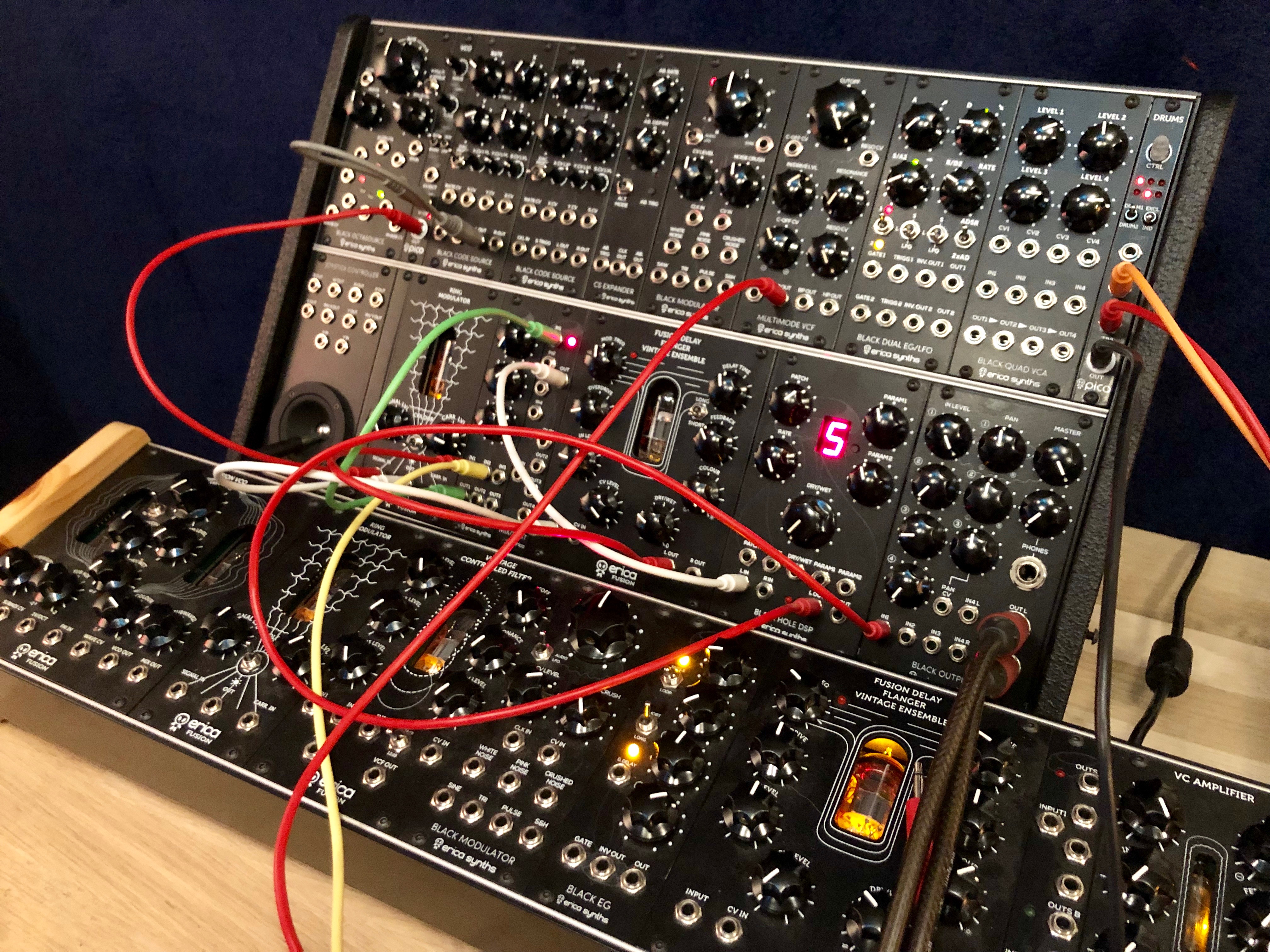
Erica Synth modular systems
This is the heart of the sound aesthetic of my album. I only got into the world of modular one year ago but since I got my first modules, my mind has been blown by the possibilities. I’m a big fan of Erica Synth, so almost all the modules I have are from them. A lot of them work with vacuum tubes too, which gives again this hot and crispy sound.
I used the Ericas a lot on L’Âge Des Métamorphoses as I wanted to get a particular aesthetic on the whole album: a gritty, sometimes a bit harsh, punk-ish sound.
My modules are also really cool for making drums, drones, and basslines. In “Sexual Tension” and “Fade Away,” I used the Erica modules to create these fuzzy, distorted basslines. You can hear similarities in the two tracks: the basslines sound super harsh and noisy, but with a lot of harmonics inside. But if you want to hear the perfect example of the sound you can get with vacuum tube modules, listen to “Impossible Love” and “Partner In Crimes,” because I did these two tracks completely with the modular system.
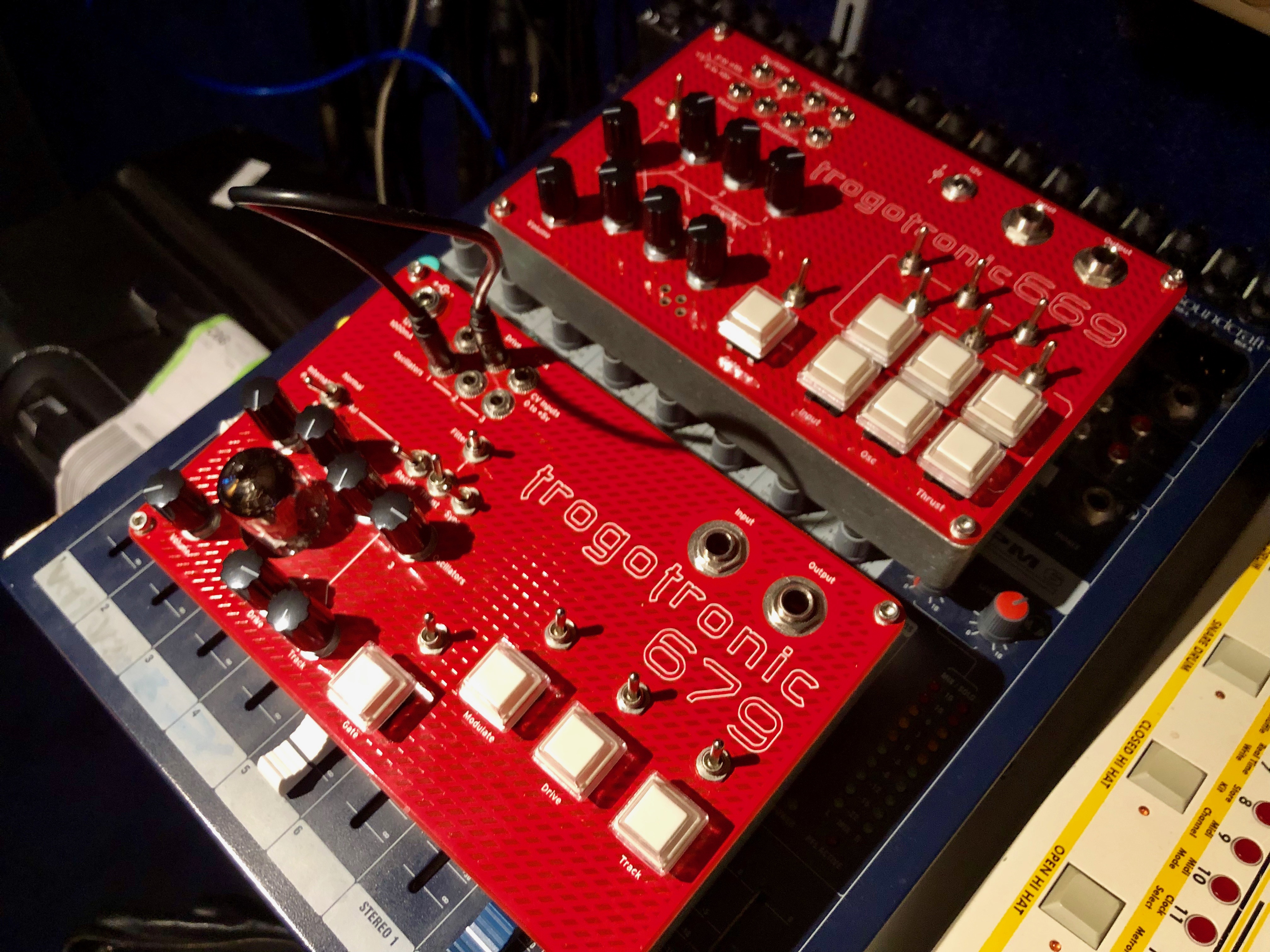
When I want to get extreme and dirty sounds, I use these little boxes. These synths are super great for harsh noise, drones, effects.
On the Trogotronic website, the description of the 669 is “From leviathan drones to intuitive blistering staccato attacks the 669cv Boss Hog’s breath of sonic application is extraordinary.” And it sounds exactly like this. I use them in order to do all my little noisy effects, like on “The Night Is Our Kingdom.” The brand is not as famous as Metasonix, but they have really strong products for all extreme sound lovers.
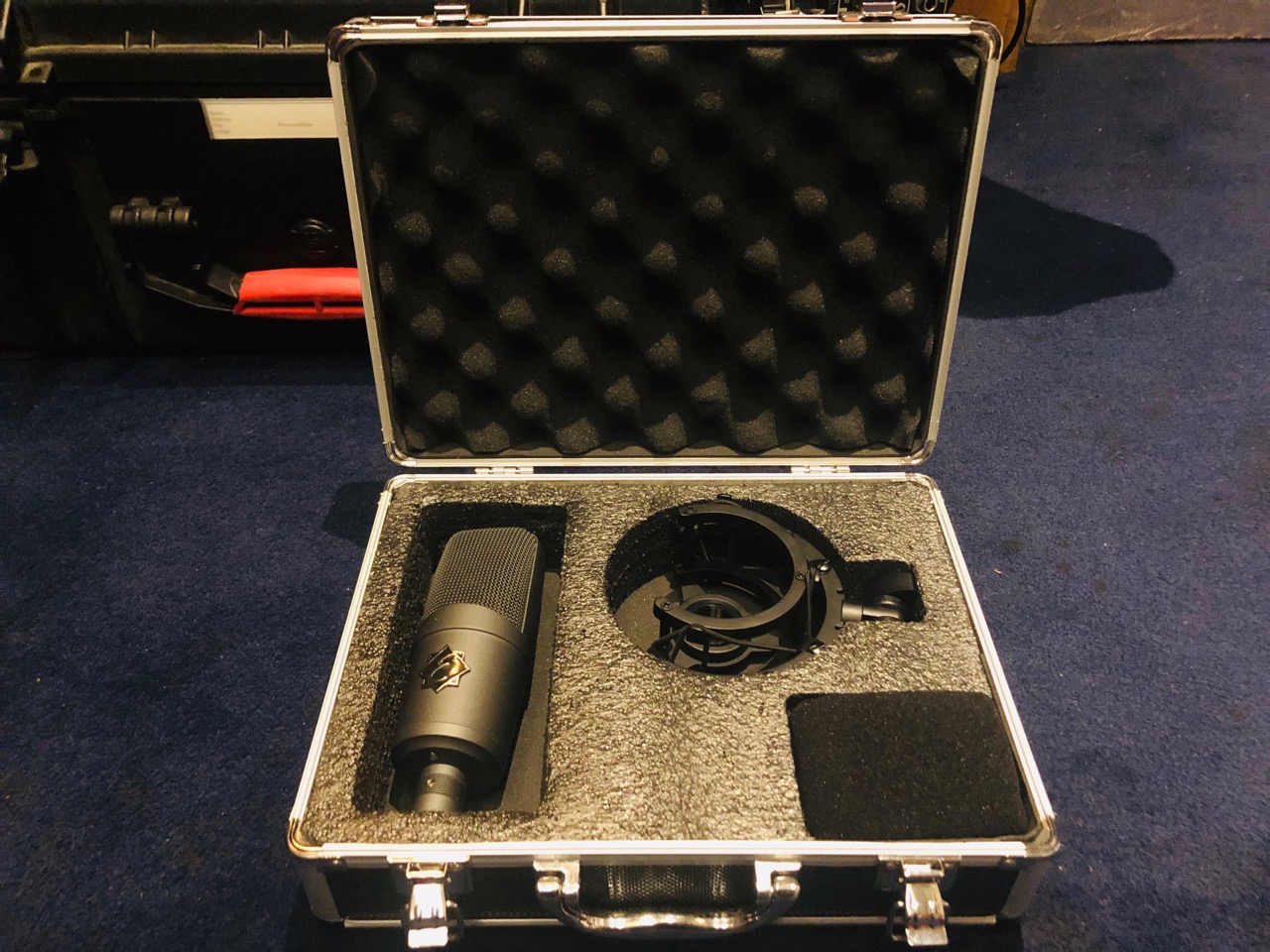
Microphone
I have always liked to use my voice in my tracks. I’m a big fan of vocals because they can really add a more personal touch to your work.
My voice is on almost all the album tracks but in different ways. In “Crossing The Mirror,” “Romantic Psycho,” and “You Are Not Alone,” I used my voice to create singing vocals, so for a melodic goal. I looped them and used them as if there were synths. In this way, the vocals add chords, as if they were pads or leads, for example. In “Impossible Love,” “Sexual Tension,” and “Eternity Is Burning,” my voice is processed to death through reverb and overdrive. I’m more shouting than singing; it’s in order to create these punk-ish vocals. In “Partners In Crimes,” it’s more spoken-word style vocals, used sporadically on the track, but you can’t hear what I’m saying because of the maximum distortion.
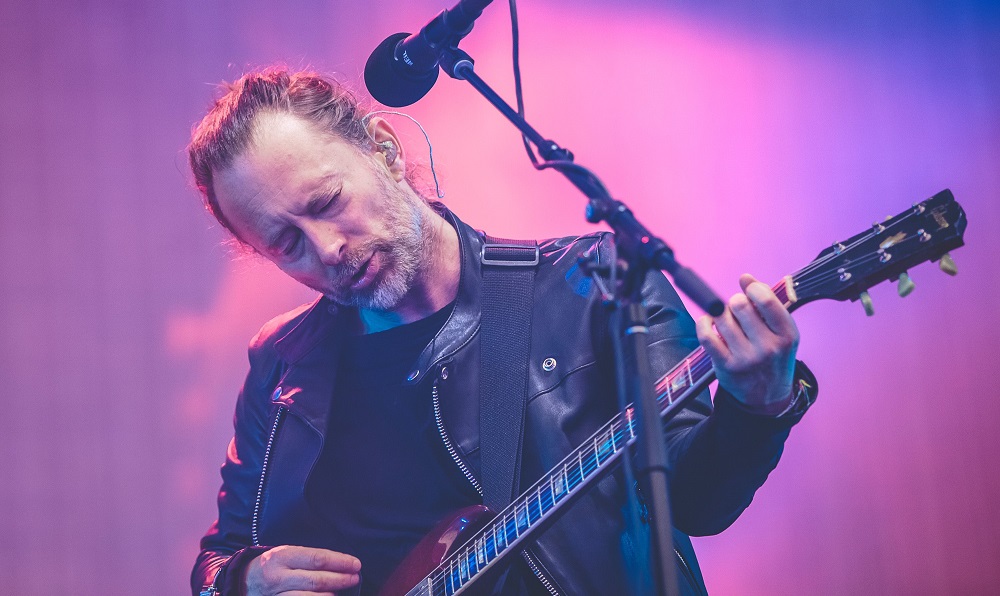
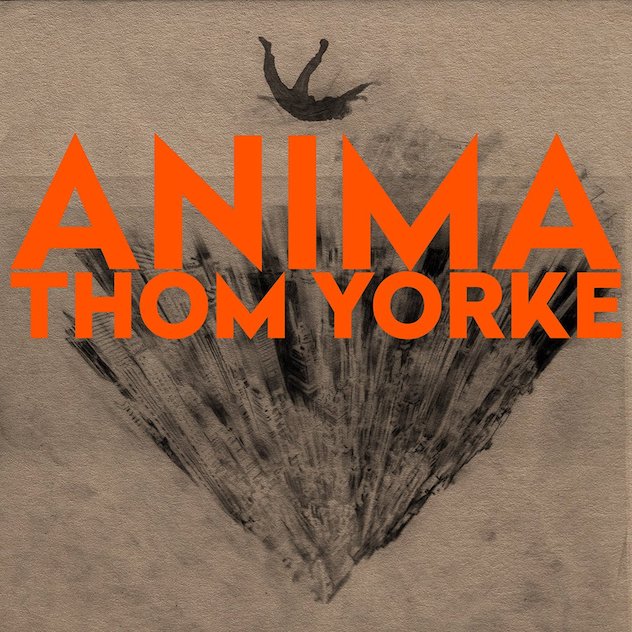
The Radiohead frontman shared details of ANIMA on Twitter today, having teased it in his interview with Crack magazine earlier this year. It’s written and produced with Nigel Godric, and consists of nine tracks, one of which —”Dawn Chorus”—has been played by Radiohead for years without ever being released. The vinyl version features a bonus 10th track, “Ladies & Gentlemen, Thank You For Coming.”
Alongside the release, Yorke will release a “one-reeler”—a motion picture of 10-12 minutes duration and contained on one reel of film—made with collaborator Paul Thomas Anderson. It lands on Netflix on June 27 featuring three album tracks.
Yorke’s most recent solo work includes the score to Luca Guadagnino’s 2018 film “Suspiria,” which he followed with an EP of work from those scoring sessions. Yorke’s last solo studio album came with 2014’s Tomorrow’s Modern Boxes.
Tracklisting
01. Traffic
02. Last I Heard (…He Was Circling the Drain)
03. Twist
04. Dawn Chorus
05. I Am a Very Rude Person
06. Not the News
07. The Axe
08. Impossible Knots
09. Runwayaway
ANIMA LP lands June 27 via XL Recordings, with pre-order here.
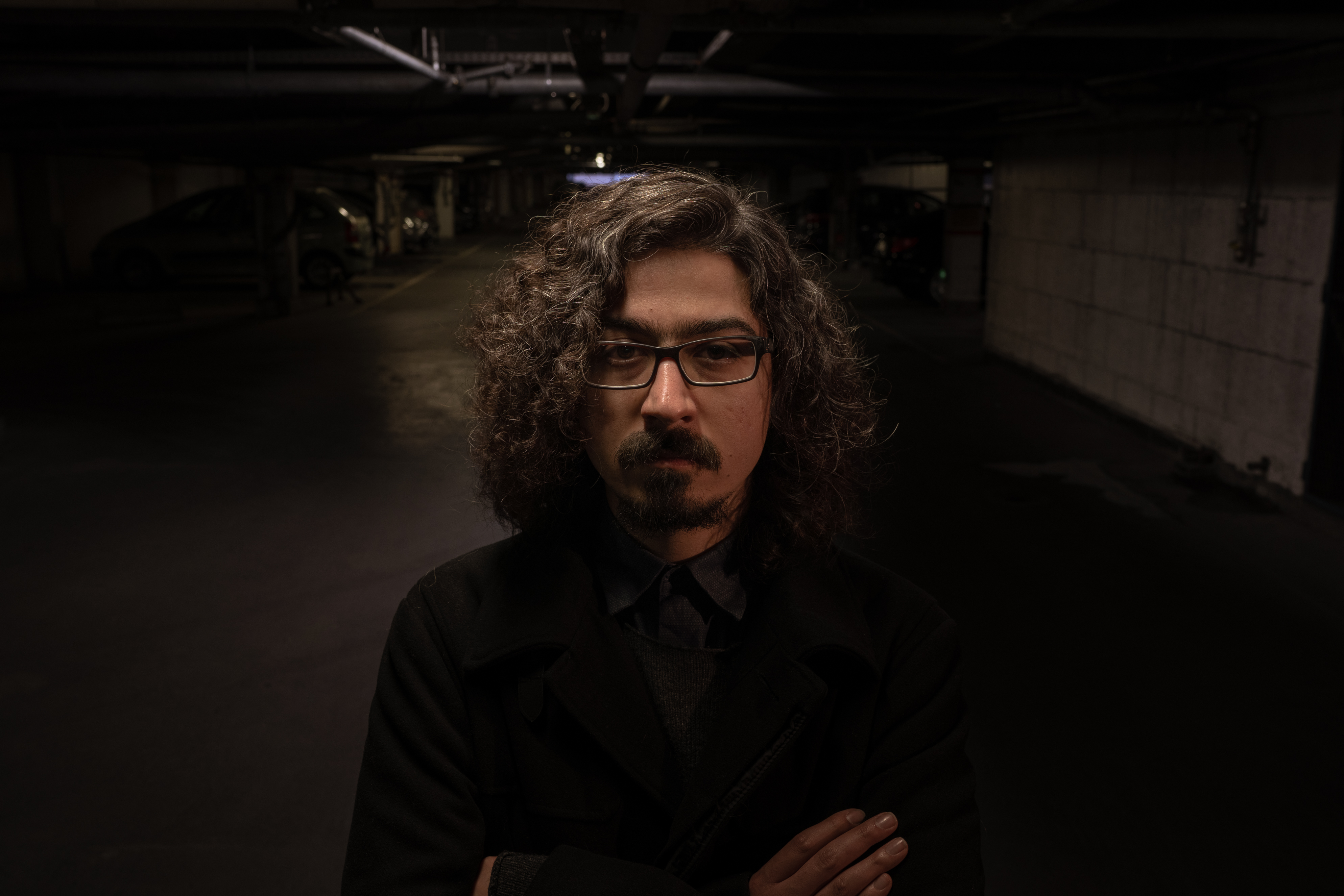
Iranian composer Siavash Amini has signed to Lawrence English’s experimental Room40 label for his new solo album, Serus.
The release is inspired by night. “I became interested in different definitions of what night is, our perception of it, and what night means physically to us as well as symbolically,” Amini says.
In the process of writing the music, after nights of not sleeping and intoxication, Amini suffered from a nervous breakdown, culminating in three days in hospital. While there, he reflected on the words of Maurice Blanchot who proposed the idea of “other night,” meaning that every night is two nights—the night the body spends in sleep and the night the dreamer spends in dreams. This led him to recognise “night as something we experience as ‘the night of sleep’; it is night that we resist in sleep by way of dreaming,” he explains.
Slipping in and out of consciousness, he felt himself “far away from all my surroundings and at the same time being very attentive to some details in the objects around me,” he recalls. “It was as if my body and mind where in an in-between state. I can only describe this as being distant or more precisely being in the dark. Objects and people showed themselves out of proportion and mostly dim.”
He describes this sensation as “Serus,” meaning that there was a sense of familiarity in some feelings and emotions that he had towards some objects, like sensing he knew them but not exactly from where or when. “It was as if my body was resisting sleep and my sleepy mind was resisting being awake, only to dream of another type of the world that I could be awake in,” he adds.
Using textural electronics and post-classical arrangements, Amini asks the listener to dwell in the “dark” of sound and forgo the sensory certainty of light.
Earlier this year, Amini collaborated with Matt Finney on a new album for Opal Tapes.
Tracklisting
01. A Recollection Of The Disappeared
02. Semblance
03. All That Remained Pt.1
04. All That Remained Pt.2
Serus LP lands August 2, with “A Recollection Of The Disappeared” streaming here.
Sam Chown is best known as one half of glitchy neo-psychedelic rock duo Zorch, who left an impression on the dozen or so genres they dipped their toes into with their 2013 Sargent House debut, ZZOORRCCHH. While Zorch are no more, Chown has streamlined the project’s energy through his solo career as Shmu.
Shmu’s shapeshifting, unpredictable fourth full-length, Vish, is the Austin, Texas-based musician’s version of a mixtape, a collaborative and frenetic effort featuring key contributions from close friends and musical peers.
After sharpening his chops as the touring drummer for Vinyl Williams, Shmu’s knack for jagged, razor-sharp groove ensures the album thrives as a living, breathing, amorphous experience. It’s pulsing with swirling synths, vivid vocal melodies, and intricate, hard-hitting percussion, and expands on Shmu’s brand of psychedelic, genre-defying pop over 11 kaleidoscopic and triumphant tracks.
In support of the album, out July 12 via Grind Select, we’re offering “Melting Down the Glass” as one of today’s XLR8R free downloads. Grab it now via the WeTransfer button below, or here for EU readers due to temporary GDPR restrictions.
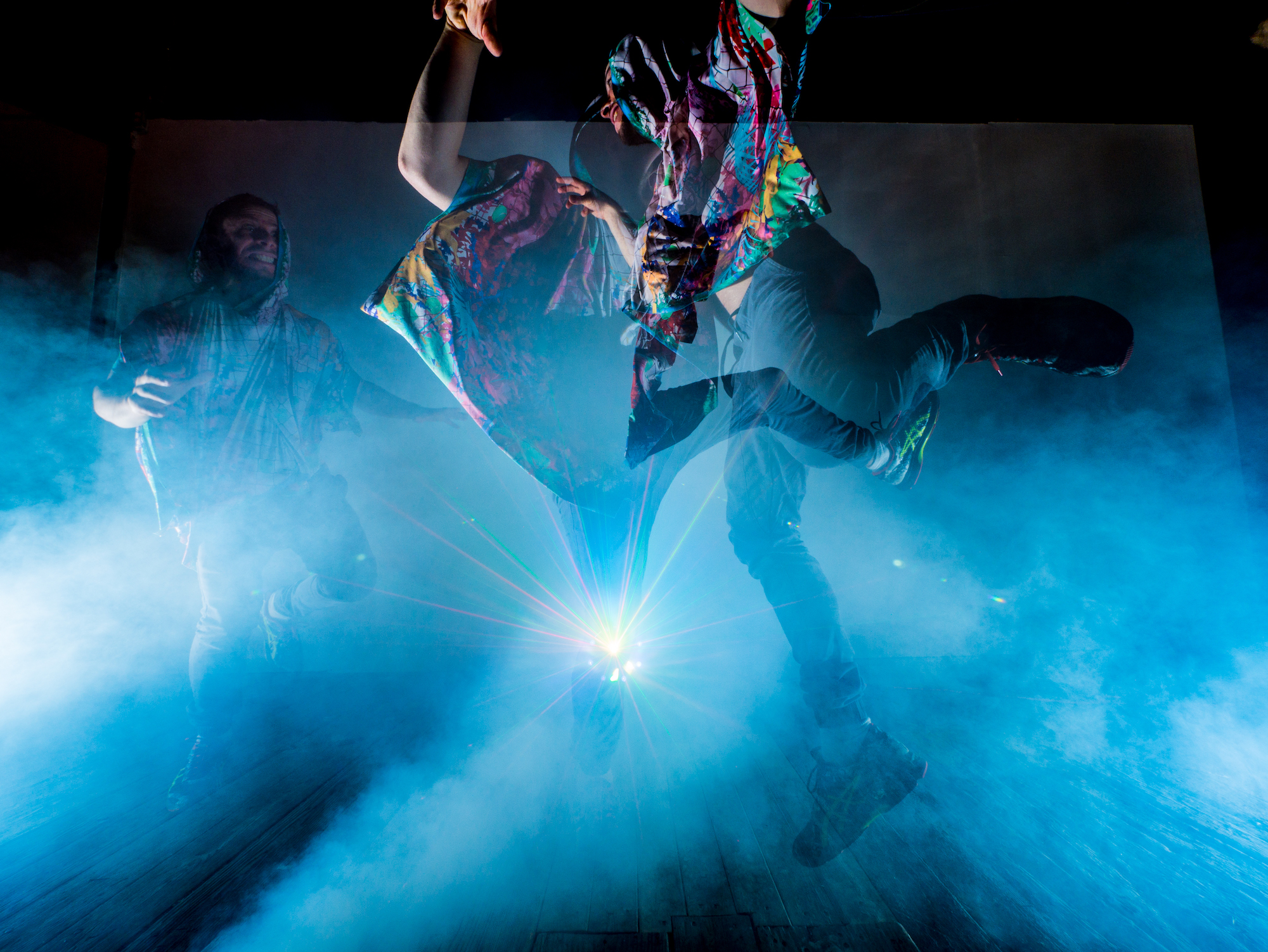
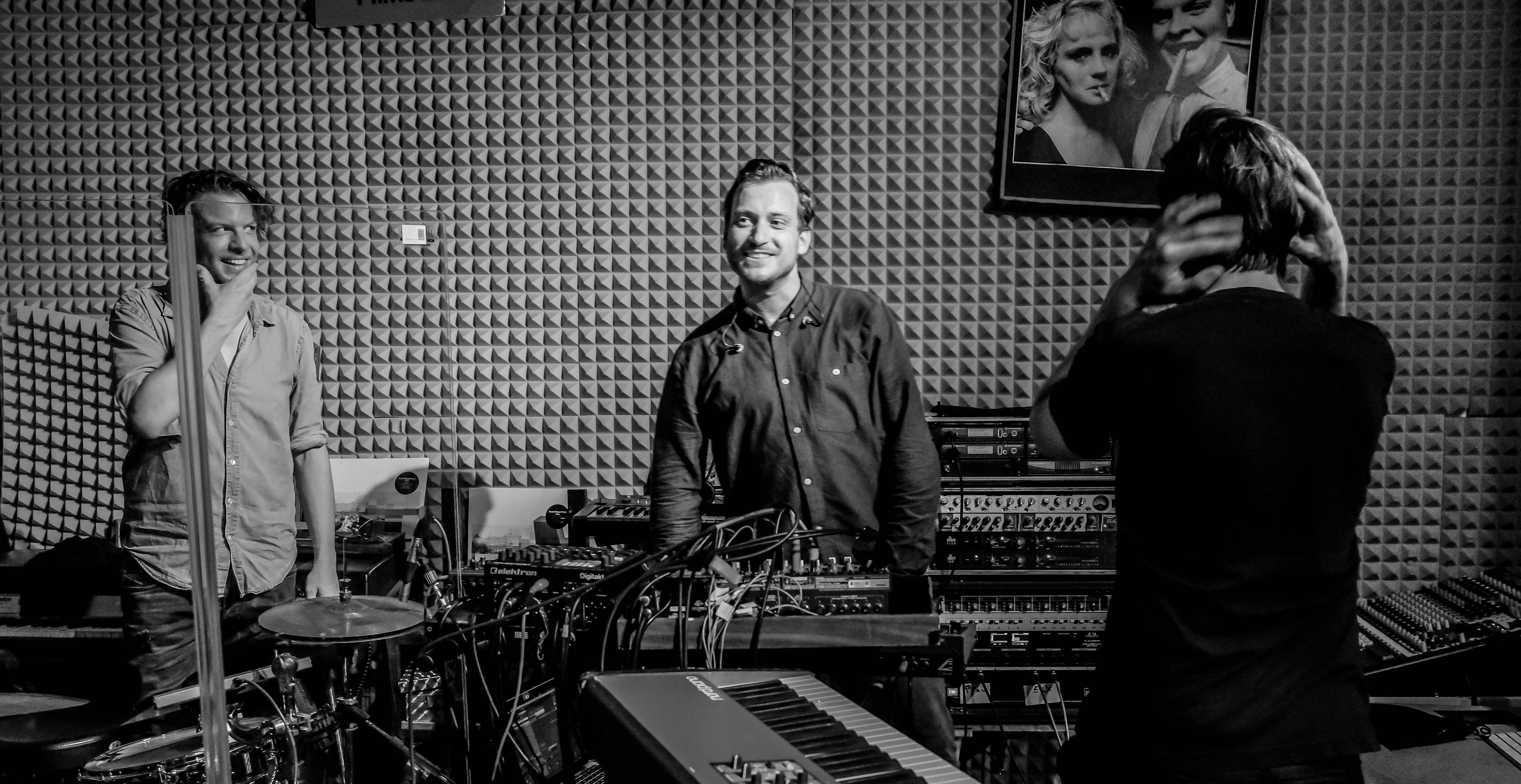
When Brandt Brauer Frick debuted on Tartelet Records in 2009, reimagining propulsive techno with acoustic instruments, the world of DJs performing with orchestras and pianists headlining festivals was a long way away. Inspired by Berlin’s classical history and its dank dancefloors, Daniel Brandt, Jan Brauer, and Paul Frick’s beats owed as much to minimal masters Steve Reich and Philip Glass as they did the minimal techno of Ricardo Villalobos and the Perlon label. Their debut album, You Make Me Real, blended the highbrow music of concert halls with the euphoric abandon of club music, and in doing so helped to pioneer the contemporary classical renaissance in pop music.
2011’s Mr Machine then saw this album reworked in a novel way: instead of commissioning an electronic producer, the trio opted to rearrange it for the newly founded 10-piece ensemble, using brass and string instruments, as well as harp, piano, and percussion. It preceded 2013’s Miami, a concept record that drew on noir funk and spooky synths, and also 2016’s Joy, where the trio morphed into a post-punk band with the help of Canadian poet Beaver Sheppard.
Since then, the three musicians have been off working on other projects—Brandt has released two solo albums on Erased Tapes, Brauer has been composing music for various media, and Frick put out his first solo album, Second Yard Botanicals, in 2018. This year, however, Brandt Brauer Frick have come full circle, returning with Echo, an album that “echoes our 10 years of existence,” Brauer explains.
Recorded between their own and the Red Bull studios in Berlin, the 11-track effort is more club-focused than their earlier work, surging between serene minimalism and slo-mo 4×4 beats. Their knotty assemblages of all manner of instruments are still present but eventually these give way to irresistible groove. Reflecting on their techniques behind the sound, they compiled five tips for our Artist Tips series.
“You don’t need to have studied an instrument when you can record any sound it makes and mess with the recording later.”
Catch the magic of the beginning
It’s important for us to regularly try out new methods, new approaches, and new equipment. We’re always trying to incorporate new things into our music because this keeps the ears aware, the brain alive, and it guarantees that we won’t be repeating ourselves too often. It’s really inspiring when you’re laying your hands on a new machine or instrument for the first time, and it’s very likely that a sound will come out that is completely fresh to your ears. So you should not allow those moments to pass without making anything from them. So whatever it is, a new synth, an effects unit, or a new way of preparing the piano, we make sure to hit record before we try it out.
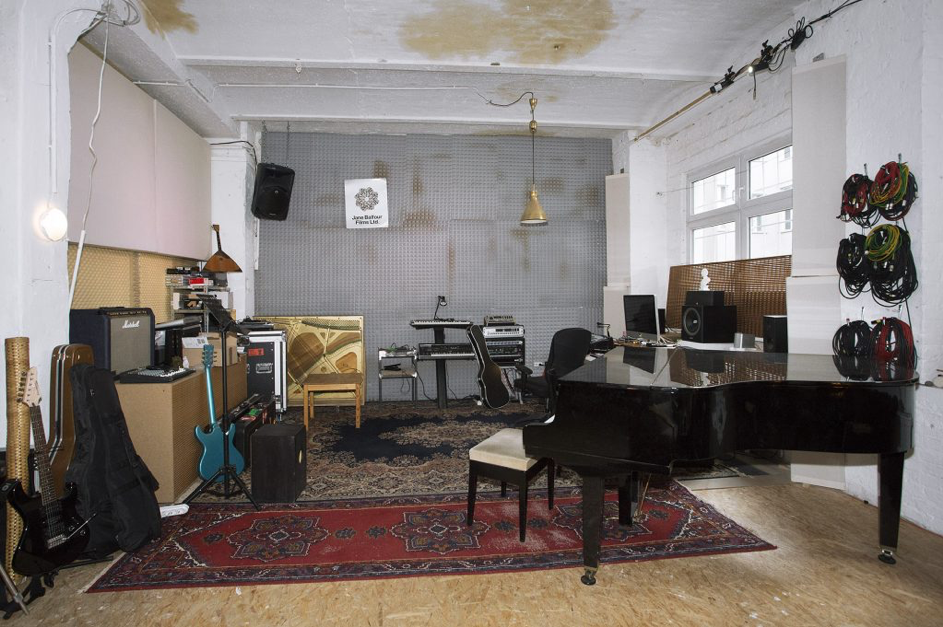
For our new album Echo, we did large parts of the recording not in our own but at the Red Bull Studio Berlin. Christian Prommer is head of the studio there and he provided us with lots of new synthesizers, including the Nord Lead 2. We have always used a lot of Nord synths, like the Nord Wave and the Nord Drum, but this particular one was new to us, even though it’s quite old. Most of the string parts on the album and especially on the song “Decades” all started on this synth. It has this dry but rich sound, and this made us play more notes than we usually would because it somehow felt like more space had to be filled. A sound you’re unprepared for simply makes you play differently. So this is a simple and great recipe whenever you want to expand your style.
Enforce good coincidences
Something we do a lot is combine two or even more completely different song ideas into one. This can either be done on purpose, like wanting to include a certain identifiable element from another project, or rather blindly, like seeing what happens when we combine two completely different jams without even thinking about what it’s going to sound like. Enforcing good coincidences—they are obviously not good every time—is often useful, not only when you are creatively stuck within a song.
To do this, record some patterns and ideas, then leave them aside and create a whole new session, not thinking about the first one. Afterwards, try and combine the two into one, and the result often brings something fresh. It might create a mess at first but once you mute some parts you’ll often end up with something interesting that you otherwise wouldn’t have thought of. We use Ableton Live as our main recording device so it’s easy for us to combine two projects into one, even if they’re originally played at different tempos or based on different harmonics.
Most of the time though we don’t deliberately start two sessions after each other to combine them. Actually, we just start lots of sessions and work on each of them until we feel like moving to another song. At some point we sometimes realize that something is missing within a song, like a second part or some elements that counterbalance what’s there already and this is most of the time the moment we still have one of the other sessions in mind and just add those. On the song “Mont Blanc,” for instance, we had the main theme in one project and the kind of acid-techno-trippy part was a whole different project. Neither works alone but together they make sense.
Record audio instead of MIDI; capture the moment
We mainly use the computer to record audio. Although we cannot avoid it completely, we’re not fans of programming MIDI and clicking on plugin interfaces that look like some old gear. And for the initial inspiration, we think it is actually better to avoid looking at a screen at all. Just being in a room with loud sound, and everyone from the band and even some friends, is definitely still the best way for us to make music.
We all like to play on synths and keyboards, drum machines, samplers, and acoustic instruments. You don’t need to have studied an instrument when you can record any sound it makes and mess with the recording later. The stuff that one does subconsciously, that just “comes out” when you play a pattern for a while and start to do variations, is often the most precious bit. You would have never come up with it when you were programming it because you never knew that you wanted to do it.
For example, one of our first tracks ever, “Mi Corazon,” happened like this: we sampled the plucked strings of our old detuned piano and loaded them into the Nord Wave keyboard. It felt fresh and weird to play this detuned plucked sound on a clean keyboard, and the first few notes we played just became the main theme. We were so surprised and pleased with the sound that we repeated the first few notes we played, and the others in the room were feeling it after they heard it a couple of times. In this case, someone turned the select knob to some bass sound, while the other one was still playing the same theme, and we simply kept that as the bassline too. This kind of thing can be so easy: just hit record before you even play the first note. Because when you want to repeat it, it often doesn’t happen again.
Experiment with Polyrhythms
Polyrhythms (i.e a rhythm which makes use of two or more different rhythms simultaneously) are amazing. When you have two or more elements shift rhythmically against each other, you can feel like someone watching the waves or the leaves of a tree: it’s the same material but with ever-changing constellations. Depending on the polyrhythmic structure you create, it can sometimes take forever until the elements are meeting up at the same point again within the song.
We mostly start a song with two polyrhythmic percussive elements which can be played on percussion or the piano in some way, and then we add more elements on top. This basic polyrhythmic pattern will deliver many different versions by itself. So maybe you’ll end up finding that the way the elements come together in bar 11 or 27 is so good that I want to loop just that bar. So you might make a one-bar loop track, but the method that allowed you to find that special groove was polyrhythmic.
It feels a little bit like a random generator without actually being random. It’s also interesting to shift the volume of polyrhythmic elements between background and foreground, from smooth to disturbing kind of.
You can hear this with the marimba in “Masse,” the percussion in “Bop,” or the piano in “Paparazzi.”
Experiment with instrumentation
Often, after recording synth parts in the beginning, we replace the good ones with other instruments, like strings, brass, harp, percussion, or piano. We’re usually aiming for a dynamic, breathing, irregular—or simply acoustic—sound, which those instruments bring naturally, whereas it would take more work to make the synthetized sounds feel as dynamic and interesting. There will also likely be some synthetic sounds that will sound too special to our ears to get rid of them, so then we would keep them and probably mix them with the newly recorded acoustic instruments. To us this is a very thankful instrumentation method, as it’s able to bring beautiful surprises, in which the mix of the two sounds like a third quality, hiding its components in a way.
For the instruments we don’t play ourselves, we invite musicians from our ensemble and ask them to interpret our ideas in several ways. Always ask a musician you trust for his/her special sound ideas and tricks, and you’ll receive gifts you’d never thought of. Our percussionist Matthias Engler is the type who always checks out new instruments, buys rare percussion in other countries, or collects things in nature or somewhere else. On “Chamber I,” for example, he circled a wooden fish on a string several meters long above his head, and it made that stroboscopic bassy sound. So basically when you sit in front of your computer for days, remember that you might also ask friends to bring in what they have.
Echo is available now, with a stream available via Youtube Music here.
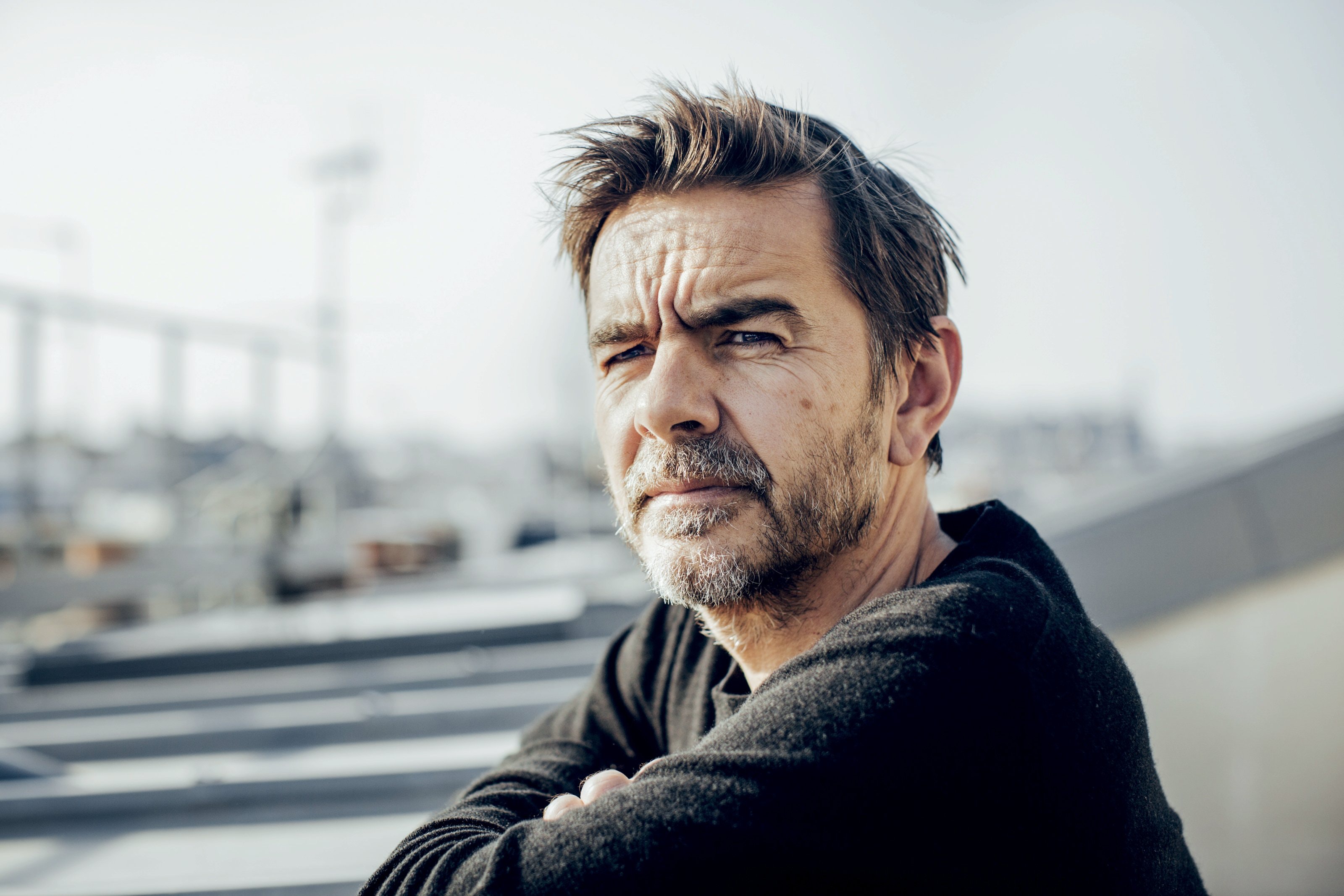
There’s a Laurent Garnier documentary on the way, aiming to “tell the story of the last great musical revolution of the 20th century through the eyes of one of its pioneers.”
“Off The Record” focuses on Garnier’s 2018-2019 world tour and includes interviews with figures such as Seth Troxler, Jeff Mills, Derrick May, and Carl Cox. It’s produced by Julien Loeffler and directed by Gavin Rivoire, who was given “complete and never-before-seen personal and professional access” to Garnier for a period of three years.
“I have always been very touched by [Rivoire’s] sense of rhythm, narration and staging,” Garnier says . “I love the intimacy and the poetry that emerges from each of his films, and I am always amazed and moved by the way he uses—and visualises—the music.”
The documentary is part-funded by a Kickstarter campaign with a symbolic funding goal of $1, meaning it will be fully-funded regardless of fan contributions. The aim is to gather a community around the project, and those who do contribute can gain access to private shows and participate in the selection of scenes chosen for the final cut.
At the time of writing, £76,782 has already been pledged.