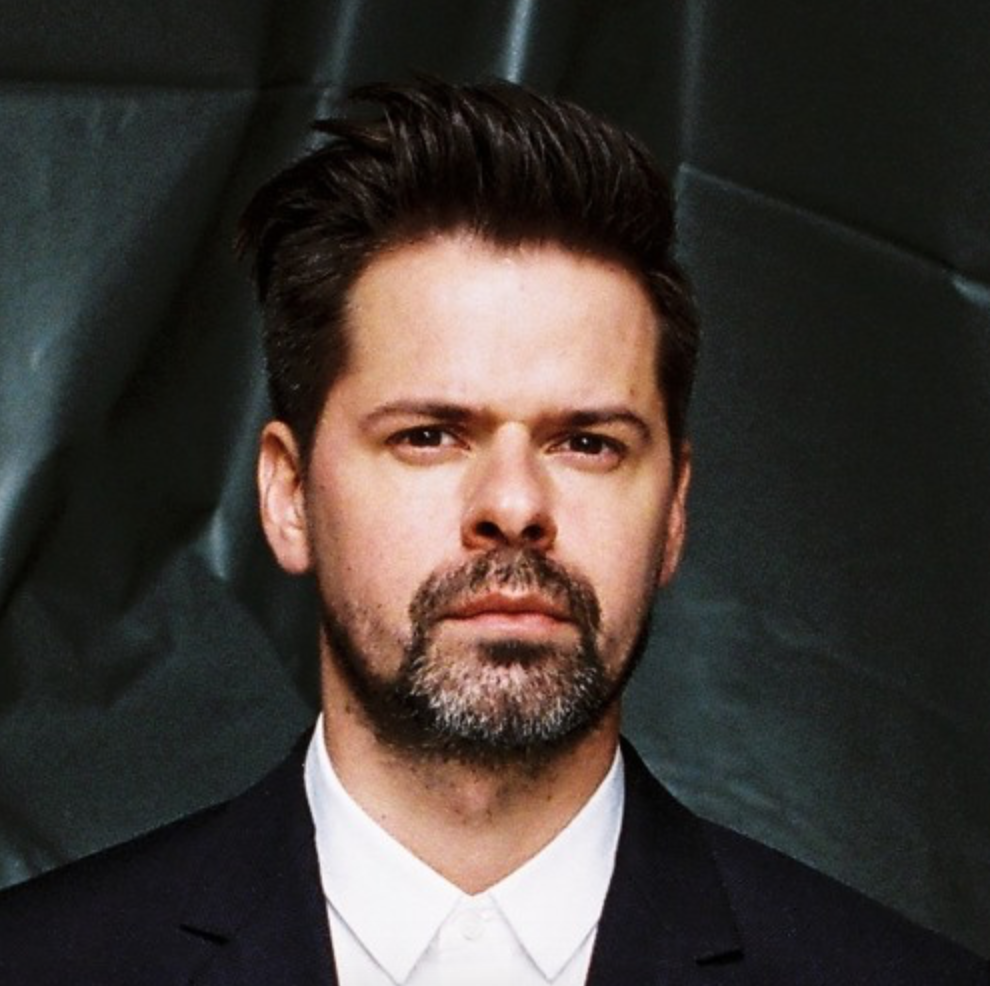
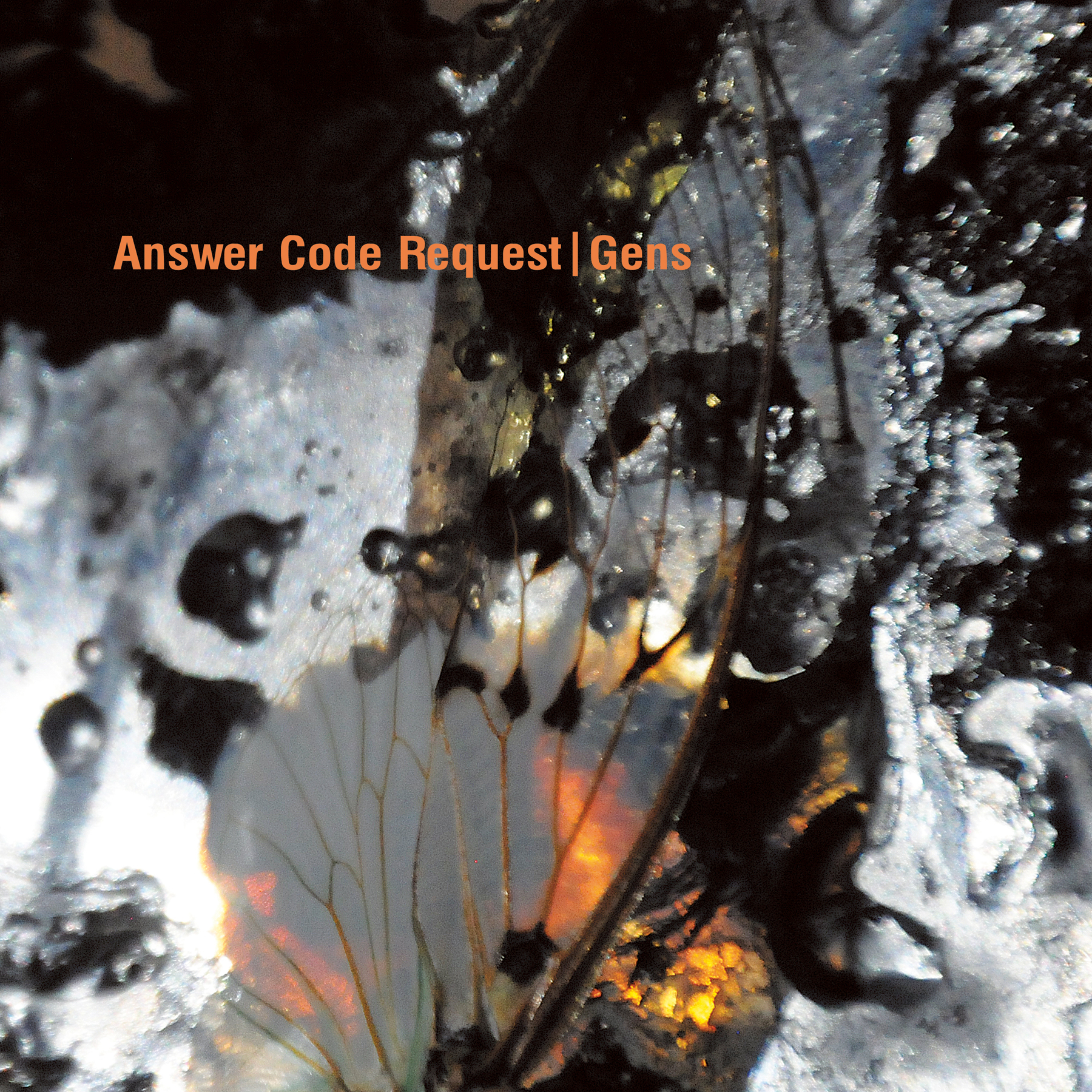
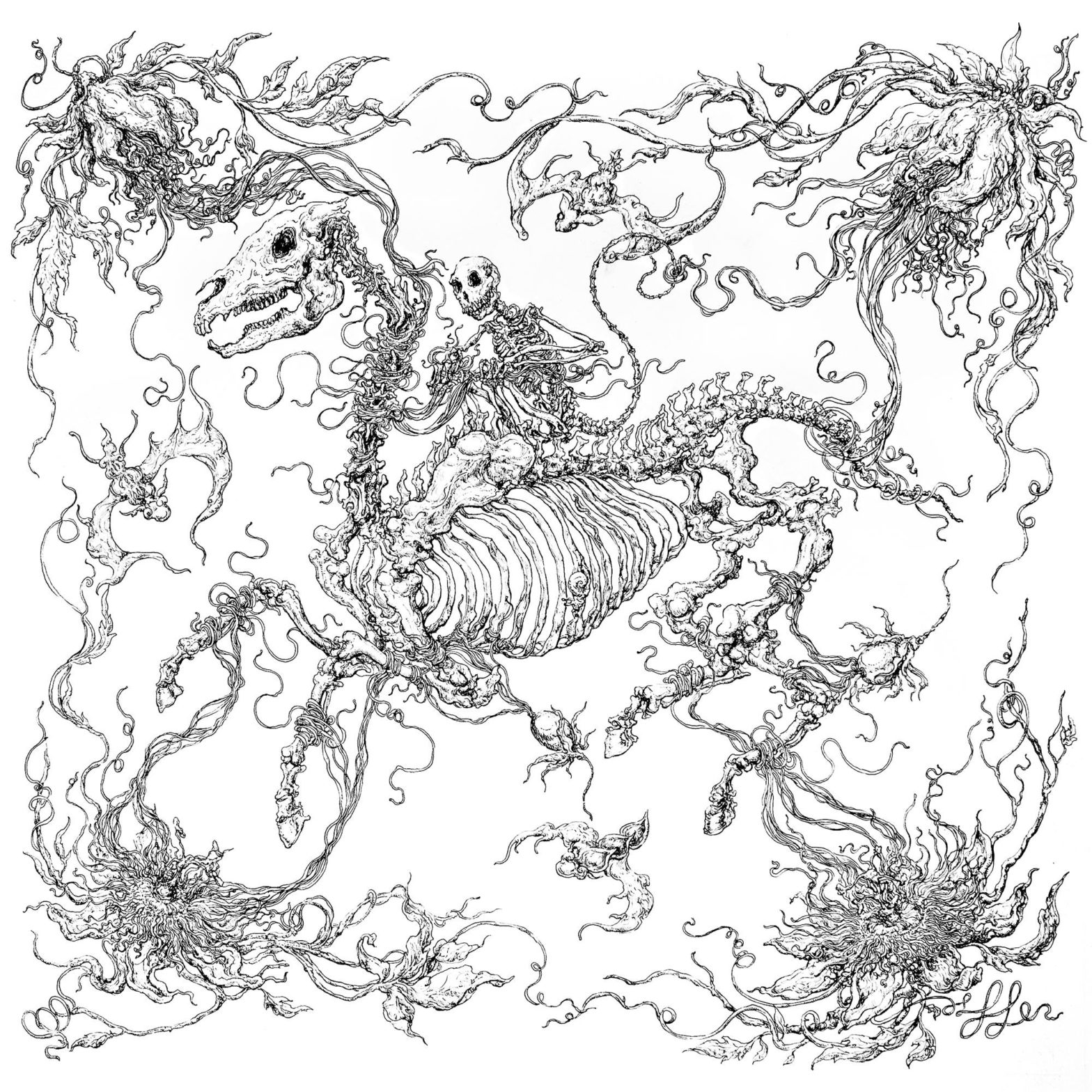
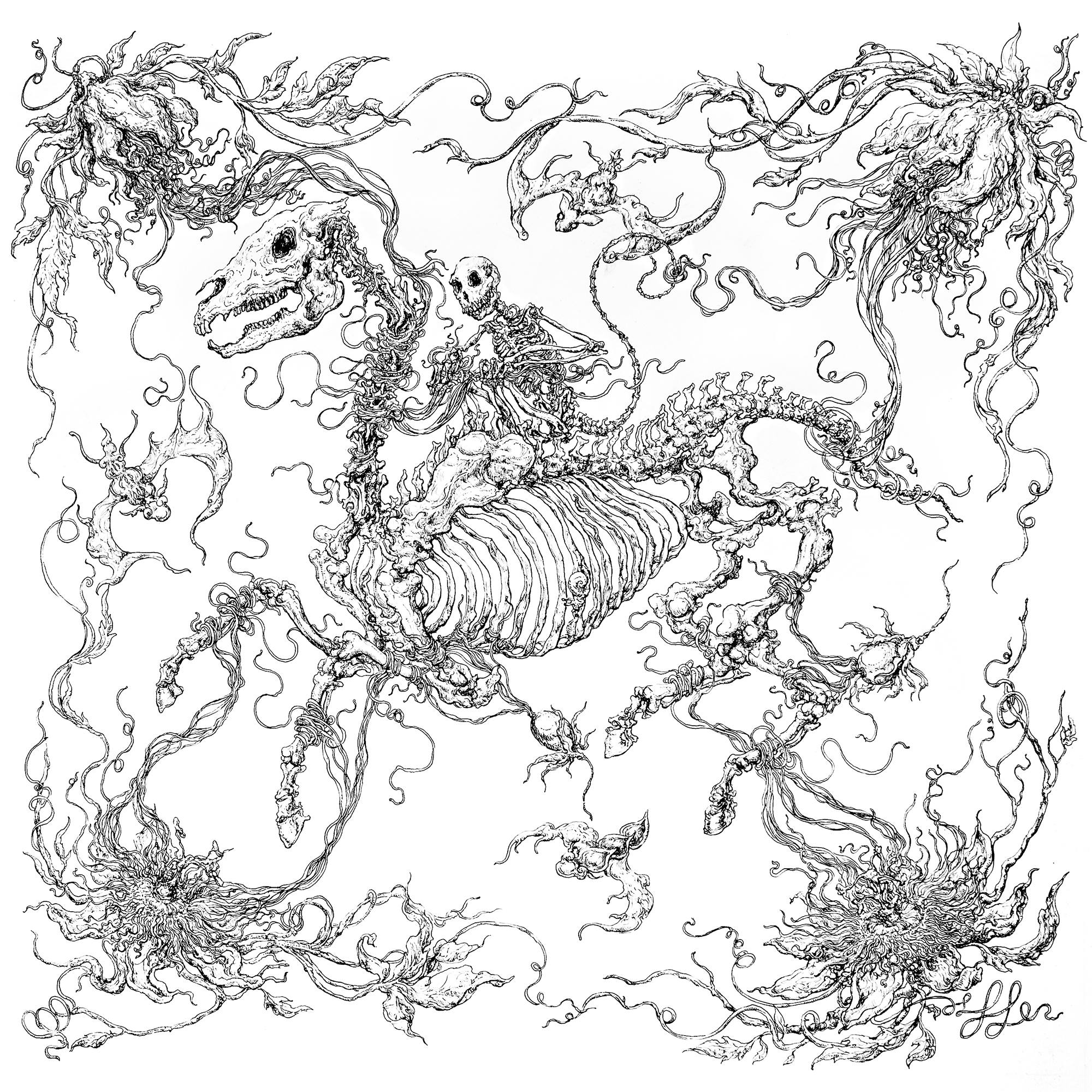
Answer Code Request is set to return with a sophomore album, Gens, scheduled for February 23 release via Ostgut Ton.
Answer Code Request’s 2014 debut LP Code was an exciting moment for electronic music in Berlin—one that offered a break from the eternal hall and monolithic 4/4 kicks that ruled the city’s club landscape. As a hybrid gesture, the album’s spirit recalled an especially fruitful era in the German capital from the mid-’90s to early 2000s, when dub and pad-driven Detroit techno cross-pollinated with Berlin’s industrial aesthetic to create one of the city’s most exciting musical chapters.
We’re told that this follow-up album “looks beyond the bass euphoria of Code toward darker horizons and a desolate atmosphere befitting of current global circumstances.” Gräser is said to “offer an alternative, bass-heavy, and groove-based path forward for techno—one that both challenges listeners and leads them through a sonic narrative.”
“For me, the album was a way of finding myself again without relying on other music— even to distance myself from other music,“ Gräser explains. “The more shadowy mood comes from a place of experimentation, and from my desire to go deeper into the sounds of synths and instruments I’ve been using, and even faster speeds of around 160 bpm. But in a way, the instruments were a kind of medium to abstractly conduct what was happening around me and the world.” — Answer Code Request
Tracklisting
01. Gens 02. Sphera 03. Ab Intus 04. Sensa 05. Knbn2 06. Orarum 07. Mora 08. Cicadae 09. Res 10. Audax 11. Tu 12. An Unattainable Distance
Gens is scheduled for February 23 release via Ostgut Ton.
XLR8R Couldn't find the embed function for type: "vimeo" and source: "<iframe width="1170" height="658" src="https://vimeo.com/249419225"></iframe>".
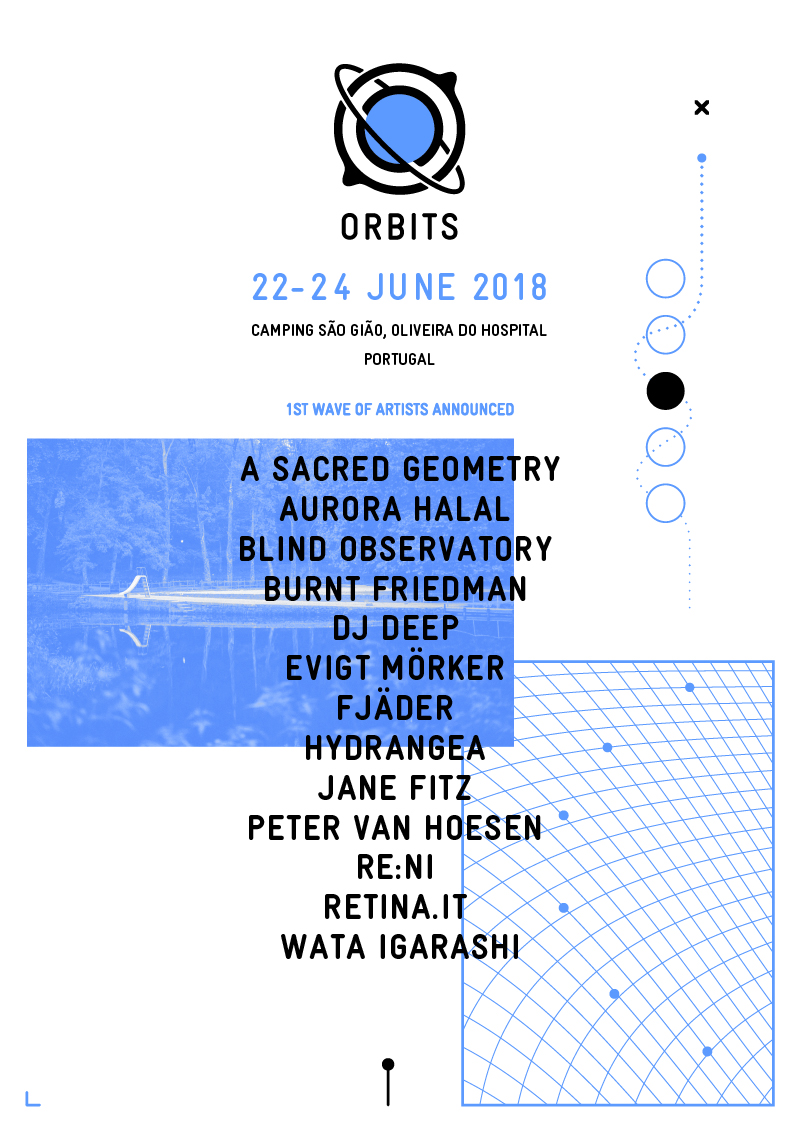
June 22 will see the launch of Orbits Festival, an “intimate” event with a focus on techno, experimental, and ambient fields of electronic music.
Orbits’ aesthetic philosophy is said to find the “perfect context” in the beautiful and magical surroundings of the São Gião camping park, near Oliveira do Hospital, at the heart of the Portuguese countryside—two hours by car from Porto and about one hour more from Lisbon.
Being itself a symbol of the resilience, following the dreadful fires of last October, these grounds are said to “act as the ideal launchpad for the journey that Orbits seeks to be, of healing, self-discovery, and connection.”
A carefully selected roster of artists from the techno, experimental, and ambient fields will perform over two distinct areas throughout three days of performances, including the following names from the first wave of artists:
This debut edition takes place from June 22-24 near Oliveira do Hospital, Portugal, with more information here. Meanwhile, you can stream a teaser video above.
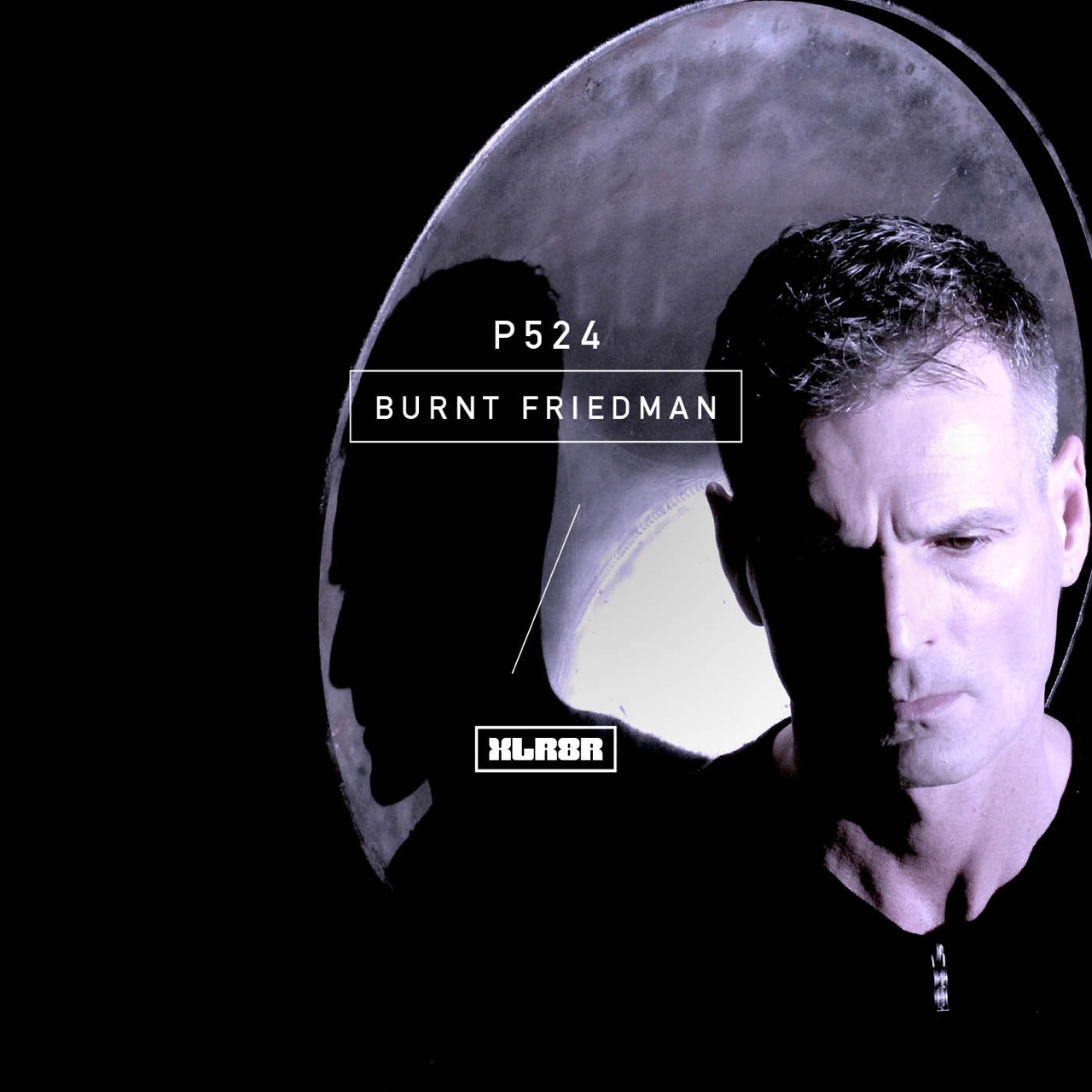
Within a few moments of experiencing Burnt Friedman’s music—whether a live set or his recorded output—it’s apparent that the German artist has crafted a singular style that is almost impossible to place in any established musical genre. Since the ‘70s, Friedman has explored non-traditional musical conventions, in turn producing a body of work unlike that of anything else out there. With broad touchstones that include elements of jazz, dub, world music, and techno, Friedman’s music can feel at once familiar and completely alien, engulfing the listener with elusive, confounding rhythms and evocative synth lines that seem to defy logic. Describing his music with words is an almost futile pursuit.
Last month, Friedman released a 37-year spanning compilation of his work via his Nonplace imprint. Titled Anthology 1980 – 2017, the release includes 17 tracks compiled from his releases on vinyl-only labels Latency, Marionette, and Dekmantel, alongside four previously unreleased cuts, providing a perfect starting point for new listeners or a fascinating glimpse through his career for initiated fans. It’s a perfect encapsulation of an artist who has been at the forefront of forward-thinking music for close to four decades.
Outside of his solo work, Friedman has also enjoyed a rich collaborative streak that has seen him work with fellow experimental music linchpins such as Uwe Schmidt (a.k.a. Atom ™), tambla master Mohammad Reza Mortazavi, poet Daniel Dodd-Ellis, Hayden Chisholm, Mark Ernestus, Steve Jansen, and, most notably, CAN drummer Jaki Liebezeit—Liebezeit sadly passed away last year—who Friedman credits with changing his life and furthering his exploration of non-traditional rhythms.
Constantly mutating and evolving, Friedman’s music is best experienced in the live setting; as he states, “Musicians will always prefer the live situation I would say—you can present something that you are really concerned with at that moment.” Alongside the aforementioned collaborators and as a solo musician, Friedman has collated a performance resume that reads like a dictionary of progressive institutions, including renowned appearances at Freerotation, Labyrinth, Golden Pudel, Club Der Visionaere, and Copenhagen Jazzhouse, among many others.
This week’s podcast provides a further look into Friedman’s musical sphere and gives a snapshot of his current listening habits. Eclectic, hypnotizing, and multi-layered, it’s an hour of transcendental music filled with mystical rhythms and worldly gems.
Burnt Friedman will be performing at this year’s Orbits Festival in the Portuguese countryside alongside Jane Fitz, Aurora Halal, Peter Van Hoesen, and many more great names. More information can be found here.
What was your entry into music?
I don’t remember but I do very well recall my “entry” into music-making, simply because I recorded everything to tape at the very beginning, in 1979, by using a shoe-cardboard box equipped with rubber bands in which a microphone was placed and added all sorts of toy percussion and stuff around it. In 1982, I was thrilled by the opportunity to play a real drum kit, but it never occurred to me to pursue a musical career. Only much later, upon the degree of my academic arts studies in 1992, did I finally accept my proclivity for sound over vision. By that time, it occurred to me that I had spent half of my life playing music with my friends in various groups, live, at home, or in rehearsal rooms, with and without machines, so it became my profession.
Did you come from a very musical background?
No, I do not come from a musical background at all, hence I owe a debt of gratitude to my parents.
You’ve long studied and centred your work on rhythm—what draws you to rhythm and this way of working?
My own fascination with repetition began upon realizing that I could learn, in other words “repeat” the making of music by executing specific repetitive motions. To my understanding, the source of learning is the transformation of and informing of one’s own body. For the lack of a better word, higher forces have the capacity to absorb one in the process of repetitive motion. Intrepidity is one of the liberating, long-term benefits as it scares demons away. This becomes particularly efficient with rhythmic “witchcraft” beyond the common, even spectrum (even numbers). To call those “poly-rhythms” is deceitful and could not be further from the truth. In the infinite process of learning, I am trying to shed light on the nature of rhythms by incorporating my practice and body memory also to machine-production and recorded formats.
Your recently released anthology features works produced from 1980-2017—alongside your own development, how have you interpreted the evolution of the greater musical landscape in that time?
The most remarkable, liberating period in recorded popular music history to me is the time around 1981, in terms of a drastic widening in the stylistic range of music. In comparison, the period, say 1998 to 2017 looks almost irrelevant—which is not to say that there is no interesting music after 81—nevertheless, the variety of musical ideas released into the public sphere in 1981, roughly, compared to the relative conformity, alignment, and regurgitation of the same, including the sampling of it, within the past 15 years is shocking to me. Here are a few examples of the rather adventurous 1981, incorporating the notion of repetition or sequencing, notably on fairly common labels:
Liaisons Dangereuses “dito” [Teldec] Brian Eno & David Byrne “My Life In The Bush Of Ghosts” [EG] Simple Minds “Sister Feeling Call” [Virgin] Gary Numan “Dance” [Beggars Banquet] The Residents “Mark Of The Mole” [Ralph] Holger Czukay “Ode To Perfume” [Virgin] Gang Of Four “Solid Gold” [EMI] Logic “Logic System” [EMI] Klaus Schulze “Trancefer” [IC] Talking Heads “Remain In Light” [SIRE] 80 Ryuichi Sakamoto “B2 Unit” [Island] 80
I’ve come to the conclusion that music-making is an artistic endeavour, in that anything that fails to provide something relevant if not new, should not necessarily be published. That’s how I interpret the musical landscape at any time, in other words, an artist, being an individual concerned with what could be a legitimate piece of music today, may strive for the best possible and most meaningful.
How was 2017 for you?
In my opinion, the “7” in 2017 looks slightly askew, so that during the year I had trouble confusing it with 2011 which had a more symmetrical accuracy to it. It does not rectify much placing 20 in front of it. This is drawing the attention to more than 2000 years located behind us, while the human mind has increasing trouble to fill such time span with relevant memory, and sadly, as one is made to believe, apparently not as many in front of us. Being a proponent of two digits instead of four, “17” would have given a more correct credit to the prematurity of humankind and its few promising achievements (the sovereignty of the individual being one of them), whereas the amount of 2017 years after Christ is quite dizzying and obfuscating, as humankind has actually entered a new epoch after crossing the zero threshold.
Where and when was this mix recorded?
This mix was recorded in the studio at home in December 2017.
On what equipment did you record the mix?
I use a vinyl player or two, if I wish so, with variable speed control. The etchings of the vinyl mysteriously convert into waveform depictions of variable sizes and color represented on a technical device I erroneously call “Pro Fools.” It has proven to be the most reliable working unit as long as operated offline since 1995. All tracks are slightly compressed, equalized, and some are even edited by help of “Pro Fools” software to create a seamless flow of music very much to the horror of the originators, I guess, who once may have thought that they accomplished their work at an optimum technical level.
Was there a particular mood or idea you were looking to convey?
My purpose was to create a mix I would want to listen to myself without any particular mission to convey nor problem to confront. Yet, this attitude automatically grants for a certain scope to appear and, while recording and listening, I find that the music is bearing a relationship and “connectability” on its own.
How did you select the tracks you wanted to include?
Firstly, I deliberately limited my choices to one format, vinyl, then selected my current favourites, without preference to epoch, style, or territory and, of course, not the tracks I had picked out some time before. So, I selected the records I would want to listen to again, or records that I was curious to check out again, as to see whether I could find something I had overheard while being biased, plus pieces that were functional as transitions or background additives. Lastly, all tracks were required to serve the mix in one way or another, at least not stand out erratically or dominate other pieces.
What do you have coming up this year?
Just briefly, I am very much looking forward to playing live with Mohammad Reza Mortazavi in 2018 and I have also started to mixdown a Burnt Friedman solo album to be released this year on Nonplace.
Thanks very much for your interest and support.
Tracklisting
01. Streetmark “Dreams” (edit) [SKY] 02. Burnt Friedman & Mohammad Reza Mortazavi YEK “YEK 132-11” [Nonplace] 03. Phantom Band “Phantom Drums” [SKY] 04. Phantom Band “Pulsar” [SKY] 05. Phantom Band “Latest News” [SKY] 06. Don’t DJ “Gamellan” [Berceuse Heroique] 07. Java Pays Sounda Musique Et Chants Traditionels Soundanais “Katineung” [Alvares] 08. Bobby McFerrin “The Jump” [Elektra] 09. David Moss w/ Bill Laswell “Tunes” [Moers Music] 10. Hematic Sunsets “Bitte, Ficken Sie Mit Mir” [Klang Der Festung] 11. Curtis Mayfield “Little Child Running Wild” [Buddah records] 12. Back & Forth “Ineluctable” [DOG] 13. Carlos Peron “Impersonator” [Konkurrenz] 14. Miles Davis “Freaky Deaky” [CBS] 15. Carlos Peron “Quadra” [Konkurrenz] 16. Java Pays Sounda “Musique Et Chants Traditionels Soundanais” [Alvares] 17. Tarawangsawelas “Sekalipun” [Morphine]
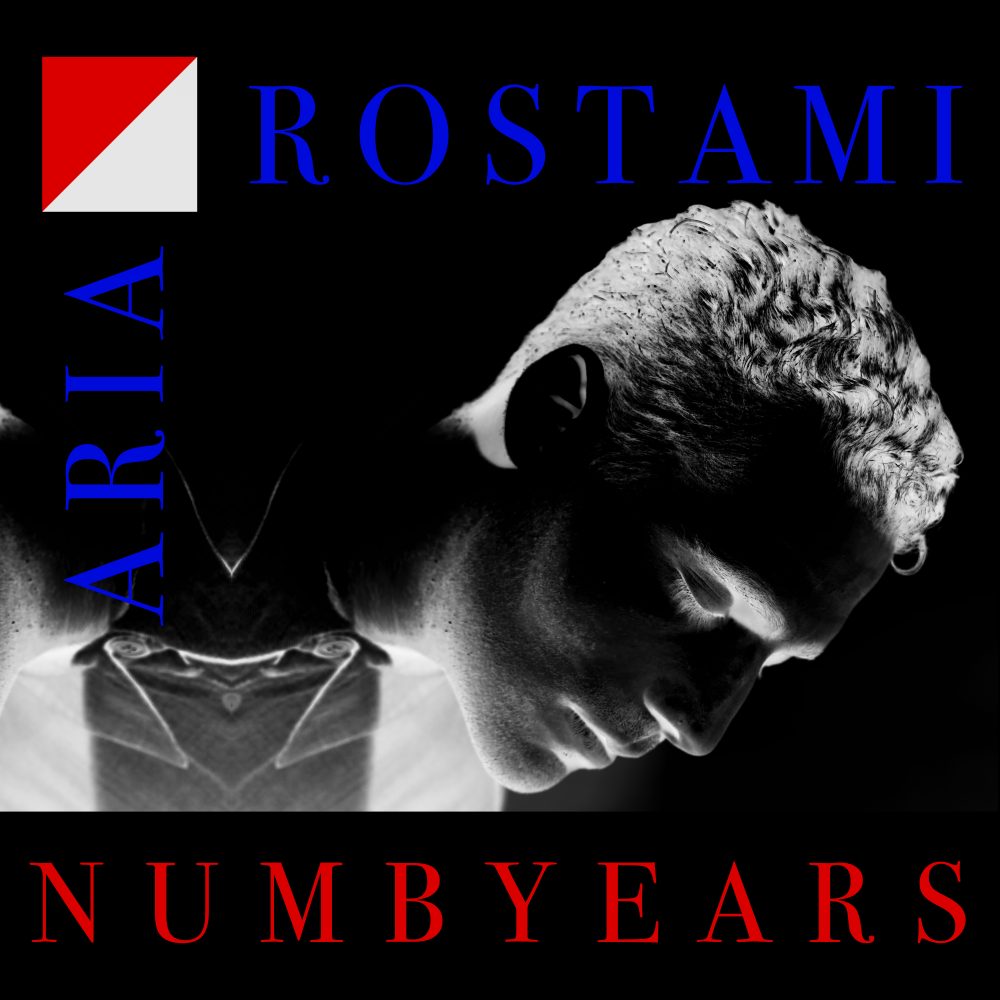
Last month, Brooklyn-based Persian artist Aria Rostami dropped his latest album, Numb Years, on his own Intimate Inanimate label. The album was released with a poem and essay, in which Rostami talks about his parent’s immigrant experience, being part of the second generation, the events in the United States since the election, and what he’s learned from the untold stories about his aunt that was murdered before his father was born—all of which directly influenced the writing of the album, which took place following his move to Brooklyn, NYC. Here is an excerpt from the essay:
“On July 1st, 2017 I moved to Brooklyn, New York from San Francisco, California. I left a good paying job and a home city I grew to love over 11 years. I moved to New York City for an opportunity to make art and experience life that was not available in San Francisco. I got an entry level job that paid minimum wage and mostly lived off of savings. I was living like I was 20 all over again… two small meals a day to save money, working for 9 hours a day at a mind-numbing job, coming home and working on music until 5am… Really, music was the only balancing point of the whole experience. So I started making music that brought in the noise of New York… The shrieking and hissing of transit, it’s unavoidable, I hear it everywhere… I made an album in a month. “Numb Years” captures everything I felt in that concentrated period of time.”
With the above subject matter and the city of New York as a backdrop, Numb Years paints a dense and gritty picture filled with raw emotion and inviting depth, from the nostalgic beauty of “Where I Saw Naked Numb Years” to the tense and haunting “Where She Untied Warm Glowing Arms.”
In support of the LP, Rostami has offered up “And Nayereh Untied Green Limp Arms” as today’s XLR8R download, available via WeTransfer below.
On January 26, Alpha Pup Records will release Portuguese artist Holly‘s 15 Hours To LA EP.
Inspired by his stay in Los Angeles, 15 Hours To LA presents Holly’s take on the beat scene, fusing tense synth lines with deftly programed drums and the type of bass-heavy grooves you’d hear at Low End Theory—Holly’s connection with Alpha Pup evidently stemmed from a performance at the popular LA party.
The four-track EP will be the first of 2018 for both Alpha Pup and Holly, available on digital formats and limited-edition orange / black splatter vinyl in a run of 500 copies. You can pre-order the record here.
Ahead of the release later this month, you can stream the wall-shaking single “Boop” (feat. Copycat) in full via the player below.
Released today, Ableton‘s latest artist film profiles LA-based artist Katie Gately.
The two-part film takes an in-depth look into Katie’s history in music and sound, her outlook on music, her working methods, including field recording, audio processing, effects chains, and arrangement, and the breaking down of a track.
Alongside the film—and using some of the sounds recorded and processed in the film—Ableton and Katie have offered up a free download of an instrument rack called “Kately’s Haunted House,” which includes four different chains of sound variations (boiler, oven, scanner, and wool wire), each with their own effects, plus a global parallel effects chain. Katie has this to say about the rack: “I’m an FX person so the idea is to experiment using as much variety in FX-types for a diversity of playfulness. I want each chain to think and act a bit differently – while still not creating distorted madness. My hope is people will pull these apart and personalize them (i.e. try them out on other sounds and make them smarter/wackier/cooler). I also hope people will be inspired to record sounds in their own houses to see what kind of mundane magic is living under their roof!”
You can download the rack here, with both parts of the film streaming via the player above and below.
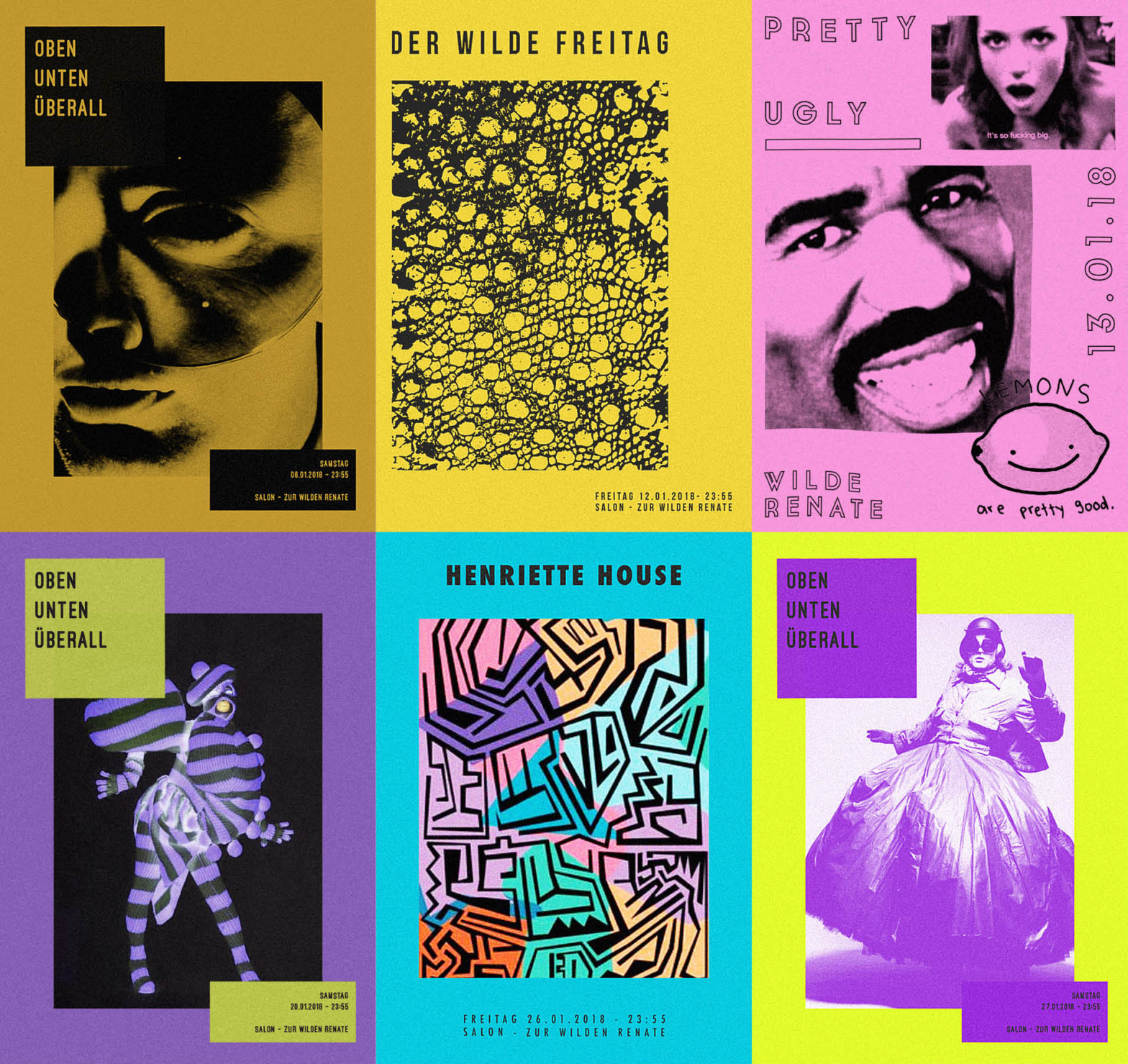
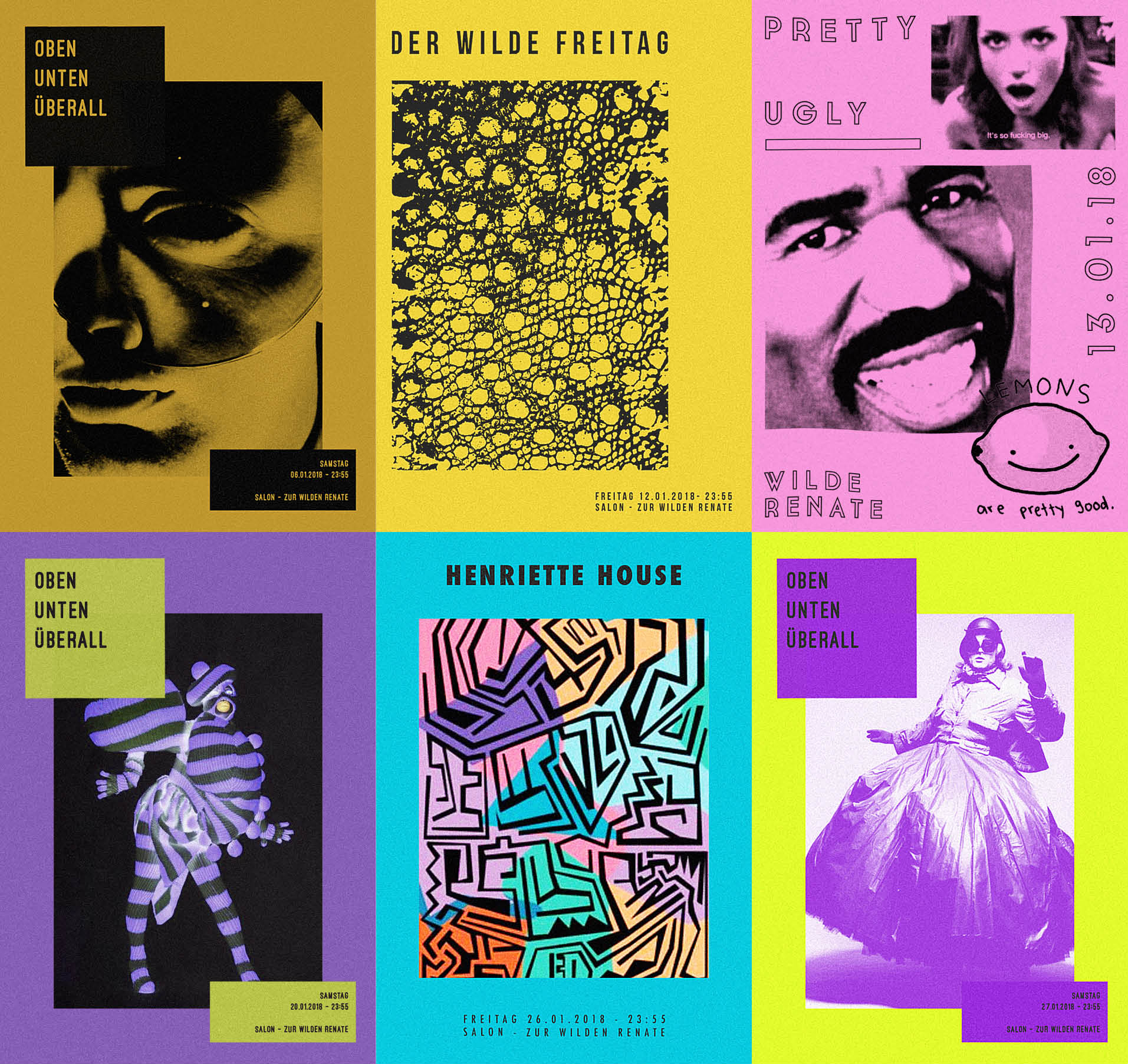
Berlin party place Wilde Renate has confirmed its January lineups.
This month features some strong names. This weekend, there will be another “fundraving” party to benefit the Berlin animal shelter, featuring the likes of Margaret Dygas and Maayan Nidam. The Drifter, Marlon Hoffstadt, Gerd, Aera, and Kris Baha are among the other highlights of January. A full lineup can be viewed below.
Thursday, January 11 — 22:00 Beats ‘n’ Beasts—Another Fundraving Party
Margaret Dygas Maayan Nidam Jay Shepheard Dr. Motte Dapayk Eluize Mike Vamp Dinamite Mary Jane Tobias Gullberg
Friday, January 12 — 23:55 Der Wilde Freitag
Marlon Hoffstadt PéPE Fingerman Jarle Bråthen Peak Fritz For Funk Sado Opera’s Love Radio
Saturday, January 2023:55 Oben Unten Überall
The Drifter Adam Marshall TWR72 Alex Voices Kev Sheridan Sinfol Local Suicide Michal Zietara The Swift
Thursday, January 25 — 23:00 The House of Red Doors Second Birthday: Weimar Berlin
Jon Hester Lady Blacktonika Ricardo Esposito Rotciv Luigi Di Venere Laura De Vasconcelos The Shredder Rene Audiard
Friday, January 26 — 23:55 Henriette House
Gerd Hugo Mendez Lola Luc Nico Skliris Charlie Smooth Gizzie The Fox Sado Opera’s Love Radio
Saturday, January 27 — 23:55 Oben Unten Überall
Aera A Sagittariun Manamana Toby Tobias Soft Rocks Kris Baha Jamaica Suk Pellegrino Sabine Hoffmann
Saturday, January 27 — 20:00 *KHWAT – A Fundraiser For Our LBGTQI Family In Egypt More Information coming soon.
The compilation title draws its name from T. S. Eliot’s poem “The Hollow Men,” in particular, the phrase “in Death’s dream kingdom”—the inspiration for each track.
Besides those mentioned above, contributions come from Peter Van Hoesen, Pär Grindvik, Hodge, Batu, and many more. We’re told to expect “dark music for dark times.”
Ahead of the official January 26 release, the label will stream two new tracks from the release each day via Spotify.
Tracklisting
01. Otto Lindholm “Cain” 02. Pan Daijing “The Island Within” 03. Lanark Artefax “Styx” 04. Petit Singe “Komm Wieder Mit” 05. Peder Mannerfelt “Post Sense Perspective” 06. Tomoko Sauvage “In Some Brighter Sphere” 07. Pye Corner Audio “Box In A Box” 08. Sophia Loizou “Shadows of Futurity” 09. Abul Mogard “Trembling With Tenderness” 10. Pär Grindvik “Speaking Their Minds” 11. Koenraad Ecker “Rat’s Coat” 12. Roly Porter “Without Form” 13. Hodge “Sunlight On A Broken Column” 14. Gazelle Twin “The Dream Ends” 15. Shapednoise “Ghostly Metafiction” 16. ASC “Tessellate” 17. Batu “Zoo Hypothesis” 18. We Will Fail “Carbon Trail” 19. Peter Van Hoesen “98 Lines” 20. Spatial “Haunted Dance Hall” 21. Yves De Mey “Solemn But Fading” 22. Mindspan “Accept Things As They Are” 23. Kangding Ray “Glacier” 24. ZOV ZOV “Post Six” 25. Ian William Craig “An End Of Rooms”
In Death’s Dream Kingdom will land on January 26, with the streams available here.
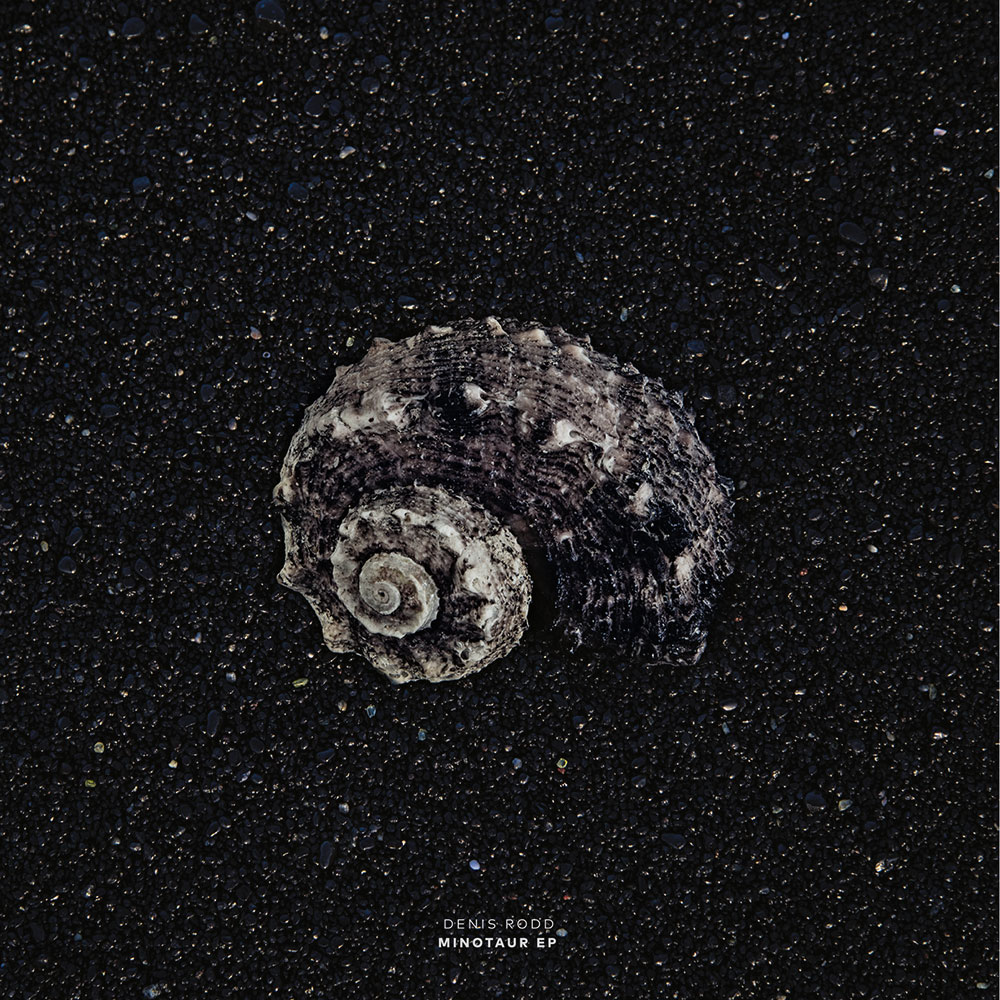
After the organic and natural-sounding debut, Denis Rodd was inspired by Greek mythology and modern cinematography for his second EP, titled Minotaur. In support of the release, which landed in November, the Berlin artist has shared the opening track, “Charlie & The Acid Factory,” for free download. The cut, a slow-burning techno roller, draws its name from Tim Burton‘s fantasy fairy tale “Charlie and the Chocolate Factory.
Tracklisting
01. Charlie & The Acid Factory 02. Slow 03. Minotaur
After the organic and natural-sounding debut, Denis Rodd was inspired by Greek mythology and modern cinematography for his second EP, titled Minotaur. In support of the release, which landed in November, the Berlin artist has shared the opening track, “Charlie & The Acid Factory,” for free download. The cut, a slow-burning techno roller, draws its name from Tim Burton‘s fantasy fairy tale “Charlie and the Chocolate Factory.
Tracklisting
01. Charlie & The Acid Factory 02. Slow 03. Minotaur