Download an Ableton Live Set From Jinku

Nairobi has long been a center of musical diversity and experimentation – a place where global influences meet regional traditions. The fresh energies set free by these encounters inspire artist collectives like EA Wave, who push the boundaries of modern African music. 

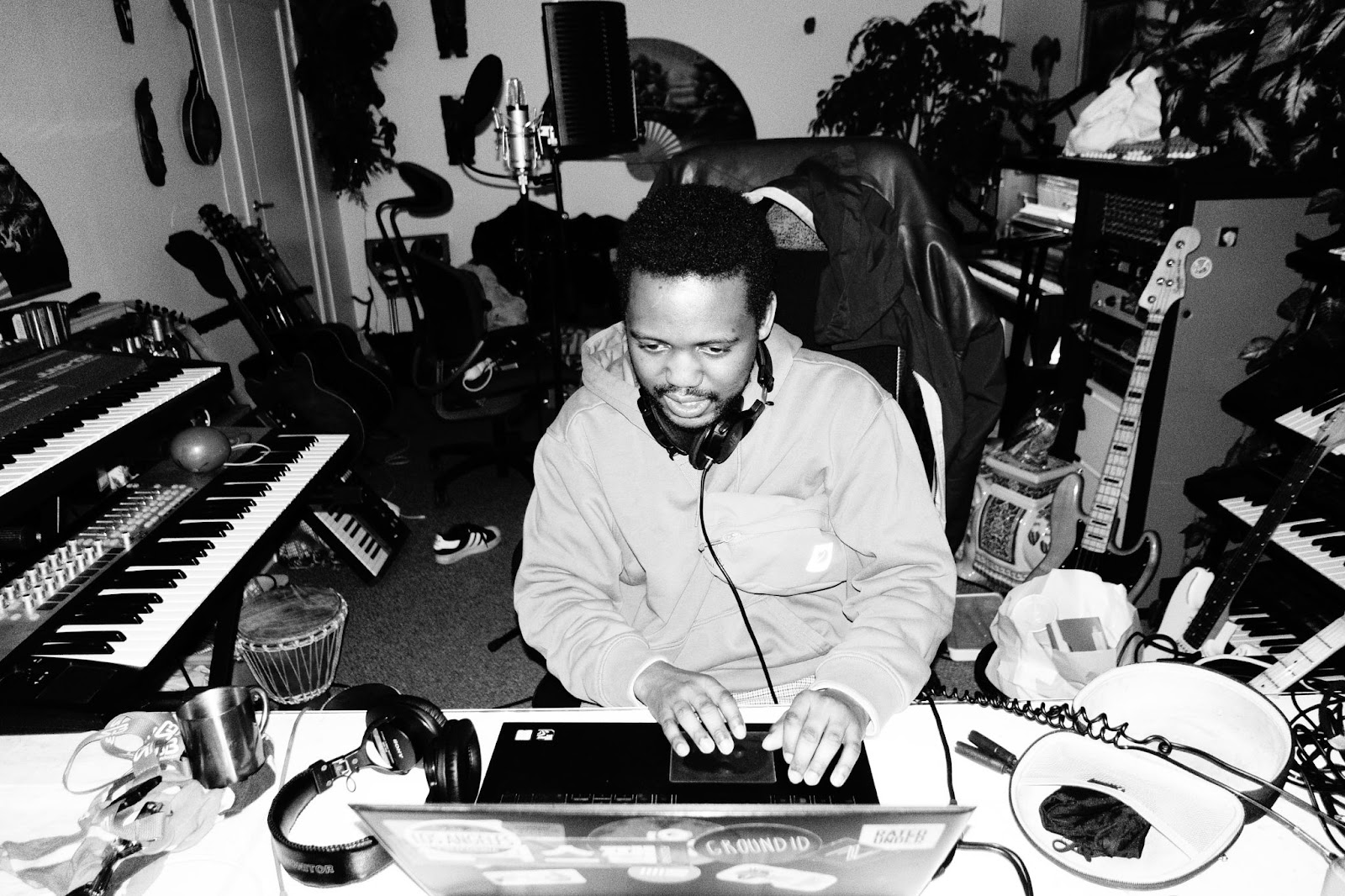
Jacob Soloman (a.k.a. Jinku) has grown up immersed in Nairobi’s thriving arts scene. As the founder of EA Wave, he’s been steadily refining his fusion of afro house, R&B, and African percussion into a genre he defines as tribal downtempo. 

In this month’s XLR8R+ edition, Jinku released his new track “Barda”. We caught up with him from his adopted home in Stockholm for a chat about his techniques and creative strategies; plus he shared a download of his Live Set for a direct look into his process.

Download the Live Set to Jinku’s track “Barda” here*

*Requires a Live 11 Suite license or the free trial.

Please note: this Live Set and included samples are for educational use only and cannot be used for commercial purposes.

This feature first appeared in this month’s edition of XLR8R+, which dropped exclusively to subscribers last month, alongside six unreleased tracks, including the track in question here, “Barda.” You can download “Barda” and the rest of the pacakage once you subscribe here

XLR8R+ is a curated subscription service and music community delivering exclusive music and content every month, plus access to the XLR8R+ member’s area, where you can submit your music to be showcased across XLR8R’s channels and to the XLR8R+ community. The XLR8R+ subscription is also available as an NFT, minted on the Polygon (Matic) chain.

Jinku, thanks for taking the time to talk to us about your work. How did you find your way to music-making while growing up in Nairobi?

I actually wanted to be a painter or graphic designer. But my parents were having none of that. They said I needed to become a doctor, engineer, or a business person. They were worried that artists were some of the poorest people in our country. Back then there were no cultural reference points in Nairobi. There were no famous people making bank as artists. So I went and did a communications degree. During university, I still managed to learn Photoshop and Illustrator. Then I started doing artwork for music producers. So actually I entered the music scene through graphic design.

What influenced your transition from graphic design into music-making?

There was a musician I worked with called Saint Evo. He was making afro-house and that kind of stuff. After watching how he produced I would start throwing in random ideas. Eventually, I was given a copy of Live to try and my whole mindset about African music and African rhythms changed. From there I formed EA Wave and I’ve just been grinding at it ever since; trying to create these alternative sounds in Nairobi.

Are you still releasing music with EA Wave?

As the collective became more well known there was more pressure to release music together. But lately, we’ve become like the Avengers! So it’s like when The Incredible Hulk, Iron Man, and Captain America all do their thing but then come together. That’s what I feel is happening with EA Wave. Everyone is having their own adventures. But when the time feels right, we’ll put something out collectively. 

EA WAVE “Alango” (feat. Makadem)

Where did you meet?

In Nairobi, if you wanted to find the fresh sounds in the city you’d go to SoundCloud. That’s where we all found each other. I think we were known as the SoundCloud era. When we met in real life no one knew each other’s actual names. Everybody was being called by their usernames!

How is the local music scene in Nairobi lately? 

Well, I think COVID really did a number on it. But there have been some small incremental things, like Spotify setting up in Kenya in 2019. So now we are starting to get localized playlists. That’s helping the burgeoning scene and the younger cats who’ve come after me. 

From when I started to where it is now, I can definitely see people are more expressive in Nairobi. We have a really strong queer scene in the city right now. There’s a singer called Bakhita who’s advocating for this community. It’s really nice to see that thriving.

You’ve described yourself as a sponge of different influences. What kinds of music inspire you?

Right now I love ‘90s hip-hop and 2000s R&B. The first time I was introduced to afro-house it was mind-blowing to hear African percussion in such a western genre. What I’m now doing is taking that basis of afro-house percussion and putting it into R&B and hip-hop. I call it tribal downtempo. 

Jinku ‘WAVE TAPES 01’

There are a lot of those percussive influences coming through in the Live Set you’ve shared. How did you come about naming the track “Barda”?

Barda is actually a musician who’s part of this organic downtempo movement. When I made it I was thinking of her sound and what would compliment it. I was actually trying to come up with another name, but it just felt like her.

When starting a project, are you more likely to pick up an instrument, or head straight to Live?

Recently I’ve been recording a lot of sketches on my phone, which I then drop into Live. Then I’ll use the tap tempo feature to match those sketches. A lot of my new songs have weird tempos like 91.83 or 80.47 BPM because I’m using my body’s actual internal rhythm to determine the speed.

What does your typical creative process look like in the studio?

I have two layers: the creation process and the mixing process. The creation process is just about throwing everything at the wall. It’s about finding sounds, getting a basic groove, and then trying a lot of combinations of things with it. I will do that until I get bored, then I’ll close the project down. When I come back to it I’ll throw everything on the timeline. I’ll start soloing different things to see what works together and where relationships are forming between different parts. Then I’ll start using the mute button (0 on the keyboard) to deactivate clips and build a song. Once I have an arrangement it goes into mixing. Personally, I really enjoy the mixing stage because that’s what makes the track. 

“Sound is like a block of clay and EQ is the sculptor”

Jinku

All of the tracks in your Barda project have been rendered as audio. Was that a creative decision?

That’s just how I work. I always bounce everything down to audio. I just don’t like MIDI for some reason. When I bounce to audio it feels like I’m committed. Also, I want to be able to move my projects across different computers without having to worry about plugins. Moving those big sound libraries is always difficult. So as soon as I put an idea down I freeze it immediately. It’s a very conscious decision. 

You’ve used a lot of EQ devices running in serial on many of your channels. What’s the thinking behind this?

Sound is like a block of clay and EQ is the sculptor, that’s how I see it. I read in forums you’re not supposed to create too many notches with one EQ. They say it’s more destructive than subtractive. So it’s better to do small things with different EQs because it gives a much cleaner sound. It’s like you’re dividing the load between a number of EQ plugins rather than having one do all of the processing. 

Jinku uses multiple EQ devices in his signal chains to spread the processing load.

Did you record real percussive instruments for this project, or did you work with samples?

It’s a mixture of different loops that I cut to get certain accents. I then processed some of them through devices like Beat Repeat and Granulator and bounced them to audio. 

Was any warping required?

I actually don’t warp what I play. I don’t quantize my drums or use swing templates, because that’s like copying the swing of a certain drummer. The reason we might like J Dilla’s drumming, for example, is because he played his drums using his own internal swing. That’s why, when I do my drum programming I prefer to just keep it as is. If it’s a bit wrong I’d much rather do it again than quantize it. It keeps it more performative. This way it’s more like having a conversation with your computer rather than your computer dictating what you create!

When building up this percussive section, how did you make all of the individual layers work together rhythmically and sonically? 

OK, one thing: always tune your drums to the key of the song. Then it’s about adding some aggressive EQ, panning, leveling, and good mixing etiquette. I also squashed everything with a Drum Buss. 

Do you use a tuning device to determine the key of your drums or is it done by ear?

By ear. Sometimes I will solo a melodic element in the song and then just start tuning each percussion clip one by one. I’ll keep tuning by ear until it feels like they’re all related and part of the same universe. If all your drums are in the key of the song it feels like they’re lifting the melodic structure. 

What effect is the College Dropout Max for Live device having on your percussion master buss?

It’s basically like tape saturation. So it rolls off all that annoying high end and gives things a nice round low end.

Jinku uses the College Dropout Max for Live device to roll off unwanted low and high frequencies.

Throughout the piece, there’s a Rhodes chord line that gives the track a dubby vibe. How did you process it?

Those chords are from Arturia Analog Lab and I’ve added the Max audio effect Color. Color’s Phase gave the chord more depth while the Wobble made it veer in and out. There’s a bit of hiss generated by the Age parameter which gives the chord a vintage sound depending on how high you crank it. 

Jinku uses the Color Max audio effect to add phase, wobble and hiss to his chords.

You’ve created a big bridge section with trumpets. Were those taken from live recordings or did you use samples? 

The trumpet is played by Samson Maiko. He’s an instrumentalist from back home in Nairobi. 

You used a Max for Live Device called Track Stereo Pan a lot in this section. What’s it doing?

This device enables true stereo panning. I use it as a correction tool when dealing with samples that are already panned in a certain way. If I want to use automation with Live’s own Stereo Pan mode, it can get tedious editing the left and right channels. This plugin allows me to draw automation more easily. It’s a time saver and keeps me in a flow state.

A lot of the width and space in this section seems to be coming from an Effect Rack containing Reverb, Spectral Blur, Delay, and Grain Delay Devices. What was the thinking behind this effects chain?

I used Spectral Blur more like a reverb rather than a blur. Using its Halo mode with the Residual and Frequency parameters gave a really washed-out sound. When I mixed it with the dry signal it sounded like a big hall verb. 

The Filter Delay is more for space. It was about pushing the delay into the stereo field more. I was able to EQ the left and right sides individually on this device, so it gave me more control over the delay signals. 

Some of your trumpets have high-pitched crystallizer effects coming through. Which device did you use to create those?

I wanted to give the trumpets more high-end sparkle so I used Grain Delay with its pitch set to 12. At low volumes, this gives the trumpet a more high-frequency presence. It also helps with the stereo width. 

Jinku uses an Effect Rack containing Reverb, Blur, Delay, and Grain Delay to create space, width, and high-frequency harmonics in his trumpets section.

How did you build up the rhythmic melodies in your Arps section?

I have an Arturia KeyStep Pro with an arp function on it which was triggering Arturia Analog Lab. I was playing with the swing, recording different takes and bouncing them down. Instead of playing the arpeggios to the grid, I was riding their speed. This helped them to catch the percussion in a certain way. It gave the feeling of both elements playing together. On Analog Lab I was also tweaking the filters, making them rise and fall to create lots of movement. 

Where did the African vocals come from?

The vocals were from Splice. I really like how Splice has democratized music-making. You have to be more creative to stand out because these sounds are accessible to everyone. But in the past, I’ve recorded a lot of vocalists I found online through Twitter, or in Nairobi through word of mouth. 

Lately, I’ve reached a point where I find it very hard to imagine a completed track without a vocal contribution. But that’s something I am trying to get out of now. I’m trying to remind myself you can make purely instrumental music and consider it finished.

One of your return channels is called Devil Loc. What’s happening here?

On this return channel, I’m squeezing the life out of the song with a number of devices like EQ Eight, Saturator, and Dynamic Tube. I grouped every channel in the project into a mix bus so that I could mix this return channel back in. This had the effect of warming up the mids basically.

What kinds of master effects have you added to the mix bus itself?

I’ve used Utility to mono the bass and added some mid-side EQ. Then I’ve used Final Glow which is an Effect Rack that has a ton of different things like saturation, overdrive, and compression. It works like a very aggressive compressor. But you’ll see the Macro Controls are only set to one, so it’s just tickling the signal chain. 

You’ll see another Effect Rack where I did some processing to the top end, to give it some sparkle. The first layer of the chain is left dry so that I can process the high frequencies in subsequent chains without affecting the whole signal. Then you will see I’ve high passed the signal and added Saturator.  In the third chain, I’ve toggled a Utility device to Mid/Side mode. This allowed me to add saturation and overdrive just to the sides. 

In the third chain, I’ve toggled a Utility device to Mid/Side mode. This allowed me to add saturation and overdrive just to the sides. 

Jinku uses an Effect Rack to process specific frequency bands on his mix bus channel.

Would you typically leave all of this processing in place before sending the track to a mastering engineer?

Definitely.As you can see, this track is peaking at -6db. That’s how I sent it off to be mastered. This is also why I have a Utility device at the beginning and end of the master effects chain. If you keep all your channels low it’s much easier to gain stage and make sure all of the plugins are fed the right amount of amplitude where they sound best, and most optimal. Then you can use the Utility devices to trim the signal as needed. 

Jinku, thanks for sharing so many insights into the production of your track. What music projects do you have coming up in 2022?

Thanks for the opportunity! So, in June I have an album coming out called ‘Passenger 555’ featuring a Kenyan singer called Karun. It’s a seven-track album of cosmic R&B. It’s really percussive and synthy with some heavenly vocals.

In July I have a tape coming out called ‘Oasis Pack.’ It’s about my journey from Nairobi to my first winter in Sweden. It’s an amalgamation of Kenyan artists and Swedish musicians coming together in proper tribal downtempo fashion.  

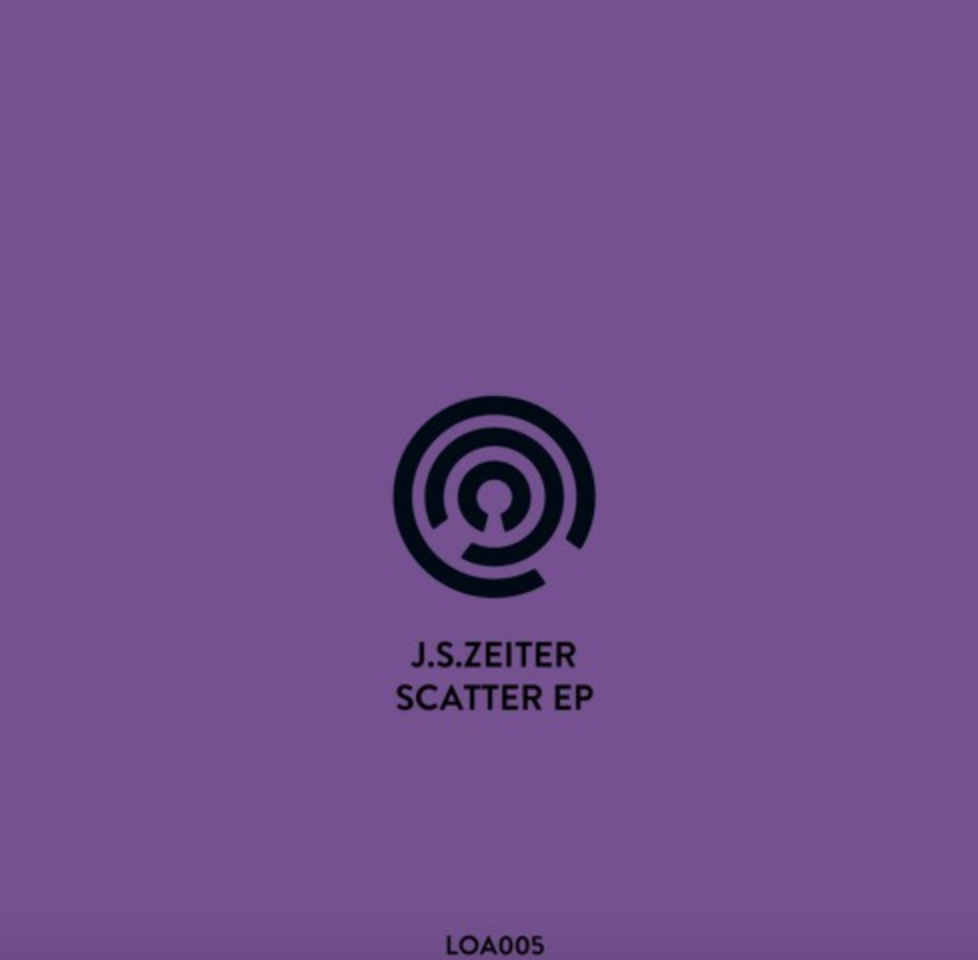
J.S. Zeiter Signs to Andrey Pushkarev’s Luck of Access

Luck of Access, Andrey Pushkarev‘s label, has released an EP from J.S. Zeiter.

J.S. Zeiter, born James Zeiter, is a name that will be familiar to collectors of the finest dub techno. Over the last 15 years, the mysterious Manchester artist has quietly rolled out an array of beautifully crafted deep dub techno, some of which fetch crazy prices on the second-hand market.

Here he delivers three elegant tracks that connect the dots between Detroit dub and ambient.

On the A-side, you’ll find “Scatter,” a rolling slice of melancholic dub techno that’s enhanced by drifting delays, gentle forthright drums, and crisp percussion.

On the flip, you’ll meet an impressive duo: “Silent Running” is a delicious closing track while “Absence” reveals epic and immersive soundscapes that give you a glimpse of what a dystopian future may sound like.

For more information on Pushkarev, check out his XLR8R podcast here.

Tracklisting

01. Scatter
02. Silent Running
03. Absence

Scatter EP is available now. You can stream it in full below and order it here.

HTRK Release Bewitching Demos Collection

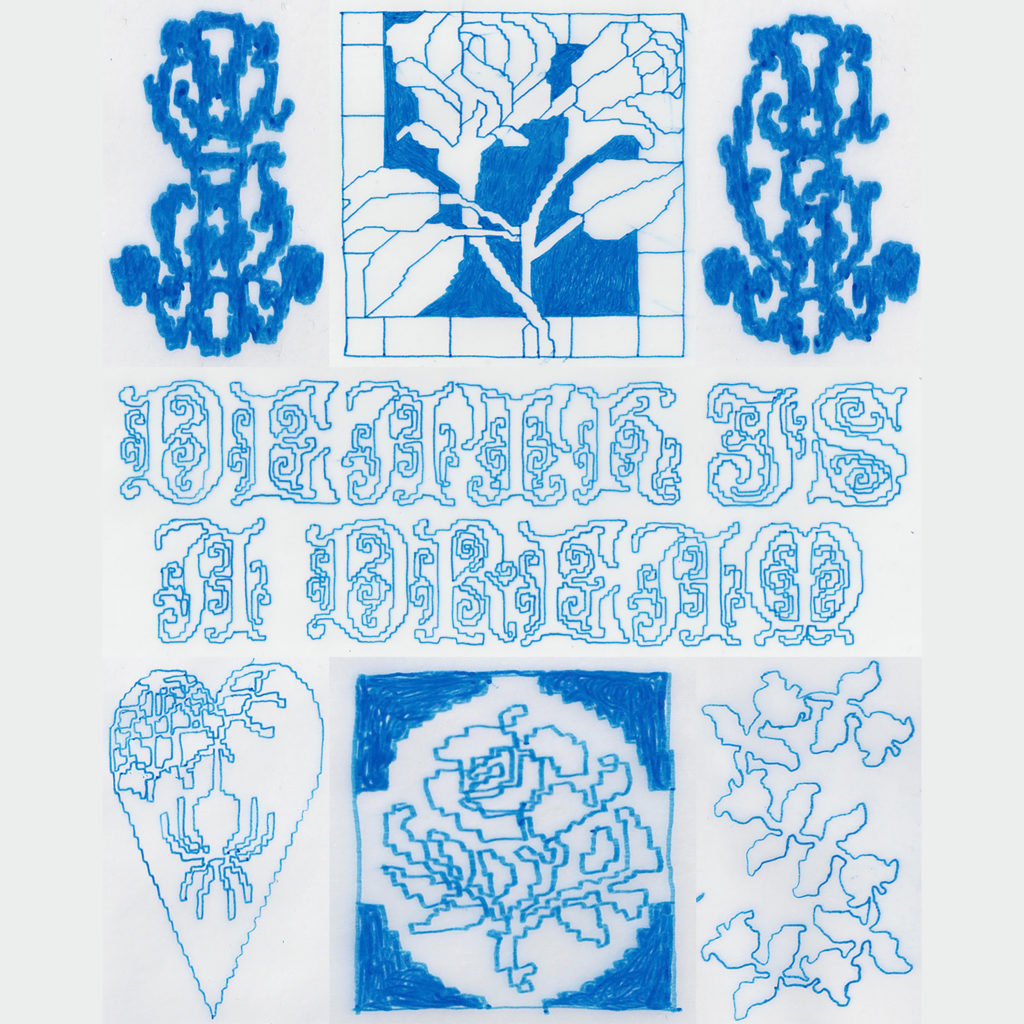
Nigel Yang and Jonnine Standish, together known as HTRK, have released Death is a Dream, a collection of demos, alternate takes, and sketches from the genesis of Rhinestones, their 2021 studio album.

Inspired by an infatuation with “eerie and gothic country music,” Rhinestones moved away from the whispered lament of the pair’s debut album, Venus in Leo, to downtempo vignettes. Now, hearing the songs in a starker state illuminates “just how striking and durable these arrangements are,” we’re told. “Like lost highway jukebox standards, the melodies radiate spectral heartbreak in nearly any key or tempo.”

Although few tracks diverge radically from their final form, they exude a looseness and transience that “deepens their beguiling beauty.” This is particularly true with the “rehearsal” take on “Gilbert & George” and the slow thrumming “Eurodance” version of “Kiss Kiss and Rhinestones.”

The release includes unheard instrumentals like “Renaissance” and “Death Is A Dream,” which spin minimalist mirages from minor key riffs.

Tracklisting

01. Renaissance
02. Gilbert and George (Dec 30 Rehearsal)
03. Valentina (Cali Highway Version)
04. Kiss Kiss and Rhinestones (Eurodance Version)
05. No Big Thing
06. Devil Do
07. Straight to Hell (Demo)
08. Reverse Deja vu (Demo)
09. Fast Friend (Demo)
10. Death Is a Dream

Death is a Dream LP is available now. You can stream the album in full below and order here.

Cabaret Voltaire’s Stephen Mallinder is Back with a Solo Album

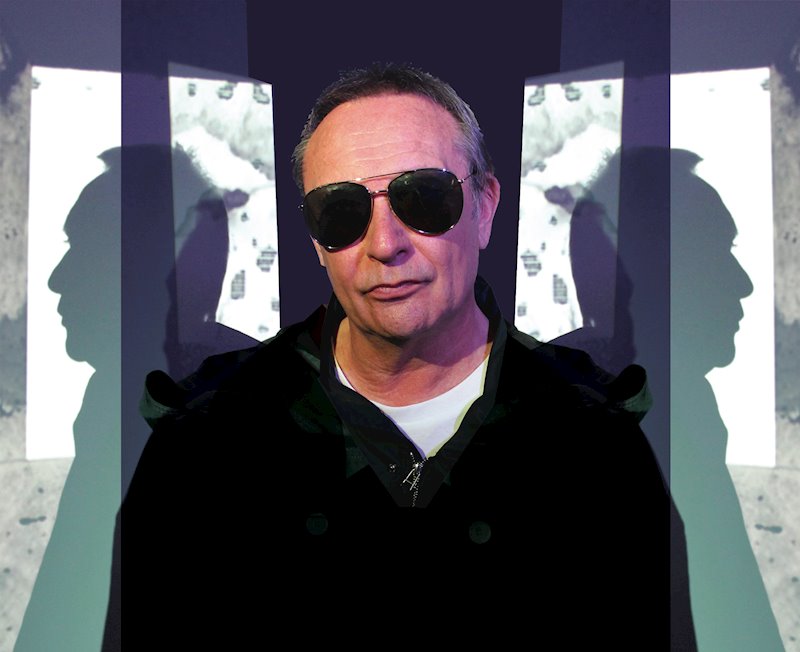
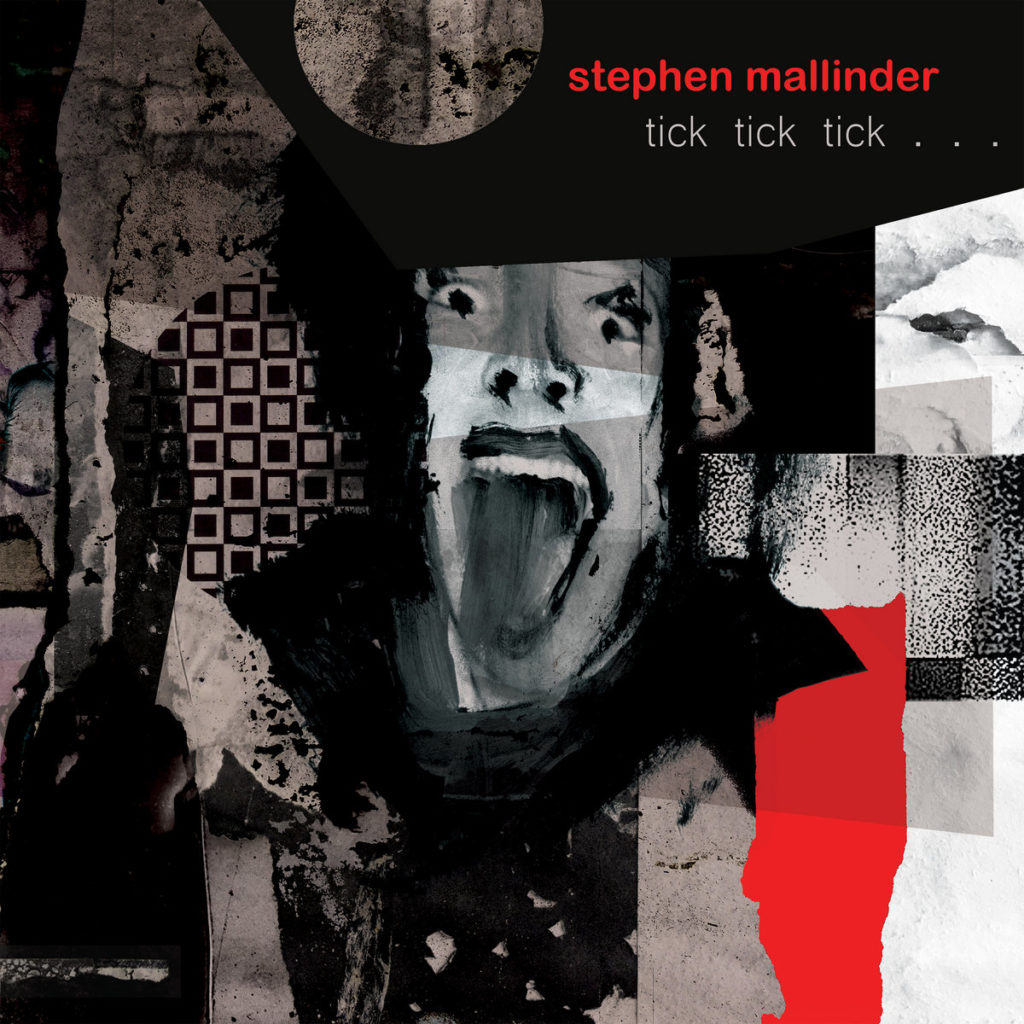
Cabaret Voltaire co-founder and frontman Stephen Mallinder will release a new solo album on Dais.

Tick Tick Tick, Mallinder’s second album for the Brooklyn, New York label, further distills his fusion of minimal synth and wonky disco into a suite of nine tracks recorded at MemeTune Studios in Cornwall. We’re told that the British musician channels the “temporal malaise” of lockdown and that lyrically the record is “rich with allusions and associative linguistics.”

“Music should draw you in; lyrics should make you think,” Mallinder says. “Most interpretation is misinterpretation.”

While steering Cabaret Voltaire through the 1980s, Mallinder was already busy piecing together his first solo album, Pow Wow. Since the album’s release in 1982, Mallinder continued recording with his electro projects Wrangler, Creep Show, Hey Rube, and Kula. Then, in 2019, he returned with Um Dada, his first solo album in over 35 years, which was laced with left-field house and cut-up sound collages.

Tracklisting

01. Contact
02. ringdropp
03. Galaxy
04. Wasteland
05. Hush
06. Shock to the Body
07. Guernica Gallery
08. The Trial
09. tick tick tick

Tick Tick Tick LP is scheduled for July 15 release. Meanwhile, you can stream “Hush” in full via the player below and pre-order here.

Félicia Atkinson Announces New Album, ‘Image Language’

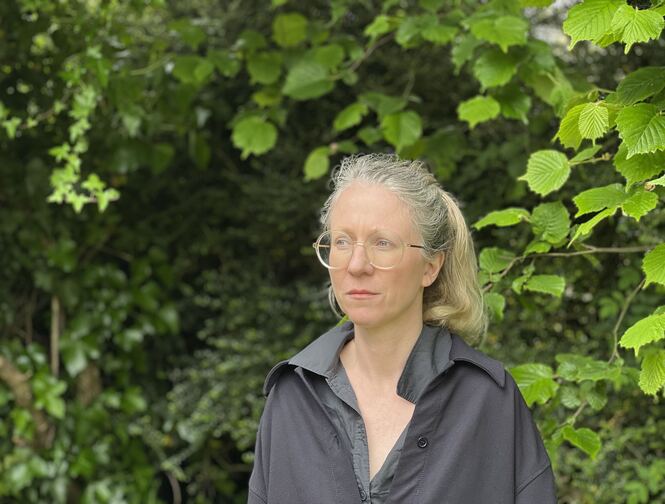
Felicia Atkinson will release a new album, Image Language.

Atkinson recorded Image Language at Leman Lake, during a residency at La Becque in Switzerland, and at her home on the wild coast of Normandy. Recognizing the normalization of home studios, she revisited the work of 20th-century women artists who chose their homes as a place to work: the desert retreats of Agnes Martin and Georgia O’Keefe, the life and death of Sylvia Plath.

“Building a record is like building a house,” she says, “a structure in which one can encounter oneself, each room a song with its own function in the project of everyday life.”

The album is built from instruments recorded as if field recordings, sound-images of instruments conjured from a keyboard, and instruments Atkinson treats like characters, what she calls “a fantasy of an orchestra that doesn’t exist.” There are also monologues, operating as both experimental-cinematic device and a literary style of narration.

Conceptually, Image Language is an environmental record, in the vastest sense of the world. “It is about getting lost in places imagined and real,” the label, Shelter Press, says. “It registers, too, the dizzying feeling of moving between such sites.”

Atkinson lives on the wild coast of Normany and has played music since the early 2000s. She has released many records and a novel on Shelter Press, the label and publisher she co-runs with Bartolomé Sanson. In 2020, she put out Echo on Boomkat Editions. More recently, she put out Un hiver en plein, a collaboration with Jefre Cantu-Ledesma, on Shelter Press.

Tracklisting

01. La Brume
02. The Lake Is Speaking
03. The House That Agnes Built
04. Our Tides
05. Image Language
06. Les Dunes
07. Becoming a Stone
08. Pieces of Sylvia
09. The World is Full of Abandoned Meanings

Image Language LP is scheduled for June 24 release. Meanwhile, you can stream “Becoming a Stone” in full via the player below and pre-order here.

Dialogue Hosts Zip and DJ Sneak in Los Angeles

Popular Los Angeles-based event series and record label Dialogue will host a huge day-into-night party today, Saturday, May 7.

Known as the premier party destination for those seeking stripped-back house and techno in Los Angeles, Dialogue has a brand-new open-air venue set for today’s soirée, which will run from 5pm through midnight. Heading up proceedings will be one of finest DJs to grace the decks, Perlon label head, Zip, fresh from a stellar showing at last week’s Sunwaves Festival in Romania, a slice of which you can watch in the video below. Zip is set to perform alongside house pioneer DJ Sneak, plus Dialogue resident Halo and Detroit’s Loren, two masters of the warm up, so get there early and don’t miss a beat.

Tickets are on final release and can be purchased from the Resident Advisor event listing here.

Arp Returns with New Album of Ethereal Psychedelia

Arp, the alias of Alexis Georgopoulos, will return to Mexican Summer with a new album.

New Pleasures is the second chapter in Georgopoulos’ ZEBRA trilogy and it advances the narrative begun with 2018’s ZEBRA. Pastoral in mood, expansive in style, that record acted as a dawn on a nascent world; now, though, Georgopoulos drops us deep into the grid of the city.

New Pleasures fast-forwards a few centuries, locating listeners in a post-industrial Sprawl (to borrow an expression from William Gibson’s “Neuromancer”) of concrete and glass,” the Brooklyn label explains, “imbuing the album with the flinty glow of commerce, the sleek rhythms of industrialization, and the cool finesse of brutalism.”

We’re told that the sensation the music offers is almost rubbery; it makes you feel as if you could flex, bend, and squeeze your body inside out. Sonically, we can expect a vivid, deconstructed take on high-definition pop and ethereal psychedelia.

“New Pleasures,” streaming below, comes alongside a striking video directed by filmmaker Adinah Dancyger. “My first impressions when listening to the song made me think about the life of a dollar in one given day and how a web of connections amongst people / New Yorkers can be formed through the act of transaction,” Dancyger says. “It was cool to discuss this with Alexis as his angle for this video was leaning towards similar images of commerce. It was an opportunity to explore the plethora of relationships one has to ‘things’ despite the connotations with any given scenario.”

Before signing to Mexican Summer, Arp put out albums on Smalltown Supersound and Rvng Intl.

Tracklisting

01. The Peripheral
02. New Pleasures
03. Preset Gloss
04. Sponge (for Miyake)
05. Eniko
06. i: /o
07. Plaza
08. Le Palace
09. Traitor (Dub)
10. Embassy Disco
11. Cloud Storage

New Pleasures LP is scheduled for July 15 release. Meanwhile, you pre-order here.

BLOND:ISH to Launch World-First “Impact To Earn” Token Activation For Bye Bye Plastic 

DJ and activist Vivie-Ann Bakos (a.k.a. BLOND:ISH) will launch the $BYEBYE token and a world-first “impact to earn” activation for her foundation, Bye Bye Plastic.

Announced during IMS Ibiza, Bakos will build and launch a $BYEBYE token off the back of a $75,000 grant through Socialstack as the inaugural recipient of Socialstack’s Climate Action Social Token Fund, an initiative in collaboration with Celo’s Climate Collective to fund and provide infrastructure to Web3 communities addressing the climate crisis. 

With the $BYEBYE token, Bakos will look to change the way the general public take to and implement true “climate change” and action.

“The sustainable and circular economy still needs to appear stimulating and incentivising in our everyday lives in order to win the tide of climate change,” Bakos explains. “With a token that rewards environmental actions, we aim to not only gamify, but also to effortlessly change the culture that will shape a plastic-free and more regenerative world.”

As part of the grant initiative, Bye Bye Plastic, a foundation that aims to remove single-use plastics in the music industry, will also run the first-ever Impact To Earn (I2E) campaign, which will aim to mobilize climate action through incentives and rewards, including $25,000 worth of $CELO tokens. 

You can find more about $BYEBYE and the initiative here.

Web3 Wrap: BLOND:ISH Announces $BYEBYE, Maceo Plex’s NFT Collection, Water & Music’s NFT Sales Report, and More

This week’s Web3 Wrap includes BLOND:ISH’s announcement of a world-first environmental impact-to-earn token $BYEBYE, Maceo Plex’s NFT collection in collaboration with EXIT Festival, the release of Emanate GO 2.0, Water & Music’s in-depth music NFT sales report for 2021, and more.

Check it all out below.

BLOND:ISH to Launch World-First “Impact To Earn” Token Activation For Bye Bye Plastic 

DJ and activist Vivie-Ann Bakos (a.k.a. BLOND:ISH) will launch the $BYEBYE token and a world-first “impact to earn” activation for her foundation Bye Bye Plastic.

Announced during IMS Ibiza, Bakos will build and launch a $BYEBYE token off the back of a $75,000 grant through Socialstack as the inaugural recipient of Socialstack’s Climate Action Social Token Fund, an initiative in collaboration with Celo’s Climate Collective to fund and provide infrastructure to Web3 communities addressing the climate crisis. 

With the $BYEBYE token, Bakos will look to change the way the general public take to and implement true “climate change” and action. “The sustainable and circular economy still needs to appear stimulating and incentivizing in our everyday lives in order to win the tide of Climate Change,” Bakos explains. “With a token that rewards environmental actions, we aim to not only gamify, but also effortlessly change the culture that will shape a plastic-free and more regenerative world.”

As part of the grant initiative, Bye Bye Plastic, a foundation that aims to remove single-use plastics in the music industry, will also run the first-ever Impact To Earn (I2E) campaign, which will aim to mobilize climate action through incentives and rewards, including $25,000 worth of $CELO tokens. 

You can find more about $BYEBYE and the initiative here.

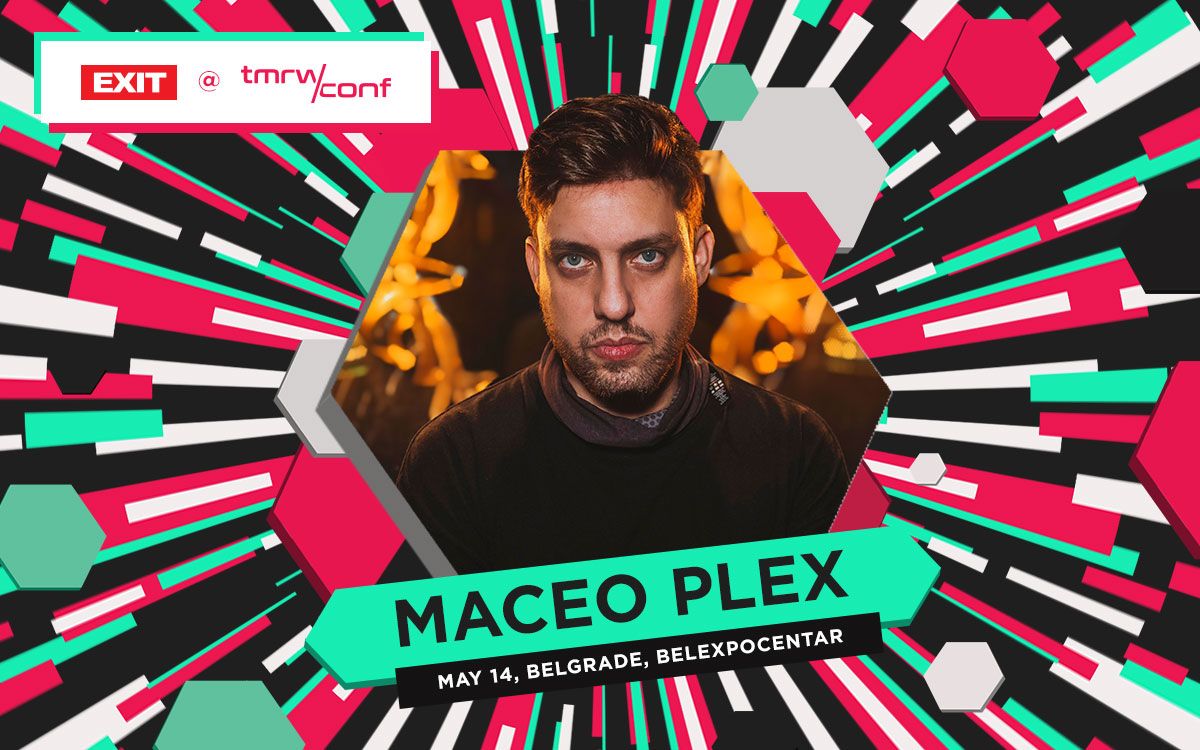
Maceo Plex Announces NFT Collection in Collaboration With EXIT Festival 

Maceo Plex has partnered with EXIT Festival on a new NFT collection.

The full collection and its details will be unveiled on May 9, with minting starting on May 14 during the RAVERSE panel at the upcoming TOMORROW conference, which will run from May 13 to 15. Joining Maceo Plex on the RAVERSE panel will be VP of Global Partnerships at Pixelynx, Maria May, and EXIT Festival CEO, Dušan Kovačević, among others. The panel will be streamed live for those that can’t attend in person. Maceo Plex will celebrate the launch of the collection with a headline performance after the RAVERS panel at an exclusive party at the Belexpocentar the night of May 14.

The TOMORROW conference is Europe’s biggest Crypto, NFT, and Metaverse conference, bringing together around 100 speakers across seven exclusive panels, and more than 50 keynotes.

Stay tuned for the collection reveal on May 9.

Emanate Releases Emanate GO 2.0 With NFT Support

Web3 music service Emanate has released version 2.0 of its Emanate GO app.

The latest version of the app has a range of new features for music NFTs, including full streaming support (for all music NFTs, not just those you own), link support for NFTs and Opensea profiles, track downloads, offline listening via music caching, featured content hubs, and more. So far, the app has support for Ethereum and Polygon NFTs.

For those unfamiliar, Emanate is a Web3 music ecosystem that provides artists with distribution, streaming, and revenue support for Web3 music. Via the $EMT token, Emanate also gives fans ways to earn via sharing and collaborating with artists.

You can check out Emanate GO 2.0 here

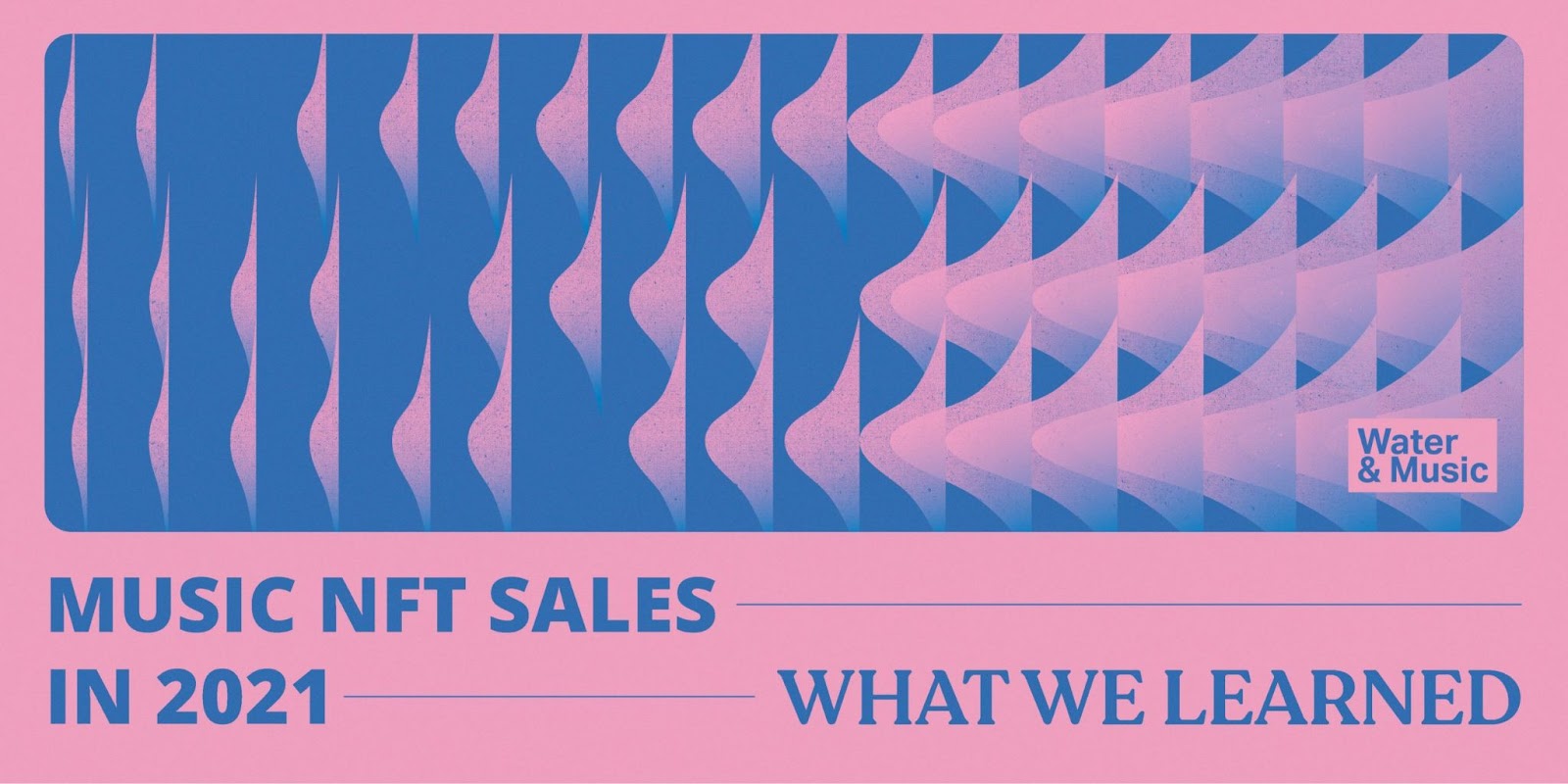
Water & Music Released an In-Depth Report on 2021 Music NFT Sales

Today, Water & Music released an in-depth report on 2021 music NFT sales.

The report was the result of a month of collaborative work by several contributors from the Water & Music community, with the contributors analyzing music NFT data from Water & Music’s members-only music NFT database. The report covers over $86 million in revenue and also offers commentary on the data and insight into the different forms of utility emerging in the format.

Some of the main takeaways from the report include a noted spike in revenue in early 2021, due to celebrity “mega drops,” before a cooling down period in summer and a rise again in fall; indie artists account for 64% of revenue, while major-label artists accounted for 36%; from February to December, the average price per music NFT fell from $18.8K to $10.2K, with the median price falling from $1,000 to $825 per unit; electronic music was the most popular genre with 64% of the market share; and a significant amount of new utility forms was seen across the year, including “royalty shares, usage rights, NFT splits, online/offline bundles, live music, and community-building.”

The report also gives an overview of the space’s leading artists, distribution of sales per platform and blockchain, on-and-off-chain utility, big brands in the space, secondary sales, and more.

You can read the full report here, with information on the members-only database here

What to Join and Who to Follow:

HOLDERSLAND: a Barbados-based multi-disciplinary institution led by Haleek Maul.

Mirror Latest: an RSS-like feed for the latest editorial on publishing platform Mirror.

Guild: token-enabled membership management for apps such as Discord.

0x-Jitzu: Web3 music producer and artist.

Download: Kenneth James Gibson “The Groundskeeper”

Groundskeeping, the latest LP from Kenneth James Gibson, is incoming on May 6 via a new label, Meadows Heavy Records.

This will be the Los Angeles artist’s third full-length album of ambient works, and the follow-up to his 2018 LP, In The Fields Of Nothing, on Kompakt records.

The release came out of “dark times” that started close to two years ago with the enforced lockdown caused by the pandemic. As a response, Gibson secluded himself away in an old cabin in Idyllwild, California, eventually birthing eight original tracks. Each one started with a single sound idea and a title, out of which grew a “coherent story,” we’re told, and eventually the album.

In support of the LP, which lands tomorrow, Gibson has offered up the title-track on the B-side, “The Groundskeeper” as an XLR8R download, available to XLR8R+ subscribers below. The video from the track is also available to view

Tracklisting:

01. The Grounds
02. Small Triumphs and Deep Disappointments
03. A Snowy Year In The Meadows Heavy
04. In Time You Will
05. The Groundskeeper
06. An Untroubled Moment On Magnus Bridge
07. David’s Pass
08. Pacific Mountain Express

Full XLR8R+ Members can download the track below. If you’re not an XLR8R+ member, you can read more about it and subscribe here.

Page 56 of 3781
1 54 55 56 57 58 3,781