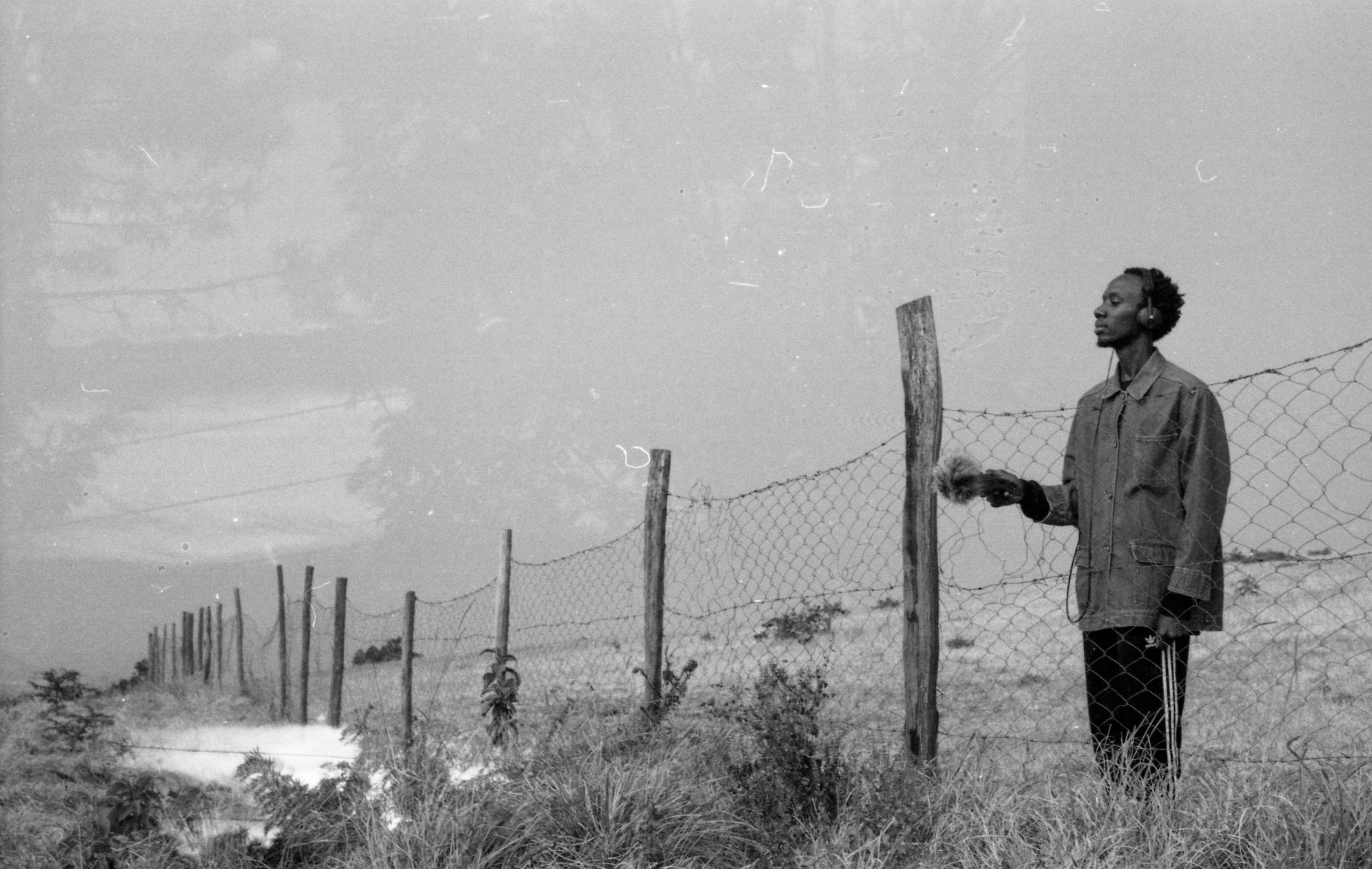
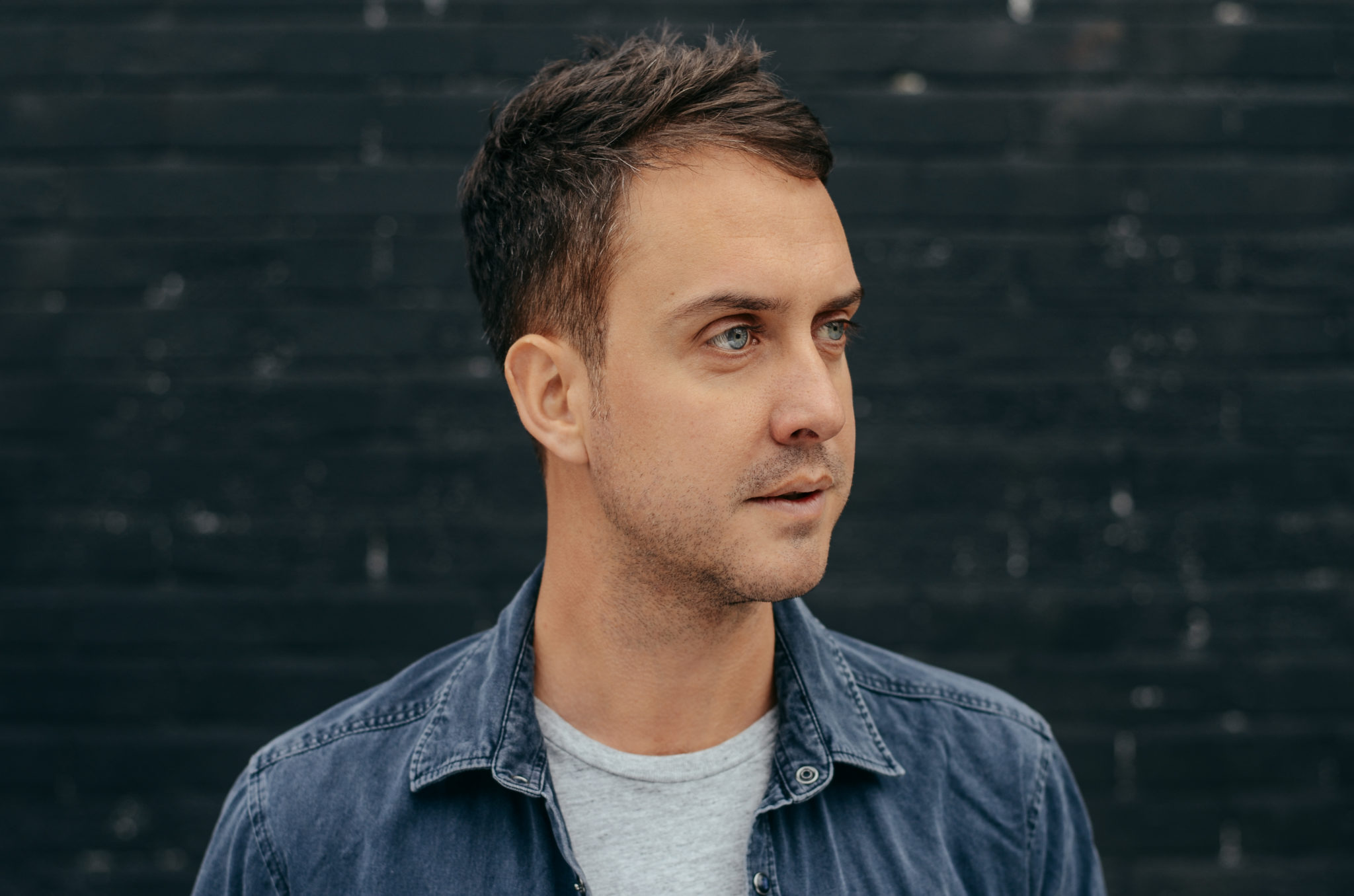
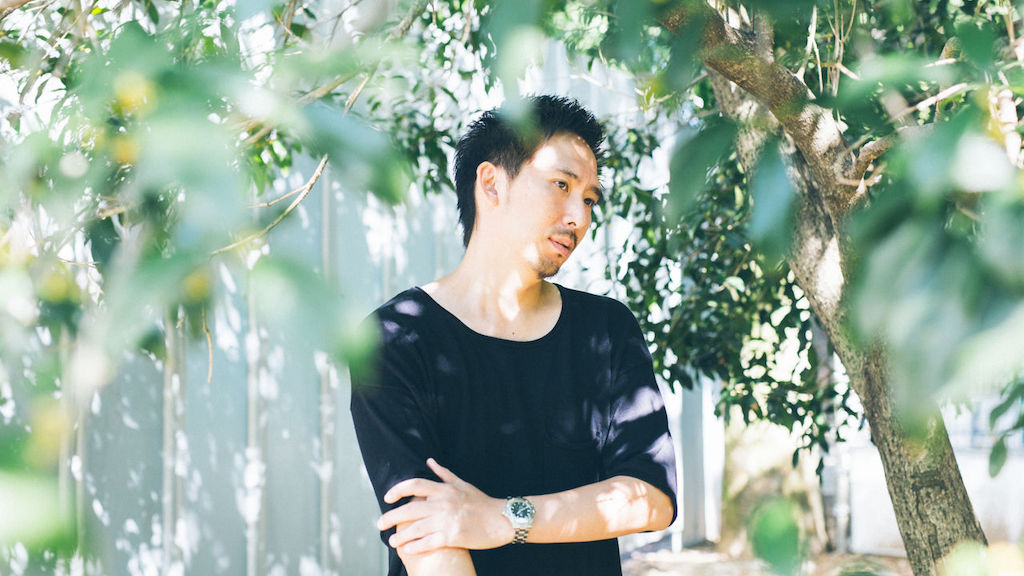
Berlin-based ambient artist KMRU has signed to Injazero Records for the release of a new album, Logue.
Compiled of previously self-released works produced between 2017-2019, Logue charts KMRU’s path from his roots in Nairobi, Kenya to his first explorations outside of his home-city. Some of the earliest compositions on the album—2017’s “Jinja Encounters”, for example—represent KMRU’s first trips outside his homeland and the experience of new sights and new climates. The album is “intensely personal” with “powerfully intuitive expression,” we’re told, “crossing continental divides with a singular elegance.”
KMRU, real name Joseph Kamaru, released his Peel LP with Editions Mego in the summer of 2020. He followed that up with the albumsOpaquer (Dagoretti) and Jar(Seil Records) that same year. His work is uniquely positioned between the cultures of ambient and African musics, entwining his compositions with field recordings from his native Kenya and the surrounding countries.
Tracklisting
01. Argon 02. Jinja Encounters 03. OT 04. A Meditation of Listening 05. Und 06. 11 07. Bai Fields 08. Logue 09. Points
Logue LP is available now. You can stream the album in full below and order here.
Do It At Your Funeral is Pronsato’s first album on Zip and Markus Nikolai’s Frankfurt label, but he has previously featured on it with 2018’s The Girls Thing EP. His earlier solo album, US Drag, came out on Foom, the London label of Benjamin Freeney, who recently contributed to the XLR8R podcast. Freeney, a rising name, features on the new album and co-produced tracks on US Drag.
Bruno Pronsato, real name Steven Ford, is a Berlin-based American also known for his work as Archangel. You can read more about him in his XLR8RStudio Essentials feature here. In 2018, he teamed up with L.A. Teen for A Face Wasted On The Theatre, also on Foom.
As with all Perlon releases, there’s very little information given about the release. As usual, it’ll land on vinyl only.
Tracklisting
A1. Catching Lisbon A2. Do It At Your Funeral B1. Local Vampires B2. Version You C1. With Daze C2. Isn’t Measured Isn’t Managed D1. Best Before Benj D2. Ode To Street Hassle feat. Benjamin Freeny D3. Simenon Briefly
Do It At Your Funeral LP is scheduled for June 4 release. Meanwhile, you can stream clips over here.
Titonton Duvanté’s legacy in music spans nearly three decades, and it all began in Columbus, Ohio. His natural affiliation with melody and groove was evident long before he studied Audio Engineering at the local state university; as a child, he’d spend hours in his bedroom carefully analysing records and trying to replicate his favorite sounds using two cassette decks and a Casio keyboard. When his course shut down, he pivoted to study Music Composition & Opera Performance, and spent the later part of his teen years playing piano and writing songs. During this time he discovered the likes of Philip Glass and Steve Reich, and these minimalist compositions have informed the refined rhythms he’s been making ever since.
Through watching two PBS specials, one on The Beatles’ production techniques, the other on synthesizers, Duvanté became captivated by electronic music. It was the sound of the future, and a means to realize the ideas that were fizzing around in his head. He fell in love with drum & bass, particularly the work of 4Hero, which led to the purchase of his first modest setup. He began making rave tunes before teaming up with Todd Sines, Charles Noel, and Mike Szewczyk to form seminal techno band Body Release, all before going solo. Integral in this decision was his first trip to Detroit in 1993, when he saw Jeff Mills play for the first time. Through the ‘90s, he’d frequently travel to the Motor City, while putting out his music on the likes of Daniel Bell’s 7th City and Carl Craig’s Planet E Communications. Through his work, and his own Residual Recordings label, he’d go on to spearhead a rich Midwest music community.
Over 20 years later, interest in Duvanté’s work remains as strong as ever, which is testament to the enduring quality of his productions. He’s released only two albums, the last being 2001’s Selections For Intercourse, but he’s maintained a steady stream of quality EPs. He’ll Permanence & Gravitas, a new album, on Italian imprint Yay Recordings this year, and he’s preceded it with “Disconsolate,” a contribution to XLR8R+30 that represents his feelings towards the pandemic. 2020 was his most difficult year yet, he says, because he suffered from debilitating anxiety. He composed the track in late April and, with its swinging rhythm and exhilarating synth work, it’s another dancefloor weapon from a Midwest master of the groove.
With all this going on, we thought it was about time to have Duvanté compose an XLR8R podcast, so he went away and sifted through the tracks that he had found himself going back to but hadn’t been able to play out because of the pandemic. He also dug into the hundreds of promos sitting in his inbox. Once he’d whittled these down to around 100, he headed round to his friend’s house in Columbus and pieced them together on the fly. Full of wonky jams and long, drawn out mixes, Duvnaté’s mix is a vivid demonstration of what makes his work stand out: refined Detroit techno through his own fresh and funky lens.
01. What have you been up to recently?
I have been working my tail off with two day jobs! I’ve been working between 65 and 80 hours a week. Any spare time I have is used to make tunes. I have also rediscovered my love for cooking. I’m doing my best to experiment in the kitchen and hone my skills there.
02. What have you been listening to during lockdown?
Quite a bit of neo-soul. Siouxsie & the Banshees, Cocteau Twins, Space Captain, Q, Alfa Mist, Depeche Mode, Rayvn Lenae, J*Davey, Stereolab, Hiatus Kaiyote, Teakup, Pierre Codarin, and Georgia Anne Muldrow have also all been on heavy rotation.
03. When and where did you record this mix?
The mix was recorded on May 3. I did it at my homie Mike Amerine’s place which is eight blocks from mine.
04. How did you go about choosing the tracks that you’ve included?
As with all of my mixes, most of my time was spent searching for tracks that fit my current vibe. I usually start with about 300 and narrow that down to about 100. My sets are always improvised; I just figure out the starting track and then get in that zone. There a few artists that did not make on the mix that I am really feeling, like Poten, Madezh, and Pressure Point.
05. What setup did you use?
A pair of Technics 1210s and a pair of Pioneer XDJ 1000s. I used the Rane MP2015.
06. What can the listener expect?
A wide variety of vibes and styles. Acid house, breakbeat jammers, and wonky, melodic jams. There are long blends and funky basslines.
07. What’s on your horizon for 2021?
My main priority is finishing my next album. Permanence & Gravitas will see its release this autumn. I’ve also got quite a few remixes on the way. And I’ll be getting back to playing music for people in real life. I’ll be helping heal my pain through sound and movement.
XLR8R has now joined Mixcloud Select, meaning that to hear the podcast offline you will need to subscribe to our Select channel to listen offline, or subscribe to XLR8R+ to download the file. The move to Mixcloud Select will ensure that all the producers with music featured in our mixes get paid. You can read more about it here.
Full XLR8R+ Members can download the podcast below.If you’re not an XLR8R+ member, you can read more about it and subscribe here.
Tracklisting
01. Payphone “Where it Hertz” (Hypnotic Mindscapes) 02. DOTT “Neo Boom 01” (Unreleased) 03. Big Ever “Otto” (Incienso) 04. Hoshina Anniversary “Rokumeikan” (ESP Institute) 05. Unknown Artist “Dummy 01.1” (Carpet & Snares) 06. DOTT “Hope I’m not Asking Too Much” (Unreleased) 07. TRO “Housewolf” (Blkmarket Music) 08. Big Ever “Rolled Into” (Incienso) 09. Gladstone Deluxe “Retrograde” (Self-Released) 10. Pinball Spider “In One Ear” (Banoffee Pies) 11. Dan Only “VRIT” (Unreleased) 12. Nsdos “Yen” (Standalone Complex) 13. Brenner “Rolers” (Unreleased) 14. Matt Freeman “Hit of Acid” (Self-Released) 15. DOTT “Feels like Right” (Residual Recordings) 16. HLX-1 “Curious City” (Seclusion) 17. Gora & Eloy “Lotzmann Peitsche” (Residual Recordings) 18. Todd Sines “Line Spike” (Residual Recordings) 19. Hansgod “Open Vril” (Metrohm) 20. Juan Sanchez “De Neel in Me” (Fiedeltwo) 21. Snad “Incline” (Residual Recordings) 22. Clint House “Late Night Griot” (Fun in the Murky) 23. Innershades “We Rebuild” (Residual Recordings) 24. Jon Gravy “Over Now” (Red Rack’em Threemix) (Fortunea) 25. Titonton Duvanté “Disconsolate” (XLR8R/Resiudal Recordings) 26. TRO “Babybad” (Unreleased)
Aspetuck, real name Griff Fulton, is an American DJ-producer from Vermont, northeastern United States. Cut off from nightlife, he and his younger brother, Pierce, jammed together on guitar and drums in their basement, encouraged by their music-loving parents to pursue their wildest musical whims. While he never took drums seriously, Fulton developed an “obsession with rhythm,” he says, which influenced the way he relates to music. He discovered new music through snowboard videos, and these exciting new flavours dragged him down the wormhole that is electronic music. “That exciting feeling of stumbling upon something special you never would’ve expected is something that has stayed with me in a major way,” he says.
It wasn’t until he moved to Brooklyn after college that Fulton experienced nightlife for the first time, and it became his obsession. He’d go out clubbing with friends, intent on interacting with whatever new genres he could find. When he later moved to Los Angeles, where he’d attend illegal raves across the city, he began to consider making the music that was consuming him. A few years later, after an epiphany during 2017’s Amsterdam Dance Event, he purchased a basic setup and began to experiment, and that’s where it all began. “It was like an explosion of ideas and I cannot believe the effect it has had on my confidence as a person,” he recalls. When he self-released some early tracks, including a debut album, he caught the ear of Route 8, who signed him up for The Time Capsule Experiment.
Though crafted in the clubs of Los Angeles and Brooklyn, Aspetuck’s work is heavily influenced by the rural life he’s led for much of his life, and has since returned to. While each track, including those on Distant Messenger, his latest EP, would make a dancefloor shuffle, they’re equally enjoyable for putting on in private. His work is underlined by a fascination with percussion and the influence of dub on electronic music, and it pulls heavily from breakbeat, house, and electro. We discovered Aspetuck after he submitted music through the XLR8R submissions portal, and more recently he’s submitted a pair of original tracks as part of the XLR8R+30 package.
The tracks, “Doldrums” and “Itchy,” both sit loosely in the house music realm and encapsulate what we love about Aspetuck’s music; namely, subtle atmospheric textures, intelligent grooves, and patient arrangements that coax the listener into a dream state of electronic bliss. In the edition of Studio Essentials, he walks us through they key pieces of gear behind his work.
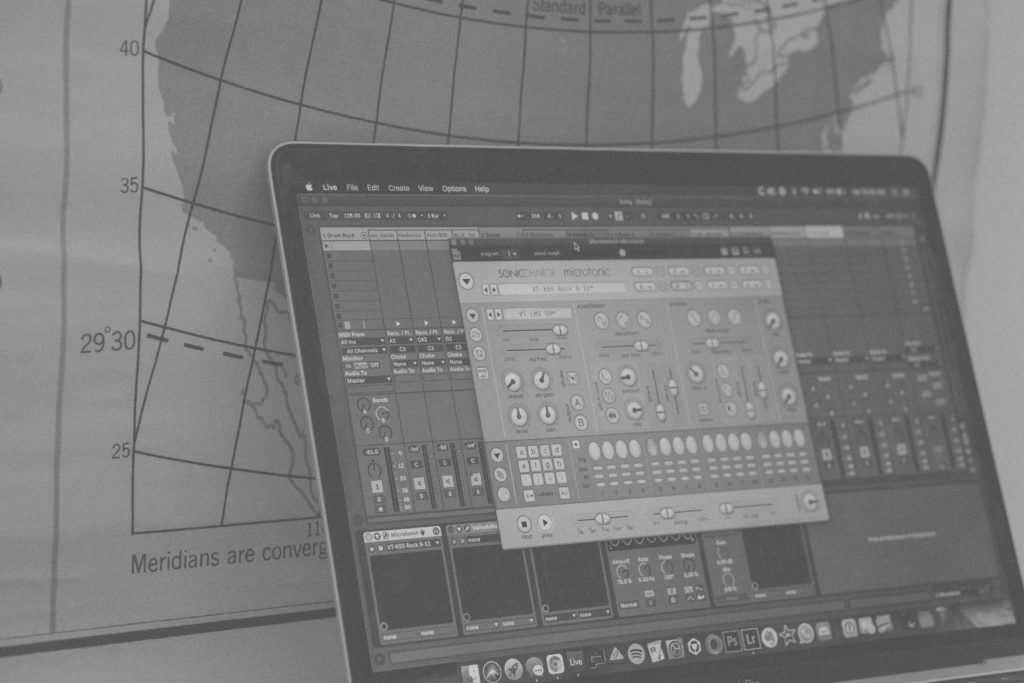
I started out making music on my computer with Ableton but I’ve decided I want to incorporate more of a personal touch into what I’m making by not relying on my computer so much. While I love using Ableton for making loops and processing recorded sounds, using the computer to automate various parameters on a synth isn’t exciting to me. It tends to sound a bit robotic and it’s a tedious process; I’d rather twist a physical knob on a synth and record something in one take rather than meticulously click and drag automation points for hours! It has taken a lot of trial and error for me to find the right gear, but recently I’ve just been spending as much time as possible with various synths to see how I can best integrate them into my workflow.
One of the first pieces of gear I bought was an E-mu XL-7 Command Station, which my brother gave to me for my birthday a few years ago. It’s an early 2000s rompler; it’s dorky sounding, and dorky looking, but it was an inspiring piece of gear for me to start with. I was listening to a lot of ‘90s trance at the time and I attempted to make a lot of it with the XL-7. (My song “Lift Point” on Route 8’s This Is Our Time was actually the result of the first couple of hours I spent with the XL-7!) I don’t use it as relentlessly as I did back then but I still use it to resample drum sounds and record various LFOed synth sounds. It’s a great tool to turn to if an idea is starting to sound a bit stale because the programmed sounds are interesting.
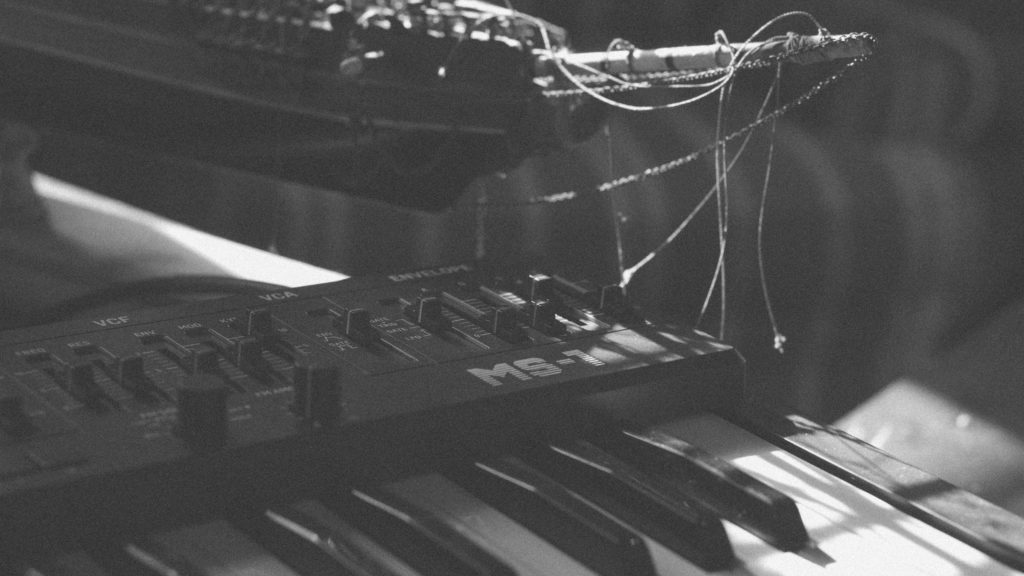
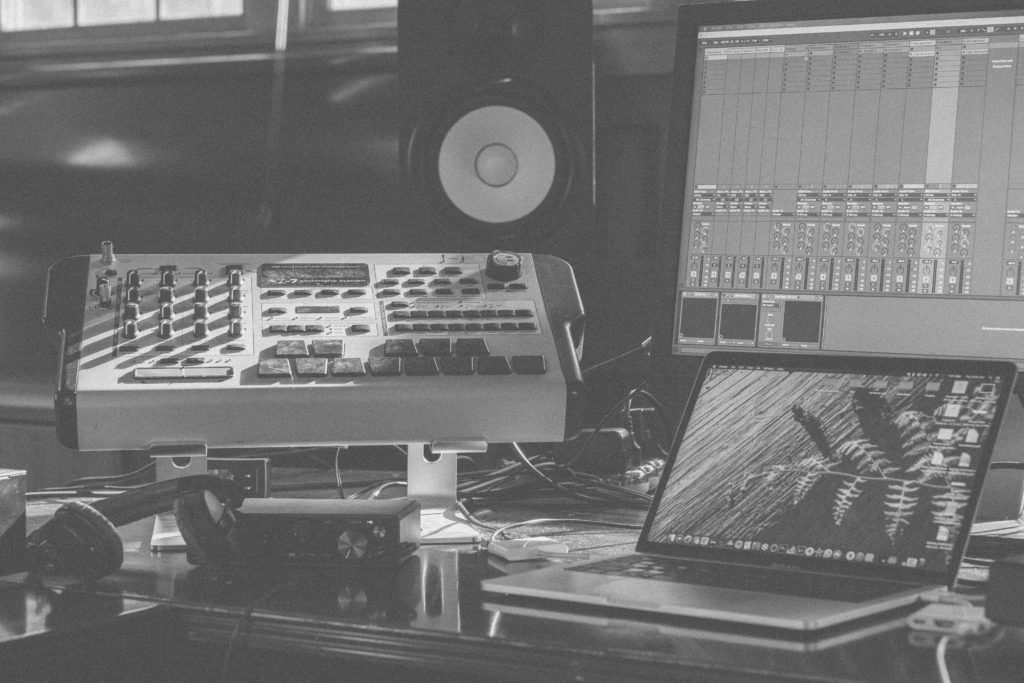
Since then, I’ve developed my studio and I am feeling like it’s in a great place. At the moment, my setup consists of the following: Ableton 10 on a 13” MacBook Pro; Focusrite Scarlett 4i4 audio interface; Yamaha HS8 monitors; a Behringer MS-1; a Roland TR-8; a Moog DFAM; and the EMU XL-7. I have a ton of digital plug-ins for processing, effects, mixing, and mastering, etc. I’m a big fan of everything from Soundtoys, Fab Filter, Goodhertz, and Valhalla, as well as some of Ableton’s stock plug-ins. I have a couple of synth plug-ins that I consider to be my go-tos: U-he Repro-5, U-he Diva, Tal U-No-LX, Waldorf PPG Wave 2.V, and Audiorealism ABL3.
It’s come to the point now where I feel like I am getting closer to achieving the sound that has been bubbling in my head. It’s a sound that is inspired by hours on dancefloors in New York, Los Angeles, Amsterdam, and Berlin, etc., and by scouring the internet for music. It’s a life-long journey of figuring out the most efficient way to distill an abstract mood, feeling, or sound into music that also works on a dancefloor. For this feature, I’ve outlined the tools that have been integral in helping me to achieve this.
Microtonic is a drum and percussion synth that was released in 2003. It doesn’t use samples or waveforms, but instead consists of eight separate voices, each of which has an oscillator and a noise generator that you can blend. There’s also a sequencer. I’ve always thought it sounds unlike the more traditional drum machines which I’ve become tired of hearing. I’m drawn to punchy, snappy drums, and white noise being used in interesting ways, so I was excited when I stumbled upon it a few years ago. There are a ton of amazing presets that you can build from and there’s a massive library of user-created presets that are all free to use, called the Microtonic Planetarium. This makes it an excellent source of generating ideas, and what’s great is that it has a straightforward interface that allows for precise sound designing for all eight voices.
Pretty much all of the tracks on my Distant Messenger EP have drum sounds from Microtonic, and my track “Tonic” is actually named after this plug-in. I think it was one of the first tracks that popped out when I first started using the plug-in, hence the title. There are some subtle uses of it in my XLR8R+ 030 track “Itchy.” I’ll likely continue to use Microtonic fairly often because it provides me with easy inspiration.
Behringer is paving the way for everyone to have access to affordable analog gear, and this makes me happy. The original Roland gear, back when it was originally released in the ‘80s, was only slightly more expensive than what Behringer is offering now, but because of scarcity it has become too expensive for your average bedroom producer. For a while, it felt like it was impossible to start building a studio with quality synths and drum machines. Now you can have a studio full of all the original gear for the price of an original Juno 106! I don’t believe music-making with gear should be a luxury and I’m glad Behringer allows people to experience the joys of analog synths.
I bought the MS-1 on Reverb.com, which is the easiest place to buy and sell used gear. I’ve used the plug-in version of the Roland SH-101, the Tal Bassline 101, for years but I was missing the playfulness of recording actual knobs and faders. I use it every day for anything from basslines to weird background loops and simple effects. For example, the background bass sound that comes in in my song “Itchy,” starting at 30 seconds, is just a 3/4th bar loop from a four-minute recording of me playing around with the MS-1. Most of the raw recordings I have from the MS-1 are nonsense but I can usually find a small loop that can become the foundation of a song for me to build on which I can then develop. So yeah, it’s such a versatile and powerful synth—you can make some truly crazy stuff with it, and I’ve been having a lot of fun integrating it into my workflow. It’s also a great price, at $300!
Making pads is one of the more frustrating aspects of music-making for me—most of the time I’m trying to go for something light and airy but also full of weird character, movement, noise, resonance, harmonics, etc. The way a pad sounds is important and I usually have to do a fair amount of processing (EQing, adding effects like reverb and overdrive, changing the pitch, etc.) to get it sounding interesting to my ears. I’m also not a traditional musician; I can’t play the piano so I do everything by ear which can take a lot longer. Sometimes I get lucky but a lot of the time trying to nail the melodic portion of a song can take me out of the moment.
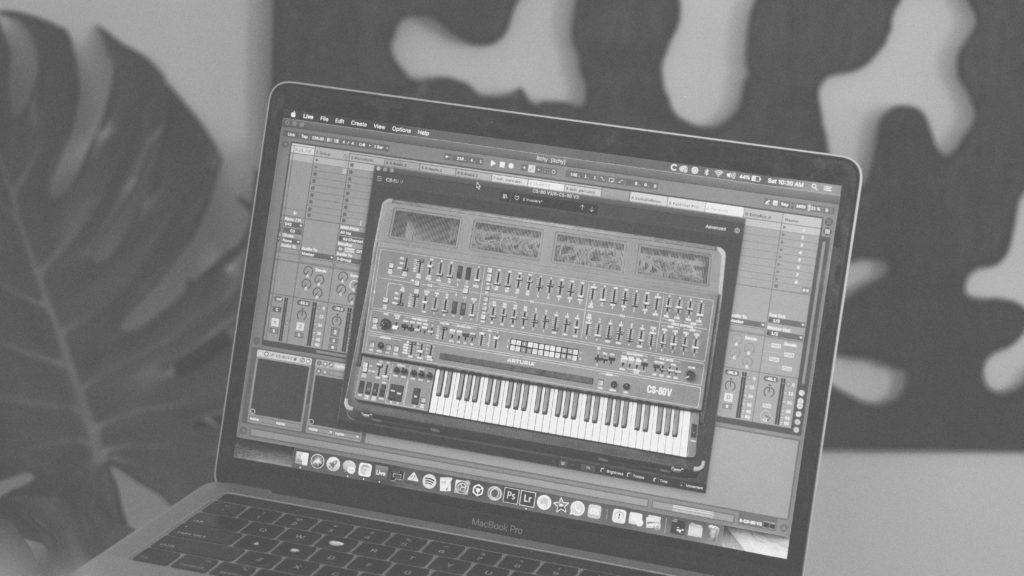
Arturia’s CS-80V has been my go-to for pads and general ambience and atmosphere recently. I got an Arturia MIDI controller a while back which came with a free code for Analog Lab—and the more I used the CS-80 section in Analog Lab, the more I realized I needed to just buy the full CS-80, which is a full synth plug-in instead of the limited version I had. The presets sound incredible as well; there’s just a lot of possibility packed into a fairly affordable piece of digital gear. It’s definitely not simple, which goes for the original synth as well, but it allows for happy accidents and sound-sculpting, so I’ll certainly be using the plug-in for many years because it’s such a great, affordable emulation of an extremely expensive and legendary synth.
I spend almost all my my time during the writing process using Ableton’s Session View. I gather various recordings, or “clips,” and I can be as messy as I like. It’s a place to visualize sections of your song before you start to structure it all in Arrangement View. I tend to fill up Session View with different iterations of ideas and sketches of loops which I can then gradually build into a full song. This is the main reason I preferred Ableton to Logic when I was deciding on a DAW. I’ve never been interested in making a song from start to finish; I prefer to focus on building the most energetic section first, then I structure everything around that moment.
Session View is important for my process because it allows me to “zoom in” and experiment in a multitude of ways on each individual element of a song. I find that I become granularly focused on testing out as many possibilities as I can on the various parameters of a loop offered by Session View, like start point, pitch, warp mode, envelope, transient envelope, reverse, etc. Many of my best ideas stem from reimagining stale projects in Session View to reshuffle those parameters on old recordings; it’s like I am remixing myself. I’ve learned that my perception of my own ideas is always changing and just hearing old projects can spark a myriad of new ideas.
One great example of this process is “Doldrums” in this edition. The first version of the song started out as a whimsical, sleepy acid track called “Happy Birthday 303.” The track was always endearing but I think I just grew out of it after a while; it was actually finished and I could’ve released it but something didn’t feel right so I let it collect dust. One day I decided to reopen the project to see if I could either make it sound a bit more to my taste or just take the raw elements and make something completely new from it. For this, I used an Audiorealis plug-in called the Bassline 3 (ABL3). I made the whole thing that afternoon; it was a quick jam with few elements that came together effortlessly.
Typically I do this after I’ve left a project file alone for a couple of months. That means that enough time has passed that I don’t remember what the recordings and individual elements of the song sound like, and this helps me to identify new ideas from a different point of view. I see unfishished projects as opportunities and I try to not get too attached to each song I make for this specific reason; I can usually make something more interesting from the ashes!
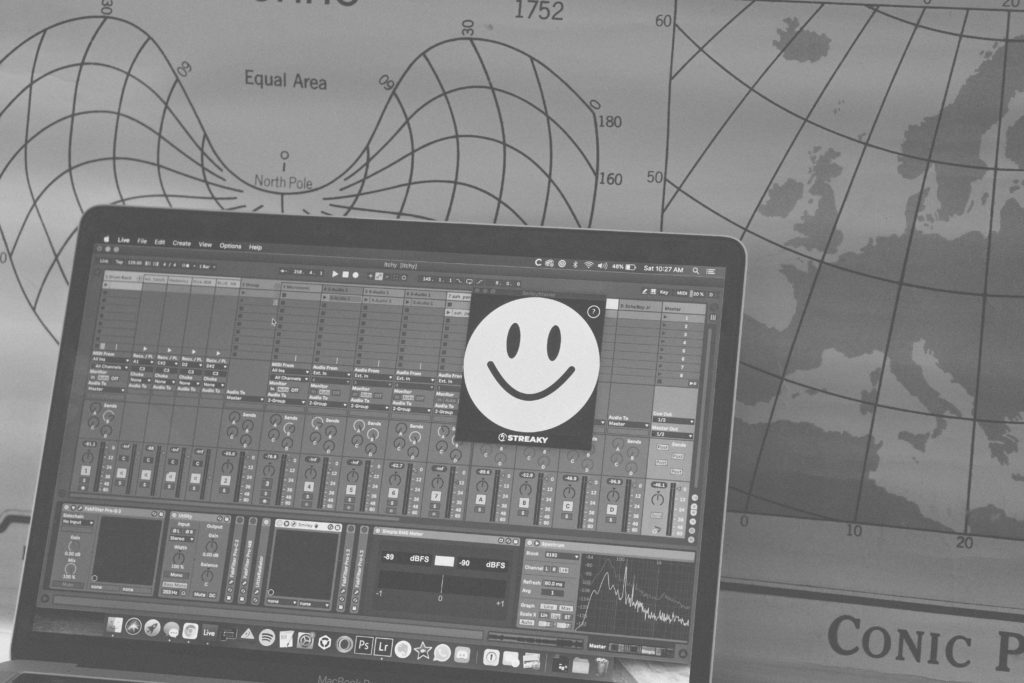
My dear friend Gordon Huntley told me about this one. He’s a producer but also does some mixing and mastering work on the side, so he’s clued up on the greatest tools. Smiley by Streaky is a free, one-knob equalizer and audio enhancer effect—making it simple and super helpful! Streaky describes it well: a “smiley face that you can move to add an EQ curve and some other secret sauce to make your mix bus smile a little.” I’ll use this on the master chain of pretty much everything I make. It brightens up the high frequencies, provides a subtle finish to my sound, and boosts the low end. A lot of the times when I’m submitting a pre-master, I’ll keep a slightly happy smiley on my master chain because it just sounds better, which is exactly what I did on both of my XLR8R+ 030 tracks. It can also be an easy fix for taming harsh high frequencies on drums and synths.
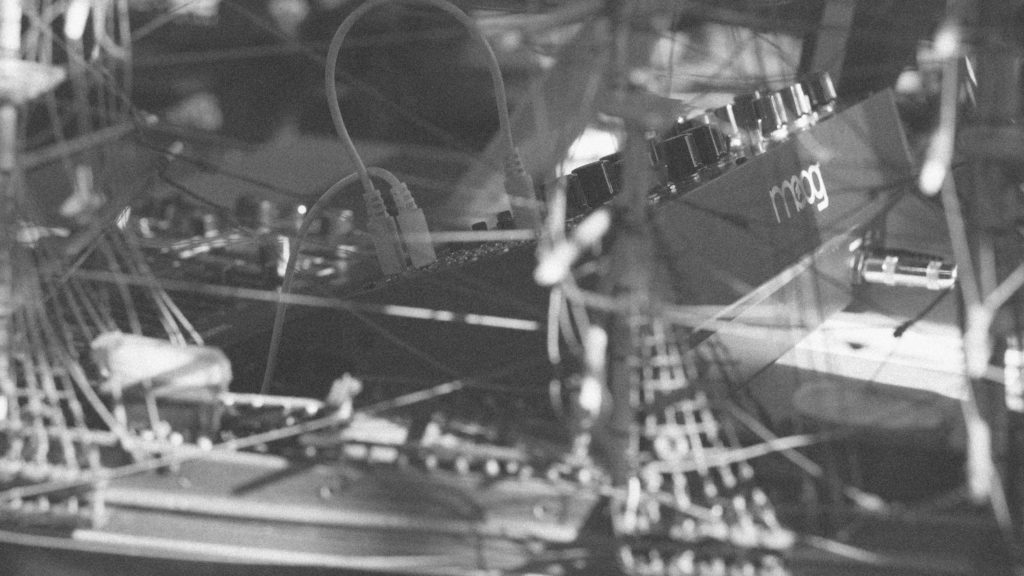
I just bought one of these a few months ago from someone in Alabama. I had a Korg Minilogue XD for a couple of months but I got kind of bored with it. It led to a bunch of new music but I didn’t like the interface and it just had too many features; I actually found it to be more frustrating than fun! So I decided I’d sell it and use the money to buy something new. My brother recently got the full Moog semi-modular trio—DFAM, Subharmonic, and Mother 32. The three of them are incredible and hearing them interact really piqued my interest, but I wasn’t willing to spend the money for all three so I decided the DFAM would be a great place to start.
It’s also a good machine for me because my music is so rhythm-focused. I’ve been trying to strip my stuff back a bit more and give each individual element a bit more care. The DFAM gives you really unique-sounding, tight percussion and you can tweak a lot of the parameters quickly which results in unpredictable, lively percussion loops. It’s a fun toy and I’m excited to spend more time with it. I have it synced up with my Behringer MS-1 right now which is fun for just jamming, at least until there’s an idea I can pursue further in Ableton. As I continue to expand my studio setup, I can see it continuing to provide all sorts of benefits and possibilities because it’s semi-modular.
Time and Space
To me, this is the most essential piece of the puzzle and I’d certainly label it an essential part of my work. If I don’t take breaks and get far away from the music I’m making, I’m unable to enjoy the process. It’s important to get perspective on what you’re creating, otherwise you can lose sight of what it sounds like mix-wise; and if you’re not careful, a good good idea can slip away!
I tend to go on lots of hikes with no headphones to just soak up all the sounds of nature. It’s a helpful contrast to blasting your own music in your ears for a few hours straight. I also often listen to ideas I’ve made while on walks just to see how they sound in a new setting. It’s especially helpful when I’m thinking about the structure of my songs. I try to zone out and pretend I’m dancing to my own music in a club somewhere and this normally prompts a couple of ideas that I can quickly jot down when I’m back in the studio. I’m a firm believer that making music is supposed to be fun and provide you with mental and emotional fulfillment, but it’s so easy to lose this when it becomes a job, which I’ve seen happen to a lot of producers over the years. Anytime I have a moment where I feel frustrated or angry with an idea, I just stop what I’m doing and go for a walk. It works every time!
Last month, Andy Graham (a.k.a. Sei A) dropped the second EP on his AG Sounds imprint, titled Strata, and he’s now back with “Twilight Runner,” an exclusive edit of the EP’s “Midnight Runner.”
Made up of five tracks—three originals and a remix by American techno legend John Beltran—Strata is a gorgeous and, at times, heart-wrenching collection of cinematic and widescreen sonics. With the EP, Graham has managed to perfectly balance melancholic undertones with soaring, uplifting strings, and masterful sound design.
As a follow-up to the release, Graham is offering up exclusive edit “Twilight Runner” as an XLR8R download, available to XLR8R+ subscribers below. On the edit, Graham takes the swelling, epic synths of the original and strips them back, presenting a subdued but nonetheless stunning ambient excursion full of depth and intricacies.
Tracklisting:
01. All Things Last 02. Strata 03. Ours to Listen 04. Midnight Runner 05. All Things Last (John Beltran Remix)
Strata is out now and can be picked up via the AG-Sounds Bandcamp page, with “Twilight Runner” available as a download below.
Full XLR8R+ Members can download the track below.If you’re not an XLR8R+ member, you can read more about it and subscribe here.
Downstairs J. is Josh Abramovici, a Brooklyn, New York producer formerly known as snacs and VOSE 106. This is his first full release using the new alias, and we’re told that it combines elements of trip-hop, acid house, dub, and “a healthy dose of the most chilling beats of the ‘20s.”
Incienso is the label of Anthony Naples and Jenny Slattery, formed in New York in 2017. Last year, they released the debut album of DJ Python.
Tracklisting
01. Three Times 02. Solid Air City 03. Soft Tissue 04. Lab Rat Boogie 05. Adjust 06. Viewing Space 07. Wired
basement, etc... LP is scheduled for June 11 release. Meanwhile, you can stream “Three Times” below and pre-order here.
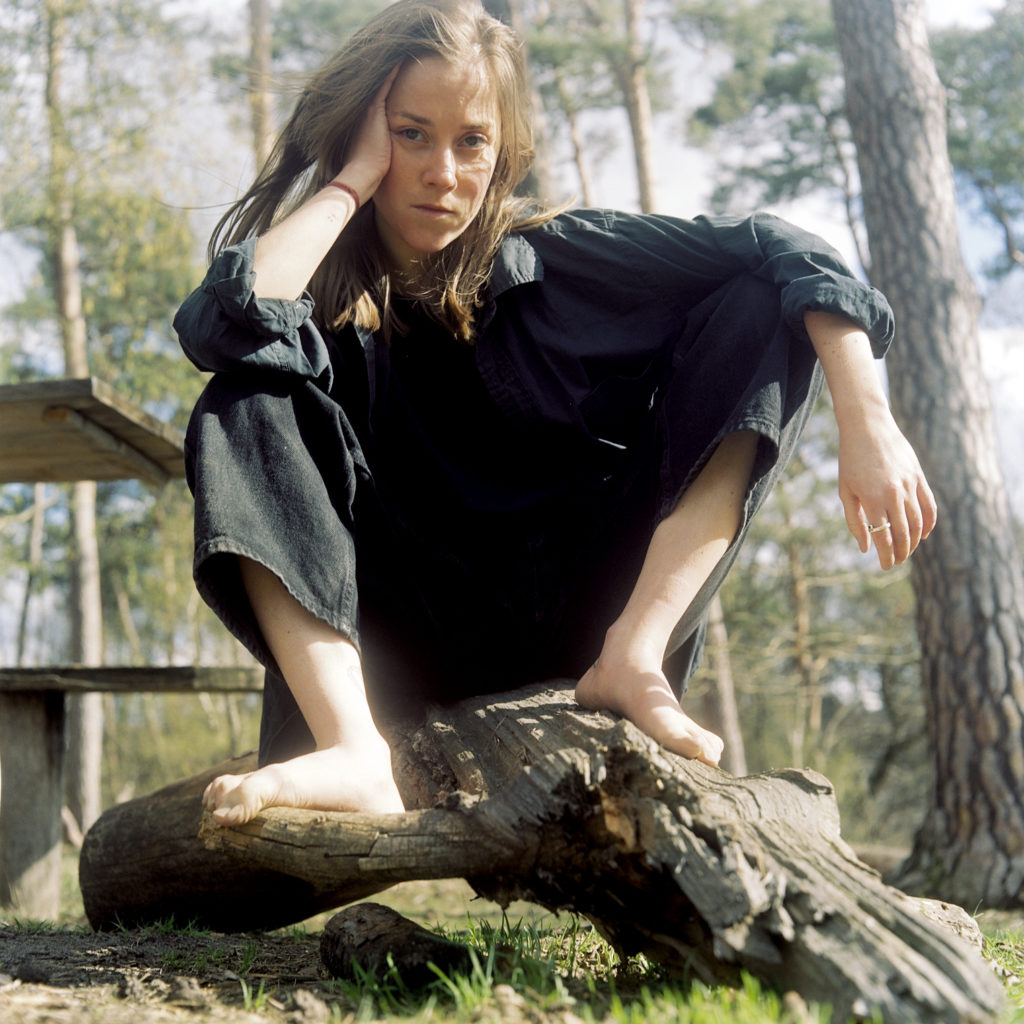
Perila, the moniker of Berlin-based electronic musician Aleksandra Zakharenko, will release her debut album, How Much Time it is Between You and Me?, on Smalltown Supersound.
Raised in St. Petersburg, Russia, Zakharenko moved to Berlin six years ago, finding her place at Berlin Community Radio. Regular work with expressionistic field recordings and electronic sound research eventually led Zakharenko to develop her own podcast series, WET (Weird Erotic Tension), combining her evocative, atmospheric music with erotic spoken word poetry. After a handful of early cassette releases as Perila—a project name used for her BCR show—Zakharenko now arrives at Smalltown Supersound
For How Much Time it is Between You and Me?, Zakharenko took inspiration from the concept of time, which she felt keenly during the pandemic. She recorded the release through September 2020 in a rural village in France, surrounded by mountains, alone with no internet. Her perception of time there differed immensely.
Across 11 tracks, Zakharenko aims to explore how we feel music and emotion in the body and how sound can help release it. How does the sound enter a body and travel through it? Where does movement start? How do you reach and unblock emotional clusters with the help of sound? We’re told that the sound can loosely be described as ambient, but it’s also filled with detail and movement, more akin to hauntological musique concrète.
To coincide with the announcement, Zakharenko has shared “Fallin Into Space,” a track about “grounding yourself in new places, accepting the surroundings, and opening up to what comes,” explains Zakharenko. “It’s about slowing down and being conscious about what and how your body is in that space. Many new things come to attention when you slow down and observe.”
Zakharenko has previously put out work on Boomkat Editions, The Trilogy Tapes, and Experiences Ltd., solo and in collaboration with Ulla Straus.
Tracklisting
01. Air Like Velvet 02. Time Date 03. You Disappear You Find Yourself Again 04. Untitled 05. Blanket 06. Memories of Grass 07. Enchlz 08. Backyard Echo 09. Vaxxine 10. Cradle 11. Fallin Into Space
How Much Time it is Between You and Me? LP is scheduled for June 25 release. Meanwhile, you can listen to “Fallin Into Space” below and pre-order here.
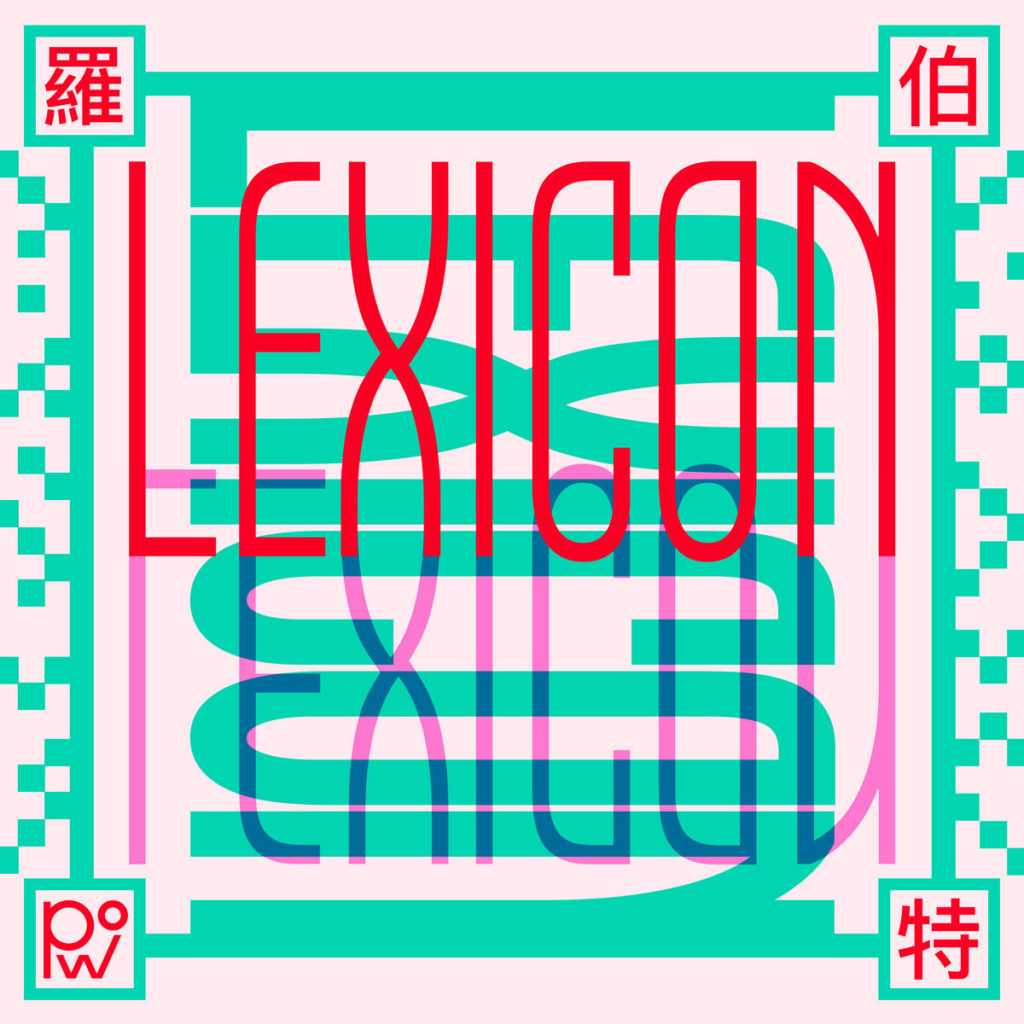
Robert Yang, better known as Bézier, will release a new album as 羅伯特.
Lexicon is Yang’s second release as 羅伯特, an alias he established early this year, and it comes on his own Piece of Work label. We’re told that the EP is “incredibly lush” and “well-timed for this season of pre-summer blooms,” with its “dazzling fantasia that’s easy to get lost in.”
As always, Yang’s synth work forms the spine of the release, but he takes his stylistic signature to a new level here; the record is more refined, more intentional, and more layered, we’re told. Though Lexicon could be characterized as disco-tinged, synth-pop-leaning techno, there’s also an IDM influence.
Last month, Yang, a San Francisco-based producer, put out an EP called Undulate as Bézier. In January, he launched Piece of Work with his Heirloom LP. For more information on Yang, and his work with Honey Soundsystem, check out his XLR8R feature here.
Don Zilla, a Ugandan producer, began is journey in music with FL Studio and in 2019 shared From the Cave to the World, an EP that showcased his rare fusion of eerie industrial electronics, lurching bass, and shifting east African rhythms.
As the manager of Kampala’s Boutiq Studio, he now returns to Hakuna Kulala, a sub-label of Nyege Nyege Tapes.
Across nine tracks, Ekizikiza Mubwengula “weaves freewheeling dance sub-genres into a bejewelled tapestry, signalling a path to the future,” we’re told. We can expect the cybernetic funk of dBridge, Emptyset’s overdriven, cacophonous anxiety, and the hyper-paced airlock club of Shanghai’s Hyph11E. “Everything is melted into a groove-fwd whole that’s tough to resist.”
Ekizikiza Mubwengula follows an album from Scotch Rolex (a.k.a DJ Scotch Egg) on Hakuna Kulala, which featured Don Zilla.
Tracklisting
01. Full Moon 02. Tension 03. Automated 04. Buziba 05. Etambula 06. Shots 07. Moving Space 08. Bunjingo 09. Ekivuuma
Ekizikiza Mubwengula LP is scheduled for June 18 release. Meanwhile, you can stream “Bunjingo” below and pre-order here.
The 11-track album, titled 1977, is Sodeyama’s second LP under The People In Fog, following 2013’s A Ray Of Light, released on Moph Record. Sodeyama named the LP after the year Chicago’s influential Warehouse was born and looks to the city’s history of house music for its inspiration, flirting with low-slung broken-beat, ethereal deep house, acid workouts, and more driven percussive styles.
In support of the album, Sodeyama has offered up LP cut “No Boundaries” as an XLR8R download, available to XLR8R+ subscribers below. At just over four minutes in length and with a swinging rhythm as its backdrop, “No Boundaries” is the LP’s most laidback affair, unfolding with jazzy licks and trippy, serene synth fills.
Tracklisting:
South Jefferson
Holy Spirit
No Boundaries
Less Is More
Come To Me feat. Monkey Timers
Mr. Dub
Wayback
Down The Drain feat. Sunga
New Period feat. Hiroyuki Kato
Platz feat. YOSA (Digital Only)
Burnt feat. S.O.N (Digital Only)
You can preorder the album via Sound Of Vast’s Bandcamp page, where you can also hear “Mr. Dub,” with “No Boundaries available below.
Full XLR8R+ Members can download the track below.If you’re not an XLR8R+ member, you can read more about it and subscribe here.