XLR8R is pleased to announce a partnership with CTM Berlin for its 17th edition, taking place between January 29 and February 7, 2016. As usual, the festival will happen in various venues across the German capital and will host several workshops and talks, in addition to the music shows.
For this next edition, CTM’s theme will be “New Geographies” and will be co-curated by Lebanese-born producer and DJ Rabih Beaini (aka Morphosis.) As stated by a press release: “CTM 2016 New Geographies examines today’s rapidly collapsing borders and emerging new hybrid topographies, as well as the tensions and essentialist backlashes that arise as a response to these changes. Special projects and commission, as well as voices and sound cultures emanating from less familiar countries and localities and operating on the fringes of the electronic circuit are featured in greater numbers than ever before. CTM 2016 mixes these diverse viewpoints into a program and more, with the aim to offer a sonic framework for today’s seemingly fervent times of crisis.”
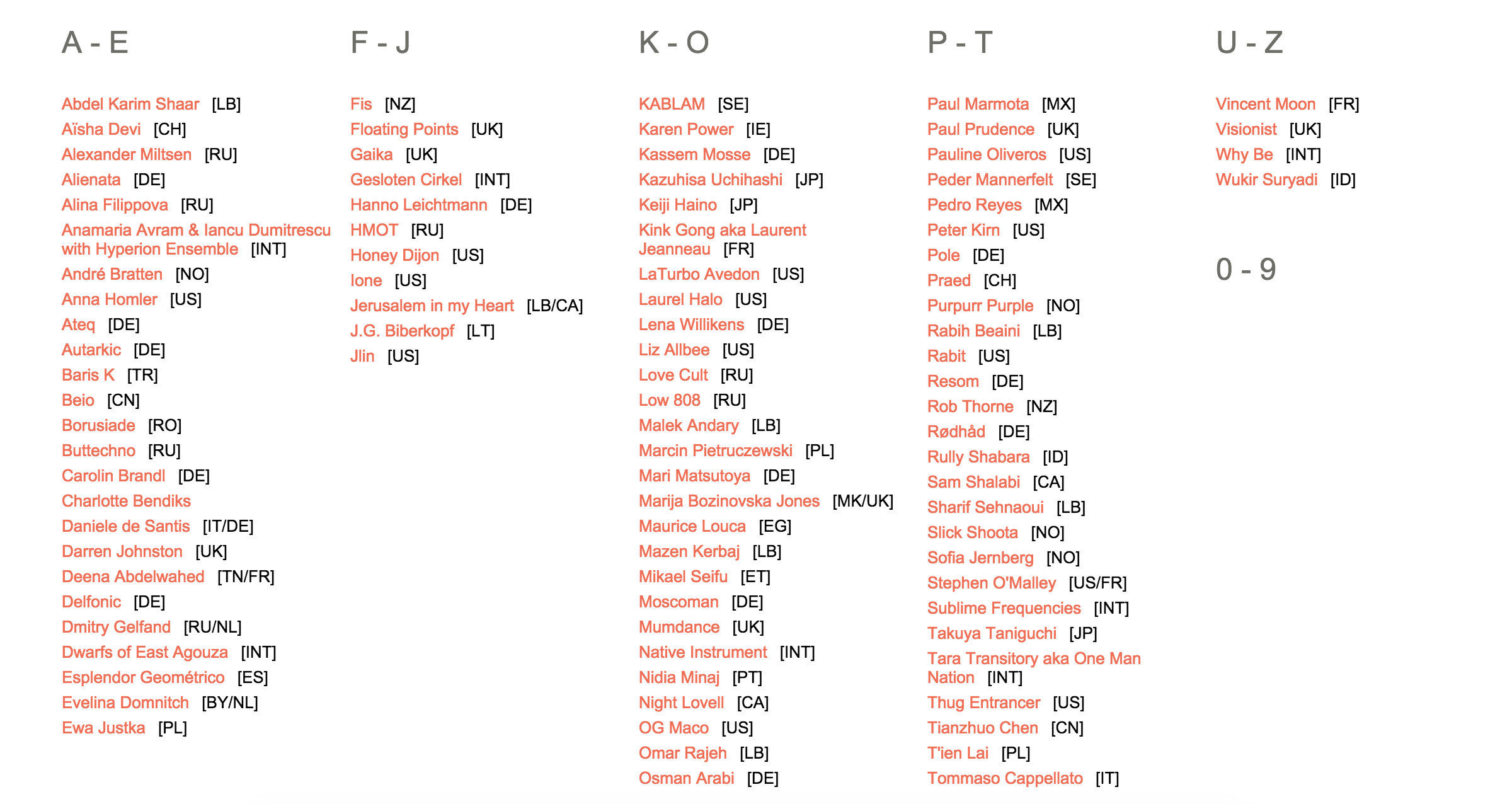
The first wave of works and premieres announced for the 2016 edition include Fis & Rob Thorne, Peder Mannerfelt, Vincent Moon, Marija Bozinovska Jones (a.k.a. MBJ Wetware w JG Biberkopf), Deena Abdelwahed, Sharif Sehnaoui w Omar Rajeh & Malek Andary, Evelina Domnitch & Dmitry Gelfand w Paul Prudence, Marcin Pietruszewski, Aïsha Devi feat. Tianzhou, Tara Transitory aka One Man Nation, Jerusalem in My Heart, Group A, Lena Wilikens, Maurice Louca, Kassem Mosse, The Dwarves of East Agouza, Sublime Frequencies, Mikael Seifu, Honey Dijon, and T’ien Lai.
Now, in announcing the festival’s second wave of artists and finalizing the program elements, CTM Festival has added Le1f, OG Maco, Jlin, Rødhåd, Visionist, Gesloten Cirkel, Nidia Minaj, Night Lovell, Mumdance, nkisi, KABLAM, Esplendor Geométrico, Rabit, Gaika, André Bratten, Buttechno, zutzut, Baris K, Paul Marmota, Praed, Slick Shoota, Hmot, Thug Entrancer, Takuya Taniguchi, Why Be, Ateq, Resom, Native Instrument, gamut inc, Alienata, Purpurr Purple, Charlotte Bendiks, Low 808, Mobile Girl, Kink Gong, Opium Hum, Beio, Disco Halal, feat Moscoman, Autarkic & guests, and Delfonic.
You can view the entire list of artists in the image below.
For more information, head to the CTM Festival page.
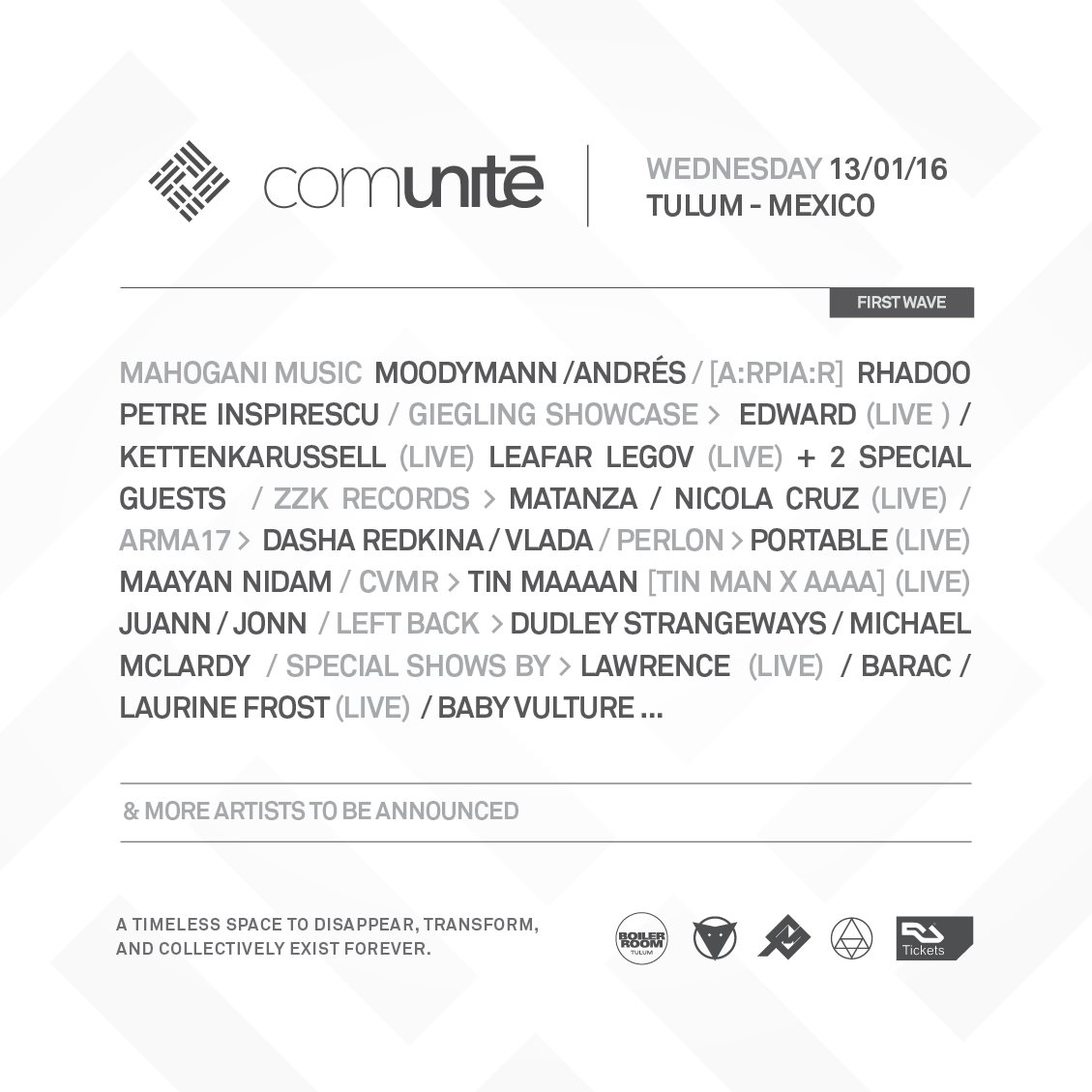
Similar to the Flying Circus NYE party in Playa Del Carmen and our very own forthcoming event, XLR8R Festival 2016, a new one-day festival has arrived on the beaches of Tulum, Mexico that is bringing underground talent from all over the globe to the Mayan territory. Comunite Festival is an event with an environmentally conscious cause that not only advocates “sharing, communion, communication, and union through music and peace,” but is also committed to donating a portion of the revenue to provide portable water to eight families by installing rain catching systems in the local community.
The lineup is an eclectic group of artists that includes Moodyman, Andres, Edward, Lawrence, Petre Inspirescu, Rhadoo, Vlada, Portable (aka Bodycode), Matanza, and AAAA, who collaborates with Tin Man as Tin Maaaan.
You can watch the festival’s video teaser in the player below and learn more about the festival by going to their website here.
Throughout this year—every weekday to be precise—XLR8R‘s downloads section has been injected with a healthy dose of sonic mastery. From gritty, torn-apart grime to minimal house groovers, each track had an undeniably unique quality running through it, offered to us from established artists, exciting veterans, and talented newcomers alike. Now that December is in full swing, it’s once again time to collate the year’s tracks and present to our readers the top 100 downloads that hit XLR8R in 2015.
This year, we will be publishing the top 100 in two separate portions of 50, beginning today with 100 – 51 and followed by 50 – 1 tomorrow. You can download each track by clicking the respective link and once the final 50 has been announced, all 100 tracks will be available to download in one convenient zip file from WeTransfer as our holiday offering to you. As a side note, the top 100 have been tallied from downloads from XLR8R and not streams from our SoundCloud page.
Canadian composer, Tim Hecker, has produced the movie soundtrack for actor/writer, Jason Lew’s directorial debut, titled: The Free World. According to Film Music Reporter, the film centers around an ex-prisoner trying to re-adjust into society after having spent several brutal years in prison, for a crime he was falsely accused of.
Hecker— known as an experimental electronic and ambient artist—is no stranger to film scores, having previously worked on several features and shorts. His latest undertaking, precedes the Norberg/Apondalifa EP, reissued earlier this year.
The Free World is set to compete at the upcoming edition of the Sundance Film Festival, January 26, 2016.
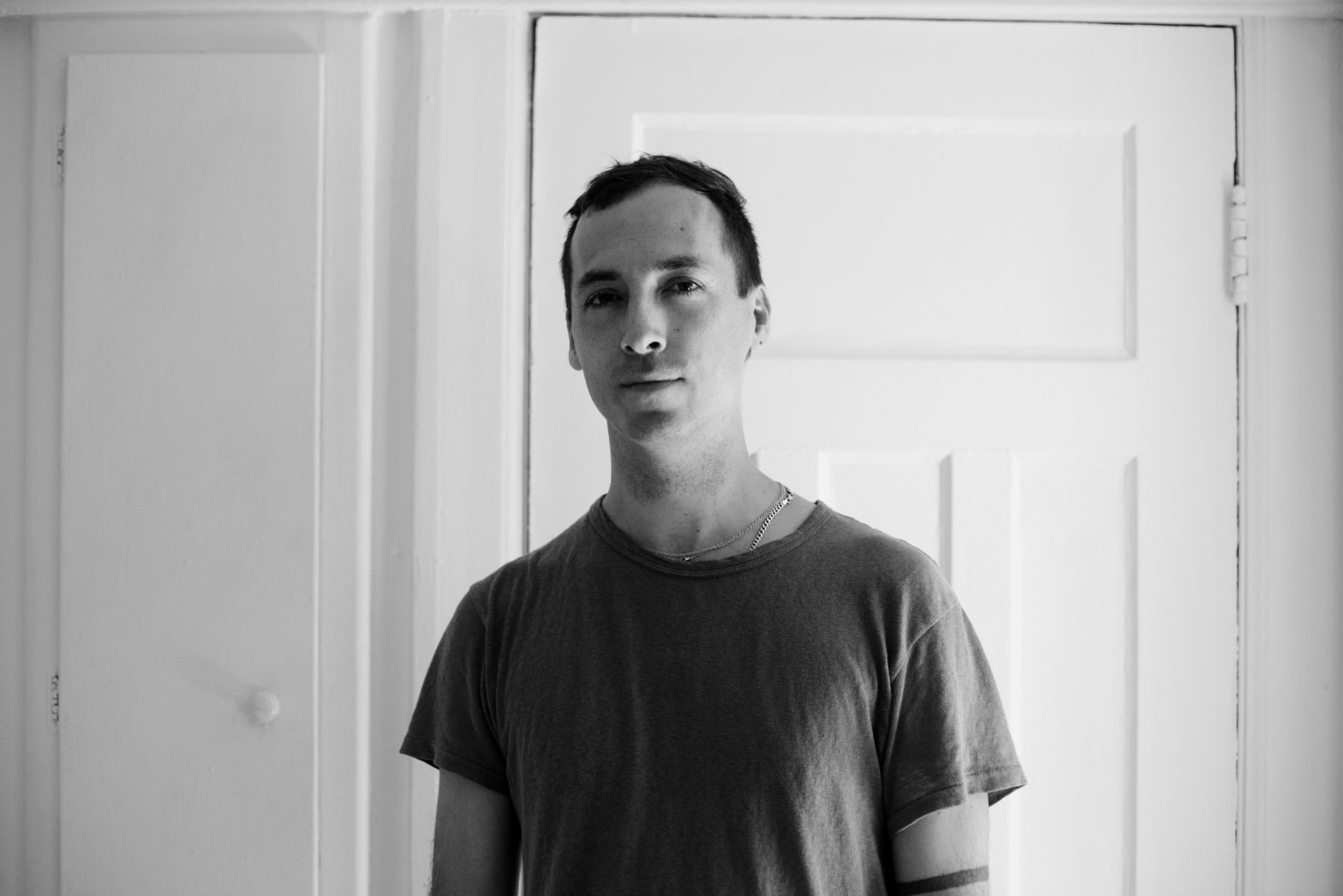
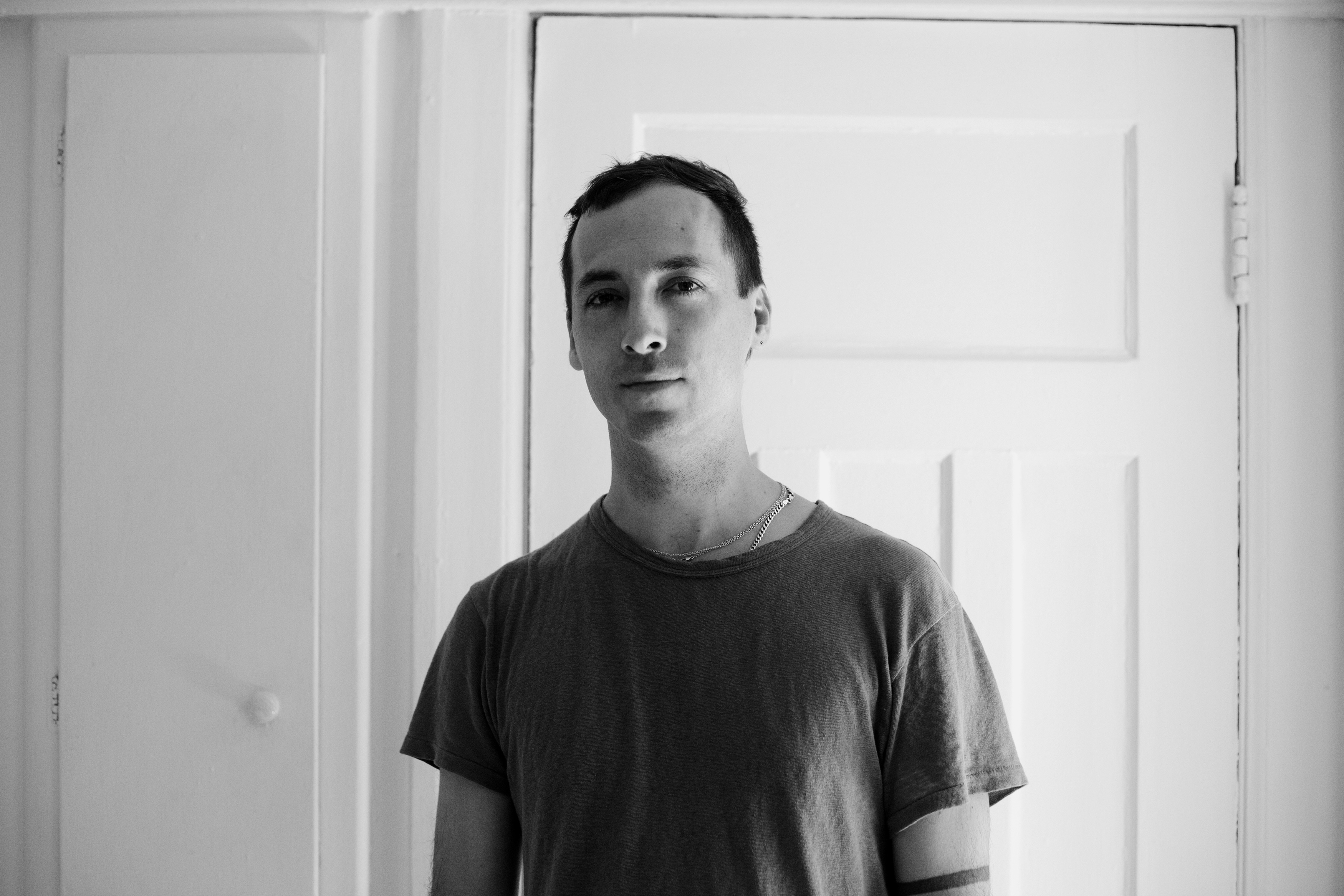
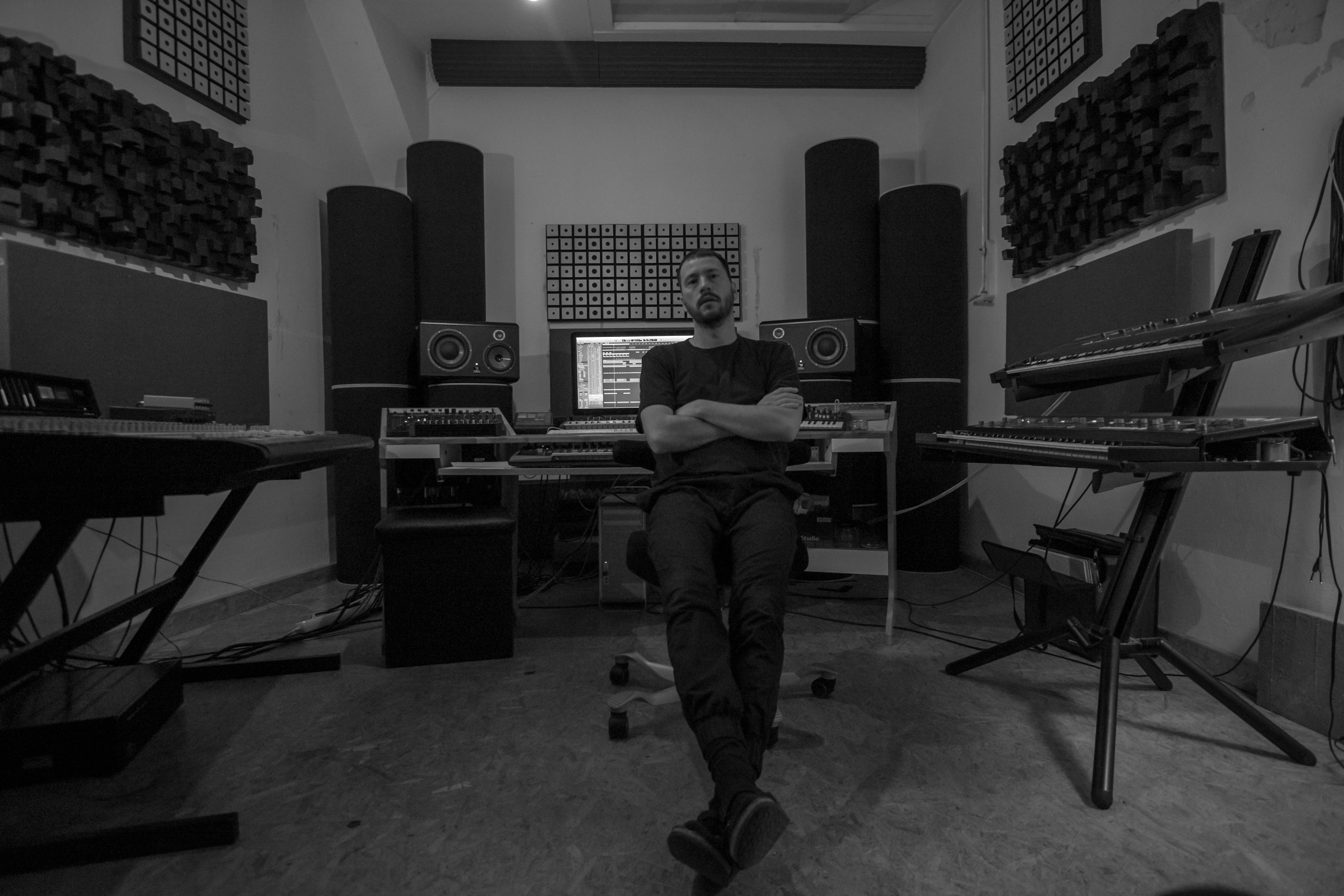
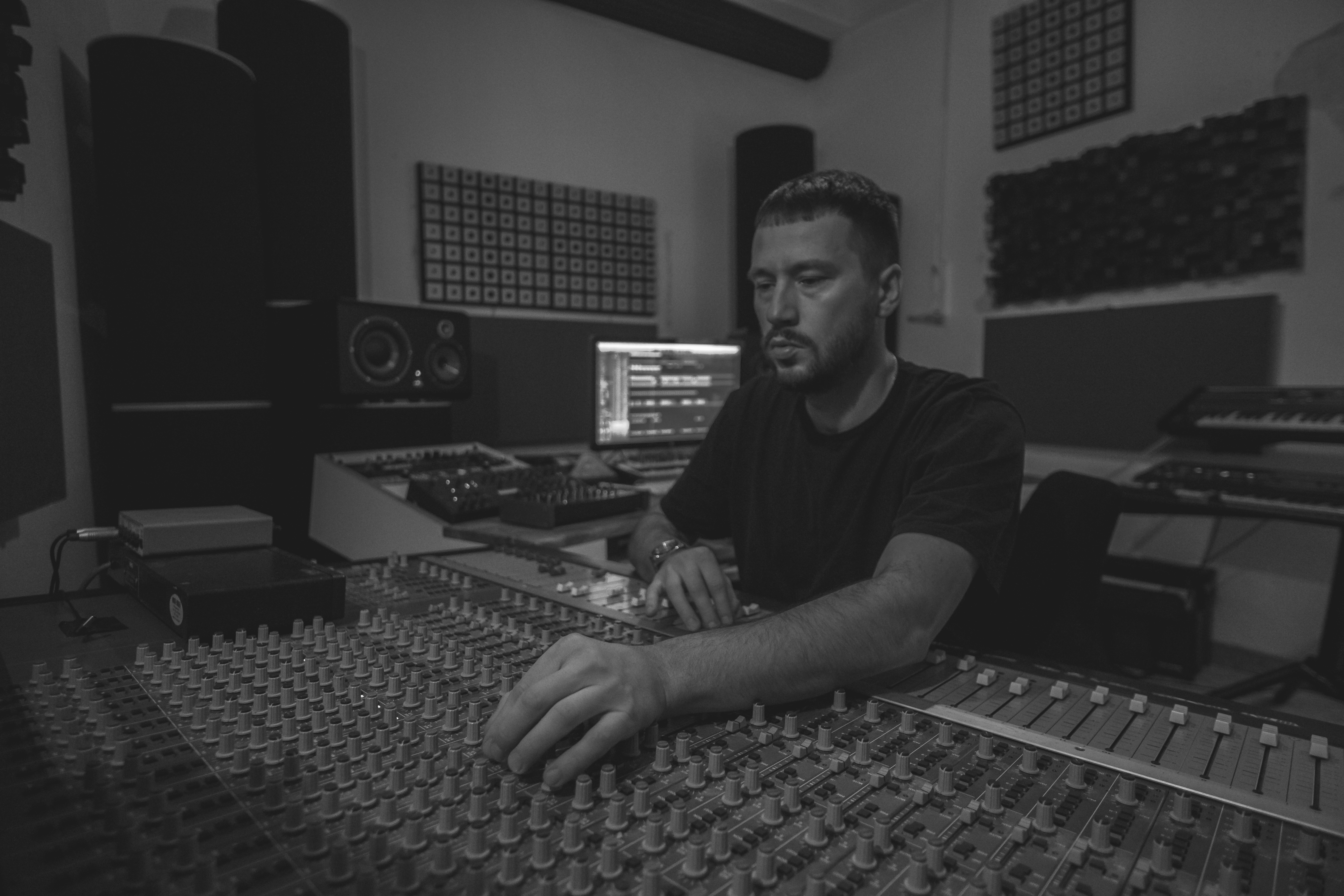
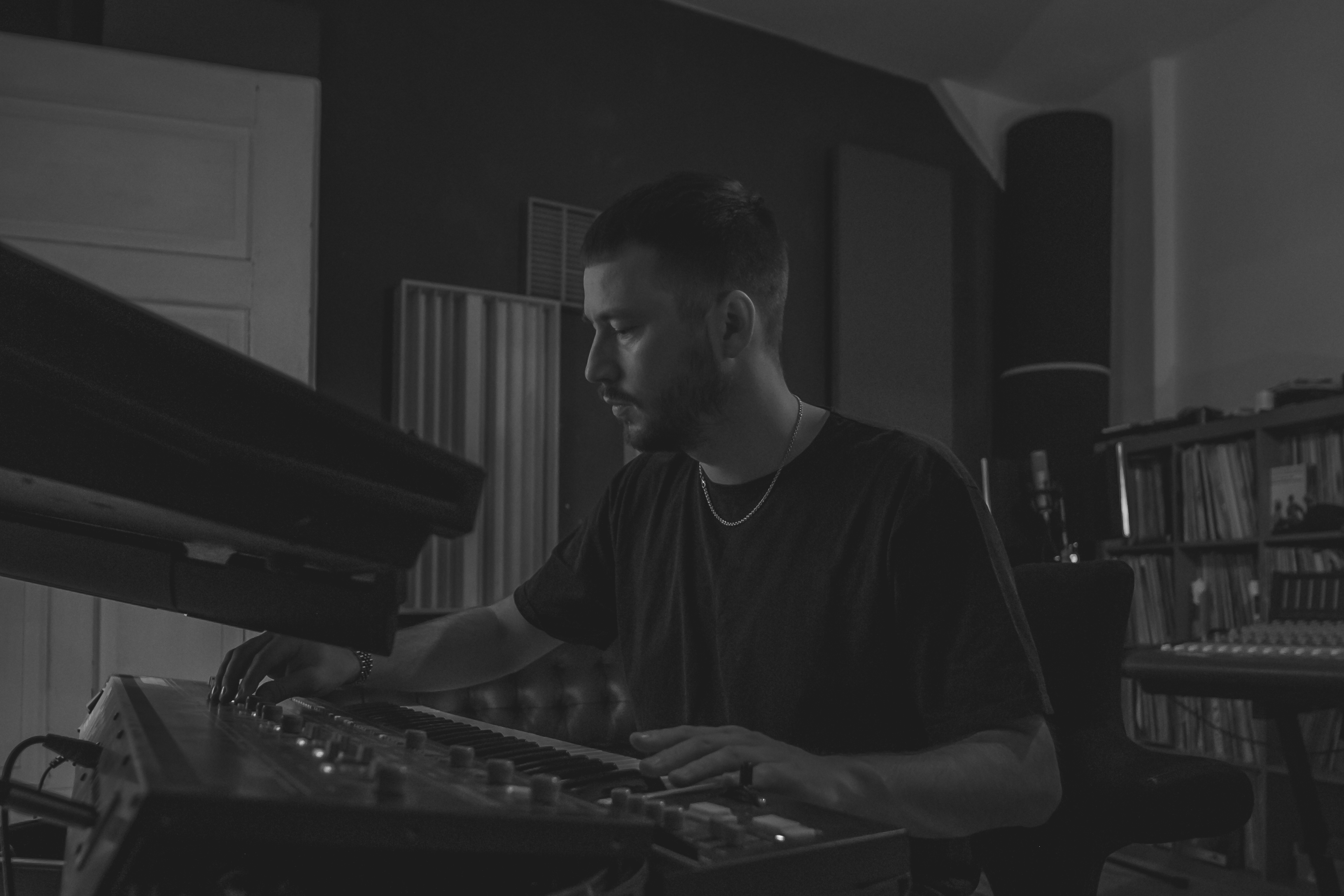
So widely respected, so seldom acknowledged: Daniel Bortz is an enigmatic character. Besides that fact that he lives in Bavaria and is a successful DJ-producer, remarkably little is known about him. He has long been recognized as an accomplished DJ—he travels extensively, though rarely can he be found on the popular festival circuit—but as a producer, he has been nothing short of prolific. A quick Google search exposes a number of his most lauded works—including 2014’s “Steady Note” and 2015’s “Hot In The Fridge”—and a scan of his Discogs page will also reveal a considerable wealth of further material, much of which continues to be played out by many of the world’s leading selectors. But this, as becomes apparent, is just the spot on the shorts of something far, far bigger. His unofficial discography, with genres spanning from downbeat to techno, is actually much greater; “I need variety,” he explains. Although some of this has not yet entered the public domain, much of it has been released under a string of monikers, some of which are yet to be attributed to him. “Even if you don’t know my music, you’ve probably heard it,” he jokes. To learn more about Bortz his production methods, XLR8R visited a visit to his home in Augsburg, Germany.
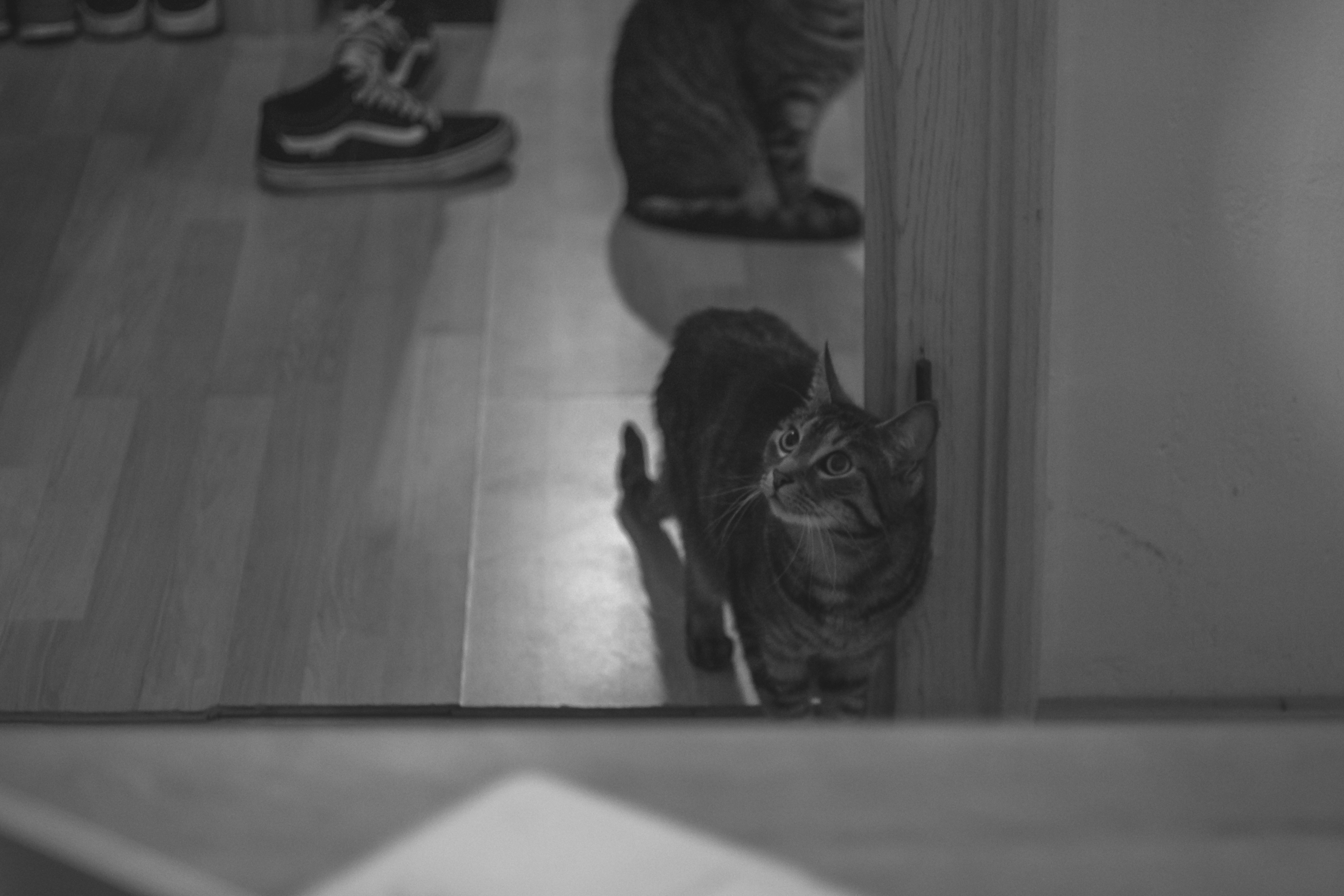
Augsburg is a charming and historic Bavarian city that oozes character. The atmosphere is calm, relative to similarly-sized European cities. Located just an hour’s drive north of Munich, and with an established university within its borders, it’s no surprise that it is brimming with creatives—one of which is Bortz. Although born in Berlin, Bortz has called Augsburg home for over 15 years. His early years were spent with his mother in Freising, a nearby town, before he moved to begin a hairdressing apprenticeship at the age of just 16. It was only in 2011 that his musical endeavors allowed him to become a full time artist; the years before were spent juggling production, DJing and his responsibilities at the salon. His apartment, a four-room space just ten minutes walk from the center, houses both an impressive vinyl collection and a magnificent hardware-heavy studio, the contents of which are only now sufficient, he says, to make the music he wants. It’s been a steady process of improvement, but now the studio feels like home, he says. “This is my environment; this is where I feel comfortable.” He shares the place with his two cats, Marta and Rudi.
The diversity in Bortz’ catalog is something that must be first be addressed. In his one other interview of particular note, a 2012 feature with Resident Advisor, Bortz was referred to as a “deep house” artist. The reasons for this are simple: following a string of productions and bootleg remixes, including his wonderfully slow Heal The World EP and an infamous edit of James Blake’s “Limit to Your Love,” this was a time when he was beginning to get real traction, and it would have been ludicrous to have labeled him as anything else. He has, he says, always harbored an appreciation for low–BPM house music, but this was just a period in which he found himself in a particular “groove” that he wanted to explore in the studio. “I just took the chance to release some slower stuff, bringing some inspirations from my background in downtempo and trip hop,” he continues. Reflecting on his recent output, however—most notably the Bella Avgvsta series—and having heard the copious amounts of unreleased or unattributed material on his computer, it’s clear that the deep-house tag represents just one small side of an exceptionally talented and versatile producer. Included within this collection are numerous minimal-house records, influenced heavily for his enchantment with the Perlon imprint (“It’s one of my favorite labels,” he says), some techno that wouldn’t feel out of place on a Berghain dancefloor, and even downtempo beats akin to Nicolas Jaar or Valentin Stip. Buried separately are even some hip-hop tracks, recorded under his Danny B alias alongside his undisclosed “famous rapper” friend who lives nearby. It’s an eclectic and marvelous collection of work.
“From the very beginning, I’ve always been the kind of guy that when I find something interesting, I want to know everything about it.”
To understand the source of this exquisite diversity, it is necessary to rewind to the start. “From the very beginning, I’ve always been the kind of guy that, when I find something interesting, I want to know everything about it,” he says. “I just want to know how it all works.” Having established an enchantment with music at a very early age—inspired in part, by his father, a psychedelic rock artist, and his mother, a “punk who loved music and went to rock gigs”—his production today can be seen as a continuation of this exploration. His earliest memories in music were The Rolling Stones (“I was the biggest fan,” he says) and West Coast rap like N.W.A, but his infatuation led him through several different phases, including rock, hip hop, disco and jungle. “There were so many opportunities to find interesting music. I was just searching for new mixtapes everywhere I went,” he says. “When I was 11, my mother gave me money for food and I just used it to buy records!” It is this array of influences that presents itself through his growing catalog of productions. “I get bored quickly and need to try new things. That’s my weakness,” he says.
In this sense, production is just an ongoing process of self-development. On more than one occasion, Bortz refers to himself as a “nerd with social skills,” something that becomes more apparent as time passes. While he can produce a seemingly endless array of records, he has no filing process and struggles to find any of his sketches. Sitting there, watching him fiddle with the gear—with his two cats besides him, a cup of jasmine team and, almost always, a joint in hand—it’s clear that his motivations for making music are almost purely internal; he wants only to learn new skills and develop a greater understanding of the production processes. Commercial validity is strictly a secondary concern. This is true of many artists, of course, but what is striking about Bortz is just how little he is influenced by trends or convention. He feels no obligation to move to Berlin, or somewhere else with a more vibrant electronic music scene: when he is in his studio, the external world is entirely irrelevant. “I just want to be good; I want to satisfy myself,” he says. “That’s all.” It just so happens that the fruits of this exploration have always been well received.
It’s hard to deny that his releases have always been on point. The Bella Avgvsta series, the last edition of which hit the shelves just last month, arrives at a time when tech-house is especially prominent, advocated by the likes of Mano Le Tough, Joy Orbison, and the Innervisions clan—all of whom have expressed their appreciation for Bortz’ works by playing them out. One does not have to look far for a video of Dixon playing “Don’t Disturb Bjorn,” while Mano Le Tough’s adulation for “Don’t Forget Your Sword” is similarly documented. In line with this, it’s doubtful that Bortz’ most notorious deep-house tracks—including “Boyz 2 Men” and “Can’t Sleep At Night”—would find such a hospitable home today. Besides this desire to push himself artistically, his studio time is directed towards tailor-making tracks for his DJ sets. “They have to be functional,” he says. “They have to be ready to be played out.” Given this, it’s no coincidence that his productions have remained so current.
Connected to this musical exploration is Pastamusik, the Munich-based label he co-runs with Michael Weiss and Richard For-Rieger (a.k.a. Annette Party). The imprint was founded in the late ’90s, but Bortz was invited to come on board after the release of his debut EP, 2007’s Südwind. “Richie and I quickly became friends because we share the same musical vision,” says Bortz. “It just made sense that we do it together.” Overlooking the occasional release on Innervisions or Permanent Vacation, almost all of Bortz’ releases have been shared between Pastamusik and the Berlin-based Suol Music. His ties with the latter have now been broken, but his relationship with his Permanent Vacation, Innervisions, and Pastamusik “families” remains as strong as ever. While it is the former that will host his next release, the latter plays an important role in allowing him to continue his creative development. “Even if they’re not perfect, you learn a lot from your releases,” Bortz says. “I’ve got a lot of respect for people like Mountain People or who have a distinct sound signature— but I am not like that.” The small size and eclectic nature of Pastamusik, he says, allows him to explore these different creative urges absent of pressure or concession. “There are no expectations, because it’s a more independent label. People don’t really know about it,” he says.
The true extent of Bortz’ musicianship reveals itself as he discusses his production processes. Each track, he explains, begins as an entirely blank canvas. Although there will sometimes be an identifiable“feeling” as he enters the studio, he finds it challenging to curb the specific style or genre of the product. He will spend time each day developing these sketches—some will take hours; others months—before saving them on his hard drive. Some of these tracks will then be played out—or “tested,” as he calls it, with a view to future release, while others will be stashed away indefinitely. “Steady Note,” for example, was played out by Bortz alone for over a year before its 2014 release on Pastamusik.
The problem with this process, he explains, is that it is extremely difficult to complete a conceptual album because he cannot find the sonic continuity in his studio output. It would be easy to chalk this down to lack of discipline, but he is a man who is led by his creative urges. His debut LP, Patchwork Memories, earned its name because it is a collection of tracks—memories—produced over a considerable time period that came together to form one single body of work. “I didn’t intend to produce an album,” he says. “I just had a bunch of sketches, and I thought I should mix them together to make an album.” The same is true with EPs: when he has a track that he considers worthy of release, he will then delve into his deep storage of works to find one of a similar mold. For this reason, the specific tracks on his releases tend to vary stylistically and will rarely, if ever, share a common date stamp.
That being said, his creativity will sometimes go through “phases,” he explains. “When I am going to produce techno, I’ll have a certain atmosphere or ambience in my mind.” Most recently, the Bella Avgvsta series, which roughly translates to “Beautiful Augsburg” as a testament to his home town, is a rare example of this continuity. “It wasn’t a conscious decision at first,” he says. “It just all came together.” In the same way as Patchwork Memories, there was no preconceived idea to release the series. Instead, a steady course of studio sessions gave birth to a string of new tracks, all of which shared a similar sonic identity—although, even on these releases, this link is a little nebulous. Instead of releasing it as another album—because “it’s all club music”—the decision was made to roll it out on separate EPs. Bortz explains that he may add to the series should he rediscover a similar window of creativity in the studio. “There’s no limit, so who knows?”
While the sonic output of these periods might seem entirely random, the source, Bortz says, follows a common pattern. “I try use changes in my equipment to trigger my creativity,” he says. His series of acclaimed bootlegs, all of which were released under his D.B moniker on Keinerechte, a sub-label of Keinemusik, stemmed from a Logic update that included a time-stretching function. The change can be as simple as an addition of a new synth, or even a breakage. The breakage of the fader on his Jupiter synth, he says, was sufficient to spark another period of creativity.
“With all art, limitation is the best thing that you can have.”
If there is a common thread in his work, it is this reduced sound. He believes in DJ Koze’s slogan: “If you can’t delete anything more, then it’s OK.” His whole processes—the center of it all, he says—is “limitation.” “With all art, limitation is the best thing that you can have.” This theory applies on two levels: what he uses, and the way that he operates it. First, although the hardware equipment that he has may be plentiful, it is carefully selected. Almost all of Bortz’ earlier productions were made using an MPC. “That’s a fucking limitation because you have to sample all the sounds, and then you don’t have the capacity to do other stuff,” he says. Second, Bortz is extremely conscious of not overcomplicating his methods. “I try to keep a limitation on how I use each piece of equipment,” he explains. To give an example: he will make tracks using just his MiniBrute. “I create the sound, and then I double the plug-in, and make little changes, which makes a difference. For me, that builds a sound identity.”
Reflecting on Bortz’ profile as an artist, it’s hard to escape the feeling that he has not progressed as much as some had expected. Following his production successes of 2011—his “breakthrough year,” according to Resident Advisor—he was voted at number 70 in world’s top DJ, and then number 90 the following year. Since then, his name has remained largely out of the spotlight, distanced considerably from those who forge lucrative careers from playing much of his music. Despite a active touring schedule, rarely, if ever, does he share flyer space with the world’s biggest names, be it at festivals or even intimate club showcases. He also has a residency at one of the clubs in his home town. Though he began DJing at just 14 years of age, it’s fair to say that his skills in the studio trump those behind the decks—but this impediment is also, in part, down to his own accord. Hidden beneath this nerdy, immensely creative character is a rebellious streak, something, he says, that can be traced back to his youth. During his teenage years, he recalls, he became heavily involved in drugs, and clubbing became a form of escapism from the struggles at home. “I was always into anti-police, anti-societal stuff,” he says. “My mother was like that, too.” The decision to avoid press and release his “hits” (the Bella Avgvsta series, for example) through his small Pastamusik imprint may not be conducive of widening a fan base, but it is symbolic of his aversion to the commercial nature of the so-called underground scene. “I am not trying to rebel; it’s just how I feel,” he says. Having grown up going to illegal raves with “super crazy music in small venues,” he explains that he feels uncomfortable in this sort of world. As a result, he has a reasonably small, but extremely loyal fan base.
It could also be argued that the success and diversity of his productions may have actually stunted his growth. Artists today are brands, and “brand Bortz” is quite “blurry,” as a friend commented recently. Although the sound of the leading artists vary stylistically, the output of each one will actually be quite clearly defined: while Ben Klock’s sound, for example, will vary from a dark and twisted set at Berghain to a slightly lighter one to close Coachella, the output will invariably sit firmly within the realms of traditional techno. You always know what you’re going to get. A similar thing can be said for Dixon, Tale Of Us and all those perched at or near the top. Even for these artists whose styles are more wide-ranging, there is a strong brand image that has been created through careful management. Bortz, however, is different: the success of his productions has created two different identities—one a deep house artist; the other more techno—and this lack of clarity in his profile and direction can be confusing to both promoters and those who pay to see him. Bortz himself explains that he wants to play techno but that he still receives requests for tracks from his album. “That stuff just doesn’t fit into my sets right now,” he says. “I want to play my new stuff because I want to test it. I want to prove it works,” he says. In addition to this, Bortz’ fans want to hear him play their favorite tracks of his. Given that most of his sets are limited to two hours, there is only a certain window in which he can exhibit his vast musical knowledge.
None of which is to say that Bortz is at all dissatisfied with his status today. He explains that he would be open to playing some of these bigger events, but that he “has a lot of good gigs” and “lots of positive feedback.” Issues with his diversity he says, are down to crowds “not informing themselves” about his output, and that is his role to continually evolve as an artist. The real gift, he says, is that his DJing allows him to test his new music, something that plays an invaluable role in the success of his productions, and also spend time in the studio without any restraints. “This makes me really happy,” he says. “I can’t live with the pressure of doing music because I have to.” One of the reasons he adopts different monikers is to escape the expectation that comes with the name. Interestingly, he references David Bowie on several occasions: “He was always creating something new, always trying new things,” he says. “That’s real musicianship. It’s a strange thought that contentment can be found in such a simple way. Even for the most authentic of artists, international acclaim and bookings are often used as measuring sticks for success, but this seems close to irrelevant to Bortz; he is happiest locked away in his home studio, carefully perfecting his craft. “If I am not successful in the future then I will just do something else to earn money,” he says. It’s a romantic thought—but, for Bortz, this freedom to explore really is enough.
Warren “Wbeeza” Brown is a purveyor of wide-angle house; he’s the sort of music maker who can focus on a large aural topography that encompasses everything from soul, jazz and hip-hop to acid and Motor City techno. The South London music maker zooms in on the latter three sounds on his secretsundaze debut, the Black Moon EP, released hot the heels of his recent (and excellent) Expressions of Love long-player on Third Ear Recordings. But, as often the case with Wbeeza, he saves plenty of room for the “soul” end of the landscape in the EP’s bigger picture, too.
The title track is a vaguely evil-sounding piece, defined by a sinewy, modulated acid line weaving its way in and out of the mix, that hearkens back to the TB-303’s ’80s heyday—but the cut’s rhythmic structure (basically a kick and a well-placed bit of machine-room click) gives the cut a propulsive force that takes it out of the realm of acid pastiche. It’s the kind of number that the phrase “simple, yet effective” was made for. “Like Butta” is basically a DJ tool, defined some subdued synth work and a percussion pattern that’s reminiscent of old Reese tracks like “Structure” or “Station of the Groove,” albeit in slightly slowed, muted form. But the prize goes to final track “Ferguson,” a Detroit-tinged tune which adds significantly more hue to the EP’s palette. Rather than coloring the track with the postindustrial clatter of some Midwest-techno homages, Brown opts for undulating, transcendent beauty—until some ghostly, gunshot-like percussion makes an appearance, a reminder that the tune is named for a city that’s suffered its share of troubles in the recent past. Despite that association—or perhaps because of it, at least in part—”Ferguson” is imbued with the kind of spiritual grace that attests to Brown’s burgeoning talent.
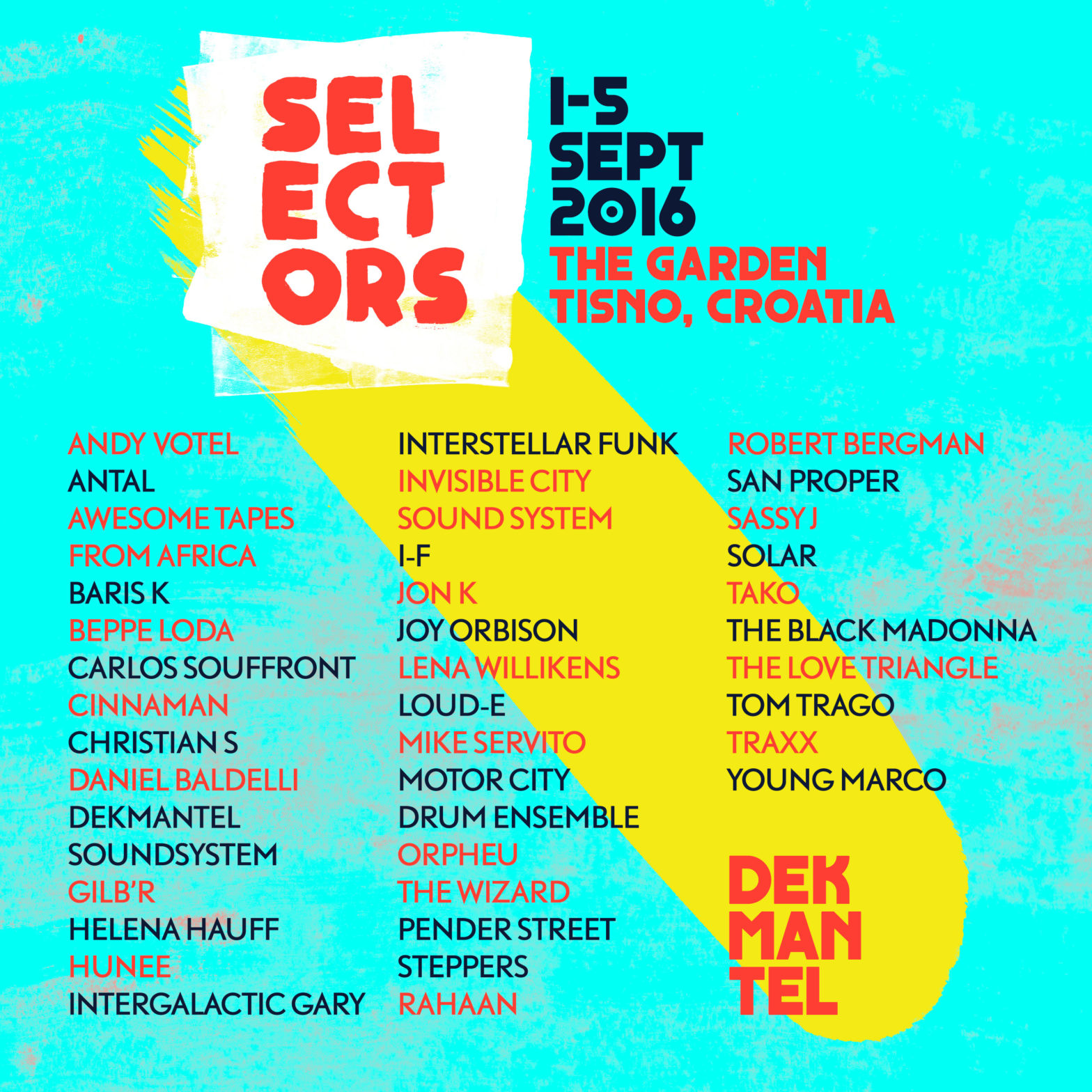
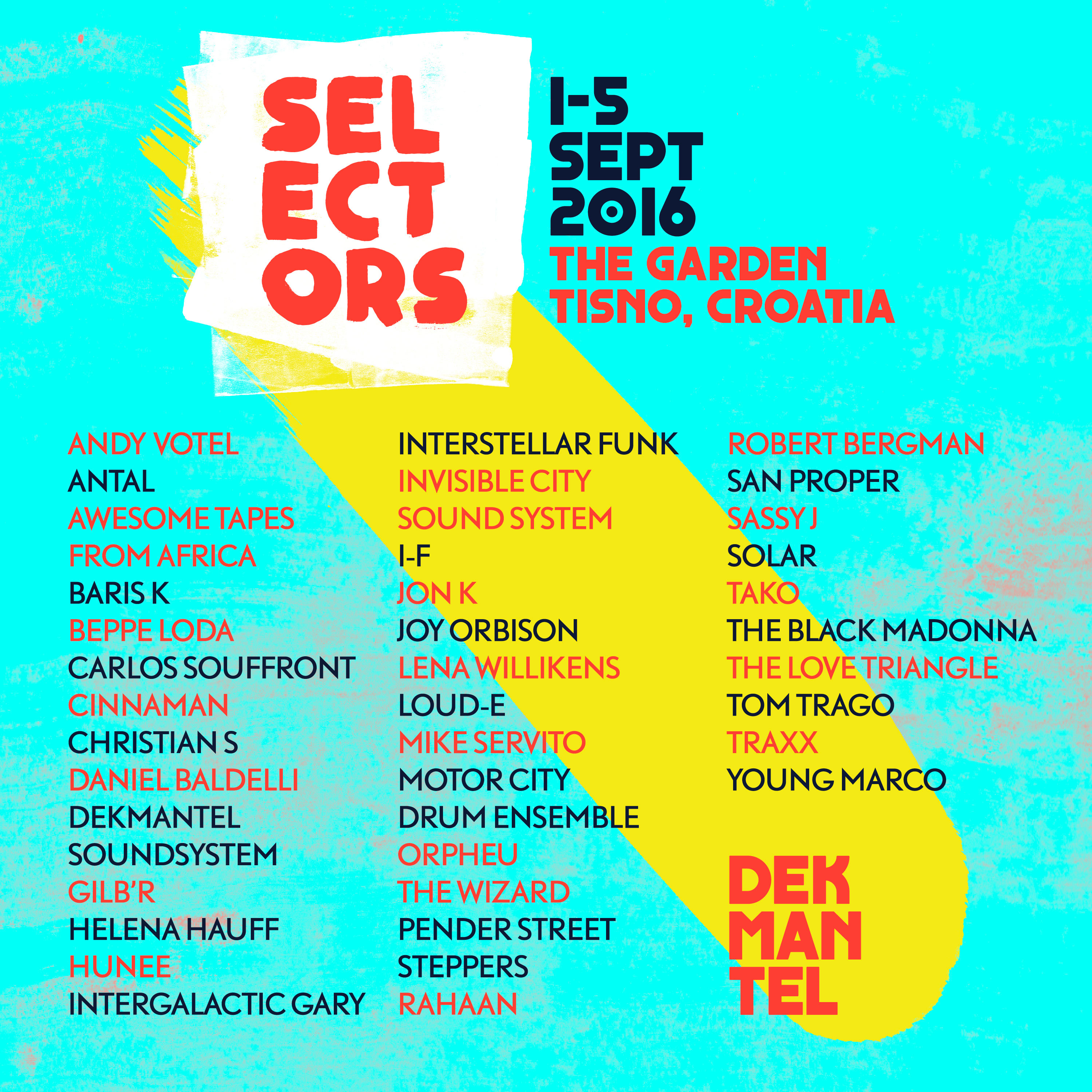
In a mere three years, Amsterdam’s Dekmantel Festival has become one of the summer festival circuit’s choicest events, with consistently strong bookings across the board. Now, its curators (who put together a special XLR8Rpodcast for us not long ago) have announced a satellite event in Croatia called Selectors, which is reportedly geared toward “celebrating the extraordinary DJs that turned collecting and playing music into an art form.” The first edition will be held at Garden Resort in Tisno, Croatia from September 1 through 5, and has already locked in the likes of Hunee, Helena Hauff, Motor City Drum Ensemble, Pender Street Steppers, The Black Madonna, and more. Ticketing information will be made available soon on the Dekmantel website, so keep an eye out.
Starting in March of the coming year, Dekmantel is also launching a Selectors compilation series. MCDE, Young Marco, and Joy Orbison will each curate one of the first three in the series, and they’re promising to dig deep into their collections. “I wanted to get some of the stuff that is really, really hard to get, and make it available for younger people,” MCDE explains in a press release. More complete info is on offer here, and snippets are streaming below.
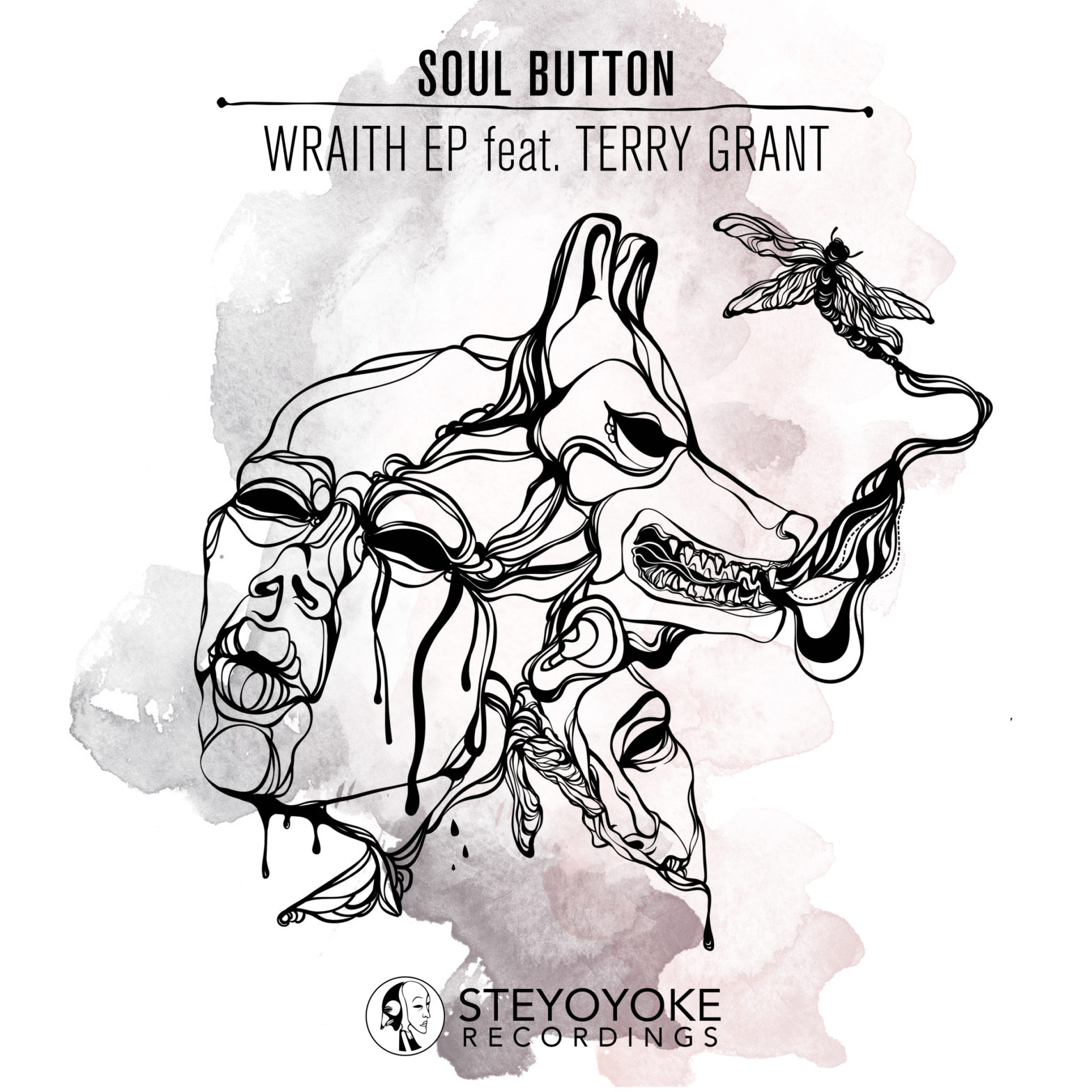
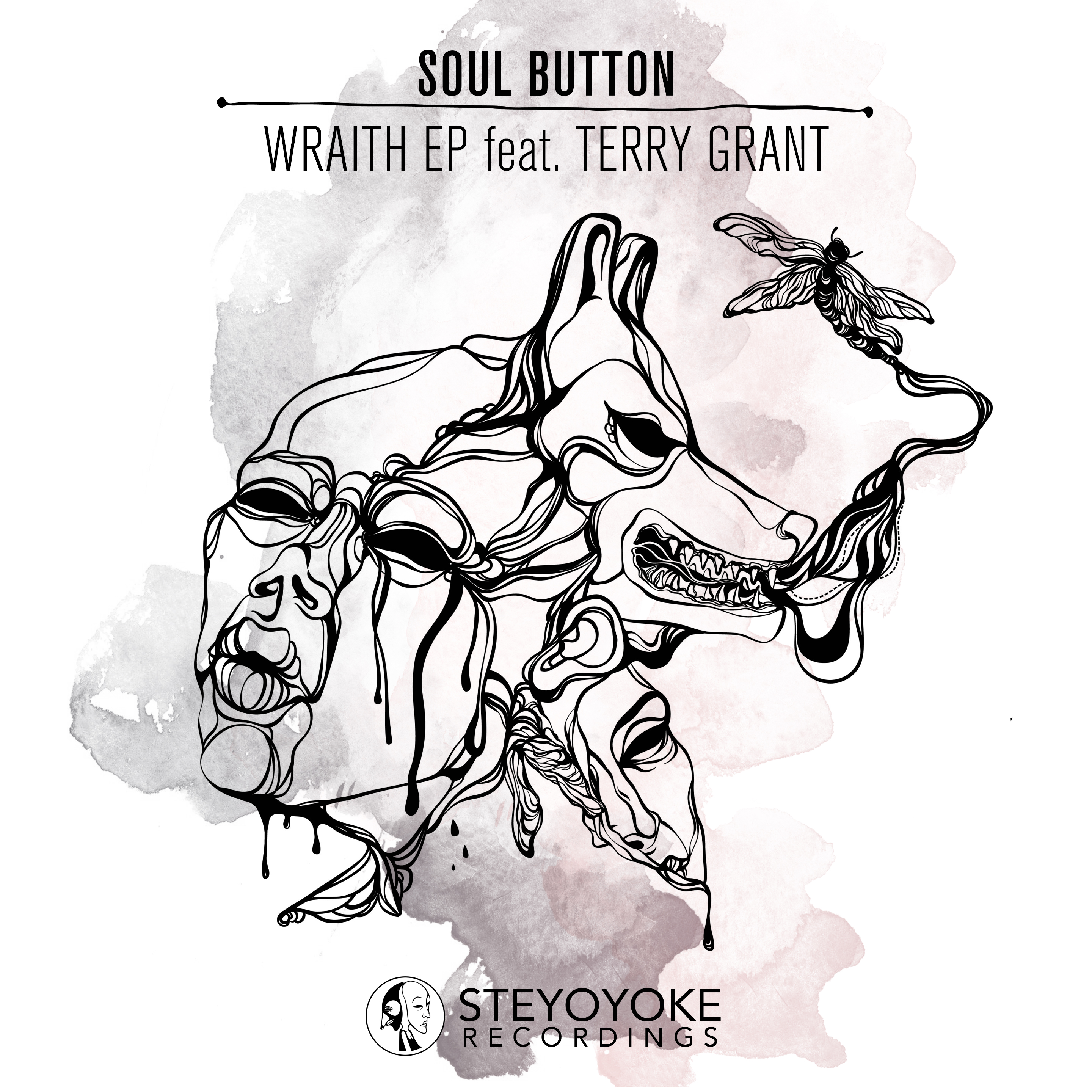
Berlin-based imprint, Steyoyoke, has released its latest latest EP, titled Wraith. The EP, which features smooth vocals by Canadian artist Terry Grant, compromises two originals by Soul Button, one piece by Soul Button and Aaryon, and a remix by Animal Picnic.
The Wraith EP can be streamed in full below, and is available to buy now from here.
With its close proximity to the Motor City, Ann Arbor, Michigan has birthed its fair share of talented musicians and electronic music producers (Mayer Hawthorne, Robert Glasgow, Shigeto, etc.) and D’Marc Cantu and Tadd Mullinix (a.k.a. Dabrye), who make up the acidic techno duo 2AM/FM, are by no means an exception. Based in Ann Arbor and operating with local label Ghostly International, Mullinix and Cantu have been crafting an authentic and tenacious house and techno sound since they first started recording in 2005.
2AM/FM has recently released its newest self-titled album on JTC’s Bopside Records and are set to make its Los Angeles debut in the new year. Presented by The Black Lodge and That’s Deck, the event is set to take place on January 22 at a location that is yet to be announced. Other artists on the bill for that night include fellow Ghostly/Bopside artist Charles Manier, Los Angeles local Fanon Flowers, and a slew of resident DJs from both The Black Lodge and That’s Deck.
Ancestral Voices is the new project from Liam Blackburn, formerly known as Indigo and also known as the artist Akkord, on Samurai Music Group‘s more experimental sub-label Samurai Horo. The birth of the project represents a new path for the established and highly respected producer who just recently released his debut LP, Night of Visions, under the new moniker. XLR8R was ecstatic when Blackburn reached out to offer up the very track that lead to this new project for an exclusive, unreleased XLR8R download (below).
What was the transition between Indigo to Ancestral Voices? What sparked this decision?
I’m not the same person I was 10 years ago, I’ve had many experiences and made many changes since then. I want to grow, take what I learned and put it into something new. I Got tired of where I was and what some others expectations were of me so I decided to break it all off and start again. I wanted no ties with any scenes or genres and to do my own thing, no restrictions.
How is this track that you are offering up for download significant? When was it made and what was your inspiration for it?
It was made to open up my b2b set with Doc Scott at an Exit vs Metalheadz night last year. I wanted an atmospheric, intense way to open up. It was the last track I made between the transition.
What is the importance of the name Ancestral Voices? How does it work with the name of the album Night of Visions? Did you have a specific story in mind when making this album?
The name comes from the idea that knowledge and wisdom are passed down aurally, sonically, and experientially into our time for us to learn the laws of Nature. The album is a diary of some sort from an experience I had in 2012. I took part in several ceremonies and this is my experience that I wanted to document and share.
What aspects from Indigo can we see in Ancestral Voices?
Similar soundscapes and rhythm programming but a completely different feeling. I tried to keep it accessible for fans of my Indigo material whilst moving forward to gain a wider audience that has nothing to do with the scenes and pigeonholes I became part of. I’ve never released a drum and bass track but the tempo was similar. Media, for some odd reason seem to reference Indigo, Akkord, and this new material to drum and bass. It’s really lazy journalism. It makes me wonder whether they have listened to any of the music at all or whether they just stick to one record that was released 6 years ago and bunch it in with the rest.
You previously released under your Indigo alias on Samurai Horo and Samurai Red Seal.. How did Ancestral Voices find a home on the label? How did your relationship with Presha begin?
It was really natural and effortless, I’ve known Geoff for a long time.. maybe 6/7 years. He was my agent initially then when he moved to Berlin he became more of a friend and mentor. I have released quite a few records with him over the years and also ASC which is all under a similar umbrella. Ancestral Voices found a home on the label because it fits perfectly with the Horo sound and aesthetic and I have been there since the first wave. I don’t have any desire to be anywhere else, it’s a family and a home to be proud of. The music that comes out of all the labels is of a very high calibre in my opinion. A lot of other labels just put out what they feel safe with, I like how Geoff takes a lot of risks and I trust in his vision. Trust and a mutual understanding is a hard thing to find a lot of the time so when a good home is found, it’s good to settle and get to work.
Thanks for speaking with us Liam. Before we go, what is the future of Ancestral Voices?
No immediate plans, I’m working on material and concepts constantly. I hope each release will tell a story or share something that can alter perception or gain insights from. I feel a duty to share and develop new ways of understanding the world around us, and discover what it really is.
You can find out more about Ancestral Voices new record Night of Visions by clicking here, and you can download the track “Metamorphosis” by clicking on the media player below.