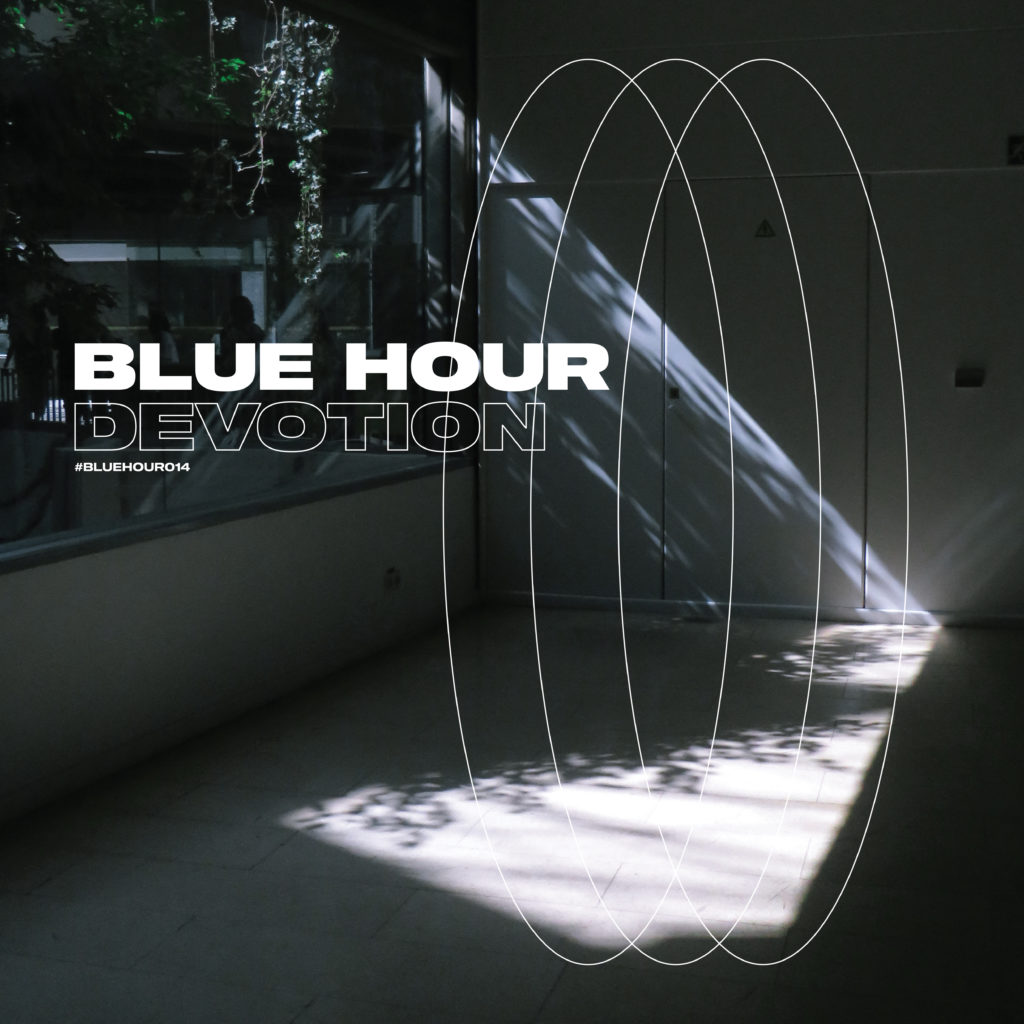
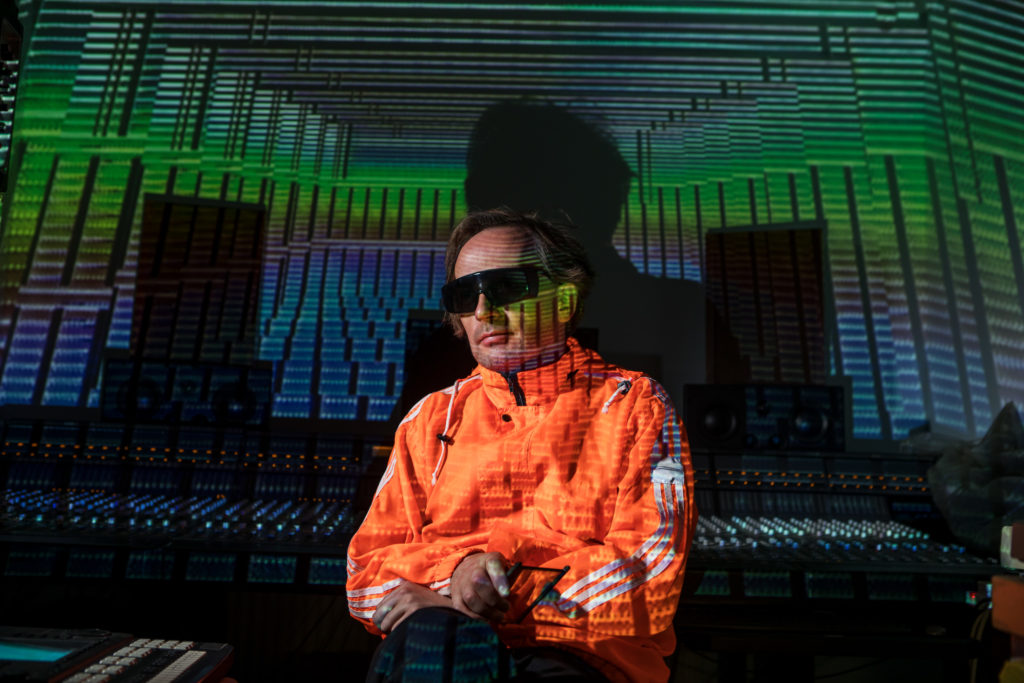
Luke Standing is back as Blue Hour with his new EP, Devotion, out February 17 on his own Blue Hour label.
Standing describes the record as “a personal homage” to his “early influences in dance music, frequently visited venues or events, and shared experiences with close friends.” He wrote it through the summer of 2019, and explores left-field, techno, trance, hardcore, and ambient across four tracks.
Standing started Blue Hour in 2013 but hasn’t put out an EP there since 2018’s Beyond The Void, focussing instead on building the label’s roster with other artists. This is the label’s 14th release.
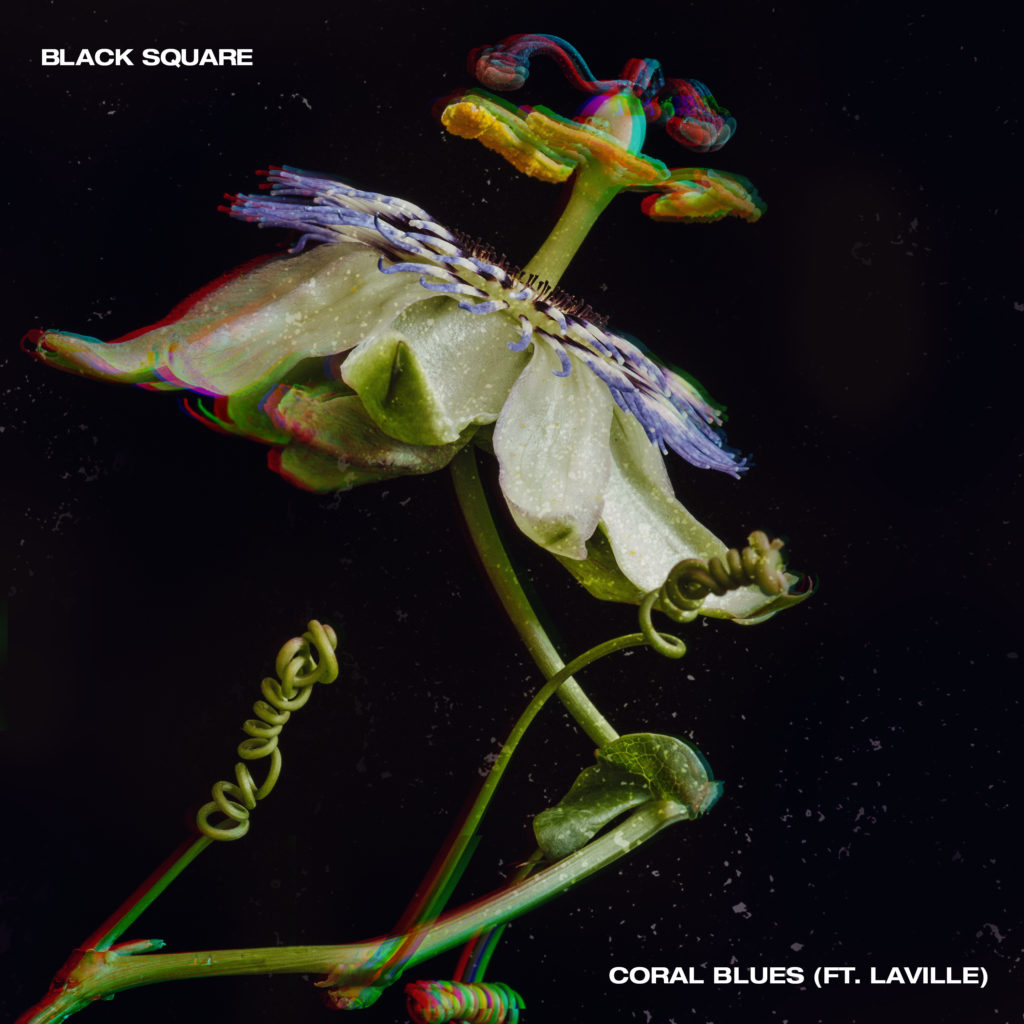
Black Square will release the first single from his upcoming second album, Beggars Opera, featuring remixes from Phaeleh and Throwing Snow.
Coral Blues features the achingly soulful vocals of Laville, who recently released his debut album on Acid Jazz Records and has toured and collaborated with John Legend, Foreign Beggars, and Ask Walker to name but a few. The single is a slice of modern, song-based breakbeat, and comes with a supporting video produced by Friend London, known for their work for Childish Gambino, Charlie XCX, and Christine & The Queens.
Phaeleh is on remix duties, plus there’s a more dancefloor-friendly re-work from Throwing Snow.
Beggars Opera LP is scheduled for April release.
Tracklisting
01. Coral Blues feat. Laville (Original) 02. Coral Blues feat. Laville (Phaeleh Remix) 03. Coral Blues feat. Laville (Throwing Snow Remix)
Coral Blues is out on February 21 on Blind Colour, with clips below.
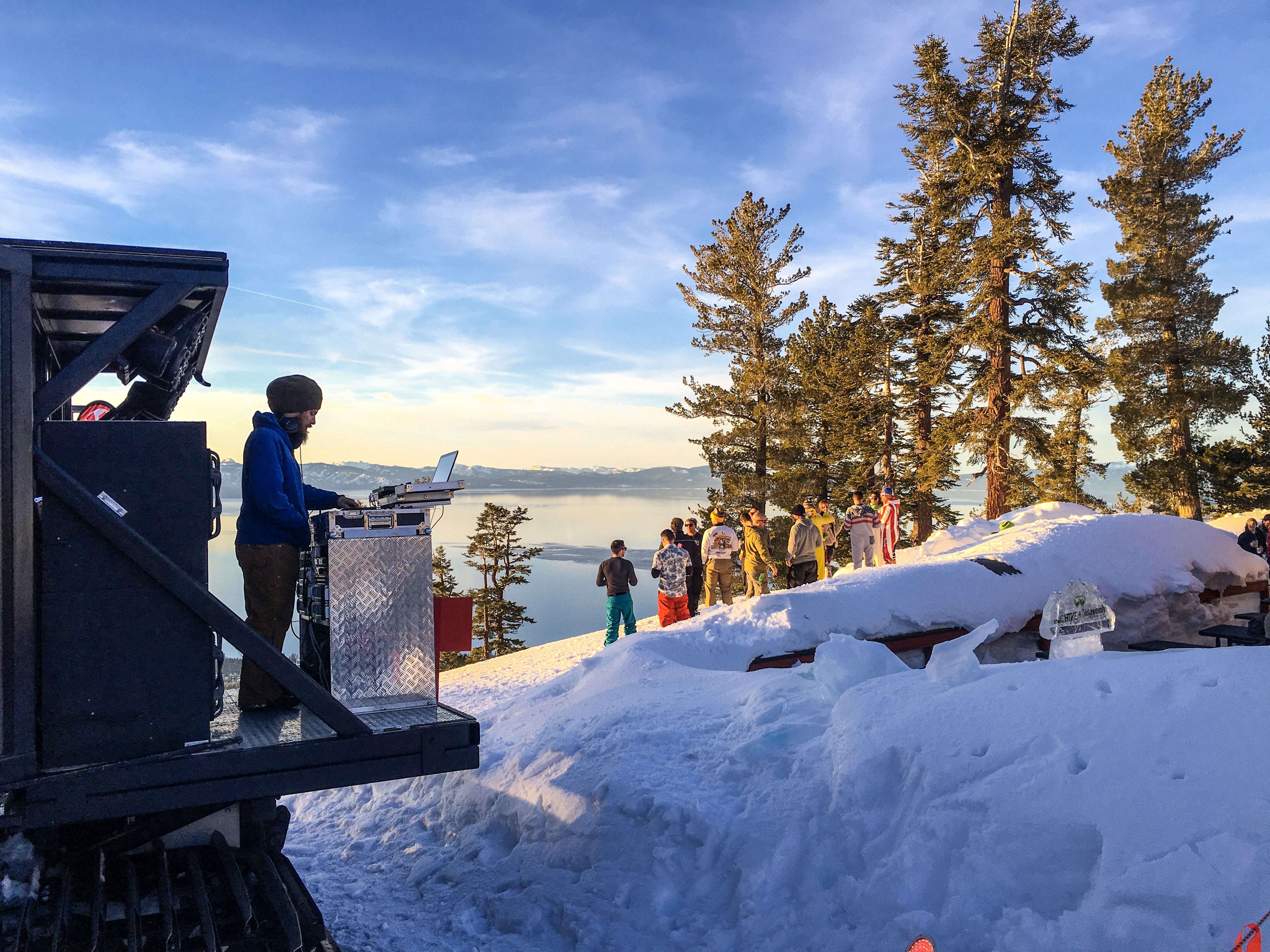
Altus Festival has announced the phase one lineup for its debut edition, taking place in Lake Tahoe from March 18 to 21.
A key event of Tahoe South’s Spring Loaded campaign, Altus Festival will host performances and showcases from over fifty international artists, taking in house, techno, old-school hip hop, and more beat-driven styles. The phase one artist announcement includes Mr. G (Live), Bonobo, WhoMadeWho, Behrouz, Atish, Ryan Crosson, Jason Kendig (a.k.a. Honey Soundsystem), Shaun Reeves, Ricoshëi, Robag Wruhme, No Regular Play, Jay Tripwire, Doc Martin, Doormen On Vacation (John Aquaviva, Roland Leesker & Phillipp Jung), Droog/Culprit, Mr. C, and many more. More artists will be announced in the coming weeks.
XLR8R and LA-based collective Dialogue will host a stage, alongside a selection of internationally recognized brands, including Visionquest, Sunset Sound System, Do Not Sit by Behrouz, Pink Mammoth, Listed + Flash, and more.
You can find out more information about the festival, including accommodation, ski/snowboard, and festival packages, here.
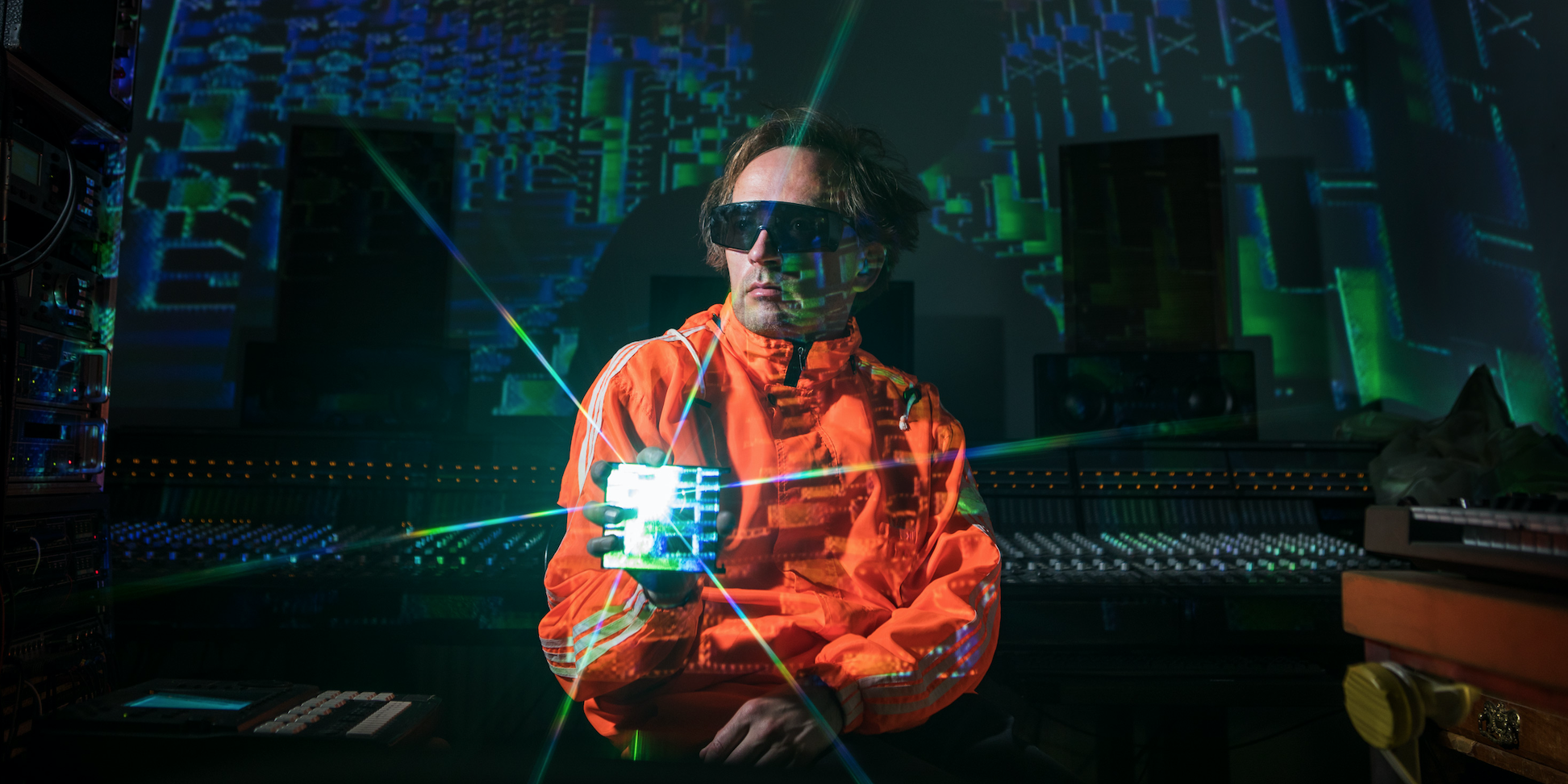
Across a career spanning almost three decades, Tom Jenkinson has proven himself to be one of the most endlessly inventive and unpredictable musicians working in electronics. As Squarepusher, the UK artist, a product of Chelmford, Essex—a county in southeast England where Jenkinson was an in-demand bassist before his obsession with acid house and hardcore began—signed to Warp in 1997, where he’s since been a staple. He’ll release his 15th album on the British label later this month.
Be Up A Hello is Jenkinson’s first Squarepusher album in five years, and it lands in the wake of what many perceive as his magnus opus: Damogen Furies, the result of bespoke software that he’d designed over the course of 15 years to allow him to improvise and record tracks in single takes. Since its release in 2015, Jenkinson has focused his attention on Shobaleader One, a band to interpret his own back catalogue live, and he’s written a suite of music for the organ which became All Night Chroma. He’s also worked with the BBC to compose for their ‘ambient viewing for toddlers’ programme, “Daydreams.”
Misfortune led him back to electronic music. Early in 2018, he slipped on thick ice while working in Træna, an archipelago off the coast of north west Norway, and broke his arm, meaning he could not even pick up his bass guitar. Looking for a distraction, he fired up his antique Roland acid synths, the SH-101, the TR-909, and the TB-303; a Yamaha CS80; and even a VIC-20 home computer—the same kit he employed for his early work, a reflection of the mercurial mid-’90s UK dance underground that wove together juddering acid with teeth-rattling breaks. In abandoning the self-designed instruments for creaking analogue synths, Jenkinson refreshed his creative palette and revisited the methods of making electronic music that made him fall in love with the genre all those years ago.
An important backdrop to the album is Chris Marshall, a childhood friend of Jenkinson’s who died of natural causes while Jenkinson was working on the music. “I was devastated. I loved him to bits. He was only a year older than me but was like a father-figure in some ways,” Jenkinson recalls. This served as an incentive to tap into his youthful creativity and go deeper in his explorations of these “ways of making music that we’d investigated as kids,” seeking out new colour and texture where he hadn’t previously found it.
Ahead of the album’s release, coming January 31, Jenkinson sat down with XLR8R to discuss the project in more detail. These are edited excerpts from the conversation.
Be Up A Hello, your new album, is incoming. How are you feeling about it?
You know what, I haven’t heard the album since I’ve mastered it. There have been a lot of other processes that have been set in motion since the album itself was finished. The thing for me is that once the music is committed then I stop being interested in it, and then I don’t care about it. When I finished the album, it felt right, but as far as it goes now, I am not thinking about it. It’s no longer part of my life.
Looking back, was your work on this album absorbing?
This particular album started out the opposite. In January 2018, I broke my arm when I was out in Norway doing some recording. I was just having a bit of a stroll and I had the wrong footwear on and I slipped on some ice and I broke my left wrist. From anybody’s point of view, that would be distressing and painful but from my point of view, bearing in mind that playing guitar bass is so central to my life, it was especially intense for me. I broke a bone that has a nerve running through it so there was some chance that I’d need surgery and this would have led to some loss of feeling.
It was a particularly tricky time, but it led me to just want to start [making music] again. I had a cast on [my arm] so there was no chance of even trying to play the guitar but I sought something familiar, fun, and lighthearted. I began by getting out all the analog kit out that formed the basis of my studio when I began recording in the early ‘90s. I was just using it as a platform for a bit of enjoyment; it was just a form of therapy, and a way to rebuild. I began messing around with no plan, no vision, no aesthetic, and no concept. My only objective was to have a good time. I wanted to go back to having some simple fun, to access that sense of adventure I had when I first encountered this equipment when I was a kid.
How were you feeling after Damogen Furies? Did it leave you creatively exhausted?
Exhausted feels like a bit of an exaggeration. Alarm bells start ringing well before exhaustion happens for me in terms of writing music. By the point, I think you’ve lost the battle; if you’re exhausted, then your enthusiasm has gone and music-making will be a mechanical slog. There will be no genuine feeling for what you’re doing.
What I will say is that Damogen Furies was computer-driven, and what sometimes happens in my world is that I get to a point and I want to flip, because it’s all about keeping the enthusiasm; without that, I’m nothing. So it felt like time to get back to instruments with Shobaleader One, which grew out of the touring associated with Damogen Furies; I wanted to interpret my own back catalogue live, and that led to where it led. I also wrote music for the organ, and then there was this chaos of breaking my arm. I finished Damogen Furies around the end of 2014, and so actually what we’re talking about is a three-year gap, even if there are five years between the actual releases. It really took three years for me to make the choice to come back to electronics.
“…if you’re exhausted, then your enthusiasm has gone and music-making will be a mechanical slog. There will be no genuine feeling for what you’re doing.”
You seem quick to dismiss Damogen Furies despite the amount of work behind it. Have you reflected on your achievement?
No, not at all. For me it’s just one approach; one way of doing it. It probably sounds more impressive than I think it is! Yes, it was the culmination of a load of work but it wasn’t the only thing I was doing in that 15-year period, of course. It was just one strand of my work, concerned overtly with trying to make interesting music from a basis of more or less mathematical calculation. It formed a basis for the album, but I don’t see my work as pinnacle moments. I just do whatever I can in any given moment with as much conviction as I can, and then when I feel like it’s over I move on. I think this sort of stuff is what journalists and music writers can tie themselves up in when they have some of the narrative that the musician has supplied, but it isn’t necessarily accurate. I just look back at Damogen Furies as another record, and it’s one among many.
Be Up A Hello is also a nod to your friend Chris Marshall, who died of natural causes last year. Can you talk about how this influenced you and the album?
The album is dedicated to Chris. Not long after I broke my arm in January 2018, Chris died and it was a tragedy and an immense shock and loss to mine and my friends’ lives. So the emotion of trying to make sense of this error of breaking my arm became augmented by trying to manage my grief. It produced the same result in my day-to-day life: I needed to just be doing things that are fun. I didn’t want to be doing anything complicated or advanced; I wanted to be doing things that were a laugh, just to get by.
I read how you and Chris used to listen to your music driving about in his Dad’s Ford Escort, which was the first time you observed the effect your tracks would have on other people. How did you become close?
Chris was very tied up with that analog equipment [used to make the album] because he was a technically-minded guy and so together we tried to learn how synths work, how MIDI works, and such things. This was before the days of online tutorials because it was the ‘90s and so the best you’d find were a couple of books on electronics. There also wasn’t an electronic music scene or many people who know about this stuff. The [music] scene in Chelmsford, Essex was broadly rock and indie, with a detour here and there, but broadly electronic music wasn’t a thing that had a context in the town as a form of realising compositions. So it entailed a lot of learning from scratch and guess-work, and we did that together. It was a great time, just messing around. Chris is one strand among several on this record but he is nonetheless central in that regard so it feels connected to this world.
Do you think this grieving process has impacted the album’s sound?
Look, this is an interesting topic, how emotional states of a given moment might influence the direction of a composition, but I believe, if I am utterly truthful, that what I am doing when I am making music is creating the stimulus for an emotional state; I am not translating one from my real life. With my music, I am creating a stimulus that can have some kind of emotional result.
And there is true consistency in that: there are some moments where it doesn’t work, and there are other moments where it might produce a different kind of emotion, so I don’t think it is an exact science, but there are nonetheless some kinds of mathematics which relate to our emotional lives within the core of musical harmony, and it fascinates me to continue to investigate that, even if the results seem to be always stuck with provisional results.
Probably what happens when we impute an emotional state to a composer after we hear their work is that we infer it from the content of the lyrics, and that becomes the bridge between harmonic and semantic events. In the case of instrumental music, we’re a bit more at sea, and that’s what fascinates me because it’s not anchored in a sentiment that’s embodied in lyrics. So I think on a day-to-day basis, emotional states are more likely to affect techniques, the level of complexity you’re able to achieve, and the speed at which you can work—if you’re troubled and distracted then you’re never going to work as fast, for example.
“I think people, apart from anything else, once they sense they have an audience then they will start speaking in a more provocative manner and they will change their pitch to produce a bigger effect. I just don’t care about this. I am still really operating in the ‘90s. ”
— Squarepusher
Was writing the album a cathartic practice?
That’s what I wanted—in fact, no, I wanted a distraction. That’s a raw form of therapy because it works. It also helped to be around things I was comfortable with. With software, such as on Damogen Furies, there was a challenge involved because I was trying to make myself work at the outer limits of what my comprehension could do, and balancing these processes in my mind’s eye is possible when you’re at your best; it’s not necessarily possible when you’re compromised somewhat.
For me, I just wanted something simple and this led me to choose this old kit. I was knocking out a track almost every day and at a certain point, I realized that I should let each one develop and then this formed into a body of work from which I selected the tunes on this record. It was more that this grief gave me a throwaway attitude to making music and the music which in the end forms the record is a reflection on the pain from that world, but I think at some point it regains the hallmarks of the sort of compositions I put out in the ‘90s.
How have you dealt with the grieving since then?
I really appreciate the questions, but I don’t know if I have so much more to say about it. I think a big loss like that eventually becomes a part of the furniture. You can never make it right and you just get used to it.
How have you protected this enthusiasm for electronic music since the ‘90s? It can’t be easy after so many albums.
You have to begin by seeing my career as a hobby that’s gone completely out of control. Broadly that is what it is. That is the starting point from where you can start to comprehend what I’ve done. I didn’t study music. I didn’t have any tuition, certainly not in the formal sense. It’s just something I’ve cultivated in my spare time; I never intended it to be a career, and I never envisaged being a recording artist as a kid. I just loved doing it and that was enough.
The opportunity to make it something more resembling a career came from the outside when the offer from Warp came in, and then at that point, I could switch to supporting myself simply by writing music. But instinctively or otherwise, I have always kept the same mentality which is to just do what I find engaging at that given point, because apart from anything else, that’s the way you’re going to produce your best work.
So I don’t really think about it and, if I am honest, I don’t really see it in this way. I don’t tend to impose standards particularly on my records; they’re all standalone and I don’t see them as good or bad. I just see them as this is what I did. That’s what had to happen.
What do you mean by “had to happen?”
I mean that’s what was required to maintain the enthusiasm; without that, I am nothing, because I have no sense of direction in terms of a career. I don’t know what would make me more money or make me more successful, and I don’t feel comfortable to imply that sort of mentality, and frankly, I don’t want to. I just do what I do, and the key is navigating to the things that make you engaged, and so, therefore, this problem of trying to keep yourself interested doesn’t arise because it’s automatic in what I’m doing anyway. So, of course, there will be repetition where you find yourself back in the same place, but I try to keep things broad. I think the cost of this has been a general sense of coherence in my work but I don’t care: all I care about is staying afloat. Like, it’s just keeping going in the moment. I have no vision about where I want to be in the future. I am just trying to get by, by doing things that make my existence feel like it has got some integrity.
How do you maintain the balance between innovating and sticking to what your fans want?
I have to remember that my fans, whoever those people are, are not a homogenous group; they’re always changing. I cannot even identify what that group is, it’s just a blob on the periphery of my life, and because I don’t try to identify its needs and purposes, it leaves me free to do what I want. I’ve had my contrarian moments, and I will always have that, and I know that certain things will piss people off and I can’t resist doing it, but in a more broad sense, I think the best path for me is to do what I do on the basis of enthusiasm because I believe that produces the best work, or at least the work with the greatest sense of internal integrity. Anyone who is interested in my work is then going to have something that is at least interesting. I can understand why people want to keep their careers on track, and why they want to sustain it, but I’m not savvy in that regard and that’s what produces this mish-mash that is my work. It doesn’t bother me either, and that’s what it’s always been like.
So how important is it that you shelter yourself from online media, magazines, etc? It’s only natural to begin comparing yourself if you have influence from the outside.
I have literally not looked at a review for 20 years. I haven’t looked at a single message board and I don’t ever go online other than to check my emails and buy something on eBay. It doesn’t appeal to me. When I start sensing the magnitude of information at my fingertips then I cannot engage with it; I need to approach information in a linear way, piece by piece. I know it’s human to have that suspicion but I keep that suspicion at bay because I don’t want that information in my life.
I think people, apart from anything else, once they sense they have an audience then they will start speaking in a more provocative manner and they will change their pitch to produce a bigger effect. I just don’t care about this. I am still really operating in the ‘90s. It might sound awful and ridiculous but that’s just how it is. I remember reading a review when I started out, because I found it flattering, in The Wire. I just thought I am out of here. I don’t want this in my world. I decided from then on to stick to the things that are in front of me, and all this assessment and evaluation is just someone else’s problem. It’s my problem once I cannot sell any gig tickets or any records, but frankly, I haven’t had that problem and I am not going to think about it until I do!
Do you socially engage with other artists?
I do, and here is an example. The organ album I released all this year, All Night Promo: the organist on that record is outstanding, and through making that record we became close friends. It was born out of this commission I received to write music, so it was a kind of perfunctory context in which we got to know each other, but in the end, it created the grounds for a great friendship. There are many other examples. Of course, it makes some sense for me, just on a purely selfish basis, to know some other people [in music] because I want to know how they’re getting on with the challenges that get thrown at you. It’s a fruitful interaction. It’s not an absolute black and white rule whereby I shun the entire existence of the music world but there are certain elements that are relevant to me, but a whole load of it not going to help me.
What sort of music do you listen to?
I follow my nose. I listen to what I want to hear. I usually listen to an hour or so in the evening, meaning other people’s music. It will just be the same old eclecticism that has been part of my world since day one. It could be electronic, it could be acoustic. There will be some music that I don’t listen to but I’m open-minded. When I am making a specific electronic record, I don’t think that inspiration is best sought in other forms of electronic music; you might find technical inspiration, but I feel generally inclined to look elsewhere for ideas.
It seems to me that it’s all about protecting this mentality of innocence and non-judgment as when you began making music in the ‘90s.
I do think so, yes. I have come to see it like that, and it’s wise of you to say that. There is a sense that I am protecting something from those days of being a child and approaching everything in a very elemental way. I think that without that I am finished.
“Retro is a cloud that hovers over a lot of what we do these days and I am not convinced it’s healthy. There’s a point that you look back to recall what was great in a particular time, and there is a point where you let it go because dwelling on it and trying to recreate it is a hiding in to nowhere. That seems like a deliberate shutting down.”
— Squarepusher
Do you harbor nostalgia for these years, too?
It’s lovely to look back on it, but I’m aware that we’re becoming more inclined to look back, and I think it’s a disease. Retro is a cloud that hovers over a lot of what we do these days and I am not convinced it’s healthy. There’s a point that you look back to recall what was great in a particular time, and there is a point where you let it go because dwelling on it and trying to recreate it is a hiding in to nowhere. That seems like a deliberate shutting down. On a broader basis, the future is a terrifying place and looking back and being retro answers to a need for comfort and a lack of desire to face the challenges that the future appears to present. I think in the end it doesn’t do us any favors. That comfort zone is going to make it harder to face the future.
In terms of this album, were you fearful of going backward?
That’s a good point. Remember that when I started out, there was very little available when it came to making music through computers, and so I had to save up money to get my first guitar and my first pedals and tape recorders, and my first [Roland] SH-101. All these things were physical things that I had to do odd jobs to pay for, so in those days I had such little scope in terms of instrumentation that I was led to see musical instruments in a way that would reveal as many of the musical possibilities as possible. It made me see instruments in terms of certain degrees of freedom; in terms of the things it would make available.
When we pick up an instrument, we are partially railroaded by that instrument’s history: there’s a cultural baggage associated with it that sets up expectation about it, in the performer and the writer and the audience. Those are the things I was always striving to escape from simply because I needed to because I didn’t have enough stuff really to make music. I didn’t have the stuff that answered my musical ideas; I just had whatever I could afford.
So It was a question of using this analog gear and finding new ways to use it.
Yeh. I was trying to change, for example, the way I was sending MIDI, which is the technical term for the instructions that go into a given instrument to make sound. I was trying to develop ways of creating new sounds out of these instruments by manipulating in quite vicious ways the MIDI, so by sending big clouds of notes to these instruments, and pushing the kind of format they receive and seeing how the instruments respond at the limit of what they can actually make sense of.
“When I am making a specific electronic record, I don’t think that inspiration is best sought in other forms of electronic music; you might find technical inspiration, but I feel generally inclined to look elsewhere for ideas.”
Outside of music production, how do you fill your time?
Good question. The better way to portray myself would be something like this: my life pans out in a set of concentric circles, with composition and harmony at the center more or less permanently. I can be walking down the road and there will be some chord progression or some set of notes buzzing about in my head and I’ll be wondering about what comes next. I can’t switch it off. Then there’s also studio techniques and engineering and instrumental practice and, more broadly, programming, and then broader still the cultural analysis of music and how it might relate to other disciplines. I’ve been particularly interested in musical philosophy and how music might help me make sense of my life in a more general sense. So I think much of my life fans out of music. Other than that, I love cooking and those sorts of things. I’m really just a normal guy.
Are you also looking to go deeper into film scoring?
This is fascinating because this is what I was into when I was studying Foreign Art at Chelsea. I was trying to understand how to make links between sound and picture. I think the film world is unaware of me, indifferent to me, or a bit scared of me. Maybe they think I’m great but that I am not the kind of person to work on a film soundtrack. To be working on a film soundtrack, you need to be one hundred percent dependable, because there are enormous budgets at stake. It’s really what comes your way and I cannot force it.
All photos: Donald Milne
Be Up A Hello LP is out January 31, with pre-order available here.
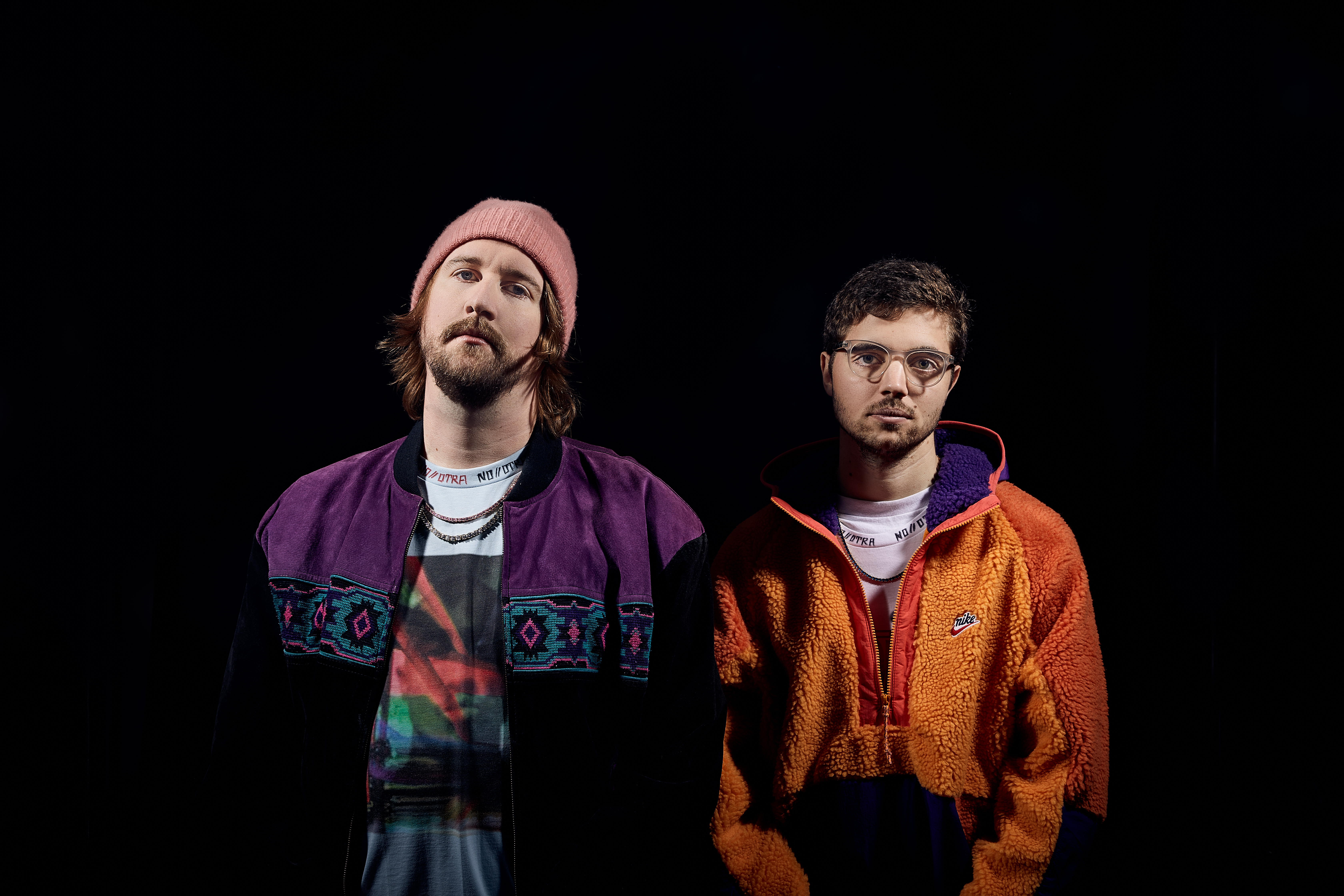
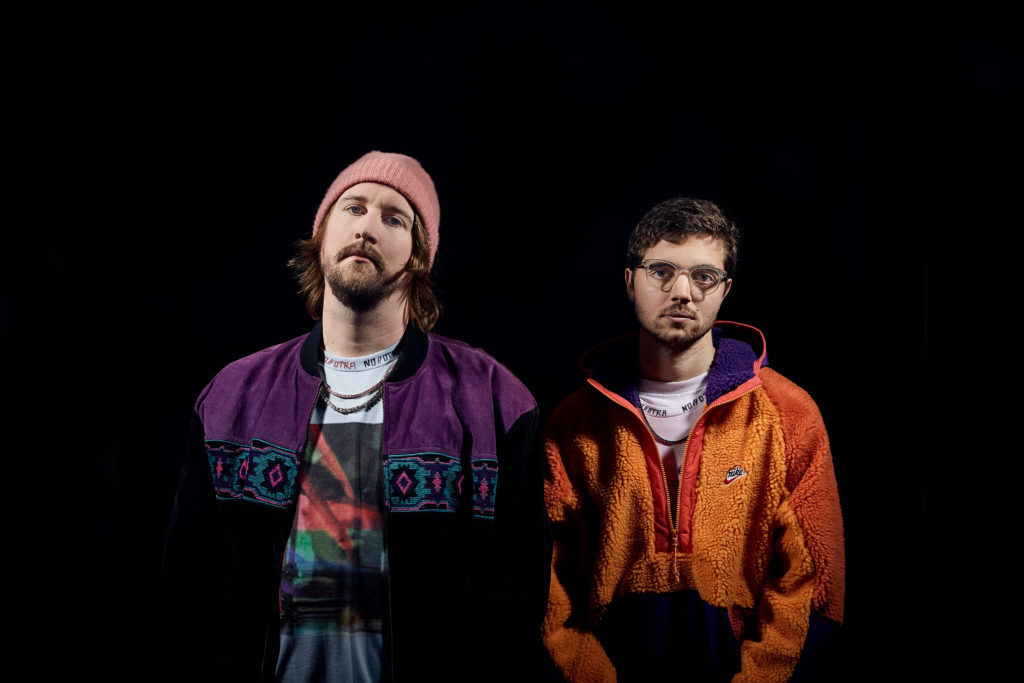
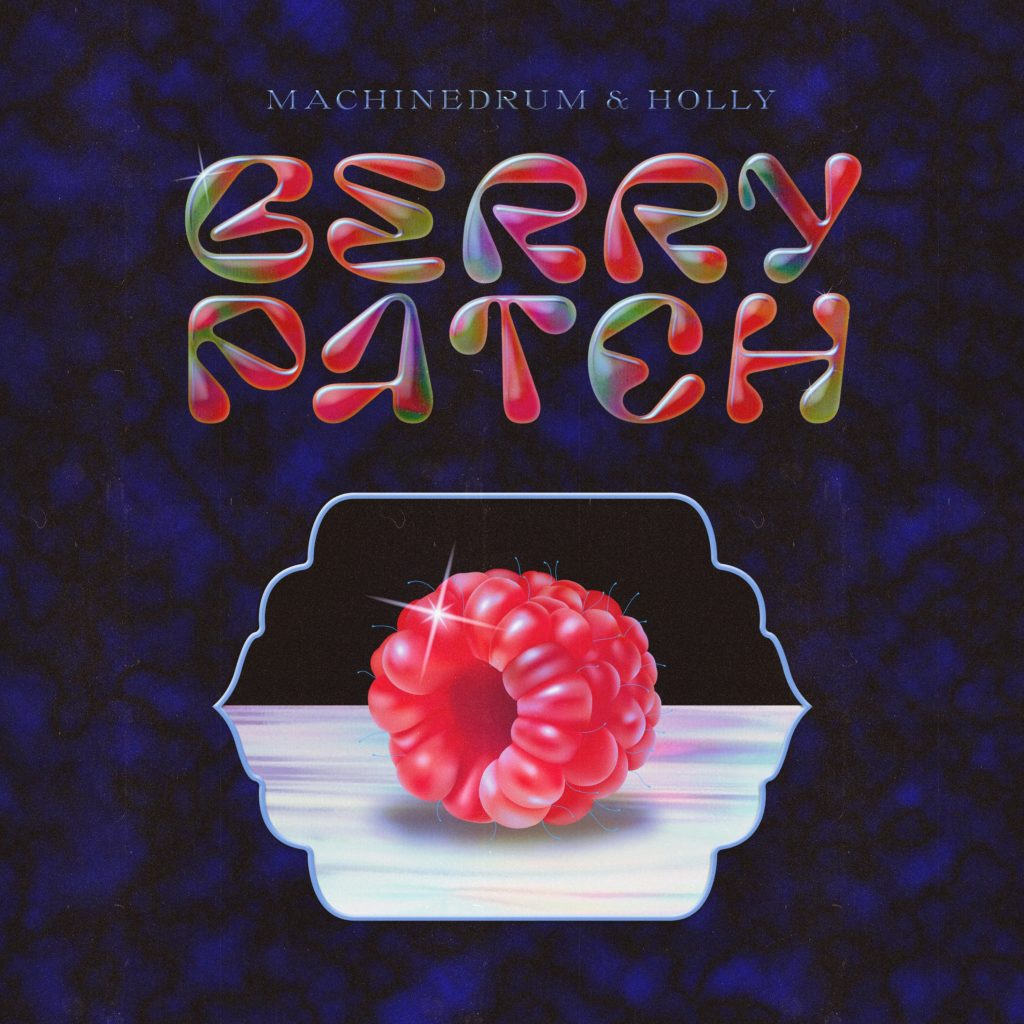
Machinedrum and Holly will release Berry Patch, a new EP and their first collaboration, out January 31 on Vision.
Machinedrum connected with Holly, real name Miguel Oliveira, through IeMerge, and then Holly signed to Machindrum’s management team. “It was like the stars were aligning,” Machinedrum recalls. “At the time I wasn’t really looking to start any new collaborations, but I knew that the universe was telling me there was something special brewing here.”
Machinedrum sent over a track he had been working on and when Holly sent back his version, “my mind was blown,” Machinedrum recalls. “I knew we needed to create more.” The Berry Patch EP came to life after this, described by Machinedrum as “a perfect blend of our vibes.”
Holly adds: “Our sounds easily came together to create a musical journey– although we ended up using a predominantly drum & bass sound, we were able to explore other experimental and ambient styles.”
Tracklisting
01. Berry Patch 02. Yangmei 03. Bramble 04. Goji
Berry Patch EP is out January 31, with the title-track streaming below and pre-order here.
Lead photo by Storm Santos and styling by Alexis Bergens. Artwork is by Pilar Zeta.
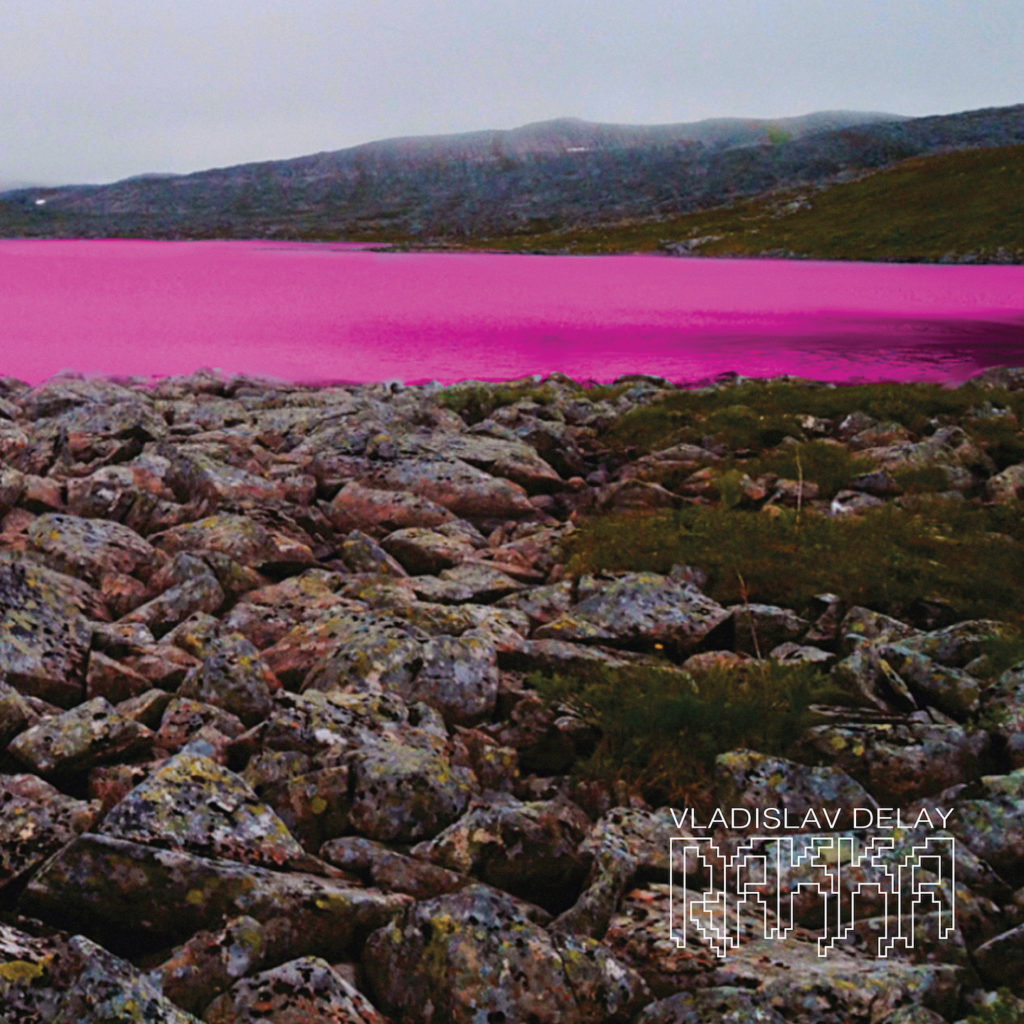
Vladislav Delay is back with Rakka, his first new album in five years.
Delay, real name Sasu Ripatti, released Visa in 2014, and has been almost silent ever since. We’re told that he’s filled this period with study, exploration, and reconstruction, and that over this time he has evolved his sound, his methods, and his practice, leading him to Rakka, out February 27 on Cosmo Rhythmatic, the label of Shapednoise, Ascion, and D. Carbone.
Ripatti makes it clear that Rakka is not a “nature recording,” though it is inspired by the time he spent in the wilderness above arctic circle and tree lines, and the feelings and thoughts that traversed him while there. The music is directly inspired by the arctic tundra, the elemental struggle to survive or thrive, and the living creatures’ fight for existence.
Ripatti “remakes these values into music,” we’re told, and the “sounds feel like they’re carved off the flesh, leaving the bones bare.” The label adds: “Beats emerge as ripples, as the motion of isolated forces, thwarting with the icy textures and backgrounds and trembling with strenuous energy.”
Ripatti has been an influential figure in the electronic music scene since the late ’90s and early ’00s, with cult classics such as “Entain”, “Multila,” and “Anima,” and over 20 albums under various guises like Uusitalo, Luomo, Conoco, and Sistol. His collaborations include Ryuichi Sakamoto, Scissor Sisters, Massive Attack, and Norwegian jazz musicians Nils-Petter Molvaer and Eivind Aarset.
Last year, Ripatti contributed a track, an early version of “Rakkine,” to XLR8R+ alongside work from DVS1 and Convextion.
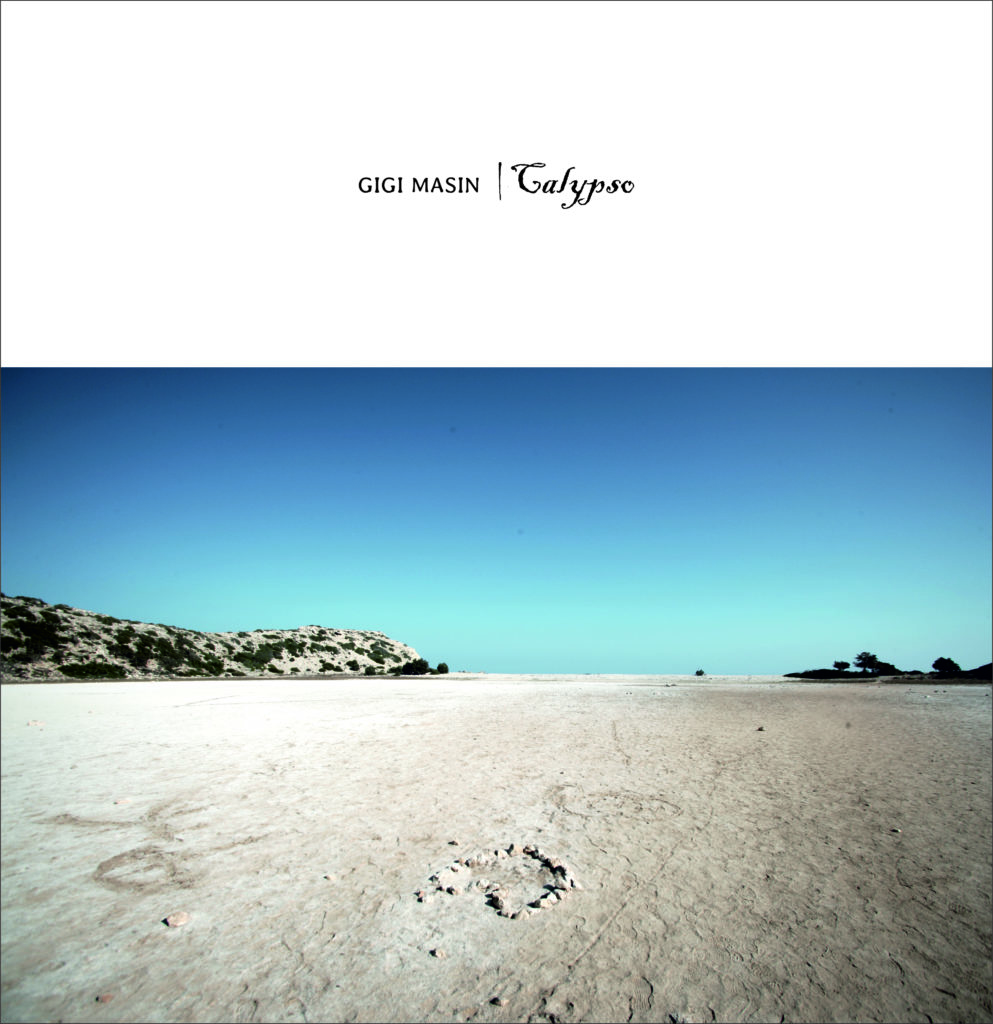
R&S’ Apollo Records will present the new double long-player of Italian ambient musician Gigi Masin, titled Calypso.
Calypso is inspired by the mythical Greek island of Ogygia and its alleged real life counterpart, Gavdos, also known unofficially as Calypso, a place of extreme beauty, which upon visiting had a profound effect on Masin.
We’re told that the simplest way to describe Calypso’s sound is “Aegean,” meaning it takes you to the group of islands in the Aegean Sea, off the coast of Greece. “Every track takes you directly and vividly there to timeless Greek beauty, glistening seas, picturesque landscapes, and the sun’s bright, balmy heat,” the label explains.
Masin made the album using the same old software as his previous work, “a simple, sort of a child-proof game from the mid ’90s or what experts call a ‘beta,'” he explains. “It’s a kind of mixer where you have to insert the music files as they are, naked and simply as recorded.”
Masin’s debut album, Wind, went under-appreciated on its release in 1986, but later gained a cult following among late night radio listeners. His 1989 joint LP for Sub Rosa with This Heat’s Charles Hayward, Les Nouvelles Musiques Du Chambre, took on a life of its own when his track “Clouds’”was sampled by Björk, Post Malone, To Rococo Rot, Main Attrakionz, Black Eyes Peas, and Nujabes, but Masin has remained in obscurity.
In 2014, Dutch label Music From Memory released Talk To The Sea, a retrospective covering the past 30 years of Masin’s output, marking the start of a wider recognition.
Since then, Masin has appeared on PAN as part of Lifted, and a series of singles followed on Throne of Blood, Dekmantel, and Light In The Attic. This is his first solo album since 2018’s Kite, a self-release.
Tracklisting
A1. Calypso A2. Bellamore A3. Nefertiti A4. If B1. Anemone B2. Khalifa Golf Club B3. Mayo Slide B4. Susan Maybe C1. Amaranta C2. Coraline C3. How To Disappear In A Kiss C4. Cry Winds Or Flames D1. Enter Venus D2. On Demons And Diamonds feat. Ben Vince D3. The Water Sibyl D4. Your Name Is My Infinite
Calypso LP lands on February 28. Meanwhile, you can stream the title-track below and pre-order the album here.
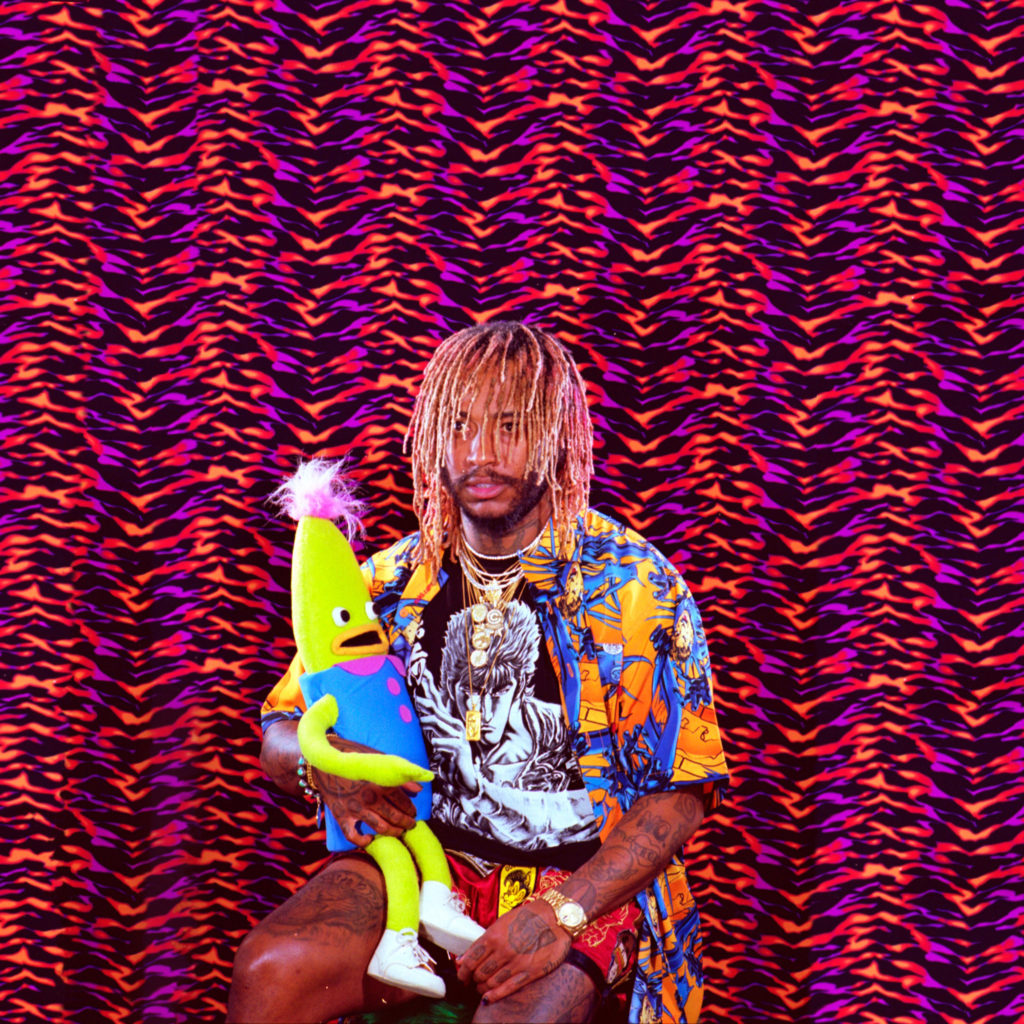
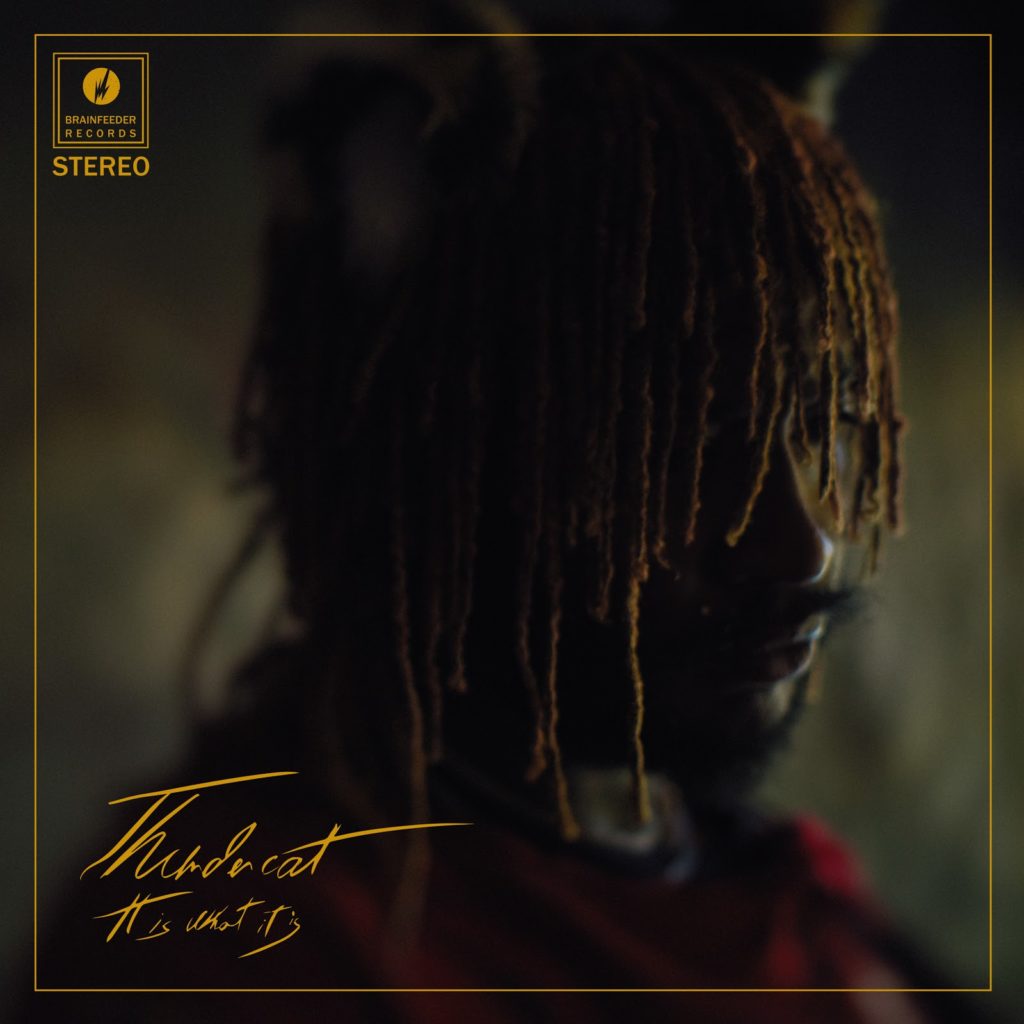
Thundercat has unveiled his fourth album, It Is What It Is, out on Brainfeeder in April, with the release of “Black Qualls” feat. Steve Lacy and Steve Arrington.
It Is What It Is follows Thundercat’s Drunk, released in 2017, which completed his transition from virtuoso bassist to bonafide star. Featuring on the album are Thundercat’s friends Ty Dolla $ign, Childish Gambino, Lil B, Kamasi Washington, Steve Lacy, Steve Arrington, BADBADNOTGOOD, Louis Cole, Zack Fox, and, of course, Flying Lotus, who is credited as an Executive Producer.
“Black Qualls,” described by the Los Angeles label as “classic Thundercat,” is another example of Thundercat’s desire to highlight the lineage of his music and pay his respects to the musicians who inspired him. Discovering Arrington’s output in his late teens, Thundercat says he fell in love with his music immediately: “The tone of the bass, the way his stuff feels and moves, it resonated through my whole body.”
The track emerged from writing sessions with Steve Lacy and references what it means to be a black American with a young mindset: “What it feels like to be in this position right now… the weird ins and outs, we’re talking about those feelings… Part of me knew this [track] was where Steve [Arrington] left us,” Thundercat says.
Thundercat, real name Stephen Bruner, forms a cornerstone of the Brainfeeder label, where he’s released Golden Age of Apocalypse (2011) and Apocalypse (2013), followed by EP The Beyond / Where The Giants Roam featuring the modern classic “Them Changes.” He was later “at the creative epicenter” of Kendrick Lamar’s To Pimp A Butterfly, where he won a Grammy for his collaboration on the track “These Walls,” before releasing his game-changing third album, Drunk, in 2017.
Tracklisting
01. Lost In Space / Great Scott / 22-26 02. Innerstellar Love 03. I Love Louis Cole (feat. Louis Cole) 04. Black Qualls (feat. Steve Lacy, Steve Arrington, & Childish Gambino) 05. Miguel’s Happy Dance 06. How Sway 07. Funny Thing 08. Overseas (feat. Zack Fox) 09. Dragonball Durag 10. How I Feel 11. King Of The Hill 12. Unrequited Love 13. Fair Chance (feat. Ty Dolla $ign & Lil B) 14. Existential Dread 15. It Is What It Is
It Is What It Is LP is out April 3 via Brainfeeder. Meanwhile, you can stream Black Qualls feat. Steve Lacy and Steve Arrington below, and pre-order the album here.
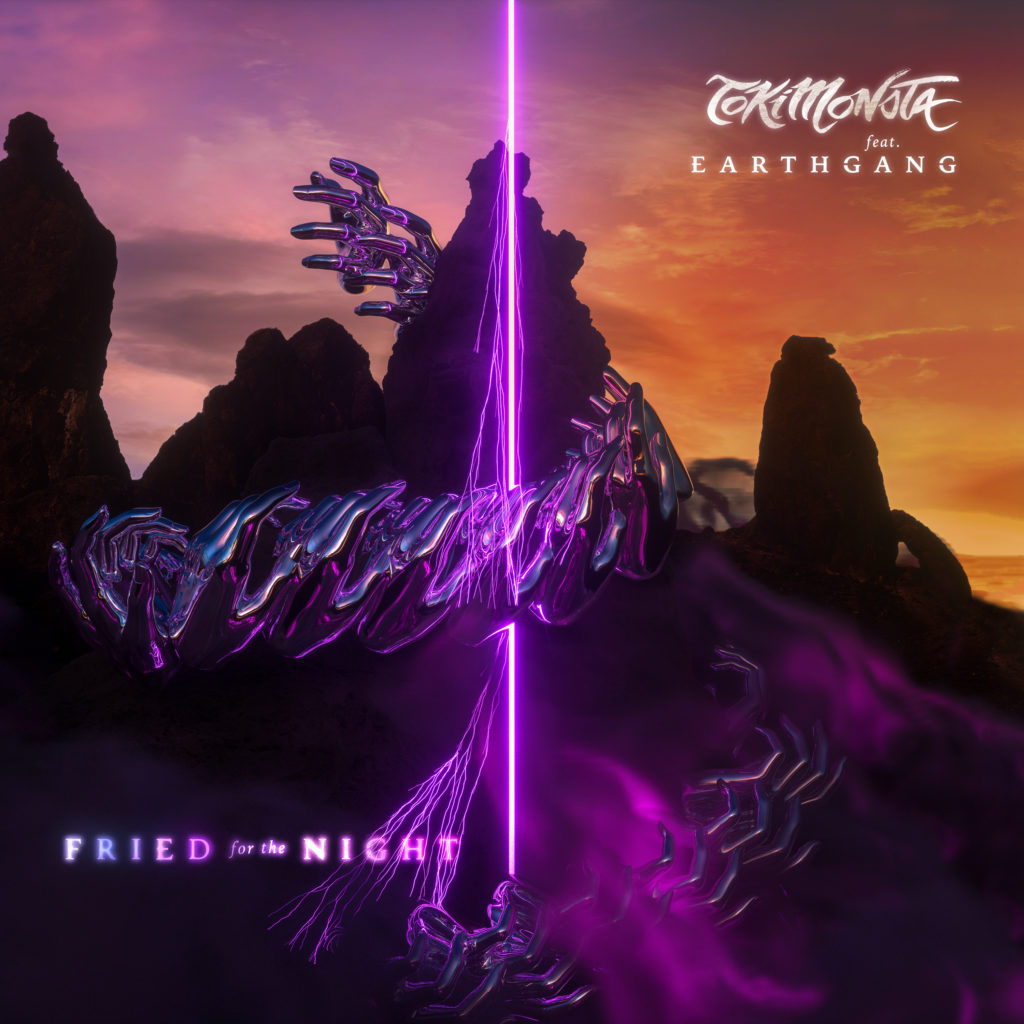
TOKiMONSTA has unveiled her fourth album, Oasis Nocturno, with a new single, “Fried For The Night” feat. EarthGang.
Oasis Nocturno picks up where 2017’s Lune Rouge left off. Young Art Records, TOKiMONSTA’s label, describes it as the “second act” to Lune Rouge, and “a beautiful left turn wielding a melodic and cohesive project that infuses complex vocals with her psychedelic and smooth production.”
The video for “Fried For The Night,” streaming below, is the work of Romain Laurent. The beat-driven track features a blissed out, transportive melody accompanied by a surreal technicolor landscape depicting TOKiMONSTA and EarthGang experiencing a psychedelic trip at a house party in the hills.
Speaking on the release and collaboration with EarthGang, TOKiMONSTA shares: “Everyone has a moment where they feel fried and burnt, but what about those moments you feel fried and turnt? EarthGang brought their special magic to the studio and we made something other worldly. This song is dedicated to those psychedelic moments where our reality opens up a new point of view.”
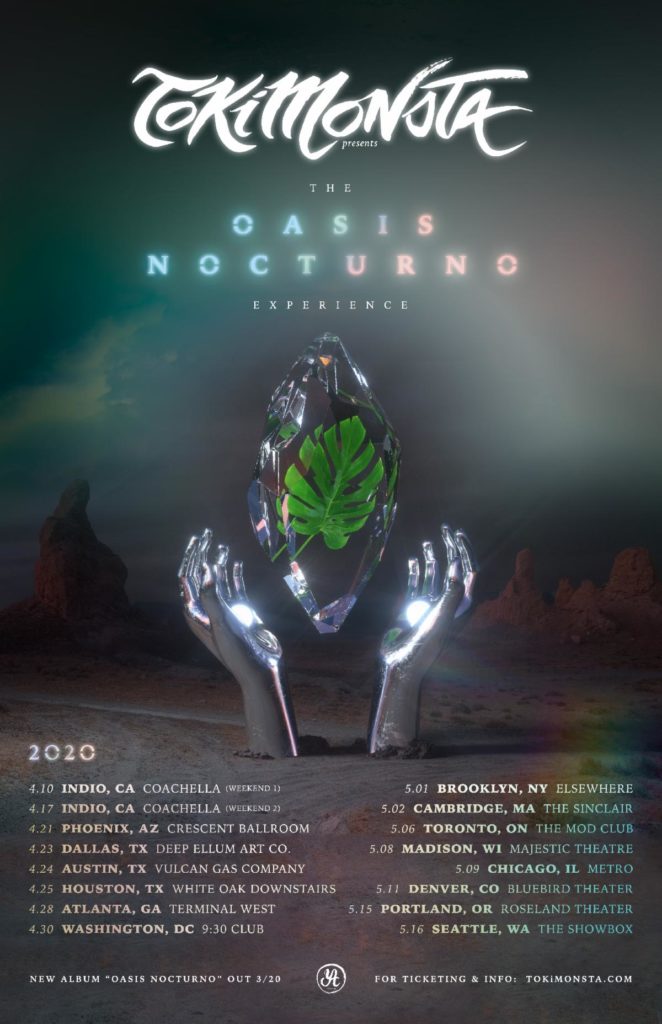
Oasis Nocturno LP is out March 20. Meanwhile, “Fried for the Night” is available now, and you can view upcoming TOKiMONSTA North American tour dates below and order tickets here from January 24.
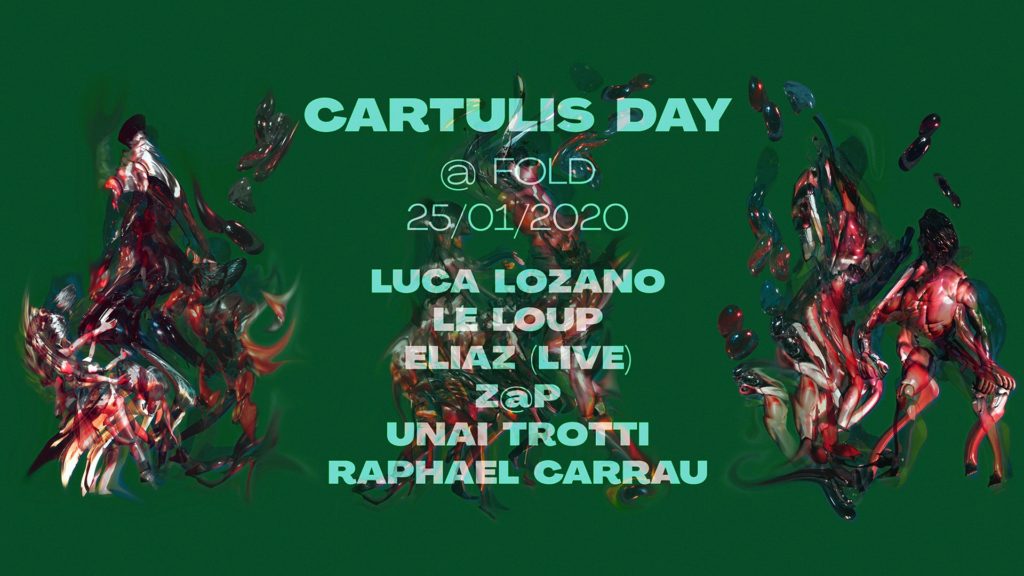
XLR8R is offering XLR8R+ subscribers free tickets to the upcoming Cartulis party at Fold, London on Saturday, January 25.
The Cartulis parties and label have gone from strength to strength earning them a glowing reputation among ravers and artists alike. With their 2020 opening fast approaching, they have carried on the trend with yet another classy lineup. Luca Lozano, Le Loup, and Eliaz join three Cartulis residents Z@p, Raphael Carrau, and Unai Trotti at one of London’s finest venues, Fold.
Expect stripped back grooves and intergalactic rhythms at one of London’s best parties.
For those who haven’t yet, just SUBSCRIBE HERE and email your full name with “Cartulis: 2020” as the subject to [email protected] to claim your FREE pass. For those current subscribers, simply email your full name and “Cartulis: 2020” as the email subject.
The latest edition of XLR8R+ explores Portugal’s thriving dance scene with tracks and content from DJ Nigga Fox, RS Produções, BLEID, and Serpente, plus artwork by Márcio Matos. Listen to the tracks here.
Meanwhile, you can listen to a podcast from Cartulis resident Unai Trotti below.