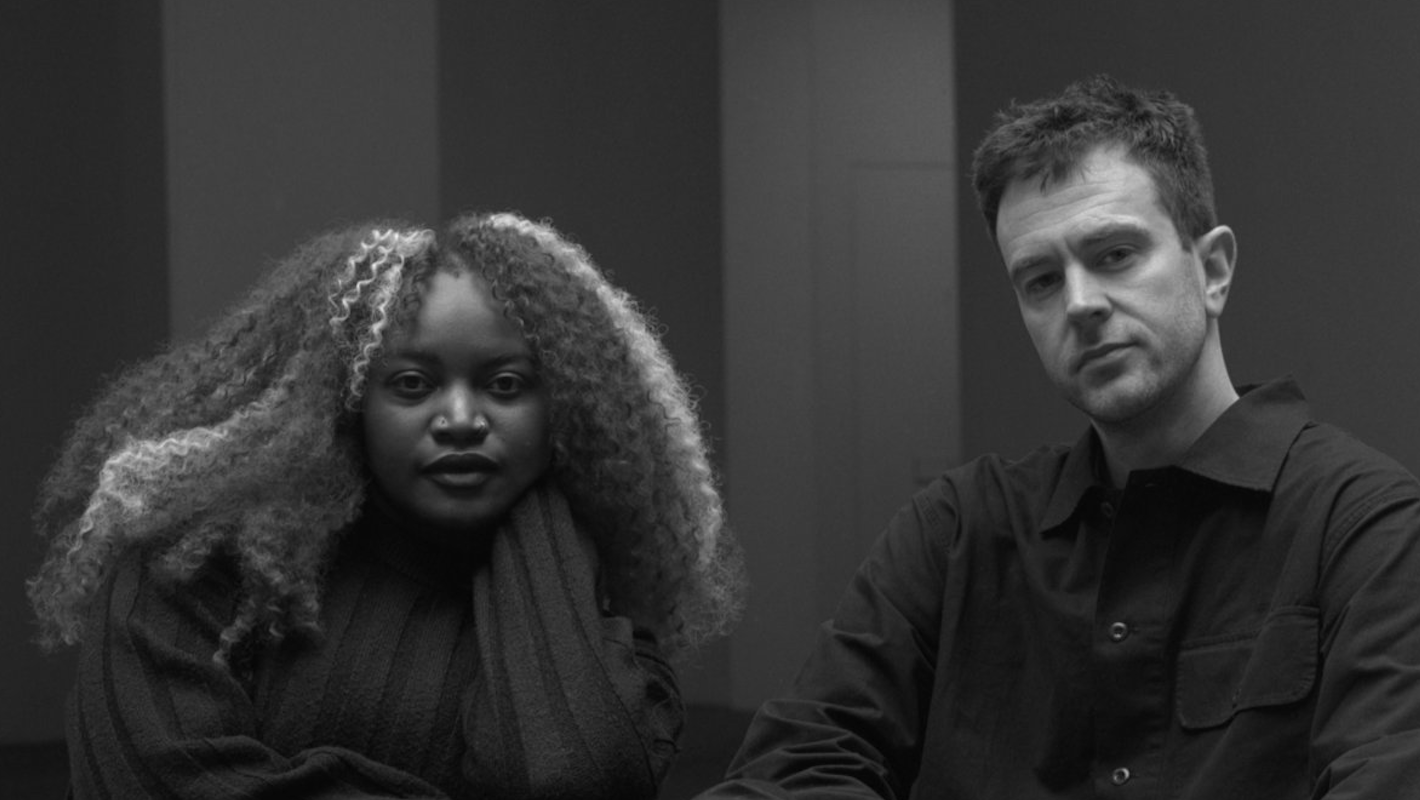
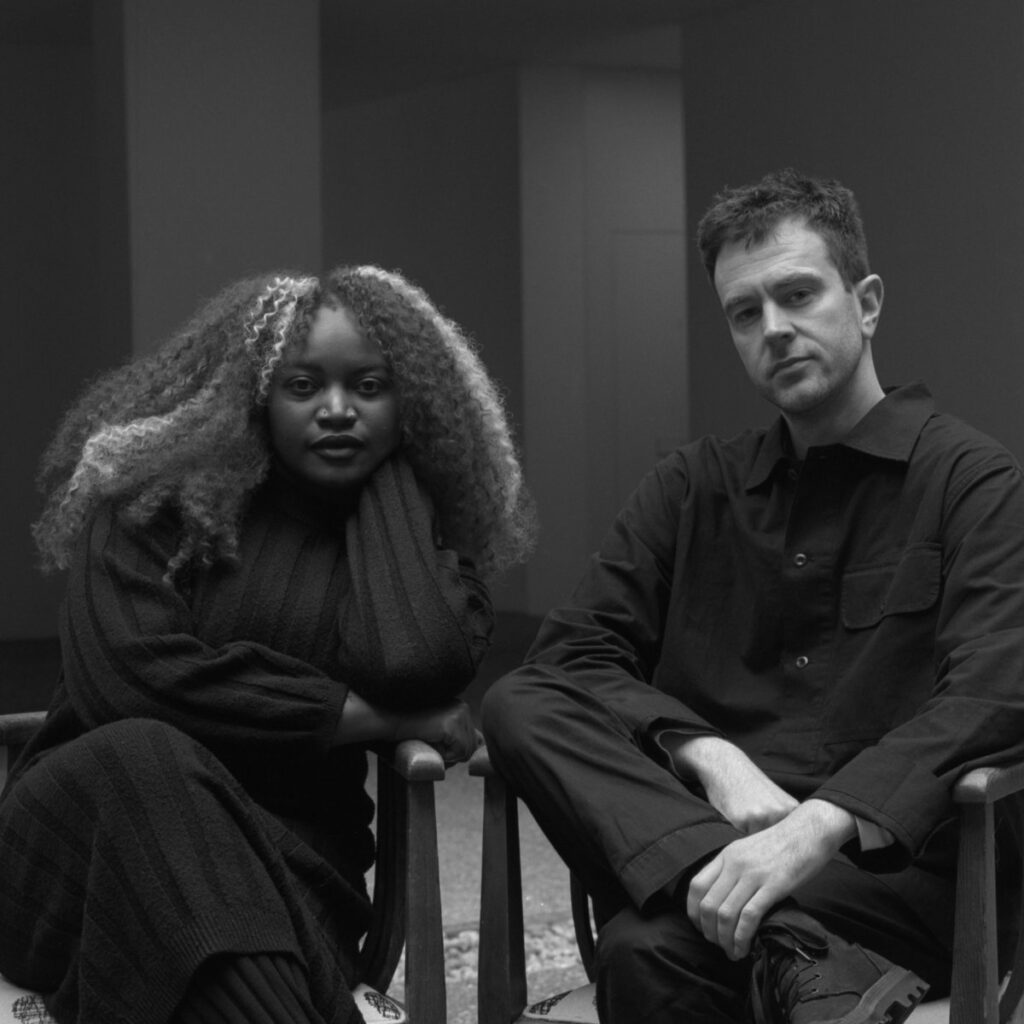
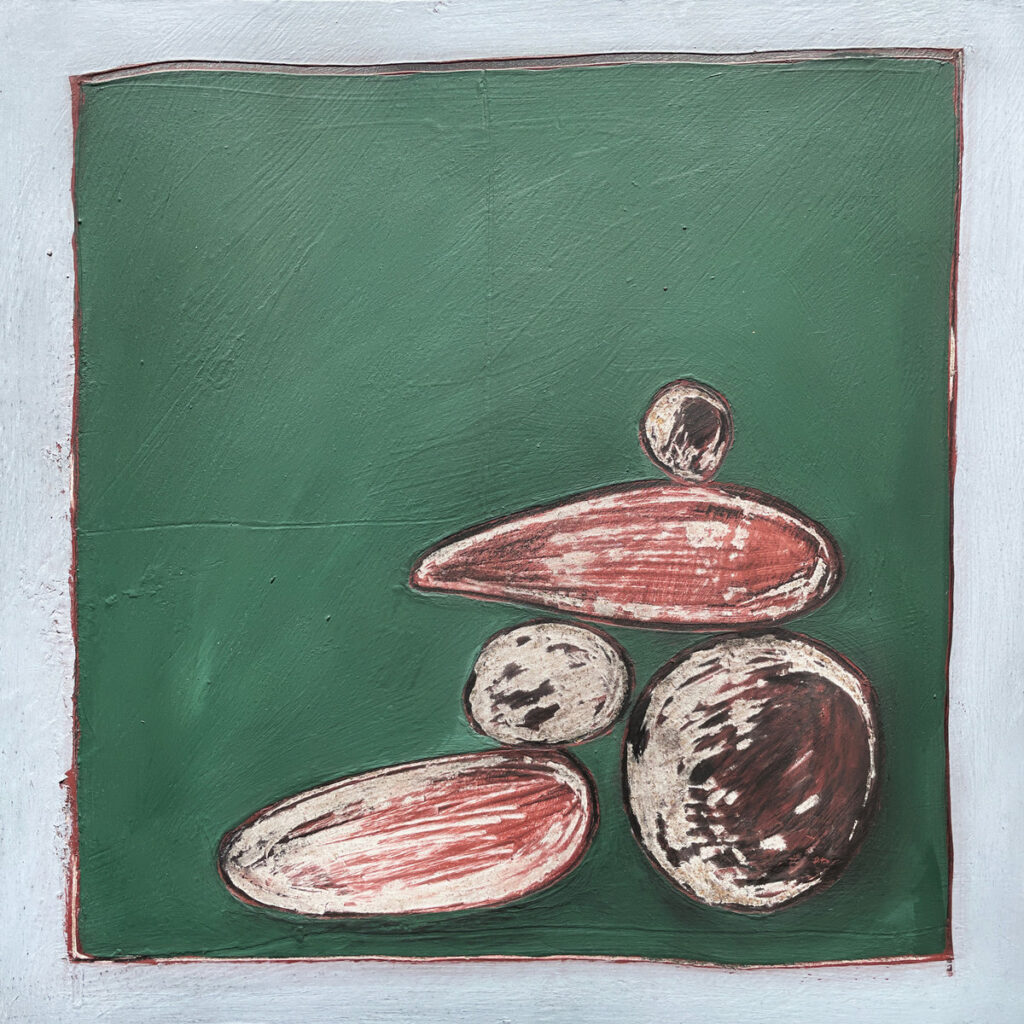
AD 93 will release a new album from Duncan Bellamy and Belinda Zhawi as BZDB.
Jump Ship, Sit Lean, Be Still, Stand Tall is a collection of sonic-poetry that sets Zhawi’s illuminating, elliptical words in dialogue with diffuse, explorative music and sound by Bellamy.
We’re told that it fluctuates between “expansive contemporary classical arrangements and intimate layered vocal experiments.”
Zhawi is a sound artist based in London and Marseille.
Bellamy is an artist based in London working across painting, photography, and sound. He is a founding member of Portico Quartet.
Tracklisting
01. Dancesing 02. Stockwell 03. Jump Ship 04. Shield 05. Water 06. Tomb 07. Dream Sequence 08. La Recherche 09. Holes 10. Your Absence
Jump Ship, Sit Lean, Be Still, Stand Tall LP is scheduled for November 22 release. Meanwhile, you can stream “Dancesing” in full via the player below and pre-order here.
Hiroshi Watanabe is a Japanese DJ-producer best known for his interpretations of ambient, deep house, and trance on German label Kompakt, He comes from a family of musicians: his father was a composer and his mother a jazz pianist, and at the Tokyo College of Music Watanabe learned to play the double bass. After moving to the US, he studied at the Berklee College of Music, where he also earned a degree in composition, before moving to New York, where he spent his time DJing in clubs like Save The Robots and producing his own techno tracks. He became Kaito, an alias for his trance and ambient productions, with the release of the Beautiful Day 12″, and he’s since put out five albums—most recently Collection, which comprised eight shimmering ambient originals, on French label Infiné. Like all of Watanabe’s ambient work, the productions shimmer and glisten, and despite their superficial simplicity these are complex compositions that reconcile the enigmatic Japanese with the sobriety of Western minimal music. To mark the release, Watanabe has compared a long overdue XLR8R podcast. Across its one-hour run-time, you’ll hear many of Kaito’s own productions, plus those of artists he admires: Yuki Kawamura, bvdub, A Winged Victory for the Sullen, Gaspar Claus, and more.
01. What have you been up to recently? I’ve been climbing mountains, making music, performing live, and taking photos.
02. What have you been listening to? I’m always listening to music, but if I had to say what I listen to most, it’s probably the music I create myself. I’m constantly making and listening, repeating that cycle. Of course, I also listen to various genres because it’s important to refresh. Jazz comes naturally to me.
03. Where and when did you record this mix? I recorded this mix in my studio on September 9, when it was still hot this summer.
04. What setup did you use? I’ve been using Native Instruments’ Traktor for many years—probably around 20 years now. For this mix, I used Traktor, Native Instruments Traktor Kontrol X1 Mk2 and Mk3, and a Kontrol Z2 Mixer.
05. How did you choose the tracks that you’ve included? I tried to include as many tracks as possible from friends whose music I regularly listen to, and I recorded the flow and transitions all ad-lib.
06. Where do you imagine it being listened to? I want it to be listened to anywhere—whether in nature, in the middle of a big city, on a train, or even while falling asleep.
07. What’s next on your horizon? What’s next? I live by following my instincts. I’m not the type to set my sights on a particular future. I believe that everything—what I need to do and who I meet—is guided.
XLR8R Subscribers can download the podcast below.If you’re not an XLR8R subscriber, you can read more about it and subscribe here.
Meaning’s Edge is the UK artist’s first release since 2019. It’s also “an introduction to a whole new world,” we’re told.
It was created in the final stretches of six rather traumatic years of work. Having carefully honed his techniques, finally he began to work in a quicker, lighter fashion—and to cleanse his palette a little by bringing in a fresh ingredient: his own flute playing.
The use of flutes—including Bansuri, Shakuhatchi, Western Classical, and synthesised all blending and blurring into one another—gives it a “coherence and a sense of airiness that unites the five tracks over half an hour, however divergent their beats get,” we’re told.
For more information on DjRUM, real name Felix Manuel, check out his XLR8R studio feature here.
With a passion for unearthing forgotten house and techno gems, Christian AB—a British DJ-producer born Christian Alexander Browne—has easily settled into Berlin’s vinyl-loving community. As a producer, he’s made his name through a handful of EPs for Francesco del Garda’s Timeless imprint, and in July he released his debut album, on Ryan Elliott‘s Faith Beat label. Club-focused-and-club ready, The Nu Life delivers a raw yet minimalist approach to house music while drawing on dub and acid. Conceptually, it takes influence from Chicago, Detroit, New York and London, and more broadly the sounds of Christian AB’s early days of collecting music and those he’s been passionate about for the past decade and a half. To produce it, he combined modern technology with select pieces of older outboard gear, and in this edition of Artist Tips, Christian AB talks us through some. of the key processes he used.
Resample for a Lush, Organic Sound
Resampling is a core part of my workflow. I often start by routing a sample through a few external effects units, experimenting with different combinations to create a unique and cohesive sound.
By applying various effects—such as reverb, delay, chorus, and modulation—and then resampling the processed sound, I can capture the warmth and unpredictability of analog gear. This process adds a depth and character that is sometimes difficult to replicate with digital effects alone.
For example, I frequently run my kick drums through a LEM Baby Echo Chamber, which adds a warm, analog delay, and then into an Ensoniq DP/4 Parallel Effects Processor, known for its rich modulation and dynamic effects. While processing, I monitor the wet signal to fine-tune the effects and ensure they blend harmoniously. The output is then recorded back into my sampler, capturing the intricate details and subtle nuances added by the effects chain.
This technique consistently results in an unpredictable, lush, and textured layer that feels organic and alive. A prime example can be heard in my track “Bluescreen,” where the phase, delay, filter, and flange effects have dramatically altered a simple 4×4 kick pattern, turning it into a complex, intense rhythmic element. The resulting sound is far from the original sample, showcasing how effective resampling can be in transforming a basic sound into something entirely new and interesting.
After the initial resampling, I often further manipulate the sound. This may involve adding distortion by pushing a mixer channel into the red, compressing to shape the dynamics, or using software plugins for additional modulation.
This hybrid approach, utilizing both outboard gear and digital tools, allows for the creation of complex, unique sounds that are rich in texture and character. By layering these resampled and processed sounds, I can build a sonic palette that stands out and adds depth to my productions.
Time-Stretch for Unique Textures and Rhythm
Time-stretching is a technique where you alter the duration of a sample without affecting its pitch. This method allows for creative manipulation of sounds, making it possible to craft unique textures and rhythms that wouldn’t be achievable through traditional means.
When you slow down a sample, like a melodic phrase, the result is a deep, elongated sound that can evoke a sense of space or introspection. This slowed-down effect can be especially effective for creating tension or a haunting atmosphere. Notably used on “Keystrokez,” where I layered two samples together, resampled, and then time stretched them. Turning a simple chord and hi-hat into a kind of ambient wash, emphasizing the emotional weight of the track.
Speeding up a sample, on the other hand, can produce high-energy, staccato rhythms that are perfect for adding intensity and drive to a track. For example, a sped-up vocal sample can become a rhythmic, almost percussive element.
Pushing time-stretching to its extremes can introduce various artifacts, such as glitchy stutters, grainy textures, and digital distortion. Further manipulation can involve layering the time-stretched sample with other elements or applying additional effects.
For example, reverb can accentuate the stretched quality, making the sound even more ethereal, while delay can create rhythmic echoes that sync with the new tempo. Modulation effects like flangers and choruses can add movement and width, enhancing the mechanical feel of a heavily time-stretched sample.
This technique is not just limited to melodic phrases; it can be applied to any type of sound, including percussive hits, ambient noises, or entire song sections. The key is to experiment with different stretching amounts and listen to how the artefacts and new textures transform the original sound.
Set Loop Points to Make Your Music Feel…Alive!
Something I love to do is set loop points within a sample and use modulation sources to dynamically alter these points over time. This transforms a static sample into an evolving texture, as the loop points shift through different sections of the sample.
This is how I do it.
Setting Initial Loop Points
Start by identifying a segment of your sample that you want to loop. This could be a specific note, chord, or any interesting sound within the sample. Set your initial loop points to create a continuous playback of this segment.
Applying Modulation
Introduce modulation sources such as LFOs to control the loop start and end points. By routing an LFO to modulate these points, you can shift the loop region dynamically. For instance, an LFO might slowly move the loop’s start point forward, causing the playback to progress through different parts of the sample. Alternatively, using an LFO to modulate both start and end points can create a constantly changing loop length, adding an unpredictable rhythmic or melodic variation.
Experimenting with Parameters
The speed, depth, and waveform of the LFO can all be adjusted to achieve different effects. A slow sine wave LFO might create smooth, subtle changes, while a faster, more erratic waveform could produce glitchy or jittery movements. You can also sync the LFO to your project’s tempo, allowing the loop points to change rhythmically in time with the music.
For example, in my track “Infinite Resonance,” I used this technique to bring life to an arpeggio sampled from my UDO Super 6 synthesizer. I set the loop points within this arpeggio and applied LFOs to modulate the starting position of the loop. This meant that each time the sample played, the LFOs would select a new starting point, in effect creating a continuously shifting pattern. This transformed what was originally a simple, repetitive arpeggio into a more complex and evolving sequence.
This technique is particularly effective for creating evolving pads and textures, reminiscent of early ‘90s electronic productions. By continuously morphing the sample, you can generate a sense of movement and progression, making the music feel more alive and dynamic.
Use Layered Pitch Shifting for Added Depth
Layered pitch shifting is a cool technique where you take a single sample and make multiple versions of it at different pitches. This can turn a basic sound into something rich and multi-layered. By adjusting the pitch of each layer—either subtly or dramatically—you can create a wide range of sounds, from lush, harmonious chords to eerie, dissonant textures.
You start with a base sample, which could be anything: a vocal snippet, a synth pad, or even a drum hit. Then, you make a few copies of this sample and change their pitches. For example, if you slightly detune one layer up and another down, you can get a chorus effect, making the sound wider and fuller. Or, if you want something more complex, you can shift one layer up by a fifth and another down by a minor third to create a full chord or a more intricate harmony.
You might want to go for a harmonic sound by layering thirds, fifths, or octaves, giving it a rich, orchestral feel. Or, you could use unusual intervals like minor seconds or tritones for a more tense, suspenseful vibe.
After you’ve layered and pitch-shifted your samples, you can resample the whole thing and add some effects. Reverb can make it sound spacious, delay can add rhythmic echoes, and distortion can give it some edge and character. You can mix and match these effects to either highlight the harmonious parts or emphasize the more experimental, dissonant elements.
This isn’t just for melodic or harmonic stuff either; you can use layered pitch shifting on rhythmic elements too. For example, by pitch-shifting and layering different drum hits, you can create complex, evolving rhythms.
Layered pitch shifting is all about playing with the tonal and textural aspects of your samples. It’s a great way to explore new sounds and add depth to your tracks, offering endless creative possibilities.
Try Hardware Samplers for Added Grit
In my studio, I love experimenting with different hardware samplers to get the most of my samples. My absolute favorite is the Yamaha TX16W, which has this gritty, early digital vibe that I can’t get enough of. You can hear it in almost all of my music. It’s my go-to for processing samples because its lower bit rate and cool filters give everything a distinctive character. The sampler operates at a 12-bit resolution, which is lower than the usual 16-bit or 24-bit we use today. This lower bit rate adds a bit of noise and some quirky artifacts, giving the samples a crunchy, warm feel. The filters on this thing add an almost analog warmth that I really like.
Some might wonder why I go through the hassle of using hardware samplers when there are so many software options out there. Well, the main reason is the color and harmonic distortion they add. Hardware samplers bring a unique character to sounds that’s hard to replicate 1:1 in the box. The imperfections and limitations of older technology almost always add a warmth and depth that just sounds right. Plus, there’s something about the hands-on control with physical knobs and buttons that makes sound manipulation more intuitive and fun.
Of course, they all come with their own set of challenges, like limited memory and slower processing times. But I get around these issues by being selective about what I sample, focusing on key elements that will benefit most from the hardware’s unique sound. I also blend the processed sounds with digital elements in my DAW, combining the best of both worlds. Over time, I’ve developed a streamlined workflow that integrates hardware samplers into my production process, minimizing downtime and maximizing creativity.
If you don’t have a hardware sampler, you can still achieve similar effects using software. Bitcrusher plugins are a great way to reduce the bit-rate of your samples, mimicking the effect of older hardware. By lowering the bit-rate, you can introduce some of that desirable grit and warmth.
Emulation software is another option; there are plenty of software emulations of vintage samplers. These emulations replicate the sound characteristics of the original circuits. You can also use digital filters that emulate analog gear to add warmth and character to your samples. Many modern DAWs come with built-in plugins that can do this, or you can find third-party plugins…whatever works!
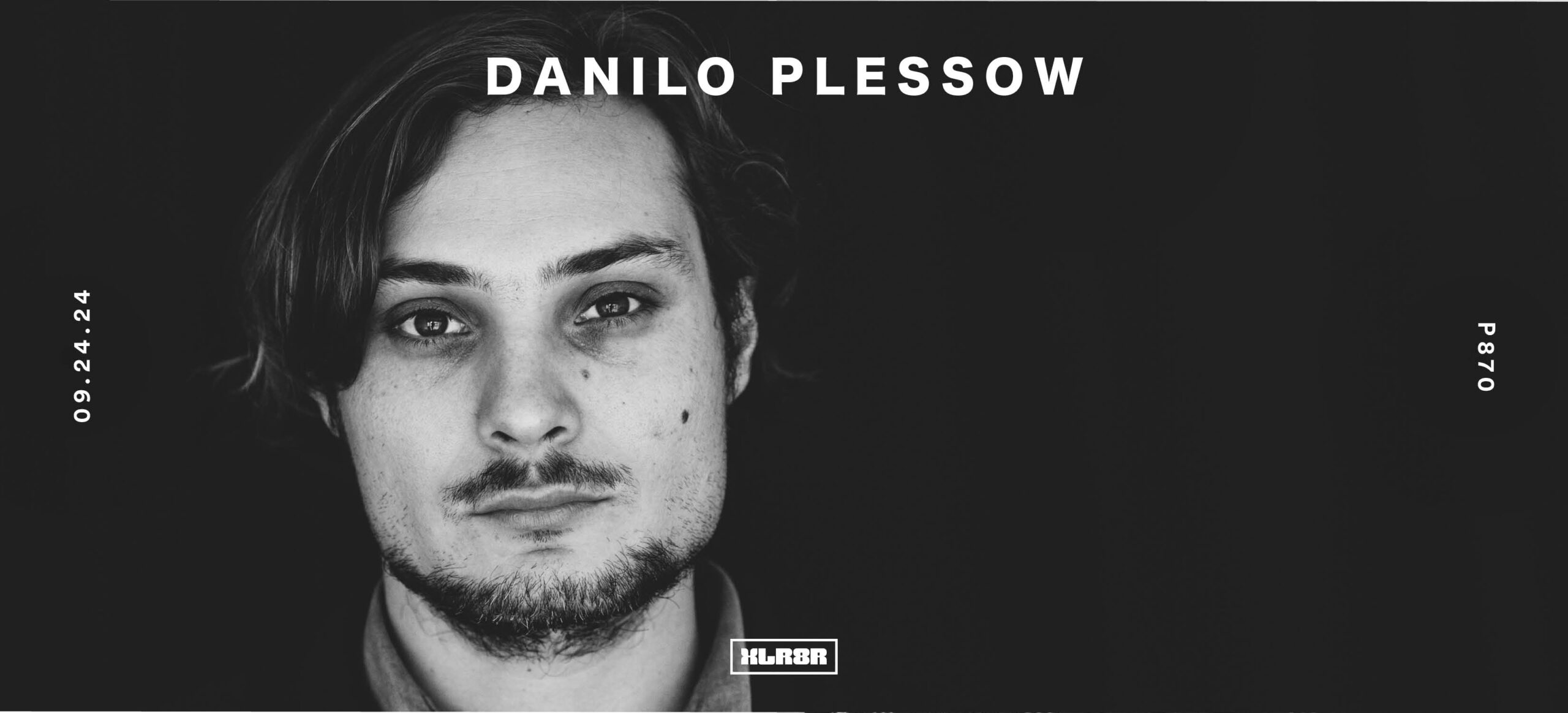
Danilo Plessow, the artist formerly known as Motor City Drum Ensemble, is a man who hardly needs an introduction. He is a DJ renowned for his technical wizardry behind the turntables, and a record-collecting nerd with a curiosity for exploring new sounds and genres. His career started whilst he was incredibly young: he started playing drums at the age of six and discovered his love for jazz in the school big band. By the time he turned 11, he was already working on his own original productions using a computer and samples. Jazz, soul, funk, hip-hop and house influences culminated in a first release in 2000, at a time when he had already started building his record collection and playing gigs as a DJ, aged just 16. Since then he has built a vast catalog, with own releases (most notably his Raw Cuts series), remixes (from Caribou to Tony Allen, and John Beltran), and compilations (DJ Kicks and Selectors), as well as playing clubs around the world. His latest focus has been on producing live music for his new label, Space Grapes, which has developed a cult-like following. For this week’s XLR8R podcast, Plessow has delivered a recording of one of his favorite sets of the year, at Nuits Sonores in Lyon. He had just gotten back from a tour in the US and Mexico where he found lots of great records that he was dying to play. “I started with a couple of mostly African disco Records before going into more electronic stuff,” he says.
01. What have you been up to recently? I had a nice run of shows in those last weeks of summer, and I also got to chill and recharge my batteries a little bit in Italy between shows, so that was great. Now I am back in the studio and mixing the next couple of releases for Space Grapes, my label.
02. What have you been listening to? The most inspiring set was hearing Ron Trent at Klymax in Bali earlier this year. In a time where a big part of the scene feels like a contest for higher BPMs and energy levels in general, it felt like going to church to hear such a subtle and profoundly spiritual approach to house music from one of the masters. From a DJ side of things, I really enjoyed the compilation from Nick the Record and John Gomez as well as Jeremy Underground’s new compilations. And I loved the Musclecars album.
03. Where and when did you record this mix? It’s a live recording of one of my favorite shows of the year, a closing set I played for Nuits Sonores Festival in Lyon back in May. It’s one of the best and longest running electronic music festivals in France, and I felt right at home on this stage, playing after one of the best live shows I heard in forever, from Ebo Taylor’s Band. They were incredible!
04. What setup did you use? Two Technics 1210s, two CDJs, E&S DJR400 mixer. The recording was a bit too hot on my recorder, but it has its charm, a bit like those old bootleg cassettes of DJ sets from the ’90s. I hope the fun still comes across!
05. Where do you imagine it being listened to? That’s totally up to whatever works for you. Personally I always loved listening to DJ sets on a long car ride.
06. What’s next on your horizon? Touring doesn’t stop and I’m really looking forward to going back to Brazil, Thailand, and Japan as well as finally making my South Korea debut in December! Other than that, a new remix for John Beltran just dropped on Oath records.
XLR8R Subscribers can download the podcast below.If you’re not an XLR8R subscriber, you can read more about it and subscribe here.
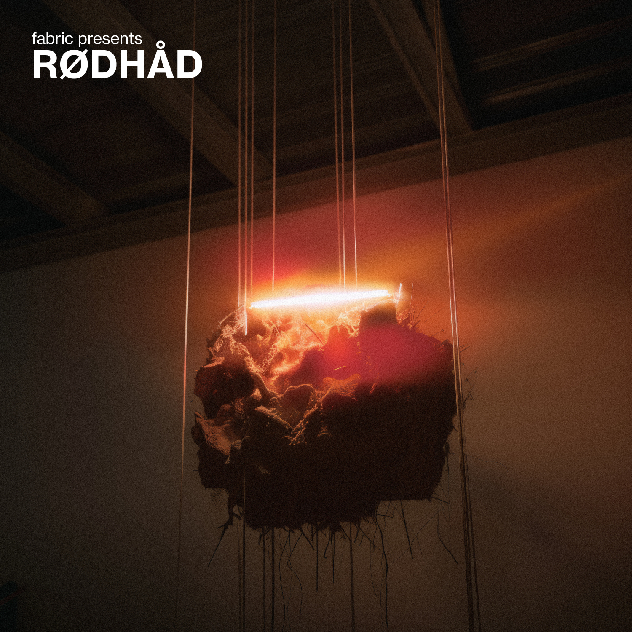
Rødhåd is next up for the fabric presents mix series.
Out on September 27 through fabric Records, the mix features 28 unheard tracks from established and upcoming artists in the techno sphere, including SAMA, .VRIL, and DVS1.
The mix showcases the German artist’s “unparalleled ability to blend raw sounds with evocative melodies,” we’re told, “crafting a sonic landscape that is both intense and mesmerizing.”
Two of the tracks—Rødhåd’s “Inception Report” and “Nightlife Experiences” feat. Theo Nasa—are now available to stream.
For more information on Rødhåd, real name Mike Bierbach, check out his XLR8R studio feature here.
Tracklisting
01. Rødhåd “Inception Report” 02. Clotur “Apexis” 03. Beste Hira “Time” 04. Casual Treatment “Falling Backwards” 05. Mathys Lenne “The Moon Speaks” 06. Rill “Molar” 07. Arkan “The Ones Who Suffers” 08. Rødhåd “Nightlife Experiences” feat. Theo Nasa 09. Delano Legito “Kyoshi” 10. DVS1 “Droid” 11. Inox Traxx “DSF” 12. SAMA “Can You Find Meaning Within” 13. Ignez “First Light” 14. Nastia Reigel “Chaotic” 15. UFO95 “Suspense” 16. A Morgan “I Don’t” 17. Alarico “Hubris” 18. Peryl “Eternal Delay” 19. HIGHLIMITER “Lost In Fractals” 20. Tascamboy “Recovery” 21. Rene Wise “Children Of The Night” 22. Klint “Drunk With Fuel” 23. Marcal “Fear Is Your Enemy” (Space Mix) 24. Augusto Taito “Mi Tierra” 25. Phil Berg “Photons” 26. Holden Federico “Close” 27. .VRIL “Pump Out Kids” 28. Out Of Place Artefacts “Science Faction” 29. fabric presents Rødhåd
fabric presents Rødhåd will land on September 27. Meanwhile, you can stream Rødhåd’s own “Inception Report”” and “Nightlife Experiences” in full via the player below and pre-order here.
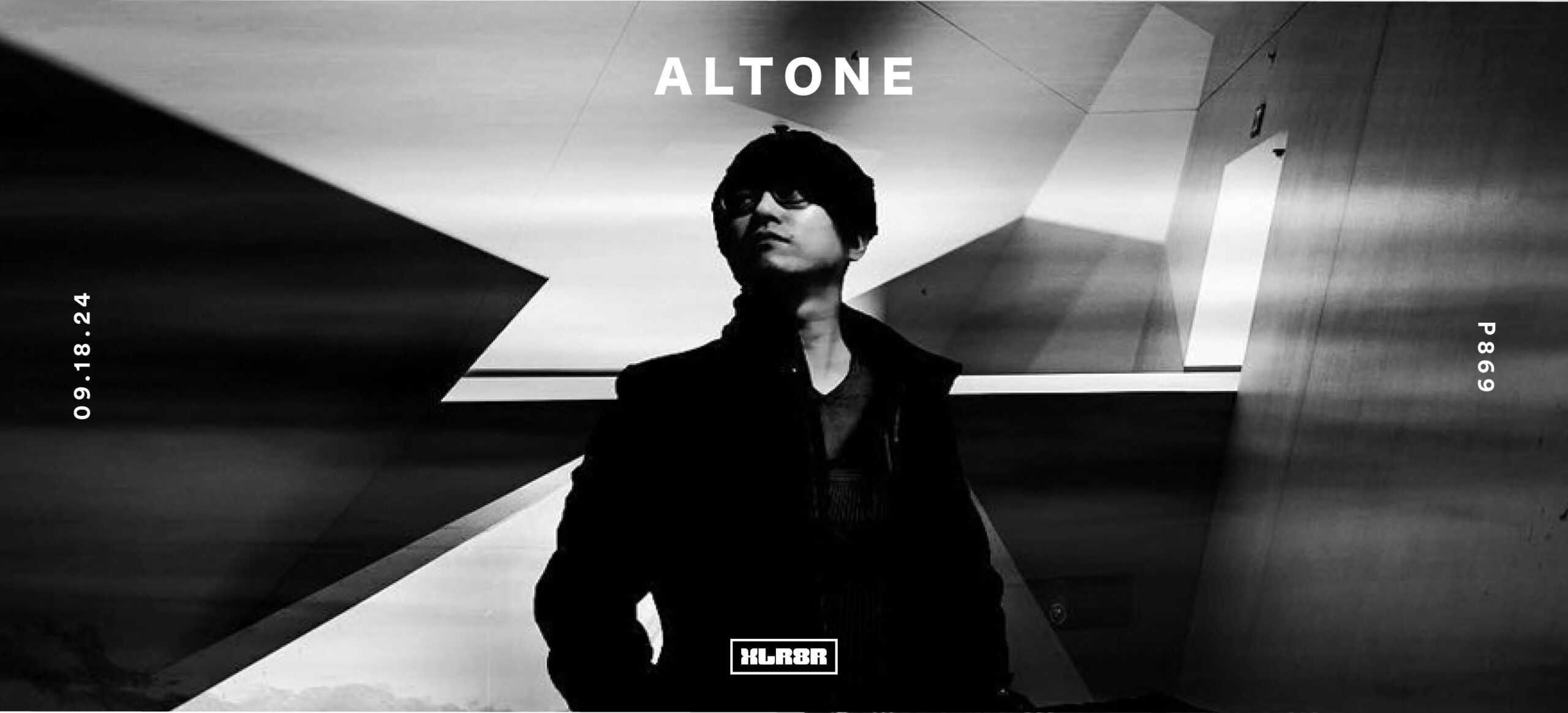
Altone is Yuki Takasaki, an emerging talent in dub techno. This is evidenced by his latest record, Invincible Nature, which landed on Echocord, the Kenneth Christiansen-helmed label that’s been at the forefront of the genre for more than two decades. (If that’s not enough to tempt you into a listen, it comes with remixes from Another Channel and Thomas Fehlmann, which opens eatures in this podcast.) Before he began releasing his distinctive twist on dub techno in 2018, Takasaki performed at numerous venues in Japan, touring Tokyo, Osaka, and Kyoto as a member of a post-punk band, and from there began exploring ambient and dub techno. Forest Land—his debut album, on Lithuania’s Greyscale, in 2020—captured some of his best work in these two genres. It’s a style of music he describes as “a mechanical yet universal and natural experience,” created by ‘random’ noise and warm looped soundscapes that can “swim through the deepest part of your consciousness.” For his XLR8R podcast, Takasaki has mixed some of his favorite dub techno tracks from the past six months with a couple of his favourites from the last. “I aim to showcase both the cutting edge of dub techno and its deep-rooted elements at the same time,” he says.
01. What have you been up to recently? Aside from the release on Echocord, I’ve been working on several vinyl releases and remixes. Now that those have wrapped up, I’m focusing on producing new tracks. I’m incorporating production techniques that I haven’t used before, and while it can be tricky at times, it’s also an enjoyable process.
02. What have you been listening to? Recently, I’ve been listening to 90s electro and some modern genres with a touch of jazz. I always find comfort in music that has roots, feels smoky, and is a bit noisy, both in terms of acoustics and genre. I also enjoy a wide variety of music, but I’ve found myself listening to Dawn of Midi again. Their 2013 album Dysnomia, released on Erased Tapes, has been on repeat for me. It’s truly amazing, offering a raw brilliance that shines through the music.
03. What is it that appeals to you about electronic music? One key aspect is the loop. Despite being a continuous repetition of a few bars, I can feel the universe and nature within it. There’s a sense of freedom as a real-time art form within the constraints of the physical world. Though it might seem contradictory, when immersed in the loop, time expands, and I feel a boundless world. This is something unique that might not be present in music that focuses on melody or complex storytelling.
04. When and where did you record this mix? I usually create my mixes at home in Tokyo, or sometimes in my office, which is just a regular business office. I often use only a PC. I want the freedom to create wherever I am. My ideal scenario is that I could be on a train, at a café, or having dinner at someone’s house, and if I open my PC, I can be in a one hundred percent creative environment.
05. What setup did you use? Since I’m not a professional DJ, I used Ableton Live. I don’t use any other special equipment.
06. How did you choose the tracks you’ve included? While dub techno is a relatively new genre, there are, of course, many legendary artists who deserve respect. However, I didn’t choose tracks from those artists. Instead, almost all the tracks I selected were released within the last six months to a year.
07. What’s next on your horizon? Pursuing a music career from the Far East, solely through producing tracks, has been a challenging journey. However, receiving mix offers like this has been a true honor and brings me great joy. Speaking of releases, I recently achieved my dream of releasing on Echocord, a goal I’ve had since I was a teenager. Moving forward, I want to take my time and create freely, embarking on new challenges.
XLR8R Subscribers can download the podcast below.If you’re not an XLR8R subscriber, you can read more about it and subscribe here.
Tracklisting
01. Altone “Naturally Unnatural” (Naturally flowing Thomas Fehlmann Remix) (Echocord) 02. Grad U “Epsilion Eridani” (Pro-Tez) 03. Convextion “Kuiper” (Mojuba Records) 04. STAR_DUB “Voodub Outtake 3” (dbh-music) 05. Björn Petrikat “Game Over” (Lempuyang) 06. Noosa Sound System “A Long Commute Dub” (ODrex Music) 07. Mihai Popoviciu “Waitin'” (Dub) (Berg Audio) 08. Basicnoise “Reduxtion II” (Scale Limited) 09. Brendon Moeller “Traffic” (New Wipers mix) (third ear recordings) 10. Van Bonn & Upwellings “Cosmic Reef” (Van Bonn records) 11. Stillhead “Hibernate” (Mike Schommer Remix) [Primary Colours Music] 12. Steve O’Sullivan “Tribal Dub [Mosaic Records] 13. Matt Thibideau “Subduction” (Kontakt Records)
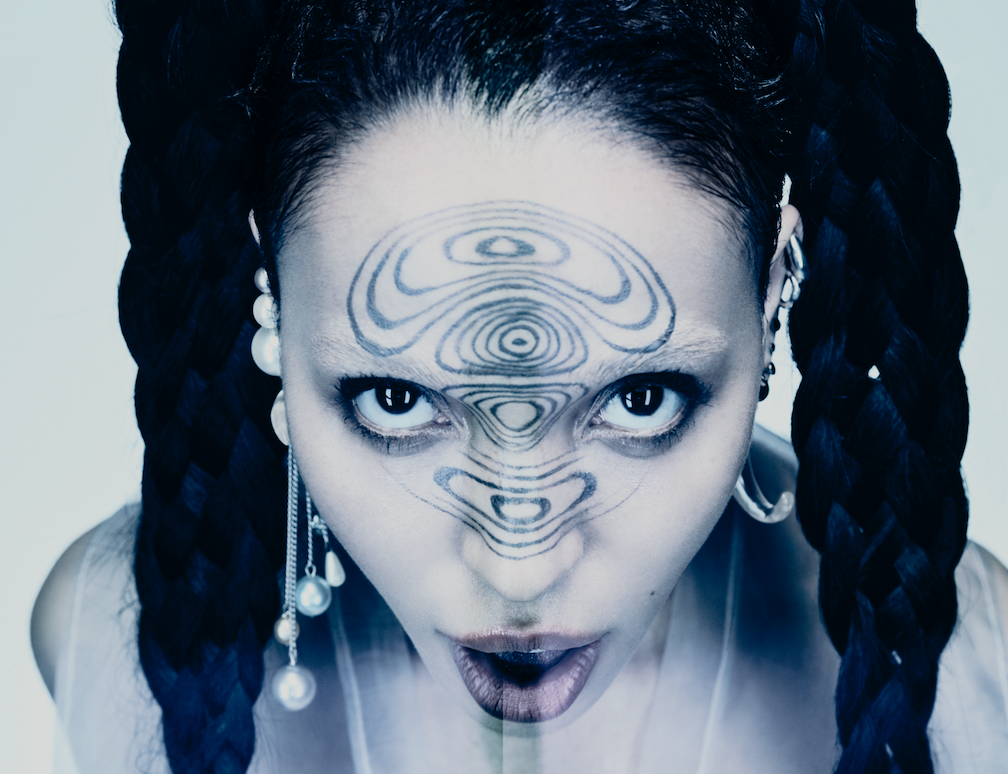
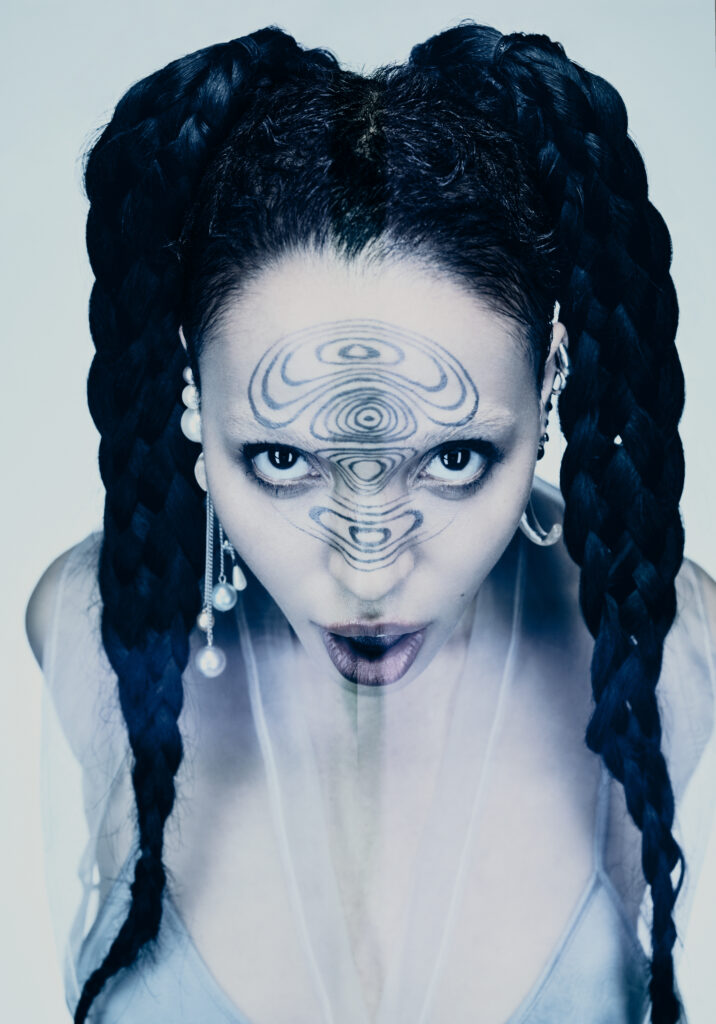
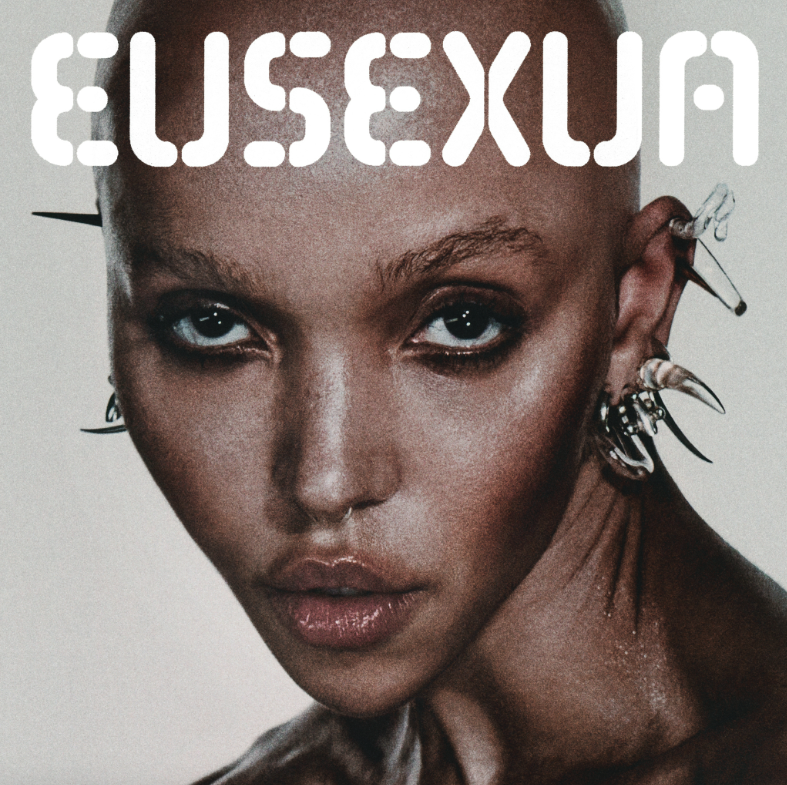
FKA twigs will release her third album in January.
Eusexua is FKA twigs’ first album in half a decade, following 2019’s Magdalene.
Eusexua is “a state of being,” we’re told. “A feeling of momentary transcendence often evoked by art, music, sex, and unity.” It was moments of “eusexua” that birthed the album.
The UK artist, real name Tahliah Debrett Barnett, cites her late nights in the underground techno scene of Prague while shooting “The Crow,” a film she was recently a part of, as the main inspiration for the project.
Rumoured to have been discovered by Aphex Twin sleeping on a park bench in Tokyo, Raczynski first appeared on the scene in 1999 with three albums.
He went on to explore hallucinatory IDM and traditional Polish folk music amongst other paths, collaborated with Björk, produced a soundtrack for a PlayStation game, and remixed the likes of Autechre, Jonsi, and CLIPPING.
In 2019, Disciples began looking after his Rephlex-era catalogue, putting together the Rave ‘Till You Cry compilation and reissuing his classicSamurai Math Beats LP. His last studio album, ADDLE, came out on Planet Mu in 2022.
On You’re Only Young Once But You Can Be Stupid Forever, we can expect a collection of “warmly melodic electronic sketches.” The music was made in a “furious weekend of creative inspiration” in early 2024.
The QR code on the cover will take listeners to an ever-evolving page on Raczynski’s website.
You’re Only Young Once But You Can Be Stupid Forever LP is scheduled for October 18 release. Meanwhile, you can stream “newdiv” in full via the player below and pre-order here.
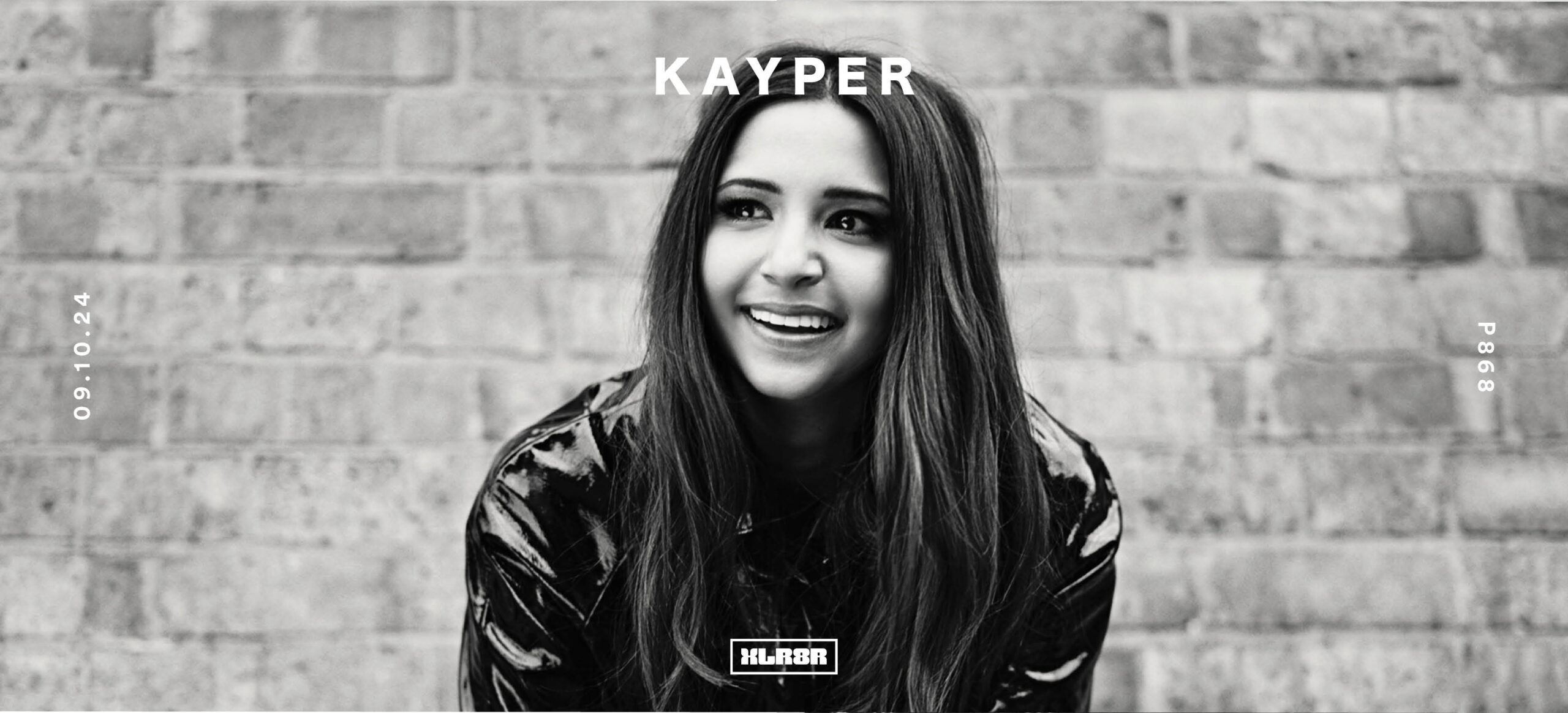
Kayper—real name Kaajal Bakrania—was born in Croydon, South London and raised in a family of DJ-producers. During the early 2000s, while still at university studying Music Technology, she drew inspiration from Nookie, her cousin and a pioneer in the UK’s jungle and drum & bass community, and she quickly gained recognition for her exceptional skills behind the turntables as a scratch DJ. With a foundation rooted in hip-hop, her taste has evolved to encompass a broad spectrum of sounds, including UK garage, dubstep, house, techno, and disco. Away from DJing, she’s also released original music on labels including Hypercolour Records, where she recently put out Warning/Jungle, a two-track EP of energetic breakbeat. From her apartment in Brooklyn, with the iconic New York skyline as a backdrop, she has recorded an XLR8R podcast purveying what she calls a “darker sound, similar to what you’d hear on old-school pirate radio.” It’s a sound, as her artistic career continues to unfold, that she wishes to explore further. Across its runtime, you’ll hear one side of the Hypercolour EP plus tracks from Deetron, Skudge, Alex Jones, and more.
01. What have you been up to recently? I’ve been prepping music for upcoming shows, learning to use some new studio equipment that I just bought, and working out in the gym a lot.
02. What have you been listening to? I have been revisiting a lot of 2010 post-dubstep vibes and I’ve been digging through some late ’80s and early ’90s Detroit techno records
03. Where and when did you record this mix? I recorded this mix a few weeks ago in my studio at my house in Brooklyn, New York.
04. What setup did you use? Pioneer CDJ-3000S, Pioneer DJ DJM-V10 mixer, and Pioneer DJ PLX-1000 turntables.
05. How did you choose the tracks that you’ve included? Whenever I put together a set or mix, I aim to create a journey. My taste in music is quite eclectic, but for this mix I wanted to capture a darker sound, similar to what you’d hear on old-school pirate radio. I carefully selected tracks that embody that vibe while incorporating new, forward-thinking music to keep it fresh and relevant.
06. How does it compare to what we might hear you play out? There’s a significant difference between being booked to DJ for the crowd and being booked to DJ as an artist, where you can truly showcase music that reflects who you are. After 25 years of DJing, I’ve reached a stage where I want to perform more as an artist. If I get the chance to do more gigs like that, the music in this mix reflects the kind of vibe I want to explore further. I don’t often get to play darker, underground tracks, but that’s definitely the energy I’m drawn to right now.
07. What’s next on your horizon? I am currently working on some releases for Hypercolour Records next year and also working on music for my own label, Hai Music.
XLR8R Subscribers can download the podcast below.If you’re not an XLR8R subscriber, you can read more about it and subscribe here.
Tracklisting
01. Skudge “Convolution” (2562 Remix) (Skudge Records) 02. Folklore “21” Speakers” (Folklore) 03. Thunderkats “Find That Woman” (Black Panthro) 04. Statix 4×4 “You’ve Got Me” (Statix) 05. Dubplate Pressure “Be Good To Me” (Hardline) 06. Samiel “Yes OK” (RKS) 07. S.R “Side A” (White Label) 08. House Of Black Lanterns “Summon Like This” (Something Nice Mix) (Sneaker Social Club) 09. Joe Milli “Body” (Faux Poly) 10. Brink, Lutsu “Champion Sound” (An Avrin Remix) (Drumskull) 11. Roska “Level 17” (RKS) 12. Bakongo “Crosspipe” (RKS) 13. Multi Track Drifters “Goldblum Bounce” (Samsara Beats) 14. DJ Sliink “New Delhi” (White Label) 15. K-65 “Kikuyu” (Rinse) 16. K-65 “Bad Tabs” (Maison Fauna) 17. DJ Swisha “Freakbody” (DJ Swisha) 18. Alex Jones “Bucks Phenomena” (Elisa Bee Remix) (Hypercolour) 19. Mad Rey “Broke” (Dub Mix) (Mad Rey) 20. Gaston Zani “The Message” (Rawmix) (Addeepted) 21. Shortage “Shadowban” (Taipan Trax) 22. Ariel Zatina “Tropical Depression” (Del Hale Remix) (Local Action) 23. Skov Bowden “Squad” (Gene Richards Jr Remix) (Beardman) 24. Deetron “Filter” (Body Remix) (Ilian Tape) 25. Kayper “Warning” (Hypercolour)