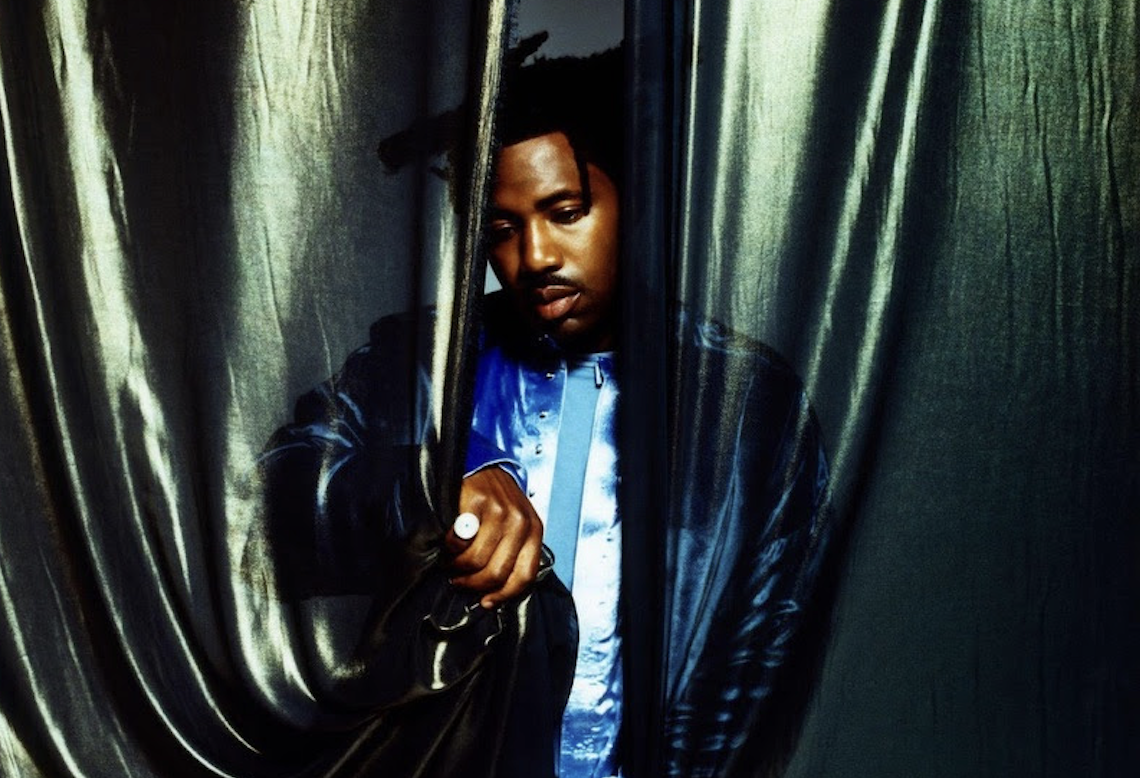
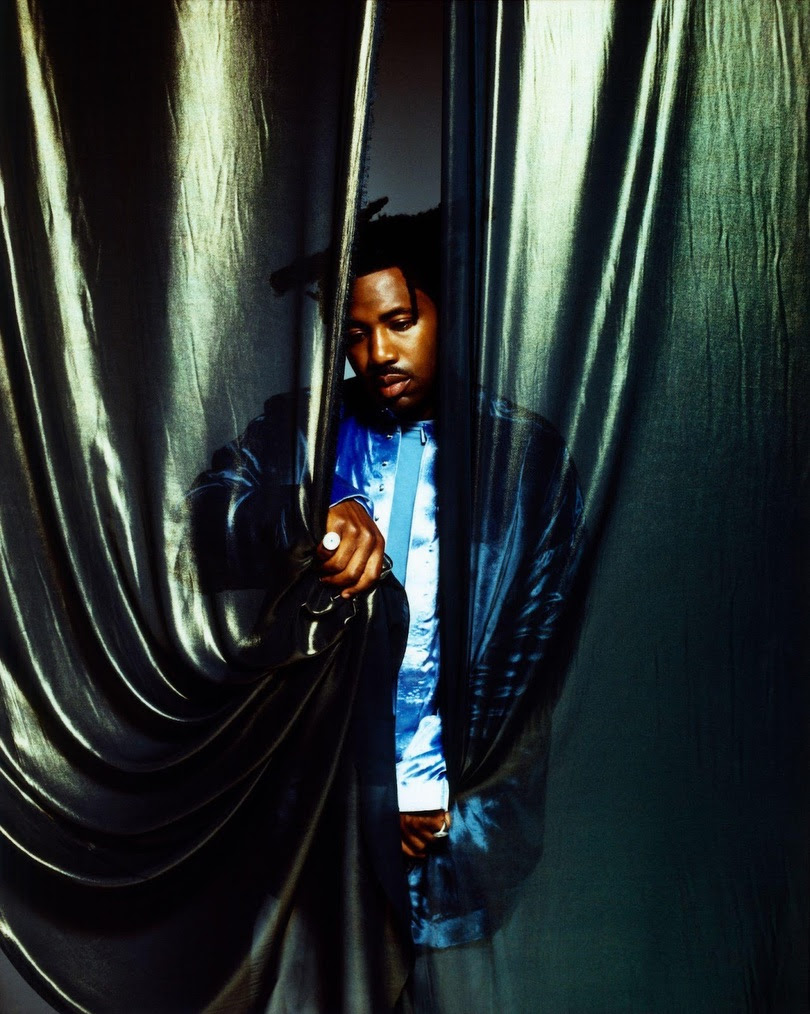
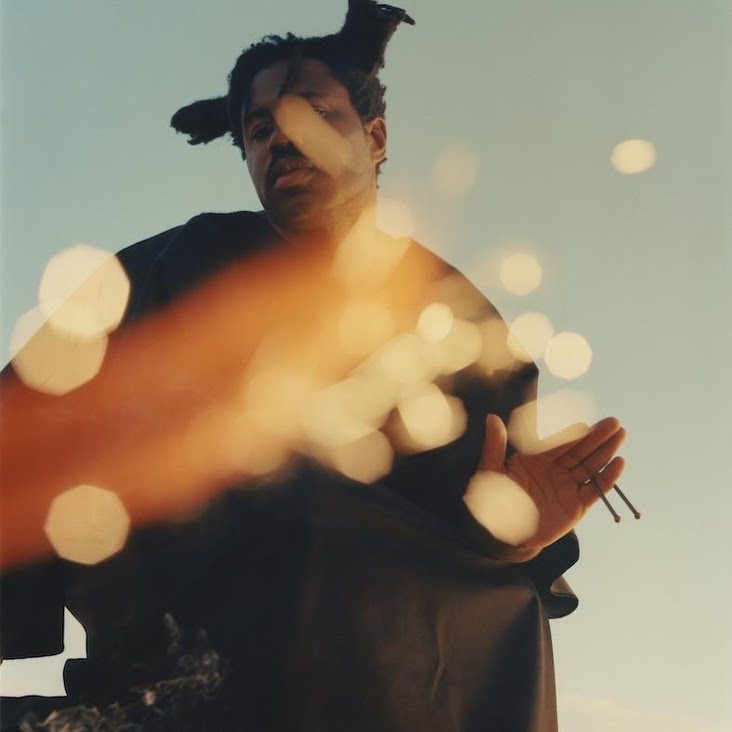
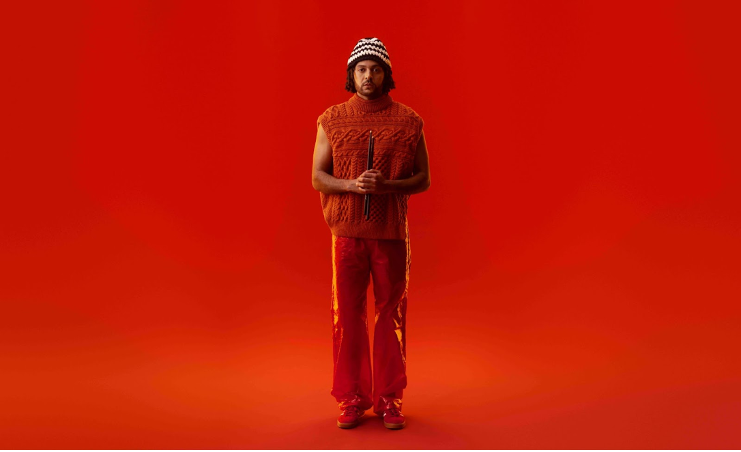
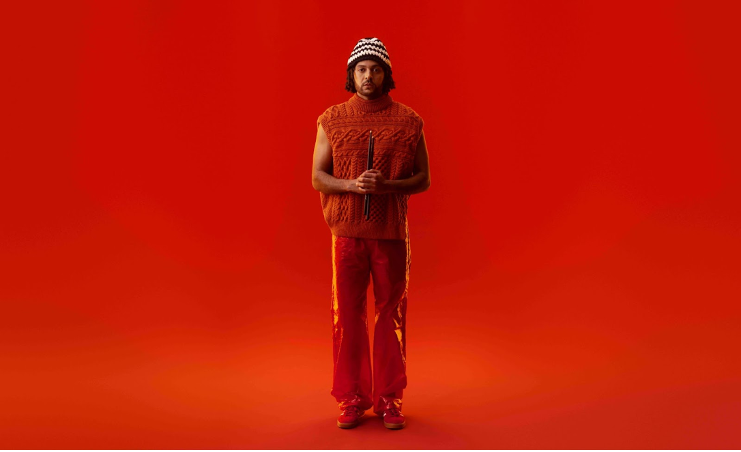
Sampha has returned with a new single, Spirit 2.0.
Released today via Young, “Spirit 2.0” is Sampha’s first solo music in over six years, following his 2017 debut album, Process. Since then, he has contributed to Kendrick Lamar’s Mr Morales & The Big Steppers (on “Father Time”) and Stormzy’s This Is What I Mean (on “Sampha’s Plea”).
“Spirit 2.0” is the first song to be released from a new album. It features musical contributions from Yussef Dayes, El Guincho, and Owen Pallet alongside vocals from Yaeji and Lisa-Kaindé Diaz of Ibeyi.
“It’s about the importance of connection to both myself and others, and the beauty and harsh realities of just existing. It’s about acknowledging those moments when you need help—that requires real strength,” Sampha, real name Sampha Lahai Sisay, says.
If Process was an artist figuring out his own place in the world, we’re told, Sampha’s latest music “opens to new life and lives in awe of what’s beyond.”
DJ Koze, born Stefan Kozalla, has a new EP and an album on the way.
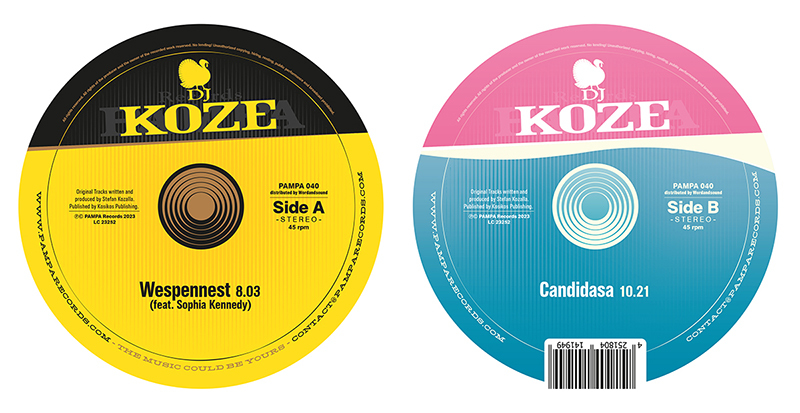
Wespennest/Candidasa is the German DJ-producer’s first new music since 2018’s Knock Knock album on Pampa.
It features two tracks, “Candidasa” and “Wespennest,” both of which are the result of Koze’s stay in a secluded Benedictine monastery on the enchanting island of Sulawesi in Indonesia. Amidst this idyllic setting, he found “the perfect environment to unleash his musical vision,” we’re told.
He composed “Candidasa” while lying on his stomach, feeding himself his so-called “heroin kebabs” to immerse himself in a trance-like state of creative flow. On “Wespennest,” Sophia Kennedy takes the stage with her impactful lyrics and vocals.
The EP is the first taste of a new DJ Koze album, landing next year.
For more information on DJ Koze, check out his full-length XLR8R feature here. You can read a review of Knock Knockhere.
Wespennest/Candidasa EP is scheduled for July 28 release on vinyl. (Digital will arrive on July 13) Meanwhile, you can pre-order here and stream clips of the tracks below.
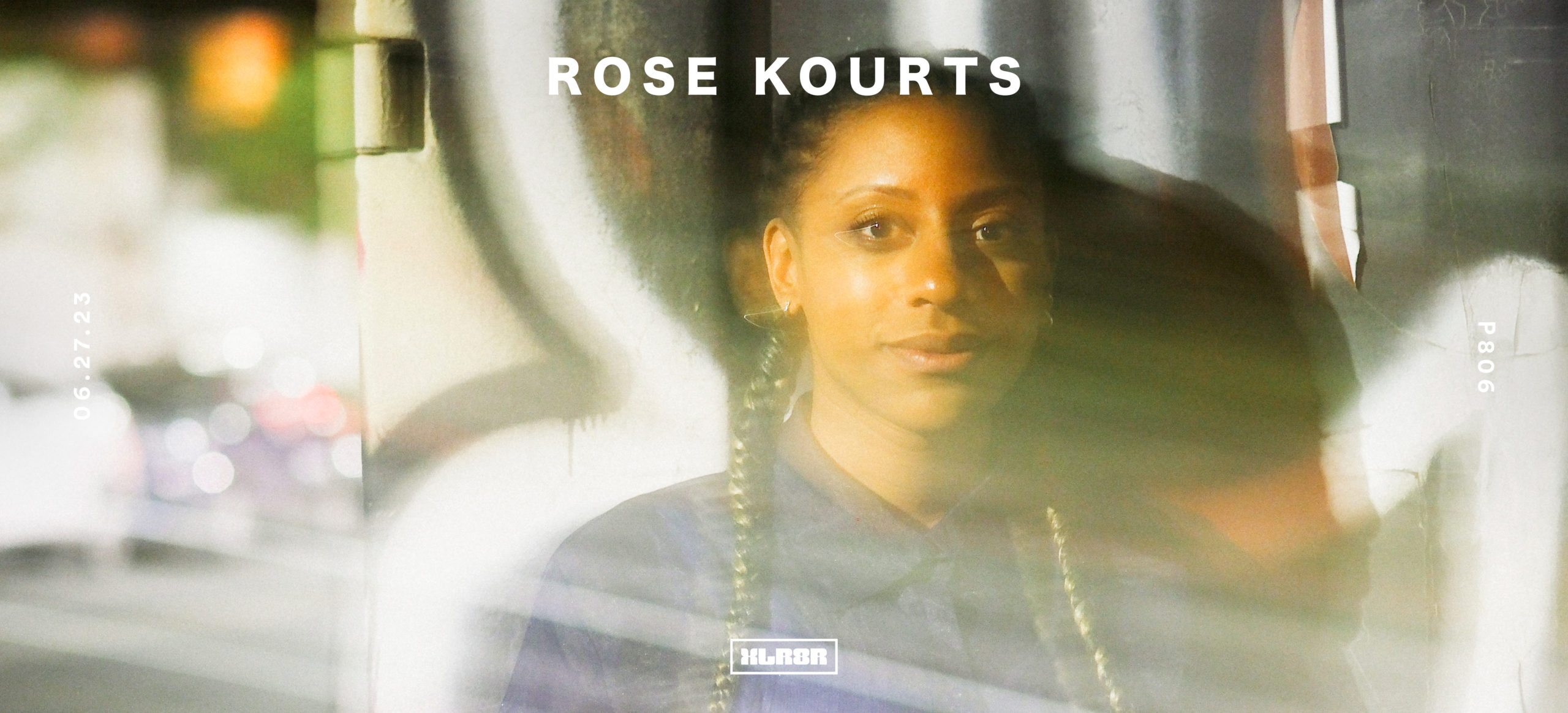
With any DJ set from Rose Kourts (a.k.a Kourtney), the Brooklyn, New York-based DJ, you can expect dynamic, feel-good energy, with sumptuous groove and funky percussion throughout. (She grew up playing the drums and has always had a particular inclination towards these rhythms,” she says.) She is a resident DJ at Sweet Kicks, one of Brooklyn’s most adored DIY parties that she founded to celebrate house and rave, and she helms a monthly show on Lot Radio called GEMS—where she delivers hours and hours of, well, rare sonic gems. (As the show’s name would suggest.) But from there her star has been steadily rising. She’s supported artists including Moodymann and Mr. G, and this weekend she’ll play alongside the mighty Juan Atkins in New York.
She connected with Hone Social, a program that offered free DJing workshops and access to equipment, to learn for fun and to have a creative outlet, but was recommended for her first gig shortly after her second session and the rest was history. “Five years later and here we are,” she says. For this week’s XLR8R podcast, Kourtney has delivered a mix of spell-binding rhythms—many of them her “classics” that she can be found playing out regularly. Tune in for just over an hour of freewheeling house and techno from one of New York’s brightest names.
01. What have you been up to recently? Doing the most and living fully, for sure! I’m DJing just about every weekend, traveling, making mixes, working on my Lot Radio show, and constantly digging for new jams. I also recently taught my first few classes on DJing (both vinyl and digital) at Superior Elevation here in Brooklyn and it’s been an absolute delight, especially having learned how to DJ myself from sessions at a similar workshop years ago. In my down time I have been holding space for quality time with my loved ones as well as solo time for daydreaming and recharging my batteries. I’m happy to be blessed and usually only minimally stressed.
02. What have you been listening to? Records I’ve picked up on recent travels, more than anything else. Special shout out to Portland’s Musique Plastique, Chicago’s Gramaphone Records, Detroit Threads and People’s Records in the D, and Static Age in Asheville for my digs this Spring! Support your local record shop!!
03. Where and when did you record this mix? I recorded this mix in Brooklyn in June 2023.
04. How did you choose the tracks that you’ve included? I like to bring the listener along on a sonic journey with mixes, and I also love a prompt. For XLR8R I wanted to lean into the idea of acceleration and the records you’ll hear in this mix are selections that I feel “accelerate” in various ways: tracks that elicit a swell of emotion and release; records that play with tempo; music that takes you for a high-speed ride; songs that I’ve played to build up the energy in a room or to release it; tracks that are just dope that I want other people to hear. You feel me?
05. Where do you imagine it being listened to? So many places! Anywhere you can listen loudly is definitely ideal; I am biased but these tracks rock and should get you rocking. Speaking for myself, I also have been listening to it while running errands, biking around the city, in the shower, and while hanging with friends so really wherever folks wanna vibe out is exactly right for a listen!
06. How does it compare to what we might hear you play out live? It’s very comparable! I’ve actually played all of the music you’ll hear out in my live DJ sets. This mix takes direct inspiration from my set at Wire, an incredible techno festival in New York I played about a month prior to this mix release. I thought about music I wanted to hear played loudly on a booming, brilliant sound system; there are lots of Rose Kourts classics and new obsessions in the mix!
What are your plans for the rest of the year? Keeping this party train going. I have some exciting shows coming up throughout the summer, including a few with some of my actual personal heroes that have me going, “Wow, this is real life!” I’ll be playing in and around the US, hosting parties here in Brooklyn, and heading back to Europe to play some shows before a much-anticipated holiday with my family. I also intend to (finally!) carve out time to start getting into music production. I’ve just been feeling buoyant and excited about the present as well as what’s on the horizon (known and yet unknown) which is a truly wonderful space to be in, especially given all the curveballs life can throw at you. I’m looking forward to continuing to grow, follow my passion, and make memories and connections with others that I’ll cherish forever in this lifetime and the next!
XLR8R Subscribers can download the podcast below.If you’re not an XLR8R subscriber, you can read more about it and subscribe here.
Tracklisting
01. Dave Angel “Scorpion” (Bedrock Records) 02. ProOne79 “Acid Pump” (Self-Released) 03. Jeff Mills “Condor To Mallorca” (Fear-E’s Area 51 Remix)(Self-Released) 04. Fear-E “80s Arcade Obsession” (Posh End Music) 05. Rozzo “Zorro” (Bush Records) 06. I.C.E. Tech “Noise and Music (Cold Original Mix)” (Stik Records) 07. DJ Savage “Breaking Point” (TH Tar Hallow) 08. LFO “Freak” (Warp Records) 09. Praga Khan “Love” (Insider Remix) (Never Records) 10. Foxx “If You’re Serious” (Foxx) 11. Dopplereffekt “Satellites” (Fear-E’s Hovering Over The Earth Remix) (Self-Released) 12. E RIPLEY “Soyuz 1” (Oyabun Audio) 13. Estoc “LOSE MY HARROWLANDS”(Self-Released) 14. DJ Savage “Pre-Post” (TH Tar Hallow) 15. Urban Sprawl “Take 1” (Pull The Strings) 16. BLACK GIRL / WHITE GIRL “Chameleonaire” (Extended Mix) (Hybrid Spasm) 17. ANNĒ “80’s Revisited” (Hardgroove) 18. ANNĒ “60’s Style” (Hardgroove) 19. ANNĒ “Roller” (Hardgroove) 20. DJ ESP “Am” (Generator Records) 21. Sam Link “The Breath” (Low Battery) 22. Sonic “Right Now” (Soul:r)
Wata Igarashi is one of the leading figures of Japanese techno—an XLR8R favorite who featured in our XLR8R+ series and delivered a podcast of deep, sci-fi tinged hypnotic techno in 2019. What we haven’t covered so much before are his productions, which have been released on labels including Figure, Semantica, Time to Express, The Bunker NY, and Midgar, conveying a sound that’s powerful, precise, and psychedelic; functional but refined.
In April, on Kompakt, he released Agartha, his much-anticipated debut album that’s typically beautifully detailed but broadens Igarashi’s sonic realms into the smoky, improvised jazz, the minimalism of Steve Reich, and even Krautrock and ‘90s electronica. He produced all 10 tracks over 18 months in his studio in Tokyo, Japan, where he fuses his electronic output with compositions for moving pictures. Earlier this year we paid him a visit to learn more about the processes behind them.
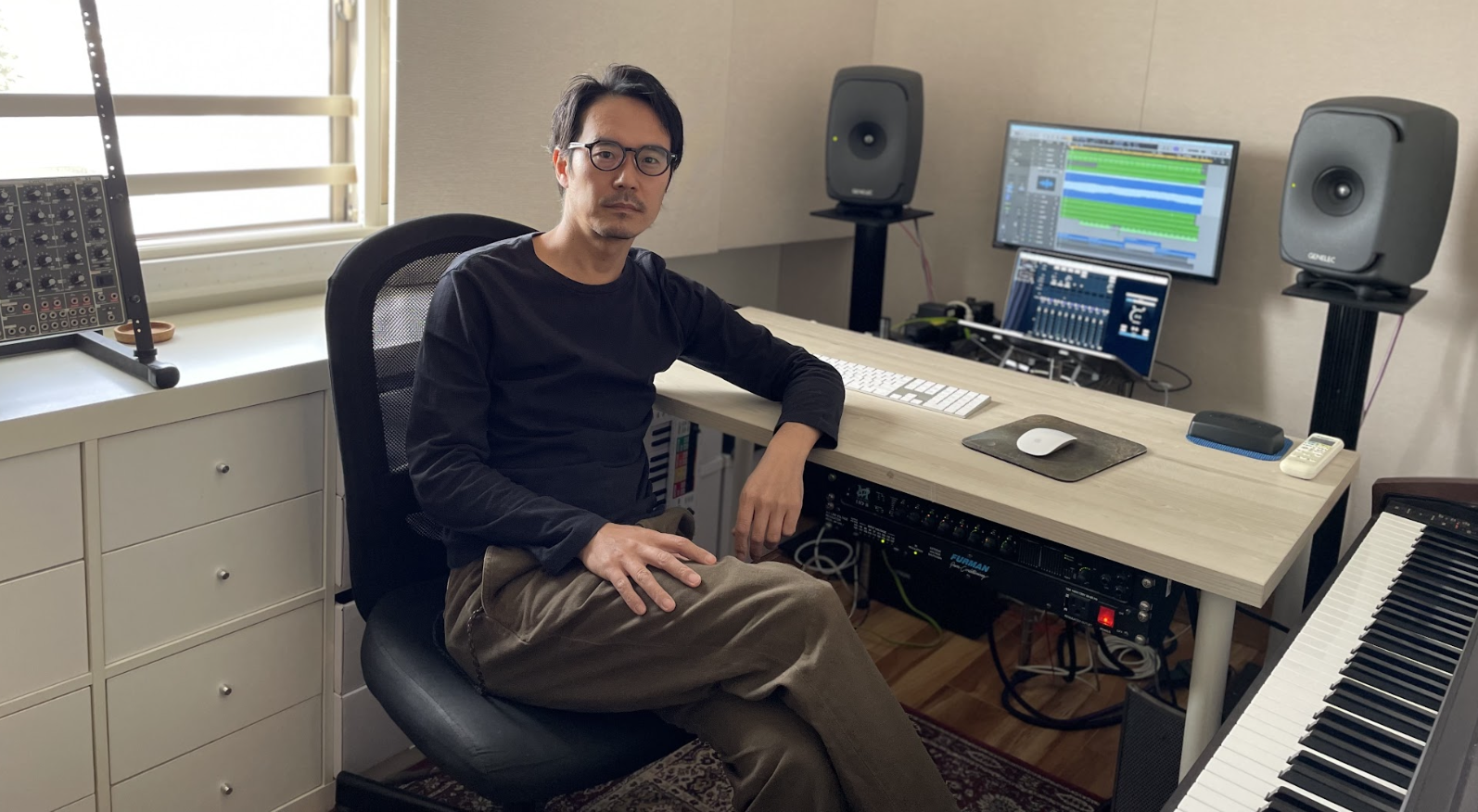
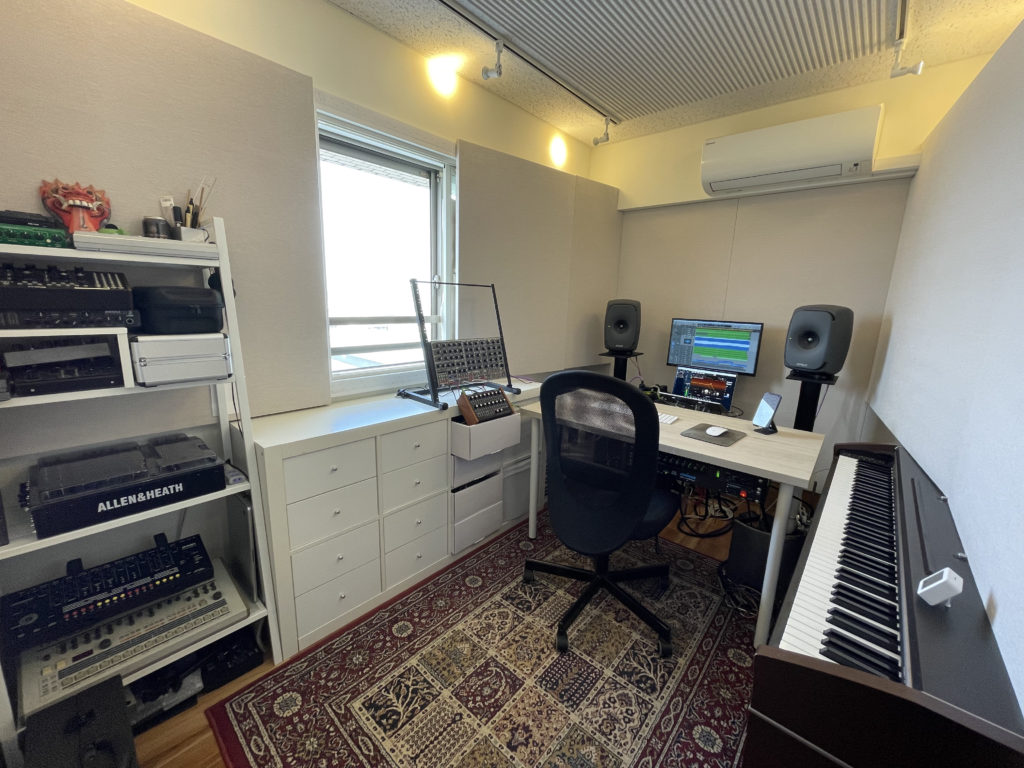
Tell me about your studio. When did you move in here? In late 2016, I relocated to this apartment in Setagaya, Tokyo. Upon settling in, I sought the assistance of Acoustic Engineering Inc. to convert one of the rooms in the apartment into a music studio. Despite the limited space available, I am extremely pleased with the sound quality that has been achieved.
What do you look for in a studio space? A quiet comfortable place with quality sound.
When you were speaking to Acoustic Engineering Inc., what were your key desires for the space? The sound quality was definitely my first priority. I didn’t want to cause any trouble for my neighbors either. Fortunately, only the floor of my studio room was connected to my neighbor’s apartment. So, I asked them if we can prevent the sound from reaching their living space. They did an excellent job of making sure both the sound quality and insulation were perfect.
Do you think it is important that you have a studio that’s clearly defined from your home space? Yes. Having a designated workspace is important for me, especially when it comes to music productions. Ideally, I would prefer a studio outside of my home to avoid blurring the lines between work and off-time. Working from home can be convenient, but it’s easy to get caught up in it and lose track of time. I prefer having set working hours and being able to mentally switch off after a certain time. Commuting to a separate workspace also has a certain ritualistic feel that can help get me in the right mindset for creating. But it wasn’t economically feasible to have a studio outside of my house in Tokyo. However, I did invest in a super heavy soundproof door, one of those metal ones with a big door handle bar that you see at proper studios. When I close that door, I know it’s time to get into music mode!
Do you ever suffer with a production block, and how do you combat it? Yeah, I totally get it. Sometimes no matter how hard you try, the production block just hits you hard. I wish there was a shortcut to get around it but there isn’t. Personally, I spend about 30 minutes on a track and see if it’s going anywhere or not. If it’s not working out, I just move on to another project. There’s no point in wasting more time on something that won’t improve. As a result, I have a bunch of unfinished projects on my hard drive. Even when I revisit them after years, they still don’t work, unfortunately. However, if I’m happy with the loop after 30 minutes, then I can usually get the basic structure of the track done within the next few hours. These are usually the ones that end up getting released.
It’s funny that you simply cut a track that doesn’t flow after 30 minutes, because I think some artists try to work through this. Have you ever battled through that wall? Do you ever think battling through that wall is worth it? I believe whether it is worthwhile to engage in a battle depends on the situation. If I hear one potential element, then it is definitely worth continuing, even if it demands some time and effort. Through experimentation, some unexpected ideas could end up coming out from it. However, it is also crucial to recognize when it is appropriate to let go, at least from my perspective. Considering there is only limited time to create music for me, I aim for efficiency in managing my time while going for a higher rate of producing music that resonates with me. I suppose this lesson became apparent to me while producing music for advertisements, where I encountered situations where I only had a few hours to deliver a track.
So, are there loads of unfinished sketches for Agartha? There are a few, yes. I even had some completed tracks for Agartha, but I ended up keeping the ones that flowed nicely together as part of a conceptual album. As for the tracks that didn’t make it onto the album, I am considering releasing them on my WIP label in the future.
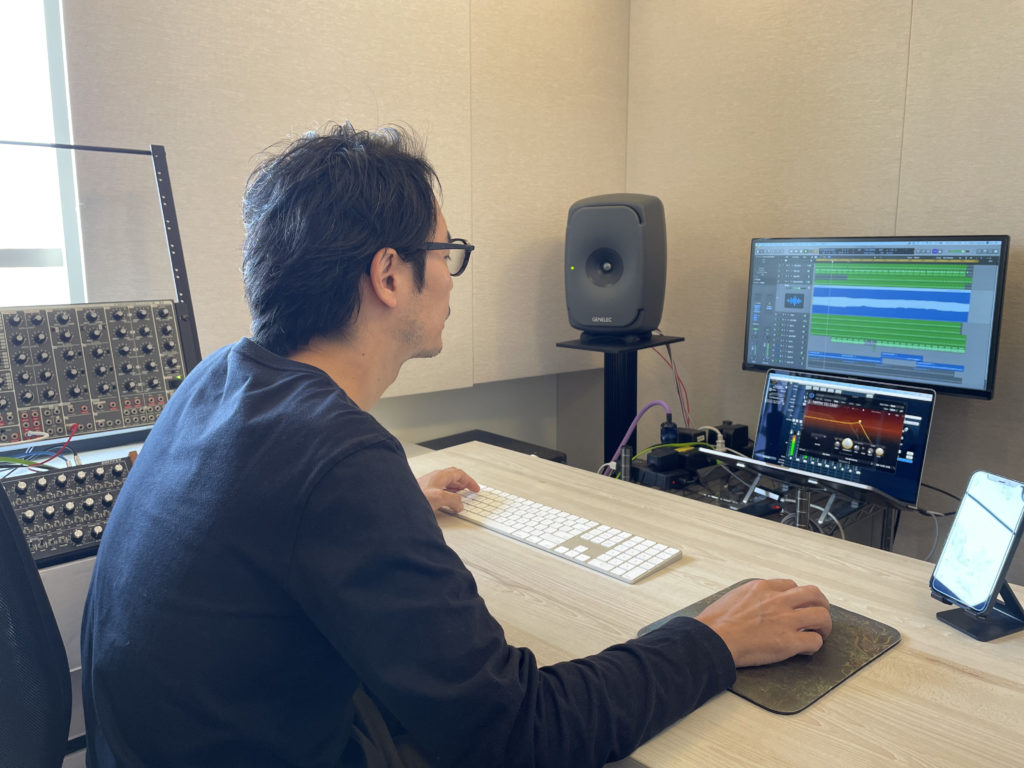
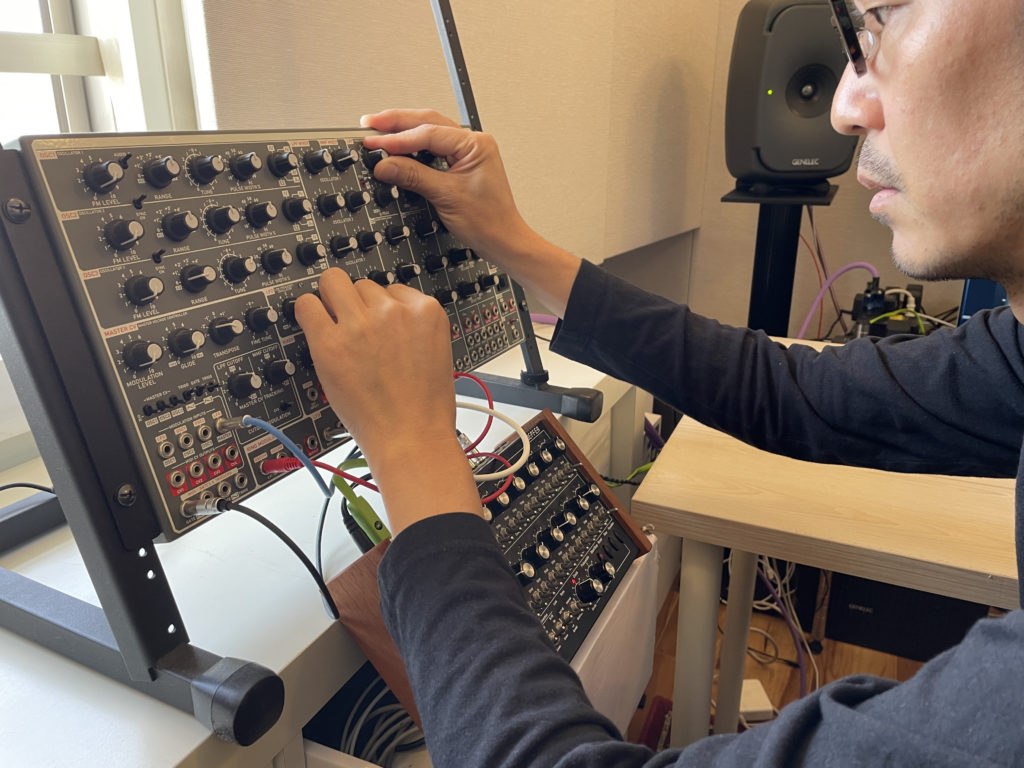
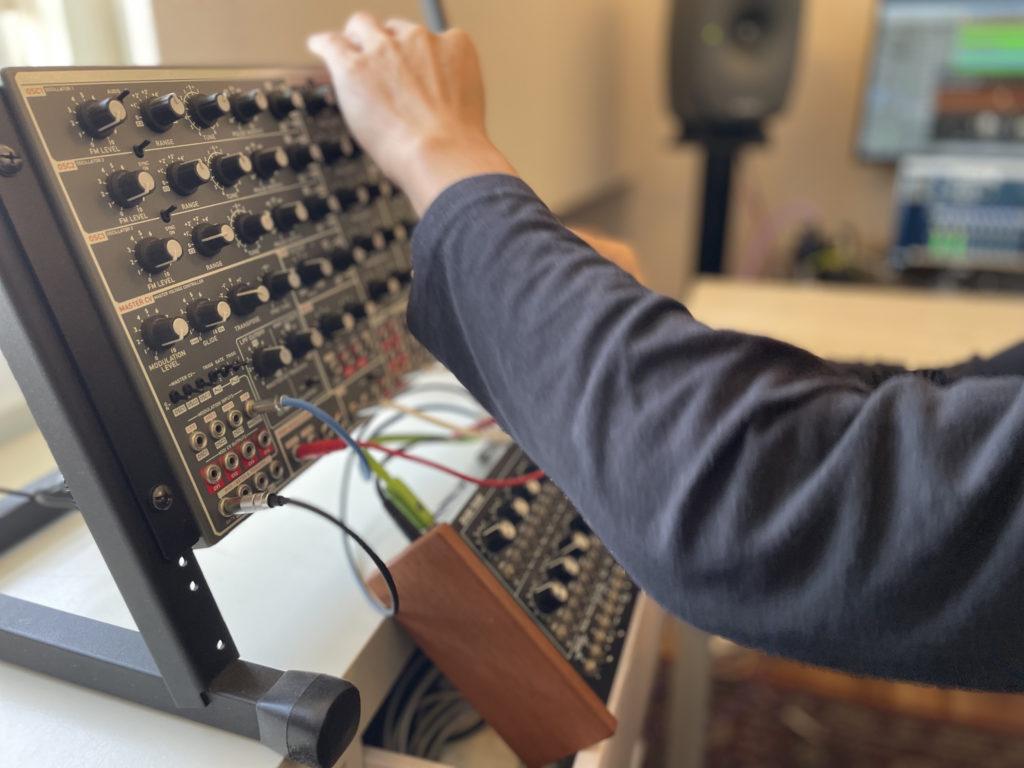
What are the key pieces of equipment at the center of your work? In particular Agartha? As a long time Logic Pro user, I exclusively utilized the software for the entire process of composing, recording, and mixing the album. For recording certain acoustic sounds, I used an AKG C414 microphone in conjunction with the superlative pre-amp of Metric Halo’s Lio-8 audio interface. In addition to analog synths like Cwejman S1, Moog Mother-32, and a few modular synths, I also incorporated some of my favorite plug-in synths, including Twin 2, Prophet V5, Minimoog V, Buchla Easel V, ES1, ES2, ESM, and various others to complete the album.
Have you always worked this way? How did your setup look for your earlier material? I’ve been producing music this way since I started making techno. I think it’s because I started with the guitar, and most instrument players stick to one instrument to perfect it throughout their lives. I have a similar mindset when it comes to producing; I don’t like to switch around too much gear, and I just often prefer to spend my time making music instead of learning a new instrument. In the end, what matters most to me is the final music itself, not necessarily the tools used to create it.
When did you first begin producing your own music? I began producing my own music about 16 years ago, when I was working at Syn, a music production company in Tokyo, as an in-house composer. At Syn, I made hundreds of tracks for advertisements, always following the directions given by the director and the clients. While it is fun and interesting to produce all this different kind of music professionally, I started feeling the need to take complete control over my music and create it the way I wanted, instead of following someone else’s directions. That’s when I started producing my own music, to be able to craft it exactly the way I wanted, without any external influences!
What do you look for in the equipment that you use? When it comes to the equipment I use, I am always looking for something that resonates with me on a deeper level. I like it when a piece of gear becomes more than just a tool to make music and it feels like I have a deeper relationship with it. Take my Roland TB-303, for example. Sure, I love the sound it produces, but I also like the way it looks and feels. Even though the buttons don’t work perfectly and programming the sequence can be a pain, it’s all part of the instrument’s charm and I just can’t help but love it. I know it might sound crazy, but there’s almost a romantic feeling that comes with using it. The same goes for my Cwejman Sound S1. Does that make me crazy? Maybe, haha.
Can you talk about your working relationship with the Cwejman Sound S1 and the Doepfer Dark Time, and how they fit into your process? One of my favorite techniques for creating arpeggios is using the Cwejman S1 and its three oscillators positioned to three different octaves. This approach produces a rich low-end and crystal-clear highs, and by manually manipulating the octaves it can add an organic feel to an otherwise rigid and somewhat cold arpeggio line. While I often compose my arpeggios based on the melodies that I hear in my head, I also enjoy the unpredictability of using the Dark Time to generate unexpected and intriguing sequences. Sometimes it results in weird lines that I would not have been able to create through other conventional ways.
Can you give an example of where we can hear this in your work? The Cwejman S1 is used on many of my productions, but one of them is Aurora Halal’s Eternal Blue Crossing Remix, where I used the S1 to create arpeggios that are prominent throughout the song. The track “Lost” from my Sekawa EP features the S1 and the Doepfer Dark Time. The Dark Time generated these weird unexpected sequences which went into the S1.
Are these melodies you hear in your head coming to you at all times, even outside the studio? And how do you go about transferring them into recorded works? The melodies I come up with often pop up in my head when I’m not actively composing, like when I’m walking or sleeping. I don’t always remember to take note of them, so sometimes I forget them entirely. But some of the catchy ones just stick in my head or come back again later on at a completely different occasion. I try to transfer those remembered ideas into recorded works. That, though, is not the only way I compose. I do also sit down and intentionally compose melody lines and sequences. A lot of the music on Agartha was created through the traditional method of sitting in front of a piano or a guitar and playing around with ideas. My music a mix of spontaneous inspiration and intentional composition.
You have a range of out-board analog gear, from grooveboxes to FX units. How often are you working with these machines? Do you have a patch bay or routing set up to allow for easy switching between gear? Due to the limited space in my studio, I typically keep most of my gear disconnected and stored on shelves. When working on a track, I usually have a clear vision of the specific sound I want to achieve. I then proceed to take out the necessary gear or plug-ins that are associated with that sound and experiment with it until I achieve the desired outcome.
It’s interesting that so many of your melodies and tracks are so preconceived. What’s an example of a specific sound and how did you achieve it? When I created the bass sound for “Roar” from WIP07 EP, it was with a specific purpose in mind. I wanted a kind of deep bass sound that would be so powerful to blow minds to play at Balance festival* in the mountains of Gunma. I was imagining the floor in the deep nature and that bass sound just resonated in my head. Then I went into the studio to recreate it. Initially, I experimented with Moog Minimoog V with different distortions and reverb settings, but eventually, I blended a few other synths to achieve the sound. When I dropped the demo version for the first time at Balance, Kuniyuki [Takahashi] came straight to the booth, asking “What the heck is this!?” and I remember feeling a sense of accomplishment in that moment!
It’s not always easy to realise a sound you have in your head. What’s the secret? I usually start by trying to create mockups of sounds in plug-in synths before going to analog gear. It’s faster and easier this way, and helps me to get a clear idea of how I want the sound to be. Sometimes, I end up using the first sketch on the plug-in synth, but often I replace the sound with the actual gear.
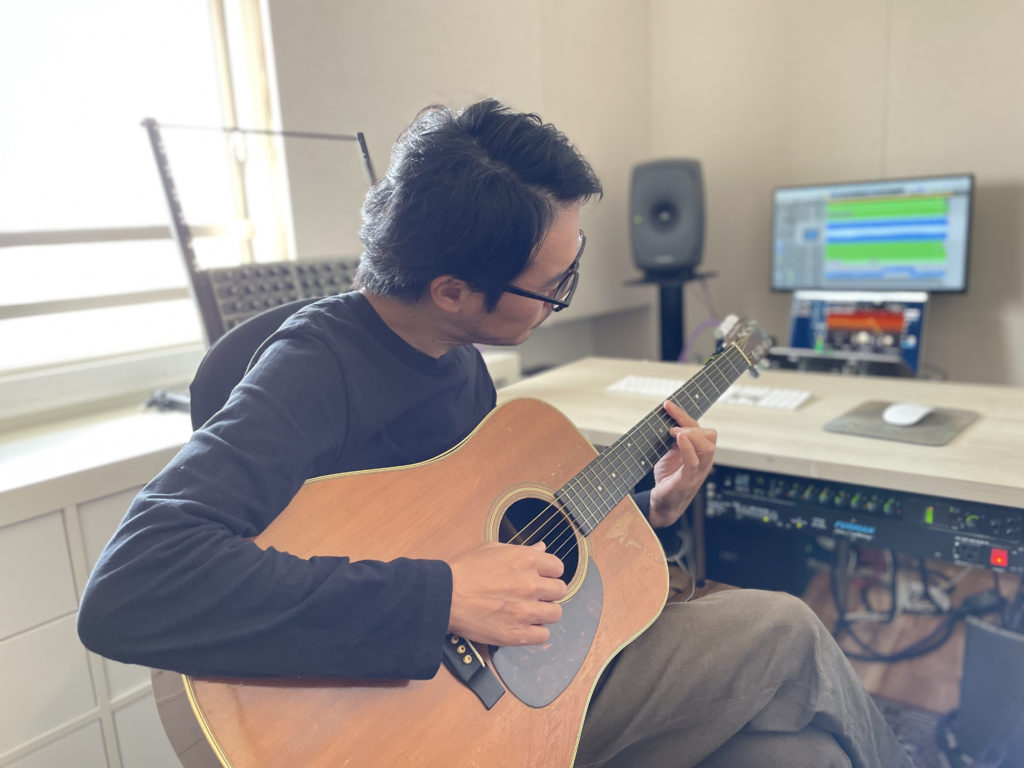
The acoustic guitar seems like the odd piece in your studio, and in regards to your music. How does it fit in here? I have been playing the guitar since I was in middle school, which is considerably longer than the time I have been using synthesizers. So, I have a strong affinity for the sound of acoustic guitars and frequently incorporate it into the compositions I create for advertisements or events. The guitar has played a crucial role in shaping my musical taste. Without it, the sound of my techno and ambient music would not have the same essence that it currently possesses.
So, how does your production process actually begin? Typically, my music production process begins with me opening my notebook and writing down the essence of the sound I hear or want to create in the track. Before I start making any sound, I like to have a clear idea of what I want to convey in the track. If it is a techno track, it could be something that I wish I had while DJing. Could be a feeling I get while traveling the world or something odd from my dreams. I could also just imagine the weirdest things like, “What if I had only different kick drums and nothing else?” This approach to making music can be challenging but also enjoyable. I take note of all these things and write them down first.
Remember, I am accustomed to writing songs for advertisements, where all the concepts are outlined before composing the music. Therefore, it is natural for me to recreate the sound from the concept. Sometimes, I am unable to achieve the exact sound I was aiming for, but it often ends up being better than my original idea, and that is okay too.
After I am happy with the sound I recreated from what I envisioned, I start adding new elements that were not in the original essence to enhance the music. Following the concept alone could be interesting, but it does not always work as a final track by itself. This second part adds depth or catchiness to the original idea. After that, it becomes a matter of polishing the track.
Is there always such a formula for a track? Well, there are instances, particularly when I acquire a new piece of equipment and am in the process of familiarizing myself with its features and capabilities, where I accidentally get some truly captivating sounds that have the potential to become a central element of a track. In these situations, I allow myself to explore these new sonic possibilities to incorporate them into my music. It can be a highly rewarding and exciting experience to discover unexpected sounds and integrate them into my creative process. These new ideas and techniques could potentially lead my music to evolve and grow over time.
Can you walk us through the production of one of your favorite tracks? Sure. How about “Tunneling” from WIP08, which was released last November?
I had the concept first. It was before going on a tour to Colombia and I wanted a new track that would work well for this tour. I thought a simple bassline-oriented techno track that drives and grooves hard would work well there, or anywhere actually. Nothing sophisticated, just a simple track with energy that keeps the dancers moving. I also wanted some kind of syncopation, so it’s not super straight. I knew the bassline had to be solid and hard, and I had the ESM from Logic in my mind for it from the beginning. For those who don’t use Logic, it’s basically similar to a 303 style mono synth, but they made it in a way that even with resonance and cutoff set to high, the low-end still remains, unlike the original 303 where you do the same and the low end disappears, and the frequency of the cutoff is a lot more dominant. You can make a really fat bass line with ESM plus a bit of extra distortion. This bass and the syncopated kick pattern were the main part of the track and were completed in like 20 minutes. I felt the bass with made with just the ESM missed some kind of gritty character so I overdubbed the same phrase with the Buchla Easel V. The main part being done, I added some simple 909 hi hats and a high-frequency rhythmic pattern made with white noise to lay the rhythm parts. I worked on it a bit further tweaking the kick and other minor details but it was done fairly quickly.
How do you know when your songs are done? Do you show them to anyone else before you release them? Many of my tracks were produced in a single day. In my experience, the problem of not knowing when to consider a track complete often happens, especially for techno tracks, when you have worked on it for an extended period, like several days or even longer. Once I feel the track is done, I will bounce it and let it sit for a couple of days. With fresh ears, I will listen to the track and if I notice any areas where parts are missing or seem unnecessary, I will return to the studio to fix them. I repeat this process until I am fully satisfied with the track. For techno tracks, I like to test them out at shows to ensure that they deliver the intended effect. I don’t usually share my demo tracks until they have been mastered, to make sure that the track sounds its best when played by other DJs.
What is your approach in regards to mixing? I feel lucky to have had the opportunity to work with various talented mixing engineers in Tokyo on advertisement projects. By observing their techniques and approaches, I have learned a range of basic to advanced mixing techniques which helps to create well-crafted, clean, and polished mixes. While functional mixing is essential for many musical genres, I believe that for music like techno, mixing is also an important component of artistic expression. I view mixing as an opportunity to augment the personality and character of the music, while ensuring it is functional on the dancefloor. To achieve this, I prioritize the core message or main sound of the music and am not hesitant to eliminate parts that may detract from the core focus of the track.
How often are you testing tracks out when DJing? Are you actively making notes when/if doing so? I test out almost every time. I make techno tracks for my DJ sets. If it sounds quite different on the dancefloor or in the booth from my intended mix from the studio, I get disappointed so I can easily remember them. So I don’t even take notes!
**Balance was organized by the team behind Labyrinth.
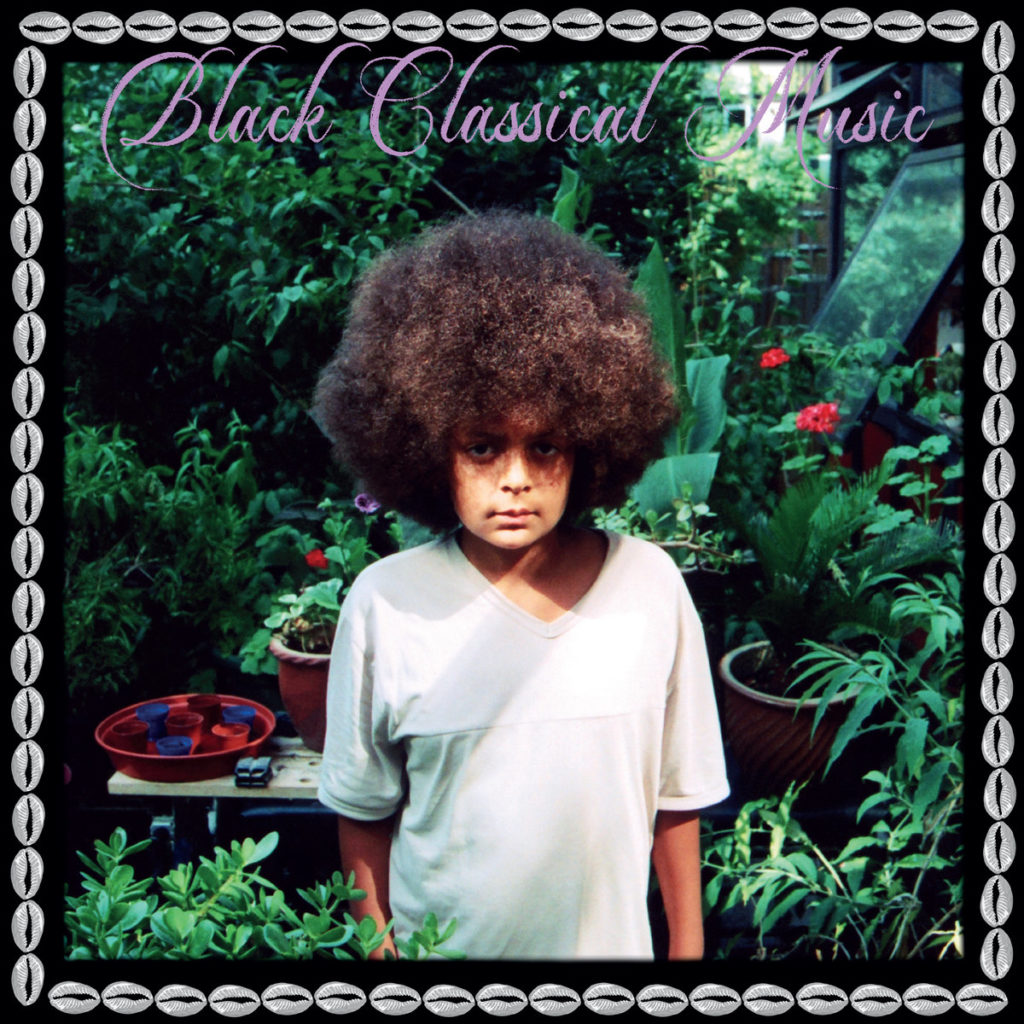
Yussef Dayes will release his debut album in September.
Across 19 tracks, Black Classical Music is anchored by Dayes’ distinctive drum licks and Rocco Palladino’s bass. The album also features Charlie Stacey on keys and synths; Venna on saxophone; Alexander Bourt on percussion; and a whole host of others including Chronixx, Masego, Tom Misch, and the Chineke! Orchestra, the first professional orchestra in Europe to be made up of majority Black and ethnically diverse musicians.
Dayes introduces the album in his own words:
“What is jazz? Where did the word derive from? Birthed in New Orleans, born in the belly of the Mississippi River, rooted in the gumbo pot of the Caribbean, South American culture, African rituals. Continuing a lineage of Miles Davis, Rahssan Roland Kirk, Nina Simone, John Coltrane, Louis Armstrong; music that is forever evolving and limitless in its potential. The groove, its feeling, the compositions, the spontaneity, with a love for family, the discipline and dedication in maintaining the very high bar set by the pantheon of Black Classical Musicians. Chasing the rhythm of drums that imitated one’s heartbeat, the melodies for the mind and spirit, the bass for the core. A Regal sound for this body of music.”
Yussef Dayes was one half of Yussef Kamaal with keyboardist Kamaal Williams. More recently, Dayes released Live At Joshua Tree, an EP presented by Soulection.
Tracklisting
01. Black Classical Music feat. Venna & Charlie Stacey 02. Afro Cubanism 03. Raisins Under The Sun feat. Shabaka Hutchings 04. Rust feat. Tom Misch 05. Turquoise Galaxy 06. The Light feat. Bahia Dayes 07. Pon Di Plaza feat. Chronixx 08. Magnolia Symphony 09. Early Dayes 10. Chasing The Drum 11. Birds of Paradise 12. Gelato 13. Marching Band feat. Masego 14. Crystal Palace Park feat. Elijah Fox 15. Presidential feat. Jahaan Sweet 16. Jukebox 17. Woman’s Touch feat. Jamilah Barry 18. Tioga Pass ft. Rocco Palladino 19. Cowrie Charms feat. Leon Thomas & Barbara Hicks
Black Classical Music LP is scheduled for September 8 release. Meanwhile, you can stream “Rust” featuring Tom Misch in full below and pre-order here.
Portland pianist Mary Sutton, better known as Saloli, will release her second album on Kranky.
Canyon, which delves deeper into her roots as a Cherokee Nation citizen, is intended to evoke “a day in the life of a bear in a canyon in the Smoky Mountains,” with each track “channeling a different emotion or experience in its daily explorations.”
In Cherokee teachings, humans and animals are considered to have no essential difference: originally, all the creatures of the earth lived together in harmony. Canyon captures shades of this notion across eight elegant pieces.
As with her 2018 debut, The Deep End, the entirety of Canyon was composed and performed live on a Sequential Circuits MultiTrak synthesizer, but this time routed through a delay pedal. This refraction adds a “lyrical spatial quality,” we’re told, “as though echoing off canyon walls.”
Sutton’s father, the Cherokee painter and flute-maker Jerry Sutton, created the artwork.
Tracklisting
01. Waterfall 02. Lily Pad 03. Snake 04. Yona 05. Silhouette 06. Full Moon 07. Nighthawk 08. Sunrise
Canyon LP is scheduled for July 7 release. Meanwhile, you can stream “Waterfall,” “Lily Pad,” Yona,” and “Silhouette” in full via the player below and pre-order here.
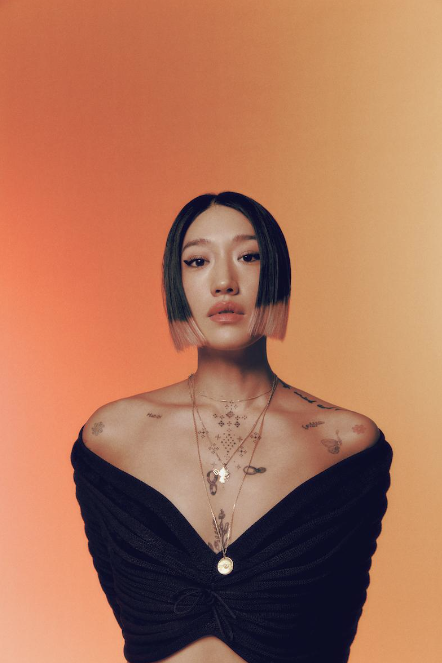
Following in the footsteps of previous Peggy Gou anthems, on her own Gudu Records and Ninja Tune, “(It Goes Like) Nanana” features Gou herself on vocals. It’s the first track to be released from her upcoming debut album.
“There’s a feeling we all know but is hard to describe, that feeling of love, warmth, and excitement when you’re surrounded by friends and loved ones and the energy speaks for itself,” Gou says. “It’s difficult to put into words but to me it goes ‘nanana!’”
Tracklisting
01. (It Goes Like) Nanana
‘(It Goes Like) Nanana’ is available now. You can stream the video below.
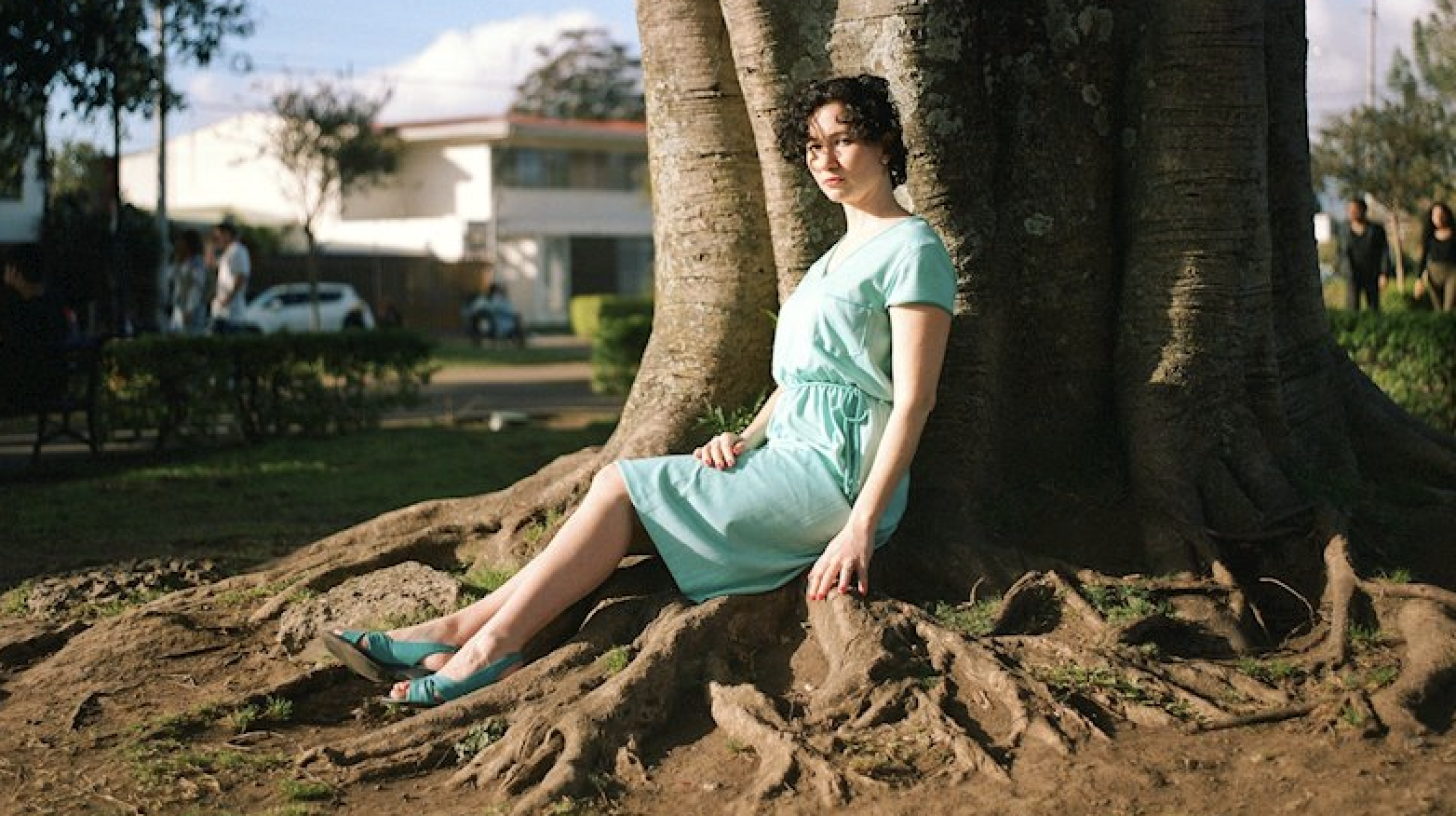
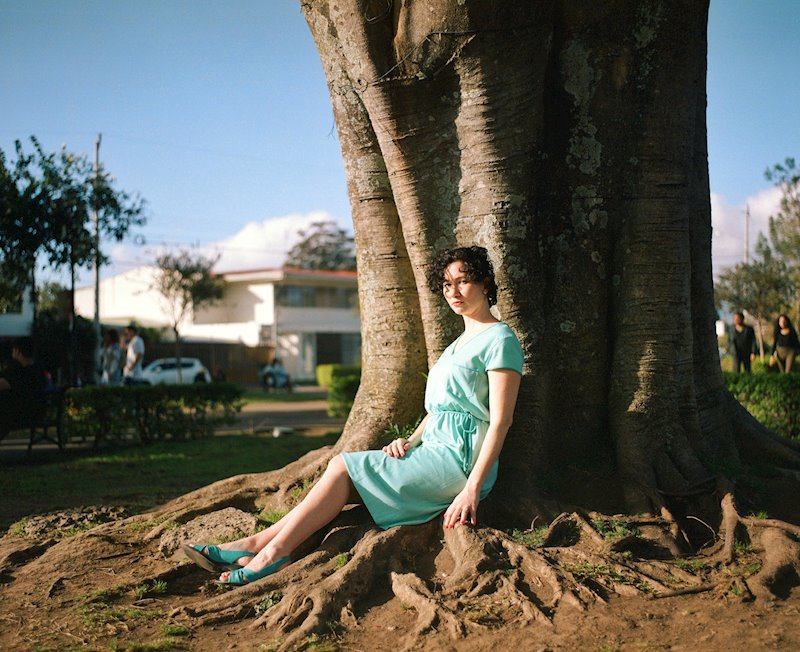
Sample in the Sky is a departure from Misch’s previous, more isolated bedroom-produced work, like Playground and Lonely City, released in 2017 and 2019 respectively.
Though some songs had been years in the making, the catalyst for the record’s crystallisation was a year-long collaboration with composer and producer William Arcane, whose “synth wizardry” caught Misch’s ears.
Every sound on the record has been played, synthesised, or recorded from scratch, shaping it into its near final form before weaving in performances from Misch’s recently formed live band: Marysia Osu on harp and Tomáš Kašpar on guitar.
The album’s title stems partly from Misch’s journey from studying biomedical sciences at university to becoming a music producer. It’s also a reference to sampling culture in music, and Misch’s musical influences which span from early experimental electronic music pioneers to ’90s pop and R&B.
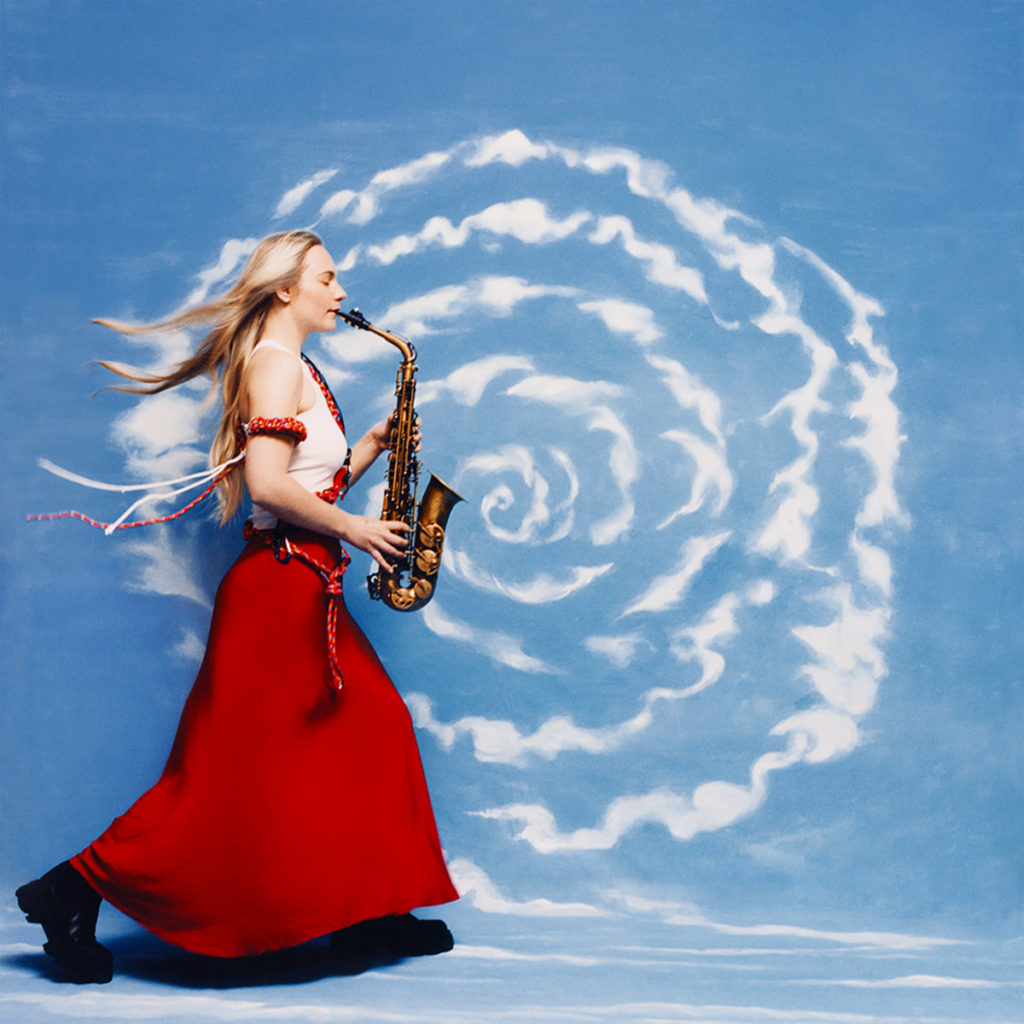
“My saxophone teacher was in the Kick Horns, a horn section that arranged and played horns on songs like “Green Light” by Beyoncé, and obviously as an 11-year-old that was the coolest thing ever, so as I was discovering music, I was always listening out for the horn sections,” she says. “That’s how I got hooked on the saxophone.”
It wasn’t until much later that Misch became interested in the tape works of Daphne Oram, the wild synthesis of Suzanne Ciani, and the sonic meditations of Pauline Oliveros.
“There was so much experimentation and boundary pushing in each of their practices and that moved me in the same way a lot of ’90s sample-based production did,” she continues. “I wanted to make a record that is a constellation of these influences.”
Alongside the announcement, Misch has shared “Portals,” which you can stream below.
Tracklisting
01. Hide To Seek 02. Light Years 03. Portals 04. Outer Edges 05. Listen To The Sky 06. Widening Circles 07. City Lungs 08. Sax Rise 09. Wild Swim 10. Birdseye
Sample the Sky LP is scheduled for October 13 release. Meanwhile, you can stream “Portals” in full via the player below and pre-order here.
The track, featuring the vocals of GiGi Grombacher, is a typically galvanising Hudson Mohawke production that captures the energy of Wimbledon and the epic, career-defining moments that have taken place and will continue to take place at the championships. He used terms such as “fearless,” “strong,” “stand my ground,” and “holding on” in the vocals to echo the nature of competitive sport and “how hungry this next generation of stars is for success,” he says.
“I’ve been watching Wimbledon on TV since I was a young boy, so to be a part of this year’s trailer feels surreal,” Mohawke, real name Ross Matthew Birchard, continues. “We’re seeing a new wave of legends define history in the tennis world, and I wanted to make a soundtrack that reflected this juncture and the tantalising mood that comes with it.”
In a first from Wimbledon, the trailer uses a mixture of archive footage and photography to revisit epic Championships moments from the likes of Serena and Venus Williams, Roger Federer and Rafa Nadal, juxtaposing them against rising stars Coco Gauff, Alfie Hewett, and Carlos Alcaraz.
The release follows Hudson Mohawke and Nikki Nair’s collaborative EP, Set The Roof.
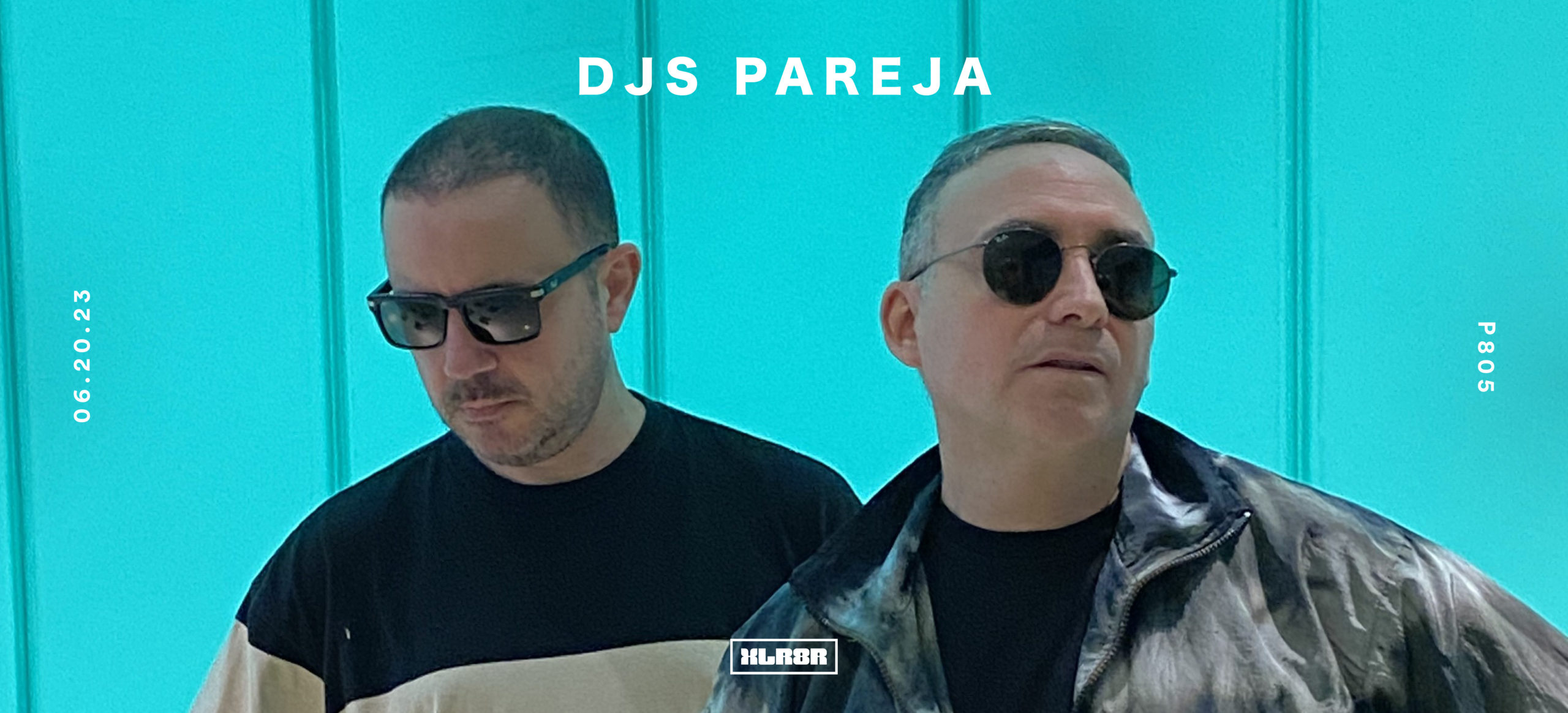
Djs Pareja are Mariano Caloso and Diego Irasusta, an Argentinian duo of queer DJ-producers who are core members of the Cómeme record label run by Matias Aguayo. Since they met in the early ’90s and began releasing music a decade later, they have become integral in defining the new-school of house and techno made in South America, as resident DJs at the legendary Compass parties at Niceto Club in Buenos Aires. Today, they throw their own parties, Fun Fun and Syncro, in the capital.
Outside of Cómeme, they have also released EPs on Tiga’s Turbo Recordings as well as on Huntleys & Palmers, Honey Soundsystem, and Schalen. In 2021 they released Nuestra Forma, a four-track EP of shoegaze dance music in collaboration with young singer Lupe, as well as “Kappov” on Jennifer Cardini’s Dischi Autunno and “Felixiano” on Permanent Vacation. For this week’s XLR8R podcast, they’ve recorded a studio mix celebrating the Latin American musicians in their orbit: Paurro, De Pepa, and Beresi, to name a few. Expect just over an hour of primal, rhythmical acid and techno with sharp and rugged percussion.
01. What have you been up to recently? Making music for the future and producing our two parties in Buenos Aires, Fun Fun and Syncro. This year, we’ve been to Paraguay for the first time and it was incredible. We have also been promoting our latest release, Nuestra Forma Remixes, which features remixes by artists we love such as Nikki Nair, Ariel Zetina, and Paurro. And a remix we did of a catchy track called “Match Point” by Fernanda Arrau and Persona RS from Chile, which came out a couple of months ago on Catz ‘N Dogz’ label.
02. What have you been listening to? Such a difficult question since we listen to a lot of music of all kinds and from different decades. But we can highlight an EP called Hyper Inflation by Beresi, a producer from Rosario, Argentina, and also the latest productions of Mexico’s own Paurro, both on Cómeme records.
Two albums also caught our attention recently: one is Voice Actor’s Sent From My Telephone which, taking advantage of the Spotify format, has 109 micro songs! We don’t have much information about this project, but it amuses us to think that it was done using artificial intelligence. And the other one is an album from 1992 that we discovered this year. It’s by Little Annie, a multi-faceted artist from New York. It is called Short and Sweet and sounds something like Madonna’s Erotica but with a low-fi sound and a post-punk attitude. We also like listening to DJ mixes on Soundcloud; some of our favorites are from The Carry Nation, Ben UFO, and Mor Elian.
03. Where and when did you record this mix? We did it in our studio using Ableton Live because we don’t have CDJs. They are expensive in our country and we don’t need them much here at home either. We have two Technics 1200 turntables, we learnt to mix using them many years ago, and we have an Allen & Heath mixer, but we haven’t used vinyl for playing dance music DJ sets in a while.
04. How did you choose the tracks you’ve included? We always like to include tracks by producers from Latin America, or people close to us from a certain musical or personal affinity. In this mix there is an unreleased track by De Pepa, who is a mysterious producer from Argentina. There are also tracks by Paurro and Beresi, who are the latest additions to the Cómeme label. And we also included “Acre,” a track of the first EP by InVertida, a trans DJ and activist from Buenos Aires. We usually like to include some classic tracks as well and the latest promos we receive from labels we are interested in!
05. What can the listener expect? Good energy, a bit of eclecticism, uplifting piano melodies, catchy basslines, and smooth passages and transitions.
06. How does it compare to what we might hear you play out live? Quite similar actually. This DJ mix could play at any of our DJ gigs in a good party or club. It certainly has the vibe of our live DJ sets these days!
07. What’s next on your horizon? A new four-track EP of original songs will be released on Cormac’s label, Polari, in November. We will be back on Cómeme in 2024 with something that will be very special. And we will also keep DJing as usual and trying to take our sound everywhere.
XLR8R Subscribers can download the podcast below.If you’re not an XLR8R subscriber, you can read more about it and subscribe here.
Tracklisting
01. De Pepa “High” (Sociedad Gánica) 02. Philipp Gorbachev “Positivity” (PG Tune) 03. Lipelis x TMO “Diet 505” (System 108) 04. Paurro “Mi Viejita” (Nervous Records) 05. DAWL “Drop It” (Craigie Knowes Ltd) 06. Beresi “Extasis Of Love” (Cómeme) 07. Derek Plaslaiko “My Fire Alarm” (The Bunker New York) 08. Devoye “Radius Clause” (Nervous Records) 09. Gynoid 74 “Rain” (T4T LUV NRG) 10. Josh Caffé “You” (Phantasy Sound) 11. TAFKAMP “Sound Of Sea” (Rotterdam Electronix) 12. InVertida “Acre” (Trava Lengua Records) 13. Eamon Harkin “Old Sage” (Sorry Records) 14. Stones Taro ” Ton Tan” (Scuffed Recordings) 15. Eleanor “Thin End Of The Wedge” (Sorry Records) 16. 543ff & Gamma Intel “Tino’s Way (Jeroen Search Remix)” (Diffuse Reality Records) 17. Moby “Go” (2006 Mix) (Mute Records)