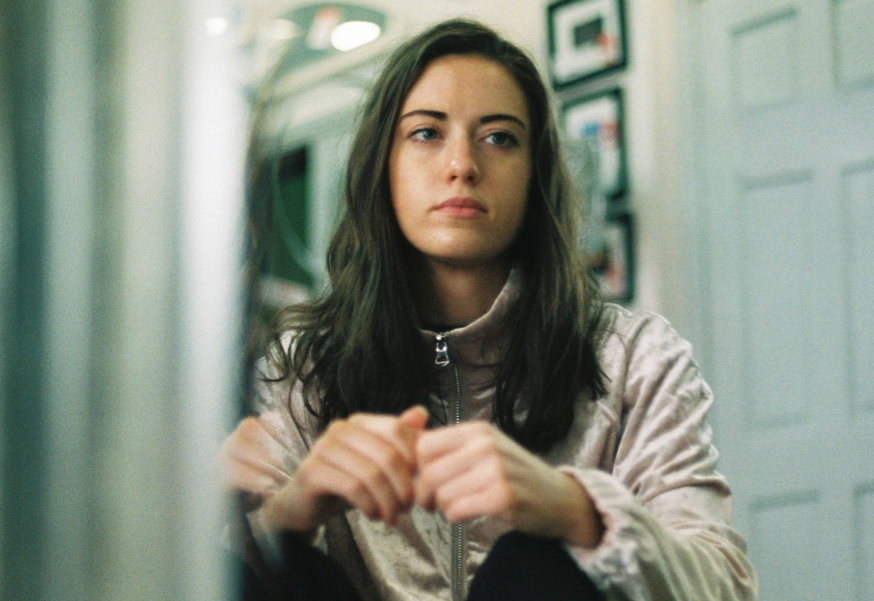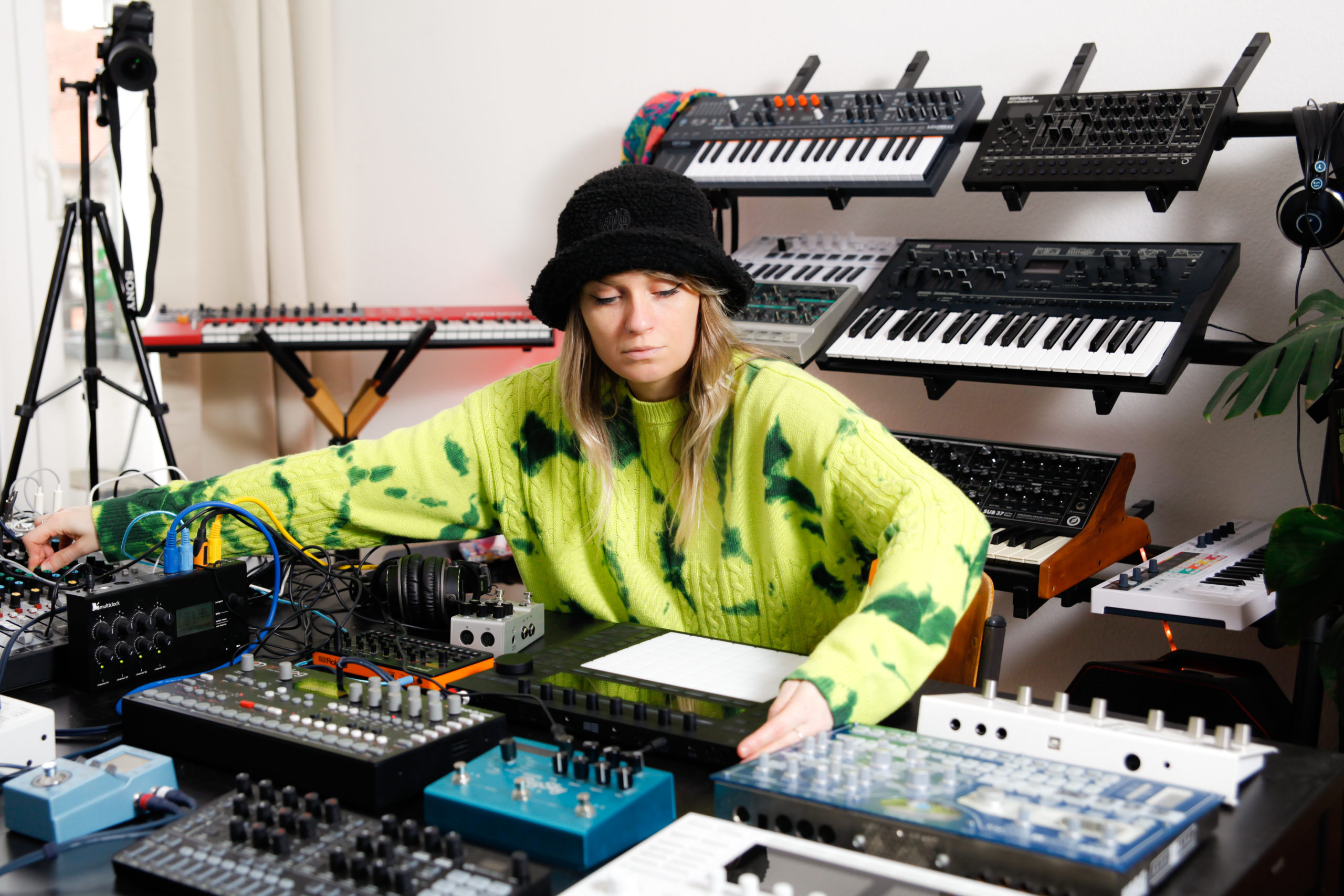
Download an Ableton Live Set From Nadia Struiwigh

In a world where conformity often reigns supreme, the pressure to neatly categorize and label our music into different genres can sometimes stifle creativity. However, for multifaceted artists like Nadia Struiwigh, these pressures serve as poignant reminders to assert individuality. 

Drawing inspiration from the visual cues of her surroundings and the self-described fairylands of her imagination, Struiwigh crafts nuanced, eclectic compositions that exude elegance and defy categorization. Her genre-fluid output spanning techno, ambient, and electro, emerges as a unique blend of experimental electronica, which has found homes on esteemed labels such as Central Processing Unit, Nous’klaer Audio, and Dekmantel. 

Beyond the studio, Struiwigh’s live sets and DJ performances traverse a full spectrum of sensibilities and styles. Hints of techno and drum and bass provide familiar footholds, only to be quickly swept away into the uncharted territories of her distinct auditory landscape. 

In partnership with Ableton, we talked with Struiwigh about her life as an independent artist, and the technical and philosophical concepts underpinning her work. For an inside glimpse into her creative process, she has also shared the Live Set of her new track “Leelow Waters.” 

Download the Live Set to Nadia Struiwigh’s track “Leelow Waters” here*

*Requires a Live 12 Suite license or the free trial.

Please note: This Live Set and included samples are for educational use only and cannot be used for commercial purposes.

Thank you for taking the time to speak with us today, Nadia. Can you tell us a bit about your background and what inspired your journey into music-making?

Sure, it all began when I was quite young. Instead of just listening to songs, I naturally perceived frequencies and began observing various elements in music. Like most teenagers, I reached that phase where I started going to parties and raves. One time I was raving and suddenly someone asked, “Hey do you maybe feel like DJing at our party.” I’d never DJed before so I said, “Err, yes sure.” I started making music quite soon after. My partner at the time had a laptop with Reason installed. I still remember the moment I took it onto my lap, in bed, and just started making a track with my headphones on. 

What do you think has motivated you to keep creating music since?

If I don’t make music for a week I feel like I haven’t expressed myself. Like if I go on holiday, even though for a lot of people it’s amazing to go away for two or three weeks, I become super restless. I need to create. For me it’s a must just to have a release; a way to communicate with other people. Making music is basically my main language. If I need to express myself, sending someone a track to convey how I feel is better than using words.

Which other artists have inspired your work?

I grew up with Enya and Genesis, and there was Dire Straits from my Dad’s side. It was nice to grow up around that kind of music because it had soul; it came from the heart. They made music with the tools they had at the time. And now, even though we have AI and so on, it can never go there. 

Later, I discovered more electronic music. I rode the Aphex Twin train. I was into Boards of Canada, Om Unit, and Debridge. Clarke was a big inspiration. Border Community was like a whole episode in my life. And James Holden’s work inspired me greatly. It showed me that experimental music is much more connected to the soul than we realize. 

Would you describe the music you make today as experimental?

Years ago a good friend described my music as electronic soul. And I think that is it. But I make every genre because I think they are all a part of who we are. I don’t want to limit myself. If I’m feeling super energetic for example, that can be translated into an energetic techno track. But if I try to make a techno track just because I have a goal in my head to do so, within five minutes, I’ll know it isn’t going to work. This happened to me last night, so I switched to ambient, and it turned out to be one of the best pieces I’ve ever made. If you can really tap into your true self and the way you’re feeling in the moment, you’ll know exactly what kind of genre you want to make.

Do you encounter any challenges marketing yourself as a multi-genre artist?

Normally, once you’re stamped with a certain genre, whether it’s techno, EDM, or whatever, it’s easier to sell. But every time that happens to me, I pull myself back and say, “No, this is not all I am.” I don’t want to be associated solely with one kind of energy. I’ve had to work really hard to trust my own thinking and beliefs to be able to do this.  

Did you ever have any formal music training?

No. But, when I was younger, if I heard a song I could immediately play it on a keyboard without even knowing which notes. They call it “absolute pitch,” so I can tune into scales easily. I’ve started to realize that in classical training, or any genre of schooling, they offer you methods to work with and express yourself, but I’ve developed my own methods. When I create music, I channel strong emotions. Last night, for example, I created an ambient track in just 30 minutes, because I was so in touch with what I was feeling. So, it’s not always about specific tools or techniques; it’s about what we feel. This is what I think about when I create my music. It’s not about individual elements like needing a kick, or needing that. No, it’s about the energy, the frequencies and the palette you will work with. It’s a universal language.

Can you recall any key moments or events that kick-started your music career?

I still know exactly when it happened. It was in 2017. I had been making my first album, Lenticular. Lenticular refers to the phenomenon where the surface of an object can appear different when you move it from left to right. It’s a cool way of looking at light. I have a big love for this because it shows how we can shift from one side to another and see something different. This is how I think people perceive life. We have these different filters. So that became the concept of the album. Anyway, I remember taking it along to the Ninja Tune ADE meet-up. I was one of three ladies participating in a demo drop. I was so shy. They put on my demo and I was like, “Omg they will burn me down.” But Peter from their A&R department came up to me and said, “Wow, who are you girl? Your music is something else, please keep doing that.” Luckily at the time a friend of mine was releasing music on CPU Records from Sheffield. Chris at CPU said to me, “Yeah let’s do it, let’s release this record.” I was jumping on my couch saying, “Is this really happening or am I too early? No, this is really happening!” At that time the label was really pumping, so the album got out there in all directions. An actor from The Wolf of Wall Street movie even reached out to say, “Your music is amazing! I listen to it every time I have to perform.” Someone at Ninja Tune also wrote and said, “I’d buy your records.”

After that, things started to flow. I got bookings. But then I became very ill for four years. I had to cancel everything. It was a horrible time. My whole life shifted, my friends shifted, and my perspective on life shifted. In the end, I’m happy that it happened because the younger me could not handle the music industry. I was saying yes to everything and it was exhausting. But now, I’m catching the wave again, I can feel it.

Have you always been in a position to pursue music full-time, or did there come a point where you had to take a leap and quit your day job?

A lot of people ask me this. It’s one of the hardest things. I bailed out of school to do music. I was that dedicated already. I was studying interior design and architecture but I was only submitting 2D projects, like videos with music. The teacher said, “Nadia, I don’t think this is the school for you if you want to do this.”

I went into freelancing because I knew my creative skills were my security system. If things didn’t work out with my music, I could rely on them. I taught myself how to be a web developer and a designer, and I’m writing now too. 

I had separate email addresses for graphic design and music, and I noticed a shift – more emails were landing in my music inbox than in the graphic design one. I realized my music was gaining traction, allowing me to do less design work.

Then the pandemic hit and all my shows were wiped out. But I could still fall back on my other skills. When I lived in Australia I landed a job with Nikon as a brand designer, so I was always capable of getting those jobs. Eventually, I left my day job. But I had like zero in my bank account. So I had to ask myself, “OK, Nadia, what are you going to do?, because we need to earn money.” But I still took that leap of faith; even in those hard moments. 

This year, after a long journey I’ve been able to let go of everything that I was tied to contractually. I just work for myself now. It’s crazy how much things can change in only two years if you just focus and believe in yourself.

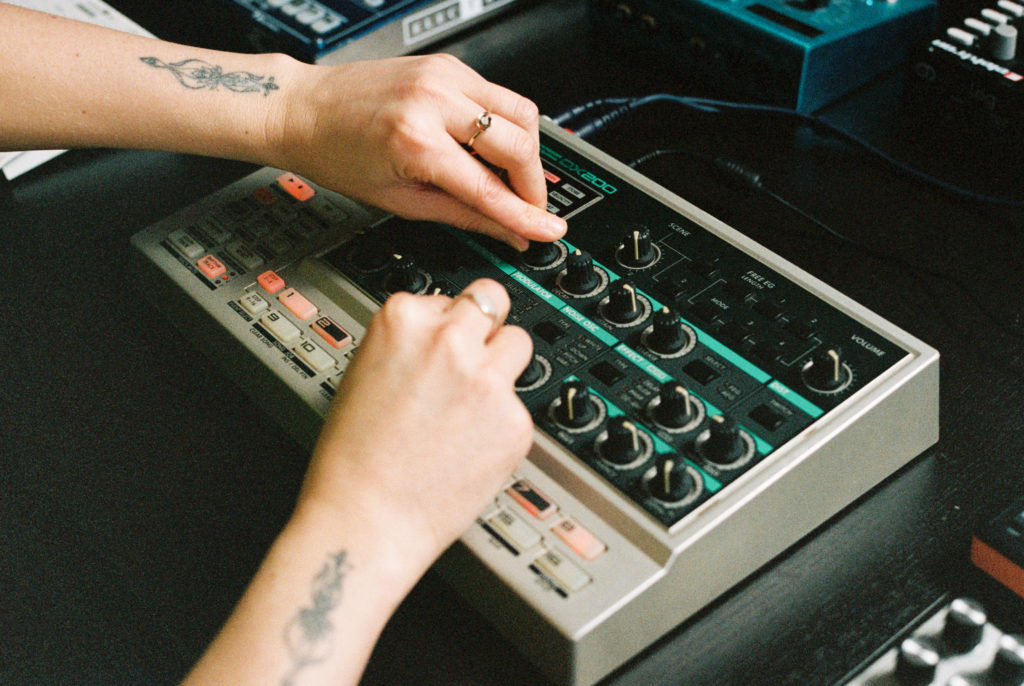
You are also known for your passion for music gear. What were some of the influential factors that contributed to that?

While I was growing up my Dad worked in tech. He was employed at various companies in high-up positions. He would always come home with the latest gadgets, so it was programmed into my DNA to become a tech nerd I think. Instagram later became a platform where I could share my passion for music gear. My account grew super fast as I exchanged knowledge and built an online community around it.
Let’s look at the Live Set you’ve shared. Could you shed some light on the inspirations behind the track and its title, “Leelow Waters”?

When I make music, I often find myself immersed in a sort of fairyland—I’m not even fully present in the real world. I inhabit my own world filled with hopeful and inspiring creatures. That’s a bit reflective of who I am; I love Star Wars, Lord of the Rings, and all these sci-fi fantasy stories. 

“Leelow Waters” is essentially one chapter in a fantasy concept I’ve been developing. All these names come to mind spontaneously—they just pop up. I could probably write a whole book about it because it’s like a vivid painting in my mind. Essentially, I’m painting the entire scenery with my music.

Is there any particular methodology underpinning the way you produced “Leelow Waters”?

I saw this project as an opportunity to refine my skills in software again. Sometimes I like to work in the box; it can enable my creativity in different ways. I’m usually quicker with hardware, but overall, this track just came together differently.

Drum Racks seem to play a significant role in the project. You’ve chosen some interesting kits with nuanced hits, noises, and textures. 

Yes, I often use sounds from the Drum Racks in the Ableton Live library; because I feel you don’t always need to reinvent the wheel. Sometimes I like to create things from scratch; it feels therapeutic. But other times, I just want to compose. I want to find elements that resonate with my soul, and then I’m able to work quickly. I’m very quick with composing. I see it like painting. I start with a base coat and then add layers of color on top. 

Do you ever hit creative blocks when composing and if so how do you overcome them?

I strongly believe in the power of deletion. Rather than getting stuck in a loop, I make the composition as full as possible, then step back and assess if anything needs to be removed or added back in. My tracks tend to be longer than shorter so another function I use in Ableton Live is “Delete Time” (CTRL/CMD + SHIFT + X). I love it.

The drum patterns in your track are intriguing. Where did you draw your inspiration for them?

There are several ways I do my drums. I have a Push 3 which I put on repeat mode, so I can just repeat and overdub different hits. And again, I’ll make the drum patterns really full at first and then I’ll delete things until they make sense. 

I sometimes also convert a drum loop that I love into MIDI, so I have the groove but can use my own sounds. 

Sometimes I just want to get inspiration and that’s what I love about Ableton Live 12. There are these new generative MIDI tools which you can get a lot of ideas from. Before I would just use my mouse to click some notes into the grid and just listen. But now it’s become a lot easier because of this whole new world of features.

Do you typically record your own finger-drumming on Push 3 to build up your patterns or do you prefer to use step sequencing?

In this track, I played most of the drums on Push 3 in real time and then copied the MIDI patterns onto other tracks. If you look at the tracks in my project called, DRUMS1 and DRUMS2 they’re the same MIDI parts but I’ve chosen different starting points to create a kind of polyrhythm. 

On DRUMS2 I’ve used alternative sounds because even though it’s the same pattern it sounds totally different. Every sample has a different attack or release so the timing also shifts. It just creates this different groove. I love to play like that.

Also, if you look at the first Drum Rack, you’ll see the C1 cell is empty. This was where the kick was. But, I dragged and dropped that to a different channel. I always extract the kick because I want to have it clean. Then I can put a compressor on it to bump it up without affecting the rest of the drum kit.
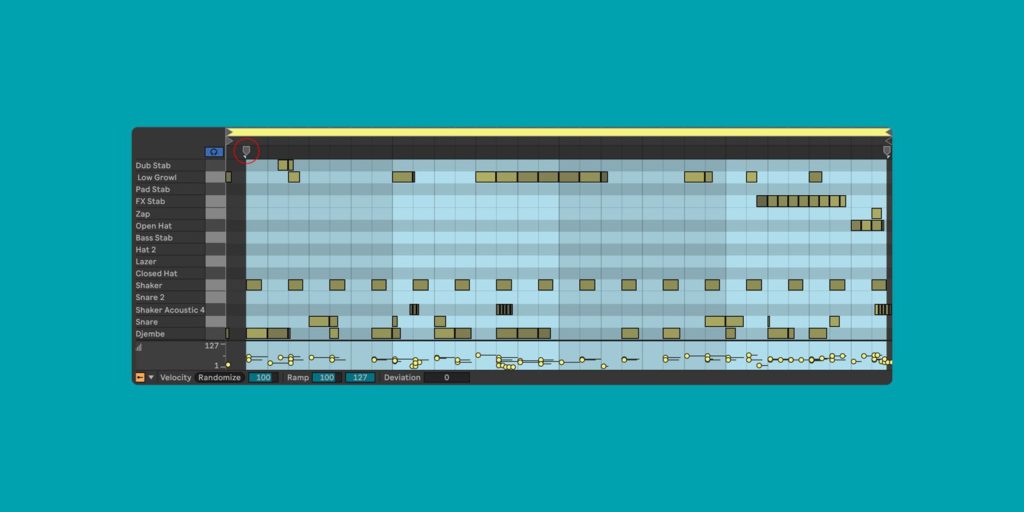
Struiwigh creates polyrhythms by offsetting the start points of her MIDI drum patterns.

Did Push 3 feature in any other parts of your music-making process?

I also used it for playing keys, such as with the Massive X pads, and for recording automation. Also, I use the Push to check how my tracks work live. I gather all the clips and elements I want to use, then use it as a live instrument. This allows me to think about how I can build the track in real time. Afterward, I go to the Arrangement View in Live to map out the structure. I also enjoy exploring scales with Push because, as I mentioned, it helps me understand what works and what doesn’t in real time. It allows me to click less and be more expressive and intuitive with hardware.
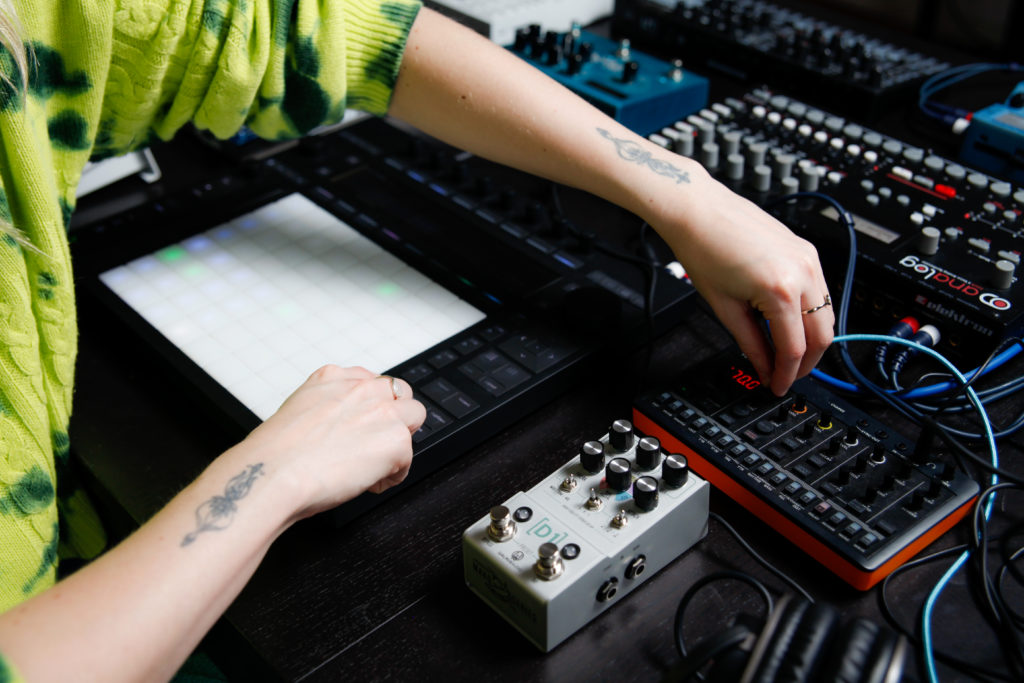
Struiwigh uses Push 3 to play beats and melodies, to record automation and to sketch out song structures in real time.

There are some interesting static and filtered noise elements in your track. What techniques do you use to create those types of sounds?

The thing with noise is, it fills up a big portion of the frequency spectrum and I feel like it keeps things interesting and not too loopy. That’s why I use noise textures a lot of the time. I believe there are two ways of working with noise. One is to embrace total randomness, where there isn’t necessarily a discernible pattern. The other involves creating a pattern out of noise, so it becomes like part of the percussion. You can hear this approach in tracks by artists like Alva Noto. He makes textures with subtle beeps and nuances that feel quite structured. What I often do now is have a noise element as a wav. file in my project. I then use the Beat warp algorithm in Live and the Transient Envelope function to create a rhythmic gating effect. I’m fascinated by the extent to which even the smallest sounds can have a significant impact.

You’ve used the Auto Pan effect on a lot of the tracks in your project, what is the reason behind that?

Yeah, I love it, I always use it. So if you think about it, we never perceive sounds as static; they’re always moving. Like if you hear a car coming by, its sound is directional. I aim to create that experience for people. If all my sounds remain static, it feels unnatural. This approach works particularly well with pads. When you add movement to them, they become like the ocean; like waves. So, it’s not just about the sound’s frequency; it’s also about its position in space. I almost always use the Auto Pan effect to create movement. It’s really easy to use and doesn’t eat too much CPU. I also use the ping-pong Delay because it adds a subtle back-and-forth motion to sounds. If everything is in the center, it becomes challenging to mix down your track because it results in a big ball of frequencies in one place.
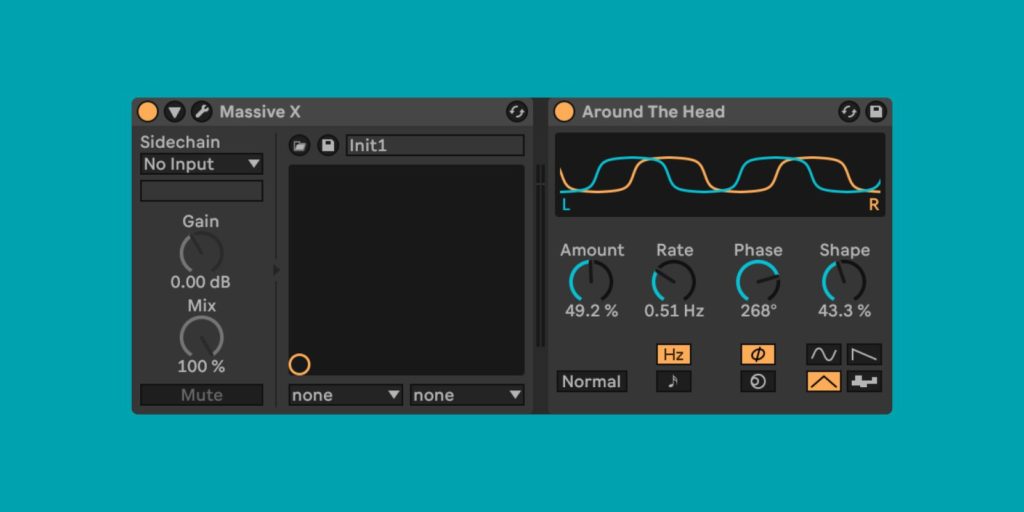
Struiwigh uses Auto Pan to create directional movement in her sounds.

When designing music for a club system there isn’t much scope for panning though, right?

It’s true, in a club environment, it’s usually all mono. This is why I always check my mix in mono. If it still works, I know it’s a good mix.

Nadia, thanks for talking to us today. Before you go, what’s on the horizon for you over the rest of 2024?

I’m launching my new label, Distorted Waves, which “Leelow Waters” is released on. There are a lot of shows coming up which I am grateful for; so summer will be pumping. Then I’m going to branch out with the music school that I am building. I’m already in the process of bringing it to fruition. Releasing-wise, hopefully, a second album and lots of collaborations are coming. I think this is a flying year and I’m happily flying with it.
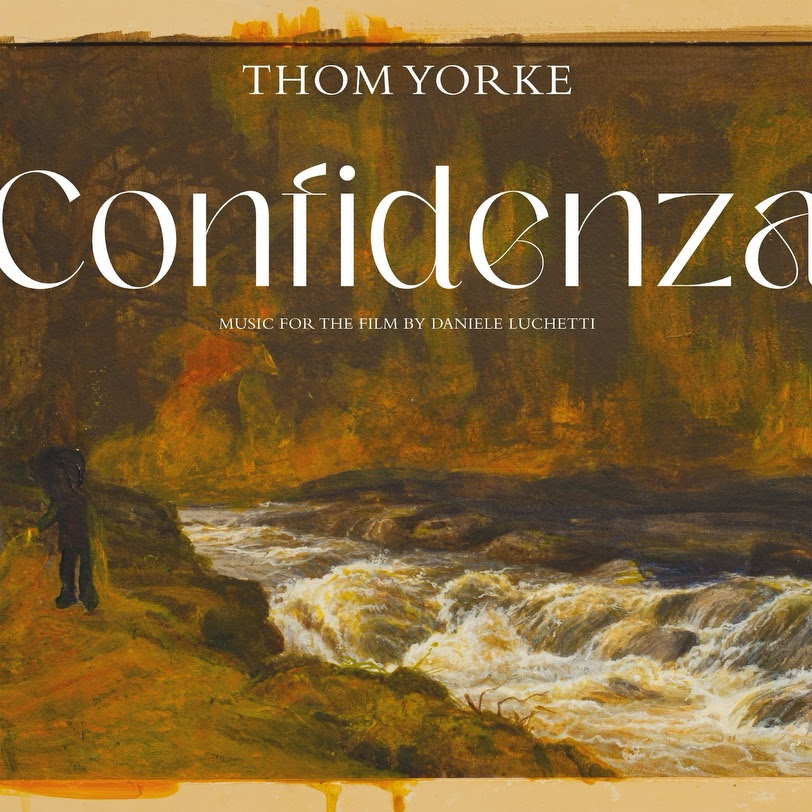
Thom Yorke Composes Original Score for Daniele Luchetti’s “Confidenza”

Thom Yorke has composed the original score for Daniele Luchetti’s film “Confidenza,” an adaptation of the Italian drama based on Domenico Starnone’s novel of the same name.

“Confidenza” follows Yorke’s previous full-length score and original soundtrack for Luca Guadagnino’s 2018 “Suspiria” remake.

Produced by Sam Petts-Davies, “Confidenza” sees Petts-Davies and Yorke working again with the London Contemporary Orchestra alongside a jazz ensemble which included Robert Stillman and fellow The Smile bandmate Tom Skinner.

In 2019, Yorke contributed music to Edward Norton’s “Motherless Brooklyn,” and in 2022 he wrote two original tracks for the series finale of Peaky Blinders.

Alongside the announcement, XL Recordings has shared a music visual for single “Knife Edge,” starring Elio Germano and Federica Rosellini, featuring its sequence from the film re-cut by “Confidenza” editor Ael Dallier Vega, and a b-side track titled “Prize Giving.”

The score’s intro track, “The Big City,” was teased by Yorke in February within his playlist for The Smile’s BBC 6 Music Artist in Residence series.

Yorke has recently been touring with The Smile (Tom Skinner, Jonny Greenwood, Thom Yorke), who released their second studio-album, Wall of Eyes, in January.

Tracklisting

01. The Big City
02. Knife Edge
03. Letting Down Gently
04. Secret Clarinet
05. In The Trees
06. Prize Giving
07. Four Ways In Time
08. Confidenza
09. Nosebleed Nuptials
10. Bunch Of Flowers
11. A Silent Scream
12. On The Ledge

XL Recordings will release the film’s original soundtrack on April 26, with vinyl and CD to follow on July 12. Meanwhile, you can stream “Knife Edge” and “Prize Giving” in full via the player below and pre-order here.

Photos: Steve Tanner

Or:la Next on Fabric Originals

Or:la will release a new EP on fabric Originals.

Moonlight Crush was created to be experienced in a club or rave, which is where Or:la, real name Orlagh Dooley, feels most at home. The heavy rhythmic synths and organs are reminiscent of losing yourself on the dancefloor, the scent of smoke machines and sweat is thick in the air, lit only by the hint of a full moon.

Now based in Liverpool, Dooley has become an integral part to the local clubbing community scene as a promoter. She’s known for her diverse showcasing of genres, across UK bass, tribal house, deep house, breakbeat, acid, and ’90s techno.

To coincide with the announcement, she has shared “A Howl’s A Howl,” a single that was inspired by the historic and now-extinct native wolves in the UK and Ireland, and their prominence in Irish Mythology.

Tracklisting

01. A Howl’s A Howl
02. Moonlight Crush
03. Moonlight Crush (Floating Away Dub)

Moonlight Crush EP is scheduled for April 25 release. Meanwhile, you can stream “A Howl’s A Howl” via the player below and pre-order here.

Podcast 847: NKISI

NKISI is the alias of Melika Ngombe Kolongo, a DJ-producer and live act born in the Democratic Republic of Congo and raised in Leuven, Belgium. Through her kinetic live performances and releases—which have taken her across the world and landed on labels including Warp’s Arcola imprint, Germany’s Climate of Fear, and Lee Gamble‘s UIQ, where she released her debut album, 7 Directions in 2019—deliver intense, powerful sonics influenced by ancient African rhythms and experimental improvisation.

Her journey towards electronic music began in photography, before she became dissatisfied with the visually dominated society and its perpetuation of stereotypes, leading her to seek a different form of expression—one rooted in emotional and collective experiences. “Through cross-rhythm and trance-inducing technologies, dancefloors become portals for collective communion and connection with the higher dimensions of sound and our environments,” she says. In 2015, NKISI also co-founded NON WORLDWIDE, an experimental record label, radical art project, and social network that serves as a platform for African and African diaspora musicians. For this week’s XLR8R podcast, she has delivered a studio mix of diverse rhythmic landscapes—a collection of her latest sonic obsessions. As with any NKISI set, you can expect trance-inducing rhythms, doomy synth, gabber beats, and an electrifying energy, and this mix is no different. Press play for just over an hour of relentlessly experimental electronics.

01. What have you been up to recently?
Lately, I’ve been immersed in several exciting projects, creating new music and exploring new ways of performing music through ritual performances.

02. What have you been listening to?
At the moment, I’m captivated by ethnographic recordings and sound recordings from the early 1900s to 1970s, particularly indigenous ritual music from various cultures. The recording techniques and the profound musical expressions captured during these ceremonies resonate deeply with me.

03. Where did you record this mix?
I recorded this mix in Berlin.

04. How did you go about choosing the tracks?
The track selection was intuitive, driven by my current sonic obsessions and a desire to explore rhythmic textures and how they influence emotional states.

05. What can the listener expect?
Ritual sonic storytelling, rhythmic trance, a mix that traverses diverse rhythmic landscapes through time, space, and the cosmos.

06. What’s next on your horizon?
Looking ahead, I’m excited to deepen my research into the interrelations between the ethnographic sonic archives, and experimental electronic music, some new music and rituals.

XLR8R Subscribers can download the podcast below. If you’re not an XLR8R subscriber, you can read more about it and subscribe here.

Tracklisting

01. Art of Primitive Sound “The Dance of Leaves” (Hic Sunt Leones)
02. Mala “Conference” (DMZ)
03. P.A.L “Crash the Party” (ANT-ZEN)
04. NKISI “Unknown” (Unreleased)
05. Unit Moebius “Binky Boy” (Bunker Records)
06. Pornotanz “CYSEX” (GATE Edit) (New Zone)
07. Archives of Benin Traditional music
08. Solar Sounds Processed by A. Kosovichev (NASA)
09. Melly “Skip Fire” (Where to Now?)
10. Aquila “Escape” (Undefined Recordings)
11. Music for Ongo Ensemble “Ndjradje Ba” (Smithsonian Folkways Recordings)
12. Hott (I-F) “Radio Silence” (Reference Analogue Audio)
13. Laura Grabb “Cylindrical” (IST Records)
14. Mutant Voice “So We Dance” (Self-released)
15. Musiques Dahoméennes “Music of Mahi People” (Ocora)
16. BS1 “Untitled” (Bunker records)
17. bRz “The epic adventures of slow burning particles morphing into another dimension” (Self-Released)
18. Nkisi “Unknown” (Unreleased)
19. Storm “Helical” (Djax Records)
20. Hudba Arabského Orientu a Severní Afriky, Egypt “Raks Nawaem Dance” (Supraphon)
21. Curley & Unit Moebius “Axe Breaker” (Bunker Records)
22. Papé Nziengui “Rite Bwiti” (Self-Released)
23. Michael Prime “Daubentons bats feeding over ponds at Priory Gardens, Orpington” (Povertech Industries)

Jamie xx Shares New Track Featuring Honey Dijon

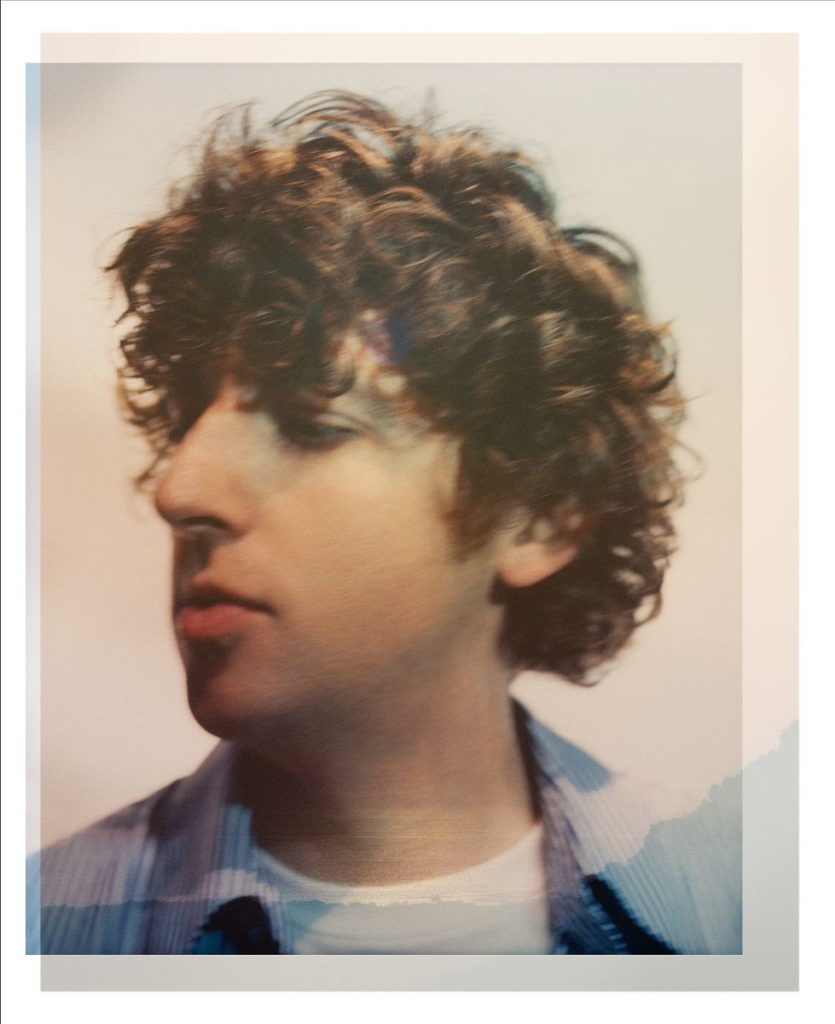
Jamie xx has shared a new track, a collaboration with Honey Dijon.

“Baddy On The Floor” debuted recently on BBC Radio 1‘s Future Artists with Jack Saunders, featuring a new interview with Jamie xx. It originally appeared in Jamie xx’s All Points East set in 2021.

It’s the latest taste of the UK producer’s second album, which is due out this year. His first album, In Colour, landed in 2015.

The track follows the release of “It’s So Good,” a track Jamie xx, real name James Thomas Smith, made for a Chanel campaign, back in January.

Before that, he shared 2020’s “idontknow,” and 2022’s “LET’S DO IT AGAIN” and “KILL DEM.”

He made it during the pandemic as he and Honey Dijon sent each other files remotely.

Tracklisting

01. Baddy On The Floor

Baddy On The Floor is available now via Young. You can stream it in full via the player below and order it here.

Photo: Laura Jane Coulson

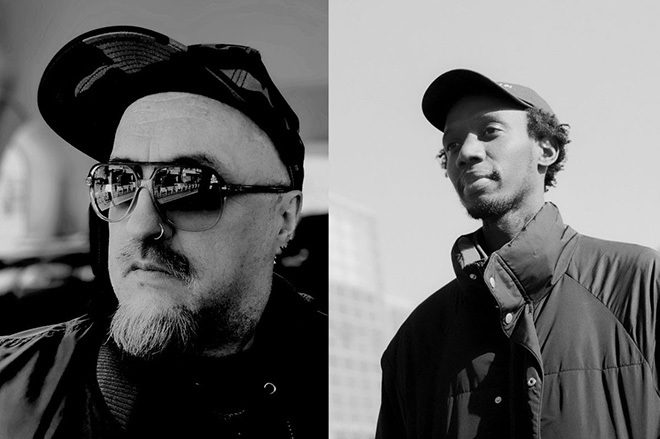
Kevin Richard Martin (a.k.a The Bug) and KMRU Team Up on Album

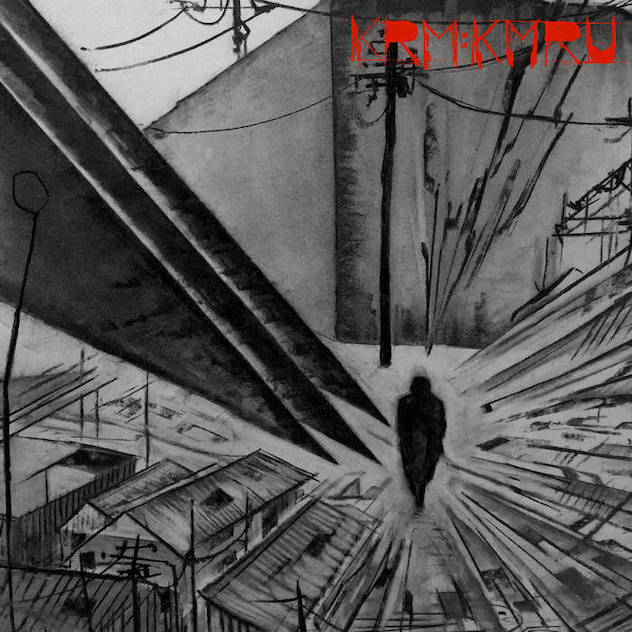
Kevin Richard Martin, better known as the The Bug, has collaborated with Joseph Kamaru (a.k.a KMRU) on a new album for Phantom Limb.

Martin first became aware of the Kenyan musician after watching the short 2020 documentary “Under The Bridge.”

He found his approach to sound and music “so instantly impressive,” he says, and that his spoken voice possessed a “captivating, lilting, tonal quality, with his soft-spoken accent,” he says.

Following this, Martin dug into Kamaru’s records, and eventually reached out to suggest they team up for an album.

The result, called Disconnect, combines dub and ambient with Kamaru’s vocals. They are a surprise, because they come from a musician who specialises in instrumental ambient music.

“I think I surprised Joseph by suggesting he contributes vocals,” Martin says.

But the album’s vocals, “sitting somewhere between intonation and spoken word,” we’re told, “capture the ear and fizz with simmering power.”

Disconnect follows Martin’s run of Machine EPs.

You can read more about Kamaru here, in his XLR8R feature and his podcast here.

Tracklisting

01. Differences
02. Arkives
03. Difference
04. Ark
05. Differ
06. Arcs

Disconnect LP is scheduled for June 14 release. Meanwhile, you can stream “Differ” in full via the player below and pre-order here.

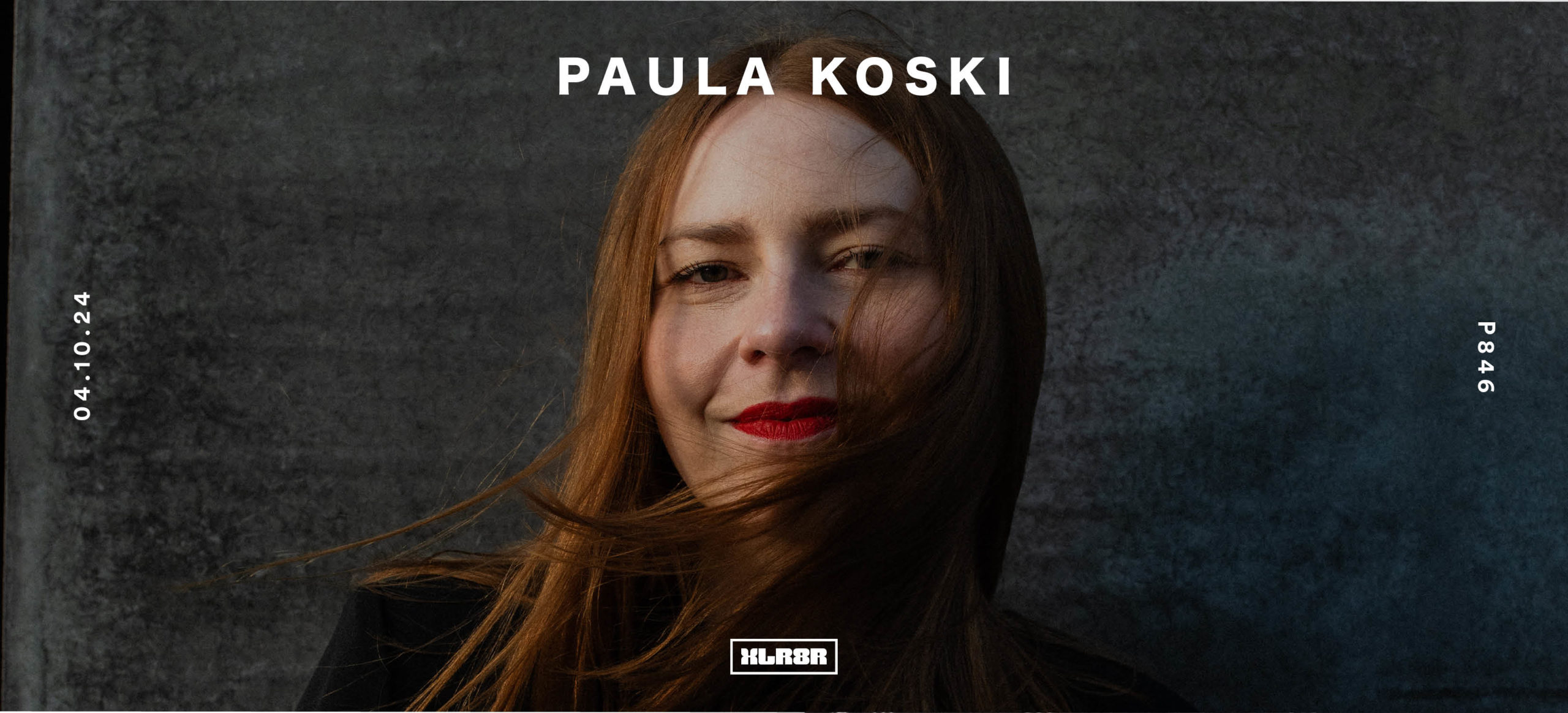
Podcast 846: Paula Koski

Paula Koski, who was born in Finland but now lives in Berlin, specializes in fast-paced, groovy techno—and you can hear her play out at Tresor, where she DJs regularly as a resident, or at Berghain. Her first production, true to her chosen style, recently saw the light on Soma Records. Her journey towards music began as a child in Helsinki, when she began recording radio mixtapes. “I would sit next to the radio all day long, waiting to record the tracks I wanted to have on the cassette,” she tells XLR8R.

Around 2010, she started clubbing, found a love for electronic music, mostly techno, and developed “a strong feeling I need to be on the DJ’s side of the dancefloor.” Some years later, while living in Sweden, she joined a women-only DJ studio and started working towards that goal, before moving to Berlin in 2018 to pursue it as a full-time career. Six years later, she’s DJing across Europe and curating INTERLINK, a club night at Helsinki’s Post Bar where she delivers hypnotic techno and trance from her favorite DJs. (Most recently, MARRØN, Rene Wise, and Philippa Pacho).

For this week’s XLR8R podcast, she has delivered a mix of these same sounds, pulling from some of her favorite fresh, recent, and upcoming tracks. (Beginning, of course, with Cio D’Or, her favorite.) Press play for one hour of mind-bending, groovy techno.

01. What have you been up to recently?
I just arrived back in Berlin from Helsinki, where I curate my club night, INTERLINK, with my event partner CEB. Last Friday, we had our fourth event at Post Bar, where we invited MARRØN to play with us. The night had such an amazing energy from start to finish.

I really love working with INTERLINK. It’s great to have the promoter aspect connected to my career, especially to build a community in Helsinki around hypnotic and cutting-edge techno.

Besides INTERLINK, I have been playing fun gigs and I also just sent a new track for mastering. It will be released on a very special compilation later this year.

02. What have you been listening to?
Besides my usual techno digging, I have been enjoying live jazz shows at home in Berlin and while visiting New York this past winter. I am also into contemporary and trippy drum & bass. I often listen to mixes by Agonis from Amenthia Recordings.

03. What is it that draws you to electronic music?
I love the communities that it creates and unites around the world. The feeling of freedom, connecting with like-minded people and losing the sense of place and time when dancing at some excellent party will always keep me hooked. And, of course, it offers endless and unique creative possibilities for artists!

04. Where and when did you record this mix?
I recorded this mix in my home studio in Berlin last week. After the session, my next door neighbor messaged me and thanked me for the set. It was really funny!

05. What setup did you use?
I used three Pioneer XDJ-700’s, an Allen & Heath Xone:92 mixer, and a pair of Adam Audio T7V studio monitors.

06. How did you go about choosing the tracks you’ve included?
I crafted the mix mostly around pretty fresh, recent and upcoming sounds, but I couldn’t resist making a dramatic start with my favorite artist, Cio D’Or. I wanted the mix to have some extremely trippy moments, peak with some super groovers, and have rich, glitchy, and textured layers and vibes that I love so much. I played many tracks for the first time while recording, so the session was specially exciting for me.

07. How does it compare to what we might hear you play out live?
This mix represents well what I want to play right now, yet it’s maybe a bit more dramatic than usual.

08. What’s next on your horizon?
This spring, my plan is to focus on improving my production skills and finish some tracks I have been working on. When it comes to gigs, I am especially looking forward to playing at Berghain on May 4, as well as at my booking agency On Board Music’s 10th-anniversary event at Else on June 1st.

XLR8R Subscribers can download the podcast below. If you’re not an XLR8R subscriber, you can read more about it and subscribe here.

Tracklisting

01. Cio D’Or “Amplitude” (Kynant Records)
02. AgainstMe “Deep Reel” (Unreleased)
03. Rkeat “5th Junction” (Rkeat)
04. Flits “Gorilla Glue” (Flits)
05. LKY “Code PR1” (LKY)
06. Cassulle “Forceful Method” (ALT Records)
07. Håwk “Nordic Walker” (Forum Remix) (Backhaus Records)
08. Khas “Tallinn” (Antidote)
09. Rene Wise “Escaping Siro” (Moving Pressure)
10. No.Name “Doors” (Rhythm Werk)
11. Ruman “Bad Review” (Unreleased)
12. A.Morgan “Be Mine” (Newrhythmic Records)
13. Nobel Cortex “Virtual Synthetic” (Synergie)
14. Juri Heidemann “Kesema” (Frenzy)
15. Bailey Ibbs “Manic Room” (Frenzy)
16. Mark Broom “Listen” (Beard Man)
17. Kashpitzky “Lost” (Be As One)
18. D.Dan “Freak” (Summerpup)
19. Michael Ius “Ethereal” (Ius)
20. No.Name “Uncertainty Of Times” (Rhythm Werk)
21. AgainstMe “Demo Closing” (Unreleased)
22. Vardae “Loose It” (Qeone)

Príncipe Welcomes DJ Lynce for Live Hardware Jam

Príncipe has released a cassette of a live recording of DJ Lynce, a Porto-based DJ-producer born Pedro Santo.

Lynce has been DJing and producing electronic music for more than two decades. This particular gig was an improvised hardware jam in May 2023 at Galeria Zé dos Bois in Lisbon. Expect breakbeats, plenty of acid squelching, strong pads, and bleepy melodies in front of a live audience. You can hear the anticipation and the excitement when shouts are able to intrude on the overall sound.

Tracklisting

01. Live @ Bola de Cristal

Live @ Bola de Cristal is available now. You can order it here and stream it in full via the player below.

Surgeon and Regis to Release Debut British Murder Boys Album

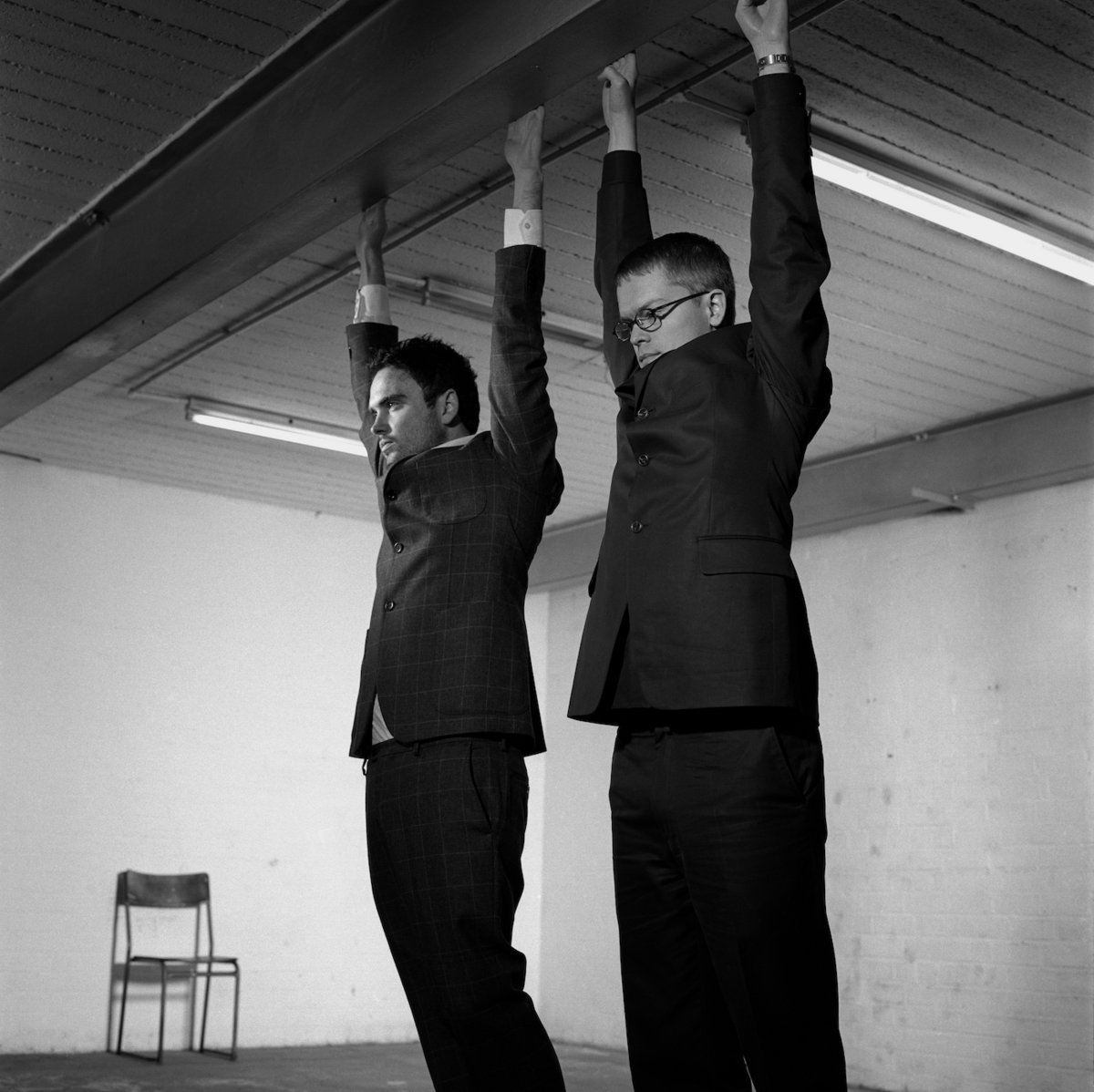
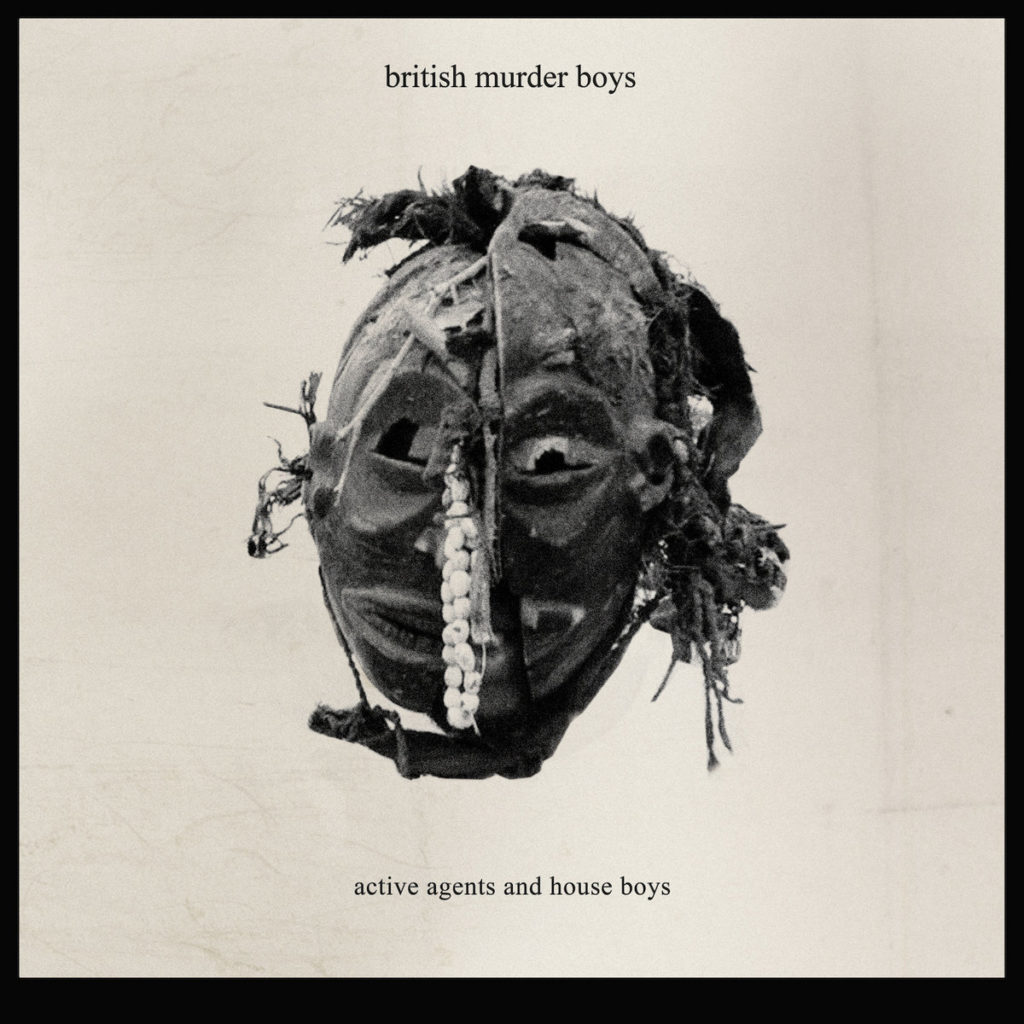
Surgeon (a.k.a Anthony Child) and Regis (a.k.a Karl O’Connor) will release their debut album as British Murder Boys.

Between 2003 and 2005, British Murder Boys released a slew of influential 12″s on Child’s Counterbalance and Regis’ Downwards labels, before reuniting for a 12″ on Mute’s Liberation Technologies imprint in 2012.

Releases since then. have been sporadic, and include a recent cover of Lou Reed “Real Good Time Together” and a limited-edition cassette documenting their residency at Dutch studio Willem Twee.

On Active Agents and House Boys, their long awaited debut album, Child and O’Connor take somewhat of a departure from the heavy industrial sound. Across eight tracks, the duo have delivered a “stripped back return to the raw sound of the ’90s warehouse scene,” we’re told.

Tracklisting

01. The Set Up Man
02. Killer I Said
03. This Is A Calling
04. What You Hide
05. You Said You Want To
06. Keep It Down
07. It’s In The Heart
08. We Will Show You
09. Now, This Is You

Active Agents and House Boys LP is scheduled for June 24 release. Meanwhile, you can stream “Now, This Is You” in full via the player below and pre-order here.

Many, many years into their thing, Surgeon (Anthony Child) and Regis (Karl O’Connor) finally unveil their debut album as British Murder Boys, two decades on from their ‘Learn Your Lesson’ debut for Counterbalance in 2003.

For what feels like a lifetime, British Murder Boys have been at the bleeding edge of techno, both with their solo works during the ‘90s, and since their fortuitous fusion on 2003’s ‘Learn Your Lesson’ and ‘Don’t Give Way to Fear’ blueprints set the course for early ‘00s industrial techno. Despite only issuing a handful of releases since reforming for a (sadly, thwarted) Blackest Ever Black show in 2011, they’ve arguably become poster babs and elder statesmen for the scene, with Surgeon pursuing new modular tekkerz whilst Regis has pushed Downwards down some curious, brilliant alleys, beside his own pursuit of swingeing broken techno rhythms. With ‘Active Agents and House Boys’, they re-fuse as BMB to follow their noses for a sexed-up, cantankerous sound forged in the image of febrile ‘90s HoG sessions, that speaks directly to 2024 ‘floors with a hard-on for the tuffest industrial techno girders.

Regis barks and prowls on Surgeon’s livewire, serpentine synth lines and a restless undertow of offset kicks with a ravenous lust and death wish throughout the set. Beginning bullish but subtly, tensely reserved in ‘I Saw the Set Up Man’, we hear Karl’s industro goth punk urges come into play on the dubbed-out stepper ‘Killer I Said’, before they really commit to the pound with ‘This is a Calling’, ratcheting and focussing the energy into classic, pendulous early BMB templates with ‘It’s What You Hide’, and tilting into all out hardcore techno glazed with Karl’s spunky vox on ‘You Said You Want To’, thru the helter skelter arp escalation of ‘Keep It Down’, a hollow-tip bullet ‘It’s in the Heart’, and the hot-blooded meat motors of their closing couplet.

Peggy Gou’s Debut Album is Incoming

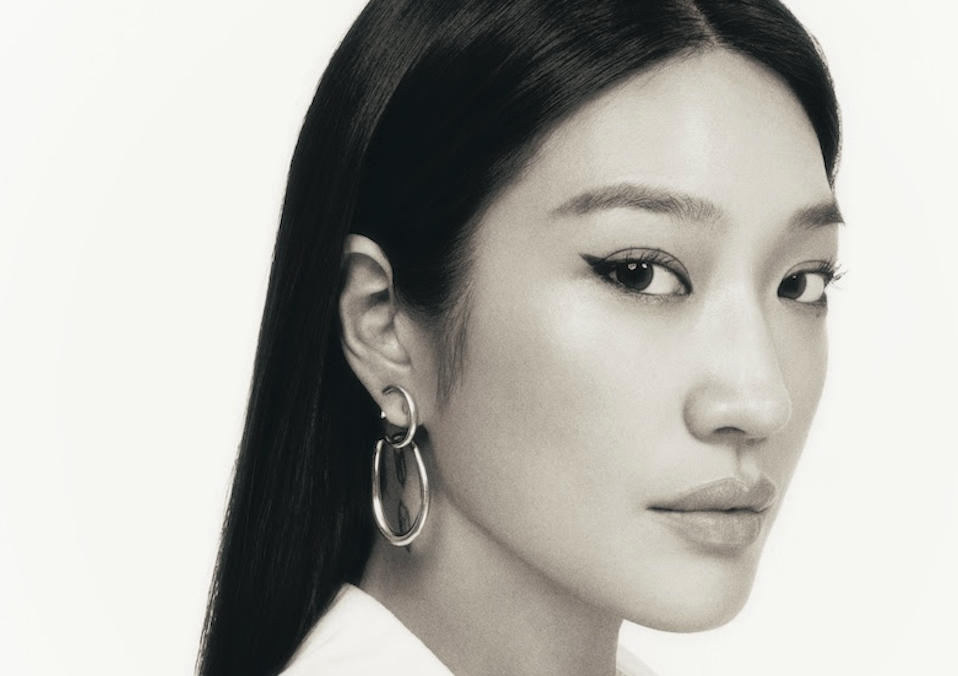
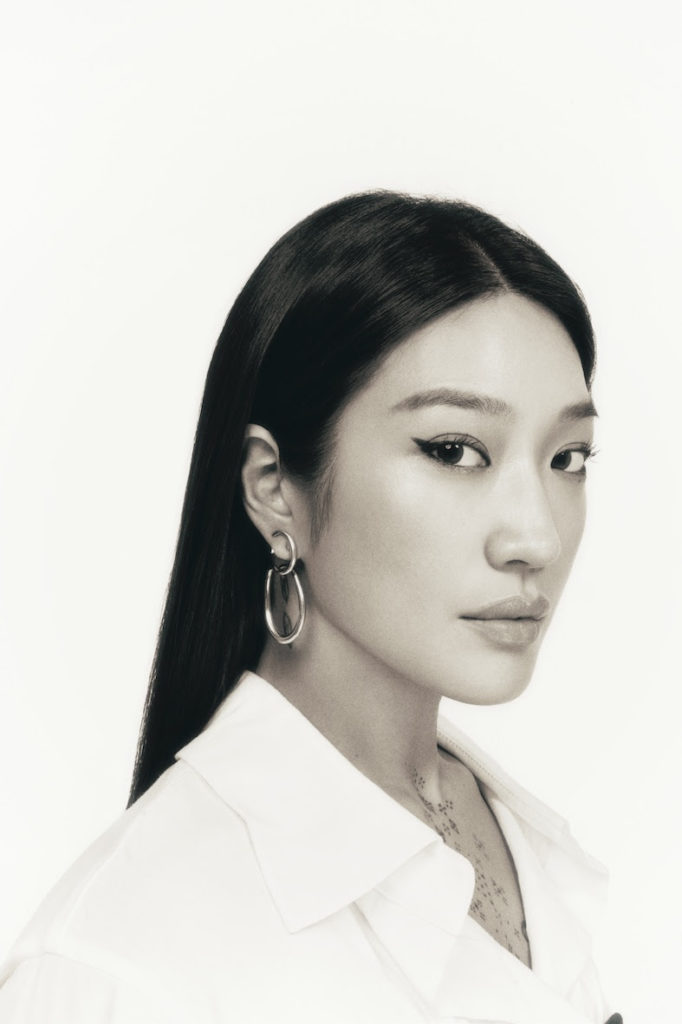
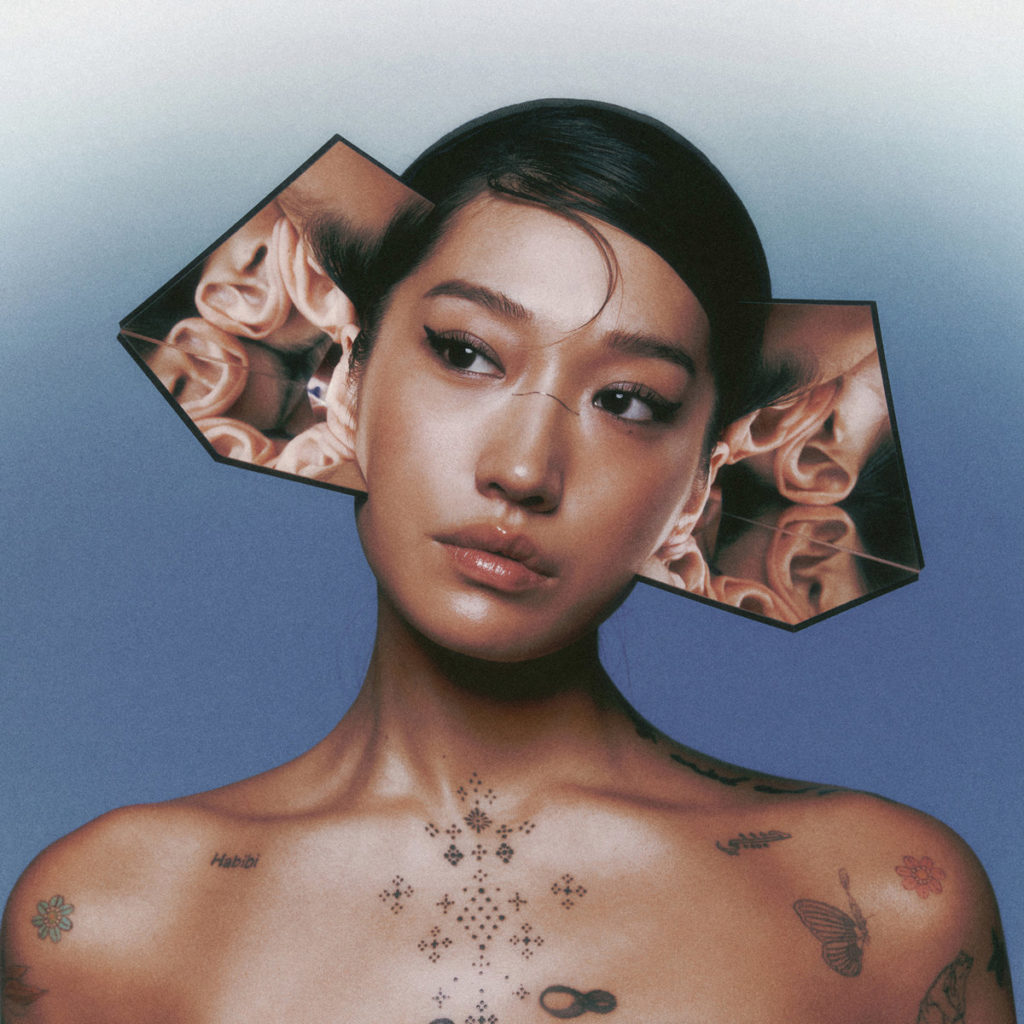
Peggy Gou will release her debut album this summer.

According to XL Recordings, who’ll release the album, I Hear You is the culmination of years of work for the Korean-born artist. It features previous singles like “(It Goes Like) Nanana” and her Lenny Kravitz collaboration, “I Believe in Love Again.”

Across 10 tracks, it sees Gou “stepping into the next level of her artistry and boldly claiming her voice through the kaleidoscopic lens of ’90s house music.”

I Hear You is more than just my debut album,” Gou says. “It embodies countless hours of dedication in my journey to create something timeless, and is a testament to the power of listening, to ourselves and to each other.”

For more information on Gou, check out her 2017 XLR8R feature here.

Tracklisting

01. Your Art
02. Back To One
03. I Believe In Love Again with Lenny Kravitz
04. All That feat. Villano Antillano
05. (It Goes Like) Nanana
06. Lobster Telephone
07. Seoulsi Peggygou (서울시페기구)
08. I Go
09. Purple Horizon
10. 1+1=11

I Hear You LP is scheduled for June 7 release. Meanwhile, you can stream “1+1=11,” the closing track, in full below and pre-order here.

Photo: Park Jong Ha

Page 11 of 3781
1 9 10 11 12 13 3,781