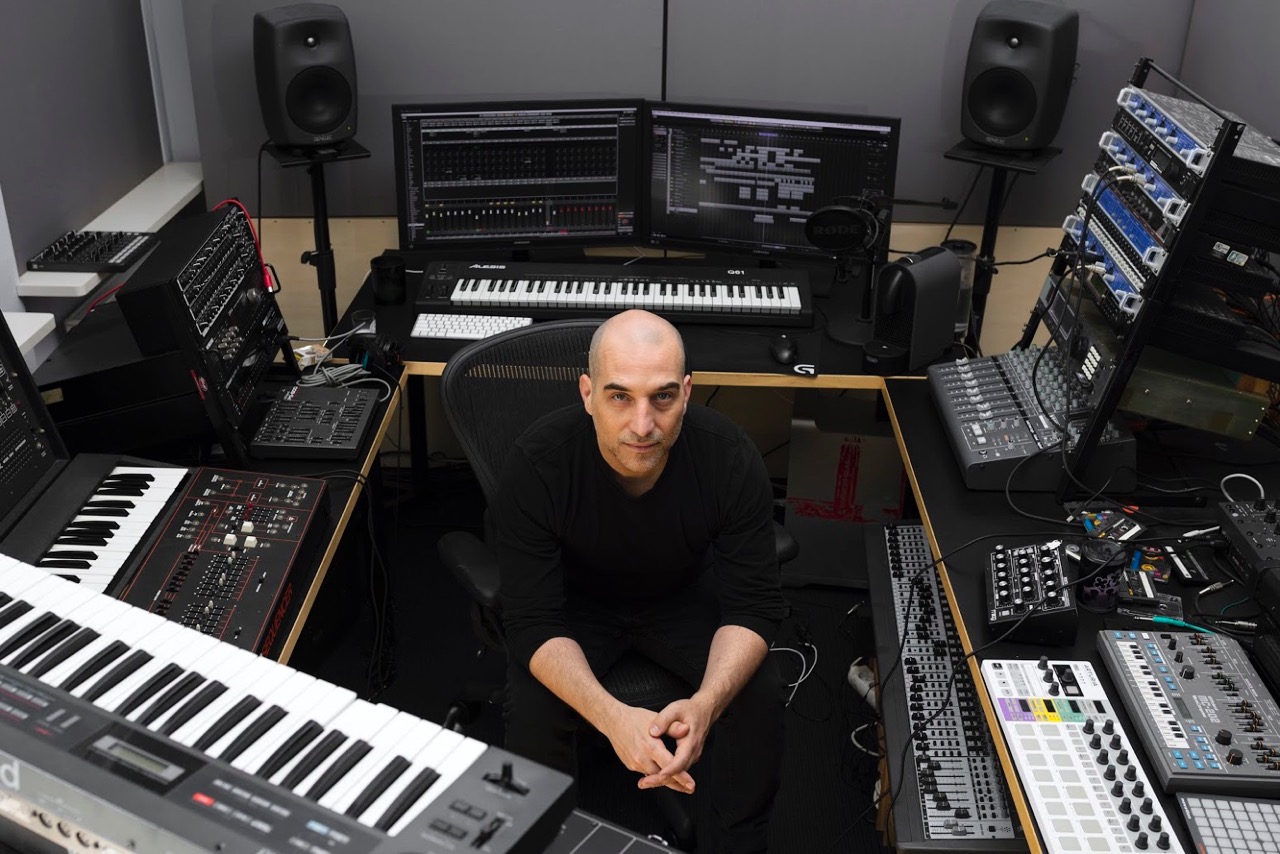
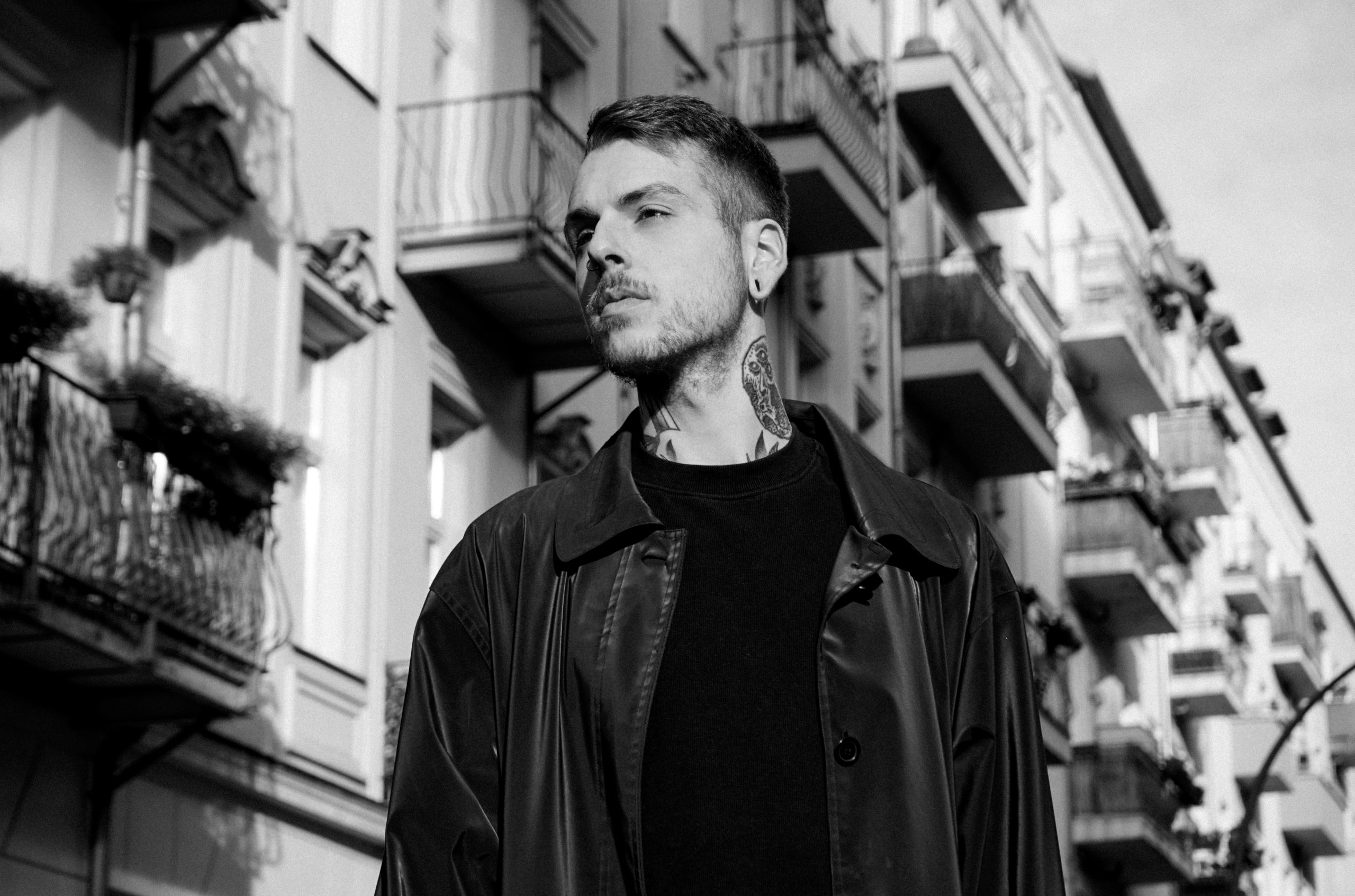
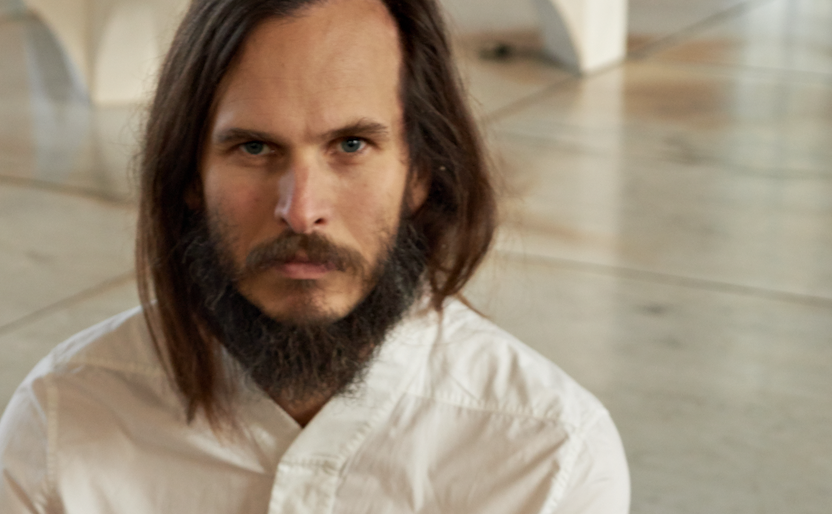
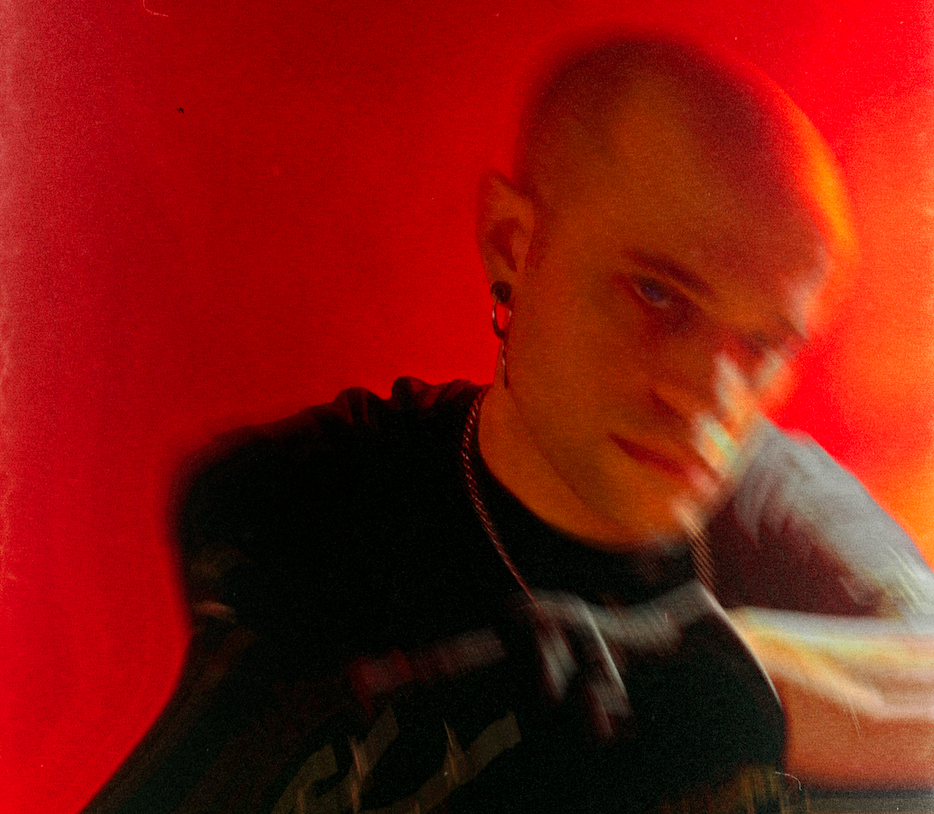
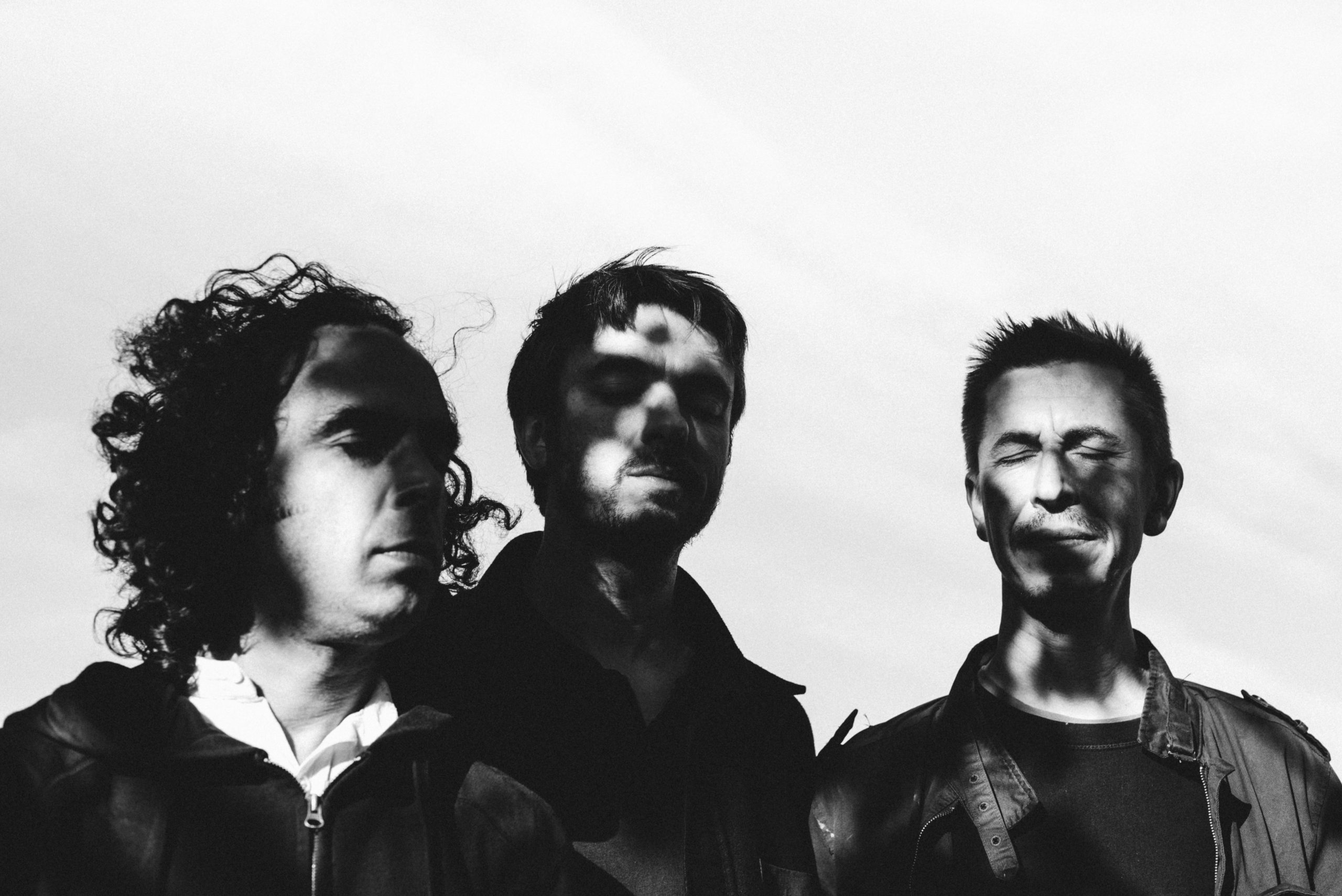
Marc Houle has unveiled his new album, No One Knows, out March 13 on his home label Items & Things.
No One Knows is Houle’s first album since 2017’s Sinister Mind, and comprises nine tracks, all revisiting his Detroit techno roots and highlighting his distinct heavy beats and strong melodies.
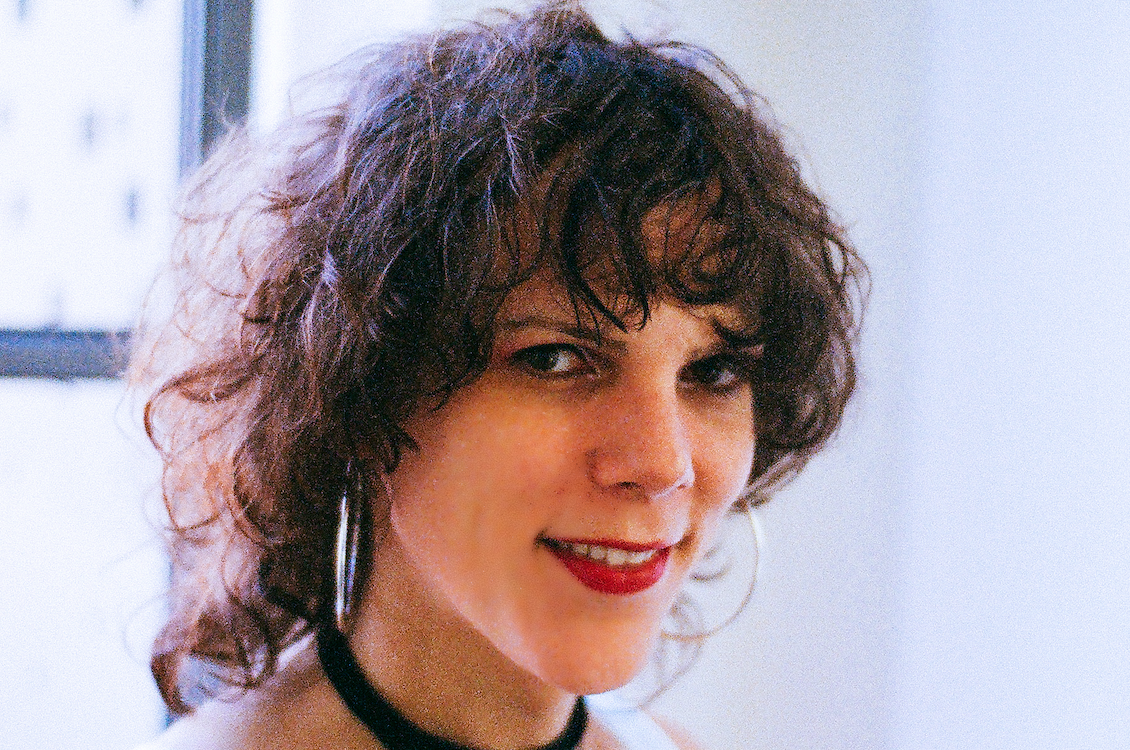
In support of the release, Houle has shared the title track, with its dark pumping energy and “melancholic message,” and “Here We Are,” the album’s first single. The track features the vocals of Karla Houser, which repeat to create a slowly morphing crescendo, and lies somewhere between Chicago jack drums and rolling techno.
We’re told to expect Houle’s strongest album to date, featuring “tight productions borrowing themes from his past releases while pushing towards the future.”
Tracklisting
01. No One Knows 02. Mock Me 03. Scalery 04. Glit for Pink 05. Arizona 06. Smirker 07. Waterphone 08. Deckard 7 09. Here we Are (feat. Karla Houser)
No One Knows LP is out March 13 on digital. Meanwhile, you can stream “Hear We Are” and “No One Knows” below.
Belonging is the Berlin multi-instrumentalist’s second album, following 2018’s Inner Sea. Across 10 tracks, he explores the feelings of arrival and homesickness, whereas Inner Sea focused on the journey itself. While it was written in different places, Belonging was completed in the German capital, where the songs evolved from intuitive jams on the instrument.
“This album turned out to sound as intimate and intuitive as it was for me when writing these songs,” De Araújo Peixoto explains. “I feel like I got a little step closer to my own sound over the last year.”
In late December, Project: Mooncircle released Long Arm’s Silent Opera, an attempt to describe the states of the human soul, available now via Bandcamp.
Belonging LP is out February 28 on limited gold vinyl, including download code, and digital. Meanwhile, pre-order over at Bandcamp, and stream clips below.
Next on Lisbon label Naive is an EP from ELLES, the alias of London artist Eleanor Pinfold.
summers_of_love, Pinfold’s first for Naive, follows her 2019 release emo_ecstasy_everything on Naive’s experimental sub-label, Naivety.
Skipping beats and heavy bass permeate the EP, a four-track mixture of deep lows and smooth highs, as well as reverb-drenched vocals from ELLES herself. It’s described as “a melodic ode to melancholy moments spent in clubs and broken romances captured in the snapshots of a strobe,” and its piano chords and 303 grooves call back to early house and rave tunes while percussive sounds, spread wide and loose, express the lineage of garage and early dubstep influences.
Moody, even wistful at times, summers_of_love is “a thoughtful dance record with an emotional punch,” the label explains.
Founded in 2017, Naive is the label of Violet, whose XLR8R podcast you can stream here. Previous releases have come from Photonz, gayphextwin, Bleid, and more.
Tracklisting
01. gotchu 02. WRTRGRER4A 03. put on our classics 04. end of the nite
summers_of_love EP is out on February 28. Meanwhile, you can stream clips below and pre-order the record here.
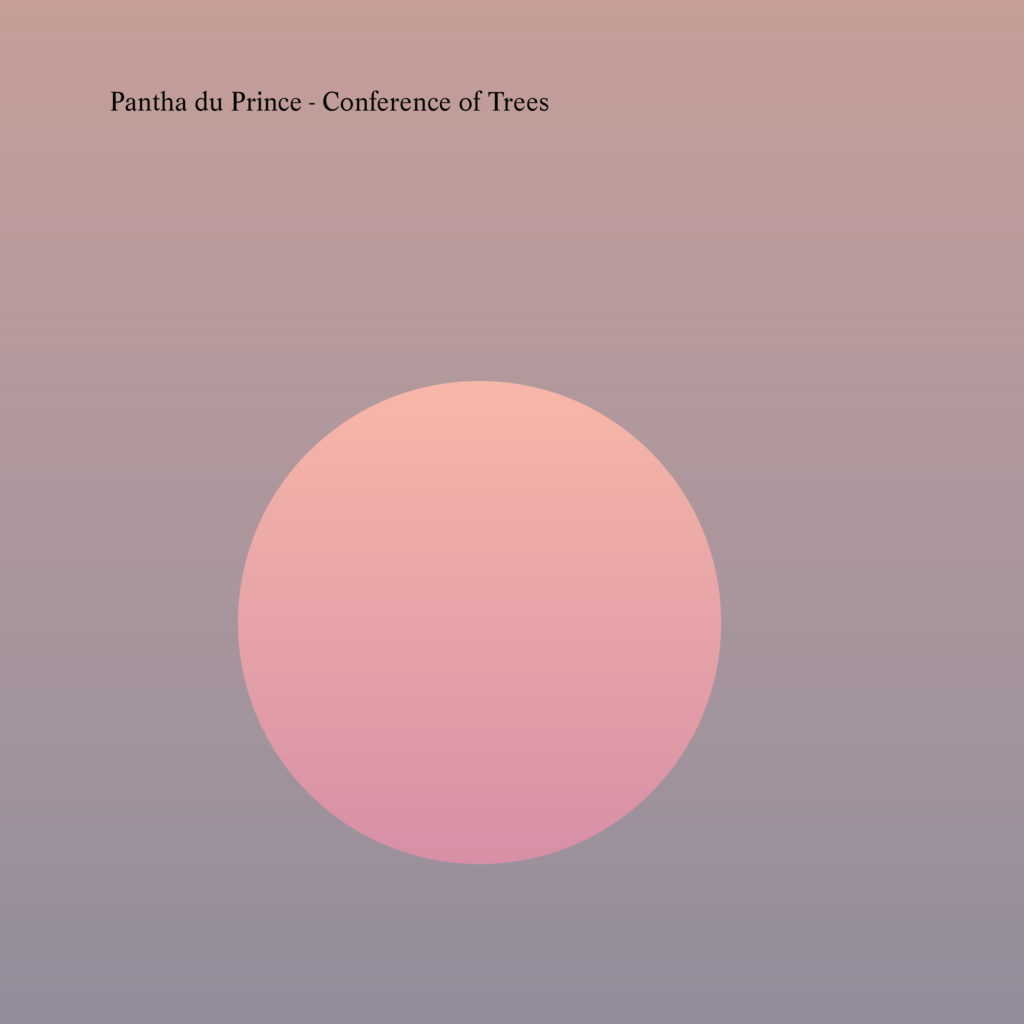
Pantha du Prince will release his new album, Conference of Trees, on March 6.
Conference of Trees sees the German artist, real name Hendrik Weber, translate the communication of trees into an “impressive sound journey,” we’re told. Across 10 tracks, Weber asks: what does it sound like when trees communicate?
To answer this question, Weber’s research spanned the scientific studies of forest ecology professor Suzanne Simard, Erwin Thoma’s “The Secret Language of Trees,” and the mystical meanderings of the 12th century Sufi, Farīd-al-dīn Attar. Weber also asked himself what it’s like to live like a tree: “I wanted to become a tree myself and enable a group of musicians to become trees as well,” he explains.
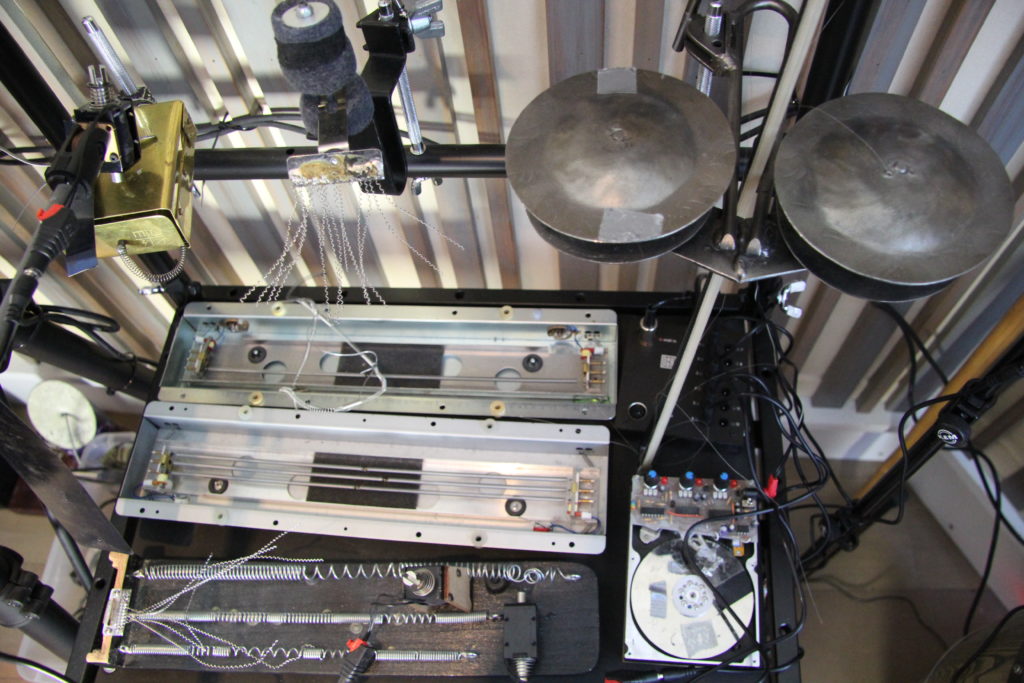
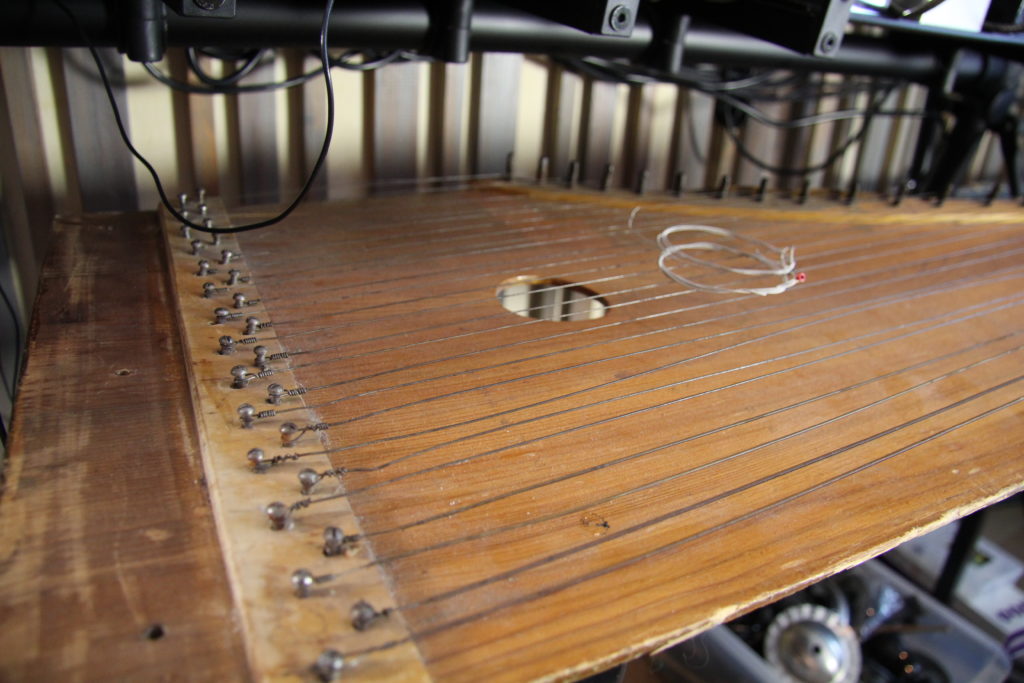
Across the album, Weber relies on several handmade tools because he wanted to explore the sound characteristics of different woods through intensive studies of the material. He is supported by a percussion ensemble consisting of Håkon Stene and Bendik Hovik Kjeldsberg, and Manuel Chittka, drummer of the German artist Jungstötter. Jazz musician Friedrich Paravicini also participated in the arrangements.
The blend of percussion, electronics, and strictly organic sounds also carries in it an important social critique: the implications of how we currently interact with nature, and our destructive relationship to our ecosystems.
Weber’s last album, The Triad, came in 2016, which he followed with an ambient version the year after.
Tracklisting
01. Approach In A Breeze 02. Transparent Tickle Shining Glace 03. Holding The Oak 04. When We Talk 05. Roots Making Family 06. The Crown Territory 07. Supernova Space Time Drift 08. Silentium Larix 09. Pius In Tacet 10. Lichtung
Conference of Trees LP is out March 6. Meanwhile, you can stream “Pius In Tacet” in full via the player below.
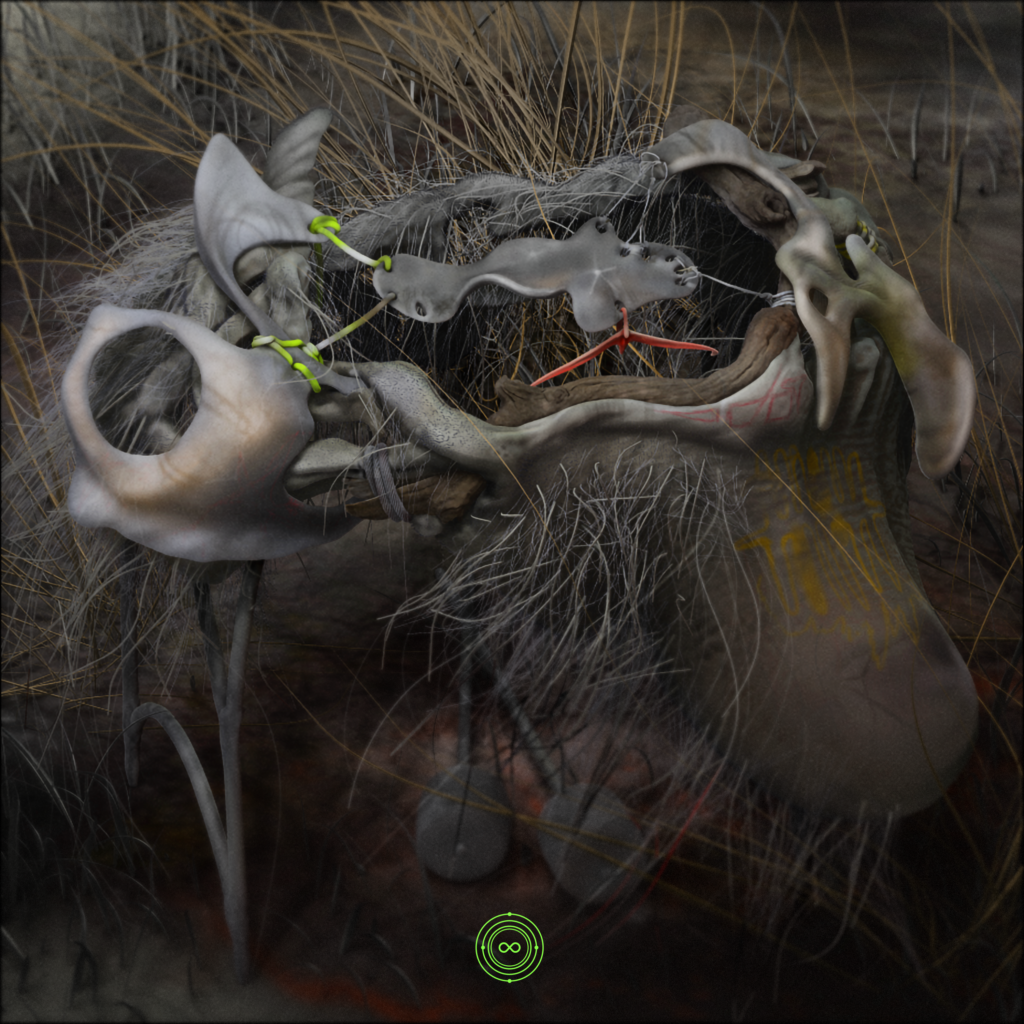
Donde Hubo Fuego is the Buenos Aires-born producer’s second outing on the Mexican label, following 2017’s Luz Mala EP. It sees him pulling inspiration from a diverse appetite comprised of dembow, dancehall, obscure club experiments, and animalistic synthesis, creating an album that is “beautifully balanced, humanised, mechanical, and elegant,” the label explains. Bungalovv also utilises foley recordings extensively across the 10 tracks.
Currently residing in Berlin, Germany, Bungalovv is a founding member of TRRUENO, a collective and label born in Buenos Aires, united by new technologies as a means to expand the spectrum of aesthetic possibilities in electronic, experimental, performance, and audiovisual scenes.
The release follows SWAN MEAT’S FLESHWORLD on Infinite Machine.
Tracklisting
01. Bandera Robada 02. A quema ropa 03. Baldíos 04. Desatanudos 05. Urutau 06. Acid Arrows 07. Soil Taste 08. Entre Chatarra 09. Fixing A Crossbow 10. You Don’t Need A Soul to be Human
Donde Hubo Fuego LP is out on March 27. Meanwhile, you can stream “A quema ropa” below and pre-order the album here.
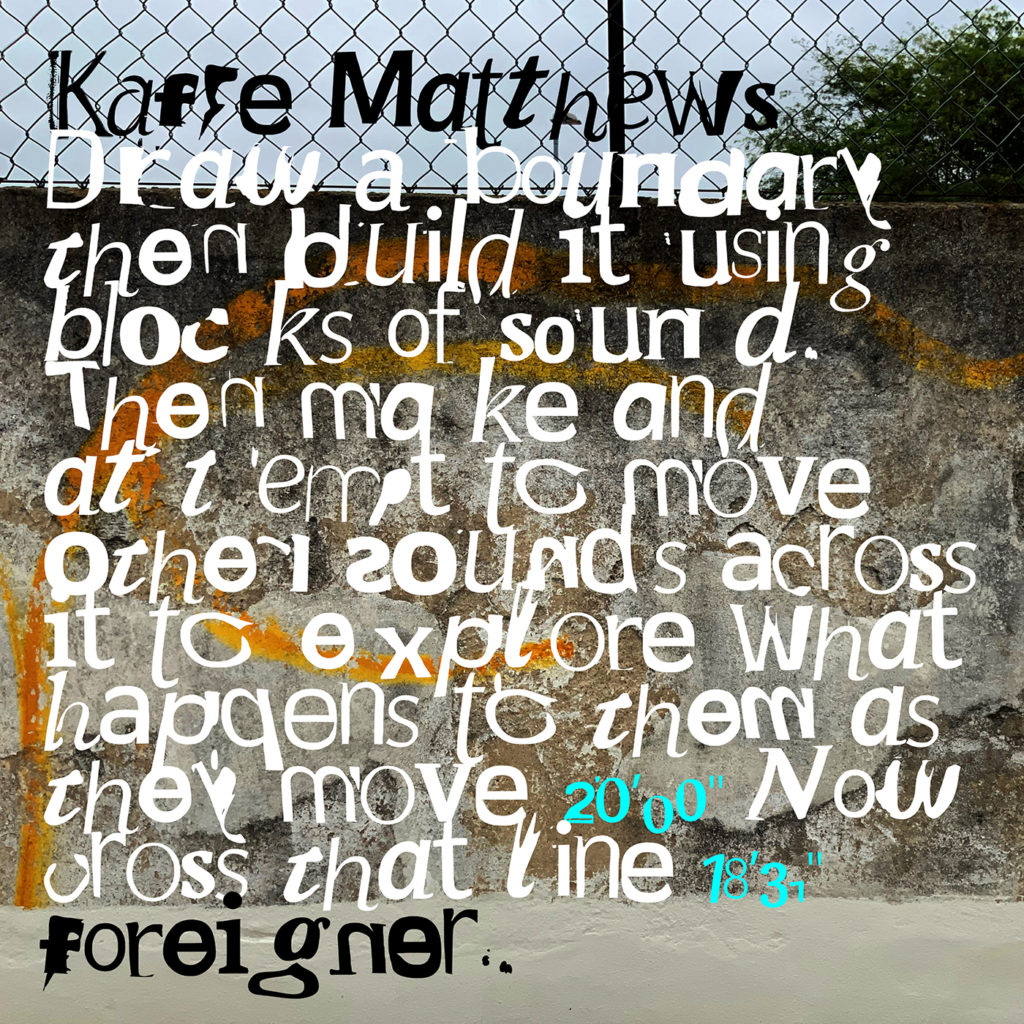
Plant Mu sub-label Objects Limited will present the new album of pioneering electroacoustic composer Kaffe Matthews, titled Foreigner.
Foreigner, a two-track stereo acousmatic piece, stems from Matthews finding an Italian-made ELKA 400 electric accordion organ in a second-hand Ghent shop some years ago, and it marks the start of a series of releases, all using the organ in some way. The full composition is 27 minutes long.
Each track is made from a sonification of the word foreigner to create a specific sequence of notes, in effect an arbitrary line, that are played and recorded in reverse order in adjacent pairs. The results are layered over each other, then nudged in time and mixed to explore and utilise the effects of the beatings created by the different tone combinations.
Underpinning the release is Matthews’ life in Berlin, Germany, where she has had the space to explore the ELKA. While struggling with the practicalities of moving there, she decided to create the idea of a random line drawn in space that clusters of sounds gather at and attempt to cross. “What happens?,” she asked herself. “Shivering bodies of ELKA notes do this well as each one is changed in presence and outcome due to what else is with them and when and where they are,” she continues. “This process also makes its own music that morphs into rolling landscapes and sculpture, shifting from movement to moments of stasis if you can but sit down to listen.”
Matthews has a colorful background including a degree in Zoology, her architectural compositions working in the Galapagos with sharks, and more recent work with sonic bikes and The Bicrophonic Research Institute. Her live performances are central to her work, as documented across numerous solo and collaborative albums on her own label, Annette Works, since the ’90s. Her many awards include a BAFTA with Mandy McIntosh and Zeena Parkins. You can read more about her work here.
Tracklisting
01. Foreigner A 02. Foreigner B
Foreigner LP is out April 10 via Objects Limited. Meanwhile, you can hear an extract of the recording here, where you can read more about the concept behind it.
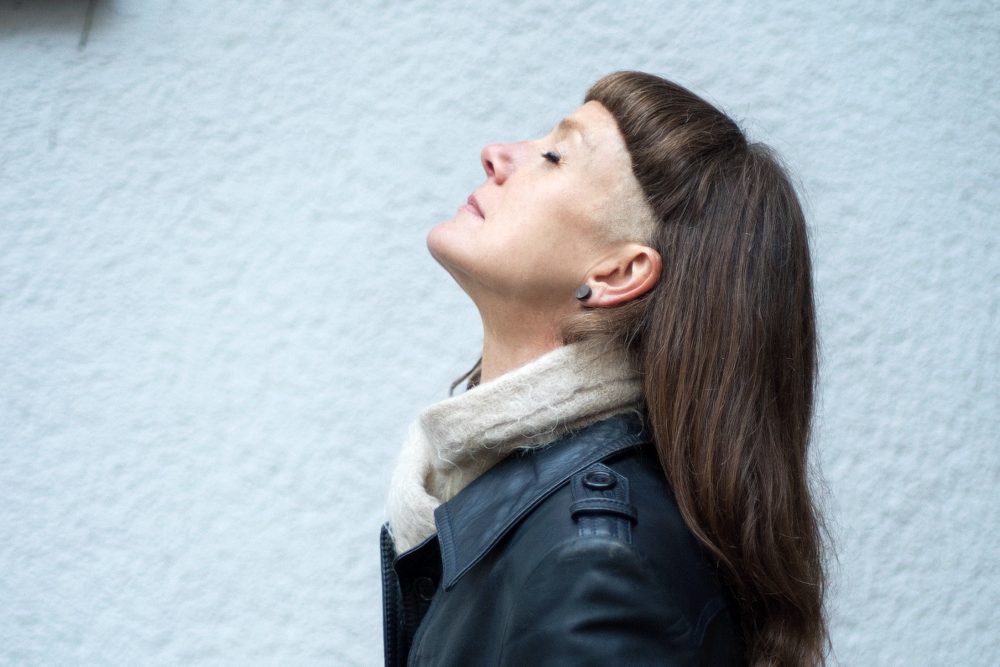
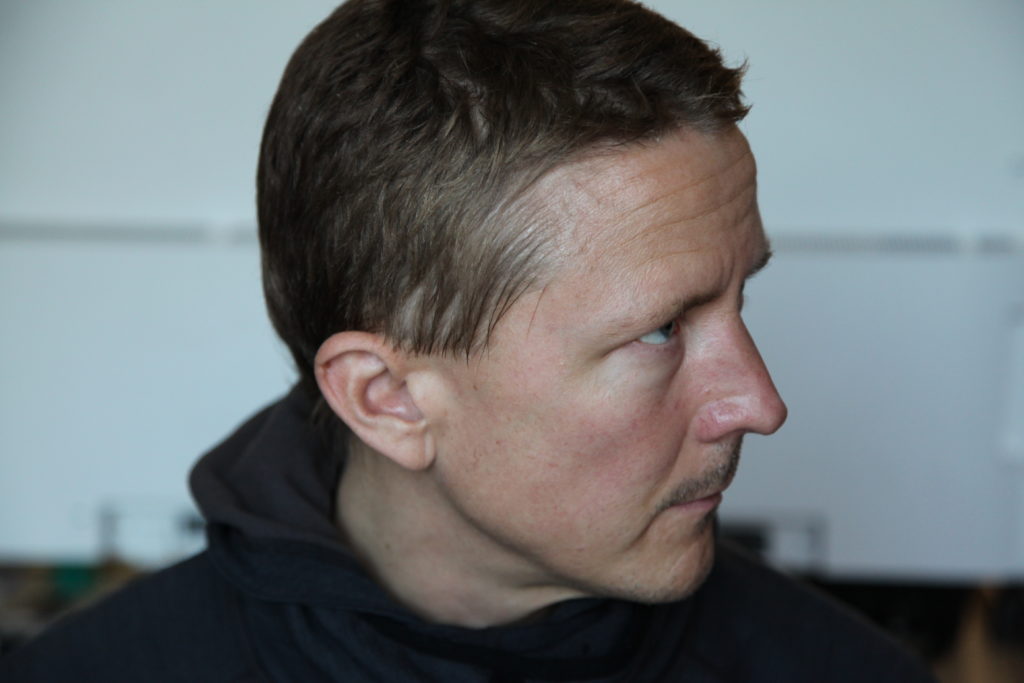
News of the new Vladislav Delayalbum came as a surprise to some. The Finnish artist, real name Sasu Ripatti, hadn’t shared new music in over five years, his last appearance coming in 2014 with Visa (barring a single-track contribution to XLR8R+ late last year). In those five years, he’s he’s been silent; his social media pages have disappeared, his music has dried up, strange given that it had been in such rich supply since the turn of the millenium when Ripatti released four albums in the same year: two as Vladislav Delay (Entain; Multila), the others as Luomo (Vocalcity), and Uusitalo (Vapaa Muurari Live). Were we ever going to see him again?
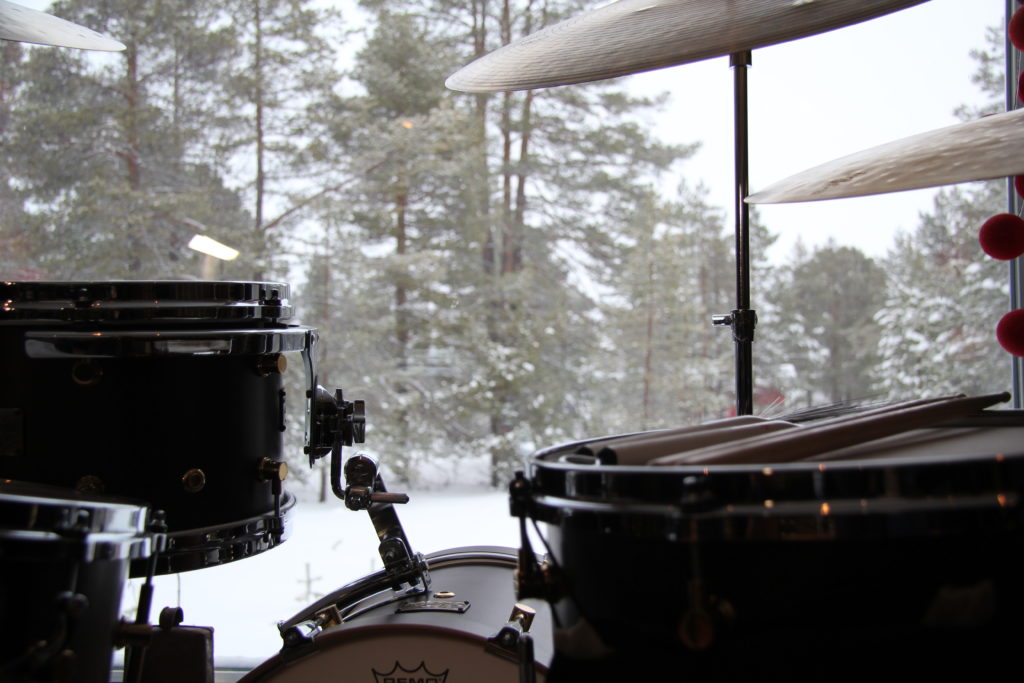
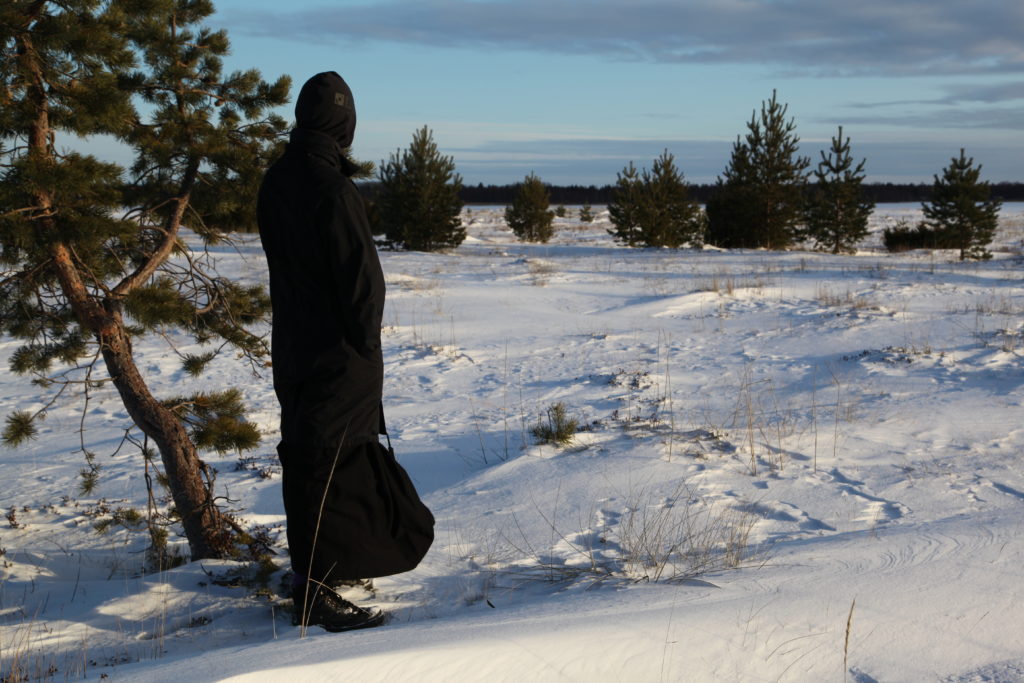
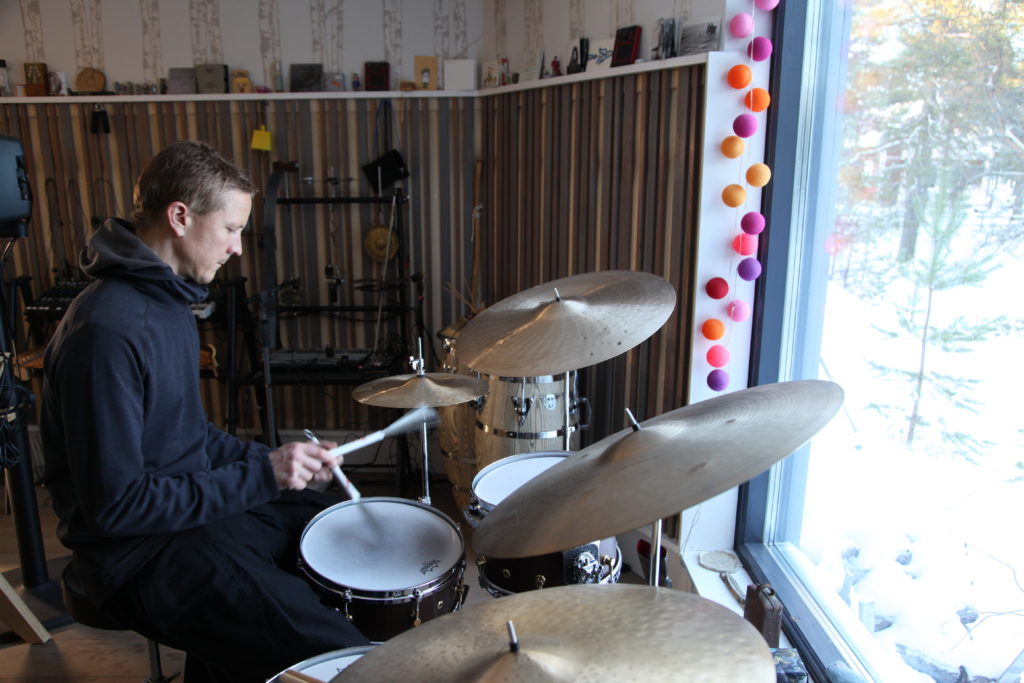
Ripatti’s hiatus was self-enforced, the reaction to an ever-deepening alienation underpinned by an electronic music landscape dominated by self-promotion and marketing rather than artistry and authenticity. Struggling to find his place, and fearing that this attitude was seeping into his own work, he retreated, choosing to engage no more. To support himself financially, he sold almost his entire collection of synthesisers, and filled his time by reading and hiking around his home, located on the island of Hailuoto in the Baltic Sea, a far cry from the noise of Berlin, where he used to call home. He played his drums and dabbled in rap music, but electronic music was as distanced from his mind as it had ever been.
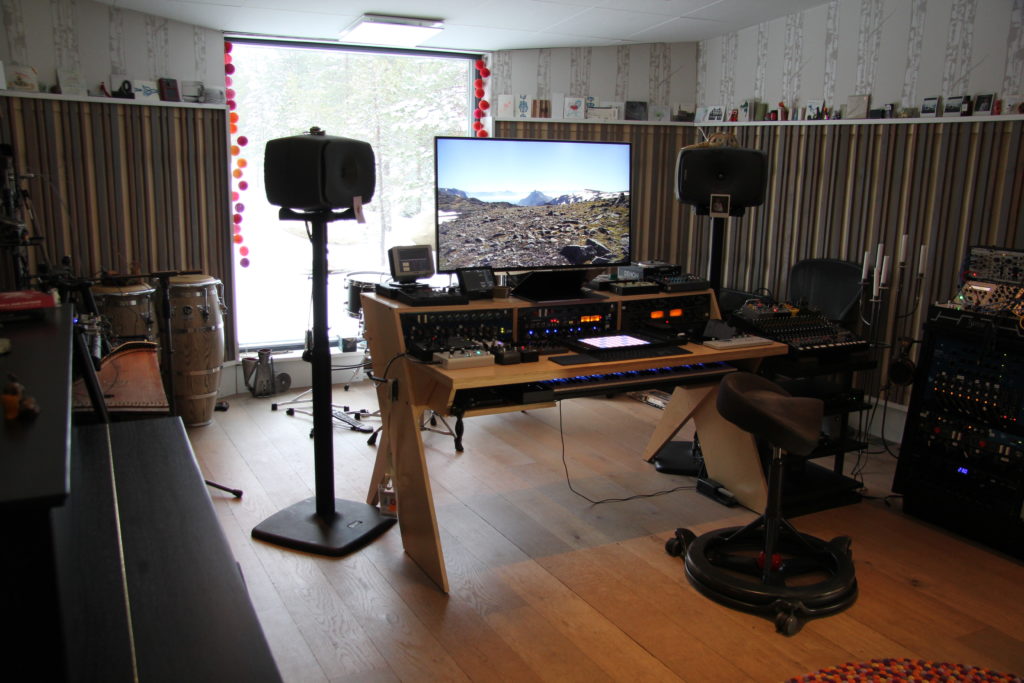
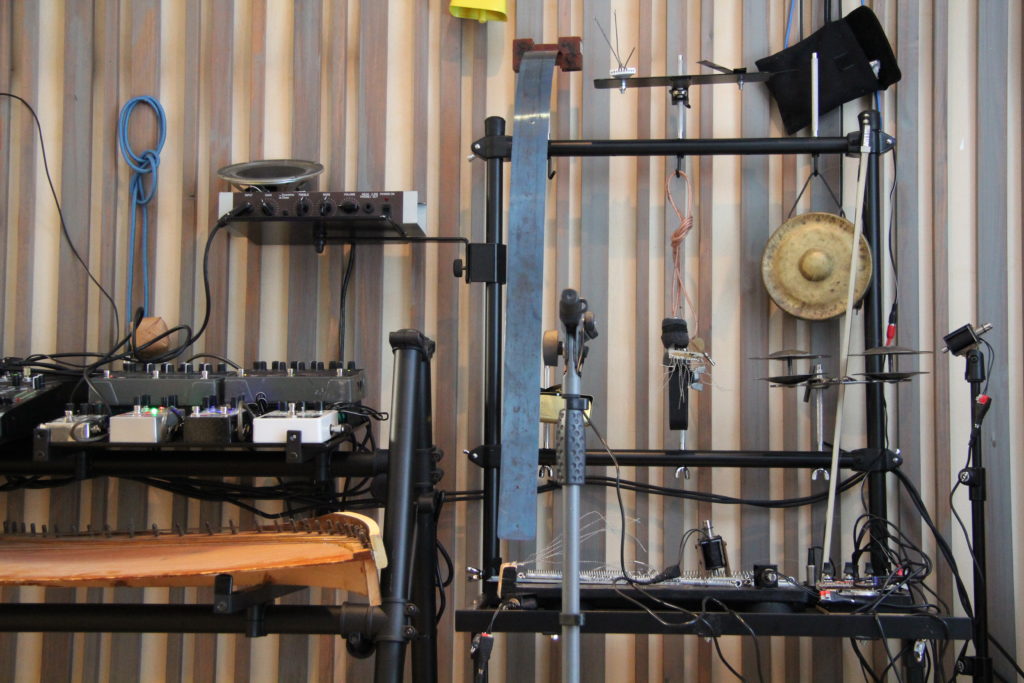
As time passed, however, Ripatti’s cravings resurfaced. Finding inspiration in the harsh, frozen environment of the tundra, he returned to his studio, ready to make Rakka, the result of an entirely new studio setup centered on virtual synths and sampling rather than the esoteric hardware of old. Scheduled for February release, it’s the latest addition to a sublime discography that explores electronic music’s most abstract depths, touching on microhouse, noise, and ambient, and a new chapter in Ripatti’s never-ending quest to uncover sounds and rhythms not yet heard. To learn more about the processes and thinking behind it, we connected with Ripatti is his magnificent home studio. These are edited excerpts from the conversation.
You’ve just returned from an extended break from electronic music. How did it feel to come back to it?
Somewhat conflicting. In a dream world, I would just stay in solitude and do my things without any publicity. In reality, however, there’s still a part of me that wants to be part of the bigger world, to be challenged by all the stuff that happens around music that has nothing to do with music. It’s like being addicted to poison or something. And I do need to make a living one way or another, and so I’m trying to figure that part out, too. And finally, I acknowledge humbly that there are a few people out there who are genuinely interested in what I do musically, and it feels wrong to keep on doing music without sharing any of it with them.
Did it feel like a natural time to return to it?
Yes, I’d really been waiting for an urge to make my solo music into an album, and to release it instead of just doing it for myself. I spent a lot of my time away doing all sorts of musical research, trying to find interesting things either technically or rhythmically, and just doing stuff with the intention of not ending up with any real results other than the actual experience and learning.
But after feeling the time was right to make music again, there was then the issue of what I’d like the music to be, and how to achieve that. I had a radically new and limited [studio] setup, and I knew I wanted to look for a new sonic world, so it was all outside my comfort zone. During the break, I had not done any electronic music so it felt virgin-like again, and I had also become very critical towards sounds and patterns; lots of sounds felt clichéd and naive and boring, and that led me to throw away tons of potentially pretty good stuff that in the end didn’t convince me. It was also difficult to avoid sounding like my earlier productions.
What led you to take time away from music in the first place?
It wasn’t premeditated. At the time, it seemed that people were paying too much attention to social media and the followers and likes, and doing lots of things outside of music to get attention to their music. And I think it kind of seeps in you know, just by talking to people. At some point, and actually quite suddenly, I just thought Fuck this, I am not having any fun with the “Facebook Likes Music Industry.” It took me a few minutes to think about the idea and then I thought Ok, let’s do it. Let’s sell all the gear I have.
It was never about wanting to take a break from music itself. I have repeatedly suffered from the business side of things, as I try to find the balancing point between making a living as an artist and not wanting to do silly stuff, compromise, and sell myself short, and I was just trying to do the right thing. I don’t think so much about my reputation or “career.” I don’t care about short-term results, and getting better at my craft is always my priority, even if it means taking a few years off, selling my gear, and losing my following, and whatever else. I’m looking at the long game, and I was just at a point of being frustrated by non-musical issues to the extent that it was beginning to affect my music, so it was necessary to break that negative feedback loop. I’m sure there would’ve been different and smarter ways to manage that but true to my neanderthal nature I went full on without too much finesse about it!
How did you hope to improve your work?
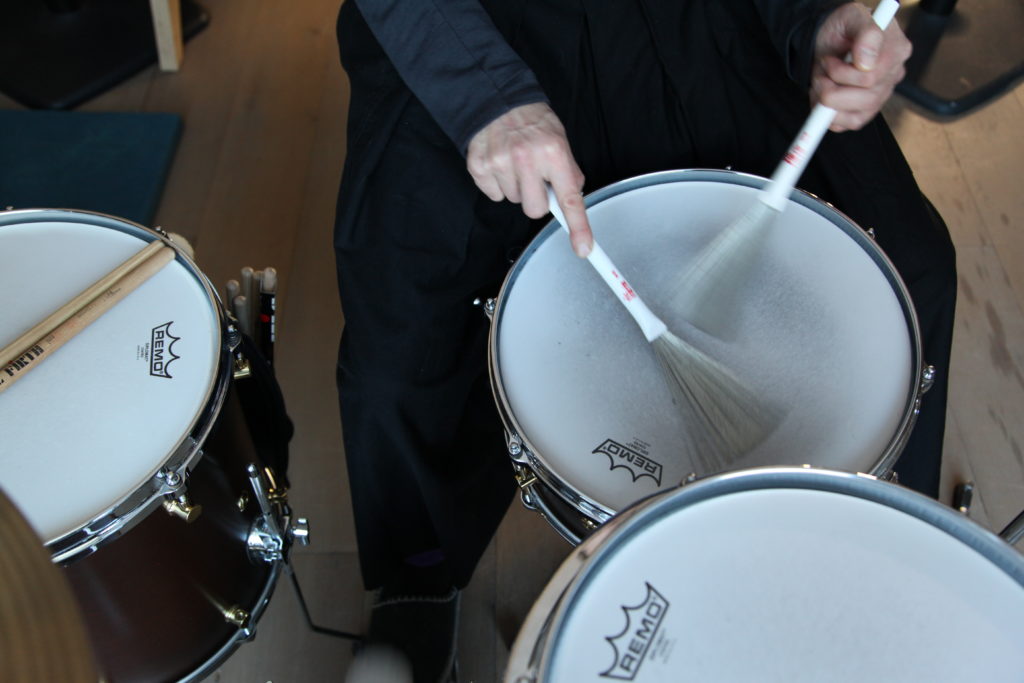
I wasn’t actually hoping for anything. It was mainly to get off the wheel and not damage my craft. So I just read a lot, from politics and art to fiction and biographies, and I did some cooking, yoga, hiking, etc. Musically, I started playing drums again, figuring out lots of stuff about rhythms and also just really playing to enjoy, not looking for results. I also wrote rap stuff for at least a year, which is something I’ve always wanted to do. I’ve listened to rap music since I was growing up and I still find plenty of good stuff I like. So I just wrote tons of beats and also took a lot of acapellas so I’d have my favourite rappers on my own beats.
What were you producing these beats and rap tracks with?
The same way I produce anything else, EXS and mainly my own samples. I might’ve used a few VIs for drums, like Battery or one of the kick drum modules, I can’t remember now. But if you mean sequencing-wise, I don’t program or sequence beats, I just play them with a keyboard.
Where is your studio in your home?
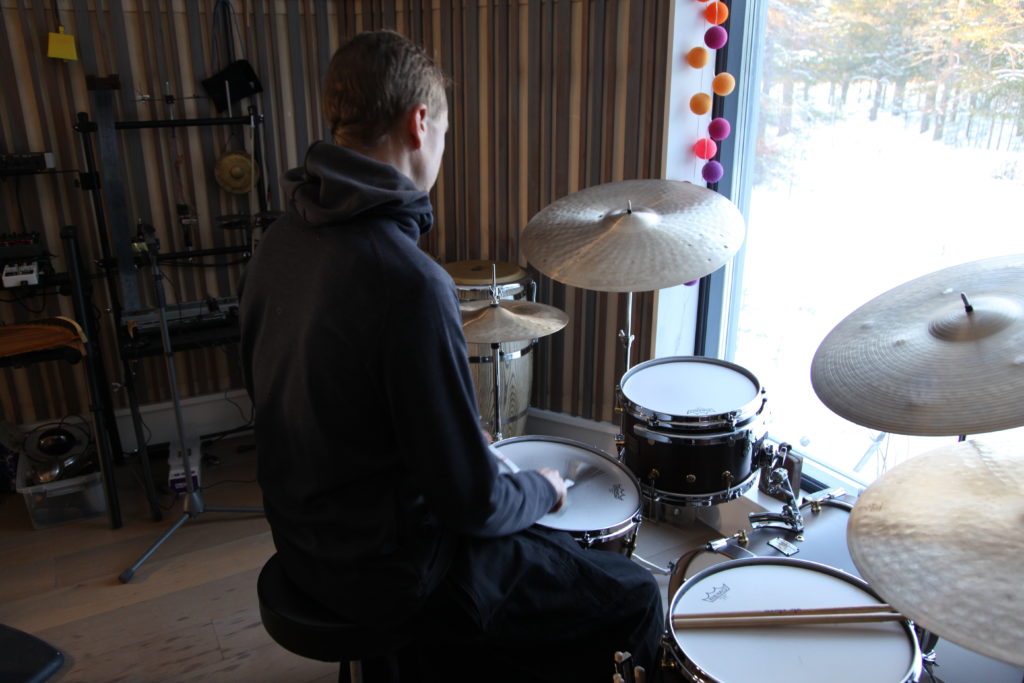
There’s a separate building next to our house. When we moved in and built our house, I hired one of the best acousticians in Finland to design a studio for me, freely without structural restraints, and then I built the housing around that studio structure!
What do you look for in a studio space?
It must sound decent. Acoustics are super important but they’re so often overlooked. It’s not as interesting as new gear and knobs or even monitors, but without being able to hear somewhat reliably what your gear is doing then all the knobs are useless. Acoustics is also such a difficult subject, partly because there’s tons of snake oil out there and also because there’s a lot of stuff that even great acousticians can’t figure out. It’s quite fascinating how physical sound behaves in space and air. If you spend a lot of time in the studio, ergonomics are also important, especially if you’re not young anymore. Sitting for years with bad posture will certainly cost you later on!
What’s your monitoring setup?
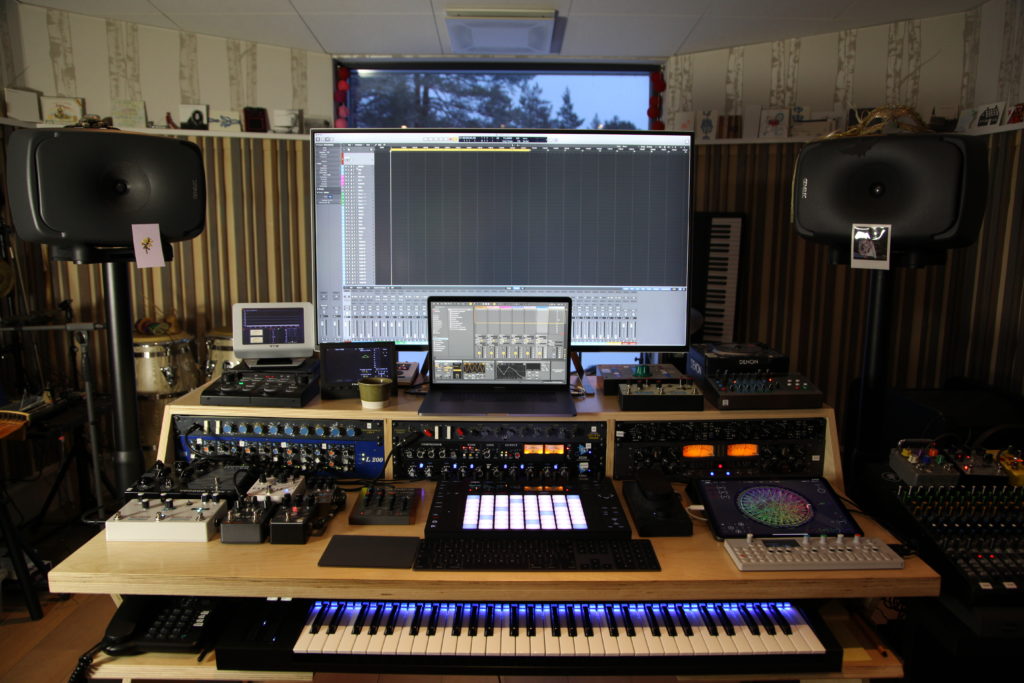
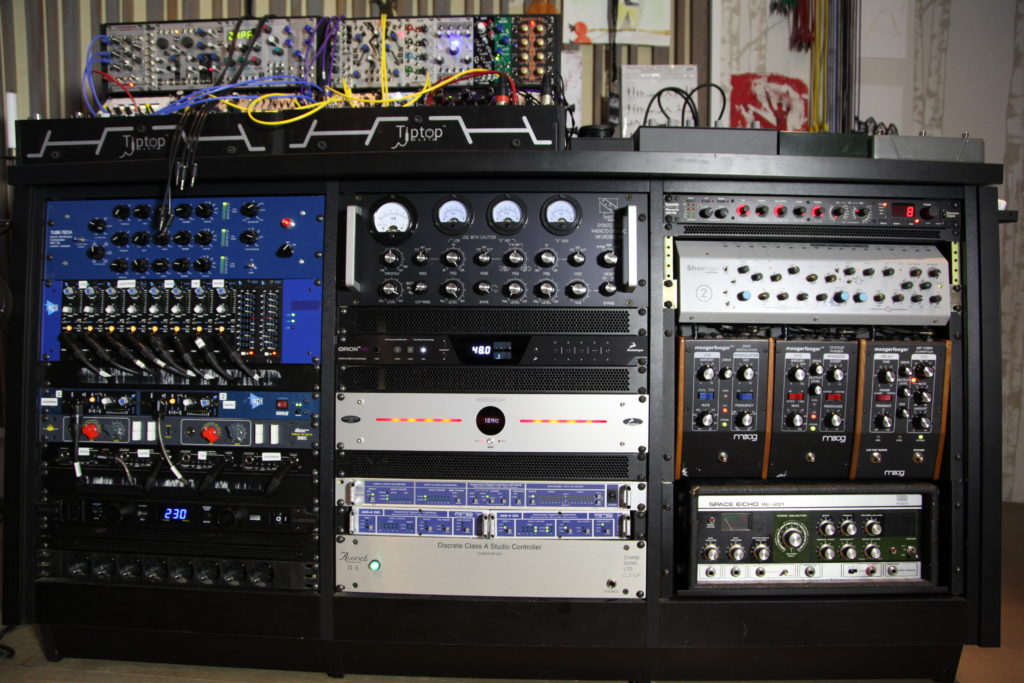
I use Genelec 8531 Satellites and a 7380 subwoofer. I’ve been using Genelecs for many years now and have grown to like and know the sound well. I also like the SAM feature, room analyzing/correcting software which really makes the monitors fit in the room extremely well. I used to have big Genelecs but I downgraded to these small satellites, and wanted to have as good as possible headphone reference system in addition. I try to put as much effort as possible on great and flat monitoring setups so I can trust what I’m hearing and doing.
My system also includes a Crane Song Avocet 2A. Crane Song Avocet 2A is a great reference DA and monitoring converter. I used to have the original model one, then upgraded that to next version and finally purchased the new 2A model when it came out. I’ve been using Avocet since it came first out, more than ten years ago i think. I also have Audeze LCD3 headphones that are driven by a Bryston balanced headphone amplifier.
What are the other fundamentals to your music-making processes—the stuff you couldn’t work without?
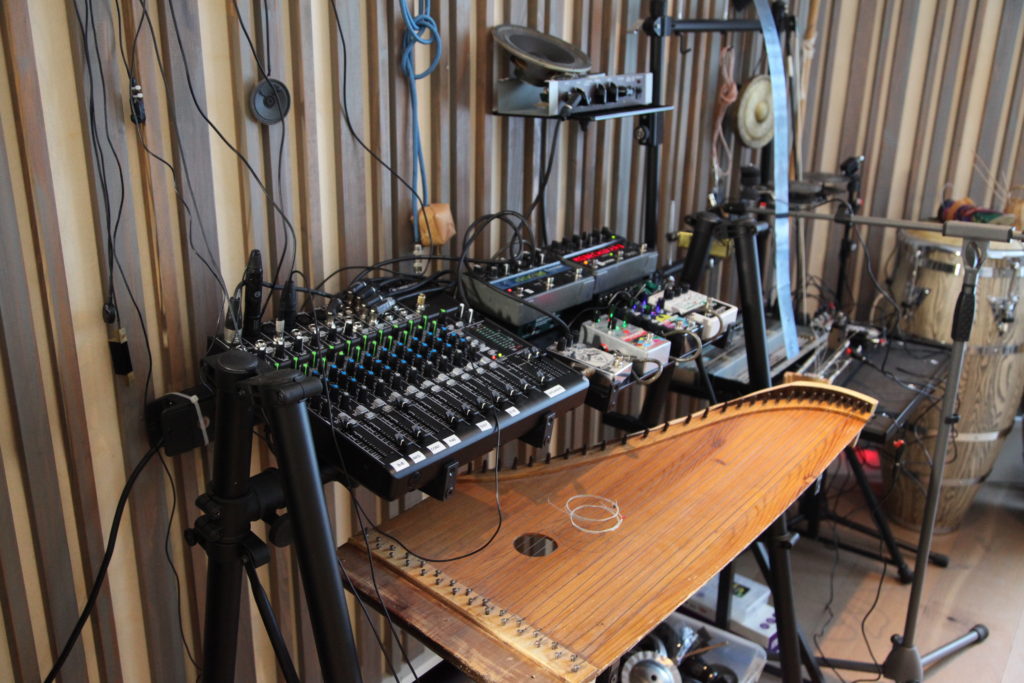
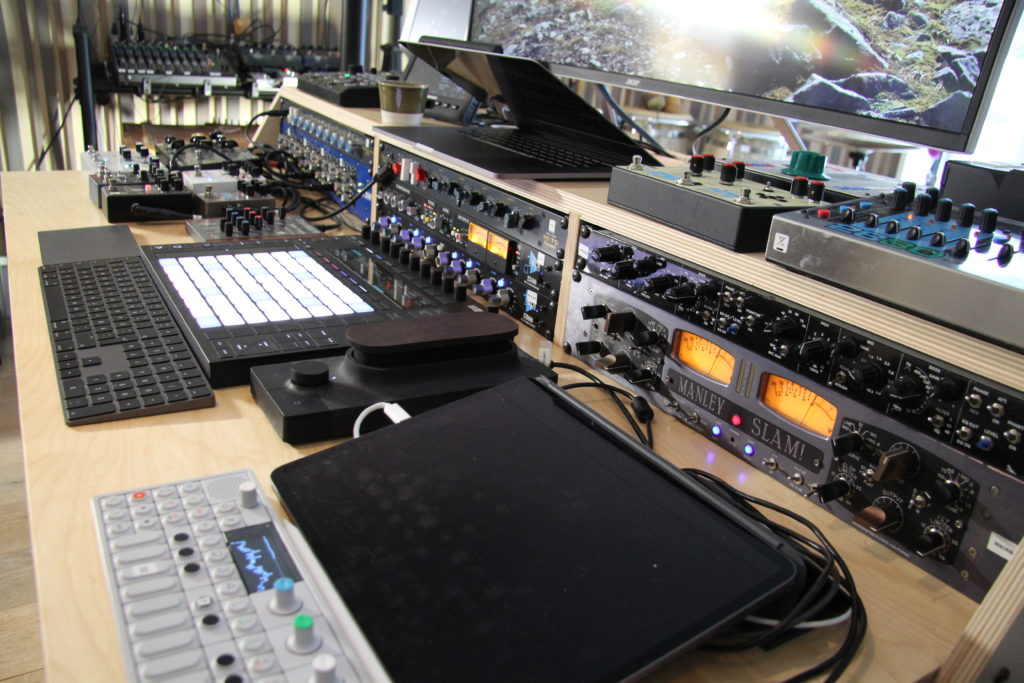
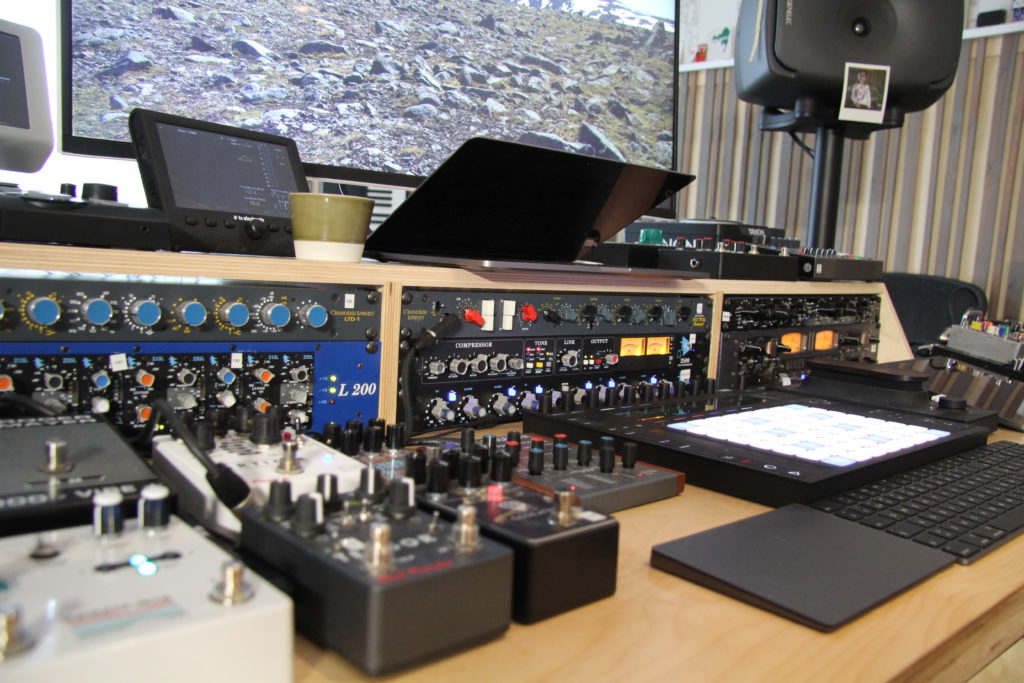
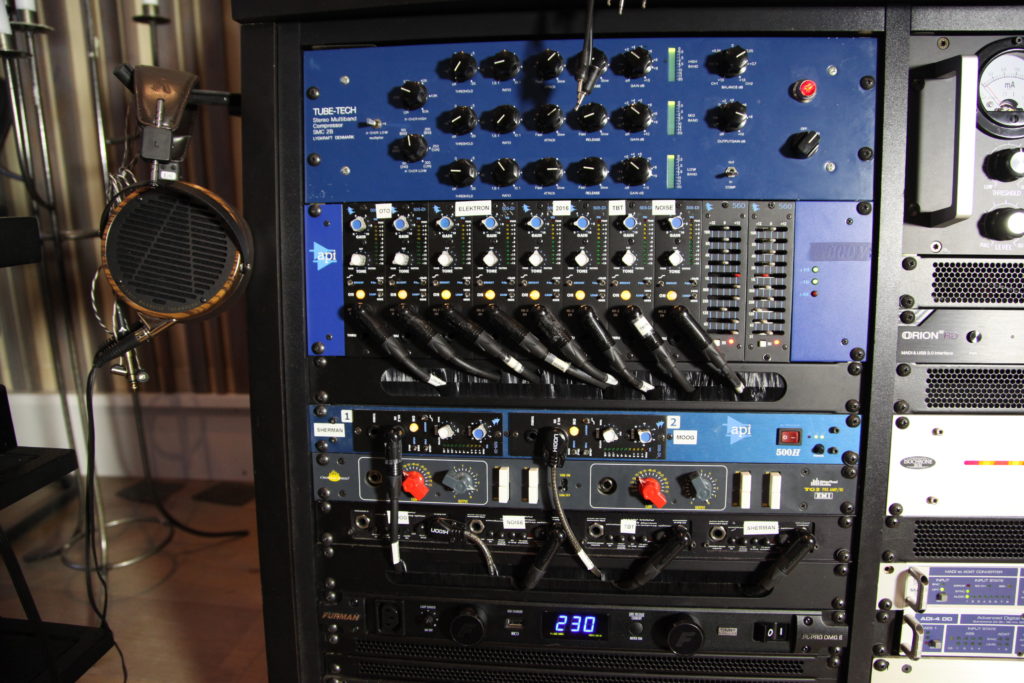
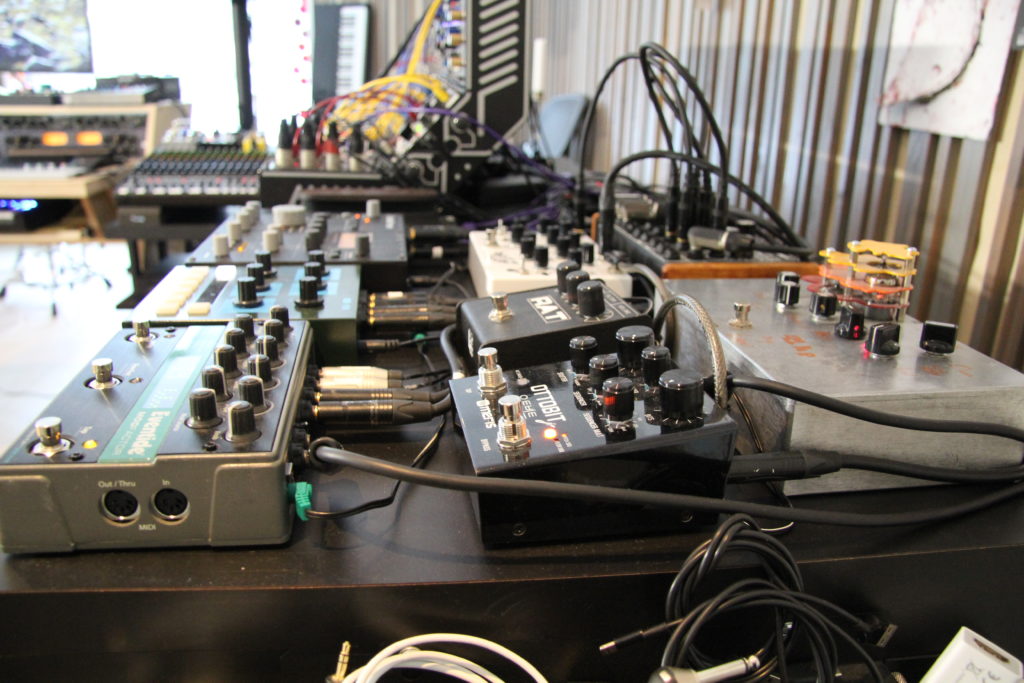
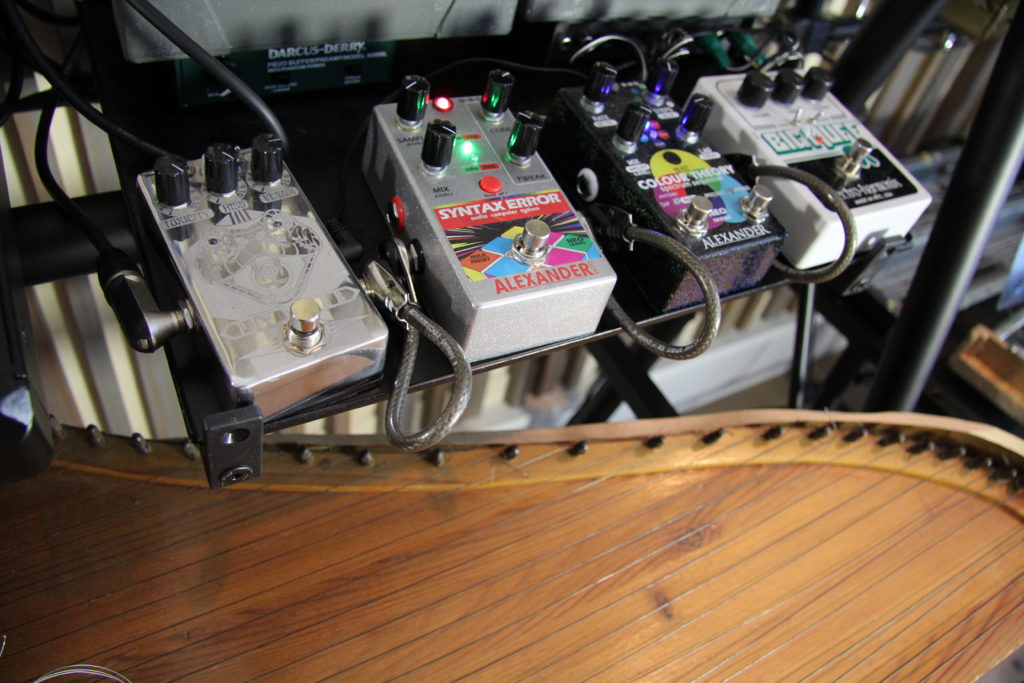
Nowadays, it’d have to be my old Mac Pro with Logic. There’s plenty of high quality DIs (API, Chandler) that I use for all the pedals and fx. Digital conversion is also extremely important, clocking and all that. I use Antelope Audio’s atomic clock and Orion 32HD. Orion 32HD is my only new purchase really because the old first generation Orion 32 died not too long ago. I also depend on Logic and an EXS sampler, which I know very well by now. I also have small Mackie mixers that I downgraded to but can deal with, and I have lots of pedals and contact microphones for more creative messy stuff.
And one thing that plays a big role nowadays, at times, is an iPad. I used to watch my wife [Antye Greie a.k.a AGF] using the applications for years and was kind of making fun of her, but over the last few years I’ve had to eat my hat and go for it as well. Especially if you’re on a budget, it’s pretty amazing what you can get there. I run the iPad via a high-quality converter into an API compressor and then some other gear.
Then there’s also one of my favorite pieces of hardware, Manley SLAM!, a modified early version that’s not available anymore, with an AD/DA card. It’s just a really great piece of gear for a lot of things. I use it nowadays on my main mixer outputs.
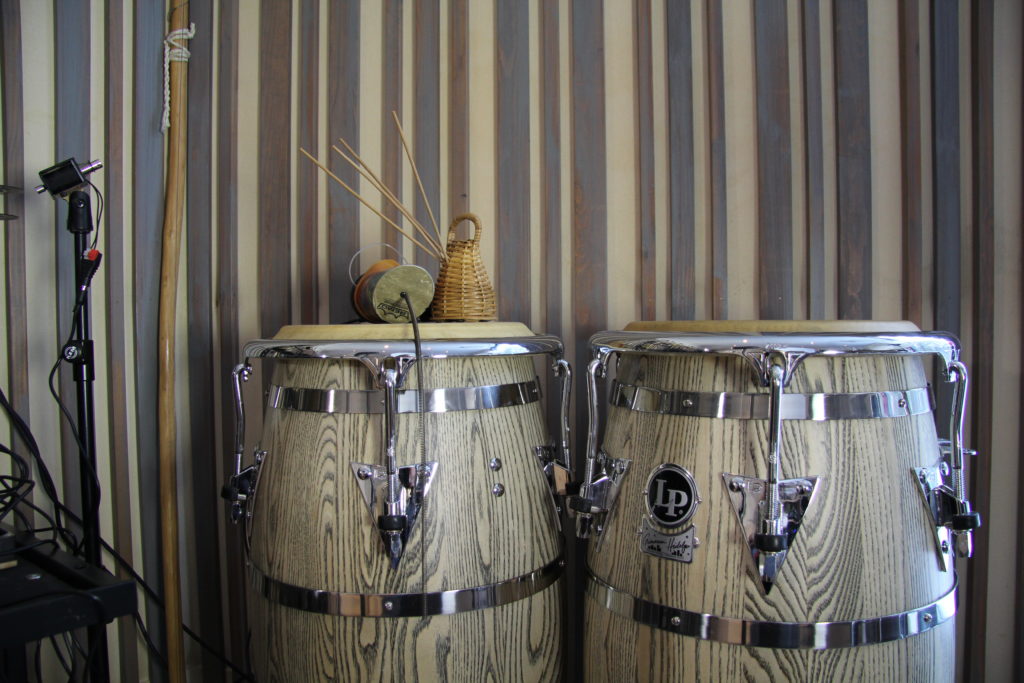
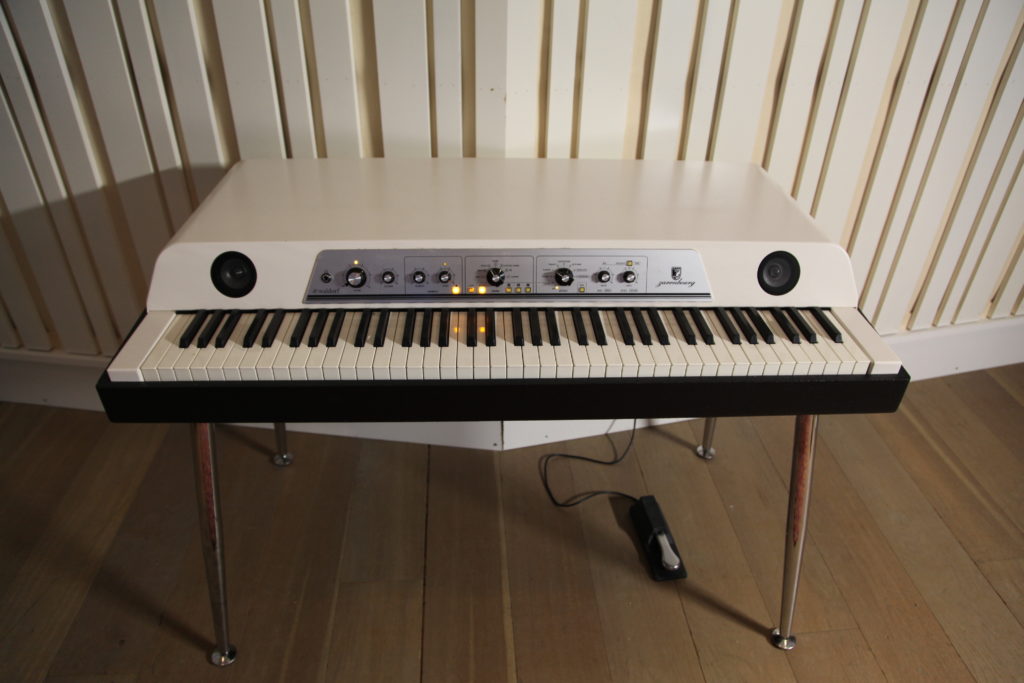
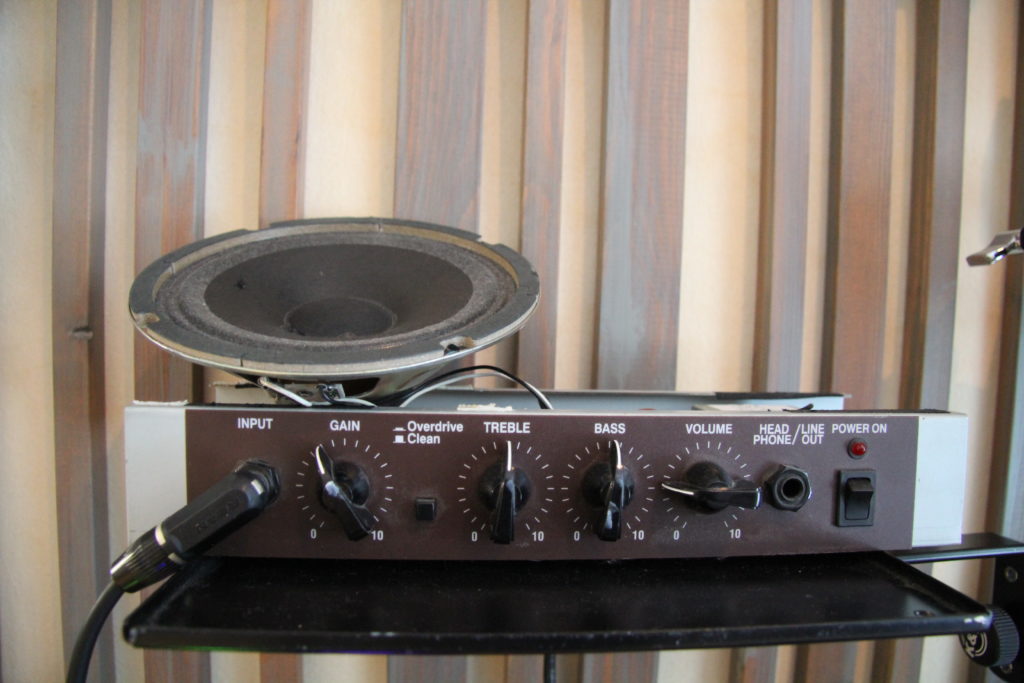
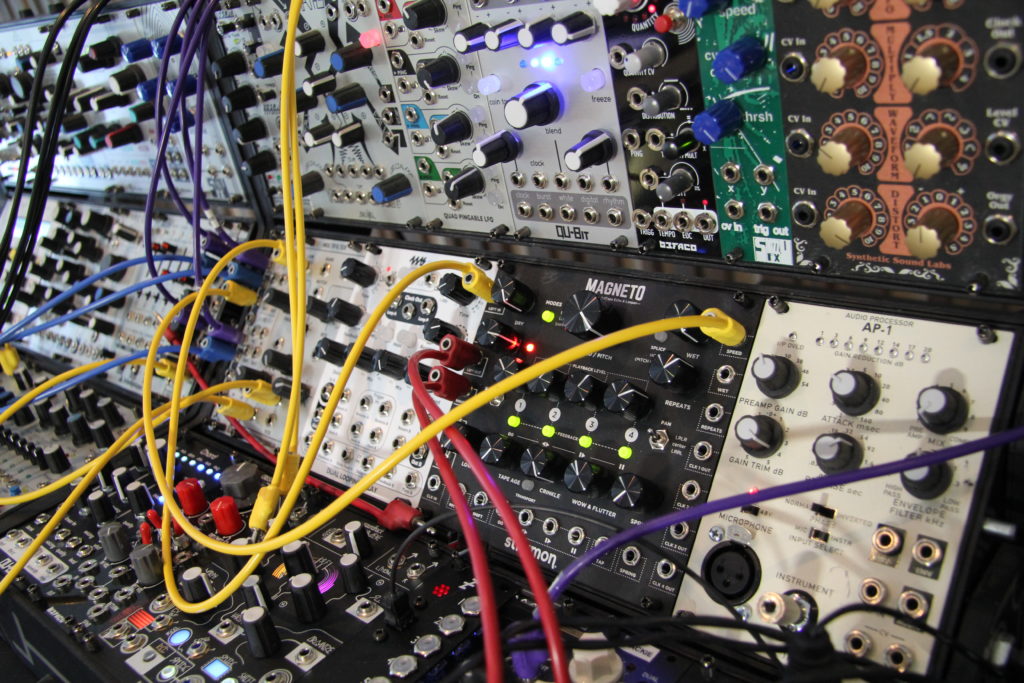
Click to enter gallery.
What were the main pieces of gear that you sold to allow you to live during this hiatus?
I sold all my synths and sound sources, including an Omega-8, Sunsyn, lots of Eurorack gear, MiniMoog etc.—key pieces that I had used for all my albums over the past 10 years. I also sold lots of fancy outboard stuff, such as Manley units, API, Chandler, ISA 110 (original one), LA2A, Eventide DSP7000/Orville/H8000, and on, and on, and on. Just basically tons of gear-lust equipment! I also sold my big main Genelecs that I really liked and still miss.
What determined what you sold?
I had a few criteria, but I wanted to just sell everything I could to maximize the time off from “business.” I especially wanted to get rid of gear I had been using extensively, and had maybe become too dependent on. I also decided to sell all fancy and esoteric gear that makes only small differences to the end results. It’s nice to be able to put some fancy tube gear on the bass drum but it really doesn’t make your music better or worse.
I think at this point I’ve developed an imprint for what good gear sounds like, and this means that I can find plugins close to what I know good hardware sounds like, although it takes some fine-tuning, and it’s different to the analog domain, for sure. I’ve had UAD stuff since the beginning, and some of their plugins do sound good. Obviously, it’s not the same as hardware but it’s not going to change your music that much if you use UAD instead of analog hardware, but it really helps me having that awareness of how great gear behaves. What I miss maybe more than the sound in using hardware is the act itself. It can be a real fun-killer using your mouse and staring at screen, while it can really be quite inspiring to just grab some knobs and close your eyes.
What plugins are you using?
There are a few plugins that I use extensively, mainly Fabfilter EQ and UAD Maag EQ. Both sound reasonably good. I hardly use compression anymore but I sometimes use UAD LA2 and I also find Vertigo compressor to be good. There are really good reverb emulations on UAD as well. Then there’s a load of plugins I use for fx, but what’s more important than the plugins for me is the ability to run them out of the box and back into audio. For that, I use Chandler TG2 or maybe Helios 69 pre/EQ or Tube-Tech SMC2B.
How are you using the plugins out of the box? How does the signal chain flow?
Like if I’m using plugins to do fx and processing, I would “play” with the plugin I’m running the music through. The outputs of the plugin would go to some outboard gear and then I’d have the signal come back to Logic and I’d record the whole process. Often that’d only be a beginning; I could do this process several times with different plugins or settings, or maybe build EXS instruments out of the recorded audio, etc. I also use the I/O plugin in the master bus or stem busses, and have a tube compressor or other outboard gear inserted in there, and maybe do a realtime bounce for final mix or stems.
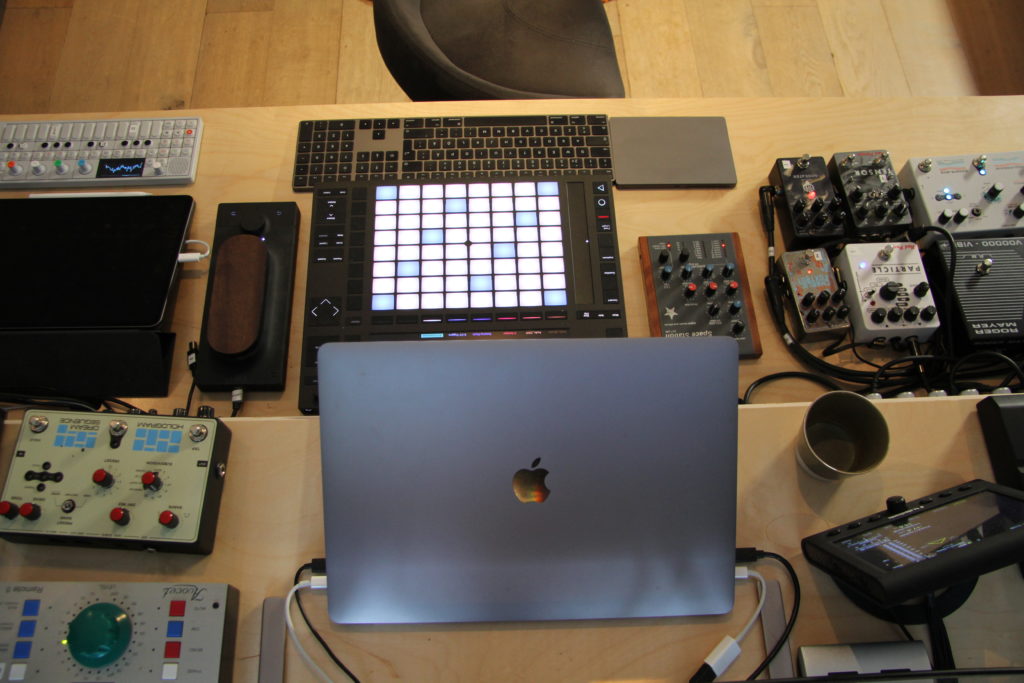
I see you’re also running an Ableton Push 2 controller. What’s the deal with that?
I’m always trying to find and learn new ways to produce music, so I got Live on my laptop with Push and I am slowly trying to find a way to use that setup more and more. So far it has not been going well but I remain optimistic that I will find a personal way to use it as an instrument, a sampler of sorts, without trying to produce music in it. I’m envisioning running Live without syncing to my main DAW, just playing it live via Push, with no quantizing, and recording those results in real time into my DAW. There are some interesting things in Live, especially things you can with modular gear, and that’s something I want to do some homework on.
“I struggled in Berlin, being so close to the music scene and with all that business around. It can be hard to find your own voice, so to speak, if you’re constantly hearing tons of stuff around you. Even if you’re decidedly trying to ignore it, I’d argue that it subconsciously influences you.”
— Vladislav Delay
Did you acquire anything new for the album?
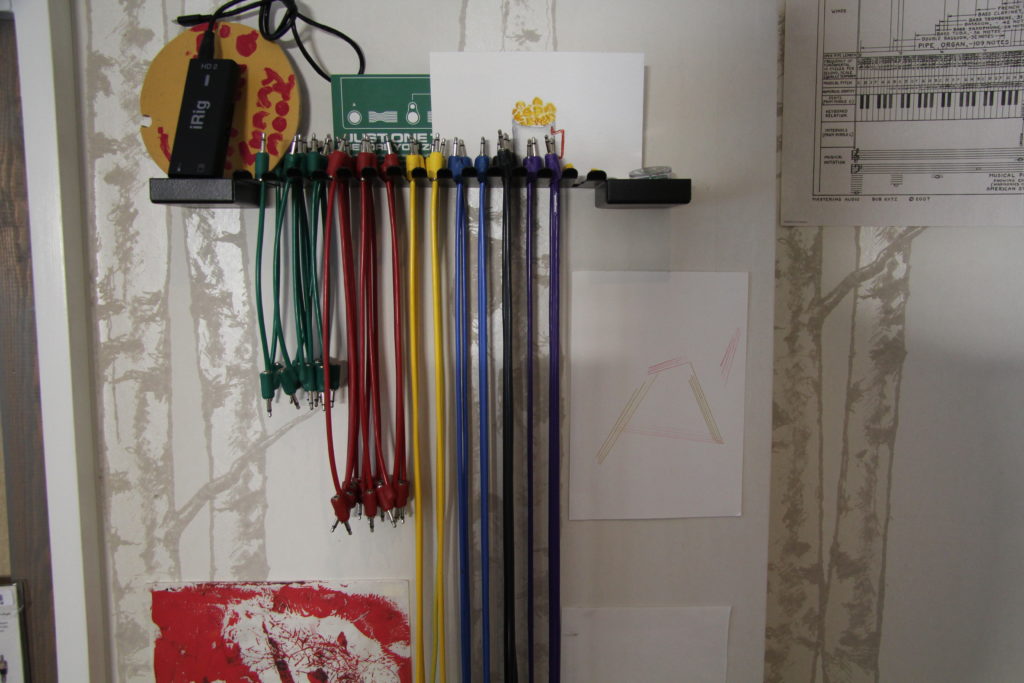
No, I didn’t acquire any new gear actually. I worked only with what I was left with, meaning it’s the first time I’ve done my own solo stuff mostly in the box. I think where I felt this change the most was with the sound sources. I used my own sample library that I have built over the years for EXS24, but I also sampled anything I could as I literally had no other sound source I could use. I do still have a small modular setup but I wasn’t inspired to use it at all. So anything could become an oscillator.
I have to say though, that the gear and maybe the lack of it or the limitations weren’t so much the deciding factor for how the album sounds. I really wanted to apply a physical kind of pressure on the album, to make the sounds dead, and to just really kill all extra stuff, melodies and harmonies. I wanted to get rid of everything until only the core remained. Conceptual compression, if you will.
Was this the album’s overarching concept?
Yes, I didn’t have any detailed sound or technical ideas or such end goals in mind, but those feelings, that reduced, stripped-down-of-bullshit-kind of overall feeling, was there from the beginning. I also wanted to take a step or two towards the unknown. There was nothing holding me back, no career or reputation to worry about, and no need to ever release any of the music if it didn’t feel right. I wanted to experience that freedom, which can actually be one of the harder things to deal with; people can go mad with too much freedom and choice!
Living in Finland, you distance yourself from the electronic music scene. Why do you choose to live so remotely?
I live on an island of Hailuoto, in the Baltic Sea. It’s the biggest island in Finland, but has a population of less than 1000. I work better in solitude than in populated places. I struggled in Berlin, being so close to the music scene and with all that business around. It can be hard to find your own voice, so to speak, if you’re constantly hearing tons of stuff around you. Even if you’re decidedly trying to ignore it, I’d argue that it subconsciously influences you.
But more than that, I find the location important for my general well-being. I could not imagine living in cities anymore, to be honest. The quality of life is just too low and the stuff that offsets that for me people—money, work, entertainment, consumption, etc.— just doesn’t speak to me. And I do like cities, even really love some of them, but only to visit; I guess I just like nature and space around me so much that nothing else can compare. And that allows me to connect with myself and thus connect with creativity much more easily.
I also noticed, having lived in remote areas with no noise or artificial pollution, and also having done extensive hiking in the hardcore tundra, my ability to enjoy brutal and extreme sonic content has grown exponentially. I think I just have so much more room to handle stuff, because my senses are not overloaded in my normal existence as they would be in a modern noisy city. I also have less ability to withstand artificially sugarcoated music; somehow it shines through!
How much do you engage with other artists?
It depends. I like doing stuff on my own but after a while it’s really nice to collaborate, set your ego aside, and serve a collective good. I’ve spent quite lots of time with Sly Dunbar and Robbie Shakespeare over the last few years. I have people visit me here, like guitarist Eivind Aarset, and I also travel, like in late February I’m going to Portugal to work with a new group, VD quintet. There are a few other collaborations with other people, so there’s a reasonable amount of interaction with other artists.
Where do you read about music, for inspiration?
I don’t follow contemporary music, but my wife does and she reminds me of it frequently. I’ve stayed away from media and websites for many years; if something really good is happening then someone will tell you about it sooner or later, and I have no trouble not being the first to discover things.
I have subscribed to SoundOnSound magazine for the two decades though, and that keeps me informed about the latest developments in gear and technology. I also have a big library with lots of books about music history, biographies, theory, and probably every production-related book out there, although they’re for self-development rather than inspiration. I take my inspiration from outside of music, like experimental cooking, reading, and traveling. Hiking is also great.
What music do you listen to?
I mainly still just listen to older jazz. My wife says I only listen to dead people’s music, which is mostly true! I also listen to rap, but there are some jazz recordings by [John] Coltrane or Miles [Davis] or Bill Evans etc. that I have heard like a million times and I still get goosebumps hearing them, so what more do you need? I listen to some contemporary music because my daughter is in her teenage years. I know Billie Eilish! Generally, I spend so much time listening to my own struggles in the studio that when I have time and space to listen to music for fun I really choose the stuff I love the most.
How are you listening to music? As someone that puts such a focus on hi-quality monitoring and conversions, you don’t strike me as someone that would settle for the compressed sound coming from an iPhone, for example.
I don’t have a smartphone! But it depends on the music. If it’s contemporary stuff, like rap, for example, I don’t care too much. Sometimes it’s actually more enjoyable to listen to it via a lower quality system and not hear everything. Not everything sounds great, and if you have a really flat monitoring system it can be shocking, and not in a very pleasant way, to listen to music unless it’s really well done. If it’s well produced material, I love to listen to it in the studio, otherwise the car is fine.
What about your own work? Do you have ways you listen to ensure you have distance from it—to break the personal connection?
Yes, I always take a long break when I think something is finished, like a month at least, and I come back to it with fresh mind and ears. Usually there’s something that needs some love still!
When do you work—are there certain times of the day that you feel are more conducive to creativity?
Certainly in the morning. I love going to the studio at five or six in the morning when the world is still mostly off, and nature’s just waking up. I feel like I get more done in a few hours in the early morning than grinding many hours in the afternoon.
How conscious are you during the actual process?
I’d say I’m conscious before and after the production process, but during the process itself, I’m fully led by intuition. It has also changed from the past in that I don’t really work with a specific goal in mind anymore; I allow whatever happens to happen, and afterwards I see if and what I want to do with the results.
During my hiatus, I worked on some material that I intentionally did only for my own use, just to develop my craft. I played that material to nobody. Until then, I’d always behaved quite workman-like, focused on a goal like an album and went for it, wasted no time and didn’t write or produce extra material. In the past, it has been difficult for me to deal with tracks I couldn’t finish satisfactorily, to have unfinished or unreleased tracks; I’d have to push myself to “solve” them. Whereas now I have a huge amount of material lying around and I’m fine with it. I develop some, keep some, write new stuff, and also throw a lot away. It’s come back around to how I started in the late ‘90s: I make music for music’s sake and for my own passion, and to learn and to do what needs to be done for art’s sake. It’s become more of a dear hobby than work or profession.
“There’s a way, that is prominent these days, to look at the word success as material—to judge it on how many shows and clicks and views and likes you have. I don’t really see that as real success. If anything, it tends to be that if you are successful in those terms then your work must be predictable and easily digestible, and you must keep repeating it on and on, you know, to build your brand.”
— Vladislav Delay
How do you go about starting a track?
As clichéd as it may sound, I try not to start the same way twice. I don’t try to maximize results by having templates to enable me to finish tracks as quickly and as effortlessly as possible. If anything, I like to linger in the process for a long time, and maybe try a few different ways around an idea. Often I’ll have an idea I want to try out, like maybe I’ll begin with an interesting sample or a rhythmic idea, and go from there. From there, it’s important not to be lazy; you have to avoid the low-hanging fruits. Nobody’s paying me for the music I make anymore so I can’t see it as work, it’s just myself and what I want to do, and I must remember this. It’s a very intense process, and I have to continually avoid being smart just for the sake of it. I need to be maximally aware of the process.
Where does the emotion come from?
I can’t really say where it comes from or why. I think there are two types of music: music that is more of a technical workout, something that you can do without much emotion, that can be done well, like doing any job out there; and then there is music that is more personal and carries an emotional charge, from your life and trying to figure your stuff out, whatever. And it just comes through to the listener. I’ve always been in the latter camp, both as a listener and creator. I get cold feet with purely technical music. I never try to put emotion into music but I do try to limit the amount of it. My internal alarms ring when music is too emotional, because I think it begins to feel cheap and cheesy. That’s what I avoid and guard against, but true honest emotion is fine.
Looking forward, what do you determine success to be in your career?
That’s a relevant question, and something I’ve asked myself once or twice. Certainly longevity, and a demonstration of development in my craft; it’s really important that I do not repeat myself. I want to be able to take risks and fail, and to deal with it and learn from it. It’s also important for me to stay free and independent in all ways possible, including creatively.
There’s a way, that is prominent these days, to look at the word success as material—to judge it on how many shows and clicks and views and likes you have. I don’t really see that as real success. If anything, it tends to be that if you are successful in those terms then your work must be predictable and easily digestible, and you must keep repeating it on and on, you know, to build your brand. And there’s nothing wrong with that. In a way, I admire people who can do that and sleep well at night. If I were able to do that then my life would have been so much easier!
How do you spend your life outside of music?
Family stuff takes some time. I like yoga a lot, and I read a lot. I like cooking. I ski in the winter, hike in the summer, and I try to spend time outside when possible. I take time off extensively to hike and nowadays to also travel. I only started traveling for private reasons and with my family once I decided to take a break. It’s been great, though it’s something I do regret not having started earlier.
Rakka LP is out February 27 via Cosmo Rhythmatic, with pre-order available here.
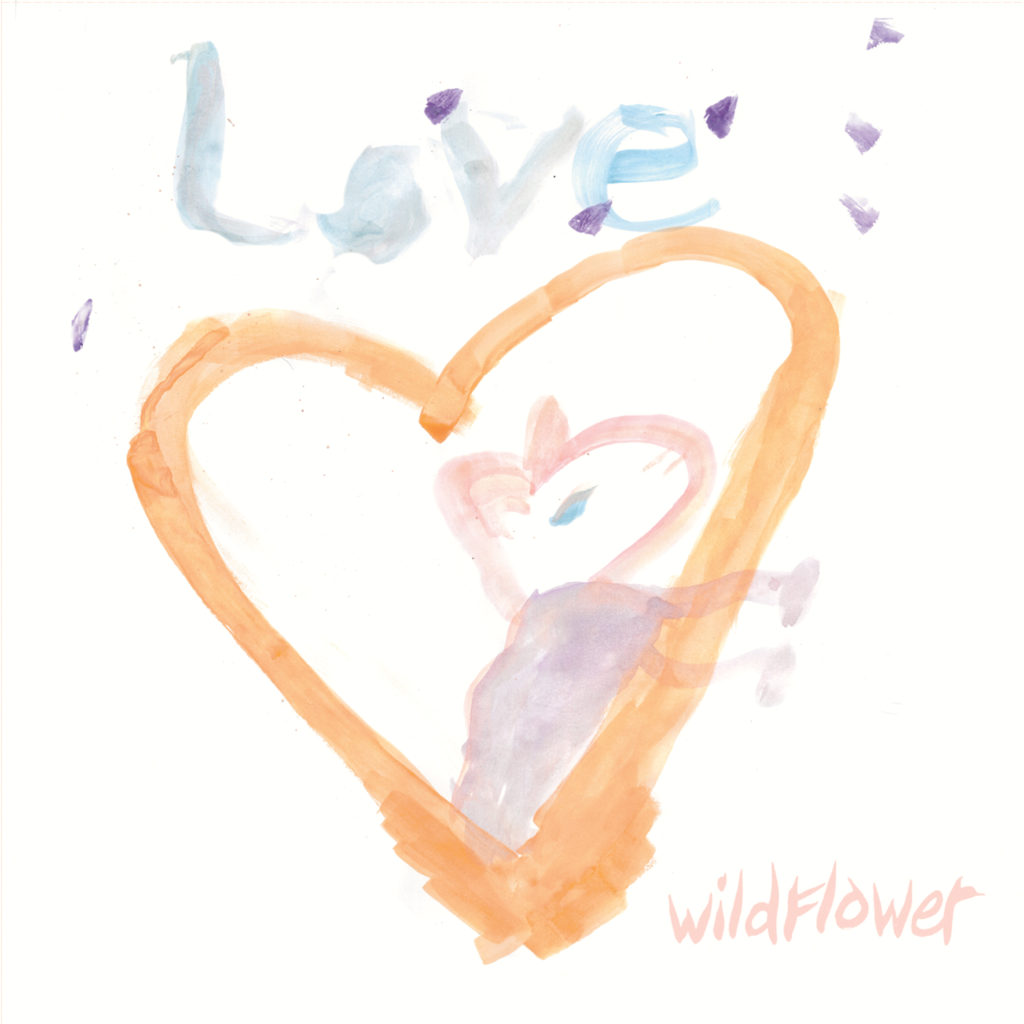
Leon Brichard (bass), Tom Skinner (drums), and Idris Rahman (saxophone) have unveiled their second album as Wildflower, titled Wildflower—Season 2.
Recorded over a two-day session at Fishmarket Studios in London, Wildflower—Season 2 sees the rising trio continuing to explore areas of groove-based improvised jazz, while taking a slightly more free approach to the writing process. It follows their self-titled debut, released in 2017.
Across seven tracks, Brichard, Skinner, and Rahman explore simple but effective melodies and bass motifs, used to create “fully realised pieces with dynamic extremes that bring a full range of emotion.”
Taking inspiration from spiritual jazz pioneers such as John and Alice Coltrane, Pharoah Sanders, Yusef Lateef and Sun Ra, Wildflower came together in 2017, influenced by Gnawa and Bengali folk music. Rather than having a tight rigid structure, the music is allowed to breathe and develop into new unexplored forms, allowing fresh interpretations that make each performance a unique experience.
Tracklisting
A1. Under the night sky A2. Mirage A3. Fire B1. Distant thunder B2. Rush B3. Light in the sorrow B4. Where the wild things dance
Wildflower—Season 2 LP is out February 14 on digital and March 6 on vinyl via Wildflower Music. Meanwhile, you can pre-order here, and hear “Mirage” below.
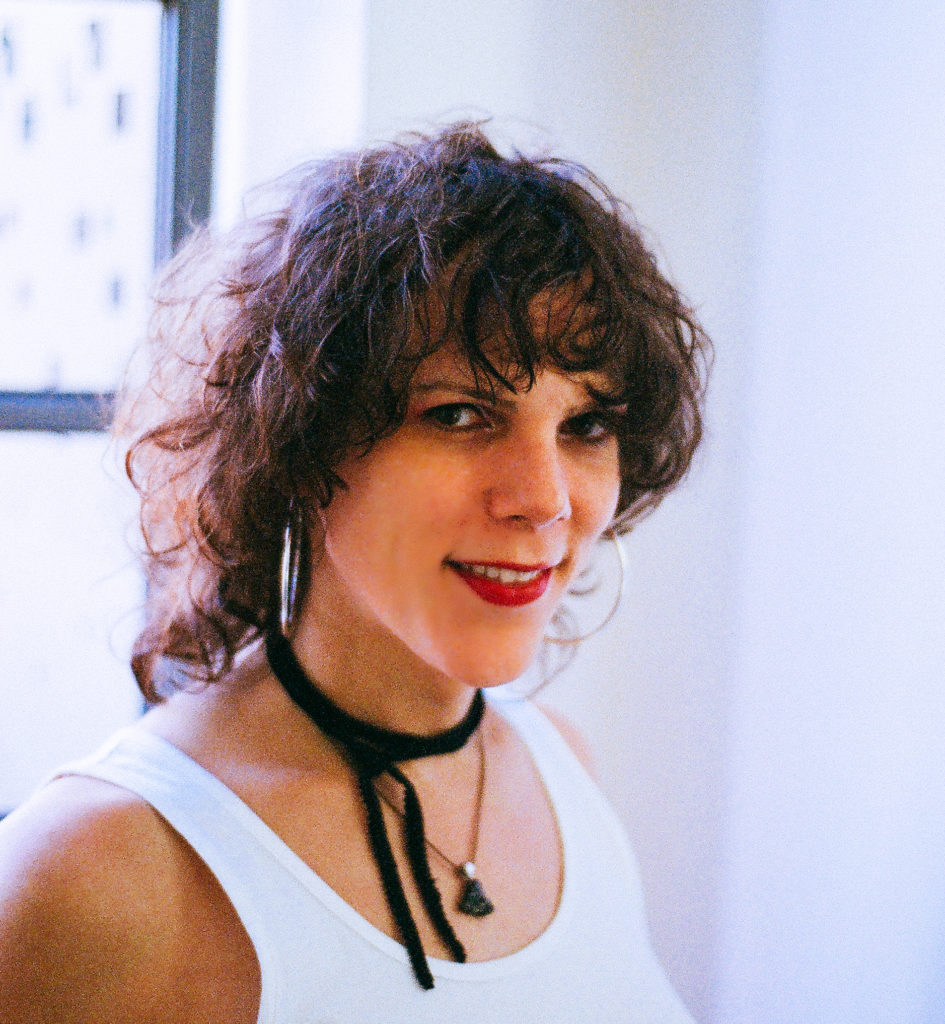
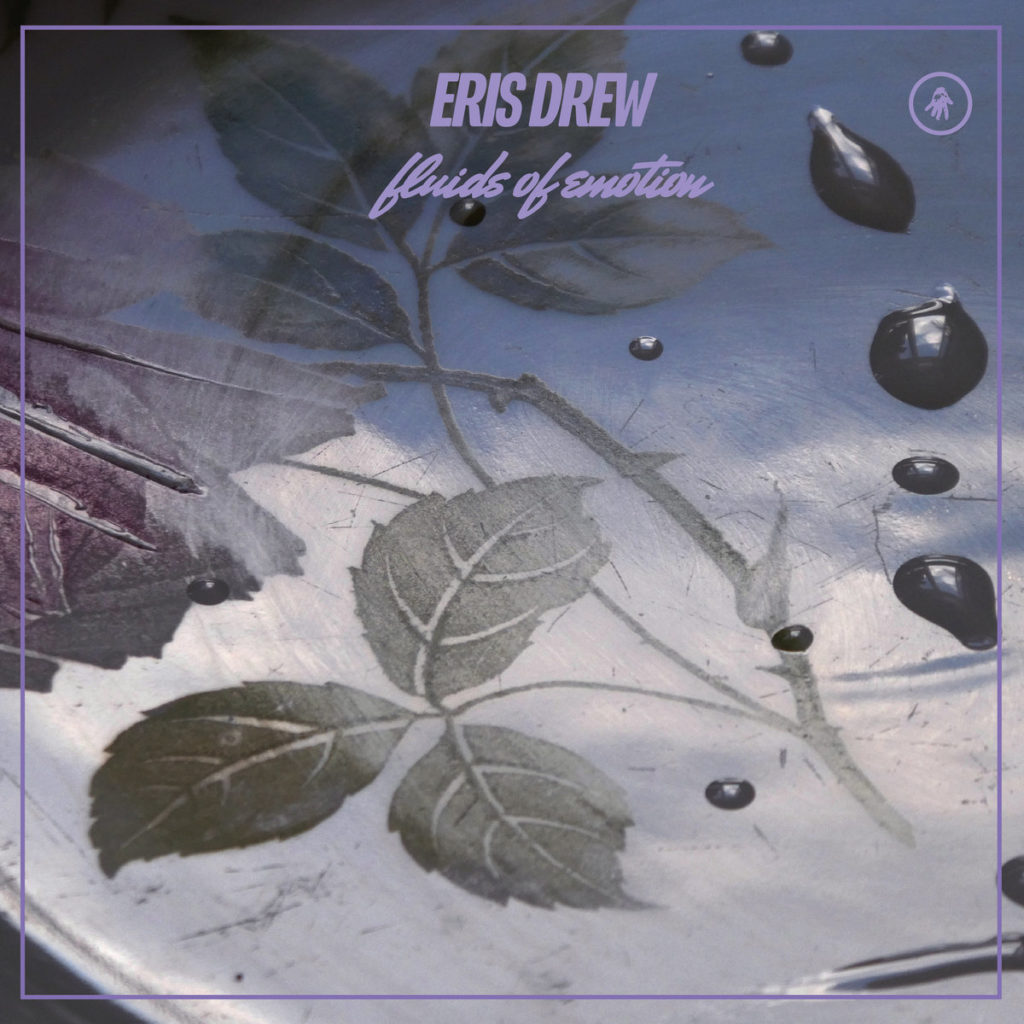
Recorded at Drew’s parents’ home in Chicago and mixed in the Interdimensional Laboratories studio in Detroit, Fluids of Emotion comprises three tracks “meticulously mixed for the maximum impact of the Motherbeat.”
Interdimensional Transmissions asked Drew to write a release to reflect the power of transition and of fully becoming who you are, much like how she channels the psychedelic energies of rave and love in her sets. It began with “So Much Love to Give,” written months before she left for her first European tour.
“I hadn’t written a dance track in years but during a series of life-changing events in 2017 (e.g. Club Toilet in Detroit, Campout in Pennsylvania, and Tuf Till Dawn in Seattle) I would rush home from my sets, turn on my MPC 2000 XL, and sample records,” Drew recalls. “‘So Much Love to Give’ just spilled out of me. It was the first song I sent to BMG [founder of Interdimensional Transmissions] and Erika [Sherman of Interdimensional Transmissions] after they asked me (challenged me in fact!) to make a dance record for IT.”
“Fluids of Emotion” followed in the winter of 2018, and then in the summer she wrote “Transcendental Access Point” on a binge of magic mushrooms. “I took threshold doses of mushrooms every day or so over a two-week period during which I hung-out in nature and worked in my studio,” Drew adds.
We’re told to expect an EP exploring the intersections of house and breakbeat culture—”a proto-rave ecstasy music that exudes the Fluids of Emotion, higher consciousness, and the conceptual art of the KLF (Kopyright Liberation Front).”
Drew has previously released “See You In Snow” on the 2019 Needs 006 compilation, as well as a split EP with Octo Octa, Devotion, on Lisbon label Naive in 2018.
“I can’t thank BMG and Erika enough for believing in me all these years and for working so hard to keep psychedelic dance culture alive….I am truly grateful for his patience, care and expertise in helping bring my music to life.” — Eris Drew
Tracklisting
A1. Fluids of Emotion A2. Transcendental Access Point B1. So Much Love to Give
Fluids of Emotion EP is out February 14. Meanwhile, you pre-order here and stream clips below.
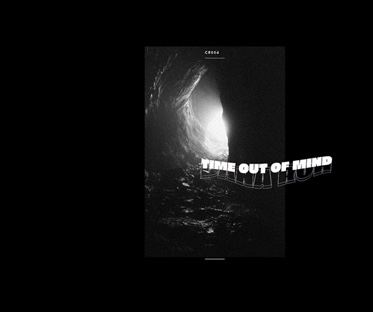
Dana Ruh has unveiled a new album, Time Out of Mind, out April 6 on her own Cave Recordings.
Recorded over the past five years in between touring, Time Out of Mind is the German artist’s second proper album, following 2014’s Naturally. We’re told to expect an 11-track “masterclass of thoughtful house moods and grooves,” much in the style of her earlier work which has surfaced on labels like Underground Quality, Slices Of Life, and her own Brouqade.
“This is a sophisticated album of lived-in house music that cocoons you in warm, inviting sounds, caresses you with catchy rhythms, and lulls you into a dream state with its fantastically subtle and romantic sense of late night melody,” the label adds.
Outside of production and DJing, Ruh also co-runs KMA60, a Berlin-based record store and distribution company that’s fast earning a reputation as being one of the German capital’s best such offerings.
You can read more about Ruh and her studio processes in her XLR8R feature here.
Tracklisting
A1. Still A2. Pass My Way B1. Misty Blue B2. Revertigo C1. Mr Bang C2. Empty Battery D1. Gran D2. Suspended E1. New Day E2. Me Vs Me F. Cross My Mind
Time Out of Mind LP is out April 6 on vinyl. Meanwhile, you can hear clips below.