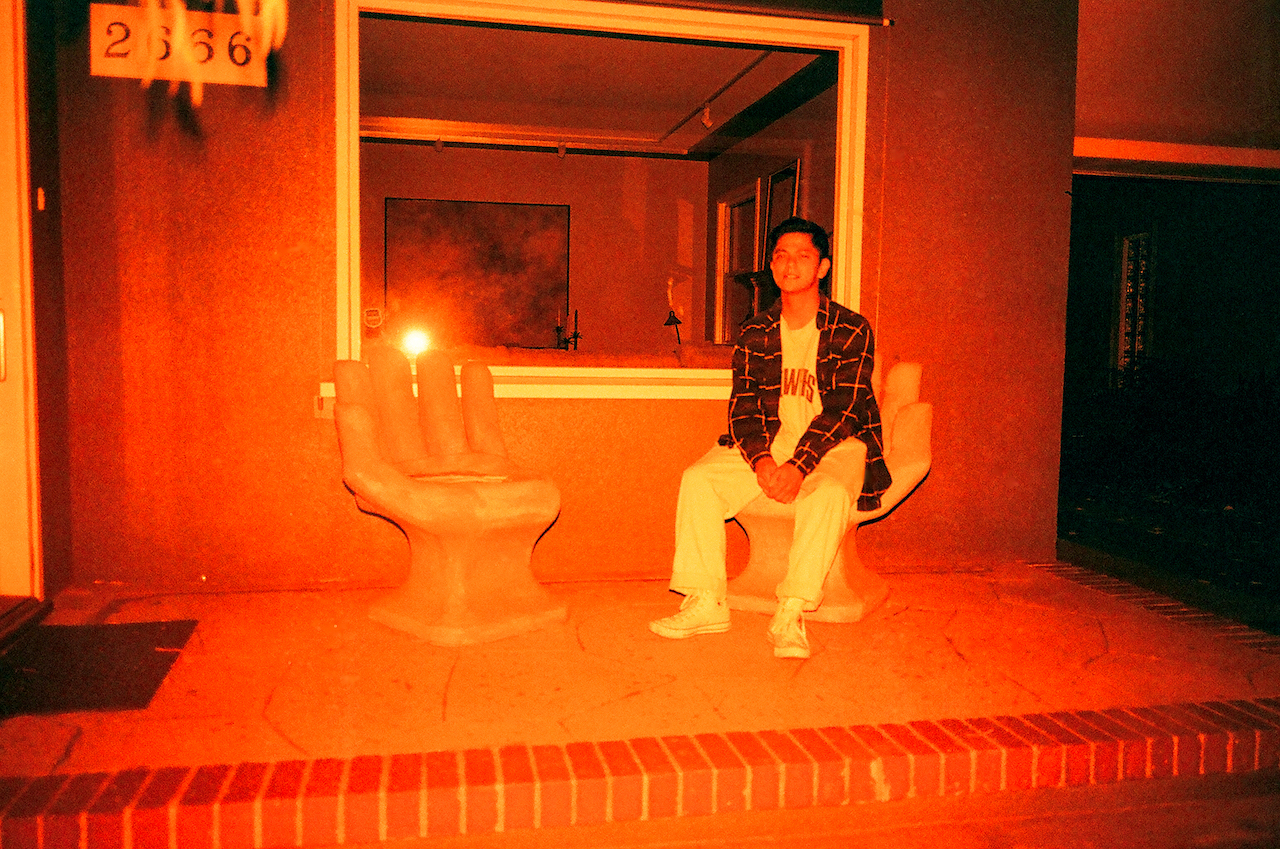
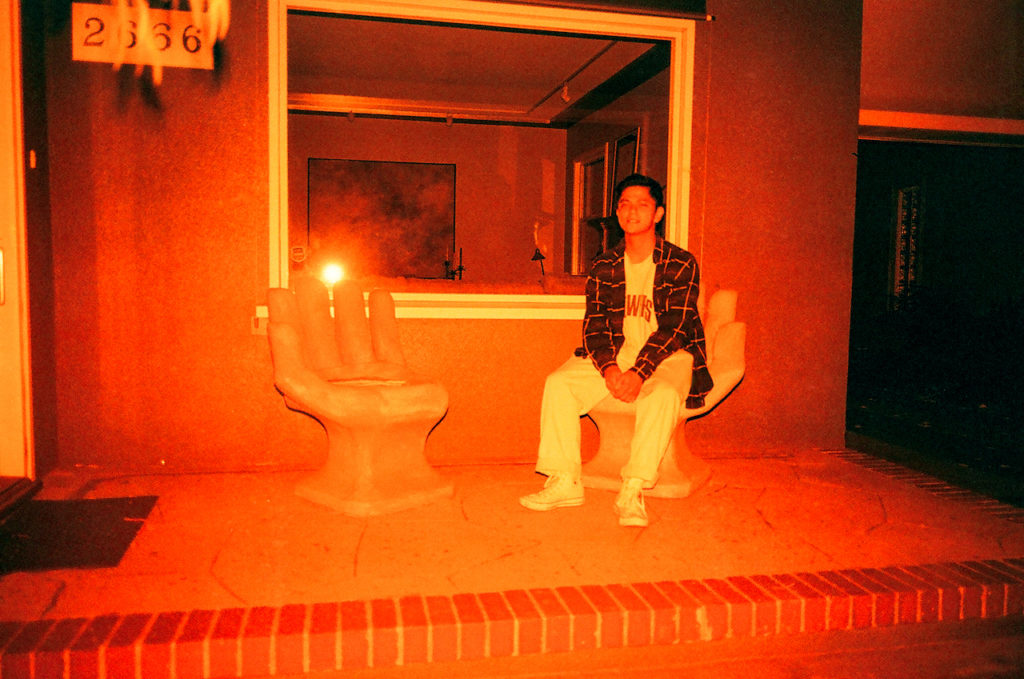
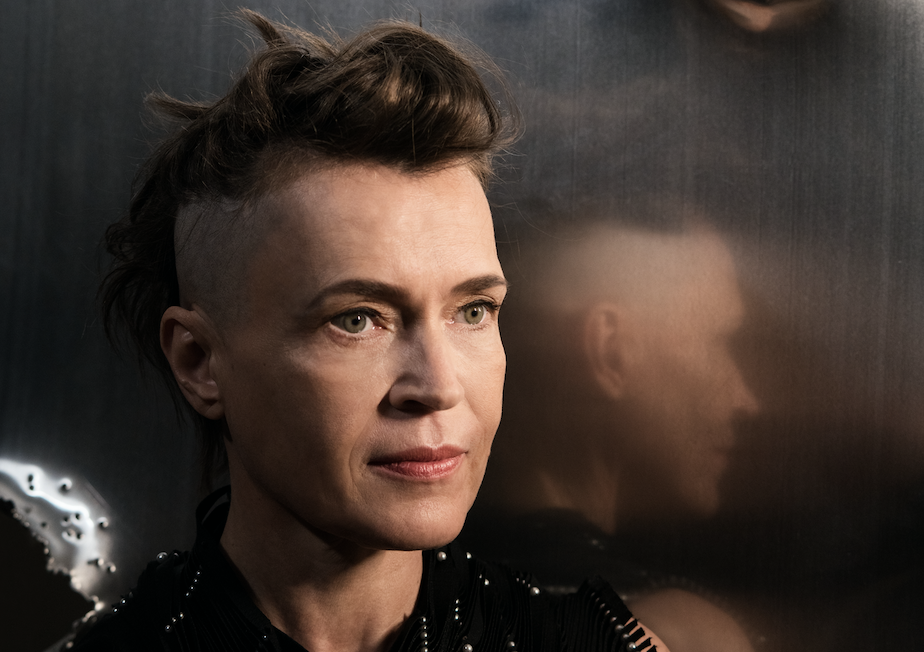
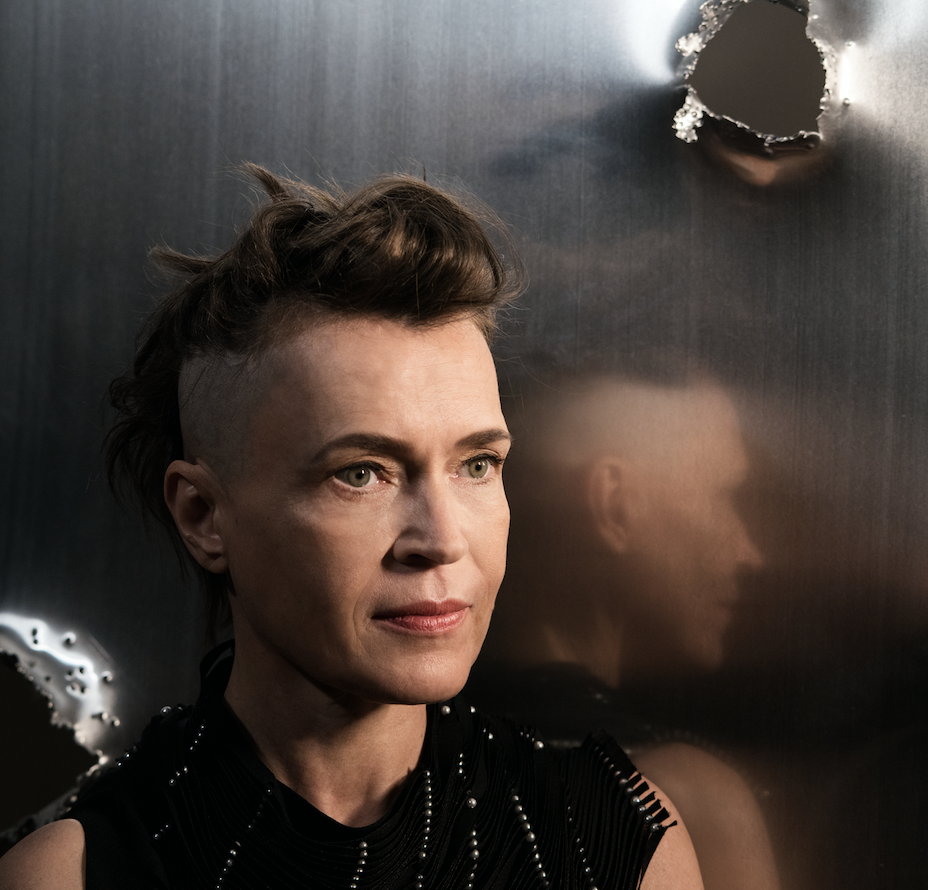
As Molly, Emeline Ginestet has become one of the brightest talents to emerge from the rich Paris music scene in recent years. Her love affair with house and techno began when she experienced club music first-hand during a trip to London, attending local club The End, leading her to delve deeper into electronic music to discover a whole new world of artists, labels, and records.
With a friend, she bought some turntables, just to “see how it works,” and no sooner was she performing in local bars, playing some rock, disco, and some electronic music stuff. After finishing her Masters in Communication, she picked up a permanent role at Rex Club in Paris, where she was head of the venue’s communications, before she left to do her own thing in 2017.
Molly’s growth since then has been steady, driven by a natural curiosity for music; her sets are distinguishable for their stylistic diversity and emotional depth, comprised of the sort of soothing house and techno that makes you move and reflect at the same time. Besides Rex, where she’s now an established resident, Molly is now a regular across Europe, performing at Concrete, Panorama Bar, Robert Johnson, and also further afield in Japan Canada, USA, Australia, Russia, and Chile.
These sultry aesthetics extend to her productions, which caught the attention of Giegling, who snapped her up for Waves, four tracks of the sort of slick, elegant micro-house that has underpinned the Weimar label’s success. Her earliest work landed on French label AKU, a sub-label of Yoyaku, before she signed to Groovement in Lisbon, Portugal, and she’s also featured on RDV Music, her label, launched in 2017.
At just over an hour in length, Molly’s XLR8R podcast ranges from delicate and downtempo to dark and more driving, but at all times it feels considered and intelligently constructed. You’ll hear tracks from Burial, new RDV signees Orion, Ateq, Eliphino, plus some unreleased Ateq and many more. Tune is below.
What have you been up to recently?
I’m in Asia at the moment, in Bali. It could be worse! I have been touring this part of the globe since the end of December, combining holidays and gigs. The tour has taken me to many fabulous places and events: Epizode in Vietnam, DGTL in India, a tour of Australia, and now Bali. Next stop will be Thailand, then China and back to Europe.
You discovered electronic music through a trip to London. Can you describe this experience, and what it was that you enjoyed about this music?
Yes, indeed. I was really into indie pop and rock music at the time, going to lots of concerts, and eventually I found some clubs where I could dance to this music, too. These clubs were also playing electronic music—The End, for example. I fell in love with the beats and the structure, and we could really dance to it. I didn’t know that this music existed at that time. For me, nightclubs were just places where you could hear commercial dance music or cheesy ’80s music.
How did you connect with the Giegling crew for Waves?
I met Konstantin at a festival in Amsterdam, it was for a LET stage. We kept in touch afterward, he played for my residency in Paris at Rex Club and he invited me to play with the crew at Panorama Bar. I met the crew there actually and I really loved their energy. One day, I asked Konstantin if I could send him some music I was working on, just to get some feedback and advice. He really loved the tracks and offered to release them on Giegling. To be honest, it was my dream label but I would never have expected to have my music released with them.
When and where did you record this mix for XLR8R?
I recorded the mix in late November at home in Barcelona. I moved there a year ago, I don’t live in Paris anymore. I have to say that I really enjoy living in this city, it’s a lot calmer than Paris.
What’s the concept behind it?
I tried to present a global view of what I can play. It can be deep house, house, deep techno, some breaks stuff; it goes with my mood. It’s not about genre categories but how I feel the track, what it is in it, a feeling. I can’t restrict myself to only one genre. That’s the reason my sets are quite eclectic.
How did you go about selecting the records that you included?
I chose tracks I’d been enjoying in the months before it was recorded and some exclusive music. There are bits from Ateq, then the next release on my label from Orion, an Italian duo that I’m very happy to have signed—and an unreleased track from me.
Where do you dig for records more generally?
Everywhere! Actually I love to dig when I travel, and I’m always asking around for the local record stores. I also dig in Barcelona a lot, it’s a great place for that, because the city has many very good record shops. Of course, anytime I stop by Paris, I dig there, too. I still have my old habits there!
What are your plans for 2020?
To keep enjoying what I do is the main plan! Of course, I have a “to-do” list, especially because we are in January. The start of the year is always the time for future planning. My list goes something like this: (i) focusing on my live set and improving it. I did it once already but I’d like to do it more often. It’s a new exercise that is very different but so challenging; (ii) I have to finish my album, which I’m working on at the moment; (iii) focus more on my imprint, RDV Music, where I have some really nice releases planned from talented people; (iv) I really want to develop the project I have with Ateq; (v) and I also have some plans for another project, unrelated to music. Fingers crossed that it works and I’ll be able to tell you more soon.
XLR8R has now joined Mixcloud Select, meaning that to download the podcast you will need to subscribe to our Select channel. The move to Mixcloud Select will ensure that all the producers with music featured in our mixes get paid. You can read more about it here.
Tracklisting
01. Burial “State Forest” [Hyperdub] 02. DARREN Nye “unknown” [Polarity] 03. Fred P “Come This Far” (Original Mix) [Soul People Music] 04. ATEQ “#23” [Unreleased] 05. Zoo Look “Next Time” [Lost Palms] 06. Eliphino “Dusty” [Secretsundaze] 07. Orion “Samui” [RDV Music] 08. Hadar “Flying Saucer” [Hadar] 09. Mystic version 03 “V.A” [Mystic Versions] 10. Alex Cortex “Kihon 1” (Original Mix) [Pomelo] 11. PeteBlas “Higher Soul” (Original Mix) [Soul People Music] 12. Jeff Blank “Click” [Omega Capricorni] 13. Human Space Machine “Places” [Indigo Area] 14. Molly “Sweet Afternoon” [Unreleased] 15. Dance Company “Berzerkerz” (Hardcore Young Team) [Turbo Recordings] 16. Cofaxx “Mauve Tracksuit” [Exotic Robotics]
Mistress 14 is ASOK’s second release on Mistress, following 2015’s Count Zero. Over five tracks, he unfolds his raw sound aesthetic full of broken kick drum patterns, stepping basslines, and lush synths.
With 25 years of record collecting, DJing, and promoting parties around the United Kingdom, there is little of the dance music spectrum that ASOK, real name Stu Robinson, has not been involved with. The Liverpool.-based artist has amassed a deep understanding of a wide array of scenes, styles, and sounds from drum & bass to electro-funk, disco to house and techno, all underpinned by a love of breakbeat. His music as ASOK is described as “an amalgamation of this diversity,” and has featured on labels such as M>O>S, Lobster Theremin, and Crème Organization.
Robinson describes the release as “probably the most important EP I have ever made in terms of showing all the different things I am into.” He continues: “As a producer, it’s not easy to put an EP together that covers a little of everything, yet still sounds cohesive. Especially considering that all my tracks were recorded in long live takes, then edited down with no ability to change parts. Sometimes that requires some pretty heavy editing, but that’s one of the good things you get when making music this way. I’m in control of the creative process, rather than feeling like some kind of colored block administrator drawing blocks out on arrangement view of my computer.”
Tracklisting
01. Space Rockets 02. Is Anyone 03. Last Refug 04. The Alchemist 05. Apano Sin (Digital Bonus)
Mistress 14 EP is out February 28 on vinyl and digital. Meanwhile, you can stream clips below and pre-order the release here.
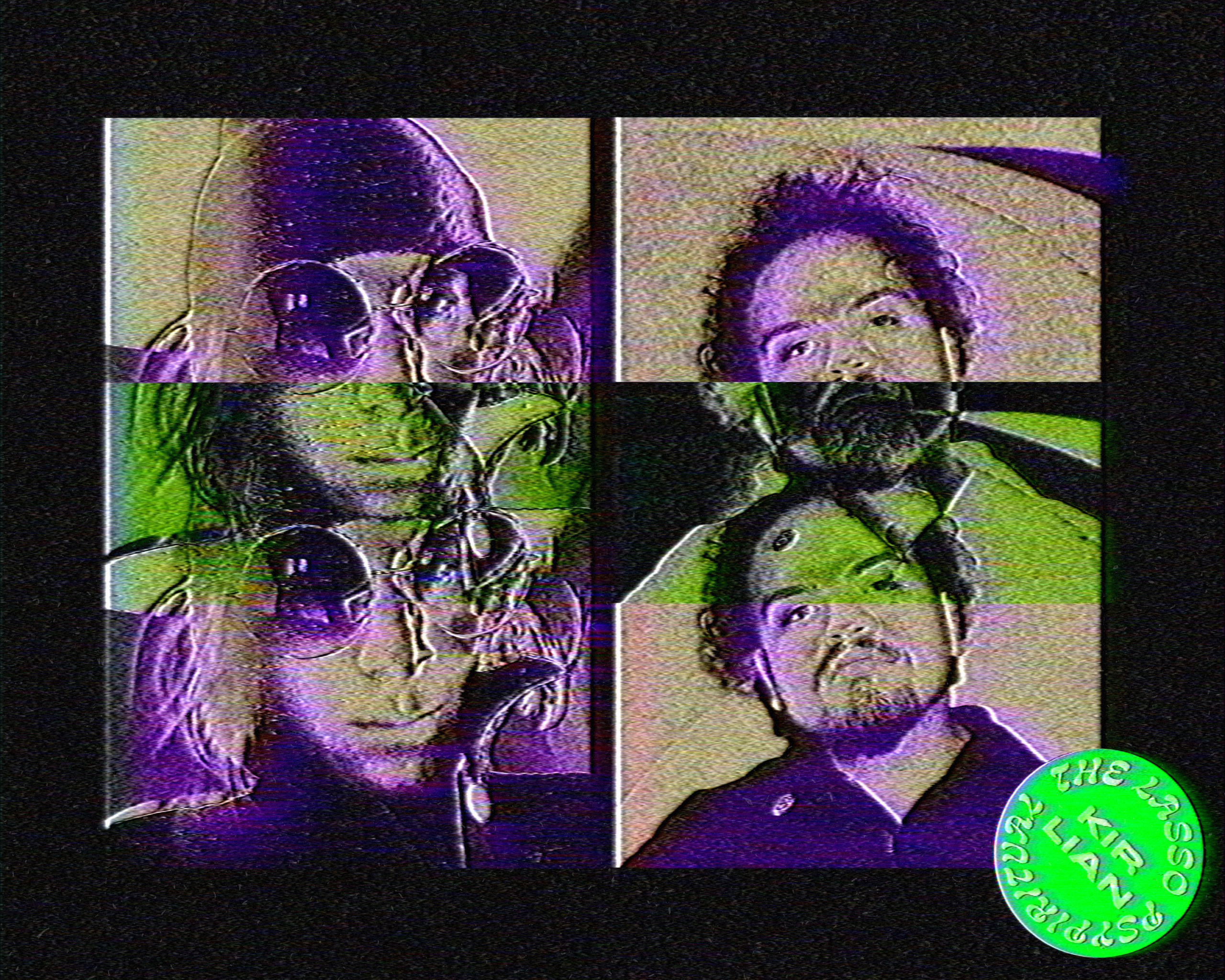
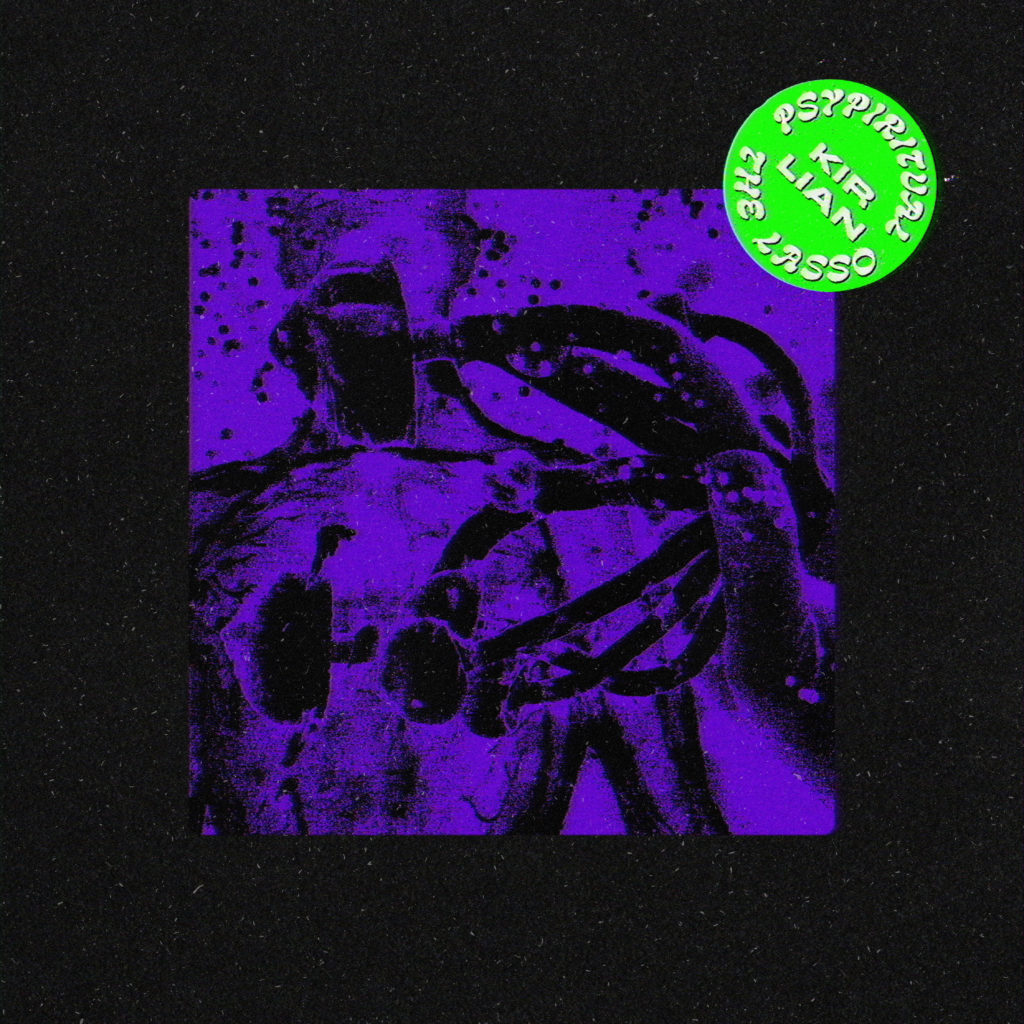
The album’s roots can be traced back to 2017 when The Lasso, real name Andy Catlin, was introduced Psypiritual, then 17, fresh out of high school, and already boasting a catalog of hundreds of songs. The two sparked up a friendship and collaboration that revolved around the studio space of Ojala Systems, a music, art, and activism collective featured on XLR8R+.
In 2020, with The Lasso now living in Detroit, Psypiritual used money from his first job to buy a plane ticket north. The two camped out in The Lasso’s home studio for eight days, with The Lasso producing and performing all of the instruments. As The Lasso cut tracks, Psypiritual wrote verses, and by the end of the session the two had created a large body of material defined by lush analog synths, bossa nova guitar chords, and dubbed-out acoustic percussion.
The album was mixed and mastered at High-Bias Recordings in Detroit. The body of work stands as a “fusion between two cultures, two generations, and two unique musical visions,” we’re told.
Tracklisting
01. Gravewave 02. Tobe 03. Spawn (feat. Motorkam) 04. Layman 05. Cesar Llavez 06. Palma Dutch (feat. Sam Cooper) 07. c2=a2+b2 08. Nuketown 09. Macrowave 10. Jimi 11. Zodiac Cognac 12. Seeking a Friend for the End
Kirlian LP is out February 7, with pre-order here. Meanwhile, stream “Cesar Llavez” in full below.
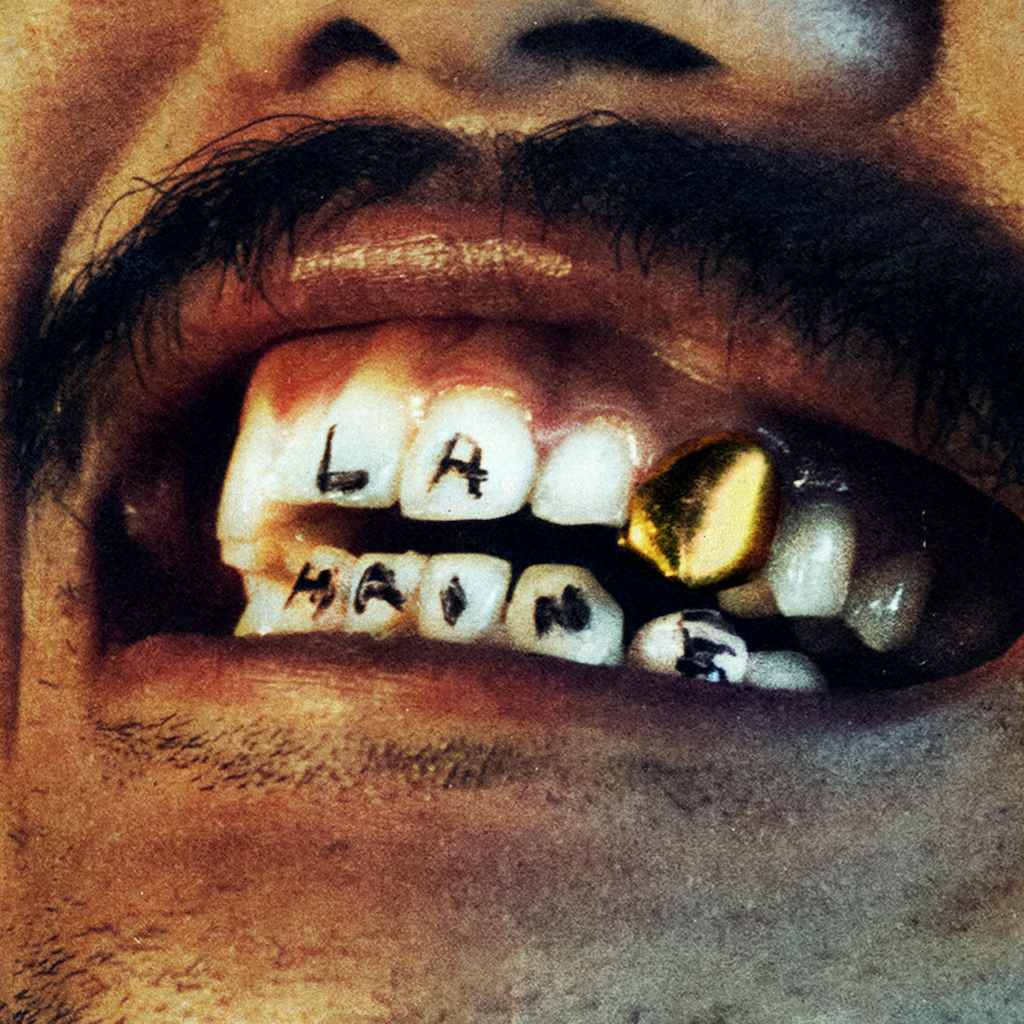
La Haine is the Long Beach-based hip-hop/electronic producer’s second appearance on the Los Angeles label, following 2017’s Before You’re Gone EP. It was recorded between 2018 and 2019, and derives inspiration from the ’90s black-and-white French film of the same name, initially released by director Mathieu Kassovitz in 1995.
“La Haine means hate. I wanted this album to also help people come to terms with what they hate in their life or anything that they hate about themselves, and be at peace with it,” Alphafox says. We’re told that it’s “laced with a level of tension rarely heard in electronic music and instrumental hip-hop.”
The album features Three 6 Mafia’s Gangsta Boo and A-Frame of the Rebels of the Underground collective. “Vocal samples are chopped and screwed, with tones that rattle the speakers like an earthquake,” the label explains.
La Haine‘s centerpiece is “Sauced Up, which finds a trajectory between trap and experimental bass music and features Gangsta Boo, whom Alphafox connected with at the now-defunct Low End Theory weekly after performing “Stress,” which samples Gangsta Boo’s verse from the Three 6 Mafia’s song “Late Nite Tip.”
“After we met, we exchanged numbers and we have kept in contact since,” Alphafox recalls. “I hit her up shortly after to rework ‘Stress’ and she added adlibs and redid some parts. On my first album, I hit her up to see if she was down to do a verse on a song and she ended up doing the full track, verses and chorus included.”
Only 26 years of age, Alphafox attended the Pasadena Art Center, and cites artists such as Flying Lotus, Earl Sweatshirt, Mr. Carmack, Kendrick Lamar, Nas, and Samiyam as heavily influential to his path as an artist and the approach he’s taken on his debut LP.
Tracklisting
01. A (feat. A-Frame) 02. Slow Til I Die 03. End @ 3 04. Walk Thru 05. Aint Nothin 06. tf going on?? 07. Omm 08. Sauced Up (feat. Gangsta Boo) 09. Hit The Gas 10. Repeat 11. HA! 12. YUUUHURD 13. Back Baby 14. Nothing
La Haine LP is out worldwide across digital platforms and as a limited edition cassette on February 21. Meanwhile, you can stream “Sauced Up” featuring Gangsta Boo below, and pre-order the album here.
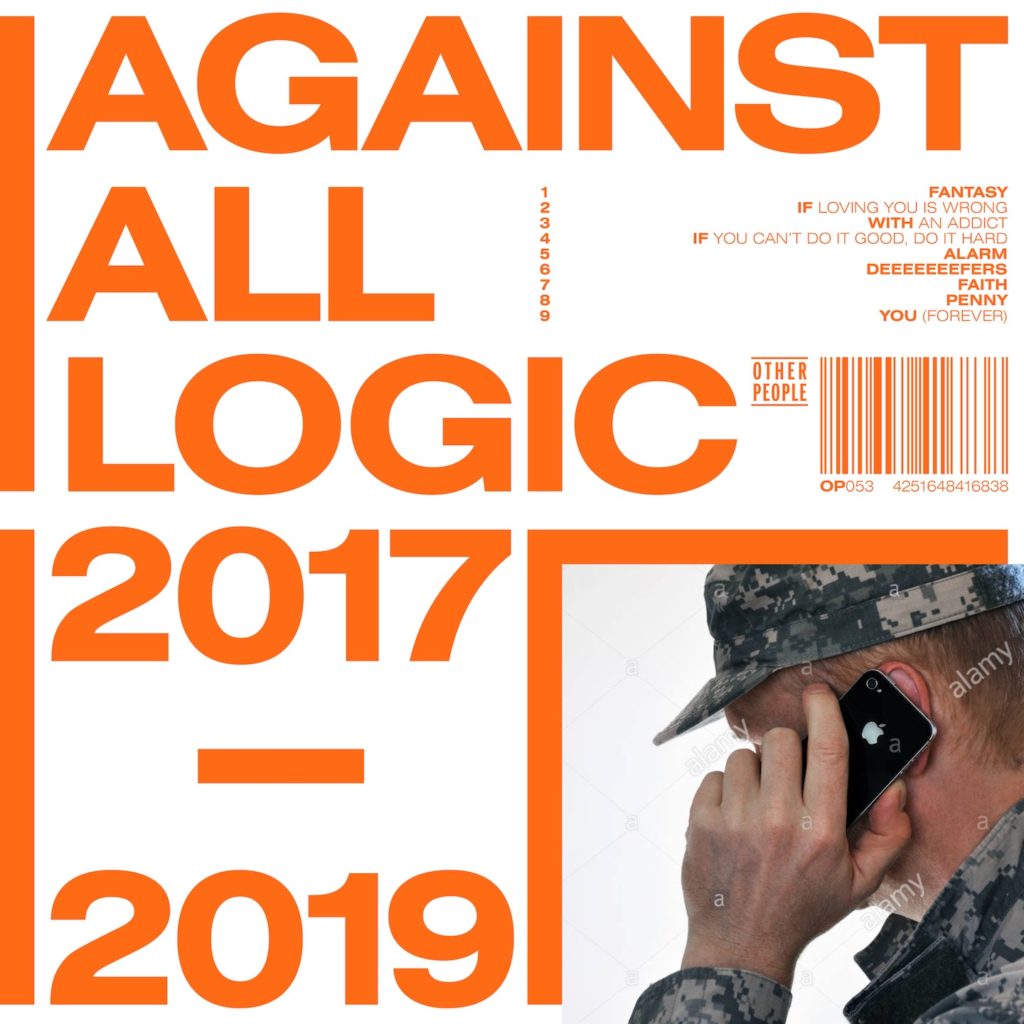
Nicolas Jaar has shared a new album as Against All Logic, titled 2017—2019, out February 7.
The album follows 2012—2017, a compilation album released in 2018 that collected tracks Jaar had been producing during these years. The announcement comes on the day that Jaar releases Illusions of Shameless Abundance, a new EP available now via Other People and featuring singles with FKA twigs and Lydia Lunch.
Over the past year, Jaar has scored the soundtrack for Pablo Larraín’s movie “Ema,” presented at Venice International Film Festival 2019, and he has co-produced FKA twigs’ latest album. He’s also debuted a collaboration with Patrick Higgings under the alias AEAEA, and completed a residency at Het HEM in Amsterdam, where he presented two sound installations. You can learn more here.
Earlier this week, Jaar also shared an Against All Logic mix, recorded for NTS. The mix features only new and unreleased material, none of which is included on the EP, besides an edited version of “Illusions of Shameless Abundance” feat. Lydia Lunch.
To announce the new album, Jaar has shared the single ”Alucinao” feat. Estado Unido & FKA twigs, which you can stream below. Meanwhile, Illusions of Shameless Abundance’ is available here.
Jaar wishes for his own picture to not be associated with the Against All Logic project, instead requesting that it be represented by “any picture of a military man holding a cellphone.” The reasoning for this is unclear.
Tracklisting, Illusions
01. Illusions of Shameless Abundance (feat. Lydia Lunch) 02. Alucinao (feat. Estado Unido & FKA twigs)
Tracklisting, 2017—2019
01. Fantasty 02. If Loving You is Wrong 03. With An Addict 04. If You Can’t Do It Good, Do It Hard (feat. Lydia Lunch) 05. Alarm 06. Deeeeeeefers 07. Faith 08. Penny 09. You (Forever)
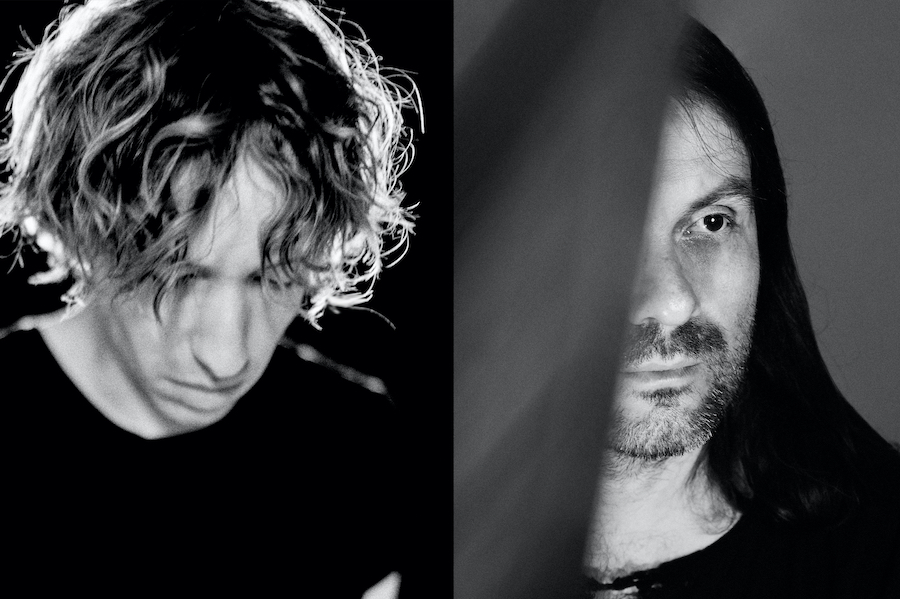
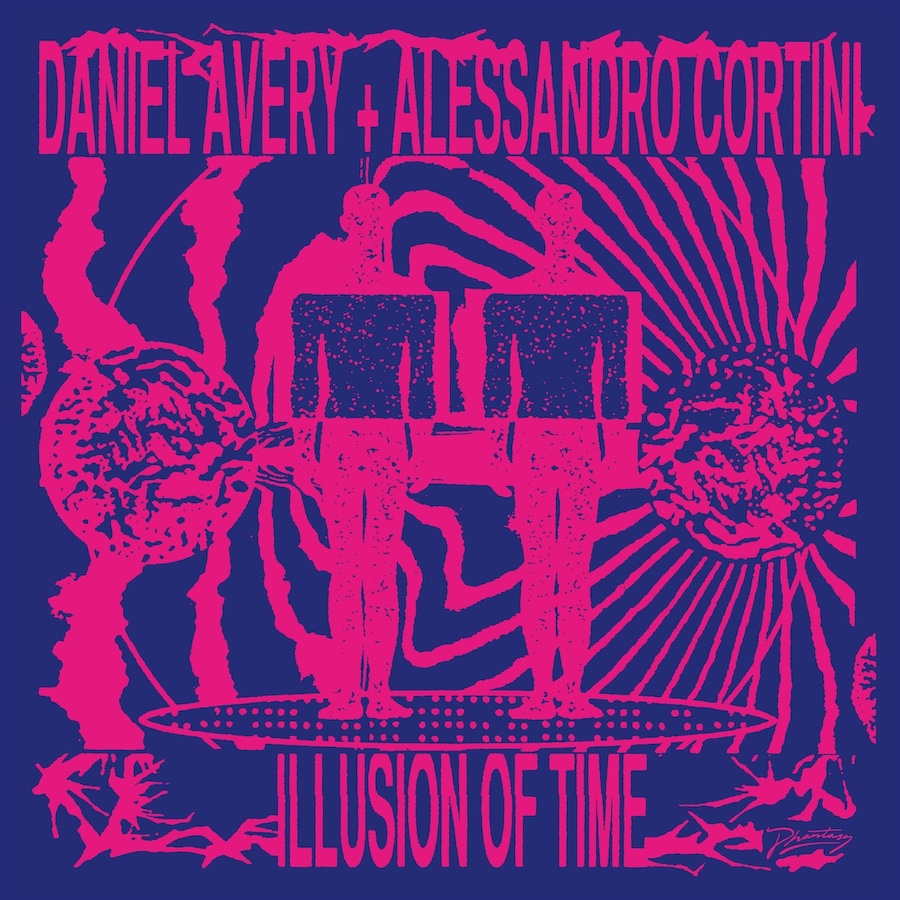
Daniel Avery and Alessandro Cortini have announced their first collaborative album, Illusion of Time, set for release on March 27 on Phantasy worldwide and Phantasy/Mute in the United States and Canada.
Illusion of Time began as a collaborative experiment before the pair had even met, and they worked on it remotely and free of concept or deadline over several years. They completed it when they were both touring with Nine Inch Nails in 2018. The result is a “quietly powerful album rooted in trust, process, and experimentation,” the label explains.
The first fruits of their labour were unveiled last year when “Water” and “Sun” appeared online, and were subsequently released as a limited edition 7” run that was sold at FYF Festival and Mount Analog in Los Angeles, and Phonica Records in London. Both tracks are included on the album.
“It was very much a shared process,” Avery notes. “I would like to credit Alessandro with his belief that music has a life of its own, as well as the importance he places on the first take…that even something that may be considered out-of-step by some should be respected. Some of the tracks were borne simply out of a tiny synth part, or a bit of tape hiss that we had recorded. And that approach taught me a lot. It’s a record that’s been worked on hard, but not laboured over.”
“I was a big fan of Daniel’s, and his work always spoke to me in a certain way,” explains Cortini. “Then, when we started working together, it just clicked. It’s very hard to explain, but I can always hear the love in his work, and that is true on this record. After our first collaboration, we just kept sending each other music and maintaining that dialogue. Next thing you know, we’re sitting in a hotel room in New York and had finished the record in three hours.”
The album follows Avery’s second album, Song For Alpha, released in early 2018. Cortini released his most recent solo album, Volume Massimo, on Mute in July 2019, following Fine, the Italian artist’s final album under his SONOIO alias, which came out the previous year.
To coincide with the announcement, the pair have shared a video for the album’s title track directed by Sam Davis and Tom Andrew, streaming below.
Tracklisting:
01. Sun 02. Illusion of Time 03. CC Pad 04. Space Channel 05. Inside The Ruins 06. At First Sight 07. Interrupted By The Cloud of Light 08. Enter Exit 09. Water 10. Stills
Illusion of Time LP is set for release on March 27 on limited edition heavyweight transparent magenta vinyl. Pre-order is available here.
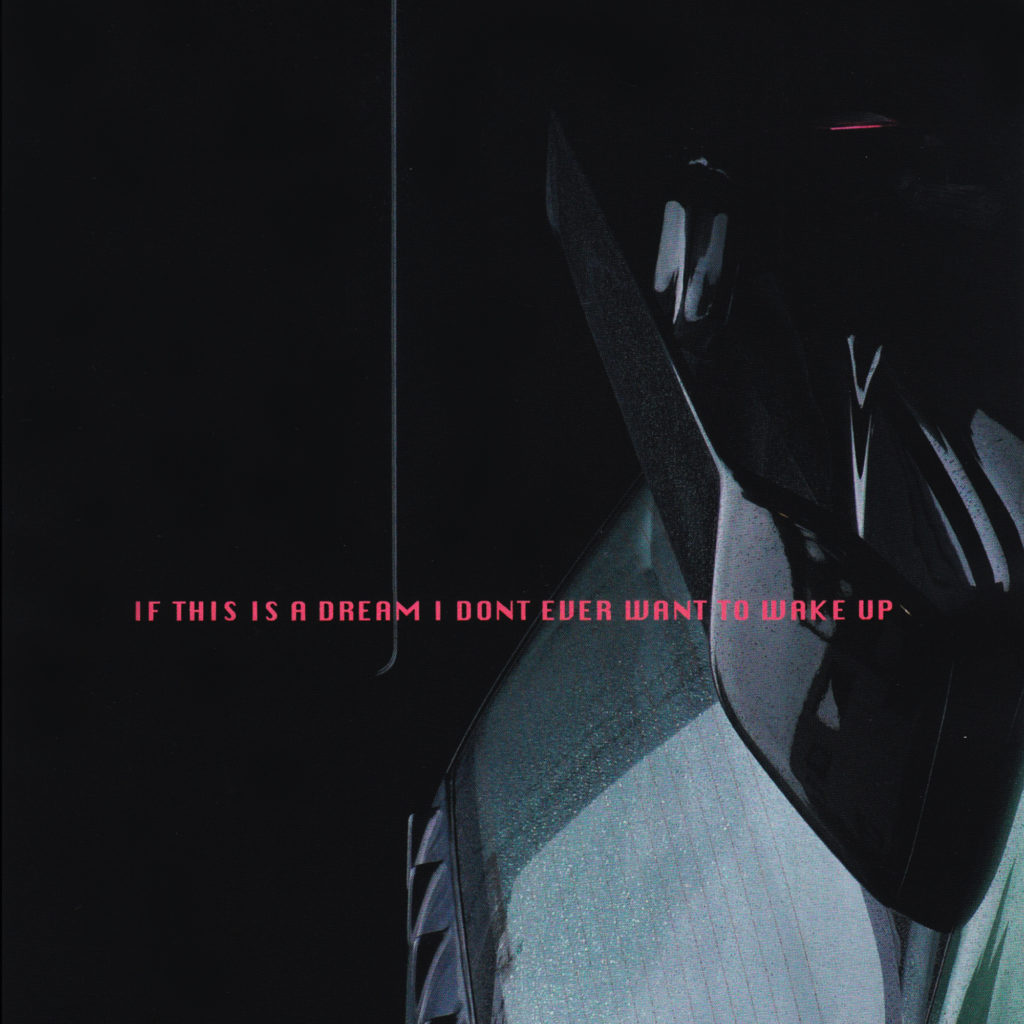
Raime have released a new jungle mixtape, available now via Reel Torque, titled If This Is A Dream, I Don’t Ever Want To Wake Up.
The release follows up the U.K. duo’s crucial dancehall mix of 2017, Our Versions of Their Versions, and finds them returning to the apex of mid-’90s jungle, when the genre emerged in its classic form after the accelerated rush of hardcore rave. It’s a deeply personal selection of music, pieced together from rare and obscure 12”s discovered over the years and finally reaped from Raime’s wants-list after haranguing owners of decent copies, and shelling out for them in the process.
The tracklisting remains under wrap, but we’re told that it prioritises overlooked gems at the expense of well-known classics.
“This time they go a layer deeper, strafing the shadows of jungle’s seminal phase to highlight relatively unknown tunes that were nonetheless quintessential to the style, and which, more than anything, tick all the the right boxes in Raime’s rigorous quality test,” the label explains.
If This Is A Dream, I Don’t Ever Want To Wake Up is available now on tape only.
Editions Mego will release the new album from Electric Indigo, real name Susanne Kirchmayr, who debuts on the label.
Ferrum is Kirchmayr’s second album as Electric Indigo in more than 30 years of activity, following 5 1 1 5 9 3, out via Robert Henke’s Imbalance Computer Music in 2017. It takes a close look at the spectral richness of iron and other metals in various shapes and sizes.
Across seven tracks, we’re told to expect a “large-scale exploration of inharmonic timbres,” oscillating between brutal grinding textures and intricate percussive singularities, all created by digitally transforming recordings of metallic objects.
Some of the results are an obvious nod to Kirchmayr’s Electric Indigo DJ alias, music that could be played on the dancefloor, but others offer almost steady-state like meditative qualities, “vibrations from deep within, on a sub atomic level, full of light and motion on the tiniest possible scale,” the label explains.
Kirchmayr began to work with music in 1989 in Vienna, Austria and then Berlin in the early ’90s, playing at the best parties of the early days like E-Werk, Tresor, Ultraschall, and Flex. In 1998, she founded Female:Pressure, an international platform for female, transgender, and non-binary DJs, producers, and artists involved in electronic music and digital arts.
Next on Binh‘s Time Passages label is Innershades, the alias of Belgium’s Thomas Blanckaert.
Blanckaert has been churning out quality music since 2013, maintaining a prolific release schedule. He last appeared on Time Passages in 2019 with ASZ, featuring five tracks of electro and broken beat, and this latest EP follows in a similar style. It’s been on our radar since Francesco Del Garda B2B Binh dropped the lead track, “It’s Time,” at Dimensions in Croatia last summer.
With an upcoming release on EYA in February, it looks like it’s going to be a lively year for Blanckaert.
Tracklisting
A1. It’s Time A2. Forum B1. Euphoria In Ginza B2. No Romantic
It’s Time EP is out now on vinyl. Meanwhile, you can stream clips below.
Given their adornment of a mask, it would be fair to assume that BLEID is not one for interviews, but it’s really just a vehicle to hide their identity and separate gender and age stereotypes from their music. What we do know is that they form part of a young generation of artists making Lisbon one of the most exciting places for new electronic sounds, but any one of the many features spotlighting the music in the Portuguese capital will tell you this.
BLEID, whose name remains undisclosed, found music early on, and she enjoyed an eclectic musical upbringing, ranging from Pink Floyd, Queen, and Mozart to any number of contemporary singer-songwriters, hip-hop, and punk rock.
“I grew up as a product of the internet, which always gave me the possibility to download a lot of what I wanted to hear, and also find new stuff really fast,” BLEID says. “I think I would say the thing that shaped me most was the possibility of listening to a bunch of different music growing up.” Playing guitar became their hobby of choice through school, but Ableton and electronic music soon took a hold.
The first full BLEID release came in the shape of a self-titled cassette album released in 2017, which they followed with a four-track collaboration with Violet, to whom they also contributed “sdrawkcaB,” included on Rádio Quântica’s compilation to celebrate the fourth anniversary of the much-loved platform, where BLEID also hosts their Dismantle show each month. More recently, they contributed “Ter Medo, Querer Morrer,” a previously unreleased track to XLR8R+ alongside DJ Nigga Fox, Serpente, and RS Produções, which you can download here.
BLEID’s work is all about beautiful textures and off-kilter drum patterns, and it spans ambient, broken beats, and drone, while their live sets and DJ mixes tend to be more direct and driving—as seen on their Boiler Roomset, recorded at a showcase for mina, a feminist techno party where they’re installed as a resident. Next up is an EP for Ashida Park, a label based out of Vienna, Austria, and we took the opportunity ask them to tell us more about their setup.
For me, producing music is something playful and fun at heart, and it revolves a lot around experimenting with different sources. Some of my favorite music—from other people, not mine—has been done in a rather cheap and experimental way, so that’s a language I’ve ended up embracing. Plus I really don’t believe there’s any need to spend money in order to exercise some creativity and have some fun.
For as long as I remember, I’ve been fascinated with music and I’ve been playing the guitar since I was 12. But the deeper I dug into musical creation, the more I started getting bored of it; I grew tired of the guitar’s default sound and of how many resources I needed to make the music I wanted through it.
I accidentally started making electronic music in Audacity, just experimenting around with things I had recorded with the guitar at first, and a bit later with samples I found online. It was sort of a mind-bending moment to realize that I only needed some software and a computer to do what I wanted, and I think my outlook when choosing gear has been tied to that mindset. I’ve always felt the internet is a great alternative as an endless source of “gear,” considering how expensive it is for people who want to start making music to own hardware gear and a studio.
So I guess my outlook comes mostly from this effort of trying to make the most with the least, while trying to be aware that we are living in a time when there’s a lot of easily available free or cheap resources to experiment with; there’s really no need for music creation to be as limited by access to money and equipment as it previously might have been.
When it comes to my choices of virtual gear, I’m a bit careless: I’ll often download and install / uninstall free VSTs and software just to experiment with them and see what they do. I’ve always been fascinated with the amount of things people share on the internet and I enjoy getting lost there when looking for “gear.” I don’t think I look for anything in particular, at least not consciously. For me, playing around with music software in a way is more like a form of entertainment, like watching a movie or playing a game without knowing exactly what’s going to come out of it. Often I’ll just use them to generate some sounds I end up sampling later on without thinking too much about it. For this article, I’ve specifically chosen three very different VSTs I feel I have kept coming back to.
When it comes to physical gear, those are way more careful choices, primarily because it’s more expensive and requires a commitment. What I’m looking for there are things that make it easier for me to play more complex things in live sets or make my workflow faster and more comfortable when producing at home.
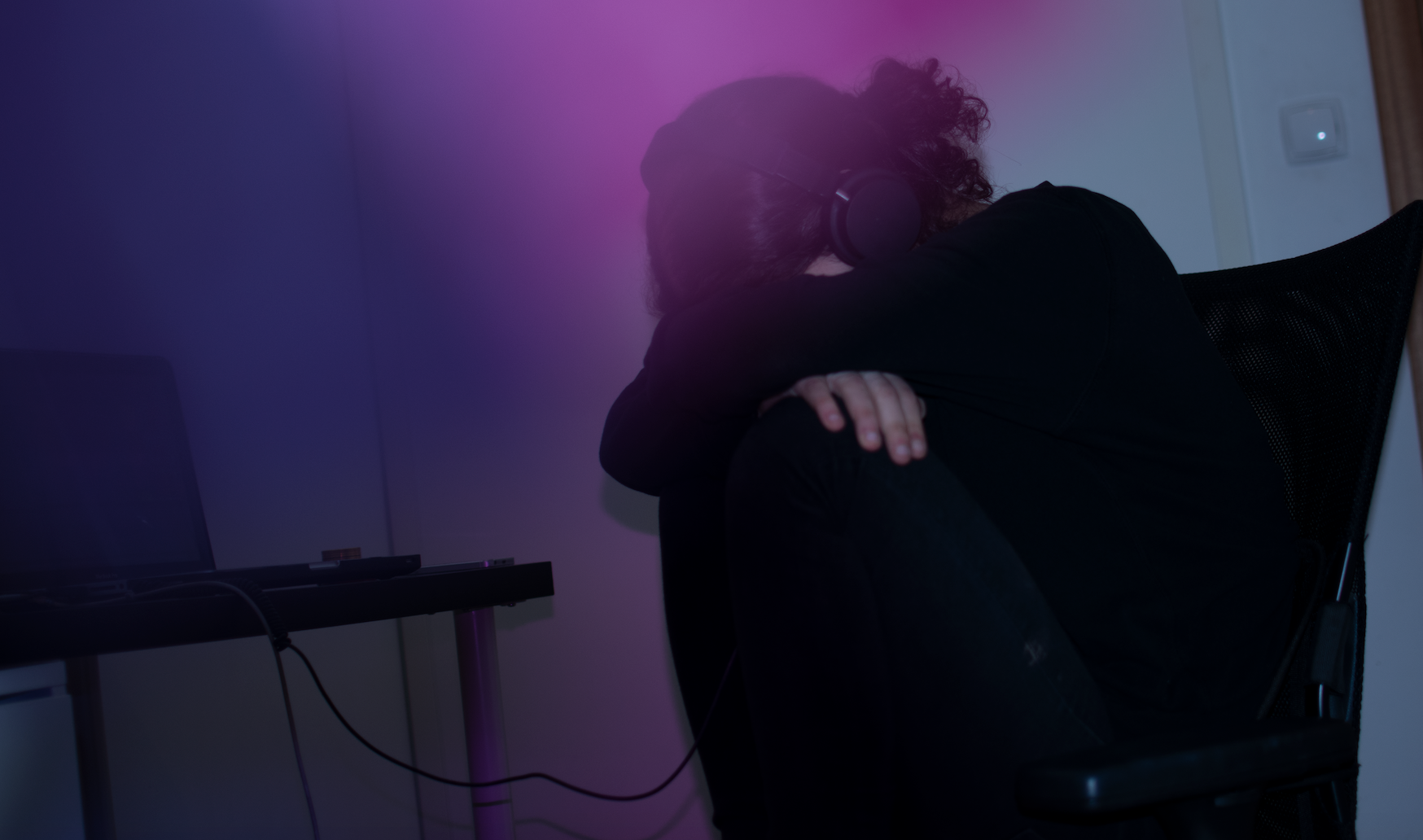
Speaking more generally, I find I really enjoy producing when it’s just me, the laptop, my headphones, and maybe a simple MIDI keyboard if I’m at home. Those are my true physical studio essentials. I’ve detailed this more below.
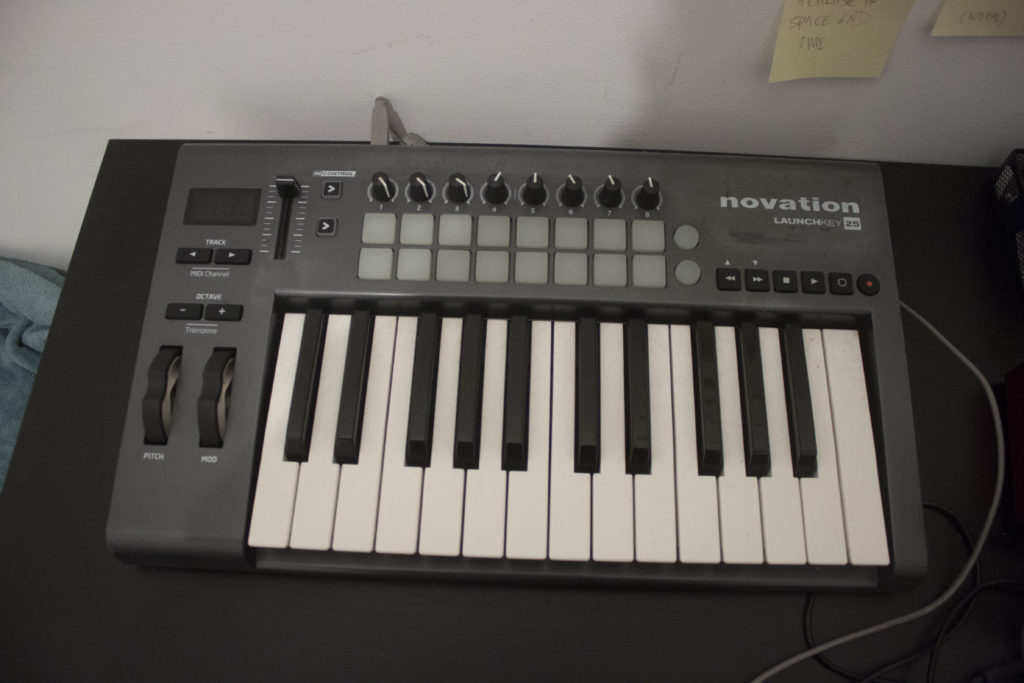
Novation Launchkey 25
This is a MIDI controller a friend lent to me a while ago when I found out he had it laying around and was never using it. I mostly use it as a keyboard to play melodies faster than I normally do when I’m writing every single MIDI note down in Ableton and then having to adjust the velocity manually. I’m pretty sure I’ll buy one with more keys because I’m getting addicted to playing it since it makes the workflow much faster, and I also miss the physicality of playing something more like an instrument.
Although I’ve never been much of a hardware person, mostly because it’s a pain to carry around and store, having a MIDI controller connected to the DAW is a nice way to speed up work, as it allows me to have a bunch of controls that are not hidden behind several mouse clicks. It makes automation easier if we’re talking about knobs and faders, and specifically with a keyboard, it allows me to have that feeling and natural speed of playing an instrument without being limited by any default sound for that particular instrument; you can make it sound however you want it to.
It also certainly impacts the sound and style of my work. Because I am more tied to my physicality when playing a keyboard, there’s always a difference between that and just clicking through MIDI clips and singularly adjusting everything. I notice my music sounds more organic and I also allow myself to keep some accidental “mistakes” that I feel sound good and don’t happen in the same way when I’m composing using just the computer.
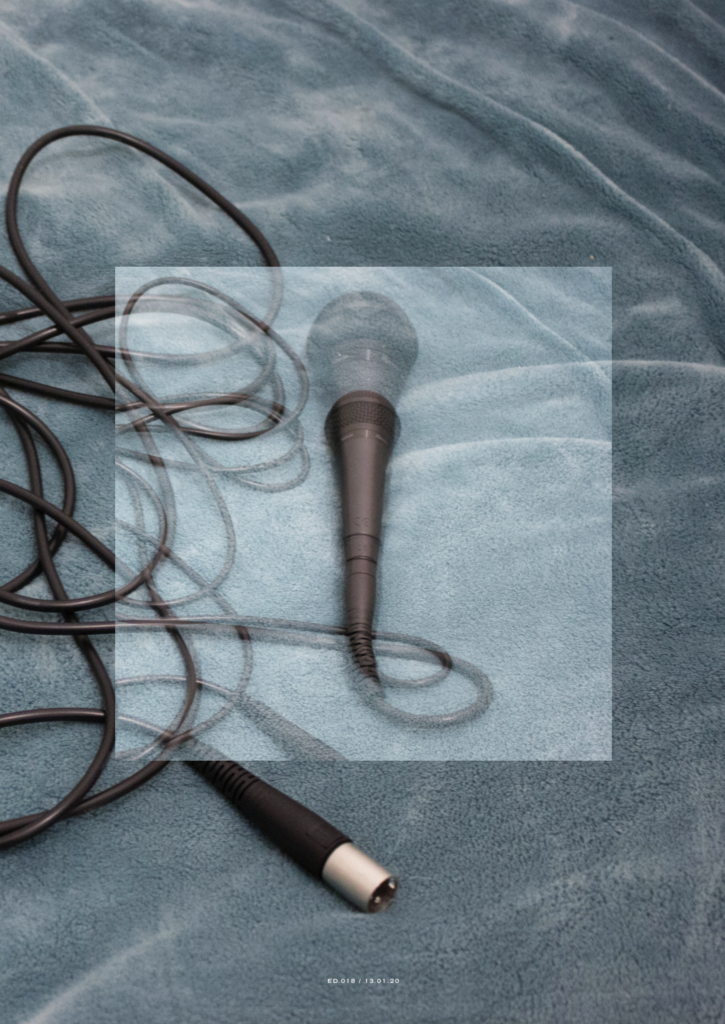
Sample Library & Shure PGA57 XLR Microphone
As I don’t really use hardware, having samples around has always been really important. Although I’ll sometimes use VST instruments, sampling gives me a much greater selection of raw sources to work with, mostly because some things you just can’t “create.” If you want the sound of the water running or a street or something like that, that will be pretty impossible to achieve through software. And by manipulating samples with effects, or by stretching those samples, reversing them, changing their tempo or pitch, that will also achieve some different results from sitting around playing an instrument based on additive or subtractive synthesis. I’ll hardly ever use a sample without changing it in some way, so that kind of ends up expanding the possibilities. What I like about music is more connected to the experience of sound itself than it is to musical notation or composition structures, so sampling in a way also allows me to explore that.
I guess most producers have their own sample library and I’ve been building mine since I started doing music. I never intended to build it really, but sampling is really present in a lot of music I listen to, so of course, when I started getting more into producing electronic music I started looking out for samples, creating some and downloading others.
I think because my passion for music eventually merged with an interest in sound and how it impacts people, my production is also tied with making music from a wide selection of different sources and with the process of expanding them.
I began doing field recordings when I was doing a postgraduate course in Sound Art, where I was experimenting with different types of microphones and also some software like CSound: that was probably the time when I was most invested in recording, creating, and generating samples. A bit later on, I also took on work in sound production for a movie doing an internship, which is a funny story because I was actually the only sound person working on the movie during its post-production despite being an intern, which basically meant a lot of unpaid hours working for an ok movie production company and for people who were profiting a lot from their “interns.” But it was fun to have access to all their equipment and their recordings and some nice sound libraries, which ended up in my hard drive!
My sample library is now quite extensive, and I don’t even think I have heard everything that’s in there. I really like to get lost in it when I’m producing and to find unexpected things, although sometimes I’ll go searching for specific sounds in the late stages of a track.
A lot of it is comprised of things from free libraries I’ve found, things people sent me, and little things I’ve recorded. There are also some YouTube rips from game voices, acapellas, nature sounds, and a bunch of really random stuff. Generally, I’ll just search for them on a web browser or on websites where you can find that content, like freesound.org or The Internet Archive. I sometimes take time to look for them, but there’s also things that come to me through friends, like some really cool drum loops Violet sent to me a few days ago, or things that I bump into when doing something unrelated on the computer. Like the other day I was digging for music to DJ with on Bandcamp but actually found some really cool sample packs!
Because of all the samples I use, a fundamental thing for me are samplers, which basically make instruments out of bits of pre-recorded sound by re-pitching them and applying the frequency intervals you have on a scale, so you can play a keyboard that’s actually some bird sound or something like that. I do that all the time, mostly with Ableton’s Sampler or Simpler and not necessarily with birds, but you get the idea! Other than that, I also like to sample tiny fractions of sound and then add effects over them, which makes them sound like something that didn’t come from its original source.
The Shure is a cheap microphone. I bought it a few months ago because I hadn’t recorded anything in a while and had been wanting to record some random sounds from objects and things like that. And it’s just useful to have a microphone at hand, I guess. The other day, Odete, a friend who is also a producer, dropped by and at some point we were doing a track and she ended up doing a rap over the beat we did. So yeah, useful!
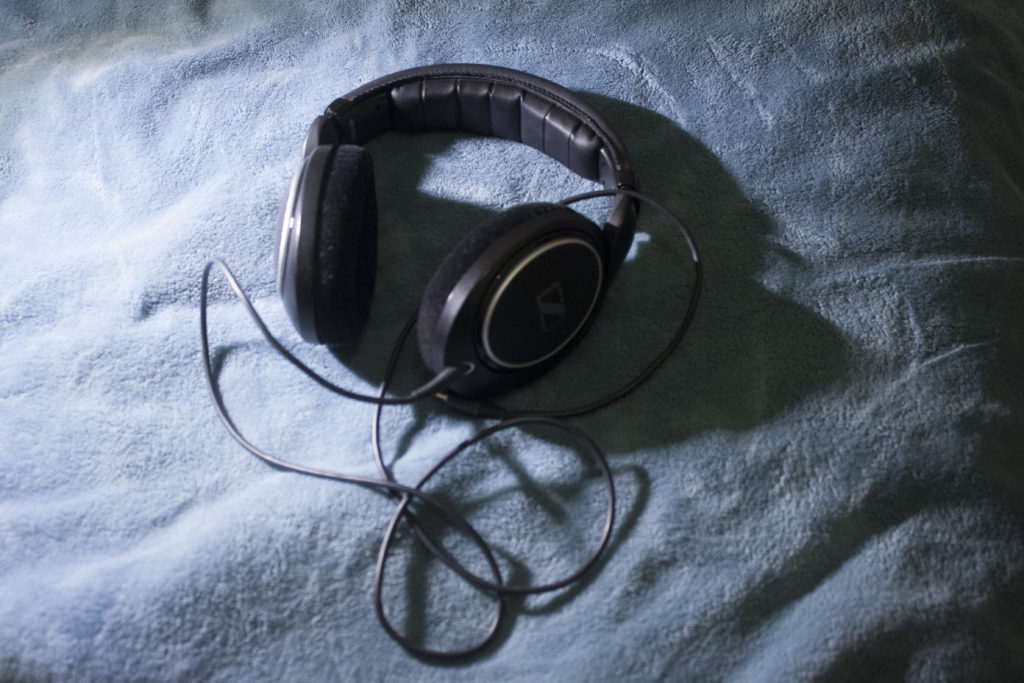
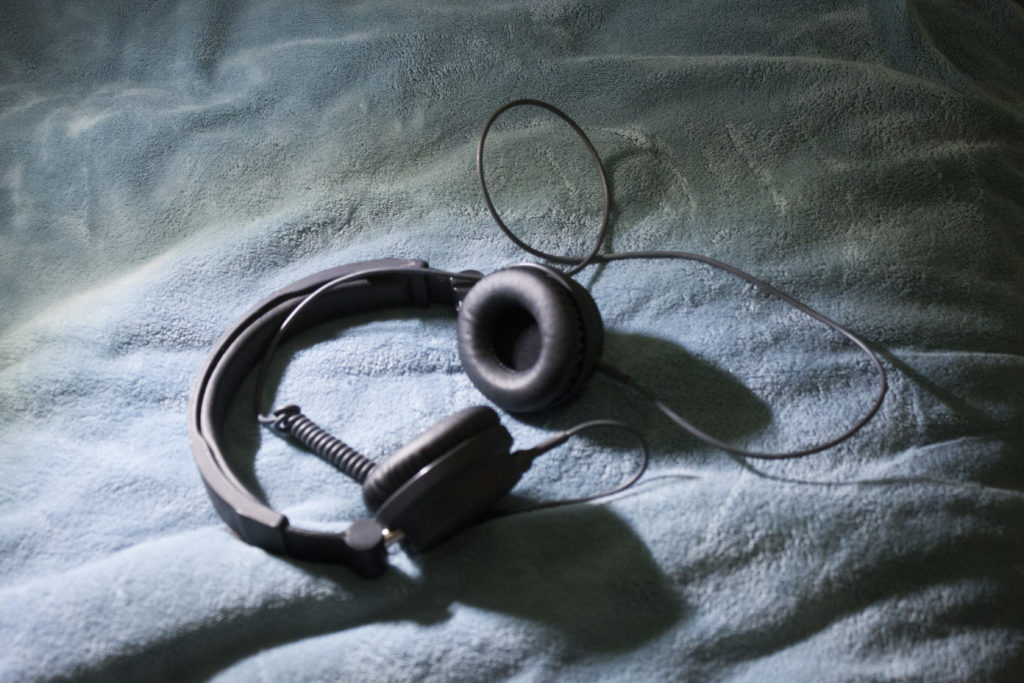
Sennheiser HD 598SE Headphones.
Urbanears Zinken Headphones.
Sennheiser HD 598SE + Urbanears Zinken Headphones
Headphones are pretty important for me as they allow a lot of flexibility, like doing music late at night without disturbing anyone or doing music in the middle of the day without being disturbed. I don’t really follow a specific schedule for producing as my lifestyle doesn’t really allow for it, so it’s important for me to be able to do it whenever I have the chance and feel like it. I think a loyal pair of headphones is basically a must-have if you don’t really have a studio or an appropriate working space where you can have silence and be as loud as you want to.
I use these two when producing in different circumstances. I use the Sennheiser pair when producing music I feel is not very centered on the lower frequencies. They are open back so I can’t use them all the time, but they’re really comfortable and it’s quite easy to forget you have them on. The Urbanears are the ones I use for DJing, and they’re also the ones I use for more bassy and dance-oriented things. They have a nice bass boost which can be helpful as it allows me to keep the volume lower and still have a good amount of bass coming through.
I’ve gotten really used to them both, mostly because I use them to listen to other music all the time, so it’s pretty easy to produce on both and know how most things “should” sound. I think they’re both a good compromise between price and sound quality, as neither of them is expensive but they both do their job well.
I think the most important thing when it comes to headphones is getting to know the ones you own; if you spend some time listening to professionally mixed and mastered music and learning how things should sound on whatever headphones with an ok frequency response, then that makes everything easier when producing. I haven’t found the courage to buy studio monitors yet because those will be a bigger investment and I don’t get to carry them around as easily, so these two have been great buddies!
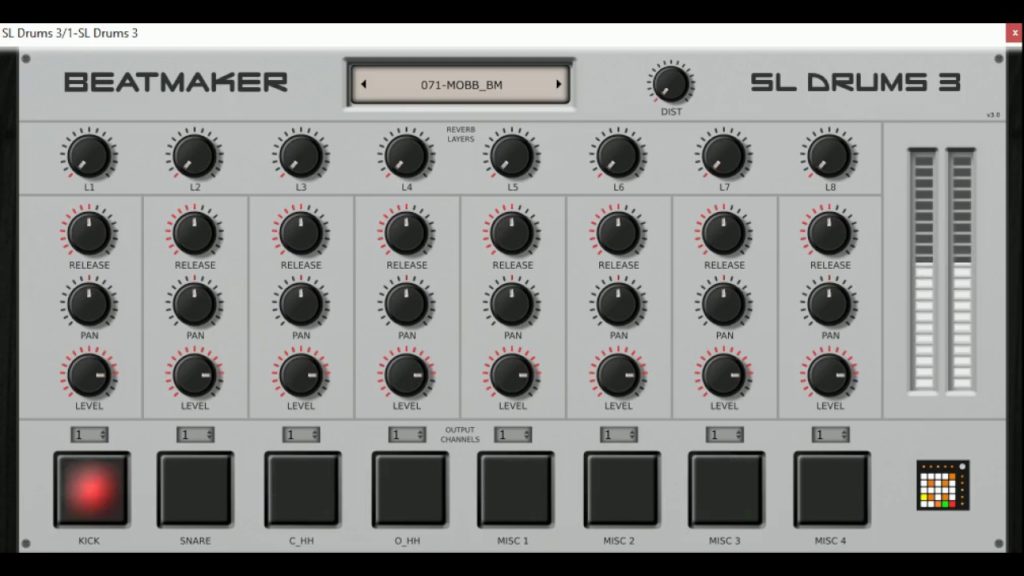
SL Drums 3
SL Drums 3 is a free drum VST I found when I started producing, and it kept me busy for quite a bit. It has a lot of cool and unusual drum sounds I find myself attracted to, and it has a lot of nice kits that are not obvious drum hits, which makes it really exciting for me. It’s basically just that, a drum VST with a bunch of different presets loaded with samples. You can’t tweak it that much inside, but it works as a pretty nice starting point for drums or other hitting sounds. I don’t think I’ve used it on any music I have out on releases, but you can hear some sounds that started off from this VST through my live set for mina’s Boiler Room.
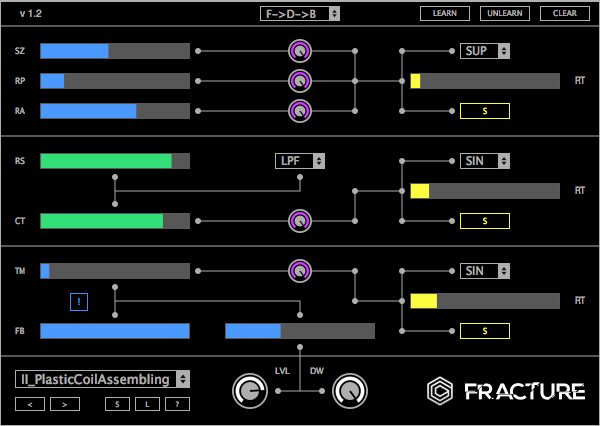
Fracture.
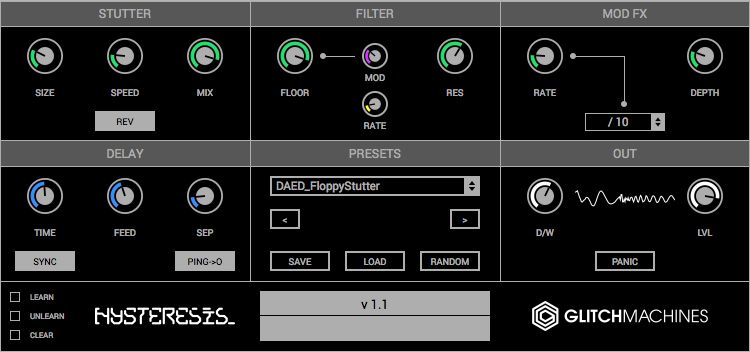
Hysteresis.
Hysteresis + Fracture
These are two free FX plugins I use often. They’re both from Glitchmachines and they are probably the first VSTs I downloaded during my first “free VSTs” Google search. They’re pretty random (and pretty amazing, like all the Glitchmachines plug-ins I’ve tried), and I generally use them when I want to add a more glitchy feel to things, which makes them particularly useful for going crazy on more noisy tracks, while they’re also good for adding some subtle texture to soft sounds. They basically combine different ways of modifying audio in one plug-in, like distortion, reverb, flanger, delay, etc., but they have a more sci-fi-ish and unexpected approach when compared to other plug-ins I’ve gotten to use. You can hear them being subtly applied to several sounds in my remix of Violet’s “Togetherness,” for example.
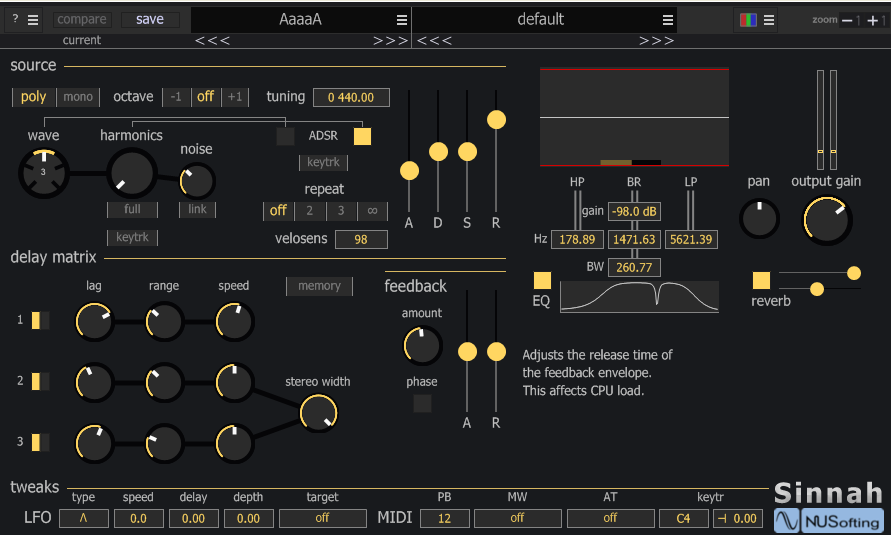
Sinnah
Sinnah is an instrument VST from NU Softing, who also have some other pretty cool options when it comes to free VSTs, like Glitch One or Noisetar. As the developers describe it, it’s a “synth based on a single complex oscillator that includes five waveshapes with increasing spectral complexity, harmonics level for all waveshapes, noise level, and a delay matrix.” I really like how unusual it sounds up front and how it has a different approach to some other VSTs that generally work by combining oscillators more than revolving around a complex one. It’s an overall fun VST to use, especially for the more ghostly spacy lush sounds. You can hear it on “Melting (Why You)” on my EP for Ashida Park, and also on the Boiler Room live set at the end.
Ableton DAW
I basically use Ableton because I also play live. A friend showed it to me when I was spending a lot of time in Audacity and I think how intuitively organised it is easily sparked my interest. Although I think all DAWs are nice and beautiful in their own way, this is just the one I ended up getting stuck on because of how easy it is to build a live set on it.
When it comes to DAWs, software, or whatever tool I’m using to make music, my conclusion is generally the same: of course the tools have influence over how things will sound, but there’s both positive and negative aspects to everything. If you think something sounds good to you, that’s the really important bit, not what you used to do it.
One of my favourite things about music and art in general is that there’s really no universal good or bad, right or wrong way to do anything; even our opinions over it change constantly. There’s a lot of music I dislike, but there’s also a lot of music that changed my life that I know other people can’t stand. And there’s also a lot of music I didn’t like the first time I listened to it but then it grew on me. And then, of course there are things I used to listen to on repeat that these days have me thinking how I ever listened to it.
So I also like to remind myself that even what is judged as something that sounds bad or is a limitation or a mistake might also be what gives us the possibility to reach innovative results—remember that famous Brian Eno quote about how a medium’s limitations can become its signature? I think having a desire to experiment and to learn while creating, without fearing breaking conventions or sounding “bad” or “wrong,” are the things that feel really essential to my production, more than any piece of gear I’ve used so far.