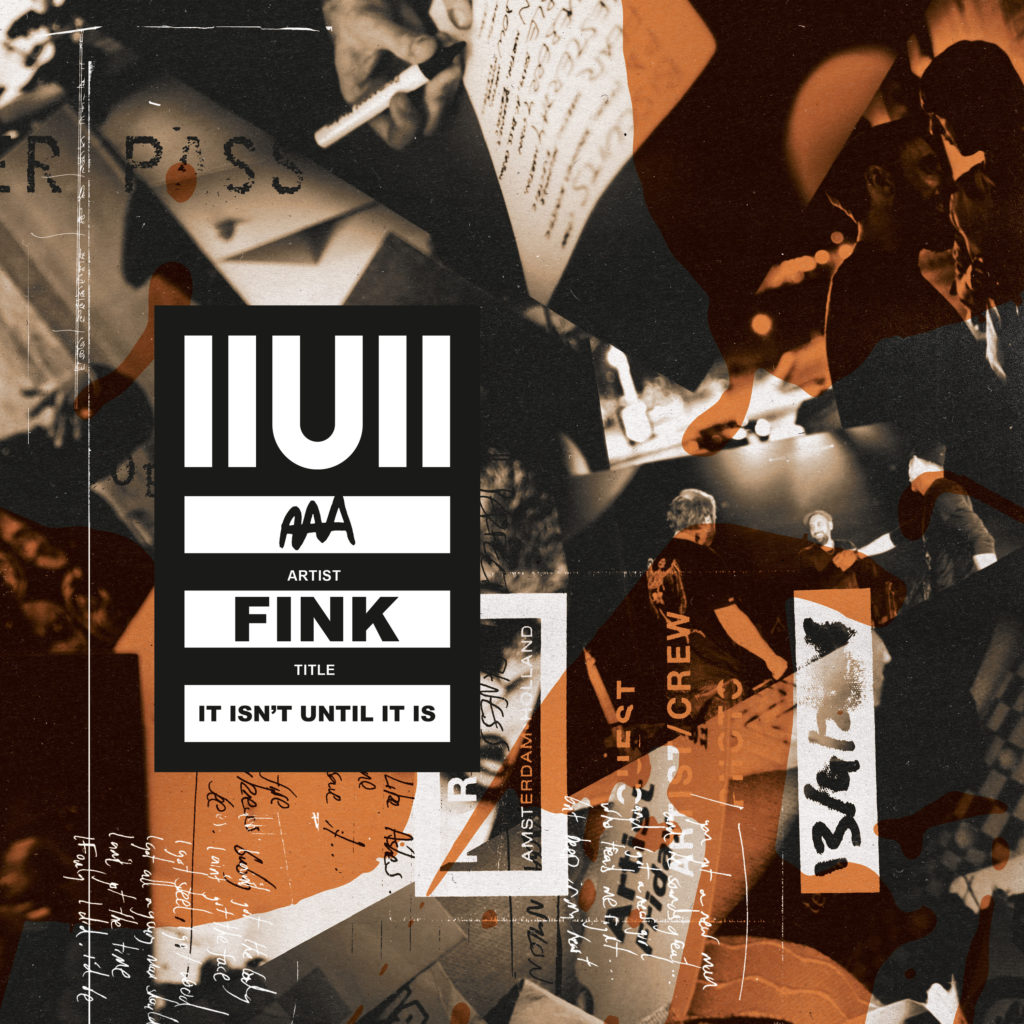
Fink, real name Fin Greenall, will release an album retrospective for Ninja Tune‘s R’COUP’D imprint.
IIUII sees the Fink band re-recording key Fink tracks from between 2006 and 16—”that whole arc, from my bedroom to having a proper hit, playing the big festival stages with big production, and all the rest,” he says. In 2019, after heavy band touring for three years, Fink did a solo acoustic tour which took him full circle back to the simplicity of those early days—and making an album that reflected this seemed the right way to tie the whole story together. He describes it as a re-imagining and a unique take on the “best of” format.
While the album is a retrospective, to re-record those songs with the maturity that Fin and his band members have achieved is about “viewing the past through the lessons it has taught,” he says. “This was a chance to listen back through all the records, appreciate them for what they are, separate from the usual demands of which songs work on stage, and then give each song the treatment it deserves.”
To accompany the release, Fink has shared “Warm Shadow (IIUII),” which reimagines one of his most popular songs.
“Warm Shadow was for years the perfect set opener. Driving and percussive but vibey at the same time, it allowed us all to get our eye in for the show, and to start the night right,” he says. “It’s one of those tracks we can play in our sleep, and one of the few tracks that just never gets tired; if anything, we love it more the longer we play it, and at festivals it would regularly exceed 10 minutes once we got it going!”
Tracklisting
01. Sort Of Revolution (IIUII) 02. Warm Shadow (IIUII) 03. Looking Too Closely (IIUII) 04. Shakespeare (IIUII) 05. Pills In My Pocket (IIUII) 06. This Is The Thing (IIUII) 07. Walking In The Sun (IIUII) 08. Blueberry Pancakes (IIUII) 09. Berlin Sunrise (IIUII) 10. Maker (IIUII) 11. Biscuits (IIUII) 12. Yesterday Was Hard On All Of Us (IIUII)
IIUII LP is scheduled for August 20 release on R’COUP’D. Meanwhile, you can stream “Warm Shadow (IIUII)” in full via the player below and pre-order here.
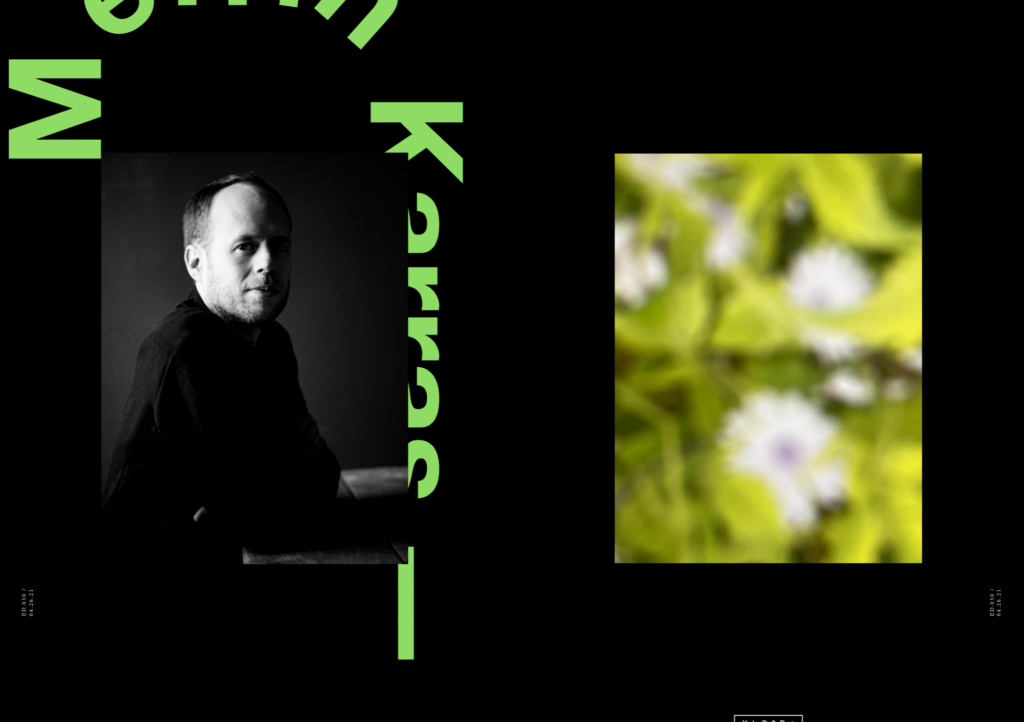
Ireland-born musician and producer Brendan Gregoriy is known for his distinctive style of melodic house and techno as Chymera, with releases on influential labels such as Cocoon, Ovum, and Delsin.
Gregoriy’s more recent, ambient productions under the pseudonym Merrin Karras reflect an evolution of his musical interests and processes: “With Merrin Karras, it was more about making music that was similar to what I was listening to at home,” he describes. “I came up with strict rules in the beginning. At first I would only use synths. There were no drums or percussion, and no samples; however that has changed over time.”
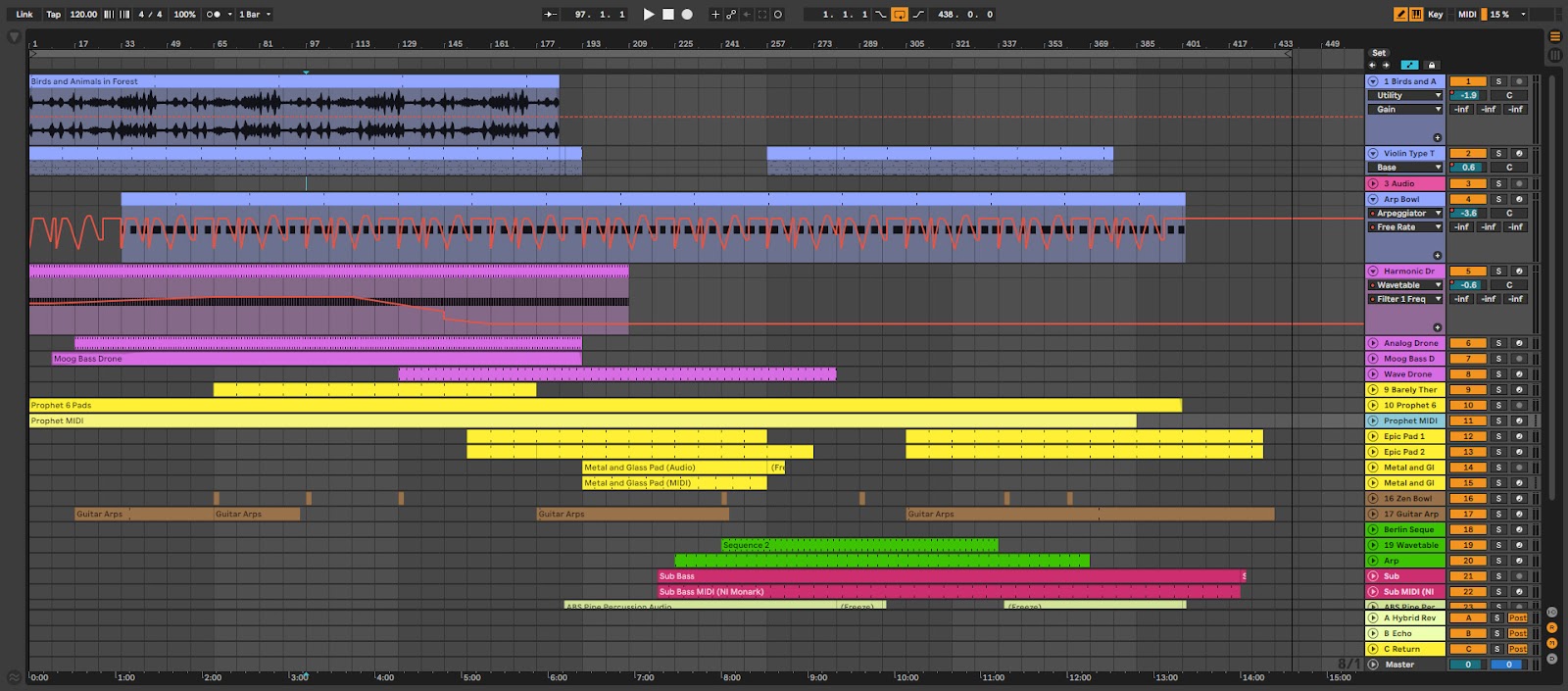
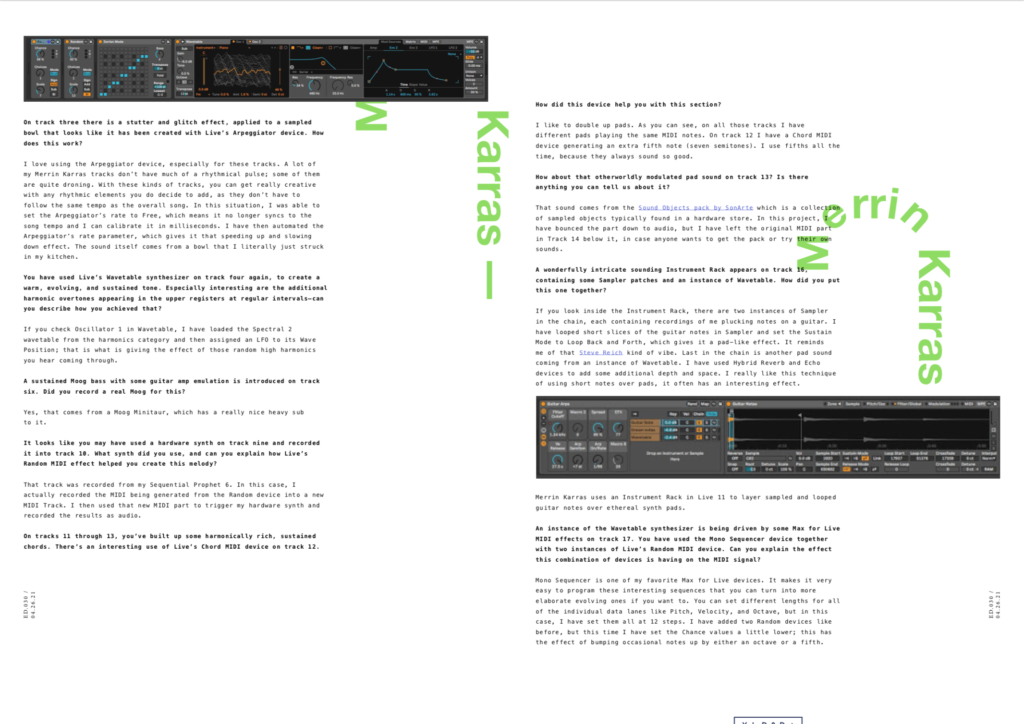
As part of this month’s XLR8R+ edition, the producer took us inside his new release as Merrin Karras, “Still Life”. We caught up with him on Zoom to discuss the inspiration and techniques used to produce the track, and he has kindly shared a download of his Live Set for a direct look into his process.
*Requires a Live 11 Suite license or the free trial.
Please note: this Live Set and included samples are for educational use only and cannot be used for commercial purposes.
You can download Merrin Karras’ “Still Life” via XLR8R+ once you subscribe here.XLR8R+ is a curated subscription service and music community delivering exclusive music and content every month, plus access to the XLR8R+ member’s area, where you can submit your music to be showcased across XLR8R’s channels and to the XLR8R+ community.
Brendan, thank you for sharing such an interesting Live Set with us. Can you please tell us a bit about the inspiration behind the track?
When it comes to inspiration, it really depends on my mood on any given day. With the music I have been making during the pandemic, it has ended up sounding either quite meditative or even a bit morose. “Still Life” has more of a meditative vibe; there are uplifting elements and a few melancholic components as well. I’ve taken a lot of inspiration from a YouTube channel called Sounds of the Dawn, which features a lot of rare, new age, jazz, and ambient cassette recordings from the ‘80s. There are a lot of synthesizer-based recordings featured, with someone making really beautiful music in their garage—these have definitely influenced my work in the last year.
When you began making this track, did you start off in Live’s Session or Arrangement View?
I always begin in Session View and get a few loops going until I reach a point where I think there is a chance it could turn into a full track. When the time feels right I normally start recording things into the Arrangement View. This track actually started differently. Originally it was two different tracks that I merged together. The beginning section with the drone was nice, but I wanted the composition to move to a different endpoint, so I stitched it together with another sketch I had.
After starting his sketches in Session View, Merrin Karras moves into Live’s Arrangement View to develop a full track.
You mentioned this drone that appears in the first track in your Live Set. It sounds like it may have been originally derived from field recordings of animals and birds. There is additional processing with the Spectral Resonator and Spectral Time devices in Live 11. How did you use these devices to craft this sound?
I wanted to have some kind of background texture going on in the track. The Spectral Devices are really good for that because you can completely mask the source material. First I down-pitched the audio and reversed it; then I was able to use the Spectral Resonator device to create these blurred harmonies that I could tune to a specific note. With the Spectral Time device, I have used the Freeze function, which captures and holds a slice of audio. I have then enabled its frequency-based delay function, which gives the sound of that otherworldly echo and reverb-like effect.
Merrin Karras uses the Spectral Resonator and Spectral Time devices in Live 11 to create tuned harmonies and frozen, frequency-based delay effects.
There is an expansive and eerie string section on track two. You have used Live’s Wavetable synthesizer, along with some MIDI effects, Spectral Devices, and Hybrid Reverb. Can you walk us through the steps leading up to this sound?
I remember that when assigning an LFO to Osc 1 in Wavetable the sound took on a quality of someone going a bit nuts with a violin and sliding up and down with the pitch. The first three tracks in this project are more atmospheric and textural and I will often aim to position those kinds of sounds far in the background. To help achieve this, I used the Ableton Kantine impulse response within the Hybrid Reverb device, to make it sound really wide and washed out. I also used Random on this track, which is my all-time favorite MIDI device. In this case, I have set the device to generate random fifth notes with a chance of 50 percent, which means half of the time the notes will be shifted up by seven semitones. There is also another instance of Random doing exactly the same thing, except it is set one octave higher. Then, I have used an instance of the Scale MIDI device set to Dorian Mode. I really liked how the notes within this mode interplayed with the rest of the track. With this combination of MIDI devices, I can generate all kinds of sequences that I would never be able to come up with otherwise.
Merrin Karras uses the Random and Scale MIDI Effect Devices in Live 11 to generate interesting melodies and patterns.
On track three there is a stutter and glitch effect, applied to a sampled bowl that looks like it has been created with Live’s Arpeggiator device. How does this work?
I love using the Arpeggiator device, especially for these tracks. A lot of my Merrin Karras tracks don’t have much of a rhythmical pulse; some of them are quite droning. With these kinds of tracks, you can get really creative with any rhythmic elements you do decide to add, as they don’t have to follow the same tempo as the overall song. In this situation, I was able to set the Arpeggiator’s rate to Free, which means it no longer syncs to the song tempo and I can calibrate it in milliseconds. I have then automated the Arpeggiator’s rate parameter, which gives it that speeding up and slowing down effect. The sound itself comes from a bowl that I literally just struck in my kitchen.
You have used Live’s Wavetable synthesizer on track four again, to create a warm, evolving, and sustained tone. Especially interesting are the additional harmonic overtones appearing in the upper registers at regular intervals—can you describe how you achieved that?
If you check Oscillator 1 in Wavetable, I have loaded the Spectral 2wavetable from the harmonics category and then assigned an LFO to its Wave Position; that is what is giving the effect of those random high harmonics you hear coming through.
A sustained Moog bass with some guitar amp emulation is introduced on track six. Did you record a real Moog for this?
Yes, that comes from a Moog Minitaur, which has a really nice heavy sub to it.
It looks like you may have used a hardware synth on track nine and recorded it into track 10. What synth did you use, and can you explain how Live’s Random MIDI effect helped you create this melody?
That track was recorded from my Sequential Prophet 6. In this case, I actually recorded the MIDI being generated from the Random device into a new MIDI Track. I then used that new MIDI part to trigger my hardware synth and recorded the results as audio.
On tracks 11 through 13, you’ve built up some harmonically rich, sustained chords. There’s an interesting use of Live’s Chord MIDI device on track 12. How did this device help you with this section?
I like to double up pads. As you can see, on all those tracks I have different pads playing the same MIDI notes. On track 12 I have a Chord MIDI device generating an extra fifth note (seven semitones). I use fifths all the time, because they always sound so good.
How about that otherworldly modulated pad sound on track 13? Is there anything you can tell us about it?
That sound comes from the Sound Objects pack by SonArte which is a collection of sampled objects typically found in a hardware store. In this project, I have bounced the part down to audio, but I have left the original MIDI part in Track 14 below it, in case anyone wants to get the pack or try their own sounds.
A wonderfully intricate sounding Instrument Rack appears on track 16, containing some Sampler patches and an instance of Wavetable. How did you put this one together?
If you look inside the Instrument Rack, there are two instances of Sampler in the chain, each containing recordings of me plucking notes on a guitar. I have looped short slices of the guitar notes in Sampler and set the Sustain Mode to Loop Back and Forth, which gives it a pad-like effect. It reminds me of that Steve Reich kind of vibe. Last in the chain is another pad sound coming from an instance of Wavetable. I have used Hybrid Reverb and Echo devices to add some additional depth and space. I really like this technique of using short notes over pads, it often has an interesting effect.
Merrin Karras uses an Instrument Rack in Live 11 to layer sampled and looped guitar notes over ethereal synth pads.
An instance of the Wavetable synthesizer is being driven by some Max for Live MIDI effects on track 17. You have used the Mono Sequencer device together with two instances of Live’s Random MIDI device. Can you explain the effect this combination of devices is having on the MIDI signal?
Mono Sequencer is one of my favorite Max for Live devices. It makes it very easy to program these interesting sequences that you can turn into more elaborate evolving ones if you want to. You can set different lengths for all of the individual data lanes like Pitch, Velocity, and Octave, but in this case, I have set them all at 12 steps. I have added two Random devices like before, but this time I have set the Chance values a little lower; this has the effect of bumping occasional notes up by either an octave or a fifth.
Your sustained Moog bass makes a departure at bar 193 and on track 20 you introduce a new bass sequence at bar 219. Was that recorded from the Moog again?
Actually, for this one, I used the Monark software synth by Native Instruments, which is a clone of the Minimoog. The sequence itself is recorded from the Mono Sequencer on track 17.
In the final tracks 22 through 26, it appears you have used a combination of four different kits to build a rich, organic drum and percussion bed. Can you tell us a bit about your process, where you found the right sounds, and how you went about drum programming?
I am not that good at finger drumming or anything like that, so most of my drum programming is done by clicking the computer mouse. Maybe this speaks to the impetus behind Merrin Karras because I didn’t use any drums originally; drum programming is probably not my strongest point. For this track, I wanted simple repeating patterns. To add a little more life and movement I used the Velocity MIDI device to alter some of the note velocity values in a random manner. One of the kits in this group of tracks is from the Arsenal pack by SonArte and the other three come from the Cinematic Percussion pack by ProjectSAM. Again, for the purposes of this project, I have bounced these tracks down to audio, but I have kept the MIDI tracks below, in case anyone wants to get the packs or experiment with other sounds.
Lastly, on the master track, you have added a Master Bus Effects Rack. Is this something you configured yourself?
This is an Effects Rack I made myself. It contains Live’s Utility, Glue Compressor, and Limiter devices. I am not a mastering engineer, so all I want to do is bring the loudness of the track up to a similar or relative volume of other tracks. I don’t go brutal on taming the peaks and I don’t tend to use compressors all that much in my music, I’m only doing some basic processing here. For anything deeper I leave it to the mastering engineers—that is their job.
Brendan, this has been an exceptionally interesting Live set to dive into, with so many layers of rich harmonies and advanced sound design techniques. What is next for Merrin Karras and when can we hope to hear more new material from you?
I have an album called Silent Planet that was released last year on A Strangely Isolated Place as digital-only, which will now come out on vinyl. The release date is still to be confirmed as we are always at the mercy of the pressing plants with these things. I am also working on new material that will eventually go towards the next new Merrin Karras album. Other than that, right now I am just experimenting and trying to grab as much spare time as I can to keep making music in these strange times.
We’re thrilled to launch the 30th edition of XLR8R+, and it’s packed with extras!
It’s been more than a year and a half since we launched XLR8R+, hoping to give a platform to independent artists, and we’re so happy to be seeing see our community growing as each day passes. Whether you’re coming for the exclusive tracks, the submissions, or the editorial, we appreciate your continued support. In line with this project’s ethos, we’re using this month’s edition to shine a spotlight on rising talents, while also capturing artists at the top of their game.
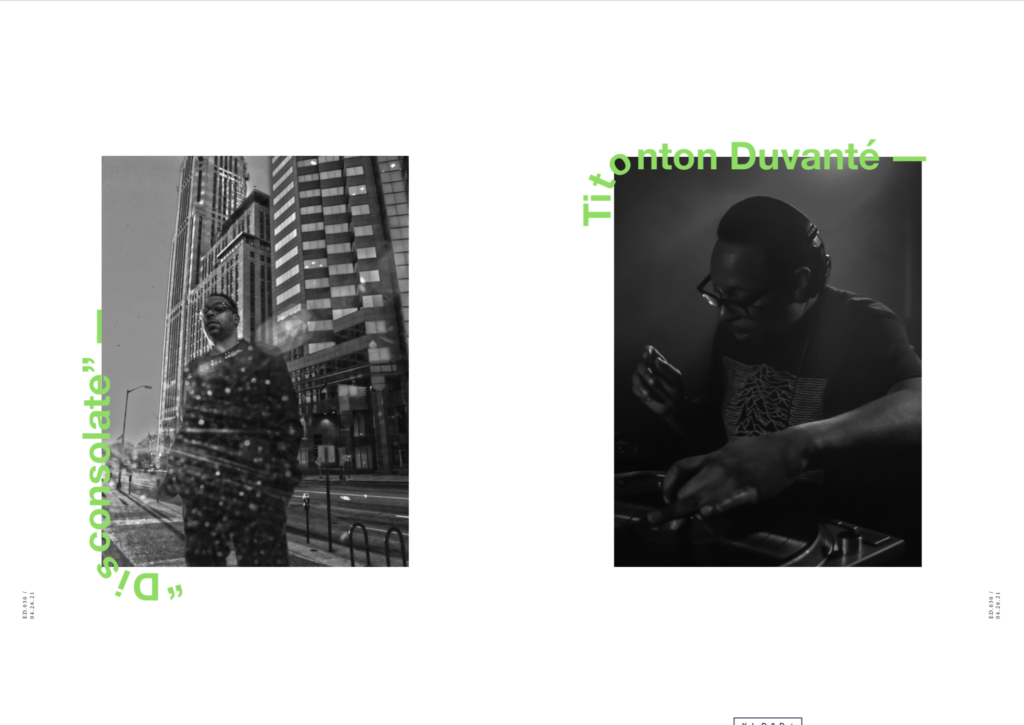
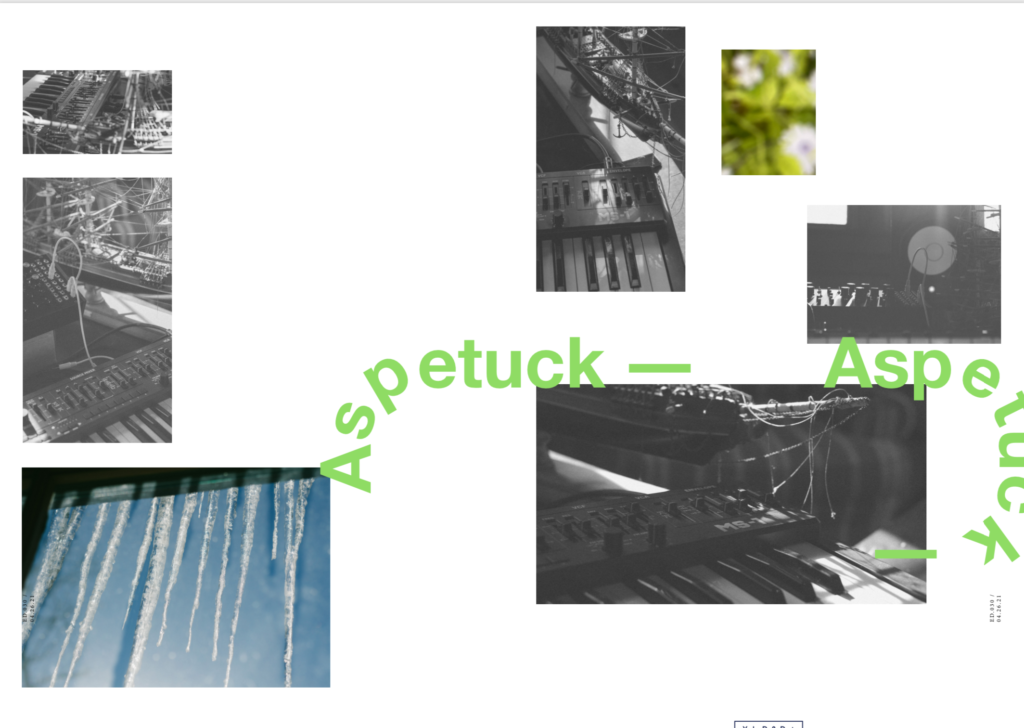
We open the edition with a deep, atmospheric work from Merrin Karras, the ambient alias of Ireland’s Brendan Gregoriy, who is widely known for his work as Chymera. “Still Life” is a fusion of two of his latest sketches that he’s fleshed out into a beautiful downtempo track. Next up is Aspetuck, a rising American producer from Vermont whom we discovered via our submissions portal. He’s delivered two tracks for this edition, “Doldrums” and “Itchy,” both with subtle atmospheric textures, intelligent grooves, and patient arrangements. We close the edition with “Disconsolate,” a dancefloor weapon from Titonton Duvanté, a master of the groove from the midwest underground.
As extras, we’ve provided a Studio Essentials feature with Aspetuck, where he explores the key pieces of gear behind his sound, and an Ableton feature with Merrin Karras with the Live Project file!
We hope you enjoy the music.
The XLR8R Team
The music, PDF zine, and wallpaper art can be downloaded once you SUBSCRIBE HERE. If you’re already a subscriber, you can download the package below.
DJ Nigga Fox has shared Live Nigginha Fox, a cassette tape of all original material.
DJ Nigga Fox recorded the material on Live Nigginha Fox for his live set, but those plans were scuppered by the pandemic. It has only been heard twice, at an outdoor Príncipe showcase at the garden of Galeria Quadrum and an evening show at Lux Frágil, but it’s otherwise been kept private. We’re told that his trademark mid-track twists are given extra space and that you can listen to the 34-minute jam as one track or as a live workout.
The artist, real name Rogério Brandão, signed to Príncipe in 2013 after Marfox introduced his music to the label. In 2019, he released Cartas Na Manga, his latest EP on Príncipe. Before that, he put out two EPs on Warp. You can read more about his work in his XLR8R podcast here.
The artwork comes from Lisbon artist Márcio Matos.
Tracklisting
01. Live Nigginha Fox
Live Nigginha Fox is available now via Bandcamp. You can stream it below and order here.
Grumptronix is the studio project of Wayne C., conceived in Tampa, Florida in 1989. Not too much is known about the man behind the alias, but he’s been a close friend of DJ Three since the early days of American rave culture. The pair attended the same school but met on the dancefloor when Grumptronix went out to see Three spinning his records, and they’ve been inseparable ever since—Three was even best man at Grumptronix’ wedding. Grumptronix recently contributed a track to Three’s Hallucienda XLR8R+ takeover alongside exclusives from Amir Alexander, Indoor Man, Slumber, and more.
As a teenager in the ’80s, Grumptronix found music through New Order, and he became obsessed with anything to do with The Haçienda and Factory Records. He’d spend his entire weekends at the suburban mall searching for Transmat releases and then he’d head home to compile warm-up mixtapes for his school basketball team. To discover new music, he’d head down to the local teen club on weekends, but he became frustrated by what the DJ was playing. So he started taking his own discoveries down and would step into the booth when the DJ needed a break. When the club’s owners opened a second spot across town, they offered Grumptronix his own residency. Away from this, he’d attend “alternative dance music” nights across Tampa, and news of his work began to spread through a series of electro and drum & bass mixtapes like Reflective Skin and Blueprint.A month-long trip to London in 1994, which featured gigs at famed IDM club Megatripolis, inspired him to start his own label. He began to share his own productions through Erotic City Communications, his electro-focused sub-label of the mighty Hallucination Recordings.
Despite an intentionally low profile, Grumptronix releases are known far and wide, played by the likes of the late, great Andrew Weatherall, DJ Hell, and Ellen Allien. In 2020, Scotland’s Craigie Knowes label released a three-part vinyl retrospective showcasing the Grumptronix sound. Much of Grumptronix’ focus today centers around his Body Works label, launched in 2018 in New York. Later this year, he’ll celebrate the 25th anniversary of Grumptronix with the release of a new album on Hallucienda, and there will also be remixes by Second Hand Satellites—the project of DJ Three and Sean Cusick—and San Francisco legend Jonah Sharp as Spacetime Continuum.
Recorded in October in Florida, the Grumptronix XLR8R podcast is the first he’s shared out in years. Having not been able to DJ through the pandemic, Grumptronix chose to open the mix with a handful of cuts he’s been dying to share, like a Marcel Dettmann edit of Paperclip People’s “Country Boy Goes Dub.” After this, he delves into a “breakbeat extravaganza” and then the darker shades of vintage Florida electro, before winding down with some ethereal cuts from his collection. You’ll also hear a couple of exclusive edits and forthcoming tracks from his label, but otherwise the mix pulls from all over, with standouts from Lanark Artefax, Sepher, and 808 State.
01. What have you been up to recently?
Seeing friends whenever possible. Usually there is food involved. There’s nothing better than sharing food and music with friends!
02. You’ve been close friends with DJ Three for many years. What are your earliest memories of your relationship?
We went to the same school but he was a couple years ahead of me. When I started to DJ in 1989, I’d go out anywhere I could just to hear music. I had a horrible fake ID, but I didn’t have any problem getting in places. One night, I went to a place called Rene’s where I remember Three was playing Revolting Cocks and some early Warp records along with tons of other great stuff. I went over to say hello and we’ve been inseparable since.
03. Where and when did you record this mix?
I recorded it at the Hallucienda studio during jam sessions for the Hallucienda X Desert Hearts broadcast on October 31. It needed to be special because it was the first time I’d be interacting with friends and music in a while.
04. What setup did you use?
Pioneer CDJs and a Pioneer mixer. I also used Pioneer XPRS12s and a subwoofer.
05. How did you choose the records that you’ve included?
Having not properly played out in so long, I had tons of songs that I wanted to build around. The Marcel Dettmann edit of “Country Boy Goes Dub” and the Anti-Gravity Switch track were the catalysts for the beginning of the mix and I knew I wanted the breakbeat extravaganza peaking in the middle. Then I start the second half with my Second Hand Satellites edit leading to the darker electro and the ethereal ending. Our group of friends and extended family is really tight and we have collectively lost quite a few people in the past year so it was cathartic to just be able to “dance it out” in celebration, even if it was just in our own spaces. Grieving is hard enough, especially if you don’t have anyone to share it with. So, being able to jam was an emotional release.
06. What can the listener expect?
Lots of bass and some weirder, fun stuff. Old songs that sound new and new songs that sound old. It’s machine funk of the highest order! There are some sexy bits and some naughty bits.
07. What’s on your agenda for 2021?
I’ll be easing into the new normal of post-pandemic life. I’ll get back to traveling within the United States, and I hope to take a vacation of some kind. I also have lots of great music lined up for Body Works. There’s a new release from Orlando Voorn with a Tracey remix, as heard in the podcast, plus a special album release by Kirk Degiorgio as Sinelab Industries. For myself, the Grumptronix Nightmoves (25-Year Retrospective) is coming on Hallucienda.
XLR8R has now joined Mixcloud Select, meaning that to hear the podcast offline you will need to subscribe to our Select channel to listen offline, or subscribe to XLR8R+ to download the file. The move to Mixcloud Select will ensure that all the producers with music featured in our mixes get paid. You can read more about it here.
Full XLR8R+ Members can download the podcast below.If you’re not an XLR8R+ member, you can read more about it and subscribe here.
Tracklisting
01. Joy O “Burn” feat. Infinite & Mansur Brown (Toss Portal) 02. Paperclip People “Country Boy Goes Dub” (Marcel Dettmann Edit) (Planet E) 03. Kuno & Koehler “Anti-Gravity Switch” (A Made Up Sound Remix) (Berceuse Heroique) 04. Hamilton Scalpel “Cadzow Skrak” (Concrete Cabin) 05. KGIV “Morgan” (Interdimensional Transmissions) 06. Hezziane “Pivot” (Cold Recordings) 07. Ido Plumes “Which Way Is Up” (Livity Sound) 08. Metrist “OL Face You Got” (Timedance) 09. 808 State “In Yer Face” (Bicep Dub) (Feel My Bicep) 10. Blotter Trax “Programmed Memories” (Blotter Trax) 11. Shedbug “You Think” (Lobster Theremin) 12. Lou Karsh “Biotic Interaction” (Furthur Electronix) 13. Perdu “Road To Yuzu” (Optimo Music) 14. Nathan Micay “Team Player” (ESP Institute) 15. Porter Brook “Exit 14th Street” (Groundwork) 16. Ryan James Ford “Beltline” (Shut) 17. Supreems “Close Your Eyes (And Feel)” (Lobster Theremin) 18. Lanark Artefax “Touch Absence” (Intimidating Stillness) (AD93) 19. Second Hand Satellites “Orbit 1.2” (Hallucienda) 20. Reese “Just Want Another Chance” (KMS) 21. Ian Martin “Waves Become Wings” (Bio Rhythm) 22. Solar “5 Seconds” (Squirrels On Film) 23. 214 “Penny’s Crimped Funk” (20:20 vision) 24. Kris Wadsworth “Infiltrator” (Ultramajic) 25. Mono Junk “System Night” (Original Mood Mix) (Dum) 26. The Mover “Shadow Deception” (Planet Phuture) 27. De Sluwe Vos “Switching Lanes” (Patron) 28. Solvent “Think Like Us” (Think Like Ectomorph Version) (Ghostly International) 29. Ectomorph “Time Fold” (Interdimensional Transmissions) 30. Sepehr “Exit Your Body” (Residual) 31. Rude 66 “Overkill” (Viewlexx) 32. Orlando Voorn “Anticipation” (Tracey Remix) (Body Works) 33. Swag “Drum Hydraulics” (Silicon Scally Remix) (Tyrant) 34. DJ Seinfeld “Sakura” (Deep Sea Frequency) 35. Peder Mannerfelt “A Queen” (Voam) 36. Black Meteoric Star “Manifesto” (Voluminous Arts) 37. Gesloten Cirkel “Stakapella” (Murdercapital)
Channeling the sun-kissed vibes of his time spent growing up in Nigeria, “Seventy” weaves elements of electronic music and neo-soul into a sultry slow jam. It’s a song about “perseverance” and “overcoming life’s obstacles without letting go,” Snow says. “I imagined a 70-day countdown to motivate myself to bounce back after a tough year when I felt everything was slipping out of my hands.”
The accompanying visual, streaming below, is an incarnation of Snow’s vision of Afrofuturism and his wish to evoke the raw beauty of his homeland. It stars Snow himself and was taped at the Tankwa Karoo National Park near Cape Town, South Africa. It was directed by Travys Owen, who has previously worked with The Roots, Erykah Badu, and Burna Boy.
Snow’s suit was custom designed for this video, created with 3D printing by the art director and stylist Anna Verloren van Themaat and her husband, Reep Verloren van Themaat.
Wayne Snow, real name Kesiena Ukochovbara, is a Nigerian-born, Berlin-based singer-songwriter. After relocating to the German capital in 2013, he’s become central to the city’s burgeoning future jazz and neo-soul scene. He released his debut solo album, Freedom TV, via Tartelet Records and has worked with Max Graef, Darius, and FKJ. Now as part of Paris’ Roche Musique, he’s gearing up for new solo music this year.
New York-based producer Past Palms is back with a new EP, titled Empyrean.
Empyrean will be the third EP to land under the Past Palms alias, following their self-titled debut and its follow-up, Vernal, both of which we recently featured via our downloads section and news, respectively. A two-part single, When the Sun Reaches Its Highest Point in the Sky, followed, developing the project’s textural sound, which “aims to encapsulate the feeling of surrounding yourself with an oasis of tropical houseplants while living in a grey, nature-less city,” the producer tells us.
The six-track Empyrean EP takes its cues from the scores of Avatar: The Last Airbender and The Legend of Korra, with a lush, eastern-influenced sound palette that references the shimmering, cascading electronics of acts such as Four Tet and Bonobo—think soaring strings, processed field recordings, and warped vocal chops.
In support of the EP, Past Palms has offered up album cut “Dragon Tree” as an XLR8R download, available to XLR8R+ subscribers below.
Juxtaposing hard-hitting, distorted 808 beats with floating atmospheres and delicate harp melodies, “Dragon Tree” looks to explore “the meeting point between the paradise of a tropical dracaena marginata sunbathing in your living room while obnoxious taxi horns go off outside of your window,” Past Palms explains. “I love creating music that is reliant on the balance of each component; if you take away one element, the whole mood would change. In this case, if you took out the drums, you’d be left with a spatial atmosphere of floating harps and reverb-blurred voices.”
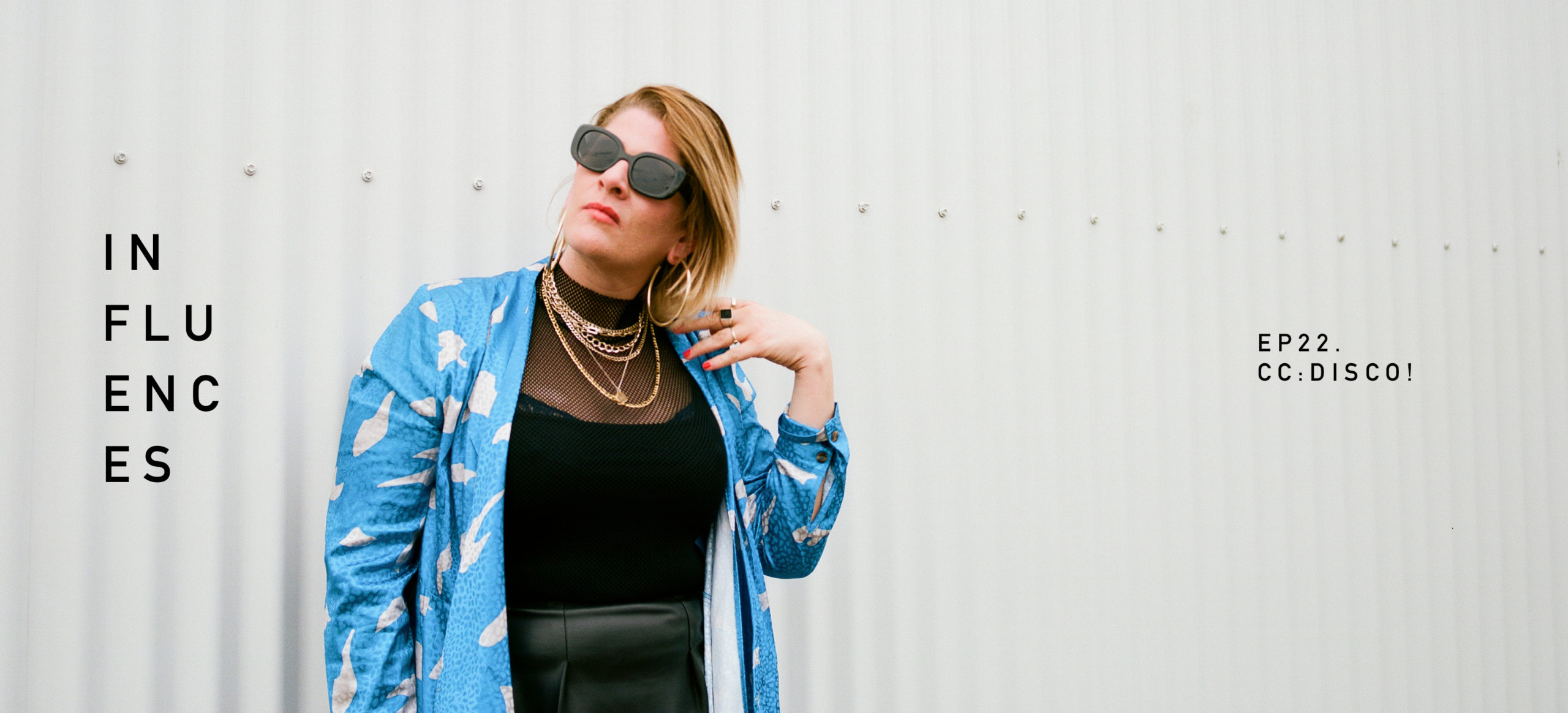
CC:DISCO!, real name Courtney Clarke, has been hopelessly lost in music since her teen years. Her journey began in Melbourne, Australia, where she discovered the glorious depths of dance music through a concert of Aussie pioneers Itchy & Scratchy. Her brain exploded, she recalls, and something deep inside her became enchanted with the “the loving, caring vibe“—people dancing, hugging, and even crying. Immediately she knew that she wanted to make people feel like that, so she began traversing record stores the world over in search of disco, house, and boogie cuts sure to brighten up any dancefloor. As she began to present her discoveries in clubs and via the radio, she began to realise that much of her collection stems from 1983. “I’ve always been obsessed by music that came out then [in 1983],” she says. “It was a real melting pot between so many new genres that were just about to explode. Boogie and Italo being the main ones, but also freestyle was flying into the mix during this year.”
Clarke bases herself in Lisbon, Portugal, where she’s been enjoying some downtime after a breakout few years. In 2018, she curated First Light, a compilation that profiled some of her favorite electronic artists from Australia and New Zealand, and she’s just delivered the second volume, covering a much wider spread of producers. Both releases came out on Soothsayer. She’s also taken the time to do something she’s been eager to do for a long time: compile a mix pulling out some of her favorite records from her favorite year—when “the big huge fast disco stompers were starting to fade and producers were going to more slick produced, drum machine boogie-style disco,” she recalls. “This meant tempos came down and groove was more the focus than using huge synth bass lines.” This is going to be first of many “year in focus” mixes from Clarke, and it’s absolutely full of funk.
XLR8R has now joined Mixcloud Select, meaning that to hear the podcast offline you will need to subscribe to our Select channel to listen offline, or subscribe to XLR8R+ to download the file below. The move to Mixcloud Select will ensure that all the producers with music featured in our mixes get paid. You can read more about it here.
Full XLR8R+ Members can download the podcast below.If you’re not an XLR8R+ member, you can read more about it and subscribe here.
Tracklisting:
01. Eddie Jobson & Zinc “Colour Code” (Capitol Records) 02. Hatz “T’As Meme Pas Voulu” (Epic Records) 03. Venus “Strange How You Move” (Vak) 04. Shawne Jackson “Loveline” (Instrumental) (Loose End Records) 05. James Ingram “Try Your Love Again” (Qwest Records) 06. Maurice Starr “Keep on Dreamin” (Arista) 07. Pieces of a Dream “Fo Fi Fo” (Elektra) 08. Vee Allan “Love Don’t Wait” (Club Mix) (MCA Records) 09. Paradise “One mind, Two Hearts” (Priority Records) 10. Shirley Lites “Heat You Up (Melt You Down)” (Instrumental) (West End) 11. Sapphire “Make Love to the Music (Becket Records) 12. Paul Sabu “Shotgun” (Instrumental) (Arial) 13. Ashye “Electricity” (Record Shack Records) 14. Ebony Brothers “Brighten Up Your Night” (Rahaan edit) (Street Edits) 15. Pablos Group “Experience” (Duriam) 16. Gary Low “I Want You” (Romain Bezzina Edit) (OG Cat Records) 17. Tia Monae “Don’t Keep Me Waiting” (First Take Records) 18. Ernest Raglin “In the Rain” (Vista Sounds) 19. Kashif “Help Yourself to My Love” (Arista)
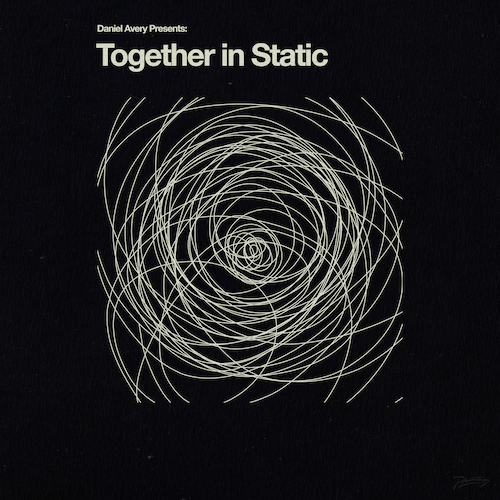
Daniel Avery will release Together In Static, a new album of music created specifically for a pair of seated and socially-distanced live shows at London’s Hackney Church on May 29, 2020.
As with many things this past year, the project “took on a power and a life of its own right in front of me,” Avery tells XLR8R. The original idea was to simply play a couple of intimate gigs at Hackney Church, for which he began to make original music. But as plans continued to shift, he “fell deeper into the waves,” he says. He considered a 12” but by the time he “came up for air,” he had a complete album he wanted to share. “I feel it’s some of my best work and I’m gassed for you all to hear it,” he says.
The London-based producer has also announced a global stream from the church on Wednesday, June 23, allowing his fans to experience the immersive performance of previously unheard music. The timings are as follows:
Stream One: Australia & Asia 20.00 AEDT / 18.00 JST / 10.00 BST
Steam Two: UK & Europe 20.00 BST / 21.00 CEST
Stream Three: US East Coast 20:00 ET / 01:00 BST
Stream Four: US West Coast 20:00 PT / 04:00 BST
Together in Static comes almost a year to the day after Avery’s surprise third studio album, Love + Light, released last June in the midst of the coronavirus crisis.
Tracklisting
01. Crystal Eyes 02. Yesterday Faded 03. Nowhere Sound 04. The Pursuit of Joy 05. Fountain of Peace 06 .Together in Static 07. A Life That Is Your Own 08. Hazel and Gold 09. [hope comes in many forms] 10. Endless Hours 11. The Midnight Sun
Together in Static LP is scheduled for June 24 release on Phantasy and Mute. Meanwhile, you can stream “Endless Hours” in full via the player below and pre-order here.
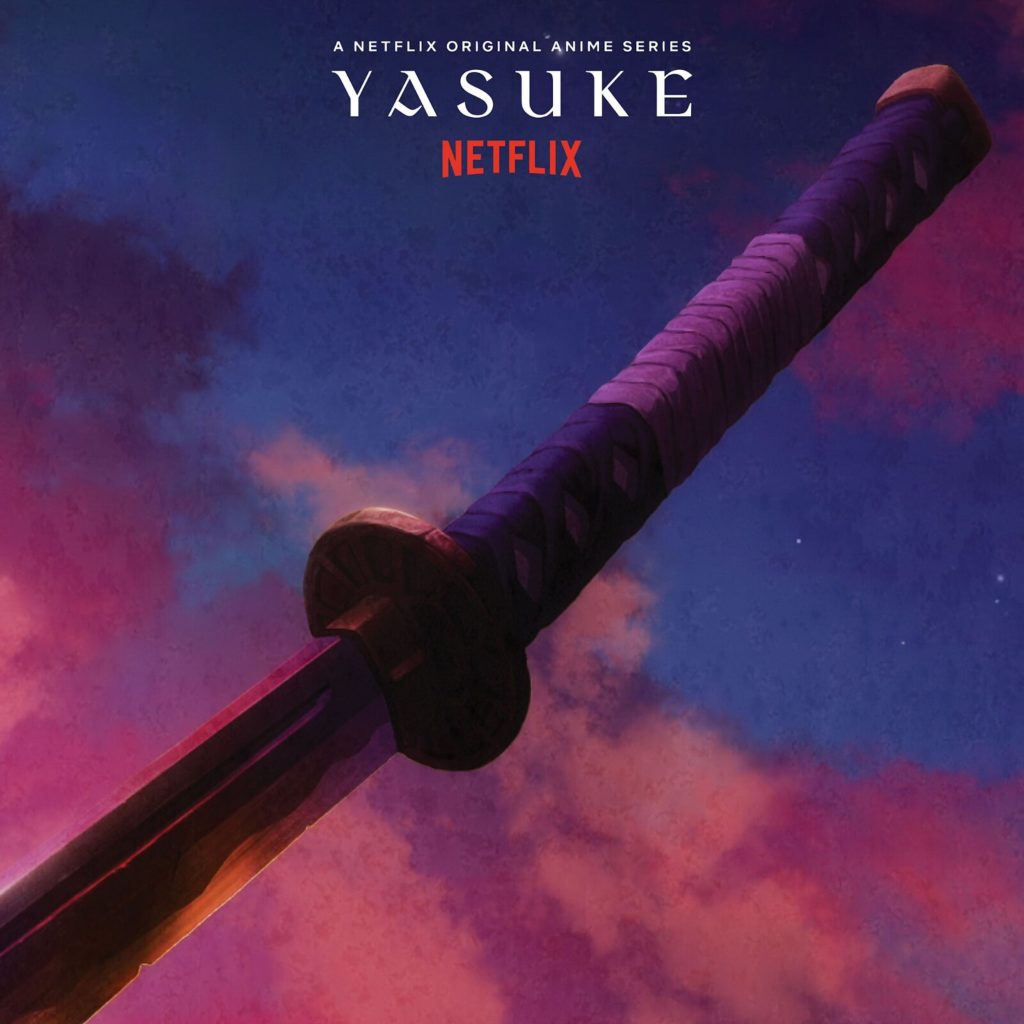
Flying Lotus has shared two singles from his score for upcoming Netflix animé series Yasuke.
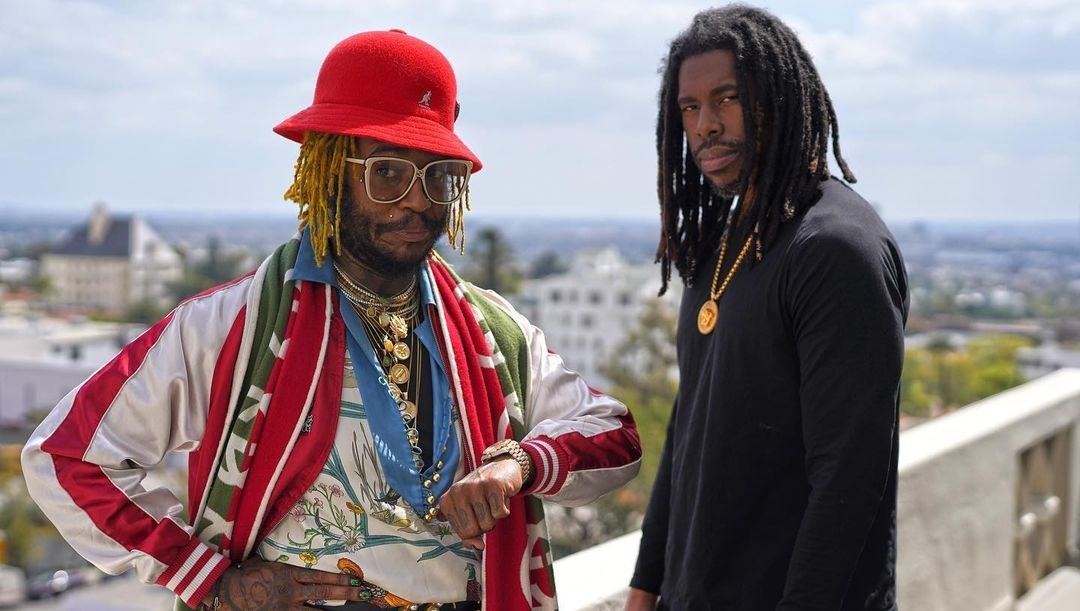
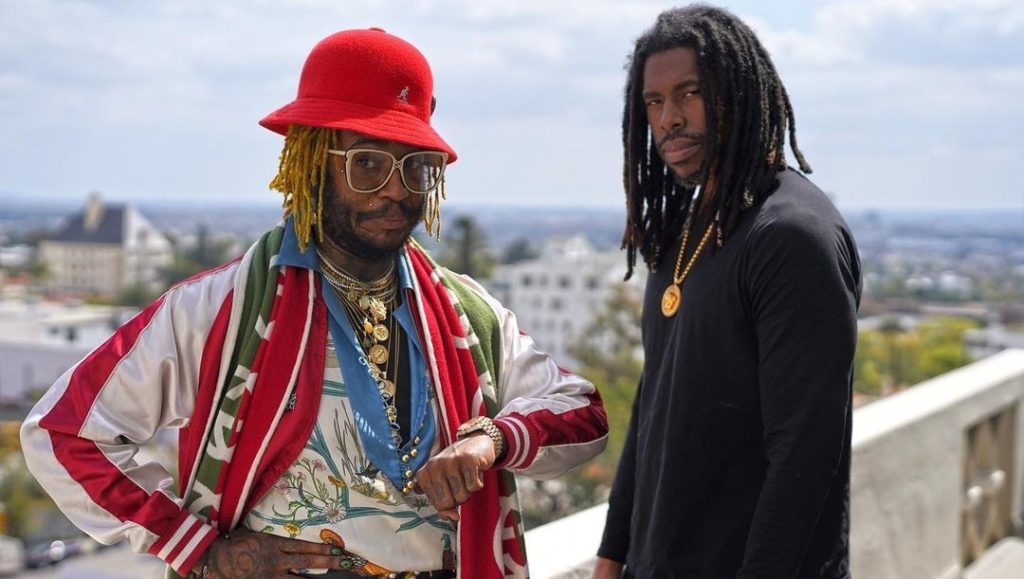
“Black Gold,” a song that sees him link up with longtime collaborator Thundercat, serves as the opening track for the show. The Niki Randa-featuring song “Between Memories,” meanwhile, plays over the end credits.
Three years in the making, Netflix’s Yasuke is a six-episode series created by Bronx-bred and Japan-based television animation producer LeSean Thomas. It stars actor LaKeith Stanfield as the voice of the title character.
Yasuke tells the story of a samurai warrior of African descent in a fantastical alternate universe version of 16th century Japan. Flying Lotus, real name Steven Ellison, also consulted on the story. “LeSean and I talked about being outsiders in animé,” he says. “I was like, ‘Why aren’t more Black kids trying to do this? Why is it so out of the ordinary?’ He was saying that it’s because they don’t have examples.”
Flying Lotus also spoke about his role in the animé last month, posting a tweet saying: “Working on animé is my new favourite thing. I think imma try n stay a while. Can happily keep doin it. Makes sense to me.”
Yasuke is set to premiere on April 29. Meanwhile, you can stream “Black Gold” and “Between Memories” below.