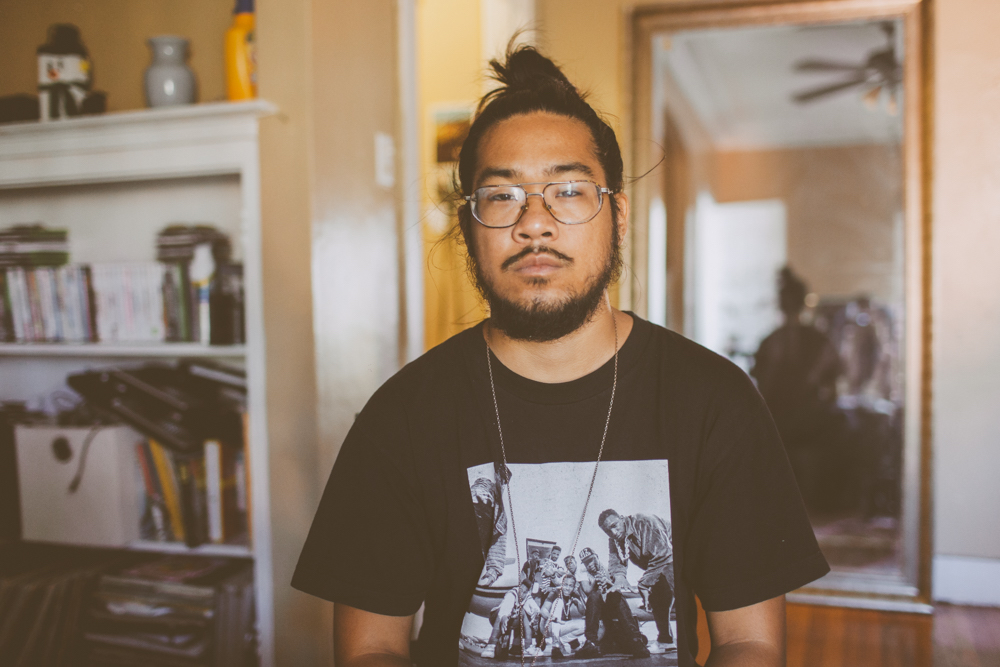
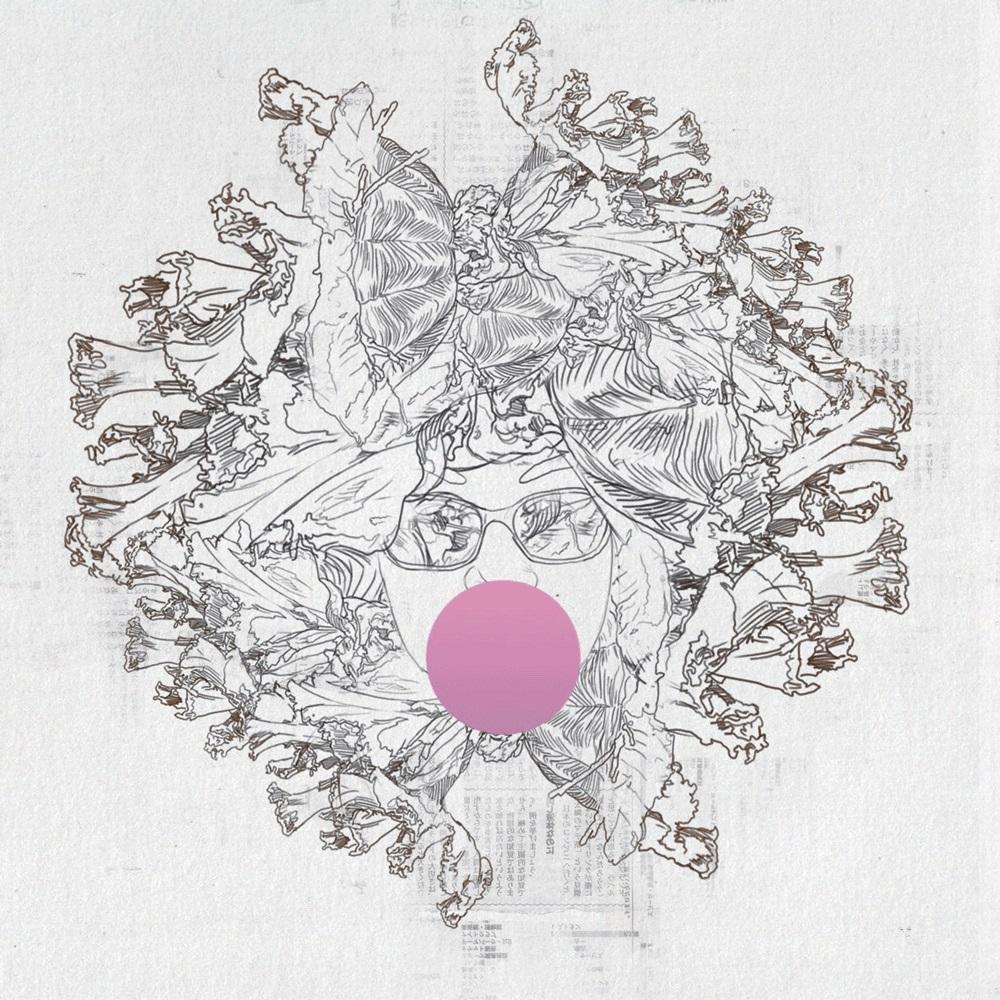
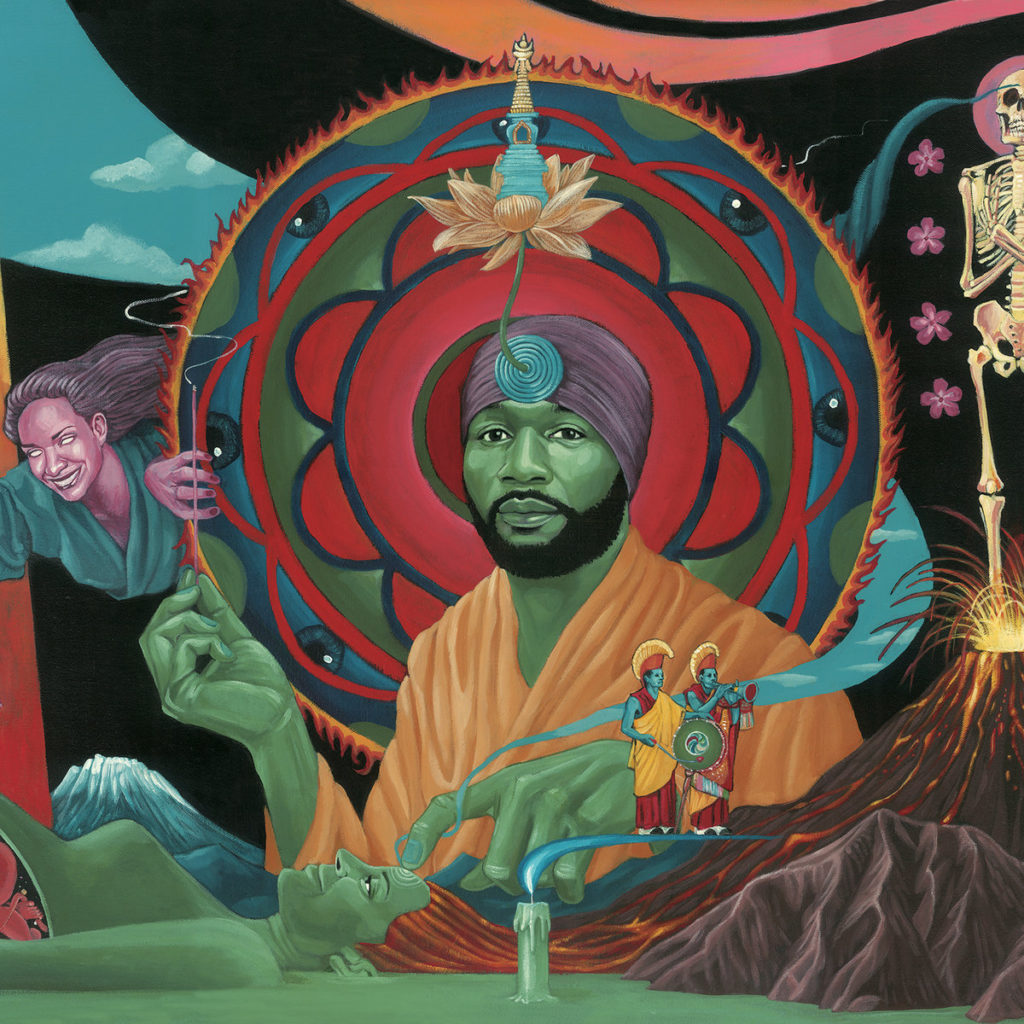
Mndsgn’s 2013 EP bed is getting a first-time vinyl pressing with the Los Angeles-based artists’ Mndsgn Limited imprint. The exclusive Vinyl Me, Please magenta 12″ version is available for pre-order for members and all pressings will come with the original artwork from Deleon.
Mastered by Jonwayne and featuring Anna Wise on vocals, the EP is from the era of Mndsgn’s career right before he signed to Stones Throw and embodies many works he would soon release with them. Mndsgn, real name Ringgo Ancheta, first released the EP on cassette but it has long been sold out in that format.
In February of this year, Mndsgn ran a first-time LP pressing of 2013 album ObliqueKitchn on Mndsgn Limited. He also pressed up 2011’s NoMaps for a first vinyl run in October of last year.
Tracklisting
01. laps 02. try this peppermint soap 03. Bed 04. on (paralysis) 05. betweens 06. look at your face 07. legwarmrs 08. g ‘maury (heavenly)
Order a 12″ magenta copy of bed from Vinyl Me, Please here, or grab a regular pressing from Fat Beats here, if you don’t have a membership with VMP. Meanwhile, stream “try this peppermint soap” below:
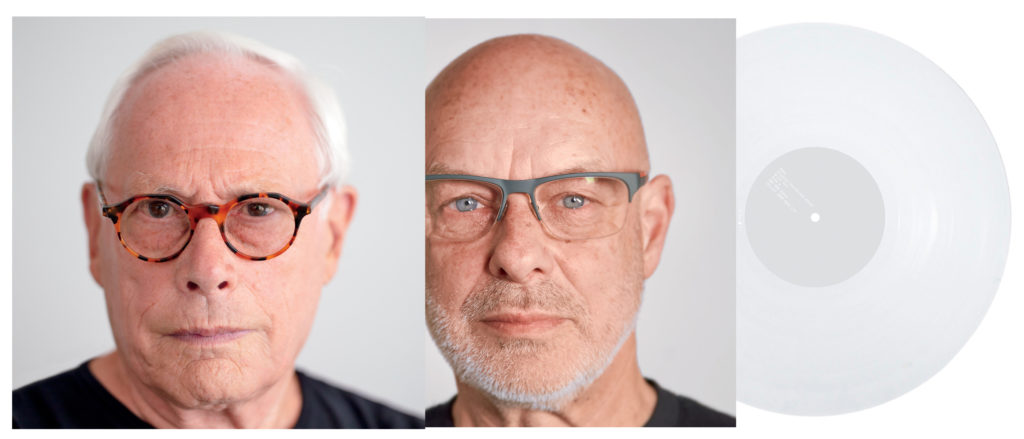
“Rams” is an intimate documentary about Dieter Rams, one of the most influential designers alive today. For over 50 years, Rams has left an indelible mark on the field of product design with his iconic work at Braun and Vitsoe, and his influence on Apple. His work has influenced the way most of today’s consumer products look and function.
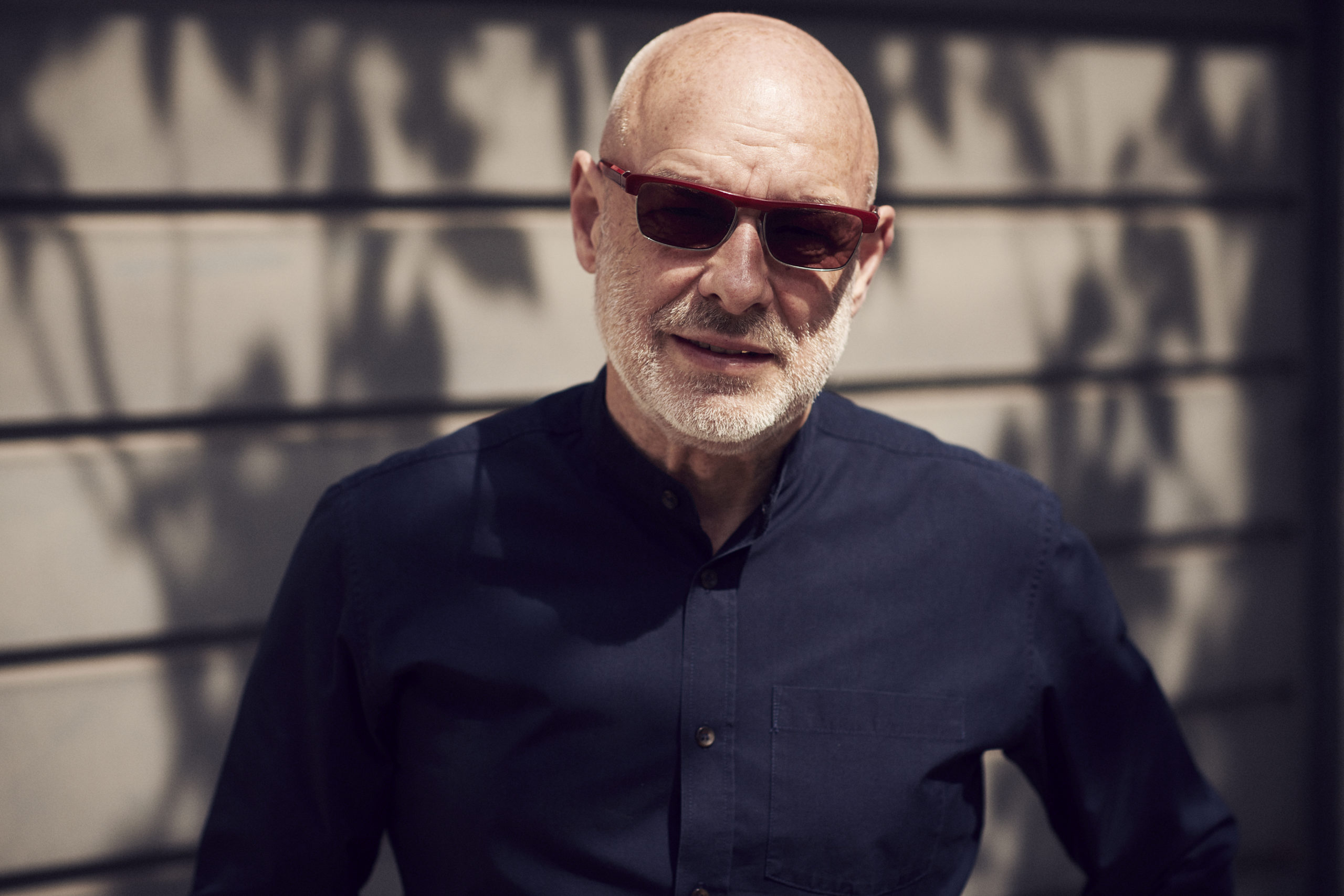
In line with the aesthetic of the film, the director Gary Hustwit asked Eno to write the original score because of “a connection between Dieter’s design sensibility and Brian’s music.”
Despite the documentary being out since 2018, this is the first time this score has been made available as a release. Coming out in LP format, and with download code, the album contains 11 unreleased instrumentals, and in keeping with Rams’ principles on minimal design, it is packaged in a simple full coloured sleeve and pressed on heavyweight white vinyl.
Tracklisting
A1. Bright Clouds of Metal A2. Harmonic Guitar A3. Unusual Temperament A4. A Warm Sweet Bed A5. Beautiful Metals A6. Designer Piano B1. Generative Lounge B2. Design as Reduction B3. Al’Khwarizmi Piano B4. Shimmering Future B5. For A New Design
Rams OST is available on Record Store Day, April 18. Meanwhile, you can read more about it here.
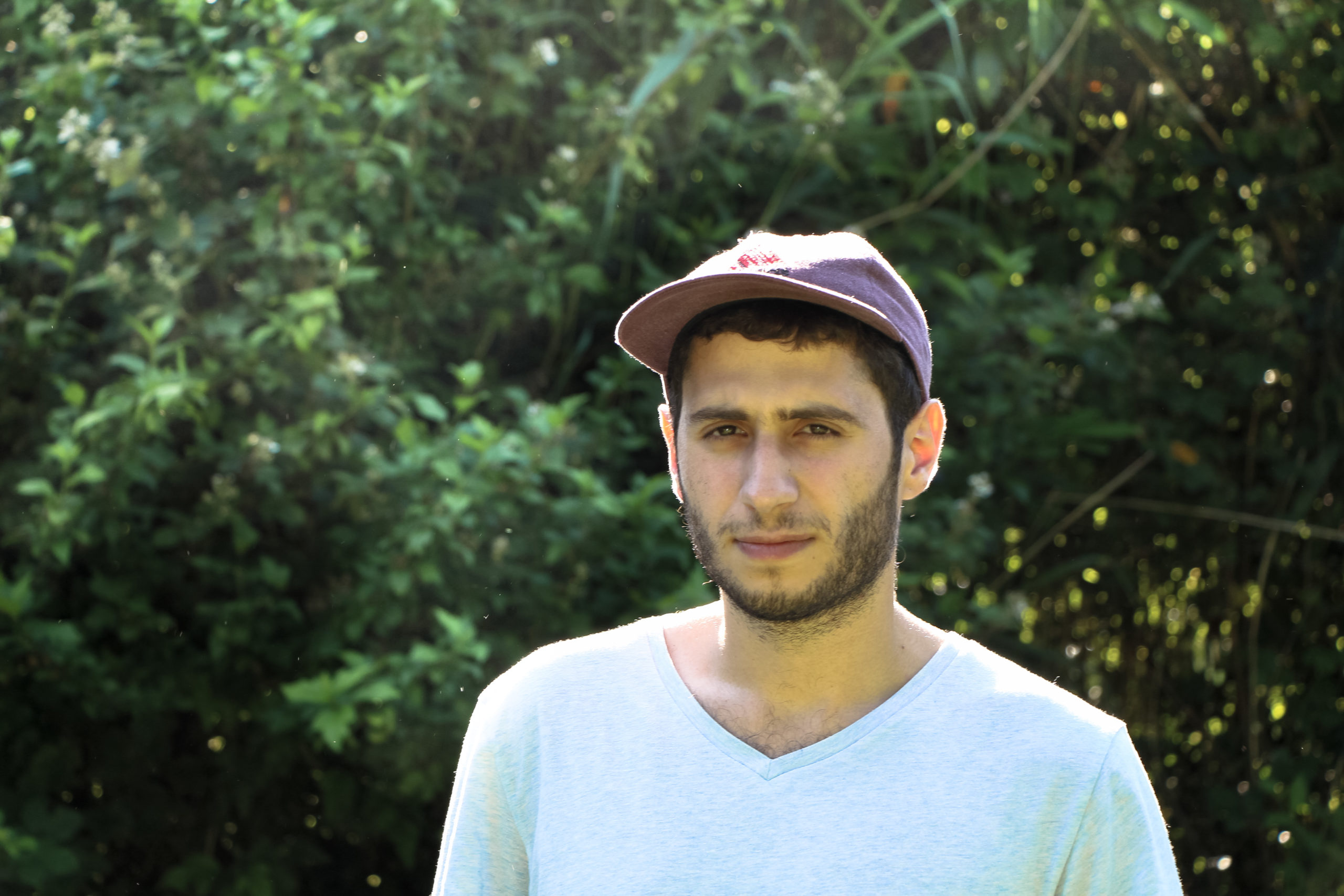
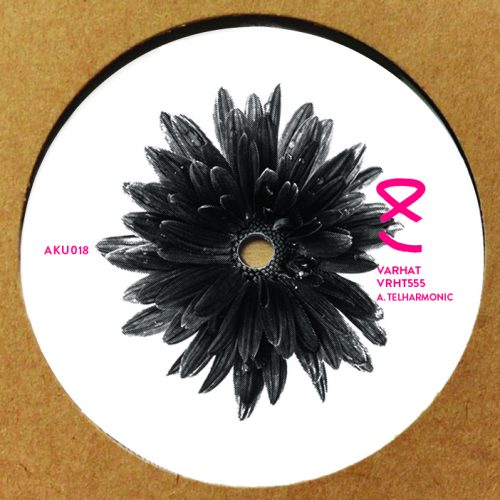
Varhat will release Telharmonic, his new EP, later this month.
Telharmonic is the first record Varhat, real name Vincent Lubelli, has put out this year. It’s his first appearance on Aku, his own label, since 2016’s VRHT222, and comprises two tracks “calibrated for the dancefloors.”
Lubelli, a co-founder of Yoyaku record store and label, also releases as Hostom, Vincen, and YYY. You can read more about him in his interview here, and listen to his XLR8R podcast here.
Tracklisting
01. Telharmonic 02. That’s Right
Telharmonic EP is out later this month on vinyl. Meanwhile, you can stream “Telharmonic” below and pre-order the record here.
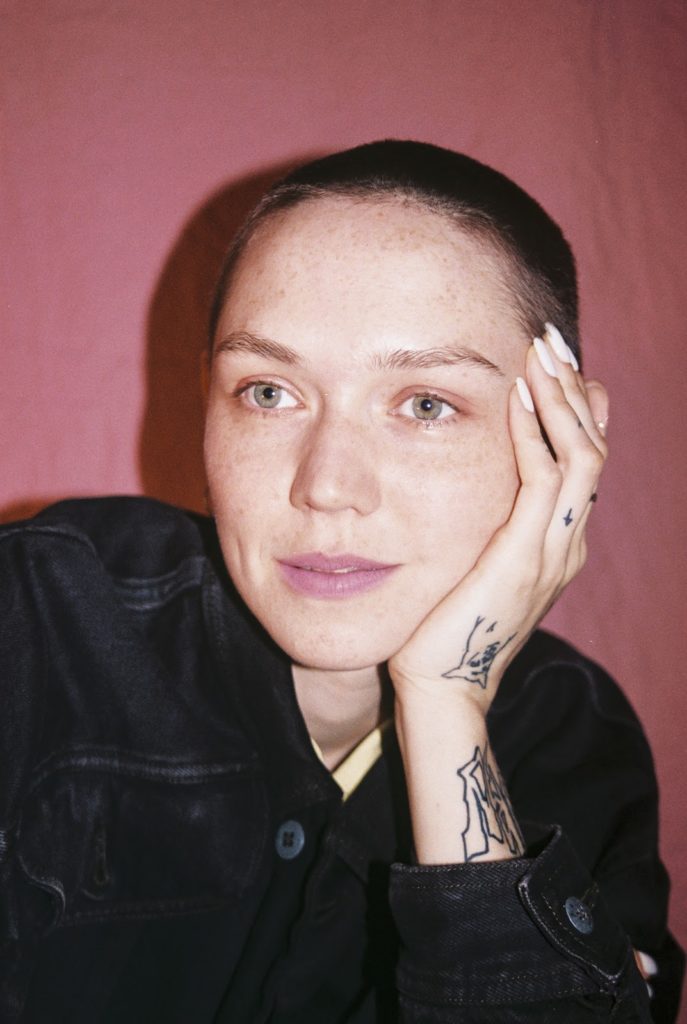
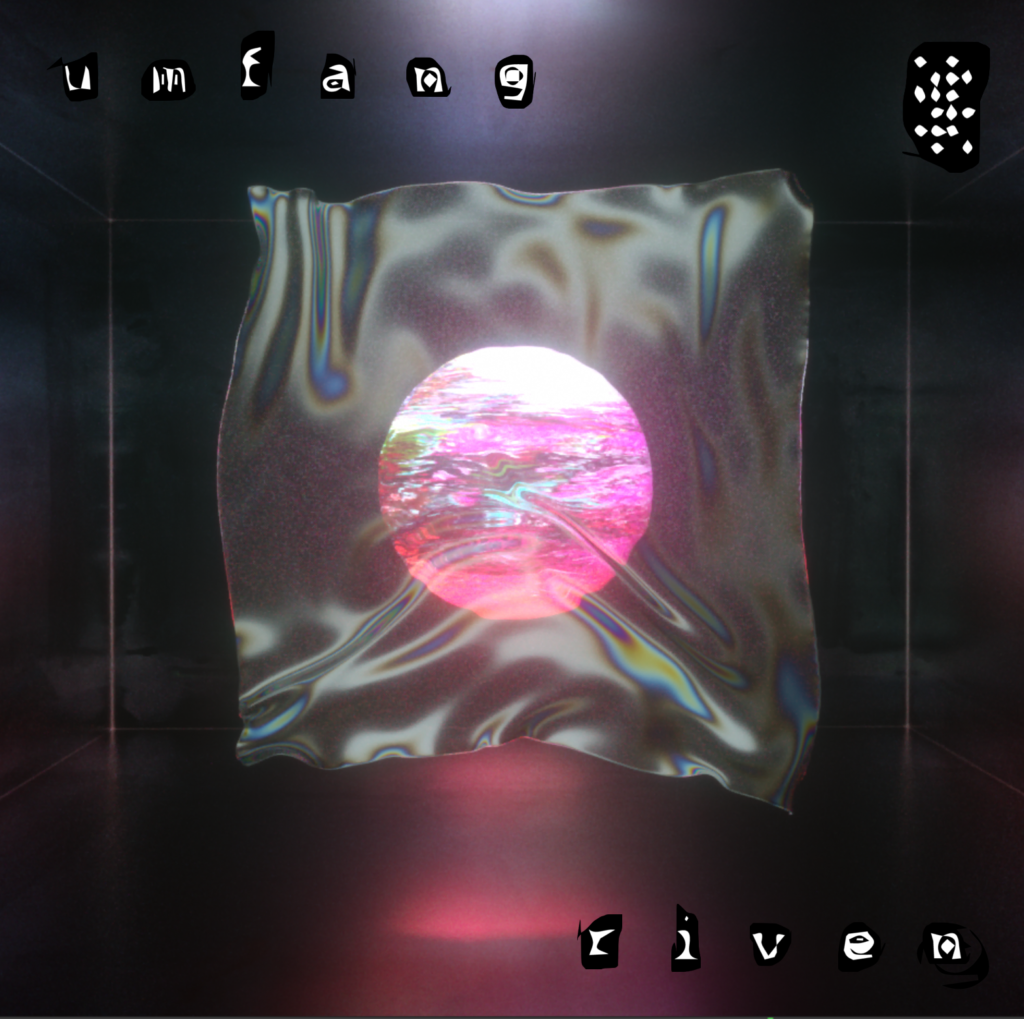
Umfang will launch her new label, Thanks For Enlightening Me, with her fourth album, Riven.
Riven is Umfang’s first album since 2017’s Symbolic Use Of Light on Ninja Tune’s Technicolour. The Discwoman artist, real name Emma Burgess-Olson, hasn’t released any new material since then.
There’s no information disclosed on the album other than a figurative take from the poet Mayra Rodríguez Castro.
“Riven sounds like the speed of regenerating, desperately and orderly. A beautiful quality of air traveling inside an enclosed space, inner echoes and droplets.
“I feel water, the tightness and looseness of organic architectures. Intensities of light; at some point light glimmers over water, at others there are rays seeping into-and-out undergrounds, sometimes more somber and breathless.
“I see dawns throughout the album, resonating with a twilight of the gods, with patterns of night to day. Any rupture can be sealed again. Floating pieces attract. Who is left to speak when things split apart, and a world grows anew?
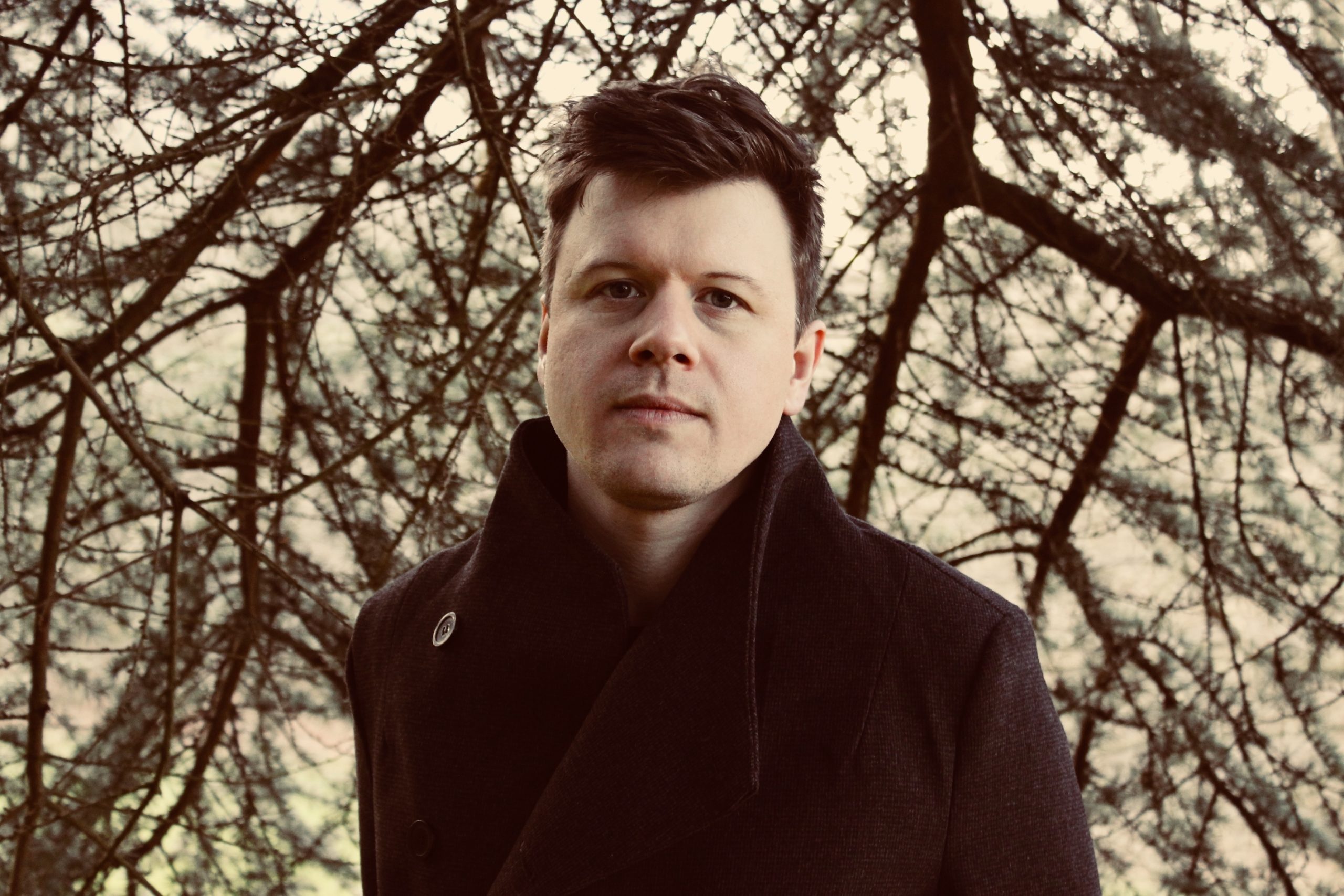
The UK producer, real name Alan Myson, wrote the album during a period of new beginnings following a move out of the city to a quieter space and the birth of his first child. During this time of self-imposed isolation, Myson recorded a huge amount of source material and spent months sitting up at night with his newborn, listening back and making notes on how the new record should take form.
The album brings together the extremes of Myson’s sound, contrasting roughened bass and beats with starker, more detailed atmospheres and emotions. The most beat-driven song here is “Deadhead,” with its gnarled bouncing bass, angular distorted melodies, and cavernous textures. You can stream the track below.
Myson found himself deprived of sleep for much of the writing process and this gave him a “renewed creative energy,” as he worked through the night and then into the daytime, “super-focused but exhausted.” Prone to audio hallucinations, he aimed to capture these distortions in his perception of pitch and time. You can hear these interpretations on tracks like “Endless” and “Open Heart” as melodies phase and slip out of time.
Myson’s last album, Bodied, came through Planet Mu in 2018.
Tracklisting
01. Chamber Music 02. Open Heart 03. Deadhead 04. Reverie 05. Bladed Terrain 06. Diamond Child 07. Angel In Ruin 08. Leaving The Grid 09. Endless 10. Oblivion Theme
Outland LP is out on May 1 on vinyl and digitally. Meanwhile, you can stream “Deadhead” in full below and pre-order the album here.
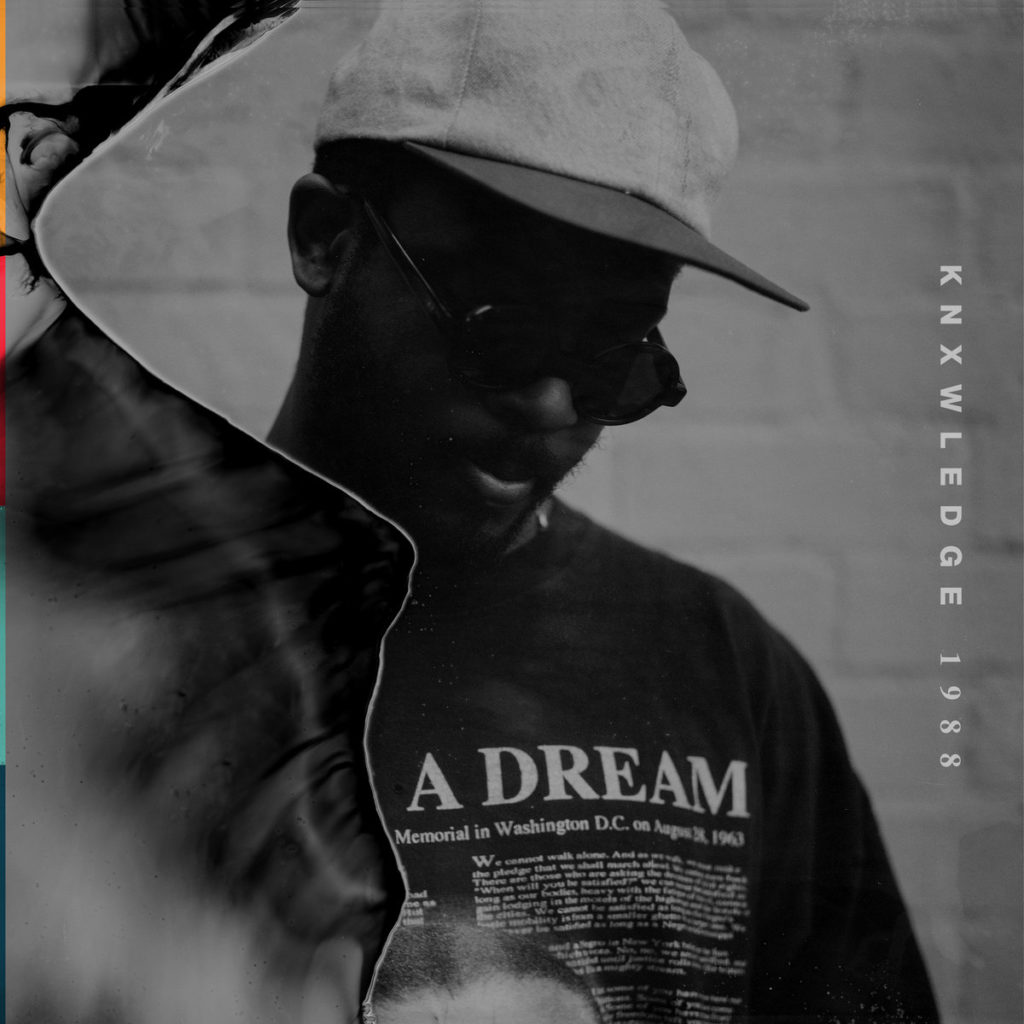
Knxwledge has announced the release of his new full-length album, 1988, on Stones Throw Records. In support of the album, the Los Angeles producer, real name Glen Boothe, has released a few tracks, and this week he revealed the Rhymezlikedimez (Robin Velghe) animated music video for “Don’t Be Afraid.” Previous single releases have included “Do You,” “Learn,” and “Howtokope.” 1988 releases worldwide on multiple formats on March 27.
According to Stones Throw, the root recordings for 1988 initiated when Knxwledge was an infant, hence the album title. “As the story is told, little baby Knx was left alone by his mother for just a few moments and crawled to a family member’s vintage SP–12 sampler. When his mother returned he had already produced his first beats and nearly mastered the machine. These tracks, all produced before nap time while rocking a Nike diaper, were stored over the years on floppy discs, then brought to his studio in recent months where they were finished up, mixed, and mastered.”
1988 is the follow up to Knxwledge’s 2015 debut album on Stones Throw, Hud Dreems. That same year, he would feature on Kendrick Lamar’s critically acclaimed To Pimp A Butterfly LP, winning a Grammy for his work on the album. His collaboration with Anderson Paak., NxWorries, would also initiate around this time, leading to work that can be found across 1988.
The Stones Throw online shop exclusive includes 1988 as a box set containing the album, 10″ EP, and 7″ single. The additional records contain all-new music that won’t be released through digital platforms. A small number of purple vinyl copies will be available at independent record stores around the world.
Tracklisting
01. dont be afraid 02. [bc] tm_s not promised 03. do you 04. thats allwekando. 05. listen 06. learn 07. howtokope. 08. with[reality] 09. uonlygetone 10. solivelife 11. be safe 12. watchwhoukallyourhomietheykome&go 13. don_tgottabe 14. gangstallthetime 15. believeme 16. itkanbe[sonice] feat. NxWorries 17. makeuseofthetime 18. makeitliveforever 19. awomanslifeislove 20. amansloveislife_keepon 21. minding_my business feat. Durand Bernarr, Rose Gold
Pre-order 1988 from Stones Throw here and stream the new animated video for “Don’t Be Afraid” below:
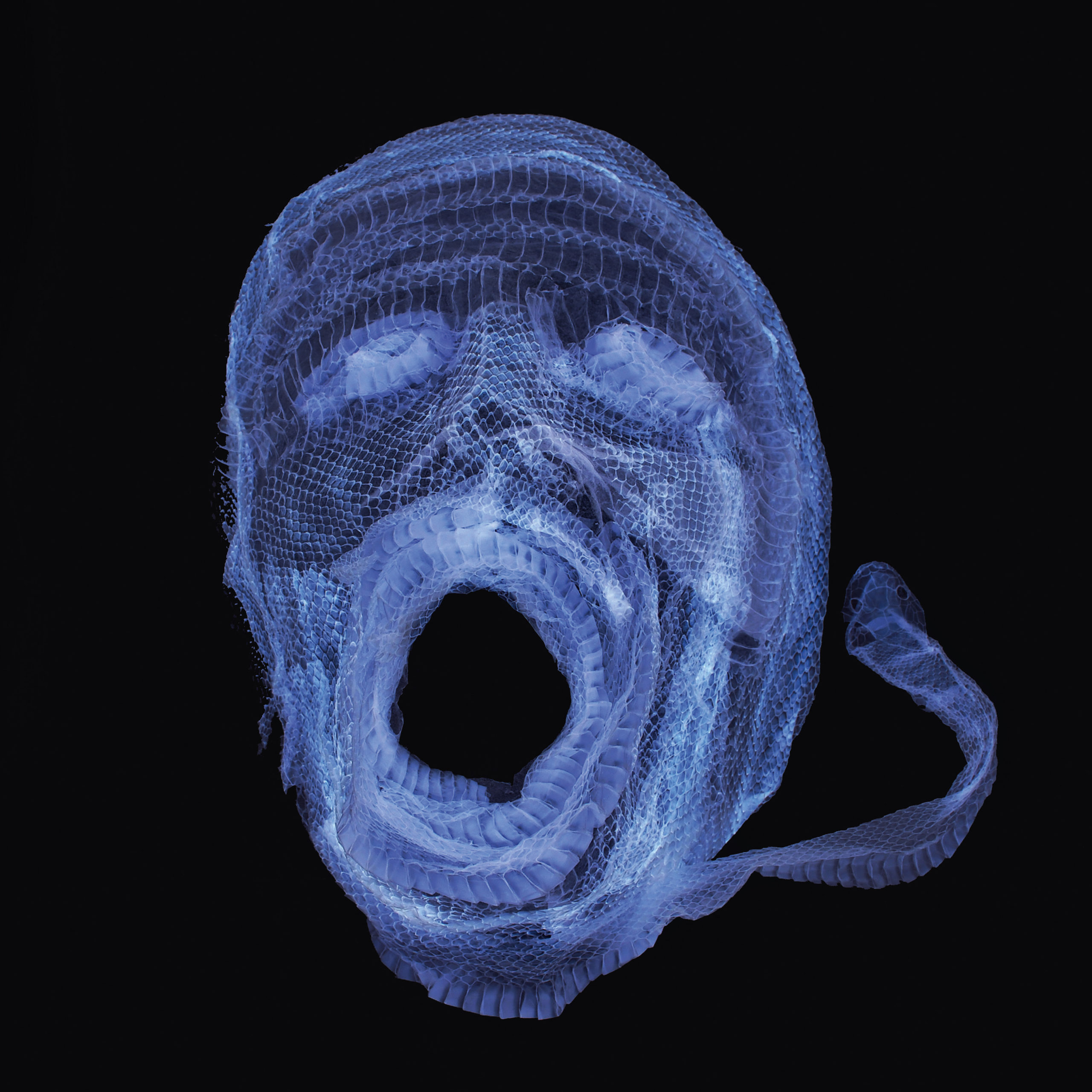
Metal Preyers LP was made over a six-week period in Kampala, Uganda with London producer Lord Tusk. It takes form as an ambient film soundtrack for Chavez and Hackett’s visual art produced under the Teeth Agency moniker. They recorded it with an ensemble of Ugandan musicians including multi-instrumentalist Lawrence Okello, percussionist Omutaba, and Rian Treanor-collaborator Ocen.
It’s not the first time Hackett has worked with Ugandan musicians: his 2017 album, Ennanga Vision, saw him team with Geoffrey Opiyo Twongweno and Albert Bisaso Ssempeke. However, the vibe this time is more psychedelic in a road-level, grimy, and noisy style thanks to the expanded platte of inputs.
Metal Preyers follows the release of a limited cassette called The Preying Well back in January.
Tracklisting
01. Metal Preyers 02. Hard Screw 03. Peppa 04. Gizzards 05. Snake Sacrifice 06. The Caller 07. Musota Kizinga 08. Mutaba-Abba 09. Night Walk 10. Wagani 11. Snake Spit Defender 12. Slither Dripper 13. Double Tongue 14. Skull Head Stompeed 15. Metal Preyers Reprise
Metal Preyers LP is out on March 6, with order here. Meanwhile, you can stream “The Caller” below.
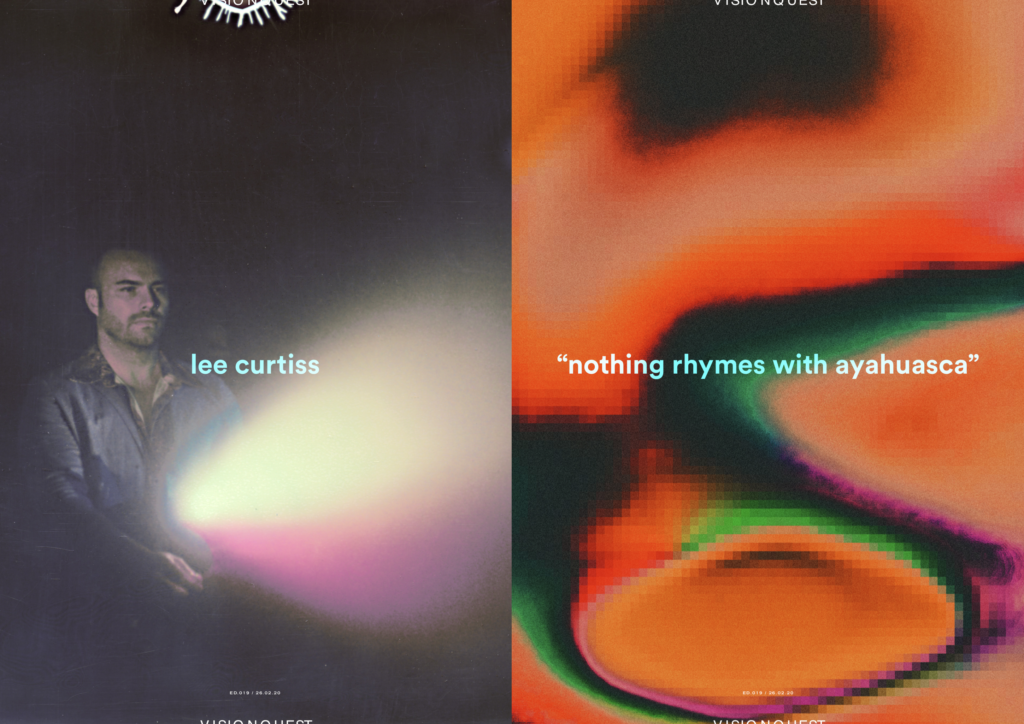
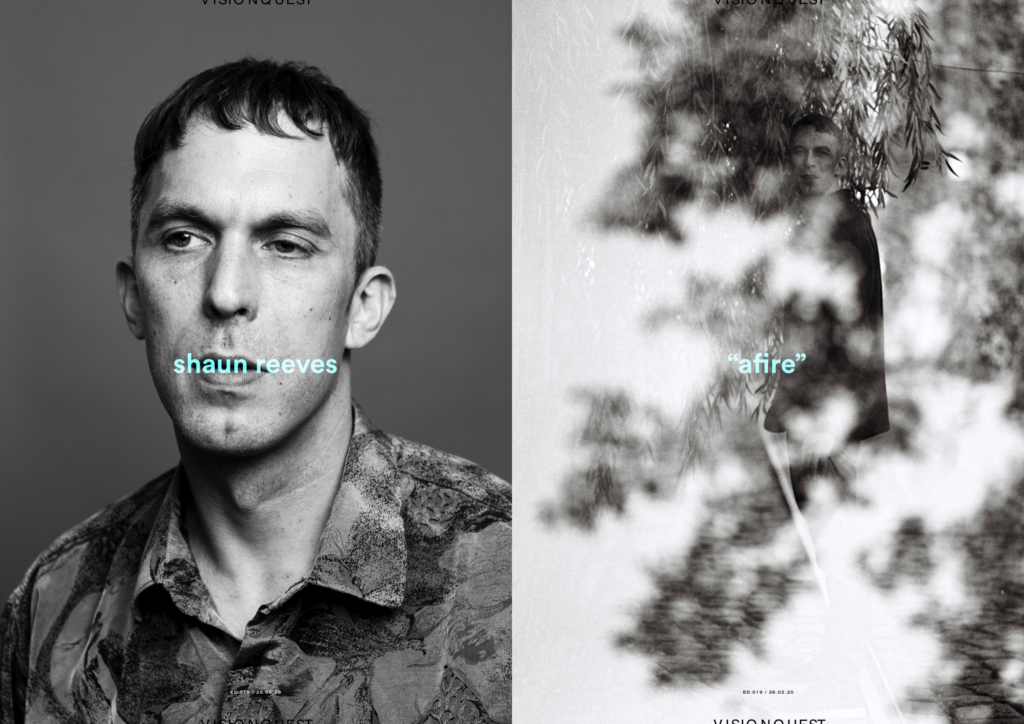
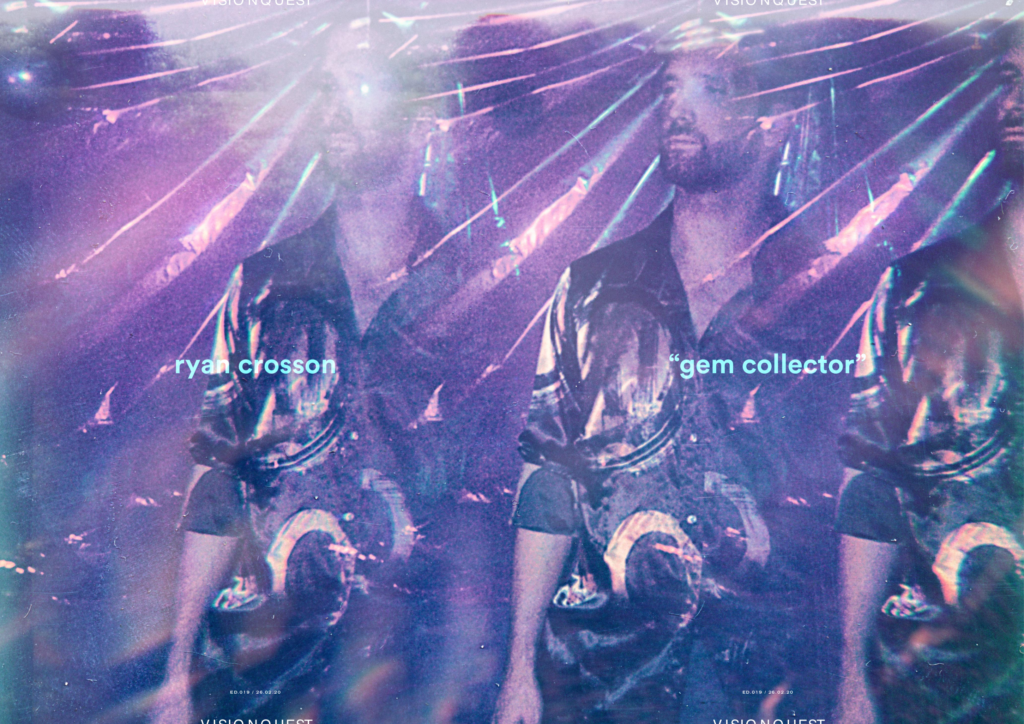
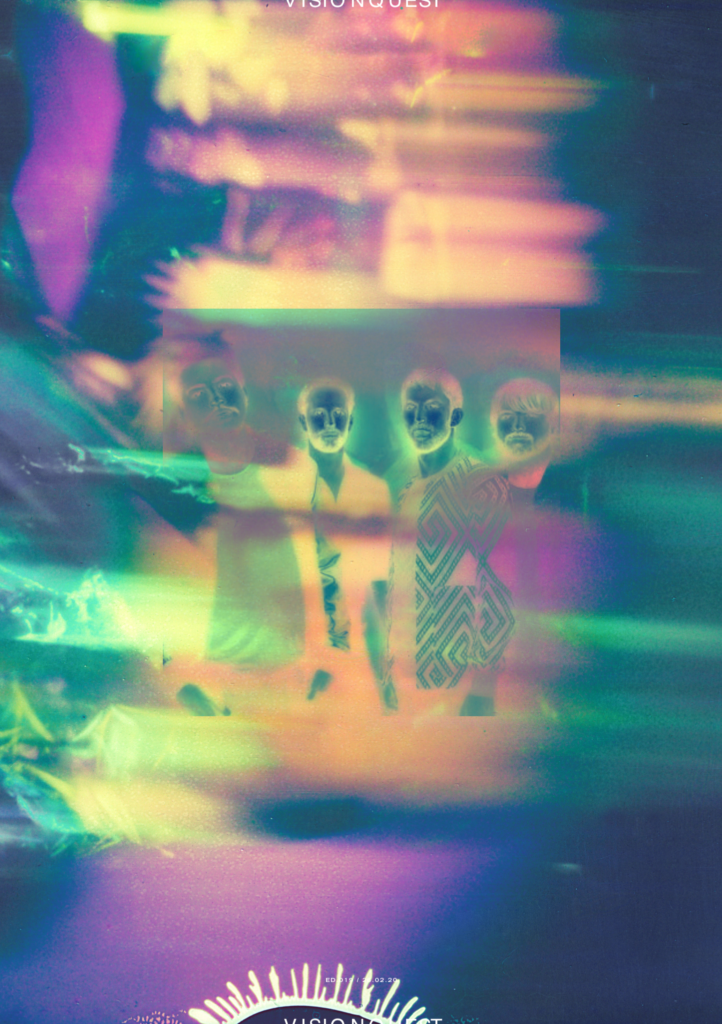
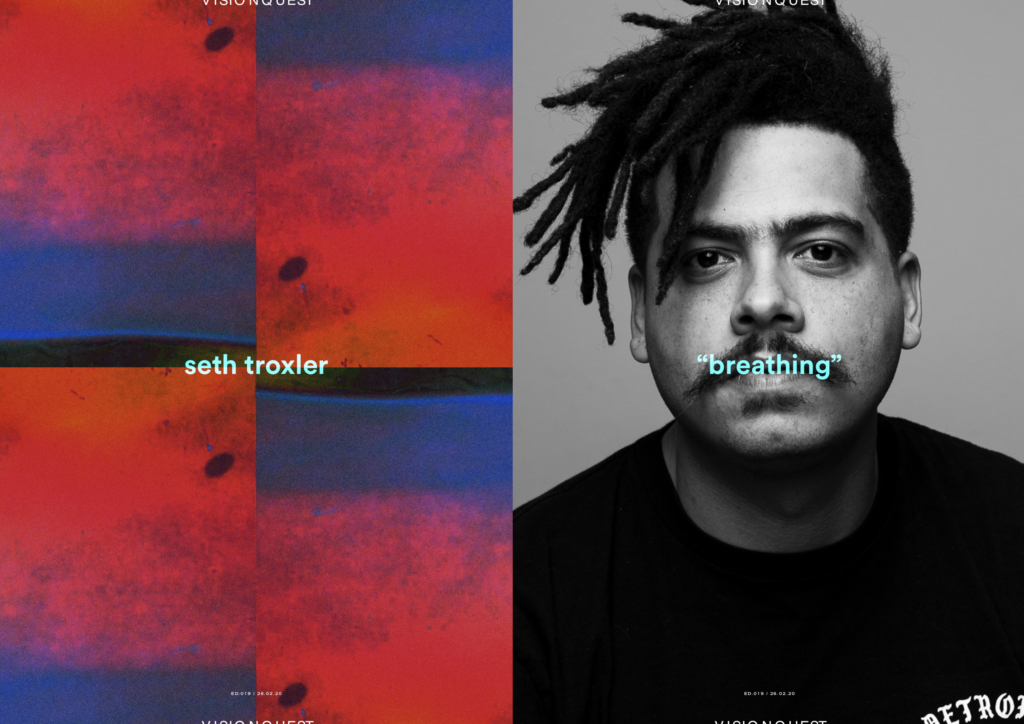
Editor note: All images are taken from the zine to accompany the 19th edition of XLR8R+, a special Visionquest edition featuring tracks and content from Shaun Reeves, Ryan Crosson, Lee Curtiss, and Seth Troxler, plus a Studio Essentials with Visionquest artists Triptease. You can find more information on the package here.
On August 18, 2010, Seth Troxler, Ryan Crosson, Lee Curtiss, and Shaun Reeves stepped up in the front room of Ibiza’s DC10, joined by Bill Patrick. The Wednesday party was a special event because it marked the first time all four, each an admired DJ in their own right, had come together as Visionquest, the name a reference to an ancient Native American ritual whereby children on the verge of adulthood undertake a journey through the wilderness in search of a spiritual epiphany. It was a metaphor for what they wanted their listeners to experience on the dancefloor. Playing deep into the early hours, they delivered the first of many Visionquest all-night-long multi-deck DJ performances, spanning genres and with it conceiving what became one of electronic music’s most celebrated collectives.
Nearly 10 years have passed since that evening, and the Visionquest of today is an entirely different beast to what it quickly became. Through the early part of the decade, the Visionquest quartet donned magazine covers, headlined events, and delivered sought-after remixes for the likes of Dinky [“Acid in my Fridge“], David Lynch, and Tracey Thorn. As the dance music landscape became clinical and overly functional, Visionquest guaranteed you fun and character, and so it remained before they stripped back operations in January 2014, as Troxler opted to fly his own flag. After a period of readjustment, Crosson, Reeves, and Curtiss continued with the label, and they remained a touring force until mid-2015, but Visionquest performances have since all but stopped.
That is until now. Beginning this summer, and to celebrate the label’s 10-year anniversary, Troxler, Crosson, Curtiss, and Reeves will reunite to embark on Visionquest’s second chapter, aiming to continue where they left it. Proceedings will begin with a series of 10-Year parties, with dates to be announced, after which they’ll ramp up operations with Visionquest sets and the label. Troxler, now based in Ibiza, will shut down his other labels to focus on Visionquest and he’ll join the others in committing time to touring as a four. After six years, the band is back together.
Visionquest’s roots lie in Detroit, Michigan, where they all connected. Troxler, a roommate of Curtiss, met Crosson through Memories & Melodies, one of his home town’s most beloved record stores where he’d been working since the age of 14. Curtiss met Troxler through a release he did on a small West Michigan label and the two had grown to become close friends.
Reeves, then a promoter, connected with them all through the local party scene and they united through an easy-going attitude and appreciation for wonderfully weird electronic music. They deepened their friendship in Curtiss’ and Troxler’s basement, “Tesh Club,” where they’d consume various means of mind expansion, throw parties, and upload the sets online.
One such source of this music was Perlon, the cult label of Thomas Franzmann (a.k.a Zip) and Markus Nikolai centered around the Get Perlonized parties at Berlin’s Panorama Bar. Endeared by the German capital’s stripped-back techno sound, Reeves made the move in 2003, aged 22, aiming to dig into the music that underpinned the Visionquest group. He maintained close ties to the others, who’d visit more regularly as they began releasing on European labels, and they eventually made the move together in June 2007.
Little could have prepared them for the next few years. Living together in a rented apartment on Frankfurter Allee, one of the oldest roads in the city and easy walking distance from Club der Visionaere, they established themselves as staples in the bustling community of artists that surrounds the club by the Spree. Eager to imprint their vision, in 2008 they launched their Soulshower residency, presenting soul, funk, hip-hop, and just about anything else they could find. The slot proved a success, distinguishable among a local soundtrack dominated by functional house and techno.
“We absolutely wanted to make electronic music a little more light-hearted and fun, at least as personalities,” Curtiss recalls. “There were very few DJs playing records with house vibes, and there weren’t vocals unless they were pitched unnecessarily low. We all appreciated house music as much as techno, and we brought a little more funk and American influence with our sets.”
Word spread and so did Visionquest nights, taking the crew all across the United States and Europe. In 2010, they formalized the Visionquest name and refined their motivations: firstly to have fun and create experiences through parties, but they also had one eye on growing an artistic legacy. In this pursuit, they launched the Visionquest label, releasing the music of friends in their orbit.
With demand high and responsibilities low, hedonism ruled the day, and it remained that way until later that year when Troxler and Crosson moved to London. By this point, Curtiss had already returned to Detroit. Reeves remained in Berlin but later moved to Ibiza to be with his then-girlfriend.
In different cities, pressures grew and priorities shifted meaning Visionquest’s momentum slowed. With an expensive management team installed, the label was forced to maintain an intense release schedule, and this often meant they had to compromise on quality. “It becomes less fun when it’s necessary to pump out music to maintain the business more than the aesthetic,” Reeves says. They put out 12 records in 2012 and 16 the year after. As the industry expanded through the early part of the decade, it all became more business-focused, much to the frustration of the crew. “We had ridden the initial wave and then everything became very business, even with the promoters,” Reeves recalls. “The business took over the fun, and it felt like a job.”
“We were pushed from all angles to be the next big thing, which is a strange position for a group of strange men who love weird and deep music.”
— Lee Curtiss
“We were pushed from all angles to be the next big thing, which is a strange position for a group of strange men who love weird and deep music,” Curtiss reflects. For their 2013 world tour, they were equipped with a LED artwork team to transform clubs and festival stages, and there were also hired actors dressed in fancy dress planted in the crowd to break into synchronized dance routines.
“Conceptually, it was great, but it was a lot to throw at a group that had never even done an actual world tour together before. This created unneeded stress and friction between everyone involved and took its toll on the four of us,” Curtiss adds.
Troxler, meanwhile, was by then one of the world’s most demanded DJs and this challenged the group dynamic. “He felt he was getting all the attention and this made it difficult,” Reeves recalls. Exacerbating the issue was a sense among the others that they were pigeonholed to the group: “Everyone knew our names but nobody knew what we each were individually, which is a weird position to be as an artist,” Reeves adds. “All of us were bothered by this, and we wanted to establish our own identities.”
And so, after the Visionquest13 world tour, Troxler stepped back to focus on his solo work, leaving the others to continue on touring, until they stopped themselves in 2015. The label, meanwhile, continued on, managed by Crosson and Reeves. “It was a conscious decision to save the friendship, which has always been the most important thing between us,” Crosson says.
Rumors of Visionquest’s impending reunion have been circulating for months, but they’ve been moving between the four for years. Underpinning these conversations has been a sense of nostalgia, but also a friendship that dates back to their earliest musical memories and endured the most fun and care-free periods of their lives. “We miss each other,” Curtiss quips. Beyond this, however, there’s also a sense of unfinished business; as if their story was cut short, they lost sight of their original mission, and that they could do it differently now.
“It all happened too fast. From playing small promoter parties across Europe to a special collection of people who really understand it, to being part of the mega festival scene. All this seemed to explode in such a short amount of time. It was amazing but it all evolved too quickly.”
— Shaun Reeves
“It all happened too fast,” Reeves reflects from his Berlin apartment. “From playing small promoter parties across Europe to a special collection of people who really understand it, to being part of the mega festival scene. All this seemed to explode in such a short amount of time. It was amazing but it all evolved too quickly.”
He adds: “At a time when we should have had more control over things artistically and business-wise, we actually didn’t. We learned a lot about what can happen if you’re not on top of your own shit all of the time.”
Momentum picked up in the summer of 2016 when Crosson returned to Berlin to play at Club der Visionaere with Reeves, and Troxler, booked nearby, headed down afterward. What ensued was a 30-hour “burner session,” Crosson adds, that rekindled memories of the group’s finest days in the German capital and they called Curtiss in Los Angeles vowing to kick-start the project again.
“I was not there, but it’s really weird because we’ve always had this bizarre psychic ability and I texted it [the idea of a reunion] to Shaun,” Curtiss recalls. At Movement Detroit in May the following year, when Visionquest’s Need I Say More event, held at the legendary Detroit venue Old Miami since 2006, was canceled, Crosson, Curtiss, and Troxler decided that the time was right, and they connected with Reeves and began their initial contact with promoters.
The label’s 10-year anniversary, a landmark in a journey that began with Benoit & Sergio, the first of around 100 releases, serves as the platform they need to really make it happen. But beyond that, there’s a feeling among the crew that each member is in the right place in their individual lives and careers for Visionquest to be more of a success this second time around. All four are much more settled personally, two are even married, and they have nearly a decade more worth of experience in DJing and producing under their belts.
“It’s a matter of being older and now understanding how long it takes to actually be a really good DJ, and wishing that attention was coming now rather than when the pressure from the hype caused a few questionable decisions at key points,” Reeves continues.
Troxler, the hardest to pin down, is also ready to commit his energies to the project, recognizing that there is little left for him to accomplish in electronic music. “Back then I was trying to be something, but now I just want to be a good DJ and to create a good legacy, and to enjoy myself with my friends,” he explains. “I just miss the old gang.”
Part of Troxler’s craving derives from a disillusionment with an electronic music landscape that he feels has become overly serious, pretentious, and career-driven, and this creates the perfect backdrop for Visionquest to deliver. Parallels, he feels, can be drawn with how Visionquest stood out in 2008 against a backdrop of overly functional music.
Visionquest began as a “bunch of freaks playing freaky music,” he explains, “looking to expand people’s minds,” and by going back to these roots, Troxler believes that the crew can deliver the fun that electronic music is calling out for. “We just want to throw some cool parties and be weird. We’re all very liberal and politically correct people, but at some point, you’ve got to have some fun,” he explains.
“There is a cyclical pattern in the way the scene evolves and we may now be at a similar point where the timing is right for our sound to be something advanced and necessarily interesting….I think there’s more of a possibility to open people’s minds now because they’re looking for something fresh.”
— Shaun Reeves
Mirroring Troxler’s comments, Reeves points out that the music he’s hearing has become too predictable, which is reflected in the events, and that it’s plateaued after a period of evolution. “There is a cyclical pattern in the way the scene evolves and we may now be at a similar point where the timing is right for our sound to be something advanced and necessarily interesting,” he continues. “If we had tried to blow things up five years ago, we’d have had to fit into something else that was going on, like a different sound, and I think there’s more of a possibility to open people’s minds now because they’re looking for something fresh.”
Whether they can offer something fresh in a musical landscape that has evolved so much since their early years is an interesting topic for debate. The skeptic would point to the sadness in any number of disappointing band reunions, and likely add that it’s not always easy to reach the same heights of yesterday, even more so with a maturing group whose success seemed so dependent on hedonism and an inherent lack of responsibility. Their original audience is also nearly a decade older meaning the Visionquest crew will not be at liberty to rely on the fans of old.
“We take our music really seriously but we don’t take ourselves too seriously. When we catch each other taking ourselves too seriously, we call each other out on it and that’s helped us to create this perpetual state of adolescence,” Curtiss says. “We were some precocious motherfuckers back then, and while that spirit is still there, it will be channeled towards music. If you can imagine replacing the excessive partying with some professionalism, then you end up in a good spot.”
The consensus is that something happens when all four play together; that the party is more memorable, and the music better because of the friendships that underpins their relationships. “It’s like a journey through the history of this music, from disco until now, and we do it best when we come together. Plus we’ve each evolved in our separate ways, and so it will be a new combination of what we’ve each picked up individually,” Reeves explains.
Beyond the celebration that it represents, the 10-Year tour aims to highlight the wider collective, and this will be the first step to a much grander vision that sees Visionquest remembered for something much more than another DJ act. “The end goal is much more than a DJ gang,” Reeves continues. “We want to push it for the reasons we started it in the first place. It wasn’t possible then, but now it can exist as we always intended it to.”
Shafiq Husayn has followed up his latest LP, The Loop, with an instrumental version, now available on digital platforms.
The Loop Instrumentals will also be available on double vinyl, scheduled for April 10 release with Brooklyn label Nature Sounds. Tokio Aoyama once again collaborates with Husayn and Nature Sounds, providing another original piece for the cover artwork and packaging.
Nature Sounds describes the album: “Blending lush live instrumentation with futuristic synths and otherworldly vocals, the project is a genre-defying opus integrating spaced-out funk, raw neo-soul, free jazz, hip-hop beats, and electronic elements.”
The original version of The Loop features Erykah Badu, Thundercat, Flying Lotus, Hiatus Kaiyote, Bilal, Robert Glasper, Coultrain, Chris “Daddy” Dave, Anderson Paak, Miguel Atwood-Ferguson, Jimetta Rose, Fatima, Computer Jay, Kamasi Washington, Bilal, Nia Andrews, Seven Davis Jr., Om’Mas Keith, N’Dambi, and more. It marked Husayn’s first solo release since 2009’s Shafiq En’ A-Free-Ka.
Tracklisting
01. The Flood 02. May I Assume 03. May I Assume (Skit) 04. My-Story Of Love 05. Starring You 06. DMT (The Whill) 07. Between Us 2 08. Between Us 2 (Skit) 09. Mrs. Crabtree 10. On Our Way Home 11. Walking Round Town 12. Cycles 13. Message In A Bottle 14. It’s Better For You 15. Show Me How You Feel 16. Hours Away 17. Twelve 18. Picking Flowers 19. Optimystical 20. New Worlds Over 21. Lovely And Free
Pre-order The Loop Instrumentals on vinyl from Nature Sounds here and stream the album over at Bandcamp.
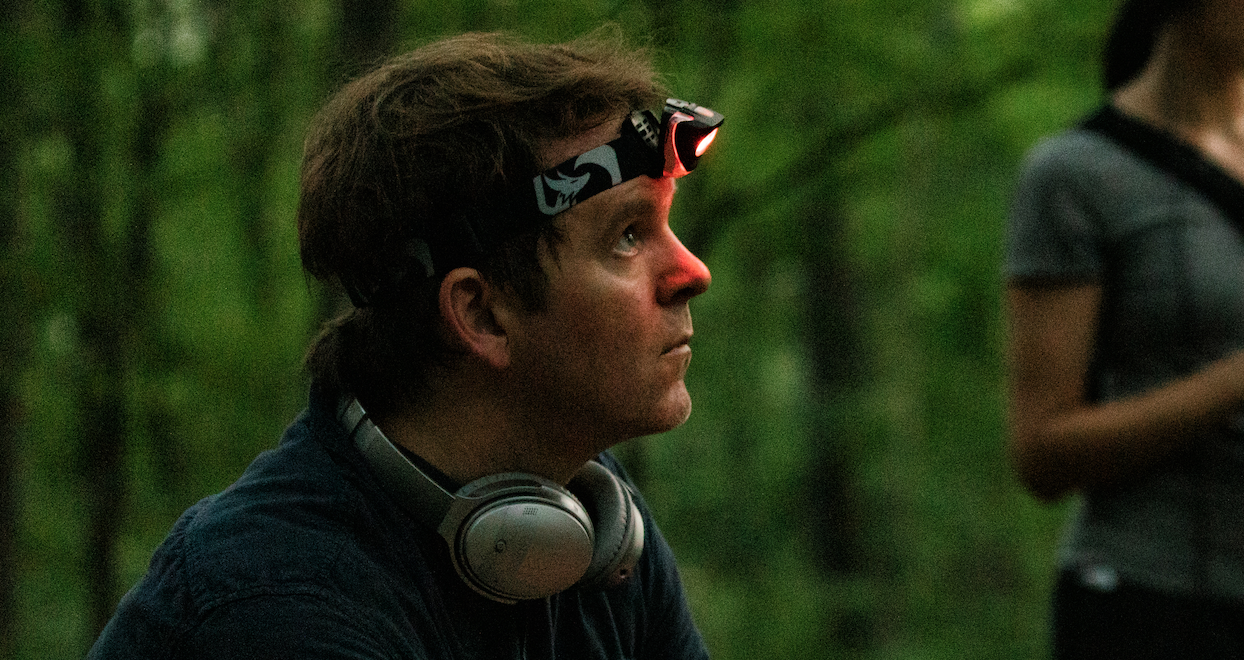
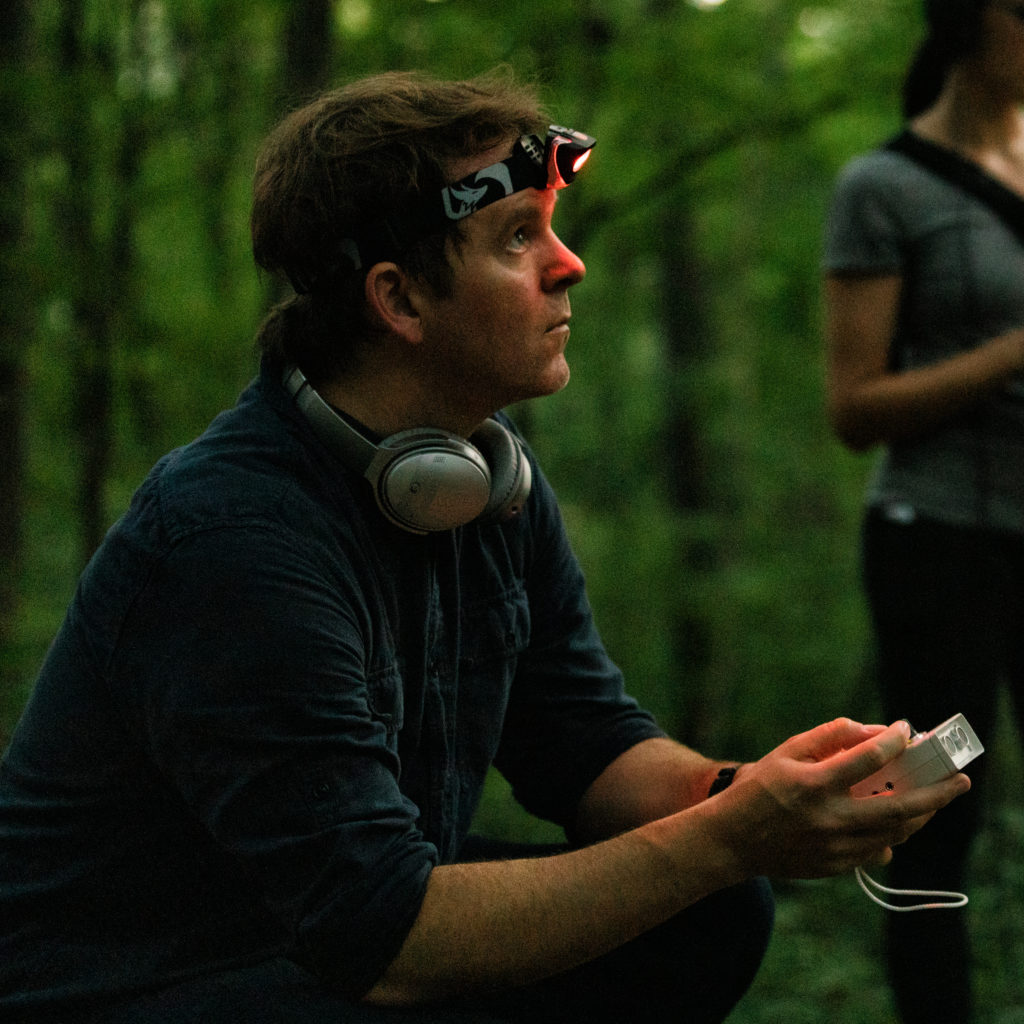
National Geographic explorer and experimental music composer Stuart Hyatt has announced the release of his new album as Field Works, Ultrasonic. The new record will release on May 1 on Temporary Residence Ltd., and will be available on CD and double-vinyl formats.
Ultrasonic is part of a broader storytelling project about the federally endangered Indiana Bat. Hyatt recorded the species’ echolocation—”akin to taking pictures of invisible people on a film camera,” he says—and enlisted various collaborators to build songs over these tones.
Among the collaborators are Eluvium, Christina Vantzou, Sarah Davachi, Ben Lukas Boysen, Machinefabriek, Mary Lattimore, Felicia Atkinson, Noveller, Chihei Hatakeyama, John Also Bennett, Kelly Moran, Taylor Deupree, Jefre Cantu-Ledesma, Julien Marchal, and Player Piano.
The project is generously funded by the IUPUI Arts & Humanities Institute and the National Geographic Society. The vinyl pressings come with an official printed booklet of The Endangered Species Act of 1973.
Ahead to the release of Ultrasonic, Hyatt has released the first single, “Dusking Tempi.” Featuring Eluvium, the song is accompanied by an Anna Powell Teeter-directed music video. Stream the video below and pre-order a copy of Ultrasonic from Temporary Residence Ltd. here.
Tracklisting
01. Eluvium “Dusk Tempi” 02. Mary Lattimore “Silver Secrets” 03. Jefre Cantu-Ledesma “Night Swimming” 04. Machinefabriek “Kelelawar” 05. Kelly Moran “Sodalis” 06. Taylor Deupree “Echo Affinity” 07. Noveller “A Place Both Wonderful and Strange” 08. Christina Vantzou “Music for a room with vaulted ceiling” 09. Sarah Davachi “Marion” 10. Felicia Atkinson “Night vision, it touched my neck” 11. John Also Bennett “Indiana Blindfold” 12. Chihei Hatakeyama “The Circle” 13. Ben Lukas Boysen “Torpor” 14. Stuart Hyatt, Player Piano, Julien Marchal “Between the Hawthorn and Extinction”