Point Blank‘s latest tutorial video teaches creative drum mixing techniques.
Point Blank invited expert lecturer Danny Linton (a.k.a. Funk Ethics) to explore how you can transform your drum grooves into exciting and professional-sounding patterns, whilst showing how to turn a simple drum loop into a full song idea using just a few simple steps.
In the video, Linton details a range of techniques, including the art of parallel processing using drum buss tools, supercharging your loops with a combination of EQ, compression, and creative modulation, and gluing everything together and adding variety with subtle tweaks and automation.
You can watch the video in full below, with more on Point Blank here. Point Blank also has a range of one-shot drums to download for free here.
The 12-track album, titled In A Landscape, follows on from Sa Pa’s album debut, 2015’s 風物詩 [Fuubutsushi], out via Giegling sub-label Forum. It’s said to provide “rich content for fantasy and the fertile imagination, establishing a terrain of visual, poetic, and abstract sound that draws on techno and dub ambient.”
Described as “somewhere between pastoral impressionism and cyber-noir,” the music “evokes the tensions of a fluctuating, fizzing atmosphere, pictures emerging and dissolving in the mind’s eye.” It’s made with thick layers of field recording, some salvaged from a recorder lost in Bassiani during the police raid last year and recovered in January.
Very little is is known on Sa Pa, or the motivations behind his work. You can find only two releases from him on Discogs, one the aforementioned album, the other a solitary outing on Marcel Dettmann Records in 2015. The only other original material he’s shared has come out via his “Enter Sa Pa” mix made only of his own music and field recordings, and also as part of Marcel Dettmann’s “Rauch” mix for Ostgut Ton’s ambient sub-label, A-TON. You can also hear some new material from him in his XLR8R podcast, released earlier this year, and streaming below.
In terms of music, Sa Pa’s work is rooted in lush dub techno and serene atmospherics. Like all the artists on Giegling, it’s elegant and powerful, and possessive of a raw emotion that seems so symbolic of the Weimar crew.
Artwork is by Matthew Kent and Gustavo Eandi.
Mana is a British record label established in 2017 by Andrea Zarza, curator at the British Library Sound Archive, and Matthew Kent.
Tracklisting
01. Ripsketch 02. Gokotto 03. Melody Hop 04. Recovery 05. Rose Bay 06. Slow Walk 07. Room With A View 08. Futurist Meets Cubist 09. Fireworks 10. Hallucingentic 11. Féerie 12. Deepwater Reprise
In A Landscape LP lands October 4 digitally, and late October on vinyl. Meanwhile, “Ripsketch” streaming in full over at Bandcamp HERE, and in the podcast below.
Joy Orbison‘s entire back catalog is now available digitally, both for download and via streaming.
Much of the Hinge Finger label head’s music has only been available on vinyl, but he announced yesterday that, as of today, it’s all going to be available digitally. “In the past, I think I may have given the impression that I was somewhat wilfully obscure with the way I released my music…” he wrote via social media. “I think I’ve just focused on what I thought made most sense with the music I was making and how I engaged with the culture. Over the years, that’s actually changed a fair bit, and I’ve got a load of new music on the way so it felt like a good time to get my shit together.”
Orbison, real name Peter O’Grady, has released on Hotflush Recordings, Hessle Audio, Hinge Finger, and, most recently, Poly Kicks.
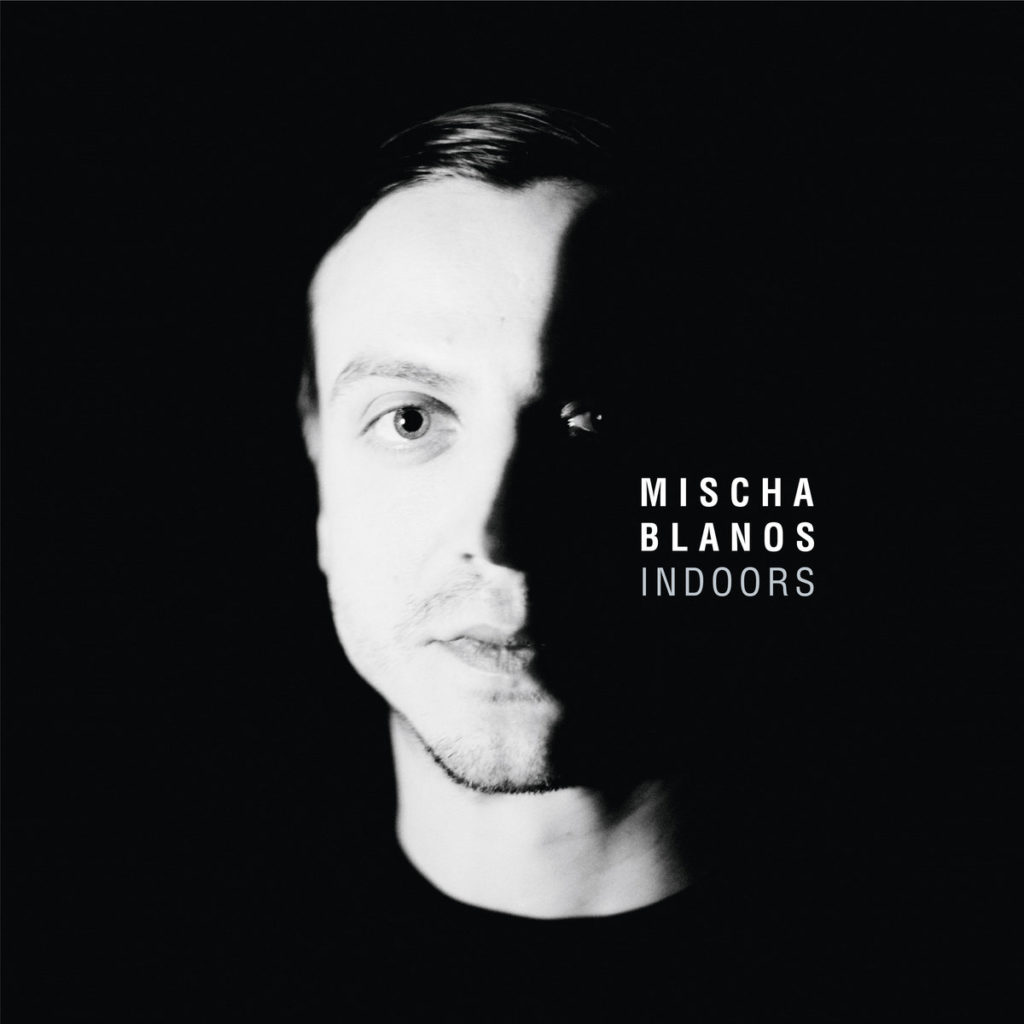
Mischa Blanos has released his debut solo album, titled Indoors.
Blanos is the young Romanian pianist who forms Amorf alongside Cristi Cons and Vlad Caia (together known as SIT). He draws his inspirations both from classical repertoire, his Slavic roots, and electronic music. In his music, there are traces of Bugge Wesseltoft, Henrik Schwarz, Francesco Tristano, Vanessa Wagner, Murcof, and Brandt Brauer Frick.
Indoors follows his debut EP, Second Nature, released in June 2018 on InFiné. All tracks were conceived during the Paris Piano Day in March 2019. We can expect seven new pieces that “assert his difference, far from the canons of the current piano stylistic clichés, with glimpses of jazz and unique groove,” the label explains.
Tracklistin
01. Chatting In 21st Century 02. Two Sugar Cubes 03. Forebondings 04. Pillow Talk 05. Hammock On The Roof 06. Am Wired 07. Habits
Indoors LP is out now, with “Hammock On The Roof” streaming below.
Mike Milosh’s Rhye project began in 2012, initially alongside Danish producer Robin Hannibal, who quietly left in 2017 following the duo’s debut album, Woman. With much anticipation, Milosh returned last year with a new album, Blood, released via Loma Vista. The Canadian musician’s autonomy did little to amend his project’s aesthetic, although the subject matter had shifted considerably: whereas Woman, deeply moving, served as an ode to Milosh’s then-wife, Blood centered on his new girlfriend, and in doing so he captured the subtle sentiments of new romance that we’re often so often hesitant to exhibit. In recording, Milosh also amended his practices, opting for live instrumentation and minimising the use of his computer.
Of Milosh’s earlier work, “The Fall” and “Open,” standouts still today, are particularly poignant, but much of the catalog is almost impossible not to love. Essentially, it’s an intense and sensual take on R&B, built on a minimal framework carefully designed so as to not pollute the purity and vulnerability in Milosh’s message. “Song For You” is a preciously delicate song that captures that feeling of falling in love; “Please,” slightly more uptempo, purveys a sense of longing that we’ve all felt: rarely does music sound so emotional without feeling cheesy; and rarely does an artist achieve this with such unwavering consistency. In light of Spirit, and eight-track outing of piano-based songs, Milosh connected with XLR8R to explore some secrets in capturing emotion in sound.
Authenticity Means Emotion
My lyrics always come from a moment in my life that has moved me, let it be intense, sad, joyous, sexual, etc. I rarely reveal the personal underpinning for a song I’ve written because I want the listener to have their own personal experience with the music. However, I will say in this case that “Patience” was born from me being in a lot of hotels, and feeling alone while away from my girlfriend. What I’m trying to say is: Even though we’re not together in this moment, I’ll bring back the goods; I am doing this for you. This lack of time we have together is not just to neglect. These are the feelings I want you to understand. Most of my songs have a similar emotion behind them, but sometimes it’s more specific, and these feelings can be positive or negative.
I’ve learned that truth carries a resonance that no amount of gear or studio wizardry can make up for. You have to sing from an open heart; an authentic space. Everything you add to a song, or take away in some cases, should be in honor of that particular feeling you have in the song. To put it differently: the only way to move people is to be authentic and write things that move yourself; you have to feel, to let emotion and music come out of you with no judgement or pre-prescribed goal. I love the term “letting” as a mindset when recording: it allows me to let go of myself completely to trust in the process of creating a new song.
There’s no map for this, and, to be honest, it’s just something you feel in the writing process, but every part of a song should be almost asked to be there by the song itself. You cannot have a methodology behind it; you just have to be in your feelings. It’s really about connecting music to reflect what you’re feeling.
I’m now at the stage where when I’m in the studio I just turn on; I’m there because I am driven to do music, and the things that are happening in my life naturally fall into the context of the song. The feeling or emotion is always there, and I’m recording the song while I am in the feeling, so it reflects something that feels tangible at that particular moment. It’s not like I am a poet reflecting on an emotion I had a year ago. That would be different. In truth, I actually have to make sure that there is not too much of a disconnect between the emotion and capturing it in a song.
Looking at it now, I think that as soon as I begin singing then I have this feeling, or this emotion. Objectively speaking, I would say there’s a strong connection with how my voice opens up my feelings. My voice reacts to my feelings, and then my feelings react to my voice, and I consider myself extremely fortunate in this way.
I would also add that this can become more difficult as success comes, but I ensure that the people around me can appreciate the difference between commerce and art. There are some songs that I don’t put out because they don’t always feel authentic; and not being signed to a major label does help me because there is not so much pressure to release music all the time.
Intention is Key
This is linked to the above. Outside of sonics, I think the most important part about making a song, especially in regards to emotional resonance, is intention. I don’t make songs by design to make a “hit” or to please anyone. I don’t construct tunes as a job. I am compelled to make music because I personally not only love expressing emotion through sound, but I am compelled to. Nothing should be in there just for show.
You know when a song is finished because it becomes something onto itself, a little universe that seems to make sense all on its own. If a song doesn’t change the way people breathe the first time they hear it (be it in a controlled, appreciative environment) then the song wasn’t birthed properly.
I always know a song is complete because I get this tingly feeling at the back of my head, going down my spine, and onto my skin. When I’m recording, I always do strings last, and I won’t go into this moment until I feel completely satisfied, in the same way that you do from really good food. I also recognise that this isn’t an intellectual decision: it just feels completed, without me having to analyse it. I have lots of music that I don’t release because I have to be strict about what really moves me.
On top of this, I also think it’s important to play around in the studio, without any intention to finish a song, or write something new. I always spend the first 90 minutes in the studio writing something new because I like what it does to my mind creatively, and I don’t think I’ll ever send all those ideas to people. A lot of the time I am just doing things just to experiment with the sonics of something. Like, recently bought this thing called the Culture Vulture, and I’ve just been experimenting with it to see what it can do to the sound of snare drum. I’ll spend hours making a beat and then putting this through the Culture Vulture, knowing that I am not making a song yet. I am doing it to understand the sounds available to me, and then I will use that sound because I recognise it will compliment the song if I have it sound like that.
Get your studio layout right
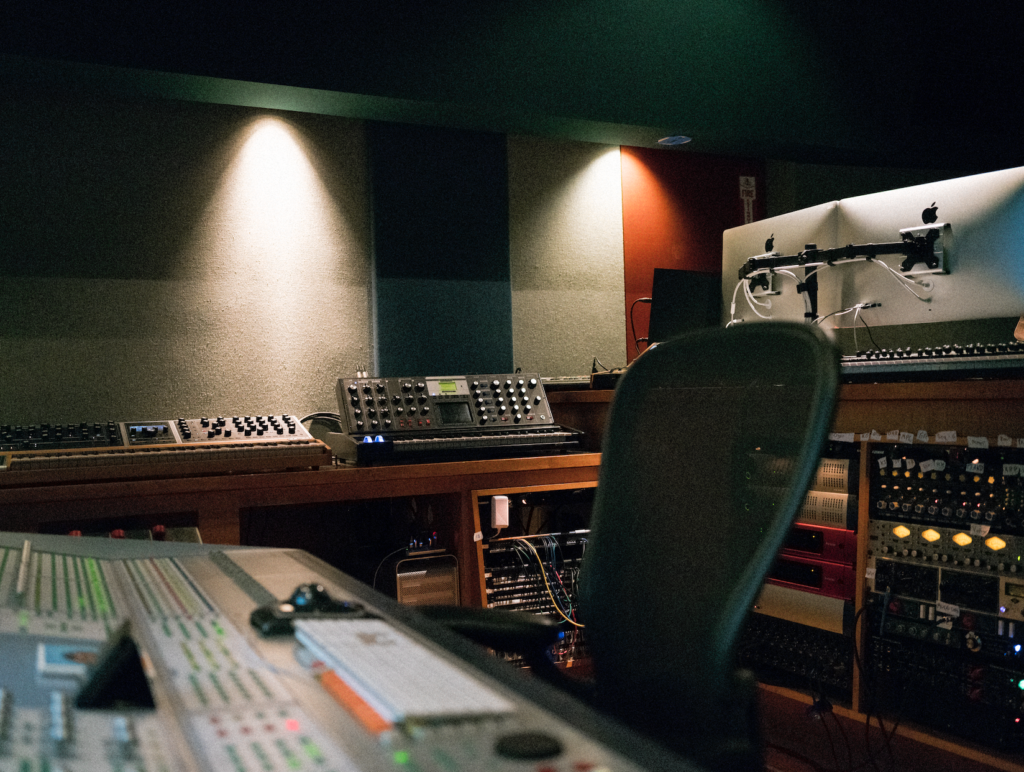
The only way emotion can flow out of you is if your studio is set up properly to create this flow. I now have all of my keyboards facing in the direction completely opposite to any computer screens. Before Blood, I had a realization that the way in which music software is laid out is inherently linear and rigid, and this really fosters a musical creative intuition and takes you away from intellectual analysis. So I made these changes to ensure that I am not looking at a computer screen when I am making music.
This is actually super important to me. It became apparent to me after I had written four electronic records as Milosh, which were about the fine detail and editing. I realised one day that this had taught me to really think about music in this linear format; all DAW’s have the same concept, in that you start at the left side and end at the right. I felt constrained by this, because really in music there are infinite possibilities and you have to break free of this practice to really experience more. What’s more is that it trains your thinking, and I can avoid this by having all my keys facing away from the monitor, in like an L shape, so that I cannot even see the screen. This allows me to go into my mind, and into my body; it allows me to flow, kind of like when you’re recording an instrument, like the drums or the piano: you’re never looking at the screen. Now I am no longer thinking about my music as an electronic composition that has a beginning and an end; I am now thinking about my music differently. What does it feel like? Does it feel long enough? How does it make me feel? This allows me to judge my music based on feelings above everything else.
Naturally, this also helps me to convey emotion. Sound, when you’re making music, is supposed to be a representation or a translation of the things you’re feeling when you’re making a song, and when you’re no longer caring about the format it’s recorded in, and you’re just caring about the sound itself, you’re really connecting with that particular instrument in a whole new way.
To give an example: on this latest album, I used the Moog One, a really complicated synthesiser. You have to surrender to it, and then when you get to know it, then it can become a vehicle for your actual emotions, and that takes letting go; it takes listening, closing your eyes, and feeling. You just cannot do this if you’re always looking at a screen.
Match your equipment with the sound you’re looking to create
You have to match your equipment with the sound you’re going for in any particular song. Gear and the recording process in general is somewhat of a dark art, but making time to experiment is very important, with no judgment as to what you are creating. You need to remember that the way you are using certain things will affect the tonal quality of what you are creating, and also your performance within the environment you are creating for yourself.I’ve been experimenting with sonics for 20 years, and I’ve reached a place where I know what I like with my particular music; and, in particular, about what works with my vocals.
To give an example: for drums, I pretty much swear by this general technique: a car cleaning shammy on the snare, minimal mics (three maximum), and then everything re-routed (post performance) through a Chandler Curve Bender and then lightly touched with compression using a Chandler TG1. I want that dial barely moving. I also don’t hit the drums very hard; instead, I hit them lightly but with a bigger stick. I like this because I am looking to be soothed by the drums, comforted even. There’s no emotional resonance when you’re hitting the drums hard. If a snare hit has me blinking every time it comes out of the speaker then I know something is wrong. I also ignore logic when EQ’ing with the curve bender, and just let my ears and intuition guide me.
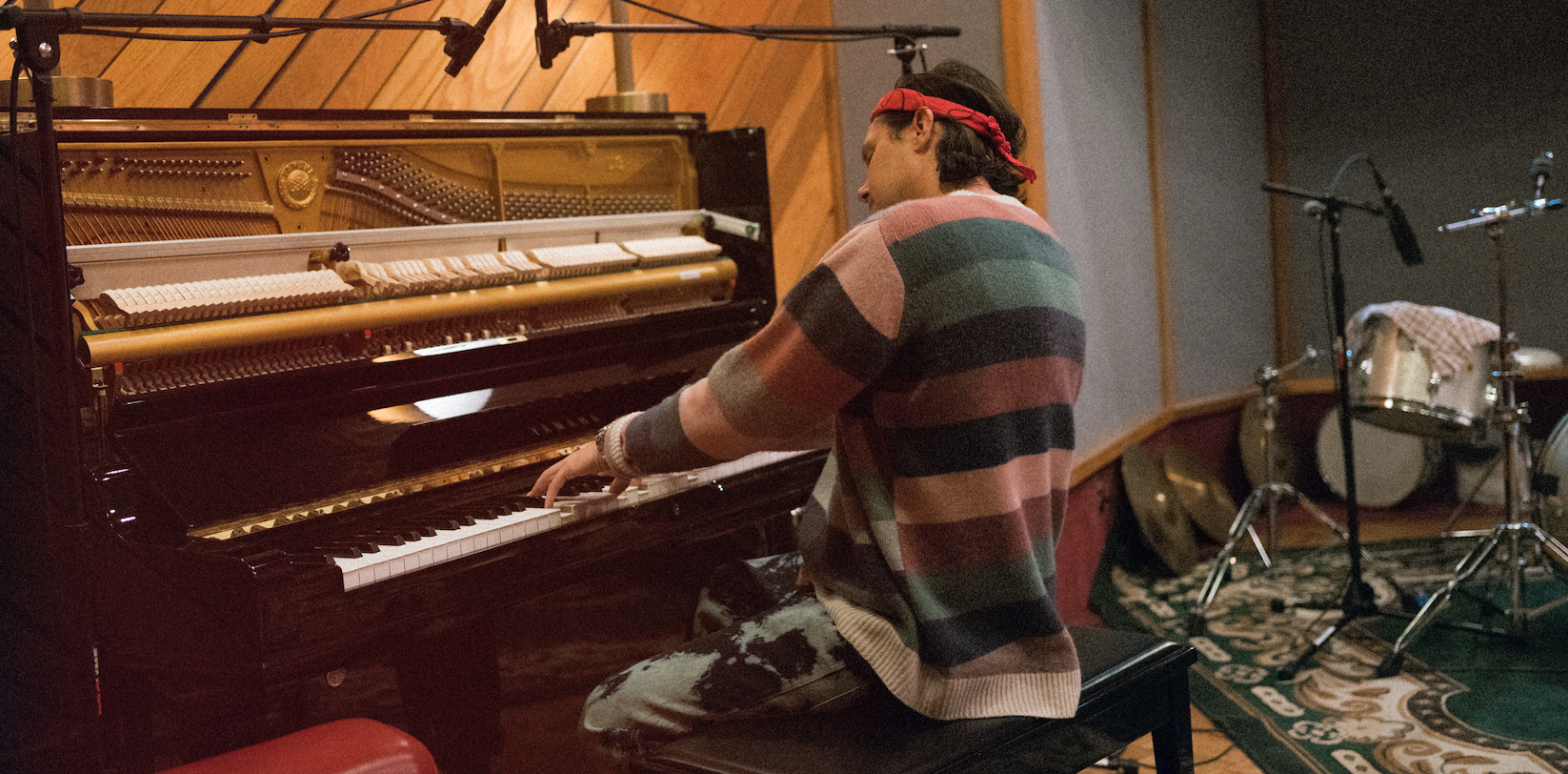
Also, on the piano, I always have mute because I don’t want it to sound triumphant. This is not a feeling I want to convey in the music that I make. I like when strings sound gentle. I have different mics recording the piano so I can capture different elements. I want the piano to soothe you, to gently envelope you, rather than having you turning it down because it sounds shrill.
Mic technique is more important than compression when it comes to vocals
Mic technique is more important than compression in the early stages of a vocal take. I actually feel compression early on in the recording process clamps your performance, and you end up fighting for the right emotion rather than “letting” the emotion fall out of you. It also chokes me a little bit; I feel like I’m under a blanket, so I naturally begin to push in an attempt to conquer the compressor.
Because of this, I record with no compression, and I focus on not pushing. I record my vocals on two different microphones depending on the song: an old U67 Neumann, and a new Bock 241. I never sing directly into a microphone, because I like the tone that it captures when I am at a 45-degree angle to it. This works for me, but it might not work for other people.
I only add compression after the takes. But I am basing it on what the take sounds like rather than being married to this compressor. I feel strongly about this. I do sometimes run by vocals through a Manley Vox box, but again with very, very minimal compression, if any.
Looking at it, I only really use compression on the drums and as an effect, for example on a synth line. This allows me to create a rainbow of sounds that add up to make a song.
‘Spirit,’ Rhye’s latest album, is out now, a piano-focused LP that captures the subtle magic of gentle moments. You can order it HERE, with “Malibu Nights” streaming below.
Ableton has opened registration for next year’s Loop summit, to be held in Berlin from April 24 to 26, 2020.
Loop 2020 will be centered around Silent Green Kulturquartier and the contemporary art spaces Savvy, Ebensperger Rhomberg, and Luxoom Lab, as well as the nearby Bonello Studios. Next year’s Loop also falls on the same weekend as Superbooth, providing an opportunity to experience two inspiring music events in one visit to Berlin.
In addition to regular Summit Passes, Ableton is offering 80 Subsidized Passes, with registration for those until October 1. Creators interested in attending the event can register for Summit Passes, Student and Youth Passes, as well as Subsidized Passes on the Loop website.
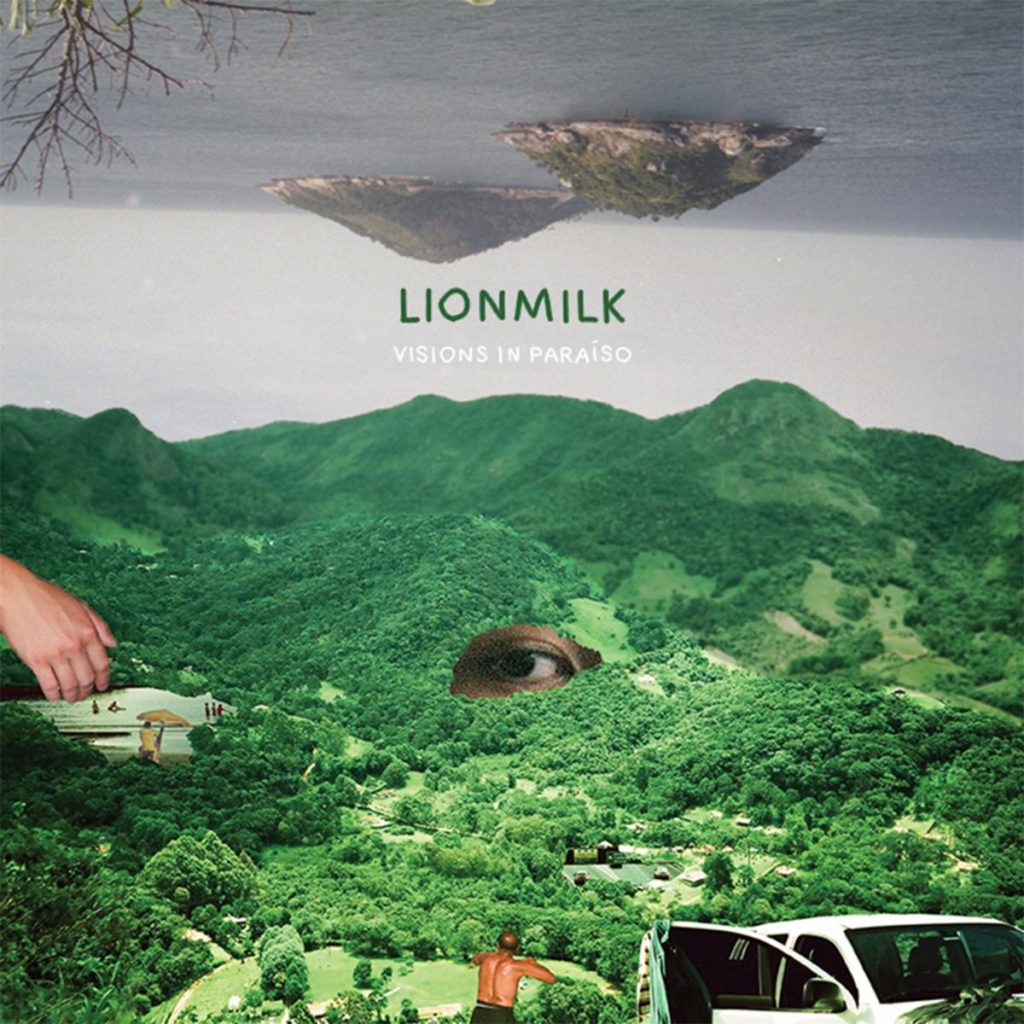
Lionmilk is the alias of Moki Kawaguchi, a Los Angeles-based artist, composer, producer, beatmaker, jazz pianist, and bandleader. In early Spring, he was introduced to Leaving’s founder Matthewdavid by Mndsgn during their collaborative performance at the ongoing Leaving Records-curated public concert series, Listen To Music Outside In The Daylight Under a Tree. Kawaguchi is also known for his recurring On The Spot performances of curated improvised music that is organized at the LA weekly underground club night Back Beat LA.
Visions in Paraíso is the first of three albums underway from the collaboration of Lionmilk and Leaving Records.
Kawaguchi released his Depths Of Madness cassette album last year via Paxico Records.
Tracklisting:
01. Morning Conversation 02. Youth and Folly 03. Fela 04. Break My Legs 05. Money Hugger 06. Arched Feet From Now On 07. Brandy 08. Shine 09. The Unseen (Amani Fela) 10. Cantthink 11. For The Hustlers 12. Nina’s Intermission 13. Chuva de Verão 14. Samba de Saudade (ft. Muwosi) 15. Sacuda 16. Sonho de Paraiso 17. Danca de Los Angeles 18. Unstable States Of Mind
Visions in Paraíso LP is out September 24 on cassette and digital, with “Arched Feet From Now On” and “Chuva de Verão” streaming below.
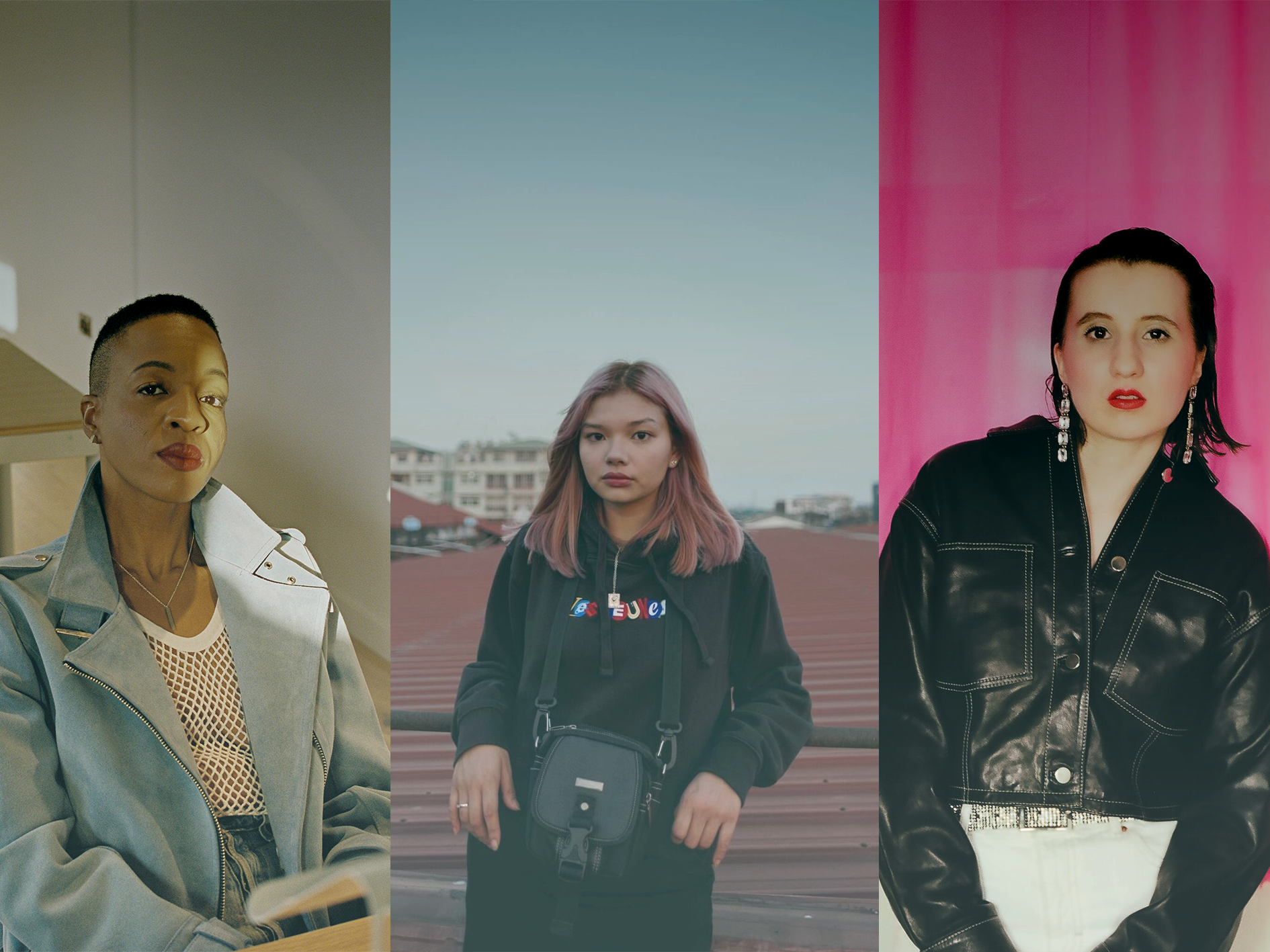
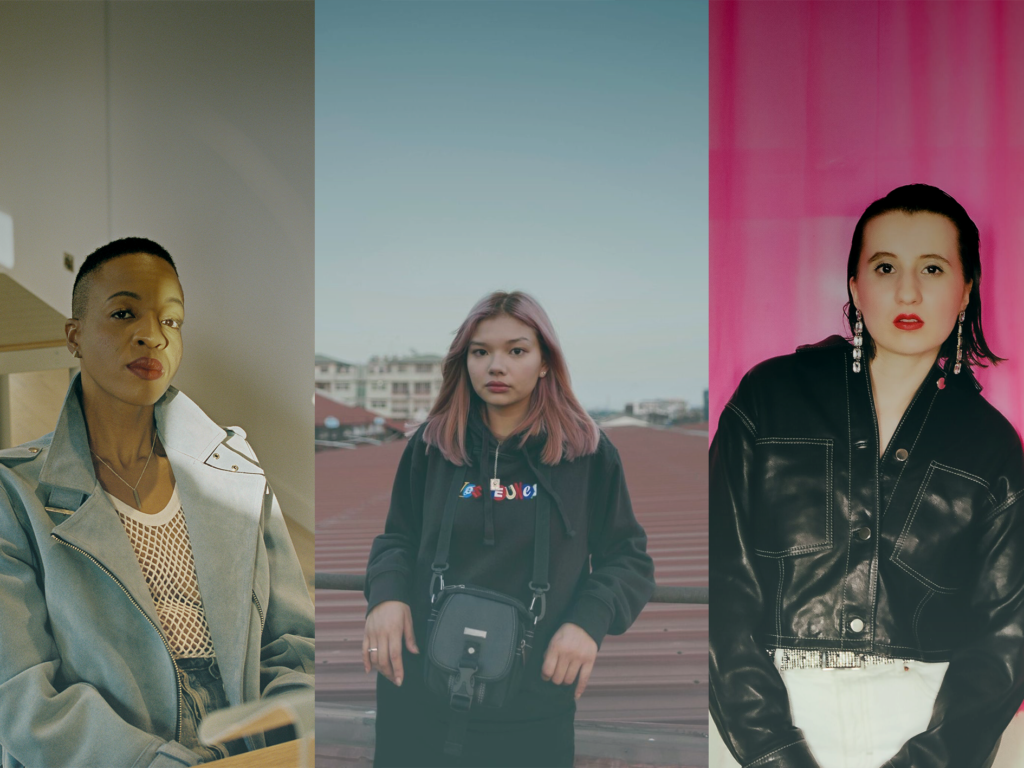
Emmavie is a self-taught singer-songwriter, producer, and DJ from London. Specialising in what she describes as “limitless, soulful, future R&B,” her music is an amalgamation of ’90s R&B influences and her love for digital audio experimentation.
Chloe Martini has previously worked on remixes for Janelle Monae and Sinead Hartnett too. She was also recently picked to work with Kaytranada in Montreal as part of the RBMA project.
LCYTN is a Burmese-born, London-bred singer song-writer, producer and DJ named Lucy Tun.
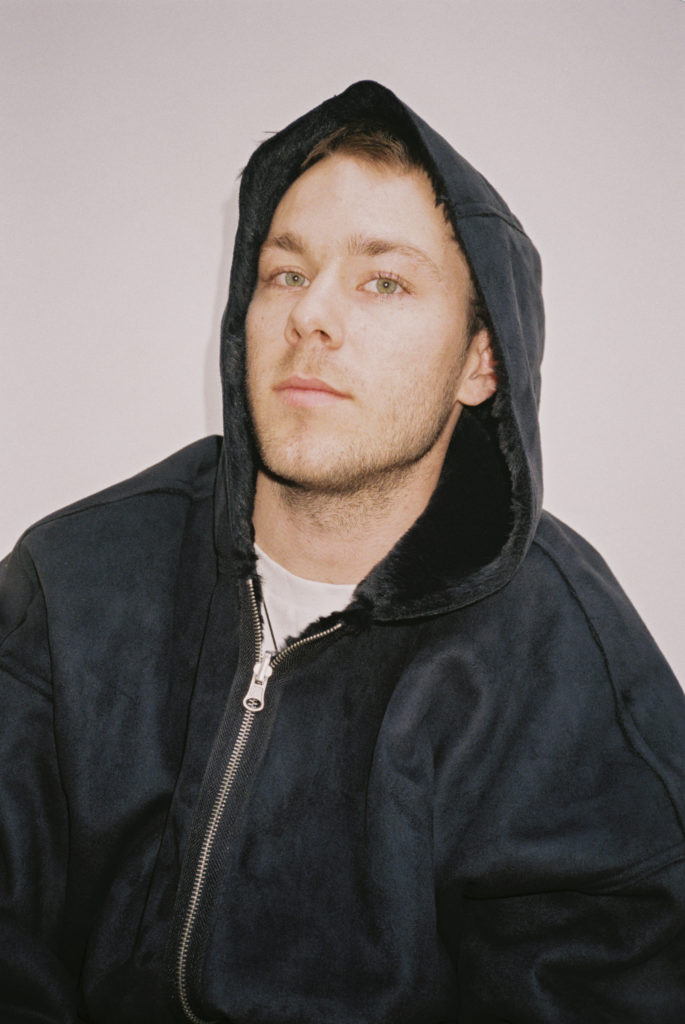
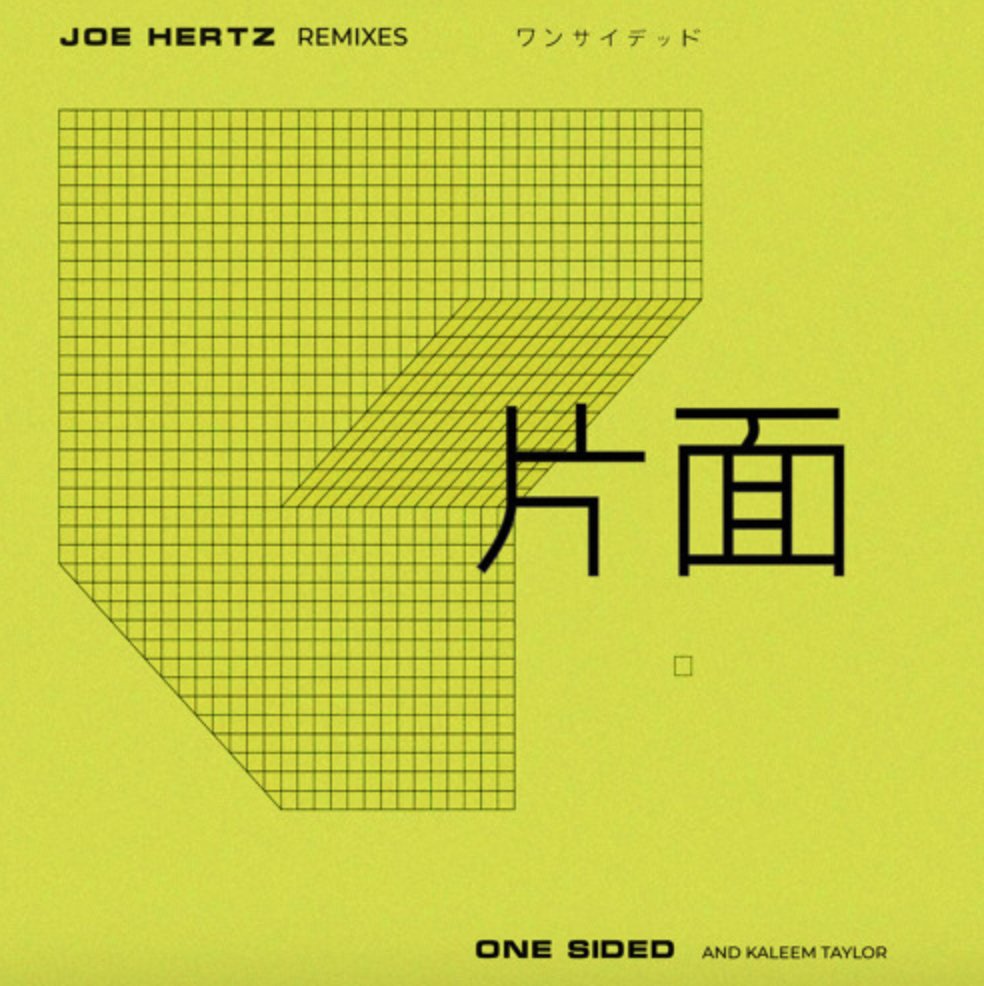
Hertz released “One Sided” earlier this year before embarking on a sold-out Asia tour. Having grown up around iconic clubbing figures, (his father is the inimitable Pete Tong), Hertz enjoyed DJing from an early age, sneaking into Fabric to take in jungle and drum & bass raves as a teenager.
One Sided Remixes is out now, with a stream available below.
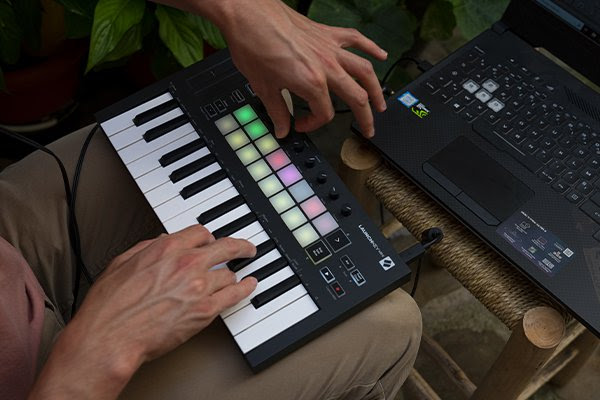
Novation‘s new Launchkey Mini MK3 is available now.
The latest iteration of the popular 25-key MIDI keyboard controller for Ableton Live adds a range of new features, including a new arpeggiator, Fixed Chord mode, Capture MIDI, transport controls, pitch/mod touch strips, the addition of a minijack MIDI Out (3.5mm), and more.
The controller will feature Novation’s most responsive mini-keymech to date, a sustain pedal input, and 16 newly RGB-backlit pads, making it a perfect platform for expressive performance and color-matched clip launching.
The Launchkey Mini also comes packaged with a range of sounds, virtual instruments, and plug-in effects from AAS, Softube, Spitfire Audio, XLN Audio, and Klevgrand, plus membership for Novation Sound Collective, which regularly gives out free content from plug-in partners every couple of months.
You can find out more, including purchase info, here.
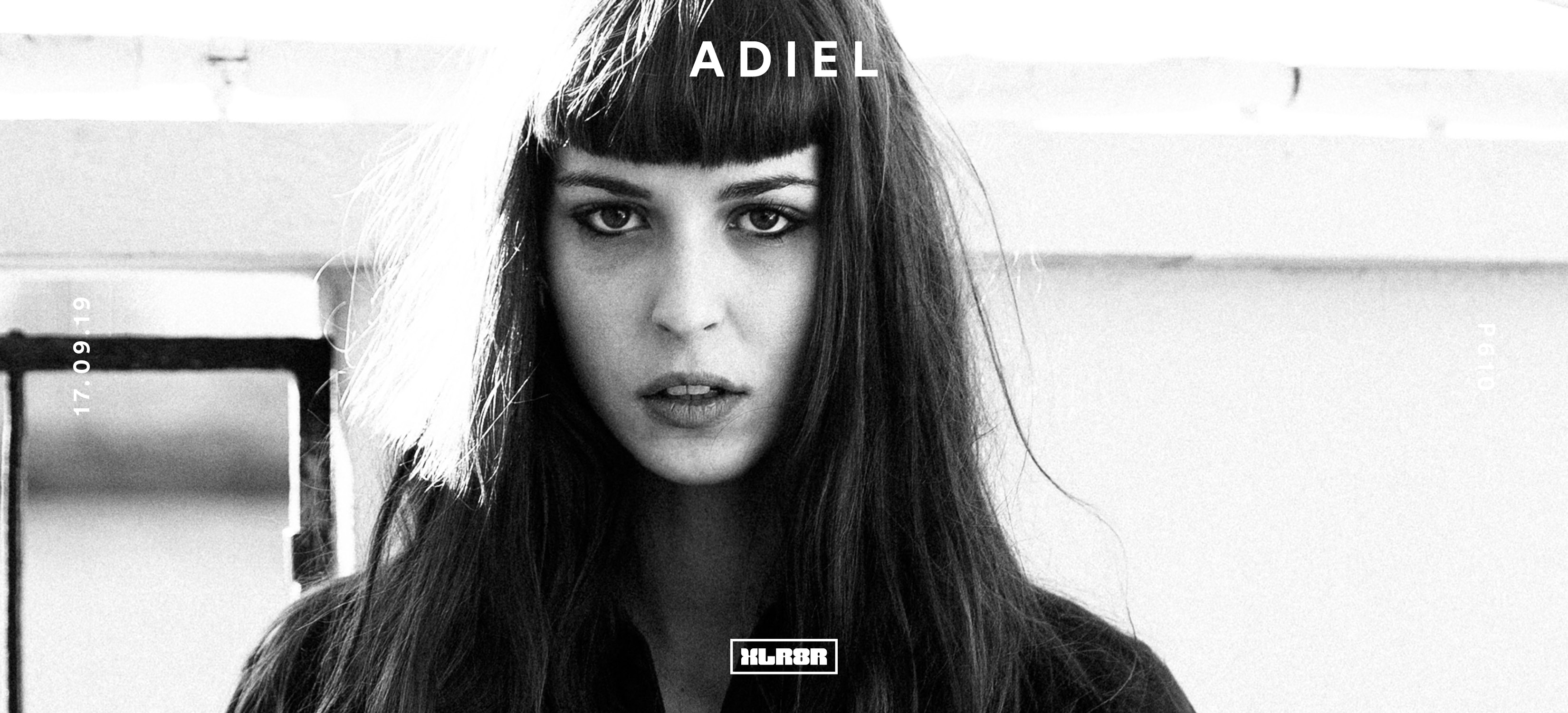
Growing up in Rome, Adiel began attending Goa Club, an intimate space known for its special vibe and stunning soundsystem, located in the heart of the Italian capital. In need of work, she snapped up a part-time opportunity managing the club’s communications, requiring her to spend her weeks there too. “I was there almost three days per week, listening and dancing to all the artists that the club was promoting,” she recalls. At this point, she had little knowledge of music, especially of the electronic variety: “I wasn’t looking for it but somehow it found me,” she adds.
One evening, aged 20, she headed down to see a set from Giancarlino, the owner of Goa and now a close friend. “That set opened my mind, completely; I was mesmerized by the feelings I went through during those two hours, and I was able to keep that energy and those emotions for a long time,” she recalls. It didn’t take long for her to begin working on her own vinyl collection under the mentorship of Giancarlino who, after recognizing Adiel’s skills in curation, encouraged her to pursue DJing as far as she possibly could. Often he’d open up Goa’s doors for her to practice to an empty club—so, a few months later, when the opportunity arose, she was ready to perform in front of an audience for the very first time.
Adiel has performed at every Goa Ultrabeat party since then, and the weekly event has proven to be the perfect foundation as Adiel’s reputation has grown. As word spread of her skills in inciting a deep ecstasy with her hypnotic selections, she began touring Europe, joining the likes of Ben Klock and Marcel Dettmann at their respective nights at London’s Printworks and Berlin’s Panorama Bar. She’s also performed at Amsterdam’s Dekmantel, Paris’ Concrete, and Ibiza’s DC10.
As a producer, Adiel is also making a name for herself. In 2016, she kicked off her own label, Danza Tribale, with Anatomia Del Cavallo, a three-track EP that urged listeners to join in with her musical fantasies, where swirling melodic motifs, eerie atmospheres, and entrancing 4/4 rhythms coexist. The label is intended as a landing platform for techno dynamics both obscure and profound, alternately wild and held-in, instinctive and sophisticated, functional yet far from merely tool-esque. She’s since released four more EPs on the label, the latest, Cavallina, coming in collaboration with Donato Dozzy and formed by a mind-bending mosaic of delayed drums, stealth acid accents, and rolling bass moves.
Adiel’s XLR8R podcast is aimed at showing her more varied selections. Over the course of the 90-minute set, Adiel favors atmosphere over drive by veering away from the more straight-up selections that form the foundation for most of her shows; instead, she presents an array of more nuanced, subtle cuts from the likes of Levon Vincent, Aphex Twin, and DJ Qu. It’s a different, but no less enjoyable, side of a rapidly rising Italian artist.
What have you been up to recently?
I’ve been traveling a lot in the last months. It’s something new to me but sharing music in different places is fulfilling my life in many positive aspects.
How did you find your way into music?
Electronic music came as a flash in my life. I wasn’t looking for it but somehow it found me. My mind and ears were completely fresh and new to these sounds when I started. Goa Club has inspired me since the beginning to approach music in so many different ways and it has taught me the most important value that electronic music has: to connect people blindly and unconditionally.
You’re a resident of Goa Ultrabeat parties in Rome. How much has this shaped you as an artist?
Feeling connected to the club, as I always say, was probably the best school I could ever have had. I started going there with my friends but after a while, my interests were growing more and more, and I decided to take part in the communication group of the club. I was there almost three days per week, listening and dancing to all the artists that the club was promoting; I never thought that one day I would be in that booth, but it was quite a nice feeling when it happened because I wasn’t expecting it!
How did you become a resident of Goa?
The moment I discovered I wanted to be a DJ wasn’t so clear to me but it happened. I was 20 and I was dancing to a special set from Giancarlino, owner of Goa Club and one of my favorite DJs. It wasn’t actually my first night out, it happened after a while. That set opened my mind, completely; I was mesmerized by the feelings I went through during those two hours, and I was able to keep that energy and those emotions for a long time. That’s when the inspiration started for me; in that same moment, I think I said to myself that I wanted to try to give the same feelings to others.
At the age of 21, I started collecting vinyl and that man who inspired me was the same one who saw something special in me, trusted me, and gave me the opportunity to enter his house, Goa, where I had the immense luck to practice my sets even for seven or eight hours while the club was closed. That’s how I learned to play: listening and practicing. But it’s even a matter of taste. After a few months, he told me to get ready because my first night at the club would happen soon. From that moment on, my life changed and my residency began!
What were the first records that you bought?
The first record that was given to me was Burial’s first album, Burial, released in 2006, and it’s still one of my favorites.
Where and when was this mix recorded?
This mix was recorded at Goa Club. I recorded it especially for XLR8R about two months ago, and I selected it to show a more eclectic and deeper side of myself.
How did you select the tracks that you included in it?
I don’t have a logical way of selecting my tracks, I select the ones that really inspire me and go with the flow. I think it really depends on the way you are feeling and where you are while listening to it.
What are your favorite places to shop for new music?
My favorite places to shop for music are Ultrasuoni Records in Rome (always in first place), Rush Hour in Amsterdam, and Disc Union and Technique in Tokyo.
What’s next on the horizon, as you look forward?
In the works now there is a collaboration with Anthony Linell (a.k.a Abdulla Rashim). We’ll be releasing our new EP, Raso, in November 2019 on Danza Tribale. There will be a new track on Dystopian’s 10 Year compilation in the Autumn, and a new solo EP at the beginning of 2020 on a key techno label I really like.
XLR8R has now joined Mixcloud Select, meaning that to download the podcast you will need to subscribe to our Select channel. The move to Mixcloud Select will ensure that all the producers with music featured in our mixes get paid. You can read more about it here.