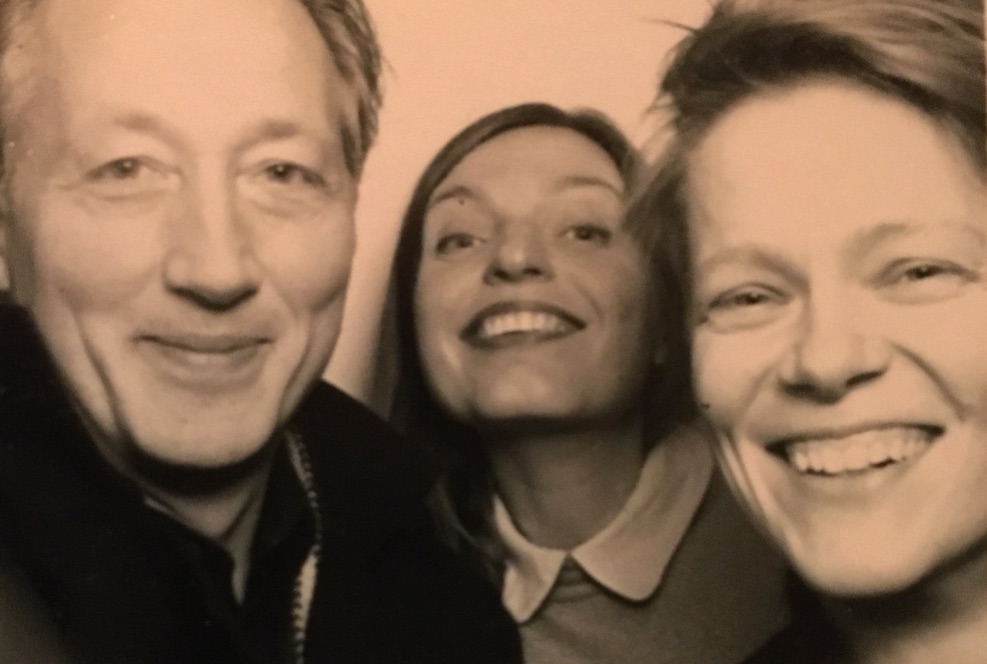
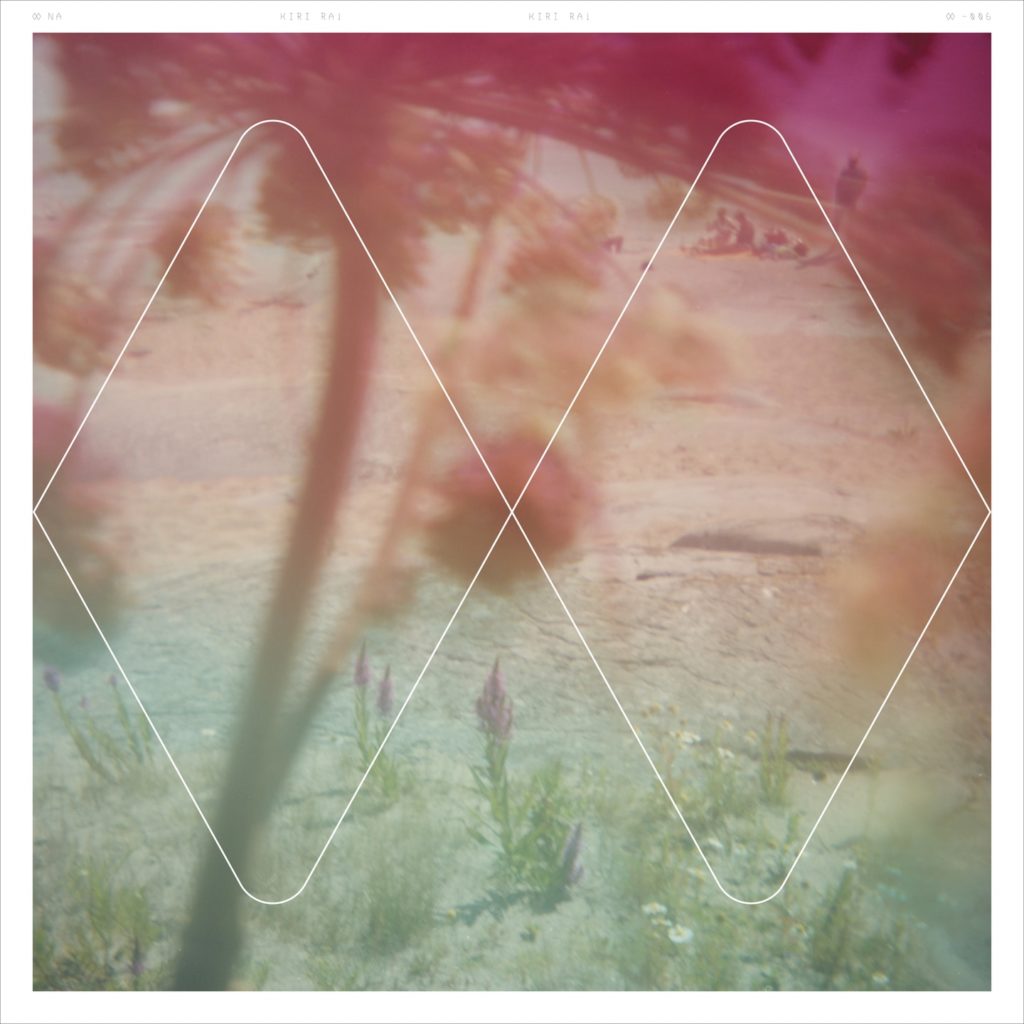
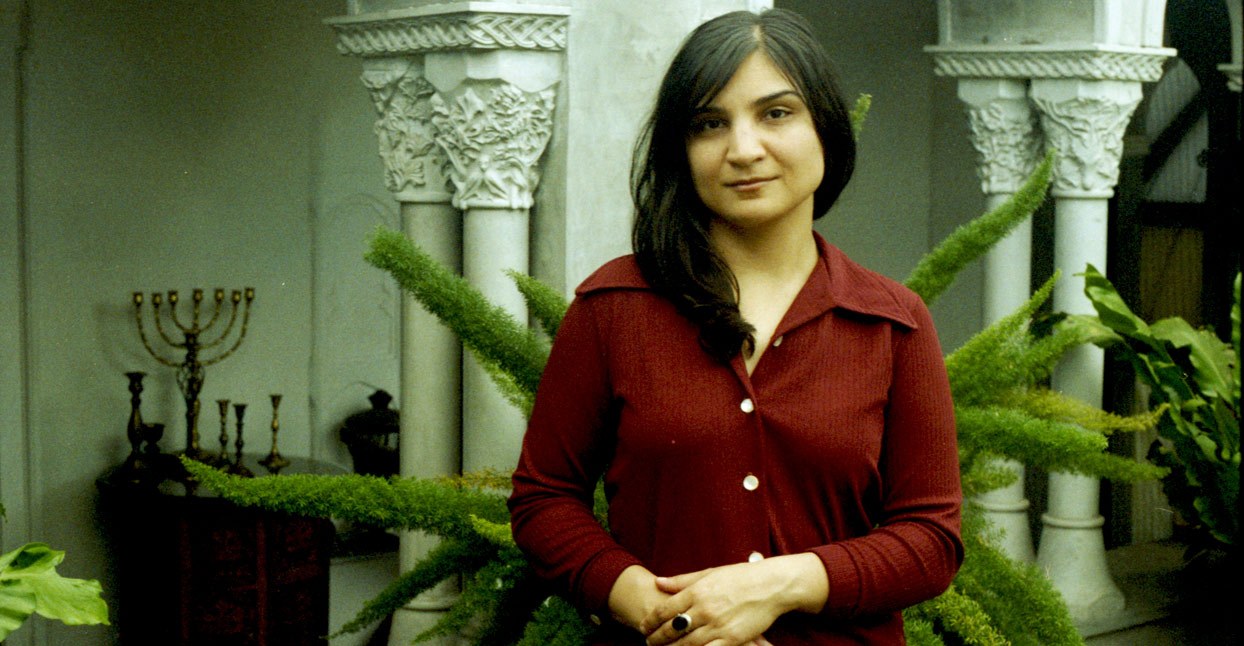
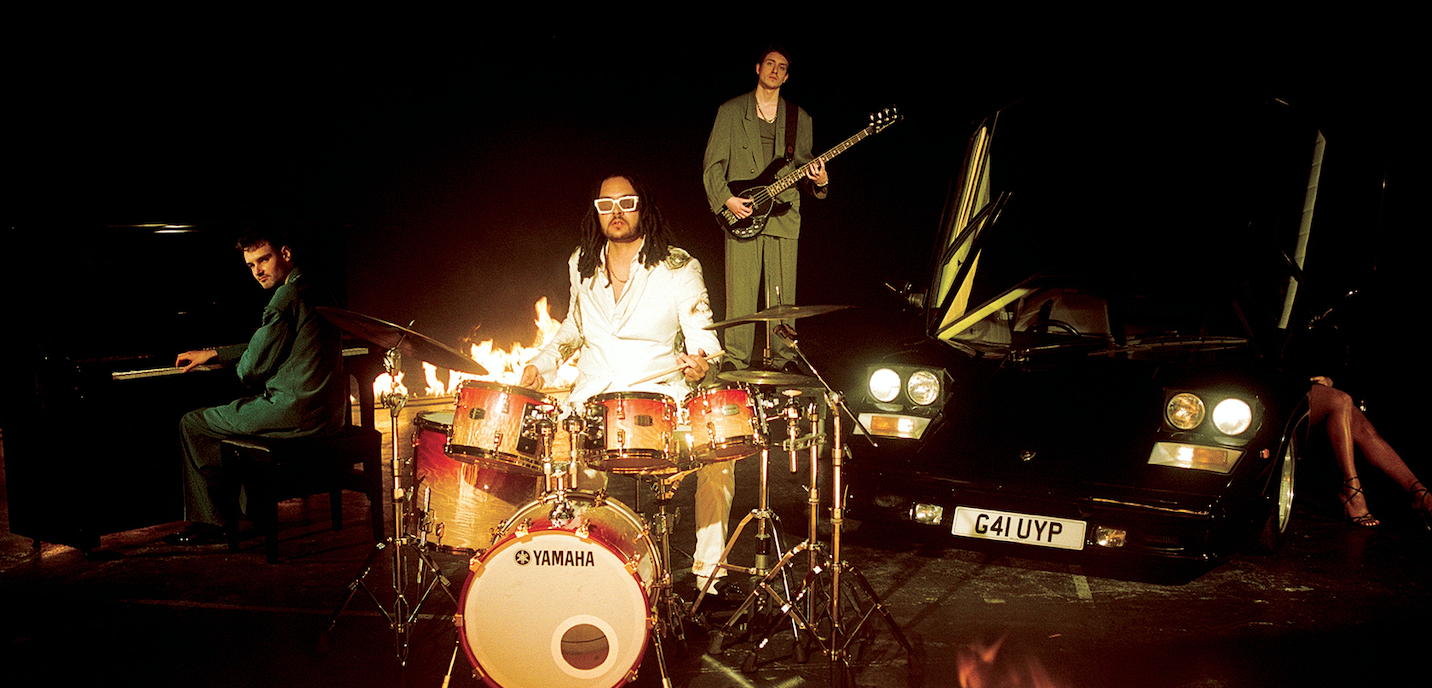
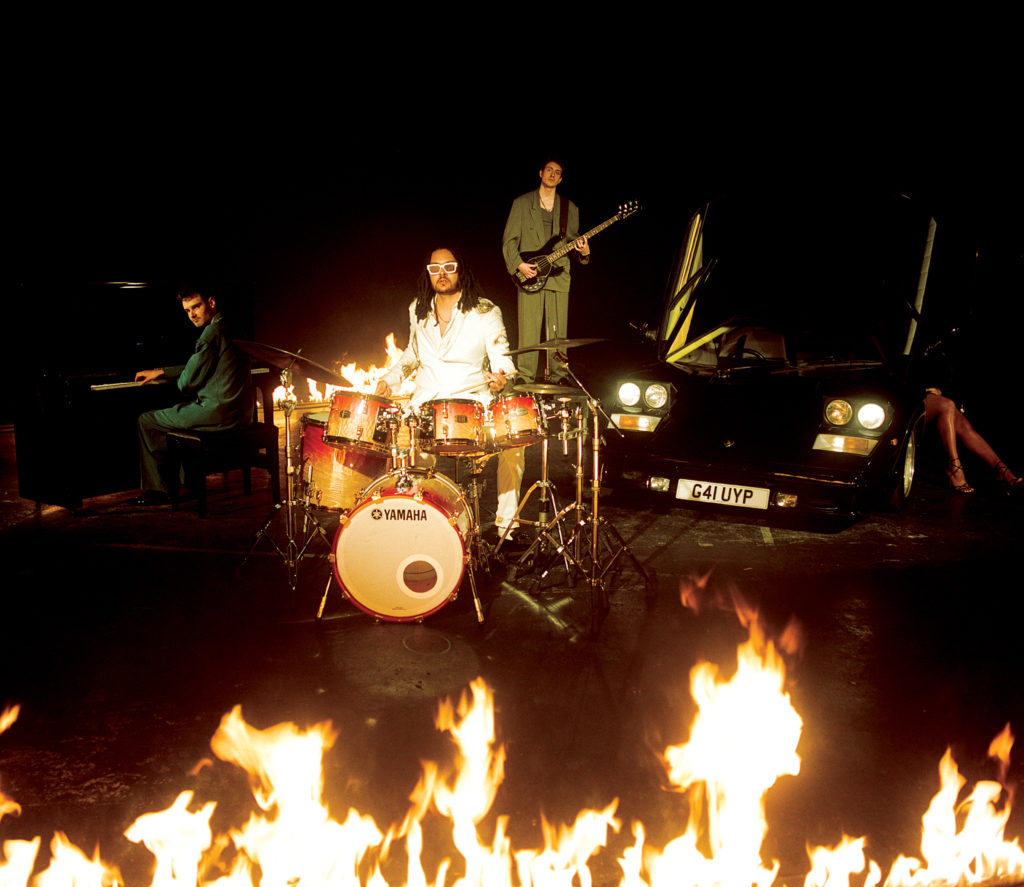
Kiri Ra!—namely Finnish experimental artist Lau Nau, Finnish jazz saxophonist Linda Fredriksson, and Swedish pianist Matti Bye—will release their debut album on OONA Recordings.
Kiri Ra! LP is made up entirely of improvised live studio recordings from 2016, when the Swedish Film Institute commissioned the group to create music for experimental amateur documentary films from its archive.
We can expect an “intuitive journey through landscapes of spectral otherness,” with colors of post-classical minimalism, ambient folk, and spiritual jazz. It takes the listener on an “unpredictable yet accessible journey.”
The Swedish group approaches each recording session without speech; the players choose an instrument and the journey begins, constructing music around repeated motifs, and the space between the notes. This act of listening and reacting creates a lucid, intuitive, and inviting sonic atmosphere.
Jessy Lanza will release 24/7, a remix album featuring fellow Hyperdub label-mates Proc Fiskal, Loraine James, and future signee Foodman.
24/7 is a celebration of All the Time, Lanza’s third album, released in July. It features seven artists that have influenced Lanza’s music.
Beyond the Hyperdub signees mentioned above, there’s the breezy electro-funk of fellow Canadian Martyn Bootyspoon, plus DJ Swisha’s breakbeat-charged, dreamy take on “All The Time.” Meanwhile, Russian producer Kate NV takes “Baby Love,” and Portland’s Visible Cloaks bend “Ice Creamy” into warped shapes.
Alongside the announcement, Lanza and Hyperdub have shared Foodman’s remix of “Alexander,” a chopped up footwork-influenced cut, below.
Tracklisting
01. Alexander (Foodman Remix) 02. Baby Love (Kate NV Remix) 03. Ice Creamy (Visible Cloaks Remix) 04. Lick in Heaven (Proc Fiskal Whittaedae Remix) 05. Face (Loraine James Remix) 06. Like Fire (Martyn Bootyspoon’s Chem Burn Remix) 07. All the Time (DJ Swisha Remix)
24/7 is scheduled for December 12 release. Meanwhile, you can pre-order here, and stream Foodman’s remix of “Alexander” below.
SJAYY, real name Sydney Johnson, is a 22-year-old DJ-producer of Ugandan descent, and one of Jersey club and contemporary hip-hop’s rising talents. Growing up in Plainfield, New Jersey, he began attending PAAAS (Plainfield Academy for the Arts and Advanced Studies) and learned to make music with friends on their back porch, experimenting with FL Studio. He was only 16 at the time and influenced by artists like Monte Booker, Flying Lotus, and Knxwledge, but also by the Jersey club and juke of his friends. “I gum-balled what I liked, infused it to what I know, and made candy,” he explains. He released his debut EP, BEEEMS, a collection of hip-hop instrumentals, in October 2016.
In the years since, SJAYY has broadened his sound into drill and juke, and he’s also become more comfortable with vocalists, featuring Welcome, 2K, and PLIE on Enjoy the Show, his latest effort. In May, he teamed up with Lordfubu, MNDBD, and Jay Cousteau on So Far So Good, his second album as SJAYY, following A BIG JERSEY CLUB ALBUM. He’s based in Los Angeles, where he’s working on new material.
Recorded last week in his home studio, SJAYY’s XLR8R podcast aims to capture the full remit of his sound—which is to say it lines up the distinguished rap of Jay-Z, Kendrick Lamar, and Pharrell with the real Jersey-based sounds of DOUGIE F, PineappleCITI, and Mike Hardy, plus other personal underground favorites. The mix is full of sharp transitions and quick twists, which allows SJAYY to squeeze in 47 tracks into just 60 minutes. SJAYY’s hope is that it’ll make you bob your head, move your feet, and it certainly does that.
01. What have you been up to recently?
Mostly a lot of producing at home and in the studio. Aside from the music, I’ve been keeping projects more hands-on and more off-grid. I work on my merchandise a lot. Also, brainstorming on materials, and binge-watching Atlanta again.
02. How have you been managing with lockdown?
Well, it’s definitely been difficult but I’m adapting to it quickly. I try not to let the outside noise hit me too much, you know? I practice healthy habits, call my Mom, FaceTime my friends, you know? I also moved out to Los Angeles two months prior to the lockdown so it was a brief moment of fun. I mostly hung out with Anthony Somebody (DJ & Creative Director for Lil Yatchy), Babyxsosa, and ilyhook.
03. What music have you been listening to?
A lot of The Neptunes, Top Dawg’s early records (from Kendrick Lamar to Ab-Soul and Schoolboy Q). I still revisit Flying Lotus’ 1983 album just to vibe out. Jazz band records too, like Ahmad Jamal Trio, they’re tight. Oh, and I just rediscovered Erykah Badu’s live CD in my closet, which I needed!
04. Any labels and/or artists that have been impressing you?
BABYXSOSA impresses me the most, she’s heaven-sent. Label wise, Top Dawg Entertainment, because they’re mysterious.
05. What have you been working on recently?
Mostly a lot of beats and placement deals this month. Testing the waters. I’ve got a three-track EP I’m working on. It’s still untitled, but I’m using my voice a lot more. Expect some rapping!
06. What are your earliest memories of music?
I have no idea. I think Soulja Boy’s Crank Dat tape was the first thing I ever bought musically. Other than that I was on downloading old mixtapes.
07. How were your early experiences of Uganda?
I grew up in America but I spent months in Uganda every year during the holidays as a young boy. Each time I’d go back my village would show me nothing but love. My mother and I would stay with my uncle who owns the biggest house in the village. He was in the technical profession so my aunts and uncles would come to his house a lot more. My cousins would teach me farming, and my aunt owns her own garden, where we’d plant and pick out sugar cane. The power would go out a lot, so on those nights we’d all grab lanterns, eat outside, and listen to the radio with each other. It made me worry less about the daily struggles we face here in the United States. I’m more thankful for what I have around me because things can always get worse. A lot of the people knew I was American though so it wasn’t all sunshine; if you don’t move right it can be dangerous. Nevertheless, Uganda is one of the most beautiful places on earth!
09. Where and when did you record this mix?
This was an in-house mix. I opened up my mixers when we spoke, and I began to work on it.
10. What can the listener expect with it?
I honestly don’t know; they can expect everything, that’s what I tapped into. It starts off classical and goes through verbal hip-hop, and things I listen to for motivation. Then, I transitioned into a Jersey-based set of hip-hop. And, if you pay attention, you may hear some familiar artists like DOUGIE F, PineappleCITI, Mike Hardy, and Hodgy Beats spun throughout. About 13 minutes in, I started to play more personal underground favorites from artists like BKTHERULA, Pierre Bourne, and Grimm Doza. After that, I dose up with Jersey club and juke. Right here is where you’ll catch me playing hits from DJ Sliink, Dj Dru, UNIIQU3, and DJ Tiga.
11. How did you go about choosing the music that you’ve included?
A lot of the records I chose to spin have helped keep me going this year. It’s faith in sounds. I began with the newest underground hip-hop from all over, then the Jersey club and dance music my friends and I are known for. I want you to bob your head, move your feet, and feel it in your heart when you listen to the mix.
12. What plans do you have for 2021?
Stay alive and create more. The main plan is the same plan: to keep pushing.
XLR8R has now joined Mixcloud Select, meaning that to hear the podcast offline you will need to subscribe to our Select channel to listen offline, or subscribe to XLR8R+ to download the file. The move to Mixcloud Select will ensure that all the producers with music featured in our mixes get paid. You can read more about it here.
Full XLR8R+ Members can download the podcast below.If you’re not an XLR8R+ member, you can read more about it and subscribe here.
Tracklisting
01. Jay-Z & Jay Electronica “The Ghost of soulja Slim” (Roc Nation) 02. Lil Wayne & Drake “BB King Freestyle” (Young Money Entertainment) 03. Lvusm “04 May 19” (Slidergang) 04. Pharrell “How Does It Feel” (I Am Other/Columbia Records) 05. Kendrick Lamar “Real” (Top Dawg Entertainment) 06. Vince Staples “Big Fish” (Motown Records) 07. Feel Good Fiinesse “Big Baller” (Feel Good Label) 08. Kiff “Summer Bae” (Brick Bandits) 09. PineappleCITI “Sauce” (Red Bull Records) 10. Pink Siifu & Fly Anakin “Runthafade” (Field-Left Label) 11. BKTHERULA “Tweakin’ Together” (Warner Records) 12. Lil Candy Paint “Fate” (Over Come Anything Label) 13. Pierre Bourne “Be Mine” (Interscope Records) 14. Polo Perks “Hums” (Surfgang) 15. Grimm Doza “Miyagi” (NJ Gremlins) 16. BABYXSOSA “Who You Love” (Surfgang) 17. ILYHOOK “2night” (South Coast Music Group, SCMG) 18. Sjayy “Luv” (Sjayy LLC) 19. Monte Booker “Wah” (Zero Fatigue) 20. Pandi “Monte Influence” (Slidergang) 21. Brent Fiyaz “Dead Man Walking” (Lost Kids, LLC) 22. Beyoncé feat. Jay-Z “Drunk In Love” (Roc Nation) 23. BABYXSOSA “EVERYWHEREIGO” (Surfgang) 24. Sjayy feat. Gutta “One” (Cartel Nation, Cartel Music Group) 25. Mike Hardy & West End Tricks “When We Get Home” (West End Music) 26. DOUGIE F “Way U Move” (STRAGG Records) 27. DJ Sliink & Dj Jayhood “This” (OWSLA & Cartel Nation) 28. DJ Dru “Feel The Burn” (Brick Bandits) 29. UNIIQU3 & Tre Oh Fie “Arch Slide” (NLV Records & JaJa Life Music) 30. DJ Tiga “I Won” (Brick Bandits) 31. DJ Status 973 & Dj Slim “Maia Theme V3” (Jersey Club Music) 32. Jiddy “Situxtion” (Jiddy LLC) 33. KashKash “Throat Baby” (LVRN/Interscope Records) 34. West End Tricks feat. SBF “Throat Baby” (JIGGYTHVT Music) 35. Speaker Knockerz “Rico Story Part 1” (Talibandz Entertainment) 36. Future “Trapped In The Sun” (Rocky Road Records/FreeBandz) 37. 21 Savage & Metro Boomin “Runnin” (Slaughter Gang LLC/Epic Records) 38. Tay-K “I <3 My Choppa” (RCA Records) 39. Gucci Mane “Lemonade” (1017 Records) 40. Hundo “4eveashine” (No Gum Music) 41. Lil Keed “Nameless” (YSL Records) 42. Don Toliver feat. Migos “Had Enough” (Cactus Jack Records) 43. DJ SWISHA feat. BASSBEAR!! “No Cap” (JukeBounceWerk) 44. DJ SWISHA “Goes 2 Bossa Once” (JukeBounceWerk) 45. Kush Jones “Earth Note” (JukeBounceWerk) 46. Ase Manual feat. Retroi$Awesome “Testify” (Like That Records) 47. Domo Genesis feat. Hodgy Beats “Bitches” (Odd Future)
CLYDE is next on Dome of Doom with his Rally Start EP, scheduled for December 18 release.
Rally Start is CLYDE’s fourth release for Dome of Doom in the last three years, but it’s a “departure from past works,” the Los Angeles label explains.
The EP serves as a moment of reflection for the Norwich, United Kingdom producer, and taps into the ’90s jungle and hardcore that “profoundly affected” his listening interests as a teenager, he says. This was an era when Luke Vibert was launching innovative work under the Amen Andrews moniker.
Thematically, the release connects with the World Rally Championship culture that CLYDE cherished. Things start off with reference to one of the most powerful rally cars ever built, 1985’s Audi Sport Quattro S1, and the voyage continues to the ending blasts of the EP closer, “Rally Start.”
In 2019, CYLDE released the JOSH EP, which jumped in head first towards the dance roots that dominated a bulk of his upbringing. Meanwhile, His 2017 debut, My Brain & Other Animals, melded the soulful universe of the Los Angeles beat scene with ’60s psychedelia, and his 2018 sophomore album, Homes, delved into the darker corridors of boom bap, riddled with ominous tones and monstrous drum work.
Tracklisting
01. Audi S1 Quattro 02. Just Close Your Eyes 03. Our Boy Rich 04. 92′ Dereham Sunset 05. Rally Start
Rally Start EP is a digital-only release and launches December 18. Ahead of its release, you can pre-order the album here, and stream opener “Audi S1 Quattro” below.
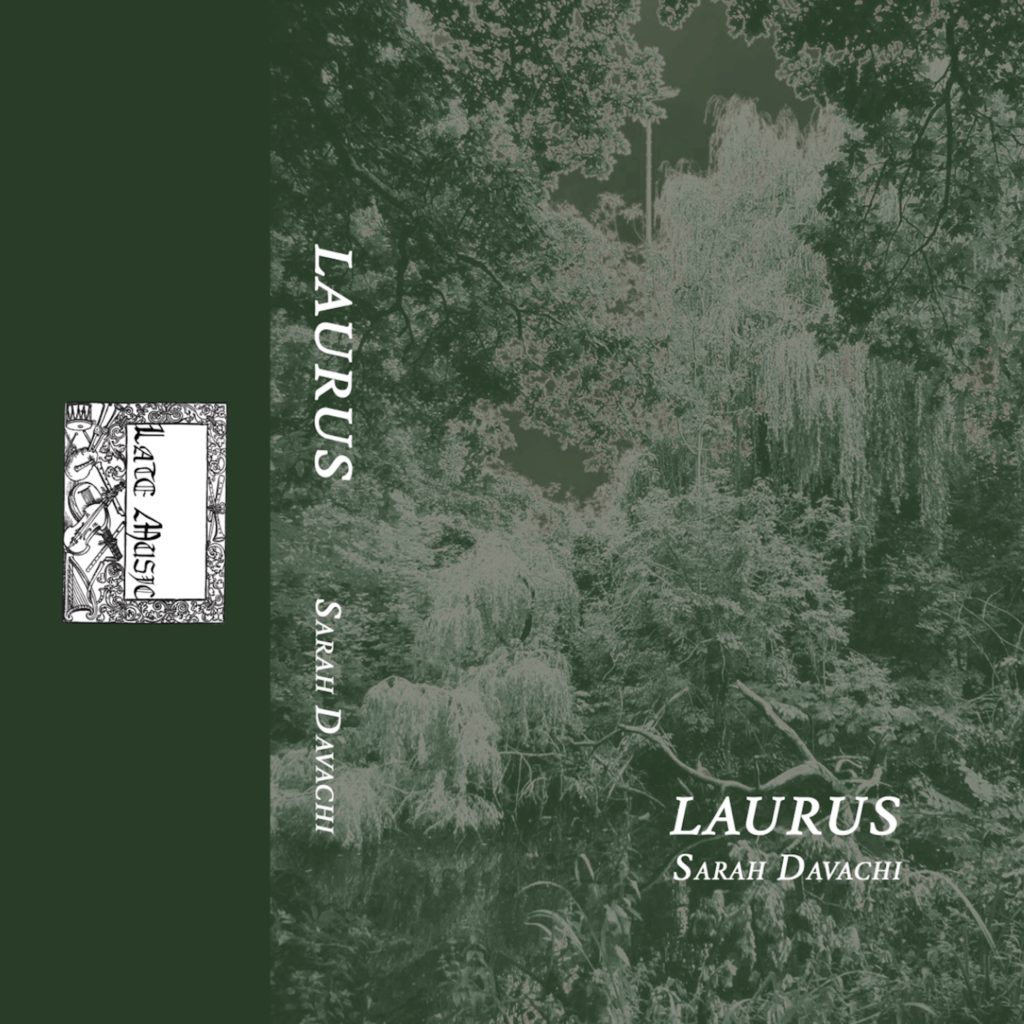
Sarah Davachi has released Laurus, a footnote to her Cantus, Descant album, an 80-minute meditation on impermanence, released in September.
Laurus demonstrates Davachi’s more raw and improvisational composition process in its early stages. Its six tracks are the first recordings the Canadian sound artist gathered when she began working on Cantus, Descant in August of 2017, a week before she moved from Canada to Los Angeles. She did several recording sessions at Pacific Spirit United Church in Vancouver and Chapelle Saint-Louis in Montréal on two organs from 1964 and 1916 respectively.
“Ruminant,” from Cantus, Descant, comes from the Vancouver sessions and is “thematically related” to the Laurus I-III series, we’re told.
Moreover, “‘Accord of Voice I” was the “seedling” of Cantus, Descant, even though it didn’t make it to the album, Davachi says. She still performs it for herself when she’s starting with any particular organ as a way of getting her head in the right place.
Davachi is currently a doctoral candidate in musicology at UCLA, where she works on the aesthetic phenomenology of musical instruments and timbre in popular, experimental, and early music. She balances this with life as a sought-after recording and touring artist, driven by the same curiosity that kickstarted her career over two decades ago.
For more information on Davachi, check out here XLR8RInfluences podcast here.
Tracklisting
01. Herber Well 02. Laurus I 03. Laurus II 04. Accord of Voice I 05. Accord of Voice II 06. Laurus III
Laurus LP is available digitally and on cassette now. You can order it here and stream it in full below.
SOFT CENTRE, the Australian festival of experimental sound and art, is inviting applications for its 2021 program.
The festival is looking for innovative ideas across various disciplines, for both digital and physical contexts, including light and video installations, audio-visual performances, sound/noise art, experimental electronic music, dance/performance art, creative coding, and new media.
With the last year’s tumultuous times in mind, SOFT CENTRE encourages “ambitious ideas that speak to the crucial conversations of this moment,” and are “innovative in their response to evolving performance and event conditions.”
In the past, SOFT CENTRE has hosted performances by A Made Up Sound, Lawrence English, Via App, Cassius Select, phile, Ptwiggs, and many more.
The call is open to both local and international artists, and it will close on January 1, 2021. You can find out more information and lodge a submission over at the SOFT CENTRE website.
SOFT CENTRE is a one-day festival of experimental electronic music, radical performance art, large-scale light installations, and new media works that takes place each year in Sydney, eastern Australia. You can read more about it here, and watch a video about the submissions here.
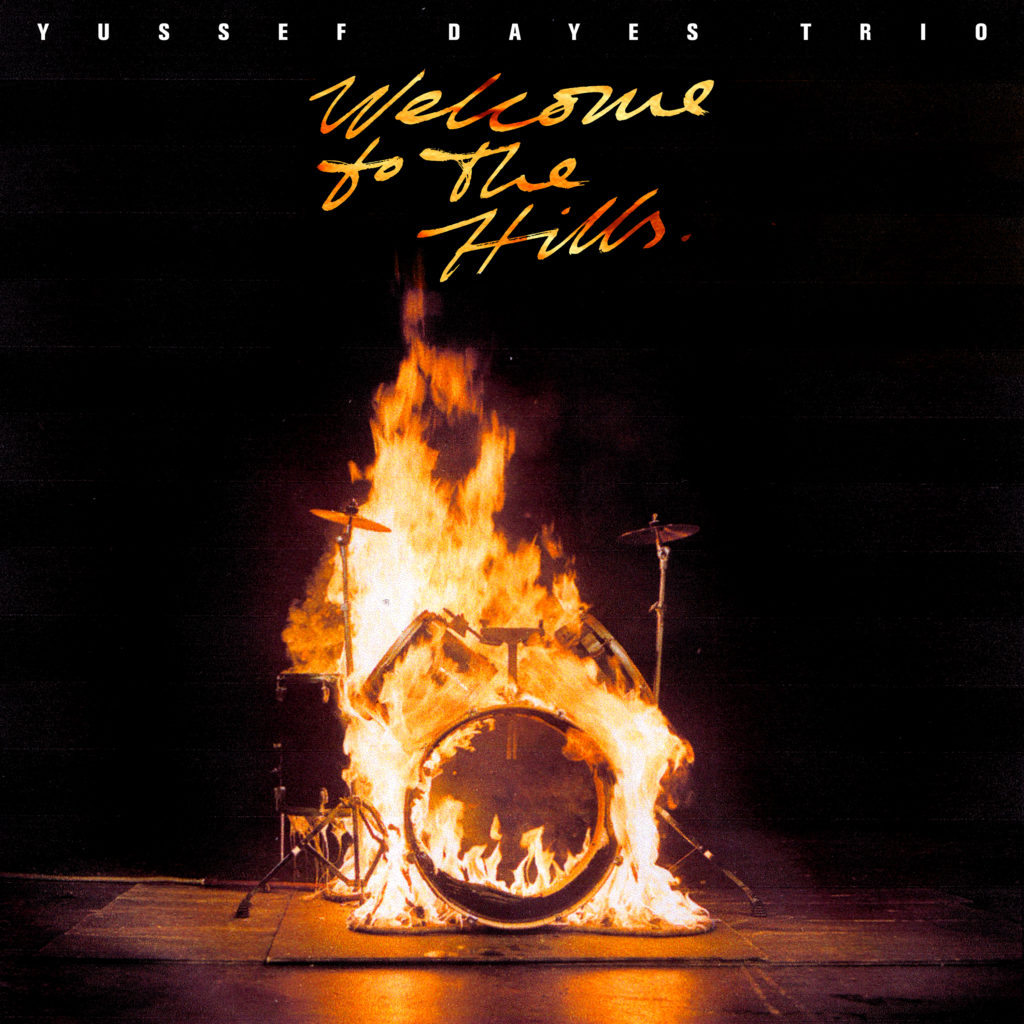
The group recorded the set live in Copenhagen, Denmark in July 2019, in what turned out to be their last concert together before the pandemic. Much of the music included on the release was created live at the group’s various shows played through 2018 and 2019, and they’ve dedicated it to the fans that came out to support them.
“There was something special about this performance,” Dayes recalls to XLR8R. “The raw energy, focus, determination, and freedom to take our music to the next level.”
“It feels more right than ever to release this live recording, as there have been no shows this year,” Dayes continues. “So we want to give you, the listener, the chance to participate and enter the Yussef Dayes Trio live experience.”
One of the world’s most exciting drummers and producers, Dayes is best known for work as one half of electrifying duo Yussef Kamaal. Earlier this year, he teamed up with Tom Misch for the exceptional What Kinda Music, and he’s currently preparing his debut solo album, scheduled for 2021 release.
Tracklisting
01. Black Love ~ Amazonian Springs 02. Jamaican Links 03. Odyssey 04. Gully Side 05. For My Ladies (Live in Copenhagen, July 9, 2019) 06. Palladino Sauce 07. Welcome to the Hills 08. Yesterday Princess 09. Encore ~ Babylon Burning 10. Purple Skies ~ Libations 11. Ride Out 12. Nipsey Tha Great
Welcome To The Hills is available digitally via Cashmere Thoughts now, with a full stream below. The vinyl edition comes on December 20, and you can pre-order it here.
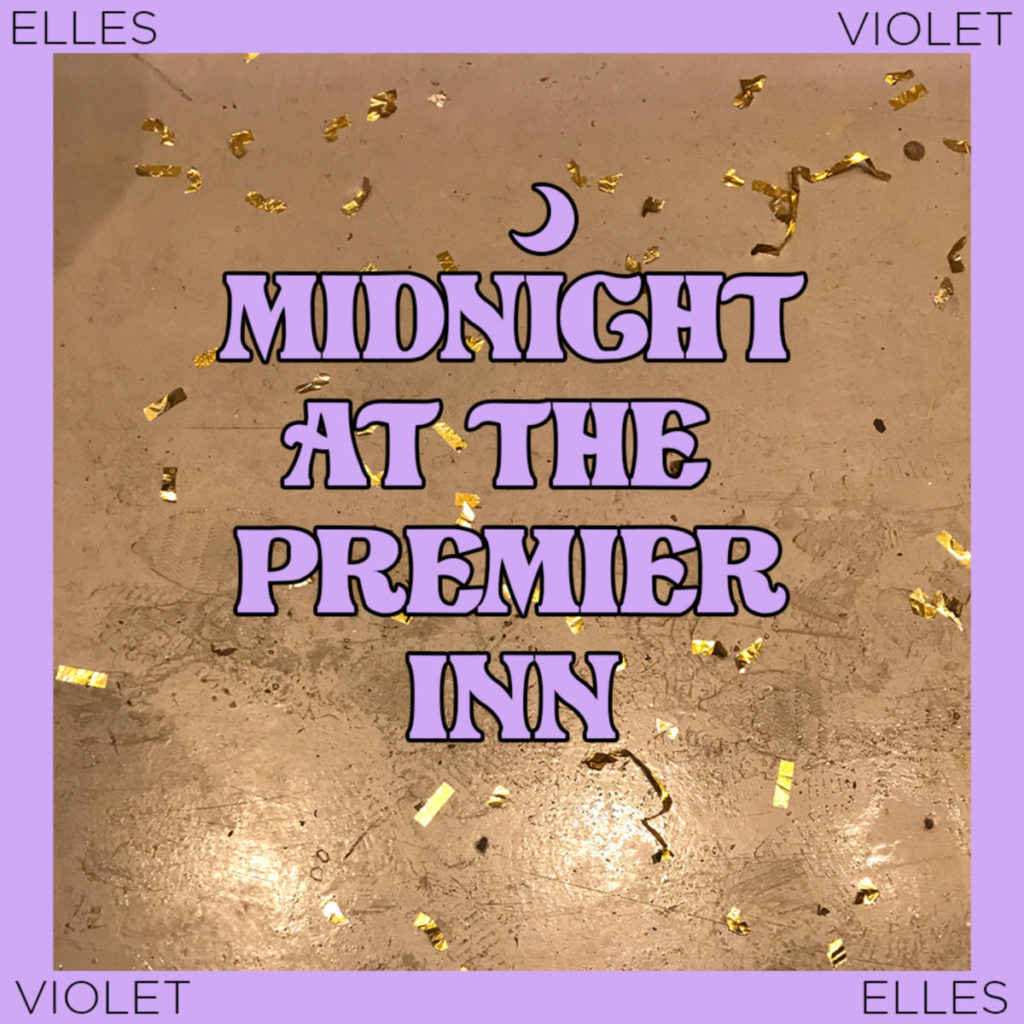
ELLES and Violet have teamed up on a digital EP, Midnight at the Premier Inn.
Midnight at the Premer Inn is a reflection on a New Year’s Eve event last year, when the pair stayed at the Tottenham Hale Premier Inn, north London. This is the last time they saw each other.
The pair describe the release as an ode to friendship, winter, the passing of time, and London.
The release sees each artist provide a solo cut, and then there are two collaborations. It explores different sonic languages, including ambient, shoegaze, and garage, and it’s rich with ’90s pop references.
The EP is available on Naive‘s Bandcamp page. 25 per cent of any sales will be split between The Outside Project (UK) and Casa Qui (PT), both dedicated to providing housing and support to the LGBTIQ community.
The artwork comes from Photonz.
For more information on ELLES, check out her XLR8R podcast here. You can also listen to Violet’s here.
Czechian label Interpret Null has just released the debut EP from Lost fx, titled A Moments Pause.
The EP, which features four tender and subtle piano-driven cuts, is “focused on revisiting past memories as you travel through a city one last time before moving on to a new start,” Lost fx explains. The last track, “Arrival,” is also a “love letter” to Blade Runner and the work of its score composer, Vangelis. It’s a poignant and affecting EP full of nostalgic beauty.
In support of the release, Lost fx has offered up EP track “Summer Haze” as one of this week’s XLR8R downloads. Built around a crackling field recording and tender piano work, it’s a soothing track that aims to capture the “mystery of listening to a piano being played behind closed doors by someone you don’t know,” which, in our opinion, it wholeheartedly does.
You can stream and purchase A Moment’s Pause here, with “Summer Haze” available as a free download to XLR8R+ subscribers below.
For those unfamiliar, XLR8R+ is a member-supported music community and curated music experience. Every month, you will get at least three exclusive tracks—sometimes more—by a wealth of amazing artists that XLR8R has supported over the years, as well as access to the member’s area where you can submit tracks and DJ mixes to be showcased in this feature series and to the XLR8R+ community, as well as exclusive editorial content, mixes, FREE passes to music festivals and events, playlists, weekly downloads such as these, and more. You can find out more here.
Editor note: this feature was originally published in October as part of the Romania edition of XLR8R+. XLR8R+ subscribers get fast-tracked editorial, exclusive music downloads, art, mix and podcast downloads, and access to the member’s area where you can further exclusives and submit tracks and mixes to XLR8R. Find out more here.
In a Romanian music community known for trippy minimalism and mesmerizing loops, Vlad Caia has been an integral figure, but also one who has evaded the attention that’s landed on some of his peers. Outside of his solo work, he teams up with close friend Cristi Cons to run Amphia Records and as SIT, meaning Sideways Invisibility Theory. Alongside Mischa Blanos, an experiential jazz musician, Cons and Caia form Amorf, who recently released music via XLR8R+ alongside Priku, Sublee, Cosmjn, Dan Andrei, and Orli. Some of you will surely remember their sublime “Blending Light” being played by Rhadoo at Sunwaves.
Caia began his musical experiments in his early teens, equipped with only a MIDI sequencer and a keyboard. With the support of passionate musicians around him, ideas and soundscapes began to form, and he released his first works between 2007 and 2009, out via Next Dimension Music and Dinky’s Horizontal Records. He developed his sound while living in Norway, and he found himself drawn towards sound experimentation, eager to break away from the “standardized” rules of electronic music. This idea formed the basis for Amphia, launched in 2011 with an EP from Cristi Cons. Two years later, Caia released “Swan Lake,” an irresistible record on Pluie/Noir Recordings Division, and then Division, a two–part debut album across 2018 and 2019.
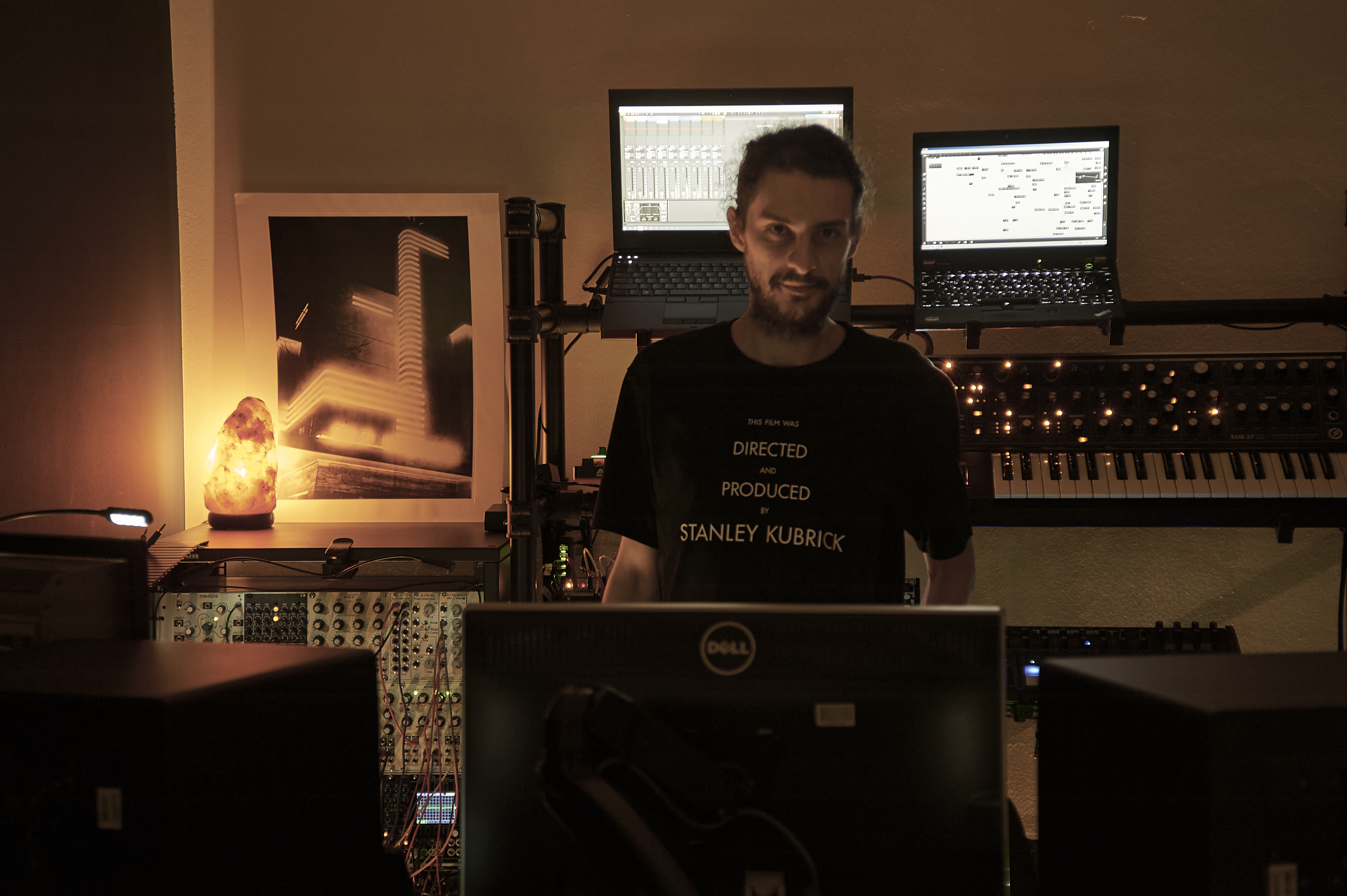
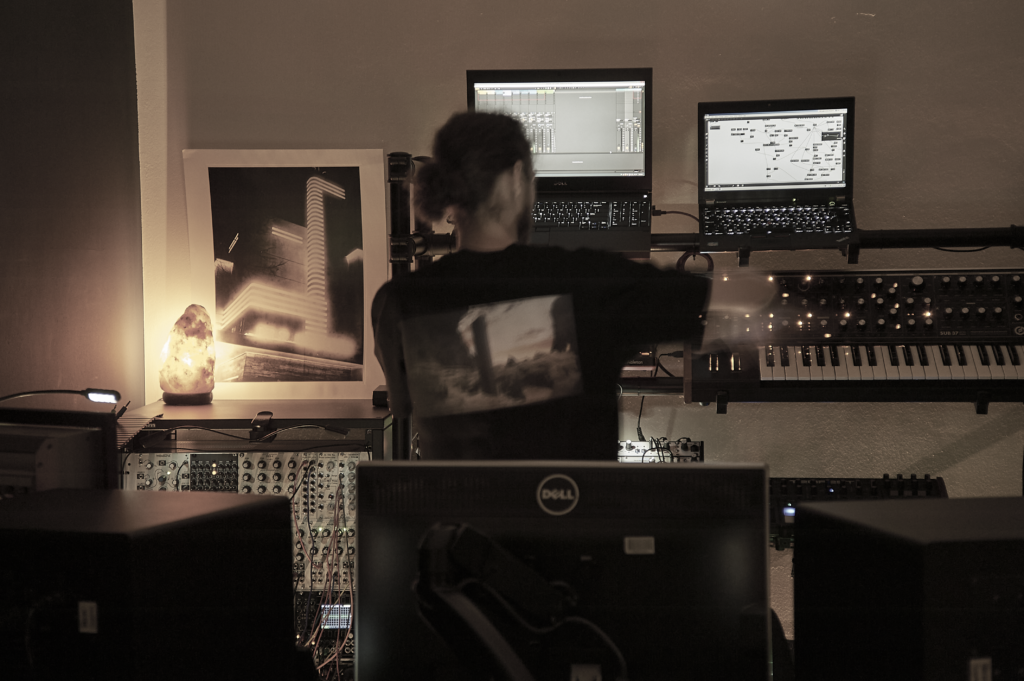
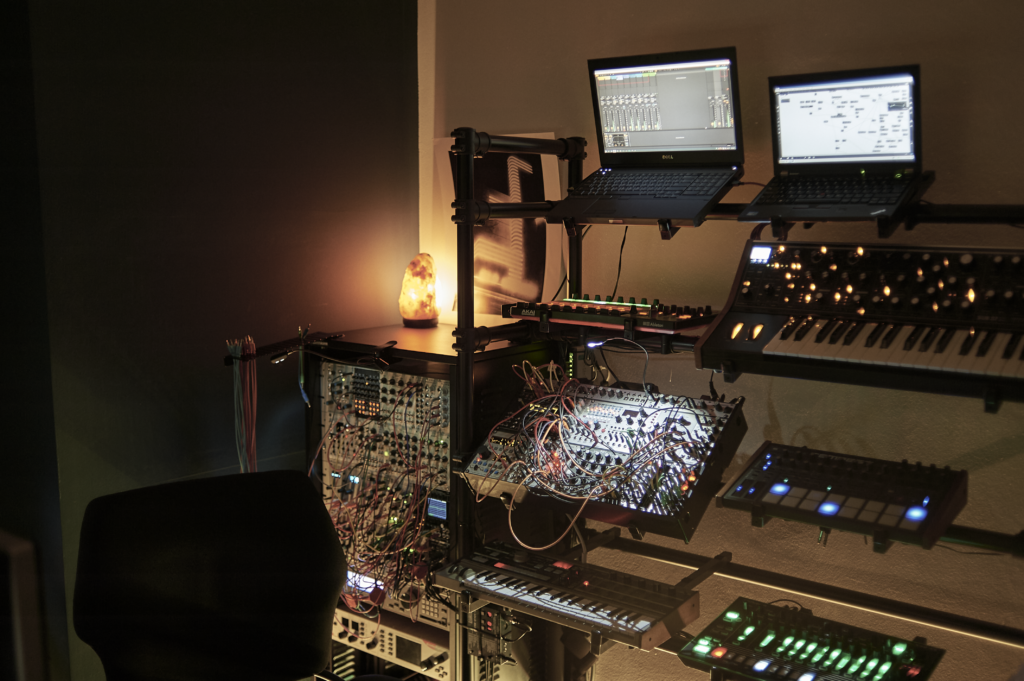
Having just released a new Amorf EP, Caia has continued to shape his Bucharest studio into a space capable of realizing an assortment of musical ideas that encompass jazz rhythms and orchestral arrangements, transcending the dubbed-out sonic grooves the city is recognized for. Versatility, he says, is the priority, and XLR8R decided to visit Caia to learn more about the tools and techniques that cater to this.
Over recent years, I have come to appreciate a more minimalist studio setup. I’ve realized that I work better when I have the bare essentials rather than lots of gear. Using fewer machines to their full potential allows for a more fluid workflow. It also allows for better experimentation, because you’re forced to use each device in ways that go beyond how it’s supposed to be used, and importantly beyond the magic “preset” buttons. By doing this, you begin to develop a sound that’s individual to you, which is important for every artist.
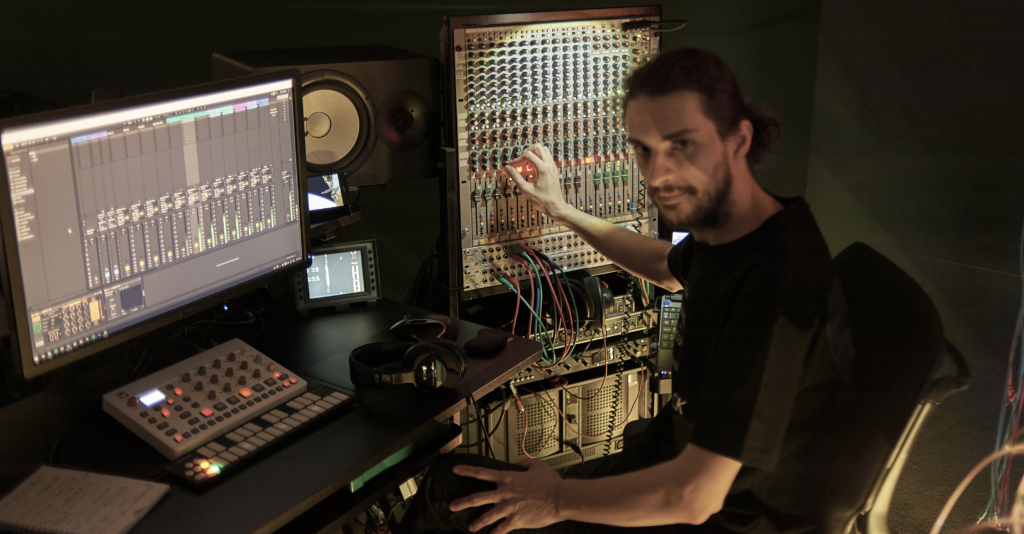
With this in mind, I rely on a hybrid system, which is to say I use both analog and digital instruments, plus three computers that run live effects for manipulation and mangling. These computers have a central role in my studio. Think of them like the beating heart, in that they’re where all the signal paths converge or diverge.
My main computer consists of a server unit housed in the main rack where all the audio/MIDI and digital signals are being received. This unit is used for multi-track recording of live improvised sessions, and it’s also used later for editing and arrangement work. Using the installed patchbays, I can also route audio to different instruments and modules directly from my DAW.
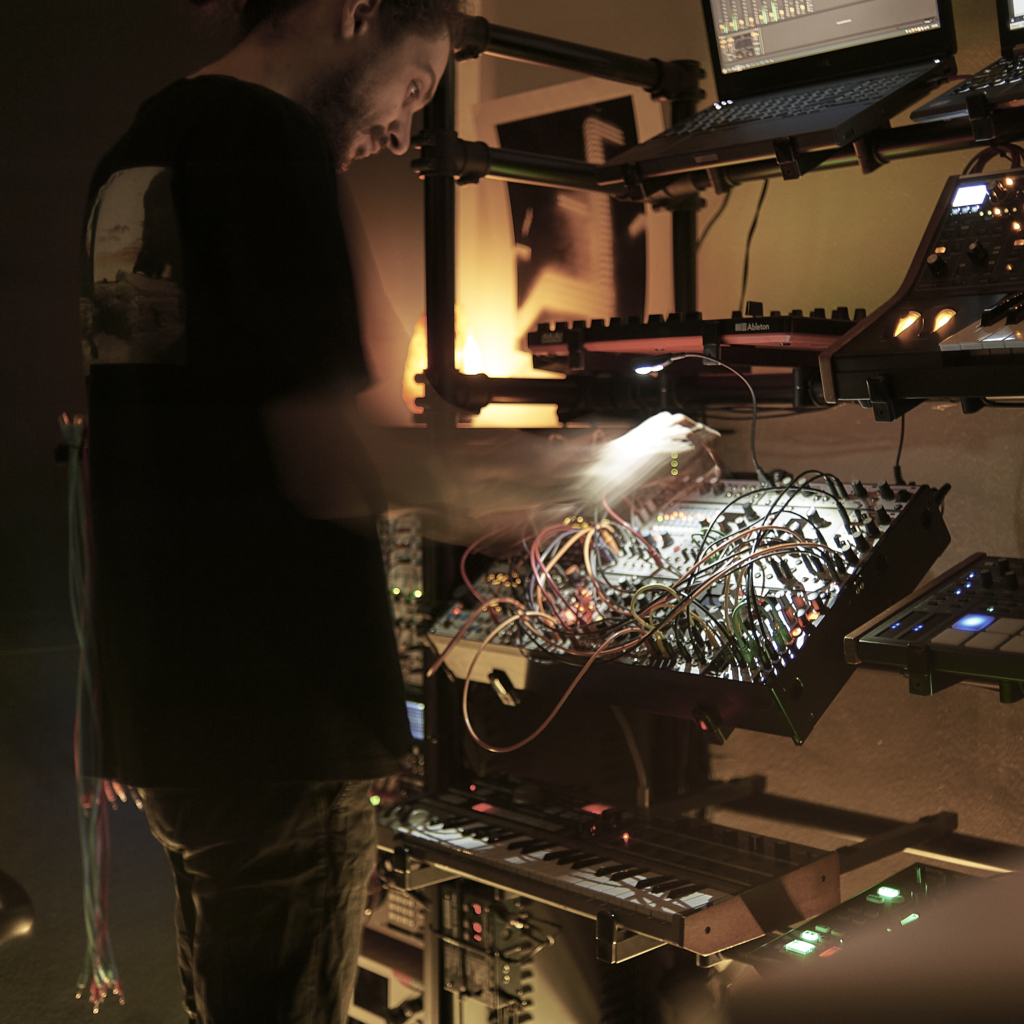
My second computer is a workstation notebook hosted in the instruments rack. I use it mostly for live loop recording and MIDI clips. I also use it to play virtual instruments and run audio effects, much like a guitar pedal. It can do anything I set it up to do, and its job is dependent on the nature of the track I’m working on.
My third notebook acts as an instrument of sorts, and it runs the Max/MSP environment. It’s more like a sketchbook where I try different patches. I synchronize these notebooks using Ableton’s LINK, via wireless to the server unit.
My recordings are all improvised. I program the stuff—my drums, synths, etc.—and then I click “record.” This leaves me with a recording of around 15 to 30 minutes, which I then need to edit. I usually end up doing lots of edits and trying different arrangements of each recording before it becomes a final track.
It’s important for me to take time with this. I’ll always test these versions on club systems and take mental notes. With these in mind, I check, re-check, and adjust the things that are obvious or need to be changed, like re-doing gain automation between the kick drum and the bassline, or working on some more EQing on the synth lines, or maybe taking out some reverb because it’s muddying the mix.
Spending hours on a track can create a bit of a trapped feeling in the auditory sense. It can skew your perception of how it really sounds, and it can also unknowingly move the track in strange directions from an arrangement and mixing point of view. Often these are directions that you didn’t intend for initially. I’ve been countering this by taking a few days off from listening just to clear my mind and have a fresh start. In the meantime, I’ll continue to work on something else entirely, or I’ll even just play around in the studio. Upon return, I have a different perspective on what works and what I’ve been focusing on way too much.
With this in mind, here are some of the key pieces of gear behind my music.
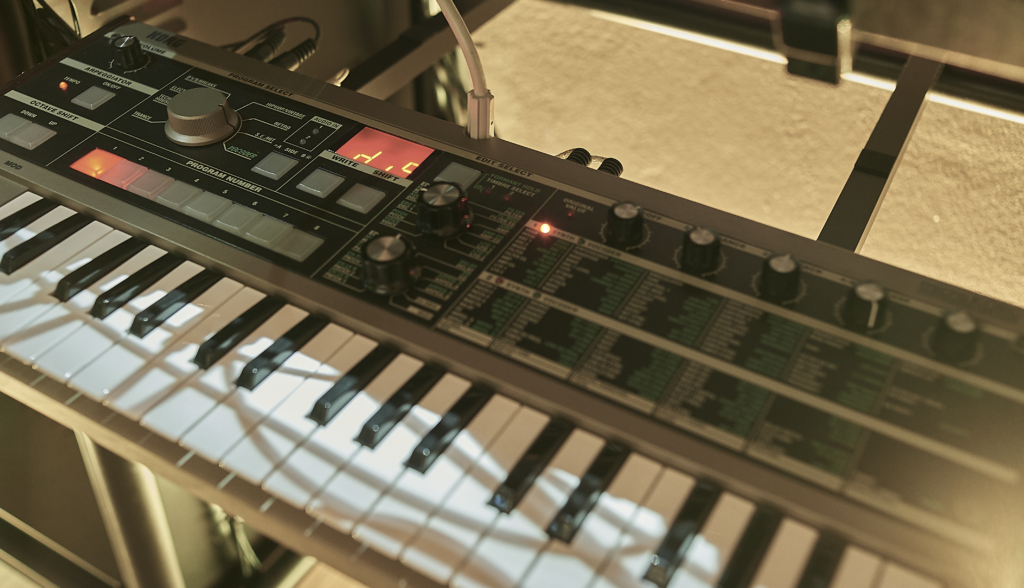
I’ll start with the microKORG, which is the first synthesizer that I ever bought. I acquired it around 2007 while I was studying in Norway, from a local music shop.
It’s a curious little device with its little keys. It was meant to be just another virtual analog synth, just like any other synth from that era, but it has a sound that’s specific and discernible in my opinion; that’s what I really like about it. The bass can sound thick or boxy, if you want, and the filter is good enough to make it scream when turning up the resonance. The modulation matrix is extensive and has parallels with any modern modular system. It’s also useful if you’re travelling, because it can run on batteries!
I’ve been using this synth in my own projects, with SIT and also in Amorf. A notable use of this synth can be heard doing the bassline duties in a track called “Connection,” released in 2012. It can also be heard doing an arpeggio synth line in a SIT track called “Come Around,” which is included on Sideways LP, Part I, released in 2016 on Amphia Records.
“Come Around” was a fun track to work on, and I had such a blast using the delay effect that’s built into the microKORG. The synth creates a dynamic mood, especially while using the resonance on the filter coupled with the delay effect on the end.
You can also hear the synth on Amorf’s “Ouverture” from the album Blending Light released on Understand Live Series in 2017. The synth is present throughout the entire track, playing a repetitive sequence of two notes with the delay effect added.
To get the most out of the machine, I create my own banks of presets. It’s capable of harsh tones that work great for electronic music, or lush pads that you can use in the background. Did I mention that it also has a vocoder that’s very usable? Take it a notch further and use the vocoder as an external effects unit patched as an auxiliary send on the mixer. I was surprised when I ran sound through it!
The only downsides are the miniature keybed and the four-voice polyphony. It takes a while to get used to the small keys, and they can be especially tricky when you’re doing fast runs in a live performance. Being able to play just four voices at once takes some planning on the chords you want to hit. Playing elaborate chords one after another can mute previous voices, which is a nuance that becomes noticeable. However, you can cheat this by adding some delay and increasing the feedback. Doing it this way will sustain the previous notes a while longer!
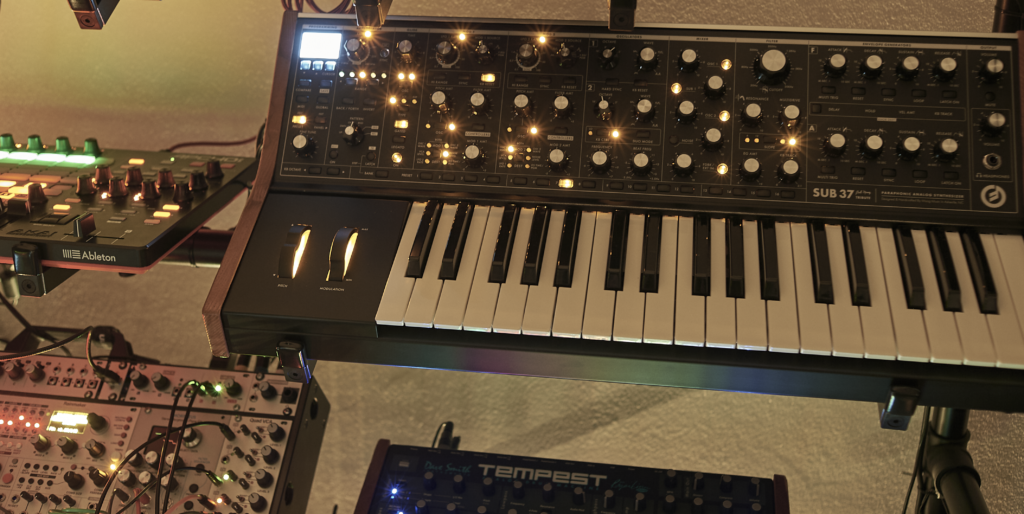
I was excited when news of the Moog Sub 37 started to pop up on discussion boards. Then I saw a NAMM 2014 video with Amos Gaynes and was blown away. This guy really knows how to present a product, and I actually believe he’s one of the lead designers of the synth.
The synth has many modulation possibilities and many types of arpeggio styles, which is handy for live performances. It also comes with its own sequencer and a beefy filter, as is tradition in the Moog world. I managed to buy one just as it hit the stores around 2015, by doing hourly page refreshes on Thomann.de. I was surprised at how heavy and bulky it was when I received it.
I’ve turned to the Moog Sub 37 a lot over the years. It’s present on every track of Amorf’s Blending Light album, responsible for the bass sequences, resonant percussion sounds, and also the noise swooshes. I also used it across my debut album, Division I and Division II, particularly on “Cluster” for the bass and synth lines, and “Border Patrol.”
This latter track was a bit more tricky to do because the Sub37 is paraphonic, which means it can’t play more than two notes at the same time because all the oscillators share the same signal path, and usually the filter will track only the highest note you hit.
To overcome this issue, for the bassline part, I recorded the same sequence twice with a slight variation of the notes, which meant I ended up with two tracks. I transposed one of the sequences one octave higher to complement the lower one and so it would create a full-bodied bass sound. The synth line comes on top of this foundation as a live improvised sequence.
I think this above example, with “Cluster,” is symbolic of what this machine can do and how it can guide you in terms of setting up modulations. I think it’s a really good bridge between a normal synth and the complicated world of patching a modular. It has CV inputs if you want to interact with it, and one of my favorite features is the audio input connection. I can run external audio signals through its filter. If you modulate the filter in a predictable or random way, it can create lots of surprising rhythmical patterns!
Some drawbacks would be the hefty size of this synth, and that fact that you can’t fold the control panel on its back. Even though I’ve built a custom case for air transport, it’s still cumbersome to carry from airport to airport for Amorf’s live shows!
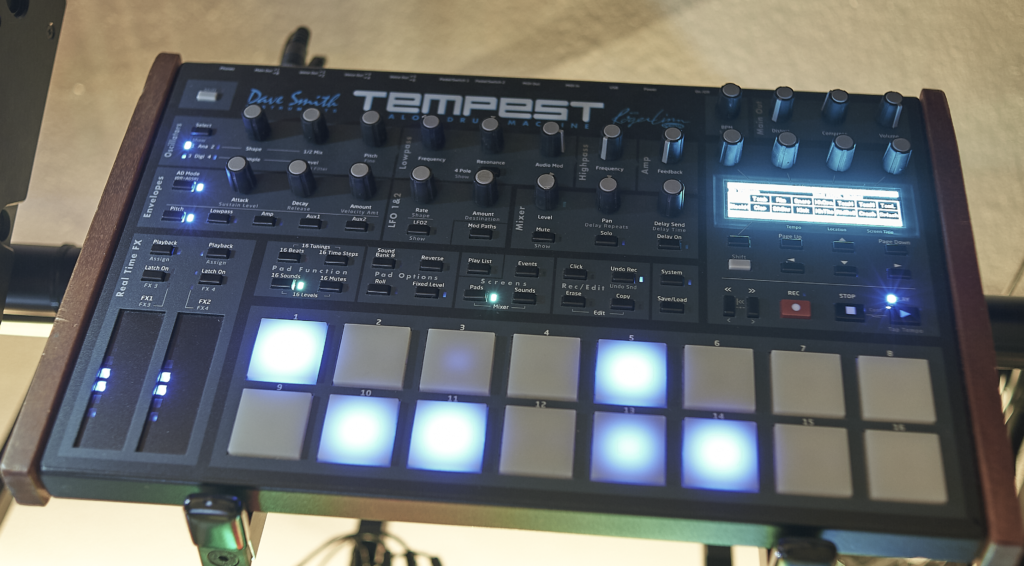
I rely heavily on the Dave Smith Instruments (DSI) Tempest for my percussion. It has its own character in regards to the sounds you can come up with, be it percussion or even synths. It’s an instrument that Roger Linn had also worked on, and being an Akai MPC 2000XL enthusiast at that time, it piqued my interest. I did some extensive research and decided to buy a used one from a friend around 2017.
One thing that still surprises me to this day is the built-in compressor and distortion effects. They’re both analog and can really destroy and mush everything together. This is especially handy as a sound design tool when reaching for those aggressive sounds.
The modulation possibilities are extensive and I often use a random LFO to pan the sounds in a sequence. I achieve lots of movement in the stereo field this way. It also has a peculiar “master” page where I can manipulate the entire collection of sounds I’m using in a sequence. For example, I can stretch the sounds or shorten them by modifying all the release envelopes simultaneously. I can create chirpy and glitchy bits with the switch of a button. I can later assign pitch parameters to a ribbon controller on the left side of the instrument and manipulate them on the spot, which is a trick I use during build-ups while recording a live session.
I’ve had my share of samplers over the years. While I loved the way my AKAI MPC 2000XL sounded, I could never fit it in my setup partly due to the way it was designed. For deeper tweaks to what I’m working on, I would have to stop the unit from playing, ruining the workflow and getting the other instruments out of sync.
What I was looking for was an XoX type of rhythm machine with step programming, so I tried the Electribe ESX-1. It got noisy quickly and I could never achieve that punchy sound from the files I was loading from the card. It quickly became a popularity contest; the sound that came with the sampler sounded good, and no matter how hard I tried to load my own stuff it could never compete in sound quality!
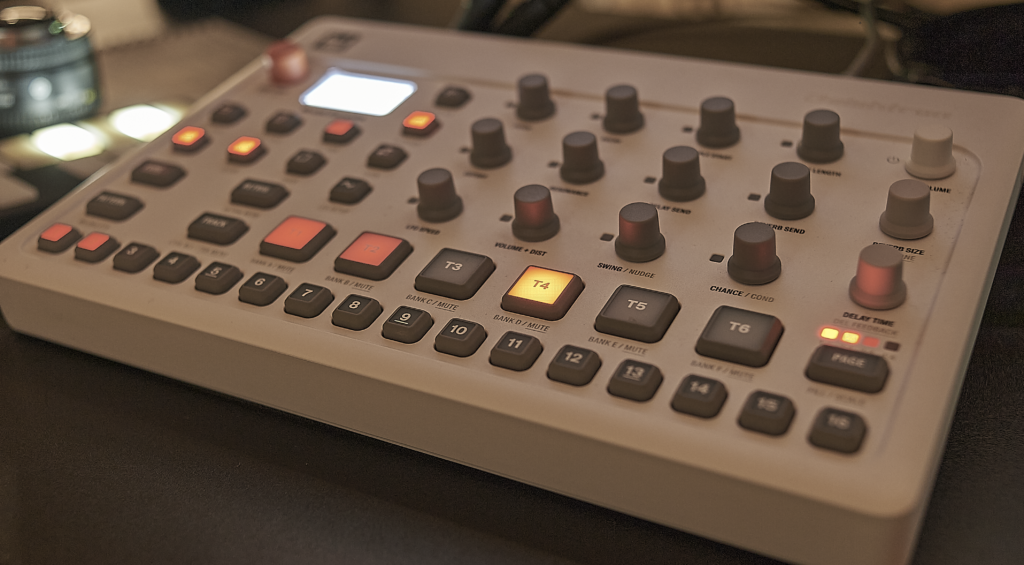
It was then, in early 2020, that I came across the Elektron Model:Samples, a simple white box sampler with a what you put in it is what you get kind of attitude. It does a lot of things right, and it has become my mainstay percussion and drum machine. I love that I can modulate most of the buttons on its faceplate and that it can loop short pieces of waveforms called Wavetables. By sequencing bass or synth lines, I can expand my palette of sounds. Also, because I am a fan of using my own synthesized stuff, I’ve built a collection of modular percussion sounds specifically to be loaded on this drum machine!
Modular System
My path to a full modular system started many years ago in software with the introduction of Native Instruments Reaktor. I still remember vividly trying this demo of version 2.3 and being so impressed that you could achieve these sounds on a slow, relative to now, computer. I started exploring the way an ensemble is built in this environment and the way these modules were interconnected, much like a real modular system. After some time, as computers became more powerful, these types of software became more accessible.
At this point, the Eurorack was still fresh, and there were far fewer manufacturers than today, so software was much more immediately available. But by 2015 things were moving at a quick pace in the hardware modular world. I actually really wanted to try the Nord Modular G1 first, and so I bought it on eBay. I had scoured forums dedicated to this synthesizer and downloaded around 8,000 patches that I could load onto it. It was an eye-opening experience and had the identical building blocks and modules you could find in a real modular. You had to use its own program to interact with it, but it was unfortunately unstable and would crash badly.
With these new lessons, I set out to build a system that could be flexible to what I need, be it a classical synthesizer architecture with extra modulation and sequencing, an external audio effect with lots of modulation, or for just patching it as a random drone generating source.
One of my favorite modules that I use often is the Orthogonal Devices ER-301 sound computer. It’s designed to work as a modular inside a modular, and I can set it up to any type of job, be it a sampler, oscillator, CV, or audio mixer. There’s an active community around this module and the firmware is constantly worked upon and improved with new features. For now, I use it as a sampler, so I’m triggering different loops and pads to play in sync with other synths. You can hear it doing glitchy drum hats in a recent remix I did for my friends from Alsi, “Scene Hero.” I also have it set up to use as a drum machine, if it’s needed. It’s perfect for traveling as you only need to take a small modular case and you pretty much have everything you need.
Intellijel Rainmaker is another favorite module I use extensively for sound design. I feed audio from my ER-301 sampler and modulate it to create extremely long delay lines by dividing the clock signal. For example, I can divide the 126 BPM by 16 and I end up with delays that change and react once every eight beats. If I change the pitch of these delays I end up with a sort of slow harmonizer effect.
Regarding VCA modules, I’m particularly fond of my Doepfer A-132-4. It’s compact and cheap, and you can change the VCA chips on the back. It has four inputs and two of those have different chips that I’ve installed. The sensitivity of each VCA can be easily trimmed on the back of the module. By adjusting it, you can distort the output volume into distortion territory, which is extremely useful for thick and solid bass sounds.
Make Noise Phonogene is another flexible module and I use it as a sample player and for live recording and playback of sequences. It’s my go-to module if I need to use bits of vocals or short bursts of percussion; stuff that is simple and that I have to do fast. I send these sources from my DAW and record it into the Phonogene.
From then on, I patch the module to play this sample in sync or at random times. I’m also experimenting on feeding it the entire output of my modular on set intervals of time. For example, every 32 bars it should record one bar of sequence and play it after 16 bars. After this is done, I can erase the memory and prepare for a new cycle, and so on. By doing this, I’m trying to achieve a controlled behavior of the sound that’s being synthesized.
Finding new modules is an intense process because I have to research exactly what’s needed at that time in my system. As of now, I’m looking for interesting sounding filters, both analog and digital, saturation modules, and utilities like the Expert Sleepers Disting modules, where you have lots of functionality in a small package.
You can hear some of the modules at work in “Expand,” released on Shahr Farang in 2018.