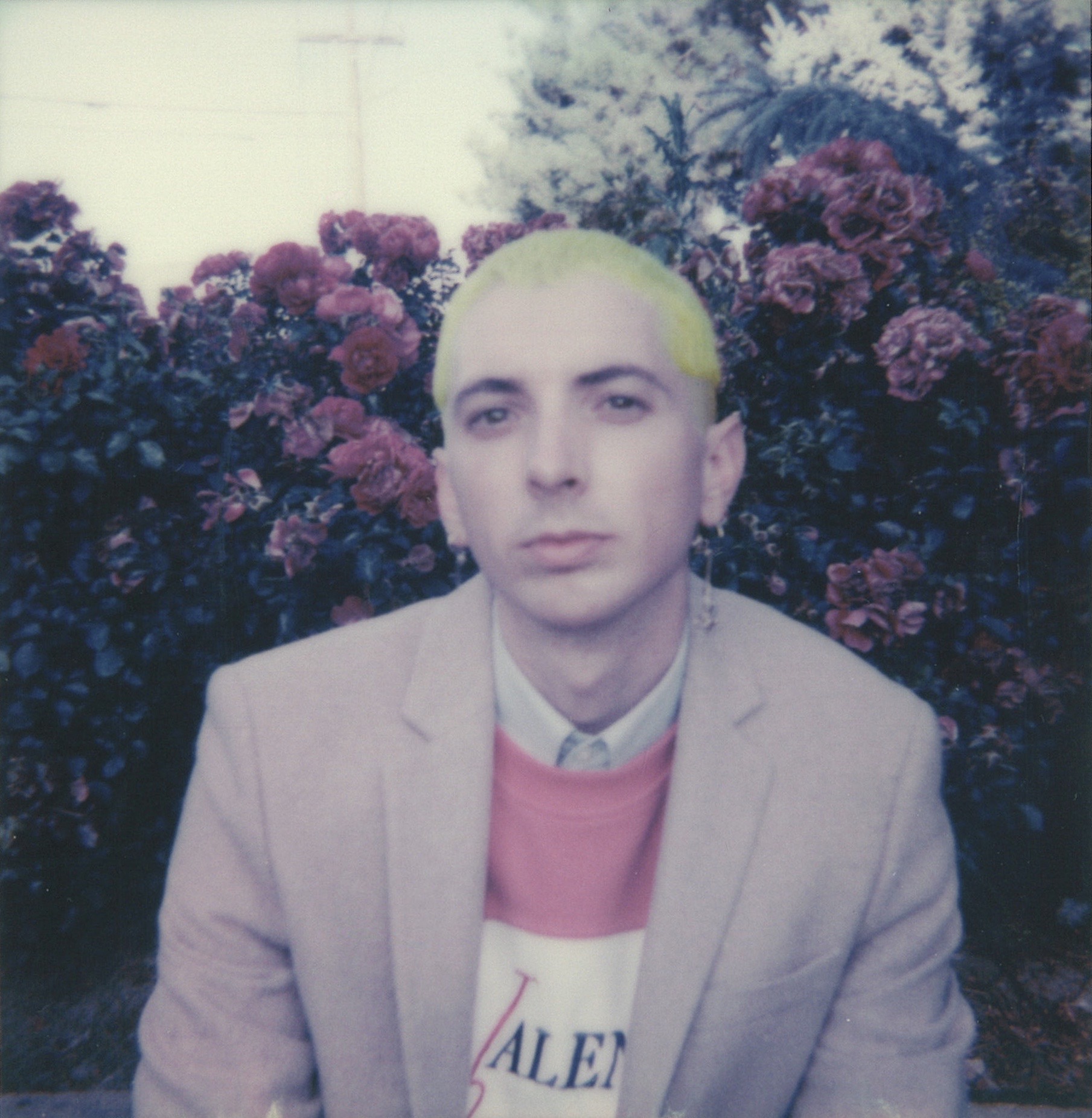
Ninja Tune has shared two singles from the upcomingActress album, Karma & Desire, which is set to drop on October 23.
The new singles give two different tastes as to what we can expect on the new LP. The first, “Loveless,” features Los Angeles-based producer and Evar Records head Aura T-09. It’s a muted and chunky groove-based cut that, according to the cryptic and coded press release, is the closest to the “sample-laden club moments on AZD and Splazsh.”
The second, “Angels Pharmacy,” employs vocals from Brooklyn singer Zsela, who delivers stylish spoken word over an atmosphere-rich, dubby groove.
The new singles follow the release of the album’s closing cut, “Walking Flames,” which features Sampha on vocals and dropped back at the start of the month.
You can stream the new singles in full below, with the album available for pre-order here.
In 2017, Actress, real name Darren Cunningham, released AZD, his sixth record. In July, he released his 88 mixtape, a precursor of sorts that accompanied a PDF. outlining Karma & Desire.
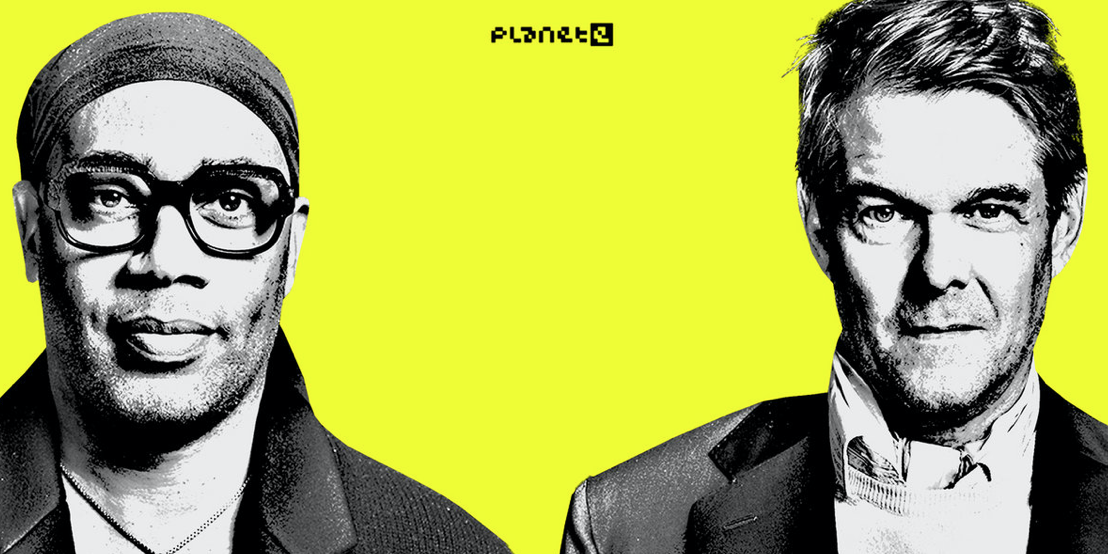
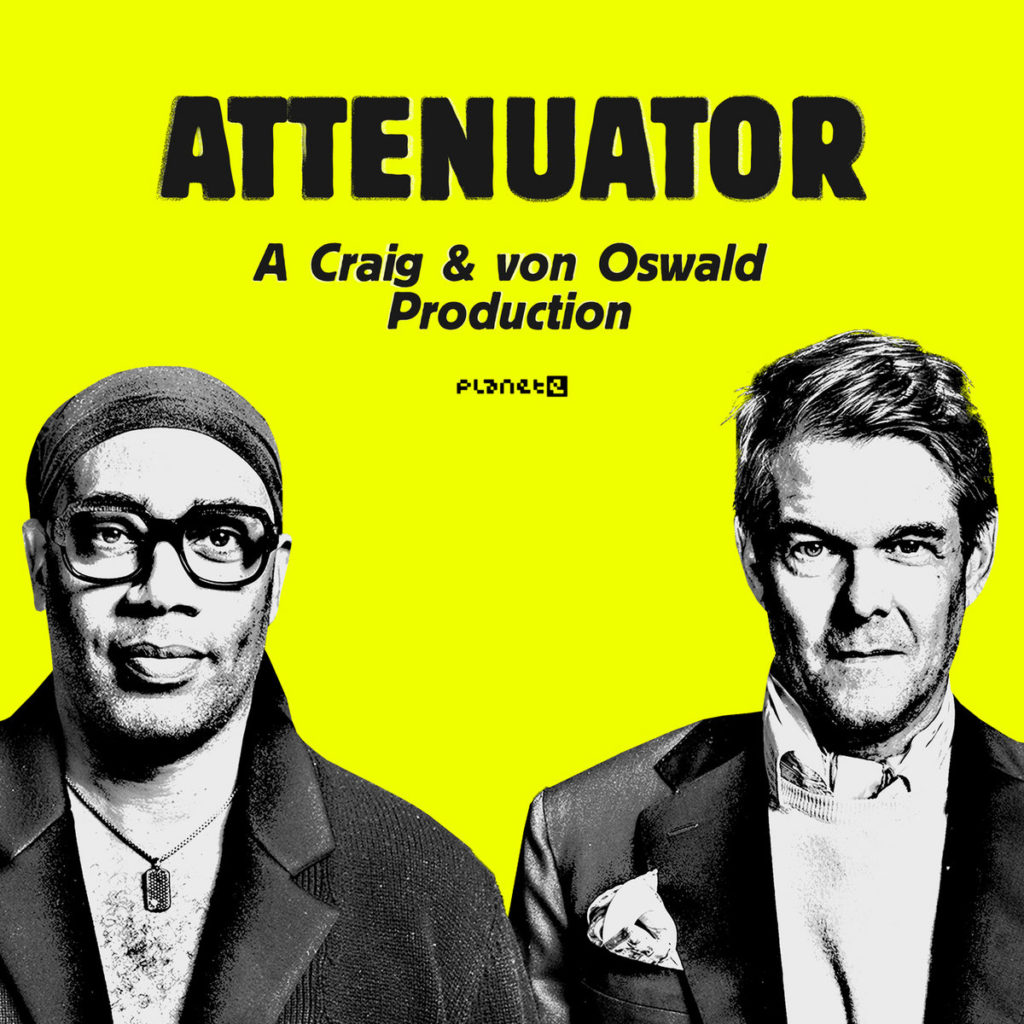
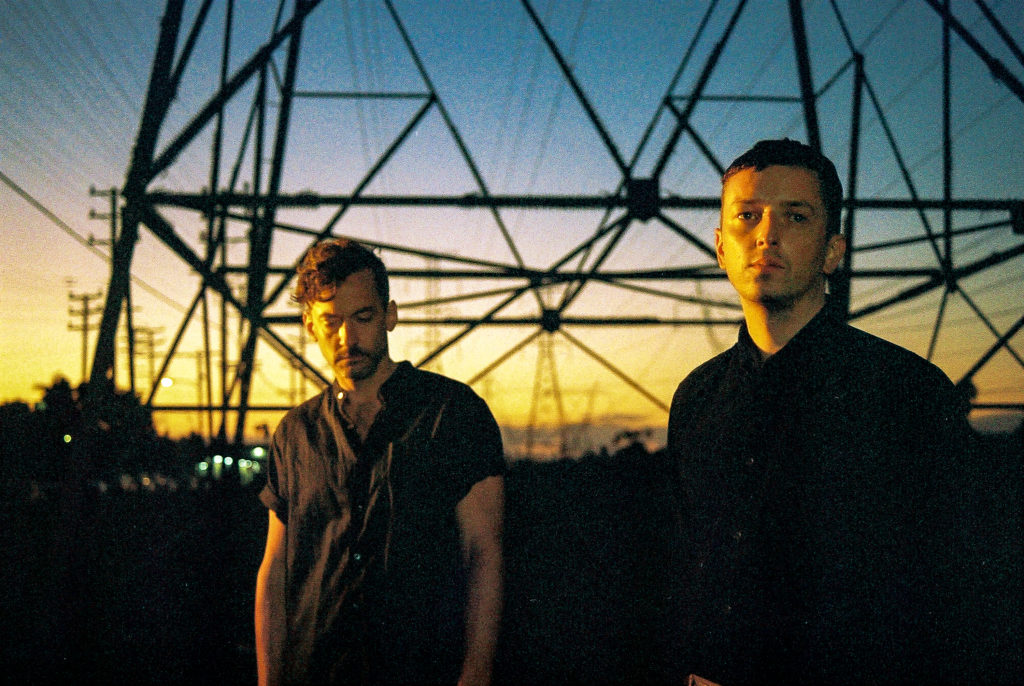
“Attenuator” is the first production to emerge from a series of studio sessions in Berlin and Detroit over the past two years. Although originally produced in unison, this single sees Craig and von Oswald each deliver their own take on the original material.
For his take on “Attenuator,” Craig leans into the fluid blend of techno and warm musicianship, building stifling tension as a prelude to a fervent brew of warm pads and celestial sax. In response, von Oswald bathes the brass and the bliss of “Attenuator” in subtle textures, while maintaining the arresting pulse of the original.
Tracklist:
A. Attenuator (Carl Craig version) B. Attenuator (Moritz von Oswald Dub)
Attenuator is scheduled for October 23 release. Meanwhile, you can stream previews below and pre-order here.
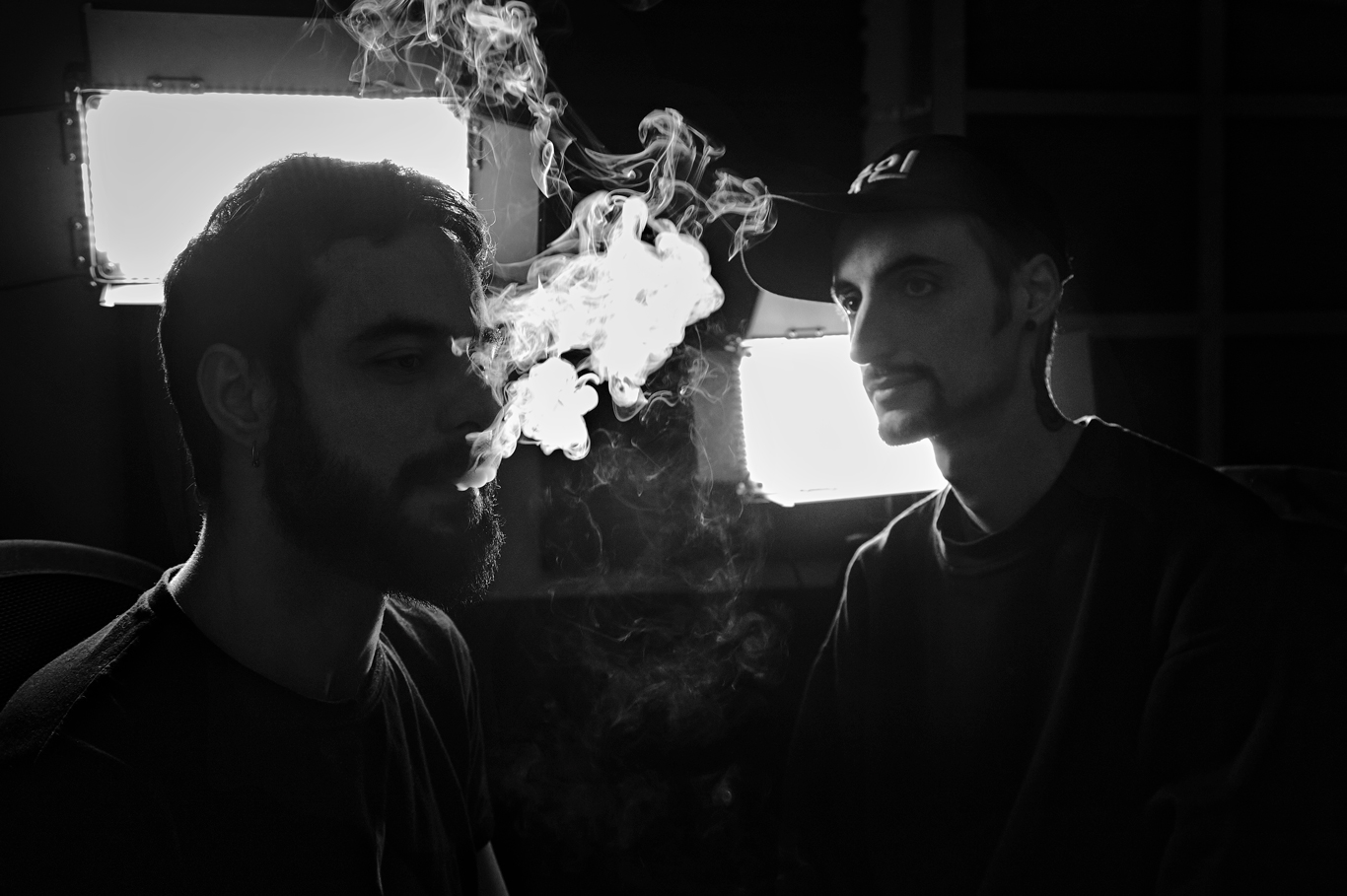
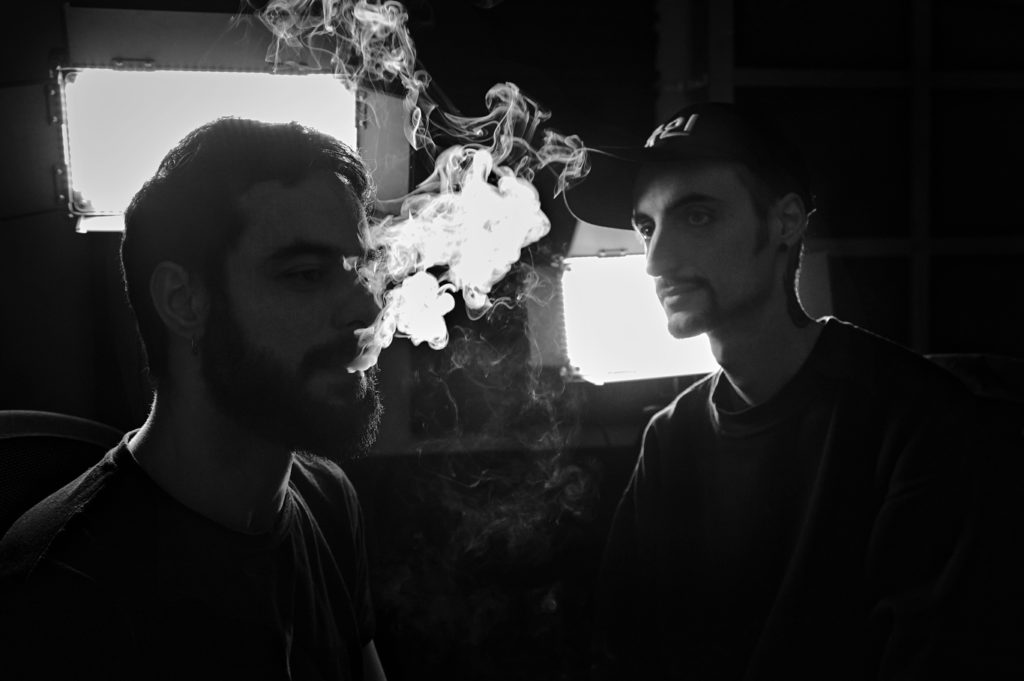
Dadub is a hybrid of electronic dub with techno influences, and its focus is on achieving a sound that’s impossible to geolocate. The project was founded by Dadub Mastering Studio‘s Daniele Antezza in 2009 in Berlin, Germany. In 2013, Antezza put out his first album as Dadub on Lucy’s Stroboscopic Artefacts.
The current lineup consists of Antezza and Marco Donnarumma, who joined in 2018. Together, they released A Sun Called Moon on Ohm Resistance earlier this year.
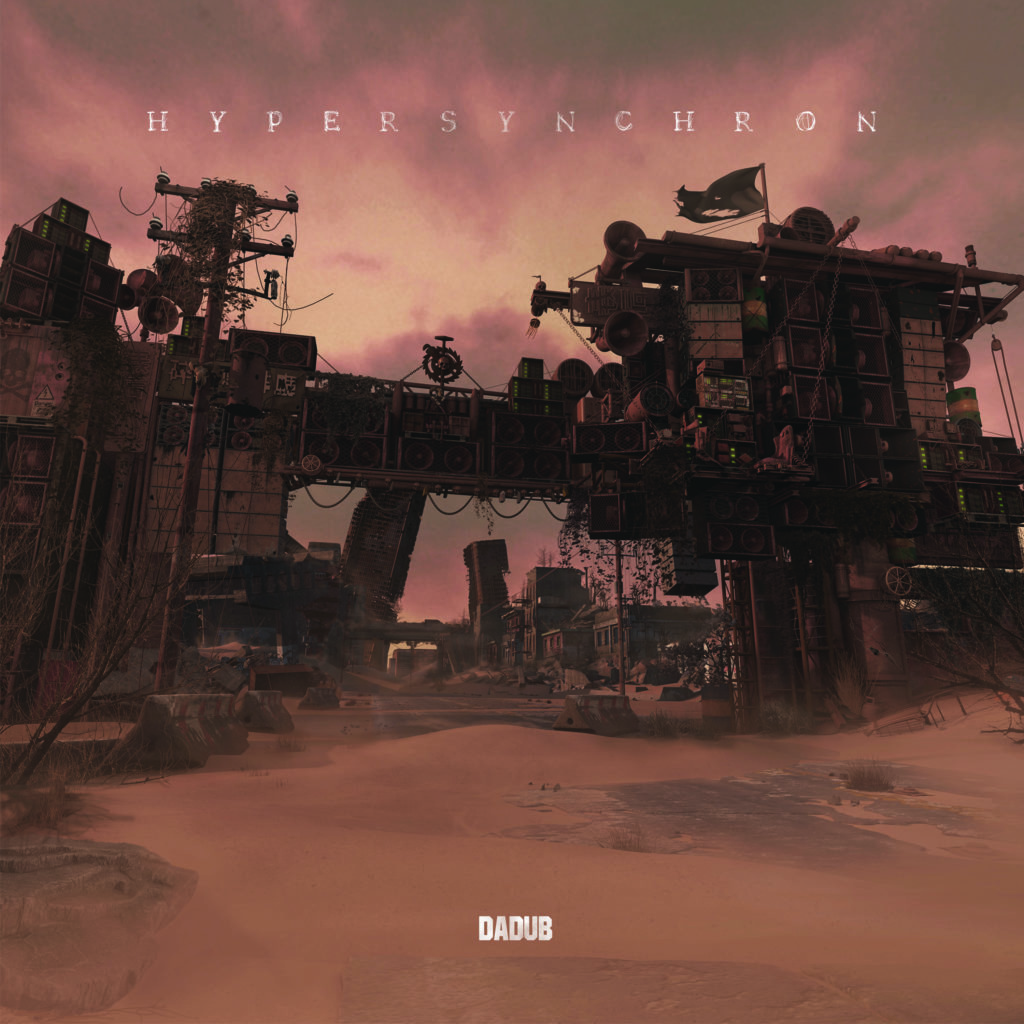
Hypersynchron, the new album, delivers forceful, thoughtful bass music. It sees Antezza and Donnarumma engaging new technologies and ancient instruments, and its rhythms set a future standard for bass music that’s “so alien and precise that it may indeed take centuries to reverse engineer,” they say. Antezza and Donnarumma label it “audio ayahuasca for the dimensionally adventurous.”
The record includes a SCORN remake of “Airless Subjugation,” a Dadub original. It’s mixed by Antezza and Donnarumma at Dadub Studio, and mastered by Xergio Cordoba at Eternal Midnight Studio, Madrid.
Artwork comes from Simon D’Atillia.
Tracklisting
01. Infinite Regresses 02. On Fungus Drool 03. Link to Quantum 04. Of Simulacra 05. New Rationales For Subjugation 06. Airless Subjugation (SCORN Remake) 07. Tranced Out 08. Airless Vault 09. Alien To Wholeness 10. Focus From the Outrage Ep. 1 11. Focus From the Outrage Ep. 2 12. Ascetic Denial
Hypersynchron LP is scheduled for October 23 release. Meanwhile, you can pre-order here and stream “Link to Quantum” below.
Bonobo has teamed up with Totally Enormous Extinct Dinosaurs on a dancefloor-driven 12″ that traces a line from 1980s New York through to the warehouse parties of today.
The two British artists struck up a friendship while in Los Angeles around 2015. Having spent years exchanging demos, they finally got into the studio together to record “Heartbreak” and b-side “6000 Ft..”
“Orlando [Totally Enormous Extinct Dinosaurs] was playing me a fairly stripped back idea he had for something last year,” Bonobo tells XLR8R. “We spent a few afternoons in his studio trying ideas out and eventually Heartbreak was the end result.”
The EP’s title track, released digitally today alongside a UK rave-inspired visual by director Tom Andrew, is a breakbeat-driven ode to New York’s disco revolution of the 1970s and ’80s. It samples Christine Wiltshire’s iconic vocal line “I can’t take the heartbreak” from the ’83 disco anthem “Weekend” by Class Action.
The release is the first to arrive on Bonobo’s new label, OUTLIER. Formed in partnership with Ninja Tune, the label expands on the series of shows under that same banner. We’re told that musically it will reflect the more club-focused side of what Bonobo is building with the events, and that “Heartbreak” was the catalyst to start it.
Tracklisting
01. Heartbreak 02. 6000 Ft.
Heartbreak EP will arrive on 12″ and digitally on November 13. Meanwhile, you can download the title track here, with a stream below. Further details surrounding the OUTLIER label will be revealed soon.
Co-directed by Collin Fletcher and Jamie Parkhurst, the film weaves together seemingly disparate and haunting vignettes into a transfixing short film that represents “the despondent beauty of modern life,” Fletcher and Parkhurst explain. The pair shot the footage around Los Angeles, California, and it depicts the album’s peaceful-yet-melancholic sound, unfolding in fragmented visions across the 29-minute runtime.
The world of Capricorn takes place in a world “plagued by pollution and developmental decay,” and the film is meant to depict a new generation that has grown up acclimated to this bleak environment.
Powers recorded Capricorn over a month of solitude near the Sawtooth Mountains following a severe panic attack that made his legs numb for a week. The album draws influence from Keiichi Koike’s Ultra Heaven, Richard Teschner’s puppets, and ancient folklore, Powers says. He recorded it with an old piano, a range of instruments, cassette recorders, and field recordings.
Released digitally and on cassette back in July via Fat Possum Records, the album is now also available as a limited edition vinyl release, which can be purchased via Bandcamp. Meanwhile, you can stream the full film below.
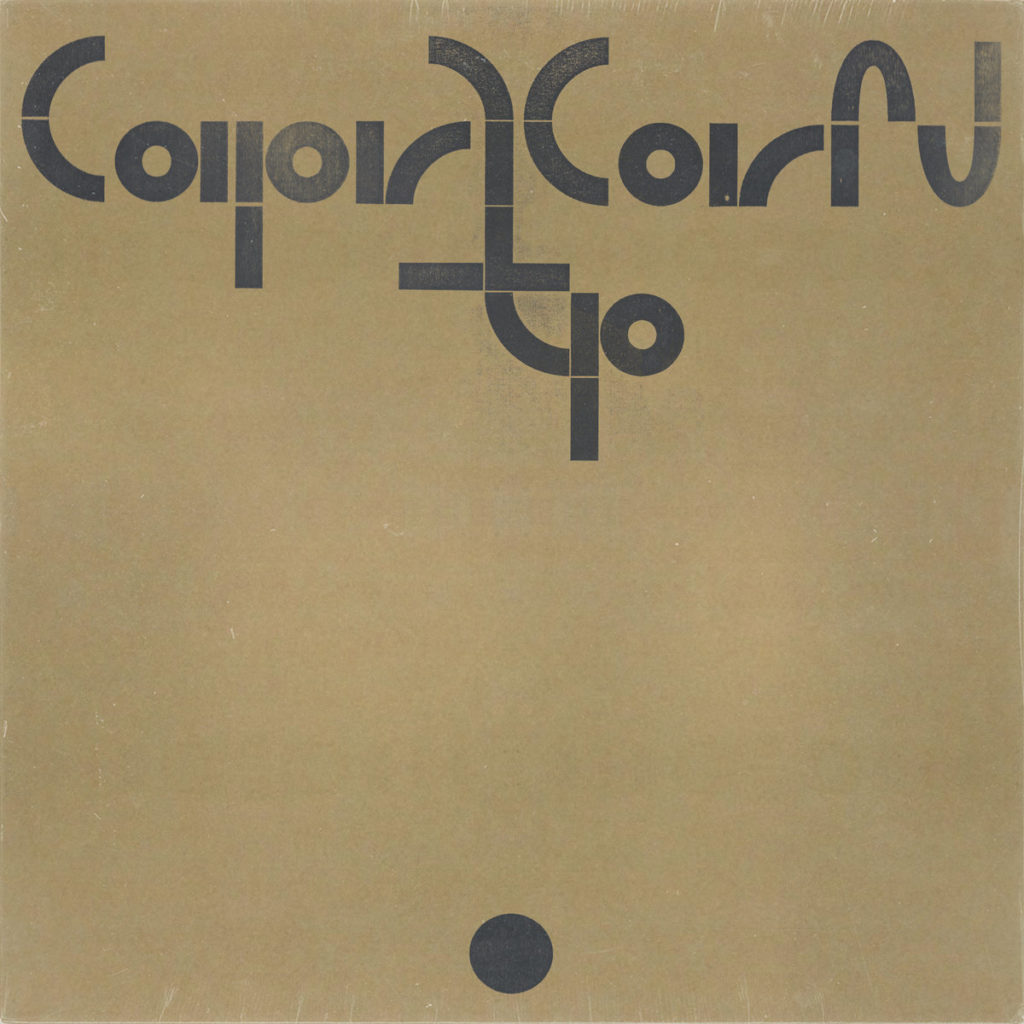
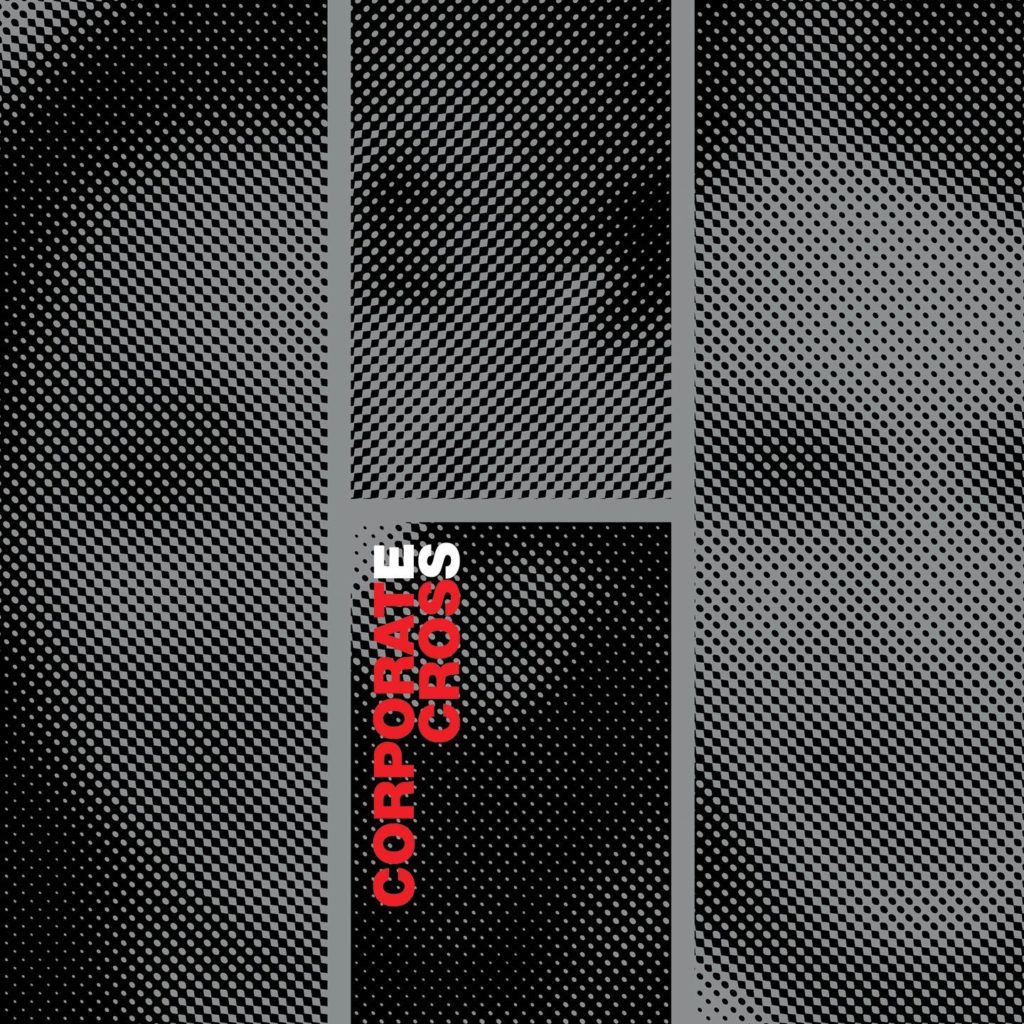
E-Saggila will release Corporate Cross, her new album, in November.
Corporate Cross is Rita Mikhael’s first album on Hospital Productions, the label of Dominick Fernow, and it follows earlier outings on Northern Electronics and BANK Records NYC. More recently, the Iraq-born Canadian sound artist contributed “Shd” to Houndstooth’s Alterity compilation.
Combining elements of breakcore, ambient, and twisted rhythms, the album provides a deep headphone listen that can also wreck any club system, we’re told. Heavy cut-up bass is immediate but never overrides detailed abstract melodic hooks. Each track explores a different facet of sound while maintaining an overall arc that grips the listener from start to finish, the label explains.
Across the release, Mikhael took inspiration from social anthropologist Mary Douglas, particularly in regards to an idea that associates “dirt” as a form of disruption to order. Mikhael hopes to capture this concept with compressed washes of melody noise and merciless drum building.
My World My Way, Mikhael’s last solo album, came in 2019. She returned to Northern Electronics with Anima Bulldozer, released this month.
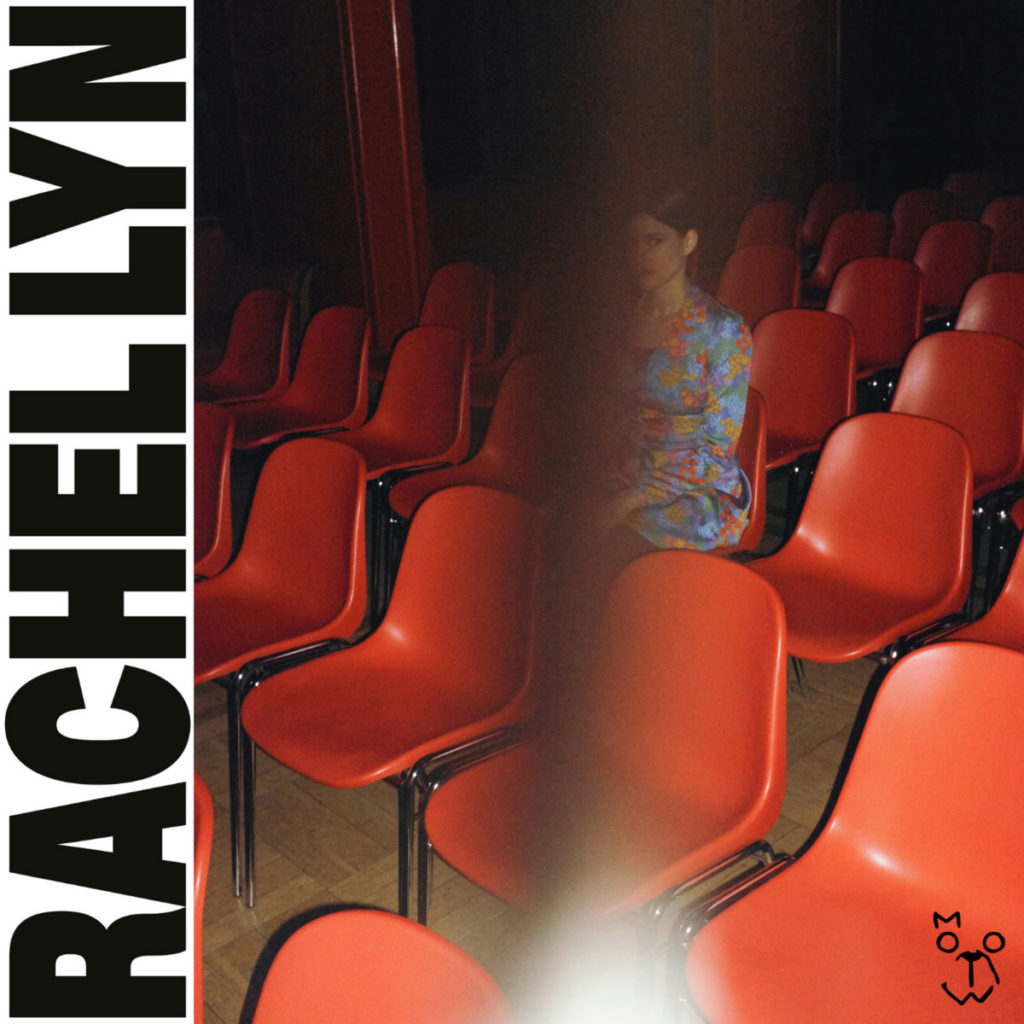
Rachel Lyn will launch her label with Oh Daydream, her debut solo album.
Lyn, an Australian based in Berlin, Germany, is known for her work with Modular Gang, an event series, and 3Ddancer, a live project alongside Alex the Fairy and Volruptus. Oh Daydream is her first solo album, and it’s said to introduce her on a personal and sonic level. She describes it as the “blooming of years of introverted development.”
The record is inspired by a youth spent in the ambiance of endless VHSs, early ’70s electronic pioneers, and Lyn’s classical ballet vinyl collection. Lyn describes it as a “personal sonic diary” where deep bass accompanies haunting vocals to construct captivating atmospheres.
Oh Daydream is an audio-visual release, which is to say the tracks are accompanied by videos in a collaboration with the Paris-based photographer and video artist David Paige. Paige’s imagery narrates Lyn’s poetry, adding an extra dimension to her sonic journey, she says.
As for the label, My Own Imaginary World will serve as a home for Lyn’s own intimate sonic explorations, she says. The music will focus on art noise and soundtracks, facilitating room for her emotions and imaginations, Lyn adds. The label logo was designed by Tombo.
Tracklisting
01. You (Acapella) 02. Make Me Feel Inside La La 03. Children’s Play 04. So Many Thoughts At Night 05. Fairy World 06. Seen Any Monsters Lately? 07. Chase 08. Shock You Through The Heart
Oh Daydream LP is scheduled for October 28 release. Meanwhile, you can stream “Make Me Feel Inside La La” below and pre-order here.
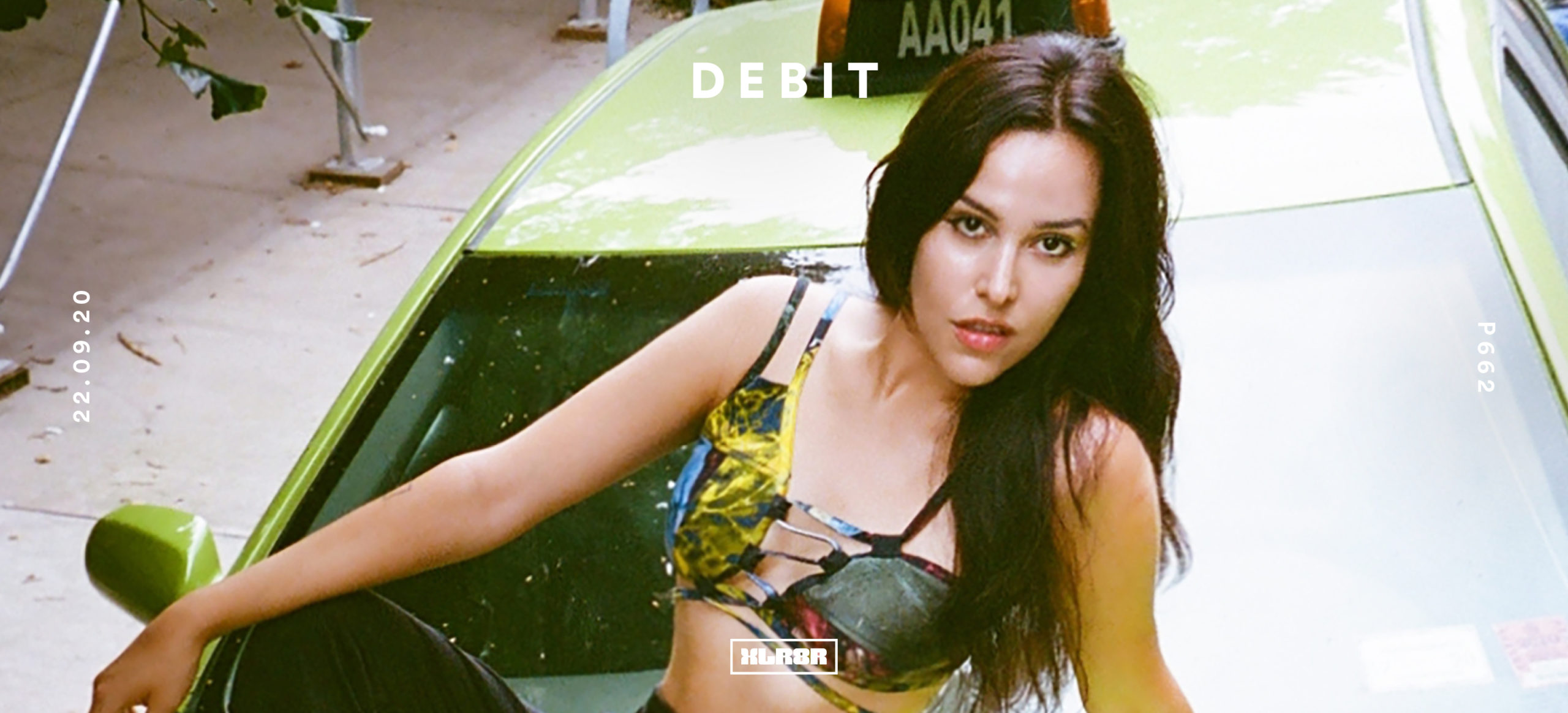
In a rich Latin American club scene, Delia Beatriz, or Debit, stands out as a name to keep an eye on. An integral member of the N.A.A.F.I collective, where she released Animus, her debut album in 2018, she broadly works in two genres of music: electronic dance, which is to say reggaeton, baile funk, and tribal; and experimental ambient and noise. These are her two poles, she says. She enrols at New York University.
Beatriz’ adventures in music began in 2008, when she concluded that the only way she could make a difference was through music. After returning to Mexico in 2012, following stints in South America, she started circuit-bending duo HDXD with her ex-boyfriend, which led into Debit. In 2016, she started to DJ and began producing as a solo artist, and that’s been her focus since.
While pursuing a master’s degree in Music Technology, as Debit, Beatriz has performed all across New York, purveying bass-heavy club rhythms through a Latin American lens. Since 2018, she’s been releasing her own productions, and her first major ambient work, the sold-out tape Love Discipline, came out in 2018. Outside of this, she co-hosts a radio show called “Oraculo” with Discwoman’s Riobamba. She features on the recent Dengue Dengue Dengue label compilation, available now.
Beatriz recorded her XLR8R podcast on September 15 in New York, after a tough day on a personal front. It’s heavy on the Latin American tracks, evoking contemplation and exhilaration through IDM, techno, and deconstructed club. It’s more wide-reaching than what you’d hear her play in a club, changing course more frequently, making it the best mix she’s ever recorded, she says. Buckle up!
01. What have you been up to recently?
I’m having a focused rebirth. Falling in love with life, which consists of rollerblading around town and in parallel to the east river, going to my studio in Brooklyn or at NYU, linking with friends and colleagues, and going to virtual classes for my last semester of graduate school.
02. How have you been spending the lockdown period?
My quarantine was a second adolescence of sorts, in both good and bad ways. I was in Texas at my parents’ house. Basically, I just attended online classes, walked my dogs every day, played “Guitar Hero” every night with my brother, and worked out. Creatively, it was absolutely the least productive period of my career.
03. What’s going on in New York at the moment?
I think the shock and damage of the pandemic has made bullshit less tolerable, which polarized the scenes in ways that made space for change. The city also literally emptied out, which removed a lot of the fluff in the social. This has yielded new energy, which is more authentic and emotionally accessible. I think this will start to manifest culturally soon, and we will begin to see and experience traces of some sort of renaissance. New York is a resilient, incredible place, and I’m excited to see how we will put it all back together.
04. Looking back, how did you learn to mix records?
Mixing first felt like an extension of production, probably because my first times were done in Ableton, and the software frames sonic construction in a specific way. The big shift happened when I learned to mix on Pioneer gear, namely the CDJs. My friends taught me how to navigate the interface and to approach the mix practically through BPM organization. In time, I gathered technical tips from lurking or through conversations with colleagues. However, my strongest paradigm shifts regarding conceptual framing came from seriously analyzing DJs at shows, or similarly from sitting down and listening attentively to people’s mixes. I think at this point I have internalized the technical, conceptual, and aesthetic ideas into an intuitive, unique way of mixing. I don’t think I fully understood music until DJing.
05. Where are you digging for music—and what do you think ties together the music you play?
I’m digging through the internet and the reality around me. Everything is fair game as a source. I try to keep up with who is releasing what and label catalogs and geographies of interests. I also always include older stuff because I don’t believe music is relevant simply because of the release date. What I preselect really depends on whether I’m doing a thematic, rhythmic, or harmonic mix. How those are mixed depends on the actual moment and action of recording.
What ties my references together is my aesthetic disposition: I’m fundamentally chasing a feeling. Beyond the aesthetic, geopolitical ties, implications of genres, and their history and meaning, it comes down to my intuition manifesting in this search of a feeling. Which feeling depends on where I am in that moment in relation to the outer and inner world.
06. There’s a lot been said about the South American music scene of recent. What do you think is driving it?
There is an inherent sense of edgy rebellion and romantic fragility that I feel from my South American colleagues, and that tension is why the work is so rich and important in the music that is being made. They also have to execute a very different game to rise and survive in the global panorama of music, since the points of entry to the market and forms of generating capital are less direct. I think this informs their political consciousness, thus making their experience even more unique.
There is also a general ideological rejection of the USA, while their historical ties are closer to the EU, making those references more present. I find this to be a significant difference between South and Central / North America. The history of and indigenous realities of South America are also varied, so the vibes are fused with extremely distinctive materials.
07. Where and when did you record this mix?
I recorded this mix on September 15 in my apartment, with the XDJ gear borrowed from my friend Burner Account. It was a shit day because my dad went to the hospital and I had to get myself out of some boy drama, but funnily enough, I think this may be the best mix I’ve ever done, although I have some reservations about the engineering; some parts are muddy!
08. What can the listener expect?
Emotionally: drama, action, contemplation, exhilaration, and resolution. Musically: extraordinary percussive freedom and diversity, experimental, IDM, baile funk, techno, high and low brow tribal, triplets, regular and deconstructed club, and a few beatless piano-driven accents here and there to give us space to process.
09. How did you go about choosing the tracks that you’ve included?
It was a geopolitical framing. It’s a mix that consists of New York, Latin American/ Latinx, and global tunes. I wanted the vibe to be exalted but also rooted. It has no narrative or theme, though.
10. How does it compare to what we’d normally hear you play?
I feel a broader sense of freedom when I mix for platforms. I don’t have attachments to the outcomes, which gives me an exploratory sense that yields greater musical discoveries. When I play live, I’m a people pleaser and I want the crowd to become one and reach unified dance trances, so I probably don’t take as many turns in the arc.
11. What’s up next on your agenda?
I’m writing my thesis and the corresponding album, which uses Mayan archeological wind instruments and machine learning. I’m composing the album using only the samples of these ancient instruments, the discoveries generated by the artificial intelligence, and speculative sound processing techniques I distill from the research. I’m producing an audiovisual theatrical performance of the work with my collaborator Symbios (a.k.a Isomov), whose music is actually in this mix. I’m also wrapping up some work for Splice and working on lots of collaborations, with vocals, which is kind of new for me.
XLR8R has now joined Mixcloud Select, meaning that to hear the podcast offline you will need to subscribe to our Select channel, or subscribe to XLR8R+ to download the file. The move to Mixcloud Select will ensure that all the producers with music featured in our mixes get paid. You can read more about it here.
Full XLR8R+ Members can download the podcast here.
Tracklisting:
01. Don Toliver “No Idea” (Debit Clueless edit) (Unreleased) 02. Tony or Tony “Acid Flex” (Unreleased) 03. CNDSD “Exhale Azala” (Subreal) 04. Arca “Else” (Galtier Reconstruct) (Pineal Sounds) 05. Los Prisioneros “Tren al Sur” (Lechuga Zafiro remix) (Unreleased) 06. Tygapaw “No Boderation” (Sweat Equity) 07. Rizu X”Throwing Shade” (Unreleased) 08. Isomov “Perpetual 3_1” (Unreleased) 09. OMAAR “Groove” (N.A.A.F.I) 10. Object Blue “Neo Noir” (Nervous Horizon) 11. Alfonso Luna “Grandes Danzas” (Kumbale) 12. Elysia Crampton “Crest” (feat. Fanny Pankara Chuquimia) (PAN) 13. WildKatz “NightLight” (Aded Files) 14. Soda Plains “Glacier” (PAN) 15. Pre-columbian & Estoc “March” (Majia) 16. Siu Mata & Amore Satyr “Tachyon-Particles MST” (Hiedrah Club de Baile) 17. Nick León “Luna y Sol” (feat. Lila Tirando Violeta) (Kebrada)
Sueuga Kamau is a mysterious duo from Oakland, California. In May, they released GrietaonPeru’s Terror Negro, imagining their own afro-latino heritage. Now they return with a record filled with darkness, roaring drums, machinery, and a beautiful abrasion, we’re told.
Launched in 2013, Hiedrah Club de Baile provides safe spaces for the LGBTQ and POC communities they serve. Having run the biggest alternative club events in Buenos Aires for some years, the’ve now launched a label of the same name, calling on artists in their orbit.
Tracklisting
01. Distrubios 02. Cierra la Boca ft. La Favi 03. Debería Dejar 04. 1973
1973 is scheduled for October 16 release. Meanwhile, you can stream the title track below and pre-order the record here.
Colombian group Contento have shared the video for the second single off their upcoming album, Lo Bueno EstáAquí, meaning The Good Is Here.
Made up of Geneva-based artist Paulo Olarte, who is also a member of Acid Coco and El Dragón Criollo, and Barcelona-based DJ and producer Sebastian Hoyos (a.k.a. Sano), Contento look to make “a new salsa sound that will make you want to discover some of the older sounds,” Olarte explains. It’s a modern take on salsa they describe as “salsapunk” that combines cumbia and Nuyorican boogaloo, with a dash of soukous, in a “retro-smart” way.
The new album, which is set to drop via El Palmas Music, presents eight tracks that form a rhythmic and nostalgic wonderland, crafted with “what they have at hand,” which, in this case, was a collection of vintage drum machines, bass, keys, and guitars. They recorded it between 2016 and 2019, meeting on and off in Barcelona and Geneva to lay down some of their ideas. The eight best numbers became Lo Bueno Está Aquí.
The group have now shared a video for album cut “Pao Palante,” which uses stunning cinematography to showcase Colombia’s beauty, from the picturesque landscapes to the people and its gloriously uplifting music.
You can stream “Paso Palante” below, with the track available for pre-save on streaming platforms here. Lo Bueno EstáAquí can be pre-ordered via El Palmas Music’s Bandcamp page ahead of its November 6 release. You can view a tracklisting below.
Tracklisting
01. Dale Melón 02. Loco Por Tu Amor 03. Lo Bueno Está Aquí 04. De Todas Maneras 05. Paso Palante 06. Las Gotas 07. Pelo Negro 08. Enlulao