XL Recordings Teases New Burial Music

XL Recordings has teased new music from Burial.

Yesterday morning, XL shared a 14-second audio clip via X (f.k.a Twitter) with the XL and Burial logos layered over one another. Another clip with different audio was shared to Instagram. No other information is available.

The Hyperdub signee has previously worked with XL Recordings on his Four Tet and Thom Yorke collaboration, Her Revolution/ Rope, which came out in 2020. He’s also released on fabric Originals and Nonplus.

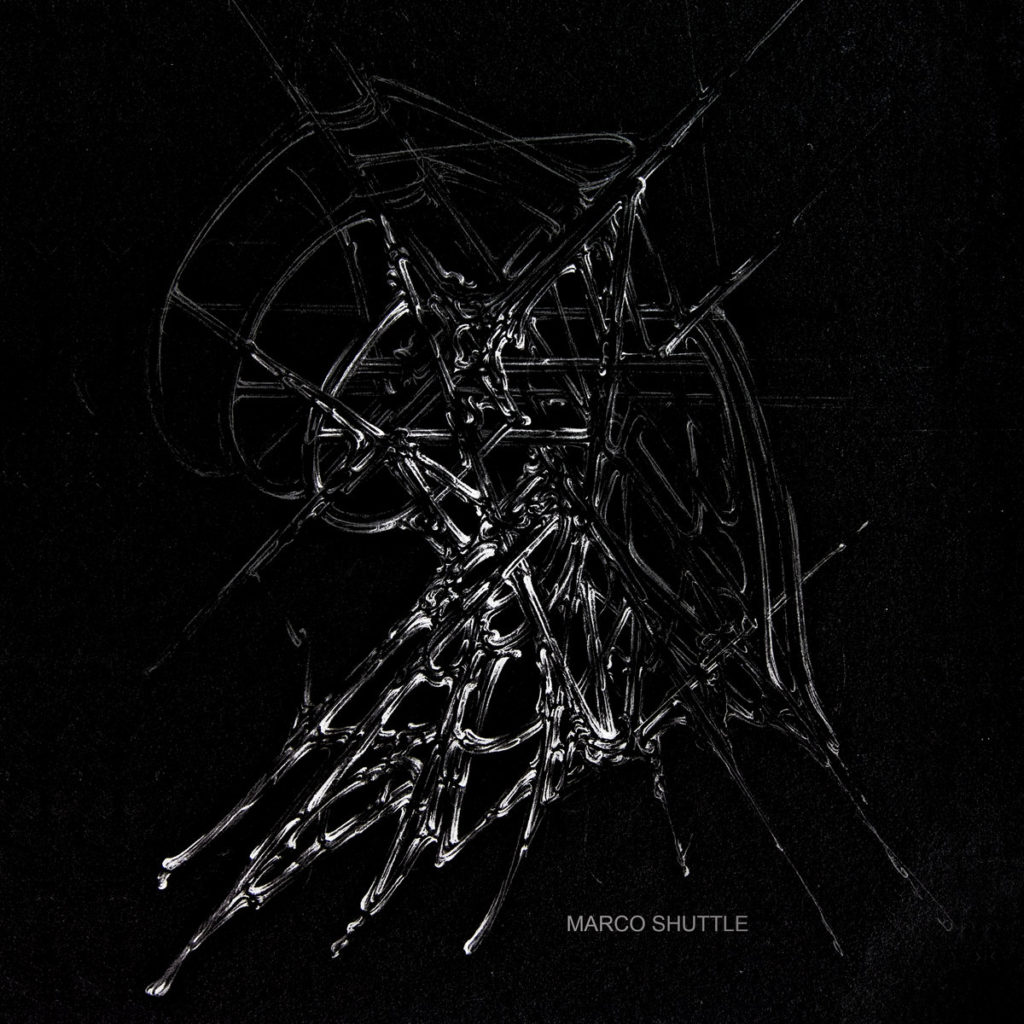
Marco Shuttle Launches Label with New EP

Marco Shuttle will release a new EP next month.

MSP01 is the Italian DJ-producer’s first release on MSP, short for Marco Shuttle Productions, a new platform for his more dancefloor-oriented productions. It comes after a relatively long break following more downtempo and abstract endeavours on his album on Incienso.

For more information on Marco Shuttle, check out his XLR8R podcast here.

Tracklisting

01. On A Razor’s Edge
02. Bella di Giorno
03. Endless Vanishing Point
04. Hovergroover

MSP01 is scheduled for January 18 release. Meanwhile, you can stream “Endless Vanishing Point” in full via he player below and pre-order the release here.

Alex Albrecht is Back on Australia’s Analogue Attic

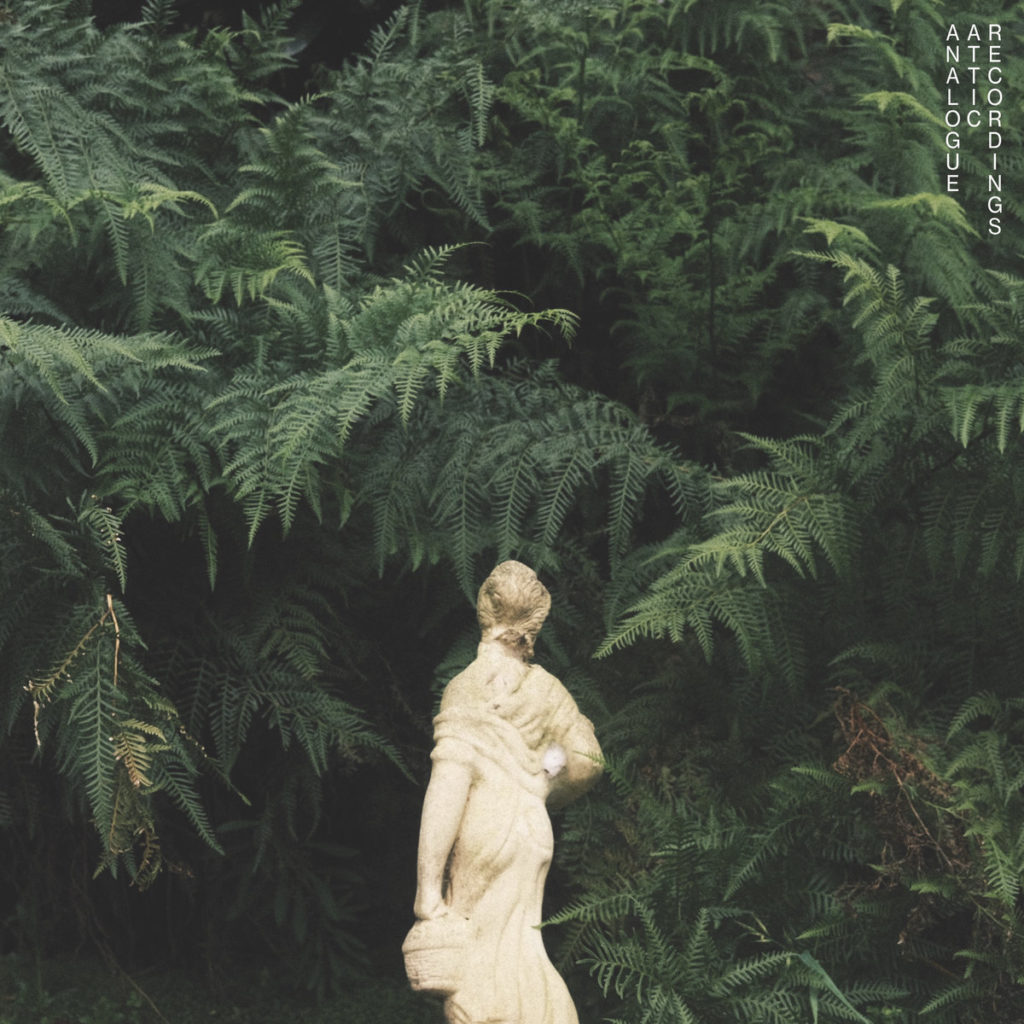
Alex Albrecht will returns to Analogue Attic Recordings for the Australian label’s inaugural release of 2024.

Allambie is an immersive exploration spanning house, downtempo, and ambient genres. While it’s characterised Albrecht’s trademark field recordings and enchanting piano motifs, the release integrates new hardware and synth sounds to his palette.

Albrecht is perhaps best known for his work as part of the duo Albrecht La’Brooy—a collaboration with Sean La’Brooy. Aiming to showcase “the gentle side of electronic music down under,” the pair have been putting out a bewitching hybrid of techno, house, ambient, experimental, and jazz for nearly a decade. Most of this has come through Analogue Attic, the label they share, but their two albums—Tidal River in 2018 and Healesville a year later—have come through Apollo, the ambient division of R&S Records. 

As a solo artist, Albrecht has put out music on Analogue Attic but also A Strangely Isolated Place and Scissor and Thread.

Tracklisting

01. Rail Bridge
02. Green Shade
03. Minak Reserve
04. Could It Be You
05. Drysdale Road
06. Paddy Track Dub
07. Allambie

Allambie LP is scheduled for January 18 release. Meanwhile, you can stream “Rail Bridge” in full via the player below and pre-order here.

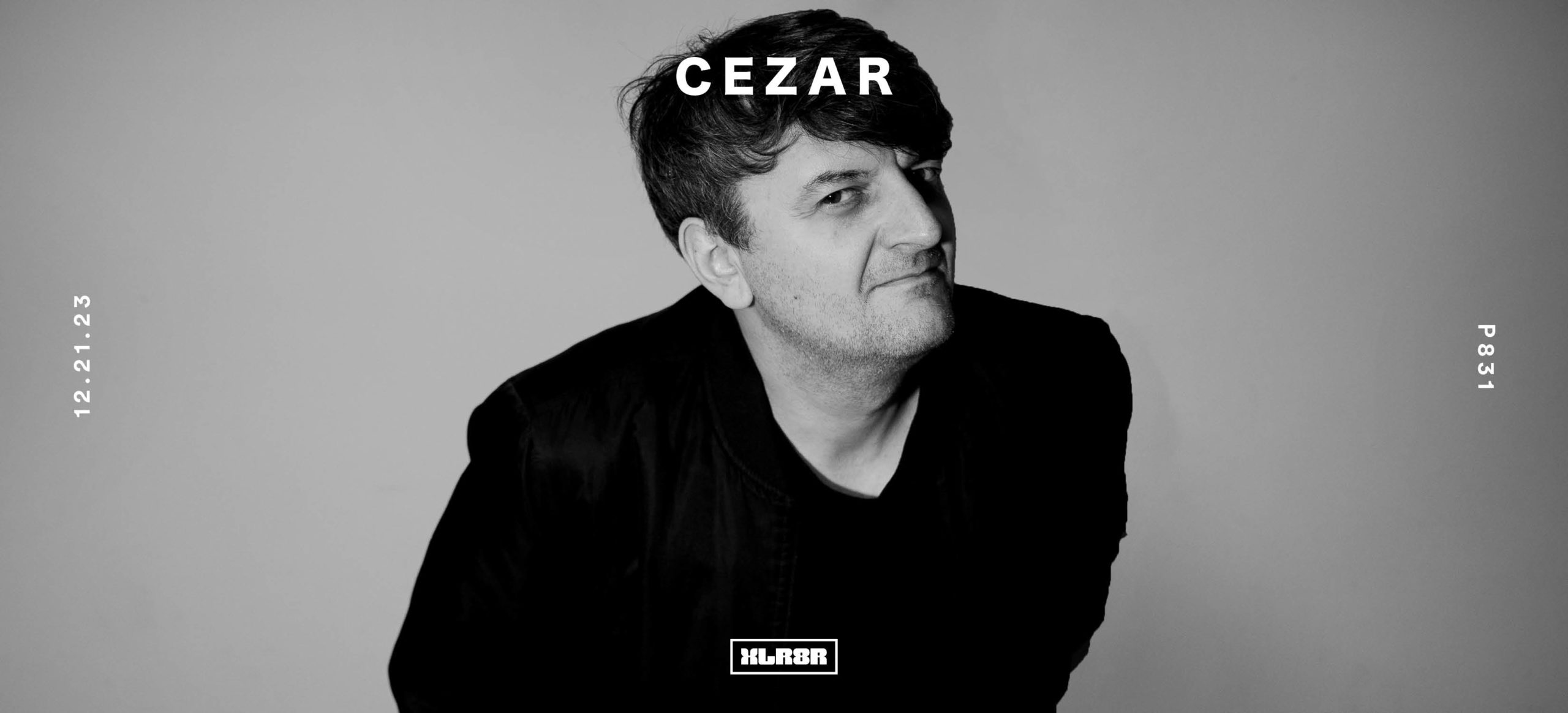
Podcast 831: CEZAR

Over here at XLR8R, we have covered the Romanian hypnotic minimal community extensively—check out our overarching feature here, plus our podcasts from Cristi Cons (and an interview), Amorf, Priku, Dubtil, and Dan Andrei. Plus, there’s a studio feature with Vlad Caia.

At the heart of this collective stands one individual we’ve been eager to feature for years: Cezar Lazãr (a.k.a CEZAR), the founder of Understand, a trailblazing label where you’ll find releases from Rhadoo, Amorf, Prâslesh, and more, and a co-founder of the Ourown vinyl distribution center based in Bucharest. Few artists can lay claim to having contributed more to the genre’s ascent.

Away from this, CEZAR heads up Algorhythm of Unknown, a label that fuses jazz and electroacoustic elements, resulting in a “transformative auditory experience that defies traditional genre boundaries,” he says. (Check out an album of his here.) He also teaches audio engineering to younger artists who more than likely have been inspired by his work as a DJ-producer, which leads us nicely onto that.

Through his releases, which are rare but worth waiting for, CEZAR specializes in crafting intricate minimal experimental techno. You’ll find his EPs on Understand, Amphia, the label of Cristi Cons and Vlad Caia, and Atipic Records, where he recently released a new EP.

And as a DJ you’ll find him spinning records and playing plenty of unreleased studio jams across Europe. Until now, that’s pretty much the only place you could hear his sets: “Until this year, I was a little bit conservative about sharing recordings of my DJ sets,” he told XLR8R recently. But after 20 years of playing, he thinks it’s about time to have more of his music online. That begins with this XLR8R podcast, recorded live at the ninth edition of Dor de Munte festival in Romania over the summer. Dial in for nearly four hours (Yes, this one’s a long one) from one of the masters of the craft.

01. What have you been up to recently?
My days recently have been a mix of DJing and studio sessions. The South American tour with Praslea was an incredible experience, sharing our mutual passion for music with new collaborators, artists, and fans. I’m excited about the positive reception to my latest EP just released on Atipic Records and a new album on my experimental label, Algorhythm of Unknown, featuring collaborations with fellow musicians. Balancing these musical endeavors with teaching audio engineering brings my professional life full circle.

02. How has your 2023 been?
The challenges faced by the music industry in 2023, with a two-year gap in events and various restrictions, led to a dramatic shift in the scene. Despite these hurdles, I navigated through by consistently traveling while keeping a strong focus on production. I’ve created a dozen new tracks and have been gearing up for live performances with my new formed band, Prismatic.

03. When and where did you record this mix? What made this particular set so memorable?
This mix was recorded during the ninth edition of Dor de Munte, which that took place near Brasov, on June 1, 2023. This annual event, organized by Sunrise and proudly made by us, holds a special place in our musical culture. Set against the backdrop of mountains, this breathtaking environment serves as a unique source of inspiration, making it a distinctive experience for performers and participants.

04. Can you talk to me about some of the artists and tracks you’ve included?
I consistently strive to achieve a harmonious blend of classic and contemporary tracks, balancing released and unreleased music. My primary emphasis during performances lies in storytelling, and navigating the challenge of improvisation across various genres within the framework of electronic dance music is both demanding and gratifying. Much like in a story where each detail holds significance, I believe that singling out just a few artists is unfair.

05. What’s on your horizon for the new year?
Exciting plans ahead! Releasing new material on the Understand label and preparing for the first Prismatic album, all while continuing my journey as a DJ.

XLR8R Subscribers can download the podcast below. If you’re not an XLR8R subscriber, you can read more about it and subscribe here.

Editor’s Note: There is no tracklisting for this podcast.

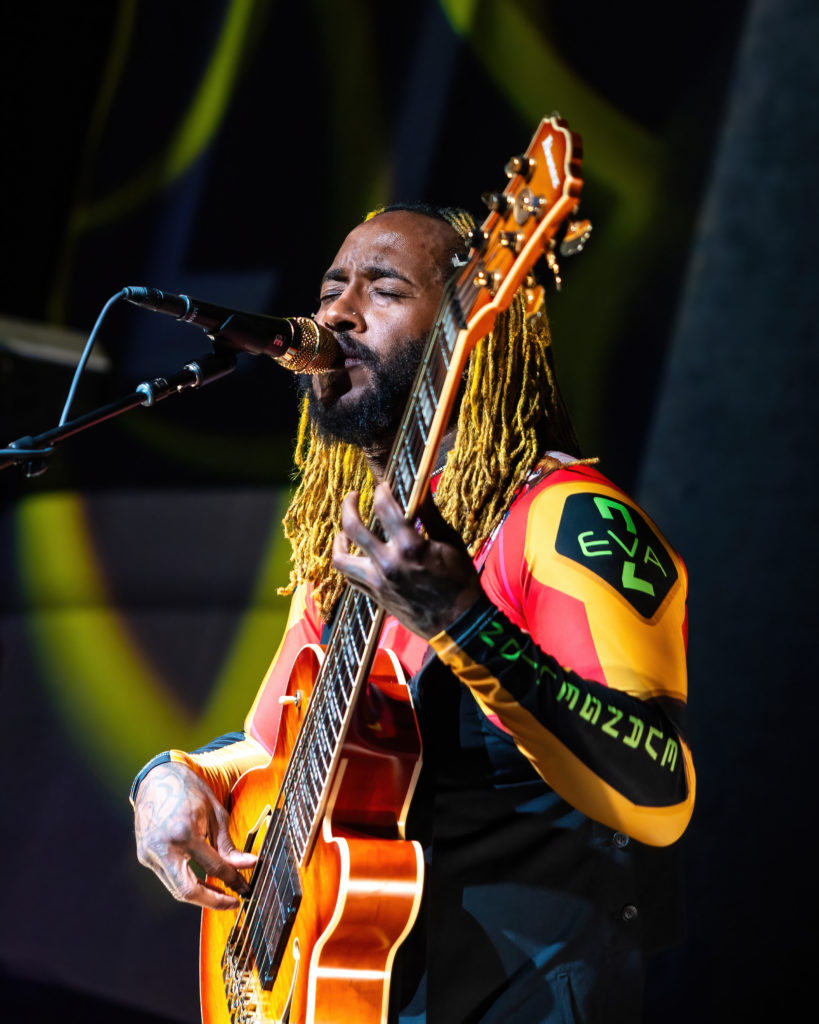
Thundercat to Release 10th Anniversary Edition of ‘Apocalypse’

Thundercat will release a special deluxe edition of his album Apocalypse to mark 10 years since its original release.

The new edition contains two previously unreleased tracks, “Before I loved myself ‘I’ pooped my ankles (true)” recorded with Austin Peralta and Taylor Graves, and “Paris” with Mono/Poly.

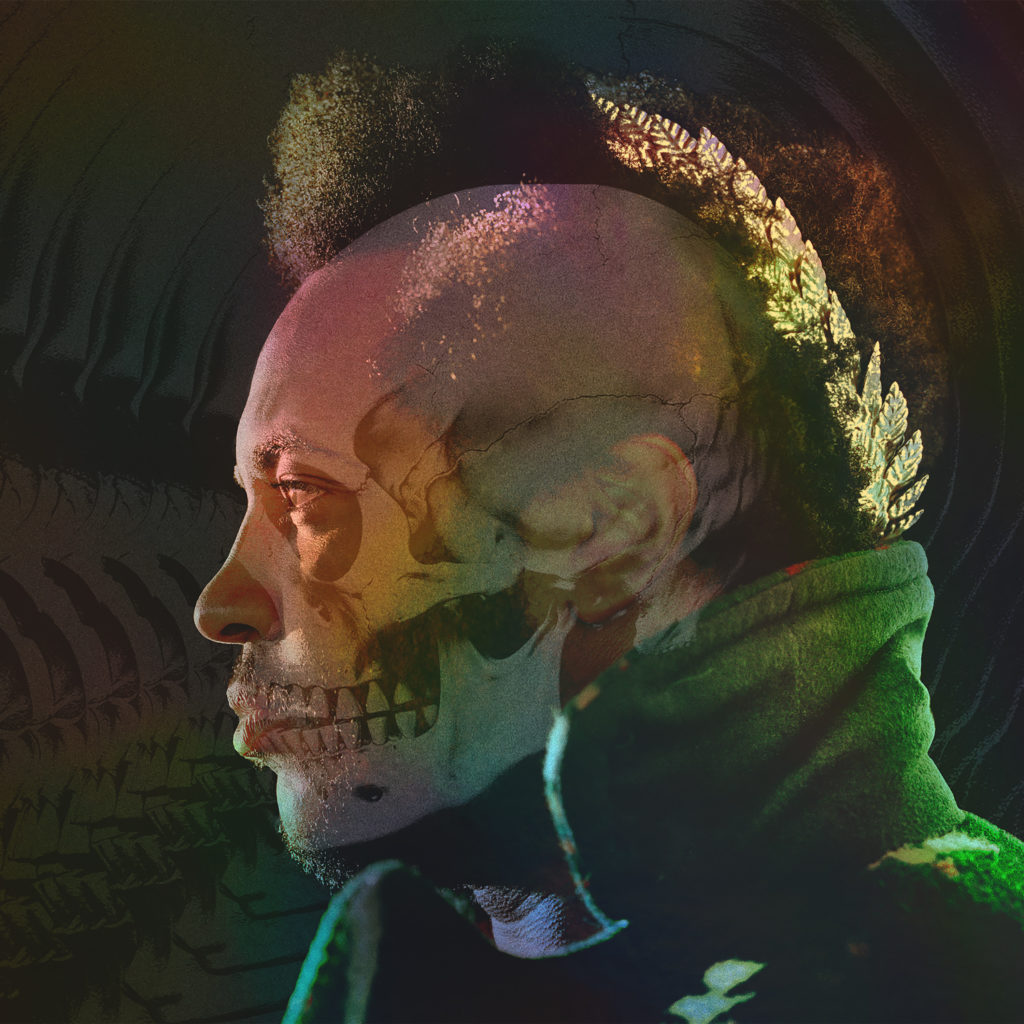
The deluxe LP also features special rainbow holographic artwork housed inside a transparent PVC outer slipcase complete with “x-ray” holographic skull print.

Packed with gems including “Heartbreaks + Setbacks,” “Lotus and the Jondy,” “Tron Song” and the all-out cosmic funk bullet “Oh Sheit, It’s X,” Thundercat brings a fusion of pop, soul, electronica, prog rock and funk with his signature basslines gliding sky high to meet Executive Producer Flying Lotus’ astral touch.

Thundercat will be back on tour in Europe in Spring 2024. The UK leg takes in Glasgow, Dublin, Manchester, Newcastle, Bristol, Wolverhampton, and culminates with a special four-night residency at KOKO in London.

Tracklisting

A1. Tenfold
A2. Heartbreaks + Setbacks
A3. The Life Aquatic
A4. Special Stage
A5. Tron Song
A6. Seven
A7. Oh Sheit It’s X
B1. Without You
B2. Lotus and the Jondy
B3. Evangelion
B4. We’ll Die
B5. Before I loved myself “I” pooped my ankles (true)
B6. Paris
B7. A Message For Austin / Praise the Lord / Enter The Void

Apocalypse LP is scheduled for March 1 release, with pre-order available here.

Press photo: Ariel Goldberg

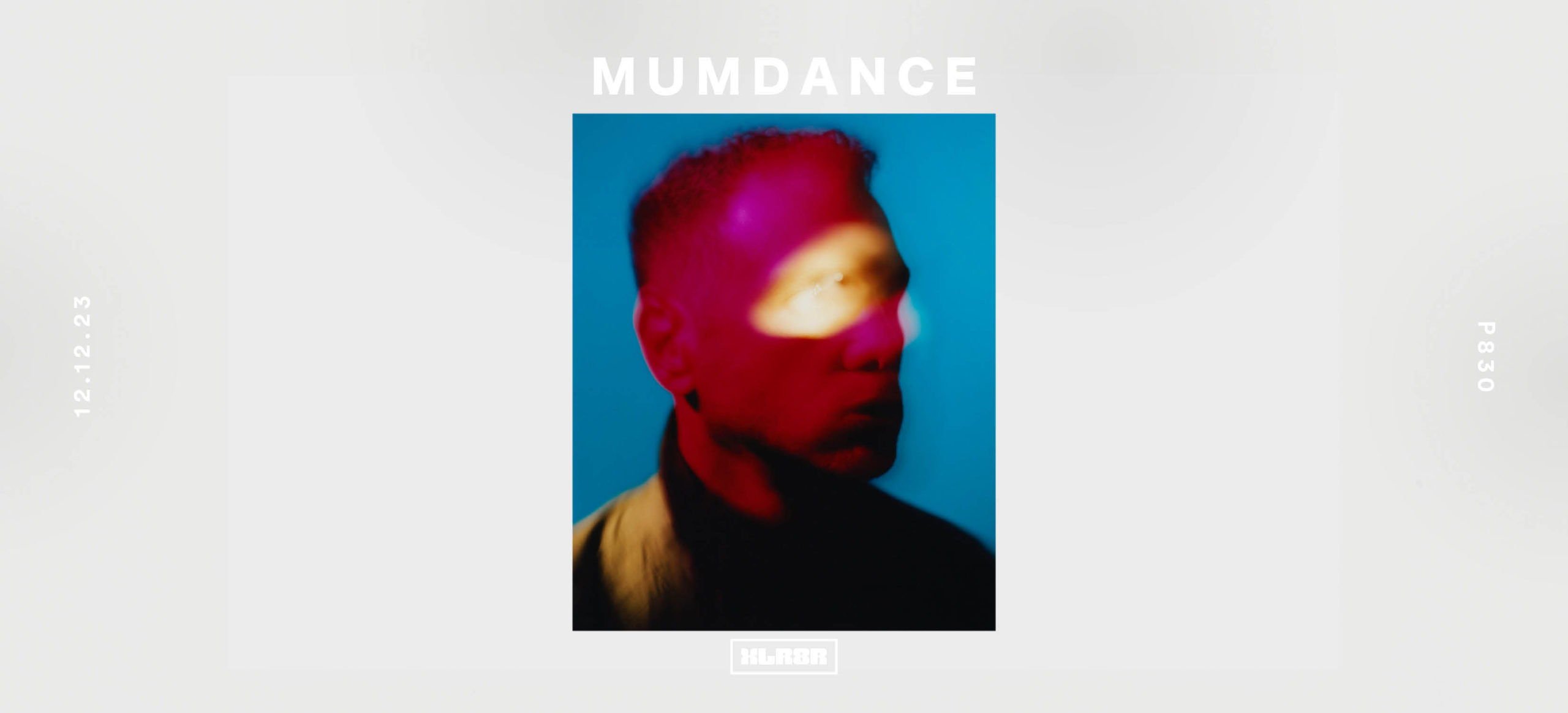
Podcast 830: Mumdance

Mumdance, born Jack Adams, is behind some of the most innovative dance records of the last decade—including his collaborations with MC Novelist (“1 Sec” and “Take Time” released on XL Recordings and Rinse), a series of club 12″s with Pinch, and his 2019 album, Proto, in collaboration with Logos. His sound is one that twists grime, techno, avant-garde electronics and the UK soundsystem continuum into strange new shapes which is the same as what he presents from behind the decks.

Adams, who is based in the UK, is a DJ with extraordinary breadth, and this is something encapsulated by the Radio Mumdance project, a series of weekly radio shows on Rinse FM and NTS which saw him play back-to-back sets with the likes of DJ Stingray, Ben UFO, Josey Rebelle, and Nina Kraviz. After taking three years away from music in 2019, he returned invigorated in 2022, launching an extensive online archive of his work from the past 14 years and he returned to the DJ fold. After a busy followup year, Adams has delivered an XLR8R podcast to showcase his latest records, weaving together one hour of techno, grime, jungle, hardcore and more. “It’s a distillation of tracks which provoked a reaction within me, be it emotional, physical, or cerebral,” he says.

01. What have you been up to lately?
Going to bed early, getting up early, working a day job, reading books, opting out of social media, helping out where I can.

02. What have you been listening to?
Pretty much exclusively Woods of Desolation, especially the The Falling Tide and Torn Beyond Reason albums.

03. What is it that appeals to you about dance music?
It has always been a means of escape for me.

04. Where did you record this mix?
At Ten 87 Studios in Tottenham, London.

05. How did you go about choosing the tracks?
I tried to go on instinct and trust my taste.

06. How does it compare to what we might hear you play out live?
It’s a condensed version. When I play out these days it’s usually all-night sets; six, eight, sometimes even 10 hours!

08. What’s next on your horizon?
A hot black coffee and cold glass of water.

XLR8R Subscribers can download the podcast below. If you’re not an XLR8R subscriber, you can read more about it and subscribe here.

Tracklisting

01. Heinrich Schwarzer “Figur0_3-39” (Conditional)
02. 4-й энергоблок “Привыкай к земле” (Nv Rec)
03. ASA “We Need A Medic” (Raster)
04. Beton Brut “Shell Shock” (Coyote)
05. Jules Becker “Face Value” (All Centre)
06. Meta “Fault Line” (Henry Greenleaf Remix) (Unreleased)
07. Griffit Vigo “Felicia” (Yuku)
08. Zek “Jerk Off” (Unreleased)
09. Outhere Brothers “Don’t Stop” (Aureus)
10. Rhyw “Spritz” (Fever AM)
11. Minciisha Ieraksti “BOBO” (Unreleased)
12. Pruvan “Flagrant Vagrant” (Tectonic)
13. Josh Pan and X&G “Platinum” (6amsunset Remix)(Unreleased)
14. Lillia Betz “Evil” (Unreleased)
15. Soulchaser “Heartache” (Sync Records)
16. D3U5E & GAV “Went Back” (Of Paradise)
17. Beatrice M. “Call” (Hundert)
18. Szare “Raindrops” (Unreleased)
19. FIS “Wise Man” (Exit)
20. Amit “Flow Off” (Amar)
21. Last Life “Hidden” (Donato Dozzy Remix) (Samurai Music)
22. Raiden “Type 0” (Humanoid)
23. Genotype “Angry Business” (Renegade Hardware)
24. Technoist “Causal Loop Paradox” (Cocktail Party Effect Remix) (Grey Meta)

Seth Troxler and Phil Moffa Return as Lost Souls of Saturn

Seth Troxler and Phil Moffa will release a new album as Lost Souls of Saturn.

On Reality, we’re told the pair go “even further into the vortex” than on their first album, metamorphosing into sci-fi comic characters John and Frank who’ve explored the galaxy and returned.

Although Reality still possesses the “wigged-out conceptual brilliance” of their debut album, there’s “vividness amidst the mind-bending,” we’re told.

Where its predecessor was a murky exploration of weird and dark cerebral passageways, this album has a “dazzling clarity of sound,” we’re told, as if listeners are “beginning to crack the arcane codes, and reach for enlightenment.”

“It’s not commercializing, but maybe just reaching out a little more,” says Moffa. “We’ve done this as art, we’ve got to this point where really far-out people and museum creators and a few other people get it, but now we want to show everyone.”

A prime example of this is the chugging cosmic techno synth pop of “Mirage,” featuring the voice of Adam Ohr, which is the album’s first single and comes with remixes from Perel and Matthew Dear.

Elsewhere, passages of techno, dub, house, jazz, psych, and ambient are vapourised into “an expansive yet pleasingly concise series of morphing dream states.”

Fans of Air Liquide, Ravi Shankar, Carl Craig, Pole, and should enjoy.

Reality will be accompanied by an augmented reality graphic novel, which tells the origin story of John and Frank, created in collaboration with graphic novel artist Rob Shields.

For more information on Lost Souls of Saturn, check out their XLR8R Influences podcast here.

Tracklisting

01. Zorg Arrival
02. Scram City
03. Realization
04. This Foo
05. Click feat. Lvv Gvn
06. Metro Cafe
07. Mirage feat. Adam Ohr
08. Lilac Chaser feat. Protomartyr

Reality LP is scheduled for February 2 release on Holoverse Research Labs and Slacker 85 Records. Meanwhile, you can stream “Mirage” in full below and pre-order here.

Julia Govor Debuts on Semantica with New Album

Julia Govor will debut on Semantica with a new album.

On Laika And Ulka Were Here, Govor takes listeners on an “intergalactic journey,” we’re told.

The record invites listeners to set off on a “cosmic adventure” alongside Govor, her faithful dog, Laika, and her brave friend Ulka, as they explore galaxies in search of a new home.

As they travel from one planet to another, they cling to the hope of finding a signal that will guide them back to Earth or lead them to a new home. This EP is an exploration of themes such as companionship, resilience, and the search for a place to call home.

The inspiration behind Laika and Ulka Were Here stems from the poignant story of Laika, the first living creature to orbit the Earth. Through her music, Govor aims to raise awareness and evoke empathy for the plight of animals.

Sonically, we’re told to expect six tracks that showcase Govor’s “mastery of modern techno, cinematic harmonies, and intricate sound design.”

Tracklisting

01. Laika Was Here
02. Cold Shadow Of Jupiter
03. Close To The Sun
04. Space Dust, Born Trust
05. Manovra Di Gravità
6. Ulka Was Here

Laika And Ulka Were Here LP is scheduled for February 16 release. Meanwhile, you can stream “Close to the Sun” in full via the player below and pre-order here.

Christian Löffler Shares First Taste of New Album

Christian Löffler has shared a new single called “Roused.”

On “Roused,” featuring singer Malou, the German musician brings together powerful, punchy, and dreamy sonic musings to do what he does best: convey emotions.

Löffler’s driving beats are softened by Malou’s laid-back singing style. Vocals, beats, and arousing, spine-tingling textures climax together in the track, exploding in feelings of freedom and exhilaration.

“‘Roused’ marks a new beginning for me. It captures the transition into a more positive, hopeful sonic realm. It symbolizes the awakening of a sound that has resided within me for a long time but has seldom been employed in recent times,” Löffler says.

The track is the first taste of a new album called A Life, on which Löffler questions the influence of AI in music and his musical journey.

On creating his new material, Löffler says: “I wanted to forget the idea of polishing or perfection and really just make something very human, with passion, impulsiveness, and even mistakes.”

He adds: “With the new album, I wanted to free myself completely from all possible structures or rules. I was coming back to my roots and my teenage times when creating the music was all about having fun and nothing more.”

Growing up in Graal, the picturesque German outpost set on the Baltic coast, has undoubtedly shaped Löffler’s work, whether it be a conscious effort or not. You can read more about him in his XLR8R studio feature here and his podcast here.

Tracklisting

01. Roused feat. Malou

“Roused” is scheduled for December 8 release on Ki Records. A Life will land in April 2024.

Download an Ableton Live Set From DJ Gigola

Have you ever considered the role that rhythm plays in shaping our health? Beyond the beats that accompany our favorite tunes, rhythm permeates every aspect of our existence, from the steady cadence of our heartbeat to the rhythmic flow of our breath. 

DJ Gigola’s inaugural solo album, Fluid Meditations, draws profound inspiration from these intrinsic bodily rhythms. Rooted in her academic background in medicine, her work reflects on a world going out of sync while guiding us back to the healing potential of music, meditation and spirituality.

As a teenager growing up in Berlin, Gigola—real name Paulina Schulz—discovered her passion for DJing. Joining the international collective Live From Earth in 2016, she found a network of like-minded artists whose unwavering support helped put her on a path towards a globetrotting music career. After a series of successful collaborative EPs, including “No Es Amor” with Kev Koko and Perra Inmunda, she has been meticulously honing her craft as a solo artist producing notable tracks such as “In The Mood” and “Gigi Groove”.

In partnership with Ableton, we interviewed Schulz about the conceptual and technical approaches underpinning her work. For a direct look into her creative process, she’s also shared the Live Set of her track “Unfolding Practice II.”

Download the Live Set to DJ Gigola’s track “Unfolding Practice II” here*

*Requires a Live 11 Suite license or the free trial.

Please note: This Live Set and included samples are for educational use only and cannot be used for commercial purposes.

Paulina, thanks for talking with us today. First of all, can you describe how your experience as a DJ inspired your move into music production? 

When I would transition the songs I mixed, it was always this aspect of my DJing that felt like music creation. But obviously, I couldn’t take those creations away and release them afterward. As my music selection is very genre-fluid, I was also always looking for songs that could connect the genres elegantly, but I often couldn’t find any. So it was the lack of songs I needed for my sets and the inspiration I experienced when mixing, that first made me want to explore music production. 

So how did you get started producing your own music?

I met Kev Koko, who is a very experienced producer. He used to be with the techno band FJAAK. I told him I wanted to explore production and that I had all these different ideas. He said, “Why don’t you come to my studio and we’ll just do a session.” That was basically how it started. He taught me the basics and encouraged me to write lyrics. He taught me a lot about vocal mixing. He introduced me to Ableton Live, to plug-ins, to writing melodies, and everything like that. After three collaborative EPs and one remix we did together, I felt comfortable enough to do my first solo project, “In the Mood,” which I released in 2022. Fluid Meditations followed in 2023. 

What steps did you take to prepare yourself for releasing solo music?

Before I could release any music by myself, I needed to know what I was doing. No matter what, I would rather practice something for a long time before putting it out there because then I can be proud of what I do. For me personally, I grow confident from competence. 

You’ve developed that competence relatively quickly. Did you have any musical training beforehand?

Yes, I learned how to play the piano, so I already knew about keys and melodies. I still feel like I’m on a learning curve though, I still have my work mixed and mastered by a professional. This is just to double-ensure that the sound experience will be at its best. Rhythm comes quite naturally to me because I also used to be a dancer. In medicine, we learned a little bit about sound synthesis, frequencies, and decibels—but more from the neurological aspect of how sound is processed in the brain.

Your academic background in medicine followed by your transition into professional DJing must have felt like a significant shift in career trajectories. 

I think the job of a DJ and a doctor both capture something that I wanted to do in terms of work because they are both about the human body. Both are about making people feel good. They are especially about making people feel good who are in a vulnerable state. For example, in medicine, it would be about the vulnerability of people who seek help because they might be injured or sick. In DJing it’s about people who are getting into a trance state while dancing. This can also be a very vulnerable state which one has to be careful with. I like that in both jobs I can connect to this vulnerability and help people elevate themselves in a certain state of being. As a DJ you can start a healing journey on a dance floor, at the very least by giving people a good time who are maybe escaping the stress of everyday life. 

Do you think your knowledge of medicine has imparted any unique influences on your approach to music?

I was always quite strict about separating my DJing from my medical background because I wanted to be respected as an artist for that reason only, not because I am a doctor. I don’t want people to book me because they think, “Oh you’re so cool, you’re a Doctor/DJ”. This is not at the core. I did medicine because I love medicine so much, and I still do. I was quite conscious about not mixing these two up. But obviously, I understand that people are interested in this aspect when they ask me

“How can you be this but also that?” So in Fluid Meditations, I allowed myself to express my own point of view as an artist. But I also have to admit that this body of work is influenced by my medical background too. I think this was the first time I was not afraid to fuse both.

Can you pinpoint a specific catalyst in your music career that compelled you to commit to the path fully? 

If it had just been me alone, I never would have said, “Oh I’m going to be a DJ,” I only did DJing on the side. But in 2016 I met the people from Live from Earth and here I found a community that was encouraging me to do more. They gave me a platform to play at parties which was also really difficult at that time, especially as a woman. Meeting my collective was the greatest catalyst and still is the greatest catalyst for my music career even after seven years. We have grown together. Everybody helps each other. I love the community we have created and the work we have done. I don’t think there would be DJ Gigola without Live from Earth. 

Let’s take a look at the Live Set you’ve shared with us. What’s the story behind the track’s title “Unfolding Practice II”?

It’s called “Unfolding Practice II” because it embodies the idea of opening up our physical and mental state to connect to the greater source, which is the spiritual source connecting and unifying everything in the universe. For me, it was a reference to philosophical practice, Buddhist practice, and meditation, where often the idea of spirituality is just the idea of connectivity. It is a transitional state where you open the borders of what you perceive as yourself to let in that which connects you. 

Do you perceive an intersection between music and meditation?

I used the topic or the field of meditation to comment on a world I feel is getting faster and faster. A world where you lose your connection to the moment. I practice yoga, where breathing synchronizes everything. It sets the rhythm. This is followed by asanas, which are the body movements done in a collective movement. It’s the same for me in a club. The music sets the rhythm for everybody. Everyone experiences the same rhythm and moves to it in a collective experience. There’s a similarity in finding yourself in meditation to what you can experience on a dancefloor. I love to play with this. This is where I see a parallel between music and meditation.  

Is there any contextual link between “Unfolding Practice II” and your Fluid Meditations album?

Yes, there’s an ambient version of the track on the album. I presented the album for the first time in Berghain, as a live show. At the time I had broken my leg, I felt vulnerable because of my injury, so the ambient version spoke to me more than this one. “Unfolding Practice II” was actually meant to be the original version. Now, a year after the injury, I’ve included it as an additional track on the album’s vinyl release. It’s kind of like a full-circle moment in my healing journey.

What does the breathing we hear in the track’s intro symbolize?

Studies have shown that not every culture perceives a song in a minor or major scale as positive or negative or sad or energetic. However, the perception of rhythm and tempo is more ubiquitous among people from different cultures. So I wanted to focus more on rhythm. I think the breath is the embodied form of rhythm. It’s like the most obvious rhythm that we have. The whole body works in rhythm so I’m generally fascinated with this. Your heart beats in a certain rhythm, your hormones and your breathing are in a certain rhythm. You can influence the way your body works through the rhythm of your breath. 

There’s a common assumption that the rhythm of the body starts with the heartbeat. Are you suggesting that the heart could defer to the rhythm of the breath? 

Mostly we perceive the heart as the beat maker. But we talk about breathing frequency in medicine so, there’s a rhythm to it too. And even in yoga practice, there are different breaths you can use to get to a different state of being. But in general, the whole body is about rhythm. Funnily enough, my thesis is about autoimmune diseases of the brain, like epilepsy. Epilepsy is a disease where the brain is out of rhythm. Everything in the body is very orchestrated. The moment something changes in this orchestrated way it sets the body out of rhythm. It can be in hormones or neurons, neurotransmitters, breathing, or the heartbeat. So just thinking of the body as a rhythmic subject is a beautiful way to connect to it. I love that music picks this up. That’s probably also where music and medicine find their intersection. 

And you’ve also featured a heartbeat within the track too. 

Yes, the heartbeat is the same as the breathing where I wanted to juxtapose the rhythmic percussion with original body percussion.

What do the spoken words in the track represent?

The words “I reconnect, my mind, my body, my soul, myself” reference a repeating mantra. In the sense of this meditative tradition, it’s about being open to a transitional space in order to connect with the greater source.

At bar 31 there’s a short rest before a powerful kick drum takes over. Can you talk about why you made this choice?

The track in general has a lot of hardcore elements from the ‘90s which are very tempo-driven. It’s very exhausting when you dance to it. I remember my first gabba party, I was so exhausted. That’s when I realized it actually makes sense that there are such epic breakdowns in the genre itself. Because for the dancer it helps to recharge and refuel before dancing again. So I have this breathe-in, breathe-out moment to take a rest before this very intense, high-tempo kick comes in. 

Can you explain how you processed the kick drum?

I feel like adding warmth to the drums makes them more organic. This again references meditative practice and the very organic rhythms I play with throughout the album. I added a warm color to the kick with the Damp function on Drum Buss. With the Drive function, it’s more about adding a little distortion which goes in more of a hardcore direction. But I didn’t want to have too much of a distorted kick as I wanted to keep it simple. And then there’s the Boom function where you can enhance the low end, which was nice for this kick because I don’t have any bassline in the song, so it was a good way to give a little extra depth to the mix. 

You used the 909 Core Kit from Live’s drum library. Can you talk about your processing techniques, like compression and EQ?

It’s all very similar. The Saturator adds warmth. There’s a low-frequency EQ cut because I don’t need it in the 909 kit. Then there’s a Compressor to squeeze the signal and I have sidechained it to the kick because that’s better for the overall mix; so the impact of the kicks are not masked by my 909 drum kit. Because some noisy resonances are coming through, I like to use subtractive EQ. On EQ Eight, the Audition function is nice because you can solo the filter and search the whole frequency range for resonances that you don’t like. Then you can turn them down.

DJ Gigola uses the Audition function on EQ Eight to search and attenuate unwanted resonances.

You’ve created a transition effect at bar 97 with a flanged hi-hat. How did you make this?

This is a really good example of how accidents can turn out beautifully. I just duplicated the 909 Core Kit Track, but it had a different plugin chain. Because of the different processing, there’s a slight shift in how hats are played, and with that shift, you create the flanging effect. It was so nice I kept it. Sometimes when you change a rhythmic pattern or you just copy something like that, it can create the best parts of a song. It’s the same as introducing grooves or moving notes slightly to the left or right.

Is everything quantized to the grid in this track? Do you ever experiment with grooves?

Sometimes I experiment with grooves, yes, but this one is on the grid because it’s supposed to be drum-intense. It was not about going into the hips, you know? It was more about creating this feeling of urgency and about being a dance floor filler. 

But sometimes, yes. I am working on a project now where I have three bassline layers and I change every layer a little bit. It helps to give a certain bounce to the track. 

Sometimes, if I like the rhythm of a drum loop I use it to see where the hits are played so I can put my MIDI notes in the same position. Then I can mimic the sample’s rhythm, but I am not bound to that sample. I can put my MIDI part on any synthesizer I want. 

Do you use the Extract Groove function in Live for this technique?

No, I like to do it by hand because this allows me to learn grooves. To recreate grooves faster, I like to translate them by myself. Then I’m like “Ah, this is how I do it, or this is how I do a psytrance bassline,” for example. 

Does the percussive woodblock that comes in at bar 49 have any conceptual meaning? 

The woodblock is a little bit like a metronome, or clock. It’s like an element to reference the continuity and eternity of time; which plays an important role in meditation. If you look at the automation, there’s a panning of the woodblock to the left and right. These are little tweaks I do to give it a three-dimensional reality.

How did you create the arpeggiated choral synth that comes in at bar 65?

It’s from a sample pack. I’ve processed the original sample and I’ve transposed parts of it. I don’t like to use samples right out of packs, because other people will use the same sample, which I find quite annoying. So I try to extract certain parts, transpose certain parts, and rearrange them. I put a little delay on this one too. There’s a low-cut EQ and I sidechained it to the kick. 

When you talk about changing pitch or rearranging these samples, do you edit the audio clips directly in Live or are you chopping them up in samplers?

Sometimes I convert audio to MIDI which is kinda cool. Sometimes I just work with the audio, cut it up into fragments, and change the pitches. Ideally, you don’t use any samples when it comes to melodies. Because the problem with samples is that it can be really hard to change things. I like to use a sample if it adds a certain air to a song but if it’s something I want to evolve within the song, I write things myself. There are beautiful ways to write melodies. It takes time to write a nice melody and usually, this is what I start with. Then I try to develop different layers of the melody and find different synths that fit together. Because it’s just easier if I want to change something about it later. I can also reuse them in other tracks, and rewrite them a little bit if needed. It just gives me more freedom in the expression of the song and the arrangement. 

Could you explain the effects you’ve used on your three Return Tracks?

Return track A is like a main reverb. I used this reverb in the album a lot because it gave a certain roominess to the sound. The low-cut EQ is there for safety to make sure the reverb is not adding any unwanted low frequencies. 

My vocal reverb is on return track B. Here I used Hybrid Reverb as it allows you to blend different rooms or different reverbs. I then use a Compressor and sidechain it to the vocal because if I didn’t, the effect would overlay the vocal itself. So every time the vocal is playing the reverb ducks out and then it comes back in. So the vocal always stays clear. It really helps. 

I did the same on Return Track C. There’s an Echo which is again, sidechained to the vocal. It controls the clarity of the original vocal.

DJ Gigola uses sidechain compression on her Return Tracks to balance the effects against the clean, dry signals of her sounds.

That’s an interesting technique. Sometimes when you add spatial effects it can also muddy the mix. Does this technique help with reducing that problem too?

Exactly that. And speaking of mud in the mix, when you look at the device chain in the Master Track, first of all, there’s an Auto Filter which I use to filter out a certain part of the choral melody. Then there’s a Compressor which again brings some warmth. Then comes some subtractive EQ, the same as I did with the 909 Core Kit. Again, it was about using the Audition function on EQ Eight to find the resonances I didn’t like and tame them. And then comes the second EQ Eight. My vocals sit at around 1KHz on the frequency spectrum, so it always helps if I do a little boost there. Also with music that has such a heavy kick, it’s always nice to bring up the highs a little bit. The Utilty device is just for checking the bass is in mono and a Colour Limiter is added on top. 

Your Utility device is set to mid-side mode, enhancing the stereo slightly. What’s the reason you’ve done that? 

It’s for the roominess. It brings out the side signal and helps with the mix. It’s just something I learned that tends to sound better.

DJ Gigola processes her music using EQ Eight, Utility, and Color Limiter on the Master Track.

Paulina, thanks for sharing such interesting concepts and tips with us. As we look ahead to 2024, are there any exciting plans on the horizon that you’d like to share?

I took a leave of absence from music production after bringing the album to life. It was such an intense period also with the injury. I needed to get space. I’m working on new club-focused music now which I’m excited about. It’s always easier for me to start with that because it’s less conceptual. I’m working on a bigger EP for next year that is more on the conceptual side and is also probably not what anybody would expect. And I’m just enjoying exploring the creative journey, my artist persona and my sound for 2024.

Interview by Joseph Joyce. Photography by Charlotte Ernst.

Page 17 of 3781
1 15 16 17 18 19 3,781