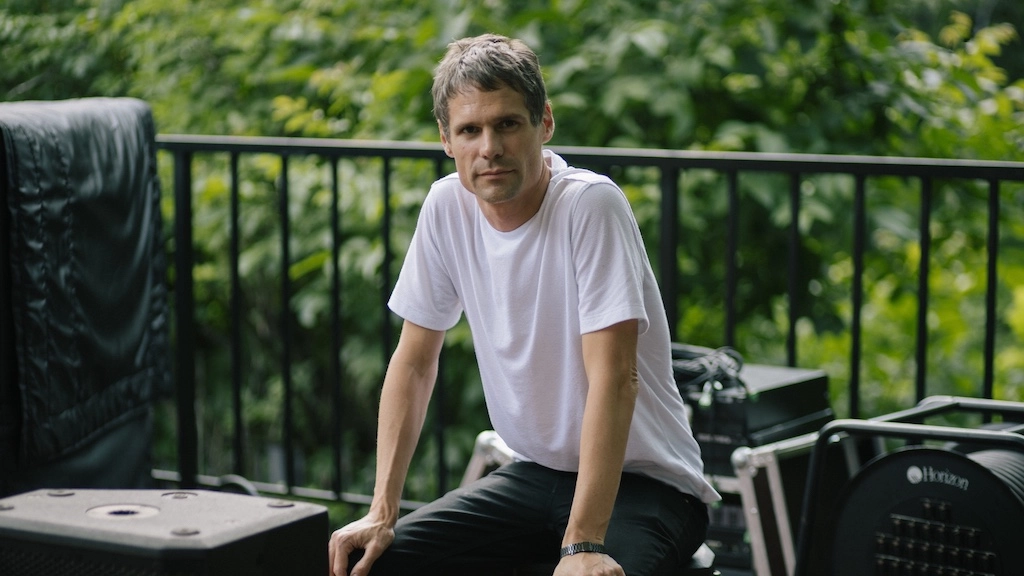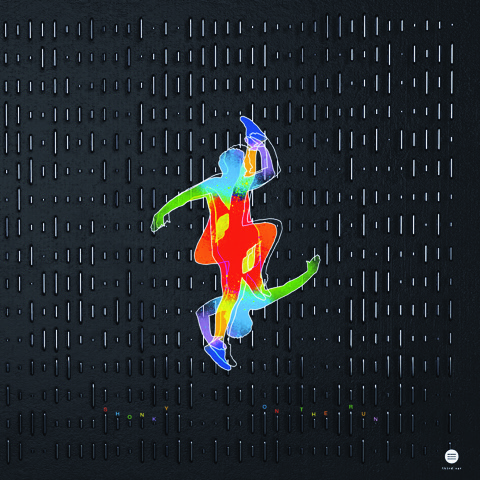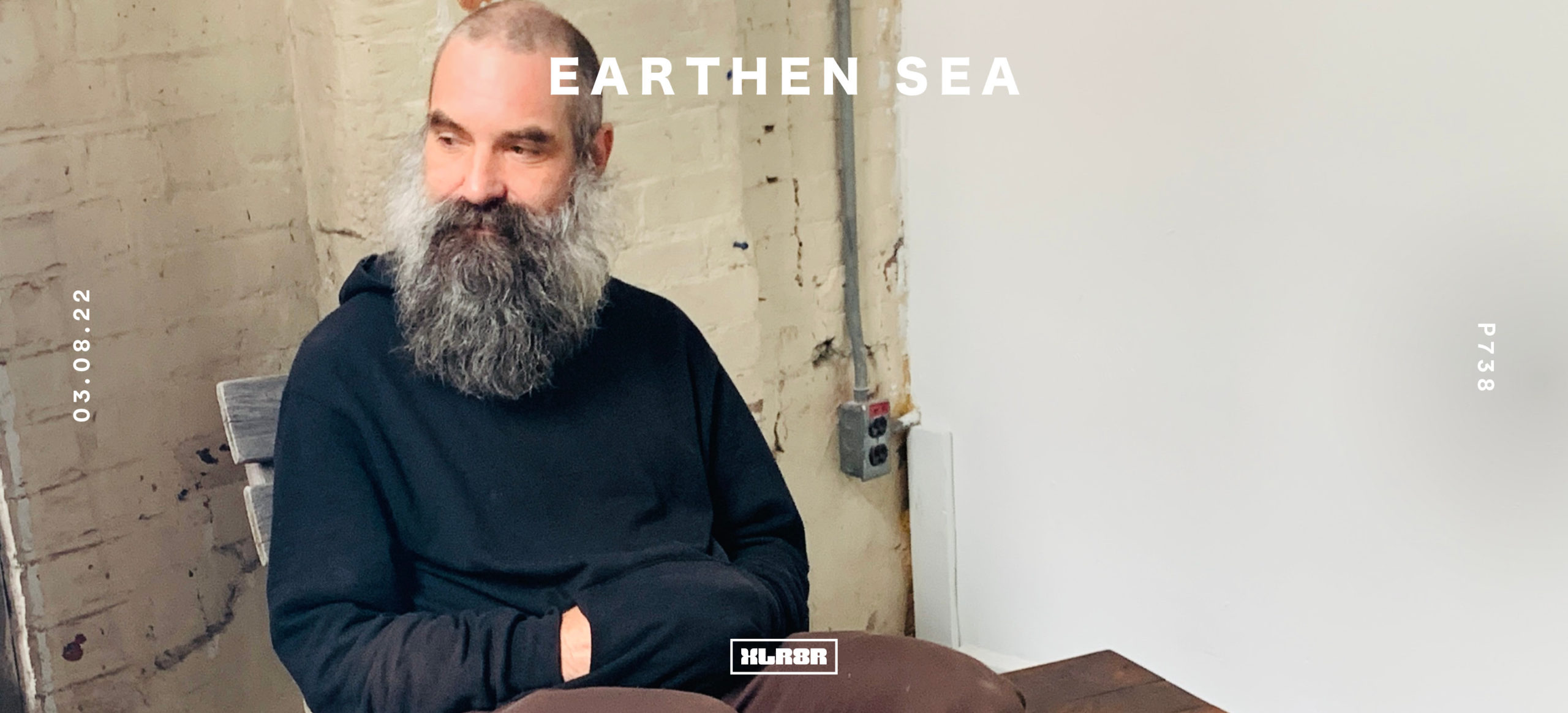
On The Run is the French DJ-producer’s second album, and it comes almost 15 years after his debut album, Time Zero, on Freak n’Chic. Since then, Shonky has cultivated a style all of his own, characterised by punishing beats laced with detailed polyrhythms and elusive motifs. In doing so, he’s established himself as one of the key exponents from his hometown Paris, touring the world alongside Dyed Soundorom and Dan Ghenacia as Apollonia. With On The Run, we can expect eight hypnotic cosmic jams with a hard-grooving sound.
The album lands on Third Ear, where Shonky put out the Shonky EP in 2018.
Late last year, Shonky announced Stoned Pilot, a label that focuses exclusively on collaborative projects. The first release, by Shonky and Otis, is out now.
Tracklisting
01. Electric 02. Hippodromo 03. Prime Time 04. Danse Macabre 05. Griefender 06. Trompe L’oeil 07. Gargamel 08. Kombattant
On the Run LP is scheduled for April 25 release. Meanwhile, you can stream clips below.
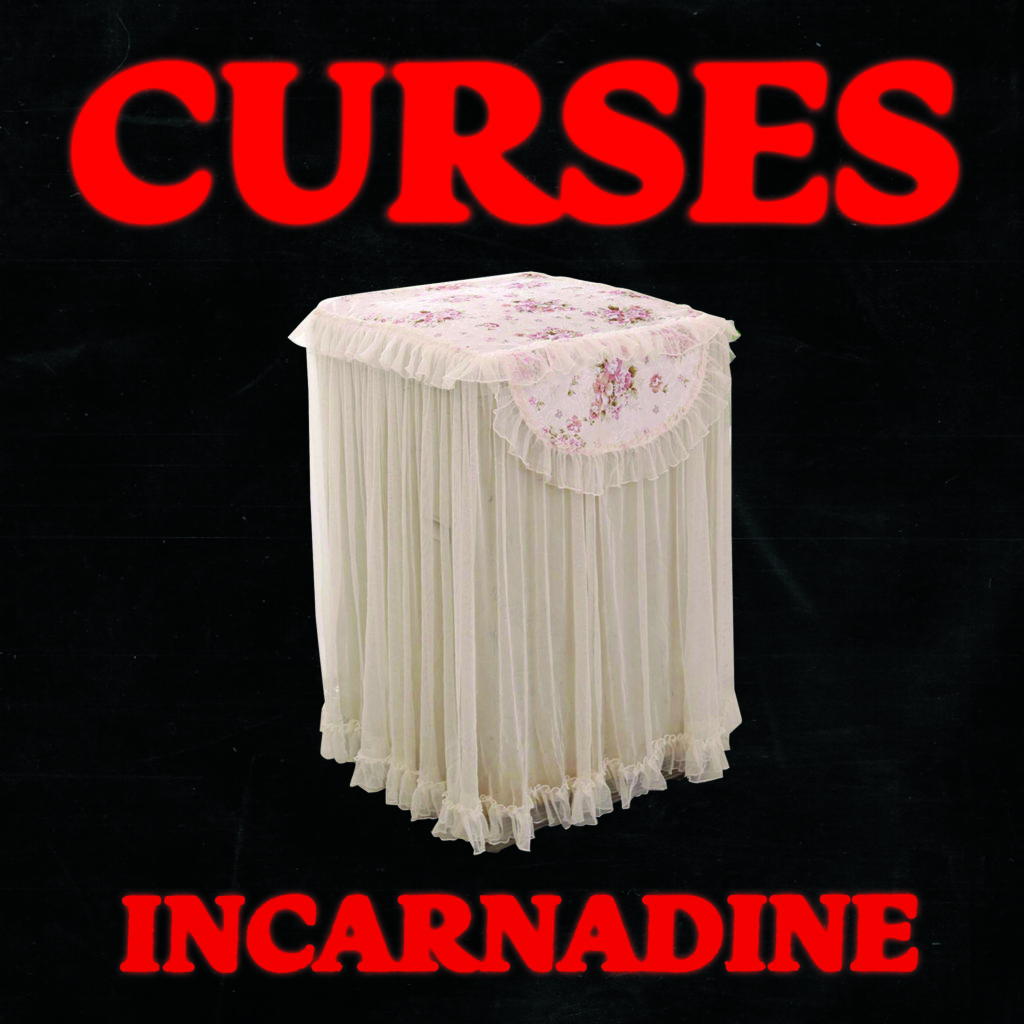
Known for blending his Morricone-esque guitar with elements from early ’80s music genres like new-wave and post-punk, Curses, real name Luca Venezia, keeps on pushing the boundaries of these references across Incarnadine. In contrast to his debut album, 2018’s Romantic Fiction, there’s added emphasis on his own ghostly vocals and guitars, but once again the release is defined by slick production, dark grooving melodies, and psychedelic synth vibes.
“The album is a dialogue between the inner self and outer, and romance of eternal and immortal existence,” Venezia says. “How do we make an emotion timeless?“ Venezia asks across the release.
Besides being a resident DJ for Berlin’s Pornceptual party, Venezia, originally from New York, heads up Ombra INTL. Outside of this, he runs a monthly Rinse France radio residency where he showcases artists who share the same passion for the dark and weird side of Italo disco. You can read more about him and his work here, in his XLR8R podcast.
Tracklisting
01. Miriam 02. Blood Oath 03. Gretchen Bender 04. Boundless feat. Jennifer Touch 05. Smoke 06. Coma 07. Déjà-vu Inc 08. Malice (Interlude) 09. Ghost Of Arms feat TERR 10. Made In Shade
Incarnadine LP is scheduled for March 11 release. Meanwhile, you can stream “Blood Oath” in full below and pre-order here.
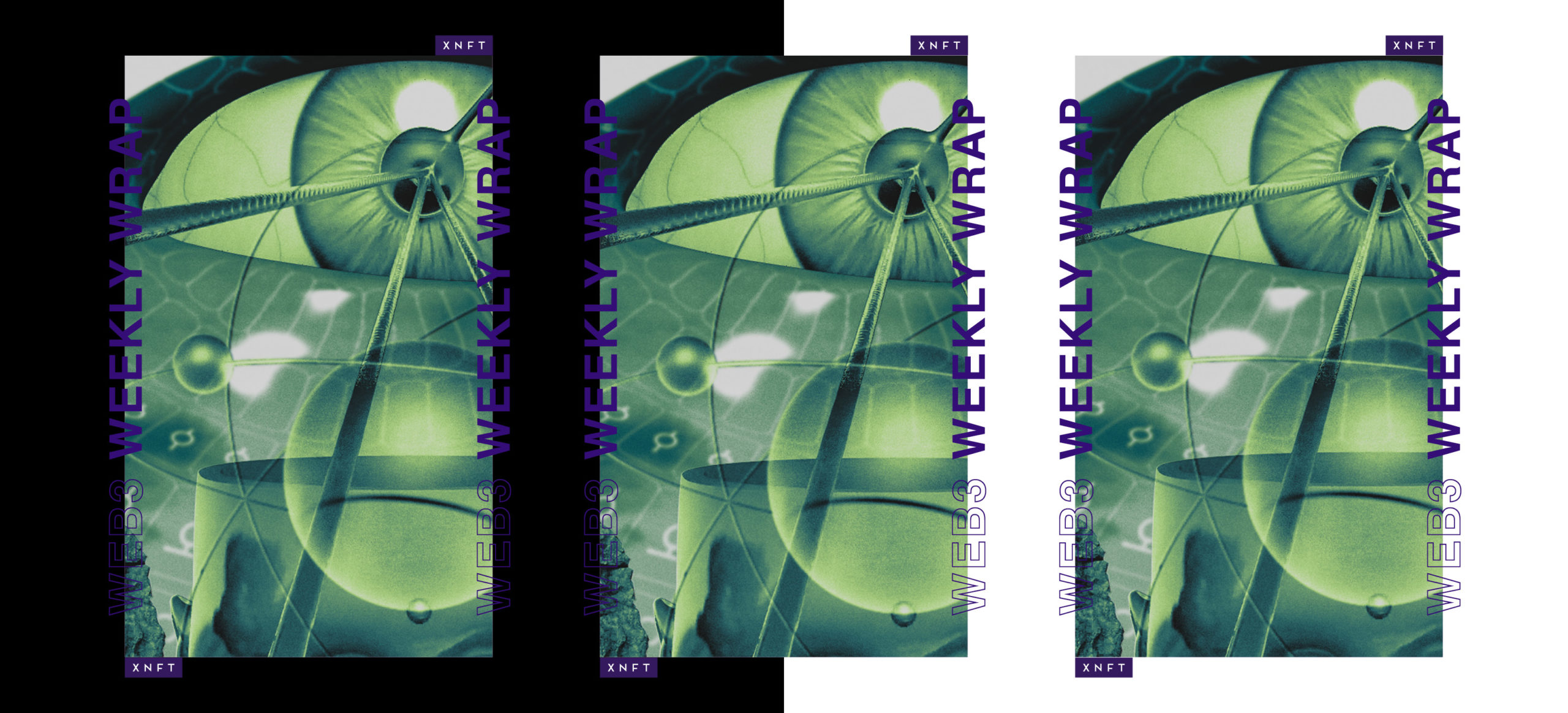
This week’s Web3 Wrap includes the latest XLR8R+ edition, which for the fourth time has been minted as an NFT, the launch of Tamago, a new decentralized streaming service focused on underground electronic music, Forefront Season Two, Spike Art Magazine selling its covers as NFTs, and more.
Check it all out below.
XLR8R Releases the Fourth NFT Edition of XLR8R+
This week, XLR8R released the latest edition of XLR8R+ (XLR8R+036), the fourth XLR8R+ edition to be minted and available as an NFT.
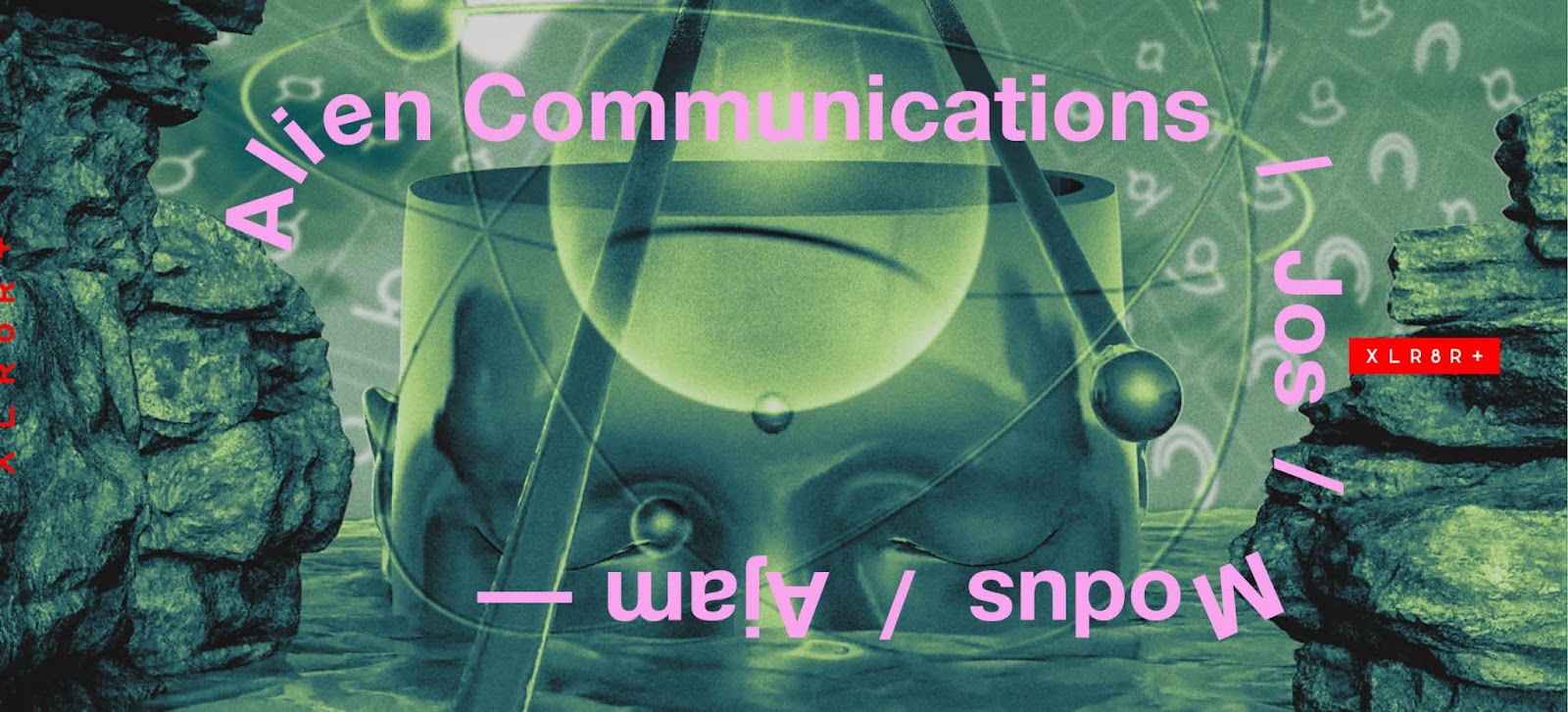
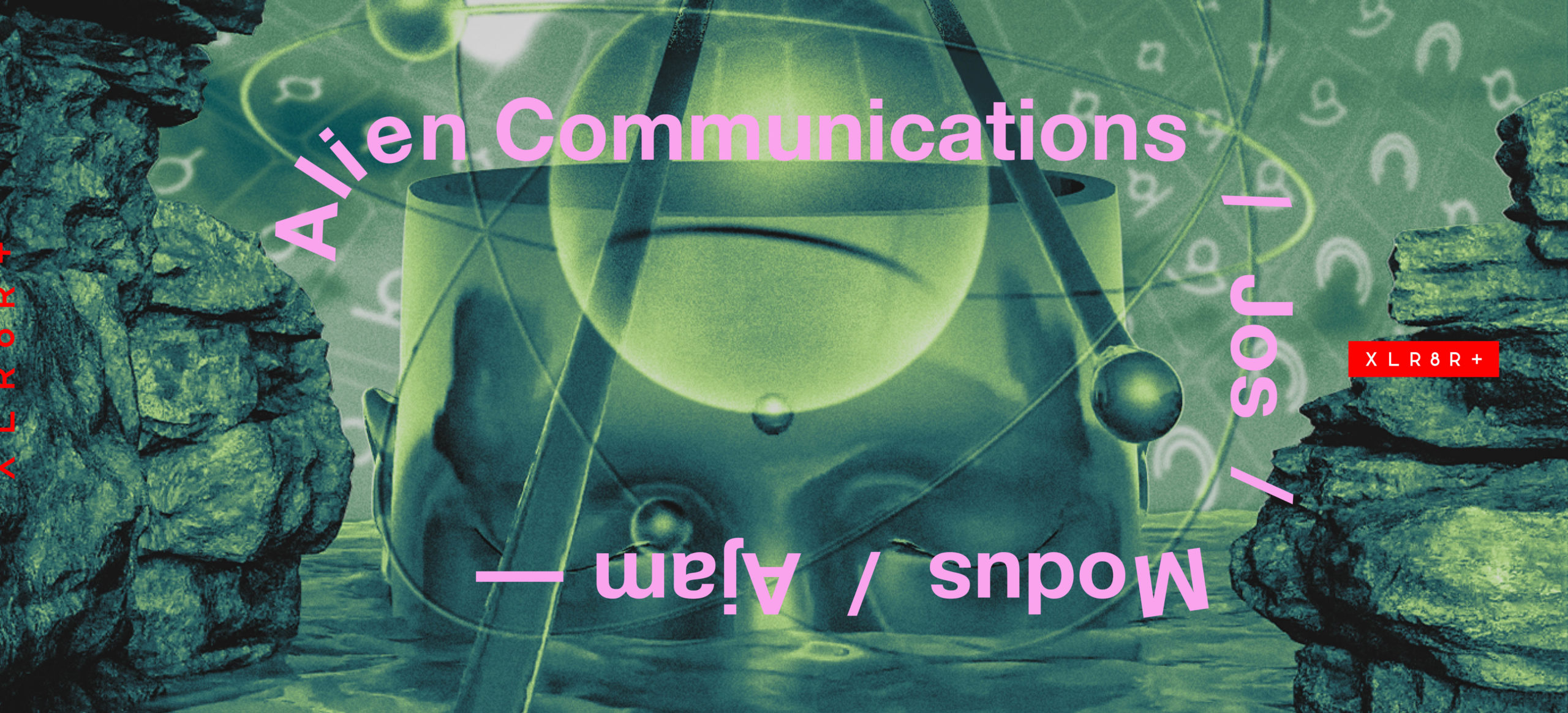
The NFT was minted with a beautifully immersive animated version of the edition’s artwork, created by elusive Bristol-based artist AJAM, as the cover on the Polygon (Matic) chain. Available to all XLR8R+ subscribers, both new and current, to claim for free, the NFT includes all the exclusive assets as downloadable locked content, including five tracks from the three featured artists in Alien Communications, JOS, and MODUS, a PDF zine with art, design, and editorial, and a download of the art in wallpaper formats for both desktop and mobile. As is the case every month, the NFT is available for one month only and is exclusive to XLR8R+ subscribers.
You can find more information on the edition and package here, or subscribe here to claim the NFT.
Decentralized Streaming Platform Tamago Goes Live With Alpha Version
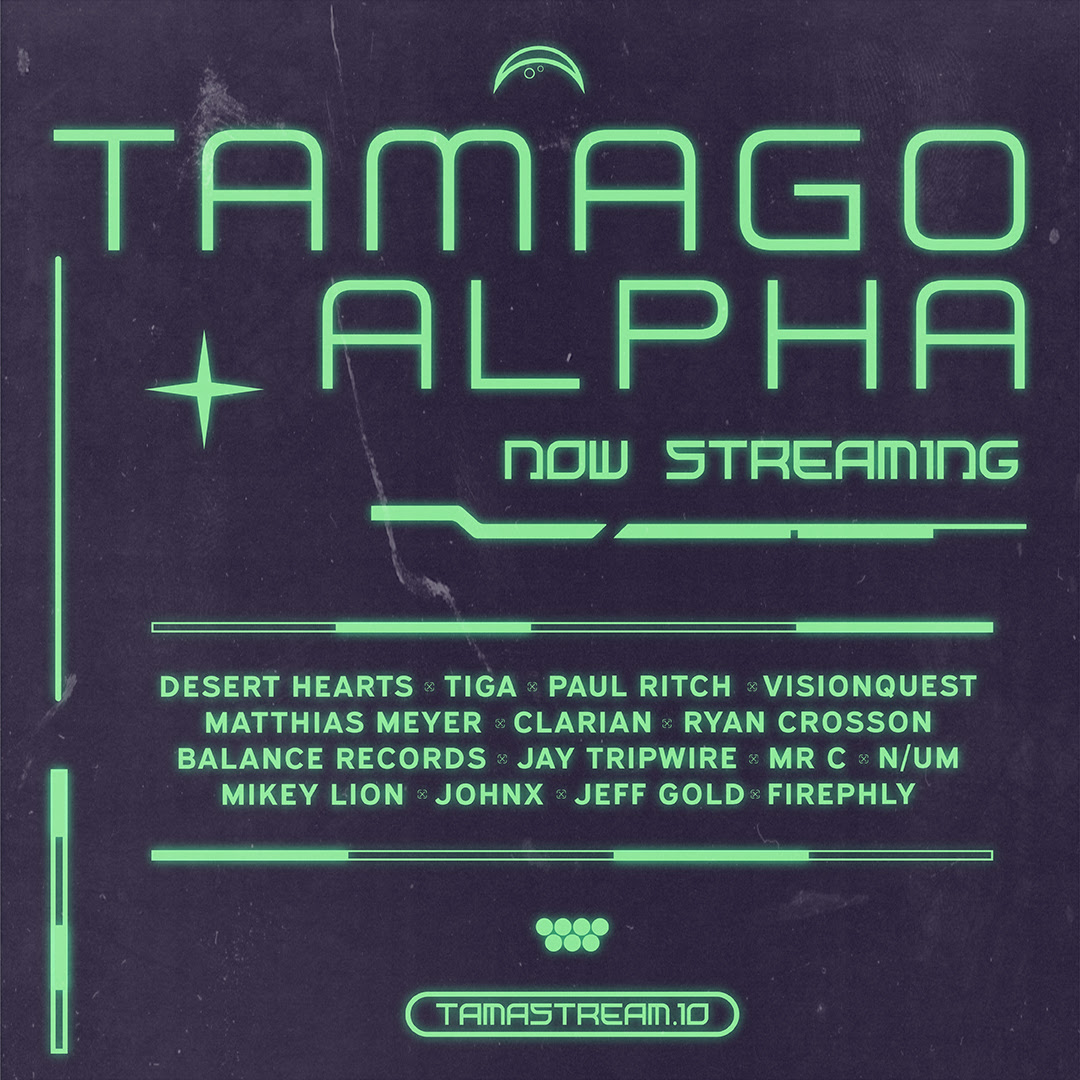
Yesterday, decentralized audio streaming platform Tamago launches its alpha version.
Founded by electronic producer, artist, and developer Clarian—who was, arguably, the first artist to release an album as an NFT—Tamago, we’re told, looks to “open up direct and transparent revenue models through a mix of Web3 and NFT technology.” Tamago positions itself as the official audio streaming solution for the NEAR Protocol, which has also partnered with Tamago.
The platform launches with a range of dance music from independent, underground favorites, including Turbo Records founder Tiga, Detroit’s Visionquest, Jay Tripwire, RUMORS head Guy Gerber, Mikey Lion, Michael Mayer, Mr. C, Guy J, and Clarian himself, among others.
Tamago notes it will take “a non-invasive approach to content creator markets,” focusing on “P2P engagement and customization of NFT sales and exclusive content, zero-ads, and dedicated liquidity support pools giving 100% of revenue back to artists.”
The full beta version is set to launch in March and will allow artists to mint any song they upload as an NFT, with users able to buy and collect NFTs, and, when set by the artists, share in royalties for those collected tracks.
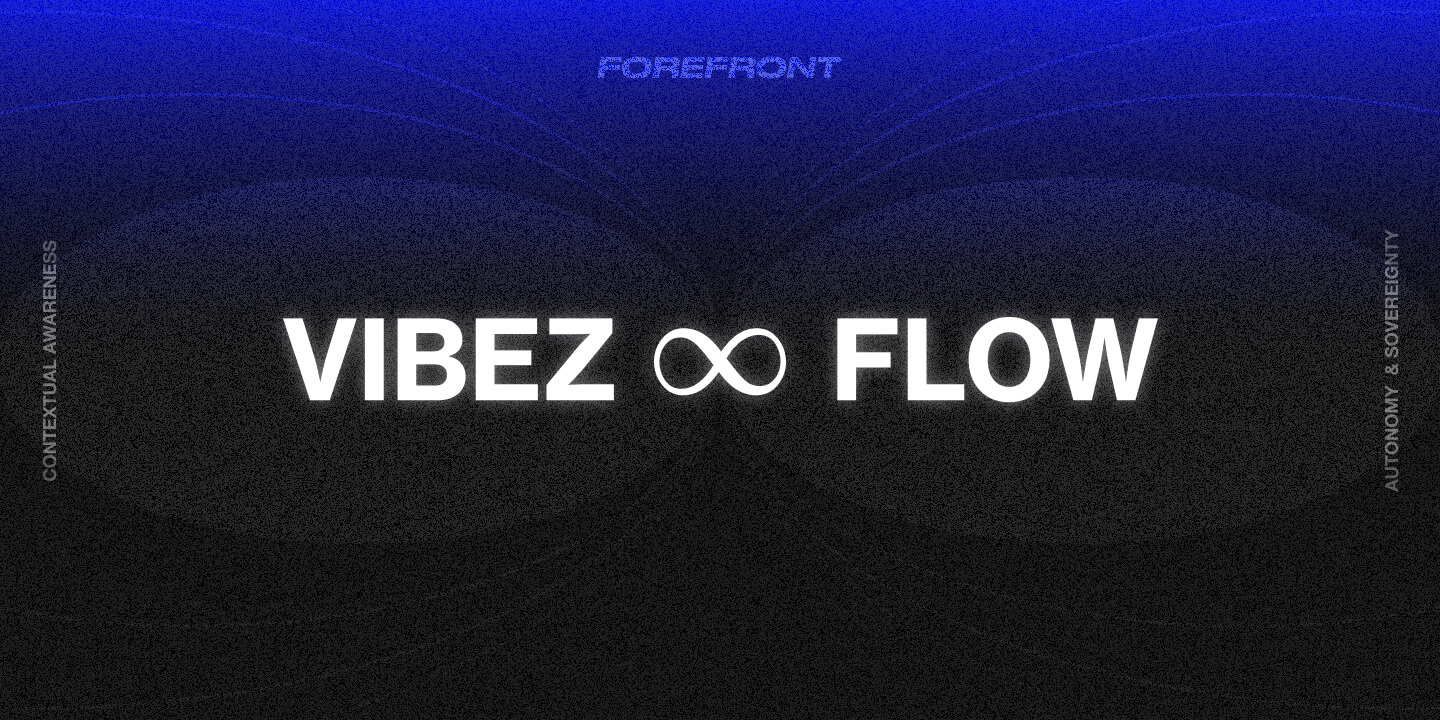
The new season will focus on an approach to DAO design and governance Forefront is calling Vibez Infinity Flow—this is also the name given to the season—which looks to place the human being at the center of DAO design and work on integrating the duality of autonomy and community that exists within each human. The goals of the season will flow from Forefront’s new “North Star” (or mission statement): “Forefront is the launchpad empowering web3 explorers to create at the frontier of tokenized communities.” From there, the season’s three primary objectives are: create an intentional onboarding program that “activates and delights Contributors and Community Members”; build out its Web3 media platform focused on “research, deep storytelling, and curation”; and develop a product strategy that will support other tokenized communities.
The above will all come from the Season Two working groups, which include Onboarding (DAO Contributor & Community), Web3 Creator Residency, Community Programming, FF Journal & Museum, FF Daily, FF Newsletter & Wrapped, $SOCIAL Index, Metagovernance & D2D, and FF Product Labs.
Finally, there are also new contributor roles and compensation plans, such as Pioneers, which includes contributors whose sole work focus is Forefront; Oracles, which as members that place Forefront as their primary work, or top two focus; Alchemists, who are essentially “part-time” contributors; and Voyagers, which includes contributors with a low-priority commitment.
You can read more about Forefront’s Season Two here.
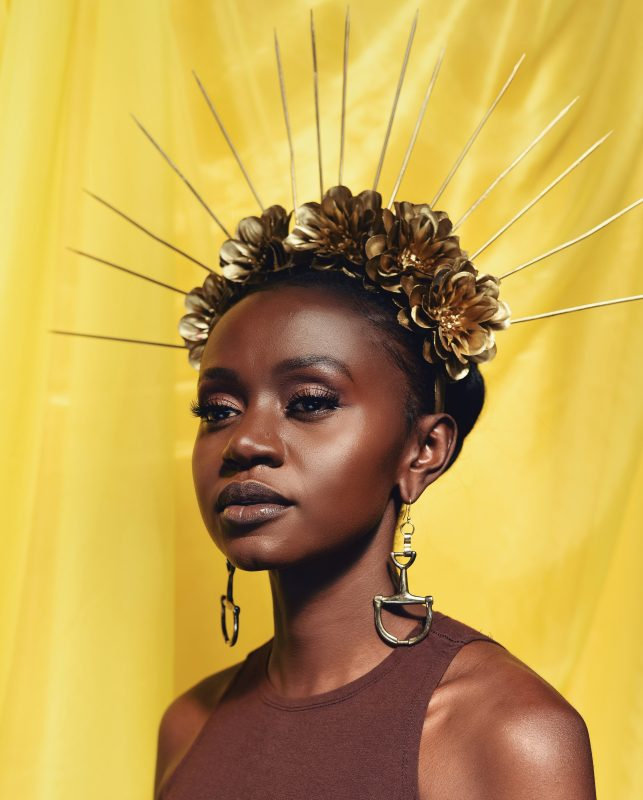
Nairobi artist Coco Em will present her debut release on InFiné, titled Kilumi.
Coco Em is one of Africa’s most exciting DJs. Born Emma Mbeke Nzioka, she’s crafted a stellar reputation across the continent and beyond through her thrilling sets on some of the largest stages, from Nyege Nyege in Uganda to Terra Negra in Tunisia. More recently, she’s started to play as far afield as Switzerland and Canada, pushing Kenyan house, old school kwaito, kuduro, and lingala, from the north-western part of Congo. (Read more about her in her XLR8R podcast here.)
Nzioka started writing Kilumi during the height of the pandemic in 2020, and across seven tracks it “explores elements of different sounds that kept me going in a very difficult year,” she says. She set out to write a fresh beat on Ableton every day to push herself as a producer. These explorations led to a collection of 70 ideas, each one reflecting a “different shade to her musical palette,” we’re told, which she then refined and sculpted into this “beguiling seven-track journey.”
The release features seven of Nzioka’s fellow Kenyan artists: MC Sharon, Wuod Baba, Ndunge wa Kalele, Sisian & Kasiva, Janice Iche, and Ladbi Ommes. Its final process came through Santuri East Africa studios, a Nairobi-based non-profit organization formed to empower East African artists.
Tracklisting
01. Pace 02. Yi Ingi 03. Winyo Nungo feat MC Sharon & Wuod Baba 04. Kilumi feat Ndunge wa Kalele 05. Land (Black) First feat Sisian & Kasiva 06. Mbeni feat Janice Iche 07. Pesa feat Labdi
Kilumi EP is scheduled for April 21 release. Meanwhile, you can stream “Land (Black) First” feat Sisian & Kasiva below and pre-order here.
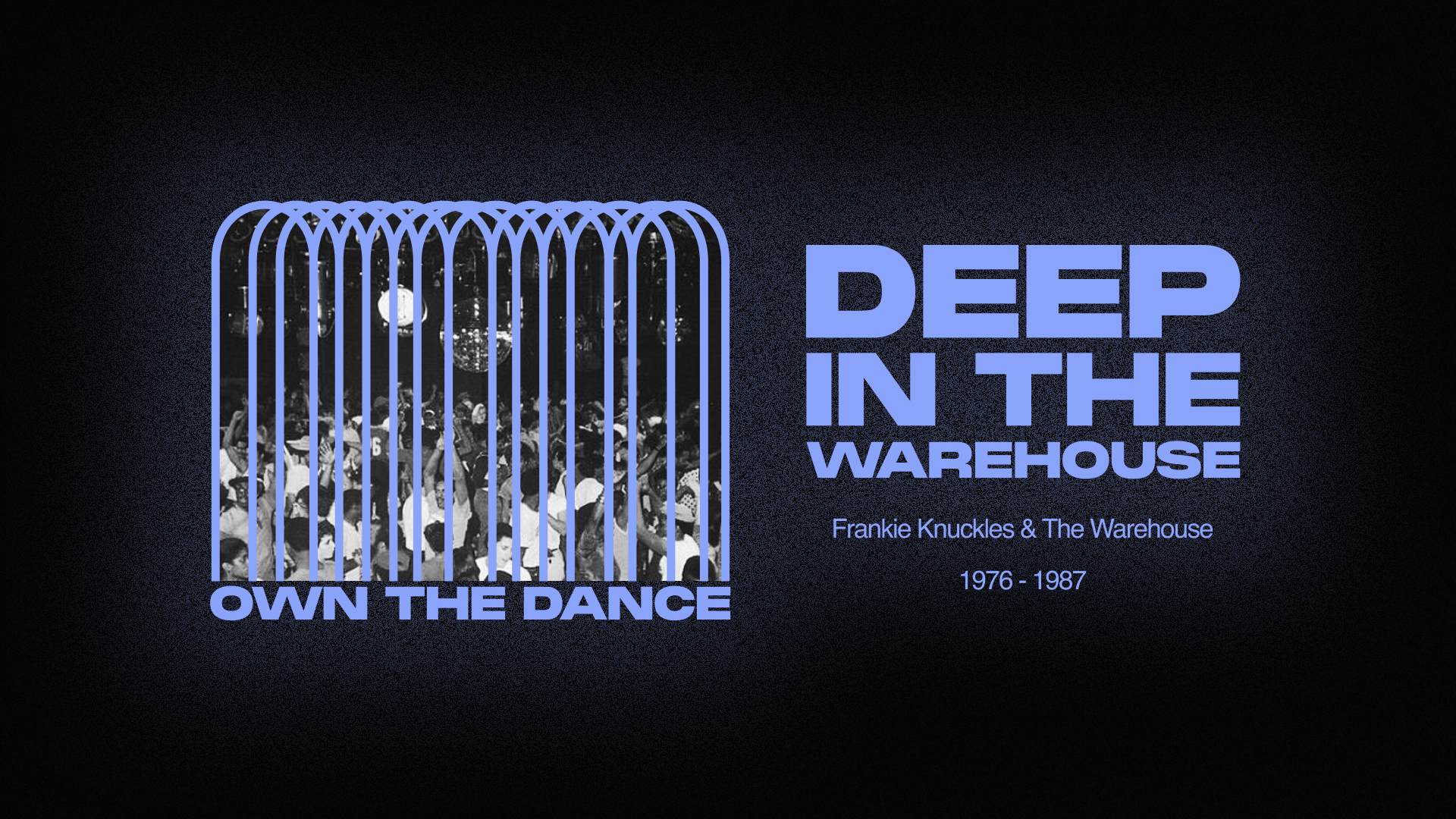
‘Own the Dance’ is an editorial series (you can read part one here) in collaboration with The Willow Tree, a DAO and Web3 community with the goal of owning and operating a global network of events, nightclubs, and venues. The series will highlight the communities responsible for inciting the most profound changes across dance-music history.
Spearheaded by coalitions of rock music fans and radio DJ Steve Dahl in the late 1970s, the “Disco Sucks” phenomenon was an ugly one. It all culminated on July 12, 1979, when the Disco Demolition Night took place at a baseball game in Chicago. Thousands of disco records were burned in the stadium after the game, greatly resembling the Nazi book burnings. Although disco’s popularity was already beginning to decline, this event hastened the process of removing disco from the American cultural landscape.
Ironically though, Chicago was one of the few cities in the US where disco didn’t die. Disco music kept playing at the clubs and on the radio, but with a lack of new material to work with, DJs reached for any records that could fill the void. Genres like European synth-pop and italo-disco temporarily filled the airwaves, and eventually, early Detroit techno tracks started making their way through as well.
In light of disco’s absence, DJs began reworking existing tracks and developing new tricks. Among these were “cut ’n’ mix” techniques, new transition techniques, and the addition of drum machines into mixing setups. These advances started taking place in South Side Chicago members-only gay club The Warehouse, where resident DJ Frankie Knuckles was pioneering the new sound. House, which initially referred to the music that could be heard at The Warehouse, was not yet a clearly defined genre, but rather a new DJ culture.
Although New York garage pioneer Larry Levan was actually The Warehouse owner, Robert Williams’ first choice for resident DJ, Knuckles, can be credited with having imported the new DJ culture to Chicago’s Warehouse. Knuckles took what he had learned from playing alongside Larry Levan at the Continental Baths in New York, where the two DJs had already pushed the boundaries of what a DJ set could be. Once in Chicago, Knuckles let his creativity run even more freely and took the role of a DJ to new heights.
Robert Williams was the man responsible for opening Chicago’s first after-hours clubs, and forever changing the course of electronic music. Born in Queens, New York, Williams attended law school at Columbia University where he became a habitual visitor of the bubbling New York scene. Eventually, the party got the best of Williams and he dropped out of University, later becoming an officer for the New York Department of Probations. It was in this line of work that Williams would first meet Larry Levan and Frankie Knuckles as mischievous teenagers. He would counsel the boys, up until one night when he bumped into both Levan and Knuckles at an after-hours spot called Tamberlane. After that encounter, the relationship dynamic between the three became that of equals and they would see eye to eye from then on.
Williams would eventually move to Chicago to be with his mother who had fallen sick. After arriving in the city he felt there was nothing going on. He found the scene to be juvenile, with promoters throwing “high school” type parties. So at the advice of David Mancuso himself, Williams opened a social club called US which was the first incarnation of The Warehouse. Sticking to his goal of creating high-quality events, he later opened The Warehouse on 206 Jefferson Street.
The Warehouse would attract around two thousand mainly Latin and African American gay people to party from Saturday night till Sunday afternoon. There was a four-dollar entrance fee to be let into the three-story former factory. They served free juice and water, which was allegedly spiked. The vibes were wild and the hedonism was plentiful. Stimulants and psychedelics were used openly and casual sex was commonplace. But the secret to Williams’ success was what was taking place on the middle-story dancefloor. In his booth at the center of the dancefloor, Knuckles was re-working and re-editing disco tracks on a reel-to-reel tape recorder over the best sound system in the city. With all the elements in place, Knuckles skillfully created an atmosphere that was unmatched in Chicago.
The Warehouse offered more to the Chicago natives than just a place to dance, The Warehouse was a safe place where aspects of rave culture were able to develop. Much like Mancuso’s Loft that we looked at in our last edition, The Warehouse offered shelter and community to gay people who were otherwise ostracised from masculine subjectivity, at least within the dominant discourse of culture at the time. Dance music in general has deeply intertwined history with gay culture together with the African diaspora and working-class communities due to their refused entry into this dominant discourse. Chicago house music was born at a junction between these groups as an act of cultural disobedience. The Warehouse members embraced music that the mainstream considered passé. In fact, as disco evolved into house music, house pioneers were honing in on the very aspects of disco that infuriated rock fans; synthetic sounds and the mechanic and metronomic repetition of the beat.
An identity politics formed at The Warehouse, revolving around a juxtaposition between finding/expressing yourself and losing yourself or losing control. The members of The Warehouse sought freedom through hedonism. They believed that by abandoning their own subjectivity and dissolving themselves into the crowd and the moment, liberation could be achieved through house music. It’s for this reason that many dancers and revelers, as well as Knuckles himself, referred to The Warehouse as a church. Ultimately, these tropes that were being cemented at The Warehouse can still be seen across dance music culture to this day.
In 1983, Knuckles ended up quitting his residency at The Warehouse after the promoters doubled the entrance fee. He started his own club called The Power Plant, and later the Powerhouse. In response to this, Robert Williams opened The Music Box. Competing in a healthy rivalry, these venues were equally as instrumental in the development of house music and its culture. The Music Box would put legendary DJ Ron Hardy on the map. He played in a much rawer style than others at the time, adding his own distinct strand of disorientating house to the Chicago scene. The vibe at the Music Box was rougher and harder than The Warehouse, the drug use and hedonism were more illicit. Hardy was no stranger to that hedonism and it ultimately led to his untimely death in 1992.
With regular parties popping up around the city, the competition between DJs grew. This propelled forward new innovations as more complicated mixing techniques were devised to keep ahead of the competition. Knuckles and Farley “Jackmaster” Funk were using drum machines to superimpose a four-to-the-floor kick drum over their disco mixes. This was the precursor to what we call house music and the relentless 4×4 kick became a defining sonic factor. Supposedly Knuckles actually bought his Roland TR-909 Rhythm Composer from Detroit legend Derrick May. Other defining sonic features of house would come about as more Chicago natives started producing to meet the demand for dance tracks in the wake of disco.
To really understand how house developed sonically we need to take a look at Giorgio Moroder with his Oasis Label and fellow Euro-disco producers. He made funk beats easier to dance to for white people by adding a 4×4 kick drum and was one of the first successful producers to create entirely electronic music. Moroder’s clearest influence on the early house producers was his collaboration with Donna Summer from the mid-’70s. Tracks like “Love to Love You Baby”, “I Feel Love,” and “Hot Stuff” were prototypes for the early Chicago scene. This tradition of experimenting with synths, exploring and learning the possibilities that electronics had to offer to music was crucial to the development of house and its trance-inducing aspects. One track I feel obliged to bring up at this junction is Italian producer Alexander Robotnik’s “Les Problemes D’Amour.” Released in 1983, it was a huge club hit in Chicago and was one of the first tracks to utilize a Roland TB-303.
It was Chicago-native businessman Larry Sherman who saw the commercial potential in house music. Sherman owned Chicago’s only vinyl pressing plant and took advantage of the new demand for house tracks. He started the Trax Records label in 1984, which debuted with “Wanna Dance/Certainly” by Le Noiz (a.k.a. Jesse Saunders). By the mid-’80s it was Trax and DJ International (another influential Chicago-based label) that created a distribution platform for house music, not only in Chicago but internationally. In September of 1986, DJ International’s release Love Can’t Turn Around would be the first of many house tracks to infiltrate the UK top ten, a few years before the first wave of rave in Europe. However, despite how big house music was about to become, Shermans’ role in the cultivation of house music is debated. Some view Sherman as the entrepreneur who legitimized house music and created the foundation for house producers to have a career; while others hold Sherman responsible for the Chicago scene’s premature end, due to his chasing of short-term profit and ignoring long-term career plans for his artists. Whatever your view of Sherman, without him house music may never have reached an audience outside of Chicago.
The genesis of house music would revolutionize dance music and rave culture forever. The tropes set in place by the Chicago scene would carry through and inform all mutations of rave music that would form in its wake. The importance of community and the quasi-religious belief that dance could lead to salvation, as well as the role and ability of the DJ being taken to the next level, were necessary advances to make rave culture as we know it.
At The Willow Tree, we as patrons and current participants of rave culture can learn a lot from our past. Williams and other Chicago house pioneers show us the importance of quality events and new innovations. Regardless of the scene’s untimely end, the noise they were making in Chicago would resonate more over the pond than it ever did in America. This led to the rave explosion of 1989, which saw electronic dance music blow up over Europe and eventually become a worldwide phenomenon. But in order to really understand the Rave explosion, we need to analyze another movement taking place in the nearby state of Michigan, which will be looked at in the next edition of Own the Dance.
Author: Alec Heritier.
You can find more about The Willow Tree and join the community via the Discord server here.
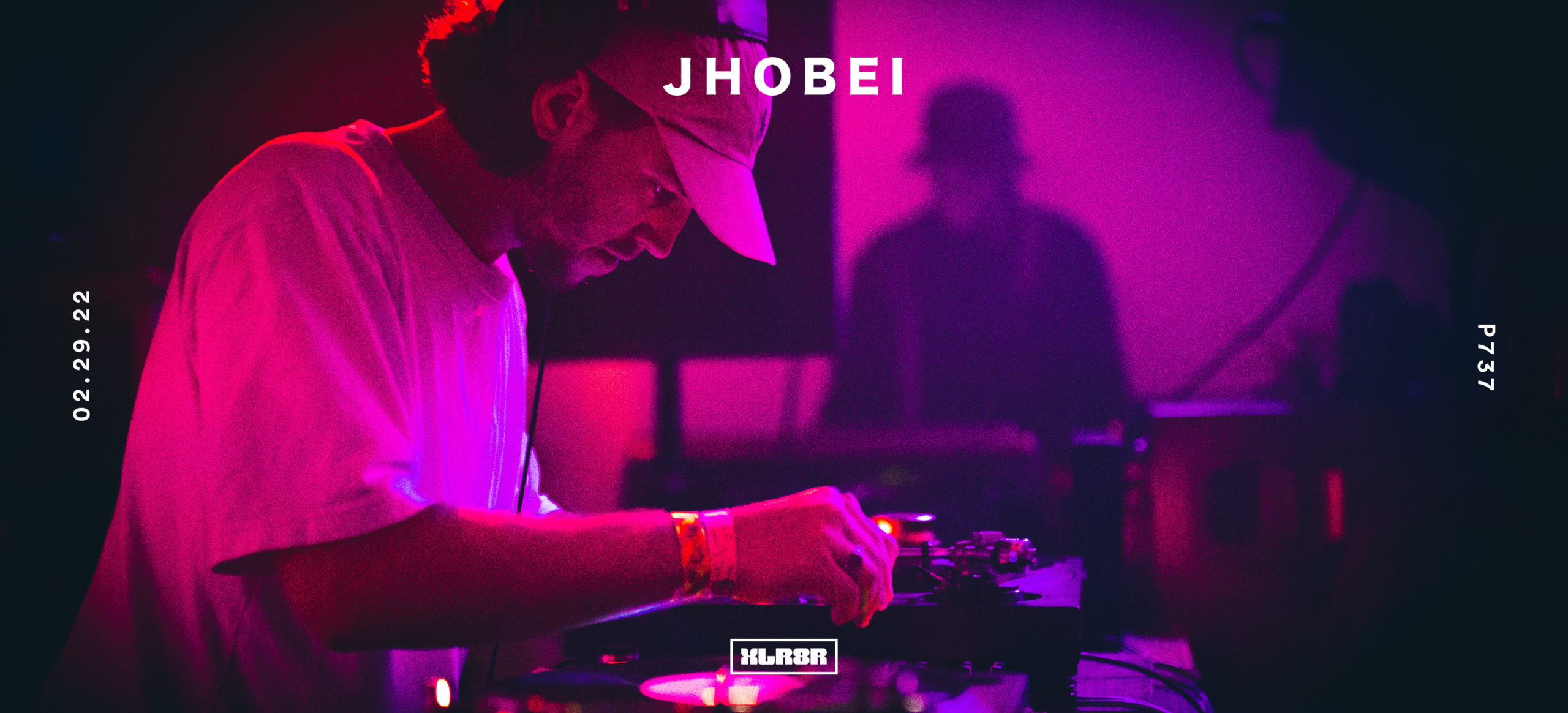
Jhobei, the alias of London producer Jobe Elliott-King, is a British artist best known for his work in Felon5, a minimal production trio he runs alongside his friends Charley Tucker and Oliver Rayner. The roots of their work can be traced back to their childhoods in Bracknell, when their parents would introduce them to electronic music by throwing house parties. “Most weekends you could find us lumped together at one of our houses with a soundtrack of vocal ‘90s house occupying the space,” Elliott-King tells XLR8R. “This sparked my interest, and from my early teens we would always be DJing at house parties, halls, and even the odd club.”
While studying Digital Music at Southampton Solent University, Elliott-King developed his skills as a DJ by playing in clubs across the city, albeit chart-related music. As he became more accustomed to electronic music, though, he began to discover deep and emotive yet danceable sounds, and soon he was producing them, too. Earlier this year, he teamed up with Tucker (Charleze) and Rayner (Oliver.r) on a new EP to launch Bizarre Trax, a label and event series with a firm focus on wonky house and minimal sounds. As a solo artist, as Jhobei, he’s put out material on the likes of Truly Madly’s Mindhelmet label, plus some smoother, downtempo work on Markus Sommer’s Pager Records. “I am constantly improving and updating my sound as I don’t think it’s good to get too comfortable,” he says. “I’m particularly interested in forging interesting arrangements that really keep the listener surprised throughout. That’s what I’m delving into and exploring currently.”
Just recently, he contributed “Skylounging,” a previously unreleased track to XLR8R+035, which fell more in line with his work on Pager. (He recorded it in the first lockdown in response to a need to break from the constant bombardment of upbeat music he’d been making.) Now, though, he’s back with an XLR8R podcast, recordedrecently at his home in London. Across its nearly two-hour run-time, it shuns the more enigmatic and energetic cuts you’ll hear him playing out across Europe in favor of a more stripped-out groove. That’s not to say it won’t have you dancing though: this is a mix for the mind and the soul, filled with spaced-out groovy house and deeply melodic cuts of the highest order.
01. What have you been up to recently? Recently I have been busy with Bizarre Trax, planning events and label releases for this year. We are spanning out across Europe with more dates in 2022 than ever before.
02. What have you been listening to? I’ve been leaning toward the more progressive sound with lovely deep melodies, as well as more ploddy electro and tech releases, so there’s been a nice variation in sounds. As well as this I have had a lot of really cool demos come in for the label which keeps things interesting!
03. When did you record this mix? I recorded this mix at home on a lazy Sunday. It was originally meant to be the first run-through to gauge the track selection and flow but after the first recording, I was actually quite happy with it, which is not always the case!
04. What setup did you use? Two Technics SL1210s, one CDJ 850, and an Allen & Heath Xone 92 mixer recorded into Logic Pro.
05. What can we expect? Hopefully a nice flow and selection of records that are slightly more introspective. I was debating whether to take the mix on a more dancefloor-orientated tip but instead opted for a stripped-back approach with dashes of dancefloor energy throughout.
06. How does it compare to what we’d hear you play out live? I would be able to slip most of these records into my sets but this would depend on what time I was playing. If I were playing peak-time then of course you would hear me play with more energy than what is represented in this mix. That’s not to say there aren’t energetic songs here, but it shows a slightly deeper side to my sound!
07. What’s next on your horizon? I’m very excited about 2022. Covid really halted gig opportunities but that now seems to be dissipating and there is a busy year of bookings ahead which I am very grateful for. As mentioned, we also have some Bizarre Trax showcases in Europe this year and that will also incorporate members Felon5!
XLR8R has now joined Mixcloud Select, meaning that to hear the podcast offline you will need to subscribe to our Select channel to listen offline, or subscribe to XLR8R+ to download the file. The move to Mixcloud Select will ensure that all the producers with music featured in our mixes get paid. You can read more about it here.
Full XLR8R+ Members can download the podcast below.If you’re not an XLR8R+ member, you can read more about it and subscribe here.
Editor’s note: there is no tracklisting for this mix.
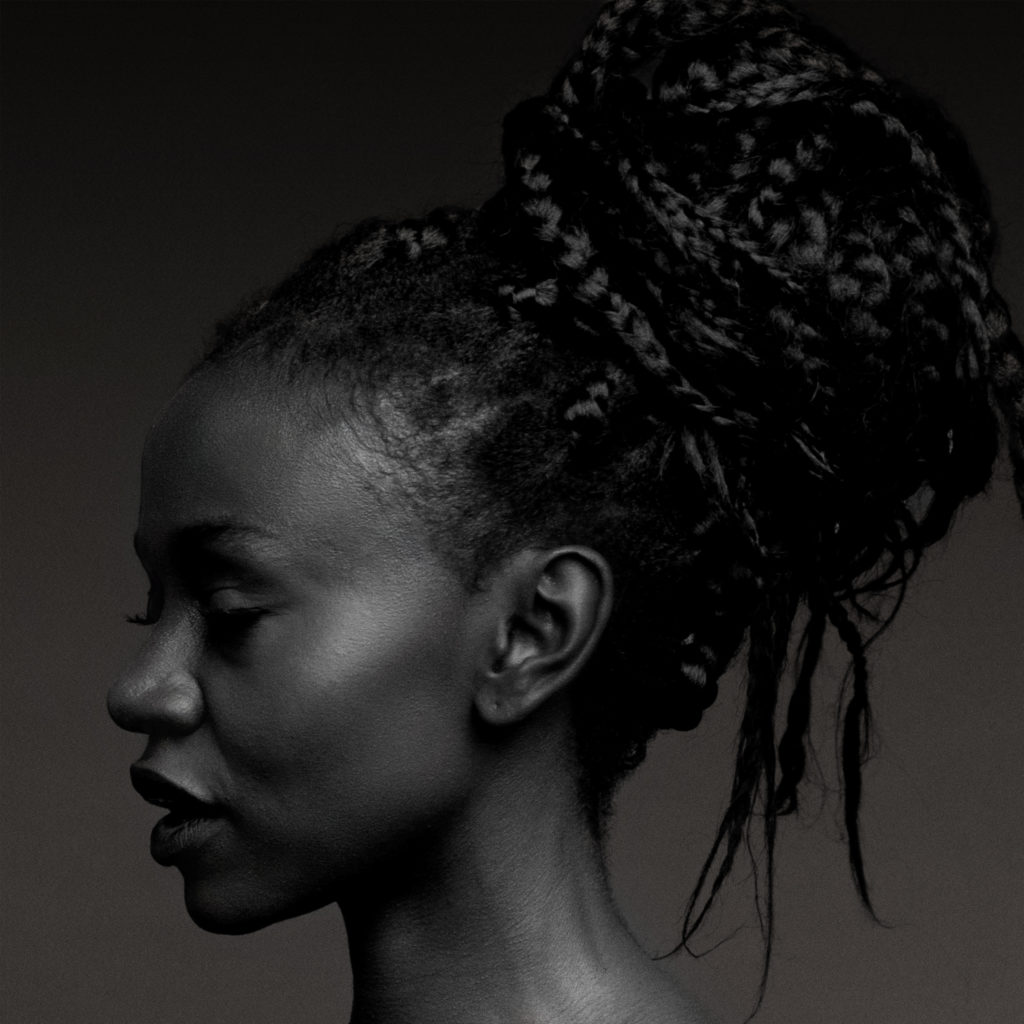
HAAi, better known as Teneil Throssell, will release her debut album in May.
Baby, We’re Ascending, out May 27 via Mute, follows “Lights Out,” Throssell’s recent collaboration with Romy (The xx) and Fred Again.. We’re told that community and collaboration is a “key theme” running throughout the album, because it features Jon Hopkins, Alexis Taylor, Moxie, and Obi Franky as well as the spoken-word poet and trans-visibility activist Kai-Isaiah Jamal. Additionally, Throssell chose to craft the album alongside a roster of non-binary creatives including designer Raissa Pardini, mixing engineer Marta Salogni, and engineer Francine Perry.
The result is a record that seamlessly merges elements of techno, house, drum & bass, downtempo, and pop-leaning electro in a “profoundly beautiful way that is singular in vision,” we’re told.
“Getting this album out of my head and computer is quite the cathartic experience,” Throssell says. Baby, We’re Ascending is a hyperactive journey that feels like a real reflection of who I am.”
Throssell was born in Karratha, in Australia’s Pilbara region, and her musical adventures began while in Sydney, where she played guitar and sang in various punk and psych-rock outfits, including Dark Bells, which took her to London. Electronic music came into her life when she attended Berghain for the first time, which introduced her to the more psychedelic realms of contemporary techno. She debuted on Mute in 2020 withSystems Up, Windows Down, before returning with Put Your Head Above The Parakeets. Her taste in music is unique and diverse, revelling in tracks full of intricate detail and character. You can read more about her in her XLR8R podcast here.
Tracklisting
01. Channels 02. Pigeon Barron 03. Bodies Of Water 04. Human Sound (feat. Kai Isaiah Jamal & Obi Franky) 05. Louder Always Better 06. Biggest Mood Ever (feat. Alexis Taylor) 07. AM 08. FM 09. I’ve Been Thinking A Lot Lately 10. Purple Jelly Disc (feat. Obi Franky) 11. Baby, We’re Ascending (feat. Jon Hopkins) 12. Orca 13. Tardigrade
Baby, We’re Ascending LP is scheduled for May 27 release. Meanwhile, you can pre-order here.
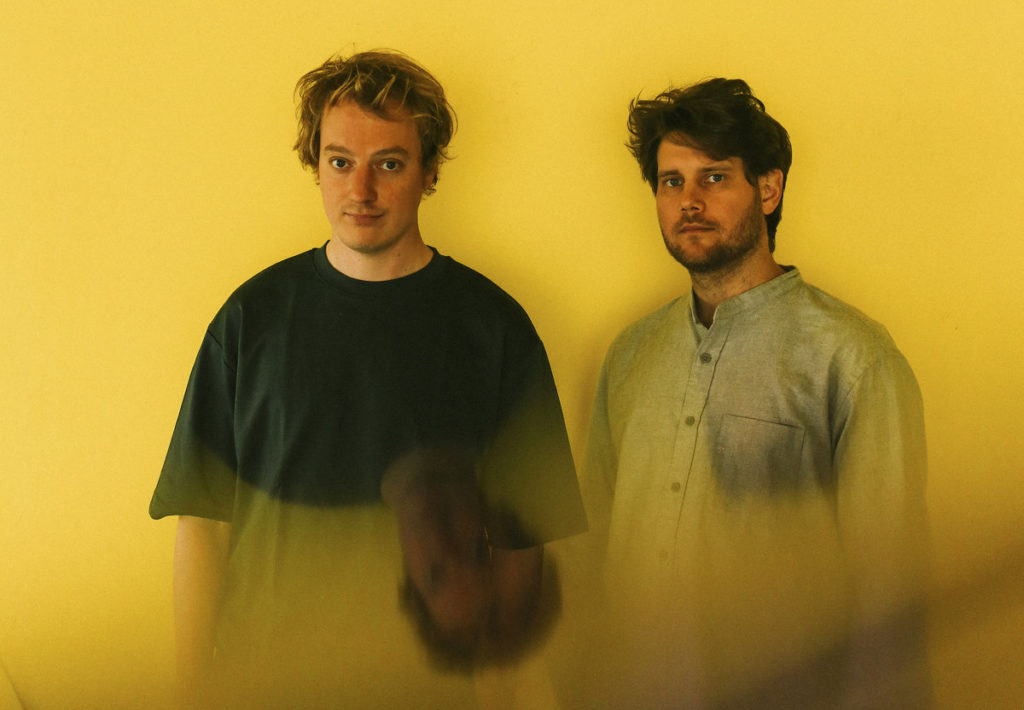
Weval, the collaboration of Harm Coolen and Merijn Scholte Albers, will return to Ninja Tune’s Technicolour imprint with a new EP in April.
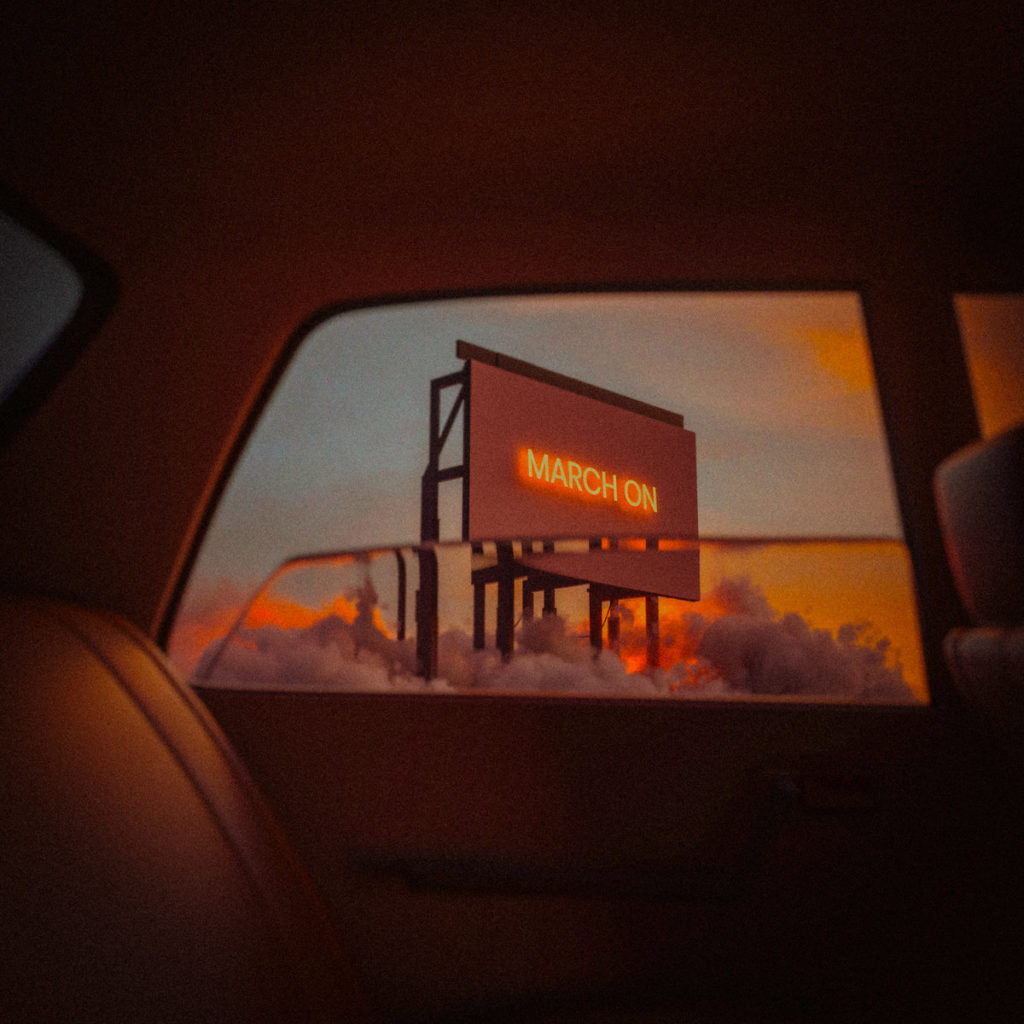
March On, a four-track release, is a continuation from the Dutch electronic duo’s 2021 EP Changed For The Better and, as with all their work, it’s defined by bold, beautifully composed melodies. Throughout the release, we hear similar features but with snippets of late-’90s-inspired elements, pulling inspiration from genres such as trip-hop and big beat, we’re told, “taking us on a journey that mixes a sense of nostalgia with a fresh, new approach.”
On lead single “Minute By Minute,” streaming below, you can hear these melodic chords and hypnotic vocals, resulting in a euphoric sound. Inspiration for this track was the start of Underworld’s “Born Slippy.” “We always wanted to hear the intro over and over again,” Weval says.
First meeting in 2010, Coolen and Scholte Albers formed Weval in 2012 when they were both working in film, and Coolen brought Scholte Albers on board to assist with a music video for some friends in a band. They began experimenting together, eventually enjoying the music production more than the film editing. Neither had experience of making music before forming Weval, so they have evolved organically together for the entire nine-year duration of their partnership.For more information on Weval, check out their XLR8RIn the Studio feature here.
Tracklisting
01. All Alone 02. Time Goes 03. Minute by Minute 04. March On
March On EP is scheduled for April 29 release on Technicolour. Meanwhile, you can stream “Minute by Minute” in full below and pre-order here.
We’re ready to present the 36th edition of XLR8R+.
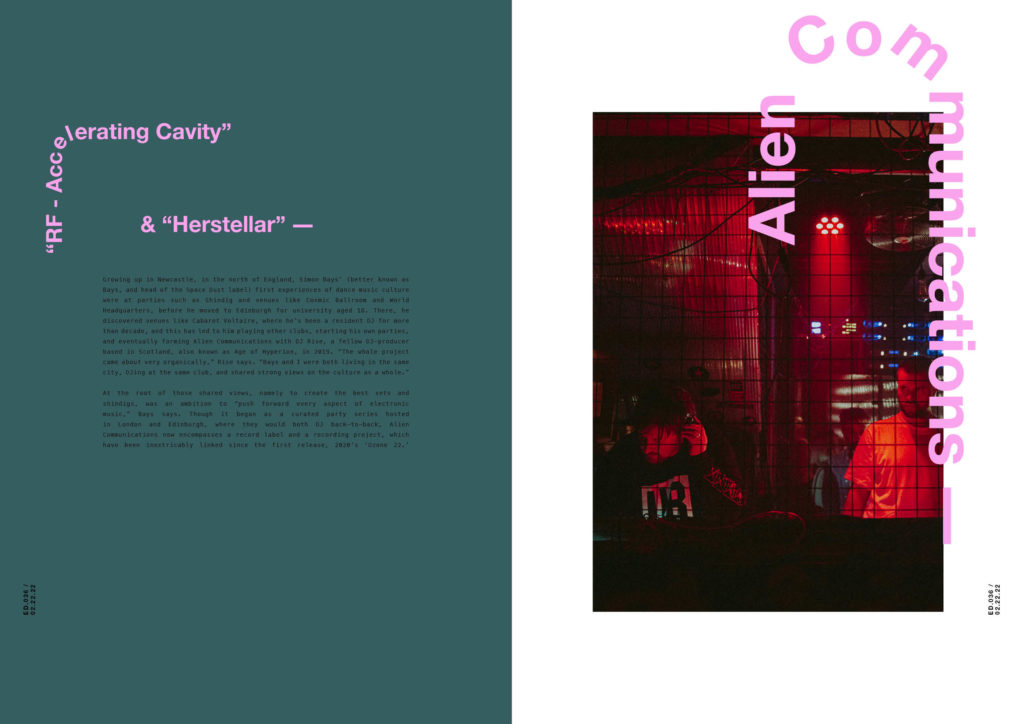
This package is a little different from previous editions, in that it’s a collaboration with Alien Communications, the label, event series, and production duo headed up by Simon Bays’ (better known as Bays) and DJ Rise, a storied DJ-producer also based in Edinburgh, otherwise known as Age of Hyperion. As they prepare to throw a mega London event this weekend, featuring the likes of OMAR, Vlada, and Jos, we’ve teamed up with them to offer free tickets to the event and a package of five exclusive, previously unreleased tracks from three of the artists.
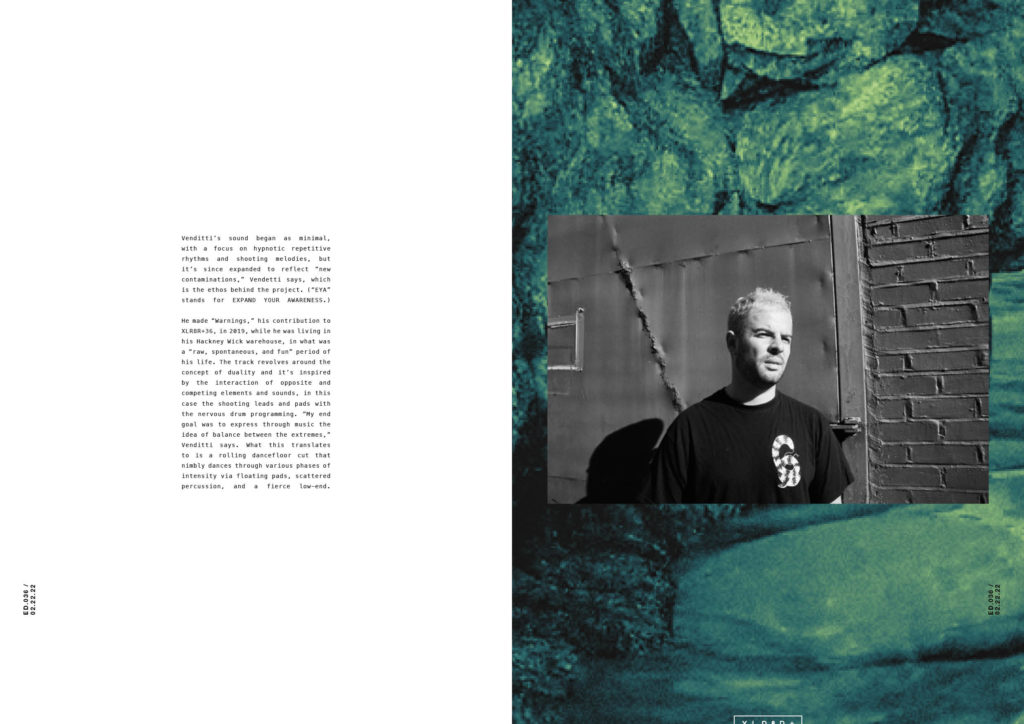
Up first is Modus, a DJ-producer born Dominic Meade, one of the latest signees to Alien Communications. The Scottish artist delivers two tracks, “2” and “Hold On,” showing not only his range but also giving us a taste of his upcoming debut album. Next up is Alien Communications with “Accelerating Cavity” and “Herstellar,” two deep and spacey electro cuts with nods to the machine-funk of Detroit. Closing the edition is Jos with “Warnings,” which he made in 2019, aiming to capture a freewheeling period of his life, when he was living in Hackney Wick, London, and able to “make music 24/7, with no noise complaints.” It’s the perfect end to a collection of music filled with dancefloor frenzy and intergalactic rhythms, and we hope you enjoy it as much as we have.
This month’s cover art and NFT comes from the elusive AJAM, a Bristol-based artist inspired by quantum physics, spirituality, and the unanswerable concepts that exist within both.
Thank you for your continued support.
The XLR8R team.
The music, PDF zine, and wallpaper art can be downloaded once you SUBSCRIBE HERE. If you’re already a subscriber, you can download the package below.
Francis Harris has been making emotionally charged atmospheric soundscapes for just shy of a decade. Within this period, he’s released three exceptional solo long-players—2012’s Leland, 2014’s Minutes of Sleep, and 2019’s Trival Occupations—as well as two albums as one half of Aris Kindt. Later this week, he will return with Thresholds, a new album that’s inspired by the political upheavals of the present day. Whereas his previous solo albums have relied on a singular thematic drive, Thresholds aims to simply deliver fully formed psycho-acoustical worlds. We’re told to expect the work of a mature artist “fully in control of his powers.”
Harris’ music has not always been so richly-textured and moving. Up until 2012, almost all of his solo work had come in the form of loopy tech house, released as Adultnapper, but then something changed. With Leland, long gone were the thick, driving basslines and electronic sounds, replaced instead with nuanced music rich with organic textures, vocals, and jazz references. The spark was the death of his father, and 2014’s Minutes of Sleep was also deep-rooted in family tragedy, in this case, the death of his mother. Trival Occupations, its follow-on, documented Harris’ resultant battles with depression, and how he’d found comfort in meditation and running, allowing him to feel “much less heavy.” Though Thresholds pursues a similarly sumptuous aesthetic, it’s freed from narrative, the result of an improvised live soundtrack to silent films
We’ve been trying to rope Harris in for a podcast for some time, and finally, it’s here. Recorded towards the end of January in New York, it’s filled with the blissful sounds that have come to signify Harris’ music, coming from Khotin, Grouper, and Aleksi Perälä, among others. Much like the new album, there’s nothing conceptual about it: expect a warm collection of Harris’ favorite musical discoveries, sequenced to maximum meditative effect.
01. What have you been up to recently? Mostly just working at my business, Public Records, and making some new records with Anthony Collins as Frank & Tony.
02. Your new album, Thresholds, is landing this week. What can you tell us about it? It’s a sonic exploration of the conceptual work of Leibniz and Bergson through the lens of Gilles Deleuze.
03. How does it compare to your earlier, conceptual material? My first three albums were conceptually tied to life events so they are more personal than Thresholds.
04. Thresholds’ was produced during the pandemic. How has this impacted the music? Thresholds came out of a series of improvised live soundtracks to silent films that were aired on the Public Records Public Access channel when the venue was closed during the initial shut down. I then went about developing the music into more complete compositions.
05. Where and when did you record this mix? A few weeks ago in the booth of Public Records.
06. How did you go about choosing the tracks that you’ve included? I just included music that I’ve been listening to on my training runs, when I’m not listening to podcasts.
07. What can the listener expect? Don’t really like to set expectations. Just can say there’s no shortage of astonishing music out there!
08. What’s on your agenda for 2022? Take it day to day, put away my phone, and read more.
XLR8R has now joined Mixcloud Select, meaning that to hear the podcast offline you will need to subscribe to our Select channel to listen offline, or subscribe to XLR8R+ to download the file. The move to Mixcloud Select will ensure that all the producers with music featured in our mixes get paid. You can read more about it here.
Full XLR8R+ Members can download the podcast below.If you’re not an XLR8R+ member, you can read more about it and subscribe here.
Tracklisting
01. Khotin “WEM Lagoon Jump” (Ghostly) 02. Slow Riffs “Peace Arch” (Mood Hut) 03. Tomu Dj “Wild Woods” (Side Chick Records) 04. Francis Harris “Useless Machines” (Scissor & Thread) 05. His Name is Alive “My Thoughts are to Thee Dawn” (Home Recordings) 06. Aleksi Perälä “F13AC2263070” (AP Musik) 07. Ana Roxanne “Camille” (Kranky) 08. Li Yilei “CHU” (Métron Records) 09. Nueen “Centro Gris” (Good Morning Tapes) 10. Topdown Dialectic “A4” (Peak Oil) 11. Opto “Opto File 1” (Noton) 12. Deft “Cracks” (20/20 LDN) 13. Gi Gi “Tar Bae” (Theory Therapy) 14. Yutake Hirose “Old Dream Spell” (WRWTFWW) 15. Yarrow “Lover” (Self-released) 16. Grouper “STS” (Kranky) 17. Nueen “syn” (Quiet Time)